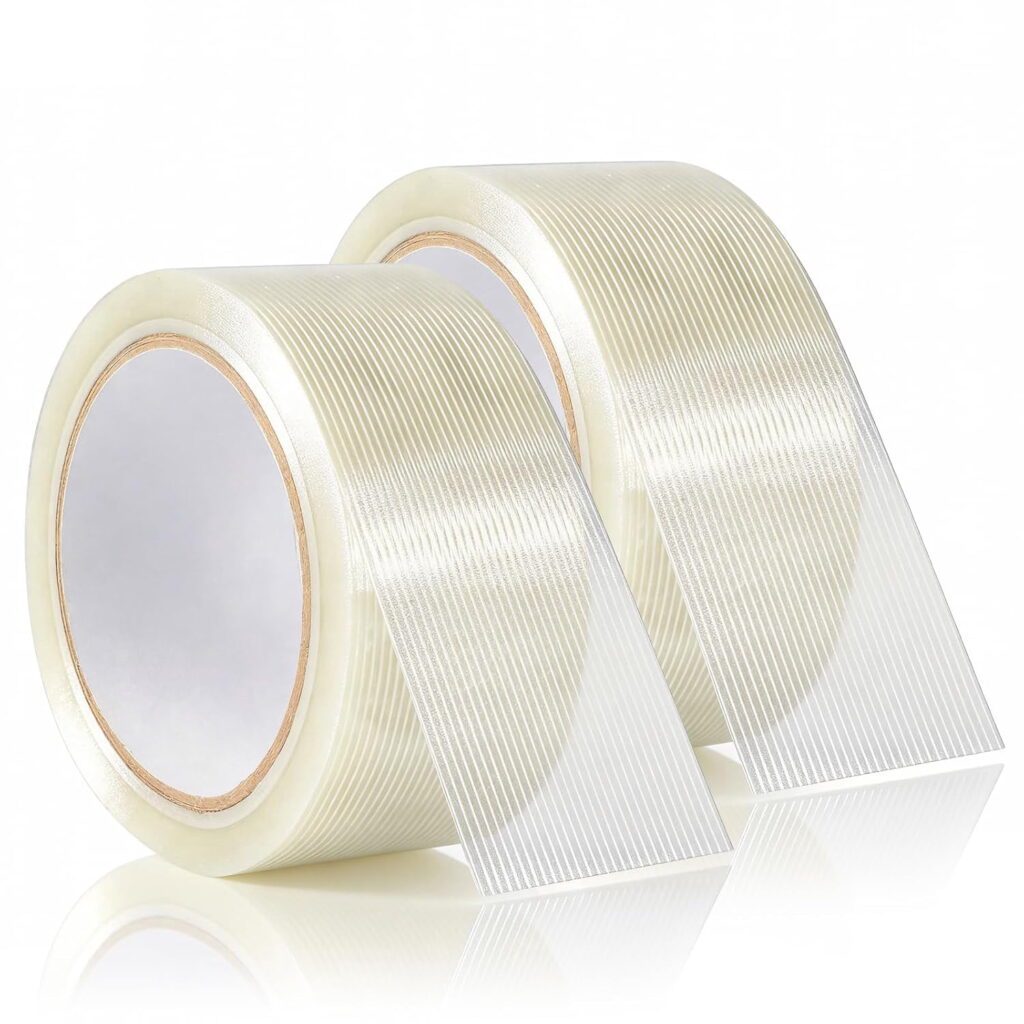
Introduction: Navigating the Global Market for Heavy duty nano tape
Sourcing heavy-duty nano tape for industrial-scale applications presents a complex procurement challenge in today’s fragmented global supply chain. As manufacturing hubs in Vietnam and Germany drive demand for advanced bonding solutions across automotive, electronics, and construction sectors, buyers throughout Africa, South America, and the Middle East face critical decisions regarding quality consistency, supplier verification, and total cost optimization. The microscopic suction-cup technology that defines premium nano adhesive varies dramatically between manufacturers, creating significant procurement risks for enterprises requiring residue-free, reusable adhesion capable of supporting substantial loads in diverse environmental conditions.
What critical factors should procurement teams evaluate when sourcing industrial nano tape?
Navigating the supplier landscape from Guangdong to Frankfurt requires sophisticated vetting protocols. This guide examines how to authenticate genuine nanotechnology specifications versus inferior alternatives, analyze load-bearing capacities for heavy-duty mounting applications, and assess temperature resistance requirements across varying climatic zones. We address the specific pain points of cross-border logistics, certification verification, and quality control standards that impact long-term procurement success.
How does this resource optimize your adhesive procurement strategy?
Throughout the following sections, we dissect specific heavy-duty variants—from double-sided industrial formulations to automotive-grade temperature-resistant tapes—while mapping applications across electronics manufacturing, commercial signage, and structural assembly. You’ll discover comprehensive frameworks for supplier qualification, bulk pricing negotiation, and inventory management that ensure consistent supply chain performance.
Why does regional market intelligence matter for emerging economy buyers?
Whether you’re equipping facilities in São Paulo, Lagos, Dubai, or Hanoi, this guide delivers actionable intelligence on regional compliance standards, import duty structures, and localized application requirements. By bridging Asian manufacturing capabilities with European quality benchmarks, we empower procurement professionals to secure high-performance nano tape solutions that balance industrial durability with strategic cost management.
Understanding Heavy duty nano tape Types and Variations
| タイプ名 | 主な特徴 | 主なB2Bアプリケーション | バイヤーのための簡単な長所と短所 |
|---|---|---|---|
| Industrial Double-Sided Heavy Duty Nano Tape | Enhanced polymer density (1–2mm thickness), dual-sided micro-suction structure, washable regeneration capability | General manufacturing, retail fixture mounting, temporary exhibition stands, warehouse signage | Pros: Cost-effective for bulk procurement, versatile surface compatibility Cons: May degrade in extreme humidity without proper storage |
| High-Temperature Automotive Grade Heavy Duty Nano Tape | Silicone-modified acrylic adhesive, thermal stability (-20°C to 120°C), UV-resistant backing | Automotive interior assembly, outdoor digital signage, Middle Eastern construction projects, industrial machinery mounting | Pros: Withstands thermal cycling and direct sunlight Cons: Premium pricing, requires surface preparation for optimal bonding |
| Ultra-Thick Load-Bearing Nano Tape (3mm+) | Maximum thickness polymer matrix, reinforced nano-porous structure, shear strength >25N/cm | Heavy industrial equipment mounting, marble/granite facade installation, permanent fixture bonding in commercial spaces | Pros: Exceptional weight capacity (up to 10kg/cm²), dampens vibration Cons: Reduced flexibility on curved surfaces, higher freight costs due to bulk |
| Transparent Architectural Heavy Duty Nano Tape | Crystal-clear optical grade finish, heavy-duty adhesion without yellowing, residue-free removal | Glass curtain wall installations, luxury retail displays, museum exhibitions, high-end interior design | Pros: Aesthetic invisibility, compatible with polished stone and glass Cons: Dust sensitivity during application, requires climate-controlled storage |
What distinguishes industrial double-sided heavy duty nano tape from standard grades?
Industrial double-sided heavy duty nano tape features a denser polymer matrix typically measuring 1–2mm in thickness, delivering significantly higher tensile strength than consumer-grade alternatives. This variant utilizes a dual-sided micro-suction structure that maintains adhesion across multiple cycles while supporting substantial static loads. For B2B buyers managing procurement across diverse climates—from humid Southeast Asian markets to arid Middle Eastern environments—this type offers reliable performance on concrete, metal, and painted surfaces without substrate damage. When sourcing, verify the polymer density specifications and ensure suppliers provide batch consistency certificates, as density variations directly impact load-bearing capacity and long-term reliability in industrial applications.
When should buyers specify high-temperature resistant heavy duty nano tape?
High-temperature automotive grade heavy duty nano tape becomes essential when applications involve thermal cycling or prolonged exposure to elevated temperatures, particularly in automotive assembly lines or outdoor digital signage installations in tropical climates. Engineered with silicone-modified acrylic adhesives, these tapes maintain structural integrity between -20°C and 120°C, preventing adhesive flow or embrittlement that compromises standard nano tapes. B2B procurement teams should prioritize variants with UV-resistant backing materials when specifying for outdoor Middle Eastern or South American projects, where intense solar exposure accelerates degradation. Consider requesting thermal cycling test data and ISO-certified temperature ratings from manufacturers to validate performance claims before committing to bulk purchasing agreements.
How do ultra-thick load-bearing variants support industrial mounting requirements?
Ultra-thick load-bearing nano tape (3mm+) employs a reinforced nano-porous structure engineered specifically for permanent or semi-permanent industrial mounting where vibration dampening and maximum shear strength exceeding 25N/cm are required. This variation excels in heavy manufacturing environments, supporting marble facade installations and industrial machinery mounting without mechanical fasteners that damage substrates. The increased polymer thickness provides cushioning properties that absorb operational vibrations, extending equipment lifespan while maintaining repositioning capability. However, procurement officers should note that reduced flexibility limits application on curved surfaces, and the increased bulk impacts shipping volumes—critical considerations for cost-sensitive markets in Africa and South America where freight optimization directly drives project profitability.
Why choose transparent heavy duty nano tape for architectural applications?
Transparent architectural heavy duty nano tape combines optical-grade clarity with industrial-strength adhesion, specifically formulated for glass curtain walls, luxury retail environments, and museum exhibitions where aesthetic perfection is non-negotiable
Key Industrial Applications of Heavy duty nano tape
| 業界/セクター | Specific Application of Heavy duty nano tape | ビジネスにとっての価値/利益 | このアプリケーションにおける主な調達上の考慮事項 |
|---|---|---|---|
| 建設・インフラ開発 | Temporary mounting of safety signage, protective barriers, and lighting fixtures on concrete, steel, and unfinished surfaces | Eliminates drilling damage on leased equipment and temporary structures; reusable across multiple project phases reducing material waste in remote job sites | UV resistance for prolonged outdoor exposure; adhesion strength on rough/porous substrates; bulk packaging options for large-scale infrastructure projects |
| Automotive Assembly & Aftermarket | Fixture mounting for temporary assembly jigs, interior component bonding, and paint shop masking applications | Residue-free removal prevents paint and surface damage; temperature stability (80°C+) suitable for paint booth environments; anti-static properties protect electronic components | Heat resistance certification to automotive standards; thickness consistency for automated production lines; anti-static specifications for electronics integration |
| Renewable Energy Installation | Temporary cable routing and sensor mounting on wind turbine towers and solar panel tracking systems | Weather-resistant hold without inducing galvanic corrosion on metal frameworks; washable reusability reduces installation material costs across multiple turbine commissions | Weatherproofing ratings for extreme climates (desert heat/humidity); die-cut availability for specific cable diameters; compliance with IEC electrical installation standards |
| Commercial Retail & Exhibition Services | Temporary fixture mounting for pop-up retail stores, trade show booths, and museum exhibition installations | Damage-free removal preserves venue security deposits; transparent appearance maintains aesthetic integrity of high-end displays and glass installations | Clean-removal guarantee on painted drywall and polished surfaces; immediate tack strength for rapid same-day setup; custom width rolls for branded display applications |
| Logistics & Heavy Equipment | Securing loose instrumentation and vibration dampening on heavy machinery during maritime and overland transport | Prevents component shifting damage without permanent fasteners; adheres to slightly oily/dusty metal surfaces common in mining and port environments; eliminates drilling on shipping containers | Dust-resistant adhesive formulations; dynamic shear load specifications for rough terrain; temperature performance range for uncontrolled maritime container environments |
How does heavy-duty nano tape solve temporary mounting challenges in construction?
Heavy-duty nano tape serves as a critical temporary fastening solution in construction zones across emerging markets. Contractors utilize it to mount safety signage, temporary lighting fixtures, and protective films on concrete, steel, and glass surfaces without drilling. This eliminates surface damage on leased equipment and unfinished structures, particularly valuable in regions where equipment rental costs significantly impact project margins. The tape’s washability allows reuse across multiple project phases, addressing material scarcity concerns common in remote African and South American job sites.
What are the automotive manufacturing applications for temperature-resistant nano tape?
In automotive assembly plants from Germany to Vietnam, heavy-duty nano tape functions as a temporary jig mounting solution and interior component bonding agent. Its temperature resistance proves essential in paint shop environments where standard adhesives fail. The anti-static variants protect sensitive electronic components during installation. For aftermarket suppliers, the residue-free removal prevents damage to painted surfaces and leather interiors, reducing warranty claims and rework costs. Buyers should verify heat resistance certifications and thickness consistency for automated production line integration.
Why choose heavy-duty nano tape for renewable energy infrastructure projects?
Solar farm installers and wind turbine technicians leverage heavy-duty nano tape for temporary cable management and sensor mounting on metal frameworks. In Middle Eastern desert environments and humid South American climates, the tape’s weather resistance prevents corrosion-inducing moisture traps while maintaining adhesion. Unlike permanent cable ties that require cutting and replacement, nano tape allows repositioning during commissioning phases. Procurement teams must prioritize UV-stabilized formulations and verify die-cutting capabilities for specific cable diameters to ensure compatibility with IEC installation standards.
How can exhibition services benefit from residue-free mounting solutions?
Exhibition service providers across Europe and Asia utilize heavy-duty nano tape for rapid deployment of trade show booths and retail pop-ups. The transparent formulation maintains visual aesthetics when mounting LED strips, acrylic signage, and glass panels. Its immediate tack strength enables same-day setup and breakdown without damaging expensive venue surfaces—a critical factor when working with premium exhibition halls in Germany or luxury retail spaces in the Middle East. Sourcing teams should request clean-removal guarantees on painted drywall and verify static load capacity for overhead mounting applications.
What makes nano tape suitable for logistics and heavy equipment applications?
Maritime shipping companies and mining operations in Africa and South America employ heavy-duty nano tape for temporary securing of loose components during transport and vibration dampening on heavy machinery. The tape’s ability to adhere to dusty, slightly oily metal surfaces—common in mining environments—provides immediate holding power without surface preparation. Its shear strength prevents shifting of sensitive instrumentation during ocean freight. Buyers must prioritize dust-resistant adhesive formulations and verify performance specifications under dynamic load conditions typical of rough terrain transport.
3 Common User Pain Points for ‘Heavy duty nano tape’ & Their Solutions
Scenario 1: How Do You Ensure Heavy-Duty Nano Tape Can Support Industrial Equipment Without Failure?
問題だ: Operations managers frequently encounter catastrophic mounting failures when securing heavy machinery components, industrial signage, or warehouse automation equipment in high-vibration environments. Standard adhesive solutions marketed as “heavy-duty” often shear away under actual industrial loads, creating significant safety liabilities, potential equipment damage, and costly production downtime in manufacturing facilities across Germany, Vietnam, and emerging industrial hubs in Africa and South America. This challenge intensifies when mounting on painted metal surfaces or textured concrete where contact area is compromised, leaving procurement teams searching for reliable alternatives to mechanical fastening that won’t damage leased equipment or facility infrastructure.
解決策 Specify nano tape with quantified weight capacity ratings exceeding 1kg per 10cm² and gel thickness of 2mm or greater for industrial applications. Prioritize double-sided acrylic formulations with reinforced core layers specifically engineered for shear resistance
Strategic Material Selection Guide for Heavy duty nano tape
Selecting the optimal substrate for heavy-duty nano tape requires balancing load-bearing requirements against environmental stressors unique to diverse industrial climates. While consumer-grade nano tape utilizes thin acrylic formulations, industrial-grade variants employ specialized polymer matrices engineered for specific B2B applications—from precision automotive assembly in Germany to high-temperature outdoor signage in Dubai. Material composition directly impacts procurement ROI, determining whether installations withstand thermal cycling in African logistics hubs or maintain adhesion in humid Southeast Asian manufacturing facilities. Understanding these material distinctions enables procurement teams to avoid costly installation failures and specify tapes aligned with ISO 9001 quality management standards required in European and automotive supply chains.
Which Polymer Matrix Delivers Superior Load Distribution for Industrial Mounting Applications?
High-density polyurethane (PU) acrylic gel represents the foundational technology for heavy-duty nano tape, typically manufactured in thicknesses ranging from 1.0mm to 3.0mm for industrial applications. This viscoelastic polymer matrix generates millions of nano-scale suction cups that actively conform to microscopic surface irregularities, distributing shear forces across broader contact areas than mechanical fasteners. For B2B buyers in Vietnam’s electronics manufacturing sector, PU gel provides critical vibration dampening properties when mounting sensitive control panels and industrial IoT sensors, while offering sufficient tensile strength to secure equipment weighing up to 5kg per square inch without substrate damage. The material demonstrates excellent immediate tack and washability, supporting circular economy initiatives. However, procurement teams should note that standard PU formulations maintain optimal adhesion only within 0°C to 60°C operational ranges, with performance degradation occurring in sustained high-heat environments common in Middle Eastern logistics facilities or direct African sunlight exposure.
What Material Formulation Withstands Extreme Temperature Variations in Automotive and Outdoor Environments?
Silicone-modified nano-polymers address critical temperature limitations inherent in standard acrylic formulations, engineered specifically to maintain adhesive integrity across extreme thermal cycles from -40°C to 150°C. This elastomeric compound incorporates siloxane backbones that resist thermal degradation and UV radiation, making it indispensable for German automotive suppliers requiring under-hood component fixation or outdoor industrial monitoring equipment. Unlike PU alternatives, silicone-based heavy-duty nano tape exhibits minimal outgassing—critical for aerospace and cleanroom applications—and retains flexibility in freezing conditions prevalent in high-altitude South American mining operations. The material demonstrates exceptional chemical resistance against oils and solvents. However, procurement officers must account for premium pricing tiers and stringent surface preparation requirements; hydrocarbon contamination significantly compromises bonding strength, necessitating rigorous isopropyl alcohol cleaning protocols in industrial African manufacturing environments where dust and oil particulates are prevalent.
How Do Hybrid Acrylic-Silicone Composites Optimize Cost-Performance for Multi-Climate Operations?
Hybrid formulations strategically blending acrylic gel with silicone elastomers offer procurement officers a cost-optimized middle-ground solution for enterprises operating across diverse geographic deployments. These composite materials provide enhanced UV resistance critical for outdoor retail signage and solar panel mounting across African and Middle Eastern markets, while maintaining the washability characteristics valued in European circular economy initiatives. The structure typically supports 3-7kg loads depending on substrate thickness, suitable for temporary exhibition builds, modular cleanroom partitioning, and lightweight machinery fixation. B2B buyers should evaluate that hybrid tapes exhibit slower initial tack development compared to pure acrylics, requiring 24-hour curing periods to achieve maximum holding power—a consideration for humid Southeast Asian conditions where moisture interference during setup can compromise long-term adhesion. The balanced formulation offers moderate temperature tolerance (-20°C to 80°C) sufficient for most warehouse environments without the premium associated with full silicone systems.
| 素材 | Typical Use Case for Heavy duty nano tape | 主な利点 | 主な欠点/制限 | 相対コスト |
|---|---|---|---|---|
| High-Density Polyurethane (PU) Acrylic |
In-depth Look: Manufacturing Processes and Quality Assurance for Heavy duty nano tape
Heavy-duty nano tape represents a significant evolution from standard consumer-grade variants, requiring precision engineering in both material composition and structural design. Unlike standard double-sided tapes that rely purely on chemical adhesives, heavy-duty nano variants depend on physical vacuum adhesion created through nanoscale surface engineering, necessitating specialized production environments with controlled particulate levels and precision coating equipment. For B2B procurement teams evaluating suppliers across global manufacturing hubs, understanding the technical nuances of production workflows and quality assurance protocols ensures consistent performance in demanding industrial applications. The manufacturing journey transforms advanced polymer substrates into high-performance bonding solutions capable of supporting substantial loads while maintaining the reusability characteristics critical for cost-effective operations.
What raw materials define heavy-duty nano tape performance?
The foundation of industrial-grade nano tape lies in advanced acrylic foam polymers engineered with specific viscosity and elasticity coefficients. Manufacturers source medical-grade or optical-grade acrylic resins that undergo molecular cross-linking to create the microscopic suction cup structures essential for nano-adhesion. For heavy-duty variants intended for construction or automotive applications, formulators integrate UV stabilizers and anti-static additives to prevent degradation in high-sunlight environments common in Middle Eastern and African markets. The substrate thickness typically ranges between 1.0mm and 3.0mm, significantly exceeding consumer-grade alternatives, requiring precise control of polymer density to balance flexibility with load-bearing capacity.
How is the nano-suction structure manufactured at scale?
Production begins with precision extrusion of the acrylic base layer, followed by nano-structuring processes that create millions of microscopic cavities per square centimeter. Advanced manufacturers employ either laser micro-etching or chemical templating techniques to engineer the suction cup arrays that generate vacuum adhesion forces. Cleanroom conditions (typically ISO Class 7 or better) prevent airborne contaminants from embedding in the viscoelastic polymer during the critical curing phase, as even microscopic dust particles can compromise the suction cup arrays. The coating phase applies a thin, transparent protective layer that maintains surface energy while preventing dust contamination during the 24-48 hour curing cycle. Multi-layer lamination ensures uniform thickness across the entire roll, with heavy-duty specifications requiring tolerance controls of ±0.05mm to prevent weak points under stress.
What quality control tests validate load-bearing reliability?
B2B buyers should verify that suppliers conduct rigorous mechanical testing aligned with international standards such as ASTM D3330 for peel adhesion and ASTM D3654 for shear resistance. Quality laboratories perform dynamic load testing where samples must sustain specified weights (typically 5-20kg per square inch for heavy-duty grades) for extended periods without creep or detachment. Holding power tests measure the duration samples maintain adhesion under constant load, with premium heavy-duty grades demonstrating 72+ hour resistance on painted drywall and powder-coated metal surfaces common in European industrial facilities. Cyclic adhesion testing simulates repeated attachment and removal cycles, verifying that washability claims hold true through 50+ regeneration cycles using standard water rinsing protocols.
How do manufacturers ensure environmental resistance for diverse climates?
Given the varied climatic conditions across target markets from humid Vietnamese manufacturing facilities to temperature-fluctuating German warehouses, heavy-duty nano tape undergoes accelerated aging protocols. Temperature cycling tests expose samples to ranges between -20°C and +80°C to simulate both refrigerated transport and desert exposure. Humidity resistance validation maintains samples at 85% relative humidity for 72 hours to assess performance degradation in tropical African or South American environments. Salt spray testing (ASTM B117) proves particularly critical for buyers in coastal African nations or marine applications, verifying that the acrylic composition resists corrosion and maintains structural integrity in high-salinity atmospheres. UV exposure chambers simulate six months of direct sunlight to verify that transparency and adhesion remain stable for outdoor signage applications.
What certifications should international buyers verify?
Procurement teams must prioritize suppliers holding ISO 9001:2015 certification for quality management systems and ISO 14001 for environmental management, indicating standardized production controls. For European markets including Germany, REACH compliance and RoHS certification confirm the absence of restricted substances, while UL listings prove safety for electrical mounting applications. Suppliers serving the automotive sector should provide IATF 16949 certification, demonstrating adherence to stringent quality requirements for vehicle assembly applications where tape failure could result in significant liability exposure. Middle Eastern buyers should request SASO (Saudi Standards, Metrology and Quality Organization) compliance certificates, whereas African markets increasingly require SONCAP (Standards Organization of Nigeria Conformity Assessment Program) or equivalent regional certifications.
How does thickness calibration impact heavy-duty performance specifications?
The correlation between substrate thickness and load capacity follows precise engineering parameters, with each 0.5mm increment providing approximately 40% additional shear resistance in properly manufactured tape. Quality assurance protocols employ laser micrometers to verify caliper consistency across the entire master roll, identifying high or low spots that could create stress concentration points. Digital thickness mapping creates topographical reports that identify density variations invisible to visual inspection, allowing manufacturers to segment rolls by performance grade. For automotive and construction applications requiring vibration resistance, manufacturers test compression set characteristics to ensure the foam structure rebounds after prolonged weight bearing. Buyers should request gauge reports demonstrating uniformity within ±3% variance, as inconsistent thickness directly correlates to premature failure in heavy-duty mounting scenarios.
What packaging protocols preserve adhesive integrity during global shipping?
The final manufacturing phase involves protective packaging designed to maintain optimal surface energy during ocean freight and extended warehousing. Individual rolls receive moisture-barrier film wrapping with desiccant packets to prevent humidity activation of the nano-structures before installation. Temperature-controlled storage recommendations (15-25°C) accompany shipments to prevent polymer degradation during transit through equatorial regions. Manufacturers typically guarantee 12-24 month shelf life when stored in original packaging, with lot numbers enabling traceability back to specific production batches for quality recall purposes if necessary. Proper packaging ensures that B2B buyers receive product with virgin adhesion properties, ready for immediate deployment in critical industrial applications.
Understanding these manufacturing and quality assurance parameters enables procurement professionals to distinguish between commodity-grade adhesives and true industrial nano tape solutions. By verifying material specifications, testing protocols, and certification portfolios, buyers secure supply chains capable of delivering consistent performance across diverse operational environments from German automotive assembly lines to Vietnamese electronics manufacturing facilities.
Practical Sourcing Guide: A Step-by-Step Checklist for ‘Heavy duty nano tape’
Procuring heavy-duty nano tape for industrial or commercial applications requires more than comparing price points. This checklist provides procurement teams with actionable steps to evaluate suppliers, verify product specifications, and mitigate risks when sourcing high-performance adhesive solutions across international markets.
How Do You Verify Load-Bearing Capacity and Thickness Specifications?
Request quantified technical datasheets that specify weight limits per square centimeter for heavy-duty variants, which typically range from 1mm to 3mm in thickness. Clarify whether performance ratings apply to smooth surfaces like glass or textured industrial substrates common in manufacturing environments. Demand video evidence or third-party testing reports demonstrating that the tape maintains adhesion under your specific load requirements and environmental conditions.
What Certifications Should You Request for International Compliance?
Validate that manufacturers hold ISO 9001 quality management certifications and region-specific compliance documents relevant to your target markets. For European Union imports, verify REACH and RoHS conformity; Middle Eastern buyers should request SASO or GCC compliance certificates; African and South American procurement teams need SGS or Intertek inspection reports. If deploying in automotive or electrical sectors, confirm the nano tape meets specific fire resistance and anti-static standards.
How Can You Implement Sample Testing Before Bulk Procurement?
Order multiple sample rolls from different production batches to test batch consistency and quality control. Conduct washability tests by cleaning samples with water to verify adhesive restoration, then apply them to surfaces typical in your region, considering local humidity and temperature variations. Document removal residue tests and establish reusability limits by cycling samples through at least ten application and removal cycles.
What Customization and MOQ Terms Suit B2B Requirements?
Inquire about OEM branding options, custom widths ranging from 5mm to 50mm, and private-label packaging suitable for retail distribution in your local market. Clarify minimum order quantities, noting that heavy-duty variants often require higher MOQs than standard grades due to material density and acrylic gel composition. Negotiate tiered pricing structures that accommodate initial trial orders of 500-1000 rolls before committing to full container volumes.
How Do You Assess Manufacturing Capacity and Quality Control?
Request virtual or physical factory audits focusing on cleanroom standards, as nano tape production requires dust-free environments to maintain the integrity of microscopic suction cup structures. Verify whether suppliers conduct 100% adhesion testing or statistical sampling on heavy-duty batches, and confirm their raw material traceability for acrylic gel components. Check current production lead times against your inventory turnover rates to ensure supply chain continuity.
What Logistics and Storage Protocols Ensure Product Integrity?
Confirm suppliers use moisture-barrier packaging with silica gel inserts to prevent premature adhesion activation during sea freight transits lasting 30-45 days. Discuss temperature-controlled shipping options if transporting through extreme climates, as acrylic adhesives can degrade when exposed to sustained temperatures above 60°C. Verify customs classification codes—typically HS Code 3919 for adhesive tapes—and confirm whether the supplier provides complete export documentation for your specific region.
How Should You Structure Payment Terms and After-Sales Support?
Utilize secure payment methods like Alibaba Trade Assurance or documentary letters of credit for initial transactions with overseas manufacturers. Establish clear defect rate thresholds—typically under 0.5% for heavy-duty grades—and confirm whether the supplier provides technical support for application training or replacement protocols for batch inconsistencies. Ensure contracts specify warranty periods for adhesive performance degradation and define procedures for handling customs inspections or shipping damage claims.
Comprehensive Cost and Pricing Analysis for Heavy duty nano tape Sourcing
What Factors Determine Heavy Duty Nano Tape Pricing in B2B Markets?
Heavy-duty nano tape pricing varies significantly based on polymer density and tensile specifications. Industrial-grade variants featuring enhanced acrylic formulations command premium rates compared to standard consumer versions, particularly when engineered for extreme temperature resistance (-20°C to 120°C) required in Middle Eastern and European industrial applications. Thickness measurements—typically ranging from 1mm to 3mm for heavy-duty applications—directly correlate with load-bearing capacity and per-unit costs. Specialized anti-static formulations for electronics manufacturing, prevalent in Vietnam’s growing tech sector, add 15-20% to base material costs but prevent costly component damage during assembly.
How Do Volume Tiers Affect Cost Per Meter for Bulk Procurement?
B2B procurement typically follows tiered pricing structures where 1,000-meter MOQs (Minimum Order Quantities) reduce unit costs by 35-45% compared to retail equivalents. For African and South American distributors, negotiating consolidated container loads (20ft or 40ft) optimizes shipping economies, often reducing landed costs by $0.12-$0.18 per meter. Manufacturers frequently offer additional 8-12% discounts for annual contract commitments exceeding 50,000 meters, particularly valuable for German automotive suppliers requiring consistent specification adherence. Bulk packaging options—such as jumbo rolls versus individual cut pieces—further reduce handling expenses by eliminating repackaging labor at destination warehouses.
Why Should Buyers Calculate Total Cost of Ownership Beyond Unit Price?
The reusable nature of nano tape fundamentally alters TCO calculations. While initial procurement prices may exceed traditional foam tapes by 200-300%, heavy-duty nano tape’s washability (restoring adhesion through 500+ cleaning cycles) eliminates recurring purchase frequencies. For Vietnamese electronics manufacturers, this translates to 60-70% adhesive cost reduction over 24-month operational periods despite higher upfront investment. Factor in reduced surface damage liability—nano tape leaves no residue on expensive German machinery or African marble installations—and insurance and maintenance savings compound the financial advantage significantly.
What Regional Logistics Considerations Impact Final Landing Costs?
Import duty structures vary dramatically across target markets—Middle Eastern buyers face 5-8% tariffs on adhesive polymers, while South American markets often impose 15-25% duties plus VAT. European (German) buyers must factor in REACH compliance certification costs ($800-$1,200 per shipment documentation). Sea freight versus air freight decisions critically impact pricing; heavy-duty tape’s density makes ocean freight preferable for orders exceeding 500kg, reducing per-kilogram logistics costs by 80% compared to air cargo. Incoterms selection (FOB versus CIF) determines who bears customs clearance complexity, with DDP (Delivered Duty Paid) arrangements often proving cost-effective for first-time African importers unfamiliar with local tariff classifications.
How Can Buyers Validate Quality Without Inflating Procurement Costs?
Third-party SGS or Bureau Veritas inspection services add 2-3% to total order value but prevent costly specification failures. Requesting pre-shipment samples (100-meter test rolls) allows load-bearing verification without committing to full container risks. Smart buyers negotiate “quality assurance clauses” where suppliers bear testing costs for failed batches, particularly crucial when sourcing from new manufacturers in China’s Guangdong province where production standards vary significantly between facilities. Establishing pilot programs with 500-meter trial orders before scaling to full container loads minimizes exposure to substandard adhesion performance while building supplier relationship credibility.
Alternatives Analysis: Comparing Heavy duty nano tape With Other Solutions
When evaluating mounting solutions for commercial and industrial procurement, decision-makers must balance immediate bonding requirements against long-term operational flexibility, total cost of ownership, and substrate preservation. While heavy duty nano tape offers distinct advantages in reusability and surface protection, traditional industrial methods remain relevant depending on load specifications, environmental exposure, and project duration. This analysis examines how nano tape compares against two prevalent B2B alternatives: industrial-grade acrylic foam tape for permanent bonding applications, and mechanical fastening systems for structural load-bearing scenarios.
Comparative Performance Analysis: Heavy Duty Nano Tape vs. Industrial Alternatives
| 比較の側面 | Heavy Duty Nano Tape | Industrial Acrylic Foam Tape | メカニカル・ファスニング・システム |
|---|---|---|---|
| Initial Bond Strength | High (suction-based, immediate) | Very High (chemical adhesion) | Maximum (physical interlock) |
| Load Capacity | Medium (5–20 kg per application) | High (30–100+ kg static load) | Very High (100+ kg, dynamic loads) |
| Total Cost of Ownership | Low (reusable 500+ times, no waste) | Medium (single-use, replacement costs) | High (labor, tools, substrate repair) |
| Installation Time | Immediate (seconds, tool-free) | 24–72 hours (curing period) | 15–45 minutes (drilling/preparation) |
| Surface Impact | Zero damage (residue-free removal) | Moderate (paint/substrate damage on removal) | Severe (permanent penetration required) |
| 耐熱温度 | -20°C to 80°C (standard) | -40°C to 150°C (extreme weather) | Extreme (material-dependent) |
| Substrate Compatibility | Smooth non-porous surfaces (glass, metal, tile) | Most surfaces including porous materials | Rigid materials only (concrete, steel, wood) |
| Removability | Clean removal, instant reusability | Destructive removal, surface replacement needed | Permanent; requires patching/reconstruction |
| Weather/UV Resistance | Good (indoor/light outdoor use) | Excellent (long-term outdoor exposure) | Excellent (unaffected by moisture/UV) |
| Skill Level Required | Unskilled labor | Moderate (surface prep critical) | Skilled labor (precision drilling) |
How Does Industrial Acrylic Foam Tape Compare to Heavy Duty Nano Tape for Permanent Bonding?
Industrial acrylic foam tape, commonly categorized as Very High Bond (VHB) adhesive, serves as the primary alternative for applications requiring weather-resistant, semi-structural connections between metal panels, glass curtain walls, and automotive trim. Unlike nano tape’s microscopic suction-based adhesion, foam tapes create a permanent chemical crosslink that distributes stress across the entire bond line, offering superior performance in extreme thermal cycling (-40°C to 150°C) critical for Middle Eastern infrastructure and European outdoor signage. However, B2B buyers should note that this permanence becomes a liability in dynamic commercial environments—such as retail fixtures in Vietnam or temporary exhibition structures—where removal necessitates costly surface replacement or extensive substrate repair. While acrylic foam tapes excel in static, long-term installations, they lack the circular economy benefits of nano tape, generating material waste and preventing facility reconfiguration without additional capital expenditure.
When Should Procurement Teams Choose Mechanical Fastening Over Reusable Adhesive Solutions?
Mechanical fastening systems—including threaded anchors, rivets, and welded brackets—remain the default specification for primary structural connections where dynamic shear forces or extreme loads exceed 50 kg, particularly in South American mining operations, African construction sites, or German industrial machinery installations. These systems provide immediate load-bearing capacity without cure times or temperature sensitivities, crucial for uncontrolled climates where adhesive performance may degrade. Nevertheless, mechanical solutions require substrate penetration that compromises waterproofing membranes and creates corrosion risks at penetration points, while demanding skilled labor and specialized tooling that inflate project timelines by 30–50%. For secondary mounting applications—such as cable management, lightweight HVAC components, or modular office partitions—heavy duty nano tape eliminates the liability of compromised building envelopes while supporting rapid deployment strategies essential for fast-track international projects where minimizing labor costs and preserving asset value take precedence over absolute tensile strength.
Essential Technical Properties and Trade Terminology for Heavy duty nano tape
For procurement teams evaluating mounting solutions across diverse climatic zones—from humid Southeast Asian manufacturing hubs to temperature-variable European logistics centers—understanding the technical distinctions between standard consumer-grade and industrial heavy-duty nano tape prevents costly specification errors. Heavy-duty variants utilize cross-linked acrylic gel matrices engineered for substantial load-bearing applications, requiring precise interpretation of performance metrics and standardized trade nomenclature to ensure compliance with project tolerances and regional safety certifications.
What Are the Critical Technical Specifications for Heavy-Duty Nano Tape Applications?
Dynamic Shear Strength (DSS) measures the tape’s resistance to downward sliding forces when mounting vertical loads, typically quantified in N/cm² or psi. For heavy-duty industrial grades, values exceeding 50 N/cm² ensure stability for metal signage, glass panels, and electronic components under constant gravitational stress.
Tensile Holding Power indicates the maximum vertical pull-off force the adhesive withstands before catastrophic failure, usually ranging between 1–5 kg/cm² depending on substrate surface energy. This specification determines suitability for overhead mounting in automotive assembly or suspended cable management systems.
Thermal Operating Range defines functional performance limits across temperature extremes, with premium heavy-duty formulations maintaining adhesion from -30°C to 100°C. This parameter proves critical for Middle Eastern outdoor installations or cold-storage facilities in Northern Europe where thermal cycling causes standard adhesives to embrittle or flow.
破断伸度 (typically 300%–800% for acrylic gel matrices) quantifies the material’s ability to stretch and conform to irregular or curved surfaces without adhesive fracture. High elongation values facilitate bonding to textured industrial substrates like powder-coated metals or lightly oxidized aluminum.
Washability Coefficient specifies the number of regeneration cycles possible through water washing without significant adhesion loss. Industrial-grade nano tapes offer 500–1,000+ reuse cycles, providing lifecycle cost advantages for temporary exhibition builds and reusable shipping fixture applications.
Surface Energy Compatibility indicates adhesion effectiveness across high-energy substrates (metals, glass) versus low-energy surfaces (polypropylene, polyethylene). Heavy-duty variants often incorporate surface-active agents to achieve reliable wet-out on challenging plastics common in automotive interior components.
Which Industry Terms Should Procurement Teams Understand When Evaluating Nano Tape?
PSA (Pressure-Sensitive Adhesive) refers to the permanent tackiness that bonds instantly under light pressure without solvent activation or curing time. In B2B contexts, PSA grade determines whether immediate handling strength is sufficient for just-in-time manufacturing workflows.
Viscoelastic Behavior describes the hybrid viscous-elastic property allowing the tape to dissipate mechanical stress and dampen vibrations. This characteristic proves essential for mounting sensitive electronics or glass components subject to thermal expansion mismatches.
Wet-Out denotes the adhesive’s flow capability into microscopic surface irregularities to maximize molecular contact. Incomplete wet-out on rough-cast metals or composite materials results in reduced bond strength and air pockets that compromise long-term durability.
Creep Resistance measures the material’s ability to resist slow deformation under sustained shear loads over time. High creep resistance prevents mounted objects from gradually sliding downward during months or years of static loading, particularly relevant for permanent architectural installations.
Dielectric Strength specifies electrical insulation capability (measured in kV/mm), a critical parameter when mounting components near live circuits or in anti-static controlled environments prevalent in electronics manufacturing sectors.
Clean Removal Technology indicates adhesive formulations engineered to separate cleanly from substrates without leaving residue, surface staining, or substrate damage upon removal. This property protects leased commercial properties and high-value finished goods from remediation costs during decommissioning or end-of-life disassembly.
Navigating Market Dynamics and Sourcing Trends in the Heavy duty nano tape Sector
The global heavy-duty nano tape market is experiencing accelerated transformation as industries move beyond conventional fastening methods toward reusable, high-performance bonding solutions. For procurement teams across emerging economies and established manufacturing hubs alike, understanding the intersection of technological innovation, regional demand patterns, and responsible sourcing has become critical to maintaining competitive advantage. This section examines the strategic landscape that defines successful B2B acquisition of industrial-grade nano adhesive technologies.
What Are the Emerging Market Trends Shaping Heavy-Duty Nano Tape Demand?
Industrial sectors are increasingly adopting heavy-duty nano tape variants for load-bearing applications previously dominated by mechanical fasteners or permanent adhesives. The automotive industry’s shift toward lightweight material bonding, combined with booming construction activity in Africa and the Middle East, has created robust demand for high-shear strength formulations that withstand extreme temperatures and environmental stress. Meanwhile, European markets, particularly Germany, are driving specifications for nano tapes that support modular manufacturing and circular economy principles, requiring products that maintain adhesion through multiple application cycles without surface degradation.
In Southeast Asian manufacturing corridors like Vietnam, the expansion of electronics assembly and packaging industries has spurred interest in anti-static, heavy-duty nano tape solutions that protect sensitive components while enabling rapid repositioning during production workflows. This regional diversification indicates a market moving away from one-size-fits-all products toward specialized formulations tailored to sector-specific performance benchmarks.
How Is Supply Chain Consolidation Impacting B2B Procurement Strategies?
The manufacturing concentration of nano tape technologies remains heavily centered in East Asia, creating both opportunities and vulnerabilities for international buyers. Procurement officers must navigate complexities surrounding polymer quality consistency, particularly when sourcing heavy-duty variants that require advanced silicone or acrylic formulations to achieve stated weight-bearing capacities. Establishing direct relationships with manufacturers capable of providing batch-specific technical data sheets and ISO-certified quality management systems has become essential, especially for buyers in South America and Africa where import logistics and customs compliance present additional friction points.
Furthermore, the distinction between consumer-grade and industrial-grade nano tape has sharpened, with B2B buyers requiring thicker substrates (typically 1mm–2mm) and enhanced tensile strength ratings that exceed retail specifications. Smart sourcing now involves verifying laboratory testing protocols for washability cycles and temperature resistance before committing to volume contracts.
Why Does Sustainability Drive Competitive Advantage in Heavy-Duty Adhesive Procurement?
The reusable nature of premium nano tape aligns strategically with corporate sustainability mandates increasingly prevalent in European and Middle Eastern markets. Unlike traditional double-sided foams or liquid adhesives that generate installation waste, heavy-duty nano tape’s washability and multi-use capability support waste-reduction KPIs while lowering total cost of ownership across large-scale facility management and construction projects. Procurement teams are now evaluating suppliers based on lifecycle assessment data, favoring products that eliminate single-use plastic components from packaging and utilize non-toxic polymer matrices compliant with REACH regulations.
What Defines Ethical Sourcing in Nano Tape Manufacturing?
Beyond environmental metrics, ethical procurement requires scrutiny of labor practices and raw material traceability within the adhesive supply chain. Responsible B2B buyers are implementing vendor audit protocols that assess factory working conditions, particularly in regions where nano tape production scales rapidly to meet global demand. Transparency regarding the sourcing of petrochemical derivatives used in polymer substrates has become a due diligence priority, with leading purchasers requiring conflict-free mineral certifications and documentation of carbon footprint reduction initiatives at manufacturing facilities.
Strategic procurement of heavy-duty nano tape ultimately requires balancing performance specifications with supply chain resilience and ESG compliance. Organizations that integrate these market dynamics into their sourcing frameworks position themselves to capitalize on the material’s versatility while mitigating risks associated with quality inconsistency and regulatory non-compliance.
Frequently Asked Questions (FAQs) for B2B Buyers of Heavy duty nano tape
1. What is the maximum weight capacity of heavy duty nano tape for industrial mounting applications?
Load Capacity Specifications for Industrial Use
Heavy-duty nano tape utilizes advanced polymer structures with microscopic suction cup technology to distribute weight evenly across mounting surfaces. Industrial-grade variants typically support loads ranging from 5kg to 30kg per square meter depending on surface texture, cleanliness, and application technique. For optimal performance in B2B settings involving heavy machinery or commercial signage, calculate your specific load requirements and apply
重要な免責事項および利用規約
⚠️ 重要な免責事項
メーカー、技術仕様、市場分析に関する内容を含め、本ガイドラインで提供される情報は、情報提供と教育目的のみのものです。専門的な調達アドバイス、財務アドバイス、または法的アドバイスを提供するものではありません。.
B2Bバイヤーは、独自の徹底的なデューデリジェンスを行う必要がある。 をご覧の上、ご購入をお決めください。本ガイドに記載された情報を信頼した場合のリスクは、読者が単独で負うものとします。.
Top 3 Heavy Duty Nano Tape Manufacturers & Suppliers List
1. Xiangyu – Heavy Duty Nano Tape

ドメイン cnxytape.com
登録:2022年(4年)
はじめに Product Name: Nano Tape Heavy Duty Double Sided Mounting Tape. Supplier/Manufacturer: Shenzhen Xiangyu New Material Co., Ltd. Type: Double-sided nano adhesive mounting tape. Key Features: Heavy duty construction, strong hold, versatile, durable and reliable, creates lasting bonds without the mess of traditional adhesives, withstands various conditions. Applications: Mounting items securely, suitab…
2. Topever – Nano Tape
ドメイン topevertape.com
登録:2022年(4年)
はじめに China-based manufacturer, factory, and supplier of Nano Tape. Supplies to global markets including Europe, America, Australia, Latvia, Florida, Paris, and Miami. Positioned as a high-quality, competitively priced solution for product enhancement and repair with pre- and after-sales service. Product line associated with Self Adhesive Tapes, Self Adhesive Abrasive Tape, Fragile Printed Tape, and Bop…
3. ADH Tapes – SlimFlex H-Series & Industrial Tapes
ドメイン adhtapes.com
Registered: 2018 (8 years)
はじめに This company, ADH Tapes – SlimFlex H-Series & Industrial Tapes, is a notable entity in the market.
Strategic Sourcing Conclusion and Outlook for Heavy duty nano tape
As global manufacturing pivots toward sustainable, residue-free bonding solutions, heavy-duty nano tape represents more than a temporary fix—it is a strategic procurement asset. For B2B buyers across emerging and established markets, the shift from traditional mechanical fasteners to advanced polymer adhesion offers measurable reductions in installation time and surface damage liability.
How Can Procurement Teams Future-Proof Their Adhesive Supply Chains?
Strategic sourcing of heavy-duty nano tape requires vetting suppliers for consistent nanoscale manufacturing precision and temperature-resistance certifications. Buyers should prioritize partners offering customizable thickness gradients and bulk packaging options that reduce per-unit shipping costs from Asia to Europe, Africa, and the Americas. Establishing multi-regional supplier relationships mitigates logistics volatility while ensuring compliance with varying industrial safety standards.
What Market Trends Will Define Heavy-Duty Adhesive Demand?
The industrial outlook indicates accelerating adoption in automotive assembly and renewable energy infrastructure, where reusable mounting systems reduce waste. As European and Middle Eastern markets enforce stricter sustainability mandates, washable, residue-free adhesives will transition from niche alternatives to standard procurement specifications. Early adoption of heavy-duty nano tape now positions procurement departments ahead of regulatory curves and evolving OEM requirements.