Introduction: Navigating the Global Market for HVAC Sealing Foil Tape
Sourcing HVAC sealing foil tape for extreme climate durability requires navigating a complex landscape of material specifications, regional compliance standards, and supply chain reliability. For procurement teams managing projects across Africa, South America, the Middle East, and Europe—from the intense heat of Saudi Arabia to the humid coastal regions of Nigeria—selecting the wrong sealing solution can result in vapor seal failures, energy inefficiency, and costly rework. The global market offers myriad options, from acrylic-adhesive aluminum foils rated for -40°C to 149°C operations to UV-resistant metalized films, yet quality inconsistencies and certification gaps often complicate international purchasing decisions.
Why do procurement teams struggle with HVAC tape specifications in diverse climates?
The primary challenge lies in matching material performance to environmental demands. While premium solutions offer UL 181A-P and UL 181B-FX certifications ensuring vapor seal integrity, many suppliers fail to provide adequate technical documentation for extreme temperature fluctuations or humidity resistance. International buyers must verify not only adhesive backing thickness and moisture vapor transmission rates but also logistics capabilities that ensure product integrity during transcontinental shipping.
How can this guide optimize your HVAC sealing foil tape sourcing strategy?
This comprehensive resource examines critical procurement factors including aluminum foil backing grades, acrylic adhesive formulations for sub-freezing applications, and compliance verification protocols. We analyze cost-performance ratios across global supply chains, provide supplier vetting frameworks for emerging markets, and detail application-specific requirements for rigid duct boards versus flexible air connectors. Whether you are specifying materials for large-scale infrastructure in Europe or industrial HVAC installations in South America, this guide equips you with actionable insights to mitigate supply risks, ensure regulatory compliance, and secure long-lasting sealing solutions that perform under pressure.
Understanding HVAC Sealing Foil Tape Types and Variations
| タイプ名 | 主な特徴 | 主なB2Bアプリケーション | バイヤーのための簡単な長所と短所 |
|---|---|---|---|
| UL-Listed Aluminum Foil Tape | 2.0+ mil aluminum backing; UL 181A-P/B-FX certified; acrylic adhesive; operational range -40°C to 149°C | Commercial HVAC duct closure; rigid fiberglass duct board; vapor sealing in regulated construction markets | Pros: Code compliant for inspections, wide temperature tolerance, excellent moisture vapor transmission barrier. Cons: Premium pricing tier, requires meticulous surface preparation for adhesion. |
| Metalized Polypropylene Film Tape | UV-stable metalized PP film construction; high-tack acrylic adhesive; flexible conformability; 3.2 mil typical thickness | Duct wrap insulation sealing; temporary environmental barriers; high ambient heat environments with sun exposure | Pros: Cost-effective alternative to aluminum, UV resistant for outdoor use, conforms to irregular surfaces. Cons: Lower puncture resistance than pure aluminum, adhesive may stiffen in extreme cold. |
| Reinforced Foil-Scrim Tape | Aluminum foil laminated to fiberglass scrim mesh; high tensile strength; tear-resistant; mechanical fastener replacement | Heavy-duty industrial duct board; transportation HVAC; marine and military applications requiring structural integrity | Pros: Exceptional durability under stress, eliminates need for screws/rivets, handles thermal expansion. Cons: Reduced flexibility on complex curves, higher material cost, heavier shipping weight. |
| Cold-Climate Acrylic Foil Tape | Specialized low-temperature acrylic adhesive; maintains tack below -20°C; aluminum or reinforced backing | Outdoor installations in arid desert winters; unconditioned construction sites; MRO in extreme environments | Pros: Immediate adhesion in freezing conditions, no warming equipment needed, reliable vapor seal in cold. Cons: Narrower high-temperature tolerance, limited supplier availability, specialized storage requirements. |
What Makes UL-Listed Aluminum Foil Tape Essential for Code-Compliant Projects?
UL-Listed aluminum
Key Industrial Applications of HVAC Sealing Foil Tape
| 業界/セクター | Specific Application of HVAC Sealing Foil Tape | ビジネスにとっての価値/利益 | このアプリケーションにおける主な調達上の考慮事項 |
|---|---|---|---|
| Commercial Construction & Infrastructure | Sealing rigid fiberglass duct boards and flexible air connectors in high-rise HVAC distribution systems | Prevents energy loss up to 30% in extreme climates; eliminates corrosion risks associated with mechanical fasteners; maintains indoor air quality in dusty environments | UL181A-P and UL181B-FX certifications; acrylic adhesive rated for -40°C to 149°C operational range; low moisture vapor transmission rate (MVTR) for humid tropical or desert conditions |
| Oil, Gas & Petrochemical Processing | Vapor barrier sealing on ductwork in refineries, offshore platforms, and hazardous zone HVAC systems | Reduces explosion risk by replacing spark-generating mechanical fasteners; contains chemical fumes and hazardous vapors; ensures climate control in high-risk areas | Chemical-resistant aluminum backing; compliance with regional safety standards (e.g., Saudi SASO, Nigerian SON, or UAE ECAS); flame-retardant properties; adhesion stability in extreme thermal cycling |
| Cold Chain & Food Processing | Sealing insulated ductwork in refrigerated warehouses, food processing plants, and pharmaceutical storage facilities | Maintains temperature integrity for sensitive cargo; prevents condensation and mold growth that compromise product safety; reduces thermal bridging in high-humidity environments | Sub-freezing adhesion capabilities; UV resistance for outdoor storage applications; FDA-compliant or food-safe adhesive formulations; resistance to sanitizing agents and industrial cleaners |
| Transportation & Heavy Vehicle Manufacturing | HVAC duct sealing in buses, rail systems, mining vehicles, and specialty transport operating in harsh environments | Withstands constant vibration and thermal cycling; reflects engine compartment heat away from passenger areas; prevents dust infiltration that damages evaporator coils | High-tack acrylic adhesive that bonds to oily or dusty surfaces; resistance to automotive fluids and diesel residue; easy-release liner for rapid application in maintenance depots |
| Renewable Energy & Data Centers | Sealing precision cooling systems in solar farms, server facilities, and edge computing installations | Protects sensitive electronics from fine dust and humidity infiltration; reflects radiant heat from intense solar exposure; ensures 24/7 climate control uptime in remote locations | High-tack formulation for quick application in field conditions; thermal stability for rooftop installations exposed to 70°C+ temperatures; anti-static properties; long-term durability with minimal maintenance requirements |
How does HVAC sealing foil tape optimize energy efficiency in commercial construction across extreme climates?
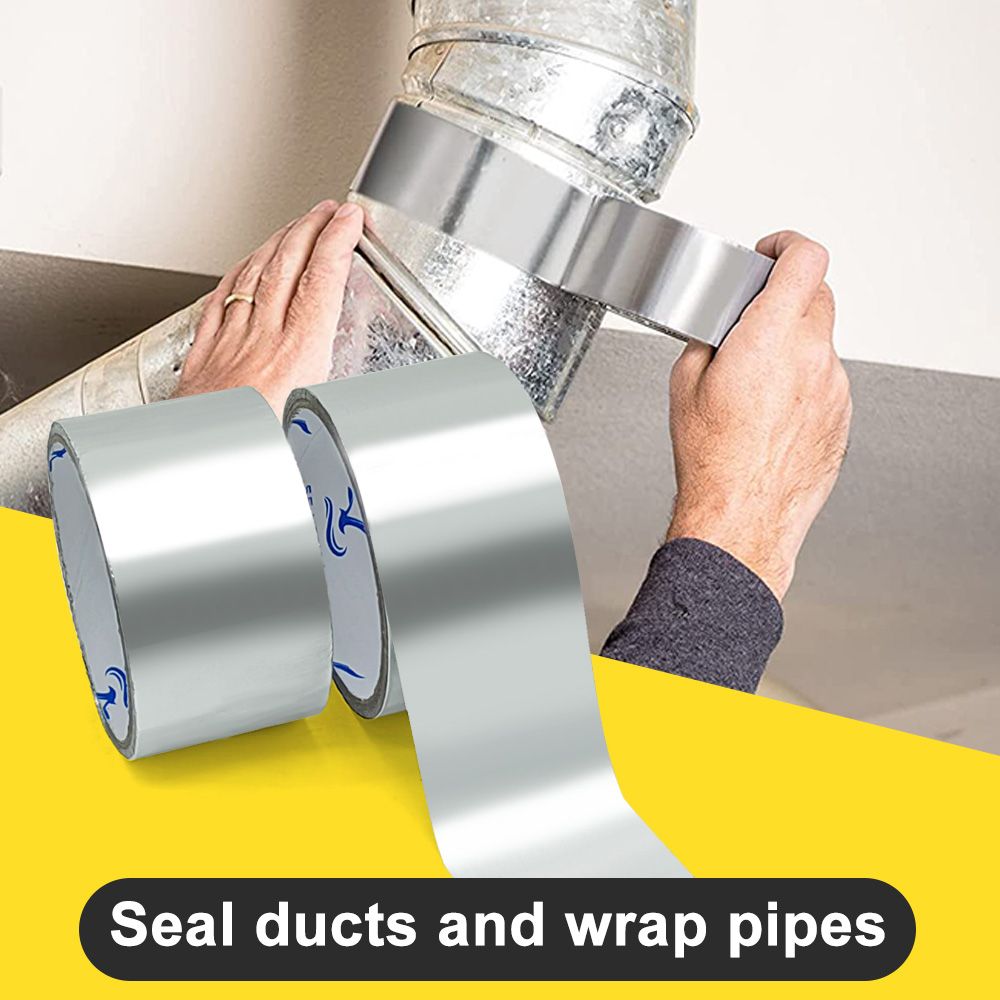
In Saudi Arabia and Nigeria, commercial buildings face intense thermal cycling and airborne particulates that compromise ductwork integrity. High-grade aluminum foil tapes with 2.0 mil backings and acrylic adhesives create vapor-tight seals on rigid fiberglass duct boards, preventing cooled air from escaping while blocking sand and dust infiltration. These systems withstand rooftop temperatures exceeding 70°C without delamination, eliminating corrosion-prone mechanical fasteners
A stock image related to HVAC Sealing Foil Tape.
3 Common User Pain Points for ‘HVAC Sealing Foil Tape’ & Their Solutions
Scenario 1: Adhesive Breakdown Under Extreme Thermal Cycling
問題だ:
B2B buyers sourcing for projects in high-heat regions like Saudi Arabia, Nigeria, or industrial zones in South America frequently encounter tape failure when HVAC systems shift between extreme ambient heat (often exceeding 50°C/122°F) and chilled air distribution. Standard foil tapes with rubber-based adhesives soften, migrate, or lose tack under thermal stress, creating micro-gaps in duct seals. This results in significant energy leakage—often increasing HVAC operational costs by 15-25%—and allows dust infiltration that compromises air quality in sensitive environments like healthcare facilities or data centers.
解決策
Specify aluminum foil tapes with pressure-sensitive acrylic adhesives rated for continuous operating temperatures from -40°C to 149°C (-40°F to 300°F), ensuring stability across severe thermal fluctuations. For procurement teams, verify that the backing thickness meets or exceeds 2.0 mil to prevent tearing during application in high-temperature environments. Prioritize products listed under UL181A-P for rigid fiberglass duct boards and UL181B-FX for flexible ducts, as these certifications require rigorous thermal aging tests. Conduct on-site adhesion testing using sample rolls before bulk procurement, particularly when sourcing for projects with high humidity combined with heat, as this combination accelerates adhesive degradation in lower-grade products.
Scenario 2: Regulatory Non-Compliance Across Multi-Jurisdictional Projects
問題だ:
International contractors managing HVAC installations across Africa, Europe, and the Middle East face complex compliance landscapes. A tape approved for residential use in one jurisdiction may fail commercial inspection standards in another, particularly regarding flame resistance and smoke development ratings. Using non-certified foil tape on rigid duct systems risks project rejection by local authorities, penalty clauses in construction contracts, and mandatory removal of installed insulation—creating costly delays on tight construction schedules.
解決策
Standardize procurement on foil tapes that carry dual UL181A-P and UL181B-FX listings, which satisfy both rigid and flexible duct sealing requirements across most international building codes. Request comprehensive third-party test certificates verifying low moisture vapor transmission rates (MVTR) and chemical resistance before shipment. For European markets, ensure compliance with EN 1366-1 fire resistance standards or local equivalents, while Middle Eastern projects may require additional Saudi Building Code (SBC) or UAE Fire and Life Safety Code approvals. Maintain a digital compliance library for each SKU, including Material Safety Data Sheets (MSDS) and technical data sheets, to expedite customs clearance and local authority inspections in regions with stringent import documentation requirements.
Scenario 3: Premature Seal Failure Due to Improper Application Methods
問題だ:
Installation crews often conflate HVAC foil tape with duct mastic or apply tape incorrectly—stretching it during application (which causes adhesive recoil and gaps), sealing over contaminated surfaces, or using narrow widths insufficient for duct board seams. In humid climates common across West Africa and South America, these errors trap moisture against metal ductwork, accelerating corrosion and mold growth while creating air leaks that reduce system efficiency by up to 30%. Many B2B buyers discover these failures only during post-installation pressure testing, requiring expensive rework in inaccessible ceiling spaces.
解決策
Establish clear application protocols that distinguish between sealing methods: use foil tape for vapor barriers and joining insulation sections, while reserving mastic for irregular joints and connections. Mandate 3-inch minimum width rolls for all rigid duct board applications to ensure adequate surface contact. Train installation teams to: (1) Prepare surfaces by cleaning with isopropyl alcohol to remove oil, dust, and oxidation common in industrial environments; (2) Apply tape without tension—lay it flat rather than stretching—to prevent adhesive failure during temperature expansion; and (3) Press firmly from the center outward using a squeegee to eliminate air pockets. Specify high-tack acrylic formulations specifically engineered for sub-freezing application temperatures (critical for European winters) and high-heat resistance, ensuring a 15+ year service life when applied correctly, thereby eliminating the maintenance cycles associated with inferior application methods.
Strategic Material Selection Guide for HVAC Sealing Foil Tape
Selecting the optimal backing material for HVAC sealing foil tape requires balancing thermal performance, durability, and supply chain economics. For procurement teams operating across African, Middle Eastern, and South American markets—from the humid coastal regions of Nigeria
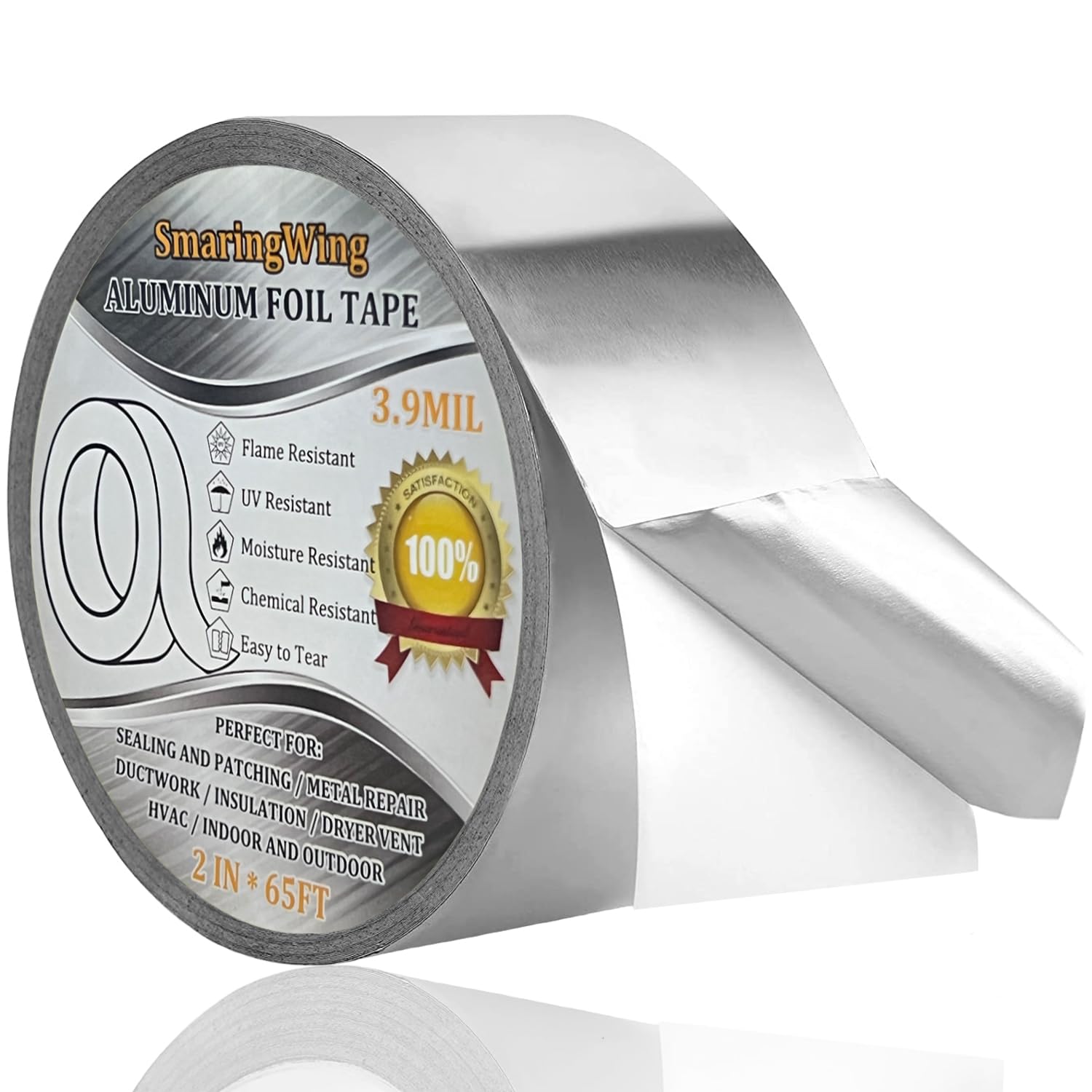
A stock image related to HVAC Sealing Foil Tape.
In-depth Look: Manufacturing Processes and Quality Assurance for HVAC Sealing Foil Tape
What Raw Material Specifications Define Premium HVAC Foil Tape Performance?
The foundation of reliable HVAC sealing foil tape begins with strategic material selection for the backing substrate. Premium manufacturers typically utilize aluminum foil ranging from 2.0 mil (0.05mm) to 3.2 mil (0.08mm) in thickness, with alloy compositions specifically engineered to resist oxidation in high-humidity environments common in tropical African and Southeast Asian markets.
For buyers sourcing for extreme temperature applications prevalent in Middle Eastern construction, metalized polypropylene films offer alternative solutions with enhanced UV resistance, though pure aluminum remains preferred for maximum thermal conductivity and flame resistance. The backing material undergoes rigorous surface treatment processes, including annealing and corona treatment, to ensure optimal adhesive anchoring and prevent delamination during application.
Quality-focused suppliers maintain material traceability documentation, verifying that raw aluminum meets ASTM B479 standards or equivalent international specifications. This traceability proves critical when tape failures in ductwork could result in significant energy losses or system contamination in commercial HVAC installations.
How Does Acrylic Adhesive Engineering Impact Temperature Resistance?
The adhesive matrix represents the most technically sophisticated component of HVAC foil tape manufacturing. Pressure-sensitive acrylic adhesives (PSA) undergo precise formulation to achieve operational temperature ranges spanning -40°C to 149°C (-40°F to 300°F), accommodating both sub-freezing logistics conditions and high-heat duct environments.
Manufacturing facilities employ solvent-based or hot-melt coating technologies, applying adhesive layers at controlled thicknesses between 1.5 to 2.0 mils. The curing process requires precise humidity and temperature controls to achieve optimal tack levels—typically measured in ounces per inch—while maintaining sufficient cohesion to prevent oozing during storage in warm climates.
Advanced formulations incorporate UV stabilizers and plasticizers that prevent embrittlement after prolonged sun exposure, a critical consideration for outdoor ductwork applications in Saudi Arabia or Nigeria. Buyers should verify that suppliers conduct accelerated aging tests (ASTM D3654) to validate long-term adhesion performance under thermal cycling conditions.
What Manufacturing Processes Ensure Structural Integrity and Application Consistency?
Modern HVAC tape production involves sophisticated lamination and conversion processes that bond the adhesive layer to the foil backing under precise pressure and temperature conditions. Continuous web processing lines utilize tension control systems to prevent wrinkling or stretching of the aluminum substrate, ensuring uniform thickness across the entire roll width.
Following lamination, manufacturers apply release liners—typically poly-coated kraft paper or polyethylene films—to protect the adhesive surface during storage and transportation. The slitting operation requires razor-sharp precision to create clean edges without adhesive squeeze-out, which could cause rolls to block or unwind poorly in humid conditions.
Conversion capabilities vary among suppliers, with premium manufacturers offering custom widths (commonly 48mm, 63.5mm, or 72mm) and die-cutting services for specialized HVAC applications. Automated vision inspection systems detect pinholes, contamination, or thickness variations during production, with rejected material diverted before reaching packaging stages.
Which Quality Certifications and Testing Protocols Should International Buyers Verify?
Comprehensive quality assurance for HVAC sealing foil tape extends beyond visual inspection to include standardized performance testing aligned with regional building codes. UL 181A-P and UL 181B-FX listings remain the gold standard for North American markets, indicating successful testing for flame resistance, mold growth, and adhesion to fiberglass duct board.
For European procurement teams, CE marking compliance with EN 60454 standards ensures electrical and mechanical property consistency, while Middle Eastern buyers should verify SASO (Saudi Standards, Metrology and Quality Organization) certification or equivalent Gulf Standardization Organization (GSO) marks. Nigerian and broader West African markets increasingly require SONCAP (Standards Organization of Nigeria Conformity Assessment Program) verification for imported construction materials.
Laboratory testing should include moisture vapor transmission rate (MVTR) assessment to confirm vapor barrier effectiveness, peel adhesion testing (ASTM D3330) measuring force required to remove tape from stainless steel, and shear strength evaluation under elevated temperatures. Reputable manufacturers maintain batch-specific test reports available upon request.
How Should HVAC Tape Be Stored and Transported in Tropical and Extreme Climates?
Manufacturing quality extends to packaging protocols designed to preserve adhesive properties during international shipping through varied climate zones. Individual rolls require moisture-barrier wrapping—often utilizing polyethylene film or laminated foil—to prevent humidity ingress that could activate adhesive prematurely or cause liner blocking.
For shipments destined for ports in Lagos, Jeddah, or São Paulo, suppliers should utilize palletized loads with desiccant packets and climate-controlled containers when possible, maintaining storage temperatures between 10°C and 27°C. Exposure to direct sunlight during port delays can degrade acrylic adhesives, necessitating UV-protective outer packaging for tropical destinations.
Shelf life specifications typically range from 12 to 24 months when stored under recommended conditions, though buyers should verify manufacturing dates upon receipt. Proper inventory rotation (FIFO—first in, first out) practices prevent aging stock from losing tack, particularly critical for high-tack formulations used in demanding duct sealing applications.
What Manufacturing Capabilities Indicate a Reliable Supply Chain Partner?
When evaluating potential suppliers, procurement teams should assess production scalability and technical support capabilities beyond basic product specifications. ISO 9001:2015 certification indicates standardized quality management systems, while ISO 14001 environmental certification demonstrates responsible solvent handling and waste management during adhesive coating processes.
Leading manufacturers maintain in-house testing laboratories capable of simulating application-specific conditions, including thermal cycling chambers and humidity aging equipment. This technical infrastructure enables rapid troubleshooting when regional climate conditions—such as the extreme diurnal temperature variations in desert environments—affect tape performance.
Additionally, evaluate suppliers’ raw material sourcing strategies; vertically integrated manufacturers controlling aluminum rolling and adhesive formulation typically offer more consistent lead times and customization flexibility. For large-scale infrastructure projects, verify the supplier’s ability to maintain batch consistency across multiple production runs, ensuring color, thickness, and adhesion uniformity throughout extended construction timelines.
Practical Sourcing Guide: A Step-by-Step Checklist for ‘HVAC Sealing Foil Tape’
Procuring HVAC sealing foil tape for international projects requires balancing technical specifications with regional compliance demands. This checklist guides B2B buyers through critical evaluation criteria to ensure selected products perform reliably across diverse climate conditions and regulatory environments.
1. Define Application Requirements and Environmental Conditions
What Specifications Matter for Your Climate and Application?
Begin by mapping operational temperature ranges against your regional climate data. For Middle Eastern or African markets with extreme heat, prioritize tapes rated up to 149°C (300°F) with UV-resistant acrylic adhesives. Specify backing thickness—2.0 mil aluminum foil suits rigid duct boards, while 3.2 mil metalized films offer enhanced durability for flexible duct systems. Document whether you need UL181A-P certification for rigid fiberglass boards or UL181B-FX for flexible connectors.
2. Verify Compliance with Regional Safety Standards
Which Certifications Are Required in Your Target Market?
Verify mandatory safety standards for your destination country. UL listings are critical for North American exports, while European markets may require CE marking or specific fire-rating classifications. For Saudi Arabian or Nigerian construction projects, confirm adherence to local HVAC codes and import documentation requirements. Request test certificates proving low moisture vapor transmission rates and flame resistance before committing to bulk orders.
3. Evaluate Material Composition and Adhesive Technology
How Do You Assess Backing Thickness and Adhesive Quality?
Evaluate material composition beyond basic aluminum specifications. Pure foil backings provide superior vapor barriers compared to metalized polypropylene, though the latter offers cost advantages for large-scale installations. Inspect adhesive formulations—high-tack acrylics perform better in sub-freezing temperatures essential for high-altitude South American projects. Demand samples to test liner release properties and immediate tack strength on your specific substrate materials.
4. Calculate Quantities and Optimize Packaging for Logistics
How Should You Plan Bulk Orders for International Shipping?
Calculate roll dimensions optimized for container utilization. Standard 3-inch widths in 150-foot lengths typically maximize pallet efficiency while minimizing waste. Account for climate-controlled shipping requirements; extreme humidity during African monsoon seasons or Middle Eastern heat waves can compromise adhesive integrity. Negotiate moisture-barrier packaging and verify supplier lead times align with your project milestones.
5. Establish Supplier Quality Assurance Protocols
What Quality Control Measures Should You Implement?
Establish pre-shipment inspection protocols including peel adhesion tests and backing thickness verification. Require batch-specific technical data sheets and Material Safety Data Sheets (MSDS) for customs clearance. For European or Middle Eastern destinations, confirm suppliers maintain ISO 9001 quality management systems. Implement first-article inspections to validate that poly-coated kraft paper liners release cleanly without adhesive transfer.
6. Plan for Storage and Handling in Variable Climates
How Do You Maintain Tape Integrity During Transit and Storage?
Plan warehouse conditions at destination ports. Store rolls horizontally in climate-controlled environments away from direct sunlight, maintaining temperatures between -40°F and 300°F. Instruct handling teams to avoid stacking heavy items atop tape pallets, which can deform foil backings. For projects in humid regions like Nigeria, specify desiccant packaging and immediate transfer to dry storage upon arrival to prevent adhesive degradation.
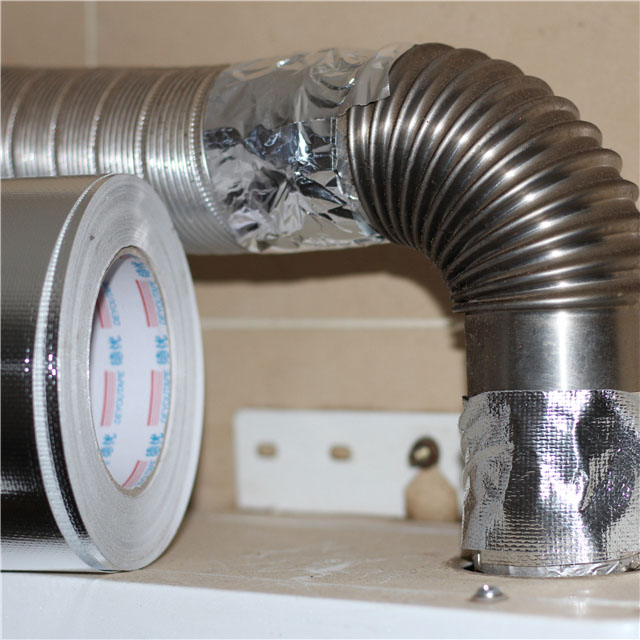
A stock image related to HVAC Sealing Foil Tape.
Comprehensive Cost and Pricing Analysis for HVAC Sealing Foil Tape Sourcing
Understanding the true cost structure of HVAC sealing foil tape requires looking beyond unit price to material engineering, compliance certifications, and regional logistics complexities. For procurement teams operating across diverse climates—from Saudi Arabia’s extreme heat to Nigeria’s humid coastal regions—sourcing decisions must balance immediate expenditure against long-term performance value and import compliance costs.
What Drives HVAC Foil Tape Pricing in Global B2B Markets?
The primary cost determinants center on backing material thickness and adhesive chemistry. Premium aluminum foil backings ranging from 2.0 mil to 3.2 mil command higher prices than metalized polypropylene alternatives, yet offer superior thermal conductivity and puncture resistance essential for industrial applications. Acrylic adhesive formulations, particularly those rated for extreme temperature ranges of -40°C to 149°C, add manufacturing complexity compared to standard rubber-based adhesives. Additionally, UL181A-P and UL181B-FX certifications—essential for North American and increasingly global compliance—require rigorous testing that adds 15-25% to base manufacturing costs but ensures liability protection in commercial installations across regulated markets.
素材仕様が調達予算に与える影響とは?
Procurement teams must evaluate whether application requirements justify premium specifications or if cost-effective alternatives meet performance thresholds. For standard duct board sealing in moderate climates, metalized polypropylene films with high-tack acrylic adhesives provide economical solutions at approximately $28 per 450-square-foot roll, suitable for residential HVAC maintenance. However, rigid fiberglass ductwork in industrial environments or regions with extreme thermal cycling—such as Saudi Arabia’s desert interiors or Nigeria’s humid coastal zones—demand true aluminum foil backings with reinforced adhesives. The 0.5 mil incremental difference between 2.0 mil and 2.5 mil foil backings can represent a 12-18% price variance while significantly impacting puncture resistance and tear strength during high-speed application processes.
What Are the Hidden Costs When Importing HVAC Sealing Tape?
International buyers frequently underestimate landed costs beyond FOB pricing, particularly when sourcing temperature-sensitive acrylic adhesive systems. These formulations require climate-controlled shipping containers when transiting through equatorial regions to prevent adhesive degradation and liner separation, adding $800-1,200 per TEU in refrigeration costs. Import duties on aluminum-backed tapes vary significantly by harmonized code classification—ranging from 5% in GCC countries to 20% in select African markets for finished adhesive products. Additionally, compliance documentation for UL181A-P listings requires notarized test reports, material safety data sheets in Arabic or French, and country-specific conformity certificates, incurring translation and third-party verification fees of $500-2,000 per shipment depending on destination regulatory complexity.
How Can Regional Buyers Optimize Volume Procurement Strategies?
Strategic sourcing requires understanding minimum order quantity (MOQ) thresholds that trigger meaningful price breaks. Manufacturers typically offer 8-12% reductions at full container load (FCL) quantities of 20,000+ rolls, while less-than-container (LCL) shipments carry 15-20% freight premiums. For emerging market distributors in Nigeria or Saudi Arabia, consolidating orders with complementary HVAC insulation products can achieve shared freight economies and simplify customs clearance. Payment terms also significantly impact final costs—letters of credit add 2-3% banking fees but provide essential security when sourcing from new Asian manufacturers, whereas open account terms often command premium pricing to offset supplier risk in volatile currency markets.
When Does Investing in Premium HVAC Tape Grades Deliver ROI?
Cost optimization should never compromise system integrity in critical applications. While standard metalized tapes suffice for temporary vapor barriers, UL-listed aluminum tapes eliminate mechanical fastening costs in rigid duct systems, reducing labor expenses by 30-40% during installation. In Middle Eastern markets where ambient temperatures exceed 50°C, investing in 300°F-rated acrylic adhesives prevents costly callback maintenance and duct leakage, delivering lifecycle cost advantages despite 25% higher upfront material costs. Procurement teams should conduct total cost of ownership (TCO) analyses comparing tape costs against potential energy losses from failed seals in climate-controlled environments, particularly when specifying materials for large-scale commercial developments in Africa and South America.
Alternatives Analysis: Comparing HVAC Sealing Foil Tape With Other Solutions
When evaluating sealing strategies for commercial HVAC systems, procurement teams must weigh the operational demands of extreme climates—such as the high humidity of West Africa or the thermal extremes of the Middle East—against installation efficiency and long-term airtightness. While aluminum foil tape represents the modern standard for UL-certified duct closure, two primary alternatives persist in industrial applications: brush-applied liquid duct sealants (mastic) and traditional mechanical fastening systems. Each method presents distinct trade-offs regarding labor costs, curing variables, and compatibility with regional environmental stressors.
How Does HVAC Foil Tape Compare to Liquid Duct Sealants and Mechanical Fasteners?
| 比較の側面 | HVAC Sealing Foil Tape | Liquid Duct Sealant (Mastic) | メカニカル・ファスニング・システム |
|---|---|---|---|
| Air Leakage Performance | UL181A-P/B-FX certified; immediate airtight seal upon application | Excellent when fully cured (2-3mm thickness); risk of pinholes, shrinkage, or cracking | Inherent leak paths at every penetration |
Essential Technical Properties and Trade Terminology for HVAC Sealing Foil Tape
When procuring HVAC sealing solutions for large-scale infrastructure projects across diverse climates—from the humid coastlines of Nigeria to the extreme heat of Saudi Arabia—understanding material specifications ensures compliance, longevity, and system efficiency. The following technical properties and industry terminology provide the necessary framework for evaluating foil tape performance in commercial and industrial applications.
What Backing Thickness Should You Specify for Industrial HVAC Applications?
Backing thickness, measured in mils (thousandths of an inch) or millimeters, directly impacts durability and conformability. Standard aluminum foil backings range from 2.0 mil (0.05 mm) to 3.2 mil (0.08 mm). Thinner backings offer superior flexibility for wrapping irregular duct contours, while thicker variants provide enhanced puncture resistance during rough handling on construction sites. For rigid fiberglass duct board applications, a 2.0 mil aluminum backing typically provides optimal balance between structural integrity and ease of application.
How Does Temperature Resistance Impact Tape Performance in Extreme Climates?
Operational temperature range determines adhesive stability across environmental extremes. Premium acrylic adhesive systems perform reliably from -40°C (-40°F) to 149°C (300°F), accommodating both sub-freezing installation conditions common in high-altitude European projects and intense thermal exposure in Middle Eastern desert environments. Synthetic rubber adhesives may degrade under UV exposure or extreme heat, whereas acrylic formulations maintain bonding strength and resist aging throughout the system lifecycle.
Why Do UL181A-P and UL181B-FX Listings Matter for Regulatory Compliance?
Underwriters Laboratories (UL) listings indicate compliance with North American fire safety and performance standards, frequently adopted as benchmarks in African and South American markets. UL181A-P certification applies specifically to rigid fiberglass duct board sealing, while UL181B-FX covers flexible air duct connectors. Specifying tapes bearing both designations ensures versatility across mixed HVAC systems and facilitates approval from international inspectors familiar with UL standards.
What Is Moisture Vapor Transmission Rate (MVTR) and Why Does It Matter?
MVTR measures the rate at which moisture permeates the tape barrier, expressed in grams per square meter per 24 hours. Low MVTR values—achieved through dense aluminum foil backings and aggressive adhesive formulations—prevent condensation accumulation within ductwork. This property proves critical in tropical climates like coastal Brazil or West Africa, where high humidity levels threaten insulation integrity and promote microbial growth if vapor barriers fail.
Which Adhesive Chemistry Ensures Long-Term Bonding in HVAC Systems?
Pressure-sensitive acrylic adhesives dominate professional HVAC applications due to their superior temperature stability, UV resistance, and aging characteristics compared to rubber-based alternatives. High-tack variants provide immediate initial adhesion to dusty metal surfaces common in existing duct retrofit projects, while maintaining permanent bonds that eliminate the need for mechanical fasteners like screws or rivets on rigid duct board.
What Is the Difference Between UL181A-P and UL181B-FX Certification?
UL181A-P designates tapes approved for sealing rigid fiberglass duct board and flexible duct systems using mechanical fasteners, requiring specific flame spread and smoke development ratings. UL181B-FX applies to flexible air ducts and connectors without mechanical fasteners, demanding higher adhesion strength and flexibility standards. Procurement teams should verify that specified tapes carry the appropriate listing for their specific duct type to avoid code violations.
What Does “Cold Weather Bonding” Mean for HVAC Installation?
This term describes adhesive formulations engineered to maintain tack and wetting properties at sub-freezing temperatures, typically below 0°C (32°F). Standard adhesives may become brittle and fail to adhere in unconditioned construction environments or cold storage facilities. Cold-weather acrylics ensure immediate bonding capability regardless of ambient temperature during installation.
How Is “Mil” Different From Millimeter in Tape Specifications?
A mil equals one-thousandth of an inch (0.0254 mm), not a millimeter. This distinction prevents critical procurement errors—specifying “3 mil” versus “3 mm” represents a 100-fold difference in thickness. International buyers should verify unit conventions in technical data sheets to ensure received materials match engineering requirements.
What Constitutes a True “Vapor Seal” in Ductwork Applications?
A vapor seal prevents moisture migration through the tape barrier, distinct from an air seal which merely prevents air leakage. True vapor sealing requires aluminum foil backings with MVTR ratings below 1.0 g/m²/24hr and complete surface adhesion without gaps. This distinction matters significantly in climate zones with high temperature differentials between conditioned and unconditioned spaces.
What Is a “Release Liner” and Why Is Kraft Paper Preferred?
The release liner protects the adhesive until application. Poly-coated kraft paper liners resist moisture absorption during storage in humid climates—critical for maintaining adhesive integrity in tropical ports—while allowing clean, easy removal without tearing. Standard paper liners may delaminate or become difficult to remove in high-humidity environments.
What Does “High Tack” Adhesive Indicate for Immediate Bonding?
High tack refers to the immediate grip strength upon contact with a substrate, measured in ounces per inch width. This property allows installers to position tape without immediate pressure, improving productivity on large commercial jobs while ensuring sufficient initial adhesion to hold materials in place before final pressure application.
Navigating Market Dynamics and Sourcing Trends in the HVAC Sealing Foil Tape Sector
The HVAC sealing foil tape sector is experiencing significant transformation driven by stringent energy efficiency mandates and rapid infrastructure development across emerging economies. For procurement teams operating in diverse climates—from the arid heat of Saudi Arabia to the humid tropics of Nigeria—understanding evolving market dynamics is essential for securing high-performance sealing solutions. The shift toward advanced acrylic adhesive technologies and certified vapor barrier systems reflects broader industry demands for durability, regulatory compliance, and total cost optimization in commercial HVAC installations.
How Is the Global HVAC Foil Tape Market Evolving for B2B Procurement?
The global market is witnessing a decisive pivot from mechanical fastening methods to high-tack pressure-sensitive foil tapes, particularly in rigid fiberglass duct board and flexible air duct applications. This transition is accelerating in regions experiencing construction booms, where UL181A-P and UL181B-FX certified products are becoming baseline requirements rather than premium specifications. Buyers should note that operational temperature ranges—specifically tapes rated from -40°C to 149°C—are critical differentiators when sourcing for extreme climate zones. Additionally, the integration of UV-resistant metalized polypropylene films is gaining traction as a cost-effective alternative to traditional aluminum backings, offering comparable moisture vapor transmission rates while reducing material costs for large-scale infrastructure projects.
What Are the Critical Supply Chain Considerations for International Buyers?
Procurement teams across Africa, South America, and the Middle East must navigate complex logistics when sourcing HVAC sealing tapes, particularly regarding thermal stability during transit and storage. Acrylic adhesives, while superior for long-term bonding, require climate-controlled supply chains to prevent premature degradation in high-heat shipping containers. Smart buyers are establishing regional warehousing partnerships to mitigate lead time volatility, ensuring that critical 2.0 mil aluminum foil inventories remain available for urgent MRO (Maintenance, Repair, and Operations) needs. Furthermore, verifying that suppliers provide comprehensive Technical Data Sheets (TDS) and Material Safety Data Sheets (MSDS) in multiple languages ensures compliance with local occupational safety standards and facilitates smoother customs clearance in diverse regulatory environments.
Why Does Sustainability Matter in HVAC Sealing Tape Sourcing?
Sustainability has transitioned from a peripheral concern to a core procurement criterion, particularly for European buyers and multinational contractors subject to green building mandates. Modern HVAC foil tapes now emphasize low-VOC (Volatile Organic Compound) acrylic adhesives and recyclable aluminum content to support LEED and BREEAM certification pathways. Ethical sourcing extends beyond environmental impact to encompass responsible aluminum mining practices and manufacturing transparency. Procurement professionals should prioritize suppliers demonstrating closed-loop recycling capabilities and reduced packaging waste, as these factors increasingly influence tender evaluations in public infrastructure projects across environmentally conscious markets.
How Can Buyers Ensure Ethical and Resilient Sourcing Strategies?
Building resilient supply chains requires diversifying supplier portfolios across multiple manufacturing regions to hedge against geopolitical disruptions and raw material shortages. For B2B buyers in emerging markets, establishing direct relationships with manufacturers—rather than relying solely on distributors—can provide better pricing transparency and customization options for specific ductwork requirements. Implementing rigorous pre-qualification protocols that verify UL listings, ISO 9001 quality management systems, and ethical labor certifications ensures product reliability while mitigating reputational risks. Additionally, negotiating long-term supply agreements with price stability clauses protects project budgets against aluminum commodity volatility, which significantly impacts foil tape pricing in high-volume commercial applications.
Frequently Asked Questions (FAQs) for B2B Buyers of HVAC Sealing Foil Tape
1. What temperature range can HVAC sealing foil tape withstand in extreme climate conditions?
Premium HVAC sealing foil tapes engineered with pressure-sensitive acrylic adhesives typically maintain performance across operational temperatures of -40°C to 149°C (-40°F to 300°F). This thermal stability accommodates both sub-freezing logistics environments during transport to high-altitude African sites and extreme heat exposure in Middle Eastern desert installations where ambient temperatures exceed 50°C. The aluminum foil backing provides dimensional stability while the acrylic formulation resists thermal shock, ensuring the vapor seal remains intact through seasonal temperature cycles that cause ductwork expansion and contraction.
2. Is HVAC sealing foil tape UL 181A-P rated for commercial duct sealing applications?
UL 181A-P certification specifically validates foil tape for sealing rigid fiberglass duct board systems in commercial HVAC installations, while UL 181B-FX certification covers flexible air ducts and connectors. These listings indicate successful testing for flame penetration resistance, mold growth inhibition, and adhesion strength under stress—critical for meeting international building codes in European and Middle Eastern markets. When specifying for large-scale projects, verify that your supplier provides current UL listing certificates, as counterfeit certifications are common in emerging markets and can void project insurance coverage.
3. What is the difference between HVAC sealing foil tape and duct mastic for sealing ductwork?
HVAC foil tape provides immediate pressure-sensitive adhesion without curing time, enabling faster installation schedules and cleaner application compared to duct mastic, which requires 24-48 hours to cure and specialized tools for application. While mastic accommodates irregular gaps up to 6mm (1/4 inch), foil tape creates superior vapor barriers on properly aligned seams with consistent thickness and minimal mess. For B2B procurement decisions, tape reduces labor costs by 40-60% on standard duct runs, though mastic remains necessary for repairing damaged sections or connecting dissimilar metals where galvanic corrosion is a concern.
4. How long does HVAC sealing foil tape last on commercial ductwork installations?
When applied to properly prepared surfaces, high-quality acrylic adhesive foil tape maintains its seal for the operational lifetime of the HVAC system—typically 15 to 20 years—with minimal degradation from UV exposure or thermal cycling. The aluminum backing’s low moisture vapor transmission rate (MVTR) prevents delamination in humid climates characteristic of West African and South American coastal regions. Longevity depends critically on installation protocols; surfaces must be cleaned with alcohol-based solvents to remove manufacturing oils, and tapes should not be stretched during application, as tension creates stress points that accelerate adhesive fatigue in high-temperature environments.
5. How do I ensure proper adhesion when applying HVAC sealing foil tape in high-humidity environments?
Surface preparation becomes critical in tropical climates; substrates must be cleaned with isopropyl alcohol and allowed to dry completely, as moisture trapped under the adhesive promotes mold growth and delamination common in Nigerian or Brazilian installations. Apply tape at ambient temperatures above 10°C (50°F) when possible, and use a squeegee or roller to eliminate air pockets that compromise the vapor seal. For projects in coastal Middle Eastern regions with salt-laden humidity, specify tapes with enhanced corrosion-resistant acrylic formulations and consider double-seaming longitudinal joints to account for seasonal monsoon humidity fluctuations.
6. What certifications should HVAC sealing foil tape have for Middle Eastern and African commercial markets?
Beyond UL 181A-P and UL 181B-FX, prioritize products with ISO 9001 quality management certifications and regional fire safety classifications such as EN 13501-1 for European-influenced African markets or SASO (Saudi Standards, Metrology and Quality Organization) certification for Gulf Cooperation Council countries. Temperature resistance documentation proving performance at 60°C ambient becomes crucial for Saudi Arabian desert installations. Verify that suppliers provide Material Safety Data Sheets (MSDS) and technical data sheets translated into Arabic, French, or Portuguese to satisfy local customs requirements and contractor safety protocols.
7. How do I select the appropriate backing thickness for different HVAC duct materials?
For rigid fiberglass duct board systems, 2.0 mil (0.05mm) aluminum foil backings provide optimal conformability to board edges while maintaining tear resistance during application. Flexible duct systems and vibration-prone installations benefit from 3.2 mil (0.08mm) thicknesses that withstand mechanical stress and thermal expansion cycles without cracking. When standardizing procurement for mixed-use commercial projects, 2.5-3.0 mil thicknesses offer the versatility to handle both rigid duct board and flexible connectors while simplifying inventory management across multiple construction sites.
8. What are the best practices for storing and handling bulk shipments of HVAC sealing foil tape in hot climates?
Store rolls in climate-controlled warehouses below 35°C (95°F) away from direct sunlight to prevent acrylic adhesive flow and liner separation common during container shipping to tropical destinations. Maintain original poly-coated kraft paper liners until installation to protect against construction dust that compromises adhesion in African and Middle Eastern building sites. For large B2B orders, request palletized shipping with moisture barriers and implement first-in-first-out (FIFO) inventory rotation, as acrylic adhesives typically maintain optimal tack for 18-24 months from manufacture when stored in original packaging.
重要な免責事項および利用規約
⚠️ 重要な免責事項
メーカー、技術仕様、市場分析に関する内容を含め、本ガイドラインで提供される情報は、情報提供と教育目的のみのものです。専門的な調達アドバイス、財務アドバイス、または法的アドバイスを提供するものではありません。.
B2Bバイヤーは、独自の徹底的なデューデリジェンスを行う必要がある。 をご覧の上、ご購入をお決めください。本ガイドに記載された情報を信頼した場合のリスクは、読者が単独で負うものとします。.
Top 3 Hvac Sealing Foil Tape Manufacturers & Suppliers List
1. Industrial Tape Manufacturers – Specialty Adhesive Tapes
ドメイン us.metoree.com
登録:2020年(6年)
はじめに Category 101958 features industrial tape and adhesive product manufacturers including SpecTape Inc., Specialty Products & Insulation Co., Shurtape Technologies LLC, PARAGON TAPES, Naikos, Jiangyin Haoxuan Aluminum Foil Adhesive Products Co., and HS Butyl. The category encompasses specialty tapes, insulation materials, aluminum foil adhesive products, butyl sealing tapes, and related adhesive solut…
2. Tape Suppliers – Aluminum Foil Tape
ドメイン tapesuppliers.com
登録:2007年(19年)
はじめに Foil tape, also known as aluminum tape or aluminum foil tape, provides solutions for chemical resistance, light reflectance, weatherability, flame resistance, and moisture resistance. It is used in electrical, HVAC, construction, and other industries requiring electrical or thermal conductivity. Suitable for industrial, commercial, and residential applications. Not evaluated or approved for medica…
3.IPG - アルミ箔テープ
ドメイン イテイプ・ドット・コム
登録:1998年(28年)
はじめに IPG offers aluminum foil tapes for HVAC, construction, and industrial applications. Product line includes: ALF300 (3 mil premium self-wound, acrylic adhesive, UV/water resistant); ALF150L (utility grade with rubber adhesive for fiberglass duct board); ALF161LA (cold temperature utility grade, acrylic adhesive, +35°F min temp, chemical resistant); ALF175L (medium grade cold temp, flame retardant, m…
Strategic Sourcing Conclusion and Outlook for HVAC Sealing Foil Tape
How Can Procurement Teams Future-Proof HVAC Tape Specifications Against Climate Volatility?
Infrastructure projects across Saudi Arabia, Nigeria, and diverse European territories increasingly demand sealing solutions engineered for thermal extremes and regulatory evolution. Modern acrylic adhesive systems now maintain bond integrity from -40°C to 149°C, ensuring reliable performance in both high-altitude freezing conditions and intense desert heat. Savvy buyers should specify tapes that exceed immediate environmental requirements, anticipating climate unpredictability and stricter energy efficiency mandates that characterize emerging markets.
What Certification Standards Ensure Cross-Border Compliance and Risk Mitigation?
UL 181A-P and UL 181B-FX listings serve as universal quality benchmarks that transcend regional regulatory fragmentation. These certifications validate suitability for rigid fiberglass duct boards and flexible air connectors alike, streamlining customs clearance and reducing liability exposure in multi-national construction portfolios. Procurement teams must verify that technical documentation explicitly confirms these listings rather than accepting generic “industrial-grade” classifications that lack third-party validation and traceability.
Why Does Advanced Material Engineering Drive Lifecycle ROI?
Metalized foil constructions with sub-zero application capability and minimal moisture vapor transmission deliver decade-long service intervals, eliminating costly accessibility rework in complex duct networks. While commodity alternatives may present lower unit pricing, engineered solutions featuring UV-stable acrylic adhesives significantly reduce energy leakage and maintenance frequency, optimizing total cost of ownership for commercial HVAC infrastructure across diverse geographical contexts.