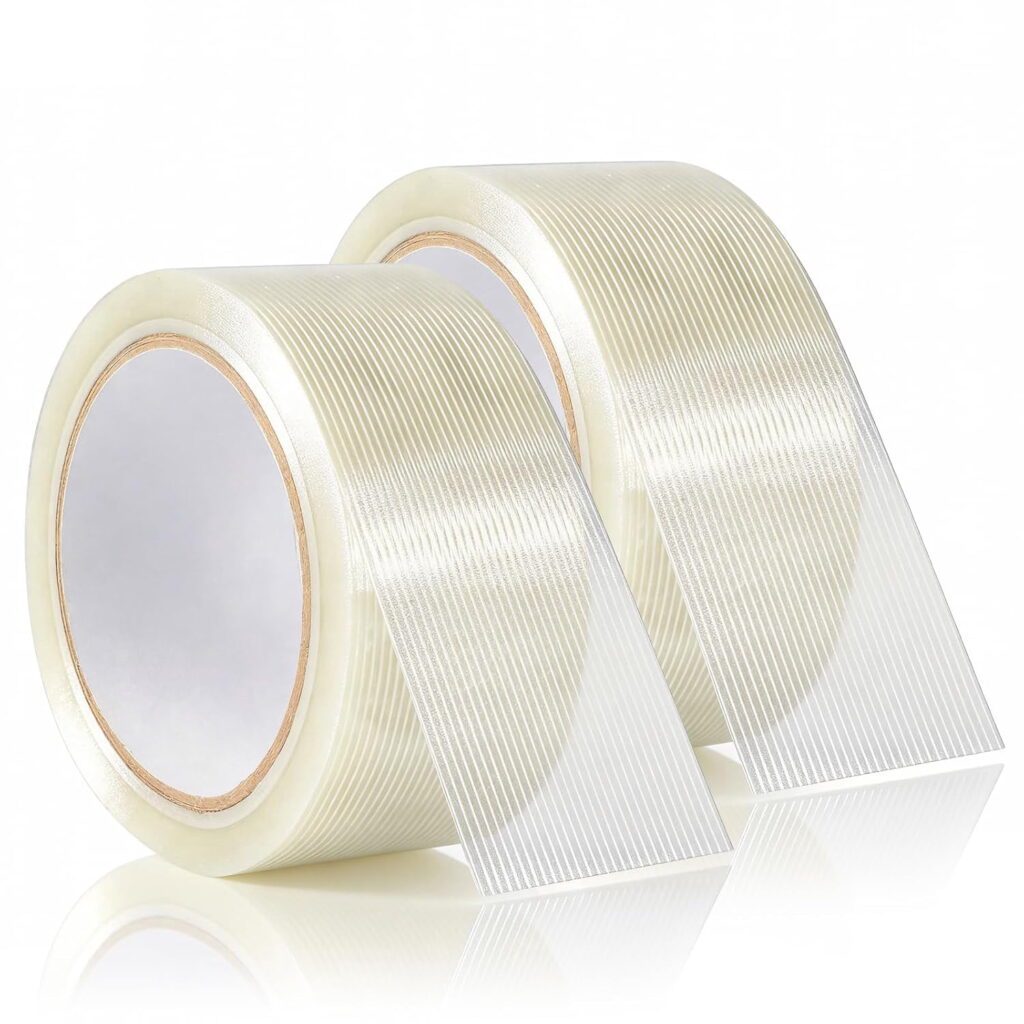
Introduction: Navigating the Global Market for Nano poster tape
Sourcing high-performance nano poster tape for international distribution presents unique challenges for B2B procurement teams navigating diverse regulatory environments and extreme climate variations. Whether supplying retail chains across Nigeria, outfitting corporate installations in Saudi Arabia, or stocking DIY markets throughout Europe and South America, buyers face critical decisions regarding adhesive durability, surface compatibility, and cross-border supplier reliability. The global surge in demand for residue-free, reusable mounting solutions has intensified, yet quality inconsistencies, counterfeit products, and complex logistics frequently hinder seamless procurement across emerging markets.
What critical factors should B2B buyers evaluate when sourcing nano adhesive tapes for global markets?
This comprehensive guide addresses the full spectrum of procurement considerations essential for international market success. We examine technical specifications—including acrylic gel formulations, load-bearing capacities up to heavy-duty industrial standards, and temperature resistance spanning -40°F to 170°F—while analyzing application-specific requirements for construction, retail display, automotive, and educational sectors. Beyond product types and thickness variations, we provide actionable frameworks for supplier vetting, bulk pricing negotiation, and compliance navigation tailored specifically to African, Middle Eastern, and South American import regulations.
How does strategic nano tape procurement drive operational efficiency across diverse regional markets?
For buyers serving Nigeria’s expanding retail infrastructure, Saudi Arabia’s rapid construction development, or Europe’s sustainability-focused commercial sectors, this resource delivers region-specific insights on moisture-resistant formulations essential for humid climates and washable, reusable options that minimize long-term material expenditure. By synthesizing technical performance data with logistical expertise, we empower procurement professionals to make informed decisions that balance adhesive specifications with supply chain resilience, ensuring your inventory meets local market demands while maintaining consistent international quality standards.
Understanding Nano poster tape Types and Variations
| タイプ名 | 主な特徴 | 主なB2Bアプリケーション | バイヤーのための簡単な長所と短所 |
|---|---|---|---|
| Clear Heavy-Duty Nano Tape | Transparent acrylic gel composition; washable/reusable for 600+ cycles; residue-free removal; adheres to metal, plastic, drywall, concrete | Corporate office fit-outs, retail visual merchandising, hospitality decor, exhibition displays | Pros: Invisible mounting preserves aesthetics, long-term cost efficiency through reuse, surface-safe for rented properties Cons: Requires regular washing to maintain adhesion in dusty environments, limited UV resistance for direct sunlight exposure |
| Multicolor Decorative Nano Tape | Available in pink, purple, blue, green, and clear; tactile bubble texture; non-toxic, child-safe formulations | Educational institutions, children’s retail, experiential marketing, creative agencies, museum exhibitions | Pros: Dual-purpose functionality (mounting + engagement), brand differentiation through color coding, compliant with toy safety standards Cons: Color pigments may fade under intense UV (critical for Middle East/Africa), narrower application scope than clear variants |
| Industrial High-Temp Nano Tape | Operating range -40°C to 77°C (-40°F to 170°F); enhanced cross-linked polymer density; hydrophobic moisture resistance; particulate-resistant backing | Manufacturing facilities, outdoor signage, automotive interiors, warehouse organization, construction site labeling | Pros: Extreme climate suitability for Saudi Arabian/Nigerian environments, maintains adhesion in humidity, durable for industrial cycles Cons: Higher per-unit cost than standard grades, requires clean surface preparation for optimal bonding |
| Pre-Cut Poster Strip Tape | Precision-die-cut rectangular strips optimized for A4/A3/A2 formats; segmented release liners for single-person application; 1mm thickness calibrated for paper/cardboard | Print service providers, marketing agencies, real estate staging, corporate communications, rapid campaign deployment | Pros: Labor-saving eliminates on-site cutting, consistent sizing reduces material waste, ideal for temporary promotional campaigns Cons: Lower weight capacity than roll formats, unsuitable for rough or unpainted textured surfaces |
What are the specifications for clear heavy-duty nano tape in commercial applications?
Characteristics: Transparent acrylic gel composition provides virtually invisible mounting for glass, acrylic, and painted surfaces. Features advanced nano-suction technology allowing wash-and-reuse cycles exceeding 600 applications while maintaining structural integrity. The non-toxic formulation adheres to metal, plastic, drywall, and concrete without leaving residue or causing substrate damage upon removal.
Suitability: Ideal for corporate office fit-outs,
Key Industrial Applications of Nano poster tape
| 業界/セクター | Specific Application of Nano poster tape | ビジネスにとっての価値/利益 | このアプリケーションにおける主な調達上の考慮事項 |
|---|---|---|---|
| Retail & Visual Merchandising | Temporary promotional displays and seasonal window signage mounting on glass, marble, and painted surfaces | Enables rapid campaign turnover without surface damage penalties in leased spaces; reusable nature reduces material waste costs across multiple promotional cycles | UV-resistant formulations for sun-exposed storefronts; bulk roll lengths for high-volume seasonal changes; residue-free certification for premium mall requirements |
| Events & Exhibition Management | Temporary booth graphics, wayfinding signage, and modular display mounting for trade shows and corporate events | Eliminates venue damage fees and cleaning deposits; quick installation/removal reduces labor costs; supports sustainable event practices through washability and reuse | High-tack variants for textured exhibition hall walls; pre-cut widths to reduce on-site preparation time; load-bearing specifications for heavy banners |
| Construction & Interior Contracting | Temporary protection film mounting and fixture positioning during high-end commercial and residential fit-out phases | Prevents surface damage on high-value |
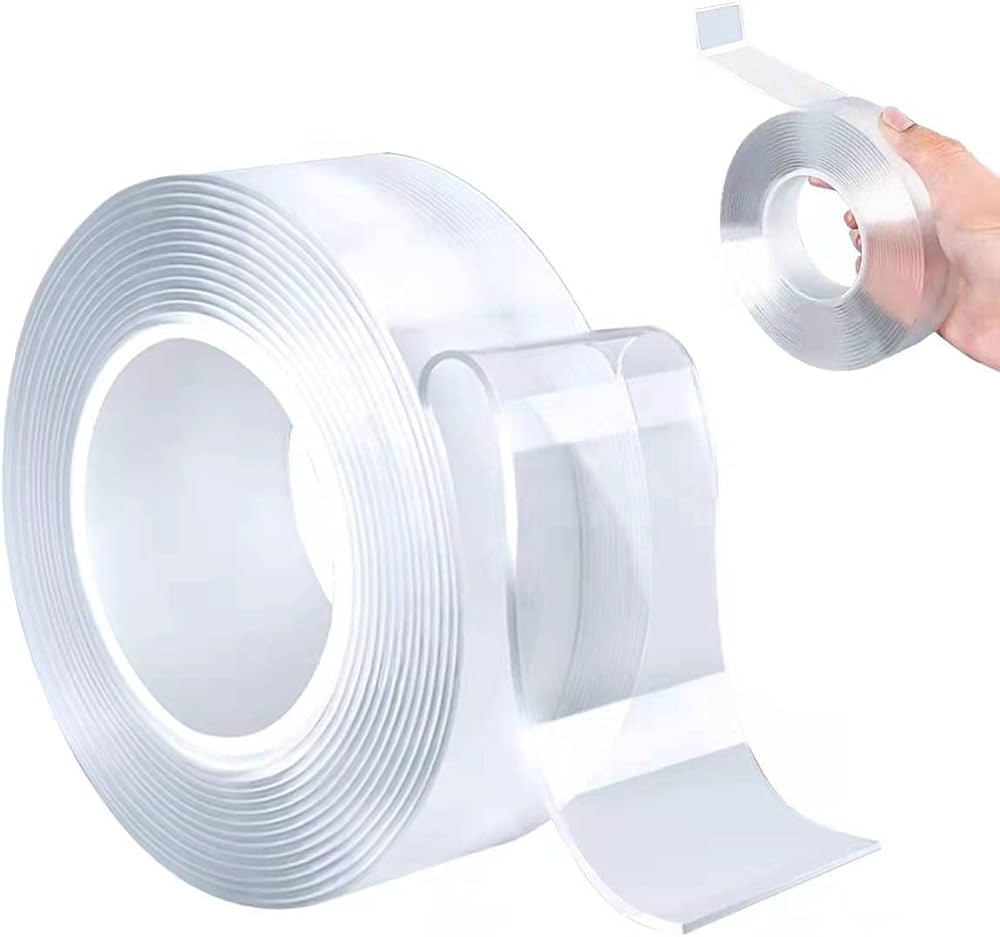
A stock image related to Nano poster tape.
3 Common User Pain Points for ‘Nano poster tape’ & Their Solutions
Scenario 1: How to Prevent Wall Damage in Leased Commercial Spaces?
問題だ: Facility managers and retail operators across Nigeria, Saudi Arabia, and Europe frequently face disputes with property owners when mounting promotional materials in leased spaces. Traditional adhesives and mounting hardware leave permanent residue, peel paint, or create pockmarks in drywall—resulting in costly repairs that erode marketing budgets. This challenge intensifies in premium commercial districts where landlords enforce strict maintenance clauses, forcing businesses to choose between effective visual merchandising and deposit security.
解決策 Specify nano poster tape engineered with residue-free acrylic gel technology that bonds through micro-suction rather than chemical adhesion. Prioritize products tested on regional paint standards common in target markets—such as oil-based finishes in Middle Eastern commercial properties or latex paints in European retail spaces. Application protocols should include surface cleaning with isopropyl alcohol to remove ambient dust prevalent in arid climates, followed by firm pressure application for 30 seconds. For removal, train teams to peel tape parallel to the wall surface at a 180-degree angle, eliminating the shear forces that damage painted substrates. Always verify batch-specific adhesion ratings for textured drywall versus smooth concrete surfaces prevalent in African commercial construction.
Scenario 2: What Weight Capacity Ensures Safe Commercial Signage Mounting?
問題だ: Marketing teams installing directional signage, promotional posters, or safety notices in high-temperature environments face catastrophic adhesive failure. In Saudi Arabian summers or Nigerian dry seasons, temperatures on glass facades and metal surfaces exceed 60°C (140°F), causing standard mounting tapes to soften and release. When heavy commercial signage falls in busy retail environments, businesses risk injury liability, damaged brand reputation, and lost marketing investment—particularly problematic for temporary exhibitions where structural mounting is prohibited.
解決策 Source nano poster tape rated for continuous temperature exposure between -40°C and 85°C (-40°F to 185°F) with gel thickness exceeding 1.0mm to accommodate thermal expansion on metal substrates. For glass and metal surfaces common in modern Middle Eastern and European commercial architecture, select transparent acrylic formulations that resist UV degradation. Calculate weight distribution using the manufacturer’s kg/cm² rating—typically 0.5-1.0kg per 10cm strip for quality nano tapes—and apply in grid patterns rather than simple perimeter strips for signage exceeding 2kg. Pre-treat metal surfaces with alcohol wipes to remove oxidation or manufacturing oils common in humid coastal African markets, ensuring maximum suction contact for heavy-duty commercial applications.
Scenario 3: Can Nano Tape Be Reused Across Multiple Temporary Retail Locations?
問題だ: Businesses operating seasonal pop-up stores, rotating exhibition booths, or multi-site promotional campaigns face mounting material costs that compound across locations. Single-use adhesive solutions require constant restocking, creating inventory management headaches for procurement teams spanning continents from Europe to South America. Additionally, environmental sustainability mandates in EU markets and cost-conscious operations in emerging African economies both demand solutions that minimize waste without compromising display quality.
解決策 Implement industrial-grade washable nano poster tape systems capable of 500+ reuse cycles through proper maintenance protocols. After each campaign, rinse adhesive surfaces with distilled water to remove particulate matter common in outdoor Nigerian or Saudi Arabian environments, then air-dry away from direct sunlight to prevent UV brittleness. Store cleaned tapes on silicone release paper or original backing to maintain gel integrity during transport between locations. For B2B procurement, specify bulk rolls of 5 meters (16 feet) or longer rather than pre-cut segments, reducing per-meter costs by 40% while allowing custom sizing for diverse signage formats. Establish regional cleaning stations at distribution hubs to service tapes between deployments, maximizing ROI across temporary retail networks operating in varying climatic conditions.
Strategic Material Selection Guide for Nano poster tape
For B2B procurement teams operating across diverse international markets—from the humid coastal regions of Nigeria to the temperature extremes of Saudi Arabia and the varied construction standards of Europe—selecting the appropriate substrate material for nano poster tape represents a critical supply chain decision. While these products appear visually similar in their clear, gel-like presentation, the underlying polymer composition fundamentally determines adhesion longevity, reusability cycles, surface compatibility, and climate resilience. Understanding the distinct mechanical properties of acrylic, polyurethane, and silicone-based formulations enables bulk buyers to align material specifications with specific environmental demands, preventing costly application failures and ensuring optimal performance across varied substrates including painted drywall, concrete, glass, and metal signage.
Which Acrylic Gel Density Works Best for High-T

A stock image related to Nano poster tape.
In-depth Look: Manufacturing Processes and Quality Assurance for Nano poster tape
Nano poster tape represents a distinct category within the adhesive industry, utilizing acrylic gel matrix technology rather than traditional pressure-sensitive adhesive coatings. For procurement teams evaluating suppliers across diverse climates—from the humid tropics of Nigeria to the temperature extremes of Saudi Arabia—understanding the manufacturing nuances and quality protocols ensures product performance aligns with local environmental demands and import regulations.
How Is Nano Poster Tape Manufactured Using Acrylic Gel Extrusion?
Unlike conventional double-sided tapes that apply adhesive to foam or tissue carriers, nano poster tape production begins with synthesizing a solid acrylic gel matrix. Manufacturers combine acrylic acid esters with polyurethane resins to create a viscoelastic solid that possesses both liquid-like flow characteristics and solid structural integrity.
The production process involves precision extrusion where the gel compound is forced through calibrated dies to achieve uniform thickness—typically ranging from 1mm to 3mm for poster applications. This extrusion occurs in climate-controlled clean rooms to prevent particulate contamination that could compromise the tape’s transparent appearance and adhesive uniformity. Following extrusion, the material undergoes surface activation treatments that enhance initial tack without requiring aggressive solvents, allowing the tape to bond immediately upon contact while maintaining repositionability during the first few minutes of application.
What Raw Material Specifications Ensure Residue-Free Removal?
The chemical composition directly determines whether nano tape removes cleanly from painted drywall, concrete, or glass surfaces after months of adhesion. Premium manufacturers utilize high-purity acrylic polymers with low volatile organic compound (VOC) content, specifically formulating the gel to maintain cohesive strength rather than adhesive strength—meaning the tape sticks to itself more aggressively than to substrates.
B2B buyers should verify that suppliers utilize non-yellowing UV stabilizers in the polymer mix, particularly important for shipments to Middle Eastern markets with intense solar exposure. The gel density, measured in Shore A hardness, typically ranges between 30-50 for optimal poster mounting—soft enough to conform to surface irregularities yet firm enough to support weight without creeping. Reputable facilities conduct Fourier-transform infrared spectroscopy (FTIR) testing on raw material batches to verify polymer chain consistency and eliminate contaminants that could cause surface staining or adhesive transfer.
Which Quality Control Protocols Validate Washability and Reusability?
Since reusability constitutes a primary value proposition for nano tape, manufacturers implement rigorous cyclic testing protocols. Quality assurance teams subject sample strips to standardized washing cycles using deionized water and mild detergents, then measure adhesion retention using ASTM D3330 peel adhesion tests. Industrial-grade nano tape should maintain minimum 80% of original tack strength after twenty wash-and-dry cycles.
Shear resistance testing proves equally critical for B2B applications involving heavier signage or outdoor mounting. Laboratories apply constant loads to vertically mounted tape samples at elevated temperatures (40°C/104°F) to simulate tropical African climates, measuring the time until slippage occurs. High-quality batches demonstrate resistance to 1kg+ loads for 72+ hours under these conditions. Additionally, manufacturers conduct “clean removal” testing on various substrates—including painted gypsum board, anodized aluminum, and polypropylene—scoring residue levels on a standardized 1-5 scale where 5 indicates zero residue transfer.
How Do Manufacturers Certify Performance Across Extreme Temperature Ranges?
For buyers sourcing for regions with extreme climate variations—such as the Middle East’s desert heat or Eastern Europe’s freezing winters—temperature cycling validation becomes non-negotiable. Comprehensive QA programs expose tape samples to thermal shock testing, cycling between -40°C and +85°C (-40°F to 185°F) to verify the gel matrix maintains structural integrity without crystallization or liquefaction.
Humidity resistance testing specifically addresses concerns for tropical African and Southeast Asian markets. Manufacturers place samples in environmental chambers maintaining 90% relative humidity at 40°C for 500+ hours, monitoring for hydrolysis degradation or mold growth. The best-performing nano tapes incorporate hydrophobic polymer additives that prevent moisture absorption while maintaining breathability, ensuring that trapped condensation beneath mounted posters doesn’t compromise adhesion or cause substrate damage.
What Compliance Certifications Should International Buyers Require?
When importing into the European Union, Middle Eastern Gulf states, or regulated African markets like Nigeria, documentation requirements extend beyond basic performance metrics. Reputable manufacturers maintain ISO 9001:2015 certification for quality management systems and provide RoHS compliance certificates verifying the absence of restricted heavy metals (lead, cadmium, mercury) in the gel matrix.
For educational or healthcare sector applications, REACH compliance documentation proves essential for European buyers, demonstrating that all chemical substances in the acrylic gel are registered and evaluated for safety. Some manufacturers additionally pursue FDA compliance for indirect food contact applications, relevant for buyers supplying hospitality or food retail sectors. B2B procurement teams should request batch-specific test reports rather than generic certificates, ensuring the specific production run meets declared specifications for adhesion strength and thermal stability.
How Does Bulk Packaging Engineering Protect Product Integrity During Transit?
Given that nano tape shipments often travel via sea freight from Asian manufacturing hubs to African or South American ports, packaging quality directly impacts sellable yield. Premium suppliers utilize vacuum-sealed aluminum composite bags with desiccant packs to prevent oxidation of the acrylic gel during humid ocean transit. Individual rolls feature UV-protective film wrapping to prevent premature curing of the adhesive surface from sunlight exposure during port handling.
Core stability presents another logistical consideration—cardboard cores must withstand compression from stacking during container shipping without collapsing, which would deform the gel tape and create permanent creases. Industrial buyers should specify double-wall corrugated cores with minimum 3mm wall thickness and moisture-resistant coatings. Additionally, manufacturers implementing climate-controlled warehousing (maintaining 15-25°C with <60% humidity) prior to shipment demonstrate superior supply chain management, ensuring products arrive with full shelf-life potential—typically 12-18 months when stored under recommended conditions.
Understanding these manufacturing variables enables procurement professionals to draft technical specifications that filter out commodity-grade alternatives, ensuring sourced nano poster tape delivers the promised reusability and clean removal characteristics that justify premium positioning in competitive B2B markets.
Practical Sourcing Guide: A Step-by-Step Checklist for ‘Nano poster tape’
Procuring nano poster tape for commercial distribution or large-scale facility management requires moving beyond consumer-grade specifications. B2B buyers must verify performance metrics that align with diverse environmental conditions—from the humid climates of West Africa to the temperature fluctuations of the Middle East. This checklist provides procurement professionals with actionable criteria to assess adhesive reliability, supplier credibility, and logistical efficiency when sourcing reusable mounting solutions for retail, construction, or corporate environments.
How to Evaluate Load-Bearing Capacity and Surface Compatibility?
Before placing bulk orders, test the tape’s tensile strength against your heaviest intended substrates. Nano tapes vary significantly in their ability to adhere to porous concrete common in African construction versus smooth drywall typical in European offices. Request technical data sheets specifying adhesion values (measured in N/cm or oz/in) for surfaces including painted cement, metal, and plastic. Verify whether the supplier offers thickness variations—thicker gels typically support heavier loads for permanent fixtures, while thinner variants suit temporary poster displays.
What Temperature and Humidity Specifications Should You Verify for Regional Climates?
For buyers in Saudi Arabia or Nigeria, confirm the adhesive maintains integrity between -40°C and 75°C (or 170°F). High humidity can degrade nano gel adhesives over time, so request moisture-resistance certifications and accelerated aging test reports. Ask suppliers about UV stabilization for outdoor applications in sun-intensive regions, as unprotected acrylic nano adhesives may yellow or lose tackiness under prolonged solar exposure.
How to Assess Reusability and Residue-Free Performance for Commercial Use?
Clarify the maximum wash-and-reuse cycles the tape withstands before adhesive degradation. Commercial-grade nano tape should allow 5-10 cleaning cycles without significant tack loss. Demand residue-free removal guarantees in writing, particularly for leased commercial properties where wall damage incurs penalties. Test samples on painted surfaces typical in your target market—low-VOC paints popular in Europe may interact differently with adhesives than traditional oil-based coatings in South America.
What Certifications and Compliance Documentation Are Essential for Cross-Border Trade?
Verify REACH compliance for European imports, SASO certification for Saudi Arabia, and SONCAP documentation for Nigerian markets. Request Material Safety Data Sheets (MSDS) and factory audit reports. Ensure the manufacturer holds ISO 9001 quality management certifications and can provide custom labeling with local language requirements and barcode standards for retail distribution.
How to Optimize Packaging and Dimensions for International Logistics?
Specify roll lengths and widths that minimize shipping costs—bulk rolls of 16-50 meters reduce packaging waste compared to consumer packs. Discuss moisture-barrier packaging for sea freight through humid ports. Confirm the supplier’s ability to provide multicolor options (clear, white, or custom branded colors) and pre-cut segments if your B2B clients require specific dimensions for retail display kits.
What Sampling Protocols Validate Quality Before Mass Production?
Implement a three-stage sampling process: initial lab samples for adhesive testing, pre-production samples for color and dimension verification, and random inspection of the first container load. Test samples under local climate conditions for 72 hours before approval. Establish clear rejection criteria for air bubbles, inconsistent gel density, or packaging defects that could indicate poor manufacturing controls.
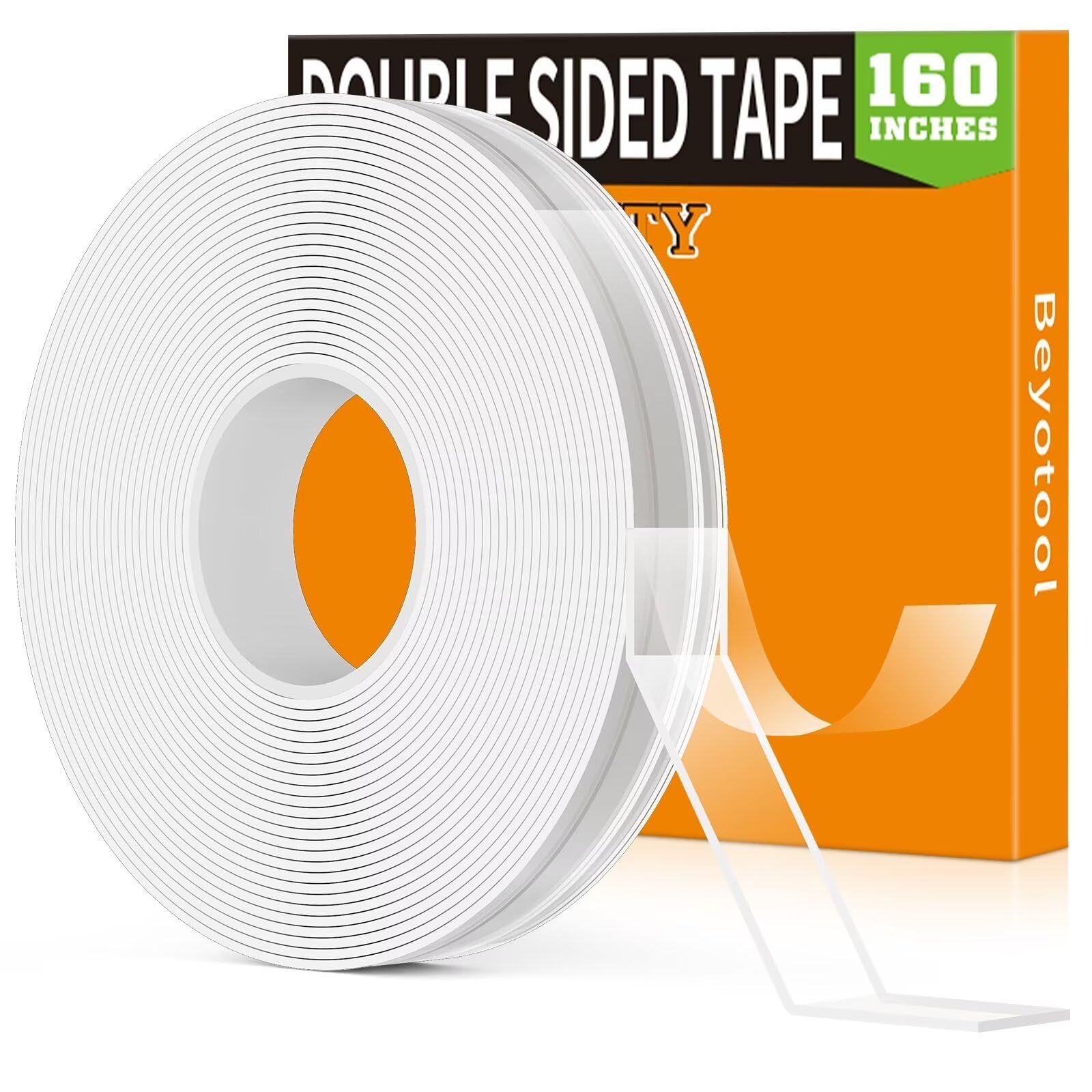
A stock image related to Nano poster tape.
Comprehensive Cost and Pricing Analysis for Nano poster tape Sourcing
When sourcing nano poster tape for commercial distribution or large-scale facility management across international markets, understanding granular cost drivers beyond surface-level unit pricing is essential for procurement optimization and margin protection. The pricing architecture for these acrylic gel-based mounting solutions varies significantly based on material specifications, volume commitments, and regional logistics complexities, particularly for buyers operating across diverse climates in Nigeria, Saudi Arabia, and emerging South American economies.
How Does Nano Tape Thickness and Gel Density Impact Bulk Pricing?
Material composition serves as the primary cost determinant in nano tape manufacturing. Industrial-grade variants featuring higher acrylic gel density (typically 1mm–2mm thickness) command premium pricing compared to standard consumer rolls, yet offer superior load-bearing capacity for heavy signage and environmental resistance. B2B buyers should evaluate cost-per-meter against shear strength specifications, as thinner economy grades may require double-layer application for heavy posters or textured surfaces, effectively doubling material costs despite lower initial unit prices. Requesting detailed technical datasheets from suppliers allows precise comparison of gel composition ratios, which directly correlate with adhesion longevity in challenging environments.
What Are the Regional Price Variations for Nano Poster Tape in Emerging Markets?
Logistics infrastructure significantly influences landed costs across target regions. Shipments to Lagos or Jeddah ports often incur higher freight charges and extended customs processing compared to European destinations, necessitating larger MOQs to amortize transportation expenses effectively. Additionally, temperature-stable formulations suitable for Saudi Arabian heat (withstanding 60°C+/140°F+ environments) or humid tropical climates in Nigeria and Brazil may carry material surcharges of 15–25% over standard specifications. However, these investments prevent adhesive degradation, reducing costly replacement cycles and customer returns in extreme weather conditions.
How Do Washable and Reusable Features Affect Long-Term Procurement Economics?
The reusability factor—where premium tapes can be rinsed and reactivated for 500+ mounting cycles—presents a compelling total cost of ownership argument despite higher upfront unit costs. While standard single-use foam tapes require constant replenishment for rotating retail displays or temporary exhibitions, washable nano tapes reduce per-use costs by 60–80% over a 24-month operational period. For facility management companies managing seasonal campaigns across multiple locations, this reusability translates to measurable inventory reduction, lower waste management expenditures, and decreased procurement administrative overhead.
What Volume Thresholds Unlock Competitive Pricing for International Distributors?
Manufacturers typically structure pricing tiers at 1,000, 5,000, and 10,000+ roll thresholds, with full container load (FCL) quantities offering the most aggressive unit economics. Buyers should negotiate for mixed-SKU containers—combining clear industrial grades with multicolor educational variants—to maximize container utilization while meeting diverse market demands across educational and commercial sectors. Payment terms fluctuate significantly by volume, with 30% deposits standard for orders under $10,000, while established relationships may secure 60-day open account terms or consignment arrangements for annual contracts exceeding $50,000, improving cash flow for distributors in volatile currency markets.
How Can Procurement Teams Optimize Specifications Without Sacrificing Performance?
Strategic specification management enables cost optimization without compromising functionality. For temporary promotional displays in retail environments, standard 0.5mm clear grades suffice, while permanent architectural mounting in commercial buildings requires heavy-duty 2mm+ formulations with enhanced UV resistance. Buyers should implement A/B testing protocols across different thicknesses and gel compositions to determine minimum viable specifications for specific use cases, avoiding over-engineering that inflates per-unit costs. Additionally, engaging manufacturers directly rather than trading houses typically yields 20–35% cost reductions, though this requires establishing internal quality assurance capabilities and managing longer lead times associated with factory-direct relationships.
Alternatives Analysis: Comparing Nano poster tape With Other Solutions
When evaluating mounting solutions for commercial environments, procurement teams must weigh immediate adhesive performance against long-term operational costs and facility management requirements. While nano poster tape offers a unique combination of reusability and industrial-grade adhesion, several established alternatives dominate specific use cases across international markets. Understanding the distinct value propositions of traditional mounting methods enables buyers to optimize purchasing decisions based on project duration, surface materials, and regional climate conditions prevalent in markets from Lagos to Riyadh.
What Are the Primary Alternatives to Nano Poster Tape for Commercial Use?
| 比較の側面 | Nano Poster Tape | Traditional Mounting Putty | Damage-Free Hanging Strips | Mechanical Fasteners |
|---|---|---|---|---|
| Initial Cost | ミディアム | 低い | 高い | 低い |
| Long-term Cost Efficiency | High (reusable 1000+ times) | High (frequent replacement) | High (single-use only) | Low (permanent) |
| 耐荷重 | Heavy-duty (up to 17 lbs per inch) | Light (under 1 lb) | Medium (calibrated per strip) | Very High |
| Surface Compatibility | Universal (rough/smooth/porous) | Smooth, non-porous only | Smooth, clean surfaces only | Solid substrates only |
| 気候への抵抗 | High (-40°F to 170°F, humidity-proof) | Poor (melts in heat >86°F) | Moderate (humidity-sensitive) | 高い |
| 設置スピード | Immediate | Immediate | 15-30 min (cure time) | Slow (requires tools) |
| Removability | Residue-free, reusable | Oily residue, single-use | Clean removal, single-use | Permanent surface damage |
| Lease Compliance | Excellent (no damage) | Moderate (staining risk) | Excellent | Poor (repair costs) |
How Does Traditional Mounting Putty Compare for Temporary Office Displays?
Despite its low entry cost, traditional mounting putty presents significant limitations for B2B applications in high-temperature climates common across the Middle East and Africa. This oil-based compound typically loses adhesion above 30°C (86°F), creating liability risks for retail displays or exhibition signage in non-climate-controlled spaces. While suitable for lightweight paper mounting in permanent office environments, putty requires frequent replacement, generating hidden labor costs and material waste that diminish its initial price advantage. Furthermore, the oily residue left on painted drywall or textured surfaces often necessitates professional cleaning before lease termination—a critical consideration for commercial real estate managers in European and Saudi Arabian markets where tenant improvement clauses are strictly enforced.
Are Damage-Free Hanging Strips Cost-Effective for Large-Scale B2B Procurement?
Command-style adhesive strips offer a familiar middle ground between permanence and flexibility, yet their single-use nature creates substantial cost inefficiencies at enterprise scale. Each removal necessitates complete replacement, making this solution economically unviable for dynamic retail environments or construction sites requiring frequent signage updates. While these strips perform adequately in climate-controlled interiors, their adhesive degrades rapidly in humid conditions characteristic of Nigerian monsoon seasons or coastal Middle Eastern regions. Procurement teams must also account for precise weight-calibration requirements; exceeding specified limits by even marginal amounts results in catastrophic failure, whereas nano tape distributes weight across a continuous surface area with greater tolerance for load variation.
When Should Mechanical Fasteners Be Preferred Over Adhesive Solutions?
For permanent installations where surface modification is permissible, mechanical fastening remains the cost-effective standard, particularly in industrial settings or owned facilities across South America and Europe. However, for the growing sector of leased commercial spaces in urban Middle Eastern developments and African business districts, the prohibitive costs of drywall repair and repainting often exceed the initial savings of screw-based mounting. Installation requires specialized labor and tools, introducing scheduling complexities and safety compliance costs that reusable adhesive solutions eliminate. Additionally, mechanical solutions offer zero flexibility for repositioning during marketing campaigns or seasonal retail layouts, limiting operational agility compared to repositionable nano adhesive systems.
Essential Technical Properties and Trade Terminology for Nano poster tape
When procuring nano poster tape for commercial distribution or large-scale installation projects, understanding the distinction between marketing claims and measurable technical parameters is critical for risk mitigation. B2B buyers must evaluate performance data beyond consumer-grade descriptions to ensure product suitability for diverse climatic conditions and substrate types prevalent in regions like the Middle East, Africa, and South America.
What Technical Specifications Determine Nano Tape Performance in Commercial Applications?
温度動作範囲 defines the adhesive’s viability across extreme climates. Premium nano tapes maintain structural adhesion between -40°C and 80°C (-40°F to 176°F), preventing adhesive flow in Saudi Arabian warehouse heat or embrittlement in European winter logistics. Exceeding these thresholds compromises the acrylic gel matrix integrity.
Substrate Compatibility refers to surface energy adhesion capabilities. High-performance variants bond with high-surface-energy materials (glass, anodized aluminum) and low-surface-energy plastics (polypropylene, polyethylene), essential for multi-surface retail displays and exhibition stands.
Load-Bearing Capacity encompasses tensile strength (resistance to vertical pull) and shear strength (resistance to sliding under weight). Specifications typically range from 1–3 kg/cm² depending on caliper. For heavy banner mounting or carpet track installation, verify shear resistance to prevent “creep” failure under constant load.
ノギス(厚さ) measured in millimeters (typically 1mm–3mm) determines conformability to irregular substrates. Thicker tapes provide superior gap-filling for textured concrete walls common in African construction, while thinner variants offer discrete mounting on glass storefronts.
Washability Cycles and Reusability Index indicate lifecycle durability. Industrial-grade nano tapes withstand 500+ washing cycles with water-based reactivation, delivering measurable cost-per-use advantages for temporary event management and rental property applications.
What Trade Terminology Should B2B Buyers Master for Contract Negotiations?
Acrylic Gel Matrix describes the viscoelastic polymer structure providing reusable adhesion. Unlike traditional foam tapes with separate adhesive layers, this homogeneous gel technology enables washing and tack reactivation through controlled water evaporation.
感圧接着剤 (PSA) classification indicates solvent-free bonding activated by mechanical pressure. Understanding PSA grades—removable versus permanent—ensures compliance with lease agreements requiring residue-free removal or permanent fixture installations.
Double-Coated Construction signifies adhesive application on both sides of a carrier. In nano tapes, this typically refers to symmetrical gel construction rather than film-supported adhesives, affecting load distribution and conformability characteristics.
Creep Resistance (Static Shear Strength) measures deformation under sustained load. High creep resistance prevents poster sagging and fixture slippage in high-temperature environments like Nigerian or Brazilian summer conditions.
Surface Energy Compatibility determines molecular adhesion to specific substrates. LSE (Low Surface Energy) compatibility is essential for powder-coated metals and polypropylene signage prevalent in modern retail architecture across Middle Eastern markets.
Tack Level differentiates initial grab (finger tack) from ultimate adhesion strength. “Aggressive tack” suits immediate heavy-material bonding, while “repositionable tack” allows alignment adjustments during installation without surface damage.
Navigating Market Dynamics and Sourcing Trends in the Nano poster tape Sector
What Are the Emerging Market Trends Shaping Nano Poster Tape Procurement in 2024 and Beyond?
The global nano poster tape sector is experiencing a paradigm shift as B2B buyers transition from traditional mechanical fasteners and single-use adhesives toward advanced acrylic gel mounting solutions. This evolution is particularly pronounced across high-growth markets in Nigeria, Saudi Arabia, and Brazil, where rapid commercial construction and retail expansion demand mounting technologies that accommodate temporary installations without surface damage. Procurement teams are now prioritizing nano tapes with enhanced load-bearing capacities—capable of securing heavy banners, glass elements, and point-of-purchase displays—while maintaining the residue-free removability essential for leased commercial spaces and exhibition venues.
Climate adaptability has emerged as a non-negotiable specification for regional buyers. Formulations engineered to withstand extreme temperature variations, from sub-zero European winters to the intense 50°C heat of Middle Eastern summers, are commanding premium market positions. Humidity resistance represents another critical vector, with buyers in coastal African nations and tropical South American markets requiring gel adhesives that resist moisture degradation in high-precipitation environments. Concurrently, the sector is witnessing significant product diversification, with multicolor variants gaining traction in educational and creative sectors, while ultra-transparent clear tapes dominate corporate branding and luxury retail applications where aesthetic discretion is paramount.
Digital transformation is simultaneously restructuring sourcing methodologies. B2B procurement is migrating from traditional distributor networks toward direct manufacturer engagement via specialized e-commerce platforms, enabling bulk customization, private labeling, and real-time inventory tracking. However, this shift necessitates sophisticated quality verification protocols, as buyers must validate nano tape specifications—including thickness consistency, tensile strength, and reusability cycles—without physical sampling. Raw material volatility represents an emerging consideration, with acrylic gel costs fluctuating alongside petrochemical markets, prompting leading buyers to negotiate long-term supply agreements or explore bio-based gel alternatives that reduce dependency on fossil fuel derivatives while maintaining adhesion performance.
How Can B2B Buyers Ensure Sustainable and Ethically Sourced Nano Tape Supply Chains?
Sustainable procurement in the nano tape sector extends beyond the inherent eco-benefits of reusable adhesives to encompass comprehensive supply chain ethics and regulatory compliance. B
Frequently Asked Questions (FAQs) for B2B Buyers of Nano poster tape
What Is the Weight Capacity of Nano Poster Tape for Commercial Signage and Retail Displays?
1. How do I determine the load-bearing limits of nano poster tape for heavy-duty commercial applications?
Standard nano poster tape typically supports between 1-2 pounds per square inch when properly applied to clean, dry surfaces. For commercial signage weighing 5-20 pounds, apply multiple strips covering at least 50% of the mounting surface area to distribute load evenly across the acrylic gel matrix. Always conduct adhesion tests on your specific substrate before full deployment, as textured walls or high-gloss finishes common in modern Nigerian and Saudi Arabian retail spaces may require additional surface preparation.
How to Remove Nano Poster Tape Without Damaging Painted Office Walls?
2. How do I safely remove nano mounting tape from leased commercial walls without leaving residue or paint damage?
Remove nano tape by gently peeling it parallel to the wall surface rather than pulling away perpendicularly, which minimizes stress on paint layers and drywall texture. If resistance occurs, apply low heat using a hair dryer to soften the acrylic gel adhesive to approximately 40°C, then roll the tape off slowly using your thumb. For any remaining micro-residue, wipe the area with isopropyl alcohol or warm soapy water, ensuring the wall is completely dry before property management inspections.
Can Nano Poster Tape Be Reused for Temporary Retail Displays and Exhibition Booths?
3. How do I restore adhesion for reusable nano tape across multiple trade show installations and seasonal retail campaigns?
Nano poster tape maintains its bonding properties through 600+ wash cycles when rinsed under lukewarm water to remove dust, lint, and surface oils accumulated from previous applications. Allow the tape to air dry completely—approximately 30-45 minutes in standard humidity—before the micro-suction gel properties reactivate for your next mounting cycle. For procurement teams managing rotating displays across multiple locations, establish standardized cleaning protocols between installations to maximize tape lifespan and reduce consumable costs by up to 80% compared to traditional mounting solutions.
Is Nano Poster Tape Suitable for Glass and Metal Surfaces in Business Environments?
4. How do I ensure reliable adhesion on non-porous surfaces like glass partitions and powder-coated metal in corporate settings?
Nano gel tape performs exceptionally on smooth, non-porous surfaces including tempered glass, stainless steel, and anodized aluminum commonly found in European and Middle Eastern office architecture. Clean surfaces with degreasing agents to remove manufacturing oils or fingerprints before application, as these contaminants compromise the micro-suction bond. For outdoor metal signage exposed to thermal expansion in high-temperature climates, select nano tapes rated for -40°C to 75°C (-40°F to 170°F) to accommodate temperature fluctuations without adhesive creep.
How Do I Source Nano Poster Tape for Bulk Procurement in High-Temperature International Markets?
5. How do I navigate customs regulations and climate considerations when importing nano adhesive solutions to regions like Nigeria and Saudi Arabia?
When sourcing for Middle Eastern or African markets, verify that nano tape formulations include UV stabilizers and heat-resistant acrylic gels rated for continuous exposure above 50°C (122°F) to prevent adhesive degradation in desert climates. Work with suppliers offering moisture-barrier packaging to prevent premature activation during humid ocean transit conditions. Request MSDS documentation and REACH compliance certificates to ensure adherence to European and emerging market safety standards, while confirming that roll dimensions meet your automated dispensing equipment specifications for high-volume retail applications.
What Surface Preparation Protocols Maximize Adhesion in Diverse Commercial Construction Environments?
6. How do I standardize surface preparation across mixed substrates including concrete, drywall, and textured office partitions?
Implement a three-step preparation protocol: first, remove loose debris with microfiber cloths; second, degrease with isopropyl alcohol for non-porous surfaces or use mild detergent for painted drywall; third, allow 24-hour curing time for freshly painted walls before tape application. For porous concrete or brick common in South American and African commercial construction, apply a thin clear coat sealant before mounting to prevent dust particles from compromising the nano gel’s micro-suction capabilities and ensure consistent holding power across diverse building materials.
How Does Nano Tape Compare to Traditional Mechanical Fasteners for Temporary Business Installations?
7. How do I calculate ROI when switching from drill-and-anchor mounting to nano adhesive systems for temporary business signage?
Nano poster tape eliminates labor costs associated with drilling, patching, and repainting—typically reducing installation time by 90% and removal costs by 100% for short-term marketing campaigns. Factor in the reusability quotient: while mechanical fasteners offer single-use permanence, quality nano tape supports 50-100 repositioning cycles, making it ideal for agile retail environments and project-based construction sites. Include reduced liability insurance costs in your procurement analysis, as nano tape eliminates wall damage claims common in leased commercial spaces across European and Middle Eastern business districts.
What Quality Certifications Should B2B Buyers Demand for Nano Poster Tape in Professional Settings?
8. How do I verify product quality and safety compliance when evaluating nano tape suppliers for corporate procurement contracts?
Require suppliers to provide ISO 9001 quality management certification and REACH compliance documentation for chemical safety, particularly important for EU and Middle Eastern import regulations. Request independent tensile strength testing reports showing peel adhesion values exceeding 20N/25mm for heavy-duty commercial applications. For educational or healthcare sectors, verify that formulations are free from phthalates and heavy metals, carrying appropriate child-safety certifications if the tape will be deployed in family-friendly retail environments or school districts across your target markets.
重要な免責事項および利用規約
⚠️ 重要な免責事項
メーカー、技術仕様、市場分析に関する内容を含め、本ガイドラインで提供される情報は、情報提供と教育目的のみのものです。専門的な調達アドバイス、財務アドバイス、または法的アドバイスを提供するものではありません。.
B2Bバイヤーは、独自の徹底的なデューデリジェンスを行う必要がある。 をご覧の上、ご購入をお決めください。本ガイドに記載された情報を信頼した場合のリスクは、読者が単独で負うものとします。.
Top 4 Nano Poster Tape Manufacturers & Suppliers List
1. AmpleTape – Nano Adhesive Tape

ドメイン ampletape.com
登録:2020年(6年)
はじめに Product Name: Nano adhesive tape (also referred to as nano tape, nano gel tape, double-sided nano adhesive tape, Nano Magic Tape). Key Features: Reusable multiple times without losing stickiness; washable (can be cleaned with water and dried to restore original adhesion); traceless removal (leaves no residue and does not damage surfaces); transparent/invisible design available; high adhesion stren…
2. Baiyi – Nano Tape
ドメイン baiyiadhesive.com
登録:2017年(9年目)
はじめに Manufacturer: Zhejiang Baiyi Adhesive Products Co., Ltd. Product Category: Nano Tape (Custom) with 8 available variants. Product Types: DIY Blow Bubbles Nano Tape; Double-Sided Nano-Pearl Coloured Adhesive; Double-Sided Nano-Colour Translucent Adhesive; Gold Onion Double-Sided Nano Adhesive; Double-Sided Nano-Transparent Adhesive; Double-Sided Nano Red Film Adhesive; Double-Sided Nano-Mesh Adhesiv…
3. CNXY – Nano Tape

ドメイン cnxytape.com
登録:2022年(4年)
はじめに Nano Tape Heavy Duty Double Sided Mounting Tape supplied by Shenzhen Xiangyu New Material Co., Ltd. Heavy-duty double-sided adhesive tape designed for secure mounting and lasting bonds without the mess of traditional adhesives. Features strong hold and versatility suitable for both personal and industrial applications. Engineered to withstand various conditions ensuring durability and reliability….
4. Topever – Adhesive Tapes
ドメイン topevertape.com
登録:2022年(4年)
はじめに This company, Topever – Adhesive Tapes, is a notable entity in the market.
Strategic Sourcing Conclusion and Outlook for Nano poster tape
As global commercial real estate and retail sectors pivot toward flexible, damage-free installation methods, nano poster tape emerges as a strategic procurement asset rather than a simple consumable. For B2B buyers operating across diverse climates—from the humid coastlines of Nigeria to the temperature-controlled galleries of Saudi Arabia and Europe—selecting mounting solutions that balance immediate adhesion with long-term surface integrity has become critical to operational efficiency.
Why Is Temperature-Resistant Nano Tape Critical for Cross-Regional Inventory Management?
The material’s operational range spanning extreme cold to high heat (typically -40°C to 70°C+) eliminates the need for climate-specific SKUs, streamlining procurement across continental supply chains. This versatility proves particularly valuable for multinational facility management contracts where standardized products must perform equally well in air-conditioned Riyadh offices and outdoor Lagos signage applications without degradation.
How Does Washable Reusability Impact Total Cost of Ownership?
Unlike permanent mounting hardware, nano tape’s regenerative adhesive properties—restored through simple water washing—extend product lifecycles significantly. For procurement teams in emerging markets where import logistics carry premium costs, this reusability translates to reduced replenishment frequency and lower per-use expenditure compared to traditional foam tapes or mechanical fasteners.
Looking ahead, expect nano adhesive technologies to integrate further with sustainable procurement mandates, offering enhanced gel formulations that maintain load-bearing capacity for commercial signage while supporting circular economy initiatives across African, Middle Eastern, and European markets.