Introduction: Navigating the Global Market for Super transparent tape
When procuring super transparent tape for high-volume packaging and sealing operations, international buyers frequently encounter a critical pain point: balancing optical clarity with adhesive reliability across diverse climate conditions and regulatory standards. Whether you are sourcing for industrial manufacturing in Germany or retail distribution in Saudi Arabia, the challenge lies not merely in finding tape that disappears on contact, but in securing supply chains that deliver consistent performance from humid South American ports to arid Middle Eastern logistics hubs. Inconsistent film quality and unpredictable lead times can disrupt production schedules and compromise brand presentation, making strategic supplier selection paramount for maintaining competitive advantage in increasingly demanding markets.
What Critical Factors Should Buyers Evaluate When Sourcing Super Transparent Tape Internationally?
This comprehensive guide addresses the complexities of global procurement by examining technical specifications—from acrylic versus rubber-based adhesives to film thickness variations—while mapping applications across electronics, automotive, and e-commerce sectors. We analyze supplier vetting protocols essential for emerging markets in Africa and Latin America, dissect total cost of ownership models including freight and customs considerations, and provide region-specific compliance insights for European and Middle Eastern regulatory frameworks. Additionally, we explore quality assurance methodologies that prevent adhesive degradation in extreme temperatures and humidity levels common to target regions, ensuring your packaging maintains its professional appearance throughout the distribution cycle.
By synthesizing technical benchmarks with geopolitical supply chain intelligence, this resource empowers procurement teams from Johannesburg to São Paulo and from Cairo to Frankfurt to make data-driven decisions that mitigate risk, optimize inventory costs, and ensure product integrity across continental boundaries.
Understanding Super transparent tape Types and Variations
| タイプ名 | 主な特徴 | 主なB2Bアプリケーション | バイヤーのための簡単な長所と短所 |
|---|---|---|---|
| Industrial PET Film Tape | Polyester backing, high tensile strength, chemical/moisture resistant, optical clarity | Label protection, splicing, holding in printing/packaging lines | Pros: Durable, clean removal. Cons: Higher cost than BOPP, limited flexibility |
| Heavy-Duty Super Hold Office Tape | 50%+ adhesive mass, thick cellulose acetate or BOPP backing, writable surface | Document repair, archival sealing, administrative bundling | Pros: Strong immediate tack, residue-free. Cons: Not for heavy loads, temperature sensitive |
| UV-Stable Crystal Clear Packaging Tape | BOPP film, non-yellowing acrylic adhesive, high clarity for branding visibility | Premium export packaging, retail box sealing, long-term storage | Pros: Maintains clarity in sunlight, cost-effective. Cons: Lower chemical resistance than PET |
| Double-Sided Optical Bonding Tape | Clear acrylic foam or film, high transparency, permanent bond | Glass/acrylic bonding, electronics display assembly, signage mounting | Pros: Invisible bonds, vibration dampening. Cons: Difficult to reposition, surface prep critical |
What Makes Industrial PET Film Tape Essential for High-Value Manufacturing?
Industrial-grade super transparent tape utilizing polyethylene terephthalate (PET) film delivers exceptional dimensional stability and chemical resistance, making it indispensable for label protection and core splicing in high-speed printing operations. Its high tensile strength prevents breakage during automated manufacturing processes, while optical clarity ensures barcode readability. B2B buyers should verify silicone or acrylic adhesive compatibility with specific substrates, particularly when operating in humid climates prevalent across African and South American markets, to guarantee clean removal without residue during end-user processing or recycling operations.
How Does Heavy-Duty Super Hold Tape Support Document-Intensive Operations?
This variation features enhanced adhesive mass—typically 50% greater than standard office formulations—bonded to a rigid, writable backing ideal for archival documentation and administrative repair. The moisture-resistant properties prevent document degradation in varying warehouse climates, while the thicker construction provides structural reinforcement for torn files. For procurement teams in Germany and Saudi Arabia managing extensive paperwork or educational supply chains, this tape offers reliable tamper-evident sealing. Key purchasing considerations include verifying dispenser compatibility for high-volume usage and ensuring the adhesive formulation prevents oxidation on sensitive documents over multi-year storage periods.
Why Should Export-Focused Businesses Choose UV-Stable Crystal Clear Packaging Tape?
Engineered with non-yellowing acrylic adhesives on biaxially oriented polypropylene (BOPP) film, this tape maintains optical clarity during prolonged sun exposure throughout shipping cycles and retail display. Critical for B2B buyers managing export logistics from Europe to Middle Eastern markets, it ensures branded packaging remains professional upon arrival. Unlike standard tapes that cloud or discolor within weeks, UV-stable variants preserve barcode scanability and aesthetic appeal. Buyers must evaluate the premium pricing against reduced product damage claims, enhanced brand perception in competitive retail environments, and compliance with international packaging visibility standards.
When Is Double-Sided Optical Bonding Tape the Right Choice for Assembly Applications?
Featuring clear acrylic foam or film carriers with permanent pressure-sensitive adhesives, this tape creates invisible bonds between glass, acrylic, and metal substrates in electronics manufacturing and architectural signage. It effectively replaces mechanical fasteners in display assembly, reducing weight and eliminating visible fixings that detract from product aesthetics. For manufacturers in South America and the Middle East producing point-of-sale displays or premium glass installations, this tape offers vibration dampening and thermal expansion accommodation. Procurement teams must conduct rigorous surface energy testing of substrates, as bonding failure typically stems from inadequate surface preparation rather than tape deficiency, necessitating investment in corona treatment or primer systems.
Key Industrial Applications of Super transparent tape
| 業界/セクター | Specific Application of Super transparent tape | ビジネスにとっての価値/利益 | このアプリケーションにおける主な調達上の考慮事項 |
|---|---|---|---|
| E-commerce & Logistics | High-clarity carton sealing and thermal label protection | Maintains 99%+ barcode scan rates, professional aesthetics, tamper-evident security | UV-resistant acrylic adhesive for tropical climates; compatibility with recycled corrugated materials |
| 電子機器製造 | Temporary surface protection for displays, lenses, and polished metal chassis | Zero-residue removal prevents costly rework, preserves optical clarity for quality inspections | Anti-static cores, low-outgassing adhesives, ISO Class 7 clean-room compatibility |
| 印刷・出版 | Cold overlaminating and mounting of technical documents, blueprints, and marketing collateral | UV and abrasion protection without heat warping, invisible finish preserves visual integrity | Acid-free/pH-neutral adhesives to prevent yellowing; compatibility with digital inkjet prints |
| Automotive Assembly | Temporary fixation of interior trim, emblems, and pre-delivery surface protection | Revents surface marring on leather and piano-black plastics, reduces mechanical fastener costs | Temperature stability (-20°C to 80°C), resistance to automotive fluids, robotic dispensing compatibility |
| Renewable Energy | Temporary protection of photovoltaic glass and frame edges during transport and installation | Prevents efficiency-reducing micro-scratches, eliminates pre-commissioning cleaning costs | UV-stable backing for 6+ month outdoor exposure; guaranteed clean removal after temperature cycling |
How does super transparent tape enhance supply chain visibility in global logistics?
For logistics operators managing high-volume distribution across Nigeria, Brazil, and the GCC, super transparent tape serves a critical dual function: securing corrugated containers while simultaneously protecting thermal shipping labels from moisture and abrasion during multimodal transport. Its crystal-clear composition ensures barcode scanners maintain 99%+ read rates without requiring label reprinting, directly reducing handling delays at congested customs checkpoints. Procurement teams in tropical climates should prioritize acrylic-based adhesives with high shear strength to prevent edge-lifting during monsoon seasons or extreme desert heat waves, ensuring packages arrive with professional integrity intact and minimizing costly reshipment fees.
What role does super transparent tape play in electronics manufacturing cleanliness standards?
Electronics assemblers in Germany and Saudi Arabia utilize super transparent tape as a temporary protective barrier for touchscreens, polished metal chassis, and camera lenses during final assembly stages. The tape’s high-tack formulation removes cleanly without leaving silicone or rubber residues that could interfere with conductivity testing or aesthetic inspections, solving the costly problem of rework. International buyers should prioritize rolls with anti-static cores and low-outgassing adhesives to prevent particulate contamination in ISO Class 7 clean rooms, particularly when sourcing for smartphone or automotive display production lines where microscopic defects result in significant yield losses.
Why is super transparent tape essential for protecting premium print materials in diverse markets?
Commercial printers and architectural firms across Europe and South America rely on super transparent tape for invisible overlaminating of marketing collateral, technical blueprints, and legal documents that must withstand frequent handling in varying humidity levels. Unlike thermal laminating films, this tape applies without heat, preventing warping of sensitive digital prints while providing UV resistance to prevent fading in high-sunlight regions like the Middle East and Andean highlands. Buyers should verify acid-free, pH-neutral adhesive formulations to prevent yellowing of archival documents over time, ensuring long-term client satisfaction for preservation projects and high-value contract documentation.
How can automotive manufacturers optimize assembly workflows using super transparent tape?
Automotive OEMs and tier-one suppliers from South Africa to Germany employ super transparent tape for temporary fixation of interior trim pieces, emblems, and wiring harness covers during vehicle assembly and pre-delivery protection. The tape’s conformability to curved dashboards and resistance to automotive fluids allows it to replace mechanical fasteners in temporary holding applications, reducing surface marring on leather and piano-black plastics. Sourcing considerations must include temperature stability from -20°C to 80°C to accommodate both cold storage transport and hot-climate final delivery, alongside compatibility with automated robotic dispensing systems for high-speed production lines.
How does super transparent tape protect solar investments during global installation projects?
Solar farm developers in Chile, Morocco, and South Africa use super transparent tape to protect photovoltaic glass surfaces and aluminum frame edges during long-distance shipping and on-site installation. The tape’s ability to withstand six months of UV exposure without adhesive transfer prevents the micro-scratches and dust accumulation that typically reduce panel efficiency by 2-3% prior to commissioning. Procurement teams must specify tapes with UV-resistant backings and silicone-free adhesives that release cleanly even after extreme temperature cycling, ensuring installers spend less time cleaning and more time generating revenue from immediate grid connection.
A stock image related to Super transparent tape.
3 Common User Pain Points for ‘Super transparent tape’ & Their Solutions
Scenario 1: How to Prevent Yellowing and Hazing in High-Temperature Supply Chains?
問題だ: Buyers sourcing for markets in Saudi Arabia, the UAE, or Sub-Saharan Africa frequently encounter super transparent tape that develops a yellowish haze or becomes brittle after exposure to extreme heat during container shipping or warehouse storage. Standard acrylic adhesives can oxidize under prolonged UV exposure and temperatures exceeding 40°C (104°F), compromising the aesthetic appeal of premium retail packaging and potentially obscuring barcode scanning capabilities. This results in rejected shipments, additional repackaging costs, and damaged brand perception in temperature-sensitive logistics corridors.
解決策 Specify UV-stabilized acrylic adhesive formulations with anti-aging additives specifically rated for tropical and desert climates. Request technical data sheets verifying yellowing resistance (ASTM D2671 or equivalent standards) and heat resistance up to 60°C. Implement climate-controlled storage protocols upon arrival, and consider purchasing tape with UV-resistant film substrates rather than standard BOPP for outdoor storage applications. Conduct pre-shipment climate simulation testing with suppliers to validate optical clarity retention over 90-day exposure periods.
Scenario 2: Why Does Super Transparent Tape Fail on Recycled and Coated Packaging?
問題だ: European buyers, particularly in Germany facing strict packaging sustainability mandates, increasingly utilize recycled corrugated board, bio-based plastics, or wax-coated surfaces. Standard super transparent tapes often exhibit poor wet-out characteristics on these low-surface-energy substrates, resulting in edge lifting, seal failure, and compromised package integrity during automated handling. This creates operational inefficiencies in high-speed fulfillment centers and increases risk of tampering or moisture ingress during international transit.
解決策 Transition to high-tack synthetic rubber or modified acrylic adhesives specifically formulated for challenging substrates. Request surface energy compatibility testing (38+ dynes/cm) from suppliers before bulk ordering. For wax-coated or heavily recycled materials, implement corona treatment or primer application stations in packaging lines, or specify tape with aggressive initial tack properties (measured in oz/in width). Verify compatibility with your specific substrate mix through pilot runs, ensuring the tape maintains clarity while providing shear strength exceeding 48 hours at 40°C.
Scenario 3: How Can You Customize Branding While Maintaining Crystal-Clear Visibility?
問題だ: B2B buyers across South American and Middle Eastern export markets require customized printed branding on packaging tape to enhance unboxing experiences and prevent counterfeiting, yet find that standard printed opaque tapes obscure product visibility. Attempting to print on super transparent tape often results in ink bleeding, reduced adhesion in printed areas, or logos that appear distorted against clear backgrounds, undermining both security and aesthetic presentation in retail environments where product visibility drives purchasing decisions.
解決策 Utilize precision flexographic or screen-printing techniques with UV-cured, solvent-free inks specifically formulated for BOPP film tapes. Specify “knock-out” zones where printing stops to maintain crystal-clear windows for product viewing, or opt for semi-transparent white or tonal printing that maintains 60-70% light transmission. Work with suppliers offering HD flexo plate technology to ensure crisp logo reproduction without adhesive displacement. Request samples demonstrating print clarity under various lighting conditions to ensure brand colors remain vibrant while preserving the tape’s super transparent characteristics essential for premium packaging presentation.
Strategic Material Selection Guide for Super transparent tape
Selecting the appropriate substrate for super transparent tape requires balancing optical clarity, environmental resilience, and total cost of ownership across diverse supply chain conditions. For procurement teams managing cross-continental logistics—from the humid coastlines of West Africa to the temperature-controlled distribution centers of Central Europe—material specifications directly impact product integrity, customs compliance, and brand presentation. The following analysis examines critical film substrates through the lens of regional operational requirements, helping buyers align technical specifications with climatic challenges and regulatory frameworks prevalent in target markets.
Which Base Material Delivers Optimal Performance for High-Volume Export Packaging?
Biaxially Oriented Polypropylene (BOPP) film represents the dominant specification for super transparent tape applications, particularly within cost-sensitive markets across South America and Sub-Saharan Africa. Manufactured through a simultaneous or sequential stretching process that enhances molecular orientation, BOPP offers exceptional optical clarity while maintaining the tensile strength necessary for high-speed automated carton sealing operations. Its inherent moisture barrier properties prove advantageous in tropical climates, preventing adhesive degradation and edge lifting during maritime shipping routes common in West African trade corridors. However, procurement teams should note that standard BOPP exhibits limited temperature resistance, typically softening and losing dimensional stability when exposed to sustained temperatures exceeding 100°C. This limitation presents significant risks in unventilated Middle Eastern warehouses or direct sunlight exposure during Saudi Arabian logistics operations, potentially compromising seal integrity and inviting tampering vulnerabilities.
What Film Composition Withstands Extreme Thermal Cycling in Industrial Applications?
Polyester (PET) film substrates provide superior dimensional stability for B2B buyers serving electronics manufacturing, pharmaceutical packaging, and automotive sectors in Germany and the Gulf Cooperation Council regions. With temperature tolerance ranging from -40°C to 150°C, PET-based super transparent tapes maintain adhesion integrity across desert logistics chains, cold storage transitions, and industrial sterilization processes. The material’s higher tensile strength—approximately 20-30% greater than polypropylene alternatives—reduces breakage incidents during high-speed application processes, minimizing production line downtime in automated German manufacturing facilities. The primary limitation involves cost positioning and compatibility requirements; PET films command premium pricing approximately 40-60% above standard BOPP equivalents, while requiring specialized acrylic or silicone adhesives to ensure proper surface wetting on low-energy substrates common in medical device packaging.
Which Substrate Supports Archival Documentation and Writable Applications?
Cellulose Acetate remains the preferred specification for legal, healthcare, and governmental procurement in European markets requiring archival-grade transparency and document repair capabilities. Unlike synthetic alternatives, this bio-based film allows direct writing with ballpoint pens and permanent markers without smudging or feathering, while offering inherent UV resistance that prevents document fading during decades of storage. Its antistatic properties prevent toner lift when applied over laser-printed documents, a critical consideration for German administrative and healthcare sectors. The biodegradable nature aligns with EU Circular Economy Action Plan directives, though buyers must account for hygroscopic sensitivity; cellulose acetate becomes increasingly brittle and loses adhesive bond strength in high-humidity environments characteristic of tropical African climates or monsoon seasons in South Asia, limiting its utility to climate-controlled archival facilities rather than general shipping applications.
How Do Regional Regulatory Frameworks Impact Material Selection?
Polyvinyl Chloride (PVC) film, while historically prevalent in certain Middle Eastern and North African markets due to its excellent conformability on irregular corrugated surfaces, faces accelerating phase-out under European REACH regulations and corporate ESG mandates. Though offering superior hand-tearability and conformability compared to oriented films, PVC’s chlorine content and plasticizer migration risks create significant compliance liabilities for international distributors serving German industrial clients or participating in EU
A stock image related to Super transparent tape.
In-depth Look: Manufacturing Processes and Quality Assurance for Super transparent tape
Super transparent tape production demands precision engineering that balances optical clarity with mechanical performance. For procurement teams sourcing packaging materials across diverse climates—from the humidity of West Africa to the arid conditions of the Middle East and the regulated markets of the European Union—understanding manufacturing intricacies ensures consistent supply chain performance. The following technical overview examines how leading manufacturers achieve the crystal-clear appearance and reliable adhesion that industrial operations require.
What Raw Materials Determine the Optical Clarity of Super Transparent Tape?
The foundation of optical-grade tape begins with virgin polypropylene resin selection. Premium manufacturers utilize isotactic polypropylene with minimal impurities, ensuring light transmission rates exceeding 90%. Unlike standard packaging tapes that may incorporate recycled content or calcium carbonate fillers, super transparent variants require optical-grade raw materials free from nucleating agents that create haze.
Adhesive formulation equally impacts long-term transparency. Water-based acrylic emulsions dominate high-clarity applications because they resist yellowing under UV exposure compared to natural rubber or hot melt alternatives. Advanced formulations incorporate UV stabilizers and antioxidants that prevent oxidative degradation during storage in high-temperature environments—critical for buyers managing inventory in Saudi Arabian warehouses or Brazilian distribution centers where thermal exposure risks adhesive deterioration.
How Is the BOPP Film Substrate Engineered for Maximum Transparency?
Biaxially Oriented Polypropylene (BOPP) film manufacturing represents the core technological differentiator. The extrusion process involves melting polypropylene pellets at 200-230°C before casting them into thick sheets. These sheets undergo simultaneous or sequential stretching in both machine and transverse directions—typically at ratios of 4:1 to 8:1—which aligns polymer chains and eliminates crystalline structures that scatter light.
Surface treatment through corona discharge or flame treatment follows orientation, increasing surface energy from 29 mN/m to 38-42 mN/m. This modification ensures adhesive wetting without compromising optical properties. Thickness uniformity control within ±0.5 microns prevents “banding” or visual distortion when applied to packaging, particularly important for German automotive or electronics exporters requiring pristine presentation standards.
What Coating Technologies Ensure Consistent Adhesion Without Defects?
Precision coating lines utilize gravure or Meyer rod application systems to deposit 20-30 microns of adhesive onto the treated BOPP surface. For super transparent applications, manufacturers employ micro-gravure cylinders that transfer exact adhesive volumes, eliminating streaks or orange-peel textures that compromise clarity.
Drying tunnels utilizing zoned temperature control (typically 80-120°C) remove water content while preventing thermal shock that could curl the film. Inline vision systems inspect for coating defects at 300+ meters per minute production speeds, immediately flagging variations in adhesive thickness that could affect tack or holding power. This real-time monitoring ensures every jumbo roll meets specifications before slitting into commercial widths.
Which Quality Control Protocols Validate Performance for Industrial Applications?
Rigorous testing protocols separate commodity-grade products from industrial-strength super transparent tape. Peel adhesion testing (ASTM D3330) measures initial tack and 24-hour bond strength, typically requiring 20-30 oz/inch values for standard applications and 40+ oz/inch for heavy-duty shipping. Shear resistance testing (ASTM D3654) evaluates holding power under constant load, with premium tapes maintaining position for 72+ hours at 40°C.
Optical quality assessment employs haze meters measuring light diffusion (targeting <5% haze) and gloss meters verifying surface reflectivity. Tensile strength testing ensures the backing withstands 20-30 N/cm stress without tearing, crucial for automated case sealing machines operating at high speeds. Each production batch undergoes accelerated aging tests simulating six-month storage in 40°C/90% humidity conditions—replicating the environmental challenges faced in tropical African or Southeast Asian markets.
How Do Manufacturers Ensure Roll Geometry Precision for Automated Lines?
Slitting and rewinding operations determine compatibility with automated packaging equipment. Precision slitting utilizing razor or shear blades maintains width tolerances of ±0.5mm, preventing jamming in high-speed dispensers. Tension control systems maintain 10-15% elongation limits during rewinding, ensuring consistent unwind force throughout the roll.
Core alignment accuracy within 0.2mm prevents wobble in dispenser mechanisms, while roll hardness testing (measured in Shore A durometer) verifies that finished rolls maintain shape during palletized shipping. For buyers operating German-engineered packaging lines or Saudi Arabian fulfillment centers utilizing European automation equipment, these geometric tolerances directly correlate with operational uptime and reduced maintenance costs.
What Certifications Should International B2B Buyers Demand?
Regulatory compliance varies significantly across target markets. European buyers, particularly German manufacturers, require REACH compliance and RoHS certification verifying absence of heavy metals or restricted phthalates. Food contact compliance (FDA 21 CFR 175.105 or EU 10/2011) becomes essential for tape used in food packaging applications prevalent in South American agricultural exports.
Middle Eastern markets increasingly demand SASO (Saudi Standards, Metrology and Quality Organization) conformity, while African buyers benefit from ISO 9001:2015 certified facilities ensuring consistent batch quality. Leading manufacturers provide Certificate of Analysis (CoA) documentation with each shipment, detailing melt flow indices, adhesive solids content, and optical transmission percentages—documentation critical for customs clearance and quality audits in international trade.
How Does Climate-Adaptive Manufacturing Benefit Global Supply Chains?
Regional climate considerations necessitate manufacturing adjustments. For Middle Eastern and African markets, manufacturers formulate adhesives with higher softening points (85-95°C) to prevent adhesive bleed-through during container shipping where internal temperatures exceed 60°C. Conversely, European and South American buyers requiring cold-chain logistics need adhesives maintaining tack at 5-10°C without becoming brittle.
Humidity-resistant formulations incorporate cross-linking agents that prevent moisture vapor transmission, essential for tropical climates where standard acrylic adhesives might whiten or lose adhesion. Manufacturers serving global B2B clients typically offer regional product variants—identical optical clarity but tailored adhesive rheology—ensuring performance consistency whether applied in humid Lagos warehouses or climate-controlled Frankfurt distribution centers.
Understanding these manufacturing variables enables procurement professionals to evaluate suppliers beyond price points, assessing instead the technical capabilities that ensure packaging integrity across international supply chains.
Practical Sourcing Guide: A Step-by-Step Checklist for ‘Super transparent tape’
Procuring super transparent tape for international B2B operations requires balancing optical performance with supply chain efficiency. Whether securing pharmaceutical labels in Riyadh or protecting electronics shipments to São Paulo, buyers must verify specifications that transcend basic adhesive metrics. This systematic framework ensures your procurement strategy aligns with technical requirements, climatic challenges, and cross-border compliance standards essential for African, Middle Eastern, and European markets.
-
How Do You Define Critical Performance Specifications for Industrial Applications?
Begin by documenting your operational environment and substrate requirements. Determine whether you need label protection tape with crystal-clear optical transmission (90%+ clarity) or heavy-duty carton sealing with enhanced adhesion comparable to 50% stronger adhesive formulations. Specify core dimensions—3-inch for high-volume dispensers versus 1-inch for handheld use—and verify temperature resistance ranges from -10°C to 60°C, critical for Middle Eastern and South American warehouse conditions. Request technical data sheets detailing elongation percentages and tensile strength to ensure compatibility with automated packaging lines.
-
What Surface Compatibility and Environmental Resistance Standards Matter?
Validate adhesive performance across your actual material portfolio. Super transparent tape must maintain bond integrity on recycled corrugated board, polypropylene films, and metalized surfaces common in German manufacturing. Conduct shear adhesion testing (ASTM D3654) using supplier samples, and verify moisture resistance for humid environments like West African ports. Confirm the tape remains writable with permanent markers if secondary inventory labeling is required, and test for UV stability if outdoor storage is anticipated.
-
Which Optical Clarity Metrics Indicate Premium Film Quality?
Evaluate the BOPP (biaxially oriented polypropylene) film grade against quantifiable standards. Premium super clear tape should exhibit haze levels below 1.5% and gloss measurements exceeding 90 GU at 60°. Inspect sample rolls for gapping or adhesive bubbles that compromise transparency. For Saudi Arabian pharmaceutical or European automotive clients where barcode scanning reliability is non-negotiable, require optical transmission certificates verifying 92% light transmission minimum and consistent dye lots across bulk orders.
-
What International Certifications Validate Supplier Reliability?
Verify compliance with ISO 9001:2015 quality management and ISO 14001 environmental standards. For food and beverage applications, demand FDA 21 CFR 175.105 or EU Regulation 10/2011 conformity. Check for RoHS and REACH certifications when supplying European markets, and confirm the manufacturer understands fumigation requirements and moisture-resistant packaging protocols essential for sea freight to Lagos or Mombasa. Review their track record with Incoterms like FOB or CIF for major ports.
-
How Do You Calculate Total Cost of Ownership Beyond Unit Price?
Analyze procurement economics by factoring case quantities (typically 24-36 rolls per carton), dispenser compatibility, and waste reduction. Calculate cubic meter efficiency for container loading—opting for 72-yard rolls versus standard 55-yard lengths reduces changeover frequency and shipping volume by approximately 15%. Negotiate payment terms that account for currency fluctuations in South American markets, and verify the supplier’s ability to maintain consistent specifications across seasonal production runs.
-
What Incoming Inspection Protocols Prevent Quality Failures?
Establish pre-shipment verification procedures including roll diameter consistency checks, adhesive coat weight verification, and unwind noise testing. Implement AQL (Acceptable Quality Level) sampling at 1.0% for critical defects like core misalignment or adhesive oxidation. For healthcare and automotive clients, demand batch-specific COAs (Certificates of Analysis) and confirm the tape withstands UV sterilization processes without yellowing or adhesive degradation during the product lifecycle.
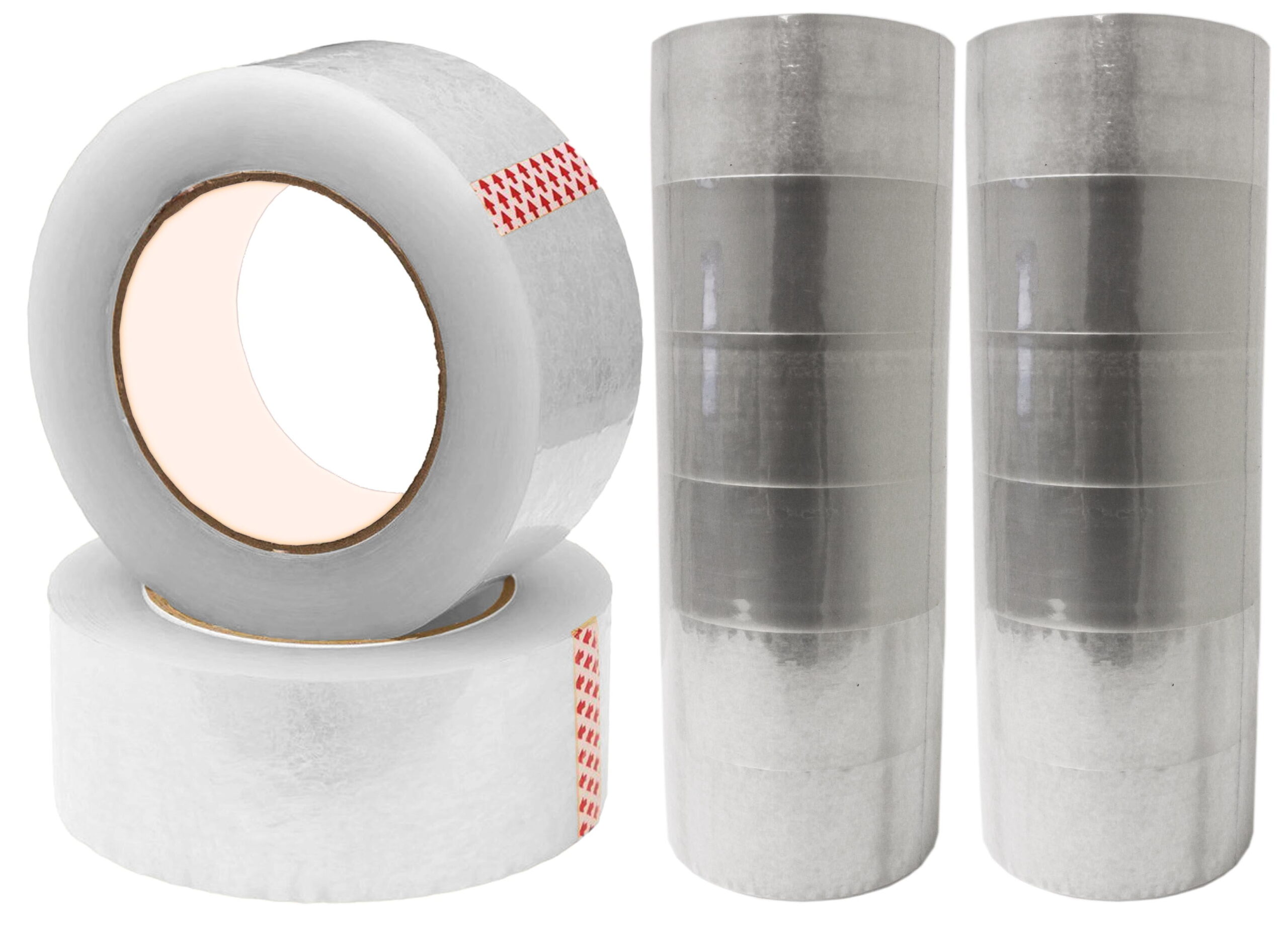
A stock image related to Super transparent tape.
Comprehensive Cost and Pricing Analysis for Super transparent tape Sourcing
When sourcing super transparent tape for industrial or commercial operations, procurement teams must look beyond sticker prices to understand the true cost architecture. The variance between retail-packaged consumer grades and bulk industrial cases can exceed 300%, making specification alignment and volume optimization critical for margin-sensitive businesses across emerging and established markets.
How Do Volume Tiers and MOQs Influence Unit Economics?
B2B procurement typically involves case quantities—such as 36-roll cases measuring 2 inches by 72 yards—rather than retail packs of three rolls. While retail pricing for premium brands averages $2.65 per roll in Western markets, industrial case pricing often reduces per-yard costs by 40-60% when minimum order quantities (MOQs) exceed 500 rolls. However, buyers must balance these savings against inventory carrying costs and shelf-life considerations, particularly in humid climates common in African and South American logistics hubs where adhesive degradation accelerates storage losses.
What Hidden Supply Chain Costs Impact Total Landed Pricing?
International buyers from Germany to Saudi Arabia must calculate total landed costs beyond ex-works pricing. Freight optimization for bulky tape cases requires palletization efficiency—typically 40-50 cases per standard pallet—to minimize per-unit shipping expenses. Additionally, customs classifications vary by region; super clear film tapes may face different duty rates than standard BOPP packaging tapes in Middle Eastern markets. Currency hedging becomes essential for African and South American importers facing volatile exchange rates against USD or EUR denominated invoices.
How Do Material Specifications Drive Cost Variations?
Cost differentials stem from film thickness (measured in microns), adhesive coating weights, and clarity grades. Super transparent variants command 15-25% premiums over standard clear tapes due to specialized biaxially oriented polypropylene (BOPP) films and solvent-free adhesive formulations required for optical clarity. Buyers should verify whether “super clear” designates visual transparency or enhanced tensile strength—a distinction affecting both price and application suitability for high-value packaging in European retail sectors.
Which Regional Factors Affect Sourcing Economics?
German buyers prioritize DIN-standard compliance and REACH-certified adhesives, adding regulatory compliance costs of 8-12% but reducing liability risks. Saudi Arabian and broader GCC markets demand heat-resistant formulations capable of withstanding 50°C+ warehouse temperatures, requiring specialized acrylic adhesives that increase material costs by 10-15%. For African and South American markets, establishing regional consolidation hubs mitigates fragmented logistics costs, while bulk sea freight from Asian manufacturing centers offers optimal cost efficiency for orders exceeding 20-foot container equivalents.
Strategic procurement of super transparent tape requires balancing specification precision with logistics optimization. By analyzing per-yard costs across volume tiers, accounting for regional compliance requirements, and negotiating Incoterms that distribute freight risk appropriately, B2B buyers can achieve 20-30% cost reductions while maintaining quality standards critical for brand presentation and operational reliability.
Alternatives Analysis: Comparing Super transparent tape With Other Solutions
When evaluating sealing solutions for export packaging or retail-ready displays, procurement teams must balance optical clarity against operational costs, climate resilience, and sustainability mandates. While super transparent tape delivers unmatched visibility for barcode scanning and brand aesthetics, several alternatives serve specific logistical needs across diverse climates—from humid South American ports to dusty Middle Eastern distribution centers. Understanding these distinctions enables buyers from Riyadh to São Paulo to optimize material specifications for their unique supply chain constraints, whether prioritizing unit economics, structural bonding, or circular economy compliance.
| 比較の側面 | 超透明テープ | Standard OPP Packaging Tape | Double-Sided Acrylic Foam Tape | Water-Activated Kraft Paper Tape |
|---|---|---|---|---|
| Optical Clarity | Crystal clear; maintains 90%+ light transmission | Translucent to cloudy; yellows over time | Opaque; invisible when applied | Opaque; natural brown/kraft finish |
| メーターあたりのコスト | Premium ($$) | Economy ($) | High ($$$) | Medium ($$) |
| Adhesive Performance | Medium tack; repositionable | High initial tack; aggressive bond | Very high; structural shear strength | High; bonds molecularly with fibers |
| Temperature Range | -10°C to 60°C | 0°C to 50°C | -30°C to 80°C | -20°C to 70°C |
| 気候への抵抗 | Moderate humidity resistance | Degrades in high humidity/UV | Excellent; waterproof and UV stable | Excellent; performs well in dusty conditions |
| 申込方法 | Manual or automated dispensers | High-speed carton sealers | Manual pressure application | Requires water-activated dispenser |
| Surface Compatibility | Smooth plastics, glass, labels | Cardboard, paper, rough surfaces | Metal, glass, powder-coated materials | Corrugated cardboard, porous materials |
| Sustainability | Plastic-based; limited recycling | Plastic-based; limited recycling | Acrylic foam; specialized recycling | Biodegradable; recyclable with paper |
| ベスト・ユースケース | Retail packaging, label protection, document repair | Bulk shipping, warehouse sealing | Permanent mounting, signage, automotive trim | E-commerce, tamper-evident sealing, eco-friendly brands |
Is Standard OPP Packaging Tape a Cost
Essential Technical Properties and Trade Terminology for Super transparent tape
When sourcing super transparent tape for high-visibility packaging, archival preservation, or automated sealing operations, understanding the technical specifications and trade terminology ensures optimal performance and cost-efficiency. These products typically utilize biaxially oriented polypropylene (BOPP) film substrates with specialized adhesive systems designed for optical clarity and durability.
What Technical Specifications Define Super Transparent Tape Performance?
Optical Clarity and Haze Percentage: The primary differentiator for “super” or “crystal” clear tapes is the haze level, measuring light diffusion through the film. Premium grades exhibit haze values below 5%, ensuring minimal interference with barcode scanning and maintaining aesthetic transparency for retail presentation. This metric is critical for B2B buyers in luxury goods and electronics sectors.
Adhesion Profile (Tack vs. Peel): Technical datasheets distinguish between initial tack (immediate bond strength) and ultimate adhesion (bond strength after 24-72 hours). Measured in ounces per inch (oz/in) or Newtons per 25mm (N/25mm), high-performance super clear tapes typically offer 20-30 oz/in peel adhesion. Hot melt adhesives provide aggressive initial tack for quick handling, while acrylic formulations deliver superior long-term holding power and aging resistance.
Film Gauge and Tensile Strength: Film thickness, expressed in microns (μm) or mils (1 mil = 25.4 μm), ranges from 25μm (hand-grade) to 45μm (machine-grade). Tensile strength, measured in pounds per inch (lbs/in) or N/25mm, indicates resistance to breakage under stress. Thicker backings provide enhanced durability for heavy-duty carton sealing but require calibration for automated dispensers.
Temperature and UV Resistance: Service temperature ranges indicate operational limits, typically -10°C to 60°C for standard acrylics. UV-resistant formulations prevent yellowing and adhesive degradation during prolonged storage or exposure to fluorescent lighting, essential for archival and export documentation applications.
Which Industry Terms Should B2B Buyers Master for Crystal Clear Tape Procurement?
Hot Melt vs. Acrylic Adhesive Systems: “Hot melt” refers to synthetic rubber-based adhesives applied in molten state, offering immediate bond strength ideal for high-speed packaging. “Acrylic” denotes water-based emulsion adhesives that provide superior clarity, UV stability, and clean removal characteristics preferred for long-term archival sealing.
Jumbo Roll Converting: In manufacturing terminology, “jumbo rolls” or “parent rolls” refer to master rolls (typically 980mm–1620mm wide) that undergo “slitting” or “converting” into finished widths (48mm, 72mm). Understanding MOQs for jumbo stock versus converted rolls impacts procurement strategies for large-scale distributors.
Shear Resistance: This measures the tape’s ability to resist sliding forces under static load, expressed in minutes or hours until failure. High shear values indicate suitability for heavy cartons and vertical storage conditions common in warehousing.
Release Coat and Unwind Force: The “release coat” is a silicone-based layer applied to the film backing that controls “unwind force”—the tension required to unroll the tape. Consistent unwind force prevents jamming in automated dispensers and ensures smooth manual application.
Case Cube and Configuration: Logistics terminology includes “case cube” (dimensional weight) and roll configuration (e.g., 36 rolls per case, 72-yard length). These specifications determine container utilization rates and warehousing efficiency for international shipments to regions like the Middle East and Africa.
Navigating Market Dynamics and Sourcing Trends in the Super transparent tape Sector
The global market for super transparent tape is experiencing significant transformation as supply chains digitize and sustainability mandates intensify across international trade corridors. For procurement teams operating across Africa, South America, the Middle East, and Europe, understanding these shifts is critical to securing competitive advantages while maintaining product integrity. The following insights address key market dynamics and responsible sourcing strategies specific to high-clarity adhesive films used in packaging, logistics, and document protection.
How Is the Global Super Transparent Tape Market Evolving for B2B Procurement?
The B2B super transparent tape sector is witnessing robust growth driven by e-commerce expansion and the standardization of automated packaging systems. Demand is particularly accelerating in emerging markets across Africa and South America, where infrastructure development and retail modernization are increasing consumption of crystal-clear sealing solutions that enhance barcode readability and brand presentation. European markets, led by Germany’s stringent industrial standards, are pushing for enhanced durability specifications, with buyers prioritizing tapes featuring thicker backings and superior moisture resistance for varied climate conditions.
Product innovation is centering on advanced polypropylene and cellulose film technologies that deliver “invisible” sealing while maintaining structural integrity during long-haul shipping. Procurement trends indicate a shift toward standardized case quantities—typically 36-roll configurations—that optimize container loading and reduce per-unit freight costs for importers in Saudi Arabia and the UAE. Additionally, the integration of writable surfaces compatible with permanent markers is becoming a non-negotiable feature for inventory management systems, reflecting the tape’s evolution from simple sealing to multi-functional logistics tools.
Regional supply chain variations require careful navigation. Middle Eastern buyers are increasingly sourcing from manufacturers offering heat-resistant formulations suitable for desert storage conditions, while European importers focus on consistency in roll dimensions to ensure compatibility with automated dispensers. Price volatility in petrochemical feedstocks continues to impact acrylic adhesive costs, prompting strategic buyers to establish long-term contracts with suppliers capable of guaranteeing six-month price stability.
What Should International Buyers Know About Sustainable and Ethical Sourcing of Clear Packaging Tape?
Sustainability has transitioned from a value-added feature to a procurement mandate, particularly for buyers supplying EU markets or multinational corporations with ESG commitments. When evaluating super transparent tape suppliers, procurement teams should prioritize films manufactured using bio-based polypropylene or recycled PET content, which significantly reduce carbon footprints without compromising optical clarity. Leading manufacturers are now offering solvent-free adhesive formulations—replacing traditional synthetic rubber with natural rubber or water-based acrylics—that eliminate volatile organic compound (VOC) emissions during production.
Ethical sourcing considerations extend beyond material composition to encompass manufacturing certifications and labor practices. Buyers should verify suppliers’ compliance with ISO 14001 environmental management standards and SA8000 social accountability protocols, ensuring production facilities maintain safe working conditions and fair wage structures. For African and South American markets, partnering with suppliers who invest in local converting facilities can reduce transportation emissions while supporting regional economic development.
The circular economy dimension is equally critical. Procurement specifications should mandate recyclable cores—transitioning from plastic to compressed cardboard—and adhesive formulations that allow clean separation from substrate materials during the recycling process. German and Saudi Arabian buyers are increasingly requiring documentation proving tape products meet Extended Producer Responsibility (EPR) frameworks, ensuring end-of-life accountability. Additionally, bulk packaging optimization, such as the shift from individual plastic wrapping to recyclable carton cases, demonstrates how sustainable sourcing can simultaneously reduce material costs and environmental impact.
How Can Buyers Optimize Their Sourcing Strategy Across Different Regional Markets?
Successful procurement in the super transparent tape sector requires balancing performance specifications with regional compliance requirements. Buyers should conduct supplier audits focusing on adhesive aging tests, particularly for tapes destined for high-humidity climates in South America or extreme temperature fluctuations in Middle Eastern logistics hubs. Establishing quality benchmarks for optical clarity—measured by haze and luminous transmittance standards—ensures consistency across international shipments while preventing costly rejection rates at destination ports.
Strategic inventory management plays a vital role in cost optimization. Given the product’s shelf stability when stored in climate-controlled environments, buyers can leverage bulk purchasing during favorable petrochemical pricing cycles, securing 12-18 month supply agreements that insulate against currency fluctuations. For European markets specifically, verifying REACH compliance and SCIP database registration for adhesive substances protects against regulatory penalties while ensuring supply chain transparency. By aligning procurement practices with these evolving market dynamics and sustainability imperatives, international buyers can secure reliable, high-performance sealing solutions that meet both operational and corporate responsibility objectives.
Frequently Asked Questions (FAQs) for B2B Buyers of Super transparent tape
What is the difference between super transparent tape and standard clear packing tape?
Super transparent tape utilizes advanced polypropylene or polyester film formulations that deliver optical-grade clarity exceeding 90% light transmission, whereas standard clear packing tape typically uses lower-grade BOPP films that appear hazy or yellowish under fluorescent lighting. The backing thickness in super transparent variants ranges from 28–35 microns with specialized low-birefringence properties that virtually eliminate the iridescent “rainbow effect” common in commodity tapes. Additionally, these premium tapes feature ultra-clear acrylic adhesives that resist oxidation and UV degradation, maintaining transparency for 3–5 years compared to 6–12 months for standard tapes. For B2B buyers sourcing for retail-ready packaging or document protection, this distinction ensures brand aesthetics remain uncompromised throughout the supply chain.
Which industries require super transparent tape for packaging applications?
Electronics manufacturers and luxury retail brands represent the primary demand sectors, utilizing super transparent tape for sealing high-visibility packaging where tape lines would detract from product presentation. Pharmaceutical and medical device companies require these tapes for tamper-evident sealing of clear blister packs and diagnostic kit packaging, where inspection visibility is critical. In the food and beverage sector, particularly gourmet and organic product lines, super transparent tape supports “invisible” carton sealing that maintains premium shelf appeal while meeting FDA and EU food-contact compliance standards. Logistics providers serving e-commerce luxury verticals also specify these tapes for gift-wrapping stations and returns management centers where package aesthetics directly impact customer satisfaction scores.
Can super transparent tape be customized with printed logos while maintaining clarity?
Yes, specialized flexographic and screen-printing technologies enable up to 8-color custom printing on super transparent tape using low-opacity UV-cured inks that preserve 85–90% optical clarity in non-printed areas. The key specification is utilizing “knock-out” printing techniques where the logo appears in solid color against the clear background, rather than flooding the tape with white or colored backgrounds that compromise transparency. For Middle Eastern and European markets, hot-stamping and metallic ink options provide premium branding effects while maintaining the tape’s see-through properties in unprinted sections. Buyers should request samples with their specific artwork to verify that printed elements do not create visual distortion when applied over barcodes or product labels, ensuring scanning compatibility remains intact.
What specifications should buyers look for when ordering super transparent tape in bulk?
Critical specifications include film thickness (measured in microns), with 30–35 micron BOPP or 23–28 micron PET offering optimal clarity-to-strength ratios for automated application. Adhesive weight should range 20–25 gsm (grams per square meter) of high-tack acrylic for temperature resistance between -20°C to 80°C, essential for shipments traversing multiple climate zones. Requesting unwind force data (measured in cN/cm) ensures compatibility with high-speed case sealers operating at 30+ meters per minute without breaking or flagging. For African and South American markets, specify UV-resistant formulations with 6+ month shelf stability in tropical storage conditions, and verify compliance with REACH (Europe) or SASO (Saudi Arabia) chemical safety standards depending on destination markets.
How does super transparent tape perform in high-humidity and temperature-extreme environments?
Premium super transparent tapes utilize cross-linked acrylic adhesives that maintain 85% of initial tack after 72 hours at 85% relative humidity and 40°C, outperforming standard hot-melt adhesives that soften and create “oozing” edges in tropical climates. The film substrate’s moisture vapor transmission rate (MVTR) should be below 10 g/m²/day to prevent condensation buildup between the tape and packaging surfaces during ocean freight from humid ports. For Middle Eastern buyers, look for tapes with high-temperature shear resistance rated for 60°C+ warehouse storage without adhesive migration or edge lifting. Cold chain applications require low-temperature acrylic formulations that remain flexible at -10°C, preventing brittleness during refrigerated transport to European distribution centers.
What are the minimum order quantities and lead times for international B2B shipments of super transparent tape?
Standard MOQs for custom super transparent tape range from 5,000–10,000 square meters (approximately 2,000–4,000 rolls of 48mm x 100m), though stock clear variants often ship with 500-roll minimums for immediate delivery. Production lead times typically span 15–25 days for stock items and 30–45 days for custom-printed or specialized adhesive formulations, plus 20–35 days ocean freight to African or South American ports. For time-sensitive projects, air freight options reduce delivery to 5–7 days but increase costs by 8–10x, making them suitable only for urgent retail launches or pharmaceutical validations. Establishing annual volume agreements with manufacturers often reduces MOQs by 40% and secures priority production slots during peak Q3 packaging seasons.
Is super transparent tape compatible with automated packaging machinery and recyclable packaging standards?
Super transparent tape featuring 30-micron mono-oriented polypropylene (MOPP) backing integrates seamlessly with automatic case sealers and carton sealing machines, provided the unwind tension is calibrated to 2.0–3.5 N to prevent stretching that causes “necking” and misalignment. For European markets requiring PP recyclability, specify tapes with acrylic adhesives certified by RecyClass or compatible with the How2Recycle labeling system, ensuring the tape does not contaminate polypropylene recycling streams. The tape’s compatibility with corrugated recycling pulping processes—measured by TAPPI UM 213 standards—ensures it disperses properly during paper reprocessing without creating “stickies” that damage recycling equipment. Always verify machinery compatibility through trial runs, as some high-clarity tapes feature release coatings that may require adjusted pressure rollers on older sealing equipment.
How can buyers verify the optical clarity and adhesive quality of super transparent tape before committing to large orders?
Request ASTM D1003 haze measurements and luminous transmittance reports from suppliers, ensuring haze values remain below 5% and clarity exceeds 90% for true “crystal clear” classification. Conduct accelerated aging tests by storing samples at 50°C for 7 days to simulate 6-month shelf life, checking for yellowing index changes (should be ΔYI < 2.0) and adhesive bleed-through on white cardboard. For adhesive validation, perform 180-degree peel tests per ASTM D3330, expecting values of 4–6 N/cm for permanent acrylics, and verify shear adhesion at 40°C for 1,000+ minutes to ensure tropical climate suitability. Reputable manufacturers provide batch-specific CoAs (Certificates of Analysis) and samples from actual production lots rather than laboratory prototypes, allowing buyers to test tape performance on their specific substrates and machinery configurations.
重要な免責事項および利用規約
⚠️ 重要な免責事項
メーカー、技術仕様、市場分析に関する内容を含め、本ガイドラインで提供される情報は、情報提供と教育目的のみのものです。専門的な調達アドバイス、財務アドバイス、または法的アドバイスを提供するものではありません。.
B2Bバイヤーは、独自の徹底的なデューデリジェンスを行う必要がある。 をご覧の上、ご購入をお決めください。本ガイドに記載された情報を信頼した場合のリスクは、読者が単独で負うものとします。.
Top 1 Super Transparent Tape Manufacturers & Suppliers List
1. Supplies Shops – 2 Super Clear Film Tape
ドメイン suppliesshops.com
Registered: 2013 (13 years)
はじめに 2″ x 72 Yd Super Clear Transparent Film Tape, Case of 36 Rolls (Item # TS-120-72-2-A). Price per case: $197.43. Volume discounts available: 2+ cases at $192.06 (2.7% savings), 5+ cases at $187.01 (5.3% savings), 10+ cases at $171.12 (13.3% savings), and 20+ cases at $166.91 (15.5% savings). Category: Film Tape > Super Clear Transparent Film Tape.
Strategic Sourcing Conclusion and Outlook for Super transparent tape
How Can International Buyers Future-Proof Their Super Transparent Tape Supply Chains?
As global logistics face increasing volatility, procurement leaders across Africa, South America, the Middle East, and Europe must transition from transactional purchasing to strategic category management. Establishing multi-regional supplier networks mitigates geopolitical risks while ensuring consistent access to high-clarity, moisture-resistant formulations essential for diverse climate conditions—from Saudi Arabia’s extreme heat to Germany’s precision manufacturing environments.
What Quality Benchmarks Define Strategic Value in Transparent Tape Procurement?
The market outlook indicates escalating demand for solutions that balance cost efficiency with performance durability. Astute buyers should prioritize specifications offering enhanced adhesion strength and crystal-clear optical properties that maintain brand presentation standards. Evaluating total cost of ownership—including dispenser compatibility and residue-free removal—proves more valuable than focusing solely on unit pricing.
Why Should B2B Buyers Prioritize Standardized Bulk Specifications Now?
Moving forward, competitive advantage lies in securing standardized case quantities with guaranteed thickness tolerances and climate-stable adhesive technologies. By aligning procurement strategies with suppliers capable of consistent quality delivery and regulatory compliance across EU directives and emerging market standards, organizations transform super transparent tape from a commodity expense into a supply chain reliability asset.