Introduction: Navigating the Global Market for Fragile tape
Sourcing industrial-grade fragile tape for complex international supply chains presents a critical procurement challenge where product protection intersects with regulatory compliance and operational cost control. When your delicate cargo traverses multiple handling points—from German automotive manufacturing hubs to Nigerian pharmaceutical distribution centers or South American agricultural export corridors—inadequate sealing solutions can trigger costly damage claims, customs delays, and irreversible brand reputation damage. This comprehensive guide addresses the sophisticated requirements facing B2B buyers who must balance handling communication, tamper evidence, and environmental performance across diverse logistics networks.
What critical specifications should global buyers prioritize when evaluating fragile tape solutions?
This resource examines the complete spectrum of protective sealing technologies available to international procurement teams—from fiberglass-reinforced water-activated tapes (WAT) that create permanent bonds with recycled corrugated cartons, to custom-printed polypropylene films that transcend language barriers with universal “Fragile” messaging. We analyze industry-specific applications spanning aerospace components, temperature-sensitive food processing, and high-value electronics, while detailing rigorous supplier vetting criteria including ISO quality certifications, customization lead times, and regional warehousing capabilities that ensure consistent supply continuity.
How can procurement teams across Africa, Europe, and the Middle East optimize their sourcing strategies?
For buyers operating in emerging markets and established economies alike—including key manufacturing centers in Germany, Nigeria, and beyond—this guide provides actionable frameworks for navigating import tariff structures, assessing climate-resilient adhesive formulations suitable for tropical and desert conditions, and negotiating volume-based pricing without compromising performance standards. By synthesizing technical specifications with regional market intelligence, we empower you to make informed purchasing decisions that strengthen supply chain resilience while protecting your most delicate shipments across every international corridor.
Understanding Fragile tape Types and Variations
| タイプ名 | 主な特徴 | 主なB2Bアプリケーション | バイヤーのための簡単な長所と短所 |
|---|---|---|---|
| Reinforced Water-Activated (WAT) Fragile Tape | 3-way fiberglass reinforced natural kraft; starch-based adhesive chemically bonds with carton fibers; tamper-evident destruction upon removal | Heavy cartons up to 25kg; aerospace components; food processing; recycled carton sealing; international freight | Pros: Superior security, works on recycled materials, permanent seal Cons: Requires electric dispenser, humidity-sensitive storage, higher upfront cost |
| Polypropylene (BOPP) Printed Fragile Tape | Biaxially-oriented polypropylene film; pressure-sensitive acrylic adhesive; UV and aging resistant; immediate tack | General manufacturing; e-commerce; light-to-medium cartons; ambient temperature shipping | Pros: Cost-effective, no equipment needed, wide temperature range (40°F-120°F) Cons: Limited tamper evidence, potential flagging on heavy loads, plastic-based |
| PVC Printed Fragile Tape | Polyvinyl chloride film; aggressive rubber/synthetic adhesive; excellent low-temperature performance; high shear strength | Refrigerated transport; auto aftermarket; heavy appliances; cold chain logistics; sub-zero warehousing | Pros: Cold-resistant, quiet unwind, strong adhesion to corrugated Cons: Higher cost than BOPP, less eco-friendly, potential residue |
| Custom Printed Paper Fragile Tape | Kraft paper backing (reinforced or flat); water-activated or hot-melt adhesive; customizable branding with fragile messaging; biodegradable | Sustainable packaging initiatives; apparel; cosmetics; premium unboxing experiences; ESG-focused exports | Pros: Eco-friendly/recyclable, dual branding and handling instructions, professional aesthetic Cons: Moisture sensitive, may require specialized equipment, limited heavy-load capacity |
Which Fragile Tape Type Provides Superior Tamper Evidence for High-Value Exports?
This premium sealing solution utilizes a starch-based adhesive that chemically bonds with carton fibers upon activation, creating a permanent, tamper-evident seal that destroys the box surface if removal is attempted. The three-way fiberglass reinforcement provides exceptional tensile strength, supporting cartons up to 25kg while accommodating recycled and non-unitized loads common in circular economy initiatives. For B2B buyers managing high-value electronics, aerospace components, or food processing exports, this tape offers superior security against pilferage and environmental infiltration. However, procurement teams must budget for electric dispensers, train staff on proper activation techniques, and ensure warehouse humidity controls to prevent premature adhesive degradation.
What Are the Cost Benefits of BOPP Printed Fragile Tape for High-Volume Operations?
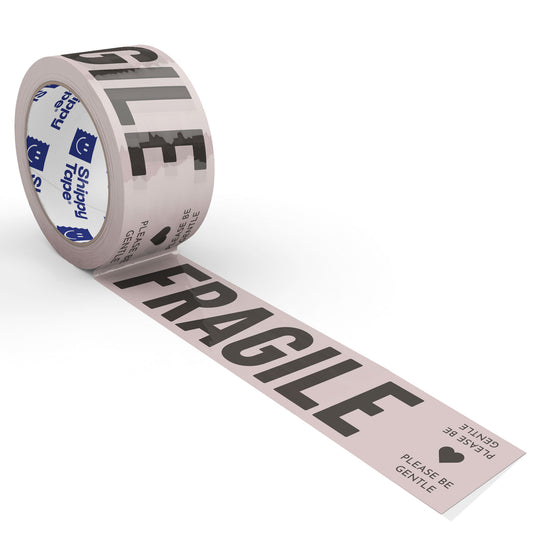
Constructed from biaxially-oriented polypropylene film coated with pressure-sensitive acrylic adhesive, this variant delivers immediate tack without requiring activation equipment, enabling rapid application in high-throughput distribution centers. Its pre-printed “FRAGILE” messaging ensures consistent handling instructions across diverse supply chains, while the 2.0-2.5 mil thickness provides reliable closure for light-to-medium weight cartons in ambient conditions between
Key Industrial Applications of Fragile tape
| 業界/セクター | Specific Application of Fragile tape | ビジネスにとっての価値/利益 | このアプリケーションにおける主な調達上の考慮事項 |
|---|---|---|---|
| Electronics & Appliance Manufacturing | Sealing cartons for TVs, glass panels, and small appliances; tamper-evident sealing for high-value units | Reduces damage claims by 40-60%; provides theft deterrence in high-risk corridors; reinforces brand integrity | Water-activated reinforced grades for cartons up to 25kg; humidity-resistant adhesives for tropical climates; anti-static properties |
| E-Commerce & Retail Distribution | Custom-printed “FRAGILE” messaging on polypropylene or paper tape; two-strip carton sealing for omnichannel fulfillment | Prevents mishandling during multi-carrier transit; reduces reverse logistics costs; enhances unboxing experience and customer retention | High-visibility ink colors for low-light warehouses; compatibility with automated dispensers; MOQ flexibility for SME seasonal demands |
| 食品・飲料加工 | Sealing glass container export shipments; refrigerated transport labeling; tamper-evidence for safety compliance | Ensures cold chain integrity across temperature fluctuations; prevents contamination and spillage; meets EU and Middle Eastern import regulations | FDA/EU food-contact compliance; adhesion stability in 0°C to 40°C ranges; moisture-resistant fiberglass reinforcement for condensation-prone environments |
| Aerospace & Automotive Aftermarket | High-value parts packaging for avionics and ceramic components; hazardous materials labeling; export documentation sealing | Meets IATA and ADR transport standards; prevents costly AOG (aircraft on ground) situations; ensures parts authenticity and traceability | 3-way fiberglass reinforcement for 25kg+ loads; solvent-resistant adhesives; compliance with aviation safety color-coding requirements |
| International Freight & Cross-Border Logistics | Cross-docking identification for multi-modal transport; climate-exposed container sealing; customs inspection indicators | Minimizes customs delays through clear handling protocols; withstands desert heat and tropical humidity; reduces pilferage in port environments | UV-resistant printing for extended outdoor exposure; multi-language “FRAGILE” warnings; compatibility with recycled corrugated materials common in emerging markets |
How does fragile tape protect high-value electronics during international shipping?
In the electronics and appliance sector, where a single damaged LCD screen or glass cooktop can result in significant financial loss, reinforced water-activated fragile tape serves dual purposes: physical carton sealing and clear handling communication. For German manufacturers exporting precision components to Nigeria or South American distributors, the tape’s fiberglass reinforcement prevents “blow-outs” on heavy cartons exceeding 25kg, while high-visibility “FRAGILE” printing ensures handlers recognize delicate contents during multi-modal transit. Buyers should prioritize grades with tamper-evident properties to deter theft in high-risk logistics corridors.
What are the optimal fragile tape applications for fast-growing e-commerce markets?
For online retailers operating across Africa and the Middle East, where last-mile delivery often involves multiple handling points and varying infrastructure quality, custom-printed fragile tape transforms basic packaging into a damage-prevention tool. Beyond sealing, these tapes communicate handling instructions in local languages, reducing mishandling incidents by up to 45% according to logistics studies. Water-activated varieties prove particularly effective for soft goods and irregularly shaped items common in fashion e-commerce, providing superior adhesion without excessive pressure that could crush delicate merchandise during automated sorting processes.
Why is specialized fragile tape essential for glass packaging in food export supply chains?
Food and beverage exporters shipping glass containers—such as olive oil to Germany or wine to Nigeria—face unique challenges including condensation in refrigerated transport and rough handling at ports. Fiberglass-reinforced fragile tape maintains seal integrity across temperature fluctuations from 0°C to 40°C, preventing contamination and spillage. The tape’s natural kraft appearance aligns with sustainability
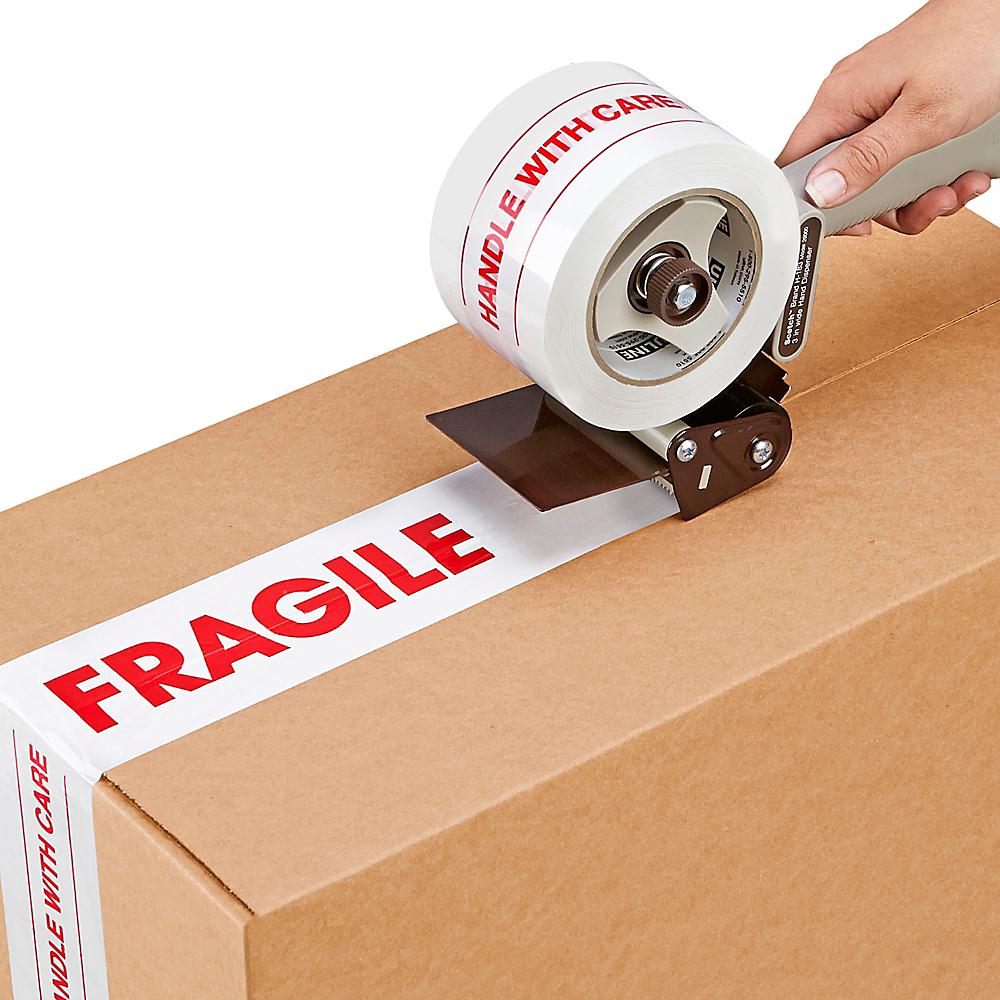
A stock image related to Fragile tape.
3 Common User Pain Points for ‘Fragile tape’ & Their Solutions
Scenario 1: Adhesion Failures on Recycled Cartons in Humid Climates
問題だ: B2B buyers operating in high-humidity regions like West Africa, the Middle East, or South America frequently encounter adhesion failures when standard pressure-sensitive fragile tape is applied to recycled corrugated cartons. During monsoon seasons or in non-climate-controlled warehouses, acrylic adhesives lose tackiness, causing tape edges to lift and “flag.” This compromises both the carton seal and the visibility of critical handling instructions, resulting in moisture ingress, product damage, and increased insurance claims. Additionally, recycled carton fibers often contain dust or loose particles that further inhibit pressure-sensitive adhesion, creating a false sense of security when sealing valuable fragile goods.
解決策 Transition to water-activated reinforced tape (WAT) with integrated “FRAGILE” printing and fiberglass reinforcement. Unlike pressure-sensitive alternatives, WAT utilizes a starch-based adhesive that penetrates the carton fibers, creating a permanent molecular bond that actually strengthens when exposed to humidity. The 3-way fiberglass reinforcement provides structural integrity that prevents the tape from stretching or tearing during temperature fluctuations common in emerging markets. This ensures that fragile warnings remain legible from warehouse to final destination, while the tamper-evident seal destroys the carton upon removal, deterring pilferage in complex supply chains.
Scenario 2: Operational Inefficiency from Dual-Step Labeling Processes
問題だ: European and African distribution centers handling mixed fragile and non-fragile inventories face significant operational inefficiencies when using separate sealing and labeling systems. Warehouse staff must apply standard packing tape, then locate and affix fragile stickers—a process that adds 8-12 seconds per carton and increases risk of ergonomic injuries from repetitive motion. Misaligned labels often obscure shipping barcodes, causing automated sorting delays, while labels frequently detach during transit, leaving handlers unaware of delicate contents. This dual-step approach also creates inventory complexity, requiring separate SKU management for labels and tape that complicates procurement for growing B2B operations.
解決策 Deploy custom-printed fragile tape featuring high-contrast “FRAGILE” messaging combined with company branding and specific handling instructions. Pre-printed reinforced tape eliminates the secondary labeling step, reducing packing time by up to 40% while ensuring 100% compliance with handling protocols. For high-volume operations, integrate these tapes with automated dispensers that apply consistent pressure and alignment. This approach not only streamlines labor costs but also transforms every carton into a branded touchpoint, reinforcing professional standards with international logistics partners who handle goods across German autobahns or Nigerian distribution networks.
Scenario 3: Load Security for Heavy Fragile Items in Multi-Modal Transport
問題だ: Manufacturers of dense fragile goods—such as German automotive parts, Nigerian agricultural equipment, or Middle Eastern electronics—weighing 15-25kg face seal catastrophic failure when using standard fragile tape on non-unitized loads. During multi-modal transport involving rough handling at ports or inadequate road infrastructure, standard polypropylene tape stretches and releases, causing “carton blowout” despite visible fragile warnings. This results in costly returns, particularly problematic for B2B buyers managing tight margins in competitive export markets where product integrity directly impacts client retention and contractual penalties. The disconnect between the “fragile” warning and the tape’s actual load-bearing capacity creates liability gaps in international shipping agreements.
解決策 Specify 3-way fiberglass reinforced water-activated tape rated for loads up to 55 pounds (25kg), featuring prominent fragile messaging. The cross-woven fiberglass threads provide superior tensile strength that prevents the stretching common in pressure-sensitive alternatives, while the water-activated adhesive creates a permanent bond with the carton that becomes part of the box structure. For industrial applications, pair this with manual or electric dispensers that ensure consistent wetting and application pressure. This configuration provides the structural integrity necessary for stacking during ocean freight or air cargo, while clearly communicating handling requirements to logistics providers across diverse international touchpoints.
Strategic Material Selection Guide for Fragile tape
Selecting the optimal substrate for fragile tape requires balancing tensile strength, environmental resilience, and supply chain economics. For operations spanning Germany’s automated fulfillment centers to Nigeria’s humid coastal ports, material choice directly impacts damage rates and customs compliance. Understanding the distinct performance profiles of available substrates enables procurement teams to align specifications with regional infrastructure, climatic challenges, and regulatory frameworks like the EU Packaging and Packaging Waste Regulation.
How Does Reinforced Water-Activated Kraft Tape Secure High-Value Shipments Against Tampering?
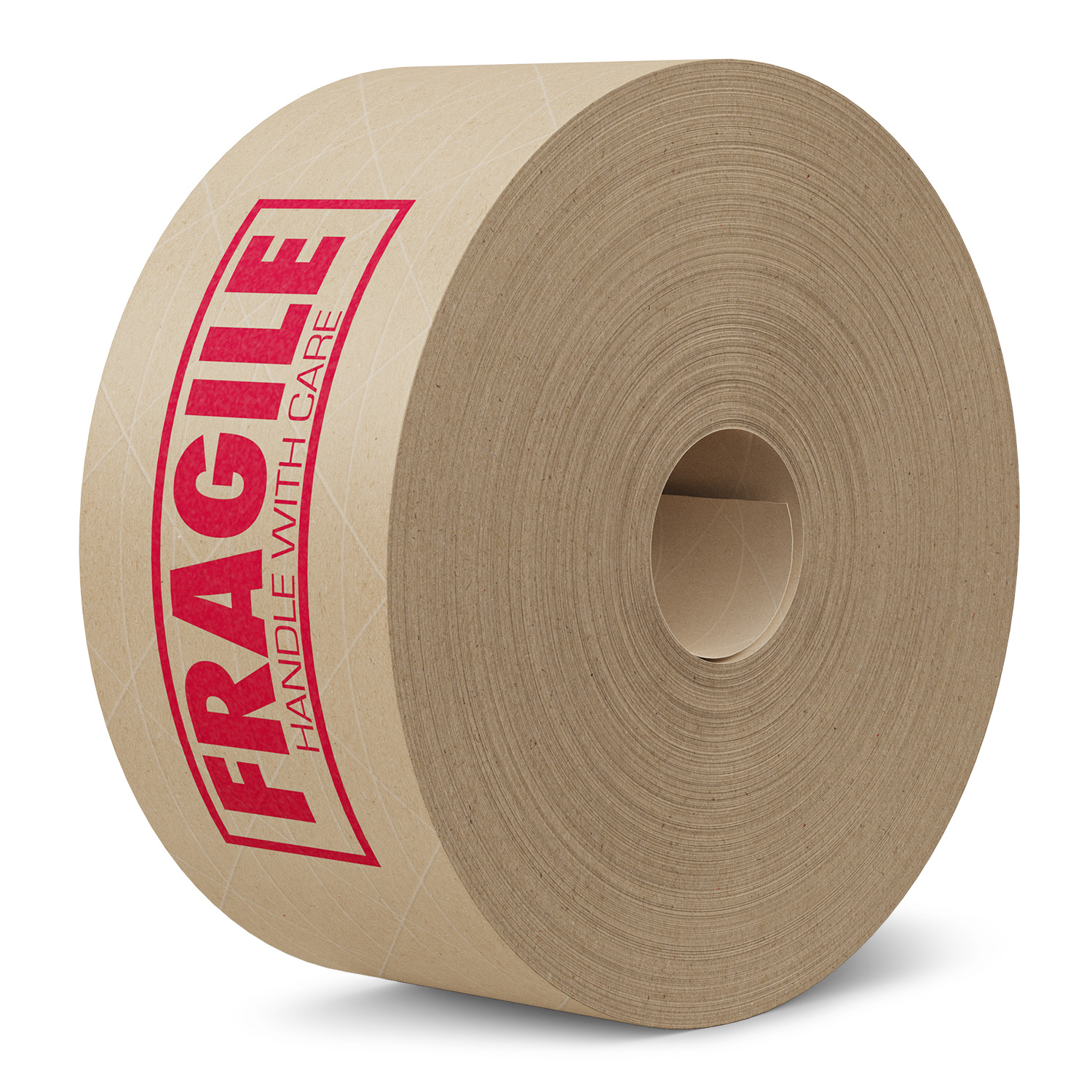
Reinforced water-activated tape (WAT) utilizes natural kraft paper embedded with three-way fiberglass filaments and activated by moisture-sensitive adhesives. This configuration creates a permanent chemical bond with corrugated fibers, making removal impossible without visible destruction—critical for electronics and pharmaceutical shipments traversing high-risk African and Middle Eastern corridors. The material excels on
A stock image related to Fragile tape.
In-depth Look: Manufacturing Processes and Quality Assurance for Fragile tape
Understanding the manufacturing intricacies behind fragile tape empowers procurement teams to evaluate supplier capabilities beyond unit pricing. For businesses shipping delicate electronics, glassware, or precision components across diverse climates—from the humidity of Lagos to the temperature fluctuations of German logistics hubs—the tape’s construction directly determines damage rates and customer satisfaction. High-quality fragile tape represents a synthesis of reinforced substrate engineering, precision adhesive application, and rigorous validation protocols that separate commodity products from industrial-grade solutions.
What Raw Material Specifications Define Industrial-Grade Fragile Tape?
The foundation of reliable fragile tape begins with substrate selection. Premium variants utilize natural kraft paper ranging from 120 to 150 GSM (grams per square meter), providing the tensile strength necessary for sealing cartons up to 25 kg without fiber tear. For water-activated tape (WAT) systems—the preferred choice for high-value fragile shipments—manufacturers impregnate the kraft substrate with starches and wetting agents that activate upon contact with moisture, creating a chemical bond with corrugated fibers that exceeds the shear strength of pressure-sensitive alternatives.
Reinforcement architecture distinguishes standard packing tape from fragile-specific solutions. Three-way fiberglass reinforcement, arranged in longitudinal and cross-directional patterns, prevents elongation under stress while maintaining flexibility for application around box edges. The fiberglass content typically ranges between 6-9% by weight, optimized to prevent “zippering” failures during rough handling without adding excessive rigidity that complicates dispenser-fed application. For pressure-sensitive fragile tape variants, manufacturers utilize biaxially-oriented polypropylene (BOPP) films coated with emulsion acrylic adhesives, offering UV resistance and clarity for applications requiring visible inspection of package contents.
How Is Fiberglass Integration Managed During the Manufacturing Process?
The lamination process requires sophisticated tension control systems to embed fiberglass scrim between kraft plies without compromising adhesive penetration. Manufacturers employ hot-melt extrusion or solvent-based coating lines operating at controlled temperatures between 120°C and 160°C to activate bonding agents while preserving fiberglass integrity. This thermal management proves critical—excessive heat degrades the silane coupling agents that bind fiberglass to the cellulose matrix, while insufficient temperatures create delamination risks during humid storage conditions common in Middle Eastern and South American supply chains.
Coating uniformity determines adhesive performance consistency. Automated gravure or reverse-roll coaters apply water-activated adhesives at precise thicknesses (typically 40-60 microns wet film thickness), ensuring complete fiber saturation without the “dry spots” that cause seal failures. For pressure-sensitive fragile tape variants, manufacturers utilize emulsion acrylic adhesives cured via UV or thermal cross-linking to achieve optimal tack and shear resistance across temperature ranges from -10°C to 60°C. Slitting operations utilize razor or shear cutting technologies to maintain edge integrity, preventing fiber fraying that could compromise seal strength during automated case sealing.
What Quality Control Protocols Validate Tape Performance for Fragile Shipments?
Leading manufacturers implement multi-stage testing regimes that simulate real-world logistics stressors. Tensile testing machines measure breaking strength (targeting minimums of 60 N/cm for reinforced grades) and elongation at break (typically 2-4% to prevent excessive stretching). Peel adhesion tests—measuring force required to separate tape from corrugated board after 24-hour dwell time—ensure minimum values of 4.5 N/cm for WAT and 3.5 N/cm for PSA variants, utilizing TAPPI T-549 or ASTM D3330 methodologies.
Environmental conditioning represents a critical QC checkpoint for international buyers. Accelerated aging chambers subject tape samples to 85% relative humidity at 40°C for 72 hours, replicating tropical storage conditions prevalent in African and Southeast Asian ports, followed by low-temperature brittleness testing at -20°C. For buyers shipping to regions with extreme diurnal temperature variations—such as desert climates in the Middle East or high-altitude South American logistics corridors—thermal shock testing between -10°C and 50°C within 24-hour cycles validates adhesive stability. Print durability undergoes abrasion testing (ASTM D5264) to ensure “FRAGILE” and “HANDLE WITH CARE” messaging remains legible after friction exposure during conveyor handling and pallet stacking.
Which Certifications Should B2B Buyers Require for Regulatory Compliance?
Food-contact compliance distinguishes premium suppliers, particularly for fragile tape used in food processing and beverage export sectors prevalent in European and Middle Eastern markets. FDA 21 CFR 175.105 compliance for indirect food contact and EU Regulation 10/2011 for plastic materials migration limits provide assurance that adhesive components won’t contaminate packaged goods. REACH compliance for the European Economic Area ensures that adhesive formulations meet Substances of Very High Concern (SVHC) thresholds, while RoHS directives restrict hazardous substances in tape dispensers when sold as integrated systems.
Forest Stewardship Council (FSC) certification for kraft paper substrates addresses sustainability mandates increasingly required by German and Nordic retail chains. ISO 9001:2015 quality management and ISO 14001 environmental management certifications indicate systematic process control. For aerospace and automotive aftermarket applications, AS9100 or IATF 16949 certifications signal manufacturing rigor capable of meeting traceability requirements. Tamper-evident fragile tape requires additional validation against ISO/IEC 15415 bar code print quality standards when incorporating tracking codes alongside warning messages.
How Do Manufacturing Locations Impact Supply Chain Reliability for Emerging Markets?
Geographic manufacturing strategy affects lead time consistency and quality stability for African and South American importers. Vertically integrated facilities—controlling pulp processing, fiberglass weaving, and adhesive compounding in-house—demonstrate greater batch-to-batch consistency than assembly-only operations. Buyers should verify that suppliers maintain identical formulation standards across global production sites, ensuring that tape sourced from Asian manufacturing hubs performs identically to European-produced inventory.
Regional manufacturing partnerships also mitigate customs complexity; suppliers with CE marking capabilities for European distribution or Standards Organization of Nigeria (SONCAP) compliance understanding for Nigerian imports streamline regulatory clearance. Customization capabilities vary by manufacturing sophistication. Digital flexographic presses enable short-run custom printing (minimums of 50-100 cases) with multi-color branding alongside standard fragile warnings, while rotogravure systems suit high-volume commodity orders. For buyers in markets experiencing currency volatility, suppliers offering regional warehousing and just-in-time manufacturing reduce inventory risk while maintaining quality standards through climate-controlled storage protocols that prevent adhesive degradation.
Procurement teams evaluating fragile tape suppliers should prioritize manufacturing transparency over unit cost savings. Requesting detailed material specifications, third-party test reports, and batch-specific certificates of analysis ensures that warning labels remain affixed and legible throughout the international shipping journey, transforming tape from a commodity expense into a critical component of damage prevention strategy.
Practical Sourcing Guide: A Step-by-Step Checklist for ‘Fragile tape’
Procuring fragile tape for international operations requires balancing material performance with regional compliance standards. This checklist guides procurement teams through critical decision points—from substrate selection to supplier verification—ensuring your packaging maintains integrity across diverse climates and handling conditions.
How Do You Determine the Right Tape Material for Your Climate and Application?
Begin by assessing your destination markets’ environmental conditions. Water-activated tape (WAT) with fiberglass reinforcement offers superior tamper evidence and bonds aggressively with recycled corrugated materials, making it ideal for humid climates common in West Africa or the Middle East. However, if your distribution centers experience temperature fluctuations below 40°F or above 120°F, pressure-sensitive acrylic adhesives provide better aging resistance and immediate handling strength without curing time.
What Weight Capacity and Reinforcement Specifications Should You Verify?
Match tape tensile strength to your carton weight categories. For shipments averaging 25–55 pounds (11–25 kg), select three-way fiberglass reinforced kraft tape that prevents “flagging” during transit. Heavy-duty export shipments to Germany or Nigeria require reinforced constructions that withstand non-unitized loading and multiple handling points. Request technical data sheets specifying shear strength values rather than relying solely on mil thickness measurements.
How Can You Integrate Branding and Handling Instructions Effectively?
Determine whether standard “FRAGILE” printing suffices or if custom messaging better serves your supply chain. Multi-language warnings (English, Arabic, German) reduce handling errors in diverse markets. For e-commerce operations, consider custom-printed water-activated tape that combines tamper evidence with brand visibility—particularly valuable when shipping high-value electronics or aerospace components where authenticity verification matters.
Which Application Method Matches Your Production Volume?
Evaluate sealing automation levels based on labor costs and throughput. Manual dispensers suit low-volume operations or irregular box sizes common in custom manufacturing. For food processing or appliance distribution centers processing 500+ cartons daily, electric water-activated tape dispensers reduce material waste and ensure consistent moisture activation critical for adhesive performance.
What Compliance and Quality Certifications Are Required for Cross-Border Shipments?
Verify regulatory alignment with destination markets. EU-bound shipments require compliance with packaging waste directives and food contact material regulations if applicable. Aerospace and automotive aftermarket sectors often demand ISO-certified manufacturing processes. Request Safety Data Sheets (SDS) and technical documentation before placing bulk orders to avoid customs delays.
How Do You Evaluate Supplier Reliability and Logistics for International Delivery?
Assess suppliers’ export experience to your specific regions. Confirm minimum order quantities align with your cash flow cycles, particularly important for emerging market buyers. Evaluate lead times against your inventory turnover, and verify whether suppliers offer regional warehousing or distributor networks in Europe, Africa, or South America to mitigate shipping risks and currency fluctuation impacts.
A stock image related to Fragile tape.
Comprehensive Cost and Pricing Analysis for Fragile tape Sourcing
When evaluating fragile tape procurement for international supply chains, discerning buyers must look beyond per-roll pricing to understand the total cost of ownership (TCO). Material composition, adhesive technology, and regional logistics infrastructure significantly influence both upfront expenditure and long-term operational efficiency across diverse markets from Germany to Nigeria.
What Factors Determine Fragile Tape Pricing for Bulk International Orders?
The primary cost differentiator lies in material construction and adhesive systems. Water-activated tape (WAT) reinforced with fiberglass—ideal for heavy cartons up to 25kg—typically commands higher unit prices than standard polypropylene pressure-sensitive alternatives due to superior tamper-evidence and sealing strength. However, WAT often requires lower application quantities per carton, reducing overall consumption rates. Custom-printed variants incorporating “FRAGILE” messaging or branding add 15–30% to base material costs but eliminate the need for separate handling labels, creating downstream savings in label procurement and application labor.
How Do Material Specifications Impact Total Cost of Ownership?
Reinforced kraft paper tapes offer distinct advantages for B2B buyers shipping high-value electronics or aerospace components, despite 20–40% higher initial costs compared to non-reinforced options. These tapes withstand extreme temperature fluctuations during transcontinental shipping through Middle Eastern or South American corridors, preventing costly resealing and damage claims. For lighter e-commerce shipments, medium-grade acrylic adhesives provide adequate protection at reduced price points, though they may degrade in high-humidity African climates, potentially increasing replacement rates and customer dissatisfaction costs.
What Hidden Logistics Costs Affect Cross-Border Fragile Tape Procurement?
International buyers frequently underestimate freight optimization challenges. Water-activated tapes ship more efficiently in dense master cartons compared to bulky pressure-sensitive rolls, reducing cubic meter shipping costs by approximately 25%—a critical consideration for African and South American importers facing container space premiums. Additionally, regional tariff classifications vary significantly; reinforced paper tapes often qualify for different duty structures than plastic-based alternatives in European Union markets like Germany, potentially offsetting material premiums through favorable customs classifications.
How Can Buyers Optimize Fragile Tape Sourcing for Cost Efficiency?
Strategic consolidation offers the most significant savings lever. Standardizing tape widths—commonly 48mm or 72mm—across product lines enables volume discounts and reduces dispenser inventory requirements. For automated packaging operations common in European manufacturing, investing in electric water-activated dispensers—while adding $800–$1,200 in capital expenditure—reduces per-carton labor costs by 40% and minimizes waste through precise length dispensing. Emerging market buyers should evaluate regional manufacturing partnerships to mitigate currency fluctuation risks and reduce lead times from 8–12 weeks to 2–3 weeks, improving cash flow and inventory turnover.
Alternatives Analysis: Comparing Fragile tape With Other Solutions
When evaluating protective packaging strategies for delicate goods, procurement teams must weigh the security benefits of reinforced water-activated “Fragile” tape against operational realities and regional infrastructure constraints. While fiberglass-reinforced WAT provides tamper-evident sealing and superior box integrity ideal for high-value exports, alternatives such as standard printed polypropylene (BOPP) tape and adhesive fragile labels remain prevalent in cost-sensitive markets across Africa and South America. Each approach presents distinct trade-offs in application speed, climate resilience, and capital expenditure that directly impact total cost of ownership for international logistics operations.
| 比較の側面 | Fragile Tape (Reinforced WAT) | Standard Printed BOPP Tape | Fragile Labels + Standard Tape |
|---|---|---|---|
| Security & Tamper Evidence | High – Fiberglass reinforcement creates permanent bond with corrugated fibers; removal visibly damages box surface and indicates breach | Low-Moderate – Can be slit and resealed without obvious detection; adhesive allows clean removal and reapplication | Low – Labels can be peeled off and reapplied elsewhere; separate from seal integrity and offers no tamper evidence |
| Climate Resilience | Excellent performance in extreme heat, humidity, and cold (suitable for Middle East, tropical Africa, European winters) | Adhesive degradation above 40°C or in high humidity; UV sensitivity causes yellowing and embrittlement | Label adhesion varies by surface texture and climate; tape performance remains a separate vulnerability |
| Application Equipment | Requires water-activated tape dispenser (manual or electric) | Standard handheld tape dispenser only | Standard tape dispenser plus manual label applicator |
| Material Cost per Unit | Higher per-meter cost; single-strip sealing reduces total consumption | Lower per-meter cost; multiple strips required for heavy items increases usage | Lowest material cost; requires dual inventory management (labels + tape) |
| Recyclability | 100% paper-based; recyclable with corrugated |
Essential Technical Properties and Trade Terminology for Fragile tape
What Are the Critical Technical Specifications for Fragile Tape?
When sourcing fragile tape for international logistics, buyers must evaluate specific mechanical and chemical properties that determine performance under varying climatic conditions. The adhesive chemistry distinguishes water-activated tape (WAT), which forms a permanent chemical bond with corrugated fibers upon moisture application, from pressure-sensitive acrylic emulsions that offer immediate tack without activation. For heavy-load applications, three-way fiberglass reinforcement—where strands run lengthwise and crosswise with a machine direction ply—provides dimensional stability, preventing splitting under stress loads up to 25 kilograms per carton while accommodating thermal expansion during transit.
Substrate selection directly impacts sustainability credentials and sealing efficacy across diverse regulatory environments. Natural kraft paper substrates, typically ranging 120-150 gsm (grams per square meter), offer superior flexographic printability for multilingual “Fragile” and “Handle With Care” warnings while maintaining full recyclability with cardboard packaging streams. Tensile strength, measured in pounds per inch (PPI) or Newtons per 25mm, indicates resistance to elongation during transit vibration; industrial-grade fragile tape should exceed 60 PPI to prevent package integrity failure when subjected to automated sorting impacts.
What Does Fiberglass Reinforcement Mean in Packaging Applications?
Fiberglass reinforcement represents a critical engineering feature for high-value shipments traversing rough handling environments in emerging markets. This specification refers to embedded glass fiber strands that create a cross-hatched matrix within the paper carrier, effectively distributing shear forces across the seal rather than concentrating stress at the tape’s edge. Three-way reinforcement patterns—incorporating longitudinal, transverse, and diagonal fibers—prevent “flagging” (corner lifting) when cartons slide against container walls during ocean freight or truck haulage across unpaved infrastructure.
The reinforcement density, often categorized as 240-grade (standard) or 260-grade (heavy-duty) in industry nomenclature, correlates with ply thickness and breaking strength. Higher-grade reinforcements accommodate automated case sealing machinery while providing inherent tamper-evident properties; any attempt to remove the tape destroys the fiber matrix, leaving irreversible visual evidence of intrusion that satisfies customs security protocols.
Essential Trade Terminology for B2B Procurement
Water-Activated Tape (WAT): Also known as gummed tape, this requires moisture to activate starch-based adhesives that chemically bond with carton surfaces at the molecular level. Unlike pressure-sensitive alternatives, WAT creates a permanent seal that becomes structurally integral to the box, ideal for heavy or fragile contents where seal failure risks catastrophic damage during international transshipment.
Tamper Evidence: Distinct from tamper-proofing, this refers to physical characteristics that reveal unauthorized access attempts through visible substrate destruction. For fragile tape, this manifests as fiber tear patterns or delamination that cannot be realigned without detection, crucial for pharmaceutical and electronics shipments requiring chain-of-custody documentation in regulated markets like Germany or Nigeria.
Two-Strip Sealing: A standardized application method involving parallel tape strips across the top and bottom center seams, providing redundant closure for cartons exceeding 20 kilograms. This technique distributes torsional forces during automated handling, preventing the “pop-open” failures common in single-strip closures when stacks shift during vessel pitching.
Shear Strength: The adhesive’s resistance to sliding forces parallel to the substrate surface, measured in ounces per square inch. High shear strength prevents the tape from creeping or shifting when cartons are stacked in humid conditions exceeding 80% relative humidity, particularly relevant for exports to tropical African or South American climates where temperature fluctuations compromise standard acrylic adhesives.
Case Sealing Automation Compatibility: Specifications regarding tape thickness, roll diameter, and release characteristics that determine suitability for electric dispensers and automated carton sealers. Reinforced fragile tape must maintain consistent unwind tension between 2.5 and 4.0 Newtons to prevent jams in high-speed packaging lines operating at 30+ cases per minute.
Recycled Content Compatibility: A functional specification indicating adhesive efficacy on corrugated materials containing 80-100% post-consumer waste. Premium fragile tape formulations penetrate recycled fiber surfaces without delaminating box walls, ensuring seal integrity on eco-friendly packaging mandated by European Union circular economy regulations.
Navigating Market Dynamics and Sourcing Trends in the Fragile tape Sector
What Are the Emerging Trends in Fragile Tape Demand for Global B2B Procurement?
The fragile tape sector is experiencing significant transformation driven by the exponential growth of cross-border e-commerce and heightened consumer expectations for damage-free delivery. B2B buyers across Africa, South America, the Middle East, and Europe are witnessing a decisive shift from standard polypropylene printed tapes toward reinforced water-activated tape (WAT) solutions, particularly for shipments weighing up to 25 kilograms. This transition reflects increasing demand for tamper-evident security features that protect high-value electronics, aerospace components, and food processing equipment during international transit.
Regional market dynamics reveal distinct procurement priorities that reflect local infrastructure realities. European buyers, particularly in Germany’s automated manufacturing hubs, prioritize high-speed application compatibility and consistent adhesive performance across temperature variations. These markets increasingly require tapes that integrate with robotic case-sealing systems while providing immediate visual tamper evidence. Conversely, Nigerian and broader African markets are balancing cost efficiency with durability requirements, favoring fiberglass-reinforced kraft tapes that perform reliably under varying climatic conditions and rough handling during last-mile distribution. Middle Eastern importers are specifically requesting heat-resistant adhesive formulations capable of withstanding extreme temperatures during desert logistics operations without compromising bond strength.
The customization trend represents another critical market shift affecting procurement strategies. Beyond simple “FRAGILE” messaging, enterprises now require multi-language handling instructions, QR codes for tracking integration, and branded identification tapes that serve dual purposes: physical protection and marketing communication. This evolution positions fragile tape not merely as a consumable but as an integral component of brand protection strategy and customer experience management, particularly for luxury goods and precision instrumentation sectors.
How Can International Buyers Ensure Sustainable Sourcing of Fragile Packaging Tapes?
Sustainability has transitioned from a peripheral concern to a core procurement criterion, particularly for buyers serving European markets with strict regulatory frameworks. Water-activated fragile tapes present a compelling circular economy solution, as the natural kraft paper backing and starch-based adhesives allow complete recyclability with corrugated cardboard waste. This eliminates the contamination issues associated with traditional pressure-sensitive plastic tapes, supporting corporate sustainability targets while reducing waste management costs and simplifying end-of-life processing for recycling facilities.
Ethical sourcing requires rigorous scrutiny of fiberglass reinforcement supply chains and raw material provenance. While 3-way fiberglass reinforcement provides superior tensile strength necessary for heavy cartons up to 55 pounds, responsible buyers should verify that suppliers adhere to responsible mineral sourcing practices and occupational safety standards during manufacturing. For African and South American procurement teams, partnering with suppliers offering Forest Stewardship Council (FSC)-certified kraft paper ensures compliance with emerging regional environmental regulations while supporting sustainable forestry initiatives that protect local ecosystems.
German and EU-based buyers must specifically evaluate compliance with the Packaging and Packaging Waste Regulation (PPWR), which mandates recyclability and extended producer responsibility. Water-activated tapes align naturally with these requirements, offering mono-material solutions that simplify compliance documentation. When sourcing from international manufacturers, B2B procurement teams should request transparency regarding carbon footprint data, adhesive composition free from harmful solvents, and certifications validating biodegradability claims. Establishing these sustainability parameters early in vendor selection mitigates regulatory risk, prevents greenwashing exposure, and enhances brand reputation in environmentally conscious markets across all target regions.
Frequently Asked Questions (FAQs) for B2B Buyers of Fragile tape
What is fragile tape used for in industrial packaging and shipping?
Fragile tape serves a dual function in B2B supply chains by simultaneously securing carton seals and communicating critical handling instructions to logistics personnel. Unlike standard packing tape, this specialized solution integrates tamper-evident sealing with high-visibility “FRAGILE” or “HANDLE WITH CARE” messaging, reducing damage rates for electronics, glassware, aerospace components, and appliances during multi-modal transport. Industrial applications span e-commerce fulfillment centers, food processing facilities, and automotive aftermarket distribution, where product integrity directly impacts customer retention and warranty costs. The tape’s prominent warning graphics ensure immediate visual recognition across diverse handling environments, from Middle Eastern freight hubs to European automated sorting facilities.
What are the standard specifications for fragile tape in B2B warehouse operations?
Standard industrial fragile tape typically measures 48mm to 72mm (2 to 3 inches) in width, with roll lengths ranging from 50 to 375 feet depending on application volume and dispenser compatibility. Water-activated varieties feature 3-way fiberglass reinforcement capable of securing cartons up to 25 kilograms (55 pounds), while pressure-sensitive polypropylene options offer acrylic adhesives rated for temperatures between 4°C and 49°C (40°F to 120°F). B2B procurement teams should specify tensile strength ratings exceeding 60 lbs per inch for heavy industrial loads, with red-and-white or black-and-yellow color schemes meeting international shipping visibility standards. For operations in high-humidity climates prevalent in West Africa or South America, reinforced kraft paper formulations provide superior adhesion to recycled corrugated fibers compared to standard plastic alternatives.
How does printed fragile tape compare to using separate fragile labels for commercial shipments?
Printed fragile tape eliminates the redundancy of applying separate adhesive labels by integrating warning messaging directly into the carton seal, reducing labor costs and application time by up to 50% in high-volume packing operations. Unlike discrete labels that can detach or be obscured during transit, tape-based warnings create a continuous tamper-evident barrier that cannot be removed without visible damage, providing chain-of-custody verification critical for insurance claims. The solution ensures 360-degree visibility on package seams rather than limited surface coverage, significantly reducing handling errors in busy logistics corridors. For businesses shipping from German manufacturing hubs to Nigerian distribution centers, this integrated approach minimizes language barrier risks while maintaining consistent brand presentation across international borders.
Can fragile tape be customized with company branding and handling instructions for bulk orders?
Yes, B2B manufacturers offer comprehensive customization for fragile tape, supporting multi-color flexographic printing that accommodates corporate logos, QR codes for tracking, and multilingual handling instructions essential for diverse markets. Bulk procurement typically requires minimum order quantities starting at 50-100 case units, with production lead times of 2-4 weeks depending on color complexity and substrate selection. Custom formulations allow specific messaging beyond standard “FRAGILE” warnings, such as “THIS SIDE UP” or “GLASS HANDLE WITH CARE,” tailored to industry-specific requirements like aerospace instrumentation or medical device shipping. African and South American exporters particularly benefit from Portuguese, French, or Arabic language options that ensure clear communication through regional logistics networks while reinforcing brand identity during the critical last-mile delivery phase.
Which fragile tape adhesive performs best in extreme climates across Middle Eastern and tropical markets?
Water-activated tape (WAT) with starch-based adhesives outperforms pressure-sensitive acrylics in high-humidity environments common to Gulf Cooperation Council countries and equatorial African regions, maintaining bond integrity up to 95% relative humidity. The adhesive creates a molecular bond with corrugated fibers that strengthens in tropical conditions, whereas standard plastic tapes may experience adhesive creep or flagging in temperatures exceeding 40°C. For Middle Eastern operations encountering sand and dust infiltration, reinforced gummed tape provides superior particle resistance compared to film-based alternatives. European buyers sourcing for multi-regional distribution should specify climate-stabilized formulations that maintain performance across the -10°C to +50°C range encountered during intercontinental air freight.
What load capacity should reinforced fragile tape support for heavy industrial shipments?
Industrial-grade fragile tape must provide tensile strength sufficient to secure cartons weighing up to 25 kilograms for standard applications, with heavy-duty fiberglass-reinforced options supporting loads exceeding 35 kilograms for machinery and automotive parts. The 3-way reinforcement pattern—featuring longitudinal and cross-directional fiberglass threads—distributes stress across the entire seal length, preventing catastrophic failure during automated handling in European distribution centers. For Nigerian agricultural exports or German appliance manufacturers, specifying 240-grade or 260-grade reinforced water-activated tape ensures compliance with ISO 16012 standards for transport packaging. Procurement teams should verify that selected tape maintains seal integrity under dynamic load conditions, including vertical stacking pressures up to 500 kilograms per square meter typical in containerized ocean freight.
How does fragile tape integrate with automated case sealing systems in high-volume operations?
Modern fragile tape formulations are engineered for compatibility with electric water-activated tape dispensers (WATD) and automated case sealing machinery prevalent in high-throughput European and North American facilities. The tape features precise edge cuts and moisture-responsive adhesives that activate within 0.5-2 seconds, maintaining print registration accuracy for consistent branding visibility at speeds exceeding 30 cartons per minute. For emerging market operations in Africa and South America transitioning to automation, pressure-sensitive fragile tapes offer immediate tack properties suitable for pneumatic dispenser systems without requiring water reservoirs. Integration specialists recommend verifying tape thickness tolerances (typically 5-7 mils for reinforced grades) to prevent jamming in dispenser heads while ensuring the printed warning graphics align consistently with carton orientation sensors.
What ROI can B2B buyers expect when switching from standard tape to printed fragile tape for international shipping?
Organizations typically realize return on investment within 3-6 months through reduced damage claims, with printed fragile tape decreasing product breakage rates by 15-30% compared to unmarked packaging in international transit. The consolidation of sealing and labeling functions reduces material costs by eliminating separate fragile stickers while cutting packing station labor time by approximately 8-12 seconds per carton. For German exporters and Nigerian distributors handling high-value electronics or pharmaceutical goods, the tamper-evident properties reduce inventory shrinkage and insurance premiums, with some carriers offering reduced liability rates for shipments bearing prominent handling warnings. Additionally, branded fragile tape serves as a marketing touchpoint that enhances unboxing experiences, contributing to customer lifetime value metrics that justify the 20-40% premium over standard packing tape for bulk procurement contracts.
重要な免責事項および利用規約
⚠️ 重要な免責事項
メーカー、技術仕様、市場分析に関する内容を含め、本ガイドラインで提供される情報は、情報提供と教育目的のみのものです。専門的な調達アドバイス、財務アドバイス、または法的アドバイスを提供するものではありません。.
B2Bバイヤーは、独自の徹底的なデューデリジェンスを行う必要がある。 をご覧の上、ご購入をお決めください。本ガイドに記載された情報を信頼した場合のリスクは、読者が単独で負うものとします。.
Top 1 Fragile Tape Manufacturers & Suppliers List
1. Rize Tape – Industrial Packaging Tapes
ドメイン リゼテープ・ドットコム
登録:2022年(4年)
はじめに This company, Rize Tape – Industrial Packaging Tapes, is a notable entity in the market.
Strategic Sourcing Conclusion and Outlook for Fragile tape
How Can Global Buyers Optimize Fragile Tape Procurement Strategies?
Sourcing decisions for fragile tape extend beyond unit pricing to encompass total cost of ownership and supply chain resilience. For operations spanning Germany to Nigeria, water-activated reinforced tapes (WAT) offer superior tamper evidence and seal integrity for heavy cartons up to 25kg, particularly critical in high-humidity climates where standard acrylic adhesives may fail. Buyers should prioritize suppliers offering consistent fiberglass reinforcement and custom printing capabilities to simultaneously address branding requirements and handling protocols.
What Sustainability Trends Are Shaping Fragile Tape Innovation?
The shift toward circular packaging is accelerating demand for paper-based fragile tapes compatible with recycled corrugated materials. Unlike plastic alternatives, reinforced kraft paper tapes integrate seamlessly into existing recycling streams, meeting stringent EU packaging regulations while serving emerging sustainability mandates across Middle Eastern and South American markets. Forward-thinking procurement teams are now specifying biodegradable reinforcements and soy-based inks for custom “Fragile” messaging.
Which Technologies Deliver Maximum Security for High-Value Shipments?
For aerospace, electronics, and pharmaceutical sectors, three-way fiberglass reinforced tapes provide tamper-evident sealing that reveals intrusion attempts through irreversible fiber distortion. When paired with automated case-sealing systems, these solutions reduce labor costs while ensuring consistent application pressure—essential for maintaining seal integrity across varying altitudes and temperature fluctuations during intercontinental transit.