Introduction: Navigating the Global Market for Metal Foil Duct Tape
Sourcing industrial-grade metal foil duct tape for extreme infrastructure environments presents complex challenges for procurement teams navigating disparate regulatory standards and harsh climate conditions. Whether sealing HVAC ductwork in Saudi Arabia’s scorching deserts or installing electromagnetic shielding in Nigeria’s humid coastal facilities, international buyers must balance immediate project needs with long-term durability requirements. The global supply chain offers solutions ranging from aluminum-backed tapes with extreme-temperature adhesives to conductive copper variants, yet distinguishing between commodity products and code-compliant industrial grades requires technical precision and market insight.
Why Does Application Environment Dictate Metal Foil Tape Specifications?
This guide examines the critical distinctions between aluminum and copper foil backings, analyzing how adhesive formulations perform across temperature extremes from European sub-zero conditions to South American tropical humidity. We explore specialized applications including vapor barrier sealing, thermal conductivity management, and EMI shielding for telecommunications infrastructure—each demanding specific material certifications and backing thicknesses.
How Can Procurement Teams Evaluate Global Suppliers Effectively?
Understanding UL 181B-FX listings, ASTM E84 fire ratings, and ISO 9001 manufacturing standards becomes essential when vetting international manufacturers. We provide frameworks for assessing production capacity, quality consistency, and logistics capabilities specific to African, Middle Eastern, and South American import requirements.
What Strategies Optimize Total Cost of Ownership?
Beyond unit pricing, this analysis covers bulk procurement negotiations, customs tariff navigation, and climate-appropriate storage protocols that prevent adhesive degradation during transit.
By integrating technical specifications with regional compliance requirements, this guide empowers B2B buyers across Nigeria, Saudi Arabia, and European markets to make informed procurement decisions that ensure infrastructure resilience while maximizing supply chain efficiency.
Understanding Metal Foil Duct Tape Types and Variations
| タイプ名 | 主な特徴 | 主なB2Bアプリケーション | バイヤーのための簡単な長所と短所 |
|---|---|---|---|
| Standard Aluminum Foil Tape | Dead-soft aluminum backing, acrylic/rubber adhesive, conforms to irregular surfaces, UL 181 compliant | General HVAC duct sealing, vapor barrier installation, residential/commercial construction | Pros: Cost-effective, highly conformable, moisture resistant. Cons: Limited structural strength, temperature limitations |
| Reinforced Aluminum Foil Tape (FSK) | Fiberglass scrim between foil and kraft, high tensile strength, tear-resistant | High-velocity HVAC, insulation facing, rigid duct board sealing, outdoor ductwork | Pros: Excellent durability, dimensional stability. Cons: Reduced flexibility, higher material cost |
| High-Temperature Aluminum Foil Tape | Silicone/high-performance adhesive, anodized aluminum, -30°C to 315°C range | Industrial |
Key Industrial Applications of Metal Foil Duct Tape
| 業界/セクター | Specific Application of Metal Foil Duct Tape | ビジネスにとっての価値/利益 | このアプリケーションにおける主な調達上の考慮事項 |
|---|---|---|---|
| HVAC |
A stock image related to Metal Foil Duct Tape.
3 Common User Pain Points for ‘Metal Foil Duct Tape’ & Their Solutions
Scenario 1: Adhesive Failure Under Thermal Stress in High-Ambient Environments
問題だ: Procurement teams sourcing for HVAC infrastructure in the Middle East and North Africa frequently encounter tape failures when standard acrylic adhesives soften and lose bond strength in sustained ambient temperatures exceeding 50°C (122°F). This results in seam separation on rooftop ductwork, air leakage, and costly remediation work that delays project handover.
解決策 Specify silicone-based adhesive formulations rated for continuous operating temperatures up to 200°C (392°F) and intermittent exposure to 300°C. Require manufacturers to provide UL 723 Class A flame spread certification alongside temperature cycling test data covering -40°C to +150°C to accommodate desert diurnal swings. Pre-qualify suppliers by requesting adhesion retention tests per ASTM D3330 after 7-day thermal aging at 80°C to simulate accelerated field conditions.
Scenario 2: Regulatory Misalignment Across Multi-Jurisdictional Projects
問題だ: European contractors executing projects in Nigeria or Saudi Arabia face compliance rejections when specifying tapes certified only to EN standards, as local fire marshals require UL 723 or SASO (Saudi Standards) listings with specific flame spread indices. This creates procurement bottlenecks when customs holds shipments lacking proper documentation.
解決策 Source aluminum foil tapes carrying dual certifications—UL 723 Class A (or Class 1) for North American/Middle Eastern compliance and EN 13501-1 for European projects. Request batch-specific Certificates of Conformity rather than generic specification sheets. For cost optimization, use acrylic adhesives for standard HVAC applications (rated to 120°C) while reserving silicone formulations for industrial high-heat zones, ensuring code compliance without over-specifying.
Scenario 3: Inconsistent Quality in High-Volume Wholesale Procurement
問題だ: When purchasing wholesale quantities (20ft or 40ft container loads) for distribution across South American markets, buyers encounter batch-to-batch variability in adhesive coat weight and aluminum backing thickness. This inconsistency leads to application failures—some rolls tear too easily while others resist conforming to irregular duct surfaces, damaging contractor relationships.
解決策 Establish technical specifications requiring exact aluminum foil thickness (30-50 microns) and adhesive coat weight (measured in gsm) rather than accepting “standard” grade descriptions. Implement incoming inspection protocols using ASTM D3330 peel adhesion tests for every container. Negotiate direct manufacturing partnerships to secure tiered pricing structures: 5,000–10,000 rolls (20ft container), 10,000+ rolls (40ft HC), with locked formulations for 12-month periods to ensure consistency across project phases.
Strategic Material Selection Guide for Metal Foil Duct Tape
Selecting the appropriate metal foil substrate represents a critical procurement decision that directly impacts total cost of ownership, energy efficiency, and regulatory compliance across diverse operational environments. For international buyers managing infrastructure projects—from humid coastal regions in West Africa to arid industrial zones in the Middle East—understanding material-specific performance characteristics ensures specification accuracy and minimizes supply chain risk.
Which Aluminum Foil Specification Ensures Code-Compliant HVAC Sealing in Extreme Climates?
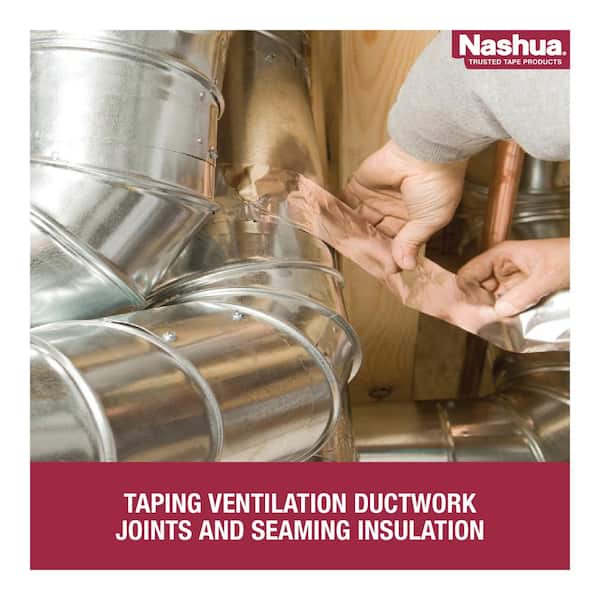
Dead-soft aluminum alloys (typically 1145 or 1235 grade) constitute the industry standard for HVAC duct sealing, offering exceptional conformability to irregular sheet metal surfaces and fiberglass duct board. For procurement teams operating in high-temperature markets like Nigeria or Saudi Arabia, aluminum provides superior thermal reflectivity, reducing cooling loads by creating effective vapor barriers when paired with high-tack acrylic or silicone adhesives rated for -30°C to 150°C. The material’s natural corrosion resistance and recyclability align with sustainable construction mandates, though buyers must verify compatibility with galvanized steel substrates to prevent galvanic corrosion in coastal environments. Cost-effectiveness and wide availability make aluminum the default choice for large-scale commercial ventilation projects.
When Does Copper Foil Tape Become Essential for Industrial Electrical Shielding?
Procurement specialists should specify copper foil tape for applications requiring electromagnetic interference (EMI) and radio frequency interference (RFI) shielding, particularly in data centers, telecommunications infrastructure, and oil/gas control panels prevalent in South American and European markets. Available with conductive or non-conductive adhesive systems, copper offers solderability for permanent grounding connections and maintains shielding effectiveness exceeding 85 dB across broadband frequencies. While copper commands premium pricing compared to aluminum, its superior electrical conductivity and resistance to atmospheric corrosion justify the investment for critical signal integrity applications. The material’s ability to function as a static drain makes it indispensable for explosive atmosphere environments and precision electronics manufacturing.
Why Specify Lead Foil Tape for Radiation Containment in Healthcare Infrastructure?
High-density lead foil (4–7 mil thickness) serves specialized B2B procurement needs in medical and nuclear industrial sectors, providing essential radiation attenuation for X-ray rooms, CT scan facilities, and nuclear material handling areas. Unlike aluminum or copper, lead’s extreme malleability allows seamless application to complex geometries without stress cracking, ensuring continuous radiation barriers during hospital renovations or industrial NDT (non-destructive testing) operations. Buyers must account for stringent handling protocols and disposal regulations, as lead toxicity requires personal protective equipment and compliance with IEC 60529 standards or local nuclear safety guidelines. Despite premium material costs and weight considerations, lead remains irreplaceable for gamma and X-ray shielding applications in healthcare infrastructure across urban African and Middle Eastern markets.
| 素材 | Typical Use Case for Metal Foil Duct Tape | 主な利点 | 主な欠点/制限 | 相対コスト |
|---|---|---|---|---|
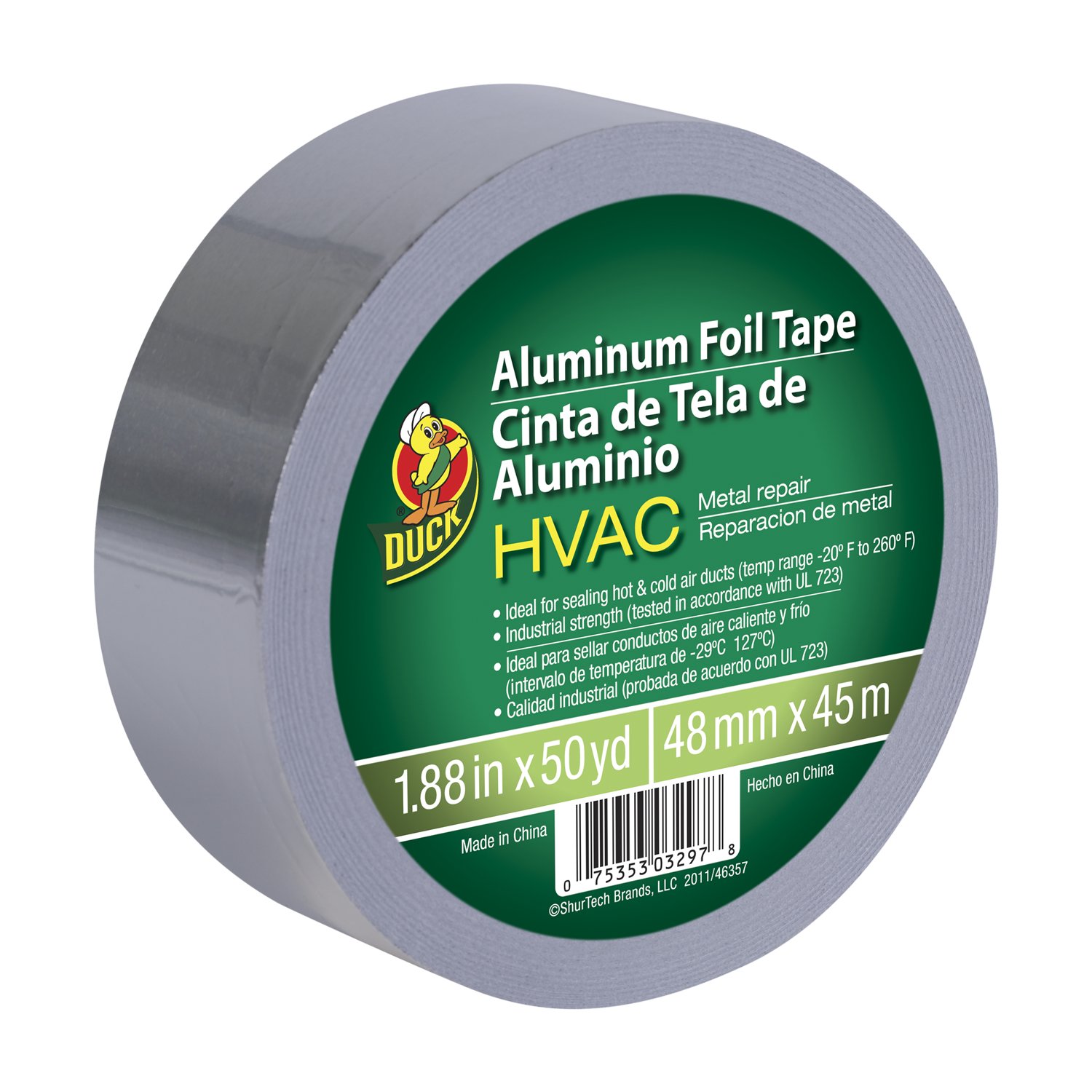
| Aluminum | HVAC duct sealing, thermal insulation vapor barriers, general metal repair | Excellent thermal reflectivity and conformability; wide temperature tolerance | Lower tensile strength; galvanic corrosion risk with dissimilar metals | Low to Moderate |
| Copper | EMI/RFI shielding, grounding systems, circuit board repair | Superior electrical conductivity; solderable; corrosion resistant | High material cost; oxidation patina affects aesthetics | 高い |
| Lead | Radiation shielding (X-ray rooms, nuclear facilities) | High-density radiation blocking; extreme malleability | Toxic material requires PPE and specialized disposal compliance | Premium |
A stock image related to Metal Foil Duct Tape.
In-depth Look: Manufacturing Processes and Quality Assurance for Metal Foil Duct Tape
What Raw Material Specifications Ensure Durability in Extreme Climates?
The performance of metal foil duct tape begins with metallurgical precision. Premium manufacturers utilize aluminum alloys such as 1100, 1145, or 3003, selected specifically for their balance of malleability and tensile strength. These alloys undergo annealing processes to achieve optimal thickness—typically ranging from 1.5 to 4.5 mils—ensuring the foil conforms to irregular duct surfaces while resisting tearing during application. For buyers operating in Nigeria’s humid coastal regions or Saudi Arabia’s arid interior, the critical differentiator lies in the adhesive formulation. Acrylic adhesives offer superior UV and oxidation resistance for outdoor HVAC installations, while rubber-based hot melt systems provide aggressive initial tack essential for dusty construction environments common in Middle Eastern markets.
Adhesive coating weights are meticulously calibrated, usually between 1.0 and 2.5 mils, depending on whether the application requires permanent bonding or repositionable installation. High-grade products incorporate scrim reinforcement between the foil and adhesive layers, enhancing structural integrity when bridging gaps in rigid ductwork. Suppliers serving international B2B markets should provide material safety data sheets (MSDS) confirming the absence of corrosive compounds that could degrade copper piping or galvanized steel in mixed-metal HVAC systems.
How Is Adhesive Uniformity Maintained During the Coating Process?
Manufacturing consistency relies on continuous web coating technologies that apply adhesive across the full width of the aluminum substrate. The process begins with surface preparation, where the foil undergoes corona treatment or chemical etching to remove oxidation and increase surface energy for maximum adhesion. Solvent-based coating lines utilize gravure or reverse-roll applicators to achieve micron-level precision, followed by tunnel drying at controlled temperatures to prevent solvent retention that could compromise bonding strength.
For hot melt rubber adhesives, slot-die coating systems maintain viscosity stability within ±2°C tolerance, ensuring uniform thickness across jumbo rolls up to 60 inches wide. Inline vision inspection systems detect coating voids or contamination in real-time, automatically flagging sections for rejection before slitting. This level of process control proves essential for B2B buyers requiring consistent peel adhesion values—typically 50-80 oz/inch width—across multi-container orders destined for distributed construction projects.
What Quality Testing Protocols Validate HVAC-Grade Metal Foil Tape?
Rigorous quality assurance separates commodity tapes from professional-grade solutions suitable for commercial HVAC systems. Reputable manufacturers subject production batches to accelerated aging tests, including 1,000-hour humidity exposure at 85% relative humidity and 85°C to simulate tropical storage conditions prevalent in African and South American markets. Peel adhesion testing per ASTM D3330 standards verifies immediate tack and 72-hour aged adhesion values, while shear resistance testing (ASTM D3654) ensures the tape maintains position under constant load at elevated temperatures.
Thermal cycling tests expose samples to rapid temperature fluctuations between -35°C and +120°C, replicating the thermal stress of unconditioned shipping containers and rooftop installations. For electrical shielding applications, volume resistivity testing confirms conductivity specifications, particularly critical for copper foil variants used in data center installations across Europe. Each batch should ship with a Certificate of Analysis (CoA) documenting these metrics, providing procurement teams with auditable quality documentation.
Which International Certifications Are Required for Middle Eastern and African Markets?
Compliance documentation varies significantly by destination, requiring manufacturers to maintain multi-standard certification portfolios. For Saudi Arabian imports, SASO (Saudi Standards, Metrology and Quality Organization) certification confirms product safety and labeling compliance, while UAE markets often require ECAS (Emirates Conformity Assessment Scheme) marking. Nigerian buyers should verify SONCAP (Standards Organization of Nigeria Conformity Assessment Programme) certification to prevent customs delays at Lagos or Apapa ports.
European Union destinations mandate REACH compliance regarding chemical substance restrictions and RoHS certification for electrical applications. UL 723 (ASTM E84) classification for flame spread and smoke developed indices remains essential for commercial building projects across all target regions, particularly for high-rise HVAC installations in urban centers like Johannesburg or São Paulo. Manufacturers serving these diverse markets should maintain ISO 9001:2015 quality management certification, ensuring traceable processes that satisfy both developed and emerging market regulatory frameworks.
How Should Metal Foil Duct Tape Be Stored for Tropical Shipping Conditions?
Proper packaging protocols preserve adhesive integrity during the extended transit times characteristic of international B2B logistics. Individual rolls require moisture-barrier wrapping with polyethylene film and silica gel desiccants to prevent humidity-induced adhesive degradation during ocean freight through tropical zones. Master cartons should utilize double-wall corrugated construction with moisture-resistant adhesives, palletized and stretch-wrapped to prevent container rain condensation damage.
Storage recommendations typically specify temperature ranges between 10°C and 30°C with relative humidity below 70%, though acrylic adhesive systems demonstrate superior shelf stability—often 24 months versus 12 months for rubber-based formulations—under uncontrolled warehouse conditions common in emerging markets. Buyers should verify that suppliers utilize first-in-first-out (FIFO) inventory rotation and provide batch coding that enables traceability to specific production dates and quality control records, ensuring that received inventory maintains full performance specifications upon installation.
Practical Sourcing Guide: A Step-by-Step Checklist for ‘Metal Foil Duct Tape’
Navigating the procurement of metal foil duct tape requires balancing rigorous technical specifications with supply chain reliability, particularly when sourcing for diverse climates ranging from the humid tropics of Nigeria to the extreme heat of Saudi Arabia. This checklist provides actionable steps to ensure your bulk orders meet both performance standards and logistical demands.
1. How Do You Define Technical Specifications for Extreme Climate Performance?
Begin by specifying adhesive formulations that withstand temperature fluctuations between -20°C and 120°C, critical for Middle Eastern and African installations. Demand acrylic or synthetic rubber adhesives with proven humidity resistance to prevent delamination in tropical environments. Verify the tape’s thermal conductivity ratings and UV stability to ensure long-term sealing integrity on outdoor ductwork exposed to intense solar radiation.
2. What HVAC and Safety Certifications Should You Demand from Suppliers?
Require compliance with international standards such as UL 723 for flame spread and smoke generation, alongside local building codes like Saudi SASO or Nigeria’s SONCAP where applicable. Confirm that products meet ASTM D1974 for HVAC applications and possess relevant fire-resistance ratings. Request third-party test reports rather than manufacturer declarations to validate claims of code compliance.
3. How Can You Assess Foil Thickness and Backing Integrity for Industrial Applications?
Specify pure aluminum backing thickness between 30 to 50 microns for structural durability, distinguishing these from thinner metallized polyester films that compromise on puncture resistance. Evaluate the tape’s conformability to irregular duct surfaces and its tensile strength for high-pressure HVAC systems. For electrical shielding applications, verify conductivity specifications and ensure the foil is free from pinholes that could compromise vapor barriers.
4. What Supplier Vetting Processes Ensure Consistent Quality in Bulk Orders?
Audit manufacturers for ISO 9001 quality management systems and in-house testing capabilities, including peel adhesion and shear strength testing. Verify production capacity to handle minimum order quantities without compromising batch consistency. Request samples from the actual production lot for independent testing, and confirm the supplier’s experience with export documentation specific to your region’s import regulations.
5. How Do You Optimize Packaging and Logistics for Long-Distance Shipping?
Specify moisture-barrier packaging with desiccant inserts to protect adhesive integrity during sea freight through humid transit routes. Require palletizing standards that prevent roll deformation and ensure shelf-life documentation of at least 18 months from manufacture date. Clarify Incoterms responsibilities regarding temperature-controlled storage during transshipment, particularly for destinations with limited warehousing infrastructure.
6. What Cost-Benefit Analysis Prevents Long-Term Application Failures?
Calculate total cost of ownership rather than unit price alone, factoring in labor costs for reapplication if inferior tape fails. Negotiate flexible MOQs that align with project phasing while securing volume discounts. Evaluate payment terms that mitigate currency fluctuation risks, and establish warranty clauses covering adhesive degradation under specified environmental conditions to protect your investment.
A stock image related to Metal Foil Duct Tape.
Comprehensive Cost and Pricing Analysis for Metal Foil Duct Tape Sourcing
B2B procurement of metal foil duct tape extends far beyond comparing unit prices per roll. For international buyers operating in Nigeria, Saudi Arabia, and European markets, strategic sourcing requires analyzing raw material volatility, adhesive technology tiers, and regional compliance mandates. Total cost of ownership calculations must account for extreme climate performance, certification validity, and logistics infrastructure variations across Africa, the Middle East, and South America.
What Raw Material Specifications Drive Metal Foil Duct Tape Costs?
Aluminum purity levels and foil thickness (typically 30-50 microns) constitute primary cost determinants in global markets. High-performance acrylic adhesives formulated for extreme temperature ranges command 20-30% premiums over standard rubber-based alternatives, yet deliver critical bonding reliability in desert climates or high-humidity tropical regions. Copper foil variants for electromagnetic shielding applications typically cost 40-60% more than aluminum equivalents, while tapes featuring recyclable backing materials may carry 8-12% upfront premiums but reduce long-term waste management expenses.
How Do Volume Commitments and MOQs Impact Pricing for African and Middle Eastern Buyers?
Minimum order quantities (MOQs) create significant pricing stratification based on procurement scale and shipping methods. Direct manufacturer relationships typically require 5,000-roll MOQs for custom specifications (such as 48mm or 72mm widths), with tiered discounts activating at 20,000+ roll commitments or full container loads (FCL). For African and South American buyers, regional distributor partnerships often prove more economical than direct factory orders when factoring in consolidated shipping and local warehousing costs, though buyers must verify authentic UL or ASTM certification documentation to avoid counterfeit products.
Which Compliance Certifications Justify Premium Pricing in Global Markets?
UL 723 flame resistance and ASTM E84 surface burning certifications add manufacturing costs but remain mandatory for commercial HVAC projects in Saudi Arabia and European Union markets. Buyers should anticipate 10-15% price premiums for code-compliant tapes versus general-purpose alternatives. However, utilizing non-certified tape in professional installations risks project rejection and remediation costs that exponentially exceed initial material savings, making certification verification essential for total cost optimization in regulated industries.
What Hidden Logistics Costs Should Buyers Anticipate When Importing to Emerging Markets?
International shipping introduces variable costs often overlooked in unit pricing calculations. Aluminum foil tape shipments from Asian manufacturing hubs to Lagos, Jeddah, or São Paulo require moisture-barrier packaging ($0.03-0.05 per roll premium) to prevent adhesive degradation during humid sea transit. Additionally, HS code classifications (7607.20 versus 7609.00) trigger import duty variations between 5-18% across African and Middle Eastern customs regimes, necessitating accurate documentation to avoid demurrage charges and border delays.
How Can Procurement Teams Optimize Cost-Performance Ratios in Extreme Climates?
Climate-specific performance requirements demand careful cost-benefit analysis for long-term value. Tapes rated for -35°C to +120°C with UV stabilization cost approximately 25% more than standard HVAC grades but eliminate seasonal replacement cycles in extreme environments. For European buyers prioritizing sustainability, recyclable aluminum backing tapes offer lifecycle cost advantages despite higher initial procurement costs, particularly when factoring in green building certification credits and corporate ESG compliance requirements.
Effective sourcing strategies require evaluating weather resistance capabilities, logistics resilience, and compliance frameworks alongside per-roll pricing. By analyzing total cost of ownership including climate-appropriate adhesive selection and certified packaging standards, procurement teams can secure metal foil duct tape solutions that optimize both immediate expenditure and long-term operational reliability across diverse international markets.
Alternatives Analysis: Comparing Metal Foil Duct Tape With Other Solutions
When specifying sealing solutions for HVAC infrastructure or industrial ductwork, procurement teams often evaluate alternatives to metal foil duct tape to optimize for specific performance metrics, budget constraints, or climatic conditions. While aluminum foil tape remains the benchmark for high-temperature resilience and immediate bonding, understanding how it stacks against liquid sealants and synthetic adhesive systems enables informed decision-making for large-scale deployments across diverse operational environments.
| 比較の側面 | Metal Foil Duct Tape | Mastic Sealant (Brush-On) | ブチルゴムテープ |
|---|---|---|---|
| Performance | Superior heat reflection (-35°C to 120°C); immediate structural bond; conforms to irregular surfaces; provides EMI shielding | Excellent air sealing after curing; fills gaps up to 1/8 inch; creates rigid, permanent barrier; no heat reflection | Flexible adhesion (-40°C to 90°C); superior moisture vapor barrier; vibration dampening properties; UV stable |
| コスト効率 | Moderate material cost; minimal labor expense; zero waste factor | Low material cost; high labor costs due to application time; requires brushes/tools and cleanup | Comparable material cost; moderate labor requirements; no specialized tooling needed |
| 実施しやすさ | Instant application with hand-tearable backing; no curing delays; immediate |
Essential Technical Properties and Trade Terminology for Metal Foil Duct Tape
When sourcing metal foil duct tape for international HVAC projects, understanding precise technical specifications and standard trade terminology ensures compliance with regional building codes and operational longevity in diverse climates—from the humid tropics of Nigeria to the arid heat of Saudi Arabia.
What Technical Specifications Determine Metal Foil Duct Tape Performance in Extreme Environments?
温度動作範囲 defines the adhesive’s functional limits, typically spanning -35°C to +120°C for premium grades. In Middle Eastern or South American markets, tapes must maintain tack integrity during peak summer heat without oozing or delaminating, while also withstanding cold-storage applications.
Foil Backing Thickness (measured in mils or microns) directly impacts conformability and puncture resistance. Standard HVAC aluminum foil ranges from 1.5 mil (0.04mm) for general sealing to 3.0 mil (0.08mm) for heavy-duty industrial ductwork, offering structural support while molding to irregular surfaces.
ピール接着強度, quantified in ounces per inch or Newtons per centimeter, indicates the bond force to galvanized steel, flex duct, or aluminum substrates. High-performance acrylic or synthetic rubber adhesives should exceed 50 oz/in to prevent failure under thermal expansion cycles.
Thermal Conductivity and Emissivity ratings determine the tape’s ability to reflect radiant heat and dissipate thermal energy. Low-emissivity (low-e) surfaces improve HVAC efficiency by minimizing heat gain in ventilation systems, crucial for energy-conscious European and Gulf-region installations.
引張強度 measures the force required to break the tape longitudinally, ensuring seals remain intact under internal duct pressure or mechanical stress during transport and installation.
Moisture Vapor Transmission Rate (MVTR) indicates waterproofing capability. A low perm rating (<0.05 perms) signifies an effective vapor barrier, preventing condensation buildup within insulation layers in high-humidity African or coastal Middle Eastern environments.
Which Industry Terms Are Essential for B2B Procurement of HVAC Metal Foil Tape?
UL 181A-P/B-FX Listing refers to Underwriters Laboratories certification for HVAC tapes. “A-P” designates approval for rigid fiberglass ductboard, while “B-FX” certifies use on flexible air ducts—critical distinctions for code compliance in European and North American export markets.
FSK (Foil-Scrim-Kraft) describes a tri-laminate backing combining aluminum foil, fiberglass scrim reinforcement, and kraft paper. This construction offers enhanced tear resistance compared to plain foil, commonly specified for insulation facing in commercial building projects.
Acrylic vs. Synthetic Rubber Adhesive denotes the chemical formulation. Acrylic adhesives offer superior UV and aging resistance for outdoor applications, while rubber-based systems provide immediate high-tack bonding in cold temperatures, relevant for high-altitude or desert night installations.
Liner Release Value quantifies the force needed to remove the disposable backing paper. A controlled release (measured in grams) ensures easy unwind without tearing during high-speed commercial application, reducing labor costs for large-scale contractors.
適合性 describes the tape’s ability to mold into sharp angles and corrugated duct surfaces without wrinkling or tenting, ensuring complete surface contact and airtight seals.
Perm Rating (permeability) measures water vapor transmission through the tape backing. Procurement officers should specify “zero-perm” or “low-perm” ratings for critical vapor barrier applications to prevent mold and degradation within thermal insulation systems.
Navigating Market Dynamics and Sourcing Trends in the Metal Foil Duct Tape Sector
What Are the Emerging Regional Demand Patterns for High-Performance HVAC Metal Foil Tapes?
The global metal foil duct tape market is experiencing distinct regional shifts driven by infrastructure modernization and stringent building code enforcement. In the Middle East, particularly Saudi Arabia’s giga-project developments and Nigeria’s expanding commercial real estate sector, demand is surging for aluminum foil tapes rated for extreme thermal cycling. These regions require products capable of maintaining adhesive integrity in ambient temperatures exceeding 50°C while resisting UV degradation in exposed HVAC installations. European markets, conversely, are prioritizing tapes that facilitate energy-efficient retrofitting of existing ductwork, with buyers seeking high-conformability solutions that create vapor barriers in older buildings without full system replacement.
A critical trend reshaping procurement strategies is the transition from general-purpose cloth duct tapes to code-compliant metal foil variants. Regulatory bodies across target markets increasingly mandate UL-listed or equivalent certified tapes for permanent HVAC repairs, driving B2B buyers toward suppliers offering documented temperature performance ranges—typically -40°F to 200°F and beyond. Additionally, supply chain regionalization is accelerating, with manufacturers establishing localized production hubs in South America and Africa to mitigate currency volatility and reduce lead times for bulk construction material orders.
How Can International Buyers Ensure Sustainable and Ethical Sourcing of Aluminum Foil Tape?
Sustainability in metal foil duct tape procurement extends beyond recyclability to encompass the entire aluminum supply chain. While aluminum foil backings are inherently recyclable—a significant advantage for construction waste management in environmentally regulated European markets—B2B buyers must verify that suppliers utilize low-VOC (Volatile Organic Compound) acrylic or silicone adhesives that comply with LEED and BREEAM certification requirements. The backing material’s recyclability often depends on the adhesive system used; solvent-based adhesives can contaminate recycling streams, whereas water-based or hot-melt formulations facilitate cleaner end-of-life processing.
Ethical sourcing considerations require scrutiny of bauxite mining practices and primary aluminum production energy sources. Progressive procurement teams are increasingly requiring Aluminum Stewardship Initiative (ASI) certification or equivalent documentation from suppliers to ensure responsible mining standards and reduced carbon footprints in smelting operations. For buyers in Africa and the Middle East, where rapid construction growth meets sustainability mandates, partnering with manufacturers offering transparent chain-of-custody documentation ensures compliance with emerging green building codes while mitigating reputational risks associated with conflict minerals or environmentally destructive extraction practices. Furthermore, evaluating suppliers’ waste reduction capabilities in slitting and converting operations can reveal opportunities for custom-width orders that minimize jobsite waste and optimize material yield for large-scale HVAC installations.
Frequently Asked Questions (FAQs) for B2B Buyers of Metal Foil Duct Tape
-
What Temperature Rating Is Required for Commercial HVAC Metal Foil Duct Tape?
Commercial HVAC systems typically demand metal foil duct tape rated for continuous operating temperatures between -35°C and 120°C (-30°F to 250°F), with high-performance silicone adhesives handling intermittent spikes up to 200°C (392°F). For projects in extreme climates—such as the scorching heat of Saudi Arabian deserts or freezing Nordic winters—specify tapes with “extreme performance” adhesive formulations that maintain tack across broad thermal ranges without delaminating from ductwork. Always verify that the temperature rating exceeds your system’s maximum exhaust temperature, as heating components and industrial ventilation require higher heat resistance than standard air distribution channels.
-
What Is the Difference Between Acrylic and Silicone Adhesive Metal Foil Tape for Industrial Applications?
Acrylic adhesive systems provide superior UV resistance and cost-effectiveness for general HVAC sealing and outdoor weatherproofing, performing reliably up to 150°C (302°F) with excellent long-term aging characteristics against oxidation. Silicone adhesives deliver exceptional chemical resistance and thermal stability for aerospace, automotive, and metal finishing applications, maintaining adhesion at 260°C (500°F) while resisting plasticizer migration from flexible duct liners. B2B buyers should select silicone-backed variants for high-temperature industrial processes requiring thermal conductivity and conformability, whereas acrylic suits standard commercial building maintenance with high sun exposure.
-
Is UL 723 Listed Metal Foil Duct Tape Required for Commercial Building Code Compliance?
Yes, commercial construction in North America mandates UL 723 (ASTM E84) listed tape to satisfy NFPA 90A standards for flame spread and smoke development indices, particularly critical for plenum spaces and air handling systems in high-occupancy buildings. International buyers must verify equivalent regional certifications: EN 13501-1 classifications for European markets, SASO certification for Saudi Arabia, and SONCAP compliance for Nigerian imports. Specifying UL-listed products mitigates liability risks and satisfies insurance underwriter requirements, even in emerging markets where local codes are rapidly adopting international fire safety standards.
-
What Are the Standard Bulk Pricing Tiers for Aluminum Foil Duct Tape in Wholesale Quantities?
Wholesale pricing typically follows volume-based tiers: pallet quantities (100–500 rolls) offer 15–25% discounts off retail, while full container loads (20ft–40ft) provide 30–45% reductions depending on material thickness (1.5 mil to 4.6 mil) and adhesive specialization. Standard aluminum foil HVAC tapes (48mm x 50m) fall into commodity pricing brackets, whereas copper foil or UL-listed variants command premium tiers due to raw material costs and certification overhead. B2B buyers sourcing for African or Middle Eastern infrastructure projects should negotiate annual supply agreements to lock in pricing against aluminum commodity fluctuations and secure manufacturing priority during high-demand construction seasons.
-
How Do I Select the Right Metal Foil Backing for Corrosive Environments and Electromagnetic Shielding?
Aluminum foil tape provides cost-effective thermal conductivity and vapor barrier protection for standard ductwork in commercial buildings and insulation batts. Copper foil tape becomes essential for electromagnetic interference (EMI) shielding in data centers, telecommunications infrastructure, and aerospace applications, offering solderability and static drain capabilities that aluminum cannot match. For industrial buyers in humid coastal regions like Nigeria or chemical processing facilities in the Middle East, specify corrosion-resistant copper or anodized aluminum backings that withstand salt air and chemical exposure while maintaining electrical conductivity for grounding applications.
-
What Surface Preparation Methods Ensure Maximum Adhesion in High-Humidity Environments?
Optimal bonding requires cleaning substrates with isopropyl alcohol or commercial degreasers to remove oils, oxidation, and construction dust, followed by complete drying before application—critical in high-humidity climates like the Persian Gulf or tropical West Africa. Apply tape at ambient temperatures above 10°C (50°F) to activate pressure-sensitive adhesives fully, using a squeegee or roller to eliminate air pockets that could trap moisture and compromise the seal. For porous surfaces or extreme humidity, apply specialized primers designed for metal foil tapes to prevent lifting and ensure permanent bonds on galvanized steel, aluminum, or fiberglass duct board.
-
How Can I Verify Fire Safety and Performance Certifications for International Building Projects?
Beyond UL 723 for North American compliance, European contractors should demand EN 13501-1 Class A1 or A2 fire classification documentation, while Middle Eastern projects require SASO (Saudi Standards) or ESMA (UAE) conformity marks. African importers, particularly in Nigeria and South Africa, need SONCAP or NRCS certification demonstrating compliance with local fire safety regulations that increasingly reference international ASTM standards. Request third-party test reports and mill certificates from manufacturers to validate flame spread ratings and thermal performance, ensuring the tape meets both local building codes and multinational insurance specifications for commercial installations.
-
What Storage and Handling Protocols Prevent Adhesive Degradation in Extreme Climates?
Store metal foil duct tape in climate-controlled environments between 15°C and 25°C (59°F–77°F) with relative humidity below 70% to prevent adhesive flow and backing oxidation, particularly vital when supplying construction sites in hot climates. Avoid direct sunlight exposure during transport and onsite storage, as UV radiation and temperatures exceeding 40°C (104°F) can degrade acrylic adhesives and cause premature sticking or “gumming.” Implement first-in-first-out (FIFO) inventory rotation to utilize stock within 12 months of manufacture, ensuring maximum tack and conformability when applied in challenging desert or tropical conditions.
重要な免責事項および利用規約
⚠️ 重要な免責事項
メーカー、技術仕様、市場分析に関する内容を含め、本ガイドラインで提供される情報は、情報提供と教育目的のみのものです。専門的な調達アドバイス、財務アドバイス、または法的アドバイスを提供するものではありません。.
B2Bバイヤーは、独自の徹底的なデューデリジェンスを行う必要がある。 をご覧の上、ご購入をお決めください。本ガイドに記載された情報を信頼した場合のリスクは、読者が単独で負うものとします。.
Top 2 Metal Foil Duct Tape Manufacturers & Suppliers List
1. Tape Suppliers – Foil Tape
ドメイン tapesuppliers.com
登録:2007年(19年)
はじめに Foil tape, also known as aluminum tape or aluminum foil tape, is a pressure-sensitive adhesive product featuring a metallic foil backing. Key properties include chemical resistance, light reflectance, weatherability, flame resistance, moisture resistance, and thermal/electrical conductivity. Primary applications span electrical systems, HVAC installations, construction, EMI shielding, and industri…
2. Ajit Industries – Aluminum Tape
ドメイン ajitindustries.com
Registered: 2003 (23 years)
はじめに AIPL Sunsui Aluminum tape is backed with dead soft Aluminum foil coated with modified acrylic adhesive system and siliconized paper liner. Available adhesive options include synthetic adhesive, solvent acrylic, or water-based acrylic. Key properties: heat-resistant, waterproof, conductive, moisture-proof, high adhesion power, good ageing strength, flame retardant, vapor-proof barrier, suitable for…
Strategic Sourcing Conclusion and Outlook for Metal Foil Duct Tape
How Can Procurement Teams Future-Proof Their Metal Foil Tape Sourcing?
As infrastructure development accelerates across Nigeria, Saudi Arabia, and emerging South American markets, strategic sourcing of metal foil duct tape requires balancing immediate project needs with long-term supply resilience. Buyers should prioritize suppliers offering extreme-performance adhesives specifically validated for scorching desert heat and high-humidity tropical conditions, ensuring seamless code compliance across diverse regulatory environments. Establishing direct partnerships with manufacturers capable of maintaining consistent cold-chain logistics and humidity-resistant packaging prevents costly project delays in rapidly urbanizing regions.
What Quality Benchmarks Matter Most for International HVAC Projects?
The convergence of aerospace-grade durability standards with construction-sector demands means B2B purchasers must rigorously verify thermal conductivity ratings, UV resistance, and recyclability credentials before committing to volume contracts. Premium aluminum foil tapes that maintain superior adhesion across both rigid and flexible substrates while providing electromagnetic shielding capabilities deliver maximum versatility for complex industrial applications, commercial HVAC installations, and critical duct sealing operations.
Why Is Supply Chain Diversification Critical for Emerging Markets?
Forward-thinking procurement strategies now emphasize dual-source agreements with suppliers demonstrating regional warehousing networks and localized technical support. Organizations that secure certified waterproof solutions exceeding local building codes position themselves to capitalize on expanding maintenance sectors while mitigating geopolitical shipping risks and currency fluctuations.