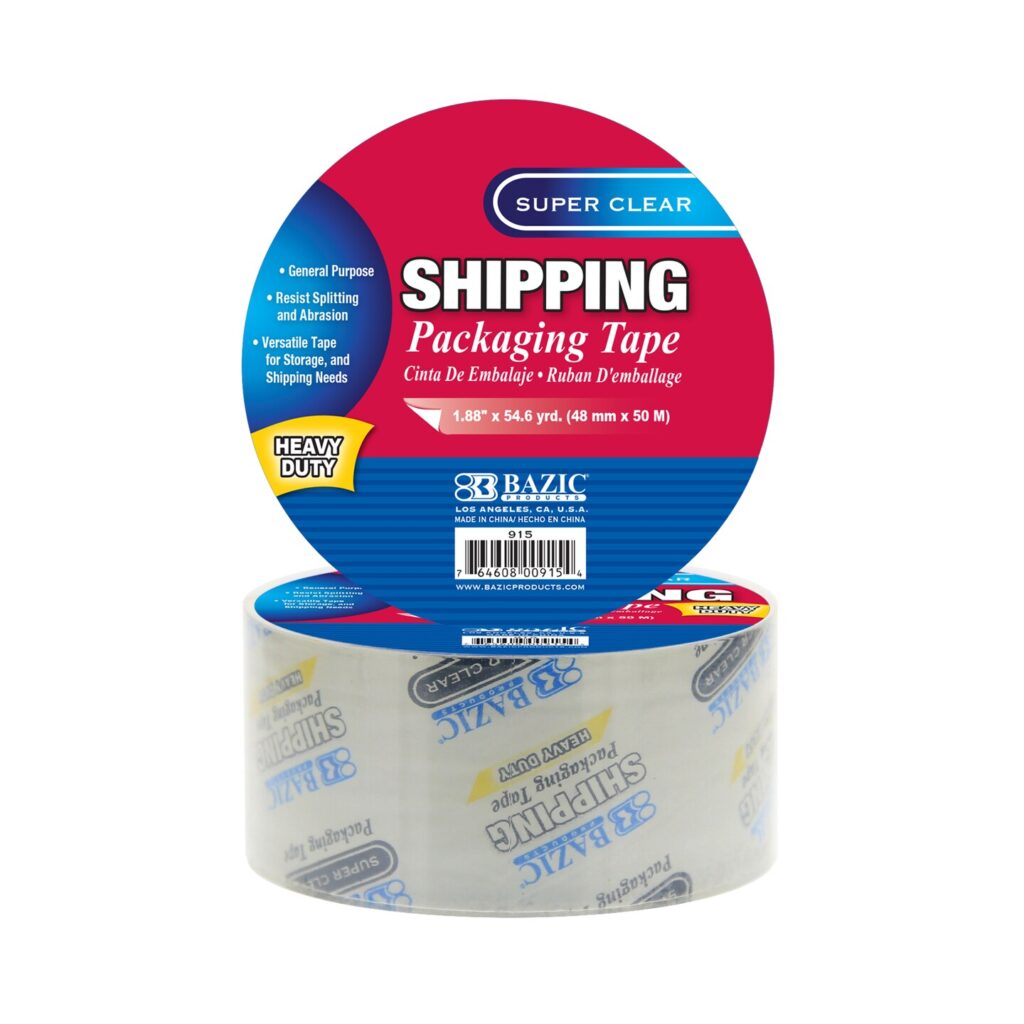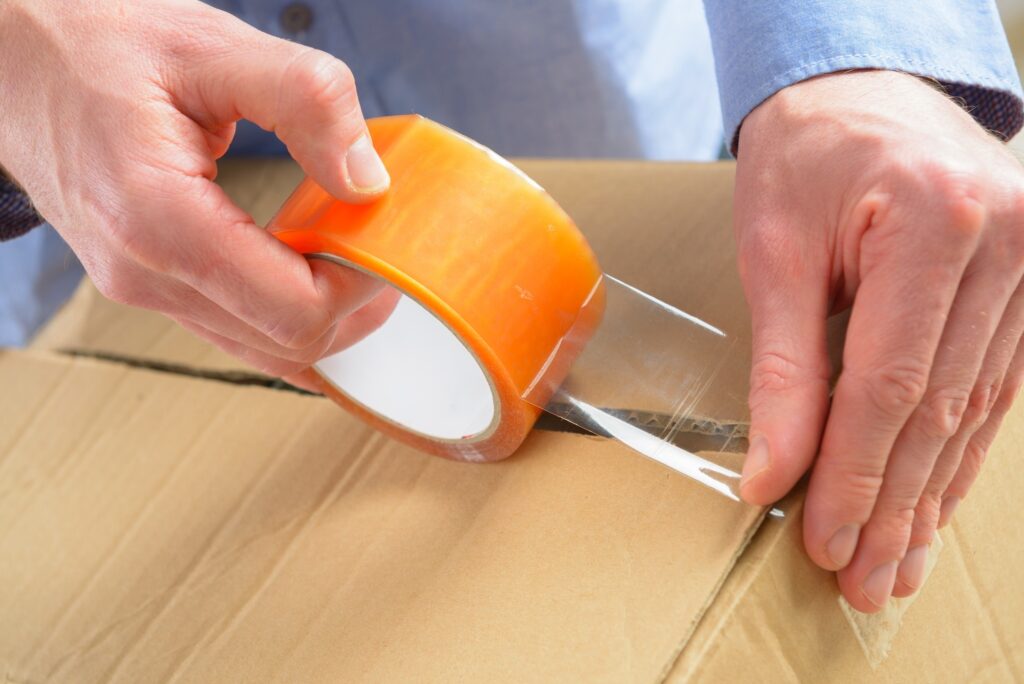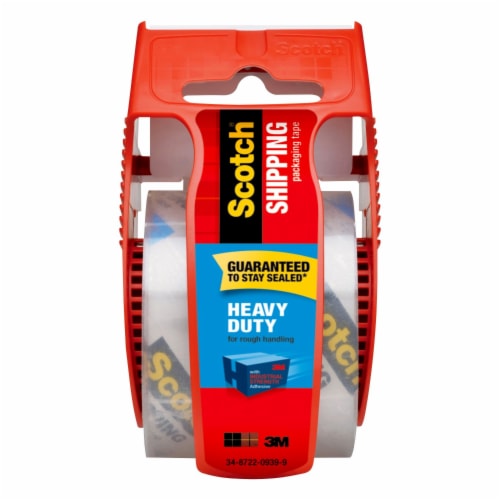
Introduction: Navigating the Global Market for Waterproof carton tape
When sourcing waterproof carton tape for high-humidity supply chains, procurement teams across Brazil, Nigeria, and beyond face a critical dilemma: standard packaging often fails under tropical conditions, leading to product damage, customs delays, and eroded profit margins. Whether you’re managing agricultural exports from São Paulo or pharmaceutical distribution in Lagos, moisture infiltration during ocean freight remains one of the most costly yet preventable supply chain vulnerabilities. The global market offers myriad adhesive technologies—from hot melt rubber to solvent acrylic systems—but navigating these technical distinctions without clear procurement frameworks leaves buyers vulnerable to substandard products.
Why do international shipments require specialized moisture-resistant sealing solutions?
Global trade routes through equatorial regions expose cargo to extreme humidity fluctuations and container rain—conditions that degrade conventional adhesives and compromise carton integrity. B2B buyers navigating these markets must contend with varying regulatory standards, inconsistent supplier quality, and the challenge of balancing heavy-duty performance against procurement costs. The difference between 2.0 mil and 3.5 mil BOPP film thicknesses, or between water-resistant and fully waterproof backing systems, can determine whether your goods arrive intact or water-damaged at European ports.
How does this guide optimize your procurement strategy?
This comprehensive resource examines technical specifications including adhesive chemistry, substrate compatibility, and tensile strength requirements for tropical climates. We analyze application-specific solutions for agriculture, electronics, and industrial manufacturing while providing frameworks for vetting international suppliers, negotiating bulk pricing structures, and ensuring compliance with regional packaging standards. By demystifying the distinctions between hot melt, solvent acrylic, and water-based adhesive systems, we empower procurement professionals across Africa, South America, and the Middle East to make data-driven decisions that protect inventory and streamline cross-border logistics.
Understanding Waterproof carton tape Types and Variations
| タイプ名 | 主な特徴 | 主なB2Bアプリケーション | バイヤーのための簡単な長所と短所 |
|---|---|---|---|
| Hot Melt BOPP Waterproof Tape (1.8–2.5 mil) | Biaxially oriented polypropylene (BOPP) |
Key Industrial Applications of Waterproof carton tape
| 業界/セクター | Specific Application of Waterproof carton tape | ビジネスにとっての価値/利益 | このアプリケーションにおける主な調達上の考慮事項 |
|---|---|---|---|
| Agriculture & Food Export | Sealing corrugated boxes for cocoa, coffee, and soybeans during ocean freight and cold chain storage in tropical climates | Prevents moisture ingress and condensation damage; reduces spoilage claims and maintains food safety compliance; ensures hermetic seal integrity through monsoon seasons and port delays | Food-grade adhesive compliance; 2.5–3.5 mil thickness for heavy agricultural loads; solvent acrylic or hot melt systems for high-humidity resistance; UV stability for outdoor port storage |
| 医薬品・ヘルスケア流通 | Tamper-evident sealing of temperature-sensitive drug shipments and medical devices for distribution in high-humidity regions | Maintains product integrity across 0°C to 60°C temperature ranges; prevents contamination in non-climate-controlled warehouses; ensures regulatory chain-of-custody documentation remains intact | Crystal-clear optical properties for barcode scanning; long-term aging resistance; compatibility with refrigerated transport; solvent acrylic adhesive for permanent hold on recycled cartons |
| エレクトロニクス&テレコミュニケーション | Packaging semiconductors, consumer electronics, and spare parts for export in high-volume fulfillment centers | Protects against “container rain” condensation and corrosion during maritime shipping; anti-static properties prevent component damage; immediate bond strength supports high-throughput operations | Hot melt adhesive for instant tack on recycled corrugated; anti-static BOPP backing; high clarity for inspection labels; resistance to temperature fluctuations during transit |
| 建設・建築資材 | Sealing cement bags, tile boxes, and hardware for outdoor storage and transport in rainy, dusty job site conditions | Prevents material waste from water damage; withstands abrasion when dragged across concrete; maintains adhesion on coarse surfaces despite construction dust and debris | 3.0+ mil heavy-duty thickness; synthetic rubber adhesive for dusty surfaces; high edge-tear resistance to prevent slivering during application; abrasion-resistant backing |
How Does Waterproof Carton Tape Protect Agricultural Exports in Tropical Climates?
For exporters shipping cocoa, coffee, or soybeans from Nigeria and Brazil, waterproof carton tape provides critical defense against the “sweating” that occurs inside containers during ocean transit. When cargo moves from humid tropical ports to cooler climates, condensation forms rapidly, compromising standard adhesives and allowing moisture to penetrate packaging. High-performance waterproof tapes with solvent acrylic or hot melt systems create hermetic seals that withstand 90%+ humidity levels and temperature swings of 40°C or more. Buyers should prioritize tapes with 2.5–3.5 mil thickness and food-grade compliance to prevent contamination while ensuring cartons remain sealed through monsoon seasons and refrigerated storage.
What Are the Critical Requirements for Pharmaceutical Packaging in High-Humidity Regions?
Pharmaceutical distributors across the Middle East and sub-Saharan Africa face unique challenges where ambient humidity frequently exceeds 80%, risking the degradation of temperature-sensitive medications and medical devices. Waterproof carton tape serves as a moisture barrier in non-climate-controlled warehouses and during last-mile delivery in tropical conditions. Unlike standard packaging tapes that lose adhesion in heat, industrial-grade waterproof variants maintain tack integrity across 0°C to 60°C ranges. Procurement teams must verify long-term aging resistance and crystal-clear optical properties to ensure barcode scanners can read through the tape without removal, maintaining chain-of-custody documentation for regulatory compliance.
Why Is Moisture-Resistant Sealing Essential for Electronics Manufacturing and Export?
Electronics manufacturers in emerging markets like Brazil and Nigeria require packaging solutions that combat “container rain”—condensation that damages semiconductors, smartphones, and spare parts during weeks-long maritime shipping. Waterproof carton tape with biaxially oriented polypropylene (BOPP) backing prevents moisture ingress while offering anti-static properties crucial for sensitive components. The tape’s immediate bond strength is vital for high-volume fulfillment centers where throughput speed matters. Sourcing considerations include selecting hot melt adhesives for instant grab on recycled corrugated materials common in export packaging, and ensuring the tape provides UV resistance for goods stored in outdoor yards before customs clearance.
How Can Construction Companies Prevent Material Damage Using Heavy-Duty Waterproof Sealing?
Construction firms storing cement, tiles, and hardware outdoors during rainy seasons in regions like Europe and South America rely on waterproof carton tape to prevent material waste from water damage. Unlike standard tapes that fail when exposed to construction site dust and debris, heavy-duty waterproof variants with synthetic rubber adhesives maintain adhesion on coarse, recycled cardboard surfaces. The 3.0+ mil thickness provides abrasion resistance when boxes are dragged across concrete or stacked in wet conditions. For international buyers, sourcing tapes with high edge-tear resistance prevents “slivering” during application, reducing waste and ensuring that heavy building materials remain secure from factory to job site despite exposure to rain and ground moisture.
A stock image related to Waterproof carton tape.
3 Common User Pain Points for ‘Waterproof carton tape’ & Their Solutions
Scenario 1: Carton Seal Degradation in High-Humidity Tropical Storage
問題だ: B2B buyers operating in coastal African or South American markets frequently encounter “flagging”—where tape edges lift and cartons gape open within hours of sealing. Standard hot melt adhesives absorb ambient moisture in 80%+ humidity warehouses, causing adhesive emulsification and catastrophic seal failure. This exposes electronics, agricultural exports, and consumer goods to water damage, pest infiltration, and pilferage during maritime transit. The issue compounds when using recycled corrugated boards with high dust content, which further compromises initial tack.
解決策 Transition to solvent acrylic adhesive systems with superior hydrophobic properties and 2.6+ mil biaxially oriented polypropylene (BOPP) backing. Unlike hot melt alternatives, solvent acrylics maintain molecular integrity in tropical climates, resisting moisture penetration that causes edge lifting. Specify tapes with high edge-tear resistance to prevent slivering during application. Implement climate-controlled tape storage (below 70% RH) and ensure carton surfaces are clean and dry before sealing. For critical shipments, utilize 3.5 mil heavy-duty grades that conform to irregular surfaces while maintaining single-strip closure integrity.
Scenario 2: Adhesion Failure in Cold Chain and Freezer Environments
問題だ: When exporting frozen seafood, meat, or temperature-sensitive pharmaceuticals from Brazil or the Middle East, standard carton sealing tapes become brittle and lose tack at sub-zero temperatures. “Carton pop” occurs when boxes sealed at ambient temperature enter -20°C freezers, causing differential contraction between tape and cardboard that breaks the adhesive bond. This compromises cold chain integrity, leading to temperature excursions, spoilage, and rejected shipments upon arrival in European ports.
解決策 Specify low-temperature acrylic or synthetic rubber adhesives rated for application and performance down to -20°C or -40°C. These formulations remain flexible in freezing conditions, maintaining constant contact with corrugated fibers despite thermal expansion differences. Use 3.0+ mil heavy-duty backing to resist splitting when cartons are handled with frozen gloves. Pre-condition tape rolls to ambient warehouse temperature before application to prevent condensation issues. For automated packaging lines, verify unwind consistency at low temperatures to prevent machine jams and ensure continuous sealing without flagging.
Scenario 3: Regulatory Non-Compliance in Food and Pharmaceutical Logistics
問題だ: Exporting foodstuffs or pharmaceutical products to stringent markets like the EU or USA requires compliance with FDA 21 CFR 175.105 or EU 10/2011 regulations. Many buyers unknowingly use tapes containing solvent-based adhesives or plasticizers that migrate into packaging, causing customs detentions and product recalls. Additionally, opaque tapes obscure shipping labels, requiring removal for barcode scanning that compromises carton integrity.
解決策 Source FDA-compliant, solvent-free hot melt or water-based acrylic carton sealing tapes explicitly certified for indirect food contact. These formulations eliminate migration risks while maintaining waterproof integrity. Select crystal-clear BOPP grades that allow barcode scanning through the tape layer, eliminating the need to remove tape at distribution centers. Request Certificates of Compliance (CoC) and batch-specific migration test reports from suppliers. For pharmaceutical cold chain, combine FDA compliance with low-temperature specifications to ensure dual regulatory and performance requirements are met simultaneously.
Strategic Material Selection Guide for Waterproof carton tape
Selecting the optimal waterproof carton tape requires balancing your supply chain environment, cargo value, and operational throughput. For B2B buyers operating across diverse climates—from the humid ports of Lagos to the temperature-variable logistics hubs of São Paulo—understanding material composition is critical to preventing seal failure, tampering, and inventory loss. The following analysis examines the three primary material configurations used in industrial waterproof carton sealing, helping procurement teams match specifications to regional challenges.
Which Backing Material Offers the Best Cost-Efficiency for High-Volume Waterproof Shipping?
Biaxially Oriented Polypropylene (BOPP) with Hot Melt Rubber Adhesive represents the industry standard for cost-effective, repetitive volume packaging. The polypropylene film backing provides inherent water resistance and abrasion protection, while the hot melt adhesive system delivers aggressive quick-tack for immediate bond on high-speed packaging lines. Available in thicknesses ranging from 1.8 mil for lightweight cartons to 3.1 mil for heavy-duty applications, this material excels in dry to moderately humid environments. However, buyers in the Middle East or during Brazilian summer peaks should note that hot melt adhesives can soften above 50°C, potentially compromising seal integrity during outdoor storage or container transshipment. For standard e-commerce fulfillment and general export where boxes move quickly through the supply chain, this material offers unmatched value.
How Does Solvent Acrylic Adhesive
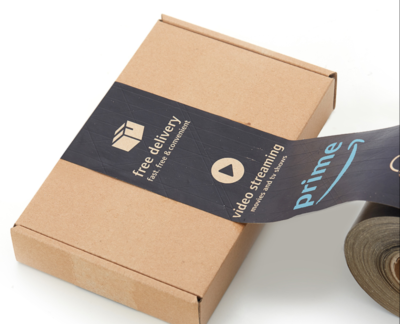
A stock image related to Waterproof carton tape.
In-depth Look: Manufacturing Processes and Quality Assurance for Waterproof carton tape
When sourcing waterproof carton tape for international logistics corridors—whether navigating Nigeria’s humid rainy seasons, Brazil’s tropical coastal ports, or the Middle East’s extreme temperature differentials—understanding the manufacturing intricacies separates commodity purchases from strategic procurement. The waterproof characteristics of carton sealing tape depend not merely on surface coatings but on the molecular architecture of adhesive systems and the precision of biaxial film orientation. For procurement managers evaluating suppliers across continents, visibility into production workflows and quality protocols ensures that specifications translate to real-world performance during extended transit through varying climates and handling conditions.
What Raw Materials Determine Waterproof Performance in Carton Sealing Tape?
The foundation of effective waterproof carton tape lies in the biaxially oriented polypropylene (BOPP) film substrate, a thermoplastic polymer stretched in both machine and transverse directions to create a molecular lattice that resists moisture penetration and tearing. Premium waterproof variants typically utilize film thicknesses ranging from 2.5 mil to 3.5 mil, providing the structural integrity necessary for heavy-duty applications while maintaining conformability around corrugated edges. Unlike standard packaging tapes that rely solely on surface coatings, waterproof grades incorporate multi-layer constructions featuring the BOPP backing, a synthetic rubber or acrylic adhesive layer, and a specialized silicon release coating that prevents adhesive transfer while ensuring clean unwind characteristics. For buyers requiring optical clarity to protect barcode legibility or branding visibility, “super clear” crystal grades undergo additional surface treatment processes that eliminate the haze common in standard polypropylene films without compromising hydrophobic properties.
How Do Hot Melt and Solvent Acrylic Adhesives Compare for Humid Climates?
The adhesive system represents the critical functional element determining long-term waterproof performance, with hot melt rubber and solvent acrylic formulations serving distinct operational environments. Hot melt adhesives, composed of synthetic rubber polymers, deliver immediate quick-tack bonding ideal for high-speed automated packaging lines and provide excellent initial shear strength for standard shipping cycles. However, for buyers managing inventory in regions with extreme humidity fluctuations—such as West African monsoon seasons or Amazonian logistics hubs—solvent acrylic adhesives offer superior aging resistance and maintain adhesive integrity across broader temperature ranges, typically performing reliably from -20°C to 80°C. Water-based acrylic adhesives present an economical alternative for short-term applications but demonstrate susceptibility to moisture degradation over extended storage periods, making them less suitable for waterproof requirements in tropical supply chains where condensation and seasonal humidity pose persistent risks.
What Manufacturing Processes Ensure Consistent Waterproof Integrity?
Industrial manufacturing of waterproof carton tape involves precision coating processes that bond the adhesive layer to the oriented film substrate under controlled temperature and tension parameters. The biaxial orientation process—where polypropylene pellets are extruded, cast into sheets, and stretched mechanically in perpendicular directions—creates the inherent moisture barrier and tensile strength (typically 30–35 pounds per inch of width for heavy-duty grades) that distinguishes premium waterproof tapes from commodity alternatives. During coating, hot melt adhesives undergo thermal application at precise viscosity levels to ensure uniform coverage, while solvent acrylic systems require controlled drying chambers to evaporate carrier solvents without compromising adhesive cohesion. Following coating, master rolls undergo slitting operations that demand micron-level precision; uneven tension during this phase creates edge defects that compromise waterproof seals and lead to slivering or splitting during application.
Which Quality Control Tests Validate Waterproof Reliability for International Shipping?
Rigorous quality assurance protocols separate industrial-grade waterproof tapes from consumer-grade alternatives, with comprehensive testing regimes verifying performance across multiple stress parameters. Tensile strength testing measures the force required to break the tape longitudinally, ensuring the backing withstands the shear forces of stacked pallet loads during ocean freight. Peel adhesion testing evaluates both immediate tack and 24-hour bond strength on recycled corrugated surfaces, critical for verifying that seals remain intact despite humidity-induced box fiber swelling. Accelerated aging tests subject tape samples to 85% relative humidity at elevated temperatures for extended periods, simulating tropical storage conditions prevalent in Brazilian or Nigerian warehouses. Additionally, moisture vapor transmission rate (MVTR) testing quantifies the tape’s effectiveness as a moisture barrier, while edge-tear resistance assessments ensure that tape applied under tension does not propagate splits that would compromise waterproof integrity.
How Can Buyers Verify Manufacturing Standards When Sourcing Globally?
Procurement teams sourcing from international manufacturers should implement verification protocols that extend beyond supplier certifications to include batch-specific quality documentation. Reputable manufacturers provide Certificates of Analysis (CoA) for each production lot, detailing adhesive coat weight, film thickness measurements, and peel strength values tested according to ASTM or ISO standards. For high-volume contracts, requesting master roll samples prior to slitting allows verification of the base film quality and coating uniformity before conversion into hand rolls or machine lengths. Third-party inspection protocols, particularly for initial shipments to African or South American ports, should include random sampling for humidity chamber testing and unwind consistency checks. Establishing specifications for minimum 2.5 mil thickness for heavy-duty applications and solvent acrylic formulations for climates exceeding 70% average humidity ensures that manufacturing capabilities align with regional environmental challenges.
Understanding these technical dimensions enables procurement professionals to move beyond price-per-roll comparisons and specify tape constructions that align with specific trade route challenges. By verifying that manufacturers employ biaxial orientation processes, appropriate adhesive systems for target climates, and comprehensive QC testing including accelerated aging protocols, buyers secure packaging integrity that protects cargo value across diverse international supply chains.
Practical Sourcing Guide: A Step-by-Step Checklist for ‘Waterproof carton tape’
Procuring waterproof carton tape for international supply chains requires balancing performance specifications with logistical realities. Buyers operating across diverse climates—from Nigeria’s humid ports to Brazil’s tropical distribution centers—must verify that adhesive systems perform under local conditions while meeting cost targets. This checklist distills critical technical and commercial criteria to ensure your selected tape maintains seal integrity through moisture exposure, temperature fluctuations, and rough handling.
How Do You Match Adhesive Chemistry to Environmental Conditions?
Specify hot melt rubber adhesives for immediate high-tack bonding in dry climates, or solvent acrylic systems for superior aging and UV resistance in Middle Eastern or South American markets. Water-based acrylics offer eco-friendly alternatives but require longer cure times. Request technical data sheets comparing shear strength and temperature ranges specific to your region’s humidity levels.
What Film Specifications Ensure Load-Bearing Security?
Select biaxially oriented polypropylene (BOPP) film thickness between 2.0 mil for standard cartons and 3.5 mil for heavy-duty industrial applications. Verify tensile strength ratings of at least 30 lbs per inch width to prevent splitting during transit. For high-value exports, specify “super clear” grades that maintain barcode readability after moisture exposure.
How Can You Validate Water Resistance Claims?
Demand ASTM D5570 or equivalent testing documentation proving moisture barrier performance. Verify that both the film backing and adhesive layer resist water penetration, not just the surface. Ask suppliers for accelerated aging test results simulating 48-hour water exposure at tropical humidity levels (85% RH).
Which Roll Configurations Optimize Operational Efficiency?
Evaluate master roll sourcing for in-house slitting versus pre-cut hand rolls. For high-volume operations, specify machine-length rolls compatible with automated carton sealers. Confirm core sizes (3-inch vs. 1-inch) match your existing dispensers to avoid operational disruption.
What Compliance Markers Reduce Customs Friction?
Ensure tapes meet FDA 21 CFR 175.105 for food contact if shipping consumables, or RoHS compliance for electronics exports. Verify that suppliers provide Material Safety Data Sheets (MSDS) and certificates of origin required by Nigerian or Brazilian customs authorities.
How Do You Secure Supply Chain Consistency?
Assess suppliers’ master roll inventory capabilities to ensure rapid replenishment without minimum order quantity (MOQ) penalties. Confirm packaging specifications prevent adhesive degradation during sea freight—request moisture-barrier wrapped pallets for ocean routes to Africa.
Why Conduct Destination-Specific Performance Testing?
Request sample rolls for testing on your actual carton substrates under local humidity conditions. Perform “lift tests” after 24-hour water exposure and “edge tear” assessments to validate single-strip sealing claims before committing to container-level orders.
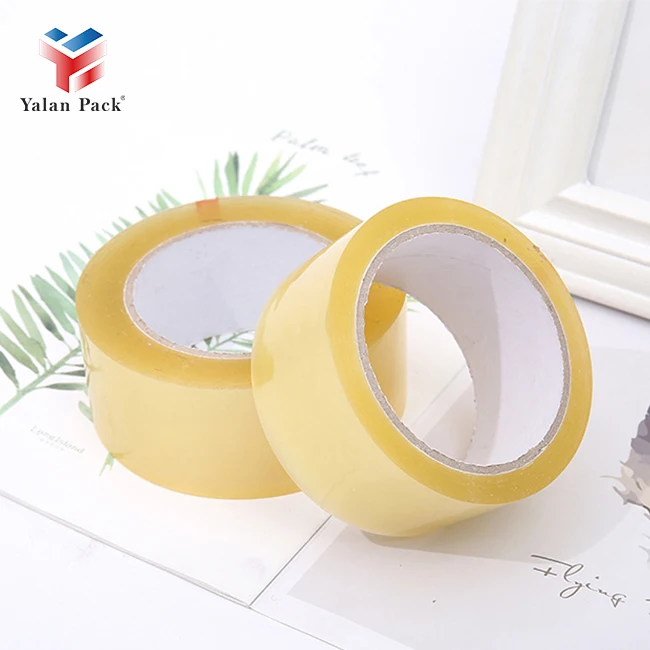
A stock image related to Waterproof carton tape.
Comprehensive Cost and Pricing Analysis for Waterproof carton tape Sourcing
Waterproof carton tape procurement requires looking beyond unit price to understand how technical specifications, volume commitments, and regional logistics converge to determine true landed costs. For procurement teams managing supply chains across Nigeria, Brazil, or the UAE, strategic sourcing decisions can reduce packaging expenditures by 15–25% while ensuring carton integrity in high-humidity environments.
How Do Adhesive Specifications Drive Waterproof Tape Costs?
The adhesive system represents 40–60% of raw material costs, creating significant price stratification between technologies. Hot melt rubber adhesives offer the lowest entry point and provide immediate tack for high-speed automated sealing, making them ideal for high-volume e-commerce operations. However, solvent acrylic systems command a 20–35% premium due to superior aging resistance and waterproofing performance in tropical climates, preventing seal failure during monsoon seasons or ocean freight. Water-based acrylic formulations occupy the middle tier, offering adequate moisture resistance for moderate humidity at competitive price points. Buyers should match adhesive chemistry to product shelf-life rather than defaulting to premium grades for short-cycle inventory.
What Is the Price Impact of Film Thickness and Durability Grades?
Biaxially oriented polypropylene (BOPP) backing thickness directly correlates with durability and cost, typically ranging from 1.8 mil (economy grade) to 3.5 mil (industrial heavy-duty). Each incremental mil adds approximately 8–12% to material costs. For export shipments facing rough handling through Middle Eastern ports or African logistics corridors, 2.5+ mil thickness prevents edge-splitting and reduces replacement claims. Conversely, lightweight 1.8–2.0 mil tapes suffice for domestic distribution in controlled environments, optimizing cost-per-seal without compromising performance.
How Can Volume Procurement Strategies Reduce Total Cost of Ownership?
Sourcing master rolls (jumbo rolls) rather than pre-slit finished rolls reduces per-meter costs by 20–40%, though this requires access to slitting equipment or regional converting partners. For Brazilian and Nigerian buyers, negotiating annual volume agreements with quarterly releases often unlocks tiered pricing while managing cash flow. Minimum order quantities (MOQs) vary significantly by region: Asian manufacturers typically require 5,000+ roll commitments for custom printed waterproof tapes, whereas regional converters in Europe or Latin America may offer 500-roll minimums at modest premiums, reducing inventory risk for specialized applications.
Which Hidden Fees and Regional Factors Affect Landing Costs for Emerging Markets?
Beyond FOB pricing, buyers must calculate moisture-barrier packaging fees (3–5% addition) essential for preventing adhesive degradation during ocean transit through humid corridors. European markets face REACH compliance premiums of 8–15% for certain adhesive chemistries, while Brazilian importers should factor Mercosur tariff structures that favor acrylic-based tapes over synthetic rubber alternatives. Nigerian procurement teams benefit from negotiating CIF terms that include climate-controlled container specifications, avoiding the hidden costs of rejected adhesive stock upon arrival.
How Do You Balance Quality Tiers with Budget Constraints?
Crystal-clear optical grades cost 10–15% more than standard clear films but improve barcode scanning efficiency, reducing downstream logistics delays. Custom printed security tapes incur initial plate fees ($300–600) but deter pilferage in high-risk supply chains. Calculate total cost of ownership rather than roll price: inferior tapes requiring double-strip application consume 2x material and labor, eroding any upfront savings. For most B2B applications, 2.0–2.5 mil hot melt or solvent acrylic tapes provide the optimal intersection of waterproof reliability and cost efficiency.
Alternatives Analysis: Comparing Waterproof carton tape With Other Solutions
When evaluating sealing solutions for export-oriented operations or regions with high humidity, procurement teams must weigh moisture protection against total cost of ownership and operational workflow. While waterproof carton tape utilizing solvent acrylic or heavy-duty hot melt adhesives provides robust polypropylene-backed barriers, two primary alternatives dominate the market: conventional non-waterproof BOPP tapes and water-activated reinforced tapes (WAT). Each solution presents distinct trade-offs in material cost, application efficiency, and climatic resilience that directly impact supply chain integrity for B2B buyers managing logistics through monsoon seasons, maritime ports, or tropical climates prevalent in markets like Brazil and Nigeria.
| 比較の側面 | Waterproof Carton Tape | Standard BOPP Packaging Tape | Water-Activated Reinforced Tape (WAT) |
|---|---|---|---|
| 耐湿性 | High (Water-resistant film backing with synthetic rubber or solvent acrylic adhesive) | Low to Moderate (Standard hot melt/acrylic degrades in humidity; risk of edge lifting) | Moderate (Kraft paper vulnerable to pre-application moisture; bonded seal resists dust) |
| 引張強度 | 30–35 lbs per inch (Heavy-duty conformable backing resists splitting) | 15–25 lbs per inch (Standard 1.8–2.0 mil construction; prone to slivering) | 40+ lbs per inch (Fiberglass reinforcement provides superior structural integrity) |
| Material Cost per Meter | Moderate to High (Premium 2.5–3.5 mil thickness, specialized adhesive systems) | Low (Economical 1.8–2.0 mil standard construction) | Moderate (Paper and starch adhesive costs; higher initial dispenser investment) |
| アプリケーション・スピード | High (Instant tack; compatible with high-speed automated dispensers) | High (Immediate adhesion; no curing required) | Low (Requires water activation, bonding time, and drying period; slows throughput) |
| 実施しやすさ | Standard handheld or machine dispensers; minimal training | Standard dispensers; ubiquitous availability | Specialized water dispensers required; utility access and maintenance needed |
| Climate Suitability | Tropical/Monsoon/Maritime (Humidity >70%, salt air, temperature fluctuations) | Temperate/Dry (Controlled warehouse environments; short-haul distribution) | Variable (Excellent temperature resistance but requires dry storage conditions) |
Is Standard BOPP Packaging Tape Sufficient for Humid Supply Chains?
Standard biaxially oriented polypropylene (BOPP) tapes—typically featuring basic hot melt or water acrylic adhesives—represent the most common cost-saving alternative, offering immediate tack and seamless integration with existing handheld dispensers. However, these conventional options lack the moisture-resistant backing and enhanced synthetic rubber adhesive systems found in waterproof variants, making them susceptible to “flagging” (edge lifting) and adhesive degradation during monsoon seasons or maritime transport. While suitable for dry warehouse environments and short-haul distribution within controlled climates, standard BOPP tapes often require multiple strip applications to achieve marginal moisture protection, increasing material consumption and labor costs that may negate initial per-roll savings when product damage or carton failure occurs during transit.
How Does Water-Activated Tape Compare to Waterproof Carton Tape for Heavy-Duty Export?
Water-activated tape (WAT), or gummed paper tape, offers a fundamentally different sealing mechanism by creating a chemical bond with carton fibers that becomes tamper-evident and virtually impossible to remove without visible damage. This Kraft paper-based solution provides excellent dust sealing and performs admirably in temperature fluctuations, though it requires specialized electric dispensers and consistent water application, introducing operational complexity for high-volume packaging lines. Unlike waterproof carton tape’s instant application, WAT demands additional process steps and drying time, presenting logistical challenges for facilities in water-scarce regions or those lacking reliable utility infrastructure. While WAT offers superior sustainability credentials and recyclability that align with European environmental standards, its vulnerability to excessive ambient moisture before application and slower throughput make waterproof carton tape the pragmatic choice for tropical African or South American operations requiring immediate, reliable sealing without process disruption.
Essential Technical Properties and Trade Terminology for Waterproof carton tape
When procuring waterproof carton tape for international supply chains, technical specifications determine whether shipments survive humid port conditions in Lagos or tropical downpours in São Paulo. Understanding the precise interplay between film construction, adhesive chemistry, and industry terminology enables buyers to distinguish commodity-grade products from industrial solutions engineered for export compliance.
What Technical Specifications Define Export-Grade Waterproof Performance?
引張強度 measures a tape’s resistance to breaking under load, expressed in pounds per inch of width (lbs/in). Premium waterproof carton tapes deliver 30–50 lbs/in, ensuring they withstand the shear forces of heavy stacking during ocean freight without snapping. This specification proves critical when sealing double-wall corrugated boxes containing dense manufactured goods.
Film Thickness directly correlates with puncture resistance and moisture barrier effectiveness. Biaxially oriented polypropylene (BOPP) films range from 1.8 mil (0.046mm) for lightweight applications to 3.5 mil (0.089mm) for extreme-duty export packaging. Thicker films resist abrasion during automated sorting while maintaining seal integrity through temperature fluctuations common in Middle Eastern logistics hubs.
Adhesive Shear Resistance indicates the tape’s ability to maintain position under constant stress. High-performance waterproof tapes utilize formulations that resist “creep” (slow sliding) and “flagging” (corner lifting) when exposed to the high humidity levels prevalent in West African and Southeast Asian markets.
Hydrostatic Head Resistance distinguishes truly waterproof tapes from merely water-resistant alternatives. This specification measures the tape’s ability to withstand direct water pressure without leakage, ensuring carton contents remain dry during temporary flooding or heavy rainfall exposure during last-mile delivery.
温度動作範囲 specifies functional limits from -20°C to 60°C, accommodating European winter storage and Brazilian summer heat. Tapes with narrow temperature windows risk adhesive failure when containers experience “sweating” during climate transitions.
破断伸度 (typically 150–200% for quality BOPP) ensures the backing stretches rather than splits when applied over corrugated edges or irregular surfaces, maintaining continuous moisture barriers.
What Industry Terminology Should Procurement Teams Master?
BOPP (Biaxially Oriented Polypropylene) refers to the film backing created by stretching polypropylene in machine and transverse directions. This molecular alignment produces exceptional tensile strength and low moisture vapor transmission rates essential for waterproof applications.
Hot Melt versus Solvent Acrylic Adhesives represent distinct chemistries with different moisture profiles. Hot melt rubber adhesives provide aggressive initial tack for high-speed automation but may soften in extreme heat. Solvent acrylics offer superior long-term aging resistance and clarity, preferred for inventory with extended storage periods.
Mil Rating (1 mil = 0.001 inch or 25.4 microns) standardizes thickness discussions. Buyers should verify whether suppliers reference total construction thickness or film-only measurements to avoid underspecifying protection levels.
Release Coating describes the silicone treatment applied to the backing’s non-adhesive side, enabling smooth unwind without adhesive transfer. This feature prevents “telescoping” (layer shifting) and ensures consistent application in high-speed packaging lines.
UV Stabilization indicates chemical additives that prevent adhesive degradation and film embrittlement during prolonged sun exposure or under intense warehouse lighting, crucial for outdoor storage in equatorial regions.
Single-Strip Seal denotes tape engineered to provide complete box closure with one application rather than multiple overlapping layers. This specification reduces material costs while ensuring uniform sealing pressure across carton flaps.
Navigating Market Dynamics and Sourcing Trends in the Waterproof carton tape Sector
How Is the Global Waterproof Carton Tape Market Evolving for B2B Buyers?
The waterproof carton tape sector is experiencing robust growth driven by expanding cross-border e-commerce and infrastructure investments across humid climates in Africa, South America, and Southeast Asia. Procurement teams are shifting away from commodity-grade packaging toward high-performance solutions capable of withstanding monsoon seasons, port condensation, and variable transportation conditions. This evolution is particularly pronounced in emerging economies like Nigeria and Brazil, where supply chain reliability depends on materials that prevent moisture ingress during extended transit times. Manufacturers are responding by expanding master roll inventories and regional distribution hubs to mitigate lead time volatility, ensuring continuous availability of heavy-duty grades for industrial applications.
What Technical Specifications Define High-Performance Water-Resistant Solutions?
Modern procurement strategies prioritize biaxially oriented polypropylene (BOPP) films ranging from 2.5 mil to 3.5 mil for heavy-duty applications, offering tensile strength exceeding 30 pounds per inch while maintaining conformability. Buyers must distinguish between adhesive systems: hot melt formulations provide immediate tack for high-speed packaging lines, while solvent acrylic systems deliver superior temperature stability and humidity resistance critical for Middle Eastern and tropical markets. Water-based acrylic adhesives represent an emerging category balancing performance with environmental compliance. Crystal-clear variants are increasingly specified to protect barcode legibility and branding integrity under harsh conditions, while single-strip sealing technologies reduce material waste and labor costs in high-volume operations.
Why Are Sustainability and Ethical Sourcing Becoming Critical in Waterproof Tape Procurement?
Environmental accountability is reshaping sourcing criteria as multinational buyers face stringent EU regulations and emerging sustainability mandates across global markets. Solvent-free adhesive systems are replacing traditional formulations to eliminate volatile organic compound (VOC) emissions during manufacturing. However, procurement teams must navigate the complexity that while polypropylene backings offer durability, recycling infrastructure varies significantly across African and South American markets, necessating supplier partnerships with transparent end-of-life handling protocols. Ethical sourcing now extends beyond materials to encompass factory certifications, fair labor practices, and carbon footprint transparency throughout the supply chain.
How Can International Buyers Optimize Supply Chains While Maintaining Environmental Compliance?
Strategic sourcing involves balancing cost efficiency with sustainability through master roll procurement models, which reduce packaging waste and transportation emissions by enabling local slitting and customization. Buyers should prioritize suppliers offering convertible inventory systems that provide both hand-roll and machine-roll lengths from the same production batch, ensuring consistency while minimizing excess inventory. When evaluating partners, verify compliance with ISO 14001 environmental management standards and request documentation on raw material traceability. For regions with developing recycling infrastructure, consider tape formulations compatible with existing corrugated waste streams to support circular economy initiatives without compromising waterproof integrity.
Frequently Asked Questions (FAQs) for B2B Buyers of Waterproof carton tape
What is the difference between waterproof carton tape and standard packing tape for industrial shipping?
Waterproof carton tape utilizes biaxially oriented polypropylene (BOPP) film backing combined with specialized adhesive systems that create a moisture-resistant barrier, whereas standard packing tape typically offers minimal water resistance. Industrial-grade waterproof variants feature tensile strengths of 30–35 lbs per inch and thicknesses ranging from 2.5 mil to 3.5 mil, enabling single-strip sealing that eliminates the need for multiple overlapping layers. The conformable backing and synthetic rubber or acrylic adhesives prevent moisture ingress, dust contamination, and edge lifting during extended transit through varying climates.
Which waterproof carton tape specifications are best for cold storage and freezer environments?
For sub-zero environments, specify solvent acrylic adhesive systems rather than hot melt rubber, as acrylic maintains flexibility and tack at temperatures as low as -20°C to -30°C. Select tapes with a minimum thickness of 2.6 mil and heavy-duty BOPP backing to prevent brittleness and splitting that commonly occurs with standard hot melt adhesives in freezer conditions. These specifications ensure reliable carton sealing for cold chain logistics, pharmaceutical storage, and frozen food distribution without adhesive fracture or seal failure.
Is waterproof carton tape FDA approved for food packaging and pharmaceutical logistics?
Many waterproof carton tapes comply with FDA regulations for indirect food contact under 21 CFR 175.105, utilizing solvent-free hot melt or water-based acrylic adhesives that prevent chemical migration. For pharmaceutical logistics, specify tapes manufactured in ISO-certified facilities with batch traceability and compliance with EU REACH or similar regional chemical safety standards. Always request certificates of conformance and material safety data sheets (MSDS) from suppliers to verify suitability for primary food packaging or secondary pharmaceutical bundling applications.
How long does waterproof carton tape maintain adhesion strength in high-humidity warehouse conditions?
Solvent acrylic adhesive systems demonstrate superior performance in high-humidity warehouse conditions (80–90% relative humidity), maintaining optimal adhesion for 12–24 months compared to hot melt alternatives which may degrade after 3–6 months in tropical environments. The moisture-resistant BOPP film backing prevents water vapor penetration that could compromise the adhesive-to-carton bond during monsoon seasons or in uncontrolled storage facilities. Regular quality testing under ASTM D3654 standards can verify shear adhesion retention rates for specific humidity exposure levels.
What thickness and tensile strength specifications are required for heavy-duty export shipping to tropical climates?
For shipments to high-humidity regions like West Africa, Brazil, or the Middle East, specify 3.0–3.5 mil heavy-duty BOPP tape with solvent acrylic adhesive and tensile strength exceeding 30 lbs per inch. These specifications resist UV degradation, temperature fluctuations between 40°C and -10°C, and moisture accumulation during maritime transport. The enhanced thickness prevents “slivering” or splitting when cartons are handled roughly in port environments, reducing product damage claims and customs inspection delays.
Can waterproof carton tape adhere effectively to cartons with high recycled content or dusty surfaces?
Premium waterproof carton tapes with hot melt rubber adhesive systems provide excellent instant tack on corrugated surfaces containing up to 100% recycled content, which standard tapes often struggle to penetrate due to surface fibers and dust. For extremely dusty manufacturing environments, solvent acrylic formulations offer superior bonding to challenging substrates after brief pressure application. Ensure cartons are reasonably clean and dry before application, as excessive dust or oil contamination can compromise even industrial-grade adhesive performance.
What are the key differences between hot melt rubber and solvent acrylic adhesive systems in waterproof carton tape?
Hot melt rubber adhesives provide immediate bond strength and high initial tack, making them ideal for high-speed automated packaging lines and room-temperature applications. Solvent acrylic adhesives offer superior long-term aging resistance, temperature stability (-30°C to +80°C), and humidity resistance, though they require 24–48 hours to reach maximum bond strength. Water acrylic systems provide an eco-friendly middle ground with moderate temperature resistance and good clarity for barcode scanning applications.
How should bulk inventories of waterproof carton tape be stored to preserve adhesive properties?
Store waterproof carton tape in climate-controlled environments between 15°C and 25°C with relative humidity below 70% to prevent adhesive degradation and edge lifting. Keep rolls away from direct sunlight and UV exposure, which can oxidize the BOPP film and cause yellowing or brittleness over 12-month storage periods. Implement first-in-first-out (FIFO) inventory rotation, as most industrial-grade waterproof tapes maintain optimal performance for 12–18 months from manufacture when stored properly.
重要な免責事項および利用規約
⚠️ 重要な免責事項
メーカー、技術仕様、市場分析に関する内容を含め、本ガイドラインで提供される情報は、情報提供と教育目的のみのものです。専門的な調達アドバイス、財務アドバイス、または法的アドバイスを提供するものではありません。.
B2Bバイヤーは、独自の徹底的なデューデリジェンスを行う必要がある。 をご覧の上、ご購入をお決めください。本ガイドに記載された情報を信頼した場合のリスクは、読者が単独で負うものとします。.
Top 2 Waterproof Carton Tape Manufacturers & Suppliers List
1. Crown Pack – Carton Sealing Tape
ドメイン shop.crownpack.com
登録:1997年(29年)
はじめに Carton sealing tape (CST), also known as box-sealing tape, packing tape, or pressure-sensitive tape, is used to seal corrugated boxes for shipping and storage. The product features a flexible synthetic polymer backing (polypropylene or polyethylene) coated with pressure-sensitive adhesive containing additives for durability and performance. Crown Packaging supplies multiple adhesive formulations: …
2. STA Tapes – Acrylic Packaging Tapes
ドメイン sta-tapes.com
登録:2016年(10年)
はじめに STA Coated Technologies manufactures US-made acrylic packaging tapes in Rogersville, TN. Product lines include: (1) Economy Acrylic (COHERE series): 1060 (1.7mil), 1080 (1.8mil), 1081 (1.9mil High Tack), 1082 (2.0mil) in Clear/Tan; (2) Industrial Acrylic (SUPREME series): 1160 (1.7mil), 1180 (1.8mil), 1181 (1.9mil High Tack), 1182 (2.0mil, 9 colors), 1242 (2.4mil Premium), 1352 (2.8mil Heavy Duty)…
Strategic Sourcing Conclusion and Outlook for Waterproof carton tape
As global supply chains face increasing climate volatility and sustainability mandates, waterproof carton tape has evolved from a commodity purchase to a strategic procurement decision. Buyers must look beyond unit pricing to evaluate total cost of ownership, adhesive chemistry compatibility with regional humidity levels, and supplier master-roll availability for operational continuity.
How Can Buyers Optimize Total Cost of Ownership in High-Humidity Markets?
For operations in Brazil, Nigeria, and the Middle East, selecting tapes with solvent-free hot melt or acrylic adhesives on 2.5–3.5 mil BOPP backings prevents seal failure during monsoon seasons or tropical storage. Premium thickness specifications reduce application labor by enabling single-strip sealing, offsetting higher material costs through reduced downtime and rework while maintaining crystal-clear label visibility for automated sorting systems.
What Supply Chain Factors Ensure Continuity for Volume Buyers?
Strategic sourcing requires partners maintaining master-roll inventory for immediate slitting to custom hand-roll or machine-roll lengths. This capability eliminates lead-time vulnerabilities during peak shipping seasons. Verify suppliers offer consistent tensile strength ratings exceeding 30 lbs per inch and temperature-resistant formulations that withstand rough handling in intermodal logistics across diverse climates.
Are Eco-Conformable Adhesives the Future Standard?
The shift toward water-based acrylic and solvent-free synthetic rubber systems addresses both environmental compliance and performance longevity. These advanced formulations maintain aggressive tack across temperature extremes while supporting corporate ESG targets, positioning early adopters ahead of tightening regulations in European and emerging markets.
By prioritizing specification-grade materials, regional climate compatibility, and agile supply partnerships, procurement teams transform waterproof sealing from a line-item expense into a competitive logistics advantage.