Introduction: Navigating the Global Market for Bopp carton sealing tape
いつ sourcing BOPP carton sealing tape for complex international supply chains, procurement teams face a critical challenge: balancing cost efficiency with performance reliability across diverse climate conditions and regulatory environments. From the humid warehouses of Vietnam to the temperature-controlled logistics hubs of Germany, selecting the wrong adhesive system or film thickness can result in seal failures, damaged goods, and costly supply chain disruptions.
This comprehensive guide addresses the specific pain points facing B2B buyers in Africa, South America, the Middle East, and Europe. We examine the technical distinctions between hot melt rubber, solvent acrylic, and water-based acrylic adhesives, analyzing which formulations withstand extreme heat, UV exposure, or cold-chain logistics. Beyond material specifications, we explore critical procurement strategies—including how to vet manufacturers for consistent micron accuracy (ranging from 38μ to 100μ), navigate jumbo roll versus finished roll conversions, and evaluate suppliers capable of delivering both standard 48mm widths and custom configurations with minimal lead times.
How Can Global Buyers Ensure Tape Performance Across Diverse Climate Zones?
By decoding the relationship between biaxially oriented polypropylene (BOPP) film thickness, adhesive chemistry, and regional application requirements, this guide equips procurement professionals with actionable frameworks for supplier qualification, cost-benefit analysis, and quality assurance. Whether you are securing pharmaceutical shipments through the Middle Eastern summer or managing high-volume e-commerce fulfillment in emerging African markets, the insights herein transform technical specifications into strategic procurement decisions—ensuring your carton sealing solutions perform flawlessly from factory floor to final destination.
Understanding Bopp carton sealing tape Types and Variations
| タイプ名 | 主な特徴 | 主なB2Bアプリケーション | バイヤーのための簡単な長所と短所 |
|---|---|---|---|
| Hot Melt Rubber Adhesive Tapes | Aggressive initial tack; immediate bond at room temperature; available in 1.8–3.5 mil thicknesses; optimal for high-speed automated application | E-commerce fulfillment centers, high-volume distribution facilities, automated packaging lines in temperate climates | Pros: Instant adhesion, excellent machinability, lower cost per roll. Cons: Adhesive degradation above 60°C; poor performance in high-humidity tropical storage |
| Solvent Acrylic Adhesive Tapes | Superior temperature resistance (-20°C to +80°C); UV stabilized; crystal-clear optical clarity grades; 2.0–2.6 mil standard construction | Export shipping, cold chain logistics, premium retail packaging, long-term warehousing in extreme climates | Pros: Stable across temperature extremes, anti-aging properties, high clarity for branding visibility. Cons: Higher unit cost, requires 24-hour curing for full bond strength |
| Water-Based Acrylic Adhesive Tapes | Eco-friendly water-based formulation; low VOC emissions; antistatic properties; clear and tan color options | Food and pharmaceutical packaging, sustainable packaging initiatives, office use, light industrial sealing | Pros: Environmentally compliant for EU regulations, food-contact safe options, economical for bulk procurement. Cons: Poor adhesion in high-humidity environments; slower tack development |
| Heavy-Duty Reinforced Tapes (3.0+ mil) | Enhanced biaxially oriented polypropylene film (3.0–3.5 mil); high tensile strength; impact and puncture resistant | Heavy machinery parts, metal components, construction materials, overstuffed export cartons, palletized goods | Pros: Exceptional load-bearing capacity, resists sharp edges, reduces transit damage. Cons: Increased freight weight, requires heavy-duty dispensing equipment, premium pricing |
Which Adhesive System Works Best for High-Temperature Climates?
Hot melt rubber adhesive tapes deliver aggressive initial tack and immediate bond strength without activation, making them ideal for high-speed automated lines in distribution centers across Europe and Vietnam. These tapes perform exceptionally well in temperate environments but require careful evaluation for buyers in tropical African or Middle Eastern markets where sustained heat above 60°C can compromise adhesive integrity and cause edge lifting. When sourcing, verify the specific temperature tolerance range and consider storage conditions during international transit, as these systems offer cost-effective solutions for high-volume operations but limited weather resistance.
Why Choose Solvent Acrylic Tapes for Export and Cold Chain Logistics?
Solvent acrylic formulations provide superior temperature stability across extreme ranges from -20°C to +80°C, maintaining reliable adhesion throughout cold chain logistics and hot warehouse conditions prevalent in South American and Middle Eastern trade routes. This variation includes UV stabilization that prevents lifting during prolonged outdoor exposure and port storage, while crystal-clear optical grades support premium branding visibility for retail-facing shipments. Buyers should account for longer initial curing times and higher per-unit costs compared to hot melt alternatives, though the enhanced durability significantly reduces failure rates in demanding export environments.
Are Water-Based Acrylic Tapes Suitable for Sustainable Packaging Requirements?
Water-based acrylic systems present an environmentally conscious option with lower VOC emissions and water-based coating technology, increasingly preferred by German and European buyers facing strict environmental regulations and sustainability mandates. These tapes offer adequate performance for light-to-medium carton sealing in climate-controlled environments but exhibit reduced efficacy in high-humidity conditions common during African monsoon seasons or tropical storage. B2B purchasers should confirm food-contact compliance certifications such as FDA or EU standards when selecting these for pharmaceutical or food-grade applications, balancing ecological benefits with performance limitations in moist climates.
When Should Buyers Invest in Heavy-Duty 3.0+ Mil Reinforced Tapes?
Heavy-duty reinforced tapes utilizing 3.0 to 3.5 mil biaxially oriented polypropylene provide exceptional tensile strength and impact resistance necessary for overstuffed cartons, metal components, and construction material packaging where standard tapes fail. These variations excel in palletized shipping and heavy machinery parts distribution, offering puncture resistance against sharp edges and rough handling during international transit. While the increased film thickness adds freight weight and requires robust dispensing equipment capable of handling thicker rolls, the reduction in package failure rates and product damage claims justifies the investment for high-value goods and export containers.
Key Industrial Applications of Bopp carton sealing tape
| 業界/セクター | Specific Application of Bopp carton sealing tape | ビジネスにとっての価値/利益 | このアプリケーションにおける主な調達上の考慮事項 |
|---|---|---|---|
| Eコマースとサードパーティロジスティクス(3PL) | Automated high-speed carton sealing for fulfillment centers and distribution warehouses | Minimizes downtime from tape breaks; ensures package integrity through last-mile delivery | Machine compatibility (unwind force consistency); hot melt adhesive for immediate tack; humidity resistance for tropical climates |
| Food & Beverage Processing & Cold Chain | Sealing corrugated boxes for frozen goods, beverages, and dry food exports | Maintains seal integrity from -20°C freezing to 60°C warehouse storage; clear visibility for barcode scanning | Food-grade adhesive compliance; moisture resistance; UV stabilization for outdoor port storage |
| Electronics & Automotive Components | Anti-static bundling of circuit boards, component trays, and ESD-sensitive devices | Prevents electrostatic discharge damage; clean removal without residue on polycarbonate housings | Low-noise unwinding; static-dissipative properties; dust-free manufacturing for clean rooms |
| Agriculture & Commodity Export | Heavy-duty palletizing of coffee, cocoa, and nuts for tropical origin shipping | UV stabilization prevents seal failure during outdoor storage; high shear strength supports stacked loads | Performance in 85%+ relative humidity; compatibility with recycled corrugated board; hot melt adhesive for rough handling |
| Pharmaceutical & Medical Distribution | Tamper-evident sealing for regulated drug shipments and clinical supplies | Supports serialization/track-and-trace requirements; provides visible tamper evidence; temperature stability | Solvent acrylic for long-term adhesion; printable surface for lot codes; compliance with GDP standards |
How Does BOPP Tape Ensure Secure Sealing in High-Velocity E-Commerce Fulfillment?
High-velocity fulfillment operations require tape that performs reliably across automated case sealers and manual packing stations. BOPP carton sealing tape with hot melt adhesive provides the immediate tack necessary for rapid box closure without flagging or lifting. For buyers in Germany and Vietnam managing seasonal humidity fluctuations, selecting tapes with consistent unwind force prevents jamming in automated systems. The 2.0–2.5 mil thickness range offers optimal balance between cost efficiency and burst strength for corrugated boxes weighing up to 40kg, ensuring packages withstand the compression forces of international palletized shipping.
What Cold Chain Requirements Should Food & Beverage Exporters Consider for BOPP Sealing?
Cold chain logistics demand BOPP tapes formulated with solvent acrylic adhesives that maintain adhesion at sub-zero temperatures while resisting condensation moisture. For exporters in South America shipping produce to European markets, UV-stabilized clear tapes prevent carton seal degradation during port storage. Food-grade compliance ensures no adhesive migration into packaging, critical for dry goods and beverage concentrates. The tape’s clarity allows barcode scanning through the seal, streamlining customs inspections without requiring secondary labeling or tape removal.
Why Is Anti-Static BOPP Tape Critical for Electronics Manufacturing?
Electronics manufacturers require low-noise BOPP tapes with anti-static properties to prevent electrostatic discharge damage to sensitive components. In clean room environments common in Middle Eastern and Southeast Asian assembly plants, dust-free unwinding prevents particulate contamination. The 3.5 mil heavy-duty variants provide structural reinforcement for component trays and ESD shielding bags. Buyers should verify surface resistivity specifications and ensure the tape leaves no residue when removed from polycarbonate or ABS housings, preventing cosmetic defects during final product assembly.
How Can Agricultural Exporters Prevent Carton Seal Failure in Tropical Climates?
Agricultural exporters in Africa and South America face unique challenges with high humidity and prolonged outdoor storage before shipping. Heavy-duty BOPP sealing tape with enhanced hot melt adhesive offers superior shear resistance against the weight of stacked coffee or cocoa bags. UV inhibitors prevent adhesive oxidation during tropical sun exposure, while the high tensile strength of biaxially oriented film prevents “box bursting” during rough handling at origin ports. Sourcing considerations include verifying the tape’s performance in 85% relative humidity conditions and ensuring compatibility with recycled corrugated board common in emerging markets.
What Tamper-Evident Solutions Does BOPP Tape Offer for Pharmaceutical Distribution?
Pharmaceutical distribution requires tamper-evident sealing that maintains integrity through temperature excursions common in international transit. Solvent acrylic BOPP tapes provide the long-term adhesion necessary for multi-modal shipping routes through varying climate zones. The printable surface accepts lot codes and serialization data directly, supporting track-and-trace regulations in European and Middle Eastern markets. For temperature-sensitive biologics, tape selection must account for cold chain requirements while providing immediate visual evidence of unauthorized opening, ensuring compliance with GDP (Good Distribution Practice) standards.

A stock image related to Bopp carton sealing tape.
3 Common User Pain Points for ‘Bopp carton sealing tape’ & Their Solutions
Scenario 1: Why Does Standard BOPP Tape Lose Adhesion in High-Temperature Supply Chains?
問題だ:
Buyers sourcing for tropical markets across Africa, the Middle East, and Southeast Asia often select standard hot melt adhesive tapes based on superior initial tack and competitive pricing. However, these synthetic rubber adhesives soften significantly when shipping container temperatures exceed 40°C during ocean transit or warehouse storage. This thermal degradation causes “flagging” (edge lifting) and complete seal failure, exposing goods to moisture, dust, and tampering. High ambient humidity further exacerbates the issue by weakening the adhesive bond through condensation, particularly during monsoon seasons or extended port delays.
解決策
Specify solvent acrylic or advanced water-based acrylic adhesive systems rather than hot melt for shipments traversing hot climates. Acrylic formulations maintain shear strength and resist UV degradation and oxidation across temperature ranges from -10°C to 60°C. Request UV-stabilized BOPP films and verify the adhesive’s specific temperature resistance threshold before procurement. Conducting 72-hour heat-aging tests on sample seals ensures performance standards are met before committing to bulk orders, preventing costly inventory losses and reputation damage in demanding export environments.
Scenario 2: What Thickness of BOPP Tape Prevents Seal Failure in Heavy-Duty Export Shipping?
問題だ:
Procurement teams frequently standardize on economical 1.8 mil (45 micron) or 2.0 mil tapes to simplify inventory management across light and heavy applications. When applied to double-walled export cartons exceeding 20kg or palletized loads, these insufficient films stretch, split, or snap under tension during stacking and transit vibration. This results in “burst boxes” at distribution centers, requiring manual rework, potential product damage, and delayed deliveries. Generic “clear” product labels often mask commodity-grade films lacking the tensile strength required for rigorous international logistics.
解決策
Match tape thickness precisely to carton weight and stress factors: utilize 2.5 mil (60+ micron) or 3.5 mil heavy-duty BOPP films for cartons over 15kg or palletized shipments. Specify hot melt adhesives for immediate grab on high-speed automated lines, or solvent acrylic for temperature-stable heavy loads. Always request technical data sheets confirming tensile strength (minimum 20 N/cm for heavy-duty applications) rather than relying on marketing terminology. For high-stress seams, consider filament-reinforced strapping tapes to prevent catastrophic seal failure under dynamic load conditions.
Scenario 3: How Can Inconsistent BOPP Tape Specifications Cause Automated Packaging Downtime?
問題だ:
International buyers often aggregate tape from multiple regional suppliers to optimize shipping costs, resulting in mixed batches with varying roll lengths, core sizes (76mm vs. 3-inch), film thicknesses, and unwind tensions. When loaded into case sealers or carton erectors—common in high-volume German or Vietnamese manufacturing facilities—these inconsistencies trigger frequent jams, misaligned seals, and emergency production stops. This unplanned downtime negates any initial material cost savings and creates quality control nightmares, particularly problematic for ISO-certified operations requiring process consistency and traceability.
解決策
Standardize on jumbo roll sourcing (1280mm or 1610mm widths) from a single qualified manufacturer with regional slitting capabilities. Specify exact machine-grade lengths (e.g., 1000m rolls), core dimensions, and unwind force tolerances matched to your specific equipment.
Strategic Material Selection Guide for Bopp carton sealing tape
Selecting the optimal adhesive system for BOPP carton sealing tape requires balancing operational speed, environmental conditions, and total cost of ownership
A stock image related to Bopp carton sealing tape.
In-depth Look: Manufacturing Processes and Quality Assurance for Bopp carton sealing tape
Understanding the manufacturing workflow behind BOPP carton sealing tape empowers procurement teams to assess supplier capabilities, negotiate specifications, and mitigate supply chain risks. For buyers sourcing from international markets—whether distributing into Germany’s regulated logistics sector or Nigeria’s humid coastal regions—knowledge of production variables ensures consistent performance across diverse climates and handling conditions.
How Is Biaxially Oriented Polypropylene Film Manufactured?
The foundation of high-performance carton sealing tape begins with the biaxial orientation of polypropylene resin. Raw polypropylene pellets undergo extrusion through a flat die, forming a thick sheet that immediately enters the orientation phase. The film stretches longitudinally (machine direction) and transversely (cross direction) using heated rollers and tenter frames, typically at ratios between 4:1 and 8:1 depending on the desired tensile strength.
This molecular alignment creates the characteristic properties B2B buyers rely on: dimensional stability under temperature fluctuations, resistance to tearing, and the optical clarity necessary for barcode scanning. Premium manufacturers utilize isotactic polypropylene with melt flow indices between 2-4 g/10min, ensuring the final tape withstands the shear forces encountered in automated case sealing operations. Film thicknesses range from 28 microns (light-duty) to 100 microns (heavy-duty reinforcement), with 40-50 micron films representing the standard for general logistics applications.
What Adhesive Coating Technologies Ensure Optimal Bond Strength?
The coating process distinguishes commodity tape from industrial-grade solutions. Three primary adhesive systems dominate the market, each requiring distinct manufacturing parameters:
Water-Based Acrylic Coating involves applying aqueous adhesive emulsions to the corona-treated BOPP film surface. The coated web passes through multi-zone drying ovens (typically 80-120°C) to evaporate moisture before lamination with release liners. This process yields excellent UV resistance and aging stability, making it ideal for Middle Eastern and African markets where cartons endure prolonged sun exposure.
Hot Melt Rubber Coating utilizes synthetic rubber and hydrocarbon resin blends applied at 140-160°C through slot-die coaters. The rapid cooling crystallization creates immediate tack and high initial adhesion—critical for high-speed packaging lines in European distribution centers. However, this process demands precise viscosity control to prevent adhesive bleed-through on thin films.
Solvent Acrylic Systems employ organic solvent carriers that require recovery systems for environmental compliance. While production costs run higher, the resulting tapes offer superior performance in sub-zero environments, relevant for German cold-chain logistics or Andean high-altitude distribution.
How Does Precision Slitting Impact Roll Performance?
Following adhesive application and curing, jumbo master rolls—typically 1280mm or 1610mm wide by 4000-6000 meters long—undergo precision slitting. Computer-controlled tension systems maintain ±0.5% web tension consistency to prevent telescoping (layer shifting) during unwinding.
Rotary shear slitting blades must remain razor-sharp; dull edges create micro-fraying that leads to edge-lifting during application. Quality-focused manufacturers conduct 100% inspection for splice points, ensuring zero defects in finished rolls ranging from narrow 12mm widths (for bundling) to standard 48mm and 72mm carton sealing formats. Core preparation utilizes 76mm or 152mm cardboard cores with crush-resistant specifications to survive ocean freight stacking pressures.
What Quality Assurance Protocols Verify Tape Reliability?
Sophisticated buyers should verify that suppliers implement ASTM D3654 (shear adhesion) and ASTM D3330 (peel adhesion) testing protocols. In-process monitoring includes:
- Tensile Strength Verification: Ensuring machine-direction strength exceeds 30 N/cm for heavy-duty applications
- Thickness Uniformity: Laser micrometer checks maintaining ±2 micron tolerance across the web width
- Climate Conditioning: Sample batches subjected to 40°C/90% RH aging tests simulating tropical transit conditions (critical for Southeast Asian and South American logistics)
- Adhesion Loop Tack Testing: Quantifying immediate bond strength on recycled corrugated substrates
Leading facilities maintain ISO 9001:2015 certification with documented batch traceability, enabling rapid defect isolation should performance issues arise in destination markets.
How Should Buyers Evaluate Manufacturing Certifications and Environmental Compliance?
For European markets governed by REACH and Packaging Waste Directive regulations, verify that adhesive formulations contain no heavy metals or restricted phthalates. Responsible manufacturers provide RoHS compliance certificates and VOC (volatile organic compound) emission data for solvent-based products.
Sustainability-conscious buyers should inquire about water-based adhesive utilization rates and film recycling programs. Some advanced facilities now offer 30% post-industrial recycled content in BOPP films without compromising clarity or strength—an increasingly important specification for German retail supply chains and eco-conscious Latin American distributors.
What Packaging Standards Protect Tape Integrity During International Transit?
Given that BOPP tape shipments to Africa and South America often endure 30+ days in marine containers with high humidity fluctuations, manufacturing quality extends to final packaging protocols. Moisture-barrier shrink wrapping with desiccant insertion prevents adhesive hydrolysis. Pallet configurations utilizing corner boards and stretch hooding (rather than basic stretch wrap) prevent crush damage when containers experience dynamic loading during ocean transit.
Temperature-sensitive hot-melt adhesive tapes require climate-controlled warehousing prior to shipment; reputable manufacturers monitor storage facilities to prevent thermal degradation that causes “gumming” or unwinding resistance.
By scrutinizing these manufacturing and quality assurance elements—from resin selection through final palletization—B2B buyers secure supply chains capable of delivering consistent sealing performance across the diverse operational environments of global commerce.
Practical Sourcing Guide: A Step-by-Step Checklist for ‘Bopp carton sealing tape’
Procuring BOPP carton sealing tape requires balancing technical specifications with supply chain reliability. This checklist guides international buyers through critical decision points—from adhesive chemistry selection to logistics optimization—ensuring your packaging operations maintain integrity across diverse climates and handling conditions.
1. How Do You Match Adhesive Chemistry and Film Thickness to Application Demands?
BOPP tapes utilize hot melt rubber, solvent acrylic, or water-based acrylic adhesives, each performing differently under temperature extremes. Hot melt offers aggressive initial tack for room-temperature environments, while solvent acrylic maintains superior adhesion in freezer storage or high-heat conditions common in Middle Eastern or tropical markets. Pair your adhesive selection with appropriate film thickness—ranging from 38 microns (1.5 mil) for lightweight consumer goods to 50+ microns (2.0+ mil) for heavy industrial cartons—to prevent splitting during rough handling and stack compression.
2. What Dimensional Specifications Ensure Compatibility With Your Sealing Equipment?
Verify that roll widths (standard 48mm or 72mm) and lengths align with your dispenser specifications and automated carton sealers. For high-volume operations, consider sourcing jumbo rolls (1280mm width) for in-house slitting to reduce per-unit costs, while confirming your converting equipment handles 76mm core sizes standard in Asian and European manufacturing. Inquire about machine-length rolls (up to 1000m) for continuous production lines versus hand-length rolls (50-100m) for manual packing stations.
3. How Can You Verify UV and Climate Resistance for Long-Distance Shipping?
Request technical data sheets confirming UV stabilization and moisture resistance, particularly critical for shipments facing prolonged sun exposure during African or South American transport. Quality BOPP tapes should demonstrate resistance to lifting in high humidity and maintain tack after temperature fluctuations between -10°C and 60°C. Specify antistatic properties if sealing electronic components to prevent dust attraction during long-haul container shipping.
4. What Packaging and Logistics Configurations Minimize Damage and Waste?
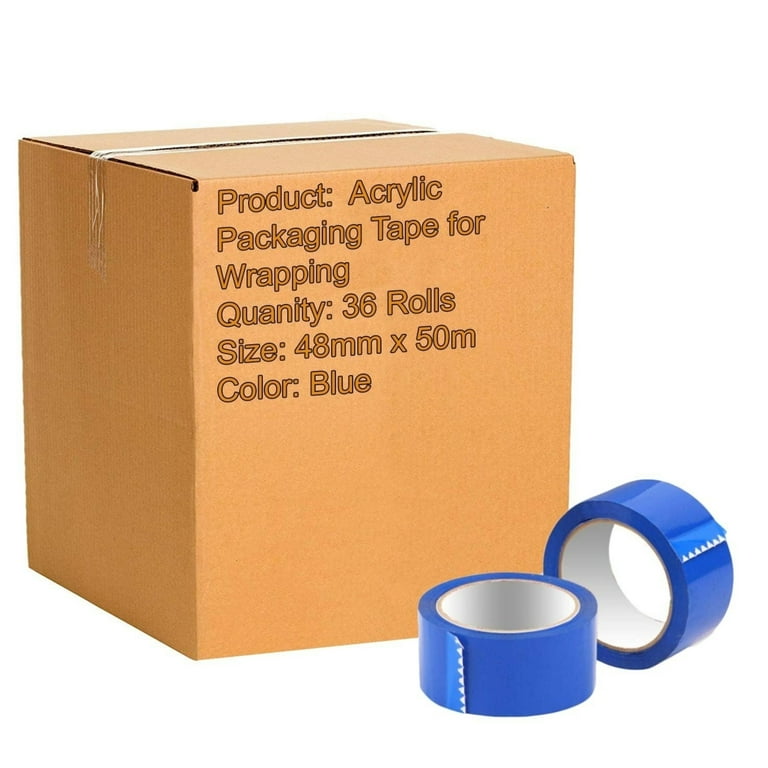
Evaluate master carton configurations—typically 36, 48, or 72 rolls per carton—with individual shrink wrapping to prevent dust contamination and edge damage during ocean freight. Confirm palletization standards suit your warehouse racking systems, and verify whether suppliers offer mixed-container loading (combining clear and tan colors or different widths) to optimize shipping costs for smaller buyers without requiring full container minimums.
5. Which Quality Certifications Indicate Manufacturing Consistency?
Prioritize suppliers demonstrating ISO 9001 quality management and SGS testing for peel adhesion, tensile strength, and elongation percentages. For food or pharmaceutical applications, verify compliance with FDA 21 CFR 175.105 or EU Regulation 10/2011 for food contact materials, ensuring water-based acrylic adhesive systems meet specific migration limits and odor neutrality standards.
6. How Should You Structure Customization Requests for Branding and Traceability?
Specify printing requirements early—whether for logo branding, color-coding for inventory management, or sequential numbering for supply chain traceability. Crystal-clear grades (low haze BOPP) enhance shelf appeal for retail applications, while custom Pantone colors typically require minimum order quantities starting at 5,000 roll equivalents. Confirm print durability standards to ensure branding remains legible after friction and environmental exposure.
A stock image related to Bopp carton sealing tape.
Comprehensive Cost and Pricing Analysis for Bopp carton sealing tape Sourcing
BOPP carton sealing tape pricing operates on a multi-variable matrix where micron thickness, adhesive chemistry, and conversion logistics converge. For procurement teams sourcing across continents, understanding these cost drivers prevents budget overruns while ensuring specification compliance in diverse climate conditions.
How Do Thickness and Film Specifications Impact Unit Costs?
Thickness variations from 38 micron (1.5 mil) economy grades to 90+ micron heavy-duty variants create significant price differentials, with each 5-micron increment typically adding 8–12% to raw material costs. Super clear optical grades command 15–20% premiums over standard clear films due to specialized biaxial orientation processes that eliminate clouding. For buyers in Germany and Europe requiring high-clarity label protection, this premium is justified, while African distributors might prioritize standard 40–45 micron grades for general carton sealing to optimize container space utilization.
What Is the Cost Hierarchy Between Adhesive Technologies?
Water-based acrylic systems offer the lowest entry point ($0.80–$1.20 per square meter at volume) but require 24-hour cure times and moderate temperature stability. Hot melt rubber adhesives cost 20–30% more yet provide immediate tack essential for high-speed automated lines common in Vietnamese manufacturing facilities. Solvent acrylic sits at the premium tier (35–40% above water-based) but delivers superior temperature resistance (-20°C to 80°C) critical for Middle Eastern desert storage and European freezer logistics. Mixed adhesive systems provide mid-range solutions for buyers balancing performance requirements with constrained budgets.
How Does Volume Configuration Affect Total Landed Costs?
Jumbo rolls (1280mm/1610mm width × 4000–6000m length) reduce per-meter costs by 40–60% compared to finished hand rolls but require local slitting capabilities. For buyers without converting equipment, purchasing 1000-yard machine-length rolls versus standard 50-yard packs yields 25–30% savings while maintaining compatibility with automated dispensers. Minimum order quantities typically start at 1–2 metric tons for custom specifications, though stock sizes offer flexibility at 500kg minimums. South American importers frequently find that 20-foot container loads (approximately 12–15 tons) optimize the freight-to-product cost ratio when sourcing from Asian manufacturers.
Which Hidden Costs Should International Buyers Anticipate?
Beyond FOB pricing, procurement teams must calculate core size standardization (76mm versus 3-inch cores affect dispenser compatibility across regions), packaging specifications (individual shrink-wrapping adds $0.02–$0.04 per roll), and color consistency charges for branded tan or custom-printed tapes. Anti-static treatments and UV stabilization add 5–8% to base costs but prevent adhesive failure during tropical shipping or extended outdoor storage in African and Middle Eastern markets.
How Can Regional Markets Optimize Procurement Strategies?
European buyers prioritizing sustainability should budget 10–15% premiums for solvent-free adhesive systems compliant with REACH regulations. Vietnamese manufacturers offer competitive water-based acrylic pricing, though verification of 25N/cm tensile strength standards remains essential. For African distributors, sourcing hot melt grades prevents summer storage degradation despite higher upfront costs, while German industrial buyers should specify machine-grade tolerances (±0.5mm width accuracy) to prevent automated line stoppages, justifying the 8–12% precision premium. Strategic cost management requires balancing immediate unit economics against performance longevity, with buyers conducting total cost of ownership analyses typically realizing 18–22% savings over three-year procurement cycles compared to spot-price purchasing.
Alternatives Analysis: Comparing Bopp carton sealing tape With Other Solutions
While BOPP (Biaxially Oriented Polypropylene) carton sealing tape dominates global manufacturing due to its exceptional tensile strength and cost-efficiency, procurement teams operating across diverse climates—from humid Southeast Asian logistics hubs to temperature-controlled European pharmaceutical facilities—must evaluate whether alternative materials better serve specific supply chain requirements. Selecting the optimal sealing solution requires balancing immediate material costs against long-term performance metrics, environmental compliance mandates, and existing operational infrastructure.
What Are the Most Effective Alternatives to BOPP Tape for Export Packaging?
| 比較の側面 | BOPP Carton Sealing Tape | PVC (Polyvinyl Chloride) Carton Sealing Tape | Water-Activated Reinforced Paper Tape |
|---|---|---|---|
| 素材構成 | Biaxially oriented polypropylene film with acrylic or hot melt rubber adhesive | Polyvinyl chloride film with synthetic rubber adhesive | Kraft paper substrate reinforced with fiberglass threads, bonded with starch-based adhesive |
| 性能と耐久性 | High mechanical strength (1.8–3.5 mil), UV stabilized, moisture/chemical resistant, operates -10°C to 60°C | Superior conformability to irregular surfaces, quieter unwind, flexible at low temperatures (-20°C), high chemical resistance | Tamper-evident (bonds permanently to carton fibers), 100% recyclable with cardboard, resistant to temperature fluctuations |
| コスト効率 | Lowest material cost ($0.01–$0.03 per meter), minimal equipment investment | Premium pricing (20–30% higher than BOPP), standard dispensers compatible | Higher material cost ($0.05–$0.08 per meter), requires capital investment in water-activated dispensers |
| 実施しやすさ | Immediate hand application or standard tape guns, minimal training required | Compatible with existing tape dispensers, quieter application benefits noise-sensitive environments | Requires electric water-activated tape dispenser (WAT), 2–3 day training curve, maintenance of water reservoirs |
| Environmental Profile | Plastic-based, recyclable as #5 plastic but rarely processed in emerging markets | Contains chlorine compounds, limited recyclability, environmental disposal concerns | Biodegradable, plastic-free, repulpable with corrugated waste, supports ESG compliance in EU markets |
How Does PVC Carton Sealing Tape Compare to BOPP for Cold Chain Logistics?
PVC carton sealing tape emerges as a superior alternative for B2B buyers managing cold chain logistics, particularly for pharmaceutical and fresh produce exports from Germany to Middle Eastern markets or frozen goods distribution within South America. Unlike BOPP, which becomes brittle in sub-zero environments, PVC maintains adhesive flexibility down to -20°C while offering quieter unwind properties—critical for facilities with strict noise ordinances. The material’s superior conformability allows it to seal irregularly shaped cartons and textured surfaces common in recycled packaging, though procurement teams should note the 20–30% cost premium and reduced recyclability compared to polypropylene options.
Is Water-Activated Reinforced Paper Tape Suitable for High-Volume Operations?
Water-activated kraft paper tape represents the optimal sustainable alternative for enterprises serving European markets with stringent Extended Producer Responsibility (EPR) regulations or African B2B buyers targeting eco-conscious export partners. This solution creates a permanent, tamper-evident bond that fuses with carton fibers, eliminating “tape flagging” during humid monsoon seasons common in Vietnam or coastal South American regions. While the initial investment in electric dispensers and higher per-meter costs present barriers, the elimination of plastic waste and enhanced security—evidenced by visible fiber tear upon removal—often justifies the transition for high-value electronics and luxury goods shipments.
Essential Technical Properties and Trade Terminology for Bopp carton sealing tape
When sourcing BOPP carton sealing tape for international distribution or manufacturing operations, understanding precise technical specifications and standard trade nomenclature prevents costly specification mismatches. The following critical properties and industry terms will enable you to communicate requirements clearly with suppliers across Vietnam, Germany, and emerging markets.
What Technical Specifications Determine BOPP Tape Performance?
Film Thickness (Gauge): Expressed in microns (μm) or mils (1 mil = 25.4 μm), standard BOPP films range from 38μm (1.5 mil) for light-duty sealing to 88μm (3.5 mil) for heavy-duty industrial applications. Thicker films provide superior puncture resistance and tensile strength, essential for palletized shipments containing sharp-edged goods or for automated high-speed packaging lines where tape elongation must be minimal.
Adhesive Chemistry Systems: The adhesive determines climate suitability and longevity. Hot melt rubber adhesives offer aggressive initial tack and immediate bond strength, ideal for room-temperature applications in standard warehouse environments. Solvent acrylic adhesives provide superior temperature resistance (-10°C to 80°C) and aging stability, critical for cartons stored in outdoor conditions or shipped through varying Middle Eastern and African climates. Water-based acrylics offer an economical, eco-friendly middle ground for general indoor use.
Tensile Strength and Elongation: Biaxially oriented polypropylene derives its structural integrity from molecular alignment during manufacturing, delivering high tensile strength in both machine direction (MD) and transverse direction (TD). Specifications typically range from 20–50 N/cm, with lower elongation percentages (under 180%) indicating better dimensional stability for machine-applied tape on automated sealing lines.
Temperature Performance Range: Distinguish between application temperature (minimum surface temp for adhesion, typically 10°C–15°C for hot melt) and service temperature (ongoing environmental limits). For European winters or refrigerated logistics, specify solvent acrylic systems that maintain adhesion below freezing, whereas hot melt systems may become brittle or delaminate in extreme cold.
UV and Aging Resistance: UV stabilizers prevent adhesive degradation and tape lifting during prolonged outdoor storage—a common scenario in South American and African supply chains. Specify UV-stabilized grades when cartons will be exposed to direct sunlight for more than 24 hours during transit or warehousing.
What Trade Terminology Is Essential for Global Procurement?
Jumbo Rolls vs. Finished Rolls: Jumbo rolls (master rolls) refer to bulk production formats, typically 1280mm or 1610mm wide and 4000m–6000m long, purchased by converters or large-scale distributors. Finished rolls are slit to standard widths (48mm, 60mm, 72mm) and lengths (66m, 100m, 1000m) for end-user application. Understanding this distinction clarifies whether you are buying direct manufacturing capacity or converted stock, impacting minimum order quantities and lead times.
Biaxial Orientation (BOPP): This manufacturing process stretches polypropylene film in both machine and transverse directions, aligning polymer chains to create high clarity, tensile strength, and moisture resistance. When suppliers reference “BOPP film,” they indicate this specific oriented structure, distinct from cast or blown polypropylene films which lack the mechanical properties required for carton sealing.
Hot Melt vs. Acrylic Specifications: In trade parlance, “hot melt” denotes pressure-sensitive adhesives based on synthetic rubber resins, while “acrylic” refers to water-based or solvent-based polymer adhesives. Hot melt provides immediate grab (high tack) but lower shear resistance, whereas acrylic offers slower initial bond development but superior long-term holding power and chemical resistance.
Converting and Slitting: Converting encompasses the process of unwinding master rolls and slitting them to specified widths using razor or shear slitting techniques. When negotiating with Asian manufacturers, clarify whether pricing includes converting to finished rolls or applies only to jumbo rolls, as this affects freight costs and your need for slitting equipment.
Core Size and Winding Tension: Standard carton sealing tape utilizes 76mm (3-inch) cardboard cores compatible with hand dispensers and automated case sealers. Winding tension refers to the tightness of the roll wind; inconsistent tension causes telescoping (layers shifting) during shipping, particularly problematic in high-humidity environments where paper cores may expand.
Navigating Market Dynamics and Sourcing Trends in the Bopp carton sealing tape Sector
The global BOPP carton sealing tape market is undergoing significant transformation as regional distributors across Africa, South America, the Middle East, and Europe recalibrate procurement strategies amid volatile raw material costs and evolving regulatory landscapes. For international B2B buyers, understanding the nuanced interplay between adhesive technologies, film thicknesses, and regional climate demands has become critical for maintaining competitive logistics operations while managing inventory costs effectively.
How Is the Global BOPP Carton Sealing Tape Market Evolving for Regional Distributors?
The market is witnessing a decisive shift toward water-based acrylic adhesive systems, particularly among buyers in environmentally regulated European markets and increasingly cost-conscious emerging economies. While solvent acrylic and hot melt rubber (HMR) systems remain prevalent for heavy-duty applications requiring immediate tack and shear resistance, water-based formulations now dominate bulk procurement due to their superior aging characteristics and reduced volatile organic compound (VOC) emissions. Regional distributors are also observing growing demand for specialized thickness variations—from lightweight 1.8 mil (45 micron) films for standard e-commerce packaging to heavy-duty 3.5 mil (90+ micron) constructions for export-oriented manufacturing in humid climates like Vietnam or tropical South American regions. Additionally, the sourcing paradigm is shifting from finished roll dependency toward jumbo roll acquisition (1280mm/1610mm widths x 4000m-6000m lengths), enabling local converters to optimize inventory turnover and customize slit widths (36mm to 72mm) for specific end-user requirements.
What Thickness and Adhesive Specifications Should Bulk Buyers Prioritize?
Procurement teams must align tape specifications with climatic conditions and application stress factors rather than defaulting to standard 2.0 mil offerings. For high-temperature Middle Eastern markets or UV-intensive African logistics corridors, solvent acrylic systems with enhanced UV stabilizers prevent adhesive degradation and carton lifting, whereas water-based acrylics provide optimal performance in temperate European distribution centers. Hot melt adhesives excel in automated high-speed packaging lines common in German manufacturing facilities, offering immediate bond strength despite higher temperature sensitivity. Thickness selection should correlate with carton weight: 38-43 micron films suffice for lightweight consumer goods, while 50+ micron constructions with reinforced impact resistance are essential for heavy industrial exports or cold-chain logistics where thermal contraction stresses seal integrity.
How Can B2B Procurement Teams Ensure Sustainable and Ethical Tape Sourcing?
Sustainability in BOPP tape procurement extends beyond material composition to encompass manufacturing transparency and supply chain efficiency. Forward-thinking buyers are prioritizing suppliers utilizing water-based acrylic coating technologies, which significantly reduce solvent emissions compared to traditional rubber-resin systems. Ethical sourcing verification should include confirmation of biaxially oriented polypropylene film suppliers adhering to ISO 14001 environmental management standards and responsible petrochemical sourcing. Furthermore, strategic procurement of master rolls rather than pre-slit finished rolls minimizes packaging waste (reducing cardboard core and shrink-wrap volume by up to 60%) while allowing regional distributors to maintain lean inventories through just-in-time slitting operations. When evaluating potential partners, verify their ability to provide consistent micron tolerances (±2%) and adhesive coat weights across production batches, ensuring that “crystal clear” optical grades meet branding requirements for retail-ready packaging without compromising recycled content goals in the polypropylene substrate.
For buyers navigating these dynamics, establishing direct relationships with manufacturers capable of flexible minimum order quantities (MOQs) and rapid custom conversion (3-5 day lead times for specialized widths) provides crucial competitive advantages in fluctuating regional markets.
Frequently Asked Questions (FAQs) for B2B Buyers of Bopp carton sealing tape
How do I choose between hot melt and acrylic adhesive systems for BOPP carton sealing tape in varying climate conditions?
Hot melt rubber adhesives deliver immediate tack and high initial bond strength, making them ideal for high-speed automated packaging lines where rapid carton closure is critical. However, they exhibit reduced performance in extreme temperatures and prolonged UV exposure, potentially softening in tropical heat or becoming brittle in freezing conditions. Water-based acrylic adhesives offer superior aging resistance and maintain consistent adhesion across broader temperature ranges (-20°C to 60°C), making them preferable for long-term storage and export shipments to regions with variable climates. Solvent acrylic variants provide enhanced chemical resistance and faster curing in humid environments, though at premium price points suitable for pharmaceutical or electronics exports.
What thickness specifications should I specify for heavy-duty export shipping and palletized loads?
For heavy-duty applications exceeding 25kg carton weights or palletized loads subject to rough handling during international transit, specify BOPP tapes ranging from 2.5 mil (63 micron) to 3.5 mil (90 micron) thickness. Standard 1.8-2.0 mil (45-50 micron) tapes suffice for lightweight e-commerce shipments under 15kg, while medium-duty 2.0-2.3 mil grades handle general industrial packaging. Thicker films provide greater tensile strength and puncture resistance but require adjusted dispenser tension settings to prevent stretching. For automated lines processing heavy exports to African or South American markets, 2.6-3.0 mil solvent acrylic tapes offer optimal durability against rough cargo handling.
How can I leverage custom printed BOPP tape to enhance brand visibility and supply chain security?
Custom printed BOPP tape transforms standard packaging into mobile advertising while providing tamper-evident security through unique branding that cannot be replicated by generic clear tape. Using flexographic printing, suppliers can apply up to 3-color logos, handling instructions, or QR codes for inventory tracking directly onto clear, tan, or colored film substrates. Crystal-clear BOPP variants (2.6 mil+) ensure underlying shipping labels remain fully scannable while displaying premium branding aesthetics suitable for retail-ready packaging. Minimum order quantities typically start at 5,000-10,000 rolls depending on width, with plate charges amortized across annual supply contracts common in German and Vietnamese manufacturing imports.
When should I specify PVC packing tape instead of BOPP carton sealing tape for industrial applications?
PVC (polyvinyl chloride) tape offers superior conformability to irregular carton surfaces and enhanced chemical resistance against oils, solvents, and plasticizers, justifying its 40-60% cost premium in specialized industrial applications. However, BOPP tape provides significantly higher tensile strength due to biaxial orientation, quieter unwind characteristics critical for automated warehouse environments, and better compatibility with cardboard recycling streams. Specify PVC only for curved surfaces, extreme chemical exposure environments, or applications requiring hand-tearability without cutting dispensers. For standard carton sealing in European distribution centers, BOPP remains the cost-optimized standard while meeting sustainability directives.
How do I ensure BOPP tape performance integrity in high-humidity tropical storage environments?
In tropical climates with humidity exceeding 70% common in Southeast Asian and African logistics hubs, specify water-based acrylic adhesives over hot melt formulations, as rubber-based adhesives can soften and edge-lift under moisture exposure. Request UV-stabilized film grades containing hindered amine light stabilizers (HALS) to prevent adhesive degradation and carton seal failure during outdoor storage or container shipping through equatorial regions. Antistatic additives prevent dust accumulation on tape surfaces during dry seasons, maintaining optimal adhesion to corrugated fibers. Store master rolls in climate-controlled environments (15-25°C, 40-60% RH) prior to conversion, and specify moisture-resistant packaging for sea freight shipments.
What are the cost and logistics advantages of sourcing jumbo rolls versus finished carton sealing rolls?
Jumbo rolls (1280mm or 1610mm width x 4000-8000m length) reduce per-meter costs by 25-35% compared to finished rolls, ideal for regional converters with slitting capabilities or large-scale manufacturers with in-house tape application systems. Finished rolls (standard 48mm/72mm widths) eliminate capital equipment requirements and reduce inventory risk for SMEs without converting machinery. When importing from Asian manufacturers to African or South American markets, jumbo roll container loading optimizes freight efficiency by maximizing cargo density, allowing local slitting operations to reduce import duties on finished goods in certain free trade zones. Lead times for jumbo rolls are typically 2-3 days versus 3-5 days for custom finished sizes.
Which BOPP tape specifications ensure reliable adhesion in cold chain logistics and freezer storage?
For cold chain applications below 0°C prevalent in pharmaceutical exports to Germany and frozen food distribution, specify solvent acrylic or specialized low-temperature acrylic adhesives rated to -40°C, as standard hot melt adhesives lose tack and become brittle below 5°C. Film thickness of 2.0-2.5 mil provides sufficient flexibility to accommodate thermal contraction without cracking during temperature cycling. Pre-conditioning tape and cartons to 15-20°C before application prevents condensation issues that compromise initial adhesion. Verify that adhesive formulations comply with EU 10/2011 food contact regulations regarding migration limits for frozen food packaging exports entering European markets.
What quality certifications and compliance standards should I verify when sourcing BOPP tape for food and pharmaceutical exports?
Verify ISO 9001:2015 quality management certification and third-party testing reports (SGS, Bureau Veritas) confirming tensile strength (≥35 N/cm) and peel adhesion (≥2.5 N/cm) meet industrial standards. For food and pharmaceutical exports, demand FDA 21 CFR 175.105 compliance documentation for US market entry or EU 10/2011 compliance for European markets, certifying adhesive safety for indirect food contact. RoHS and REACH compliance prevents hazardous substance restrictions in electronics packaging bound for EU countries. Request batch-specific Certificates of Analysis (COA) for pharmaceutical-grade applications requiring traceable adhesive chemistry and consistent viscosity specifications across production lots.
重要な免責事項および利用規約
⚠️ 重要な免責事項
メーカー、技術仕様、市場分析に関する内容を含め、本ガイドラインで提供される情報は、情報提供と教育目的のみのものです。専門的な調達アドバイス、財務アドバイス、または法的アドバイスを提供するものではありません。.
B2Bバイヤーは、独自の徹底的なデューデリジェンスを行う必要がある。 をご覧の上、ご購入をお決めください。本ガイドに記載された情報を信頼した場合のリスクは、読者が単独で負うものとします。.
Top 3 Bopp Carton Sealing Tape Manufacturers & Suppliers List
1. FJYY – BOPP Clear Carton Sealing Tape
ドメイン fjyytape.com
Registered: 2021 (5 years)
はじめに Product: Transparent Carton Sealing BOPP Clear Tape. Structure: BOPP film coated with acrylic water-based adhesive. Variants: Clear Tape and Super Clear Tape. Specifications: 50 mic thickness; Initial tack ≥13# steel ball; Peel strength ≥5N/25mm; Holding power ≥24 hours; Tensile strength ≥75N/25mm (Clear) or ≥24N/25mm (Super Clear); Elongation 100-180%. Dimensions: Custom length/width; Core option…
2. Kingchuan – BOPP Tape Film
Registered: 2021 (5 years)
はじめに BOPP Tape Film (Biaxially Oriented Polypropylene) for pressure-sensitive adhesive (PSA) tape manufacturing. Base material: Plain BOPP film coated with water-based adhesive (acrylic or silicone) in 8-28µm layer. Specifications: Thickness 23-40µm (standard: 23, 25, 28, 30, 38µm), Width 220mm-1800mm, Length 2000m-12000m. Mechanical Properties: Tensile Strength MD ≥150 N/mm², TD ≥260 N/mm²; Elongation…
3. HiSupplier – BOPP Packing Tapes
ドメイン hisupplier.com
Registered: 2005 (21 years)
はじめに Product range includes BOPP packing tapes in various specifications: dimensions ranging from 48mm-50mm width and 45M-2000M lengths (including jumbo rolls), thickness options of 36mic-55mic (commonly 38mic, 45mic), available in clear/transparent and brown colors. Types include standard packing tape, metalized BOPP tape (biaxially oriented BOPP coated with adhesive), carton sealing tape, and dispens…
Strategic Sourcing Conclusion and Outlook for Bopp carton sealing tape
How Can Buyers Optimize BOPP Tape Specifications for Regional Climate Challenges?
Selecting the appropriate adhesive chemistry and film thickness is critical when sourcing for diverse climatic zones. For high-temperature environments prevalent in the Middle East and Africa, solvent acrylic systems offer superior aging resistance and UV stability, preventing carton lift-off during extended transit. Conversely, hot melt adhesives provide immediate tack essential for automated packaging lines in European manufacturing hubs, while water-based acrylics balance cost and performance for general-purpose applications. Match micron ratings—ranging from 38μm lightweight to 50μm heavy-duty—to actual carton weight rather than defaulting to standard specifications.
What Supply Chain Factors Ensure Reliable Sourcing Across International Markets?
Strategic procurement requires partners maintaining master roll inventories (1280mm and 1610mm widths) capable of rapid conversion to custom hand rolls or machine lengths. Prioritize suppliers offering 2-3 day turnaround on standard sizes and flexible minimum order quantities, reducing inventory carrying costs while ensuring continuity. Crystal clear and custom-printed variants enhance brand visibility and logistics traceability, converting packaging from a cost center into a marketing asset.
How Will Sustainability Drive Future Tape Innovation?
The industry trajectory points toward thinner, high-tensile BOPP films (28-40 micron) that maintain seal integrity while reducing plastic consumption. Forward-thinking buyers should evaluate suppliers investing in eco-friendly adhesive formulations and recyclable core materials to align with evolving ESG mandates across European and North American markets.