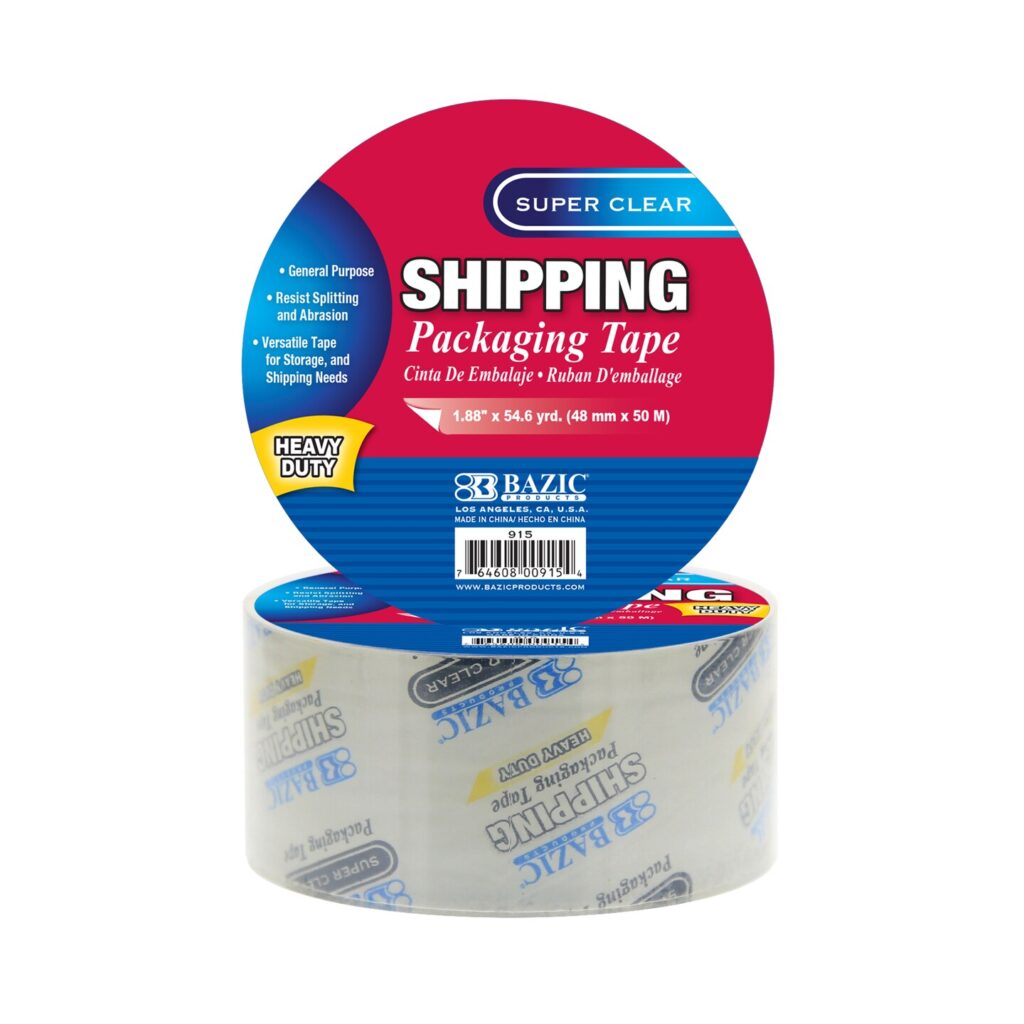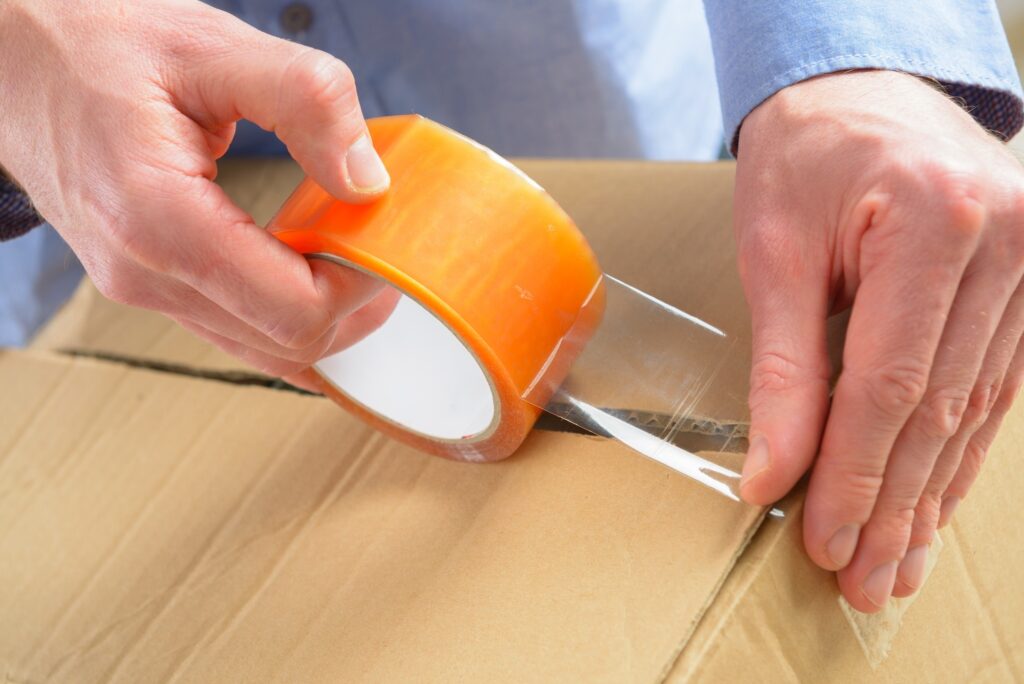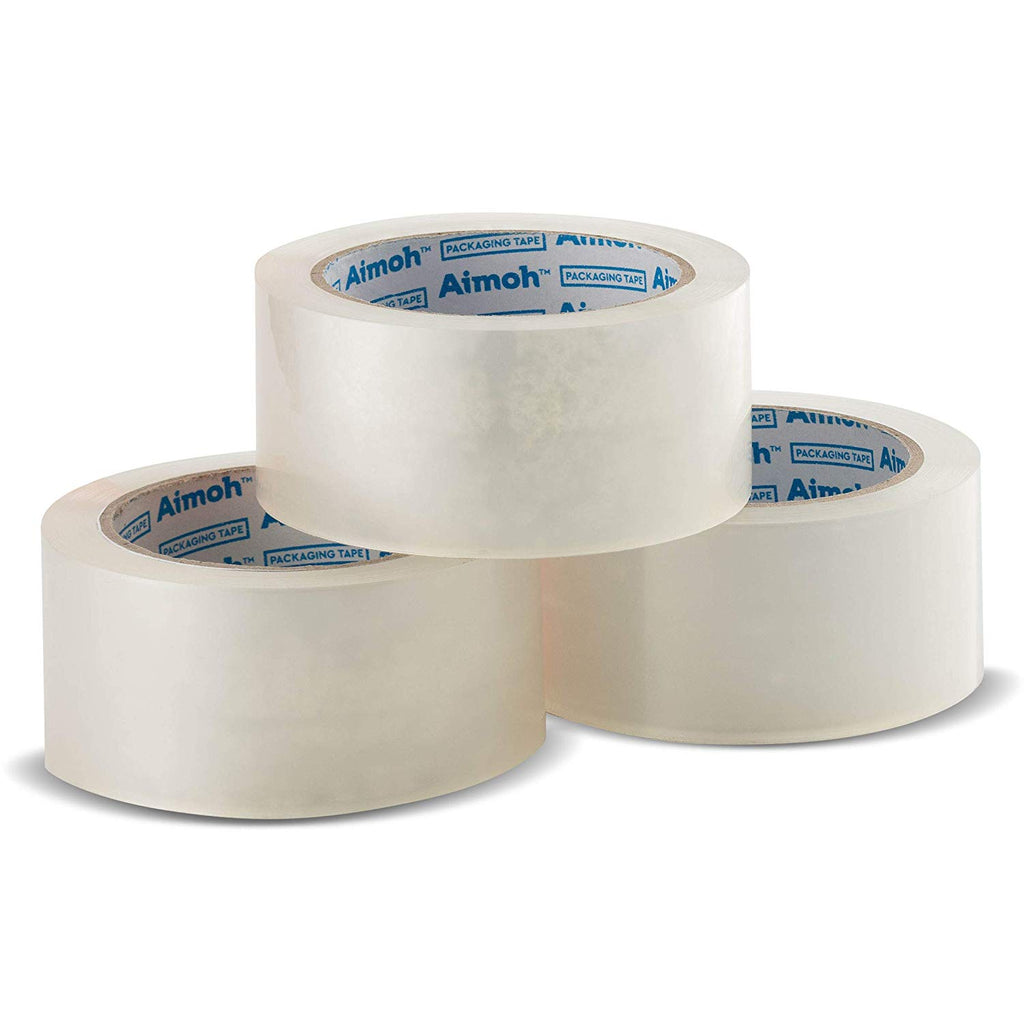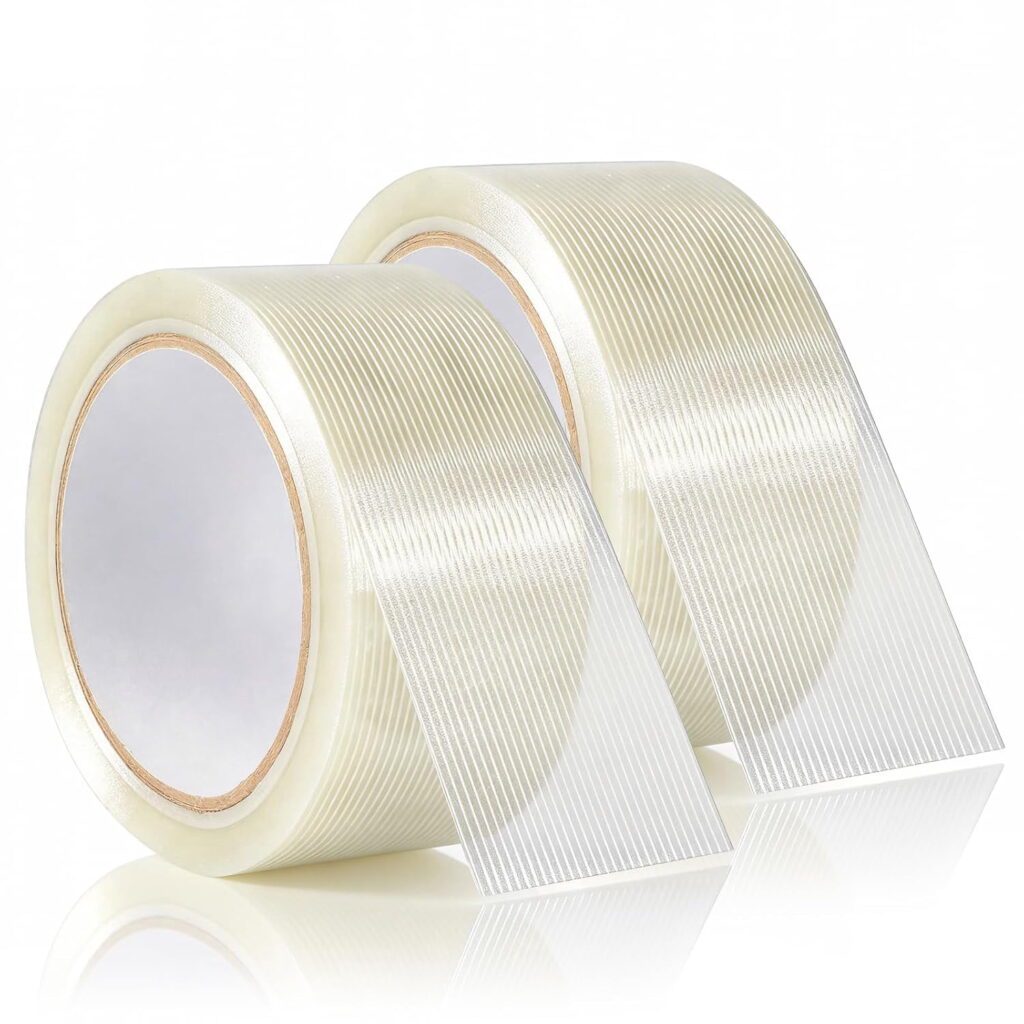
Introduction: Navigating the Global Market for Super Transparent Tape
Sourcing super transparent tape for premium retail presentation requires more than standard procurement practices—it demands technical precision in evaluating film clarity, adhesive chemistry, and UV stability across international borders. For procurement teams in Nigeria, Vietnam, and emerging markets throughout Africa, South America, and the Middle East, inconsistent supplier quality and opaque pricing structures often obscure the path to reliable high-clarity sealing solutions that protect both products and brand reputation.
How Does Optical Grade Clarity Impact Global Packaging Standards?
Super transparent tape serves critical functions beyond basic carton sealing, from preserving label legibility during humid transit to maintaining pristine retail aesthetics in competitive European markets. Unlike conventional packaging tapes that yellow or develop “fish eyes” under warehouse lighting, premium biaxially oriented polypropylene (BOPP) films with solvent-based acrylic adhesives ensure continuous product visibility and professional presentation across diverse climate conditions.
What Should International Buyers Prioritize When Vetting Suppliers?
Navigating bulk procurement from overseas manufacturers introduces complexities around volume pricing tiers, minimum order quantities, and quality certification verification. This guide addresses these regional sourcing challenges specific to emerging economies, examining everything from BOPP film thickness specifications (2.0–2.6 mil standards) to temperature resistance requirements (-20°F to 140°F) essential for Middle Eastern and tropical African logistics.
Throughout the following sections, we analyze tape types, application-specific formulations, supplier vetting protocols, and cost-optimization strategies for container-level purchasing. Whether you’re securing packaging materials for Lagos e-commerce operations or Vietnamese manufacturing exports, this resource equips you with actionable criteria to evaluate optical clarity claims, negotiate volume contracts, and establish quality assurance protocols that transcend geographical boundaries.
Understanding Super Transparent Tape Types and Variations
| タイプ名 | 主な特徴 | 主なB2Bアプリケーション | バイヤーのための簡単な長所と短所 |
|---|---|---|---|
| Super Clear BOPP Carton Sealing Tape | Biaxially oriented polypropylene (BOPP) film with solvent-based acrylic adhesive; high tensile strength; non-yellowing properties | General carton sealing, logistics, warehousing, export packaging | Pros: Cost-effective, strong adhesion, temperature resistant. Cons: Requires dispenser for clean application, may show fingerprints |
| Crystal Clear Retail Display Tape | Premium optical clarity with low haze; UV-resistant formulation; “invisible” seam appearance | Retail packaging, gift boxes, high-end product presentation, label protection | Pros: Enhances product visibility, premium aesthetic, long-term clarity. Cons: Higher cost per roll, requires precise application |
| Low Noise Super Clear Tape | Specialized release coating reduces unwinding noise by 60-70%; maintains standard optical clarity | Office environments, libraries, hospitals, night-shift warehouses, residential delivery | Pros: Quiet operation, reduces worker fatigue, maintains clarity. Cons: Slightly higher price point, limited suppliers in some regions |
| No Bubble (Air Release) Clear Tape | Micro-channel adhesive technology allows air escape; eliminates “fish eyes” and bubbles | Automated packaging lines, manual sealing by inexperienced staff, temperature-variable environments | Pros: Faster application, fewer rejected packages, better adhesion on recycled cardboard. Cons: May have slightly lower initial tack, specific machinery requirements |
| UV-Resistant Super Clear Tape | Stabilized adhesive and film prevent yellowing under sun exposure; extended outdoor durability | Outdoor storage, agricultural exports, construction material packaging, tropical climate shipping | Pros: Long-term transparency in sunlight, prevents adhesive degradation. Cons: Premium pricing, overkill for indoor-only use |
What is Super Clear BOPP Carton Sealing Tape and When Should Buyers Use It?
This is the workhorse variant for high-volume B2B operations. Constructed from biaxially oriented polypropylene film paired with solvent-based acrylic adhesive, it offers excellent tensile strength and temperature stability for export containers. Buyers should verify the micron thickness (typically 40-50 microns) and adhesive coat weight to ensure compatibility with recycled corrugated board common in African and South American markets. Ideal for automated case sealers, this type requires proper dispenser systems to prevent stretching and waste.
How Does Crystal Clear Retail Display Tape Differ from Standard Industrial Grades?
Engineered for premium presentation, this variation features ultra-low haze film substrates that create an “invisible” seal on retail packaging. The solvent acrylic formulation resists UV degradation, maintaining clarity during extended shelf life in brightly lit retail environments. B2B buyers sourcing for consumer goods sectors should prioritize tapes with certified non-yellowing adhesives and consider custom widths for specific box geometries. While costing 15-20% more than standard grades, the enhanced product visibility drives consumer purchasing decisions in competitive European and Middle Eastern markets.
Why Should B2B Buyers Invest in Low Noise Super Clear Tape for Warehouse Operations?
Designed for noise-sensitive environments, this innovation incorporates specialized release coatings that reduce unwinding decibel levels by up to 70% compared to standard BOPP tapes. The formulation maintains identical optical clarity while eliminating the high-frequency “squeal” that causes worker fatigue in high-volume packing stations. Procurement teams should evaluate the balance between noise reduction and adhesive performance, as some formulations may sacrifice initial tack. Particularly valuable for 24-hour logistics operations in residential areas or hospital supply chains where noise ordinances apply.
What Are the Advantages of No Bubble Super Clear Tape for High-Speed Packaging Lines?
Featuring micro-channel adhesive technology, this type allows trapped air to escape during application, eliminating “fish eyes” and bubbles that plague high-speed packaging lines. This characteristic proves essential when sealing rough, recycled corrugated common in emerging markets or when using automated applicators. Buyers should assess the adhesive coat pattern and ensure compatibility with their case sealing equipment. While offering superior aesthetics and reduced rejection rates, verify that the air-release structure does not compromise shear strength during humid transit conditions typical of tropical climates.
Which Super Clear Tape Types Offer UV Resistance for Outdoor Storage Applications?
Formulated with UV stabilizers in both film and adhesive layers, this variant prevents the yellowing and embrittlement that occurs during outdoor storage or prolonged sun exposure. Critical for agricultural exports, construction materials, and goods stored in open-yard logistics hubs across the Middle East and Africa. Procurement teams must distinguish between true UV-resistant formulations and standard clear tapes, checking for 6-month+ outdoor weathering certifications. The higher material cost is offset by reduced damage claims and maintained brand presentation throughout extended supply chain journeys.
Key Industrial Applications of Super Transparent Tape
| 業界/セクター | Specific Application of Super Transparent Tape | ビジネスにとっての価値/利益 | このアプリケーションにおける主な調達上の考慮事項 |
|---|---|---|---|
| Eコマースと小売物流 | High-visibility carton sealing for branded corrugated packaging and customer-facing shipments | Enhances unboxing experience and maintains brand visibility during last-mile delivery; eliminates opaque “industrial” appearance on premium products | UV-resistant acrylic adhesive for tropical climates (Africa, Southeast Asia); compatibility with recycled corrugated materials; high tack for dusty warehouse environments |
| Food & Beverage Export Packaging | Tamper-evident sealing of clear packaging windows, gourmet hampers, and display boxes | Allows customs inspectors and consumers to verify product quality without breaking seals; prevents contamination while supporting visual marketing | FDA and EU indirect food contact compliance; resistance to condensation during refrigerated shipping; non-yellowing formula for extended shelf appeal |
| Electronics & Precision Manufacturing | Protective lamination over serial number labels, barcodes, device screens, and instruction manuals | Ensures automated scannability and traceability; protects against dust and abrasion during assembly without obscuring critical data | Anti-static properties; clean removal for rework processes; optical clarity for barcode scanners; humidity-stable adhesive for tropical manufacturing hubs |
| Publishing, Banking & Document Security | Reinforcement of book spines and archival lamination of certificates, contracts, and ledgers | Long-term preservation without yellowing; protection from handling damage and humidity degradation in high-temperature storage facilities | Acid-free adhesive (pH neutral); compliance with ISO 18916 archival standards; UV stability for document rooms with natural light exposure |
| 医薬品・ヘルスケア流通 | Sterile barrier sealing and label protection for medical device and vaccine packaging | Maintains chain-of-custody visibility; provides tamper evidence while keeping dosage instructions and expiration dates legible | Medical-grade compliance; adhesion stability in cold-chain logistics (freezing conditions); resistance to condensation and sterilization processes |
### How Does Super Transparent Tape Enhance Brand Perception in E-commerce Fulfillment?
In rapidly growing markets like Nigeria and Vietnam, e-commerce sellers require packaging that secures goods while preserving brand aesthetics. Super transparent tape provides virtually invisible sealing for corrugated shipping boxes, allowing printed logos, handling instructions, and sustainability certifications to remain fully visible during transit. This creates a premium unboxing experience that distinguishes brands in competitive digital marketplaces. Procurement teams should prioritize UV-resistant acrylic adhesives formulated for high-humidity monsoon seasons and tropical storage conditions, ensuring seals maintain integrity from fulfillment centers through last-mile delivery in varying climates.
### Why Is Crystal-Clear Sealing Critical for Food Export Compliance?
Food exporters across South America and the Middle East shipping to European markets rely on super transparent tape to meet stringent visual inspection requirements without compromising package integrity. When applied over clear box windows or display packaging, the tape creates a tamper-evident barrier that allows customs officials and quality control personnel to verify product condition, color, and labeling without opening containers. The tape must demonstrate compliance with EU Regulation 1935/2004 and FDA indirect food contact standards. Sourcing solvent-based acrylic systems ensures the adhesive resists condensation accumulation during refrigerated transport, preventing bleed-through that could obscure batch codes or nutritional information.
### What Role Does Transparent Tape Play in Electronics Manufacturing Quality Control?
Electronics manufacturers in industrial zones require surface protection that maintains traceability through automated assembly lines. Super transparent tape serves as a protective laminate over printed circuit board serial labels, delicate device screens during handling, and technical documentation. Its optical clarity ensures laser scanners and vision systems accurately read barcodes and QR codes through the tape layer without reflection or distortion. For facilities in regions with variable humidity, selecting biaxially oriented polypropylene (BOPP) film with non-yellowing properties prevents adhesive degradation that could leave residue on high-value components during final quality inspection and rework processes.
### How Can Archival-Grade Transparent Tape Protect Critical Documents in Humid Climates?
Government agencies, banks, and legal institutions in tropical regions face accelerated document degradation from humidity, mold, and frequent handling. Super transparent tape reinforces book spines in educational libraries, laminates property deeds, and protects shipping labels on confidential financial documents. Unlike standard packaging tape, archival-grade formulations prevent acid migration and yellowing that damages paper fibers over decades. Buyers must verify acid-free adhesive systems and UV stability to ensure compliance with international archival standards (ISO 18916), particularly when preserving contracts or historical records in high-temperature storage environments common in Sub-Saharan Africa and Southeast Asia.
### How Does Super Transparent Tape Support Cold-Chain Pharmaceutical Logistics?
Pharmaceutical distributors across Europe and the Middle East utilize super transparent tape to seal temperature-sensitive medical shipments while maintaining visibility of cold-chain handling instructions and vaccine expiration dates. The tape provides a moisture barrier against condensation in refrigerated transport without obscuring critical dosage information or lot numbers. For buyers sourcing for medical logistics, it is essential to verify that tapes maintain adhesion in freezing conditions and meet medical device packaging standards, as failed seals compromise sterility. UV-resistant properties further prevent adhesive degradation during outdoor storage in transit hubs with high sun exposure.
A stock image related to Super Transparent Tape.
3 Common User Pain Points for ‘Super Transparent Tape’ & Their Solutions
Scenario 1: Why Does Clear Packing Tape Turn Yellow in Tropical Storage and Transit?
問題だ: B2B buyers managing export operations from Nigeria, Vietnam, or the Middle East frequently encounter severe tape discoloration when packaged goods await shipment in outdoor staging areas or non-climate-controlled warehouses. Standard polypropylene tapes utilize adhesives and films lacking UV stabilizers, resulting in rapid yellowing and embrittlement within weeks of sun exposure. This degradation not only signals poor quality to end customers but often obscures shipping labels and barcodes, triggering customs delays and manual handling surcharges at European ports. For premium consumer goods, pharmaceuticals, or textiles where packaging aesthetics influence buyer confidence, yellowed tape creates the perception of aged or compromised inventory before cartons are even opened.
解決策 Specify super transparent tapes constructed with biaxially oriented polypropylene (BOPP) film and solvent-based acrylic adhesives engineered specifically for non-yellowing characteristics and UV resistance. Unlike rubber-based alternatives that oxidize rapidly under solar exposure, these advanced formulations maintain optical clarity throughout extended storage periods. When vetting suppliers, request accelerated aging test data and UV resistance certifications relevant to tropical climates. For shipments destined for long-term warehousing in Middle Eastern or African distribution centers, verify that the tape meets archival non-yellowing standards to ensure packages remain presentation-ready upon final delivery.
Scenario 2: What Causes Adhesion Failure During Intercontinental Container Shipping?
問題だ: Shipments traveling from manufacturing hubs in Vietnam to European or South American markets routinely experience extreme temperature fluctuations and humidity spikes inside maritime containers. Standard clear packing tapes often exhibit “flagging” (edge lifting) or complete seal failure when exposed to condensation cycles and temperatures ranging from freezing to tropical heat. This compromises carton integrity, exposing contents to moisture damage, contamination, and theft risks during multi-week transits. Buyers report particular challenges during monsoon seasons or when goods traverse multiple climate zones, where inferior water-based adhesives soften or become brittle, requiring costly rework at destination ports.
解決策 Transition to super transparent tapes featuring high-performance solvent-based acrylic adhesive systems rather than hot-melt or water-based alternatives. These formulations maintain consistent tack and shear strength across broad temperature ranges typically encountered in international logistics (-10°C to 60°C). Prioritize products with humidity-resistant adhesive coatings that prevent moisture ingress at the film-carton interface. For bulk procurement, conduct adhesion validation testing using your specific corrugated board substrates, as recycled content variations common in export packaging can significantly affect bond performance. Ensure your supplier provides batch consistency documentation for adhesive coat weights to prevent seal variability across large-volume orders.
Scenario 3: How Can Poor Tape Clarity Impact Automated Scanning and Retail Presentation?
問題だ: European retail partners and automated distribution centers increasingly reject shipments where tape application obscures barcode readability or creates unprofessional aesthetics. “Fish eyes” (microscopic bubbles), hazing, or inconsistent clarity in standard packing tapes force retailers to re-tape cartons or manually process inventory, triggering chargeback penalties. For B2B buyers supplying premium consumer goods or gift items, cloudy tape contradicts brand positioning and prevents consumers from viewing products through retail packaging. Additionally, automated warehouse scanning systems frequently fail to read barcodes through optically distorted tape, creating bottlenecks in high-speed fulfillment operations and increasing labor costs.
解決策 Source super transparent tapes manufactured using premium-grade BOPP film with specialized calendering processes that eliminate fish eyes and ensure crystal-clear optics with light transmission rates exceeding 90%. Verify that specifications include anti-static properties to prevent dust attraction during application, maintaining pristine clarity throughout the supply chain. When applying tape over shipping labels, utilize dispensers with tension control to prevent film stretching that causes optical distortion. Before committing to bulk orders, conduct barcode scanning compatibility tests using sample rolls applied to your standard carton stock to ensure seamless integration with your clients’ automated receiving systems and maintain professional presentation standards.
Strategic Material Selection Guide for Super Transparent Tape
When sourcing super transparent tape for international distribution networks, material selection directly impacts product performance, storage stability, and total cost of ownership across diverse supply chains. B2B buyers operating in varying climates—from the high humidity of West Africa to the temperature fluctuations of Eastern Europe—must evaluate substrate properties beyond aesthetic clarity. The following analysis examines four primary film technologies, offering procurement insights tailored to high-volume commercial applications and regional compliance requirements.
Which Film Substrate Offers the Best Balance of Clarity and Cost for High-Volume Packaging?
Biaxially Oriented Polypropylene (BOPP) dominates the super transparent tape market due to its exceptional tensile strength and moisture resistance. This material undergoes mechanical stretching in both machine and transverse directions, creating a crystalline structure that delivers optical clarity while maintaining the rigidity necessary for automated carton sealing. For buyers in Nigeria and Vietnam, where high humidity and heat present constant logistical challenges, BOPP’s dimensional stability prevents edge lifting and adhesive degradation during extended transit periods.
The material’s compatibility with solvent-based acrylic adhesives creates a non-yellowing bond that withstands intense UV exposure—critical for packages stored in outdoor warehousing common across Middle Eastern markets. However, BOPP lacks the absolute glass-like clarity of polyester alternatives, and extreme cold can induce brittleness, requiring careful handling protocols during European winter distribution cycles. The cost-to-performance ratio remains unmatched for standard shipping applications.
How Does Polyester Film Compare to Polypropylene for Archival-Grade
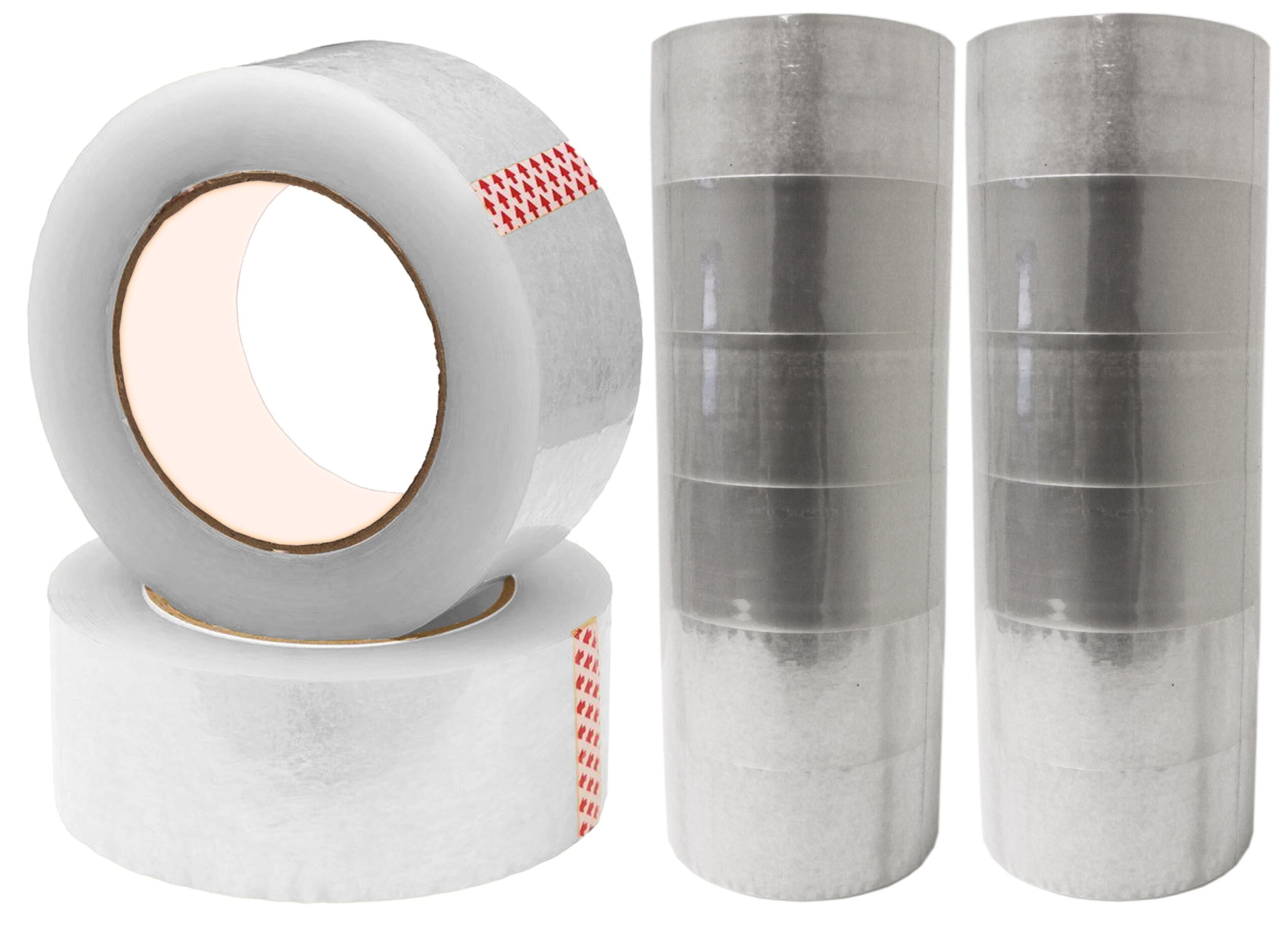
A stock image related to Super Transparent Tape.
In-depth Look: Manufacturing Processes and Quality Assurance for Super Transparent Tape
B2B buyers sourcing super transparent tape for retail packaging, logistics, or lamination applications must look beyond surface-level specifications to understand the manufacturing rigor that determines long-term performance. The production pipeline—from polymer extrusion to final slitting—directly impacts whether tape maintains crystal-clear aesthetics through automated packaging lines, temperature fluctuations, and extended storage periods. For procurement teams operating in demanding environments such as Nigeria’s humid port facilities or Vietnam’s high-throughput manufacturing corridors, understanding these technical processes enables better supplier qualification and risk mitigation.
How Is Biaxially Oriented Polypropylene (BOPP) Film Engineered for Maximum Clarity?
The foundation of super transparent tape lies in the molecular alignment of its base film. Manufacturers begin with virgin polypropylene resin, avoiding recycled content that introduces impurities compromising optical clarity. The material undergoes biaxial orientation, a simultaneous or sequential stretching process in both machine and transverse directions. This mechanical stretching aligns polymer chains into a crystalline lattice structure that simultaneously enhances tensile strength and eliminates the hazy amorphous regions found in cast films. For B2B buyers, this orientation process ensures the tape withstands high-tension automated sealing without sacrificing the transparency required for barcode scanning or product visibility. Premium-grade BOPP film achieves haze levels below 1.5%, ensuring that underlying packaging graphics remain vivid and legible.
What Role Does Solvent-Based Acrylic Adhesive Play in Optical Performance?
While water-based adhesives dominate commodity packaging tapes, super transparent variants rely on solvent-based acrylic systems to achieve superior optical properties and durability. The solvent carrier allows for thinner, more uniform adhesive coatings—typically 18–22 microns—that dry to a glass-like finish without the cloudy appearance common in emulsion-based formulas. During the coating phase, the adhesive is applied via reverse gravure or Meyer rod techniques in climate-controlled clean rooms to prevent dust particle incorporation. The subsequent drying and curing process involves multi-zone ovens that evaporate solvents while cross-linking acrylic polymers, creating a permanent bond that resists plasticizer migration from corrugated cardboard. This chemistry proves critical for buyers in Middle Eastern and African markets, where extreme heat can cause standard adhesives to yellow or delaminate during transit.
How Do Manufacturers Eliminate Optical Defects Like Fish Eyes During Production?
Fish eyes—those tiny, crater-like imperfections that disrupt tape clarity—represent a primary quality concern for buyers requiring pristine aesthetics. These defects typically originate from microscopic contaminants, gel particles, or incomplete adhesive wetting during the coating process. Leading manufacturers mitigate this through multi-stage filtration systems that remove particles down to 5 microns from both the BOPP film and adhesive solutions. Additionally, static elimination bars and laminar airflow systems prevent airborne dust from settling on the web during the critical coating and winding phases. For B2B procurement teams, requesting suppliers’ defect rates per 10,000 square meters provides a quantifiable metric for optical quality, particularly when tape will be used for label protection or document lamination where readability is paramount.
What Quality Control Protocols Ensure Consistent Transparency and Adhesion?
Rigorous quality assurance separates commodity suppliers from industrial-grade manufacturers capable of serving international B2B markets. Incoming raw materials undergo spectrophotometric analysis to verify clarity benchmarks, while in-process monitoring employs online camera inspection systems that detect optical defects at speeds exceeding 300 meters per minute. Finished rolls are subjected to peel adhesion testing (ASTM D3330) to ensure consistent tack levels across production lots—critical for buyers running high-speed case sealers where variation causes jamming or incomplete seals. Shear strength testing (ASTM D3654) validates holding power under load, ensuring boxes remain sealed through the rigors of international shipping from European distribution hubs to South American retail endpoints.
How Is UV Resistance and Non-Yellowing Properties Tested for Tropical Climates?
For buyers operating in high-UV environments such as Nigeria or the Middle East, tape yellowing represents both an aesthetic failure and a potential adhesive degradation risk. Manufacturers incorporate hindered amine light stabilizers (HALS) and UV absorbers into the adhesive matrix during the compounding phase. Accelerated aging tests subject sample rolls to QUV weathering chambers simulating 500+ hours of intense ultraviolet exposure—equivalent to months of tropical sunlight—to verify color stability (Delta E < 2.0) and adhesion retention. This testing proves essential for agricultural exporters and pharmaceutical distributors who require packaging to maintain professional appearance throughout extended outdoor storage or customs clearance delays common in emerging markets.
What Packaging and Storage Standards Protect Tape Quality During International Shipping?
The manufacturing process extends to protective packaging that preserves optical properties through complex supply chains. Finished jumbo rolls are typically encased in moisture-barrier film with desiccant packs to prevent humidity-induced adhesive blooming during ocean freight. Slitting operations occur in temperature-controlled environments (20–23°C, 50% RH) to prevent static buildup and edge deformation that causes telescoping during unwinding. For B2B buyers, verifying that suppliers utilize export-grade palletization—with reinforced strapping and VCI (volatile corrosion inhibitor) protection for metal cores—ensures that tape arrives at Vietnamese or Brazilian manufacturing facilities ready for immediate deployment without edge lifting or clarity degradation. Proper storage protocols guarantee 12–18 month shelf life stability, even in regions with seasonal monsoon conditions or inconsistent warehouse climate control.
Practical Sourcing Guide: A Step-by-Step Checklist for ‘Super Transparent Tape’
Procuring high-performance sealing solutions requires moving beyond basic specifications to evaluate factors that impact your supply chain efficiency and product presentation. This checklist provides international procurement teams with actionable criteria to assess super transparent tape quality, ensuring optimal adhesion and optical clarity while navigating cross-border logistics and regional climate challenges.
1. How Do You Verify Film Composition and Optical Clarity Standards?
Begin by confirming the tape utilizes biaxially oriented polypropylene (BOPP) film paired with a solvent-based acrylic adhesive system, as this combination delivers superior clarity and durability compared to water-based alternatives. Request samples to inspect for manufacturing defects such as “fish eyes” or cloudiness that compromise the transparent aesthetic critical for retail packaging and label protection. Verify that the film thickness meets industry standards for your specific application—whether heavy-duty carton sealing or delicate document lamination—to prevent tearing during automated application processes.
2. What Climate Resistance Specifications Matter for Your Region?
For buyers operating in tropical climates like Nigeria or Vietnam, prioritize tapes with explicit UV-resistant and non-yellowing guarantees to prevent degradation during storage or transit under intense sunlight. Evaluate the adhesive’s performance range across high-humidity environments and temperature fluctuations, ensuring the tape maintains tack integrity from warehouse conditions through last-mile delivery. Request accelerated aging test data to validate that optical clarity persists throughout the product’s shelf life in your specific regional conditions.
3. How Should You Evaluate Volume Pricing and Minimum Order Quantities?
Analyze tiered pricing structures beyond the per-roll cost, calculating total landed expenses including shipping consolidation efficiencies for container-load quantities. Negotiate minimum order quantities (MOQs) that align with your inventory turnover rates while securing volume discounts—typically ranging from 5% to 15% savings at higher case volumes. Consider standardizing core sizes and roll lengths across your operations to maximize purchasing power and simplify inventory management.
4. Which Certifications Ensure Quality and Regulatory Compliance?
Verify suppliers hold relevant ISO quality management certifications and, for European markets, REACH compliance regarding chemical substance restrictions. Request material safety data sheets (MSDS) and certificates of analysis (COA) for each production batch to ensure consistency. For food-contact or archival applications, confirm the tape meets specific industry standards such as FDA compliance or acid-free specifications to avoid liability issues in sensitive use cases.
5. How Do You Assess Supplier Reliability and Logistics Capabilities?
Evaluate the manufacturer’s export experience to your target regions, specifically their ability to provide moisture-resistant pallet packaging and container loading optimization for ocean freight. Confirm lead times and establish contingency protocols for supply disruptions, particularly when sourcing from distant manufacturing hubs. Assess their communication responsiveness and technical support availability across time zones, ensuring rapid resolution of quality concerns or specification adjustments.
6. What Customization Options Should You Request for Branding and Efficiency?
Explore custom slit widths and extended yardage options that reduce changeover frequency on high-speed packaging lines, improving operational throughput. For retail-facing applications, inquire about private labeling capabilities or custom-printed tape options that maintain transparency while incorporating subtle branding elements. Ensure the supplier can accommodate specialized core sizes compatible with your existing dispenser infrastructure to avoid equipment modification costs.
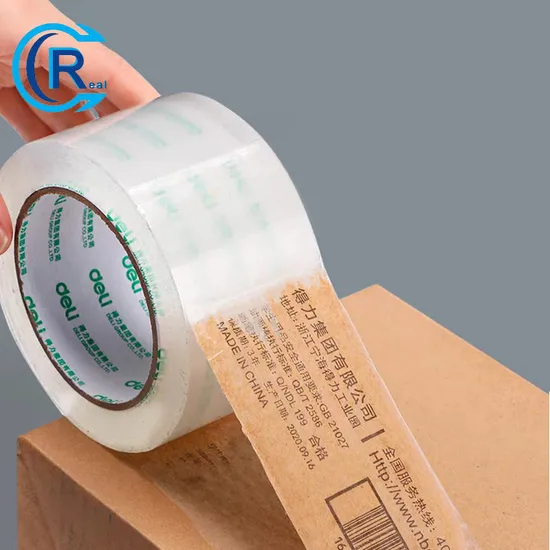
A stock image related to Super Transparent Tape.
Comprehensive Cost and Pricing Analysis for Super Transparent Tape Sourcing
Sourcing super transparent tape requires strategic analysis beyond unit sticker prices. For procurement teams operating in Nigeria, Vietnam, and across diverse European markets, understanding the total cost of ownership ensures optimal inventory investment while maintaining packaging quality standards.
How Do Volume Tiers Impact Super Transparent Tape Unit Costs?
B2B pricing for super transparent tape follows aggressive volume-based discount structures, with savings typically ranging from 2.7% to over 15% when scaling from single-case purchases to bulk container orders. Analysis of standard 2-inch width configurations reveals that procurement at 20+ case volumes can reduce per-roll costs significantly compared to smaller batch orders. For emerging market distributors, consolidating quarterly demand into single large shipments rather than monthly replenishment unlocks substantial unit economics, though this requires calculating carrying costs against landed savings.
What Hidden Costs Should International Buyers Consider Beyond Roll Pricing?
The true procurement cost extends far beyond the product invoice. For buyers in Africa and South America, freight logistics constitute 20-35% of total landed costs, with humidity-controlled container requirements adding premiums for moisture-sensitive acrylic adhesives. Import duties on polypropylene packaging materials vary dramatically by region—Middle Eastern markets often impose different tariff schedules for solvent-based versus hot-melt adhesive systems. Additionally, currency fluctuation risks against USD pricing require hedging strategies, particularly for quarterly contracts in volatile markets.
How Do Material Specifications Drive Price Differentiation?
Super transparent tape pricing correlates directly with film grade and adhesive chemistry. Biaxially oriented polypropylene (BOPP) films with solvent-based acrylic systems command premium pricing compared to standard hot-melt alternatives, yet offer superior UV resistance and non-yellowing properties critical for retail display packaging. Products featuring “no fish eyes” clarity standards—essential for label protection and lamination applications—typically price 8-12% higher than industrial-grade transparent options, representing a value calculation between aesthetic requirements and functional sealing needs.
What Procurement Strategies Optimize Costs for Regional Markets?
Strategic sourcing for European and Middle Eastern markets involves evaluating distributor networks against direct manufacturer relationships. While direct sourcing from specialized converters like Elite Tape offers customization advantages, regional distributors provide consolidated shipping that reduces per-unit freight burdens for smaller volume buyers. For Nigerian or Vietnamese importers, negotiating 90-day payment terms against letter-of-credit arrangements often proves more valuable than marginal per-roll discounts, improving cash flow while securing competitive base pricing.
When Does Premium Quality Justify Higher Investment?
Cost analysis must weigh failure risks against upfront savings. Standard-grade tapes may reduce per-roll expenditure by 15%, yet inferior clarity or adhesive performance increases costs through package rework, damaged goods claims, and compromised brand presentation. For consumer-facing retail applications where package visibility drives purchasing decisions, investing in super clear grades with guaranteed optical clarity delivers measurable ROI despite higher initial procurement costs, particularly in competitive e-commerce markets where unboxing aesthetics influence customer retention.
Alternatives Analysis: Comparing Super Transparent Tape With Other Solutions
When evaluating sealing solutions for international supply chains, procurement teams must balance optical presentation against operational economics and environmental performance. While super transparent tape delivers exceptional clarity for premium brand presentation, alternative formulations may offer superior value for specific logistics scenarios common in emerging markets. The following analysis examines how standard BOPP acrylic tape and PVC film solutions compare against super transparent grades across critical B2B procurement metrics.
| 比較の側面 | Super Transparent Tape (BOPP) | 標準BOPPアクリルテープ | PVC Film Tape |
|---|---|---|---|
| Visual Clarity | Crystal clear, no haze or fish eyes | Milky/amber tint, moderate haze | High clarity, slight blue tint |
| メーターあたりのコスト | Premium ($$) | Economical ($) | High ($$$) |
| 粘着システム | Solvent acrylic | Water-based or hot melt acrylic | Natural rubber/synthetic rubber |
| Temperature Range | -20°C to 60°C | 0°C to 50°C | -30°C to 70°C |
| Unwind Noise Level | Low (quiet application) | High (shrill unwind) | Very low (silent) |
| UV Resistance | Excellent (non-yellowing) | Moderate (yellowing over time) | Good (stable) |
| Carton Surface Adhesion | Excellent on virgin board | Good on standard corrugated | Superior on recycled/rough board |
| ベスト・ユースケース | Retail-ready export packaging, label protection | Bulk commodity warehousing, general logistics | Cold chain, luxury goods, noise-sensitive facilities |
Is Standard BOPP Acrylic Tape More Cost-Effective for Bulk Export Operations?
Standard biaxially oriented polypropylene (BOPP) tape with water-based acrylic adhesive represents the ubiquitous industry workhorse for high-volume carton sealing operations across emerging markets in Africa and Southeast Asia. While lacking the optical purity of super transparent grades—often exhibiting a characteristic cloudy or amber hue that obscures underlying graphics, marketing materials, and handling instructions—this alternative delivers comparable shear strength and tensile performance at typically 20-30% lower per-meter costs when procured in container-load quantities. For B2B buyers managing commodity shipments through Nigeria’s Apapa Port, Vietnam’s
Essential Technical Properties and Trade Terminology for Super Transparent Tape
When sourcing super transparent tape for international logistics and retail display, understanding the technical specifications and industry nomenclature ensures you specify products capable of withstanding diverse climatic conditions while maintaining optical aesthetics. These advanced sealing solutions utilize specialized substrates and adhesive chemistry to deliver crystal-clear visibility without compromising industrial-grade holding power.
What Film Substrate Delivers Superior Clarity and Strength?
Biaxially oriented polypropylene (BOPP) film serves as the industry-standard substrate for premium super transparent tape. Manufactured through simultaneous stretching in both machine and transverse directions, BOPP provides exceptional dimensional stability and tensile strength (typically 20–30 N/cm) while achieving greater than 90% light transmission. This molecular orientation prevents the “hazing” common in cast films, ensuring barcode scannability and product visibility through the seal—critical for retail-ready packaging requirements in European and Middle Eastern markets.
Why Does Solvent-Based Acrylic Adhesive Matter for Export Shipments?
The adhesive system fundamentally determines long-term seal integrity and aesthetic retention. Solvent-based acrylic formulations offer superior UV resistance and non-yellowing properties compared to hot-melt alternatives, maintaining optical clarity for 12+ months even under intense sunlight exposure. This chemistry ensures aggressive initial tack and reliable adhesion to corrugated substrates across temperature ranges from -10°C to 60°C, essential for shipments encountering varied storage conditions during transcontinental transport to Africa or South America.
How Do Micron Ratings and Elongation Impact Load Security?
Film thickness, measured in microns (μm) or mils, typically ranges from 28–35μm for standard duty to 45–50μm for heavy-duty applications. Elongation at break—usually 150–200% for quality BOPP—indicates the tape’s ability to absorb shock and accommodate box expansion without snapping, preventing seal failure during high-stack palletization in humid port environments.
What Eliminates Visual Defects in Optical-Grade Tape?
Premium specifications require “fish-eye-free” film surfaces. Fish eyes are microscopic gel particles or air pockets that scatter light, creating visible imperfections that compromise transparency. Advanced resin filtration and extrusion processes eliminate these defects, ensuring uninterrupted clarity required for document lamination, label protection, and high-visibility retail packaging where brand presentation directly impacts consumer perception.
What Is Unwind Force and Why Does It Affect Automation?
Unwind force refers to the tension required to pull tape from the roll. Consistent, moderate unwind (measured in ounces per inch) prevents “snap-back” injuries during manual application and ensures compatibility with high-speed carton sealing machinery. Inconsistent unwind causes machine jams and material waste—expensive inefficiencies for high-volume distribution centers processing goods for export through major hubs like Lagos or Ho Chi Minh City.
How Does Shear Adhesion Prevent Seal Failure?
Shear adhesion, or holding power, measures the tape’s resistance to slippage under constant load. Standardized testing involves hanging weighted samples vertically; high shear values (typically exceeding 24 hours at 1kg load) indicate the adhesive will maintain seal integrity during stacked warehouse storage and temperature fluctuations. This prevents “flagging” or lifted corners that expose contents to dust and moisture in tropical climates.
What Distinguishes Solvent Acrylic from Hot Melt Adhesives?
While both are pressure-sensitive, solvent acrylic adhesives use liquid resin cured through evaporation, offering superior aging resistance and optical clarity. Hot melt adhesives are thermoplastic rubbers that provide immediate tack but yellow over time and perform poorly under extreme heat. For super transparent applications requiring longevity and UV stability, solvent acrylic remains the essential B2B specification.
Why Are Jumbo Rolls Critical for Regional Distribution Strategies?
Jumbo rolls (also called mother or log rolls) are large production widths, typically 980mm–1280mm, that converters slit into finished 48mm or 72mm widths. Procuring jumbo quantities for local slitting operations significantly reduces per-unit costs and minimizes import tariff exposure, providing a strategic cost advantage for distributors serving fragmented markets across West Africa or Southeast Asia.
What Do Adhesion-to-Steel and Adhesion-to-Kraft Measurements Indicate?
These standardized ASTM test methods quantify immediate surface tack (steel) and fiber-tearing bond strength (kraft paper/corrugated). Adhesion-to-steel predicts performance on non-porous surfaces and coated boxes, while adhesion-to-kraft indicates bonding capability with recycled cardboard stocks common in emerging markets. Understanding these metrics ensures reliable seals regardless of substrate quality variations encountered in global supply chains.
Navigating Market Dynamics and Sourcing Trends in the Super Transparent Tape Sector
How Is the Global Super Transparent Tape Market Evolving for B2B Procurement?
The super transparent tape sector is experiencing significant transformation driven by e-commerce expansion and retail aesthetic demands across emerging economies. In regions like Nigeria and Vietnam, where manufacturing and logistics sectors are rapidly scaling, buyers are shifting from standard opaque sealing solutions to high-clarity biaxially oriented polypropylene (BOPP) films that enhance product visibility. This trend reflects a broader market movement toward premium packaging that serves dual functions: secure transit sealing and marketing presentation. Additionally, supply chain resilience has become paramount, with buyers diversifying sourcing across Middle Eastern and European hubs to mitigate geopolitical risks and currency fluctuations. The technology focus has intensified around solvent-based acrylic adhesive systems that offer superior aging characteristics compared to hot-melt alternatives, ensuring optical clarity remains intact throughout extended storage periods in varied climate conditions.
What Technical Specifications Should B2B Buyers Prioritize for Tropical and High-UV Environments?
For buyers operating in high-temperature regions such as Sub-Saharan Africa or the Middle East, non-yellowing properties and UV resistance are non-negotiable specifications that directly impact inventory longevity. Premium super clear tapes utilizing advanced solvent acrylic adhesives resist degradation when exposed to intense sunlight during outdoor warehousing or transit, maintaining the “no fish eyes” optical standard essential for retail presentation. The biaxial orientation process in BOPP film manufacturing provides dimensional stability that prevents distortion under humidity fluctuations common in Southeast Asian markets like Vietnam. When evaluating suppliers, insist on technical data sheets verifying UV stability ratings and adhesive aging tests, as these factors determine whether tape maintains its transparent aesthetic throughout the product lifecycle or requires costly reapplication.
How Can International Buyers Optimize Costs Through Strategic Volume Procurement?
Smart procurement strategies leverage tiered volume pricing structures typical in the industrial tape sector, where case-based purchasing (commonly 36-roll cases for 2-inch width products) unlocks significant economies of scale. Buyers should negotiate pricing brackets starting at 2-case volumes and scaling to 20+ cases, where discounts often reach 15% or higher, while ensuring storage capabilities can accommodate bulk inventory without climate degradation. Consolidating SKU diversity—selecting versatile super clear tapes suitable for both carton sealing and label protection—reduces procurement complexity and shipping costs from European or Asian manufacturing centers. Establishing annual contracts with suppliers rather than spot-buying provides price stability crucial for businesses in volatile currency markets like Nigeria or Argentina, hedging against raw material price fluctuations in polypropylene resin markets.
Why Does Sustainability Matter in Super Transparent Tape Supply Chains?
Sustainability in tape sourcing extends beyond material composition to encompass lifecycle durability and end-of-life recyclability. BOPP film substrates are technically recyclable within polypropylene waste streams, though buyers should verify that adhesive systems do not contaminate recycling processes—solvent acrylics generally offer cleaner separation than rubber-based alternatives during reprocessing. The non-yellowing characteristic directly supports sustainability goals by extending usable product life, reducing replacement frequency and associated packaging waste. For European markets with stringent Extended Producer Responsibility (EPR) regulations, selecting tapes with reduced volatile organic compound (VOC) emissions during application demonstrates compliance with evolving environmental standards. Furthermore, optimizing tape width and length specifications to actual usage requirements minimizes material waste, supporting corporate sustainability targets while reducing per-unit costs.
What Constitutes Ethical Sourcing and Supply Chain Transparency in Tape Manufacturing?
Ethical sourcing in the super transparent tape sector requires visibility into raw material origins, particularly the petrochemical feedstocks used in BOPP film production and the labor conditions throughout the manufacturing process. B2B buyers should prioritize suppliers who provide chain-of-custody documentation for polypropylene resins and adhere to ISO 14001 environmental management standards. In emerging manufacturing hubs, verifying that facilities maintain appropriate safety standards and fair wage structures prevents reputational risks associated with exploitative labor practices. Quality consistency represents another ethical dimension, as substandard tape that fails prematurely creates downstream waste and potential damage to customer goods. Establishing direct relationships with manufacturers rather than opaque intermediaries ensures accountability for both product specifications and corporate social responsibility commitments, particularly critical when sourcing from rapidly industrializing regions across Southeast Asia and Africa.
Frequently Asked Questions (FAQs) for B2B Buyers of Super Transparent Tape
What is super transparent tape used for in industrial packaging and high-visibility sealing applications?
Super transparent tape serves critical functions in industrial settings where product visibility and presentation quality directly impact brand perception and inventory management. It enables secure carton sealing while maintaining crystal-clear visibility of contents, eliminating the need for customers or warehouse staff to open packages for inspection. Beyond standard box sealing, it functions as a protective laminate for shipping labels and barcodes, guarding against moisture and abrasion during international transit while preserving scanability. Industries also utilize it for document preservation, archival sealing, and reinforcing packaging for fragile electronics where aesthetic appeal complements protective functionality.
How does super transparent tape differ from standard clear packing tape in optical clarity and adhesive performance?
Unlike conventional clear tapes that often exhibit cloudiness or “fish eyes” due to lower-grade film substrates, super transparent tape utilizes biaxially oriented polypropylene (BOPP) film engineered for exceptional optical transmission. The solvent-based acrylic adhesive systems used in premium super clear formulations provide superior UV resistance and non-yellowing properties compared to hot melt or rubber-based alternatives common in standard packing tapes. This combination ensures the tape remains virtually invisible on packages, maintaining brand aesthetics throughout the product lifecycle while delivering stronger shear resistance and aging stability for long-term storage applications in varying climates.
What specifications should B2B buyers prioritize when sourcing super transparent tape in bulk for international distribution?
Procurement teams should verify film thickness measurements (typically 25–35 microns) and adhesion strength ratings (measured in ounces per inch or Newtons per centimeter) to ensure compatibility with automated packaging lines. Critical specifications include UV resistance certifications, temperature operating ranges (-10°C to 60°C for standard acrylic), and core dimensions (3-inch standard) that match existing dispensers and machinery. Buyers must also confirm batch consistency for optical clarity, verify compliance with regional regulations such as REACH for European markets or RoHS for electronics, and assess roll length standardization to maximize container loading efficiency during ocean freight to Africa, South America, or the Middle East.
Which industries benefit most from implementing super transparent tape for premium packaging and product presentation?
E-commerce and retail sectors leverage super transparent tape to enhance unboxing experiences and enable visual inventory checks without package destruction, particularly important for luxury goods and subscription boxes. Electronics manufacturers benefit from the tape’s pristine appearance and available anti-static variants when sealing high-value device packaging. Food and beverage distributors utilize it for clear-view sealing of display cases and gift sets, while pharmaceutical companies appreciate the combination of tamper-evident security and label visibility for regulatory compliance. Additionally, archival services, libraries, and document management firms across Europe and emerging markets rely on these tapes for non-yellowing document repair and protective lamination.
How can international buyers ensure super transparent tape maintains optical clarity during long-term storage and shipping?
To preserve the non-yellowing properties of solvent-based acrylic adhesives, store inventory in climate-controlled environments away from direct sunlight and UV exposure, maintaining temperatures between 15°C and 25°C with relative humidity below 70%. Rotate stock using first-in-first-out (FIFO) methods, as even UV-resistant formulations can degrade after 12–18 months of improper storage. When shipping to high-temperature regions like the Middle East or humid climates such as Vietnam and Nigeria, utilize moisture-barrier packaging and insulated containers to prevent adhesive oxidation and film distortion that could compromise clarity upon arrival at destination ports.
What adhesive technologies perform best for super transparent tape in extreme humidity and temperature environments?
Solvent-based acrylic adhesives outperform hot melt and rubber formulations in high-humidity regions, offering superior moisture resistance and preventing edge-lifting on corrugated surfaces common in tropical African and Southeast Asian markets. For Middle Eastern markets with extreme heat, select tapes with high-temperature resistance ratings above 60°C and enhanced shear strength to prevent adhesive flow and package failure during summer storage. Buyers should request technical data sheets specifying adhesion to recycled cardboard, as modern sustainable packaging often uses high-recycled-content materials that challenge standard adhesive formulations, particularly in fluctuating climates where condensation and heat cycles stress the bond.
What quality control standards and certifications should B2B buyers verify when selecting a super transparent tape supplier?
Reputable manufacturers should provide ISO 9001:2015 certification demonstrating consistent quality management systems, along with SGS or Intertek testing reports verifying adhesion strength and optical clarity metrics. For European markets, ensure REACH compliance and RoHS certification for electronics applications, while buyers in regulated industries should request FDA compliance for food-contact applications. Verify that suppliers conduct batch testing for optical defects and haze measurements using standardized ASTM or ISO optical testing methods, and confirm they maintain traceability systems for raw materials to ensure consistent film grade across large-volume orders essential for maintaining brand standards.
How do volume pricing structures and customization options impact procurement strategies for super transparent tape in emerging markets?
Bulk purchasing typically follows tiered pricing models where orders exceeding 20–50 cases unlock 13–15% cost reductions, making container-load purchases economically advantageous for distributors in Nigeria, Vietnam, and South American markets. Beyond standard 48mm x 66m configurations, suppliers often offer custom widths and extended lengths (up to 150m) to reduce changeover frequency on high-speed packaging lines, though these may require minimum order quantities of 5,000+ rolls. Buyers should negotiate Incoterms that account for
重要な免責事項および利用規約
⚠️ 重要な免責事項
メーカー、技術仕様、市場分析に関する内容を含め、本ガイドラインで提供される情報は、情報提供と教育目的のみのものです。専門的な調達アドバイス、財務アドバイス、または法的アドバイスを提供するものではありません。.
B2Bバイヤーは、独自の徹底的なデューデリジェンスを行う必要がある。 をご覧の上、ご購入をお決めください。本ガイドに記載された情報を信頼した場合のリスクは、読者が単独で負うものとします。.
Top 3 Super Transparent Tape Manufacturers & Suppliers List
1. Fisher Scientific – Packing Tapes
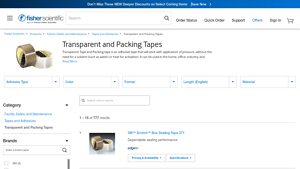
ドメイン fishersci.com
Registered: 1995 (31 years)
はじめに Product category: Transparent and Packing Tapes. Major brands include 3M/Scotch, Staples Advantage, Grainger, MSC, Essendant, Tape Logic, and Uline. Product types: Box sealing tape (3M 371 Premium with hot-melt synthetic adhesive), shipping/packing tape (Scotch Sure-Start 1.88″x22.2yds clear, 6 rolls, 2.6 mil, 25 lb tensile strength, quiet unwind), heavy duty packaging tape (Grainger clear PK6), f…
2. Taglues – Industrial Adhesive Tapes
ドメイン タグルードットコム
登録:2024年(2年間)
はじめに 3M: VHB high-strength double-sided tape, industrial tape, automotive tape, electrical tape, and medical tape for building curtain walls, automotive structural bonding, and electronic equipment assembly. CCT Tape: Industrial tape, medical tape, and high-performance pressure-sensitive tapes for door/window manufacturing, medical industry, and optical equipment. MBK Tape Solutions: Double-sided tape,…
3. Englewood – Industrial Tape
ドメイン エンジェルウッド・ドット・コム
登録:1999年(27年)
はじめに Englewood Company offers industrial tape products from leading manufacturers including: Adhesive Applications (silicone, rubber, acrylic, hot-melt adhesives with foam, film, woven, non-woven carriers); American Biltrite (friction tape including Ideal Tape®, ProtectRite®, TransferRite®); Berry Global (pressure-sensitive tapes for industrial, construction, aerospace, automotive, HVAC, medical applic…
Strategic Sourcing Conclusion and Outlook for Super Transparent Tape
As global supply chains evolve, super transparent tape represents more than a packaging commodity—it serves as a critical component for brand presentation and operational efficiency. For procurement teams across emerging and established markets, strategic sourcing requires balancing optical clarity with supply chain resilience. Moving forward, successful buyers will prioritize partnerships that offer both technical consistency and regional distribution agility.
How Can International Buyers Optimize Volume Procurement Strategies?
Leveraging tiered pricing structures through consolidated purchasing remains essential for margin optimization in competitive markets. B2B buyers should negotiate annual supply agreements that account for currency fluctuations and regional logistics constraints, particularly when sourcing from manufacturing hubs to destinations in Nigeria, Vietnam, and broader African and South American markets. Establishing direct relationships with specialized converters ensures consistent access to UV-resistant, non-yellowing formulations while reducing per-unit costs across high-volume container shipments.
What Technical Specifications Ensure Performance Across Diverse Climates?
Prioritizing solvent-based acrylic adhesive systems and biaxially oriented polypropylene films guarantees durability in extreme humidity and temperature variations. Specifications must include anti-fish-eye guarantees and verified UV stability for outdoor storage conditions common to tropical and Middle Eastern logistics environments. As sustainability mandates intensify across European markets, buyers should evaluate suppliers transitioning toward recyclable film substrates without compromising the optical clarity required for retail-ready packaging and label protection.