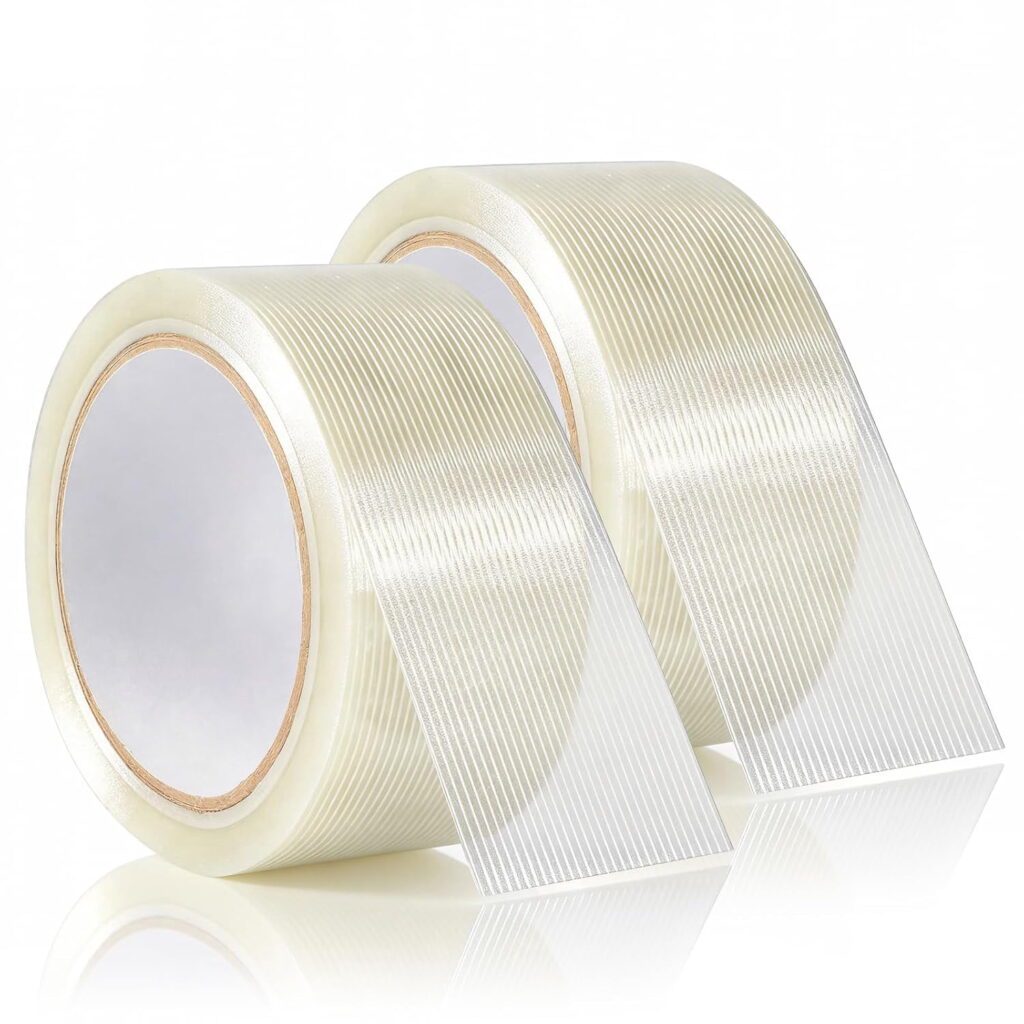
Introduction: Navigating the Global Market for Wide masking tape
Sourcing wide masking tape for industrial surface protection and precision masking presents unique procurement challenges that extend far beyond standard adhesive products. Whether you’re managing automotive painting operations in Nigeria, construction sites in Saudi Arabia, or manufacturing facilities across Europe and South America, securing consistent quality at scale requires navigating complex supplier networks, varying technical specifications, and fluctuating import logistics that can impact project timelines and operational budgets. The global marketplace offers numerous width configurations and adhesive formulations, yet discerning between commodity-grade products and performance-engineered solutions demands specialized technical knowledge that many procurement teams lack.
Why Do International Buyers Face Challenges with Wide Masking Tape Specifications?
Procurement professionals across Africa, the Middle East, and emerging European markets frequently encounter discrepancies between advertised tape dimensions and actual performance metrics, particularly when sourcing widths exceeding 50mm for large-scale masking applications. Variations in crepe paper backing quality, adhesive tack levels, and temperature resistance create significant risks for surface damage and project delays, while opaque pricing structures and inconsistent ISO certification standards complicate cross-border cost-benefit analyses and supplier qualification processes.
How Can Strategic Sourcing Transform Your Wide Masking Tape Procurement?
This comprehensive resource addresses these critical pain points by examining tape width configurations from standard industrial sizes to specialized extra-wide formats, substrate compatibility across diverse climates, and residue-free removal capabilities essential for automotive, construction, and electronics manufacturing sectors. We analyze rigorous supplier vetting methodologies, total cost of ownership frameworks, and logistics optimization strategies specific to emerging markets. By providing actionable benchmarks for quality assessment, certification verification, and contract negotiation, this guide empowers procurement professionals to make data-driven decisions that minimize waste, ensure specification compliance, and establish resilient supply chains for wide-format masking solutions.
Understanding Wide masking tape Types and Variations
| タイプ名 | 主な特徴 | 主なB2Bアプリケーション | バイヤーのための簡単な長所と短所 |
|---|---|---|---|
| Extra-Wide General Purpose Painter’s Tape | Widths 48mm–100mm (2″–4″), medium-tack synthetic rubber adhesive, 14–21 day clean removal, UV-resistant crepe paper backing | Interior/exterior painting for commercial buildings, construction finishing, temporary surface protection during renovations | Pros: Versatile across substrates, clean removal prevents costly rework, economical for large crews. Cons: Insufficient adhesion for rough concrete or stucco, degrades in high-heat industrial processes. |
| High-Tack Wide Masking Tape | Widths 36mm–100mm+, aggressive natural rubber adhesive, thicker conformable crepe paper backing, enhanced moisture resistance | Rough exterior substrates (concrete block, brick, stucco), heavy-duty |
Key Industrial Applications of Wide masking tape
| 業界/セクター | Specific Application of Wide masking tape | ビジネスにとっての価値/利益 | このアプリケーションにおける主な調達上の考慮事項 |
|---|---|---|---|
| Additive Manufacturing & 3D Printing | Build plate coverage for FDM/FFF industrial printers and laser cutting beds | Eliminates misalignment from multiple tape strips; reduces print failure rates by ensuring uniform first-layer adhesion; enables clean removal of finished parts without residue damage | UV-resistant crepe paper backing; medium-tack adhesive compatible with heated beds (up to 60°C); consistent 6-12 inch widths to minimize seams; bulk roll options for high-volume prototype shops |
| Automotive OEM & Refinishing | Masking vehicle panels, windshields, and trim during robotic and manual spray painting operations | Accelerates masking time by 50% versus narrow tape; prevents overspray on large surface areas; ensures clean paint edges for premium finish quality in assembly plants | High-temperature resistance (80°C+ for bake cycles); solvent-resistant adhesive; clean removal within 14-21 days; moisture-resistant backing for humid climates |
| 建設・インフラ | Protecting concrete surfaces, window frames, and facade elements during stucco application and exterior architectural coating | Reduces labor costs through single-application coverage; prevents mortar/paint bleed on large substrates; withstands outdoor exposure for multi-week infrastructure projects | Weather-resistant backing for high-humidity climates (Nigeria, Saudi Arabia); strong adhesion to concrete, glass, and aluminum; residue-free removal after 21+ days; UV stability for intense solar exposure |
| Aerospace Manufacturing & MRO | Masking aircraft fuselage sections, wings, and composite components during painting, anodizing, and chemical milling | Ensures precision masking for large-scale aerostructures; prevents chemical ingress during surface treatment; reduces rework costs associated with tape line bleeding or adhesive residue | Low-tack options for delicate composite substrates; chemical resistance to aviation solvents; clean removal without surface ghosting; compliance with aerospace material specifications (AMS) |
How does wide masking tape optimize 3D printing and additive manufacturing operations?
Wide masking tape serves as the critical interface between 3D printer build plates and thermoplastic materials in additive manufacturing facilities. In emerging markets like Nigeria and Saudi Arabia where rapid prototyping services are expanding, manufacturers utilize 6-inch to 12-inch widths to cover entire build surfaces without seams, preventing warping and ensuring optimal first-layer adhesion. The medium-tack adhesive formulation withstands heated bed temperatures up to 60°C while allowing clean removal of completed ABS or PLA parts without residue accumulation. This eliminates costly aluminum build plate replacement and significantly reduces print preparation time by removing the need to align multiple narrow tape strips, directly improving production throughput for prototype shops.
What are the critical applications of wide masking tape in automotive manufacturing and refinishing?
In automotive assembly plants and collision repair centers across Europe and South America, wide masking tape streamlines the preparation of vehicle bodies for basecoat and clearcoat application processes. The expanded width allows technicians to mask hoods, roofs, and door panels with single strips rather than overlapping narrow tapes, reducing labor time by approximately 50% while preventing overspray contamination on adjacent surfaces. For buyers operating in humid climates like Brazil or coastal Middle East regions, selecting high-tack variants with moisture-resistant crepe paper backing becomes essential to maintain adhesion during extended bake cycles and high-humidity curing processes without edge lifting or adhesive transfer.
Why is wide masking tape essential for large-scale construction and infrastructure projects?
Large-scale infrastructure projects throughout Africa and the Middle East utilize wide masking tape to protect concrete substrates, aluminum window frames, and glass curtain walls during exterior finishing work and facade sealing. The tape’s expanded width accommodates the substantial scale of modern construction applications, effectively preventing stucco, mortar, and architectural coatings from contacting sensitive surfaces. Procurement teams in regions with intense solar exposure like Saudi Arabia or Nigeria must prioritize UV-stable formulations that prevent adhesive degradation and difficult residue removal, while ensuring the tape’s conformability to rough concrete textures maintains reliable protection throughout multi-week construction schedules without premature failure.
How do aerospace manufacturers utilize wide masking tape for precision surface protection?
Aerospace contractors and MRO facilities require precision wide masking tape for protecting expansive composite panels and aluminum skins during chemical milling, anodizing, and protective coating operations. The tape’s substantial breadth enables efficient coverage of wing sections and fuselage panels without creating adhesive seam lines that could affect surface treatments or aerodynamic finishes. European aerospace suppliers particularly value low-tack formulations that adhere to delicate carbon fiber substrates without causing fiber pull or surface damage upon removal, while the chemical resistance to aviation-grade solvents ensures masking integrity during aggressive surface preparation processes typical in aircraft refurbishment and heavy maintenance cycles.
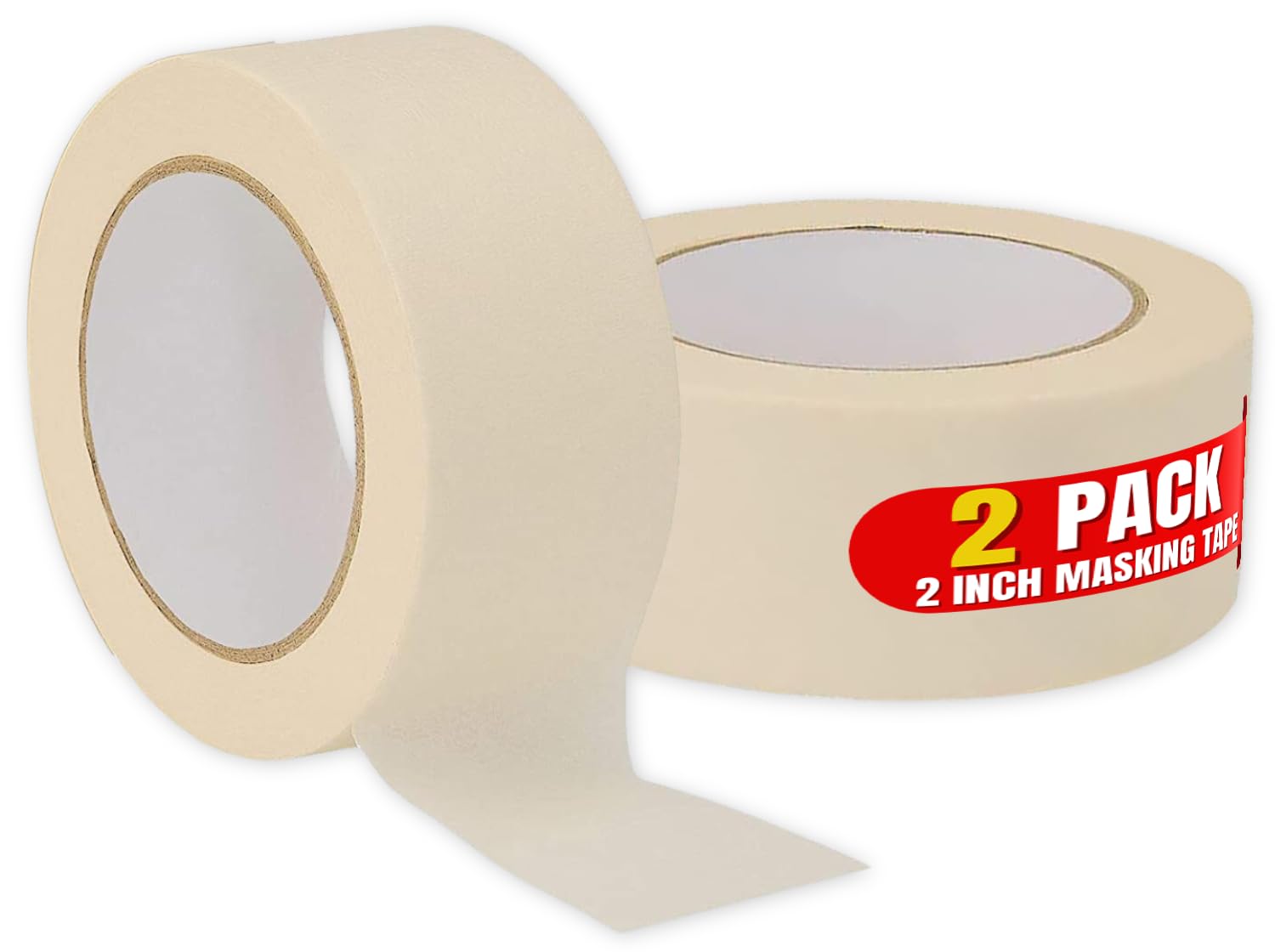
A stock image related to Wide masking tape.
3 Common User Pain Points for ‘Wide masking tape’ & Their Solutions
Scenario 1: Excessive Labor Costs and Seam Bleed-Through in Large-Scale Commercial Painting
問題だ: Construction and facility maintenance teams covering expansive surfaces—such as warehouse floors, aircraft fuselages, or manufacturing equipment—often resort to applying multiple strips of standard 2-inch masking tape. This approach creates visible seams where paint or coatings can seep through, compromising finish quality and requiring costly touch-ups. Additionally, the labor time required to align and overlap numerous strips increases project costs by 40-60% and extends completion timelines significantly, particularly problematic for contractors working on tight deadlines in competitive markets like Nigeria or Saudi Arabia.
解決策 Transition to industrial-grade wide masking tape starting at 6-inch widths (with options up to 12 inches) to cover large surface areas with a single, seamless application. This eliminates bleed-through risks entirely while reducing labor hours by up to 70%, allowing crews to complete masking tasks in minutes rather than hours. For B2B buyers sourcing for commercial painting contractors, specify crepe paper backing with medium-tack adhesive rated for 21-day clean removal to ensure compatibility with extended project schedules without residue concerns, even in humid climates.
Scenario 2: Adhesive Failure and Surface Damage in High-Temperature Automotive Masking
問題だ: Automotive manufacturers and refinishers operating in high-temperature environments—common in Saudi Arabian, Nigerian, and South American facilities—face tape adhesion breakdown during baking cycles or outdoor curing processes. Standard masking tape can leave sticky residues on vehicle bodies or lose tack entirely when exposed to temperatures exceeding 80°C, causing overspray on critical components and requiring costly rework or aggressive solvent cleaning that damages delicate paint finishes. This issue becomes critical when masking wide panels on commercial vehicles where multiple narrow tape strips create thermal stress points and inconsistent protection.
解決策 Specify wide masking tape engineered specifically for high-temperature automotive applications, featuring heat-resistant crepe paper and silicone-based adhesives that maintain integrity up to 120°C (250°F). The expanded width (9-12 inches) accommodates full panel coverage for SUV and truck manufacturing without seams, while the clean-removal technology ensures no adhesive transfer even after prolonged heat exposure. Procure products with documented 21-day removal windows and batch consistency certifications to maintain quality across international production facilities, ensuring reliable performance whether in European assembly plants or Middle Eastern refinishing shops.
Scenario 3: Inconsistent Width Standards and Quality Variability in International Supply Chains
問題だ: Procurement managers sourcing masking tape across multiple continents encounter conflicting definitions of “wide” tape—ranging from 3 inches to 12 inches depending on the manufacturer—leading to application errors and inventory mismatches. This inconsistency forces project delays when shipments arrive undersized for specific equipment, such as 3D printing build plates, HVAC ductwork, or protective film applications, requiring emergency local sourcing at premium prices. Additionally, varying adhesive formulations between suppliers create uncertainty regarding clean-removal capabilities, risking surface damage on expensive substrates and complicating quality control across distributed teams.
解決策 Establish technical specifications that define “wide masking tape” as 6 inches minimum width for industrial applications, with precise tolerances of ±1/16 inch and standardized core sizes for dispenser compatibility. Require suppliers to provide technical data sheets verifying adhesive coat weight, tensile strength, and clean-removal duration (minimum 14 days). For multi-site operations across Europe, Africa, and the Middle East, partner with manufacturers offering standardized global SKUs to ensure identical product performance whether shipping to Lagos, Riyadh, or Berlin, eliminating site-specific compatibility issues and simplifying inventory management for international B2B buyers.
Strategic Material Selection Guide for Wide masking tape
Selecting the optimal substrate for wide masking tape requires balancing adhesion profiles, environmental durability, and cost efficiency across diverse industrial climates. For procurement teams operating in regions with high humidity, extreme temperatures, or rapid construction cycles—such as Nigeria, Saudi Arabia, or Brazil—material composition directly impacts project timelines and surface protection outcomes. Understanding the distinct performance characteristics of each backing material ensures specification accuracy, reduces material waste, and prevents costly surface damage or rework in large-scale masking operations across manufacturing, construction, and automotive sectors.
What Material Specifications Should Buyers Prioritize for Standard Industrial Masking?
Crepe paper remains the dominant substrate for general-purpose wide masking tape, utilizing a crinkled creped texture that provides conformability over irregular surfaces and compound curves. This material excels in interior painting, light industrial masking, and temporary surface protection where moderate temperature exposure (up to 60°C) is anticipated. Its rubber-based or acrylic adhesive systems offer reliable tack on drywall, glass, and metal substrates, though procurement teams should note that standard crepe paper exhibits limited moisture resistance. In humid climates common across West Africa or the Gulf states, prolonged exposure may cause adhesive degradation, fiber lifting, or edge curling, necessitating prompt removal within specified timeframes or climate-controlled storage protocols to maintain adhesive integrity.
Which Wide Masking Tape Material Delivers Superior Performance for Precision Applications?
Washi paper, derived from natural wood pulp fibers, represents the premium tier for wide format masking requiring residue-free removal and heat tolerance up to 100°C. This material demonstrates exceptional dimensional stability in 3D printing build plate applications, automotive two-tone painting, and delicate substrate masking where adhesive transfer must be completely eliminated. The smooth, thin profile allows for sharp paint lines and minimal edge buildup while conforming better than synthetic alternatives to moderately complex geometries. However, the premium fiber sourcing, specialized manufacturing processes, and limited production scale result in significantly higher unit costs compared to standard crepe alternatives, potentially impacting bulk procurement budgets for large construction firms or manufacturing facilities requiring extensive coverage areas.
How Does Polyethylene Film Compare to Paper-Based Options for Exterior Construction Projects?
Polyethylene film backing provides a moisture-resistant alternative specifically engineered for exterior stucco masking, concrete curing protection, and rough surface applications where paper substrates would tear, saturate, or fail prematurely. The plastic film construction withstands UV exposure, rain, and high humidity without dimensional distortion or adhesive breakdown, making it particularly suitable for Middle Eastern construction sites, tropical South American environments, or coastal African projects. While offering superior weather resistance and tensile strength for extended outdoor exposure, polyethylene tapes typically employ aggressive natural rubber adhesives that may leave residue on delicate finishes if exposed beyond recommended timeframes, and they lack the breathability of paper options, potentially trapping moisture or solvents beneath the tape line
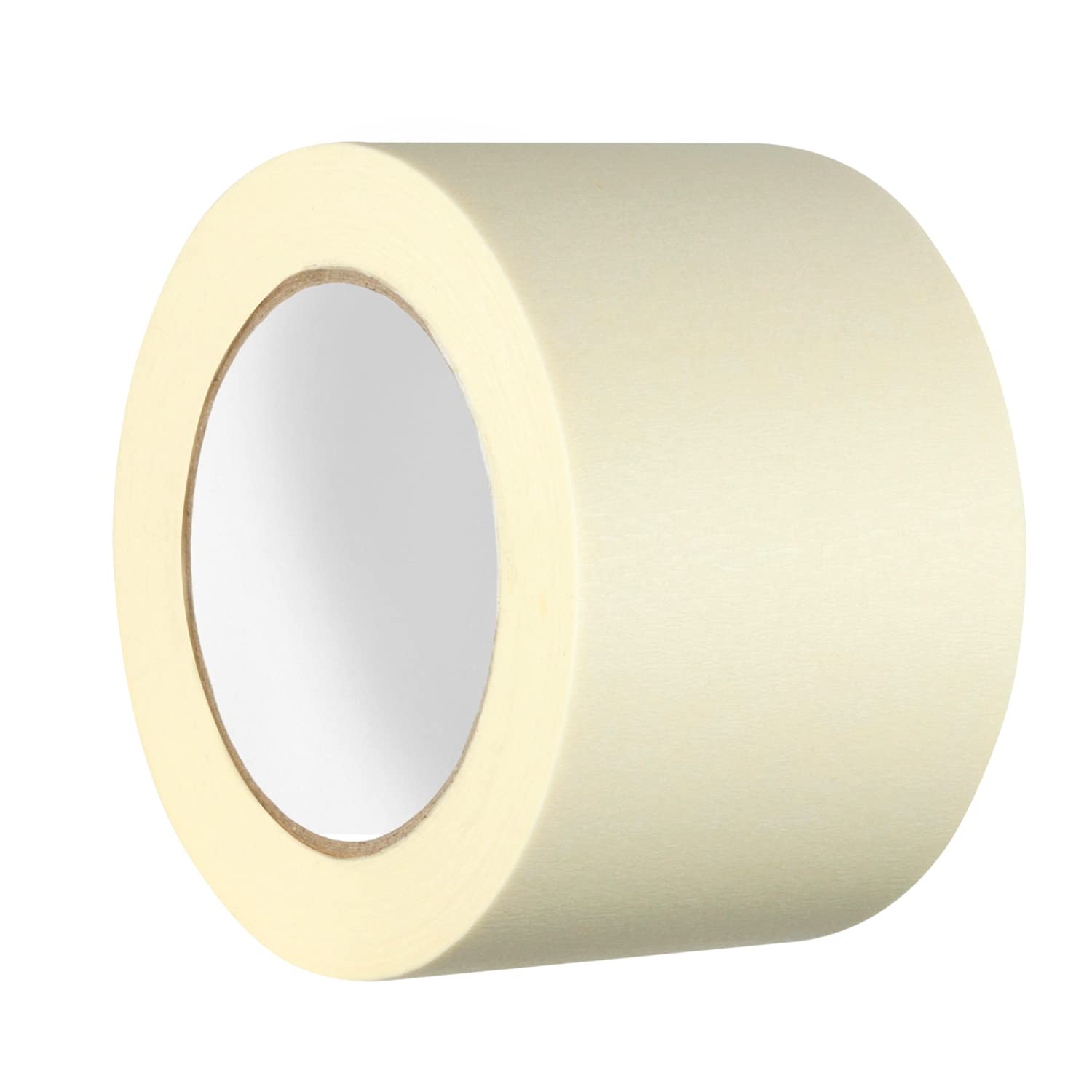
A stock image related to Wide masking tape.
In-depth Look: Manufacturing Processes and Quality Assurance for Wide masking tape
Understanding the technical backbone of wide masking tape production empowers procurement teams to evaluate suppliers beyond surface-level specifications. For industrial buyers sourcing 6-inch to 12-inch formats for automotive refinishing, heavy equipment manufacturing, or large-scale 3D printing operations, manufacturing sophistication directly correlates with field performance consistency. This technical overview examines the critical production stages and quality benchmarks that distinguish commodity-grade products from industrial-tier solutions suitable for demanding B2B applications across diverse climate zones.
What Raw Material Specifications Determine Wide-Format Tape Integrity?
The substrate selection fundamentally dictates how wide masking tape performs under mechanical stress and environmental exposure. Premium manufacturers utilize specialized crepe paper with controlled elongation percentages (typically 5-15%) to accommodate the tension differential across wide webs without tearing during application. For applications requiring dimensional stability beyond 9 inches in width, flatback paper or poly-backed substrates often replace standard crepe to prevent edge curling in high-humidity environments common in West African or Southeast Asian markets.
Adhesive formulation represents the second critical material decision. Natural rubber-based adhesives deliver aggressive initial tack suitable for textured surfaces found in construction applications, while acrylic formulations provide cleaner removal characteristics essential for delicate substrates in electronics manufacturing or 3D printing build plates. Sophisticated suppliers maintain separate coating lines for hot-melt and solvent-based adhesives, with the latter offering superior aging resistance for inventory that may experience extended storage during international shipping cycles.
How Are Coating Technologies Optimized for Wide-Web Production?
The coating process presents unique challenges when producing widths exceeding standard 2-inch formats. Manufacturers employ reverse-roll or knife-over-roll coating systems capable of maintaining ±2% adhesive thickness tolerance across webs up to 60 inches wide before slitting. This uniformity prevents “edge-heavy” adhesion that causes residue buildup or uneven masking lines in automated taping systems.
Drying and curing protocols require precise calibration for wide formats. Solvent-based adhesives necessitate extended drying tunnels with zoned temperature control to ensure complete volatile organic compound (VOC) evaporation without compromising the paper carrier’s dimensional stability. For buyers in regulated markets like the European Union, verifying that suppliers utilize enclosed solvent recovery systems ensures compliance with REACH and VOC emission directives while maintaining coating consistency.
What Precision Controls Govern Slitting and Winding Operations?
Slitting wide master rolls into finished widths (6-inch, 9-inch, 12-inch) demands tension control systems that prevent telescoping and edge deformation. Advanced facilities utilize razor or shear slitting with automatic tension compensation, maintaining web tension within ±10% variance regardless of roll diameter changes. This precision proves critical for buyers utilizing automated dispensers in high-volume manufacturing, where uneven roll profiles cause jamming and production line downtime.
Core construction and winding techniques also impact field performance. Industrial-grade wide masking tape utilizes heavy-duty cardboard or plastic cores rated for the centrifugal forces generated during high-speed unrolling. Manufacturers should demonstrate capability to produce jumbo rolls (up to 60-yard lengths in wide formats) with consistent winding density, preventing “soft spots” that crush during palletized shipping to Middle Eastern or African distribution centers.
Which Quality Assurance Protocols Validate Industrial Performance?
Comprehensive QA extends beyond visual inspection to standardized mechanical testing. Reputable suppliers conduct ASTM D3330 peel adhesion testing at multiple points across the web width, ensuring that tack values remain consistent from the center to the edges of 12-inch formats. Shear resistance testing (ASTM D3654) verifies that the adhesive maintains holding power under load at elevated temperatures, crucial for applications in Saudi Arabian or Nigerian climates where surface temperatures frequently exceed 50°C.
Residue evaluation represents a non-negotiable quality checkpoint for premium grades. Manufacturers should perform accelerated aging tests simulating 21-day removal cycles under varying humidity levels, verifying clean release without adhesive transfer. For specialized applications like 3D printing or laser cutting, additional testing validates silicone-free construction and thermal stability up to 120°C to prevent build plate contamination or edge bleeding during high-temperature processing.
How Do Manufacturers Ensure Climate Stability for Global Distribution?
Supply chain resilience requires products engineered for climatic extremes encountered during ocean freight and warehouse storage. Quality-focused manufacturers subject wide masking tape to high-temperature/humidity aging (40°C/90% RH for 72 hours) to simulate tropical transit conditions, verifying that adhesive does not ooze or migrate to the tape’s backside causing blocking. Conversely, cold crack resistance testing at -10°C ensures that tapes shipped to European markets during winter months maintain flexibility and adhesion upon application.
UV stability testing becomes essential for products designated for outdoor construction masking. Accelerated UV exposure testing (ASTM D4329) validates that the backing and adhesive resist degradation during extended outdoor storage common in Middle Eastern construction sites, preventing the “adhesive hardening” that causes surface damage upon removal.
What Certifications Should International Buyers Demand?
Regulatory compliance documentation separates qualified suppliers from unvetted sources. ISO 9001:2015 certification indicates standardized process controls, while ISO 14001 demonstrates environmental management commitment increasingly valued in European procurement. For chemical compliance, REACH registration and RoHS certification ensure tapes meet stringent EU substance restrictions, preventing customs complications for buyers in Germany, France, or the UK.
Regional certifications carry specific weight: Saudi Standards, Metrology and Quality Organization (SASO) compliance for Middle Eastern markets, and SONCAP certification for Nigerian imports demonstrate that manufacturers understand local regulatory landscapes. Requesting batch-specific Certificate of Analysis (CoA) documents provides traceability from raw material lot numbers to finished goods, essential for automotive industry suppliers maintaining IATF 16949 traceability requirements.
Can Production Lines Accommodate Custom Specifications for Regional Markets?
Flexible manufacturing capabilities indicate supplier sophistication for B2B partnerships. Leading producers offer width customization beyond standard 6-inch, 9-inch, and 12-inch formats, accommodating specialized equipment requirements in South American manufacturing plants. Core diameter customization (76mm vs. 152mm) compatibility with regional dispenser systems, and private-label packaging with multi-language technical datasheets (English, Arabic, Portuguese, French) demonstrate commitment to supporting diverse international distribution channels.
By evaluating manufacturing infrastructure against these technical criteria—material traceability, coating uniformity, climate validation, and certification breadth—procurement professionals secure masking tape partnerships that minimize production defects, reduce application downtime, and ensure consistent performance across global operational footprints.
Practical Sourcing Guide: A Step-by-Step Checklist for ‘Wide masking tape’
Procuring wide masking tape for industrial applications across international markets requires meticulous attention to technical specifications, climate compatibility, and supply chain logistics. This checklist provides B2B procurement teams with a structured framework to evaluate suppliers, negotiate terms, and ensure product integrity from factory floor to job site.
1. What Width and Adhesive Specifications Match Your Application Requirements?
Begin by defining precise technical parameters based on end-use scenarios. For 3D printing and laser cutting applications, consider extra-wide formats (6-inch, 9-inch, or 12-inch rolls) that eliminate seam alignment issues on build plates. For construction and automotive masking, standard metric widths (24mm to 72mm) may suffice. Evaluate adhesive tack levels—medium-tack formulations offer clean removal within 21 days without residue, while high-tack variants provide better adhesion to textured surfaces. Request technical data sheets comparing performance specifications against industry benchmarks like 3M ScotchBlue 2090 to ensure compatibility with your production standards.
2. How Do You Verify Manufacturer Certifications and Quality Consistency?
Validate potential suppliers through ISO 9001 quality management certification verification and request batch testing documentation for adhesive cohesion and tensile strength. For buyers in Nigeria, Saudi Arabia, or similar markets, insist on samples subjected to your local climate conditions before committing to bulk orders. Establish whether the manufacturer maintains consistent crepe paper backing quality and adhesive formulation across production runs, as variations can cause application failures in automated masking systems or precision manufacturing environments.
3. Is the Tape Formulated for Regional Climate Conditions and Storage Requirements?
Wide masking tape performance degrades significantly under extreme heat and humidity prevalent in many African and Middle Eastern markets. Verify that the adhesive maintains tack integrity at temperatures exceeding 40°C (104°F) and resists humidity-induced adhesive migration during storage. Inquire about UV stabilization for outdoor construction applications and confirm the product’s shelf life under non-climate-controlled warehouse conditions typical in emerging markets. Suppliers should provide specific storage guidelines regarding temperature ranges and stacking limitations to prevent deformation of wide-format rolls.
4. What Are the Optimal Commercial Terms for International Procurement?
Negotiate minimum order quantities (MOQs) that optimize container utilization—wide masking tape rolls occupy significant volume, making full container loads (FCL) more cost-effective than less-than-container (LCL) shipments. Structure payment terms using Letter of Credit (LC) arrangements for initial orders to mitigate currency fluctuation risks, transitioning to open account terms upon relationship establishment. Clarify Incoterms (typically FOB or CIF) and confirm whether pricing includes export packaging suitable for ocean freight humidity exposure.
5. How Should You Configure Logistics to Preserve Adhesive Integrity?
Specify climate-controlled container shipping for temperature-sensitive adhesives, particularly when procuring during summer months or shipping through tropical zones. Require pallet configurations that prevent roll crushing—wide format tapes (9-inch and 12-inch) are particularly susceptible to edge damage if improperly stacked. Implement humidity indicator cards within packaging and establish receiving protocols that include immediate warehouse transfer to temperature-controlled environments upon arrival at ports like Lagos or Jeddah.
6. What Quality Control Protocols Ensure Performance Upon Arrival?
Establish pre-shipment inspection criteria including width tolerance verification (±1mm), adhesive coat weight consistency, and unwind force testing. Upon delivery, conduct immediate sampling for adhesion-to-steel testing per ASTM D3330 standards and visual inspection for edge lifting or core crushing. Document baseline performance metrics to support warranty claims and create feedback loops with suppliers regarding batch-specific performance in your specific application environments.

A stock image related to Wide masking tape.
Comprehensive Cost and Pricing Analysis for Wide masking tape Sourcing
Wide masking tape procurement requires understanding beyond unit pricing, especially for international buyers managing cross-border supply chains. When sourcing rolls exceeding standard widths—typically 50mm to 300mm+—cost calculations must account for material grade, adhesive technology, and logistics complexity that narrow-format alternatives avoid. For B2B buyers in Nigeria, Saudi Arabia, or European manufacturing hubs, the total cost of ownership hinges on specification accuracy rather than commodity pricing alone.
What drives price variation in extra-wide masking tape bulk orders?
Material composition creates the primary cost differential. Crepe paper backings with specialized temperature resistance command premiums over standard utility grades, while wide-format rolls require precision coating equipment that narrows the supplier base. Industrial-grade 12-inch (300mm) variants suitable for automotive masking or 3D printing bed preparation often necessitate import strategies for African and Middle Eastern markets, where MOQs of 500–1,000 rolls trigger significant economies of scale compared to domestic narrow-tape alternatives. Buyers should expect 15–30% price premiums per square meter for widths exceeding 100mm due to specialized manufacturing setups and lower production volumes.
How do shipping dimensions affect total landed costs?
Wide masking tape’s physical bulk disproportionately impacts freight economics. A 12-inch by 60-yard roll occupies substantially more cubic volume than standard 2-inch variants, reducing container utilization efficiency by up to 40% unless properly palletized. Smart procurement teams calculate cost-per-square-meter of coverage rather than per-roll pricing, recognizing that wider rolls reduce labor application time by 60–70% in construction or manufacturing settings—offsetting higher unit costs through operational efficiency. For South American buyers, consolidating shipments through Miami or Rotterdam hubs reduces per-unit freight expenses compared to direct air freight, though inventory carrying costs must factor into working capital calculations.
Are there regional pricing advantages for specific adhesive grades?
Middle Eastern and African markets increasingly source medium-tack formulations comparable to premium American specifications (such as 3M 2090 equivalents) from Turkish or Southeast Asian manufacturers at 15–25% cost advantages. However, European buyers often prioritize EU-made products to avoid import duty complications and VAT processing delays, despite higher base prices. The 21-day clean removal specification—critical for temporary surface protection—serves as a quality benchmark that justifies premium pricing over commodity alternatives that risk adhesive residue and costly rework.
How should buyers manage currency and payment risks in international procurement?
Cross-border transactions expose buyers to exchange rate volatility when sourcing from USD or EUR-denominated suppliers. Establishing quarterly pricing agreements with built-in currency adjustment clauses protects margins, while letters of credit secure shipments against non-delivery risks common in container-based industrial tape trade. Some manufacturers now offer regional warehousing in Dubai or Lagos, converting international purchases to local currency transactions with 30-day payment terms rather than advance payment requirements, significantly improving cash flow for African distributors.
What volume thresholds unlock meaningful cost reductions?
B2B procurement typically follows tiered structures: 100-roll orders might price at retail-minus-10%, while container-load commitments (20,000+ rolls) access manufacturer-direct pricing 40–50% below distributor levels. For wide-format specialty tapes, annual contracts with quarterly release schedules often yield the optimal balance between price protection and inventory flexibility, particularly important for construction sector buyers facing seasonal demand fluctuations in Middle Eastern and European markets.
Successful wide masking tape sourcing balances upfront material costs against application efficiency and removal reliability. Buyers should negotiate specification-based pricing rather than commodity rates, ensuring adhesive performance matches climatic conditions—humidity-resistant formulations for West Africa, heat-stable variants for Gulf Cooperation Council projects—to prevent costly application failures that erode initial savings.
Alternatives Analysis: Comparing Wide masking tape With Other Solutions
When evaluating surface protection and masking solutions for industrial applications, procurement teams must balance immediate material costs against operational efficiency, finish quality, and regional supply chain reliability. While wide masking tape provides seamless coverage for 3D printing beds, laser cutting platforms, and large-scale painting operations, several alternatives merit consideration depending on production volume, precision requirements, and climate conditions prevalent in target markets like Nigeria, Saudi Arabia, or Brazil.
| 比較の側面 | Wide Masking Tape | Multiple Strips of Standard Tape | Specialized Build Surface Systems |
|---|---|---|---|
| 初期材料費 | Moderate (premium crepe paper grades) | Low (commodity pricing available) | High (capital equipment investment) |
| Labor/Setup Time | Minimal (single-pass application) | High (precision alignment required) | Low after initial installation |
| Surface Finish Quality | Excellent (seamless, uniform contact) | Variable (risk of ridges/gaps at seams) | Superior (purpose-engineered texture) |
| Performance in High Humidity | Stable (moisture-resistant backing) | Poor (vulnerable at overlap points) | Excellent (non-porous surfaces) |
| Versatility Across Applications | High (temporary, multi-surface compatible) | Moderate (limited by strip width) | Low (substrate-specific constraints) |
| 実施しやすさ | Immediate use, no curing | Labor-intensive, skill-dependent | Requires calibration and training |
| Removal/Changeover Process | Clean peel, no residue | Time-consuming, residue risk | Tool-free (flex plates) or permanent |
| Total Cost of Ownership | Medium (recurring consumable) | High (hidden labor costs) | Low (amortized over high volume) |
| Best For | Job shops, mixed production, prototyping | Small-scale, budget-constrained operations | Dedicated high-volume manufacturing lines |
Is Assembling Multiple Strips of Standard Masking Tape a Cost-Effective Alternative to Wide Rolls for Large-Scale Operations?
Using several narrow strips of standard masking tape to cover large build plates or painting surfaces presents an immediate cost advantage in raw material expenditure, particularly attractive for SMEs in emerging markets. However, this approach introduces significant labor overhead through alignment time and risks application inconsistencies that compromise surface finish. In high-humidity environments common across the Middle East and coastal Africa, the overlapping seams between strips can trap moisture, leading to adhesive degradation and potential residue issues upon removal. For B2B buyers managing volume production, the hidden costs of rework and extended setup times typically exceed the per-roll savings within the first quarter of implementation, making this alternative suitable only for occasional use or non-critical applications.
How Do Specialized Build Surface Systems Compare to Wide Masking Tape for Industrial Additive Manufacturing?
Specialized systems such as PEI sheets, magnetic flex plates, and textured steel surfaces offer a permanent or semi-permanent alternative to consumable tape, appealing to dedicated manufacturing facilities in Europe and Saudi Arabia with high-volume 3D printing operations. These solutions eliminate recurring consumable costs and reduce bed preparation time to near-zero after initial installation, though they require substantial upfront capital investment and may limit material compatibility—certain flexible filaments adhere too aggressively to PEI, while high-temp materials may damage magnetic coatings. Unlike wide masking tape, which allows for quick surface refreshing between jobs and accommodates varying build plate sizes without modification, specialized surfaces demand precise calibration and strict cleaning protocols. For job shops and prototyping centers requiring versatility across diverse substrates and rapid changeover capabilities, wide masking tape maintains superior operational flexibility despite higher per-use costs.
Essential Technical Properties and Trade Terminology for Wide masking tape
When sourcing wide masking tape for industrial applications such as automotive refinishing, 3D printing build plates, or large-scale construction masking, understanding precise technical specifications ensures compatibility with automated dispensers and surface protection requirements. International buyers must verify these properties against regional standards and specific end-use environmental conditions prevalent in markets like Nigeria or Saudi Arabia.
What Technical Specifications Define Industrial-Grade Wide Masking Tape?
Width Configuration and Roll Architecture: Wide masking tape typically spans 6 to 12 inches (150–300mm) per roll, significantly exceeding standard 1–2 inch widths. This eliminates seam gaps in large-format applications such as 3D printer beds, stucco masking, or automotive panel protection. For B2B buyers, verifying roll diameter compatibility with existing dispensers prevents workflow interruptions on automated production lines.
Adhesion Grade Classification: Measured in ounces per inch width, medium-tack adhesives (20–26 oz/in) balance immediate surface grab with clean removal properties. High-tack variants suit rough exterior substrates common in Middle Eastern concrete or African timber applications. Procurement teams should request adhesion test data specific to local temperature and humidity conditions to prevent edge lifting or surface damage.
Clean Removal Duration: Premium formulations guarantee residue-free removal for 14–21 days after application. This specification prevents adhesive transfer onto sensitive substrates like anodized aluminum or automotive clear coats. Extended removal windows prove critical for multi-phase construction projects where masking must remain intact through curing cycles.
耐熱温度: Industrial-grade wide tape withstands 150°F–200°F (65°C–93°C) for baking cycles in automotive refinishing or laser cutting operations. Thermal stability prevents adhesive softening that causes displacement during high-heat processes. Buyers in hot climates should prioritize high-temperature ratings to prevent premature adhesion failure during extended outdoor exposure.
バッキングキャリパー(厚さ): Crepe paper backings range from 5.5 to 7.5 mils (thousandths of an inch). Thicker backings provide tear resistance during high-speed automated dispensing while preventing solvent bleed-through during spray applications. This structural integrity ensures consistent performance across extended production runs.
What Industry Terminology Should Procurement Teams Master for Wide Masking Tape?
Tack versus Shear Resistance: Tack describes immediate bond strength upon contact, while shear measures holding power under static load. Wide masking tape requires high shear resistance to prevent sagging on vertical surfaces during extended masking periods. Understanding this distinction helps buyers select appropriate grades for overhead or wall applications.
適合性: This property measures the tape’s ability to mold into irregular surfaces and tight radius curves without wrinkling. High conformability ensures edge sealing on textured stucco, corrugated roofing, or curved automotive panels. Poor conformability creates channels where paint or laser residue penetrates, compromising finish quality.
Bleed-through Resistance: The tape’s capacity to prevent liquid coating penetration at edges. Quality wide masking tape features saturated crepe paper that blocks solvent migration from automotive paints or industrial coatings. This characteristic ensures crisp paint lines and reduces rework costs in professional finishing operations.
Adhesive Transfer: The undesirable migration of adhesive residue to substrates after tape removal. Zero-transfer formulations are essential for protecting polished metals, glass, or plastic surfaces in electronics manufacturing. Buyers should verify “clean removal” claims through independent testing for critical surface protection applications.
UV Stability: Resistance to ultraviolet degradation during outdoor exposure. UV-stable formulations maintain adhesion consistency and prevent backing embrittlement during 14-day exterior masking cycles common in harsh sunlight environments. This property extends application versatility for infrastructure and marine projects.
Seamless Coverage: A logistical term referring to monolithic surface protection without overlapping strips. Extra-wide formats (9″–12″) eliminate seam points where contaminants enter or coatings leak, particularly valuable in cleanroom environments or precision 3D printing operations.
Navigating Market Dynamics and Sourcing Trends in the Wide masking tape Sector
The global wide masking tape market is experiencing significant transformation as industrial applications diversify beyond traditional painting and construction. For B2B procurement teams across Africa, the Middle East, South America, and Europe, understanding these shifts is essential for optimizing supply chains and ensuring operational efficiency. From specialized widths designed for additive manufacturing to evolving sustainability mandates, the sector demands strategic sourcing approaches that balance performance specifications with ethical procurement standards.
What Market Trends Are Reshaping Wide Masking Tape Procurement Globally?
The industrial masking tape sector is witnessing unprecedented demand diversification, particularly in emerging economies where infrastructure development and manufacturing expansion converge. In regions such as Nigeria and Saudi Arabia, large-scale construction projects, automotive manufacturing facilities, and oil & gas maintenance operations are driving consumption of high-performance wide-format tapes—typically ranging from 48mm to over 300mm widths. These markets require products capable of withstanding extreme temperature fluctuations and high-humidity environments while maintaining adhesion integrity during extended project timelines.
A notable trend is the migration toward extra-wide formats (6-inch, 9-inch, and 12-inch variants) that reduce application time and eliminate seam failures in large-surface operations. Originally popularized in specialized applications such as 3D printing build plate preparation and precision laser cutting operations, these wider formats are increasingly adopted in conventional industrial masking for their efficiency gains and
Frequently Asked Questions (FAQs) for B2B Buyers of Wide masking tape
When sourcing wide masking tape for industrial operations, procurement teams must evaluate technical specifications beyond standard consumer-grade products. The following addresses critical considerations for international B2B buyers managing large-scale construction, automotive, or manufacturing projects in diverse climates.
1. What width is considered wide masking tape for professional contractors?
Professional-grade wide masking tape typically begins at 72mm (3 inches) and extends to 300mm (12 inches) or more, significantly exceeding standard 24mm–48mm (1–2 inch) consumer rolls. For industrial applications such as 3D printing build plates, laser cutting beds, or commercial stucco masking, widths of 150mm (6 inches) to 300mm (12 inches) provide optimal surface coverage with minimal seam alignment. When specifying orders for international markets, verify whether your supplier measures in imperial or metric units, as discrepancies between nominal “6-inch” and actual 150mm widths can impact project tolerances. Wider formats eliminate the need for overlapping multiple tape strips, reducing application time by up to 40% on large surface areas while preventing paint bleed-through at seam junctions.
2. What are the industrial applications for wide masking tape?
Beyond conventional painting, wide masking tape serves critical functions in automotive OEM manufacturing, aerospace component masking, そして additive manufacturing (3D printing) where build plates require single-sheet coverage to ensure uniform adhesion and thermal distribution. In construction, extra-wide formats protect concrete curing surfaces, mask off stucco application zones, and create vapor barriers during HVAC installation. Manufacturing facilities utilize high-tack wide tape for temporary surface protection on stainless steel, aluminum, and plastic substrates during fabrication and shipping. The medium-tack adhesive variants specifically support laser engraving operations, preventing scorch marks on bed surfaces while allowing clean removal without residue that could damage sensitive equipment.
3. How does wide masking tape improve efficiency in commercial painting projects?
Wide format masking tape streamlines commercial operations by eliminating the labor-intensive process of aligning multiple narrow strips to cover broad surfaces such as drywall expanses, floor perimeters, or window protection zones. A single 300mm (12-inch) application covers the same area as six standard 48mm (2-inch) strips, reducing labor costs and minimizing the risk of misalignment that causes paint bleed-through and costly rework. The seamless coverage creates superior edge sealing against textured surfaces like stucco or brick, while the consistent adhesive application prevents the “bridging” issues common at tape overlaps. For contractors managing hotel renovations, office complexes, or residential developments, this efficiency translates to faster project completion and improved profit margins on fixed-bid contracts.
4. What is the best wide masking tape for high-temperature automotive masking?
Automotive painting and powder coating operations require wide masking tape with heat-resistant crepe paper backing and specialized rubber-based adhesives rated for temperatures up to 120°C (250°F) for 30-minute cycles. Green or yellow-colored industrial variants typically indicate high-tack formulations designed to withstand oven-bake cycles without adhesive transfer or edge lifting. For B2B buyers sourcing for auto body shops or manufacturing plants, verify that the tape offers 21-day clean removal to prevent ghosting or residue adhesion on clear coats and metallic finishes. Premium automotive-grade wide tape should conform to OEM specifications such as ASTM D6123 and demonstrate compatibility with waterborne and solvent-based paint systems common in modern collision repair facilities.
5. How do B2B buyers evaluate adhesive specifications for humid tropical climates?
Procurement teams operating in high-humidity regions such as West Africa, the Middle East, or Southeast Asia should prioritize wide masking tape with UV-resistant, medium-to-high tack adhesives formulated to withstand moisture without delamination or adhesive transfer. Request technical data sheets specifying humidity resistance ratings and temperature stability between 15°C and 40°C to ensure performance consistency during monsoon seasons or desert heat waves. Conduct small-batch testing on local substrate materials—such as concrete blocks, painted masonry, or galvanized metal common in Nigerian or Saudi construction—before committing to container-level orders. Storage upon arrival requires climate-controlled warehousing maintaining 40–60% relative humidity to prevent premature adhesive degradation in tropical supply chains.
6. What compliance certifications should international buyers verify for industrial wide masking tape?
B2B procurement requires verification of ISO 9001:2015 quality management certifications and RoHS/REACH compliance for European markets, ensuring tapes are free from restricted heavy metals and hazardous chemical substances. For automotive industry applications, demand IATF 16949 supplier certification and OEM-specific approvals from manufacturers like Toyota, Volkswagen, or General Motors. Construction sector buyers should confirm ASTM D6123 conformance for crepe paper masking tape standards, while aerospace applications may require AS9100 certification. Requesting Material Safety Data Sheets (MSDS) and Certificate of Analysis (CoA) documentation ensures traceability and protects against customs delays or regulatory rejections in destination countries with strict import controls.
7. How do procurement teams calculate ROI when transitioning to wide format masking tape?
Total cost of ownership analysis must compare the per-meter purchase price against labor hour reductions and waste elimination rather than focusing solely on unit costs. Calculate the time savings from applying one 300mm wide strip versus six standard 48mm strips across your average surface area, factoring in local labor rates and project timelines. Account for reduced material waste from elimination of overlapping seams and fewer failed applications due to misalignment. For large-scale developers, the break-even point typically occurs at projects exceeding 5,000 square meters of masked surface, where labor efficiency gains offset the 15–20% premium typically charged for wide-format industrial rolls compared to standard widths.
8. What storage protocols ensure adhesive integrity for bulk wide masking tape shipments?
Wide masking tape requires storage in climate-controlled environments between 15°C and 25°C with 40–60% relative humidity, particularly critical when importing to regions with extreme heat or monsoon conditions like Lagos or Mumbai. Store cartons vertically on pallets away from concrete floors to prevent moisture wicking, and maintain inventory rotation using FIFO (First In, First Out) methods to utilize the standard 12-month shelf life before adhesive degradation occurs. For container shipping, require suppliers to include desiccant packets and moisture-barrier packaging, especially for sea freight routes through high-humidity zones. Upon receipt, acclimate rolls to ambient temperature for 24 hours before application to prevent condensation issues that compromise adhesion on cold surfaces.
重要な免責事項および利用規約
⚠️ 重要な免責事項
メーカー、技術仕様、市場分析に関する内容を含め、本ガイドラインで提供される情報は、情報提供と教育目的のみのものです。専門的な調達アドバイス、財務アドバイス、または法的アドバイスを提供するものではありません。.
B2Bバイヤーは、独自の徹底的なデューデリジェンスを行う必要がある。 をご覧の上、ご購入をお決めください。本ガイドに記載された情報を信頼した場合のリスクは、読者が単独で負うものとします。.
Top 3 Wide Masking Tape Manufacturers & Suppliers List
1. Research and Markets – Painting Masking Tapes Market

登録:2002年(24年)
はじめに The painting masking tapes market features products with diverse specifications including clean-line removal capabilities, dimensional stability, and compatibility with conventional and low-VOC coatings. Key adhesive technologies include advanced acrylic and rubber systems, biodegradable and low-emission formulations, and washi-based solutions. Product types range from economy to premium grades, w…
2. IQS Directory – Masking Tape

ドメイン iqsdirectory.com
登録:2004年(22年)
はじめに Masking tape is a pressure-sensitive, easy-to-tear tape invented in 1925 for the automotive industry to paint two-toned cars. It features backing materials most commonly made of paper, but also available in polymer, polyimide films, polyester, glass cloth, foil, vinyl, or laminated materials. Adhesive options include rubber-based (strongest hold, lowest temperature resistance), acrylic-based (temp…
3. Virag – Masking Tape
ドメイン viragtapes.com
登録:2023年(3年間)
はじめに Virag Masking Tape by Virag Industries Pvt. Ltd. is a pressure-sensitive adhesive tape made of thin, easy-to-tear paper designed for temporary surface protection and masking applications. Key characteristics include: lightly adhesive with low adhesion level, easy to unwind and tear by hand, gentle removal without residue or surface damage, high retention with gentle release properties, durability …
Strategic Sourcing Conclusion and Outlook for Wide masking tape
How Can Buyers Ensure Supply Chain Resilience for Wide Masking Tape Procurement?
For procurement teams across Nigeria, Saudi Arabia, and emerging European markets, securing consistent access to wide-format masking tape requires evaluating manufacturers with robust cross-border logistics and regional warehousing capabilities. Prioritize suppliers offering standardized widths—specifically 6, 9, and 12-inch configurations—that align with automated application systems and large-scale surface protection protocols. Given regional climate variations, from humid African construction sites to high-temperature Middle Eastern industrial zones, verify that adhesive formulations maintain clean removal properties without residue degradation under thermal stress or UV exposure.
What Quality Benchmarks Should Define Your Wide Masking Tape Sourcing Strategy?
Beyond dimensional specifications, strategic sourcing demands validation of medium-tack adhesives that balance immediate bonding strength with extended clean removal windows, typically up to 21 days. As additive manufacturing, automotive refinishing, and laser cutting applications expand across South American and European industrial sectors, demand for extra-wide formats that eliminate seam alignment issues will accelerate. Forward-thinking buyers should establish partnerships with manufacturers demonstrating vertical integration capabilities and compliance with international quality standards, ensuring batch consistency while mitigating tariff exposure through regional distribution hubs.