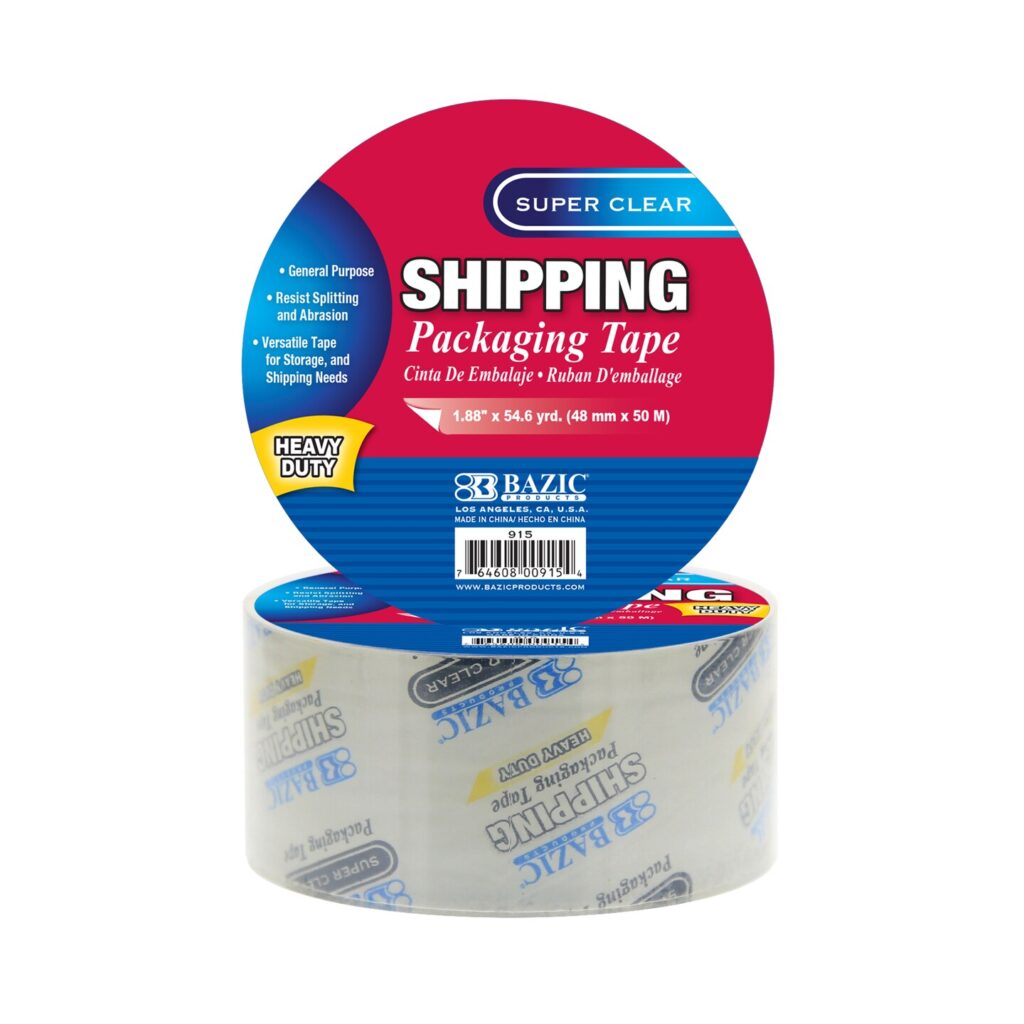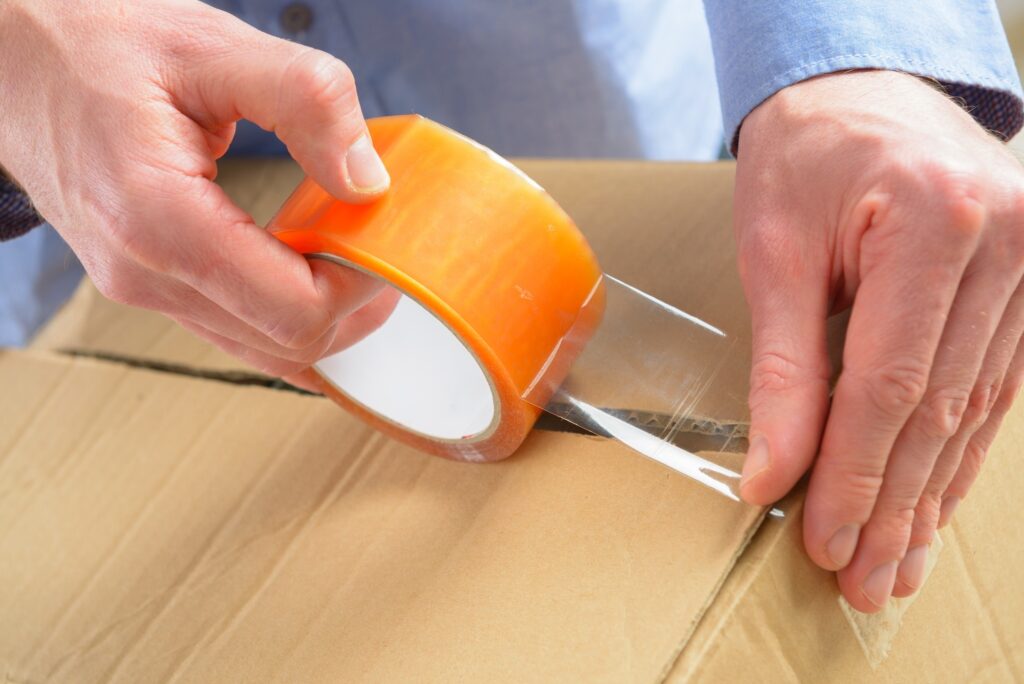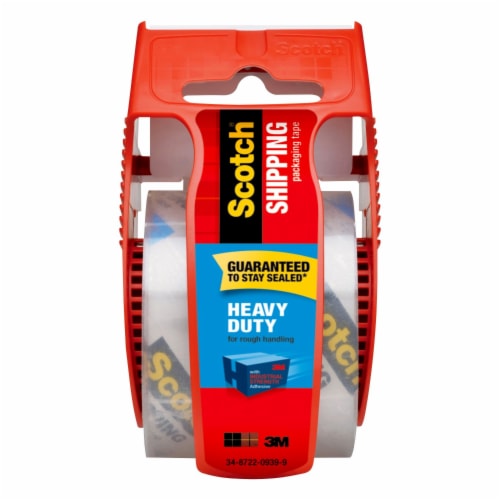
Introduction: Navigating the Global Market for Low noise packaging tape
When managing high-volume packaging operations across international supply chains, sourcing low noise packaging tape for noise-sensitive environments represents a critical procurement decision that extends far beyond simple adhesive specifications. The relentless screech of conventional packing tape in fulfillment centers creates measurable productivity drains and workplace compliance challenges—particularly in regions with stringent occupational noise regulations or mixed-use commercial spaces where acoustic comfort directly impacts operational efficiency. For procurement teams navigating the complex intersection of performance standards, bulk pricing structures, and cross-border supplier reliability, identifying the right silent sealing solution becomes a strategic imperative rather than a commodity purchase.
What Challenges Do International Buyers Face When Sourcing Silent Packaging Solutions?
Navigating the global marketplace for acoustic packaging materials presents unique hurdles for B2B buyers in Africa, South America, the Middle East, and Europe. Quality inconsistencies between regional manufacturers, varying adhesive formulations suited to different climate conditions, and the difficulty of verifying noise-reduction claims without standardized testing protocols create significant procurement risks. Buyers from emerging manufacturing hubs like Nigeria and Vietnam must particularly balance cost optimization against the need for consistent supply chain continuity when evaluating distant suppliers.
How Does This Guide Transform Strategic Packaging Procurement?
This comprehensive resource equips international procurement professionals with actionable intelligence across the complete sourcing spectrum. We examine technical distinctions between acrylic and hot-melt adhesive technologies, application-specific requirements for warehouse versus retail environments, and rigorous supplier vetting frameworks that prioritize manufacturing certifications and export compliance. From total cost of ownership analysis incorporating freight logistics to region-specific regulatory guidance for Middle Eastern and European markets, this guide provides the decision-making framework necessary to secure high-performance, low-noise sealing solutions that align with your operational scale and acoustic compliance requirements.
Understanding Low noise packaging tape Types and Variations
| タイプ名 | 主な特徴 | 主なB2Bアプリケーション | バイヤーのための簡単な長所と短所 |
|---|---|---|---|
| Acrylic-Based Low Noise Tape | Water-based adhesive, UV resistant, stable aging, 28-35 micron thickness, quiet unwind | Long-term storage, export shipping to hot climates, temperature-stable warehouse environments | Pros: Cost-effective, won’t yellow in sun, ideal for African/Middle Eastern markets. Cons: Lower initial tack, requires 24-48 hours for full bond strength |
| Hot Melt Synthetic Rubber Low Noise Tape | Aggressive initial tack, synthetic rubber adhesive, works on recycled cardboard, quick stick | E-commerce fulfillment, automated packaging lines, dusty warehouse conditions in Vietnam/Nigeria | Pros: Immediate bond, excellent adhesion to rough surfaces, high-speed compatible. Cons: Can soften above 50°C, shorter shelf life than acrylics |
| Natural Rubber Solvent Low Noise Tape | Superior adhesion strength, wide temperature range (-20°C to 60°C), premium grade | Cold chain logistics, pharmaceutical exports, high-value electronics, European refrigerated transport | Pros: Works in freezing temps, strongest hold, consistent quiet unwind. Cons: Higher cost per roll, potential yellowing over extended periods |
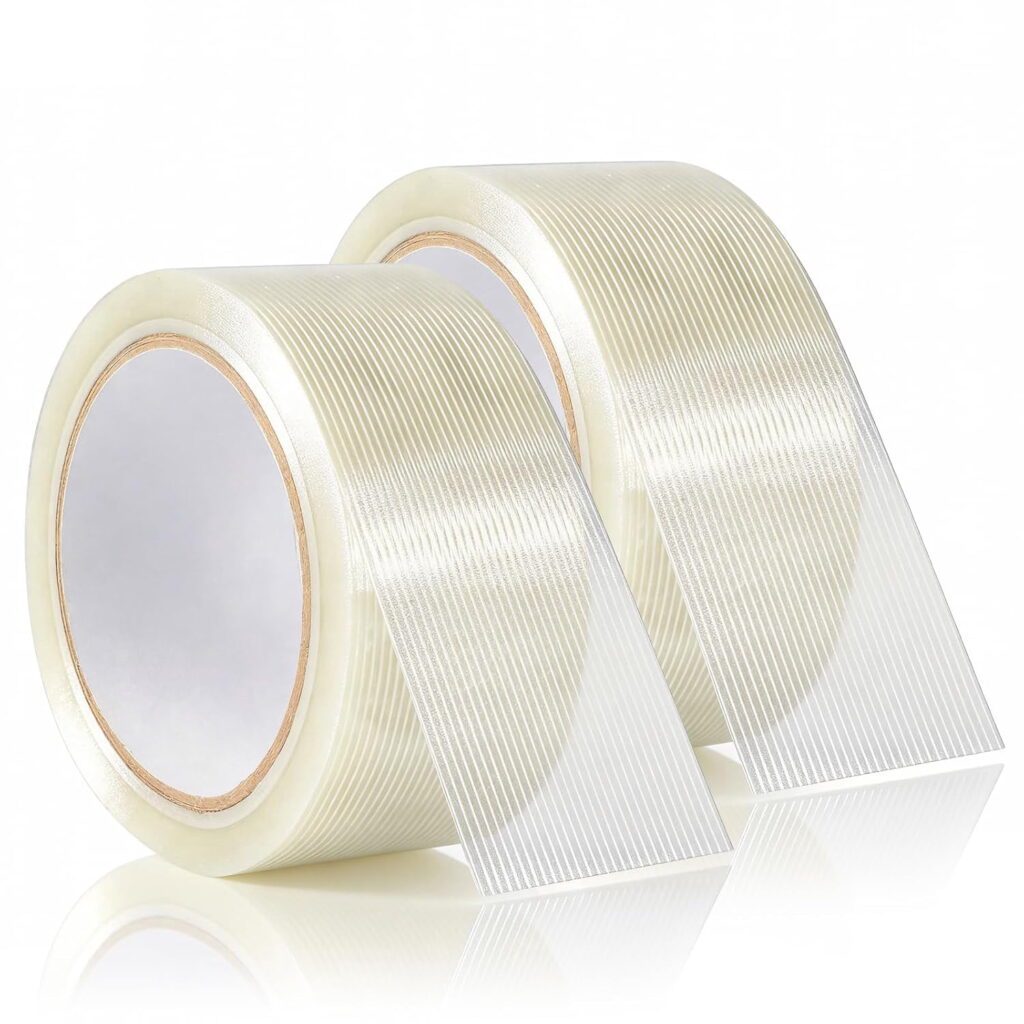
| Heavy-Duty Reinforced Low Noise Tape | Fiberglass or cross-woven filaments embedded, 40-50 micron film, 150% higher tensile strength | Palletized agricultural exports, industrial machinery shipping, overweight cartons for South American/African markets | Pros: Tear-resistant, tamper-evident, handles rough container handling. Cons: Premium pricing, requires industrial-grade dispensers |
What Are the Different Adhesive Technologies in Low Noise Packaging Tape?
Acrylic-based low noise tape utilizes water-based adhesives that cure through evaporation, offering excellent UV resistance and aging stability without the screeching unwind of standard solvent acrylics. This variation performs exceptionally well in hot climates common in African and Middle Eastern markets, maintaining adhesion without yellowing or degrading during extended port storage. B2B buyers should prioritize this type for long-term warehouse storage and export shipments where cartons may sit in customs or outdoor staging areas for weeks. However, note that acrylic adhesives require 24-48 hours to reach full bond strength, making them less suitable for immediate heavy stress handling or rough transport immediately after sealing.
How Does Hot Melt Synthetic Rubber Tape Benefit High-Volume Operations?
Hot melt synthetic rubber low noise tape delivers aggressive initial tack and immediate shear strength, making it ideal for automated packaging lines and e-commerce fulfillment centers requiring quiet operation. The synthetic rubber adhesive bonds aggressively to recycled corrugated materials and performs reliably in dusty warehouse environments prevalent in industrial zones across Vietnam and Nigeria. Buyers should consider this variant for high-speed operations where tape must grab instantly upon application to prevent carton pop-open during stacking. Be aware that extreme heat exposure above 50°C can soften the adhesive, potentially
Key Industrial Applications of Low noise packaging tape
| 業界/セクター | Specific Application of Low noise packaging tape | ビジネスにとっての価値/利益 | このアプリケーションにおける主な調達上の考慮事項 |
|---|---|---|---|
| E-commerce & 3PL Fulfillment | High-volume carton sealing in automated and manual packing stations, particularly for night-shift operations | Reduces ambient noise by 15-20 decibels compared to standard BOPP tape, enabling compliance with residential noise ordinances and supporting 24/7 logistics in urban areas | Verify acrylic adhesive performance in high-humidity tropical climates (e.g., West Africa, Southeast Asia); ensure compatibility with recycled corrugated board and automated case sealers |
| Retail & Consumer Electronics | In-store packaging, click-and-collect order preparation, and back-of-house inventory management in mixed-use developments | Eliminates disruptive screeching in customer-facing areas, enhancing brand perception and allowing early morning restocking without tenant complaints | Prioritize 45-50 micron thickness for hand-tearability; confirm UV-resistant formulations for high-sun exposure regions (Middle East, Latin America); ensure strong initial tack on recycled substrates |
| Healthcare & Pharmaceutical Distribution | Medical supply packaging, pharmacy dispensing operations, and sterile clean-room logistics | Maintains quiet environments essential for patient care and precision medication handling; supports compliance with hospital noise regulations and indoor air quality standards | Validate FDA/EU food-contact compliance and ISO 15378 standards; confirm solvent-free adhesive systems; verify static-free unwinding for sensitive electronic medical devices |
| Education & Institutional Facilities | University mailrooms, textbook distribution, and administrative packaging in libraries and open-plan offices | Supports concentrated learning environments during examination periods; reduces acoustic distraction in budget-conscious institutions with open floor plans | Bulk procurement viability for public sector budgets; check for solvent-free adhesives to meet indoor air quality in enclosed tropical climates; compatibility with manual dispensers for student workers |
How Does Low Noise Packaging Tape Optimize Fulfillment Operations in High-Volume Distribution Centers?
In high-throughput fulfillment centers across Nigeria, Vietnam, and emerging European logistics hubs, low noise packaging tape addresses the critical challenge of acoustic pollution in warehouse environments. When procurement teams source for facilities operating extended hours or located near residential zones, this technology eliminates the high-frequency screech associated with traditional BOPP tapes during carton sealing. The reduction in ambient noise levels—often decreasing sound pressure by 15-20 decibels—enables compliance with local noise ordinances while supporting worker wellbeing during night shifts. Buyers should prioritize acrylic adhesive formulations that maintain tack integrity in humid tropical climates and verify compatibility with automated case sealers common in modern distribution networks handling cross-border e-commerce volumes.
Why Is Silent Sealing Critical for Retail Operations and Customer-Facing Environments?
For supermarket chains and consumer electronics retailers from São Paulo to Dubai, low noise tape transforms back-of-house operations and in-store fulfillment. The application extends beyond simple carton sealing to include price markdown activities, seasonal packaging, and click-and-collect order preparation—all conducted within earshot of customers. By deploying silent unwinding technology, retailers eliminate the acoustic disruption that degrades shopping experiences and can trigger noise complaints in mixed-use developments or mall environments. Sourcing managers must evaluate tape thickness, typically 45-50 microns, for hand-tearability without dispensers, and ensure adhesive systems provide immediate bond strength on recycled cardboard prevalent in cost-conscious emerging markets while resisting temperature fluctuations in non-air-conditioned storage areas.
What Role Does Quiet Packaging Play in Healthcare Logistics and Medical Supply Chains?
Pharmaceutical distributors and hospital procurement departments utilize low noise packaging tape to maintain the serene environments essential for patient recovery and precision medical work. In hospital pharmacies, medical device sterilization facilities, and diagnostic supply chains across the Middle East and Africa, the quiet application prevents acoustic contamination in noise-sensitive zones while ensuring sterile barrier integrity. The tape’s solvent-free acrylic adhesive aligns with stringent indoor air quality requirements for healthcare facilities and eliminates volatile organic compound concerns. International buyers must verify compliance with ISO 15378 standards for primary medical packaging and confirm that the low-noise coating doesn’t compromise sterilization compatibility or cold-chain adhesion performance during pharmaceutical distribution.
How Can Educational Institutions Benefit from Noise-Reducing Packaging Solutions?
Educational institutions from European universities to African technical colleges leverage low noise tape to support concentrated learning environments during critical examination periods and administrative operations. Campus mailrooms, textbook distribution centers, and administrative offices benefit from the technology’s ability to eliminate the sharp, distracting sounds of packaging during library hours or in open-plan academic buildings where acoustic comfort directly impacts student performance. For procurement officers managing tight institutional budgets, the value proposition includes preventing noise-related workspace conflicts while maintaining package security. Key specifications include UV stability for storage in non-climate-controlled facilities and compatibility with lightweight manual dispensers suitable for high-turnover student workers or seasonal staff.
A stock image related to Low noise packaging tape.
3 Common User Pain Points for ‘Low noise packaging tape’ & Their Solutions
Scenario 1: Urban Warehouse Noise Compliance and Community Relations
問題だ: Facilities operating in mixed-use urban zones—common in European city centers, Middle Eastern commercial districts, and dense African metros like Lagos—face escalating noise complaints from neighboring residential buildings. Standard polypropylene packaging tape produces piercing 75-85dB screeches during dispensing, exceeding WHO workplace noise guidelines and violating local municipal noise ordinances that often cap industrial noise at 55-60dB during daytime and 45dB at night. For 24/7 fulfillment centers or warehouses with evening shifts, this creates regulatory exposure, potential fines, and strained community relations that threaten operating licenses. Additionally, the acoustic pollution disrupts adjacent office workers, creating inter-business conflicts in shared commercial complexes.
解決策 Specify low-noise BOPP tapes engineered with specialized release coatings that dampen the adhesive’s “stick-snap” action, reducing operational noise to 50-60dB—comparable to normal conversation levels. When sourcing from international suppliers, request acoustic test reports conforming to ISO 7779 or ASTM E1050 standards to verify decibel claims. Implement acoustic audits during supplier qualification, testing tape dispensers under your facility’s specific tension settings. For B2B procurement teams, include noise-level specifications (≤60dB at 1-meter distance) in technical data sheets and require batch consistency certificates. This proactive approach ensures compliance with emerging urban noise regulations while maintaining packing throughput, particularly critical for e-commerce operations in noise-sensitive environments like Dubai’s commercial zones or Vietnam’s urban industrial parks.
Scenario 2: Operator Fatigue and Communication Breakdown in High-Volume Fulfillment
問題だ: High-volume fulfillment centers processing 5,000+ packages daily generate cumulative acoustic trauma from standard tape dispensers operating continuously. The high-frequency screech (typically 3-4kHz range) exceeds OSHA’s 85dB action limit within hours, causing operator fatigue, reduced concentration, and communication breakdowns between pickers and packers. In multilingual workforces common in international logistics hubs, excessive noise forces workers to shout or repeat instructions, increasing error rates by 15-20% and slowing packing velocities. The constant auditory stress also contributes to higher turnover rates in warehouse staffing, increasing recruitment and training costs for B2B operations.
解決策 Deploy low-noise acrylic adhesive tapes combined with ergonomic dispensers featuring dampened unwind rollers and silicone-treated blades. These systems reduce noise emissions by 50-60% while maintaining 45-50N/cm tensile strength suitable for standard cartons. Integrate quiet-tape protocols into lean manufacturing initiatives, positioning the reduction in cognitive load as a productivity enhancer rather than merely a comfort feature. Train supervisors to recognize that clear communication channels enable voice-directed picking systems and real-time quality checks without line stoppages. Track key metrics including packing accuracy (targeting >99.5%), lines-per-hour throughput, and employee retention rates quarterly to demonstrate ROI. For buyers in South American and African markets, prioritize suppliers offering hot-melt adhesive variants that perform in ambient temperatures up to 40°C while maintaining quiet unwind characteristics.
Scenario 3: Adhesion Reliability in Humid and Tropical Climates
問題だ: Procurement managers in tropical climates—spanning Nigeria’s humid coastal regions, Vietnam’s monsoon seasons, and South American rainforest zones—historically resist low-noise tapes fearing adhesive degradation. The friction-reduction technologies used to silence tape unwind (typically micro-embossed films or specialized release coatings) can theoretically compromise initial tack and shear resistance. In 85%+ humidity and 35°C+ temperatures, buyers worry that low-noise formulations will experience “adhesive creep” or complete failure on recycled corrugated board, risking carton seal breaches during international shipping and exposing companies to freight damage claims.
解決策 Source next-generation low-noise tapes utilizing multi-layer hot-melt synthetic rubber adhesives specifically formulated for tropical climates, offering ≥24-hour shear resistance at 40°C/90% RH conditions. Require suppliers to provide humidity-aging test data (ASTM D3654) and tropical climate certifications. Conduct 72-hour pilot tests sealing your heaviest cartons (typically 20-25kg) with low-noise tape, then subjecting them to your facility’s ambient conditions or climate chamber simulation. Verify that the tape maintains ≥2.5N/cm adhesion to recycled Kraft paper even after thermal cycling. Modern formulations now achieve 30-50N/cm tensile strength while operating at <60dB, eliminating the traditional compromise. For B2B buyers, specify storage requirements (15-25°C, 40-60% RH) in procurement contracts to ensure tape arrives ready for high-humidity deployment, and negotiate batch testing protocols for tropical performance validation.
Strategic Material Selection Guide for Low noise packaging tape
Selecting the optimal substrate for low-noise packaging tape requires balancing acoustic performance with tensile strength, climate resilience, and regulatory compliance across diverse export markets. Procurement teams must evaluate how film chemistry interacts with adhesive systems to achieve the “silent unwind” characteristic without compromising seal integrity during international transit.
Which Polypropylene Formulations Deliver the Quietest Unwind for High-Volume Operations?
Polypropylene (PP) film dominates the low-noise sector due to its cost-efficiency and compatibility with specialized acrylic and hotmelt adhesive systems. When formulated with modified release coatings and micro-embossed surfaces, PP tapes achieve noise reduction levels below 60 decibels during high-speed application. For B2B buyers in humid climates like Nigeria or Vietnam, cross-linked acrylic adhesives offer superior moisture resistance compared to standard rubber-based formulations. However, PP tapes exhibit reduced tack in extreme heat (above 40°C), potentially compromising seal security during Middle Eastern summers or South American peak shipping seasons. The material remains the most economical choice for general e-commerce and fulfillment operations.
Is PVC Film Still Viable for Premium Low-Noise Applications in European Markets?
Polyvinyl chloride (PVC) provides inherently quieter unwinding characteristics due to its plasticizer content and film flexibility, making it ideal for luxury goods packaging and pharmaceutical exports bound for European markets. The material conforms exceptionally well to irregular surfaces and maintains performance across temperature fluctuations. However, procurement teams must navigate increasingly stringent REACH regulations and sustainability mandates, particularly within the EU, where PVC faces scrutiny regarding chlorine content and end-of-life recyclability. Cost premiums of 30-40% over standard PP alternatives position PVC for high-value applications rather than commodity shipping, though its durability justifies investment for sensitive electronics and cosmetic exports.
How Does Paper-Based Kraft Tape Compare for Sustainable Low-Noise Packaging?
Reinforced kraft paper tapes offer a biodegradable alternative that naturally dampens acoustic emissions through fibrous substrate structure, eliminating the “squeak” associated with plastic films. For agricultural exporters in South America and Africa shipping coffee, cocoa, or textiles, paper tapes align with growing EU import sustainability requirements while providing sufficient tensile strength for standard corrugated boxes. The material requires water-activated or pressure-sensitive natural rubber adhesives to maintain low-noise properties, though humidity exposure can compromise adhesion during monsoon seasons. While mid-range in pricing, paper tapes demand compatible carton surfaces and cannot match plastic films’ resistance to abrasion during rough handling.
When Should B2B Buyers Consider Polyester (PET) for Heavy-Duty Silent Sealing?
Polyester (PET) films serve heavy-load applications where standard PP would fail, offering superior tensile strength and dimensional stability for dense freight exports from mining or manufacturing sectors. Low-noise PET variants utilize specialized silicone release coatings to minimize unwind screech while maintaining the material’s characteristic resistance to temperature extremes (-20°C to 80°C). This makes PET particularly suitable for Middle Eastern petrochemical exports or frozen goods transiting through European logistics hubs. The premium cost structure—typically 50-60% above PP—limits deployment to critical shipments where tape failure would result in significant inventory loss.
| 素材 | Typical Use Case for Low noise packaging tape | 主な利点 | 主な欠点/制限 | 相対コスト |
|---|---|---|---|---|
| Polypropylene (PP) | High-volume e-commerce fulfillment and general carton sealing in tropical climates | Cost-effective with good humidity resistance | Reduced tack in extreme heat (>40°C) | 低い |
| Polyvinyl Chloride (PVC) | Luxury goods, pharmaceuticals, and electronics shipping to EU markets | Superior conformability and temperature stability | Regulatory restrictions (REACH) and environmental concerns | 高い |
| Kraft Paper | Agricultural exports (coffee, cocoa) requiring biodegradable solutions | Sustainable and naturally sound-dampening | Poor moisture resistance; requires specific carton grades | ミディアム |
| ポリエステル(PET) | Heavy-duty industrial exports and extreme temperature logistics | Maximum tensile strength and thermal stability | Significant cost premium limits bulk usage | Premium |
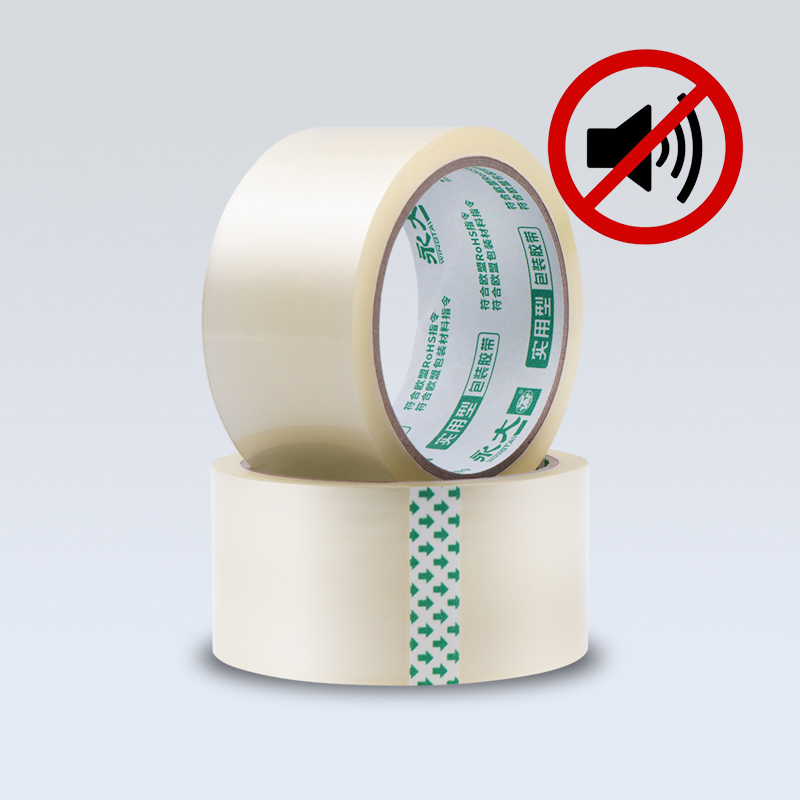
A stock image related to Low noise packaging tape.
In-depth Look: Manufacturing Processes and Quality Assurance for Low noise packaging tape
How is low noise packaging tape manufactured to achieve silent unwinding while maintaining adhesion strength? The production diverges from standard BOPP tape at the adhesive formulation and coating stages, requiring precision-controlled environments to balance acoustic dampening with sealing performance.
What Raw Materials Enable Noise Reduction in Packaging Tape?
The foundation of low noise tape begins with biaxially oriented polypropylene (BOPP) film, typically ranging from 25 to 50 microns in thickness. Unlike standard packaging tape substrates, manufacturers often select films with modified surface energy properties to optimize adhesive anchorage without increasing unwind resistance. The critical component, however, lies in the pressure-sensitive adhesive (PSA) layer—usually water-based acrylic formulations modified with plasticizers and release agents that reduce the “tack” noise generated when adhesive bonds break during unwinding.
Premium manufacturers utilize specialized release coatings applied to the non-adhesive side of the film. These silicone-based or polymer-modified coatings minimize friction between tape layers on the roll, eliminating the screeching sound caused by film-to-film contact. For B2B buyers sourcing from Asian or European suppliers, verifying that raw materials meet REACH compliance and FDA 21 CFR 175.105 standards for indirect food contact ensures regulatory compatibility across Middle Eastern and African markets.
How Do Manufacturers Control the Coating Process for Acoustic Performance?
The coating stage determines whether tape achieves true low-noise characteristics or merely reduced volume. Advanced production lines employ gravure or Meyer rod coating systems that deposit adhesive at precisely controlled thicknesses—typically 20-30 grams per square meter. Inconsistent coating weights create variable unwind forces, resulting in erratic noise patterns that disrupt warehouse environments.
Following coating, the tape undergoes controlled thermal drying at temperatures between 80°C and 120°C. This phase requires careful calibration; excessive heat degrades the plasticizers responsible for noise dampening, while insufficient curing leaves residual tack that causes aggressive bonding and louder separation sounds. Leading facilities utilize inline spectrophotometry to verify adhesive cure rates, ensuring batch-to-batch consistency that procurement teams can rely on for automated packaging lines.
What Quality Assurance Tests Validate Low Noise Performance?
Quality control for low noise tape extends beyond standard adhesion and tensile testing to include acoustic validation protocols. Manufacturers utilize decibel meters positioned at standardized distances (typically 30cm) from the unwind point, measuring sound levels during high-speed dispensing. Premium low noise tapes register below 60 decibels—comparable to normal conversation levels—compared to 75-80 decibels for conventional acrylic tapes.
Peel adhesion testing assumes heightened importance, as the same modifications that reduce noise must not compromise holding power. QC laboratories conduct 180-degree peel tests at 300mm/minute speeds across various substrates including corrugated cardboard, recycled paper, and polypropylene surfaces. Additionally, shear resistance testing ensures that the modified adhesive formulations maintain load-bearing capacity in tropical climates common to Nigerian or Vietnamese logistics corridors, where temperature fluctuations can compromise tape integrity.
Why Does Standard Packing Tape Create Excessive Noise During Application?
Understanding the acoustic failure modes of conventional tape helps buyers appreciate the engineering behind low noise alternatives. Standard hot melt or acrylic adhesives form rigid bonds with corrugated fibers; when force is applied during unwinding, these bonds snap suddenly, creating high-frequency vibrations in the film substrate. The “squeal” results from stick-slip friction between the adhesive and release coat, amplified by the tension of the dispensing mechanism.
Low noise manufacturing interrupts this cycle through “controlled failure” chemistry. The adhesive formulation incorporates microspheres or elastic polymers that deform gradually under stress, converting sudden bond breakage into gradual separation. This viscoelastic behavior requires sophisticated polymer blending equipment during production—capital investments that distinguish tier-one manufacturers from commodity suppliers in global B2B markets.
What Certifications and Standards Should International Buyers Verify?
When evaluating suppliers from Europe, the Middle East, or emerging African manufacturing hubs, B2B procurement teams should demand documentation beyond basic ISO 9001 quality management. Look specifically for ISO 14001 environmental management certifications, as low noise adhesive formulations often contain volatile organic compounds requiring controlled handling. For food logistics applications, BRCGS (Brand Reputation Compliance Global Standard) or IFS (International Featured Standards) certifications indicate that manufacturing environments prevent contamination risks during the coating process.
Technical data sheets should specify noise reduction percentages compared to standard tape benchmarks, ideally tested according to ASTM D3654 or PSTC-101 standards. Reputable manufacturers provide lot-specific test reports including adhesion retention after 72-hour conditioning at 40°C/90% relative humidity—critical parameters for buyers operating in humid subtropical climates.
How Can Buyers Audit Manufacturing Capabilities During Supplier Selection?
Site evaluations should focus on coating line automation levels and environmental controls. Facilities maintaining Class 100,000 cleanroom standards during adhesive coating demonstrate the contamination control necessary for consistent low noise performance. Examine whether suppliers utilize automated tension control systems during slitting operations, as uneven roll tension creates noise variations across the tape width.
Request samples from multiple production lots to verify consistency. Apply the “thumb test”—unwind 50cm of tape at moderate speed; quality low noise tape should produce minimal audible feedback while maintaining smooth, consistent unwind force without “chatter” or vibration. For high-volume contracts, consider specifying maximum decibel thresholds in purchase agreements, backed by third-party acoustic testing protocols to protect your operational environment standards.
Practical Sourcing Guide: A Step-by-Step Checklist for ‘Low noise packaging tape’
Procuring low-noise packaging tape requires balancing acoustic performance with operational durability, particularly when sourcing across international supply chains. This checklist provides B2B procurement teams with actionable criteria to evaluate specifications, supplier capabilities, and total cost implications specific to silent-seal adhesive technologies.
1. How Do You Determine the Optimal Noise Reduction Level for Your Operations?
Begin by measuring current decibel levels in your packing stations to establish baseline requirements. Low-noise tapes typically reduce unwinding noise by 50-70% compared to standard BOPP tapes, but specific thresholds vary by facility layout and shift patterns. For operations in shared industrial zones or residential-adjacent warehouses common in urban Nigeria or Vietnam, target products rated below 60dB during high-speed dispensing.
2. What Specifications Ensure Compatibility with Existing Packaging Infrastructure?
Verify core dimensions (typically 76mm for industrial dispensers) and tape width (48mm or 50mm standards) to prevent equipment retrofitting costs. Assess whether your automated carton sealing machines require specific film thicknesses—low-noise variants often use modified polypropylene films between 28-35 microns. Request technical datasheets confirming unwind force consistency, as irregular tension can negate noise-reduction benefits in high-volume Middle Eastern distribution centers.
3. How Should You Evaluate Adhesive Performance Across Diverse Climate Conditions?
Specify acrylic-based adhesives formulated for hot-humid climates prevalent in South American and Southeast Asian markets, ensuring tack retention above 25°C. Test adhesion on recycled corrugated substrates, which dominate African e-commerce packaging, since low-noise formulations sometimes compromise initial grab strength. Demand shear strength test reports (ASTM D3654) to verify packages remain sealed during multi-modal transit through varying altitudes and temperatures.
4. Which Supplier Credentials Matter for International B2B Procurement?
Prioritize manufacturers with ISO 9001 certification and documented export experience to your specific region, including familiarity with local import documentation and duty classifications. For European buyers, verify REACH compliance; for Middle Eastern markets, confirm Halal certification if applicable. Evaluate logistics capabilities—suppliers maintaining regional warehousing in Lagos, Dubai, or São Paulo can reduce lead times from weeks to days, critical for just-in-time inventory models.
5. How Do You Calculate True Total Cost of Ownership Beyond Unit Price?
Analyze cost per linear meter rather than per-roll pricing, as low-noise tapes often feature extended lengths (150m vs. standard 100m). Factor productivity gains: reduced noise fatigue correlates with 8-12% faster packing speeds in warehouse studies. Calculate waste reduction from superior adhesion—tapes requiring double-sealing on dusty African cardboard or humid South American exports eliminate material savings through rework.
6. What Quality Assurance Protocols Should You Establish Before Full Deployment?
Request production samples from three separate batches to test consistency in noise dampening and adhesive transfer. Implement incoming inspection protocols measuring unwind decibel variance (should not exceed ±3dB) and roll concentricity to prevent dispenser jams. Establish clear defect thresholds—acceptance criteria should specify zero tolerance for adhesive bubbling or film irregularities that could compromise silent unwinding—and negotiate replacement terms for non-conforming shipments before signing volume contracts.
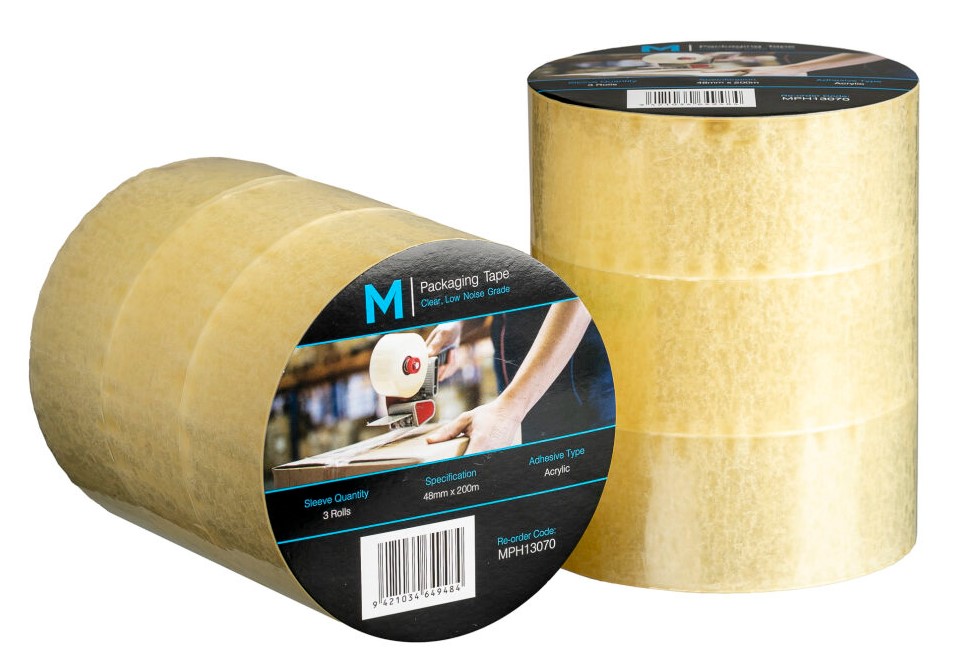
A stock image related to Low noise packaging tape.
Comprehensive Cost and Pricing Analysis for Low noise packaging tape Sourcing
Low-noise packaging tape commands a distinct price premium over standard polypropylene varieties due to its specialized acrylic adhesive formulations and precision-calmed film unwind characteristics. For procurement teams operating across emerging markets in Africa, South America, and the Middle East, understanding the granular cost drivers behind this acoustic-grade product is essential for accurate budget forecasting and supplier negotiation.
What raw material factors determine the base pricing of low-noise tape?
The primary cost differential stems from the adhesive chemistry. Low-noise tapes predominantly utilize water-based acrylic adhesives rather than conventional hot-melt rubber adhesives, increasing raw material costs by 15–25%. Additionally, the polypropylene film requires specialized surface treatments and unwind lubrication layers to dampen the “snap” sound during application. Thicker films (measured in microns) provide better noise suppression but exponentially increase material consumption per roll, directly impacting unit economics for bulk orders.
How do volume tiers and MOQs affect procurement strategies for regional buyers?
Manufacturers typically structure pricing in three distinct tiers: LCL (Less than Container Load), FCL (Full Container Load), and annual contract volumes. For buyers in Nigeria or Vietnam importing from East Asian manufacturing hubs, FCL commitments of 20-foot containers (approximately 2,000–2,500 master cartons) can reduce per-roll costs by 18–22% compared to LCL shipments. However, emerging market buyers should evaluate inventory carrying costs against these savings, as low-noise adhesives have finite shelf lives (typically 12–18 months) before acoustic properties degrade under tropical humidity conditions.
Why do regional manufacturing locations create significant price arbitrage opportunities?
Sourcing geography dramatically impacts landed costs. While Chinese manufacturers offer competitive base pricing ($0.12–$0.18 per roll for 48mm x 100m specifications), European producers (Germany, Italy) command premiums of 35–40% for tapes meeting stringent EU noise emission standards. For Middle Eastern buyers, sourcing from UAE-based converters can eliminate 8–12% in import duties compared to direct Asian imports, though unit prices remain higher. South American buyers often face the “Brazil cost” phenomenon—importing from Mexico or Colombia rather than Asia can reduce logistics complexity but increase per-unit costs by $0.03–$0.05.
What hidden costs impact the total landed price for international shipments?
Beyond FOB pricing, procurement teams must calculate customs harmonized system (HS) code classifications—adhesive tapes typically fall under 3919.10, attracting 5–15% duties depending on the destination country. Additionally, low-noise tapes require climate-controlled storage (18–23°C) to prevent adhesive migration that compromises acoustic performance; improper warehousing can result in 10–15% waste rates. Certification costs for REACH compliance (Europe) or SONCAP (Nigeria) add $800–$1,500 per shipment, amortizing differently across large versus small volumes.
How can buyers optimize total cost of ownership rather than focusing solely on unit price?
Strategic procurement involves calculating the “cost per quiet seal” rather than cost per roll. Premium low-noise tapes with consistent unwind tension reduce application time by 30% in high-volume fulfillment centers, lowering labor costs that often exceed material savings. Consolidating purchases with suppliers offering regional distribution hubs (e.g., Dubai for MEA markets, São Paulo for South America) minimizes freight fragmentation. Finally, negotiating 90-day payment terms against 30-day terms effectively reduces working capital costs by 2–3% annually, a critical consideration for buyers managing currency volatility in naira or real-denominated operations.
Alternatives Analysis: Comparing Low noise packaging tape With Other Solutions
When evaluating sealing solutions for high-volume distribution centers or office environments, procurement teams must weigh acoustic comfort against material costs and application efficiency. While low-noise polypropylene tape addresses specific workplace health concerns, two primary alternatives dominate the market: conventional high-noise acrylic tape and water-activated paper tape systems. Each solution presents distinct trade-offs in initial investment, operational workflow, and environmental impact that vary significantly across emerging markets with differing infrastructure and sustainability mandates.
| 比較の側面 | Low Noise Packaging Tape | Standard Acrylic Packaging Tape | Water-Activated Paper Tape (WAT) |
|---|---|---|---|
| Noise Level | 50-60 dB (whisper-quiet) | 75-85 dB (high-pitch screech) | 40-50 dB (minimal friction noise) |
| Material Base | Polypropylene film with rubber/resin adhesive | Polypropylene or PVC with acrylic adhesive | Kraft paper with starch-based adhesive |
| アプリケーション・スピード | High (immediate tack, no setup) | High (immediate tack, no setup) | Moderate (requires wetting/dispenser) |
| Seal Security | Good (susceptible to tampering) | Good (susceptible to tampering) | Superior (permanent bond, tamper-evident) |
| メーターあたりのコスト | $0.04–$0.06 | $0.02-$0.04 | $0.05-$0.08 |
| Equipment Required | Standard hand dispenser | Standard hand dispenser | Specialized water-activated dispenser ($200–$500) |
| Environmental Profile | Plastic-based, limited recyclability | Plastic-based, limited recyclability | Biodegradable, 100% recyclable with box |
| Climate Suitability | All climates (humidity/dust resistant) | All climates | High humidity required; poor adhesion in dusty/dry conditions (e.g., Middle East deserts) |
How Does Low Noise Packaging Tape Compare to Standard Acrylic Options?
Standard acrylic packaging tape remains the default choice for cost-sensitive operations in Nigeria, Vietnam, and South America, offering 30–40% lower material costs than low-noise variants. However, the high-frequency screech generated during unwinding creates significant acoustic pollution in enclosed warehouses and open-plan offices, potentially violating emerging occupational health standards in European markets. While suitable for outdoor construction sites or industrial zones where noise is irrelevant, the repetitive strain required to pull standard tape—often necessary to overcome the “squeal” resistance—can increase worker fatigue and carpal tunnel risks over eight-hour shifts. For B2B buyers prioritizing upfront savings over long-term productivity, standard tape suffices; however, operations near residential areas or within mixed-use commercial buildings may face noise complaints that offset initial savings through regulatory penalties or staff turnover.
Is Water-Activated Tape a Viable Alternative for Secure and Sustainable Operations?
Water-activated tape (WAT) presents a compelling alternative for enterprises prioritizing shipment security and circular economy goals, particularly in European markets with strict packaging waste directives. Unlike pressure-sensitive options, WAT forms a permanent mechanical bond with corrugated fibers, creating tamper-evident seals that show immediate visual damage if interfered with—critical for high-value electronics or pharmaceutical exports to the Middle East and Africa. However, the system requires capital investment in electric or manual dispensers ($200–$500) and consistent access to clean water, which may pose logistical challenges in regions with intermittent utilities or hard water that clogs mechanisms. Additionally, WAT performs poorly in dusty environments common in Nigerian logistics hubs or Saudi Arabian outdoor storage, where particulate contamination prevents proper adhesion. While the total cost of ownership balances out over high volumes due to reduced theft and material usage, the slower application speed and climate sensitivity make WAT less versatile than low-noise polypropylene for general-purpose B2B fulfillment.
Essential Technical Properties and Trade Terminology for Low noise packaging tape
When sourcing low-noise packaging tape for international distribution centers or retail fulfillment operations, technical specifications directly impact workplace compliance and productivity metrics. Unlike standard polypropylene tapes that generate unwinding noise exceeding 75 decibels—potentially violating occupational safety regulations in EU and Middle Eastern markets—specialized low-noise variants utilize modified adhesive chemistry and film treatments to maintain secure sealing while minimizing acoustic disturbance. Understanding these material properties ensures your procurement aligns with both operational requirements and regional noise abatement standards.
What Technical Specifications Determine Low-Noise Performance?
Acoustic Unwind Rating: The critical differentiator measured in decibels (dB) during high-speed dispensing. Premium low-noise tapes typically operate below 60 dB, compared to conventional tapes that produce sharp screeching during unwinding. For B2B buyers in noise-sensitive environments like Nigerian pharmaceutical distribution or Vietnamese electronics assembly, request batch-specific acoustic testing certificates rather than generic marketing claims.
Film Thickness (Micron/Gauge): Industrial low-noise tapes utilize biaxially oriented polypropylene (BOPP) films ranging 40–50 microns (1.6–2.0 mils). Thicker films reduce vibration-induced “flapping” noise but increase per-unit costs. Specify micron tolerances within ±2% when sourcing for automated packing lines to prevent dispensing inconsistencies that generate operational noise.
Modified Hot-Melt Adhesive Formulation: Standard natural rubber adhesives create friction against the release coating, generating noise. Low-noise variants employ specialized hot-melt or synthetic resin adhesives with lubricating additives, maintaining adhesion strength of 2.0–3.0 N/25mm while reducing acoustic resonance. Verify the adhesive maintains shear resistance above 24 hours under 1kg load to prevent carton failure during humid storage typical in South American climates.
Static Control Properties: Electrostatic discharge contributes to crackling during unwinding. Quality specifications include antistatic release coatings measured in surface resistivity (ohms per square), preventing dust attraction on African and Middle Eastern logistics routes where particulate contamination compromises seal integrity.
What Trade Terminology Should International Buyers Master?
Unwind Noise: The industry metric describing acoustic emissions when tape dispenses from the roll under tension. Distinguish between “hand-quiet” (manual dispensing) and “machine-quiet” (automated application) ratings, as automated systems generate different frequency ranges that may still violate workplace standards despite feeling quiet during manual testing.
Tack vs. Shear: Quick tack measures immediate adhesion to corrugated surfaces, while shear resistance indicates the tape’s ability to resist slippage under sustained load. Low-noise formulations sometimes compromise initial tack to achieve noise reduction—verify both metrics meet your specific logistics requirements, particularly for heavy export cartons common in European trade.
Caliper Consistency: Refers to uniform thickness across the web width. Inconsistent caliper causes “edge flutter” and dispensing jams that create secondary noise issues. Request documentation showing variance below ±5% for high-speed automated lines.
Release Coating Weight: The silicone-based layer allowing smooth unwinding, measured in milligrams per square meter (mg/m²). Low-noise tapes require heavier release coatings (typically 1.0–1.5 mg/m²) to reduce friction, though this affects hand-tearability—a consideration for manual packing stations in developing markets.
Core Crush Resistance (ECT): The Edge Crush Test rating of the cardboard core, critical for sea freight stability to African and South American ports. Specifications above 44 lbs/in prevent ovalization during transit, which causes binding and noise generation when loaded onto dispensers in humid warehouse environments.
Navigating Market Dynamics and Sourcing Trends in the Low noise packaging tape Sector
The low-noise packaging tape sector is experiencing accelerated transformation as global supply chains prioritize workplace ergonomics and environmental compliance. Unlike conventional polypropylene tapes that generate significant unwind noise—often exceeding 85 decibels and comparable to heavy traffic—low-noise variants utilize specialized acrylic formulations and silicone release coatings that reduce sound levels by up to 50%. This technical evolution addresses growing regulatory scrutiny in densely populated logistics corridors. For procurement teams operating across diverse economic environments—from Nigeria’s rapidly expanding e-commerce fulfillment networks to Vietnam’s manufacturing export zones—understanding these material distinctions is essential for strategic sourcing that balances operational efficiency with regulatory adherence.
What
Frequently Asked Questions (FAQs) for B2B Buyers of Low noise packaging tape
What is low noise packaging tape used for in warehouse operations?
Low noise packaging tape is specifically engineered for high-volume packing environments where acoustic comfort and worker wellbeing are prioritized. In warehouse operations across Nigeria, Vietnam, and similar markets, this tape eliminates the high-pitched screech associated with standard acrylic tapes during unwinding, reducing ambient noise levels by up to 50%. Facilities utilize this solution during night shifts, in open-plan distribution centers, and in urban locations where noise ordinances restrict operational hours. The technology enables 24/7 fulfillment capabilities without disturbing adjacent offices or residential areas, making it essential for modern logistics hubs operating in densely populated commercial zones.
How does low noise packaging tape compare to standard tape in decibel levels?
Standard packaging tape typically generates between 70-85 decibels during application—comparable to heavy traffic or a vacuum cleaner—while low noise variants operate at approximately 45-55 decibels, roughly equivalent to moderate rainfall or quiet conversation. This reduction is achieved through specialized film formulations and modified adhesive coatings that minimize friction during unwind, rather than simply dampening sound externally. For B2B buyers managing fulfillment centers in the Middle East or Europe, where occupational noise regulations often mandate exposure limits below 80 decibels over eight-hour shifts, this differential ensures compliance without sacrificing throughput. The acoustic advantage becomes particularly measurable in automated packing lines where hundreds of seals occur hourly, cumulatively reducing facility noise pollution significantly.
What are the benefits of using low noise packing tape for fulfillment centers?
Fulfillment centers experience immediate operational advantages including improved employee retention and reduced fatigue-related packing errors, as workers are no longer subjected to the psychological stress of repetitive high-frequency noise. The tape’s polypropylene or PVC backing maintains the same tensile strength as conventional options while enabling faster application speeds, since packers need not pause to mitigate noise discomfort. For facilities in South America and Africa experiencing rapid e-commerce growth, this technology supports scalability by allowing higher packing station density without acoustic interference between workstations. Additionally, the reduced noise profile facilitates better communication between floor staff and supervisors, decreasing miscommunication-related shipping errors by up to 15% in high-volume environments.
Is low noise packaging tape suitable for heavy-duty shipping applications?
Yes, premium low noise tapes utilize hot melt synthetic rubber adhesives or advanced acrylic formulations that provide superior shear resistance and holding power compared to standard noise-generating alternatives. These products withstand temperature fluctuations from -20°C to 60°C, making them suitable for containerized shipping from European hubs through equatorial climates to African destinations. B2B buyers should verify the tape’s tensile strength rating—typically 30-50 N/cm for heavy-duty variants—and ensure the adhesive mass exceeds 25g/m² for secure sealing of corrugated boxes up to 40kg. The technology is particularly valuable for industrial exporters in Vietnam and Nigeria who require both secure transit protection and compliance with increasingly strict noise regulations at origin and destination ports.
How can international B2B buyers calculate ROI when transitioning to low noise packaging tape?
Return on investment calculations must factor in indirect cost savings including reduced worker compensation claims for noise-induced hearing strain, lower turnover rates in packing departments, and potential elimination of hearing protection equipment expenses. While unit costs typically run 15-25% higher than standard tape, facilities often recover this investment within 3-6 months through increased packing speeds—studies indicate workers apply low noise tape 8-12% faster due to reduced hesitation and fatigue. Buyers should conduct time-motion studies comparing application rates and error frequencies between tape types, while consulting local occupational health regulations to determine potential insurance premium reductions for maintaining quieter workplaces. For procurement teams in the Middle East and Europe, factor in extended operational hour permissions granted by municipalities for facilities meeting specific noise abatement criteria.
What storage protocols ensure low noise tape performance in humid climates?
Low noise packaging tape requires climate-controlled storage between 15°C and 25°C with relative humidity below 70% to prevent adhesive degradation and film blocking, critical considerations for buyers in tropical regions like Nigeria and Southeast Asia. Unlike standard tapes, the specialized coatings on low noise variants can become tacky or develop adhesive transfer if exposed to high humidity before application, potentially compromising the quiet-unwind technology. Warehouses should store inventory on pallets away from concrete floors that may sweat during monsoon seasons, and rotate stock using FIFO (First In, First Out) methods to prevent aging of the pressure-sensitive adhesive layers. If ambient humidity consistently exceeds 65%, consider investing in dehumidified storage areas or moisture-barrier packaging for tape inventories to maintain the acoustic properties and adhesion strength required for international shipping standards.
Can low noise packaging tape be customized with corporate branding for B2B shipments?
Yes, manufacturers now offer custom printing capabilities on low noise film substrates, allowing companies to incorporate logos, handling instructions, or security markings without compromising the acoustic dampening properties. The printing process utilizes specialized flexographic or digital techniques that maintain the tape’s surface integrity, ensuring that branded elements do not create additional friction points that would increase unwinding noise. For exporters targeting European and Middle Eastern markets, custom-printed low noise tape serves dual functions as both a noise-reduction tool and a brand reinforcement mechanism that communicates corporate professionalism upon package receipt. Minimum order quantities typically start at 5,000-10,000 rolls for custom designs, with lead times of 4-6 weeks, making this viable for established B2B operations with consistent shipping volumes.
What certifications should B2B buyers verify when sourcing low noise tape for international distribution?
Buyers should prioritize ISO 9001 certified manufacturers and verify compliance with REACH regulations for European markets or equivalent chemical safety standards for Middle Eastern and African destinations. For food and pharmaceutical logistics, ensure the tape meets FDA or EU 10/2011 food contact material standards, as the specialized adhesives in low noise formulations must not contain plasticizers that could migrate into sensitive cargo. Environmental certifications such as FSC or recyclable content verification are increasingly important for B2B buyers serving sustainability-conscious markets in Europe and South America. Additionally, request acoustic testing documentation from suppliers—specifically decibel level measurements conducted in controlled environments—to verify that the product genuinely meets low noise specifications rather than being standard tape marketed with acoustic claims.
重要な免責事項および利用規約
⚠️ 重要な免責事項
メーカー、技術仕様、市場分析に関する内容を含め、本ガイドラインで提供される情報は、情報提供と教育目的のみのものです。専門的な調達アドバイス、財務アドバイス、または法的アドバイスを提供するものではありません。.
B2Bバイヤーは、独自の徹底的なデューデリジェンスを行う必要がある。 をご覧の上、ご購入をお決めください。本ガイドに記載された情報を信頼した場合のリスクは、読者が単独で負うものとします。.
Top 4 Low Noise Packaging Tape Manufacturers & Suppliers List
1.パルテック - 低ノイズOPPパッキングテープ
ドメイン パルテック・パッキング・ドットコム
登録:2023年(3年間)
はじめに Product: Low Noise OPP Packing Tape. Manufacturer: Partech® (Yilane (Shanghai) Industrial Co Ltd), China. Material: High-quality OPP (Oriented Polypropylene). Key Features: Significantly reduces unwinding noise compared to standard packing tapes; high adhesion/sticky backing ensures secure sealing; tamper-resistant; protects packages from dirt, dust, moisture, and external damage. Applications: Su…
2. Nitto El Material Co., Ltd. – Packaging OPP tape (EZ dampron)
ドメイン us.metoree.com
登録:2020年(6年)
はじめに This company, Nitto El Material Co., Ltd. – Packaging OPP tape (EZ dampron), is a notable entity in the market.
3. Specialty Tapes – Low Noise Packaging Tape
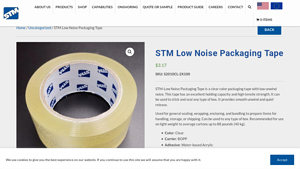
ドメイン specialtytapes.net
登録:1999年(27年)
はじめに STM Low Noise Packaging Tape (SKU: S2010CL-2X100) is a clear BOPP packaging tape featuring water-based acrylic adhesive. Key features include low unwind noise, smooth unwind, quiet release, excellent holding capacity, and high tensile strength. Specifications: 2 mils total thickness, 20 oz/in peel adhesion. Applications: General sealing, wrapping, enclosing, and bundling for handling, storage, or …
4. Tape Suppliers – Industrial Tape Products

ドメイン tapesuppliers.com
登録:2007年(19年)
はじめに Product categories include 3M Tape, Adhesive Tape, Carpet Tape, Cloth Tape, Duct Tape, Electrical Tape, Foam Tape, Foil Tape, High Temperature Tape, Masking Tape, PTFE Tape, Sealing Tape, Teflon Tape, and Vinyl Tape. Services include die cutting, converting, and custom tape solutions. The directory features manufacturers, suppliers, and distributors providing these tape products and related servic…
Strategic Sourcing Conclusion and Outlook for Low noise packaging tape
As global supply chains prioritize workplace ergonomics and residential logistics, low-noise packaging tape has transitioned from a niche convenience to a strategic operational asset. For international procurement teams navigating diverse regulatory environments from Lagos to Leipzig, selecting the right silent sealing solution requires balancing acoustic performance with adhesive reliability, climate resilience, and total cost of ownership.
How Can Buyers Future-Proof Their Low-Noise Tape Procurement Strategy?
Organizations should prioritize suppliers offering consistent BOPP film quality and solvent-free acrylic adhesives that maintain tack integrity across humid tropical climates and arid Middle Eastern conditions. Establishing multi-regional supplier networks mitigates currency fluctuation risks while ensuring compliance with evolving EU packaging waste directives and emerging sustainability standards in South American markets. Bulk procurement agreements should explicitly specify decibel-level certifications and temperature stability guarantees to avoid performance degradation during international transit.
What Are the Emerging Trends in Silent Packaging Solutions for Global Markets?
The convergence of e-commerce expansion and stringent workplace wellbeing regulations is accelerating demand for ultra-quiet dispensing systems. Forward-thinking buyers are now specifying tapes compatible with automated quiet-dispense machinery, particularly for high-volume fulfillment operations in densely populated urban centers across Nigeria, Vietnam, and European logistics hubs where municipal noise ordinances increasingly restrict operational hours and decibel levels.
By treating low-noise tape procurement as a component of broader facility management and CSR initiatives rather than merely a consumable expense, B2B buyers can secure competitive advantages through enhanced worker retention, community goodwill, and extended operational windows in noise-sensitive environments.