Introduction: Navigating the Global Market for Transparent low noise tape
Sourcing transparent low noise tape for high-volume packaging operations represents a strategic procurement decision for logistics leaders seeking to eliminate acoustic disruption while maintaining supply chain integrity. Across emerging markets—from Brazil’s industrial corridors to Saudi Arabia’s smart logistics zones and Europe’s sustainability-focused distribution networks—the demand for silent-sealing solutions has intensified as companies prioritize workplace ergonomics and regulatory compliance alongside operational throughput.
Why Is Silent Unwinding Critical for Modern Warehouse Efficiency?
Traditional packaging tapes generate disruptive noise levels that compromise worker concentration and violate emerging occupational health standards in densely populated logistics hubs. This guide systematically examines how transparent low noise tape technologies utilizing specialized polypropylene films and advanced water-based adhesives deliver superior carton sealing without the acoustic pollution, while offering the climate resilience necessary for diverse regional storage conditions spanning tropical humidity to arid heat.
What Comprehensive Procurement Insights Await Regional Buyers?
Throughout the following sections, we dissect essential technical specifications—including film thickness, tensile strength, and automated compatibility—alongside application-specific guidance for e-commerce fulfillment, pharmaceutical distribution, and heavy-goods shipping. For procurement teams in Africa, South America, the Middle East, and Europe, we provide actionable frameworks for supplier vetting, quality assurance protocols, cost-optimization strategies, and climate-specific storage requirements. By synthesizing material science expertise with regional market intelligence, this resource empowers B2B decision-makers to specify adhesive solutions that reduce total cost of ownership while enhancing workplace environments and ensuring package integrity across international supply chains.
Understanding Transparent low noise tape Types and Variations
| タイプ名 | 主な特徴 | 主なB2Bアプリケーション | バイヤーのための簡単な長所と短所 |
|---|---|---|---|
| Acrylic-Based Transparent Low-Noise Tape | Water-based acrylic adhesive; stable 15-30°C storage; UV resistant; non-yellowing | Long-term warehousing, export to hot climates (Middle East, Africa), archival storage | Pros: Excellent aging resistance, temperature stable Cons: Lower initial tack, premium pricing |
| Hot-Melt Synthetic Transparent Low-Noise Tape | Synthetic rubber adhesive; high initial grab; moisture/dust sealing; 1.6-2.6 mil thickness | High-volume fulfillment centers, cold storage logistics, immediate carton handling | Pros: Aggressive adhesion, cost-effective volume pricing Cons: Potential adhesive transfer in extreme heat if quality is inconsistent |
| Heavy-Duty Industrial Transparent Low-Noise Tape | 2.6+ mil thickness; 25+ lbs/inch tensile strength; reinforced polypropylene backing | Heavy machinery parts, export palletizing, rough-handling supply chains (mining, agriculture) | Pros: Split-resistant, secure for 20+ kg loads Cons: Requires calibrated dispensers, higher per-roll cost |
| Custom Printable Transparent Low-Noise Tape | Surface-treated for flexo/screen printing; maintains optical clarity; silent unwind | Brand authentication, retail-ready packaging, tamper-evident sealing | Pros: Marketing value, security traceability Cons: MOQ 500+ rolls, longer lead times, design plate costs |
| Water-Based Eco-Friendly Low-Noise Tape | Solvent-free adhesive; recyclable PP backing; low VOC emissions; food-safe indirect contact | Pharmaceutical packaging, food & beverage distribution, EU sustainability compliance | Pros: Environmental compliance, non-toxic Cons: Humidity-sensitive application, longer curing period |
Which Acrylic-Based Transparent Low-Noise Tape Suits Long-Term Storage and Export Needs?
Acrylic-based transparent low-noise tape utilizes water-based adhesives that maintain stable tack across temperature fluctuations common in transcontinental shipping to Africa and the Middle East. Its UV-resistant properties prevent yellowing during extended outdoor storage, while the silent unwind mechanism ensures warehouse compliance with noise regulations. B2B buyers should verify the 15-30°C storage requirement to preserve low-noise characteristics and specify thicknesses above 2.0 mil for cartons exceeding 15kg.
How Does Hot-Melt Synthetic Low-Noise Tape Optimize High-Volume Packaging Operations?
Hot-melt synthetic variants deliver aggressive initial tack essential for high-speed automated lines in Brazilian and Saudi Arabian distribution centers, sealing cartons immediately without noise disruption. The synthetic rubber adhesive creates moisture barriers critical for humid South American climates. When sourcing, buyers should request tensile strength specifications above 20 lbs/inch and confirm the tape performs consistently in facility temperatures ranging from 10°C to 40°C to avoid seasonal adhesion failures.
What Makes Heavy-Duty Industrial Transparent Low-Noise Tape Essential for Heavy Export Logistics?
Industrial-grade transparent low-noise tape features reinforced polypropylene backings exceeding 2.6 mil thickness and tensile strengths of 25+ lbs/inch, specifically engineered for mining equipment and agricultural exports common in African and South American markets. This variation prevents splitting during rough handling while maintaining silent operation. Procurement teams should prioritize suppliers offering consistent roll diameter tolerances to prevent jam
Key Industrial Applications of Transparent low noise tape
| 業界/セクター | Specific Application of Transparent low noise tape | ビジネスにとっての価値/利益 | このアプリケーションにおける主な調達上の考慮事項 |
|---|---|---|---|
| E-commerce Fulfillment & 3PL | High-volume carton sealing for international shipments and automated sortation lines | Eliminates acoustic fatigue in 24/7 operations; crystal-clear finish ensures barcode scanner readability; strong adhesion prevents tampering during multi-modal transit | Specify acrylic adhesive formulations for climate stability across humid African and Middle Eastern logistics hubs; bulk container-load pricing; compatibility with high-speed dispensers |
| 医薬品・ヘルスケア流通 | Sealing medical supply cartons, temperature-sensitive drug shipments, and sterile equipment packaging | Silent unwinding maintains cleanroom compliance; moisture-resistant seal protects sterile contents; non-toxic composition meets strict healthcare regulations | Verify FDA/CE compliance documentation; confirm storage temperature guidelines (15–30°C) for hot climate warehousing; batch traceability for supply chain security |
| Electronics Manufacturing & Export | Packaging consumer electronics and components for ocean freight and air cargo export | Low-noise application supports cleanroom assembly environments; high tensile strength withstands container stacking pressure; transparent finish allows customs inspection without box opening | Ensure anti-static properties; validate humidity resistance for tropical sea freight; compatibility with automated carton sealing machines for high-volume export operations |
| Retail & Consumer Goods Distribution | Palletizing and carton sealing for omnichannel supply chains with branded packaging requirements | Printable surface enables logo application and handling instructions; durable seal withstands rough handling in emerging market logistics; cost-effective for high-volume operations | Request custom slit widths for diverse carton sizes; verify water-based adhesive eco-credentials for EU market entry; UV resistance for outdoor storage in Middle Eastern distribution yards |
How Does Transparent Low Noise Tape Optimize High-Volume E-commerce Operations?
In fulfillment centers across São Paulo, Lagos, and Dubai, transparent low noise tape addresses critical operational challenges in high-volume environments. These facilities process thousands of daily shipments requiring rapid, continuous sealing without the acoustic fatigue caused by standard packaging tapes. The silent unwinding property proves essential for 24/7 operations in noise-sensitive urban logistics hubs, while the crystal-clear finish ensures barcode visibility for automated sorting systems. For buyers in emerging markets, selecting acrylic-based formulations provides superior adhesion stability across extreme temperature variations—from humid West African climates to air-conditioned Middle Eastern warehouses—preventing seal failure during international transit.
What Are the Pharmaceutical Packaging Compliance Requirements for Low Noise Tape?
Pharmaceutical distributors in Saudi Arabia, South Africa, and European Union markets utilize transparent low noise tape for sealing temperature-sensitive medical shipments and sterile equipment. The tape’s non-toxic, environmentally friendly composition aligns with stringent healthcare regulations, while its moisture-resistant properties protect critical supplies during long-distance transport through varying climates. Silent application proves particularly valuable in hospital mailrooms and cleanroom environments where acoustic contamination must be minimized. Buyers should prioritize suppliers offering batch traceability and compliance with international medical packaging standards, ensuring product integrity from manufacturing facilities through to end-user delivery in diverse regional healthcare systems.
Why Is Silent Packaging Tape Critical for Electronics Export Manufacturing?
Electronics manufacturers exporting from Mexico, Brazil, and Eastern Europe to global markets rely on transparent low noise tape for protecting sensitive components during ocean freight and air cargo. The tape’s high tensile strength and anti-pull properties prevent carton failure under the compression of container stacking, while the low-noise application supports cleanroom assembly environments where worker concentration is paramount. Clear tape maintains professional aesthetics for retail-ready packaging while allowing content inspection without box opening—a critical feature for customs clearance in Middle Eastern and African ports. Sourcing considerations include compatibility with automated carton sealers and resistance to humidity during tropical transit.
Where Can Retail Distributors Implement Branded Transparent Low Noise Tape Solutions?
Major retailers and consumer goods distributors across Brazil, the UAE, and South Africa leverage printable transparent low noise tape to combine secure logistics with brand visibility. This application solves the dual challenge of high-volume warehouse efficiency and marketing presentation, allowing custom logos and handling instructions to be printed directly on the tape surface. The durability withstands rough handling characteristic of emerging market supply chains, while water-based adhesive formulations meet increasing EU and Middle Eastern environmental regulations. For international buyers, sourcing strategies should focus on suppliers capable of providing consistent color matching for branded prints and rolls optimized for both manual dispensers and high-speed automated lines.
A stock image related to Transparent low noise tape.
3 Common User Pain Points for ‘Transparent low noise tape’ & Their Solutions
Why Does Standard Packing Tape Create Disruptive Noise in High-Volume Fulfillment Centers?
問題だ: In busy distribution hubs across São Paulo or Riyadh, standard packing tape produces sharp, repetitive screeching during unwind, often exceeding 85 decibels. This acoustic pollution violates occupational health standards in European and Middle Eastern jurisdictions while triggering worker fatigue and concentration loss. Operations managers struggle to maintain productivity during night shifts or in mixed-use industrial zones where strict noise ordinances restrict commercial activity after hours.
解決策 Deploy transparent low noise tape engineered with specialized polypropylene backing and optimized unwind force technology. These tapes operate below 60 decibels while maintaining the tensile strength required for heavy carton sealing. The water-based adhesive formulation ensures consistent performance across automated and manual applications without the “squeal” associated with conventional hot-melt tapes, creating compliant work environments that support 24/7 operations in densely populated logistics corridors.
Will Low Noise Tape Jam in Existing Automatic Carton Sealers?
問題だ: Procurement teams in scaling e-commerce markets like Nigeria or the UAE hesitate to switch tape types due to fears of production line interruptions. Many assume low noise formulations require specialized dispensers or suffer from delamination during high-speed application. This concern intensifies in facilities using mixed equipment—automated lines alongside manual stations—creating inventory complexity if tapes aren’t interchangeable across both systems.
解決策 Select universal-grade transparent low noise tapes constructed with non-stretchable polypropylene and reinforced anti-splitting properties. Premium variants feature stable unwinding compatible with high-speed automatic sealers and handheld dispensers without equipment modifications. Specify “machine-grade” certification with hot-melt or acrylic adhesive options that resist gumming on rollers. This versatility eliminates the inventory headache of maintaining separate stocks for different packing stations while ensuring seamless integration into existing Brazilian or Saudi fulfillment workflows.
How Can You Maintain Low Noise Tape Performance in Extreme Heat and Humidity?
問題だ: Operations managers in tropical African climates or the arid Middle East face unique challenges: standard tapes become brittle in high heat, while low noise variants risk losing silent unwind properties when stored above 30°C in non-climate-controlled warehouses. Humidity causes adhesive bleeding, and temperature fluctuations alter noise-dampening coatings, resulting in “squeaky” performance that defeats the investment purpose during critical shipping periods.
解決策 Implement climate-stable transparent low noise tapes featuring water-based acrylic adhesives rated for broad temperature ranges (-10°C to 50°C). Establish strict storage protocols maintaining 15°C to 30°C ambient temperatures in shaded, ventilated areas—critical for preserving acoustic properties. For facilities lacking climate control, adopt just-in-time delivery to minimize storage duration. These measures ensure the tape maintains dirt-resistant sealing and silent operation during humid monsoon seasons or scorching Gulf summers, protecting package integrity and workplace acoustics.
Strategic Material Selection Guide for Transparent low noise tape
When evaluating transparent low-noise tape for international procurement, the substrate film determines not only acoustic performance but also tensile strength, climatic resilience, and total cost of ownership. B2B buyers operating across diverse regions—from the humid logistics hubs of Brazil to the temperature-controlled facilities of Saudi Arabia—must balance silent unwinding properties against material durability and adhesive compatibility. The following analysis examines the primary film substrates used in commercial low-noise applications, providing actionable selection criteria for high-volume purchasing decisions.
Which film backing offers the best balance of cost and acoustic performance for bulk procurement?
Biaxially Oriented Polypropylene (BOPP) dominates the transparent low-noise tape market due to its exceptional cost-efficiency and compatibility with specialized acrylic and hot-melt adhesives that dampen unwinding noise. This material provides sufficient tensile strength—typically 25–30 lbs per inch—for standard carton sealing while maintaining crystal clarity for barcode scanning and inventory management. For buyers managing high-volume distribution centers, BOPP offers the advantage of custom printability for branding, though it requires precise storage between 15–30°C to prevent adhesive degradation that could increase noise levels. The material performs reliably in automated dispensing systems, making it ideal for e-commerce fulfillment operations across Europe and South America.
Is polyethylene tape the optimal choice for cold-chain logistics and quiet warehouse operations?
Polyethylene (PE) film delivers inherently softer unwinding characteristics compared to BOPP, producing minimal friction noise even in manual dispensing applications without specialized low-noise adhesives. This material exhibits superior flexibility at low temperatures, maintaining adhesive integrity in cold storage environments common in pharmaceutical logistics and food export operations throughout Africa and the Middle East. While PE tapes offer lower tensile strength—making them less suitable for heavy pallet strapping—they excel in mailroom applications, gift wrapping, and bundling where worker comfort and acoustic compliance are prioritized. Procurement teams should note that PE films provide excellent moisture resistance but may exhibit slight haze compared to BOPP, potentially affecting optical scanning in high-speed sorting facilities.
When does polyester film become essential for heavy-duty silent sealing applications?
Polyester (PET) film substrates address the most demanding industrial applications where tensile strength and dimensional stability cannot be compromised for noise reduction. With tensile values exceeding 40 lbs per inch, PET low-noise tapes secure heavy export cartons and palletized loads for long-distance shipping without splitting or delamination, even under rough handling conditions. The material’s thermal stability prevents shrinkage in high-temperature warehouses, though this rigidity requires carefully calibrated unwind force to maintain silent properties. While PET commands a premium price point, its durability reduces tape consumption per sealed unit, offering favorable lifecycle costs for automotive parts and machinery exporters requiring tamper-evident, quiet sealing.
Why do premium office environments specify cellulose acetate for absolute acoustic discretion?
Cellulose Acetate represents the premium tier of transparent low-noise tapes, offering biodegradable properties alongside virtually silent unwinding for executive office suites, archival facilities, and luxury retail packaging. Unlike polyolefin films, cellulose acetate generates minimal static electricity and produces no squeak during manual application, making it ideal for document repair and presentation packaging where noise disruption is unacceptable. However, procurement managers must weigh significantly higher material costs and limited availability against the acoustic benefits, reserving this substrate for low-volume, high-value applications rather than industrial shipping operations.
| 素材 | Typical Use Case for Transparent low noise tape | 主な利点 | 主な欠点/制限 | 相対コスト |
|---|---|---|---|---|
| BOPP (Biaxially Oriented Polypropylene) | High-volume carton sealing, automated packaging lines, e-commerce fulfillment | Cost-efficient with excellent printability; compatible with quiet-unwind adhesives | Requires climate-controlled storage (15–30°C) to maintain low-noise properties | 低い |
| Polyethylene (PE) | Cold-chain logistics, mail rooms, manual bundling, gift wrapping | Superior low-temperature flexibility; inherently quiet manual unwinding | Lower tensile strength; slight optical haze affects scanning clarity | Low-Medium |
| ポリエステル(PET) | Heavy-duty export shipping, pallet strapping, automotive parts sealing | Exceptional tensile strength and thermal stability for harsh environments | Higher rigidity requires precise dispenser calibration; premium pricing | 高い |
| Cellulose Acetate | Executive documentation, archival repair, luxury retail packaging | Biodegradable with absolute silent operation and anti-static properties | Limited availability; unsuitable for high-volume industrial applications | Premium |
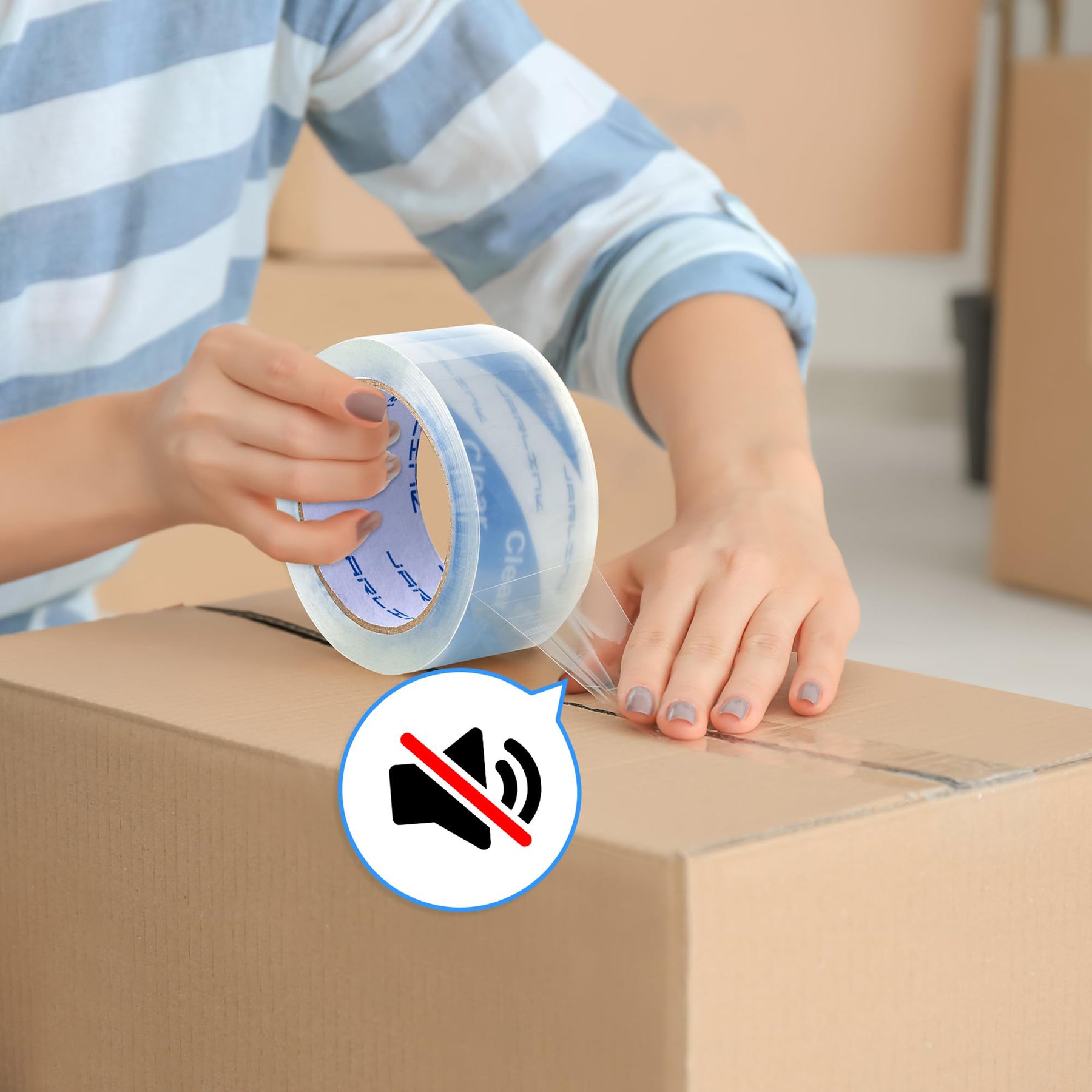
A stock image related to Transparent low noise tape.
In-depth Look: Manufacturing Processes and Quality Assurance for Transparent low noise tape
Understanding the manufacturing intricacies behind transparent low noise tape empowers procurement teams to assess supplier capabilities beyond surface-level specifications. For B2B buyers operating high-volume packaging lines in diverse climates—from the humid regions of Brazil to the arid zones of the Middle East—manufacturing consistency directly impacts operational efficiency and worker comfort. The production of these specialized tapes involves precise engineering of polypropylene backings and advanced adhesive formulations to achieve that critical balance between silent unwinding, crystal clarity, and robust sealing strength required for international logistics.
What Raw Materials Determine the Performance of Transparent Low Noise Tape?
The foundation of premium transparent low noise tape begins with biaxially oriented polypropylene (BOPP) film selection. Manufacturers utilize high-grade polypropylene resins with specific molecular weight distributions to create backings that offer both optical clarity and acoustic dampening properties. Unlike standard packaging tapes that may utilize PVC or lower-grade polyolefins, transparent low noise variants require film thicknesses typically ranging between 25-50 microns, calibrated to minimize vibration during unwinding while maintaining tensile integrity.
Adhesive formulation represents the second critical component. Water-based acrylic emulsions dominate high-quality production lines, offering stable viscosity across temperature fluctuations essential for markets like Saudi Arabia or Nigeria. These adhesives undergo modification with specialized tackifiers that enhance initial grab strength without increasing unwinding resistance. For machine-grade applications, hot-melt synthetic rubber adhesives provide immediate tack, though they require precise coating weights to prevent the “squeal” associated with aggressive bonding. The interaction between backing smoothness and adhesive cohesion ultimately determines the decibel level during application—a crucial specification for warehouse environments where noise pollution affects productivity.
How Is the Low Noise Property Engineered During Manufacturing?
The transformation from raw materials to finished tape occurs through precision coating and controlled tension winding systems. During the coating phase, manufacturers employ either direct gravure roll coating or slot-die coating methods to apply adhesive layers ranging from 20-30 microns thickness. The critical innovation for noise reduction lies in the application of specialized release coatings on the non-adhesive side of the BOPP film, creating a micro-smooth surface that eliminates the “stick-slip” friction responsible for screeching sounds during dispensation.
Calendering processes further refine the film surface, compressing microscopic irregularities that could generate acoustic vibration. Following coating, the jumbo rolls undergo precision slitting using razor or shear-cut technology to ensure clean, burr-free edges—frayed edges contribute significantly to operational noise. Winding tension control proves paramount; excessive tension creates hard rolls that resist smooth unwinding, while insufficient tension causes telescoping and edge damage. Advanced manufacturing facilities utilize computerized tension control systems that adjust dynamically during the winding process, ensuring each roll maintains optimal firmness for both manual dispensers and automated carton sealing machines.
What Quality Control Tests Validate Low Noise Performance and Durability?
Rigorous quality assurance protocols separate commodity tape producers from industrial-grade suppliers capable of serving international B2B markets. Comprehensive testing begins with unwind force measurement, where technicians use calibrated force gauges to ensure rolls release at 0.5-1.5 N/cm—sufficiently light to prevent noise yet robust enough to maintain roll integrity during high-speed application. Peel adhesion testing (ASTM D3330 standards) validates that transparent low noise tapes achieve 4-6 N/25mm adhesion to corrugated surfaces, ensuring secure seals during the rigors of ocean freight or overland transport across varying climates.
Tensile strength testing confirms the backing can withstand 25-50 lbs per inch without splitting, critical for palletized loads experiencing shifting stresses. For transparency specifications, haze and clarity meters measure light transmission rates, ensuring the tape maintains carton visibility for barcode scanning and inventory management. Additionally, accelerated aging tests simulate extended storage in tropical conditions (40°C/75% humidity) to verify that the low noise properties remain stable and that adhesives resist yellowing or delamination. Batch consistency testing ensures that color, thickness, and unwind characteristics remain uniform across production runs exceeding hundreds of thousands of rolls.
Why Does Temperature Management Matter During Production and Storage?
Temperature control serves as the silent guardian of low noise tape performance throughout the manufacturing cycle and subsequent storage. During production, adhesive coating operations require climate-controlled environments maintaining 20-25°C to ensure consistent viscosity and proper wetting of the BOPP film. Post-production, maintaining storage parameters between 15-30°C reflects critical chemical stability requirements; elevated temperatures accelerate adhesive flow, potentially causing bleeding or edge ooze that compromises unwind silence, while cold storage increases glass transition temperatures, making adhesives brittle and noisy upon application.
For buyers in regions like the Middle East or South America, understanding these thermal parameters proves essential for supply chain planning. Manufacturers serving these markets must utilize heat-stabilized formulations and insulated shipping containers to maintain product integrity during transit. Warehouse receiving protocols should include temperature logging to verify that products haven’t experienced thermal excursions that would permanently alter the acoustic properties or adhesion performance before reaching the packaging line.
How Can B2B Buyers Verify Manufacturing Standards and Supply Chain Reliability?
Procurement teams should demand comprehensive documentation validating manufacturing excellence and regulatory compliance. ISO 9001:2015 certification indicates standardized quality management systems, while ROHS and REACH compliance certificates confirm the absence of restricted substances in adhesives and films—critical for European markets and increasingly important for Middle Eastern environmental regulations. Factory audit reports revealing cleanroom standards for coating operations and automated defect detection systems (camera-based inspection for bubbles, wrinkles, or contamination) provide additional assurance.
Requesting production samples from specific batch numbers allows independent testing of unwind noise levels using decibel meters and adhesion verification against your specific carton substrates. Reliable suppliers provide Certificates of Analysis (CoA) detailing peel strength, tensile values, and dimensional tolerances for each production lot. For long-term partnerships, establishing statistical process control (SPC) data sharing agreements enables buyers to monitor manufacturing consistency remotely, ensuring that transparent low noise tape specifications remain stable across quarterly orders and seasonal production variations.
Practical Sourcing Guide: A Step-by-Step Checklist for ‘Transparent low noise tape’
Sourcing transparent low-noise tape for international operations requires balancing acoustic performance with climate resilience. Buyers across diverse regions—from humid Brazilian distribution centers to temperature-fluctuating Middle Eastern warehouses—must verify specifications that ensure silent unwinding properties remain stable during transit and storage while maintaining strong carton-sealing adhesion.
How Do You Verify Acoustic Performance Standards?
Request technical data sheets documenting silent unwinding decibel levels and absence of foil delamination noise. Conduct dispenser tests using your specific equipment, as “low noise” definitions vary by manufacturer. Verify the tape produces minimal sound when applied at high speeds typical of automated packaging lines, ensuring workplace noise reduction targets are met without sacrificing application efficiency.
Which Adhesive Formulation Suits Your Regional Climate Conditions?
Evaluate water-based acrylic versus hot-melt adhesives based on your regional temperature extremes. For hot climates like Saudi Arabia or Brazil, select formulations maintaining tack integrity above 40°C. Confirm the adhesive performs reliably across the 15–30°C storage range to preserve low-noise characteristics. Request humidity resistance data if operating in coastal or tropical environments where moisture affects tape unwinding properties.
How Do You Assess Film Durability and Tensile Strength?
Examine polypropylene backing thickness (typically 1.6–2.6 mil) and tensile strength ratings (minimum 25 lbs per inch) to prevent splitting during rough handling. Verify anti-pull properties ensure cartons remain sealed during long-distance international shipping. Request samples to test resistance to dirt and moisture penetration, critical for maintaining seal integrity across varying transportation modes from ocean freight to overland distribution.
What Customization Options Maximize Brand Visibility?
Confirm printing capabilities for logo application on transparent substrates without compromising clarity. Specify core dimensions (standard 3-inch) compatible with existing dispensers and automated sealing machinery. Determine optimal roll lengths—ranging from 55 yards for manual applications to 1000+ yards for high-volume automated lines—to minimize changeover frequency while accommodating your packing volume requirements.
How Should You Structure Quality Assurance Protocols?
Establish batch testing procedures for consistent unwinding force and adhesion stability. Verify suppliers implement strict quality control during production to avoid variations that affect noise levels. Request environmental compliance certifications confirming non-toxic, eco-friendly formulations suitable for sustainable packaging mandates increasingly common in European markets. Ensure documentation supports customs clearance requirements for your specific import regions.
What Logistics and Storage Parameters Protect Tape Integrity?
Negotiate temperature-controlled shipping containers, particularly for sea freight routes through tropical zones. Implement warehouse storage maintaining 15–30°C ambient temperatures to prevent adhesive degradation that could increase unwinding noise. Establish first-in-first-out inventory rotation to utilize stock within optimal performance windows, ensuring the decade-long durability potential remains intact from production through final application.
How Do You Calculate Total Cost of Ownership Beyond Unit Price?
Factor in dispenser compatibility reducing equipment changeover costs, extended shelf life minimizing waste, and reduced workplace noise complaints. Evaluate supplier lead times and minimum order quantities against your cash flow cycles, particularly important for emerging market operations requiring flexible payment terms and consolidated shipping options to optimize landed costs.
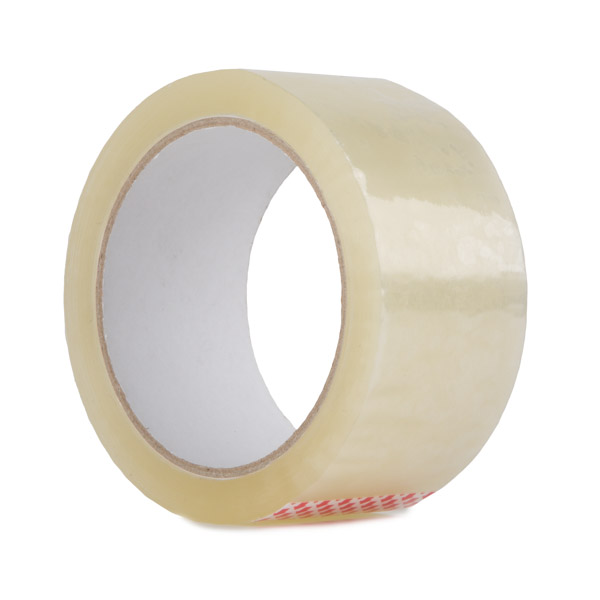
A stock image related to Transparent low noise tape.
Comprehensive Cost and Pricing Analysis for Transparent low noise tape Sourcing
Transparent low noise tape represents a strategic procurement category where acoustic performance intersects with complex material economics. For B2B buyers operating across diverse regulatory environments—from São Paulo’s industrial corridors to Riyadh’s logistics hubs—understanding the granular cost drivers ensures competitive positioning while maintaining packaging integrity. The pricing architecture extends beyond per-roll unit costs to encompass adhesive chemistry, volume scalability, and climate-specific performance requirements.
What Raw Material Specifications Drive Global Pricing Variations?
The primary cost determinant lies in the polypropylene (PP) film backing thickness, typically ranging from 1.6 mil to 4.1 mil for standard applications. Thicker films command premium pricing but deliver superior tensile strength (25–30 lbs per inch), reducing breakage incidents during high-volume automated sealing. Adhesive composition creates significant price stratification: water-based acrylic formulations offer environmental compliance advantages and stable unwinding characteristics, while hot-melt synthetic rubber adhesives provide aggressive initial tack for dusty Middle Eastern or humid Brazilian environments. Buyers should evaluate whether eco-friendly water-based options justify modest per-unit premiums through enhanced workplace safety credentials and reduced insurance liabilities.
How Do Volume Tiers and MOQs Impact Regional Sourcing Strategies?
Manufacturing economies of scale become pronounced at quantities exceeding 10,000 rolls, with full container load (FCL) shipments offering 15–25% unit cost reductions compared to less-than-container (LCL) alternatives. For African and South American importers, consolidating orders to achieve 20-foot container minimums—typically accommodating 30,000–40,000 standard rolls—dramatically reduces per-unit landed costs despite higher upfront capital commitment. However, storage infrastructure requirements demand attention: maintaining the recommended 15–30°C storage environment to preserve low-noise properties may necessitate climate-controlled warehousing investments in regions with extreme ambient temperatures.
What Is the True Cost of Customization for Brand Security?
Logo-printed low noise tape introduces setup costs including plate charges ($200–$500 per color) and minimum order quantities (typically 5,000+ rolls), yet delivers measurable ROI through tamper-evident security and brand reinforcement during transit. For European markets with strict packaging regulations, custom-printed biodegradable options carry 20–30% premiums but satisfy Extended Producer Responsibility (EPR) requirements. Generic clear tape remains the cost-optimized choice for commodity shipping, though the silent unwind feature—critical for 24/7 operations in residential-adjacent Saudi logistics parks—justifies the 10–15% price differential over standard polypropylene alternatives.
How Should Buyers Evaluate Logistics and Duty Structures?
International buyers must calculate landed costs beyond FOB pricing, considering that lightweight tape characteristics reduce freight weight charges but occupy significant cubic volume. Import duty classifications vary significantly: Brazil’s Mercosur regulations may impose 12–18% duties on finished adhesive tapes versus raw material imports, while Saudi Arabia’s GCC tariff structures favor direct manufacturing partnerships. Smart procurement involves negotiating Incoterms that transfer temperature-control liability during transit, as exposure to sub-optimal conditions can degrade the low-noise polymer properties before arrival.
Why Does Adhesive Technology Affect Total Cost of Ownership?
Hot-melt adhesives typically cost 8–12% less than acrylic formulations but may require higher application temperatures, increasing energy consumption in automated lines. Conversely, acrylic’s superior aging resistance in UV-intensive Middle Eastern climates reduces replacement rates for long-term storage applications. The “silent unwind” feature—achieved through specialized release coatings—minimizes worker fatigue and allows faster application speeds in high-volume Brazilian e-commerce fulfillment centers, effectively reducing labor costs per sealed carton by 15–20% compared to noisy vinyl alternatives.
Strategic procurement of transparent low noise tape requires balancing immediate unit economics against operational efficiency gains, regulatory compliance costs, and climate-specific performance durability across international supply chains.
Alternatives Analysis: Comparing Transparent low noise tape With Other Solutions
When evaluating sealing solutions for high-volume logistics operations, procurement teams must weigh acoustic comfort against sealing performance, total cost of ownership, and environmental compliance. While transparent low noise tape has emerged as the preferred solution for noise-sensitive environments, two traditional alternatives remain prevalent in global supply chains: conventional hot-melt BOPP tape and vinyl (PVC) packaging tape. Each solution presents distinct trade-offs in unwinding acoustics, adhesive chemistry, and material sustainability that directly impact operational efficiency and workplace safety standards in diverse climates—from the humid ports of Brazil to the extreme heat of Middle Eastern logistics hubs.
Which Carton Sealing Method Minimizes Workplace Disruption While Maintaining Security?
| 比較の側面 | Transparent Low Noise Tape | Standard Hot-Melt BOPP Tape | Vinyl (PVC) Packaging Tape |
|---|---|---|---|
| Unwinding Noise Level | Silent to near-silent (<35 dB) | High-pitched tearing (60-70 dB) | Moderate to loud unwinding |
| Adhesive Chemistry | Water-based acrylic | Synthetic rubber hot-melt | Natural rubber/solvent-based |
| Substrate Material | ポリプロピレン(BOPP) | ポリプロピレン(BOPP) | Polyvinyl chloride (PVC) |
| Cost per Linear Meter | Moderate premium | Lowest cost | High premium (2-3x standard) |
| 引張強度 | High (25+ lbs/inch) | High (20-30 lbs/inch) | Superior (30+ lbs/inch) |
| 耐熱温度 | -10°C to 60°C (stable) | 0°C to 50°C (poor cold performance) | -20°C to 70°C (excellent) |
| Environmental Profile | Recyclable, eco-friendly | Recyclable film, synthetic adhesive | PVC disposal concerns, less recyclable |
| Dispensing Requirements | Low-tension dispensers | Standard dispensers | Heavy-duty high-tension dispensers |
| Printability | High-quality logo printing | Limited/poor printing | Moderate printing |
| Best Application | High-volume fulfillment, offices | General shipping, cost-sensitive | Heavy loads, irregular surfaces |
How Does Standard Hot-Melt BOPP Tape Impact High-Volume Operations?
Standard hot-melt BOPP tape remains the default choice for cost-conscious logistics operations across emerging markets, utilizing synthetic rubber adhesives that deliver aggressive initial tack and strong shear resistance on standard corrugated surfaces. Its polypropylene construction offers adequate tensile strength for general shipping, but the adhesive formulation creates significant friction during unwinding, generating the characteristic high-pitched tearing noise that can exceed 65 decibels in busy packing stations. For facilities in Brazil or Saudi Arabia operating extended shifts in non-climate-controlled environments, this acoustic pollution contributes to worker
Essential Technical Properties and Trade Terminology for Transparent low noise tape
When evaluating transparent low noise tape for international supply chains, procurement teams must look beyond basic adhesion metrics to ensure compatibility with automated fulfillment systems and regional climate variations. These specialized tapes utilize engineered polypropylene films and controlled-release adhesives designed to reduce acoustic emissions during high-speed application while maintaining carton integrity through multi-modal transportation.
What Technical Specifications Define Industrial-Grade Transparent Low Noise Tape?
Unwinding Noise Level and Acoustic Profile: Unlike conventional packaging tapes that generate significant screech during dispensing, low-noise variants are engineered for silent unwinding, typically operating below 50 decibels. This specification is critical for facilities in densely populated urban centers across Europe and the Middle East where noise ordinances may restrict industrial sound levels during 24-hour operations.
Adhesive Chemistry and Cure Time: The tape employs either water-based acrylic or synthetic hot-melt adhesives. Acrylic formulations offer superior UV resistance and aging stability for long-term storage in hot climates like Brazil or Saudi Arabia, while hot-melt adhesives provide immediate tack and high shear strength for heavy-duty carton sealing. Water-based systems also contribute to the tape’s environmental profile and non-toxic characteristics.
Film Thickness and Tensile Strength: Industrial specifications typically range from 1.6 mil to 2.6 mil (0.04mm to 0.07mm) for standard-duty applications, with heavy-duty variants reaching 4.1 mil. Tensile strength, measured in pounds per inch (typically 25–30 lbs/inch), determines resistance to splitting during application and transit stress, particularly important for palletized shipments facing rough handling.
Temperature Operating Range: Storage conditions between 15°C and 30°C preserve the low-noise properties, while application performance spans wider ranges. High-quality variants maintain adhesion in freezing logistics environments and resist heat degradation in tropical climates, ensuring the anti-delamination properties remain intact throughout the supply chain.
Unwinding Force and Dispensing Compatibility: Light unwinding force, measured in grams or Newtons, ensures compatibility with manual handheld dispensers and automated carton sealers without requiring excessive tension that could cause stretching, misalignment, or “gapping” during high-speed application.
What Industry Terminology Should Global Procurement Teams Master?
“Quiet Unwind” and “Silent Application”: Trade terms describing the acoustic dampening technology that eliminates the high-pitched noise associated with standard tape unwinding. This property is achieved through specialized film formulations and adhesive coatings that reduce friction at the dispenser head, creating a humble working environment in high-volume mailrooms and warehouses.
“Sure-Start” Technology: A proprietary feature indicating the tape’s leading edge remains accessible without delamination or splitting, eliminating the “searching” time common with traditional rolls. This technology reduces waste and downtime in automated packing environments where continuous feed is essential.
BOPP (Biaxially Oriented Polypropylene): The base film material providing crystal clarity, tensile strength, and moisture resistance. While some formulations utilize polyethylene, BOPP remains the industry standard for transparent low-noise applications due to its dimensional stability and resistance to dirt and dust penetration.
Hot Melt vs. Acrylic Adhesive: Distinctions between synthetic rubber-based hot-melt adhesives (offering immediate tack and superior performance on recycled corrugated cartons) and water-based acrylics (providing longer shelf life and better temperature fluctuation resistance). Understanding this terminology ensures selection matches specific substrate and climate requirements.
Machine Length vs. Hand Grade: Machine length refers to extended yardage rolls (often 1000+ yards) designed for automated carton sealers, while hand grade indicates shorter lengths (55–110 yards) optimized for manual dispensers. Core size specifications (typically 3-inch/76mm for machines versus 1-inch for hand rolls) determine dispenser compatibility and procurement requirements.
Delamination Resistance: The film’s structural integrity that prevents separation into layers during unwinding or stress. This property indicates stable quality and prevents adhesive exposure that could compromise seal integrity during international shipping, ensuring the tape maintains its non-stretchable characteristics throughout application.
Navigating Market Dynamics and Sourcing Trends in the Transparent low noise tape Sector
The transparent low noise tape sector is undergoing rapid evolution as global supply chains prioritize operational efficiency, workplace ergonomics, and environmental compliance. For procurement teams across Africa, South America, the Middle East, and Europe—particularly in high-growth logistics markets like Brazil and Saudi Arabia—understanding the intersection of acoustic innovation, climate adaptability, and sustainable material science has become critical for strategic sourcing. As e-commerce fulfillment volumes surge and warehouse automation expands, the transition from conventional noisy vinyl tapes to advanced polyolefin-based solutions represents both an operational necessity and a competitive differentiator in increasingly regulated markets.
What Are the Emerging Demand Patterns for Low-Noise Packaging Solutions in High-Volume Markets?
The proliferation of automated fulfillment centers and high-velocity packing operations across São Paulo, Johannesburg, and Riyadh is accelerating demand for acoustic-optimized sealing solutions. Facility managers in these regions are increasingly prioritizing workplace noise reduction to maintain operator concentration, reduce fatigue-related errors, and comply with emerging occupational health standards. Unlike traditional packaging tapes that generate disruptive unwinding sounds exceeding 70 decibels, modern transparent low-noise variants utilizing specialized BOPP film backings with optimized release coatings offer near-silent application while maintaining robust tensile strength. This shift proves particularly critical for mail rooms and distribution centers processing thousands of daily shipments, where acoustic comfort directly correlates with productivity metrics and employee retention. Furthermore, the integration of smooth-start technologies and consistent unwind characteristics reduces tape waste from misfeeds, delivering measurable cost efficiencies in high-volume environments where packing speed impacts bottom-line performance.
How Is Advanced Film Technology Enhancing Climate Resilience in Global Supply Chains?
Material innovation in the transparent low-noise tape sector increasingly focuses on climate adaptability for diverse geographical markets. Advanced formulations now incorporate water-based acrylic adhesives engineered to maintain stable bonding characteristics across extreme temperature variations—from the humid tropical conditions of West African ports to the intense heat of Middle Eastern desert logistics hubs. Unlike conventional hot-melt alternatives that may soften or delaminate in high ambient temperatures, these next-generation systems resist moisture infiltration and maintain consistent unwinding forces when stored within recommended 15–30°C parameters. For B2B buyers managing long-distance export routes, the combination of high-tensile strength polypropylene films and non-stretchable backing properties ensures carton integrity throughout multi-modal transportation chains. Additionally, the shift toward lightweight, durable polythene constructions reduces shipping weights compared to legacy vinyl alternatives, contributing to freight cost optimization while maintaining the printability required for branded security sealing and traceability markings.
Why Should B2B Buyers Prioritize Sustainable Adhesive Technologies in Their Supply Chain?
Sustainability has transitioned from peripheral concern to central procurement criterion, particularly within European regulatory frameworks and increasingly across Middle Eastern and South American environmental initiatives. Water-based adhesive systems represent a significant advancement over solvent-based alternatives, offering non-toxic, environmentally compatible sealing that facilitates corrugated packaging recycling without contaminating pulp waste streams. These eco-conscious formulations eliminate PVC-derived plasticizers found in traditional vinyl tapes, aligning with circular economy principles and corporate ESG commitments. For procurement teams navigating EU REACH regulations or anticipating similar legislative trends in African and Latin American markets, selecting tapes with verified environmental credentials mitigates compliance risks while enhancing brand reputation. Moreover, sustainable low-noise options often demonstrate superior longevity—withstanding over ten years of storage without degradation—reducing inventory obsolescence and supporting just-in-time procurement strategies that minimize working capital requirements.
What Ethical Sourcing Considerations Matter When Selecting Transparent Low Noise Tape Manufacturers?
Strategic sourcing requires rigorous evaluation of supply chain transparency and manufacturing ethics, particularly when establishing partnerships with production facilities serving emerging markets. Responsible suppliers demonstrate compliance through ISO 9001 quality management certifications, ethical labor practices, and documented raw material traceability for petroleum-derived substrates and adhesive components. B2B buyers should prioritize manufacturers offering customization capabilities—including high-definition logo printing for anti-counterfeiting and brand security—that utilize eco-solvent or water-based inks maintaining environmental integrity. Critical due diligence factors include verification of strict quality control procedures ensuring consistent adhesive coat weights and release properties across production batches, essential for automated packing line compatibility. Additionally, assessing regional distribution capabilities and localized technical support ensures reliable supply continuity for operations in markets with challenging logistics infrastructure, from Nigerian free trade zones to Brazilian industrial corridors, while minimizing carbon footprints associated with inefficient shipping routes.
By aligning procurement strategies with these evolving market dynamics—prioritizing climate-resilient materials, acoustic performance optimization, and verifiable ethical manufacturing—B2B buyers can secure operational advantages while future-proofing their supply chains against regulatory and environmental disruptions.
Frequently Asked Questions (FAQs) for B2B Buyers of Transparent low noise tape
1. What are the primary applications for transparent low noise tape in high-volume packaging operations?
Transparent low noise tape serves as the optimal sealing solution for distribution centers, e-commerce fulfillment hubs, and retail backrooms where acoustic comfort directly impacts productivity. Unlike conventional packing materials, this specialized film eliminates the sharp tearing sounds associated with standard polypropylene tapes during high-speed carton sealing, making it ideal for 24/7 operations in mixed-use industrial zones. B2B buyers deploy this tape across automated carton sealing lines, manual packing stations, and mailroom environments where maintaining workplace noise standards is critical for employee retention and regulatory compliance.
2. How does low noise packing tape reduce decibel levels in warehouse environments compared to standard OPP tape?
The acoustic reduction stems from a specialized release coating and film formulation that minimizes friction during unwinding, typically generating under 60 decibels versus the 80+ decibels of conventional tapes. This engineering eliminates the high-frequency screech caused by standard acrylic adhesives separating from the backing film, creating a subtle unwinding sound that preserves worker concentration and communication clarity. For operations in densely populated urban areas or regions with strict occupational noise regulations, this reduction helps maintain compliance while eliminating the auditory fatigue that reduces packing speed over long shifts.
3. What is the difference between standard polypropylene tape and low noise transparent tape in terms of construction and performance?
While both utilize biaxially oriented polypropylene (BOPP) film backings, low noise variants incorporate a modified adhesive system and specialized release coating that prevents the “zipper” effect during application. Standard tapes rely on aggressive natural rubber adhesives that create friction against dispenser rollers, whereas low noise formulations utilize optimized water-based or hot-melt adhesives that unwind smoothly without sacrificing tensile strength. Both offer comparable 25-30 lbs/inch tensile strength and moisture resistance, but low noise options provide superior handling characteristics in temperature-sensitive environments ranging from 15°C to 30°C storage conditions.
4. Can transparent low noise tape be integrated with automatic carton sealing machines and high-speed dispensers?
Yes, premium low noise transparent tapes are specifically engineered for compatibility with automated case sealers, random case sealers, and handheld industrial dispensers used in high-throughput facilities. The formulation ensures light unwinding force and stable web control that prevents stretching or delamination at speeds exceeding 30 meters per minute, critical for maintaining line efficiency. When sourcing for automated lines, verify that the tape’s core diameter matches your equipment specifications (typically 3-inch) and that the adhesive system accommodates the temperature ranges of your shipping corridors, from humid Brazilian ports to arid Middle Eastern distribution centers.
5. How do I ensure optimal adhesive performance when shipping through extreme temperature zones from Middle Eastern heat to European cold?
Select tapes featuring hot-melt synthetic rubber adhesives or advanced water-based acrylics that maintain tack across temperature ranges of -10°C to 60°C, ensuring your sealed cartons withstand desert heat during Middle Eastern transshipment and freezing European warehouse conditions. The transparent low noise formulation prevents adhesive embrittlement in cold climates while resisting shear failure in high-heat environments common in African and South American logistics corridors. Always request technical data sheets specifying shear adhesion and peel strength at various temperatures, and conduct pilot tests simulating your specific supply chain thermal profiles before bulk procurement.
6. What custom branding options are available for B2B buyers requiring logo printing on transparent low noise tape?
Leading manufacturers offer flexographic printing capabilities that apply single-color or multi-color logos, handling instructions, and tamper-evident patterns directly onto the transparent film without compromising the low-noise unwinding properties. This customization transforms every carton into a mobile billboard, enhancing brand visibility during last-mile delivery while providing security traceability crucial for high-value shipments to European and Middle Eastern markets. When specifying printed low noise tape, ensure your supplier uses UV-resistant inks that maintain clarity under sun exposure during outdoor storage in tropical climates.
7. How do I calculate the ROI when switching from standard packing tape to low noise alternatives for my fulfillment center?
Factor in indirect productivity gains: reduced noise-related worker fatigue typically increases packing speed by 8-12% during night shifts, while elimination of noise complaints lowers HR administrative costs and potential regulatory fines in noise-sensitive jurisdictions. While the per-roll cost may exceed standard vinyl tapes by 10-15%, the total cost of ownership decreases through reduced dispenser maintenance (less friction means longer blade life) and improved employee retention in competitive labor markets like Brazil and Saudi Arabia. Most B2B buyers achieve break-even within 3-4 months when accounting for throughput improvements and workplace safety compliance benefits.
8. What are the best practices for storing transparent low noise tape in humid climates to maintain the silent unwinding property?
Store inventory in climate-controlled environments between 15°C and 30°C with relative humidity below 70% to prevent adhesive degradation that can compromise the low-noise characteristics and lead to “squeaking” during application. Avoid direct sunlight exposure and stack cartons horizontally to prevent core crushing, particularly important for sea freight shipments to African and South American ports where container condensation is common. Implement first-in-first-out inventory rotation, as the water-based adhesive systems typically maintain optimal acoustic properties for 12 months when stored properly, ensuring your warehouse operations maintain their noise reduction benefits throughout the product lifecycle.
重要な免責事項および利用規約
⚠️ 重要な免責事項
メーカー、技術仕様、市場分析に関する内容を含め、本ガイドラインで提供される情報は、情報提供と教育目的のみのものです。専門的な調達アドバイス、財務アドバイス、または法的アドバイスを提供するものではありません。.
B2Bバイヤーは、独自の徹底的なデューデリジェンスを行う必要がある。 をご覧の上、ご購入をお決めください。本ガイドに記載された情報を信頼した場合のリスクは、読者が単独で負うものとします。.
Top 5 Transparent Low Noise Tape Manufacturers & Suppliers List
1. Metoree – Transparent Tape
ドメイン us.metoree.com
登録:2020年(6年)
はじめに Transparent tape is crafted from clear film or plastic, offering a thin and see-through adhesive solution. Key manufacturers include Sterling Tapes Limited, MILLENIUM PACKAGING SOLUTIONS, and Vibac Group S.p.a.
2. Partech – Low Noise OPP Packing Tape
ドメイン パルテック・パッキング・ドットコム
登録:2023年(3年間)
はじめに Low Noise OPP Packing Tape manufactured by Partech® (Yilane Shanghai Industrial Co Ltd) in China. Made from high-quality materials with unique design that significantly reduces unwelcome noise during application compared to regular packing tapes. Features high adhesion strength ensuring secure packaging for both fragile items and heavy boxes. Provides tamper resistance and protection against dirt,…
3. Fisher Scientific – Box Sealing Tape
ドメイン fishersci.com
Registered: 1995 (31 years)
はじめに Products include 3M Scotch Box Sealing Tape 371 (Premium, Hot-melt/Synthetic adhesive, for carton/box sealing); Staples Advantage Scotch Sure-Start Shipping Packing Tape (1.88″W x 22.2 yds, Clear, 6 rolls, hot melt adhesive, 25 lbs/in tensile strength, 2.6 mil thick, quiet unwind); Grainger Heavy Duty Packaging Tape (Clear, PK6); MSC 3M Film Tape (1″ wide, Clear, Acrylic adhesive); Essendant 3750 …
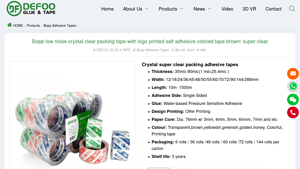
4. DeFoo – Low Noise Crystal Clear Packing Tape
ドメイン defoogluetape.com
登録:2022年(4年)
はじめに BOPP Low Noise Crystal Clear Packing Tape. Material: BOPP film backing with water-based acrylic pressure sensitive adhesive. Specifications: Thickness 35-90 microns (1 mil=25.4mic); Width 12-288mm (options: 12/18/24/36/45/48/50/55/60/70/72/90/144/288mm); Length 10m-1500m; Single-sided adhesive; Paper core diameter 76mm with 3mm, 4mm, 5mm, 6mm, 7mm thickness options. Colors: Transparent, brown, yel…
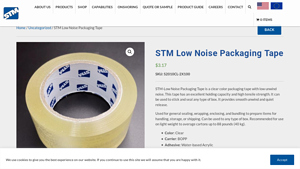
5. STM – Low Noise Packaging Tape
ドメイン specialtytapes.net
登録:1999年(27年)
はじめに STM Low Noise Packaging Tape (SKU: S2010CL-2X100) is a clear BOPP packaging tape featuring water-based acrylic adhesive designed for low noise application. Specifications: 2 mils total thickness, 20 oz/in peel adhesion. Key features include high tensile strength, excellent holding capacity, smooth unwind, and quiet release. Suitable for general sealing, wrapping, enclosing, and bundling of lightwe…
Strategic Sourcing Conclusion and Outlook for Transparent low noise tape
How Should Procurement Teams Evaluate Total Cost of Ownership for Low-Noise Tape?
When sourcing transparent low-noise tape for high-volume operations across diverse climates—from the humidity of Brazil to the heat of Saudi Arabia—procurement teams must look beyond unit pricing. The true value lies in tapes featuring water-based adhesives that maintain silent unwinding properties within strict storage parameters (15°C–30°C), ensuring performance consistency during automated carton sealing. Investing in printable BOPP films with high tensile strength and anti-pull properties reduces material waste while supporting brand visibility, ultimately lowering total cost of ownership despite moderate premium pricing over standard vinyl alternatives.
What Strategic Factors Will Define the Future of Silent Packaging Solutions?
Looking ahead, sustainability and workplace compliance will drive innovation in low-noise adhesive technologies. As ESG regulations tighten across Europe and emerging markets in Africa and South America, demand for environmentally friendly, non-toxic tapes with recyclable polypropylene backings will accelerate. Forward-thinking buyers should prioritize suppliers offering customizable printing capabilities and stable quality control systems that guarantee silent operation in both manual and automated applications. By aligning procurement strategies with these operational and environmental standards, businesses can ensure resilient supply chains that enhance worker productivity while meeting evolving global packaging mandates.