Introduction: Navigating the Global Market for Application of Polyethylene Tape
Sourcing high-performance polyethylene tape for critical industrial applications presents a complex challenge for procurement teams navigating diverse regulatory environments and quality standards. Whether securing corrosion-resistant pipeline coatings for Middle Eastern oil infrastructure or procuring specialized surface protection films for German automotive manufacturing, buyers face critical decisions that impact operational efficiency and long-term asset protection. The global polyethylene tape market offers extensive solutions—from UHMW abrasion-resistant variants to specialized waterproofing membranes—but identifying optimal specifications requires navigating technical complexities, supplier reliability concerns, and regional logistics constraints.
What Challenges Do International Buyers Face When Selecting Polyethylene Tape Solutions?
For procurement professionals in Nigeria, Brazil, and across emerging markets, inconsistent local supply chains often necessitate international sourcing strategies that demand rigorous supplier vetting. European buyers, particularly in Germany’s precision-driven manufacturing sector, require compliance with stringent DIN standards and sustainability certifications. Meanwhile, Middle Eastern and South American industrial projects contend with extreme climate conditions—intense UV exposure, humidity, and temperature fluctuations—that demand specialized tape formulations with proven field performance in harsh environments.
How Can This Guide Optimize Your Polyethylene Tape Procurement Strategy?
This comprehensive resource addresses the complete procurement lifecycle, from technical specification matching to logistics optimization. We examine critical tape categories including single-sided barrier films, double-sided bonding solutions, and reinforced heavy-duty variants, alongside application-specific guidance for pipeline corrosion protection, construction waterproofing, and automotive surface preservation. Beyond product selection, we provide actionable frameworks for evaluating manufacturer certifications, negotiating bulk pricing structures, and establishing quality assurance protocols tailored to cross-border transactions.
By synthesizing technical expertise with regional market intelligence, this guide equips decision-makers with the strategic insights necessary to mitigate supply risks, optimize cost-efficiency, and ensure specification compliance across diverse industrial applications.
Understanding Application of Polyethylene Tape Types and Variations
| タイプ名 | 主な特徴 | 主なB2Bアプリケーション | バイヤーのための簡単な長所と短所 |
|---|---|---|---|
| Corrosion-Resistant Pipeline Wrapping Tape | Multi-layer PE backing with butyl/rubber adhesive; conforms to irregular surfaces; meets AWWA C209/ISO 21809 standards | Oil/gas pipeline coating, water mains protection, subsea infrastructure, structural steel in marine environments | Pros: Long-term corrosion prevention, UV stable, excellent metal adhesion Cons: Requires SA 2.5 surface prep, limited high-temp resistance (>80°C) |
| UHMW (Ultra High Molecular Weight) Anti-Friction Tape | Molecular weight 3-5 million g/mol; extremely low coefficient of friction; aggressive acrylic adhesive; superior abrasion resistance | Conveyor belt guides, chute linings, packaging machinery, bulk material handling equipment | Pros: Extends equipment life, reduces energy consumption, chemical resistant Cons: Premium pricing vs. standard PE, limited flexibility on tight radius curves |
| Double-Sided PE Foam Structural Tape | Closed-cell polyethylene foam carrier; viscoelastic properties; gap-filling capability; adhesive both sides | Curtain wall glazing, HVAC duct sealing, automotive trim attachment, signage mounting | Pros: Vibration damping, thermal insulation, compensates for surface irregularities Cons: Lower shear strength than mechanical fasteners, compression set under heavy load |
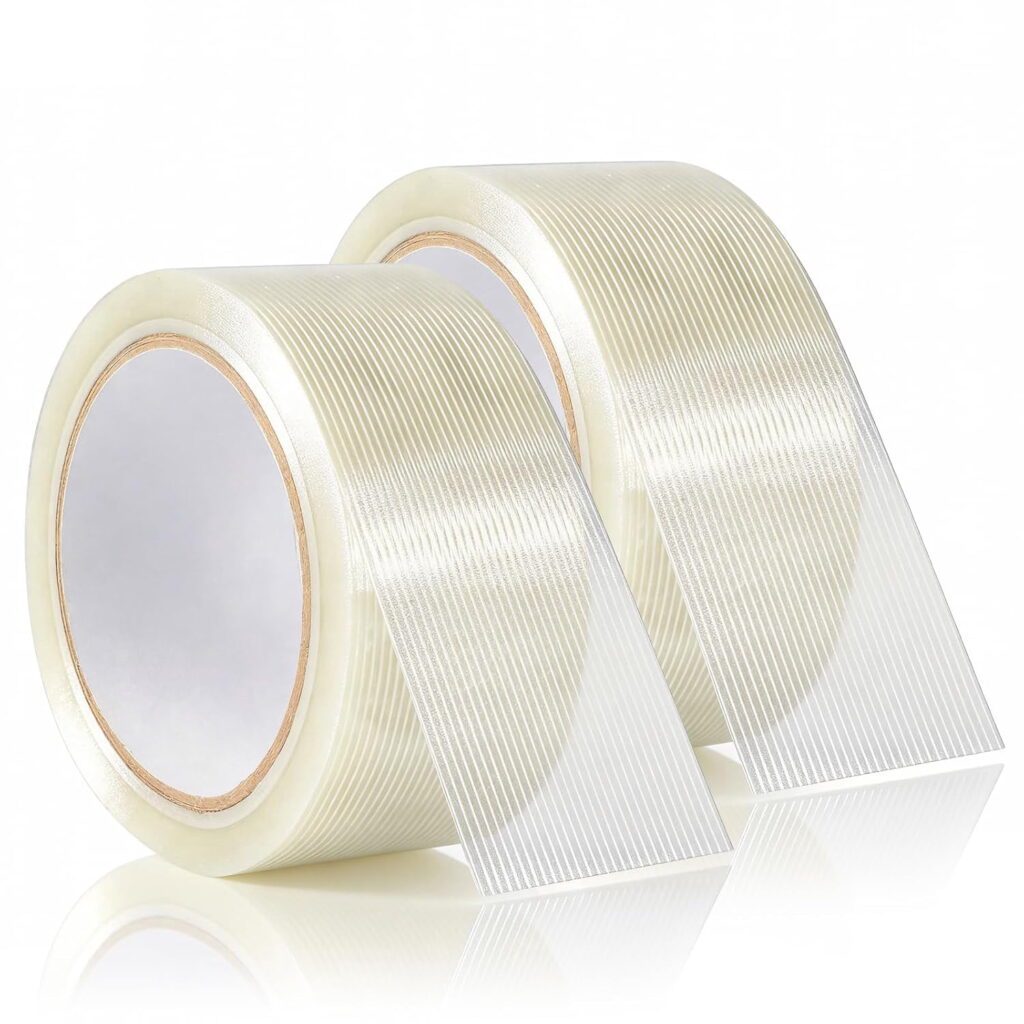
| Reinforced Heavy-Duty Sealing Tape | Fiberglass/HDPE mesh scrim reinforcement; tensile strength >50 N/cm; tear-resistant; weatherproof backing | Heavy cargo bundling, agricultural greenhouse repair, temporary construction enclosures, industrial packaging | Pros: Prevents “zippering” failures, high tear resistance, suitable for dynamic loads Cons: Less conformable than non-reinforced types, visible mesh affects aesthetics |
What Makes Corrosion-Resistant Pipeline Tape Essential for Infrastructure Projects?
Pipeline wrapping tapes featuring polyethylene backings with butyl or rubber adhesives serve as the primary defense against cathodic corrosion in oil, gas, and water distribution networks across demanding environments. These tapes conform to AWWA C209 and ISO 21809 standards, making them suitable for buried and submerged steel structures in regions from Nigeria to the North Sea. When procuring, buyers should verify compliance with regional pipeline codes, assess the tape’s thickness for mechanical protection, and confirm the adhesive’s temperature range matches local climate conditions, particularly for extreme heat in Middle Eastern deserts or humid tropical African environments.
Why Should Industrial Buyers Consider UHMW Tape for High-Wear Applications?
Ultra High Molecular Weight polyethylene tape delivers exceptional abrasion resistance due to its high molecular density, significantly outperforming standard PE films in conveyor and chute lining applications common in mining and bulk material handling. Its low friction coefficient reduces energy consumption and prevents material buildup on processing equipment. B2B purchasers should evaluate the tape’s molecular weight (typically 3-5 million g/mol for industrial grades), adhesive compatibility with substrate metals, and whether the application requires FDA compliance for food processing or standard industrial specifications for chemical resistance.
How Does Double-Sided PE Foam Tape Solve Modern Construction Bonding Challenges?
Double-sided polyethylene foam tapes provide viscoelastic bonding solutions that accommodate thermal expansion differences between dissimilar materials in curtain wall glazing and HVAC duct installations prevalent in European and Middle Eastern construction. The closed-cell structure offers moisture sealing alongside mechanical attachment. Key purchasing considerations include foam density (measured in kg/m³), adhesive chemistry (acrylic vs. rubber-based for different temperature ranges), and whether the application requires structural load-bearing certification or merely positioning strength, particularly relevant for German facade engineering standards and seismic considerations in South American markets.
When Is Reinforced Polyethylene Tape the Right Choice for Heavy-Duty Operations?
Reinforced polyethylene tapes integrate fiberglass or high-density mesh scrim to provide tensile strengths exceeding 50 N/cm, making them indispensable for heavy cargo bundling, agricultural greenhouse repair, and temporary construction enclosures in developing infrastructure markets. The reinforcement prevents “zippering” failures under dynamic loads during transport. Buyers should assess the mesh density and weave pattern, as tighter weaves offer better tear resistance but reduced conformability. For African and South American agricultural markets, UV stabilization levels become critical, as tapes must withstand intense solar exposure without adhesive degradation or backing embrittlement over multi-season use.
Key Industrial Applications of Application of Polyethylene Tape
| 業界/セクター | Specific Application of Application of Polyethylene Tape | ビジネスにとっての価値/利益 | このアプリケーションにおける主な調達上の考慮事項 |
|---|---|---|---|
| Oil & Gas Pipeline Infrastructure | External pipe wrapping and joint sealing for corrosion protection in buried and subsea pipelines | Extends pipeline lifespan by 20+ years, reduces maintenance frequency, prevents catastrophic leaks and environmental contamination | ASTM D1000 compliance, compatibility with cathodic protection systems, high-temperature adhesive for desert climates, bulk roll sizes for large-diameter pipes |
| Mining & Heavy Machinery | Lining chutes, hoppers, and conveyor guides with UHMW tape to reduce abrasive wear | Minimizes equipment downtime, reduces material hang-up, extends machinery life by 3-5x, lowers replacement costs | Fiberglass reinforcement for heavy impact, UV stabilization for outdoor operations, thickness options for specific abrasion levels, availability in jumbo rolls for continuous mining operations |
| Construction & Civil Engineering | Waterproofing membranes for building foundations, basement sealing, and HVAC ductwork joints | Prevents structural water damage, eliminates mold growth, provides flexible vapor barriers, reduces insurance liabilities | CE marking for European compliance, low-temperature flexibility for winter application, compatibility with concrete and bitumen, fire-retardant ratings for high-rise buildings |
| Automotive Manufacturing | Temporary surface protection during assembly, painting, and transportation of vehicle components | Eliminates rework costs from scratches, maintains OEM finish quality, enables just-in-time manufacturing workflows | Clean-removal adhesive chemistry, anti-static properties for paint booths, precision die-cutting capabilities, color-coded options for different trim levels |
| Agriculture & Irrigation | Greenhouse film repair, irrigation line sealing, and produce packaging protection | Reduces water loss by 15-30%, extends greenhouse film lifespan, prevents post-harvest spoilage, enables year-round crop protection | UV-resistant formulations for tropical climates, agricultural chemical resistance, translucent options for light transmission, moisture-activated adhesives for humid environments |
How Does Polyethylene Tape Protect Pipeline Infrastructure in Harsh Environments?
In oil and gas operations across the Middle East and Nigeria, polyethylene tape serves as a primary corrosion prevention barrier for buried and subsea pipelines. The tape creates an impermeable seal against moisture, salts, and soil chemicals that accelerate metal degradation. For buyers in these regions, sourcing tape with high-temperature resistance and compatibility with cathodic protection systems is essential, ensuring long-term asset integrity in extreme desert heat or humid coastal conditions.
What Role Does UHMW Polyethylene Tape Play in Mining Equipment Maintenance?
Mining operations in South America and Africa rely on UHMW polyethylene tape to line chutes, hoppers, and conveyor guides, dramatically reducing abrasive wear from ore and aggregate processing. This application solves critical downtime issues by preventing material buildup and extending equipment life without costly welding or replacement. Procurement teams should prioritize tapes with fiberglass reinforcement and UV stabilization to withstand constant particle friction and intense solar exposure in open-pit environments.
Why Is Polyethylene Tape Critical for Waterproofing in Large-Scale Construction?
German and European construction firms utilize specialized waterproof polyethylene tapes for sealing building envelopes, basement membranes, and HVAC ductwork. The material bridges gaps in traditional bituminous systems, providing flexible, puncture-resistant barriers against groundwater and vapor intrusion. B2B buyers must verify compliance with EU construction standards and ensure adhesive formulations perform reliably across seasonal temperature fluctuations from freezing winters to humid summers.
How Can Automotive Manufacturers Optimize Assembly Lines with Surface Protection Tape?
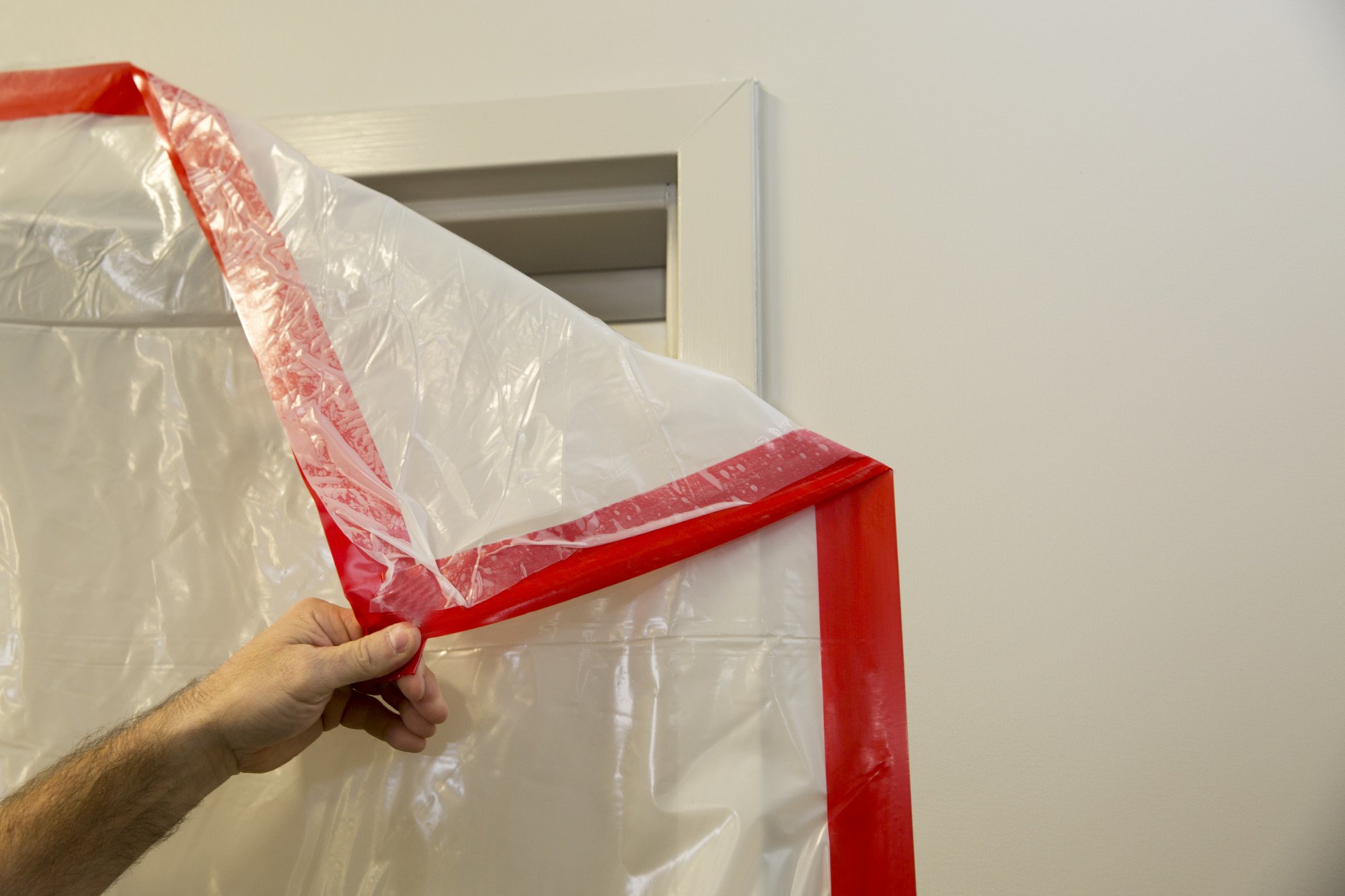
In automotive manufacturing hubs like Germany, low-tack polyethylene film tapes protect sensitive vehicle surfaces during assembly, transport, and painting operations. These tapes prevent costly scratches and chemical contamination while allowing clean removal without residue. Sourcing considerations include anti-static properties to prevent dust attraction in paint booths and compatibility with robotic application systems, ensuring seamless integration into high-volume production environments.
How Does Agricultural Irrigation Benefit from Specialized Polyethylene Tape Solutions?
Large-scale agricultural projects across Africa and the Middle East depend on UV-resistant polyethylene tape for repairing greenhouse films, sealing irrigation lines, and protecting harvested produce during transport. This application addresses water scarcity challenges by preventing leaks in drip irrigation systems and extending the service life of poly tunnels exposed to intense solar radiation. Buyers should seek tapes with agricultural-grade adhesives that maintain tack in dusty conditions and resist degradation from fertilizers and pesticides.
A stock image related to Application of Polyethylene Tape.
3 Common User Pain Points for ‘Application of Polyethylene Tape’ & Their Solutions
Scenario 1: Pipeline Corrosion Protection Failures in High-Humidity Environments
問題だ: Procurement teams managing oil and gas infrastructure in Nigeria or water treatment facilities across the Middle East frequently encounter catastrophic failure of pipeline coating systems. When standard polyethylene tapes are applied to inadequately prepared surfaces in tropical climates, or installed with insufficient overlap percentages, moisture becomes trapped beneath the film rather than repelled. This creates an electrolytic cell that accelerates pitting corrosion and under-film blistering, compromising steel integrity and resulting in non-compliance with NACE SP0169 standards. The subsequent remediation requires expensive excavation, re-blasting, and re-coating operations that halt production for weeks and damage supplier relationships.
解決策 Implement a multi-layer protection system utilizing high-density polyethylene (HDPE) tape with aggressive acrylic adhesive specifically engineered for buried pipeline applications. Mandate SA 2.5 near-white metal blast cleaning prior to application, followed by a compatible liquid adhesive primer to ensure molecular bonding with the substrate. Apply tape using mechanical tensioners maintaining 50-55% overlap in spiral wrapping patterns, and conduct immediate holiday detection testing using 15,000-volt spark testers to identify pinholes before backfilling. For tropical environments, specify tapes exceeding 30-mil thickness with integrated fungicidal properties to resist microbial corrosion common in lateritic soils.
Scenario 2: UV Degradation and Adhesion Loss in Outdoor Construction Projects
問題だ: Construction contractors across Sub-Saharan Africa and the Gulf States consistently report premature failure of surface protection tapes on building exteriors, where intense solar radiation and surface temperatures exceeding 60°C cause standard formulations to undergo thermal oxidation. UV-induced chain scission makes the polyethylene backing brittle while causing adhesive flow or delamination, exposing window glass, curtain wall aluminum, and precast concrete to abrasion during sandstorms. This failure mode necessitates costly material replacement and schedule overruns, particularly problematic when protecting high-value architectural finishes during multi-phase developments.
解決策 Specify UV-stabilized polyethylene tape grades containing carbon black pigments or hindered amine light stabilizers (HALS) rated for 12+ months of outdoor exposure per ASTM G154 testing protocols. Require suppliers to certify that adhesive systems maintain tack across temperature ranges from -10°C to 80°C. Store inventory in climate-controlled warehouses below 25°C, and mandate application during early morning hours when substrate temperatures are below 35°C to prevent adhesive shock-cooling. For projects in extreme solar zones, utilize white or silver reflective tape variants that reduce surface heat absorption by up to 30%, significantly extending service life while providing waterproofing integrity during monsoon or humidity exposure.
Scenario 3: Adhesive Residue Complications in Automotive and Electronics Manufacturing
問題だ: Automotive manufacturers in Germany and electronics assemblers across Europe frequently encounter adhesive transfer and ghosting when removing standard polyethylene protection tapes from painted body panels, polycarbonate lenses, or anodized aluminum components. When tape remains in place beyond recommended dwell periods or encounters elevated curing temperatures during paint oven cycles, the acrylic adhesive migrates into porous coatings, requiring aggressive solvent cleaning or mechanical buffing that damages Class-A finishes. This creates quality control rejections, production line stoppages, and increased labor costs that erode manufacturing margins in precision industries where surface perfection is non-negotiable.
解決策 Transition to low-tack polyethylene film tapes featuring silicone or synthetic rubber adhesives specifically formulated for clean removal from sensitive substrates. Implement procurement specifications requiring residue-free removal after 60-day dwell periods at 80°C, verified through ASTM D3330 adhesion testing on actual production materials rather than standard steel panels. Establish first-in-first-out inventory rotation to prevent age-related adhesive degradation, and train application teams to remove tape at 180-degree angles slowly to prevent cohesive splitting. For critical applications involving polyethylene tape versus PVC alternatives, specify tapes with built-in UV inhibitors to prevent adhesive embrittlement during extended production cycles, leveraging polyethylene’s superior chemical resistance and flexibility for complex geometries.
Strategic Material Selection Guide for Application of Polyethylene Tape
B2B procurement teams operating across diverse regulatory environments—from Nigerian oil infrastructure to German automotive assembly—must navigate complex material specifications when sourcing polyethylene tape solutions. Selection criteria must account for regional climate variability, substrate compatibility, and total cost of ownership rather than unit price alone. Understanding the molecular architecture and additive compositions of available tape variants enables strategic alignment between material properties and operational demands.
What Are the Critical Performance Differences Between UHMW and Standard Polyethylene Tape?
Ultra-high molecular weight (UHMW) polyethylene tape features polymer chains significantly longer than conventional low-density polyethylene (LDPE) alternatives, creating exceptional abrasion resistance and impact absorption properties. This material excels in heavy-duty chute linings, conveyor belt skirts, and pump protection within mining and aggregate processing facilities prevalent across African and South American markets. For German automotive suppliers, UHMW tape provides wear-resistant surfaces for robotic handling equipment where repetitive motion creates friction points. The material’s extremely low coefficient of friction reduces equipment wear while maintaining chemical inertness, though specialized extrusion processes command premium pricing and demand precise surface preparation for optimal adhesion.
Which Reinforced Polyethylene Tape Specifications Meet Pipeline Integrity Standards?
Fiberglass-scrim or polyester-reinforced polyethylene tapes integrate woven backing matrices within the polymer substrate to prevent elongation under mechanical stress. These specifications prove essential for anti-corrosion wrapping of underground pipelines and subsea cable protection throughout Middle Eastern petrochemical operations, where soil stress and hydrostatic pressure challenge material integrity. In European markets, these tapes must comply with EN 12068 standards for mechanical protection, requiring specific thickness-to-reinforcement ratios. The reinforcement layer maintains dimensional stability during temperature cycling common in desert environments, though procurement teams should note that reinforced variants sacrifice flexibility, complicating application on irregular pipe geometries and requiring skilled installation crews.
How Does UV-Stabilized Polyethylene Film Tape Address Climate-Specific Degradation?
Carbon-black loaded or HALS (Hindered Amine Light Stabilizer) modified polyethylene films provide essential protection against photodegradation in high-solar-intensity regions such as Nigeria, Brazil, and the GCC states. These single-sided tapes serve as temporary protective barriers for outdoor storage tanks, scaffolding enclosures, and greenhouse film repairs during construction phases. While offering economical surface protection against dust and moisture intrusion, standard UV-stabilized films lack the tensile strength required for structural reinforcement. B2B buyers should request UV-accelerated aging test data (ASTM G154) to verify manufacturer claims regarding service life expectancy, particularly when sourcing from suppliers in emerging markets where substandard formulations may exhibit adhesive failure after 12-18 months of equatorial exposure.
When Should Procurement Teams Specify Double-Sided Polyethylene Foam Tape?
Closed-cell polyethylene foam tapes with aggressive acrylic adhesives on both faces provide thermal insulation and vibration damping for HVAC ductwork, automotive trim attachment, and glazing applications—particularly relevant to European manufacturing standards and Middle Eastern infrastructure development. The conformable foam carrier compensates for surface irregularities up to 1-2mm, creating reliable bonds between dissimilar materials like metal and polycarbonate. Thickness options ranging from 1mm to 3mm allow customization based on load requirements, with thicker variants providing superior gap-filling capability. However, open-cell foam variants demonstrate moisture absorption characteristics that compromise adhesive integrity in humid tropical climates, necessitating specification of closed-cell structures for tropical African and Southeast Asian deployments.
Understanding these material distinctions enables procurement teams to balance immediate project requirements against long-term maintenance costs when operating across multiple climate zones.
| 素材 | Typical Use Case for Application of Polyethylene Tape | 主な利点 | 主な欠点/制限 | 相対コスト |
|---|---|---|---|---|
| UHMW Polyethylene Tape | Conveyor belt linings, chute surfaces, robotic handling equipment guides | Exceptional abrasion resistance and low friction coefficient | Premium pricing; requires extensive surface preparation | 高い |
| Reinforced Polyethylene Tape | Pipeline anti-corrosion wrapping, subsea cable protection, heavy-duty bundling | Dimensional stability; tear and puncture resistance | Reduced flexibility; complex application on irregular geometries | ミディアム-ハイ |
| UV-Stabilized Polyethylene Film | Outdoor construction protection, greenhouse repair, temporary tank wrapping | Climate resilience in high-UV environments; economical coverage | Limited mechanical strength; not suitable for structural loads | Low-Medium |
| Double-Sided PE Foam Tape | HVAC mounting, automotive trim attachment, vibration damping installations | Conformability for irregular surfaces; thermal insulation | Moisture sensitivity in open-cell variants; limited load capacity | ミディアム |
A stock image related to Application of Polyethylene Tape.
In-depth Look: Manufacturing Processes and Quality Assurance for Application of Polyethylene Tape
The performance of polyethylene tape in critical infrastructure projects—whether sealing pipeline coatings in Nigeria’s Niger Delta, protecting automotive surfaces in German manufacturing facilities, or bundling agricultural materials in Brazil—depends fundamentally on manufacturing precision and rigorous quality assurance protocols. For international B2B procurement teams, understanding how production methodologies influence application outcomes enables informed supplier selection and reduces costly field failures. This analysis examines the technical manufacturing processes and quality control frameworks that distinguish industrial-grade polyethylene tapes suitable for diverse climatic and operational demands across African, South American, Middle Eastern, and European markets.
How Do Extrusion and Molecular Orientation Processes Affect Application Durability?
Manufacturing polyethylene tape begins with either blown film or cast extrusion processes, each creating distinct molecular structures that impact application performance. Blown film extrusion stretches polyethylene molecules biaxially, creating balanced tensile strength ideal for automated wrapping systems used in large-scale construction projects throughout the Middle East. Conversely, cast extrusion produces tapes with superior clarity and thickness uniformity, critical for precision surface protection in electronics manufacturing common in European industrial zones such as Germany.
For Ultra High Molecular Weight (UHMW) polyethylene tapes, specialized processing maintains extremely long polymer chains that provide exceptional abrasion resistance and low friction coefficients. These characteristics prove essential when applying tape to conveyor systems or chute linings in mining operations across South America and Africa. Buyers should verify that suppliers utilize computer-controlled thickness gauging during extrusion, ensuring consistent caliper that prevents adhesive starvation or excessive buildup during high-speed application. Molecular weight distribution testing using gel permeation chromatography (GPC) confirms the polymer integrity necessary for demanding mechanical applications.
What Adhesive Coating Technologies Ensure Reliable Bonding in Harsh Environments?
The adhesive layer—typically acrylic, rubber-based, or silicone—requires precision coating techniques to achieve optimal wet-out on diverse substrates. Hot-melt coating systems apply adhesives at elevated temperatures, creating aggressive initial tack suitable for high-speed bundling applications in logistics operations throughout Nigeria and South America. Solvent-based acrylic systems, while requiring longer curing periods, deliver superior chemical resistance necessary for petrochemical infrastructure in the Middle East and offshore platforms.
Quality assurance during coating involves monitoring coat weight consistency to within ±5% tolerance, ensuring uniform adhesion across the entire tape surface. Corona treatment of the polyethylene film backing prior to coating increases surface energy from 31 dynes/cm to over 38 dynes/cm, preventing delamination during application. For double-sided polyethylene tapes used in mounting applications, specialized release liners must demonstrate clean, stable removal without adhesive transfer—a critical quality metric for electronics and signage industries. Peel adhesion testing per ASTM D3330 should demonstrate values exceeding 20 oz/inch for standard applications and 40+ oz/inch for heavy-duty industrial use.
Which Quality Control Protocols Validate Performance Under Regional Climate Stressors?
B2B buyers operating across equatorial Africa or humid South American regions must prioritize tapes subjected to accelerated aging tests simulating extreme UV exposure and moisture ingress. Reputable manufacturers conduct ASTM D1000 testing for electrical properties and DIN 30672 compliance for pipeline applications—standards particularly relevant to German engineering specifications and Nigerian oil and gas infrastructure projects.
Quality assurance laboratories should perform peel adhesion testing after thermal cycling between -40°C and +80°C to simulate desert nighttime and daytime extremes common in Middle Eastern operations. For flame-retardant polyethylene tapes required in construction sectors across these regions, vertical burn testing (UL 94 V-0 rating) confirms self-extinguishing properties within 10 seconds. Buyers should request batch-specific test reports documenting shear strength retention after 1000-hour humidity exposure (ASTM D3654), ensuring tapes perform reliably in tropical climates where condensation and thermal cycling stress adhesive systems. Salt spray testing (ASTM B117) for 500+ hours validates corrosion protection capabilities essential for coastal applications.
How Does Reinforcement Integration Impact Heavy-Duty Application Success?
Reinforced polyethylene tapes incorporate fiberglass filaments or polyester scrim during the laminating phase, creating multidirectional strength essential for bundling heavy industrial materials. The manufacturing process must precisely tension these reinforcements to prevent wrinkling during application while maintaining flexibility for conformability around irregular surfaces. This balance proves critical when securing steel shipments in Nigerian ports or reinforcing greenhouse films in agricultural operations across the Middle East and South America.
Quality control for reinforced variants includes tensile strength verification (ASTM D3759) exceeding 100 lbs/inch and elongation testing to ensure the tape absorbs dynamic loads without snapping. The lamination process must achieve complete encapsulation of reinforcement fibers to prevent moisture wicking—a common failure point in coastal South American applications. Cross-directional tear testing (ASTM D1938) ensures that reinforcement grids activate properly under stress. Buyers should inspect sample rolls for visible fiber alignment consistency, as misaligned scrim creates weak points that compromise load-bearing capacity during critical securing operations.
What Documentation and Certification Standards Should Procurement Teams Verify?
International B2B buyers must demand comprehensive quality documentation beyond basic material safety data sheets. For European markets including Germany, REACH compliance and RoHS certifications confirm the absence of restricted substances, while ISO 9001:2015 certification indicates systematic quality management. African and Middle Eastern infrastructure projects often require API standards compliance for pipeline coatings or BS EN 12068 certification for cathodic protection systems.
Supplier audit capabilities should include in-process statistical process control (SPC) charts demonstrating Cpk values above 1.33 for critical dimensions such as adhesive coat weight and film thickness. Traceability systems must provide lot numbers linking finished tapes to specific resin batches and adhesive formulations, enabling root cause analysis if application failures occur. Procurement teams should verify that manufacturers maintain climate-controlled warehousing (15-25°C, 40-60% RH) to prevent premature aging of adhesive stocks during international shipping periods that may exceed 30 days. Certificate of conformance (COC) documentation should accompany each shipment, detailing specific test results for that production batch.
How Can Pre-Application Protocols Optimize Manufacturing-Quality Adhesion?
Even premium-quality polyethylene tapes require proper surface preparation to achieve designed adhesion levels. Quality assurance extends to the application environment, where surface cleanliness standards (SSPC-SP2 or equivalent) remove oils and oxides that compromise bonding. For low-energy surfaces common in polypropylene or powder-coated equipment, manufacturers should provide corona treatment guidelines or primer recommendations specifically formulated for their adhesive systems.
Temperature monitoring during application ensures adhesives flow properly without thermal degradation—particularly critical when applying high-temperature resistant polyethylene tapes in Middle Eastern summer conditions exceeding 50°C ambient. Following manufacturer-specified dwell times of 24-72 hours before stressing the bond allows adhesive polymers to fully wet the substrate, maximizing the performance engineered into the manufacturing process. Application pressure recommendations, typically 15-20 psi for hand rolling or automated systems, ensure complete contact without air entrapment that could compromise waterproofing integrity in pipeline or roofing applications.
Practical Sourcing Guide: A Step-by-Step Checklist for ‘Application of Polyethylene Tape’
Procuring polyethylene tape for industrial applications requires aligning technical specifications with environmental demands, regulatory frameworks, and supply chain reliability. This systematic checklist equips B2B procurement teams with actionable steps to mitigate project risks and ensure consistent performance across diverse operational contexts, from German manufacturing facilities to Nigerian oil infrastructure and Middle Eastern construction sites.
What Specifications Should You Define Before Sourcing Polyethylene Tape?
Document your substrate materials, operational temperature ranges, and chemical exposure levels before engaging suppliers. Polyethylene tapes vary significantly between low-tack surface protection films and heavy-duty UHMW corrosion-resistant grades. For African or Middle Eastern operations, prioritize UV-resistant formulations and high-temperature acrylic adhesives that withstand extreme thermal cycling and intense solar exposure. European industrial applications may require specific flame-retardant classifications or electrical insulation ratings for compliance with stringent safety protocols.
Which Tape Grade and Adhesive System Matches Your Application?
Match the tape construction to operational demands: single-sided films for temporary surface protection during transport, double-sided variants for mounting applications, or reinforced fiberglass-backed options for heavy-duty bundling. Select acrylic adhesives for outdoor longevity and chemical resistance, or rubber-based systems for immediate initial tack on irregular surfaces. For waterproofing pipelines or marine environments in humid climates, specify impermeable backing densities and aggressive sealing properties that exceed standard film tape capabilities.
What Regional Certifications Must Polyethylene Tape Meet for Compliance?
Verify regulatory requirements specific to your target markets. German industrial buyers should confirm DIN standards compliance and REACH chemical safety certifications, while Nigerian energy sectors often require API specifications for pipeline corrosion protection. Middle Eastern procurement teams must validate SASO or GCC conformity marks for construction materials. Request material safety data sheets and third-party test reports documenting elongation properties, dielectric strength for electrical grades, and abrasion resistance before contract execution.
How Should You Evaluate Supplier Quality Assurance Capabilities?
Assess manufacturing partners for consistent mil-thickness tolerance, adhesive coating uniformity, and batch traceability systems. Inquire about ISO 9001 certification and whether facilities offer customized slit widths or private labeling for large-scale infrastructure projects. For international sourcing, verify that production processes account for seasonal humidity variations that might affect adhesive curing, and confirm that suppliers maintain raw material buffer stocks to prevent supply disruptions.
What Storage and Logistics Protocols Prevent Degradation During Transit?
Establish climate-controlled storage protocols maintaining 15-25°C temperatures and 40-60% relative humidity, particularly critical when shipping through tropical African climates or humid Middle Eastern ports. Confirm shelf life specifications—typically 12-24 months unopened—and negotiate inventory rotation schedules. For landlocked destinations or remote operational sites, verify that packaging includes moisture-barrier wrapping and rigid core supports to prevent adhesive oxidation and deformation during extended multimodal transit.
Why Is Sample Testing Critical Before Bulk Procurement?
Conduct adhesion validation using actual substrate materials under local environmental conditions before committing to volume orders. Test peel strength after 24-hour and 72-hour curing periods, and evaluate shear resistance for load-bearing applications. For electrical insulation tapes, verify dielectric strength ratings through certified laboratories. Document acceptable quality limits for incoming inspections, including visual standards for edge alignment and bubble-free application characteristics that indicate proper manufacturing controls.
What Contract Terms Protect International B2B Buyers?
Structure agreements to include material certification guarantees, penalty clauses for out-of-specification deliveries, and clear acceptance criteria for pre-shipment third-party inspections. Establish letter-of-credit arrangements or escrow payment terms that protect both parties in cross-border transactions. Require suppliers to maintain 3-6 months of safety stock for critical SKUs, ensuring continuity for maintenance schedules in remote operational locations where logistics delays could halt production.
A stock image related to Application of Polyethylene Tape.
Comprehensive Cost and Pricing Analysis for Application of Polyethylene Tape Sourcing
When sourcing polyethylene tape for industrial applications across diverse regional markets, procurement teams must look beyond unit pricing to understand the complete cost architecture. Material grade, customization complexity, and logistical infrastructure vary significantly between manufacturing hubs in Asia and end-user destinations in Europe, Africa, and South America. A strategic approach requires analyzing how application-specific requirements—from temporary surface protection to permanent corrosion prevention—drive total expenditure and operational efficiency.
What Determines Price Variability Across Industrial Polyethylene Tape Applications?
Material molecular weight serves as the primary cost differentiator, with Ultra High Molecular Weight (UHMW) polyethylene tapes commanding 40-60% premium pricing compared to standard grades due to enhanced abrasion resistance and chemical stability. While standard polyethylene film tapes offer cost-effective solutions for temporary bundling and surface shielding in construction projects, UHMW variants provide superior elongation properties essential for heavy-duty industrial environments and automated manufacturing lines. Buyers must evaluate whether the application requires the extended durability of high-molecular-weight formulations or if standard grades suffice for short-term protective applications where frequent replacement is acceptable.
How Do Customization Requirements Impact Bulk Procurement Economics?
Tailored specifications significantly influence minimum order quantities (MOQs) and per-unit pricing, particularly for buyers requiring specialized adhesive properties or dimensional customization for specific substrates. Double-sided bonding tapes and UV-resistant formulations engineered for outdoor Middle Eastern and African climates typically incur 15-30% cost premiums over standard single-sided variants due to advanced acrylic adhesive systems. Reinforced polyethylene tapes incorporating fiberglass or scrim layers for heavy-load bundling also command higher prices but reduce overall material consumption through enhanced strength-to-weight ratios, potentially lowering total project costs despite higher per-meter rates.
What Regional Logistics and Compliance Costs Affect African and European Markets?
Shipping polyethylene tape to Nigeria or Germany involves distinct cost structures beyond FOB pricing, including import duties, VAT variations, and climate-specific compliance certifications that can add 12-18% to landed costs. European markets often require REACH compliance and DIN standards adherence for construction applications, while African and Middle Eastern buyers prioritize UV-stabilized formulations to withstand intense solar exposure and temperature fluctuations. Logistics infrastructure disparities mean that landed costs for containerized tape shipments to Lagos or São Paulo may include significantly higher inland transportation fees compared to Rotterdam or Hamburg, necessitating regional warehousing strategies or consolidated shipping arrangements to optimize supply chain expenditures.
How Can Buyers Optimize Total Cost of Ownership Through Specification Analysis?
Procurement optimization requires balancing initial material costs against application lifespan, installation labor efficiency, and maintenance cycles. UHMW polyethylene tapes, despite higher upfront investment, often deliver superior value in automated manufacturing environments through reduced downtime, minimal residue cleanup, and extended service intervals that justify the premium over three to five years. Conversely, low-tack or temporary protection tapes minimize surface preparation labor costs in construction and DIY applications where clean removal is paramount. Establishing volume commitments for standardized specifications across multiple project sites enables economies of scale while reducing inventory complexity and ensuring consistent application performance across international operations.
Alternatives Analysis: Comparing Application of Polyethylene Tape With Other Solutions
When evaluating corrosion protection and waterproofing strategies for large-scale infrastructure, procurement teams must weigh immediate material costs against long-term maintenance liabilities and regional application constraints. While polyethylene tape systems offer distinct operational advantages across diverse industrial sectors—from German automotive manufacturing to Nigerian oil and gas infrastructure—understanding their performance relative to established alternatives ensures optimal technical specifications and economic outcomes for international projects subject to varying climatic and regulatory environments.
Which Surface Protection Method Offers the Best ROI for Industrial Projects?
| 比較の側面 | Application Of Polyethylene Tape | Bituminous Anti-Corrosion Wraps | Epoxy-Based Protective Coatings |
|---|---|---|---|
| 初期材料費 | Moderate ($2–4 per meter) | Low ($1–2 per meter) | High ($8–15 per meter) |
| Installation Labor | Low (cold application, minimal surface prep) | High (requires heating/priming, skilled labor) | High (requires blasting, mixing, curing time) |
| Durability/Lifespan | 10–30 years (UV and moisture resistant) | 5–15 years (susceptible to temperature creep) | 20–50 years (permanent bond) |
| 耐薬品性 | Excellent (resistant to acids, salts, alkalis) | Moderate (petroleum-based, degrades with solvents) | Superior (cross-linked molecular structure) |
| Application Versatility | High (conforms to irregular surfaces, removable) | Low (rigid application, difficult on complex geometries) | Low (requires controlled environment) |
| Surface Preparation | Minimal (SSPC-SP2/SP3 hand tool cleaning) | Extensive (requires primers and heat application) | Extensive (SSPC-SP10 near-white blast required) |
| Repair/Maintenance | Simple (peel and reapply sections) | Difficult (requires complete removal and reheating) | Complex (requires re-blasting and recoating) |
How Do Bituminous Anti-Corrosion Wraps Compare to Polyethylene Tape Systems?
Bituminous wraps represent the traditional standard for pipeline protection in Middle Eastern and West African oil sectors, offering lower initial material investment that appeals to budget-constrained municipal and energy projects. These petroleum-based systems require torch-applied heating and priming during installation, significantly increasing labor costs and creating ignition safety risks in hot climates or volatile environments. While effective for buried applications with minimal movement, bituminous coatings exhibit poor resistance to UV degradation and temperature fluctuations, often developing “creep” or flow issues in desert environments common to
Essential Technical Properties and Trade Terminology for Application of Polyethylene Tape
When procuring polyethylene tape for industrial projects across diverse climates—from the humid coastlines of Nigeria to the refineries of the Middle East—understanding precise technical specifications and standard trade terminology ensures compliance with international standards and prevents costly application failures.
What Technical Specifications Determine Polyethylene Tape Performance in Harsh Environments?
Tensile Strength and Elongation at Break
Measured in megapascals (MPa) or pounds per inch (lbs/in), tensile strength indicates resistance to breaking under stress, while elongation measures stretch capacity before failure. For pipeline wrapping and heavy-duty bundling common in African and Middle Eastern infrastructure, seek values exceeding 20 MPa with 200-400% elongation to accommodate substrate movement and thermal expansion without snapping.
ピール接着強度
This metric defines the force required to remove tape from a substrate, expressed in Newtons per centimeter (N/cm) or ounces per inch (oz/in). Industrial-grade anticorrosion tapes should demonstrate 2.0–5.0 N/cm adhesion on steel surfaces to maintain long-term bonding despite vibration and temperature fluctuations prevalent in South American mining and European construction sectors.
使用温度範囲
Critical for buyers operating in extreme climates, this specification indicates functional limits from application through service life. Standard grades withstand -40°C to +80°C, while high-temperature variants maintain integrity up to +150°C, essential for Middle Eastern desert installations and German automotive underhood applications where engine bay heat exceeds standard polyethylene limitations.
Dielectric Strength
For electrical insulation applications in power infrastructure, dielectric strength—measured in volts per mil (V/mil)—indicates voltage resistance before breakdown. Quality electrical-grade polyethylene tape offers 1,000–2,000 V/mil, ensuring safety during high-voltage cable splicing and repairs in Nigerian power distribution networks and European manufacturing plants.
Chemical Resistance Ratings
Expressed as compatibility codes against specific solvents (acids, alkalis, aromatic hydrocarbons), this property determines suitability for petrochemical environments. Tapes specified for oil and gas pipelines require explicit resistance to saltwater corrosion and hydrocarbon exposure common in offshore Middle Eastern and West African extraction operations.
What Trade Terminology Should B2B Buyers Know When Sourcing Polyethylene Tape?
Mil Thickness (or Micron Gauge)
The industry standard for measuring backing thickness, where 1 mil equals 0.0254 millimeters or 25.4 microns. Heavy-duty pipeline tapes typically range 15–30 mils (380–760 microns), while surface protection films run 2–6 mils. Understanding this distinction prevents procurement errors when converting between imperial and metric specifications in international trade.
Release Liner (or Carrier Release)
A disposable silicone-coated paper or film protecting adhesive on double-sided polyethylene tapes. Buyers should specify liner weight and release force (measured in g/cm) to ensure clean, rapid removal during automated high-speed application processes common in European electronics manufacturing and automotive assembly lines.
Cold Flow Resistance
Also called creep resistance, this describes the tape’s ability to resist adhesive migration or backing deformation under constant load. Critical for vertical pipeline applications in tropical climates where gravity and ambient heat combine to cause sagging or slippage over extended service periods.
Holiday Testing
A quality assurance procedure using spark detectors to identify pinholes (holidays) in anticorrosion coatings. Essential for oil and gas sector procurement, this term relates to mandatory inspection protocols ensuring 100% surface coverage before pipeline burial or submersion in marine environments.
適合性
The capacity to adhere to irregular surfaces, weld seams, and flange contours without bridging or tenting. High conformability—achieved through flexible low-density polyethylene (LDPE) backings—ensures complete surface contact during industrial maintenance across pitted steel and curved substrates.
Cross-Linked Polyethylene (XLPE)
Refers to molecular structure modified through radiation or chemical cross-linking, creating enhanced thermal stability and chemical resistance. Distinguished from standard PE tapes, XLPE variants command premium pricing but offer superior longevity for critical infrastructure in aggressive chemical environments prevalent in Middle Eastern petrochemical facilities.
Navigating Market Dynamics and Sourcing Trends in the Application of Polyethylene Tape Sector
The global polyethylene tape sector is undergoing rapid transformation as infrastructure investments accelerate across emerging markets and sustainability mandates reshape procurement criteria in industrialized regions. For B2B buyers operating across diverse geographical contexts—from German automotive manufacturing hubs to Nigerian oil and gas infrastructure projects—navigating supply chain complexities requires sophisticated understanding of regional demand drivers, technical specification trends, and ethical sourcing frameworks. This analysis provides strategic insights into market evolution and practical guidance for securing high-performance polyethylene tape solutions that align with both operational requirements and corporate responsibility objectives.
What Are the Current Market Dynamics Driving Polyethylene Tape Demand in Emerging Economies?
Infrastructure development across Africa, South America, and the Middle East continues to fuel robust demand for high-performance polyethylene tapes, particularly in corrosion protection and waterproofing applications for pipeline and construction projects. In regions like Nigeria and the broader Sub-Saharan market, aggressive oil and gas infrastructure expansion requires specialized UHMW (Ultra High Molecular Weight) polyethylene tapes capable of withstanding extreme abrasion and chemical exposure. European markets, particularly Germany, demonstrate increasing preference for customized polyethylene film tapes that meet stringent DIN standards for surface protection during precision manufacturing and automotive assembly, while agricultural sectors in South America drive demand for UV-resistant variants used in greenhouse film repairs and crop protection systems.
The shift toward direct manufacturer relationships represents a significant sourcing trend, as B2B buyers seek to bypass traditional distribution layers to secure competitive pricing and technical customization. Bulk procurement strategies are evolving beyond simple volume discounts to include specifications for climate-adaptive formulations—such as UV-resistant variants for Middle Eastern solar installations and high-temperature resistant tapes for South American mining operations. Additionally, digital procurement platforms now enable real-time technical specification comparisons, allowing procurement teams to verify adhesive strength metrics, elongation percentages, and chemical resistance data before committing to large-scale orders.
Raw material volatility remains a critical consideration, with fluctuations in polyethylene resin prices directly impacting tape manufacturing costs. Forward-thinking buyers are mitigating these risks through multi-year supply agreements that include price stabilization clauses, while simultaneously diversifying their supplier base across Asian manufacturing hubs and regional production facilities to ensure continuity during logistics disruptions. The growing emphasis on application-specific solutions—such as low-tack variants for temporary surface protection in European aerospace manufacturing or reinforced fiberglass-backed tapes for heavy-duty bundling in African construction—reflects a market maturation toward specialized rather than commoditized procurement.
How Can B2B Buyers Ensure Sustainable and Ethical Sourcing of Polyethylene Tape?
Sustainability has transitioned from a secondary consideration to a core procurement criterion, particularly for European buyers navigating the EU Green Deal and similar environmental frameworks. When evaluating international suppliers, prioritize manufacturers utilizing recyclable polyethylene backings and solvent-free acrylic adhesives that maintain performance while reducing volatile organic compound (VOC) emissions. Ethical sourcing extends beyond material composition to encompass labor practices and factory conditions; request third-party audit reports verifying compliance with ISO 14001 environmental management standards and SA8000 social accountability protocols.
For buyers in Africa and South America, where import logistics significantly impact total cost of ownership, consider suppliers offering optimized packaging solutions that minimize shipping volumes and carbon footprints without compromising product integrity. Circular economy initiatives are gaining traction, with leading manufacturers now offering take-back programs for used polyethylene tapes or providing biodegradable alternatives for temporary surface protection applications. Verify REACH and RoHS compliance for European markets, while ensuring that flame-retardant and electrical insulation variants meet regional safety certifications specific to your operational jurisdictions.
Establishing long-term partnerships with suppliers who demonstrate transparent supply chain traceability—from raw resin sourcing to final adhesive application—ensures consistent quality while mitigating reputational risks associated with environmental or labor violations. Water-based adhesive technologies represent an emerging sustainable alternative to traditional solvent-based systems, offering comparable bonding strength for surface protection and sealing applications while significantly reducing hazardous air pollutants. Procurement teams should also evaluate the complete lifecycle impact of polyethylene tape selections, including end-of-life recyclability and the potential for closed-loop manufacturing processes where post-industrial tape waste is reprocessed into new protective film products.
Frequently Asked Questions (FAQs) for B2B Buyers of Application of Polyethylene Tape
1. What are the primary industrial applications of polyethylene tape for B2B procurement across construction and manufacturing sectors?
Polyethylene tape functions as a critical solution for corrosion prevention, temporary surface protection, and waterproofing seams in heavy industrial environments. Construction firms utilize it for vapor barrier sealing, concrete curing protection, and safeguarding window frames during building assembly. Manufacturing sectors rely on it for bundling heavy components during international shipping and masking surfaces during sandblasting or coating operations. Its chemical resistance properties make it particularly valuable for protecting flanges, valves, and pipeline joints in oil and gas facilities.
2. How is polyethylene tape applied for pipeline corrosion protection in oil and gas infrastructure projects?
Effective application requires surface preparation to NACE or SSPC standards, including abrasive blasting and the application of compatible primers on steel substrates to ensure chemical bonding. Installers must apply the tape using a spiral wrapping technique with 50-55% overlap, maintaining consistent tension to eliminate air pockets and ensure intimate contact with the pipe surface. For buried pipelines in aggressive soils, multi-layer systems combining inner anti-corrosion tape with outer mechanical protection tape provide decades of service life. Quality assurance protocols should include holiday detection testing and adhesion strength verification per AWWA C214 or ISO 21809-3 standards.
3. What are the key performance benefits of polyethylene tape compared to PVC tape in demanding industrial environments?
Polyethylene tape offers superior long-term dimensional stability because it contains no plasticizers that migrate over time, causing adhesive failure and sticky residue common to PVC alternatives. It maintains flexibility in sub-zero temperatures and demonstrates higher resistance to acids, alkalis, and moisture ingress, making it preferable for underground and underwater applications. The material exhibits a significantly lower moisture vapor transmission rate and better UV resistance for prolonged outdoor exposure in harsh climates. Additionally, polyethylene conforms better to irregular surfaces and rough textures without lifting or cracking.
4. Which specific industries rely on polyethylene tape for critical surface protection and waterproofing applications?
Construction and civil engineering sectors depend on heavy-duty grades for waterproofing basement membranes, sealing HVAC ductwork, and protecting glass and metal surfaces during building assembly. The automotive industry employs specialized low-tack variants to preserve Class-A paint finishes during logistics and assembly operations without leaving residue. Marine and offshore industries utilize reinforced fiberglass-backed tapes for emergency hull repairs, deck sealing, and corrosion protection in saltwater environments. Agricultural operations across Africa and South America use
重要な免責事項および利用規約
⚠️ 重要な免責事項
メーカー、技術仕様、市場分析に関する内容を含め、本ガイドラインで提供される情報は、情報提供と教育目的のみのものです。専門的な調達アドバイス、財務アドバイス、または法的アドバイスを提供するものではありません。.
B2Bバイヤーは、独自の徹底的なデューデリジェンスを行う必要がある。 をご覧の上、ご購入をお決めください。本ガイドに記載された情報を信頼した場合のリスクは、読者が単独で負うものとします。.
Top 2 Application Of Polyethylene Tape Manufacturers & Suppliers List
1. Tape Suppliers – Industrial Adhesive Tapes
ドメイン tapesuppliers.com
登録:2007年(19年)
はじめに Product categories include: 3M Tape, Adhesive Tape, Carpet Tape, Cloth Tape, Duct Tape, Electrical Tape, Foam Tape, Foil Tape, High Temperature Tape, Masking Tape, PTFE Tape, Sealing Tape, Teflon Tape, and Vinyl Tape. Materials include Teflon Fluoroplastic, Kapton, UHMW, Silicone, foam, cloth, vinyl, and foil. Types include pressure-sensitive adhesive tapes, double-sided tape, double-coated tape, …
2. IPG – Polyethylene Tape
ドメイン イテイプ・ドット・コム
登録:1998年(28年)
はじめに This company, IPG – Polyethylene Tape, is a notable entity in the market.
Strategic Sourcing Conclusion and Outlook for Application of Polyethylene Tape
How Should Global Procurement Teams Evaluate Polyethylene Tape Suppliers?
Strategic sourcing of polyethylene tape demands rigorous assessment of both technical specifications and supply chain resilience. Procurement professionals should prioritize manufacturers offering customizable adhesive formulations and thickness variations tailored to regional climate conditions—from high-humidity corrosion protection needs in West Africa to extreme temperature fluctuations in Central Europe. Verify compliance with international standards like NACE or ISO 21809 for pipeline coatings, and request comprehensive abrasion resistance testing data, particularly for UHMW variants destined for heavy-duty industrial conveyor systems or marine applications.
What Are the Future Innovations Reshaping Polyethylene Tape Applications?
The polyethylene tape market is rapidly evolving toward high-performance specialty solutions, including enhanced UV-resistant formulations for prolonged outdoor infrastructure exposure and intumescent flame-retardant options for safety-critical oil and gas installations. Emerging economies across South America and the Middle East are driving significant demand for cost-effective anti-corrosion wrapping systems, while European markets increasingly prioritize recyclable PE backings and solvent-free acrylic adhesives. Forward-thinking procurement strategies must account for these regional regulatory shifts while maintaining consistent quality benchmarks across distributed manufacturing networks.
Maximizing Long-Term Value Through Strategic Partnerships
Ultimately, successful polyethylene tape procurement extends beyond competitive unit pricing to encompass technical consultation, customization capabilities, and logistics optimization. By establishing direct partnerships with manufacturers capable of delivering application-specific solutions—from low-tack surface protection for delicate electronics to fiberglass-reinforced heavy-duty bundling—buyers secure materials that reduce maintenance cycles, minimize application failures, and extend critical asset lifespans across diverse industrial environments from Lagos to Berlin.