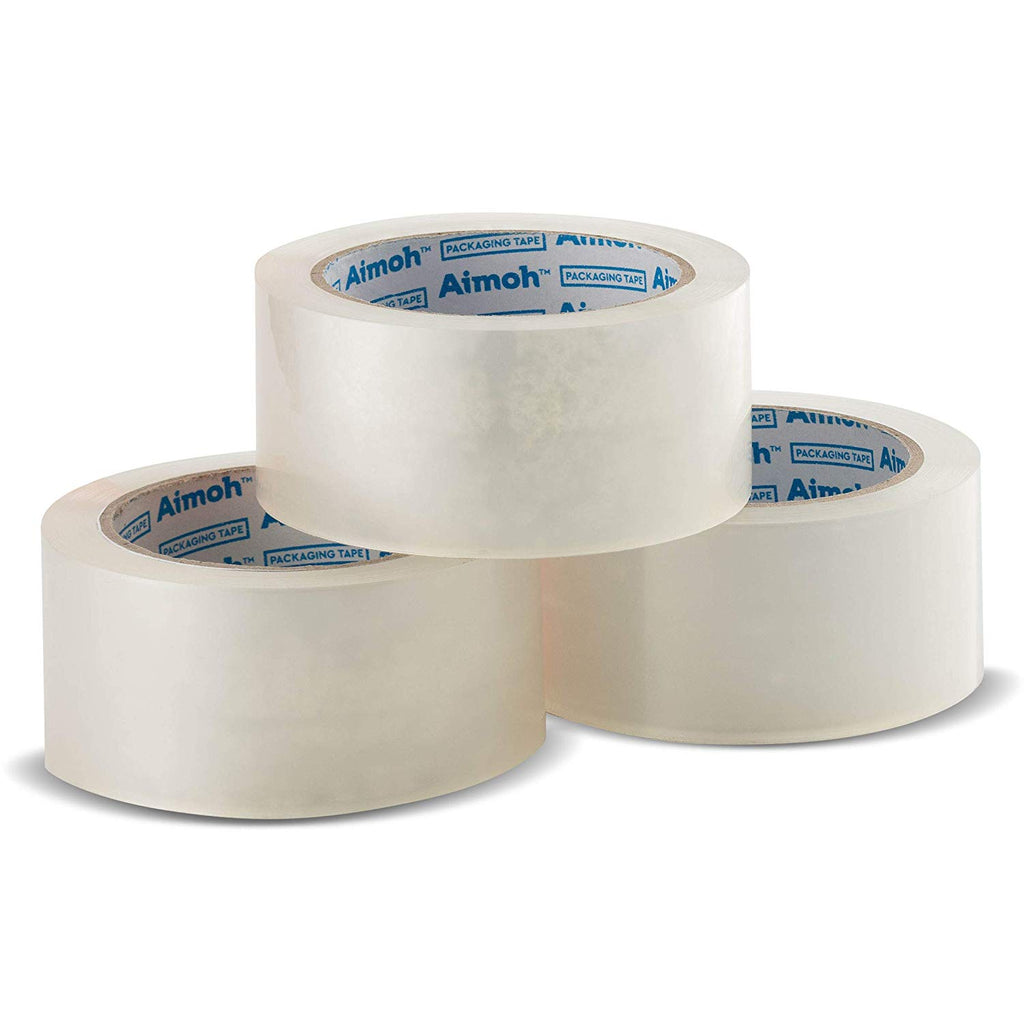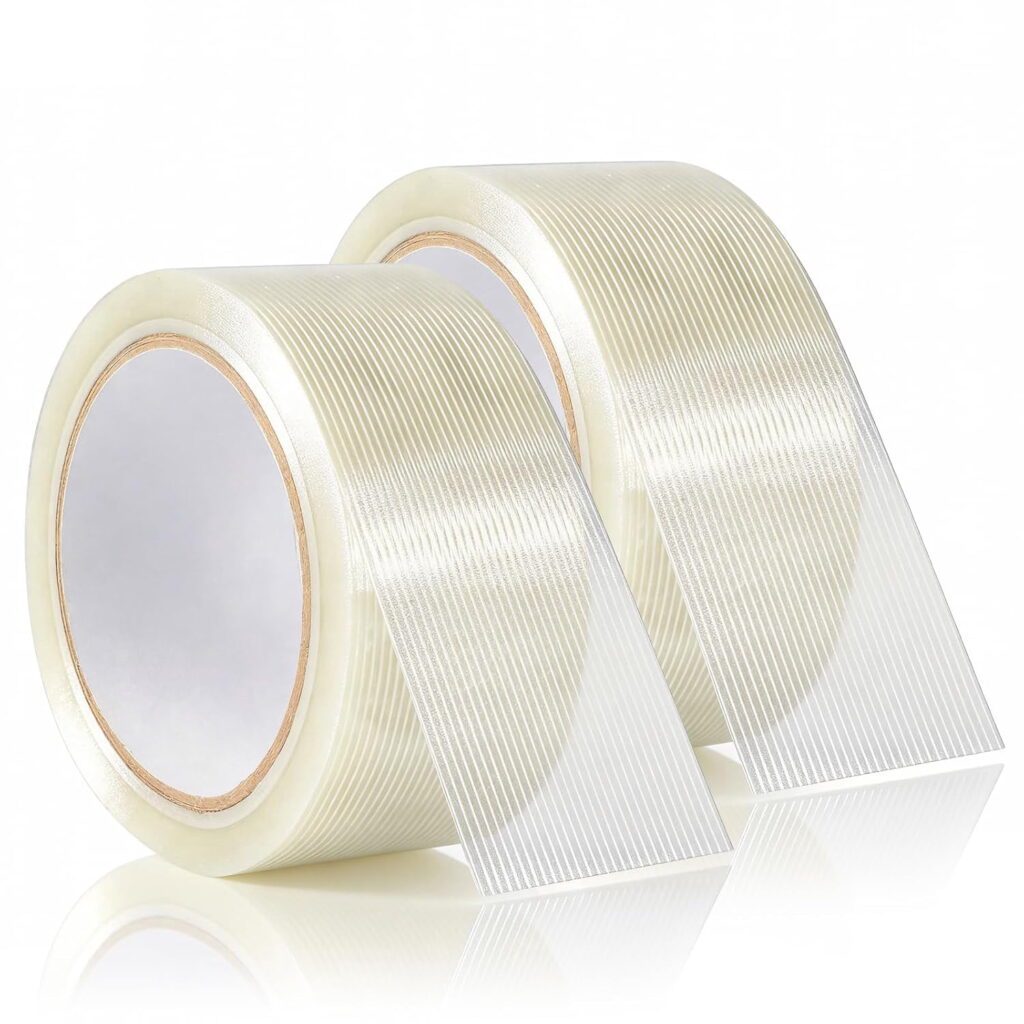
Introduction: Navigating the Global Market for High clarity packing tape
When sourcing high clarity packing tape for premium packaging visibility and secure light-duty sealing, international procurement teams face a complex landscape of varying quality standards and regional supply chain inconsistencies. Whether you are securing gift baskets for retail distribution in Lagos or managing L-clip closures for electronics packaging in Ho Chi Minh City, selecting the right transparent film solution directly impacts your brand’s visual appeal and operational efficiency. The decision extends beyond simple adhesion; it requires understanding UPVC backing durability and acrylic adhesive formulations that withstand diverse climate conditions across global shipping routes.
Why Is Sourcing High Clarity Packing Tape Critical for Cross-Border Operations?
Global buyers from emerging markets across Nigeria, Vietnam, and throughout Africa, South America, the Middle East, and Europe encounter specific pain points: navigating moisture-resistant specifications, verifying chemical and UV resistance for outdoor storage, and balancing cost-per-roll against long-term aging performance. The risk of receiving substandard film backing or adhesives that stain surfaces and leave residue can disrupt automated packaging lines and damage client relationships in competitive export markets where presentation quality is paramount.
What Comprehensive Solutions Does This Guide Provide?
This comprehensive resource addresses these procurement challenges systematically. We examine technical specifications distinguishing industrial-grade high clarity tapes from standard alternatives, explore diverse applications ranging from garment bundling to promotional packaging assembly, and provide rigorous frameworks for vetting international manufacturers. You will find detailed analysis of pricing structures, volume discount strategies, shipping logistics, and compliance requirements specific to cross-border B2B transactions in developing and established economies alike.
How Can This Guide Empower Your Regional Procurement Strategy?
By the conclusion, you will possess actionable criteria for assessing tape thickness (mil), backing clarity standards, and adhesive compatibility—enabling confident supplier negotiations and inventory decisions that reduce material waste while ensuring your packaging maintains crystal-clear visibility throughout challenging supply chain environments.
Understanding High clarity packing tape Types and Variations
| タイプ名 | 主な特徴 | 主なB2Bアプリケーション | バイヤーのための簡単な長所と短所 |
|---|---|---|---|
| Light-Duty UPVC Film Tape | 2.3 mil thickness, clean-removal acrylic adhesive, moisture/chemical/UV resistant, hand-tearable | L-clip closures, gift basket assembly, document sealing, temporary holding, inner pack tabbing | Pros: Invisible on packaging, no residue, excellent for presentation. Cons: Low tensile strength, unsuitable for heavy carton sealing, limited temperature range. |
| Heavy-Duty Industrial BOPP Tape | High tensile strength, synthetic rubber adhesive, crystal-clear optics, 2.5+ mil thickness, machine-grade | Export carton sealing, pallet wrapping visibility, high-value electronics packaging, automated lines | Pros: Strong permanent seal with scan-through visibility, dispenser compatible. Cons: Aggressive adhesion may damage delicate surfaces, higher cost per meter. |
| UV-Stabilized Outdoor Grade | UV inhibitors in film and adhesive, prevents yellowing, maintains flexibility in extreme heat, long-term aging resistance | Agricultural exports, outdoor storage, construction material bundling, tropical climate shipping | Pros: Clarity retention in direct sunlight, prevents adhesive degradation. Cons: Premium pricing, limited availability in narrow widths, requires specific shelf-life monitoring. |
| Low-Noise Quiet Unwinding | Specialized release coating, reduced unwind decibel levels (up to 50% reduction), consistent adhesion | Retail warehouse packing, office environments, night shift operations, noise-sensitive European facilities | Pros: Improved worker comfort, OH&S compliance, maintains clarity. Cons: Higher unit cost, may require compatible dispenser cutting mechanisms. |
| Printable High Clarity Tape | Thermal transfer/flexographic compatible coatings, maintains transparency in non-printed areas, 2.0-3.0 mil options | Branding on clear packaging, security sealing with logos, retail-ready private label goods, tamper-evident seals | Pros: Marketing visibility without obscuring product, custom branding capability. Cons: Higher MOQs for custom printing, requires ink adhesion testing, setup costs. |
What Are the Primary Applications for Light-Duty High Clarity Film Tape?
This category features ultra-clear unplasticized polyvinyl chloride (UPVC) backing with non-staining acrylic adhesives, designed specifically for presentation-sensitive applications. At approximately 2.3 mil thickness, it offers sufficient holding power for L-clip closures, gift basket assembly, and document sealing while maintaining a near-invisible appearance. B2B buyers should prioritize tapes with verified clean-removal properties when sourcing for retail packaging or temporary holding applications, as residue-free performance prevents damage to premium goods and maintains professional presentation standards without requiring dispenser equipment.
How Does Heavy-Duty High Clarity Tape Support Export Operations?
Industrial-grade high clarity tapes utilize biaxially oriented polypropylene (BOPP) films with enhanced optical properties, delivering the tensile
Key Industrial Applications of High clarity packing tape
| 業界/セクター | Specific Application of High clarity packing tape | ビジネスにとっての価値/利益 | このアプリケーションにおける主な調達上の考慮事項 |
|---|---|---|---|
| E-commerce & Luxury Retail Logistics | L-clip closure for premium packaging and branded box sealing | Preserves brand visibility and unboxing aesthetics; clean removal reduces return processing damage and supports reverse logistics | UV-resistant backing for tropical storage climates (Africa/Middle East); consistent acrylic adhesive performance in high-humidity environments (Southeast Asia) |
| 食品・飲料加工 | Promotional gift basket assembly, tray sealing, and temporary food container closure | Chemical resistance prevents contamination from aromatic compounds; optical clarity showcases product quality without obstruction for quality assurance | FDA or EU-compliant adhesive for indirect food contact; moisture resistance for cold chain and refrigerated transport between continents |
| Pharmaceutical & Cosmetics Manufacturing | Attaching extended applicator tubes to aerosol cans, document envelope sealing, and secondary packaging holding | Non-staining formulation protects sensitive printed surfaces and aluminum packaging; clean removal facilitates efficient batch repackaging and recall management | Batch traceability documentation; static-free properties for clean room manufacturing environments; long-aging adhesive for extended pharmaceutical supply chains |
| Textile & Apparel Export | Garment bundling, size-label tabbing, and temporary holding of fabric swatches | Transparent appearance enables scan-through inventory management without tape removal; prevents fabric discoloration or adhesive transfer during maritime transit | Low-tack adhesive variants for delicate synthetics; UV stability for extended port storage in sunny climates (South America, Middle East); compatibility with automated bundling systems |
| Electronics Assembly & Logistics | Temporary holding of components, protective film tabbing, and clean room packaging closure | Residue-free removal prevents conductive contamination of precision parts; high clarity allows visual inspection of serial numbers and solder joints without tape removal | Anti-static backing options for semiconductor handling; precise width tolerances for automated dispensing systems; resistance to yellowing under factory lighting |
How Does High Clarity Packing Tape Enhance Brand Integrity in E-commerce Fulfillment?
In luxury retail and e-commerce logistics, first impressions determine customer retention and brand perception. High clarity packing tape enables secure L-clip closures on corrugated packaging while maintaining complete visibility of branded printing beneath, eliminating the cheap aesthetic of opaque polypropylene alternatives. For international buyers operating in Nigeria or Vietnam’s humid climates, the acrylic adhesive formulation resists moisture degradation during monsoon seasons, while UV-resistant UPVC backing prevents yellowing during outdoor storage. The clean-removal characteristic proves essential for reverse logistics, allowing distribution centers to open and reseal returned merchandise without surface damage or residue that would render premium packaging unsuitable for resale.
What Are the Critical Applications of High Clarity
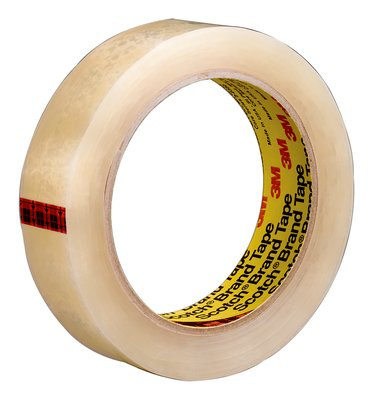
A stock image related to High clarity packing tape.
3 Common User Pain Points for ‘High clarity packing tape’ & Their Solutions
Scenario 1: Automated Logistics Bottlenecks Due to Poor Tape Clarity
問題だ: In high-volume distribution centers serving international trade routes between Africa, Southeast Asia, and Europe, standard packaging tape often creates optical distortion or yellowing that interferes with automated barcode scanning systems. When shipping labels are covered with conventional clear tape, the material’s haze or reflective glare prevents scanners from reading tracking data, forcing manual entry and causing costly delays in customs clearance and inventory processing. For exporters shipping from Nigeria to European hubs or Vietnam to Middle Eastern markets, these scanning failures create supply chain bottlenecks that damage client relationships, incur demurrage fees at ports, and compromise delivery commitments to retailers expecting just-in-time inventory replenishment.
解決策 High clarity packing tape utilizes UPVC backing with superior light transmission properties that allow barcode scanners to read through the material without optical interference. The non-yellowing acrylic adhesive maintains exceptional transparency throughout extended shipping cycles and varying storage conditions, ensuring automated sorting systems process packages efficiently across multiple handling points. This eliminates manual handling requirements at distribution hubs and customs checkpoints, maintaining velocity in international supply chains while reducing labor costs and preventing delays associated with re-labeling or manual data entry errors.
Scenario 2: Compromised Visual Merchandising for Retail-Ready Packaging
問題だ: Consumer goods distributors and gift basket assemblers frequently encounter rejection from retail partners when packaging appears unprofessional due to cloudy or yellow-tinged tape obscuring product visibility. Standard tapes can develop a milky appearance over time, particularly when exposed to temperature fluctuations during international shipping or UV exposure in transit, detracting from premium product presentation. This visibility issue is critical for L-clip closures on gourmet food sets, promotional bundling, and garment packaging where the tape itself becomes part of the visual customer experience, potentially reducing perceived value and impacting sales velocity in competitive retail environments across European and Middle Eastern markets.
解決策 High clarity tape provides crystal-clear transparency that remains stable under UV exposure and temperature variations, ensuring retail packaging maintains its aesthetic appeal from warehouse to shelf. The 2.3 mil UPVC film virtually disappears when applied, allowing branded packaging, product colors, and marketing materials to remain fully visible to consumers without distraction. For B2B buyers supplying retail environments or assembling export gift baskets, this clarity supports premium positioning while providing the functional closure strength needed for secure transport, effectively balancing security requirements with the visual merchandising standards demanded by high-end retailers and boutique distributors.
Scenario 3: Surface Damage and Packaging Waste in Reusable Supply Chains
問題だ: Businesses utilizing returnable packaging systems or shipping high-value documents and samples often find that aggressive adhesives on standard tape damage surfaces upon removal or leave permanent residue that renders expensive packaging unusable after a single transit. In humid climates common across African and Southeast Asian markets, inferior adhesives can degrade, creating unsightly staining on cardboard, acrylic displays, or painted surfaces that necessitates costly replacements and creates waste management challenges. This challenge is particularly acute for companies managing circular packaging economies, exhibition materials, or sample kits that must maintain pristine appearance through multiple use cycles and varying environmental conditions.
解決策 High clarity packing tape features a non-staining acrylic adhesive specifically formulated for clean removal from diverse surfaces including painted metal, glass, and coated cardboard. The moisture and chemical-resistant UPVC backing prevents adhesive breakdown during tropical transit or exposure to warehouse chemicals, while the clean-removal property allows recipients to open packages without damaging reusable containers or presentation materials. This extends the lifecycle of returnable packaging assets, reduces waste management costs, and maintains the professional appearance of document envelopes and promotional materials throughout repeated international shipping cycles, delivering measurable ROI for sustainability-focused procurement strategies.
Strategic Material Selection Guide for High clarity packing tape
Selecting the optimal film substrate for high clarity packing tape requires balancing optical performance, environmental resilience, and total cost of ownership. For procurement teams operating across diverse climates—from Nigeria’s humid tropics to the Middle East’s intense solar exposure—material selection directly impacts product shelf appeal, seal integrity, and inventory longevity. Understanding the distinct behavioral properties of each substrate enables strategic sourcing decisions that align with specific operational environments and sustainability mandates.
How Does UPVC Film Perform in High-Humidity and UV-Intensive Environments?
Unplasticized Polyvinyl Chloride (UPVC) represents the premium standard for high clarity packaging tapes, typically manufactured at 1.5–2.3 mil thickness with rigid dimensional stability. Unlike plasticized alternatives, UPVC exhibits exceptional resistance to moisture, chemical solvents, and ultraviolet degradation, making it particularly suitable for Middle Eastern and African markets where solar exposure challenges adhesive integrity. The backing material maintains structural rigidity in automated L-clip closure systems and high-speed tabbing operations without stretching or distortion. While UPVC commands a premium price point compared to polyolefin films, its non-staining acrylic adhesive ensures clean removal from delicate surfaces, supporting applications such as luxury gift basket assembly, promotional bundling, and inner pack box sealing where repositioning is frequently required.
Is Cellulose Acetate Film Suitable for Sustainable Packaging Operations?
Cellulose acetate film, derived from renewable wood pulp and cotton fibers, delivers optical clarity with a refractive index approaching glass, making it ideal for luxury retail presentation and food-contact applications. This bio-based material addresses stringent European sustainability mandates through industrial compostability and biodegradability, distinguishing it from petroleum-derived alternatives. However, procurement teams must evaluate warehouse humidity controls carefully, as cellulose acetate exhibits hygroscopic properties that cause dimensional instability and edge curling in tropical climates like Vietnam or coastal Nigeria. While perfect for short-term applications such as party tray closures, document envelopes, and garment bundling, this material requires climate-controlled storage and is less suited for long-term inventory holding in unconditioned facilities.
When Should BOPP Be Selected Over Premium High Clarity Films?
Biaxially Oriented Polypropylene (BOPP) serves as the cost-efficient workhorse for high-volume e-commerce and logistics operations where extreme optical perfection is secondary to mechanical strength and unit economics. While BOPP tapes provide adequate clarity for standard carton identification, they typically exhibit haze levels significantly higher than UPVC or cellulose acetate, resulting in slightly cloudier aesthetics that may obscure premium branding. For South American and African markets prioritizing fulfillment scalability, BOPP offers superior tensile strength and moisture barrier properties at approximately 40–60% lower material costs than UPVC. The trade-off involves reduced UV stability and potential adhesive oxidation during outdoor storage, limiting suitability for UV-exposed supply chains despite excellent performance in climate-controlled distribution centers.
| 素材 | Typical Use Case for High clarity packing tape | 主な利点 | 主な欠点/制限 | 相対コスト |
|---|---|---|---|---|
| UPVC (Unplasticized PVC) | L-clip closure, luxury gift packaging, promotional bundling, UV-exposed storage | Superior moisture/chemical/UV resistance; clean removal; dimensional stability for automation | Premium pricing; rigid backing requires precise tension control | 高い |
| Cellulose Acetate | Food gift baskets, document envelopes, party trays, |
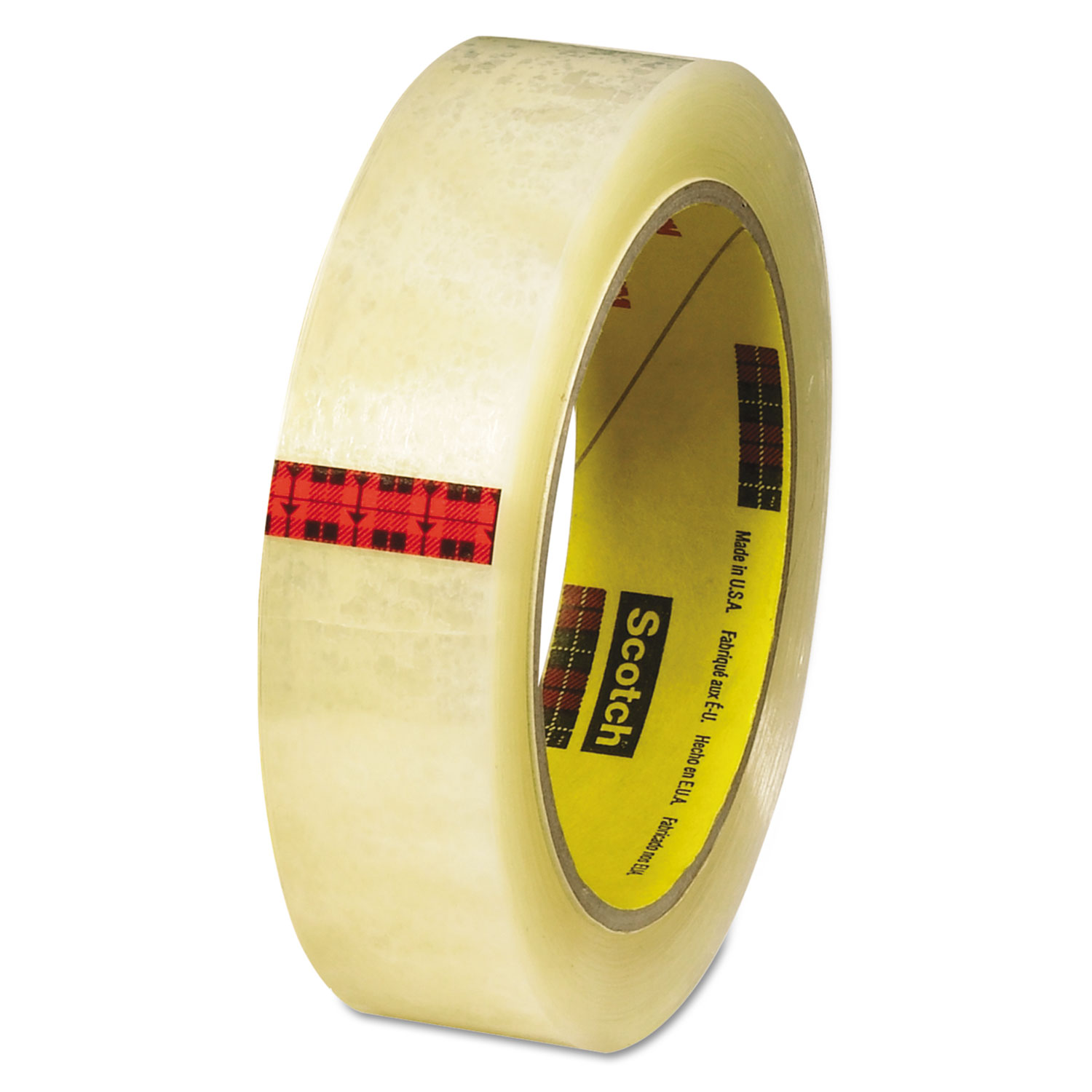
A stock image related to High clarity packing tape.
In-depth Look: Manufacturing Processes and Quality Assurance for High clarity packing tape
For B2B procurement teams sourcing packaging materials across diverse climates—from Nigeria’s humid ports to Europe’s regulated warehouses—understanding the manufacturing intricacies behind high clarity packing tape ensures supply chain reliability. Unlike standard opaque tapes, high clarity variants require precision-engineered UPVC (Unplasticized Polyvinyl Chloride) films and specialized acrylic adhesives that maintain optical transparency while resisting environmental degradation. The manufacturing process directly impacts critical performance metrics including chemical resistance, clean removability, and long-term aging stability that define premium grades suitable for L-clip closures, promotional bundling, and document sealing in demanding commercial applications.
How Is Optical Clarity Achieved in UPVC Film Extrusion?
The foundation of high clarity tape lies in the film extrusion process, where virgin UPVC resin undergoes calendering or casting to achieve the precise 1.5 mil (0.038 mm) backing thickness specified in premium grades. Manufacturers utilize polished chrome rollers and contamination-controlled environments to eliminate surface imperfections that could scatter light. The unplasticized formulation—critical for chemical and moisture resistance—requires exact temperature control during extrusion (typically 160-180°C) to prevent polymer degradation while maintaining the glass-like transparency essential for barcode scanning and aesthetic packaging. B2B buyers should verify that suppliers utilize optical-grade resin batches with minimal refractive index variation, ensuring consistent clarity across production lots exceeding 100,000 linear meters.
What Adhesive Coating Technologies Ensure Clean Removal and Long-Term Aging?
Acrylic adhesive application represents the secondary critical manufacturing phase, where a 0.8 mil (0.020 mm) layer complements the UPVC backing to achieve the total 2.3 mil (0.058 mm) tape thickness. Advanced manufacturers employ solvent-free or aqueous acrylic emulsion coating systems that undergo controlled thermal curing (80-120°C) to optimize cross-linking density. This molecular structure provides the instant tack required for high-speed packaging lines while ensuring non-staining, clean removal from corrugated surfaces, glass, and plastics. For buyers in South America and Southeast Asia, verifying that adhesive formulations contain UV stabilizers prevents tropical sunlight exposure from compromising the tape’s removability characteristics during extended warehouse storage.
Which Quality Assurance Protocols Validate Chemical and Moisture Resistance?
Rigorous QC testing separates commodity tapes from industrial-grade high clarity variants. Manufacturers subject production samples to ASTM D3330 peel adhesion testing, maintaining 20-30 oz/inch width standards for consistent closure strength. Chemical resistance validation involves 24-hour immersion testing against common shipping contaminants including oils, mild acids, and plasticizers to ensure the UPVC backing maintains dimensional stability. Moisture resistance verification requires 95% relative humidity chamber testing at 40°C for 96 hours, simulating tropical transit conditions common in African and Middle Eastern supply chains. Batch documentation should include certificates of analysis (COA) verifying these parameters for every production run.
How Do Precision Slitting and Winding Processes Impact Automated Packaging Efficiency?
Post-coating manufacturing involves precision slitting to standard widths (12.7mm, 25.4mm, 50.8mm) and length specifications (36-72 yards) while maintaining tension control within ±5% variance. For B2B buyers operating automated L-clip closure systems or case sealers, consistent roll geometry prevents jamming and ensures smooth unwind force (typically 20-50 grams). Quality checks include edge straightness verification (±0.1mm tolerance) and core dimensional accuracy (3-inch standard cores) to guarantee compatibility with industrial dispensers. Manufacturers utilizing laser-guided slitting and automated vision inspection systems deliver the roll-to-roll consistency necessary for high-speed packaging operations in European pharmaceutical or electronics facilities.
What Environmental and Compliance Standards Should International Buyers Verify?
Global procurement requires verification of manufacturing compliance with REACH regulations (EU), RoHS directives for electronics packaging, and ISO 9001:2015 quality management systems. For tapes destined for food-contact secondary packaging or garment bundling, FDA 21 CFR 175.105 compliance or equivalent regional certifications ensure adhesive safety. Manufacturers serving Middle Eastern markets often pursue SASO certification, while Nigerian importers should verify SONCAP compliance. Environmental manufacturing controls include VOC emission management during adhesive curing and waste reduction through edge trim recycling—factors increasingly important for European buyers’ ESG procurement criteria.
How Should Storage Protocols Preserve Manufacturing Quality During International Transit?
The manufacturing quality assurance extends to packaging specifications that protect tape integrity during ocean freight from Asian manufacturing hubs to African or South American destinations. Individual boxing with moisture-barrier wrapping prevents humidity damage during 30-45 day transits. Temperature-controlled storage recommendations (15-25°C) prevent adhesive flow or backing embrittlement before application. B2B buyers should confirm that suppliers utilize palletized shipping with VCI (Vapor Corrosion Inhibitor) films for sea freight, ensuring that the UV and chemical resistance engineered during manufacturing remains intact upon arrival at regional distribution centers.
Practical Sourcing Guide: A Step-by-Step Checklist for ‘High clarity packing tape’
Procuring high clarity packing tape for international operations requires precise attention to optical properties, substrate compatibility, and climate-specific performance factors. Unlike standard opaque packaging tapes, these transparent films must maintain visibility for barcode scanning and brand presentation while delivering reliable adhesion. Use this checklist to ensure your procurement team evaluates critical specifications that impact both aesthetic quality and operational efficiency in diverse markets.
Step 1: How Do You Define Your Application Requirements for High Clarity Packing Tape?
Begin by distinguishing between light-duty applications—such as L-clip closures, gift basket assembly, document envelope sealing, and temporary tabbing—and heavier industrial uses. High clarity tapes like 3M Scotch 600 excel in retail packaging where product visibility drives consumer appeal, but they are not designed for heavy carton sealing. Determine whether you require clean removal capabilities for repositionable holding or permanent adhesion for inner pack bundling, as this dictates adhesive chemistry selection.
Step 2: What Material Specifications Ensure Optical Clarity and Clean Removal?
Verify that prospective suppliers use UPVC (unplasticized polyvinyl chloride) backing material approximately 1.5 mil thick, with a total tape caliper of 2.3 mil for optimal handling. Insist on non-staining acrylic adhesives that remove cleanly from paper, plastics, and painted surfaces without residue. The film should offer true transparency without yellowing, maintaining “invisible” appearance when applied over graphics or printed materials to ensure barcode readability and professional presentation.
Step 3: Which Environmental Resistance Factors Matter for Your Climate and Storage?
For buyers operating in tropical climates like Nigeria or Vietnam, confirm the tape possesses moisture and UV resistance to prevent adhesive degradation in high-humidity warehouses. If your storage facilities receive direct sunlight or fluorescent lighting exposure, verify UV stability to prevent brittleness. Chemical resistance becomes critical in manufacturing environments where the tape might contact cleaning solvents or industrial oils during processing or transit.
Step 4: How Do You Select the Right Dimensions and Core Sizes for Your Operations?
Standard industrial widths include 12mm (0.5″), 25mm (1″), and 50mm (2″), with lengths typically ranging from 36 to 72 yards. Confirm core diameter compatibility—3-inch cores suit high-volume dispensers while smaller cores work for manual application. Assess whether your workforce requires hand-tearable options or if automated dispensers will handle the application, as this affects tensile strength requirements and roll configuration preferences.
Step 5: What Quality Certifications Should You Verify When Sourcing Internationally?
Request ISO 9001 certification documentation and certificates of analysis (COA) verifying thickness, adhesion strength, and elongation specifications. Verify your supplier maintains authorized distribution status for premium brands or equivalent manufacturing standards. Ensure they provide complete export documentation—including material safety data sheets and origin certificates—to facilitate customs clearance in regulated markets like the European Union and Middle East.
Step 6: How Can You Validate Tape Performance Through Pre-Production Sampling?
Always request production samples before committing to bulk orders. Test clean removal properties on your actual packaging substrates after 24, 48, and 72 hours to verify non-staining claims. Evaluate dispensability to ensure the tape releases smoothly from the roll without stretching or flagging. Finally, inspect the packaging integrity upon arrival, as international shipping can damage roll edges and compromise unwinding performance in automated equipment.
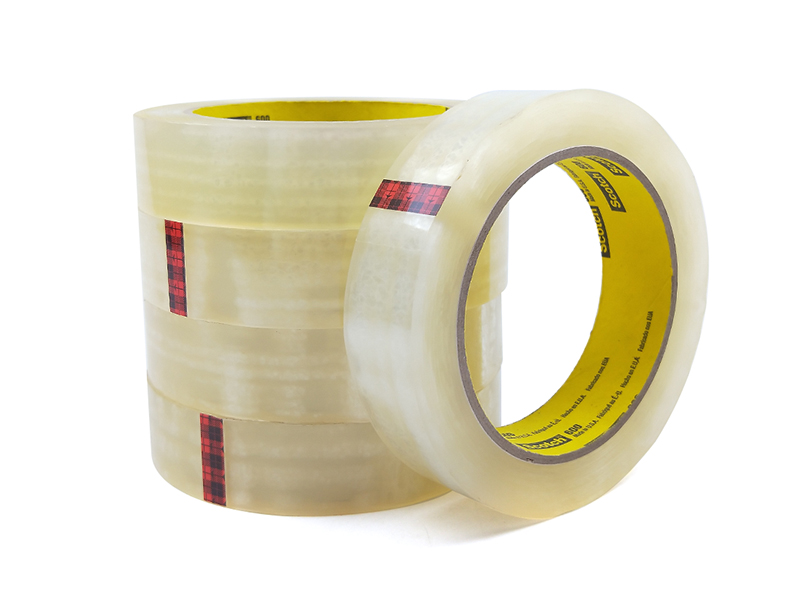
A stock image related to High clarity packing tape.
Comprehensive Cost and Pricing Analysis for High clarity packing tape Sourcing
Strategic sourcing of high-clarity packaging tape requires analysis beyond unit pricing. For procurement teams operating in Nigeria, Vietnam, and broader emerging markets, material specifications, regional logistics frameworks, and volume optimization strategies determine true total cost of ownership (TCO). Understanding how technical specifications translate to pricing tiers enables buyers to balance performance requirements with budget constraints across international supply chains.
What Factors Drive High Clarity Packing Tape Pricing in B2B Markets?
The cost structure hinges on three technical elements: backing material density, adhesive formulation, and film thickness. Premium UPVC (unplasticized polyvinyl chloride) backings, such as the 1.5 mil substrates used in industrial-grade tapes, command higher raw material costs than standard PVC alternatives. Acrylic adhesive systems offering clean removal and UV resistance add 15-25% to manufacturing expenses compared to rubber-based adhesives. For buyers sourcing 2.3 mil specification tapes, each incremental mil in thickness correlates with proportional resin consumption, directly affecting bulk pricing tiers and minimum order quantities.
How Do Regional Import Costs Affect Total Procurement Pricing?
For African and South American importers, logistics often exceed product costs. High-clarity tapes manufactured in North America or Asia face varying duty structures—typically 5-12% for plastic film products—plus container utilization inefficiencies when ordering less than full container loads (FCL). Middle Eastern buyers benefit from proximity to Asian manufacturing hubs, reducing freight costs by 30-40% compared to Atlantic routes. European purchasers should factor in EU plastic packaging taxes, adding €0.80-1.20 per kilogram to imported tape products, influencing the decision between local versus Asian sourcing strategies.
What Bulk Purchasing Strategies Optimize Cost Per Meter?
Volume negotiations pivot on case quantity breakpoints and dimensional standardization. Standard configurations like 1″ x 72-yard rolls packaged 36 per case offer economies of scale at 500+ case orders. However, smart procurement involves analyzing linear meterage rather than roll count. A 0.5″ x 72-yard roll contains half the footage of its 1″ counterpart but rarely costs 50% less. Consolidating SKUs—standardizing on 2″ widths for multiple applications—reduces supplier changeover costs and unlocks pallet-level pricing discounts typically ranging 18-22% below distributor rates.
How Can Buyers Balance Quality Specifications With Budget Constraints?
Light-duty high-clarity applications—L-clip closures, document sealing, and promotional bundling—do not always require premium branded solutions. Generic UPVC tapes meeting 2.3 mil specifications perform comparably to branded alternatives for non-critical holding applications, offering 35-40% cost savings. However, applications involving UV exposure or clean removal requirements justify the premium for acrylic adhesive systems. Conducting application-specific testing on 10-15% of anticipated volume before full procurement commitment mitigates risk while optimizing material expenditure against performance benchmarks.
By analyzing material specifications against actual application requirements and regional logistics frameworks, procurement teams can achieve 20-30% cost optimization while maintaining packaging integrity standards across international supply chains.
Alternatives Analysis: Comparing High clarity packing tape With Other Solutions
When evaluating closure solutions for retail-ready packaging or light-duty bundling, procurement teams often weigh high clarity film tape against commodity-grade alternatives. While standard options may offer lower upfront costs or higher tensile strength, they typically compromise on optical transparency, clean removability, or surface compatibility. Understanding these trade-offs ensures you select a solution that aligns with your operational requirements—whether prioritizing shelf appeal, supply chain durability, or total cost of ownership in diverse climates.
How Does Standard BOPP Acrylic Tape Compare for Cost-Sensitive Operations?
| 比較の側面 | High Clarity Packing Tape (UPVC Film) | 標準BOPPアクリルテープ | Hot Melt Synthetic Rubber Tape |
|---|---|---|---|
| Optical Clarity | Crystal clear; minimal haze for retail display | Slight yellow tint; reduces product visibility | Opaque/off-clear; poor transparency |
| Adhesive Chemistry | Non-staining acrylic; clean removal | Permanent acrylic; aggressive bond | Synthetic rubber; high initial tack |
| Surface Compatibility | Delicate surfaces, coated paper, plastics | Corrugated cardboard (primary) | Corrugated, rough textures |
| 引張強度 | Light duty (2.3 mil); 15–20 lbs/in | Heavy duty (2.2–3.0 mil); 20–30 lbs/in | Heavy duty (2.2–3.0 mil); 20–30 lbs/in |
| UV/Moisture Resistance | High; stable in tropical sunlight | Moderate; degrades in prolonged UV | Poor; yellows rapidly outdoors |
| Unwind Characteristics | Low noise; hand-tearable | Low noise | High noise; requires dispensers |
| メーターあたりのコスト | Premium ($$) | Economical ($) | 中程度($$) |
| Implementation Ease | No dispenser required; instant adhesion | Requires dispenser for efficiency | Requires dispenser; temperature sensitive |
Is Standard BOPP Tape Suitable for Permanent Shipping Applications?
Standard biaxially oriented polypropylene (BOPP) acrylic tape represents the most common alternative, widely utilized in high-volume distribution centers across Nigeria and Vietnam for heavy-duty carton sealing. While this commodity-grade option offers significant cost savings for bulk procurement, it exhibits a characteristic yellowish tint and optical haze that diminishes product visibility—critical for retail-ready packaging or gift basket assemblies. Unlike high clarity UPVC film tape, standard BOPP utilizes permanent acrylic adhesives that bond aggressively to corrugated fibers, risking surface damage upon removal and preventing the reuse of premium packaging. Additionally, BOPP backings provide minimal UV stability compared to specialized high clarity films, making them less suitable for products stored in direct sunlight or humid tropical climates where degradation accelerates.
Can Hot Melt Synthetic Rubber Tape Perform in Cold Chain Logistics?
Hot melt adhesive tapes utilize synthetic rubber resins rather than acrylic chemistry, delivering superior initial tack and performance in low-temperature environments—characteristics that appeal to cold chain operators in European and Middle Eastern markets. However, these tapes generate significantly higher unwind noise and lack the clean removal properties essential for L-clip closures or temporary garment bundling. The aggressive rubber adhesive tends to leave residue on delicate surfaces and offers poor UV resistance, yellowing rapidly when exposed to sunlight during outdoor storage or transit. While hot melt options excel for permanent sealing of shipping cartons in sub-zero conditions, they fail to provide the presentation-grade clarity and repositionability required for promotional bundling, document enclosures, or applications where end-users must open packages without tools.
Essential Technical Properties and Trade Terminology for High clarity packing tape
When sourcing high clarity packing tape for international distribution, understanding precise technical specifications and industry nomenclature prevents costly mismatches between procurement expectations and operational performance. The following technical properties and trade definitions provide the necessary framework for evaluating supplier capabilities and product suitability across diverse climatic and logistical conditions.
What Are the Critical Technical Specifications for High Clarity Packing Tape?
Total Film Caliper and Backing Construction typically specifies 2.3 mil (0.058 mm) total thickness, with the UPVC (unplasticized polyvinyl chloride) backing contributing 1.5 mil (0.038 mm) of structural integrity. This specific caliper ensures compatibility with automated dispensers while providing sufficient conformability for irregular surfaces without excessive bulk that increases freight costs.
Optical Clarity and Light Transmission Rates quantify transparency through percentage of light passage (
Navigating Market Dynamics and Sourcing Trends in the High clarity packing tape Sector
The high clarity packing tape sector is undergoing significant transformation as global supply chains recalibrate and end-user expectations evolve beyond basic sealing functionality. For procurement teams operating across diverse regions—from Nigeria’s rapidly expanding e-commerce logistics networks to Vietnam’s manufacturing export corridors—understanding current market dynamics is essential for strategic inventory management and cost optimization. This segment demands technical precision combined with supply chain resilience, particularly as applications expand from traditional box sealing to high-visibility retail packaging, document protection, and specialized industrial holding where optical clarity directly impacts product presentation and brand perception.
What Are the Current Market Dynamics and Key Trends Reshaping High Clarity Packing Tape Procurement?
The global market for high clarity packaging tapes is witnessing a decisive shift toward premium performance specifications driven by omnichannel retail growth and stringent presentation standards. Buyers across the Middle East, Africa, and Latin America are increasingly prioritizing UV-resistant UPVC formulations that withstand extreme temperature variations during extended shipping cycles and storage in non-climate-controlled environments, moving decisively beyond commodity-grade polypropylene alternatives that yellow or degrade under solar exposure. Supply chain volatility continues to impact pricing structures, with petroleum-based raw material fluctuations and freight cost variations necessitating flexible procurement contracts, regional warehousing strategies, and strategic buffer stock policies to mitigate currency fluctuation risks prevalent in emerging markets.
Regional manufacturing capabilities are expanding rapidly, with Southeast Asian and select African suppliers challenging traditional market dominance by offering competitive lead times and customized specifications for European and Middle Eastern markets. However, quality consistency remains variable across these emerging sources; sophisticated procurement teams now demand comprehensive technical datasheets verifying adhesive age-resistance, backing clarity metrics, and moisture barrier coefficients rather than relying solely on brand recognition. The proliferation of light-duty applications—including garment bundling, promotional gift assembly, and food tray sealing—has fragmented traditional bulk purchasing patterns, requiring inventory strategies that balance SKU diversity with volume discounts while ensuring compatibility with automated dispensing systems increasingly deployed in high-volume distribution centers.
Digital procurement platforms are simultaneously transforming sourcing methodologies, enabling real-time price benchmarking and supplier verification across international borders. Yet this connectivity demands enhanced due diligence regarding counterfeit prevention and quality certification authentication, particularly when sourcing specialized high-clarity formulations for pharmaceutical or electronics packaging where contamination risks carry significant liability exposure.
How Can B2B Buyers Navigate Sustainability and Ethical Sourcing Requirements?
Sustainability imperatives are fundamentally restructuring sourcing criteria as European Union regulatory frameworks, extended producer responsibility (EPR) schemes, and corporate ESG mandates permeate global supply chains regardless of end-market destination. While traditional high clarity tapes utilize UPVC backing for superior optical clarity and chemical resistance, forward-thinking suppliers are introducing bio-based film alternatives, post-industrial recycled content, and solvent-free acrylic adhesives that maintain performance standards while reducing cradle-to-gate carbon footprints. Procurement teams must critically evaluate end-of-life recyclability pathways, as multi-layer film constructions and silicone release liners often complicate waste stream management in regions with limited industrial recycling infrastructure, potentially exposing brands to greenwashing accusations or regulatory non-compliance.
Ethical sourcing extends beyond material composition to encompass manufacturing transparency, labor standards, and community impact. Buyers should prioritize partners demonstrating ISO 14001 environmental management certification, SA8000 social accountability standards, and Sedex membership for ethical trade verification, particularly when sourcing from high-volume production centers in Asia. Comprehensive due diligence should include verification of paper core sustainability—FSC-certified cores are increasingly becoming baseline requirements for European retailers—and assessment of supplier carbon footprint disclosure practices aligned with Science Based Targets initiative (SBTi) protocols.
For markets in Nigeria, Vietnam, and similar growth corridors where rapid industrial expansion intersects with environmental sensitivity, selecting tapes that balance biodegradability concerns with tropical climate durability presents unique formulation challenges. Buyers must engage in close technical collaboration with manufacturers to verify that eco-friendly adhesive systems maintain tack integrity in high-humidity environments while ensuring that backing films resist fungal degradation during monsoon season logistics. Additionally, investigating supplier participation in circular economy initiatives—such as tape take-back programs or closed-loop recycling of production waste—can provide competitive advantages as multinational clients increasingly audit supply chain circularity credentials.
Strategic procurement in this sector demands balancing immediate performance requirements with long-term supply chain resilience and regulatory compliance. By leveraging regional manufacturing growth while maintaining rigorous quality verification and sustainability standards, international buyers can optimize operational costs, mitigate environmental liabilities, and align their sourcing strategies with evolving global commerce expectations that prioritize both transparency and performance.
Frequently Asked Questions (FAQs) for B2B Buyers of High clarity packing tape
1. How does high clarity packing tape differ from standard clear tape in industrial applications?
Standard clear tape typically utilizes lower-grade polypropylene films that develop yellowing and hazing within weeks of UV exposure. High clarity tape employs premium UPVC backing with superior light transmission coefficients, maintaining optical transparency equivalent to glass even after prolonged storage in warehouse conditions. For B2B buyers managing international supply chains, this distinction ensures that inventory remains visually inspectable and professionally presented throughout extended transit periods and seasonal storage cycles.
2. Why are ecommerce fulfillment centers choosing high clarity tape for international shipping?
Ecommerce operations prioritize high clarity formulations because they eliminate the prismatic distortion that obscures shipping labels and QR codes during automated sorting processes. The tape’s balanced 2.3 mil thickness provides sufficient shear strength for multi-modal transport while remaining lightweight enough to avoid dimensional weight penalties in air freight calculations. Additionally, the clean removal properties support reusable packaging initiatives prevalent in European and Middle Eastern sustainability frameworks, reducing material costs across circular supply chains.
3. Does high clarity packing tape improve barcode scanning accuracy in automated warehouses?
Yes, high clarity tape significantly reduces no-read incidents caused by optical interference common with standard packaging films. The ultra-flat UPVC surface minimizes light scatter that disrupts laser scanner beams and computer vision systems, ensuring 99%+ first-pass scan rates. This reliability proves critical for high-velocity distribution centers in markets like Nigeria and Vietnam, where scanning errors can trigger customs delays, inventory discrepancies, and demurrage charges at congested ports.
4. What are the advantages of using high clarity tape for retail packaging and shelf-ready displays?
High clarity tape enables virtually invisible sealing of retail cartons, allowing consumers to view products without distracting tape lines or discolored edges that signal inferior packaging quality. The non-staining acrylic adhesive prevents residue migration onto glossy retail boxes during the high-humidity storage conditions common in South American and Southeast Asian markets. This aesthetic neutrality supports premium brand positioning while providing the structural integrity required for palletized distribution to retail endpoints without secondary overwrapping.
5. How does high clarity tape perform in high-humidity and tropical climates?
High clarity tape utilizes moisture-resistant UPVC backing and UV-stable adhesives that resist delamination and adhesive creep during monsoon seasons or humid port storage exceeding 85% relative humidity. Unlike standard tapes that cloud or lose tack strength in tropical conditions, these formulations maintain optical clarity and bond integrity across temperature fluctuations from desert heat to coastal moisture. This climate resilience reduces package failure rates during transoceanic shipping routes connecting African manufacturing hubs to European distribution centers.
6. What surfaces and substrates are compatible with high clarity packing tape adhesives?
The specialized acrylic adhesive system bonds effectively to coated cardboard, recycled fibers, rigid plastics, and metal surfaces while releasing cleanly without ghosting or fiber tear. This versatility supports diverse B2B applications including L-clip closure for inner pack boxes, temporary holding of promotional sleeves, and secure attachment of extended application tubes to aerosol cans. Procurement teams benefit from reduced SKU complexity, as one high clarity tape specification can replace multiple specialized adhesives across packaging lines handling electronics, textiles, and consumer goods.
7. Is high clarity packing tape cost-effective for high-volume B2B procurement?
While per-unit costs may exceed commodity polypropylene tapes, high clarity tape delivers measurable ROI through reduced damage claims, eliminated relabeling labor, and enhanced brand perception in direct-to-consumer shipments. Standard 72-yard lengths and 3-inch core compatibility minimize changeover downtime in automated packaging lines, improving OEE (Overall Equipment Effectiveness) metrics. Strategic buyers should evaluate total cost of ownership including reduced rework rates and improved scanning efficiency rather than per-roll pricing alone when negotiating bulk contracts.
8. Can high clarity tape be applied without specialized dispensing equipment?
High clarity tape features optimized release coatings and film stability that allow precise manual application for gift basket assembly, document envelope closure, and low-volume tabbing operations without curling or stretching. The film releases cleanly from the roll with consistent tension, enabling accurate placement by warehouse staff during peak periods when pneumatic dispensers require maintenance. For high-volume operations, the tape integrates seamlessly with standard 3-inch core dispensers, providing ergonomic efficiency while maintaining the precise alignment critical for automated case sealing machinery.
重要な免責事項および利用規約
⚠️ 重要な免責事項
メーカー、技術仕様、市場分析に関する内容を含め、本ガイドラインで提供される情報は、情報提供と教育目的のみのものです。専門的な調達アドバイス、財務アドバイス、または法的アドバイスを提供するものではありません。.
B2Bバイヤーは、独自の徹底的なデューデリジェンスを行う必要がある。 をご覧の上、ご購入をお決めください。本ガイドに記載された情報を信頼した場合のリスクは、読者が単独で負うものとします。.
Top 1 High Clarity Packing Tape Manufacturers & Suppliers List
1. 3M – VHB & Industrial Tapes
ドメイン wh-tape.com
登録:2023年(3年間)
はじめに Key product categories include: 3M (Scotch, VHB, office and industrial tapes); Avery Dennison (pressure-sensitive adhesive materials for labeling, packaging, medical); Tesa SE (double-sided, masking, packaging, industrial and automotive tapes); Nitto Denko (electrical insulation tapes, surface protection films, medical tapes); Scapa Group (healthcare, electronics, industrial); Intertape Polymer Gr…
Strategic Sourcing Conclusion and Outlook for High clarity packing tape
As global supply chains evolve, high clarity packing tape represents more than a simple closure solution—it is a critical component of brand presentation and product protection. For procurement teams across emerging markets, selecting the right transparent film tape requires balancing optical clarity with environmental resilience, particularly when managing goods through humid climates or extended storage periods.
How Can Procurement Teams Optimize High Clarity Tape Sourcing for Tropical Climates?
Buyers operating in regions like Nigeria, Vietnam, or Brazil must prioritize moisture-resistant UPVC backings and UV-stable acrylic adhesives to prevent degradation during transit and warehousing. Establishing diversified supplier relationships across multiple manufacturing hubs reduces vulnerability to regional disruptions, while bulk procurement agreements secure price stability for high-volume operations. Verify that potential suppliers provide consistent thickness tolerances (minimum 1.5 mil backing) to ensure automated packaging line compatibility.
What Differentiates Premium High Clarity Film from Standard Packaging Alternatives?
Premium transparent tapes offer clean removal properties that prevent surface damage during customs inspections or retail presentation, a crucial factor for luxury goods and electronics exporters. Unlike standard opaque alternatives, high clarity formulations allow barcode scanning and product visibility without tape removal, streamlining logistics operations. When evaluating manufacturers, request accelerated aging test data to validate long-term adhesive performance under varying temperature cycles.
The future of packaging procurement lies in materials that combine aesthetic transparency with functional durability. By prioritizing specifications over unit costs and developing relationships with manufacturers offering consistent high-clarity formulations, buyers can secure competitive advantages in markets where product presentation directly influences consumer trust.