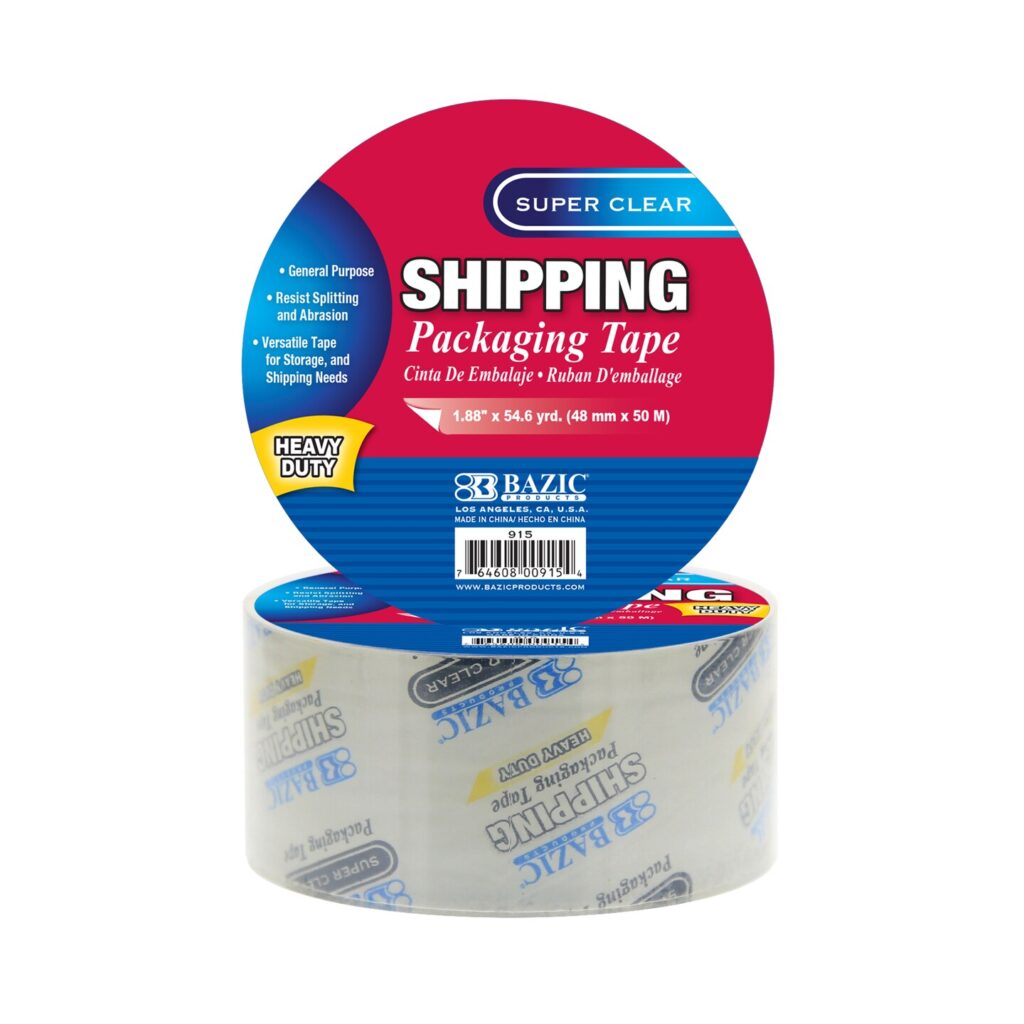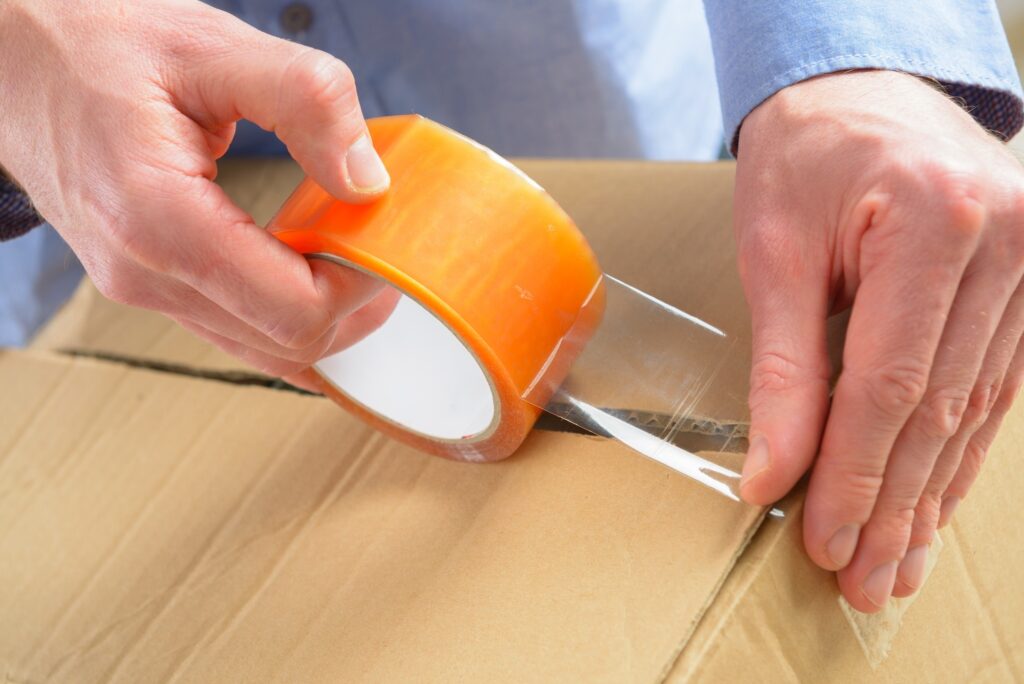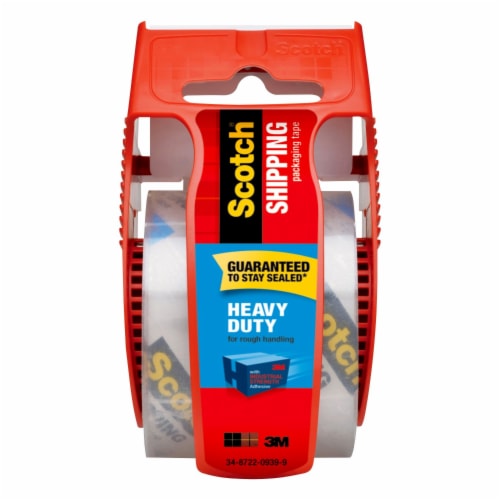
Introduction: Navigating the Global Market for Premium transparent packaging tape
When sourcing premium transparent packaging tape for demanding export operations, procurement teams across Africa, South America, the Middle East, and Europe face a labyrinth of technical specifications, adhesive technologies, and supplier reliability concerns that directly impact supply chain integrity, customs compliance, and brand reputation in competitive global markets.
The global marketplace offers myriad options—from hot-melt polypropylene to solvent acrylic systems—yet quality inconsistency, hidden logistics costs, and varying regional compliance standards create significant procurement vulnerabilities. For businesses operating across diverse climates and regulatory environments, selecting suboptimal sealing solutions leads to carton failures, moisture damage, customs delays, and eroded profit margins that compound exponentially across high-volume export operations.
What Critical Factors Should Global Buyers Evaluate When Selecting Clear Packaging Solutions?
This comprehensive guide dismantles these complexities by examining advanced tape construction technologies, adhesive performance metrics under extreme temperatures, and application-specific requirements across industrial manufacturing, retail display, and high-velocity e-commerce fulfillment. We analyze rigorous supplier vetting methodologies, total cost of ownership calculations, freight optimization strategies, and international quality certification standards essential for seamless cross-border commerce.
Specifically tailored for procurement professionals navigating Brazil’s expanding e-commerce infrastructure, Saudi Arabia’s industrial zones under Vision 2030, and diverse emerging markets across Africa and Europe, this resource provides actionable frameworks for negotiating with Asian manufacturers, verifying technical specifications against regional climate challenges, and optimizing inventory management across complex international supply chains to ensure consistent packaging performance.
Understanding Premium transparent packaging tape Types and Variations
| タイプ名 | 主な特徴 | 主なB2Bアプリケーション | Indicative Price Range (e.g., $, $$, $$$) | バイヤーのための簡単な長所と短所 |
|---|---|---|---|---|
| Solvent-Based Acrylic Super Clear | Non-yellowing, UV-resistant, optical clarity, biaxially oriented PP film | Retail display, luxury goods, long-term storage, label protection | $$$ | Pros: Aesthetic preservation, weather resistance. Cons: Higher cost, slower initial tack |
| Hot-Melt Synthetic Rubber | Aggressive initial tack, high shear strength, temperature stable | E-commerce fulfillment, automated lines, general logistics | $$ | Pros: Fast bonding, cost-effective bulk pricing. Cons: Potential noise, recycled content compatibility issues |
| Water-Based Acrylic Low-Noise | Quiet unwind (<50dB), low odor, moderate clarity | Office environments, pharma, retail backrooms, noise-restricted zones | $$ | Pros: Workplace comfort, clean application. Cons: Humidity sensitivity, lower initial grab |
| Heavy-Duty Reinforced Export | 3.0+ mil thickness, high tensile (35+ lbs/in), reinforced structure | Export shipping, heavy loads, rough handling, pallet sealing | $$$ | Pros: Superior strength, damage reduction. Cons: Higher freight weight, premium pricing |
What Makes Solvent-Based Acrylic Tape the Premium Choice for UV-Resistant Packaging?
Solvent-based acrylic tapes represent the pinnacle of optical clarity for premium packaging applications. Featuring biaxially oriented polypropylene film with solvent acrylic adhesive, these tapes offer exceptional UV resistance and non-yellowing properties critical for products stored in sunny climates like the Middle East or outdoor markets in Africa. The adhesive system provides stable long-term aging without discoloration, making it ideal for retail display packaging where aesthetics drive purchasing decisions. B2B buyers should prioritize specifications regarding UV exposure hours and verify compatibility with high-speed dispensers, as the solvent carrier requires specific drying considerations during manufacturing that affects unwind characteristics.
When Should B2B Buyers Select Hot-Melt Synthetic Rubber for High-Speed Operations?
Hot-melt synthetic rubber adhesives deliver aggressive initial tack and superior shear strength, making them the workhorse choice for high-volume automated packaging lines. These tapes perform exceptionally across temperature fluctuations common in diverse logistics environments, from refrigerated transport to hot warehouse conditions in Brazil or Saudi Arabia. The synthetic rubber formulation bonds aggressively to corrugated fibers, providing immediate case sealing without dwell time. When procuring, buyers should assess the recycled content compatibility of their corrugated stock, as high-recycled boxes may require specialized hot-melt formulations. Additionally, verify the tape’s unwind noise levels for facilities with sound restrictions, and consider bulk machine-length rolls to minimize changeover downtime.
Why Choose Low-Noise Water-Based Acrylic for Office and Retail Environments?
Water-based acrylic low-noise tapes address workplace safety and comfort regulations increasingly prevalent in European and Middle Eastern commercial districts. These formulations utilize modified acrylic adhesives that significantly reduce unwind decibel levels compared to hot-melt alternatives, preventing operator fatigue in manual packing stations. While offering moderate initial tack suitable for standard corrugated applications, they excel in clean-room environments and pharmaceutical packaging where solvent odors are prohibited. B2B purchasers must evaluate humidity exposure risks, as water-based adhesives can soften in tropical climates during Africa’s rainy seasons or South American port humidity. Specify anti-static properties for electronics packaging applications.
Which Heavy-Duty Variations Are Essential for Export and Long-Haul Logistics?
Heavy-duty reinforced tapes incorporate thicker BOPP film substrates (3.0 mil and above) or cross-woven filament structures to withstand the rigors of international export and rough-handling environments. These variations provide tensile strengths exceeding 35 lbs per inch, essential for securing double-wall corrugated boxes and palletized loads shipped to emerging markets with less automated handling infrastructure. The enhanced adhesive mass ensures bond integrity through extreme temperature cycles and dusty
Key Industrial Applications of Premium transparent packaging tape
| 業界/セクター | Specific Application of Premium transparent packaging tape | ビジネスにとっての価値/利益 | このアプリケーションにおける主な調達上の考慮事項 |
|---|---|---|---|
| E-commerce & Retail Fulfillment | High-speed carton sealing for automated distribution centers; tamper-evident closure of corrugated shipping boxes | Ensures package integrity through last-mile delivery in humid climates; enables barcode scanning visibility without opening; reduces theft and pilferage during cross-border transit | Hot-melt synthetic adhesive for instant tack on recycled board; quiet unwind properties for automated applicators; UV-resistant formulation for outdoor storage in port facilities |
| Agricultural Commodity Export | Heavy-duty sealing of jute bags and corrugated export cartons for coffee, cocoa, spices, and nuts | Prevents moisture ingress during extended sea freight; maintains fumigation gas containment; withstands rough handling and stacking pressures in port logistics | High tensile strength (>25 lbs/inch); solvent-based acrylic adhesive for extreme temperature fluctuations; compliance with EU/FDA food contact standards for direct commodity packaging |
| Pharmaceutical & Healthcare | Unit dose packaging, medical device carton sealing, and cold chain box closure | Maintains sterility and provides tamper evidence; resists delamination from condensation in temperature-controlled logistics; ensures visibility of batch codes for regulatory compliance | Clean room compatible manufacturing (ISO 15378); non-yellowing clarity for inspection; adhesion stability across climate zones (Middle Eastern heat to European cold storage) |
| Electronics & High-Tech Manufacturing | Anti-static packaging of semiconductors, circuit boards, and high-value consumer electronics | Prevents electrostatic discharge (ESD) damage during handling; seals out dust and humidity in transit; allows automated optical inspection without package opening | Anti-static or conductive adhesive options; crystal clear BOPP film for visual inspection; resistance to adhesive yellowing under UV exposure during warehousing |
| 食品・飲料加工 | Secondary packaging for processed foods, beverages, and halal meat products; cold chain box sealing | Maintains seal integrity through freeze-thaw cycles; prevents contamination in multi-modal transport; supports compliance with halal, kosher, and HACCP packaging standards | Cold temperature adhesion performance (effective down to -10°C); FDA/EU food contact material compliance; moisture resistance to handle condensation from refrigeration units |
How Does Premium Transparent Tape Ensure Package Integrity in High-Humidity E-Commerce Markets?
In emerging e-commerce hubs like São Paulo, Lagos, and Dubai, premium transparent packaging tape addresses the critical challenge of maintaining seal integrity across humid and dusty logistics environments. These tapes utilize hot-melt synthetic adhesives that provide immediate tack on recycled corrugated board, preventing carton pop-opens during automated sorting and last-mile delivery. For B2B buyers, selecting tapes with quiet unwind technology reduces operational noise in fulfillment centers, while UV-resistant formulations prevent adhesive degradation when packages await customs clearance in outdoor port facilities under intense tropical or desert sun.
What Are the Critical Sealing Requirements for Agricultural Exporters in Tropical Regions?
Agricultural exporters shipping coffee from Colombia, cocoa from Côte d’Ivoire, or dates from Saudi Arabia require packaging tapes that withstand the transition from tropical processing facilities to refrigerated sea containers. Premium transparent tapes with solvent-based acrylic adhesives maintain adhesion despite condensation cycles and temperature swings between 40°C ambient and 4°C refrigerated transport. The tape’s high tensile strength prevents bursting of heavy commodity bags during rough port handling, while crystal-clear visibility allows customs inspectors to verify contents without breaking seals, streamlining documentation processes and reducing clearance delays.
Why
A stock image related to Premium transparent packaging tape.
3 Common User Pain Points for ‘Premium transparent packaging tape’ & Their Solutions
Selecting the right premium transparent packaging tape requires matching technical specifications to real-world logistics challenges. For B2B buyers managing international supply chains across diverse climates and handling conditions, three critical pain points consistently emerge that impact both operational costs and brand reputation.
Scenario 1: Adhesive Failure in High-Temperature Export Logistics
問題だ: B2B buyers shipping to hot climates like Saudi Arabia, Brazil, or West Africa frequently experience seal failures when premium tapes use standard hot-melt adhesives. These adhesives soften above 120°F (49°C), causing cartons to pop open during transit or warehouse storage. This results in product damage, customs delays, and increased insurance claims. Many buyers mistakenly assume “premium” automatically means heat-resistant, not realizing that adhesive chemistry matters more than tape thickness. The financial impact extends beyond replacement tape costs to include damaged goods and reputation loss with international distributors.
解決策 Specify solvent-based acrylic adhesive systems for shipments destined for high-heat regions. Acrylic adhesives maintain shear strength up to 150°F (65°C) and resist UV degradation better than rubber-based hot-melt alternatives. For temperature-controlled cold chain logistics to European markets, hot-melt adhesives actually perform better in freezing conditions. Request technical data sheets showing adhesive temperature ranges and conduct peel-adhesion tests at simulated destination temperatures. This targeted specification prevents seal failures while optimizing costs—you avoid over-paying for cold-chain specifications when shipping to hot climates.
Scenario 2: Yellowing and Optical Defects Damaging Retail Presentation
問題だ: When transparent packaging tape yellows or develops “fish eyes” (visible air pockets) after UV exposure during ocean freight, retail packaging arrives looking aged and unprofessional. This is particularly critical for B2B buyers supplying premium consumer goods to Middle Eastern or Latin American markets where packaging aesthetics directly influence purchasing decisions. Standard clear tapes often contain calcium carbonate fillers that cloud over time, obscuring branding and product visibility. The result is rejected shipments by quality-conscious retailers and markdowns on shelf-ready products.
解決策 Source biaxially oriented polypropylene (BOPP) film tapes with non-yellowing, UV-resistant solvent acrylic adhesive specifically labeled “super clear” or “crystal clear.” These premium grades contain no fillers and resist yellowing for 500+ hours of UV exposure. Before placing bulk orders, request accelerated aging test results and sample rolls to verify optical clarity. For label protection applications, ensure the tape offers “no-fish-eye” lamination quality. This specification maintains brand integrity from factory floor to retail shelf, particularly crucial in sun-exposed regions where UV degradation accelerates.
Scenario 3: Mismatched Tensile Strength Driving Up Bulk Order Costs
問題だ: Procurement teams often default to heavy-duty specifications (30+ lbs/inch tensile strength, 3.0+ mil thickness) for all shipments, inflating material costs by 40-60% unnecessarily. Conversely, using economy-grade tape (15-18 lbs/inch) for heavy industrial exports to African or Middle Eastern hubs risks carton burst during rough handling and stacking. This misalignment creates a hidden cost drain—either through overpayment for unneeded strength or through product damage and repackaging labor when seals fail under load.
解決策 Match tensile specifications to actual carton weight and shipping stress. For heavy export cartons exceeding 25kg or double-stacked palletized goods, specify 25-30 lbs/inch tensile strength with 2.6 mil thickness. For lightweight e-commerce shipments under 5kg, 18-22 lbs/inch suffices. Conduct a total cost-per-seal analysis on bulk orders: premium grades with optimized specifications often reduce overall spend by eliminating the need for double-taping or H-taping reinforcement. Request mill certificates verifying tensile strength and elongation percentages to ensure you’re not paying for performance you don’t need while securing the integrity you do.
Strategic Material Selection Guide for Premium transparent packaging tape
Selecting the optimal substrate for premium transparent packaging tape requires balancing optical clarity, tensile strength, and environmental stability against total cost of ownership. For procurement teams managing supply chains across diverse climates—from the humid logistics corridors of West Africa to the temperature-controlled distribution networks of the Middle East—material specification directly impacts seal integrity, brand presentation, and operational efficiency.
What Makes Biaxially Oriented Polypropylene (BOPP) the Global Standard for High-Volume Export Packaging?
Biaxially Oriented Polypropylene (BOPP) film serves as the predominant substrate for premium transparent tapes, offering exceptional optical clarity when paired with solvent-based acrylic adhesive systems. Its biaxial orientation provides balanced tensile strength—typically 20–30 lbs per inch—sufficient for standard carton sealing across automated distribution centers in Europe and high-throughput logistics hubs in Brazil. The material’s inherent resistance to moisture and UV degradation makes it particularly suitable for shipments traversing humid African climates or intense Middle Eastern sunlight. Available in gauges from 1.6 mil for lightweight applications to 2.6 mil for heavy-duty sealing, BOPP accommodates diverse weight classes while maintaining compatibility with high-speed automated applicators. However, procurement teams should note that standard BOPP exhibits reduced performance in sub-zero temperatures, potentially compromising seal integrity during cold storage transits or winter distribution in temperate regions.
Why Choose Unplasticized Polyvinyl Chloride (UPVC) for Noise-Sensitive and High-Conformability Applications?
UPVC film addresses critical operational constraints that polypropylene cannot, particularly in noise-sensitive environments common in Middle Eastern retail centers and European office complexes. Unlike BOPP’s characteristic crackling unwind, UPVC tapes offer whisper-quiet application while delivering superior conformability to recycled corrugated fibers and irregular carton surfaces prevalent in emerging markets. This substrate maintains flexibility across extreme temperature ranges, eliminating the brittleness risks associated with polypropylene in cold chain logistics. UPVC also provides excellent resistance to aging and yellowing, ensuring aesthetic integrity for premium retail packaging and label protection. The material finds particular utility in document lamination and archival applications where clarity must be preserved long-term. Nevertheless, UPVC commands a significant cost premium—typically 25–35% higher than BOPP—and offers lower shear resistance, rendering it unsuitable for heavy-duty bundling or palletized loads exceeding 25 kilograms.
When Does Polyester (PET) Film Become Essential for Industrial Applications?
Polyester film tapes occupy the heavy-duty tier of transparent packaging solutions, engineered for applications where mechanical stress exceeds polyolefin capabilities. With thicknesses ranging from 3.5 mil to 4.5 mil and tensile strengths exceeding 50 lbs per inch, PET substrates withstand extreme handling, chemical exposure, and temperature fluctuations from -20°C to 150°C. These properties make PET indispensable for industrial strapping, bundling heavy machinery components, and securing palletized exports through harsh climatic zones. The material’s dimensional stability prevents elongation under load, critical for maintaining tension during ocean freight vibrations common in trans-Atlantic or Asia-Africa trade routes. However, PET’s rigidity limits conformability on rough corrugated surfaces, and its higher material density increases costs by 40–60% compared to BOPP. Procurement teams should reserve PET specifications for heavy industrial applications rather than standard carton sealing.
How Do Adhesive Systems Complement Substrate Selection in Diverse Climates?
While substrate determines mechanical integrity, adhesive selection—hot-melt synthetic versus solvent acrylic—dictates environmental performance. Acrylic systems excel in UV resistance and long-term aging, essential for outdoor storage in Saudi Arabia or Brazil. Hot-m
A stock image related to Premium transparent packaging tape.
In-depth Look: Manufacturing Processes and Quality Assurance for Premium transparent packaging tape
Premium transparent packaging tape represents the convergence of advanced polymer engineering and precision manufacturing—a critical distinction for procurement teams managing international supply chains across diverse climatic zones. For buyers sourcing from manufacturers serving markets in São Paulo, Riyadh, or Lagos, understanding the technical continuum from resin extrusion to final conversion provides essential quality benchmarks that transcend basic price comparisons. The manufacturing sophistication directly correlates with performance reliability, whether preventing seal failures during humid ocean transit or maintaining optical clarity under intense Middle
Practical Sourcing Guide: A Step-by-Step Checklist for ‘Premium transparent packaging tape’
Procuring premium transparent packaging tape requires balancing optical clarity with supply chain resilience across diverse climates. This checklist equips international buyers with targeted criteria to evaluate adhesive technologies, film specifications, and logistics capabilities—ensuring packaging integrity from manufacturing facilities in Europe to distribution centers in São Paulo, Lagos, or Riyadh.
1. How Do You Select the Right Adhesive Chemistry for Your Climate?
Premium tapes utilize either hot-melt synthetic rubber or solvent-based acrylic adhesives. For humid tropical environments in West Africa and Brazil, acrylic formulations resist moisture degradation where hot-melt may soften. Hot-melt provides aggressive initial grab in cooler climates, while UV-stabilized acrylic prevents yellowing during outdoor storage in Middle Eastern markets.
2. What Film Specifications Define True Premium Clarity?
Specify biaxially oriented polypropylene (BOPP) film between 2.0–3.0 mil thickness. Premium grades feature “super clear” finishes without “fish eyes” (micro-bubbles) that obscure barcodes. Ensure non-yellowing additives and UV resistance for archival clarity, particularly when tape serves dual purposes for label protection or retail display where product visibility drives consumer confidence.
3. Which Dimensional Specifications Match Your Automation Level?
Match roll dimensions to your sealing infrastructure. Manual operations require 55–110 yard lengths with 3-inch cores, while automated carton sealers demand machine-grade rolls exceeding 1,000 yards. Verify custom slitting capabilities for non-standard widths (e.g., 25mm for pharmaceutical cartons or 72mm for heavy export boxes) without prohibitive minimum order quantities.
4. How Can You Verify Tensile Strength and Durability Standards?
Demand technical data sheets specifying tensile strength above 25 lbs/inch and elongation exceeding 150%. Distinguish between light-duty commercial grades and industrial ratings for rough international freight handling. Request compliance with ASTM D3330 (peel adhesion) and ASTM D3759 (tensile strength) to ensure performance across temperature fluctuations during transoceanic transit.
5. What Logistics and Customization Capabilities Support Your Region?
Evaluate suppliers’ regional hub access with 2–3 day lead times for stock sizes and 3–5 days for custom conversions. For African and South American markets, confirm humidity-controlled shipping to prevent adhesive degradation. Assess flexibility for mixed-SKU pallets rather than container-load commitments, critical for diversifying procurement risk across multiple product lines.
6. Why Should You Implement Pre-Shipment Sample Validation?
Request sample rolls for adhesion testing on your specific corrugated substrates, particularly high-recycled-content cartons common in European markets. Conduct climate chamber testing simulating destination conditions (e.g., 40°C/75% RH for GCC countries). Verify quiet unwind characteristics for noise-sensitive distribution centers, ensuring compatibility with high-volume automated sealing equipment before bulk procurement.
A stock image related to Premium transparent packaging tape.
Comprehensive Cost and Pricing Analysis for Premium transparent packaging tape Sourcing
Premium transparent packaging tape pricing extends far beyond per-roll unit costs, encompassing material specifications, adhesive chemistry, and regional logistics complexities. For procurement teams operating across diverse markets like Brazil, Saudi Arabia, and South Africa, understanding these granular cost drivers ensures competitive sourcing without compromising performance standards in challenging climatic conditions.
What Material Specifications Drive Premium Pricing Tiers?
The foundation of cost differentiation lies in film thickness and adhesive systems. Premium grades typically utilize biaxially oriented polypropylene (BOPP) films ranging from 2.0 to 2.6 mil thickness, offering superior tensile strength (25+ lbs/inch) and UV resistance. Solvent-based acrylic adhesives command 20-35% price premiums over hot-melt alternatives due to enhanced optical clarity, non-yellowing properties, and temperature stability between -10°C to 60°C—critical for Middle Eastern and South American climates where heat exposure risks adhesive degradation. Additional specialized features, such as low-noise unwind technology for office environments or super-clear formulations for retail visibility, incrementally add 15-30% to base material costs but deliver measurable brand presentation value.
How Do Volume and Customization Requirements Impact Unit Economics?
Standard stock sizes (48mm x 50m) offer the most aggressive pricing through economies of scale, while custom slit widths or machine-length rolls (up to 1000 yards) incur conversion fees that increase per-unit costs by 20-40%. However, sophisticated buyers evaluate total cost of ownership: longer machine rolls reduce changeover frequency in automated packaging lines, yielding labor savings that frequently offset higher upfront tape investments within three months. Minimum order quantities vary significantly by region—European manufacturers typically require pallet-level commitments, while specialized converters accommodate smaller batches with 2-3 day lead times for custom sizes, albeit at premium rates that favor consolidated purchasing.
What Regional Logistics Factors Affect Total Landed Costs?
For buyers in Africa and South America, freight and duty structures substantially impact final pricing. Import tariffs on adhesive products range 5-15% across Mercosur and GCC nations, while the cubic volume of tape shipments favors regional warehousing strategies over direct container imports from Asia. Currency volatility considerations suggest negotiating quarterly price locks or hedging strategies when sourcing from USD-denominated suppliers. Furthermore, climate-specific storage requirements—ensuring UV-resistant formulations for Saudi Arabian desert logistics or humidity-resistant acrylics for Brazilian coastal regions—prevent costly adhesive failure and carton rework expenses that can exceed initial material savings.
How Should Buyers Evaluate Cost-Performance Ratios?
Procurement teams must move beyond price-per-roll comparisons to calculate cost-per-seal metrics and failure rates. Premium tapes with superior initial tack and shear strength reduce material waste through fewer reapplication needs and lower incidence of transit-related carton reopening. For high-value exports to European markets, investing in crystal-clear, non-yellowing tapes prevents retail presentation degradation that triggers rejection penalties. Establishing vendor scorecards that balance unit price with defect rates, lead time reliability, and technical support ensures sustainable cost optimization rather than race-to-the-bottom sourcing that compromises supply chain integrity.
Alternatives Analysis: Comparing Premium transparent packaging tape With Other Solutions
While premium transparent packaging tape—typically engineered with solvent-based acrylic adhesives on biaxially oriented polypropylene (BOPP) film—delivers superior clarity and aging resistance, procurement teams must evaluate whether alternative sealing methods better align with specific operational demands, climatic conditions, or budgetary frameworks. Depending on your supply chain requirements, solutions ranging from fiber-reinforced water-activated tapes to commodity-grade hot-melt films may offer distinct advantages in security, cost-efficiency, or environmental compliance for markets across Africa, South America, the Middle East, and Europe.
| 比較の側面 | Premium Transparent Packaging Tape | 水活性強化テープ | Standard Hot-Melt BOPP Tape |
|---|---|---|---|
| Adhesive Technology | Solvent-based acrylic (non-yellowing, UV resistant) | Vegetable-based gum adhesive activated by water | Synthetic hot-melt rubber resin |
| 性能と耐久性 | Excellent aging resistance; maintains clarity; quiet unwind; 2.6+ mil thickness options | Superior tensile strength; tamper-evident bond; penetrates corrugated fibers for permanent seal | High initial tack; prone to yellowing; noisy application; suitable for short-term transit |
| Visual Clarity | Crystal clear (super clear BOPP); ideal for barcode scanning and retail presentation | Opaque kraft paper appearance; not transparent | Translucent to hazy; may obscure labels over time |
| Cost Structure | Higher per-roll cost; lower application waste | Moderate material cost; requires capital investment in dispensers | Lowest unit cost; minimal equipment investment |
| 実施しやすさ | Hand-held dispensers or automated case sealers; minimal training | Requires electric or manual water-activated tape dispensers; learning curve for optimal wetting | Standard dispensers; immediate use; no preparation |
| セキュリティ機能 | Standard seal (can be re-taped) | Tamper-evident; cannot be resealed without detection; theft deterrent | Basic seal; easily re-taped |
| Environmental Profile | Polypropylene film (recyclable with board); synthetic adhesive | Biodegradable paper backing; recyclable with corrugated box; plastic-free | Plastic film; synthetic rubber adhesive; limited recyclability |
| ベスト・ユースケース | High-value retail, export shipping, long-term storage, automated lines | E-commerce, high-security pharmaceuticals, heavy corrugated, sustainable packaging initiatives | Light-duty cartons, short-distance logistics, cost-sensitive bulk shipping |
Is Water-Activated Reinforced Tape More Secure Than Premium Clear Tape?
Water-activated reinforced tape (WAT)—often called gummed tape—utilizes a kraft paper backing embedded with fiberglass filaments and a vegetable-based adhesive that bonds molecularly with corrugated fibers upon activation. For B2B buyers operating in high-theft regions or shipping high-value electronics and pharmaceuticals to markets like Saudi Arabia or Brazil, this technology offers inherent tamper-evidence; once adhered, the tape cannot be removed without destroying the box surface, unlike premium transparent tape which can be slit and resealed. While the initial investment in electric dispensers and the learning curve for warehouse staff may seem prohibitive compared to hand-held clear tape dispensers, the total cost of ownership often favors WAT in high-volume operations due to lower material consumption per seal and reduced product damage claims. Additionally, for European buyers facing stringent Extended Producer Responsibility (EPR) regulations, WAT’s compatibility with paper recycling streams eliminates the contamination issues associated with polypropylene films, though it sacrifices the aesthetic transparency required for retail-ready packaging.
How Does Standard Hot-Melt BOPP Tape Compare to Premium Acrylic Options?
Standard hot-melt BOPP tape represents the commodity-grade alternative, utilizing synthetic rubber adhesives that provide aggressive initial tack ideal for fast-paced manual application in developing logistics markets across Africa and South America. However, procurement teams should note significant trade-offs: hot-melt adhesives exhibit poor performance in extreme temperature fluctuations common in Middle Eastern summers or humid tropical climates, often becoming brittle or leaving residue that complicates barcode scanning. While the per-roll cost is approximately 30-40% lower than premium acrylic formulations, the lack of UV resistance and clarity—often resulting in “fish eyes” or yellowing—makes this option unsuitable for export shipments requiring extended outdoor storage or retail presentation. For businesses prioritizing immediate cost savings over longevity, hot-melt tapes suffice for light-duty cartons and short transit cycles, though they generate higher noise levels during application that may impact workplace ergonomics in high-volume distribution centers.
Essential Technical Properties and Trade Terminology for Premium transparent packaging tape
When procuring premium transparent packaging tape for international supply chains, technical specifications determine performance across diverse climates and handling conditions. Buyers from Saudi Arabia to Brazil must verify material properties against automated system requirements and optical standards for retail display. Understanding these metrics prevents costly adhesive failures during humid sea transport or temperature fluctuations in desert logistics.
What Film Thickness Ensures Durability Without Excess Material Cost?
Film thickness, measured in mils (1 mil = 0.001 inch) or microns, directly correlates with puncture resistance and tensile performance. Premium grades range from 1.6 mil to 3.0 mil, with 2.6 mil representing the industry standard for heavy-duty carton sealing. This specification provides sufficient strength for rough handling during international shipping while optimizing material costs for high-volume African and South American markets.
How Do Adhesive Chemistries Impact Climate Resilience?
The adhesive system—hot-melt, acrylic, or solvent-based—determines bonding efficacy across temperature extremes. Hot-melt formulations offer aggressive initial tack ideal for high-speed automated lines in European manufacturing. Solvent-based acrylic systems provide superior UV resistance and performance from -20°C to 60°C, essential for Middle Eastern heat and refrigerated Brazilian export chains.
Why Is Tensile Strength Critical for Machine Application?
Tensile strength, expressed in pounds per inch (lbs/in) or Newtons per centimeter, measures resistance to breaking under stress. Premium tapes deliver 25–30 lbs/in, preventing splitting during pneumatic sealing operations and rough transit handling. This specification ensures compatibility with automated carton sealers prevalent in industrial zones across target markets.
What Optical Standards Define Premium Clarity?
Clarity encompasses haze levels and gloss measurements affecting product visibility. “Super clear” grades utilize biaxially oriented polypropylene with specialized coatings to eliminate visual defects and resist yellowing under UV exposure. This property proves essential for retail packaging in Saudi Arabian and European markets where consumer-facing presentation drives purchasing decisions.
What Is Biaxially Oriented Polypropylene (BOPP)?
BOPP refers to polypropylene film stretched in perpendicular directions during manufacturing, creating molecular alignment that enhances strength, clarity, and moisture resistance. This process distinguishes industrial-grade tapes from cast alternatives, providing dimensional stability required for high-speed printing and automated labeling systems.
What Are “Fish Eyes” in Tape Quality Control?
Fish eyes describe microscopic gel particles or imperfections in the film substrate that create optical distortion. Premium grades guarantee fish eye-free surfaces, critical for label protection applications where barcode readability and branding visibility cannot be compromised during international transit.
What Does “Quiet Unwind” Signify for Operational Environments?
Quiet unwind technology minimizes acoustic emissions during tape application, typically reducing noise levels below 60 decibels. This feature addresses workplace safety standards in European facilities and improves conditions in noise-sensitive distribution centers throughout urban Middle Eastern and South American markets.
How Do “Mil” and “Micron” Measurements Differ?
While both quantify thickness, one mil equals 25.4 microns. Understanding this conversion prevents procurement errors when comparing American suppliers using imperial measurements against European or Asian manufacturers using metric systems, ensuring specification accuracy across international supply chains.
What Distinguishes Carton Sealing Tape from General Packaging Tape?
Carton sealing tape specifically designates pressure-sensitive tapes engineered for corrugated box closure, featuring enhanced shear resistance and typically 2.0+ mil thickness. General packaging tapes encompass lighter-duty bundling or temporary holding applications, making this distinction vital for load-bearing export shipments to Africa and South America.
Navigating Market Dynamics and Sourcing Trends in the Premium transparent packaging tape Sector
What Are the Current Market Dynamics Shaping Premium Transparent Packaging Tape Demand?
The global premium transparent packaging tape sector is experiencing robust expansion, driven by the rapid digitization of supply chains and e-commerce proliferation across emerging markets. In regions such as Brazil, Saudi Arabia, and South Africa, B2B buyers are increasingly shifting from commodity-grade sealing solutions to high-clarity, performance-engineered tapes that enhance brand presentation while ensuring cargo integrity. This transition reflects a broader market maturation where packaging serves dual functions: logistical security and aesthetic marketing, particularly for consumer electronics, luxury goods, and pharmaceutical exports requiring visible product verification without box opening.
Technical innovation is redefining procurement criteria, with biaxially oriented polypropylene (BOPP) films featuring solvent-based acrylic adhesives gaining preference over conventional hot-melt alternatives for critical applications. Premium grades now emphasize “super clear” or “crystal clear” optical properties—eliminating fish eyes and yellowing while providing UV resistance essential for goods stored in high-sunlight environments common in Middle Eastern and African logistics hubs. Furthermore, advanced formulations offering quiet unwind technology and tensile strengths exceeding 25 lbs per inch are becoming standard requirements for automated fulfillment centers seeking to reduce workplace noise pollution and prevent splitting during rough handling.
Regional climate variations are driving specialized demand patterns, with Brazilian buyers prioritizing moisture-resistant adhesives for humid coastal shipping corridors, while Gulf State importers require enhanced thermal stability to prevent adhesive bleed in extreme heat. Customization capabilities represent another significant sourcing trend, as manufacturers increasingly offer bespoke width conversions and extended machine-roll lengths to minimize changeover downtime. Buyers are prioritizing suppliers capable of delivering narrow-width specialty rolls for label protection alongside standard carton sealing formats, with lead times compressed to 2–3 days for stock sizes and under one week for custom configurations.
How Can B2B Buyers Ensure Sustainable and Ethical Sourcing of Premium Packaging Tapes?
Sustainability in the premium tape sector extends beyond material composition to encompass supply chain transparency and waste reduction strategies. While BOPP film backing remains the industry standard due to its durability, forward-thinking buyers are scrutinizing adhesive chemistries—specifically evaluating solvent-based acrylic systems against emerging water-based alternatives that maintain optical clarity while reducing volatile organic compound (VOC) emissions. Ethical sourcing protocols now require verification that raw material suppliers adhere to responsible petrochemical extraction standards, particularly given the energy-intensive nature of polymer production in major manufacturing zones.
Procurement teams are implementing circular economy principles by specifying tapes compatible with existing corrugated recycling streams and demanding converter partners provide precise dimensional customization. By eliminating excess tape width through custom slitting services—transitioning from standard 2-inch widths to application-specific dimensions—buyers significantly reduce material waste while optimizing cost-per-seal metrics. Additionally, selecting suppliers with documented quality management systems prevents over-ordering safety stock to compensate for inconsistent product performance, thereby reducing landfill contributions from obsolete inventory.
For buyers operating in stringent regulatory environments such as the European Union and increasingly the GCC states, ethical sourcing mandates include factory audits verifying labor standards and environmental compliance. Premium tape manufacturers demonstrating ISO 14001 certification and offering non-yellowing, UV-stable formulations without hazardous stabilizers provide competitive advantages in tender processes. Ultimately, sustainable procurement decisions balance immediate performance requirements—such as moisture resistance and long-term adhesion—with lifecycle assessments that account for end-of-life recyclability and carbon footprint across the value chain from resin production to final conversion.
Frequently Asked Questions (FAQs) for B2B Buyers of Premium transparent packaging tape
What specifications define premium transparent packaging tape for commercial shipping
1. What specifications define premium transparent packaging tape for commercial shipping?
Premium transparent packaging tape for commercial shipping typically features biaxially oriented polypropylene (BOPP) film backing measuring 2.0 to 3.0 mil in thickness, with superior grades at 2.6 mil or higher. Look for tensile strength ratings exceeding 25 lbs per inch, which ensures resistance to splitting during rough handling in international transit. The tape should utilize either hot-melt synthetic or solvent-based acrylic adhesive systems, with premium variants offering UV resistance and non-yellowing properties to maintain package professionalism and barcode readability throughout the supply chain.
How does premium clear packing tape compare to standard grades in tensile strength
2. How does premium clear packing tape compare to standard grades in tensile strength?
Premium clear packing tape delivers significantly higher tensile strength, typically ranging from 25 to 30 lbs per inch compared to standard economy grades that offer 15 to 20 lbs per inch. This enhanced durability prevents tape breakage during automated application and withstands the rigorous demands of export shipping, including stacking pressure and vibration during ocean freight. The superior backing material in premium grades also resists edge tearing, reducing the incidence of seal failure that leads to costly damage claims and customs delays.
Which adhesive technology is best for premium transparent tape in temperature-controlled logistics
3. Which adhesive technology is best for premium transparent tape in temperature-controlled logistics?
Solvent-based acrylic adhesive systems outperform hot-melt alternatives for temperature-controlled logistics, particularly in cold chain environments ranging from -20°F to 150°F (-29°C to 65°C). While hot-melt adhesives provide aggressive initial tack ideal for room-temperature warehouse sealing, acrylic adhesives maintain consistent bonding strength through freeze-thaw cycles and high-heat exposure common in Middle Eastern and tropical climates. Premium acrylic formulations also resist oxidation and UV degradation, ensuring seal integrity during extended transit times and outdoor storage at international ports.
What is the cost difference between premium and economy clear packaging tape for bulk orders
4. What is the cost difference between premium and economy clear packaging tape for bulk orders?
Premium transparent packaging tape typically commands a 20% to 40% higher per-unit cost compared to economy grades when evaluating standard roll pricing. However, B2B buyers should analyze total cost of ownership, as premium tapes often require less material per seal due to superior adhesion and strength, reducing overall consumption by 15% to 25%. Additionally, the reduced incidence of application jams in automated systems and lower damage rates during shipping frequently offset the initial price premium, particularly for high-value exports to African and South American markets where rough handling is common.
How to select humidity-resistant premium transparent tape for tropical and desert climates
5. How do I select premium transparent tape that maintains adhesion in high-humidity tropical and desert climates?
For operations in Brazil, Saudi Arabia, or equatorial African regions, specify solvent acrylic adhesives over rubber-based hot-melt formulations, as acrylic chemistry resists moisture infiltration and maintains tack in humidity levels exceeding 80%. Premium grades should feature UV stabilizers to prevent adhesive degradation during intense sun exposure common in outdoor port storage. Additionally, select tapes with non-yellowing clarity properties to ensure shipping labels and barcodes remain scannable through customs inspections and retail display requirements in these markets.
What width and thickness configurations optimize automated packaging for export operations
6. What width and thickness configurations optimize automated packaging for high-volume export operations?
Standard premium transparent tape widths of 48mm (2 inches) suit most carton sealing applications, while 72mm (3 inches) widths provide enhanced security for heavy-duty export boxes exceeding 40 lbs or containing fragile electronics. Machine-grade rolls of 1000 yards or longer minimize changeover downtime in automated lines compared to standard 55-yard hand rolls. Ensure the selected thickness—typically 2.0 to
重要な免責事項および利用規約
⚠️ 重要な免責事項
メーカー、技術仕様、市場分析に関する内容を含め、本ガイドラインで提供される情報は、情報提供と教育目的のみのものです。専門的な調達アドバイス、財務アドバイス、または法的アドバイスを提供するものではありません。.
B2Bバイヤーは、独自の徹底的なデューデリジェンスを行う必要がある。 をご覧の上、ご購入をお決めください。本ガイドに記載された情報を信頼した場合のリスクは、読者が単独で負うものとします。.
Strategic Sourcing Conclusion and Outlook for Premium transparent packaging tape
The strategic procurement of premium transparent packaging tape extends beyond unit cost to encompass total value realization across diverse supply chains. For buyers operating in climates ranging from Brazil’s humidity to the Middle East’s arid zones, selecting UV-resistant, non-yellowing acrylic adhesives on biaxially oriented polypropylene backings ensures seal integrity during temperature fluctuations and long-haul transit. Prioritizing hot-melt or solvent-based acrylic systems delivers the clarity and tensile strength essential for high-visibility retail packaging and export compliance.
How Can Buyers Future-Proof Their Premium Tape Sourcing Strategy?
Market trajectories indicate growing demand for automation-compatible dimensions and sustainable innovations. Procurement teams should prioritize suppliers offering custom converted sizes that integrate with high-speed sealing machinery while minimizing waste. Additionally, evolving regulations in Europe and Latin America favor recyclable backings and low-VOC adhesives—specifications that will increasingly differentiate premium suppliers from commodity providers.
What Critical Factors Ensure Supply Chain Resilience?
Successful sourcing hinges on partnerships with manufacturers capable of consistent quality, short lead times, and flexible minimum order quantities. Vetting suppliers who provide climate-specific performance data and technical documentation mitigates regional logistics vulnerabilities. By aligning tape specifications with operational requirements and sustainability mandates, international buyers secure competitive advantages in packaging reliability and brand presentation.