Introduction: Navigating the Global Market for HVAC Repair Tape
Sourcing HVAC repair tape for international infrastructure projects presents a critical procurement challenge that extends far beyond simple adhesive selection. Whether you’re managing commercial installations in Lagos or industrial retrofits in Munich, the stakes involve code compliance, thermal performance, and long-term system integrity. Substandard tape choices can compromise entire HVAC networks, leading to energy loss, regulatory penalties, and costly callbacks across diverse climate zones.
Why do global procurement teams face compliance hurdles with HVAC sealing solutions?
Navigating the complex landscape of UL 181A-P/B-FX listings, regional building codes, and material specifications creates significant friction for B2B buyers across Africa, South America, the Middle East, and Europe. From Nigeria’s tropical humidity to Germany’s stringent energy efficiency standards, each market demands specific tape formulations—whether foil-scrim-kraft laminates for fiberglass ductboard or high-temperature aluminum solutions for metal systems—that balance performance with local regulatory requirements.
How can this guide optimize your HVAC tape procurement strategy?
This comprehensive resource examines essential tape categories including butyl sealants, cloth duct tapes, and anti-seize solutions, while addressing application-specific requirements for rigid and flexible duct systems. We analyze supplier vetting frameworks, cost-optimization strategies for bulk purchasing, and logistics considerations for cross-border distribution.
By synthesizing technical specifications with regional market intelligence, this guide empowers procurement professionals in Nigeria, Germany, and emerging markets to make data-driven decisions that ensure full system closure, code compliance, and maximum return on investment.
Understanding HVAC Repair Tape Types and Variations
| 유형 이름 | 주요 차별화 기능 | 주요 B2B 애플리케이션 | 구매자를 위한 간략한 장단점 |
|---|---|---|---|
| UL-Listed Aluminum Foil Tape | Metal backing with acrylic adhesive; UL 181A-P/B-FX certified; -35°C to 120°C+ temp range; printed listings available | Sealing rigid fiberglass ductboard, flexible air ducts, metal joints in commercial HVAC | Pros: Code compliant for inspector approval, high tack, excellent moisture barrier. Cons: Limited flexibility on irregular surfaces, premium pricing vs. non-listed alternatives |
| FSK (Foil/Scrim/Kraft) Tape | Reinforced 3-ply construction (foil/scrim/kraft); high tensile strength; puncture resistant | Insulation facing repairs, vapor barrier sealing, rigid duct board joints in high-traffic mechanical rooms | Pros: Superior tear resistance, durable in humid climates. Cons: Heavier weight increases shipping costs, too rigid for flexible ductwork |
| Butyl |
Key Industrial Applications of HVAC Repair Tape
| 산업/섹터 | Specific Application of HVAC Repair Tape | 비즈니스를 위한 가치/혜택 | 이 애플리케이션의 주요 소싱 고려 사항 |
|---|---|---|---|
| Commercial Construction & Building Services | Sealing rigid fiberglass ductboard and flexible air duct systems; weatherizing low/medium/high pressure HVAC networks | Achieves UL 181A-P/B-FX code compliance, reduces HVAC energy consumption by 20-30% through airtight seals, prevents moisture intrusion in humid climates | UL 181A-P/B-FX or UL 181B-FX Listed certification, temperature range compatibility (-10°F to 210°F+), acrylic adhesive for long-term bonding in tropical climates |
| Oil, Gas & Petrochemical Operations | Thread sealing on high-pressure liquid/gas transmission lines; anti-seize protection for dissimilar metal joints; underground pipe corrosion protection | Eliminates leak risks in volatile environments, prevents galvanic corrosion between copper/nickel/ceramic components, extends pipeline service life by 5-10 years | Chemical resistance to hydrocarbons, API compliance, anti-seize tape density specifications (copper/nickel/ceramic), 20-mil+ thickness for corrosion protection |
| Industrial Manufacturing & Heavy Machinery | High-temperature flue and exhaust sealing; emergency repair of metal duct systems; vibration dampening on rotating equipment | Prevents production downtime in continuous operations, withstands thermal cycling up to 600°F, reduces maintenance frequency in high-particulate environments | High-temperature rating (300°F-600°F+), UL 723 flame spread classification, mechanical strength for industrial metal ductwork, butyl-based waterproof formulations |
| Data Centers & Critical Facilities | Sealing Class 1 Flex Duct in precision cooling systems; containment aisle repairs; cable penetration sealing | Maintains thermal efficiency for 99.9% uptime compliance, prevents air mixing that wastes 15-40% cooling energy, supports ASHRAE thermal guidelines | UL 181B-FX Listing for Class 1 Flex Duct, clean removability for maintenance access, low-outgassing properties, compatibility with raised floor systems |
| Cold Chain Logistics & Food Processing | Sealing refrigeration line sets and cold storage ductwork; insulating freezer door seams; repairing flexible duct in processing facilities | Maintains temperature integrity in -10°F environments, prevents condensation-related bacterial growth, reduces refrigeration energy costs by 25% | Cold-temperature adhesive performance (staying tacky at -10°F), FDA compliance for indirect food contact, moisture barrier properties, compatibility with polyurethane foam insulation |
How does HVAC repair tape ensure building code compliance across diverse international markets?
In commercial construction sectors from Germany’s energy-efficient Passivhaus projects to Nigeria’s humid tropical developments, UL 181A-P/B-FX Listed aluminum foil tapes serve as the primary sealing solution for rigid fiberglass ductboard and flexible air duct systems. These applications address the critical challenge of thermal leakage in high-pressure HVAC networks, where unsealed joints can increase energy consumption by 30%. For buyers in the Middle East and South America, sourcing tapes with acrylic adhesives rated for -10°F to 210°F ensures performance across extreme diurnal temperature variations, while meeting local fire safety certifications that mirror European EN standards or American UL classifications.
What role does specialized HVAC tape play in maintaining integrity of high-pressure fluid transmission systems?
Within oil and gas operations prevalent in Nigeria’s Niger Delta and the Middle East’s petrochemical corridors, thread sealing tapes and anti-seize copper or nickel formulations prevent catastrophic leaks in lines carrying volatile liquids and gases. These applications solve galvanic corrosion challenges when connecting dissimilar metals in offshore platforms and desert pipeline installations. Procurement teams must prioritize tapes with high-density specifications and API compliance, ensuring gas-tight seals that withstand hydrocarbon exposure. The 20-mil corrosion protection variants specifically address underground pipeline integrity in coastal African and South American environments where soil salinity accelerates metal degradation.
Why is high-temperature HVAC tape critical for continuous manufacturing operations in heavy industrial zones?
German automotive plants and
A stock image related to HVAC Repair Tape.
3 Common User Pain Points for ‘HVAC Repair Tape’ & Their Solutions
Selecting the right HVAC repair tape for international commercial projects requires navigating diverse climate conditions, varying code standards, and substrate compatibility challenges. Procurement teams across industrial sectors frequently encounter specific failure modes that compromise system integrity, energy efficiency, and regulatory compliance in critical infrastructure.
What Happens When HVAC Tape Fails Under Extreme Heat in Commercial Heating Systems?
문제:
Facilities managers in regions with extreme temperature fluctuations—common in Middle Eastern deserts or Northern European industrial facilities—often discover that standard duct tape degrades when exposed to sustained high temperatures from commercial heating elements. When repair tape lacks adequate thermal resistance, the adhesive melts or becomes brittle, creating air leaks that reduce HVAC efficiency by up to 30% and violate energy codes. This failure mode is particularly critical in boiler rooms and high-temperature flue applications where ambient temperatures regularly exceed 200°F (93°C). Procurement teams sourcing for industrial heating systems must navigate between economy grades suitable for temporary repairs and industrial grades required for permanent commercial installations, often receiving inconsistent product specifications from suppliers.
솔루션:
Specify UL 181A-P Listed aluminum foil tapes with high-temperature acrylic adhesives rated for continuous exposure up to 250°F (121°C) or higher. For industrial heating systems, select reinforced FSK (Foil/Scrim/Kraft) tapes that maintain structural integrity under thermal cycling and mechanical stress. Verify that products carry UL 181A-P/B-FX certification for rigid fiberglass ductboard and flexible air duct applications, ensuring compliance with international building standards. When sourcing for high-temperature commercial ductwork, request technical data sheets confirming temperature ratings rather than relying on general-purpose economy grades that may degrade in heat-intensive environments. For flue and exhaust applications, specifically request high-temperature aluminum foil tapes rated above 300°F to prevent adhesive failure during peak heating cycles.
How Do You Choose Between Aluminum Foil and Butyl Tape for Industrial Duct Sealing?
문제:
Procurement teams frequently face confusion when specifying tapes for mixed indoor/outdoor industrial applications across diverse markets like Nigeria or Germany. Using standard cloth duct tape on exterior seams results in UV degradation and moisture infiltration, while applying aluminum foil tape to flexible duct connections may create rigidity stress points that tear under vibration. Additionally, navigating between UL 181A-P standards for rigid ducts versus UL 181B-FX for Class 1 flex duct creates compliance uncertainty, potentially leading to failed inspections and costly rework. B2B buyers often receive conflicting recommendations from distributors regarding whether to prioritize the conformability of film tapes or the durability of foil-backed solutions, particularly when sealing low, medium, and high-pressure systems simultaneously.
솔루션:
Match the tape chemistry to the specific substrate and environmental exposure. For rigid fiberglass ductboard and metal ducts in high-pressure systems, specify UL 181A-P Listed aluminum foil tapes with aggressive acrylic adhesives that create permanent bonds. For Class 1 flexible duct connections and outdoor weatherization, deploy UL 181B-FX Listed film tapes or waterproof foil-butyl hybrid tapes that accommodate thermal expansion without delaminating. In high-humidity climates characteristic of South American or African installations, prioritize butyl-based sealants for exterior seams to prevent moisture ingress while maintaining flexibility. Always verify that products meet local building codes equivalent to UL standards, and specify different tape grades for different pressure zones within the same commercial building to optimize cost without compromising performance.
Why Does HVAC Repair Tape Lose Adhesion in High-Humidity Commercial Environments?
문제:
Maintenance directors in tropical climates—from Southeast Asia to coastal South America—report recurring adhesive failures where tape edges peel away from duct surfaces within months of installation. This occurs when economy-grade cloth duct tapes or low-quality foil tapes encounter condensation, high humidity, or airborne grease in commercial kitchen ventilation systems. The resulting air leaks not only reduce system efficiency but also create pathways for mold growth and indoor air quality violations, particularly problematic in healthcare and food processing facilities. B2B buyers sourcing for these regions often struggle to identify whether their suppliers provide industrial-grade waterproof options or merely repackage consumer-grade products unsuitable for commercial HVAC applications.
솔루션:
Specify industrial-grade waterproof foil tapes with butyl rubber adhesives for high-moisture applications, as these maintain bonding strength even when applied to slightly damp surfaces and resist humidity aging. For critical commercial installations, require tapes with UL 181A-P or UL 181B-FX Listings that have undergone rigorous humidity aging tests and pressure-sensitive adhesion testing. Implement proper surface preparation protocols—cleaning oils and dust from galvanized steel ducts before application—to ensure maximum adhesion longevity. In regions with extreme humidity, avoid economy-grade general purpose duct tapes entirely; instead, invest in maximum-strength FSK tapes or specialized line set tapes designed for refrigeration and HVAC applications where moisture resistance is paramount. Request third-party certification documentation to verify waterproof claims rather than relying on marketing descriptions alone.
Strategic Material Selection Guide for HVAC Repair Tape
B2B procurement teams must balance thermal performance, regulatory compliance, and total cost of ownership when selecting HVAC repair tapes for international distribution. Material composition directly determines adhesion longevity, temperature resistance, and suitability for specific duct substrates—from rigid fiberglass ductboard common in German commercial buildings to flexible ducting prevalent in Nigerian residential markets. Understanding the distinct mechanical and chemical properties of each substrate enables strategic inventory decisions that reduce callback rates, minimize installation labor, and ensure system integrity across diverse climatic conditions ranging from Middle Eastern desert heat to South American humidity.
Which Aluminum Foil Tape Specifications Ensure Code Compliance for Rigid Ductwork?
Aluminum foil tapes with high-tack acrylic or synthetic rubber adhesives represent the industry standard for sealing rigid fiberglass ductboard and flexible air ducts in both residential and commercial applications. These tapes provide excellent vapor barrier properties and reflect radiant heat, making them ideal for maintaining thermal efficiency in both cold air distribution and high-temperature flue systems. UL 181A-P/B-FX listed variants ensure compliance with international building codes, particularly critical for European markets like Germany where EN standards and energy efficiency regulations are stringent, and for Middle Eastern infrastructure projects requiring certified materials. However, standard aluminum tapes lack internal reinforcement, making them susceptible to tearing during application on irregular surfaces or when subjected to mechanical stress during building maintenance activities.
When Should FSK (Foil-Scrim-Kraft) Tape Be Your Primary Repair Solution?
Foil-Scrim-Kraft (FSK) tapes combine aluminum foil with fiberglass scrim and kraft paper backing, creating a reinforced solution engineered for heavy-duty repairs on insulated ductwork, metal seams, and facing securement. The internal scrim mesh prevents longitudinal tearing while maintaining sufficient flexibility to wrap around large-diameter ducts, allowing technicians to bridge gaps in fiberglass insulation without additional mechanical fasteners or mastic compounds. This material excels in commercial HVAC applications across Africa and South America where systems often operate in high-humidity environments requiring robust moisture barriers and where labor costs favor quick mechanical repairs over chemical sealants. The primary limitation involves material thickness; FSK tapes may not conform as tightly to sharp corners, complex geometries, or narrow channels as plain foil alternatives, potentially compromising seal integrity in compact mechanical rooms or when repairing crushed flexible duct.
Is Cloth Duct Tape Suitable for Permanent HVAC Sealing Applications?
Polyethylene-coated cloth duct tapes offer superior tensile strength and hand-tearability for temporary repairs, wrapping, and bundling applications during initial HVAC installation and emergency maintenance. While economy grades suffice for short-term weatherization and dust containment, industrial-grade cloth tapes with UL 181B-FX listing can serve as permanent sealing solutions for Class 1 flexible duct in low-to-medium pressure systems typical of commercial retrofits. The fabric substrate provides excellent adhesion to dusty or slightly irregular surfaces common in developing markets throughout Nigeria and Brazil, where existing ductwork may present compromised surface conditions. Nevertheless, cloth tapes generally exhibit significantly higher permeability than foil-based options, making them unsuitable for high-efficiency systems requiring complete vapor seals, and they typically degrade when exposed to temperature fluctuations above 210°F (99°C) or direct UV exposure.
How Does Foil-Butyl Tape Perform in Extreme Weather Conditions?
Foil-laminated butyl rubber tapes deliver exceptional waterproofing and air sealing performance for outdoor line sets, buried ductwork, refrigeration connections, and emergency repairs in monsoon, coastal, or desert climates. The butyl adhesive layer maintains aggressive tack across a broad temperature range from sub-zero conditions to extreme heat, creating a permanent molecular bond that resists UV degradation, oxidation, and thermal expansion cycles better than acrylic pressure-sensitive adhesives. These tapes are particularly valuable for B2B buyers in regions with extreme weather variability, such as the Middle East or coastal South America, where daily temperature swings stress conventional adhesives and where buried applications require soil-resistant sealing. The disadvantage lies in application requirements; butyl tapes demand clean, dry surfaces and pressure-sensitive rolling with specialized tools to achieve full adhesion, increasing labor costs and installation time compared to quick-stick acrylic alternatives, while also commanding premium pricing due to specialized rubber compounding.
| 재료 | Typical Use Case for HVAC Repair Tape | 주요 이점 | 주요 단점/제한 사항 | 상대적 비용 |
|---|---|---|---|---|
| Aluminum Foil (Acrylic/Synthetic Rubber Adhesive) | Sealing rigid fiberglass ductboard, flexible air ducts, and vapor barrier repairs | Superior thermal reflection and UL 181A-P/B-FX code compliance | Susceptible to tearing without reinforcement; limited conformability | Low to Medium |
| FSK (Foil-Scrim-Kraft) | Heavy-duty repairs on insulated ductwork, facing securement, and metal seam reinforcement | High tensile strength from fiberglass scrim; excellent moisture barrier | Reduced flexibility on sharp corners; thicker profile limits tight-space application | Medium |
| Cloth Duct Tape (Polyethylene Coated) | Temporary repairs, duct wrapping, Class 1 flex duct sealing (UL listed grades) | Hand-tearable convenience; strong adhesion to irregular surfaces | Higher permeability than foil; temperature limitations above 210°F | Low (Economy) to Medium (Industrial) |
| Foil-Butyl Laminate | Outdoor line sets, buried ductwork, extreme weather sealing, waterproof repairs | Permanent waterproof seal; UV and oxidation resistant | Requires surface preparation and rolling; slower application process | 높음 |
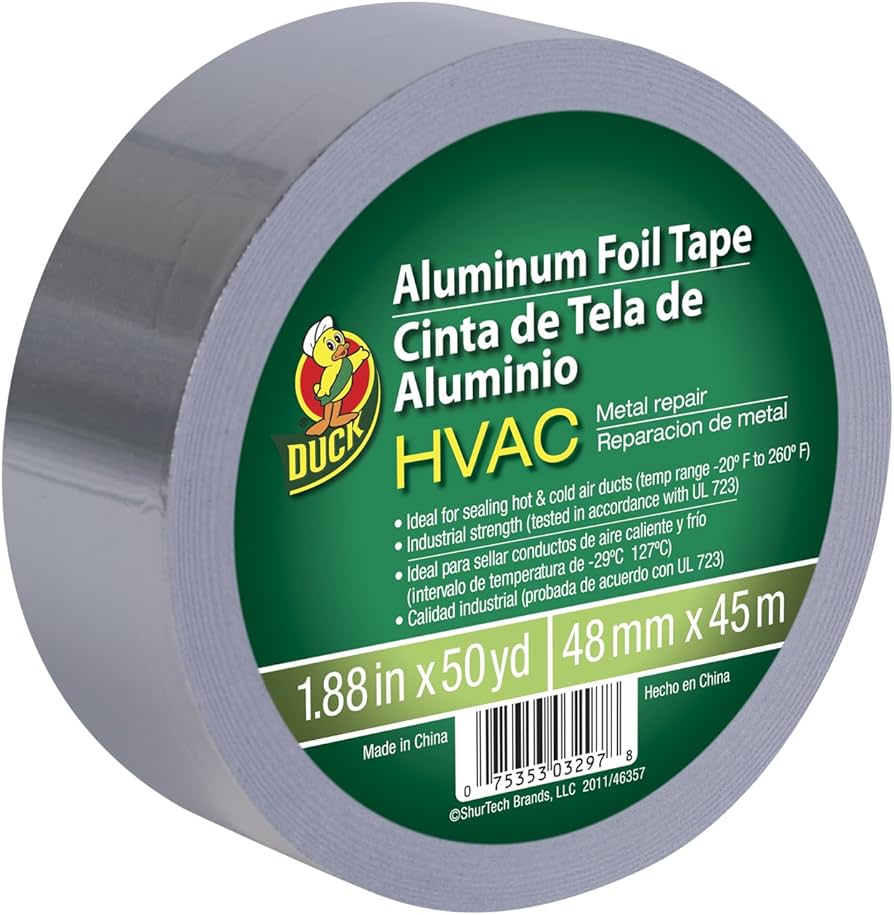
A stock image related to HVAC Repair Tape.
In-depth Look: Manufacturing Processes and Quality Assurance for HVAC Repair Tape
Selecting HVAC repair tape for international distribution requires understanding the precision engineering behind reliable sealing solutions. From substrate selection to final certification, manufacturing excellence determines whether tape performs under extreme thermal cycling or fails when systems face high-pressure differentials. For procurement teams sourcing across diverse climates—from Nigeria’s humid tropics to Germany’s freezing winters—manufacturing transparency serves as the primary quality indicator.
What Raw Materials Determine HVAC Tape Performance and Longevity?
The manufacturing process begins with substrate selection, which dictates the tape’s fundamental application range. Aluminum foil tapes utilize dead-soft aluminum ranging from 1.5 mil to 3.0 mil thickness, providing conformability around irregular ductwork while maintaining structural integrity. For flexible duct applications, manufacturers laminate polyester film scrim between foil layers or utilize reinforced kraft paper backings to prevent tearing during installation tension.
Adhesive formulation represents the critical chemical differentiator. Acrylic adhesives offer superior UV resistance and temperature stability for outdoor applications, performing reliably from -10°F to 210°F. Synthetic rubber adhesives provide aggressive initial tack for immediate bonding to fiberglass duct board, while butyl rubber compounds create permanent, waterproof seals for underground or high-moisture environments. Anti-seize variants incorporate copper, nickel, or ceramic particles for threaded plumbing and gas line applications, preventing galvanic corrosion while maintaining seal integrity under vibration.
How Is HVAC Repair Tape Manufactured From Substrate to Finished Roll?
Production begins with precision cleaning and surface treatment of metallic substrates. Aluminum rolls undergo degreasing and corona treatment to ensure adhesive wetting without oxidation interference. Coating lines apply adhesive layers ranging from 1.5 mil to 2.0 mil thickness using gravure or slot-die coating methods, ensuring uniform thickness tolerance within ±0.1 mil across the entire web width.
For multi-layer products like FSK (Foil/Scrim/Kraft) tape, laminating stations bond fiberglass scrim reinforcement between the foil facing and kraft paper backing using pressure-sensitive hot-melt adhesives. This tri-directional reinforcement prevents longitudinal tearing while allowing transverse flexibility. Silicone-based repair tapes undergo vulcanization processes that create self-fusing properties, eliminating the need for adhesive layers while providing electrical insulation and chemical resistance.
Slitting operations convert master rolls into specified widths using razor or shear slitting techniques, with tension control systems preventing adhesive squeeze-out or edge curling. Winding systems apply precise tension to create uniform roll hardness, preventing telescoping during international shipping or storage in variable humidity conditions.
What Quality Assurance Protocols Ensure Code Compliance?
Reputable manufacturers implement ISO 9001-certified quality management systems with statistical process control at every production stage. Incoming raw material inspection verifies aluminum alloy composition, adhesive viscosity, and release liner silicone coating weights. In-process monitoring includes automated vision systems detecting pinholes in foil substrates or adhesive voids exceeding 0.5mm diameter.
Peel adhesion testing follows ASTM D3330 standards, measuring force required to remove tape from stainless steel and fiberglass duct board substrates at 180-degree angles. Shear adhesion testing (ASTM D3654) evaluates the tape’s ability to resist slippage under static load at elevated temperatures, critical for vertical duct applications. For pressure-sensitive systems, loop tack testing quantifies initial grab strength, ensuring immediate seal formation before full adhesive cure.
How Do Manufacturers Test for Extreme Temperature and Pressure Resistance?
Thermal cycling chambers subject tape samples to rapid temperature transitions between -20°F and 250°F, simulating seasonal extremes found in Middle Eastern deserts or European winters. High-temperature flue tapes undergo additional testing at 600°F intermittent exposure, verifying that adhesive charring does not compromise seal integrity in furnace exhaust applications.
Pressure differential testing utilizes calibrated duct systems measuring air leakage rates before and after tape application. UL 181A-P certified products for rigid fiberglass ductboard must demonstrate zero air leakage at 1.5 inches water column pressure, while UL 181B-FX listed tapes for flexible duct withstand 2.0 inches water column without delamination. Humidity aging tests expose samples to 90% relative humidity at 100°F for 96 hours, ensuring African and South American distributors receive products resistant to tropical moisture degradation.
What Certifications Should B2B Buyers Verify for International Standards?
Beyond UL listings, procurement teams should verify compliance with regional building codes. European markets require CE marking indicating conformity with EN 12086 standards for water vapor transmission, critical for preventing condensation-related mold growth in HVAC systems. Middle Eastern specifications often demand SASO certification for thermal insulation materials, while Nigerian Standards Organization (SON) conformity assessment ensures suitability for tropical climates.
Fire safety certifications differentiate market tiers. UL 723 (ASTM E84) testing measures flame spread and smoke development indices, with Class A rated tapes (Flame Spread Index 0-25) required for commercial plenum spaces. RoHS and REACH compliance documentation proves absence of restricted heavy metals and phthalates, essential for EU distribution and environmentally conscious project specifications.
Key Procurement Checklist for Manufacturing Verification
When auditing potential suppliers, request documentation of batch testing records showing peel adhesion values, shear resistance data, and thermal aging results. Verify that manufacturing facilities maintain climate-controlled storage (60-80°F, 40-60% humidity) for raw materials and finished goods to prevent premature adhesive degradation. Confirm slitting capabilities match your regional requirements—metric widths for European markets versus imperial measurements for North American compatibility.
Quality HVAC repair tape represents the intersection of materials science and precision manufacturing. By understanding these production standards, international buyers can specify products that maintain system integrity across diverse operational environments, reducing warranty claims and ensuring regulatory compliance from Lagos to Berlin.
Practical Sourcing Guide: A Step-by-Step Checklist for ‘HVAC Repair Tape’
Sourcing HVAC repair tape for international projects requires moving beyond commodity pricing to validate technical compatibility. Whether procuring for high-rise developments in Lagos, industrial facilities in Munich, or infrastructure projects in São Paulo, buyers must ensure selected tapes meet both performance specifications and regional regulatory standards. This systematic checklist provides a framework for evaluating products that ensure full system closure and long-term reliability across diverse operating environments.
1. What Substrate and Pressure Class Are You Sealing?
Identify whether you’re repairing flexible air ducts, rigid fiberglass ductboard, or galvanized sheet metal systems. Each substrate demands specific adhesion properties—aluminum foil tapes typically bond aggressively to metal surfaces, while film-backed tapes conform better to flexible ductwork. Verify your HVAC system’s pressure classification; high-velocity commercial installations require industrial-grade tapes rated for medium to high pressure, whereas economy-grade cloth duct tapes suffice for low-pressure residential applications.
2. Which UL Listings and Code Certifications Apply to Your Region?
Confirm that products carry UL 181A-P certification for rigid ductboard or UL 181B-FX for flexible duct applications. European buyers should verify CE marking and adherence to local building codes such as Germany’s DIN standards, while Nigerian and Middle Eastern markets may require additional fire-resistance ratings. Request printed certification marks on the tape itself, not merely packaging claims, to ensure traceable compliance during local authority inspections.
3. How Do Extreme Temperatures and Exposure Conditions Affect Performance?
Evaluate the operational temperature range required for your installation environment. While standard HVAC tapes perform between -10°F to 210°F, outdoor applications in harsh climates or high-temperature flue systems demand specialized formulations. For humid tropical regions or outdoor exposed ductwork, prioritize waterproof foil butyl tapes with UV resistance rather than standard cloth-backed options that may degrade under moisture exposure or solar radiation.
4. What Construction Specifications Ensure Durability?
Examine the tape’s backing material and adhesive chemistry against your application needs. Foil-scrim-kraft (FSK) tapes offer reinforced strength for insulation facing repairs, while pure aluminum tapes provide superior conformability around irregular joints. For threaded pipe connections in plumbing-HVAC hybrid systems, consider anti-seize tapes with higher density compositions. Verify thickness measurements—2-mil linered aluminum suits general sealing, while 20-mil corrosion protection tapes handle underground or exterior pipe wrapping.
5. How Do You Evaluate Supplier Consistency and Logistics?
Assess manufacturing quality control beyond initial samples. Request ISO 9001 certification documentation and verify batch-to-batch consistency protocols. For international procurement, evaluate packaging integrity for sea freight—moisture-barrier packaging prevents adhesive degradation during humid transit through tropical ports. Confirm minimum order quantities align with your project phasing and verify the supplier’s capacity to deliver technical datasheets in your local language.
6. Why Is Pre-Procurement Testing Critical?
Before committing to container-load quantities, request samples for field testing. Test peel adhesion on your actual duct substrates under local temperature conditions. Validate that the tape’s liner releases cleanly without leaving residue that could compromise seals. For large-scale projects, conduct accelerated aging tests to simulate multi-year performance, ensuring the adhesive maintains tack despite regional humidity cycles or thermal expansion stresses.
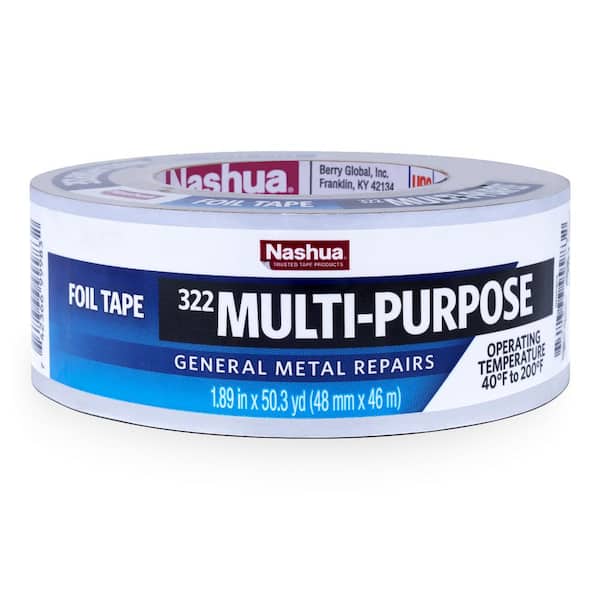
A stock image related to HVAC Repair Tape.
Comprehensive Cost and Pricing Analysis for HVAC Repair Tape Sourcing
B2B procurement of HVAC repair tape requires sophisticated cost analysis that extends beyond per-roll pricing. For international buyers operating across diverse regulatory environments—from Germany’s stringent building codes to Nigeria’s tropical climate demands—understanding the complete cost structure ensures optimal sourcing decisions. Material grades, certification requirements, and logistics complexities create pricing variations that can impact project budgets by 40-60% between economy and industrial-grade specifications.
What Factors Drive HVAC Repair Tape Pricing in Global Markets?
The cost hierarchy for HVAC repair tapes typically spans three distinct tiers: economy-grade cloth duct tapes, mid-range aluminum foil products, and premium industrial-grade solutions with specialized backings like FSK (Foil/Scrim/Kraft). Raw material volatility significantly impacts pricing, with aluminum foil-backed tapes experiencing greater price fluctuation than polymer-based alternatives due to metal commodity markets. Currency exchange rates and regional demand cycles further complicate international procurement, particularly for buyers in emerging markets sourcing from Asian or North American manufacturers. Adhesive formulations—ranging from basic rubber-based to high-performance acrylic or butyl compounds—create substantial cost differentials, often separating entry-level products from industrial-grade alternatives by 300-500% per square meter.
How Do Material Specifications Impact Bulk Procurement Costs?
Material composition serves as the primary cost determinant when sourcing in volume. Standard aluminum foil tapes (2-3 mil thickness) offer cost-effective solutions for general sealing, while heavy-duty butyl-backed foil tapes command premium pricing for outdoor and high-pressure applications. Film-based tapes, such as UL 181B-FX listed products for flexible ductwork, typically fall between economy cloth tapes and reinforced foil options in pricing structures. Temperature resistance ratings directly correlate with cost; tapes rated for extreme heat applications utilize specialized silicone or ceramic adhesives that increase material costs by 200% compared to standard acrylic formulations. Buyers should evaluate total application coverage rather than roll price alone; higher-tack, thicker tapes often reduce material waste and labor time, lowering total installation costs despite higher upfront expenditure.
Are UL-Certified Tapes Worth the Premium for International Projects?
UL 181A-P and UL 181B-FX certifications add 15-25% to base tape costs but deliver essential compliance value for projects in regulated European and North American markets. For German contractors adhering to strict energy efficiency and fire safety standards, these certifications are non-negotiable, making the premium cost-effective compared to potential project delays or code violations. Middle Eastern and African buyers working on international-standard commercial buildings find that certified tapes mitigate liability risks and ensure warranty compliance, particularly for rigid fiberglass ductboard and flexible air duct applications. However, for non-regulated residential markets or temporary repairs, economy-grade alternatives without UL listing may provide sufficient performance at significantly reduced costs, provided buyers accept potential longevity trade-offs and higher energy leakage risks.
What Hidden Costs Should B2B Buyers Consider Beyond Unit Price?
Smart procurement accounts for total cost of ownership rather than sticker price. Storage requirements represent a critical hidden factor; butyl and rubber-adhesive tapes require climate-controlled warehousing in tropical regions like South America and West Africa to prevent adhesive degradation and product loss. Application efficiency varies dramatically—premium tapes with linered backings and aggressive tack reduce labor hours by 30-40% compared to economy grades. Failure costs present the most significant hidden expense; tape failure in sealed duct systems leads to energy loss, condensation damage, and expensive callback repairs that far exceed initial material savings. Additionally, consider minimum order quantity (MOQ) constraints; industrial-grade tapes often require pallet-level purchases, while economy grades offer flexibility for smaller contractors with limited capital.
How Can Regional Buyers Optimize Shipping and Import Expenses?
Logistics strategy significantly impacts landed costs for international buyers. Container optimization proves crucial when sourcing bulky items like HVAC tape rolls; maximizing container cube utilization often reduces per-unit shipping costs by 20-35%. Buyers in Nigeria and Germany should investigate regional manufacturing hubs or bonded warehouses to minimize freight distances and import duty exposure. Understanding harmonized system (HS) codes for aluminum foil tapes versus cloth-backed alternatives can result in significant duty savings, as classification varies by backing material and adhesive type. Establishing relationships with distributors holding local inventory eliminates demurrage charges and currency fluctuation risks. For large-scale projects, negotiating annual volume agreements with manufacturers rather than spot-buying through distributors typically yields 12-18% cost reductions while ensuring supply continuity across multiple project phases.
Alternatives Analysis: Comparing HVAC Repair Tape With Other Solutions
When specifying closure systems for commercial HVAC ductwork, international procurement teams must evaluate whether pressure-sensitive repair tapes represent the optimal solution or if traditional sealing methodologies better serve specific infrastructure constraints. While modern aluminum foil and butyl HVAC tapes offer UL-listed convenience, immediate system activation, and compatibility with both flexible and rigid ductboard, alternatives such as brush-applied mastic compounds and mechanical fastening systems remain prevalent in heavy industrial applications. These alternatives address specific pain points including extreme thermal cycling, high particulate environments, and limited access to specialized installation technicians—common scenarios across African, Middle Eastern, and European operating environments. The following comparative analysis examines total cost of ownership, installation throughput, and long-term seal integrity to guide specification decisions for diverse climatic conditions and regulatory frameworks.
| 비교 측면 | HVAC Repair Tape (Aluminum Foil/Butyl) | Liquid Mastic Sealant with Mesh | Mechanical Fastening Systems (Draw Bands) |
|---|---|---|---|
| 초기 재료비 | Moderate ($0.15–$0.40 per linear foot) | Low ($0.08–$0.20 per linear foot) | High ($1.50–$3.00 per connection) |
| Labor Installation Time | Immediate (no curing required) | 24–48 hour curing period | Immediate (tool-dependent) |
| 필요한 기술 수준 | 보통(표면 준비 필수) | High (application technique affects integrity) | 낮음에서 보통 |
| Pressure Rating | Up to 4 in. W.G. (UL 181A-P/B-FX) | 6+ in. W.G. (rigid when cured) | 10+ in. W.G. (metal-to-metal) |
| 온도 범위 | -10°F to 210°F (-23°C to 99°C) | -20°F to 350°F (-29°C to 177°C) | -40°F to 500°F+ (-40°C to 260°C+) |
| Climate Adaptability | Excellent (humidity-resistant butyl options) | Poor (curing affected by humidity/dust) | Excellent (unaffected by moisture) |
| Code Compliance | UL 181A-P/B-FX, UL 723 | UL 181B-M, ASTM C1136 | SMACNA, DW/144 |
| Repairability | High (re-tapeable) | Low (requires removal/reapplication) | Moderate (component replacement) |
Is Liquid Mastic Sealant More Cost-Effective Than HVAC Repair Tape for Large-Scale Industrial Projects?
Liquid mastic sealants—fiber-reinforced compounds typically applied with brushes or trowels alongside reinforcing mesh—offer superior gap-filling capabilities for irregular ductboard joints, damaged fiberglass surfaces, or pitted metal where tape adhesion might prove insufficient
Essential Technical Properties and Trade Terminology for HVAC Repair Tape
When sourcing HVAC repair tape for international distribution, understanding precise technical specifications and standardized trade terminology prevents compliance failures and ensures material suitability for diverse climate conditions—from Nigeria’s high humidity to Germany’s freezing winters.
What Are the Critical Technical Specifications for HVAC Repair Tape?
UL 181 Compliance Classification serves as the primary quality differentiator. UL 181A-P certification indicates suitability for rigid fiberglass ductboard, requiring permanent adhesion and flame resistance, while UL 181B-FX applies specifically to flexible air duct connections. These listings ensure compliance with North American and increasingly adopted international building codes regarding mold resistance and structural integrity.
온도 작동 범위 determines application viability. Standard aluminum foil tapes perform reliably between -10°F to 210°F (-23°C to 99°C), sufficient for most climate-controlled environments. However, high-temperature flue tapes accommodate exhaust systems exceeding 300°F (149°C), essential for industrial heating applications common in Middle Eastern and European markets.
껍질 접착 강도, measured in ounces per inch or Newtons per centimeter, indicates bonding capability to metal, fiberglass, and flexible duct surfaces. Industrial-grade specifications offer higher density adhesion necessary for high-pressure systems transporting conditioned air or refrigerants.
Backing Material Construction directly impacts durability. Pure aluminum foil (2-4 mil thickness) provides standard moisture barriers, while FSK (Foil-Scrim-Kraft) laminates incorporate fiberglass scrim reinforcement. This puncture-resistant construction withstands rough handling during installation on African or South American construction sites.
Pressure System Rating distinguishes between low, medium, and high-pressure applications. Waterproof foil butyl tapes create permanent seals for high-pressure outdoor units exposed to monsoon conditions or desert sand, ensuring system integrity in extreme environments.
Which Industry Terms Are Essential for International HVAC Procurement?
Full System Closure represents the industry benchmark for complete airtight sealing of all duct joints and seams, ensuring zero air leakage. This standard is critical for energy efficiency compliance in German passive house certifications and large-scale Nigerian commercial developments alike.
FSK (Foil-Scrim-Kraft) describes a reinforced backing combining aluminum foil, fiberglass mesh (scrim), and kraft paper. The scrim layer prevents tearing during application on irregular fiberglass ductboard surfaces, particularly valuable in humid climates where material handling challenges increase.
UL 181A-P vs. UL 181B-FX distinctions determine legal compliance. The “A-P” designation certifies tape for rigid ductboard permanent adhesion, while “B-FX” ratings specifically cover Class 1 Flex Duct connections. Misapplication voids manufacturer warranties and violates safety inspectors’ requirements.
Mastic Tape Applications refer to thick, paste-like adhesive strips that conform to irregular joints and gaps where standard foil tapes fail. Understanding when to specify mastic over mechanical sealing prevents costly callbacks on complex duct geometries in renovation projects.
Line Set Tape designates specialized products for refrigerant line sets—the copper tubing connecting condensers to evaporators. These tapes provide UV resistance and thermal insulation distinct from standard duct sealing products, protecting against energy loss in exposed outdoor installations.
Class 1 Flex Duct identifies flexible ductwork meeting maximum flame spread and smoke development ratings. Tapes marked for Class 1 Flex Duct compatibility ensure adherence to strict fire safety regulations prevalent in European and Middle Eastern commercial building codes.
Navigating Market Dynamics and Sourcing Trends in the HVAC Repair Tape Sector
What Are the Current Market Dynamics Driving HVAC Tape Innovation?
The global HVAC repair tape sector is undergoing a structural transformation as B2B procurement shifts from commodity purchasing to strategic material specification. International buyers, particularly those operating in Nigeria’s expanding commercial construction sector and Germany’s stringent regulatory environment, are witnessing a decisive move toward code-compliant sealing solutions. This evolution is characterized by the widespread adoption of UL 181A-P/B-FX and UL 181B-FX listed products, which ensure full system closure for rigid fiberglass ductboard and Class 1 flexible air ducts. Manufacturers are responding by engineering tapes with enhanced temperature stability, capable of maintaining adhesive integrity across extreme ranges from -10°F to 210°F and beyond, thereby addressing the diverse climatic challenges faced by contractors from the Middle East to South America.
How Are Regional Climate Demands Influencing Product Specifications?
Geographic specificity is increasingly dictating product portfolio requirements, with regional thermal profiles necessitating specialized formulations. In high-temperature Middle Eastern markets, aluminum foil HVAC tapes with butyl rubber adhesives have become indispensable for outdoor ductwork exposed to intense solar thermal cycling, while tropical regions in Africa and South America prioritize humidity-resistant, waterproof foil tapes that prevent delamination in monsoon conditions. Conversely, European buyers, particularly in temperate zones like Germany, focus on multi-seasonal flexibility and fire-resistance ratings that align with EU construction product regulations. This regional fragmentation requires procurement teams to move beyond generic duct tape sourcing toward application-specific solutions—whether for high-pressure metal duct systems, low-pressure fiberglass boards, or specialized pipe wrap applications in plumbing infrastructure.
Why Is the Transition From Economy to Industrial Grade Accelerating?
A critical market bifurcation is emerging between economy-grade cloth duct tapes and industrial-grade professional solutions, driven by lifecycle cost analysis rather than upfront pricing. B2B buyers are recognizing that premium-grade foil mastic tapes, anti-seize copper and nickel tapes, and high-density thread sealing tapes deliver superior performance in gas and liquid line applications, reducing callback rates and system failure risks. The commercial sector is increasingly rejecting general-purpose solutions in favor of purpose-built products such as FSK (Foil/Scrim/Kraft) tapes and silicone self-fusing repair wraps that provide permanent sealing for critical infrastructure. This trend reflects a maturing market where total cost of ownership calculations—including labor costs for re-repairs and energy losses from failed seals—outweigh initial material expenditure.
Why Is Sustainability Becoming a Critical Factor in B2B HVAC Procurement?
Sustainability in the HVAC tape sector now encompasses both environmental impact and operational efficiency, creating new procurement criteria for international buyers. The industry is moving beyond basic recyclability concerns to focus on how sealing solutions contribute to building energy efficiency and carbon footprint reduction. High-performance tapes that create permanent airtight seals directly mitigate HVAC leakage, which accounts for significant energy waste in both residential and commercial structures. For European markets governed by stringent green building directives, and emerging economies seeking to optimize energy infrastructure, sourcing tapes with proven longevity and thermal stability represents a tangible commitment to sustainability goals. Additionally, manufacturers are increasingly scrutinizing the embodied carbon of aluminum foil backings and synthetic adhesive compounds, prompting shifts toward more responsible production methodologies.
How Does Tape Selection Impact Long-Term Energy Efficiency?
The relationship between adhesive specification and energy conservation is becoming a central consideration for facility managers and construction contractors alike. When B2B buyers select UL-listed aluminum foil tapes or specialized butyl sealants for ductwork, they are essentially investing in thermal barrier continuity that prevents conditioned air loss and reduces HVAC system workload. This is particularly critical in extreme climates where temperature differentials stress duct integrity—whether in the scorching heat of Middle Eastern deserts or the freezing conditions found in elevated European terrain. By prioritizing tapes that maintain adhesion across wide temperature differentials and resist UV degradation, procurement teams can ensure that buildings achieve optimal energy performance ratings, directly supporting corporate sustainability targets and regulatory compliance with energy efficiency standards.
What Ethical Sourcing Standards Should International Buyers Prioritize?
Ethical sourcing in the HVAC tape supply chain requires rigorous due diligence extending from raw material extraction to manufacturing facility labor practices. International buyers should prioritize suppliers who demonstrate transparency regarding the sourcing of aluminum, copper, and nickel components used in anti-seize and foil tapes, ensuring compliance with conflict mineral regulations and environmental stewardship standards. For African and South American markets, where infrastructure projects often involve international financing, proof of ethical manufacturing can be a prerequisite for contract eligibility. Furthermore, buyers must evaluate whether economy-grade alternatives compromise on worker safety or environmental protection during production processes. Establishing long-term partnerships with manufacturers who provide comprehensive supply chain documentation—not merely product performance specifications—enables procurement teams to mitigate reputational risks while securing consistent, code-compliant quality for critical HVAC and plumbing installations.
Frequently Asked Questions (FAQs) for B2B Buyers of HVAC Repair Tape
How Do I Ensure HVAC Repair Tape Meets UL 181A-P Standards for Professional Duct Sealing?
Verify that your tape carries the UL 181A-P listing for rigid fiberglass ductboard or UL 181B-FX for flexible air ducts, as these certifications confirm the product has passed rigorous shear, humidity, and temperature aging tests. Look for printed tape options that display the certification mark directly on the roll, providing inspectors with immediate traceability during commercial project sign-offs. For international projects in Germany or Nigeria, confirm that local building codes recognize UL 181 standards or require additional regional certifications alongside these listings. Always request technical data sheets from suppliers to validate that the specific SKU—not just the product line—maintains current UL registration, as formulations can vary by grade and thickness.
What Is the Best HVAC Repair Tape for High-Temperature Commercial Ductwork and Flue Systems?
For standard commercial heating systems operating up to 210°F (-6°C to 99°C), UL-listed aluminum foil tapes with high-temp acrylic adhesives provide reliable performance on rigid ductwork. When sealing flue pipes, exhaust stacks, or high-heat boiler connections, specify specialized high-temperature flue tapes or FSK (Foil/Scrim/Kraft) tapes rated for continuous exposure to extreme heat beyond standard ranges. In Middle Eastern climates where solar gain can elevate external duct temperatures significantly, choose tapes with heat-reflective aluminum facings and adhesives that maintain tack during thermal cycling. Avoid standard cloth duct tapes for high-temperature applications, as they typically degrade under sustained heat exposure common in industrial HVAC environments.
Should I Choose Aluminum Foil Tape or Butyl Tape for Industrial HVAC Duct Sealing Applications?
Aluminum foil tape excels in indoor commercial applications requiring UL code compliance and clean aesthetic finishes, offering excellent adhesion to fiberglass ductboard and metal surfaces with immediate tack. For outdoor installations, high-pressure systems, or areas exposed to humidity and precipitation, waterproof foil butyl tape provides superior vapor barrier properties and UV resistance due to its rubberized adhesive mass. Butyl tapes conform better to irregular joints and maintain flexibility in extreme cold, making them ideal for European winters or high-altitude South American installations. While foil tapes are cost-effective for standard indoor ductwork, butyl tapes are the industrial-grade solution for external line sets, rooftop units, and underground duct connections where moisture intrusion risks are paramount.
What Temperature Rating Should HVAC Repair Tape Have for Commercial Heating Systems?
Specify tapes with a service temperature range of at least -10°F to 210°F (-23°C to 99°C) to handle standard commercial HVAC operational cycles, ensuring the adhesive remains stable during both heating seasons and summer cooling peaks. For systems near heat sources, boiler rooms, or in desert climates like those found in parts of Africa and the Middle East, select products rated for continuous exposure above 250°F to prevent adhesive flow and joint failure. Pay attention to application temperature ratings as well, since tapes installed during cold European winters may require low-temperature adhesives to achieve proper initial bond despite freezing ambient conditions. Always match the temperature rating to your system’s maximum design temperature plus a safety margin, particularly for high-efficiency furnaces that generate higher static pressure and heat loads.
How Do I Select HVAC Repair Tape for Different Duct Materials Including Fiberglass Ductboard and Flexible Ducts?
Rigid fiberglass ductboard requires UL 181A-P listed foil tapes like AF 099 that can create permanent mechanical bonds with the fiberglass surface and withstand the rigidity of the substrate. For Class 1 flexible air ducts, use UL 181B-FX listed film tapes or specialized flexible duct tapes that accommodate movement and vibration without cracking or delaminating. When working with metal duct systems, economy-grade cloth duct tapes suffice for low-pressure temporary repairs, while industrial-grade acrylic or rubber adhesives are necessary for permanent high-pressure seals. FSK (Foil/Scrim/Kraft) tapes are specifically engineered for repairing insulation facings and vapor barriers rather than air-sealing duct joints, so specify them for jacket repairs rather than pressure-sensitive air barrier applications.
What Specifications Matter When Sourcing HVAC Repair Tape for High-Pressure and Outdoor Industrial Environments?
Prioritize waterproof foil butyl tapes with high-density rubber adhesives for outdoor industrial applications, as they provide superior resistance to UV degradation, driving rain, and thermal expansion compared to standard acrylic-based foil tapes. Verify the tape’s pressure classification—low, medium, or high pressure—to ensure it can withstand the static pressure of commercial systems without ballooning or peeling at the edges. For exposed rooftop installations common in commercial developments across Europe and the Middle East, select tapes with reinforced scrim layers that provide dimensional stability against wind uplift and physical abrasion. Consider complementary corrosion protection tapes for underground utility connections or coastal environments where salt air accelerates metal degradation, ensuring the entire system maintains integrity against environmental stressors.
How Do I Properly Specify Anti-Seize and Thread Sealing Tapes for HVAC Gas and Liquid Lines?
Specify high-density PTFE thread sealing tape for liquid and gas lines carrying refrigerants, compressed air, or natural gas, ensuring the density rating matches the pressure requirements of the specific HVAC application. For connections between dissimilar metals—such as copper lineset fittings threaded into aluminum coils—require anti-seize copper or nickel tapes to prevent galvanic corrosion and ensure future serviceability without thread damage. Thread locker compounds in gel formulations provide vibration resistance for rotating equipment and pump connections, while anti-seize tapes excel in static joints that require periodic disassembly for maintenance. Always confirm chemical compatibility with the specific refrigerants or heat transfer fluids used in your system, as some tape formulations may degrade when exposed to synthetic lubricants or aggressive chemical environments common in industrial HVAC applications.
What Are the Critical Procurement Considerations for International B2B Buyers Sourcing HVAC Repair Tape in Bulk?
Evaluate storage climate conditions before specifying large quantities, as high-humidity environments in coastal African or South American regions can degrade acrylic adhesives if warehouse humidity controls are inadequate, potentially requiring moisture-resistant packaging or butyl-based alternatives. Request UL certification documentation and Material Safety Data Sheets (MSDS) in advance to expedite customs clearance in countries with strict building material import regulations like Germany or Nigeria. Consider the shelf life limitations of pressure-sensitive adhesives—typically 12-24 months—and coordinate shipping schedules to avoid sea freight delays that could render products unusable before installation. For projects spanning multiple climate zones, specify tape grades suitable for the harshest local conditions to simplify inventory management, and verify that product labeling includes metric measurements and multilingual instructions to accommodate diverse installation teams across international markets.
중요 고지 사항 및 이용 약관
⚠️ 중요 고지 사항
제조업체, 기술 사양 및 시장 분석에 관한 내용을 포함하여 이 가이드에서 제공하는 정보는 정보 제공 및 교육 목적으로만 사용됩니다. 전문적인 조달 자문, 재무 자문 또는 법률 자문으로 간주되지 않습니다.
B2B 구매자는 독립적이고 철저한 실사를 수행해야 합니다. 구매 결정을 내리기 전에 반드시 확인하시기 바랍니다. 이 가이드의 정보에 의존하는 데 따른 위험은 전적으로 독자가 부담합니다.
Top 4 Hvac Repair Tape Manufacturers & Suppliers List
1. Metoree – Adhesive Tapes
도메인: us.metoree.com
등록: 2020 (6년)
소개: This company, Metoree – Adhesive Tapes, is a notable entity in the market.
2. Shurtape – Specialty Tape Solutions
도메인: shurtape.com
등록: 1996년(30년)
소개: Shurtape offers comprehensive tape solutions organized by market and product type. Key markets served include: Building & Construction (abatement/containment/restoration, electrical, flashing, general construction, HVAC/insulation, paint masking, stucco masking); Arts & Entertainment (gaffer’s tape, safety/marking, stage/area prep); Industrial MRO (facilities maintenance, janitorial, mounting/spli…
3. BTC Tape – Custom HVAC Adhesive Solutions
도메인: btctape.com
등록: 1996년(30년)
소개: Custom material converting services for HVAC manufacturers offering adhesive tape solutions for commercial and residential systems. Key applications include panel bonding, airtight/watertight seals and gaskets, thermal and electrical insulation, eliminating mechanical fasteners, and EMI/RFI shielding. Product categories include double-coated and single-coated tapes, VHB tape, adhesive transfer tap…
4. MPI Matco – HVAC Tapes
도메인: mpi-matco.com
등록: 2022년(4년)
소개: MPI Matco offers a comprehensive HVAC tape product line including aluminum foil tapes, metalized film tapes, stainless foil tape, general purpose duct tapes, protective films, polyurethane foam tapes, electrical tapes (vinyl insulating), and masking tapes. Key features include UL-listed options compliant with building codes, resistance to water/smoke/mold, UV protection for outdoor units, high dur…
Strategic Sourcing Conclusion and Outlook for HVAC Repair Tape
As global HVAC infrastructure expands across diverse climates—from Nigeria’s humid tropics to Germany’s industrial corridors—strategic sourcing of repair tapes demands sophisticated evaluation beyond unit-cost analysis. Procurement leaders must prioritize UL-listed solutions that ensure full system closure while navigating regional regulatory variations and extreme environmental stressors.
How Can Buyers Optimize Specifications for Climate Resilience and Code Compliance?
Selecting tapes with validated temperature ratings spanning -10°F to 210°F and superior moisture resistance proves critical for markets experiencing intense thermal cycling or humidity. UL 181A-P/B-FX listed aluminum foil tapes and UL 181B-FX certified film options provide the code-compliant assurance necessary for rigid fiberglass ductboard and flexible air duct applications, significantly reducing liability exposure and system failure risks across international installations.
What Distinguishes Strategic Supplier Partnerships from Transactional Purchasing?
Forward-thinking procurement teams should evaluate vendors based on comprehensive technical documentation, consistent batch quality, and robust logistics networks capable of serving emerging markets reliably. Investing in industrial-grade solutions—rather than economy alternatives—delivers superior adhesion longevity and chemical resistance, ultimately lowering total cost of ownership through reduced maintenance callbacks and extended service life.
By aligning tape specifications with local environmental demands and international safety standards, B2B buyers secure operational resilience, regulatory compliance, and sustainable competitive advantage in increasingly sophisticated global markets.