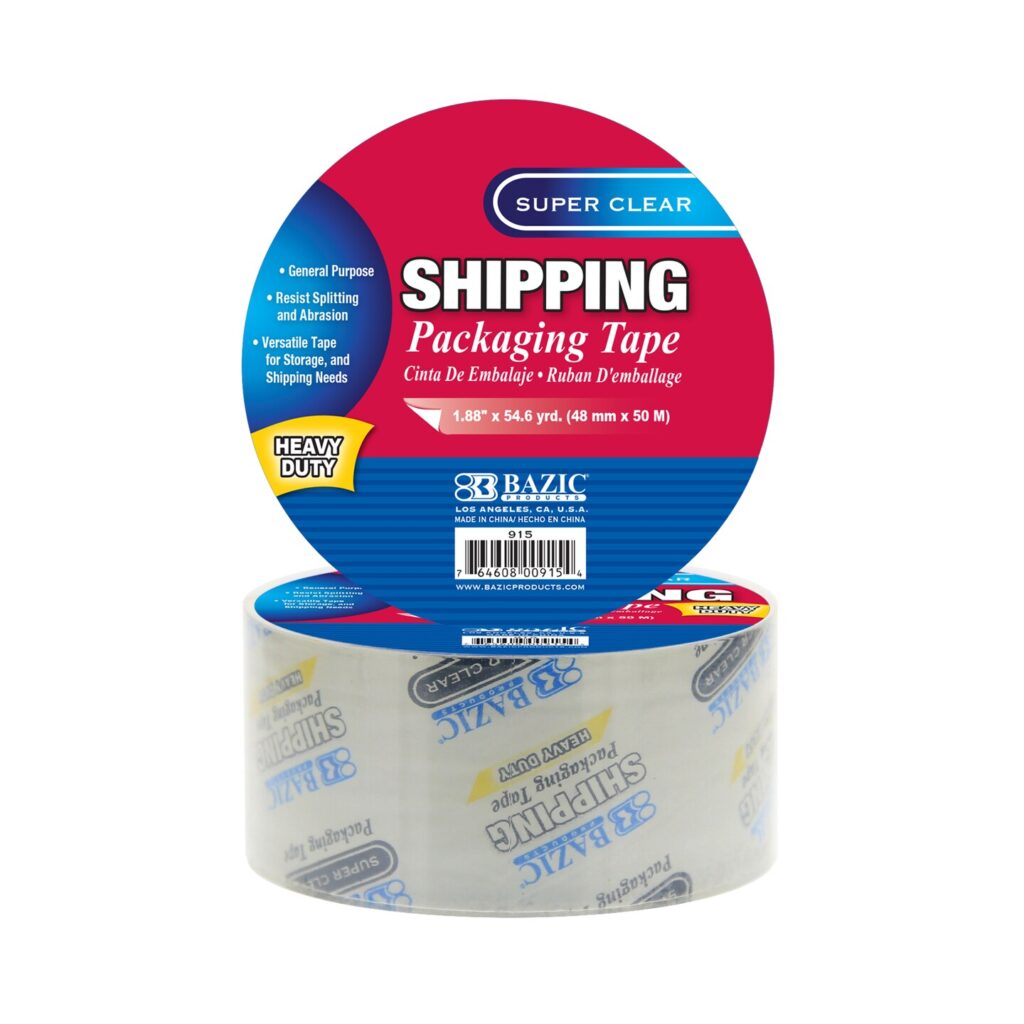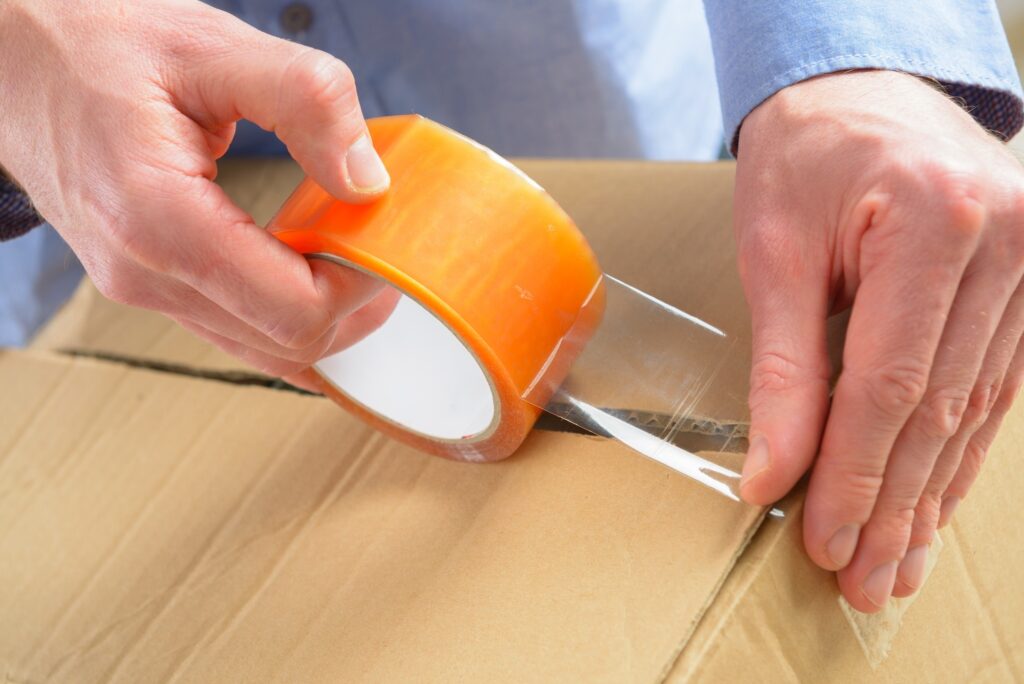
Introduction: Navigating the Global Market for Masking tape
언제 sourcing specialized masking tape for high-temperature industrial applications, procurement professionals across Africa, South America, the Middle East, and Europe face a critical challenge: navigating a fragmented global supply chain where adhesive formulations and backing qualities vary significantly between manufacturers. Whether you are securing crepe paper tapes for automotive painting in Saudi Arabia or UV-resistant variants for tropical construction in Vietnam, the stakes extend far beyond unit cost—substandard products risk residue contamination, paint bleed-through, and production delays that directly erode profit margins and damage client relationships.
The masking tape market encompasses diverse technical categories, from general-purpose rubber-adhesive rolls to silicone-based solutions engineered for extreme heat resistance exceeding 150°C. This comprehensive guide provides a strategic framework for evaluating these distinctions, examining critical factors including backing saturation levels, tack strength measurements, chemical resistance profiles, and regional compliance standards essential for e-coating, powder coating, and electronics manufacturing processes.
Why Do Temperature Specifications Determine Masking Tape Performance in Industrial Settings?
Understanding the thermal tolerance of adhesive systems—whether natural rubber for ambient painting or acrylic compounds for UV-exposed environments—prevents catastrophic tape failure during baking cycles. We analyze how backing materials, from saturated crepe paper to polyester blends, influence conformability and clean-removal characteristics across different climatic conditions and surface substrates, ensuring your selected products maintain integrity from application through high-heat curing.
What Criteria Should International Buyers Prioritize When Vetting Masking Tape Suppliers?
Beyond technical specifications, this guide equips procurement teams with actionable protocols for assessing manufacturer certifications, batch consistency in container shipments, and total cost of ownership calculations that encompass logistics and storage considerations. By establishing rigorous quality benchmarks for adhesion strength and residue-free removal, buyers from Lagos to São Paulo can secure reliable supply chains that ensure operational continuity and consistent product performance across diverse industrial environments.
Understanding Masking tape Types and Variations
| 유형 이름 | 주요 차별화 기능 | 주요 B2B 애플리케이션 | 구매자를 위한 간략한 장단점 |
|---|---|---|---|
| General-Purpose Crepe Tape | Saturated crepe paper backing; natural/synthetic rubber adhesive; temp resistance up to 80°C; hand-tearable | Indoor painting, temporary bundling, labeling, light-duty protection | Pros: Cost-effective, versatile, clean removal on most surfaces. Cons: Limited UV resistance, not suitable for high-heat or extended outdoor exposure. |
| High-Temperature Automotive Tape | Specialized crepe or polyamide backing; silicone adhesive; withstands 150°C+; chemical resistant | Automotive painting (e-coating, powder coating), electronics manufacturing, metal finishing | Pros: Survives bake cycles, leaves no residue after heat exposure. Cons: Higher cost per roll, requires surface preparation for optimal adhesion. |
| UV-Resistant Painter’s Tape | Smooth-crease paper; acrylic adhesive; UV-stable formulation; 14-day clean removal | Exterior construction, facade painting, outdoor signage, long-term masking | Pros: Clean edges, prevents sun-bake adhesion, suitable for sensitive surfaces. Cons: Premium pricing, limited effectiveness on rough or wet surfaces. |
| Colored Identification Tape | Pigmented saturated paper; various adhesive strengths; color-coded options | Inventory management, wire harnessing, assembly line coding, safety marking | Pros: Instant visual organization, writable surface, multi-color availability. Cons: Color may bleed in solvent-rich environments, adhesion varies by color formulation. |
| Industrial High-Adhesion Tape | Extra-thick crepe backing; high-tack synthetic rubber; conformable to rough textures; moisture-resistant | Concrete masking, stucco protection, masonry work, rough metal fabrication | Pros: Aggressive bonding to uneven surfaces, prevents paint bleed on porous materials. Cons: Risk of surface damage on delicate substrates, longer cure time before full adhesion. |
What are the most cost-effective masking tape solutions for general industrial use?
General-purpose crepe tape serves as the workhorse for facilities requiring reliable surface protection without specialized performance attributes. Constructed from saturated crepe paper with rubber-based adhesives, this variant delivers moderate tack suitable for indoor painting, temporary part bundling, and basic labeling across manufacturing environments. B2B buyers should evaluate the saturation level of the paper backing, as under-saturated options may tear during removal on rough surfaces, causing labor inefficiencies. For procurement teams in emerging markets, this type offers optimal cost-per-roll efficiency for high-volume consumables, though inventory rotation remains critical as rubber adhesives degrade in tropical storage conditions exceeding 30°C humidity.
Which masking tape specifications are essential for automotive painting and powder coating processes?
High-temperature masking tape addresses the rigorous demands of industrial coating applications where standard tapes fail under thermal stress. Featuring silicone or specialized synthetic rubber adhesives bonded to crepe or polyamide backings, these tapes maintain structural integrity through bake cycles exceeding 150°C in automotive e-coating and powder coating operations. B2B procurement considerations must include verifying temperature ratings against specific cure oven profiles, as automotive-grade tapes require clean removal from metal substrates without adhesive transfer or ghosting. Buyers should request technical data sheets specifying shear strength at elevated temperatures and chemical resistance to solvents used in surface preparation protocols.
How does UV-resistant masking tape prevent adhesive failure in outdoor construction projects?
UV-resistant painter’s tape utilizes acrylic adhesive systems stabilized against ultraviolet degradation, preventing the permanent bonding often experienced with standard rubber adhesives during extended outdoor exposure. This variant features smooth-crease paper backings engineered for sharp paint lines on exterior facades, window frames, and infrastructure projects in high-sunlight regions like the Middle East and Southeast Asia. When sourcing, buyers must distinguish between “14-day” and “7-day” removal ratings, as extended UV exposure windows command premium pricing but prevent costly surface damage on delicate substrates like fresh stucco, anodized aluminum, or powder-coated metals common in modern architecture.
What are the best practices for implementing color-coded masking tape in manufacturing workflows?
Colored identification masking tape extends beyond surface protection into visual management systems for lean manufacturing and warehouse organization. Available in pigmented saturated papers with varying adhesive strengths, these tapes enable immediate part identification, assembly line status coding, and temporary wire harnessing without additional labeling equipment. B2B buyers should standardize color meanings across facilities to prevent operational confusion, while verifying that selected hues maintain visibility under facility lighting conditions. Procurement teams must note that heavily pigmented backings sometimes compromise adhesive performance, requiring substrate-specific testing before bulk orders to ensure adequate tack on plastics and powder-coated surfaces.
What specifications should buyers prioritize for masking rough or porous industrial surfaces?
Industrial high-adhesion masking tape features enhanced tack formulations designed to bond aggressively with concrete, unfinished wood, and textured metal surfaces where standard tapes lift or allow bleed-through. The saturated crepe backing provides conformability over irregular substrates while maintaining edge seal during spray applications. B2B buyers sourcing for construction or heavy equipment manufacturing should verify the tape’s moisture resistance, as high-humidity environments common in tropical regions can compromise adhesive performance. This type requires careful application timing, as immediate removal may cause fiber tear on drywall or fresh concrete, whereas delayed removal risks adhesive transfer.
Key Industrial Applications of Masking tape
| 산업/섹터 | Specific Application of Masking tape | 비즈니스를 위한 가치/혜택 | 이 애플리케이션의 주요 소싱 고려 사항 |
|---|---|---|---|
| Automotive Manufacturing & Refinishing | Precision masking during OEM painting, collision repair, and trim protection | Eliminates paint bleed and overspray, reduces rework costs, ensures sharp finish lines on complex vehicle curves | High-temperature resistance (120°C+), clean removal from clear coat/plastic, synthetic rubber adhesive, humidity stability for tropical climates |
| Electronics & Electrical Assembly | PCB masking during wave soldering, conformal coating, and gold finger protection | Prevents solder bridging and coating contamination, protects sensitive contacts, maintains electrical integrity without residue | Silicone adhesive (260°C+), anti-static properties, residue-free removal, precision die-cutting compatibility for automation |
| 건설 및 인프라 개발 | Exterior/interior painting masking, window/door frame protection, temporary surface covering | Ensures sharp paint lines on facades, protects fixtures from damage, reduces labor costs for cleanup and rework | UV resistance for outdoor exposure, adhesion to concrete/stucco/wood, weather resistance, clean removal after 7-14 days |
| Industrial Coating & Metal Finishing | Masking threads, holes, and mating surfaces during powder coating and e-coating | Prevents coating buildup in critical areas, maintains assembly tolerances, eliminates post-process machining or thread chasing | Chemical resistance to pretreatments, high-temp resistance (200°C+), conformability to irregular metal geometries, clean removal from steel/aluminum |
How Does Masking Tape Ensure Precision in Automotive Manufacturing and Refinishing?
In high-volume automotive manufacturing hubs across Saudi Arabia, Vietnam, and South America, masking tape serves as a critical consumable during both OEM assembly line painting and aftermarket collision repair operations. The tape must withstand baking cycles up to 120°C while providing clean removal from sensitive clear coat and plastic trim materials without adhesive transfer. Procurement teams should prioritize crepe paper backings with synthetic rubber adhesives that conform to complex vehicle curves without edge lifting, ensuring zero paint bleed and significantly reducing costly rework in high-humidity climates.
What Are the Critical Applications of High-Temperature Masking Tape in Electronics Assembly?
For electronics manufacturers and EMS providers across the Middle East and Africa, high-temperature masking tape protects sensitive PCB components during wave soldering, reflow processes, and conformal coating applications. These critical operations demand silicone-based adhesives capable of withstanding 260°C without residue transfer to gold fingers or connector contacts. International buyers must verify anti-static properties, precise die-cutting capabilities for automated application, and compatibility with lead-free soldering chemistries to prevent short circuits while maintaining production throughput in dust-prone manufacturing environments.
Why Is UV-Stabilized Masking Tape Essential for Construction and Infrastructure Projects?
In rapidly urbanizing markets throughout Africa, South America, and Southeast Asia, UV-resistant masking tape addresses the persistent challenge of exterior painting and facade work under intense solar exposure. Unlike standard tapes that bake onto surfaces and require aggressive solvent cleaning, specialized UV-stable formulations prevent adhesive migration on stucco, concrete, and anodized aluminum window frames during multi-day construction projects. This capability reduces labor costs associated with rework and surface preparation while ensuring crisp paint lines on infrastructure facades exposed to extreme diurnal temperature fluctuations and high UV indices.
How Do Industrial Coating Operations Benefit from Specialized Masking Tape Solutions?
Metal fabricators and industrial finishers serving oil & gas, agricultural equipment, and appliance sectors rely on heavy-duty masking tape to protect precision threads, mounting holes, and mating surfaces during powder coating and e-coating processes. These demanding applications require tapes with exceptional chemical resistance to withstand alkaline pretreatment baths and curing ovens exceeding 200°C. For buyers in diverse industrial markets, selecting tapes with saturated crepe paper backings ensures superior conformability to irregular metal geometries while preventing coating bleed that compromises assembly fit, thread function, and corrosion protection.
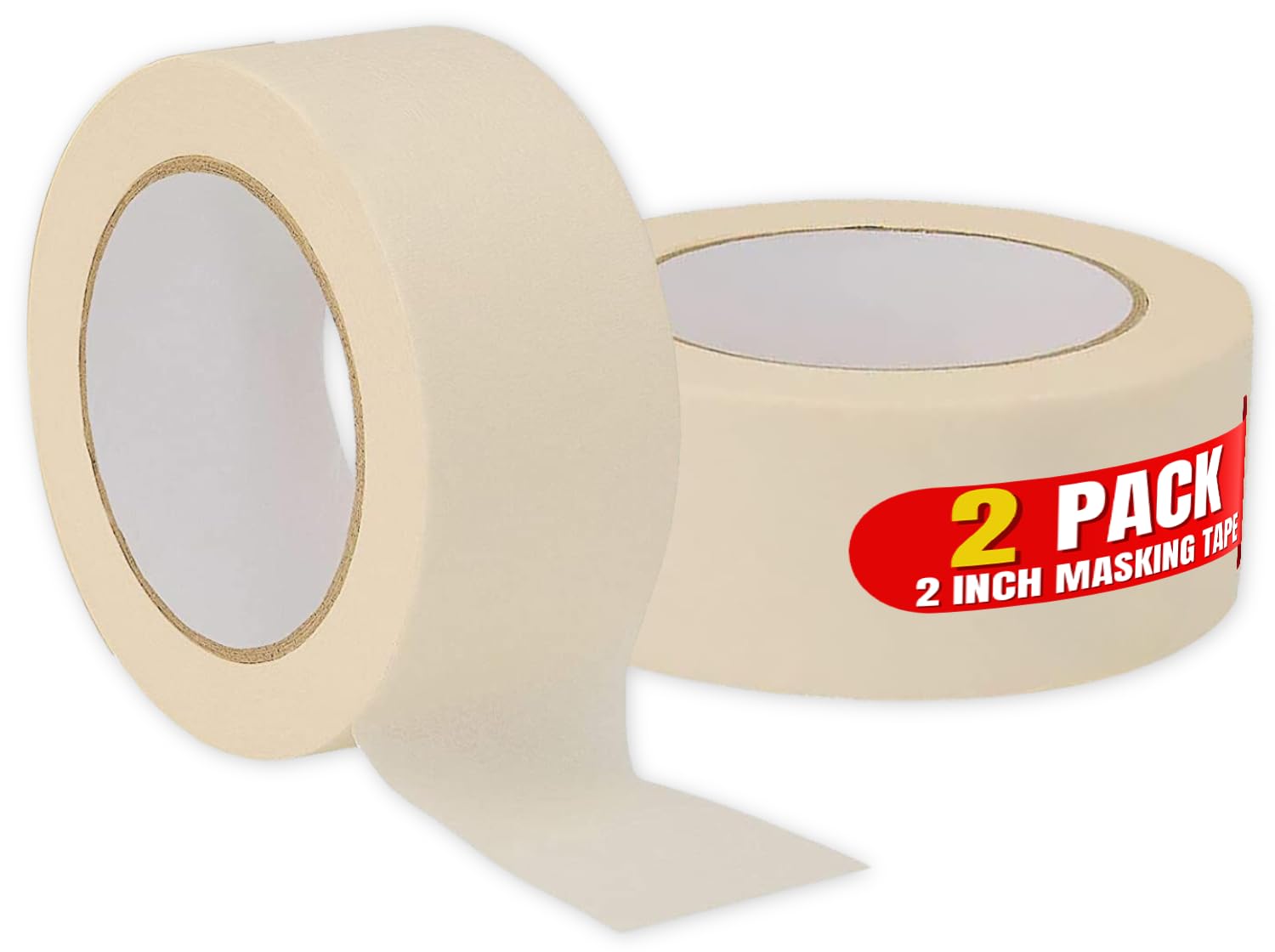
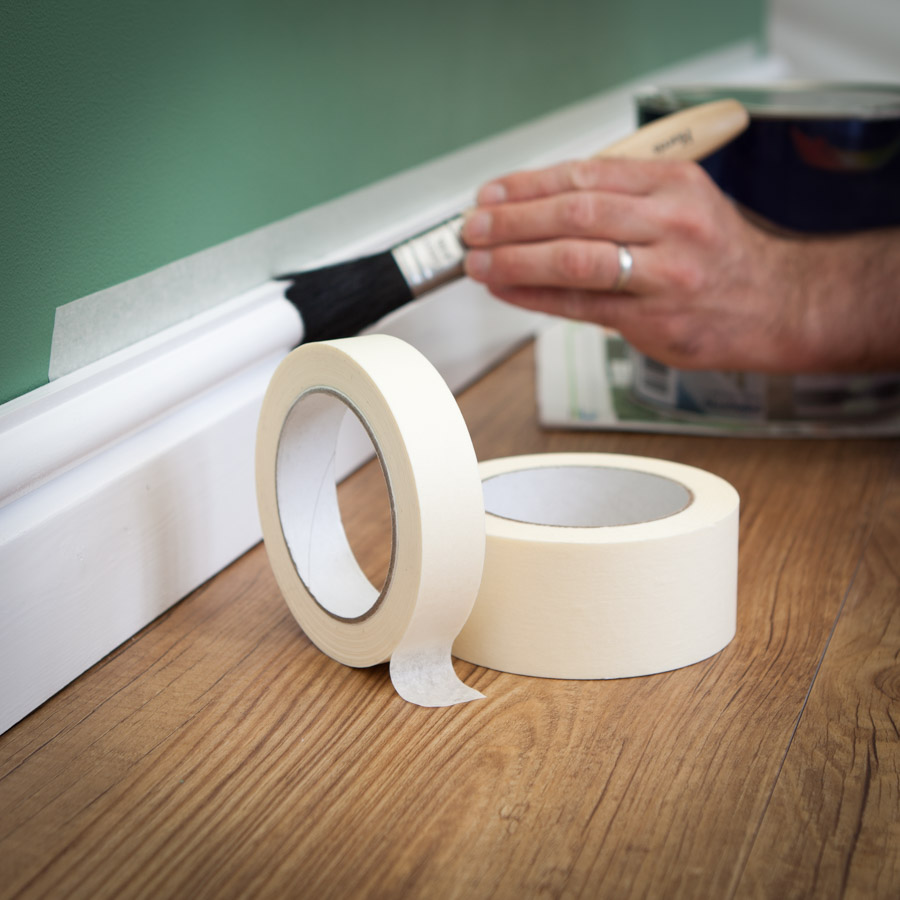
A stock image related to Masking tape.
3 Common User Pain Points for ‘Masking tape’ & Their Solutions
Scenario 1: How Long Can Masking Tape Remain on Surfaces Without Leaving Adhesive Residue in High-Temperature Environments?
문제:
B2B procurement teams managing construction or manufacturing projects in regions like Saudi Arabia, Vietnam, or Brazil frequently encounter permanent adhesive bonding when masking tape remains applied during unexpected project delays or extended shipping periods. Standard natural rubber adhesives oxidize rapidly under intense UV exposure and ambient temperatures exceeding 30°C, creating a tenacious, gummy residue that bonds to glass, aluminum trim, automotive clear coats, and powder-coated metals. This necessitates costly rework involving solvent cleaning or mechanical abrasion, eroding project margins and delaying handover schedules, particularly on large-scale infrastructure or fleet refinishing contracts.
솔루션:
Specify UV-stable acrylic adhesive formulations rather than natural rubber for any application requiring residue-free removal beyond 72 hours of dwell time. Acrylic adhesives maintain clean-removal characteristics for 14–21 days without surface transfer, even on sensitive substrates like polycarbonate or fresh automotive paint. For procurement flexibility across diverse climates, select saturated crepe paper backings that resist humidity absorption—critical for tropical African or Southeast Asian markets—to prevent adhesive migration into porous surfaces. Implement strict FIFO (First In, First Out) inventory rotation and climate-controlled storage below 25°C to preserve adhesive stability during procurement lead times, ensuring consistent performance from warehouse to application.
Scenario 2: What Is the Temperature Rating for High-Temperature Masking Tape in Powder Coating Applications?
문제:
Industrial manufacturers in automotive, aerospace, and metal fabrication sectors experience catastrophic tape failure when utilizing general-purpose masking tape during powder coating, e-coating, or anodizing processes. When exposed to cure cycles exceeding 150°C, standard crepe paper backings shrink and char while rubber adhesives melt and flow, contaminating precision components and requiring complete reprocessing. This results in production line stoppages, rejected parts, and potential damage to expensive coating equipment from adhesive debris, creating significant liability for suppliers serving European automotive or Middle Eastern industrial manufacturing sectors.
솔루션:
Procure high-temperature masking tapes specifically rated for your cure cycle parameters—typically 180°C to 200°C for powder coating and up to 150°C for wet paint baking. Specify silicone or cross-linked synthetic rubber adhesives combined with polyimide, polyester, or heavily saturated crepe paper backings that maintain dimensional stability under thermal stress. For multi-stage coating lines, utilize color-coded high-temp varieties to distinguish between masking zones and ensure compatibility with chemical pretreatment baths. Always verify temperature ratings through batch testing on your specific substrate metals—aluminum, galvanized steel, or carbon fiber—rather than relying solely on manufacturer specifications, as substrate thermal mass can extend exposure times beyond standard ratings.
Scenario 3: What Are the Differences Between Masking Tape and Painter’s Tape for Industrial Applications Requiring Sharp Lines?
문제:
Professional painting contractors and automotive refinishers struggle with paint bleed-through and poor edge definition when using general-purpose masking tape for precision applications. Coarse-crease paper backings fail to seal effectively against textured drywall, automotive body lines, or curved industrial components, resulting in jagged paint lines that require costly sanding and repainting. Additionally, subcontractors frequently apply incorrect tape grades due to lack of color differentiation, leading to adhesion failures on delicate surfaces or residue issues on high-bake automotive jobs, particularly in fast-paced construction environments across Africa and South America where training levels vary.
솔루션:
Differentiate between general-purpose masking tape and painter’s-grade decorator’s tape based on application criticality. For razor-sharp paint lines in automotive two-tone work or architectural accent walls, specify smooth-crease crepe paper with specialized edge-sealing adhesives that prevent bleed-through of water-based and solvent-based coatings. Implement color-coded procurement strategies—blue for delicate surfaces (14-day clean removal), green for multi-surface durability, and yellow for general high-adhesion masking—to eliminate application errors on complex job sites. For large-scale construction or fleet refinishing operations, consider custom-printed masking tapes featuring company logos or hazard warnings, which simultaneously serve branding purposes and ensure consistent quality standards across distributed workforces.
Strategic Material Selection Guide for Masking tape
Selecting the optimal backing material for masking tape represents a critical procurement decision that directly impacts production efficiency, surface protection quality, and total cost of ownership across industrial operations. While crepe paper remains ubiquitous in general applications, sophisticated manufacturing environments—from Saudi Arabian automotive plants to Vietnamese electronics facilities—increasingly require specialized substrates with distinct mechanical, thermal, and chemical resistance profiles. Understanding the performance trade-offs between paper-based, film-based, and specialty backings enables procurement teams to align material specifications with specific operational environments, ensuring substrate compatibility while minimizing waste and rework costs.
Which Backing Material Delivers Optimal Conformability for Irregular Surfaces?
Saturated crepe paper constitutes the industry standard for general-purpose masking, offering unmatched hand-tearability and conformability for complex geometries. The creping process creates a textured, elastic substrate capable of stretching up to 10% without tearing, allowing it to maintain adhesion around curved automotive panels, molded trim, and uneven construction surfaces. Available in various saturation grades—from lightweight decorator versions to heavy-duty industrial variants—this material typically withstands temperatures up to 80-120°C depending on saturation levels. However, its cellulose-based composition renders it vulnerable to moisture absorption and fiber tear under heavy mechanical stress, requiring climate-controlled storage and limiting effectiveness in high-humidity environments common in tropical manufacturing regions.
What Material Ensures Dimensional Stability in High-Temperature Powder Coating Applications?
Polyethylene terephthalate (PET) film backings provide the dimensional stability and thermal endurance required for high-temperature industrial finishing processes including powder coating, e-coating, and automotive manufacturing. Unlike paper substrates, PET offers exceptional tensile strength and heat resistance up to 150-200°C, maintaining structural integrity during extended bake cycles without adhesive migration or shrinkage. The smooth, non-porous surface creates superior barriers against chemical solvents and paint overspray, while the backing’s transparency often facilitates precise alignment. Nevertheless, PET’s rigidity compromises conformability on compound curves, and the material requires cutting tools rather than hand-tearing, potentially slowing application speed in labor-intensive operations.
When Should Buyers Specify Washi Paper for Precision Masking Requirements?
Washi paper, manufactured from natural fibers such as Manila hemp or rice paper, delivers exceptional performance for precision masking applications requiring ultra-sharp paint lines and residue-free removal. This traditional Japanese substrate provides superior conformability compared to standard crepe paper while maintaining structural integrity during multi-layer coating processes, making it ideal for luxury automotive refinishing and electronics manufacturing where aesthetic quality is paramount. The low
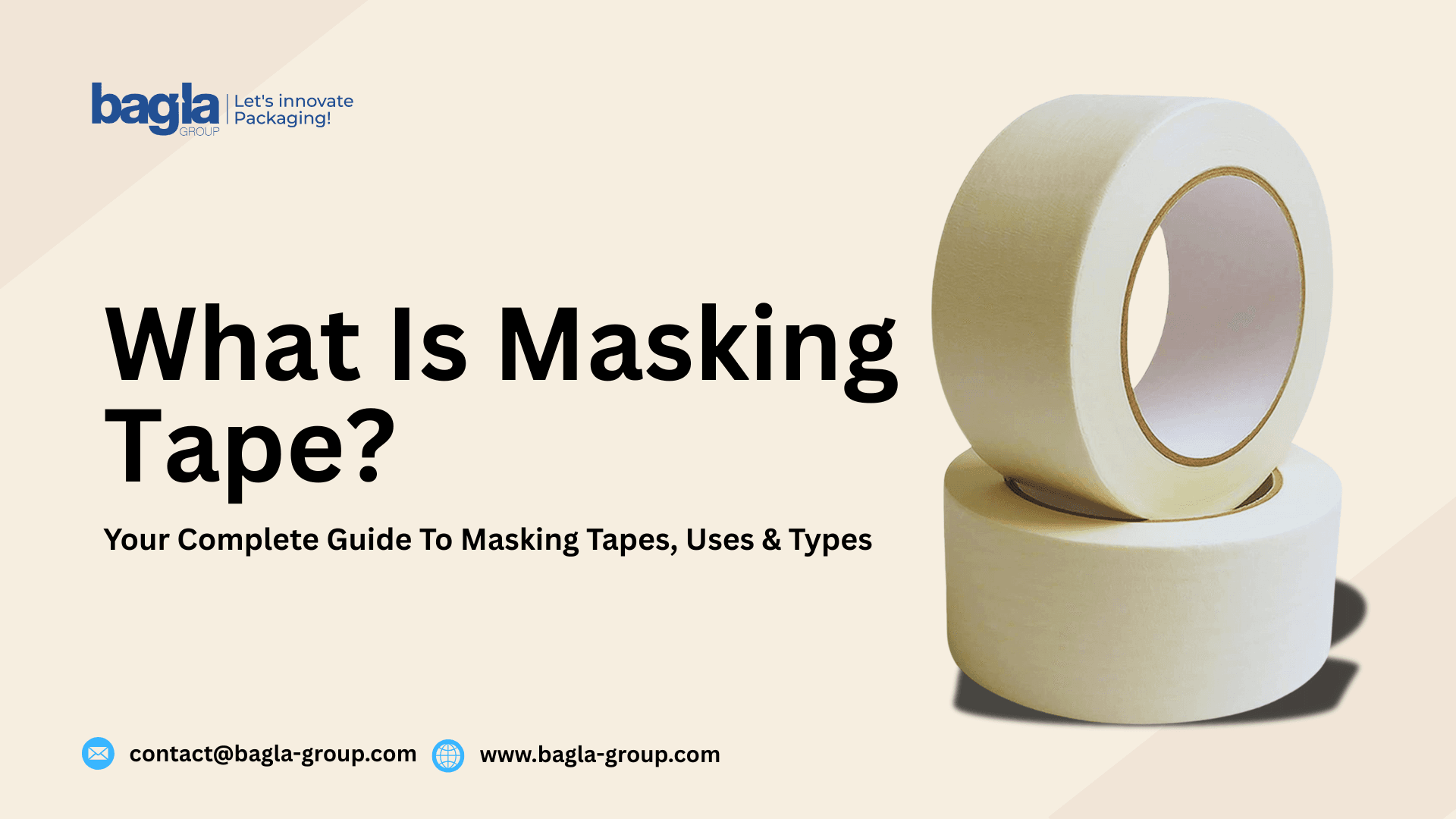
A stock image related to Masking tape.
In-depth Look: Manufacturing Processes and Quality Assurance for Masking tape
For B2B procurement teams sourcing masking tape for automotive refinishing, construction, or electronics manufacturing, understanding production methodologies directly impacts supply chain reliability and application failure rates. Manufacturing consistency determines whether tape performs identically across humid tropical environments and arid desert climates—a critical consideration for buyers operating across diverse regions like Southeast Asia, the Middle East, and South America.
How Is Masking Tape Manufactured in Industrial Facilities?
The production of high-performance masking tape follows a precision-controlled sequence beginning with substrate preparation. Manufacturers start with crepe paper, which undergoes mechanical crinkling to create a stretchable, conformable backing capable of adhering to curved automotive panels or irregular construction surfaces. This paper is then saturated with latex or rubber compounds—typically styrene-butadiene or natural rubber latex—to enhance tensile strength and prevent tearing during removal, a process called “paper saturation” that distinguishes industrial-grade tape from consumer variants.
Adhesive application occurs via slot-die or knife-over-roll coating systems, where the saturated paper receives a controlled layer of pressure-sensitive adhesive. Natural rubber adhesives provide high initial tack ideal for room-temperature painting, while synthetic acrylic formulations undergo cross-linking during the coating process to achieve UV stability required for Middle Eastern outdoor applications. The coated web then passes through multi-zone drying ovens where solvent or water carriers evaporate at precisely controlled temperatures—typically 80°C to 120°C—to ensure proper adhesive anchorage without degrading the paper backing.
A silicone-based release coating is applied to the non-adhesive side, enabling clean unwinding without delamination or adhesive transfer. Finally, precision slitting operations cut the master roll into specified widths, with tension-controlled winding preventing telescoping or edge deformation during international shipping. Advanced facilities employ automated vision systems during slitting to detect coating voids or contamination that could compromise masking performance.
What Quality Control Tests Validate Masking Tape Performance?
Rigorous quality assurance protocols separate commodity-grade products from industrial-performance tapes suitable for e-coating and powder coating operations. Manufacturers conduct loop tack testing per ASTM D3330 to quantify initial grab strength, measuring the force required to peel a loop of tape from a stainless steel panel without applied pressure. This metric proves crucial for buyers in high-temperature automotive applications where inadequate tack leads to blow-off during paint baking cycles.
Shear resistance testing evaluates the adhesive’s internal cohesion by measuring how long a weighted tape sample remains adhered to a vertical panel. High-quality masking tape must withstand 1kg loads for 24+ hours at elevated temperatures (typically 80°C to 150°C depending on specification) to ensure clean removal after industrial paint curing. Additionally, rolling ball tack tests determine how quickly adhesive bonds to substrates—a critical parameter for high-speed production lines where tape application occurs rapidly.
Residue testing involves aging tape samples on painted metal panels for specified durations (7 to 14 days) under accelerated aging conditions, then evaluating adhesive transfer using standardized peel angles. For buyers in Saudi Arabia or other high-heat markets, manufacturers should provide documentation of thermal aging tests at 70°C+ to verify clean removal after extended exposure. Chemical resistance testing against common industrial solvents (xylene, toluene, MEK) ensures tape integrity during automotive refinishing processes.
Which Raw Material Specifications Should Procurement Teams Verify?
B2B buyers should specify crepe paper basis weight (typically 50-150 gsm) and crepe ratio (15-30% elongation) based on application requirements. Higher basis weights provide structural integrity for heavy-duty masking, while increased crepe ratios offer superior conformability for complex curves. The saturation level—measured as dry weight add-on percentage—indicates paper reinforcement quality; industrial tapes typically feature 20-40% saturation by weight to prevent fiber lift during removal.
Adhesive formulation specifications require particular attention for regional climate conditions. Natural rubber-based adhesives offer aggressive tack and cost-effectiveness for general-purpose applications, but synthetic acrylic adhesives provide superior aging characteristics and UV resistance essential for outdoor construction in tropical climates like Vietnam. Silicone adhesives, though premium-priced, withstand temperatures exceeding 200°C for electronics manufacturing and powder coating operations.
Release coating uniformity directly impacts unwinding consistency and production line efficiency. Buyers should request data on release force stability across the roll length, as inconsistent release tension causes application machinery jams and waste. Additionally, verify that adhesive coat weights meet specification tolerances (typically ±10%) to ensure consistent adhesion across large project volumes.
How Do Manufacturing Standards Ensure Supply Chain Consistency?
ISO 9001:2015 certification indicates quality management systems that minimize batch-to-batch variation—a critical factor for construction firms executing multi-phase projects requiring identical tape performance over months. Advanced manufacturers implement Statistical Process Control (SPC) during coating operations, monitoring adhesive viscosity, oven temperature profiles, and web tension in real-time to prevent out-of-specification material from reaching export markets.
For buyers sourcing from Asian manufacturing hubs, verify compliance with REACH regulations for European markets or RoHS directives for electronics applications. Climate-specific packaging specifications prevent moisture ingress during ocean freight to humid destinations, with moisture-barrier packaging and desiccant inclusion preserving adhesive properties during extended transit times.
Procurement teams should request Certificate of Analysis (CoA) documentation for each production lot, detailing peel adhesion values (N/25mm), tensile strength (N/cm), and elongation percentages. Establishing acceptable quality limits (AQL) for visual defects—such as splices, wrinkles, or contamination—ensures that received inventory meets application standards without requiring incoming inspection at destination ports. This documentation proves particularly valuable for just-in-time manufacturing operations where tape failure halts production lines.
Key Procurement Takeaway: When evaluating masking tape suppliers, prioritize facilities demonstrating closed-loop manufacturing controls from paper saturation through final slitting, coupled with climate-specific testing protocols relevant to your end-use environment. This manufacturing rigor directly correlates with reduced defect rates and consistent performance across global project sites.
Practical Sourcing Guide: A Step-by-Step Checklist for ‘Masking tape’
Procuring masking tape for industrial operations requires balancing adhesion performance with clean removal characteristics while ensuring compatibility with specific coating processes. This checklist provides B2B procurement teams with a systematic framework to evaluate technical specifications, supplier capabilities, and quality assurance protocols essential for securing reliable masking solutions across diverse manufacturing environments.
1. How Do You Define Technical Specifications for Your Masking Tape Application?
Begin by mapping the exact operational parameters your masking tape must withstand. Document maximum exposure temperatures—standard crepe paper tapes handle 70–80°C while automotive baking requires high-temperature variants exceeding 150°C. Identify substrate types (metal, glass, plastic, or painted drywall) and required duration of adhesion, as multi-day masking demands UV-stable acrylic adhesives rather than standard rubber-based formulations.
2. What Backing Material and Thickness Should You Specify?
Evaluate crepe paper backing saturation levels based on your conformability needs. Saturated crepe paper offers superior moisture resistance and tensile strength for automotive spray booths, while standard unsaturated paper suits indoor painting. Specify smooth-crease paper for sharp paint lines versus coarse-crease for general bundling. Consider thickness—thinner backings (0.08–0.10mm) conform better to irregular surfaces, while thicker variants resist tearing during high-speed automated application.
3. Which Adhesive Chemistry Aligns With Your Environmental Conditions?
Match adhesive chemistry to your removal timeline and chemical exposure. Natural rubber/resin adhesives provide high initial tack for temporary holding but may leave residue if exposed beyond 3 days. Acrylic adhesives offer superior UV stability and clean removal after 14+ days, ideal for construction projects. Silicone-based adhesives withstand extreme temperatures up to 200°C for powder coating operations. Request solvent-resistance data if tapes will contact degreasers or paint thinners.
4. How Can You Verify Clean Removal and Temperature Resistance?
Establish testing protocols that replicate actual production conditions. Apply samples to representative substrates and expose them to peak operational temperatures for the full duration of your process cycle. Inspect for adhesive transfer, paper slivering, or edge lifting immediately after removal and after 24-hour curing. Verify that high-temperature tapes maintain structural integrity without adhesive flow during baking cycles.
5. What Quality Certifications and Compliance Standards Should You Require?
Request documentation proving consistency with ISO 9001 quality management systems and automotive specifications such as IATF 16949 if supplying automotive tiers. Verify RoHS compliance for electronics applications and obtain chemical resistance certifications for industrial coating environments. Ensure suppliers provide batch-specific test reports showing adhesion strength (N/25mm) and temperature resistance thresholds rather than generic product datasheets.
6. How Should You Evaluate Supplier Logistics and Customization Capabilities?
Assess suppliers’ ability to provide humidity-controlled packaging essential for preventing moisture absorption in crepe paper during ocean freight to tropical destinations. Confirm minimum order quantities align with your inventory turnover, and evaluate custom color-coding options for production line differentiation. Review lead times from manufacturing hubs to your regional warehouses, ensuring buffer stock availability during peak coating seasons.
A stock image related to Masking tape.
Comprehensive Cost and Pricing Analysis for Masking tape Sourcing
What Raw Material Factors Drive Masking Tape Manufacturing Costs?
The unit economics of masking tape sourcing depend heavily on the specification triangle of backing substrates, adhesive formulations, and release coatings. Crepe paper backings account for 30-40% of material costs, with high-saturation papers that resist tearing during automotive masking commanding premiums over standard packaging-grade alternatives. Adhesive selection represents the primary cost variable; natural rubber/resin compounds offer economical solutions for general bundling, while synthetic acrylics necessary for UV resistance in Middle Eastern or South American climates can increase adhesive costs by 35-50%. Additionally, specialized silicone adhesives required for high-temperature powder coating applications often represent the highest material expenditure, significantly impacting per-roll pricing for industrial-grade orders.
How Do Adhesive Chemistries Impact Bulk Pricing Tiers?
B2B buyers should recognize distinct pricing stratification based on adhesive technology. Rubber-based adhesives (natural or styrene-butadiene) provide the most cost-effective option for indoor painting and temporary surface protection, making them ideal for high-volume construction projects in emerging markets. Acrylic adhesives occupy the mid-tier, offering superior aging characteristics and clean removal properties essential for European automotive refinishing standards, typically pricing 20-30% above rubber equivalents. Silicone-based masking tapes, engineered for electronics manufacturing and bake cycles exceeding 150°C, represent the premium category, often costing 3-4 times more than standard crepe tape but preventing costly residue-related rework.
What Is the Price Differential Between General-Purpose and High-Temperature Masking Tape?
General-purpose masking tapes designed for 60-80°C applications utilize lightly saturated paper with basic rubber adhesives, positioning them as commodity products suitable for African construction sectors and Vietnamese packaging industries. Conversely, high-temperature variants required for automotive e-coating or industrial baking incorporate polyamide backings and cross-linked adhesives that withstand 150°C+ environments. These specialized tapes typically cost 2-3 times more per square meter but eliminate production line stoppages from adhesive transfer. Buyers should avoid over-specification; utilizing high-temperature tapes for ambient painting applications wastes procurement budgets without performance benefits.
How Should International Buyers Structure MOQs and Volume Contracts?
Standard beige masking tapes typically offer flexible minimum order quantities (MOQs) starting at 500-1000 rolls due to standardized production, while specialty variants such as anti-UV or color-coded tapes often require 3000+ roll commitments. Volume discounts typically activate at full container load (FCL) quantities of 20-foot containers, yielding 15-25% unit cost reductions compared to LCL shipments. However, buyers in humid climates—common in Brazilian or Nigerian ports—must balance bulk discounts against shelf-life degradation; rubber adhesives can oxidize and lose tack after 12-18 months in high-moisture storage, potentially negating savings through product spoilage.
What Hidden Logistics and Storage Costs Affect Total Procurement Value?
Beyond per-roll pricing, international buyers must account for dimensional weight shipping costs; masking tape’s bulky, lightweight nature means freight expenses often exceed material costs for small orders. Import duty structures vary significantly by region, with some Middle Eastern markets applying different tariff rates to silicone-adhesive industrial tapes versus rubber-based consumer grades. Climate-controlled warehousing during transit becomes critical for buyers in high-humidity regions, as moisture exposure compromises release coatings and causes self-adhesion, potentially resulting in total inventory loss. Smart buyers negotiate Incoterms that include moisture-barrier packaging and desiccant insertion for sea freight routes through tropical zones.
Alternatives Analysis: Comparing Masking tape With Other Solutions
While crepe paper masking tape remains the standard for general surface protection and paint masking, B2B procurement teams managing high-volume automotive refinishing, industrial coating, or large-scale construction projects must evaluate whether alternative masking methods offer superior operational efficiency. Liquid peelable coatings and pre-taped masking films represent two distinct categories that challenge traditional tape in specific scenarios—particularly where complex geometries or expansive surface areas demand different application strategies. Understanding the comparative advantages of these solutions enables buyers to optimize material costs, reduce labor hours, and minimize defect rates in specialized production environments.
| 비교 측면 | Traditional Masking Tape | 액체 마스킹 화합물 | Pre-Taped Masking Film |
|---|---|---|---|
| 신청 방법 | Manual unrolling and placement | Spray, brush, or dip application | Unfold and adhere pre-attached edge |
| 초기 재료비 | Low to moderate ($) | Moderate to high ($$) | 보통($$) |
| Labor Efficiency | Moderate (labor-intensive for complex shapes) | High (quick application, slow curing) | High (rapid coverage of large areas) |
| Surface Complexity | Excellent for straight edges; challenging on intricate curves | Superior for complex geometries and internal cavities | Best for flat or gently curved large surfaces |
| Residue Risk | Low (clean removal within rated dwell time) | Very low (peels cleanly if properly cured) | Very low (static cling reduces adhesive contact) |
| 온도 저항 | Up to 80°C (general) to 150°C+ (high-temp grades) | Limited by binder (typically 60-90°C) | Varies by film type (typically 80°C) |
| Storage & Shelf Life | 12+ months in dry conditions | 6-12 months; temperature sensitive | 12+ months; avoid direct sunlight |
How Do Liquid Masking Compounds Compare for Complex Industrial Applications?
Liquid masking solutions—typically water-based or solvent-based peelable coatings—offer distinct advantages when protecting components with intricate geometries, threaded holes, or internal cavities that crepe paper cannot effectively seal. Applied via spray, brush, or immersion, these compounds cure into a flexible film that adheres tightly to surfaces during coating processes yet removes cleanly as a single peelable skin. For B2B buyers in automotive manufacturing or precision electronics, liquid masking eliminates the labor cost of hand-taping complex parts and reduces the risk of paint bleed at tape edges. However, procurement teams must factor in curing time (typically 30 minutes to 4 hours depending on thickness and humidity) and specialized application equipment, making this solution most cost-effective for high-volume operations where setup costs amortize across thousands of units rather than small-batch custom work.
Is Pre-Taped Masking Film More Efficient for Construction and Refinishing Projects?
Pre-taped masking film combines polyethylene sheeting with a pre-attached adhesive edge, designed to unfold rapidly over large surface areas such as walls, vehicle bodies, or machinery during spray painting operations. Unlike traditional masking tape that requires separate application of protective paper or plastic, this integrated solution reduces labor time by up to 60% on large-scale projects by allowing workers to mask expansive sections in a single motion. The static-charged film clings to surfaces without additional tape, minimizing the adhesive contact points that could damage delicate finishes. For construction firms and automotive refinishers in emerging markets, this alternative proves particularly valuable when protecting against overspray on high-value substrates like glass, chrome, or polished stone, though it lacks the precision edge definition required for intricate decorative painting where crepe paper excels
Essential Technical Properties and Trade Terminology for Masking tape
When procuring masking tape for industrial painting, automotive refinishing, or electronics manufacturing, understanding material science specifications prevents costly failures like adhesive residue, paint bleed, or tape failure during bake cycles. The following technical properties and trade terms form the basis of quality assurance protocols for global supply chains operating across diverse climate zones and regulatory environments.
Which Technical Specifications Determine Masking Tape Reliability in Industrial Applications?
Temperature Resistance (Thermal Endurance)
This defines the maximum exposure temperature before adhesive degradation or backing charring occurs. Standard grades withstand 60–80°C for general painting, while high-performance automotive tapes endure 120–150°C for bake cycles. Exceeding thermal limits causes adhesive transfer (residue) and difficult removal, particularly problematic in Middle Eastern industrial facilities where ambient temperatures already challenge adhesive stability.
Adhesion Profile: Tack vs. Shear Strength
Tack measures immediate surface grip without pressure, critical for vertical application on walls or vehicle panels. Shear strength indicates resistance to slippage under load over time. B2B buyers should verify both metrics: insufficient tack causes edge lifting during spray application, while poor shear strength leads to tape displacement on curved surfaces during prolonged masking periods.
Backing Elongation (Conformability)
Expressed as a percentage of stretch, this property determines the tape’s ability to conform to corrugated surfaces, sharp edges, or compound curves without wrinkling. Crepe paper backings typically offer 5–15% elongation; insufficient stretch results in bridging (gaps between tape and substrate) that permits paint seepage and line bleeding.
내화학성
Critical for applications involving solvent-based paints, automotive e-coating, or degreasing agents. Rubber-based adhesives generally resist solvents but may degrade with prolonged chemical exposure, whereas acrylic formulations offer superior chemical stability but lower initial tack, requiring careful selection based on coating chemistry.
캘리퍼(두께)
Measured in mils (thousandths of an inch) or microns, thickness affects edge sealing capability and paint line sharpness. Thicker backings (6–8 mils) provide better protection against bleed-through on rough substrates but may sacrifice conformability on tight radii common in intricate automotive trim work.
What Industry Jargon Should Global Buyers Understand When Evaluating Masking Tape?
Crepe Paper Saturation
Refers to the resin impregnation process that strengthens the paper backing, preventing tearing during removal and providing moisture resistance. “Fully saturated” backings indicate high-grade tapes suitable for multi-day masking and humid climates common in Southeast Asian or South American markets.
Temperature Grade Classifications
Industry shorthand categorizing tapes by thermal endurance: “General Purpose” (60°C), “High Temperature” (120°C), and “Ultra-High Temperature” (180°C+). Buyers should match grades to specific curing oven requirements rather than assuming universal heat resistance, particularly when sourcing for powder coating operations.
Release Coat (Silicone Coating)
The non-stick layer applied to the backing’s reverse side that enables clean unwinding without adhesive transfer. Poor release coat quality causes “telescoping” (layers shifting) during shipping in hot containers or inconsistent unwind tension that disrupts automated application systems.
Loop Tack vs. Rolling Ball Tack
Standardized ASTM test methods measuring initial adhesion. Loop tack tests quantify the force required to peel a looped tape from stainless steel, while rolling ball tests measure the distance a steel ball travels on an inclined tape surface. Lower rolling ball distances indicate higher immediate tack, essential for high-speed production lines.
UV Resistance Rating
Specifies the tape’s ability to withstand solar exposure without adhesive hardening or backing embrittlement. Critical for outdoor construction projects in high-sun regions like Saudi Arabia or Brazil, where standard tapes may bake onto surfaces within 48 hours, necessitating labor-intensive residue removal.
Navigating Market Dynamics and Sourcing Trends in the Masking tape Sector
The global masking tape market is undergoing significant transformation as regional industrialization accelerates and supply chains recalibrate to serve diverse climatic and industrial demands. For procurement teams across Africa, South America, the Middle East, and Europe, understanding these shifts is critical to securing reliable supply of high-performance tapes—from standard saturated crepe paper varieties for construction to specialized high-temperature formulations essential for automotive e-coating and electronics manufacturing. Current dynamics reflect a complex interplay between post-pandemic supply chain diversification, volatile raw material costs affecting paper pulp and petrochemical-based adhesives, and increasingly stringent performance requirements driven by extreme climate applications in Gulf regions and humid Southeast Asian environments. As buyers from emerging manufacturing hubs like Vietnam and Saudi Arabia expand their industrial capabilities, the demand for differentiated product grades—ranging from anti-UV outdoor masking tapes to precision washi tapes for delicate electronics—continues to fragment traditional commodity markets into specialized procurement segments requiring technical sophistication.
What Regional Market Trends Are Reshaping Masking Tape Procurement Strategies?
The construction boom across the Middle East and Gulf Cooperation Council (GCC) regions, particularly in Saudi Arabia’s giga-projects and African infrastructure developments, has intensified
Frequently Asked Questions (FAQs) for B2B Buyers of Masking tape
1. What temperature rating should I specify for high-temperature masking tape in powder coating applications?
For powder coating lines, specify masking tape with a temperature resistance of at least 150°C to 220°C (302°F to 428°F) depending on your cure cycle. Standard rubber-based adhesives fail above 80°C, so industrial powder coating requires silicone-based or specialized acrylic formulations that maintain adhesion during high-temperature curing without leaving residue. When sourcing from suppliers, request technical data sheets specifying the maximum exposure temperature and duration, as e-coating and powder coating processes in automotive manufacturing often require sustained heat resistance for 20–30 minutes. Always verify that the crepe paper backing is saturated to prevent paint bleed-through and structural breakdown at elevated temperatures common in Middle Eastern and South American manufacturing facilities.
2. How long can masking tape remain on surfaces without leaving adhesive residue?
Clean removal timeframes vary significantly by adhesive chemistry and environmental exposure, ranging from 3 days to 21 days. Natural rubber adhesives typically allow 3–7 days of clean removal on most substrates, while synthetic rubber and acrylic formulations extend this window to 14–21 days, particularly critical for projects in humid climates like Vietnam or coastal regions. UV exposure dramatically accelerates adhesive aging, so outdoor applications in Saudi Arabia or Brazil require UV-resistant formulations to prevent residue buildup. For B2B procurement, conduct 48-hour adhesion tests on your specific substrates—painted metal, plastics, or glass—to verify clean removal properties before committing to bulk orders.
3. What are the differences between masking tape and painter’s tape for industrial B2B applications?
While both use crepe paper backings, industrial masking tape features higher adhesion levels and conformability for bundling, sealing, and surface protection during manufacturing, whereas painter’s tape prioritizes ultra-clean removal and razor-sharp paint lines for decorative finishes. Masking tape offers superior chemical resistance for e-coating and industrial painting processes, making it cost-effective for high-volume automotive and electronics manufacturing where tape remains for shorter durations. Painter’s tape typically uses lower-tack acrylic adhesives and flat paper backings that prevent paint bleed but lack the tensile strength needed for industrial bundling. For B2B buyers managing construction or automotive projects, masking tape provides better versatility for multiple applications beyond painting, reducing SKU complexity in your supply chain.
4. Can masking tape be custom printed with company logos for branding purposes?
Yes, B2B buyers can source custom-printed masking tape using flexographic or screen-printing processes that apply company logos, barcodes, or handling instructions directly onto the crepe paper backing. This customization supports inventory management, theft prevention, and brand visibility on construction sites or through supply chain logistics, with minimum order quantities typically starting at 500–1000 rolls depending on tape width. Color-coding options—beyond standard beige, blue, and green—allow for immediate identification of product grades or departmental usage in large manufacturing facilities. When requesting custom printing, specify whether you need surface printing (on the backing) or between-layer printing for protection during application, as this affects durability during outdoor storage and handling.
5. How do I select the right adhesive formulation for high-humidity and high-UV environments?
For operations in tropical climates like West Africa or Southeast Asia, choose acrylic-based adhesives over natural rubber formulations, as acrylics resist oxidation and humidity-induced adhesive failure that causes edge lifting and residue transfer. Natural rubber offers superior initial tack for dusty or rough surfaces common in construction but degrades quickly under UV exposure, making it unsuitable for outdoor projects in the Middle East without UV inhibitors. Silicone-based adhesives provide the best performance for extreme heat and humidity combinations, though at higher cost points. Request weathering test data specific to your region’s climate conditions, and consider synthetic rubber hybrids that balance tack performance with environmental stability for multi-regional operations.
6. What backing specifications ensure clean removal from sensitive automotive and electronic substrates?
Specify saturated crepe paper backings with a grammage of 120–150 g/m² for automotive painting and electronics manufacturing, as this prevents fiber tear and delamination when removing tape from fresh clear coats or delicate plastic components. The release coating quality determines whether the tape unwinds smoothly without adhesive transfer, particularly critical for masking circuit boards or automotive trim where residue causes defects. For two-component paints and sensitive plastics common in European automotive manufacturing, request low-tack variants with specialized release agents that prevent paint lifting during removal. Always verify that the tape conforms to OEM specifications regarding paint compatibility, as inferior backings can leave paper fibers embedded in high-gloss finishes.
7. How can B2B buyers verify masking tape quality consistency for international container shipping?
Implement pre-shipment adhesion and cohesion testing using ASTM D3330 standards to verify that batch consistency meets your specifications after long-duration sea freight, as temperature fluctuations in shipping containers can affect adhesive flow. Request moisture-resistant packaging with VCI (Volatile Corrosion Inhibitor) films for ocean freight from Asian manufacturing hubs to African or South American ports, preventing humidity damage to the adhesive layers during transit. Establish shelf-life requirements of 12–18 months from production date, and require suppliers to provide batch-specific test reports showing tack values, tensile strength, and elongation percentages. Conduct incoming inspection protocols that include 24-hour room-temperature adhesion tests on sample surfaces before accepting full container loads.
8. What are the cost-benefit considerations when sourcing anti-UV masking tape for outdoor construction projects?
Anti-UV masking tape commands a 20–30% price premium over standard grades but eliminates costly rework caused by edge curling and adhesive degradation during week-long outdoor exposure in high-sunlight regions like the Middle East or Mediterranean Europe. The specialized UV-resistant acrylic adhesives and stabilized backings prevent the “flagging” effect where tape edges lift, allowing masking to remain in place through multi-day construction schedules without replacement. For large-scale infrastructure projects, calculate total cost of ownership including labor rates for re-masking versus material costs—premium UV tape often reduces total project costs by 15–25% despite higher per-roll pricing. Specify anti-UV grades for any outdoor application exceeding 72 hours, particularly for stucco, exterior painting, or concrete sealing work where tape failure results in permanent surface staining.
중요 고지 사항 및 이용 약관
⚠️ 중요 고지 사항
제조업체, 기술 사양 및 시장 분석에 관한 내용을 포함하여 이 가이드에서 제공하는 정보는 정보 제공 및 교육 목적으로만 사용됩니다. 전문적인 조달 자문, 재무 자문 또는 법률 자문으로 간주되지 않습니다.
B2B 구매자는 독립적이고 철저한 실사를 수행해야 합니다. 구매 결정을 내리기 전에 반드시 확인하시기 바랍니다. 이 가이드의 정보에 의존하는 데 따른 위험은 전적으로 독자가 부담합니다.
Top 3 Masking Tape Manufacturers & Suppliers List
1. HOPELIGHT – Adhesive Tapes
도메인: hopelightcn.com
등록: 2016(10년)
소개: HOPELIGHT ELECTRICAL CO.,LIMITED specializes in manufacturing adhesive tapes including: Masking Tape, NANO Tape, Aluminum Foil Tape, Polyimide Tape (Kapton Tape Acrylic Adhesive, Polyimide Silicone Tape), Polyester Tape (Acrylic Adhesive and Silicone Adhesive variants), PTFE Coated Glass Fabric Adhesive Tape, Kraft Paper Tape, PVC Tape, Copper Tape (Conductive Adhesive and Non-conductive Adhesive …
2. 테이프 공급업체 - 마스킹 테이프
도메인: tapesuppliers.com
등록: 2007년(19년)
소개: Masking tape is a pressure-sensitive adhesive tape designed to temporarily conceal and protect surfaces during finishing processes including soldering, blasting, spraying, coating, plating, and polishing. Key characteristics include easy tear and dispense properties, residue-free removal that prevents damage to newly painted surfaces, and the ability to create straight edges for painting applicati…
3. Taglues – Industrial Adhesive Tapes

도메인: taglues.com
등록: 2024년(2년)
소개: Key product types identified include: VHB high-strength double-sided tape, foam tape, single-sided tape, PVC electrical tape, thermal conductive tape, high-performance structural adhesive tape, butyl waterproof tape, reflective tape, duct tape, masking tape, high-temperature PTFE coated fiberglass tape, building sealants, sealing strips, fire-resistant materials, soundproof materials, medical tape…
Strategic Sourcing Conclusion and Outlook for Masking tape
How Can Procurement Teams Optimize Masking Tape Specifications for Regional Supply Chains?
Strategic sourcing success hinges on matching adhesive chemistry to environmental demands rather than defaulting to generic grades. Buyers operating in high-temperature climates across the Middle East, Africa, and South America should prioritize UV-stabilized acrylic formulations over standard rubber-based adhesives to prevent gumming and edge lift. Conversely, European markets increasingly require low-VOC, sustainable crepe paper backings that comply with stringent environmental regulations while maintaining clean-removal properties essential for automotive and electronics manufacturing.
What Supply Chain Factors Ensure Consistent Quality Across International Markets?
Mitigating formulation inconsistencies requires verifying suppliers’ batch-specific technical data sheets for temperature thresholds and chemical resistance ratings. For industrial-scale operations in Vietnam or Saudi Arabia, consolidating procurement through manufacturers offering customized width configurations and color-coding systems reduces inventory complexity. Establishing direct partnerships with mills rather than trading houses ensures traceability of the three-layer construction—critical for applications involving e-coating or powder coating where adhesive residue risks catastrophic surface defects.
Which Emerging Trends Will Define Masking Tape Procurement Strategy?
The market is shifting toward application-specific specialization, with high-temperature silicone and anti-UV variants gaining traction in precision manufacturing hubs. Forward-thinking buyers should audit suppliers for crepe paper saturation quality and adhesive aging stability—investments that prevent costly rework in automated painting lines. As sustainability mandates expand globally, sourcing strategies must balance immediate cost efficiency with long-term performance metrics that protect high-value substrates across diverse industrial environments.