Introduction: Navigating the Global Market for Red fragile tape
Sourcing high-visibility red fragile tape for international logistics operations presents unique challenges for procurement teams navigating diverse regulatory environments and supply chain complexities. Whether you’re securing glassware exports from Germany, electronics shipments from Vietnam, or artisan goods from emerging markets across Africa and South America, the stakes for proper damage prevention extend far beyond simple packaging costs. This guide addresses the critical pain points that global B2B buyers encounter when standardizing protective labeling across multiple distribution channels.
What challenges do international buyers face when sourcing red fragile tape?
Global procurement teams often struggle with inconsistent adhesive quality, varying commercial-grade standards, and unreliable supplier lead times that jeopardize fragile cargo protection. From verifying acrylic backing durability for humid climates to ensuring bold red print visibility meets warehouse safety protocols, the technical specifications demand rigorous vetting. Additionally, navigating import tariffs and bulk pricing structures across Middle Eastern, European, and Latin American markets requires specialized market intelligence to avoid costly procurement errors.
How can buyers optimize their fragile tape procurement strategy?
This comprehensive resource examines essential tape specifications—including 2″ width compatibility, quiet unwind properties for high-volume environments, and commercial-grade adhesion—while analyzing cost-per-roll economics for warehouse-scale operations. We explore application-specific requirements for e-commerce fulfillment centers versus heavy industrial shipping, alongside actionable frameworks for supplier qualification, quality assurance testing, and regional compliance standards.
By synthesizing technical benchmarks with actionable market insights, this guide empowers procurement professionals to make data-driven decisions that minimize breakage rates, streamline customs compliance, and establish resilient supply chains for fragile goods transportation worldwide.
Understanding Red fragile tape Types and Variations
| 유형 이름 | 주요 차별화 기능 | 주요 B2B 애플리케이션 | 구매자를 위한 간략한 장단점 |
|---|---|---|---|
| Clear BOPP with Red Print | 2″ width, acrylic adhesive, transparent backing with bold red “FRAGILE” text, quiet unwind | E-commerce fulfillment, retail warehousing, general logistics | Pros: Cost-effective, dispenser-compatible, high visibility Cons: Limited weather resistance, plastic sustainability concerns |
| Heavy-Duty Red PVC Vinyl | Thicker vinyl backing, weather-resistant adhesive, available in solid red or printed formats | Export shipping, heavy machinery, outdoor storage, tropical climates | Pros: Superior humidity/temperature resistance, tear-resistant Cons: Premium pricing, requires heavy-duty dispensers |
| Reinforced Gummed Kraft Paper | Water-activated adhesive, fiberglass threads, red print on biodegradable paper backing | Sustainable packaging, heavy carton sealing, eco-conscious brands (EU markets) | Pros: Biodegradable, tamper-evident tear pattern, professional aesthetic Cons: Requires water dispenser, vulnerable to moisture before sealing |
| Tamper-Evident Security Tape | “VOID” message upon removal, integrated red fragile warning, permanent adhesion | Electronics, pharmaceuticals, luxury goods, high-value shipments | Pros: Theft deterrence, evidence of breach, dual function Cons: Single-use only, significantly higher unit cost |
| Freezer-Grade Acrylic Tape | Cold-resistant adhesive formulation, red fragile print, moisture-resistant backing | Cold chain logistics, frozen foods, agricultural exports, pharma | Pros: Maintains stick in sub-zero temps, prevents flagging Cons: Specialized application, unnecessary cost for ambient shipping |
What makes clear BOPP red fragile tape the standard for high-volume e-commerce operations?
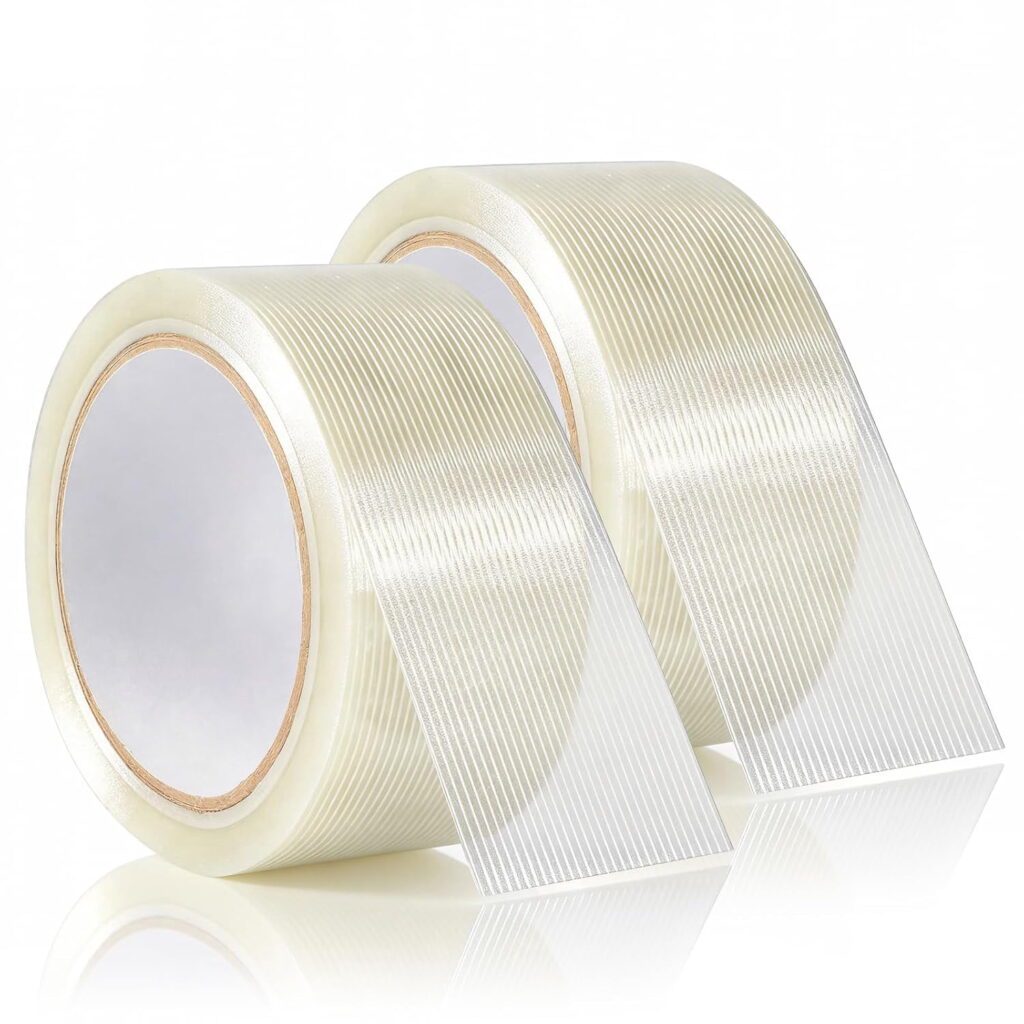
Clear BOPP (Biaxially Oriented Polypropylene) tape with red fragile printing
Key Industrial Applications of Red fragile tape
| 산업/섹터 | Specific Application of Red fragile tape | 비즈니스를 위한 가치/혜택 | 이 애플리케이션의 주요 소싱 고려 사항 |
|---|---|---|---|
| 전자상거래 및 제3자 물류(3PL) | Carton sealing for high-volume fulfillment centers handling consumer electronics, glassware, and ceramics bound for international markets | Reduces damage claims by 30-40% through immediate visual alert; streamlines handler training across multilingual warehouse teams; minimizes repackaging costs in humid climates | Bulk volume pricing (6-roll+ packs); acrylic adhesive performance in high humidity (tropical regions); compatibility with automated tape dispensers; quiet unwind for 24/7 operations |
| Electronics Manufacturing & Distribution | Outer carton sealing for semiconductors, LCD screens, and precision components shipped from Vietnam and Germany to global assembly plants | Prevents electrostatic discharge risks from rough handling; ensures compliance with international shipping standards (ISTA); protects high-value inventory during long-haul container shipping | Temperature-resistant adhesive for containerized shipping (40°C+); clear tape substrate for barcode scanning; strong adhesion to corrugated plastic totes used in cleanrooms |
| Artisanal Glassware & Ceramic Export | Packaging for handcrafted tiles, decorative glass, and pottery from Africa, South America, and the Middle East destined for European retail | Mitigates breakage during rough-handled port transfers; satisfies insurance requirements for international cargo; reinforces brand professionalism for EU buyers | UV-resistant red ink for tropical sun exposure during outdoor port storage; strong adhesion to recycled cardboard (common in EU sustainability mandates); moisture-resistant acrylic for sea freight |
| 제약 및 의료 기기 유통 | Secondary sealing for diagnostic equipment, glass vials, and temperature-sensitive medical instruments in cold chain logistics | Ensures cold chain integrity alerts; reduces contamination risks from package breaches; meets GDP (Good Distribution Practice) visibility requirements for Middle Eastern and African markets | FDA/EU compliant adhesive formulations; low-noise unwind for cleanroom environments; tamper-evident properties alongside fragile warnings; performance in refrigerated conditions |
| Automotive Aftermarket & Precision Parts | Carton sealing for delicate auto glass, sensors, and painted trim components shipped from German and Vietnamese manufacturing hubs | Prevents costly damage from heavy parts stacking in mixed freight loads; identifies fragile components within oil-contaminated warehouse environments; reduces warranty claims | Adhesion efficacy on oil-contaminated or dusty cardboard surfaces; dust-resistant red print legibility for overland transport in developing logistics corridors; compatibility with heavy-duty corrugated packaging |
How Does Red Fragile Tape Protect High-Volume E-commerce Shipments in Diverse Climates?
In rapidly growing e-commerce markets across Africa, South America, and Southeast Asia—including Vietnam—warehouses process thousands of mixed-content cartons daily through multilingual operations. Red fragile tape serves as a universal visual language that transcends linguistic barriers, alerting handlers immediately to delicate contents without requiring label translation. For 3PL providers managing international shipments to European hubs like Germany, the tape’s high-visibility red print ensures compliance with handler alert standards while the commercial-grade acrylic adhesive maintains bond integrity through varying humidity levels and temperature fluctuations common in tropical transit corridors and changing seasons.
What Role Does Fragile Tape Play in Electronics Manufacturing Supply Chains?
As Vietnam and Germany serve as critical nodes for electronics assembly and precision component distribution, sensitive cargo often endures multi-modal transport through extreme environmental conditions. Red fragile tape provides an essential first line of defense for cartons containing LCD screens, circuit boards, and sensors, signaling handlers to avoid stacking heavy freight or dropping packages. For international buyers sourcing from these regions, selecting tape with temperature-resistant adhesive becomes crucial, as containerized shipping through the Middle East and equatorial regions can expose packages to sustained heat exceeding 40°C, which readily compromises standard packing adhesives and risks carton failure.
Why Is High-Visibility Fragile Tape Critical for Artisanal Exporters in Emerging Markets?
African, South American, and Middle Eastern artisans shipping ceramics, glassware, and decorative tiles to European markets face unique challenges with rough-handled port transfers and inconsistent logistics infrastructure. Red fragile tape mitigates breakage risks during these high-touch transit points while conveying professional packaging standards to discerning EU buyers and German distributors. Exporters should prioritize UV-resistant red printing that maintains visibility during extended outdoor storage—a common scenario in busy ports from Lagos to Santos—and ensure strong adhesion to recycled cardboard substrates increasingly mandated by EU sustainability regulations and German packaging laws.
How Can Red Fragile Tape Support Pharmaceutical Cold Chain Compliance?
Pharmaceutical distributors throughout the Middle East, Africa, and Latin America rely on conspicuous fragile warnings to protect temperature-sensitive diagnostic equipment and glass vial shipments within stringent cold chain logistics. The tape’s bold red alert prevents rough handling that could compromise sterile packaging integrity or refrigeration unit seals during last-mile delivery in hot climates. For B2B buyers in this sector, sourcing tape with low-noise unwind properties proves essential for cleanroom environments, while ensuring the adhesive formulation meets FDA and EU regulatory standards for indirect food contact and medical device packaging safety.
How Do Automotive Suppliers Safeguard Precision Parts During International Freight?
Distributors shipping delicate auto glass, sensors, and painted trim components from manufacturing centers in Germany and Vietnam to service markets across Africa and South America require robust handling alerts. Red fragile tape identifies cartons containing easily scratched or breakable parts within mixed freight loads, preventing damage from heavy machinery parts stacked during ocean freight. For this sector, buyers must verify tape performance against oil-contaminated cardboard surfaces common in automotive warehousing, while ensuring the red print remains legible through dust exposure typical of overland transport in developing logistics corridors.
A stock image related to Red fragile tape.
3 Common User Pain Points for ‘Red fragile tape’ & Their Solutions
Scenario 1: Inadequate Package Protection from Detachable Labels
문제: Many logistics operations still rely on small adhesive paper labels to mark fragile contents, but these labels frequently detach during transit through humid climates or rough handling common in international shipping lanes. When warning labels fall off or blend into package clutter in busy distribution centers, parcels receive standard treatment rather than careful handling, resulting in preventable breakage and costly customer returns. This risk amplifies for exporters shipping delicate electronics, glassware, or precision instruments through multi-modal transport chains where packages change hands multiple times across different regulatory environments.
솔루션: Transition to red fragile tape that combines structural sealing with high-visibility warning systems. Unlike separate labels that can peel away, this tape integrates the “FRAGILE” message directly onto the package seal, ensuring the warning remains visible throughout the entire journey. Look for commercial-grade acrylic adhesive formulations that maintain tack across extreme temperature variations common in Middle Eastern and African logistics corridors. The bold red typography creates instant visual recognition for handlers at any distance, significantly reducing damage rates while eliminating the labor cost of separate labeling steps.
Scenario 2: Workflow Bottlenecks from Incompatible Tape Specifications
문제: Procurement teams often source packaging tape based solely on unit price, only to discover that non-standard widths or poor unwind characteristics jam dispensers and slow packing lines. In high-volume European warehouses or Vietnamese manufacturing facilities, incompatible tape causes frequent equipment downtime and worker fatigue from noisy, jerky unwinding that requires excessive force. This operational friction directly impacts throughput during peak shipping seasons when efficiency metrics determine profitability, particularly for businesses managing just-in-time delivery contracts.
솔루션: Specify universal 2-inch (50mm) width rolls specifically engineered for compatibility with standard industrial tape dispensers and automated sealing guns. Prioritize commercial-grade products featuring smooth, quiet unwind technology that allows for rapid, continuous application without the screeching noise that disrupts warehouse environments and reduces worker productivity. Bulk value packs of six rolls or more ensure continuous availability while reducing per-unit procurement costs. Always verify that the tape core dimensions match your existing dispenser fleet to prevent unexpected operational interruptions during critical fulfillment windows.
Scenario 3: Limited Brand Differentiation and Supply Inconsistency
문제: Generic clear sealing tape offers no branding opportunity, while standard fragile labels provide minimal surface area for corporate identity reinforcement. For B2B buyers in competitive markets like Germany or Brazil, undifferentiated packaging misses valuable brand touchpoints at the final delivery stage. Additionally, unreliable supply chains for specialty packaging materials can leave operations vulnerable to stockouts, forcing expensive emergency purchases or delayed shipments that damage client relationships and operational credibility.
솔루션: Leverage custom printing capabilities available on red fragile tape to display company logos, contact information, or handling instructions alongside standard warning text. This transforms every package into a mobile branded communication tool while maintaining essential safety compliance for delicate cargo. Establish relationships with suppliers offering consistent bulk availability—such as six-roll commercial packs—with wholesale pricing structures that eliminate punitive minimum order requirements. For regions with challenging climates, specify acrylic-based adhesives that resist humidity and UV exposure, ensuring your branded tape performs reliably from warehouse departure through to final destination delivery.
Strategic Material Selection Guide for Red fragile tape
Selecting the appropriate substrate for red fragile tape directly impacts supply chain efficiency, package integrity, and handler compliance across international logistics networks. While the bold red “FRAGILE” print provides immediate visual warnings to warehouse staff, the underlying material determines critical performance factors including adhesion strength, noise levels during high-volume application, and environmental resilience. For procurement teams managing exports to diverse climates—from humid African ports to German distribution centers—understanding material specifications prevents costly resealing, damage claims, and customs delays. The following analysis examines four primary substrate options, evaluating their suitability for specific B2B applications, regulatory environments, and operational demands.
What makes BOPP film the industry standard for cost-sensitive fragile tape applications?
Biaxially Oriented Polypropylene (BOPP) dominates the commercial red fragile tape market due to its exceptional balance of tensile strength, moisture resistance, and affordability. This thermoplastic polymer creates a rigid, non-stretching seal that maintains bold red print legibility throughout multi-modal transit, ensuring handlers recognize handling requirements from origin to destination. The material pairs effectively with acrylic adhesives, delivering reliable bonds to corrugated cardboard and recycled plastics prevalent in emerging markets across South America and Africa. However, BOPP exhibits limited flexibility in extreme cold, potentially compromising adhesion integrity during winter shipments to Northern Europe or high-altitude Middle Eastern destinations. Procurement teams should verify temperature ratings below 10°C when sourcing for climate-variable logistics corridors or refrigerated pharmaceutical supply chains.
Why do premium logistics operations invest in PVC-based fragile tape for specialized handling environments?
Polyvinyl Chloride (PVC) red fragile tape addresses specific operational pain points that standard polypropylene cannot solve, particularly regarding acoustic comfort and surface conformability. The material’s inherent pliability allows it to mold onto irregular package surfaces and textured cardboard—critical for artisanal exports or machinery with protruding elements common in Vietnamese manufacturing sectors. Most notably, PVC provides the “smooth & quiet unwind” essential for high-volume packing stations where noise pollution affects worker productivity and compliance with occupational health standards. The trade-off involves higher material costs and environmental considerations, as PVC contains chlorine and presents recycling challenges increasingly regulated under EU directives like Germany’s Packaging Act. Businesses serving European Union clients must weigh acoustic benefits against Extended Producer Responsibility fees and sustainability mandates.
How does reinforced paper fragile tape support circular economy initiatives without compromising shipment security?
Reinforced kraft paper tapes with red fragile printing answer growing demand for plastic-free packaging solutions across environmentally conscious African and European markets. These substrates utilize fiberglass or cellulose fiber reinforcement combined with natural rubber adhesives, providing tamper-evident sealing that bonds aggressively with corrugated fibers and becomes permanent upon application. Unlike plastic alternatives, paper tapes integrate seamlessly into existing cardboard recycling streams, eliminating labor-intensive separation requirements that complicate waste management in regions with limited infrastructure. The limitation manifests in moisture vulnerability—humid conditions prevalent in Southeast Asian ports and coastal Middle Eastern logistics hubs can weaken adhesive bonds and cause red print smearing during monsoon seasons. For dry-climate shipping or climate-controlled warehousing, however, kraft offers comparable security with superior end-of-life environmental credentials.
When should procurement teams specify PET film for extreme-condition fragile labeling requirements?
Polyethylene Terephthalate (PET) based red fragile tape provides the highest durability profile for heavy export applications involving temperature fluctuations, rough handling, and extended transit times. This polyester film resists tearing and maintains adhesive integrity across broader temperature ranges (-20°C to 60°C) than standard BOPP, making it ideal for pharmaceutical exports, glassware, or electronics shipments traversing multiple climate zones between South America and Europe. The material’s dimensional stability prevents the “flagging” (tape edges lifting) common in high-humidity African port environments where condensation compromises seal integrity. Cost considerations typically limit PET to premium applications, as it commands 40-60% higher unit prices than BOPP alternatives. Additionally, PET’s rigidity requires precise dispenser calibration and experienced operators to prevent splitting during high-speed automated application processes.
| 재료 | Typical Use Case for Red fragile tape | 주요 이점 | 주요 단점/제한 사항 | 상대적 비용 |
|---|---|---|---|---|
| BOPP | High-volume e-commerce and retail distribution | Cost-effective with strong acrylic adhesion | Brittle in sub-zero temperatures; limited conformability | 낮음 |
| PVC | Noise-sensitive warehousing and irregular surfaces | Quiet unwind; excellent conformability | Environmental compliance challenges; higher disposal costs | 중간-높음 |
| Kraft Paper | Sustainable packaging and circular economy requirements | Biodegradable; tamper-evident fiber tear | Moisture sensitivity; limited weather resistance | Medium |
| PET | Heavy-duty export and temperature-variable logistics | Extreme durability; temperature resistance | Premium pricing; requires specialized dispensers | 높음 |
A stock image related to Red fragile tape.
In-depth Look: Manufacturing Processes and Quality Assurance for Red fragile tape
Understanding how red fragile tape is engineered ensures procurement teams source products that withstand the rigors of international logistics while maintaining compliance with regional handling regulations. For buyers operating across diverse climates—from the humidity of West African ports to the temperature-controlled warehouses of Central Europe—manufacturing consistency directly correlates with supply chain reliability and damage prevention.
What Raw Materials Ensure Durability in Red Fragile Tape Production?
The foundation of commercial-grade fragile tape begins with biaxially oriented polypropylene (BOPP) film, typically extruded to thicknesses between 28–35 microns for optimal tensile strength. Unlike standard PVC alternatives, BOPP substrates resist elongation under stress, preventing the “FRAGILE” warning from distorting during automated carton sealing. Premium manufacturers utilize virgin resin rather than recycled content to eliminate weak points that could cause tape breakage during high-speed dispenser application.
The red pigmentation itself requires careful material selection. High-grade tapes employ iron oxide or organic azo pigments suspended in the adhesive layer or printed via flexographic methods, ensuring UV stability during outdoor storage. This prevents the critical red warning from fading to pink during transoceanic shipping, which could invalidate handling protocols and void insurance coverage for delicate electronics or glassware.
How Is the High-Visibility Red Print Applied During Manufacturing?
The manufacturing process employs flexographic printing stations integrated directly into the coating line, allowing simultaneous application of adhesive and warning text. This inline process ensures registration accuracy within ±0.5mm, preventing misaligned “FRAGILE” lettering that might confuse automated sorting systems or manual handlers. The anilox rollers used in this process are laser-engraved to specific cell volumes, controlling ink density to achieve Pantone-matched red hues that comply with international color standards for hazard communication.
For tapes requiring maximum visibility, manufacturers utilize reverse-side printing techniques, sandwiching the red text between the BOPP film and the adhesive layer. This “print-protected” method prevents scuffing during transit while maintaining the bold contrast necessary for immediate recognition in poorly lit distribution centers. Quality checkpoints include high-speed camera inspection systems that reject rolls exhibiting blurred text or color deviations exceeding Delta E 2.0 from the master standard.
What Quality Control Tests Validate Adhesive Performance?
Commercial-grade acrylic adhesives undergo rigorous shear and peel testing before conversion into finished rolls. Laboratories utilize ASTM D3330 protocols to measure initial tack, ensuring the tape achieves minimum 20 oz/in adhesion to corrugated cardboard within 20 minutes of application. For buyers shipping to tropical climates, manufacturers conduct accelerated aging tests at 65°C and 85% relative humidity to simulate warehouse conditions in regions like Southeast Asia or the Gulf states.
The “quiet unwind” characteristic mentioned in commercial specifications results from precision-calibrated release coatings on the tape’s non-adhesive side. Quality assurance teams measure unwind decibel levels, rejecting batches exceeding 65 dB—critical for warehouse environments where noise pollution regulations are strictly enforced, such as in German industrial zones or UAE logistics hubs. Additionally, loop tack testers verify that the adhesive maintains consistent performance across temperature ranges from -10°C to 60°C, ensuring reliability during winter transits through European distribution networks.
How Do Manufacturers Ensure Consistency in Roll Conversion?
Following coating and printing, master jumbo rolls undergo precision slitting to standard widths—typically 48mm (2 inches) for international compatibility with handheld dispensers. Computer-guided slitting blades maintain tolerances of ±0.3mm, preventing edge burrs that could cause dispenser jams during high-volume packing operations. Core integrity represents another critical checkpoint; cardboard cores must withstand radial pressures exceeding 50kg without collapse, particularly important for pneumatic dispenser systems used in automated Brazilian or South African fulfillment centers.
Length verification occurs via optical encoders that measure linear footage during winding, ensuring each roll contains the specified yardage (commonly 50–110 yards per roll) without the “telescoping” that causes uneven unwinding. Random sampling from each production lot includes unwind force testing to verify consistent tension throughout the roll, eliminating the “flapping” that reduces sealing efficiency in high-speed packaging lines.
What Compliance Standards Should International Buyers Verify?
Reputable manufacturers maintain ISO 9001:2015 certification for quality management systems, with specific adherence to TAPPI (Technical Association of the Pulp and Paper Industry) standards for pressure-sensitive tapes. For European markets, compliance with REACH regulations regarding chemical substances ensures the red pigments and acrylic adhesives contain no restricted heavy metals or phthalates. Middle Eastern buyers should verify SASO (Saudi Standards, Metrology and Quality Organization) conformity certificates, while shipments to Nigeria require SON (Standards Organization of Nigeria) product certification to clear customs without delay.
Environmental considerations increasingly influence procurement decisions. Leading suppliers now offer tapes with water-based acrylic adhesives containing no solvents, reducing VOC emissions during manufacturing. Some facilities utilize solar-powered coating lines, appealing to European buyers subject to Scope 3 emissions reporting requirements. Requesting batch-specific Certificate of Analysis (CoA) documents provides traceability back to raw material suppliers, essential for pharmaceutical or electronics exporters requiring full supply chain documentation.
Procurement Checklist for Quality Assurance
When evaluating potential suppliers, request documentation regarding their coating weight consistency (measured in grams per square meter), which should fall within 20–25 gsm for standard carton sealing. Verify that the manufacturer utilizes corona treatment on the BOPP film surface prior to printing, ensuring ink adhesion that resists rubbing during the abrasion tests specified in ASTM D5264. For high-value shipments, specify “total transfer” acrylic adhesives that leave no residue upon removal, preventing damage to premium packaging aesthetics required in retail-ready distribution.
By scrutinizing these manufacturing parameters—from resin quality to unwind acoustics—procurement teams secure fragile tape inventories that perform reliably across the diverse logistical landscapes of Africa, South America, and beyond, ultimately reducing damage claims and strengthening supplier relationships through consistent quality delivery.
Practical Sourcing Guide: A Step-by-Step Checklist for ‘Red fragile tape’
Navigating the procurement of red fragile tape requires balancing visibility standards with adhesive performance across diverse shipping environments. This checklist provides international buyers with actionable criteria to evaluate suppliers, ensuring your packaging solutions meet both operational demands and regulatory requirements for cross-border logistics.
1. What Technical Specifications Define Commercial-Grade Red Fragile Tape?
Verify that prospective suppliers offer the standard 2-inch (48–50mm) width to ensure compatibility with automated dispensers and manual tape guns prevalent in high-volume warehouse operations. Confirm the BOPP film thickness measures between 45–50 microns for optimal tensile strength without excessive bulk. The red “FRAGILE” print should utilize solvent-based or UV-resistant inks to prevent fading during extended transit periods, particularly critical for shipments reaching high-sunlight regions like the Middle East or South America.
2. How Do You Assess Supplier Manufacturing Capabilities and Certifications?
Prioritize manufacturers holding ISO 9001 certification and SGS/Bureau Veritas inspection reports to guarantee consistent quality across production batches. Evaluate their monthly production capacity against your projected volumes, ensuring they can accommodate seasonal spikes without compromising lead times. For buyers in Germany and other EU markets, verify REACH compliance and RoHS certification to avoid customs complications, while African and South American importers should confirm the supplier’s experience with tropical climate adhesive formulations.
3. What Climate and Adhesion Testing Should You Require for International Shipments?
Request technical data sheets demonstrating adhesive performance across temperature ranges from -20°C to 60°C, essential for goods traversing multiple climate zones. Acrylic adhesives generally outperform hot-melt alternatives in humid conditions characteristic of Southeast Asian and West African ports. Demand shear strength testing results showing the tape maintains bond integrity on corrugated surfaces after 72-hour application periods under 85% relative humidity.
4. How Can You Optimize Packaging Configurations for Cost-Effective Container Loading?
Analyze master carton dimensions to maximize container cube utilization—standard six-roll packs should stack efficiently on 40×48-inch pallets for optimal shipping density. Specify core diameters (typically 3-inch or 76mm) that align with your existing dispenser inventory to avoid operational retooling. Negotiate bulk packaging options that reduce individual wrapping materials, lowering both per-unit costs and environmental impact for large-scale imports into Europe or Vietnam.
5. What Quality Assurance Protocols Ensure Print Durability and Adhesive Consistency?
Implement pre-shipment inspection clauses requiring random sampling from every production lot, specifically testing for print adhesion rub-resistance using standardized abrasion tests. Verify that the red pigment maintains opacity standards (minimum 80% contrast ratio against clear backing) to ensure visibility in low-light warehouse conditions. Establish clear defect rate thresholds—typically 1–2% for minor cosmetic variations—and define remediation procedures for out-of-specification batches before departure from the manufacturing facility.
6. How Should You Structure Payment Terms and Logistics for International Procurement?
Secure favorable payment structures such as 30% deposit with 70% against bill of lading, or Letters of Credit for initial orders exceeding $10,000 to mitigate cross-border transaction risks. Coordinate Incoterms carefully—FOB or CIF arrangements typically benefit experienced buyers in Europe and Vietnam, while DDP may suit first-time importers in Africa unfamiliar with customs clearance procedures. Confirm the supplier provides comprehensive packing lists and commercial invoices that accurately describe goods as “adhesive tapes” with proper HS codes (3919.10) to expedite customs processing.
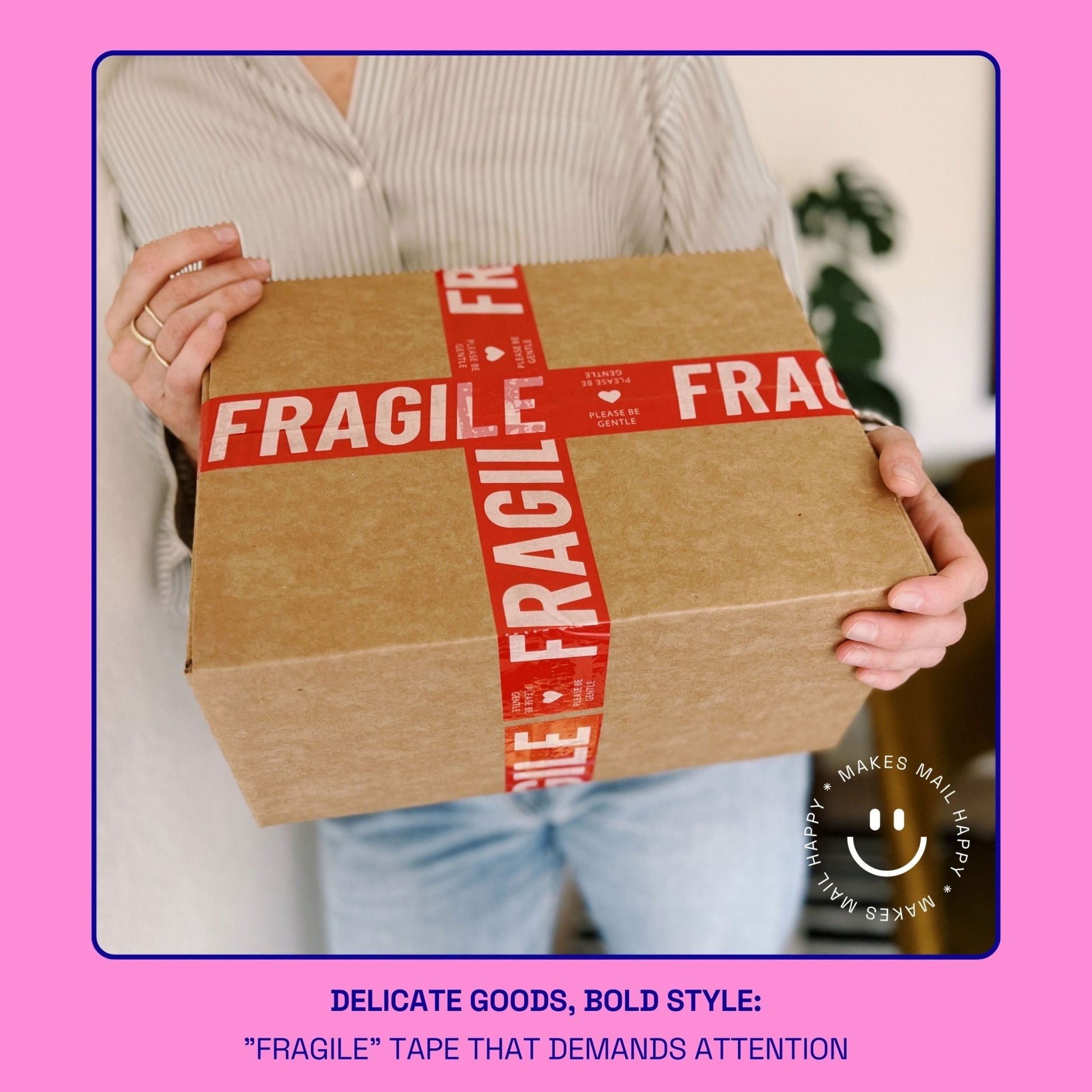
A stock image related to Red fragile tape.
Comprehensive Cost and Pricing Analysis for Red fragile tape Sourcing
Strategic sourcing of red fragile tape requires moving beyond sticker prices to evaluate total cost of ownership (TCO), particularly for buyers navigating complex logistics corridors in Africa, South America, and the Middle East. While spot-market references indicate small-volume commercial-grade packs (6 rolls, 2-inch width) retail near $1.60 per roll, enterprise procurement demands analysis of material specifications, volume leverage, and regional tariff structures that significantly impact landed costs.
What material specifications drive price differentiation in red fragile tape?
Unit costs fluctuate based on film micron thickness, adhesive chemistry, and print durability. Commercial-grade acrylic formulations, such as those found in standard 2-inch red print variants, typically range 15–25% higher than economy hot-melt alternatives but offer superior temperature resistance critical for Middle Eastern and Southeast Asian climates. BOPP (biaxially oriented polypropylene) backing thickness directly correlates with tensile strength; 45-micron tapes suit lightweight e-commerce, while 50+ micron industrial grades command premium pricing for heavy freight. Buyers should verify that red “FRAGILE” printing utilizes solvent-based or UV-cured inks rather than water-based alternatives, ensuring legibility after exposure to humidity during ocean transit to African or South American ports.
How do volume tiers and MOQs impact procurement economics across regions?
Small-scale importers often absorb high per-unit costs purchasing 6-roll cartons suitable for trial orders, whereas containerized volume (20-foot FCL or 40-foot HQ) can reduce unit costs by 40–60% when sourcing directly from manufacturing hubs in China or Vietnam. However, African buyers must weigh Minimum Order Quantities (MOQs) of 500–1000 cartons against capital tie-up and warehouse capacity. European purchasers, particularly in Germany, increasingly favor Just-in-Time (JIT) agreements with regional distributors to mitigate storage costs, accepting slightly higher per-roll prices ($1.80–$2.20) for reduced inventory risk and faster customs clearance within the EU.
What hidden costs affect landed pricing for international B2B buyers?
Beyond ex-works pricing, procurement teams must calculate Harmonized System (HS) code 3919.10 duties, which vary significantly—ranging from 0% within ASEAN trade agreements to 6.5–15% for imports into certain South American markets. Currency volatility poses additional risk; buyers in Argentina or Nigeria should negotiate USD-pegged contracts or utilize forward exchange agreements when placing large orders. Logistics optimization also matters: red fragile tape’s low weight-to-volume ratio means sea freight is economical, but less-than-container-load (LCL) shipments incur consolidation fees that can add $0.30–$0.50 per roll to African destinations compared to full-container loads.
How can buyers validate quality-to-price ratios before scaling orders?
Requesting AATCC (American Association of Textile Chemists and Colorists) adhesion test reports and ASTM D3654 shear adhesion data ensures that budget pricing does not compromise performance. Smart procurement involves ordering sample cartons (6-roll packs) to evaluate unwind noise, print clarity under warehouse lighting, and adhesive bond on recycled corrugated board common in European sustainability-focused markets. Establishing quality benchmarks before committing to 40-foot container volumes prevents costly remediation when shipments arrive at Lagos, São Paulo, or Dubai logistics hubs.
Alternatives Analysis: Comparing Red fragile tape With Other Solutions
When evaluating protective packaging protocols, procurement teams often weigh specialized red fragile tape against other visibility-enhancing methods. While tape integrates sealing and warning functions, discrete labeling systems and custom packaging offer distinct operational advantages depending on shipment volume, branding requirements, and warehouse automation levels. Understanding these trade-offs ensures optimal investment in damage-prevention infrastructure across diverse logistics environments.
Which Fragile Warning Solution Delivers the Best ROI for High-Volume Operations?
| 비교 측면 | Red Fragile Tape | Pre-Printed “FRAGILE” Adhesive Labels | 맞춤형 인쇄 골판지 상자 |
|---|---|---|---|
| Performance & Visibility | High-contrast red text integrates with sealing; tamper-evident; visible on multiple substrates | High visibility but discrete application; risk of peeling in humidity; no sealing function | Maximum visibility; professional branding integration; permanent marking; cannot be obscured |
| 비용 구조 | Low per-unit cost; minimal waste; bulk roll pricing reduces TCO | Moderate per-label cost; requires separate clear tape; inventory management complexity | High upfront setup (plate fees); economies of scale at 1000+ units; zero labeling labor |
| 구현의 용이성 | Universal 2″ width fits standard dispensers; single-pass application (seal + warn) | Dual application required (tape + label); manual placement; training needed for consistency | Requires packaging redesign; 2-4 week lead times; inflexible for mixed inventory |
| 운영 유연성 | Compatible with any box size; ideal for variable SKU environments | Flexible placement; works with existing stock; requires separate sealing materials | Fixed per production run; requires separate fragile/non-fragile inventory; obsolescence risk |
| Durability in Transit | Commercial-grade acrylic adhesive; temperature resistant; bonds to cardboard and plastic | Paper labels vulnerable to tearing; synthetic options cost premium; edges may lift | Ink abrasion-resistant; integral to box structure; superior moisture resistance |
How Do Pre-Printed Fragile Labels Compare to Integrated Tape Solutions?
Pre-printed adhesive labels offer a modular approach to fragile handling protocols, allowing warehouses to apply warnings selectively rather than consuming specialized tape on every seam. This method proves cost-effective for operations shipping mixed cargo where only a fraction of inventory requires delicate handling alerts, common in African and South American e-commerce sectors with diverse product ranges. However, the dual-application requirement—first sealing with standard tape, then positioning the label—introduces ergonomic inefficiencies that can reduce packing station throughput by 15-20% compared to single-pass fragile tape application. Additionally, labels lack tamper-evident properties; if a label peels in humid Middle Eastern or Southeast Asian climates, the warning is lost without compromising package integrity, unlike tape which leaves visible evidence of interference.
Is Direct-to-Box Printing the Superior Alternative for Enterprise Operations?
Custom-printed corrugated packaging represents the premium tier of fragile communication, embedding handling instructions directly into the box substrate through flexographic or digital printing processes. This solution eliminates auxiliary labeling labor entirely and delivers unmatched brand professionalism, particularly valuable for German and European markets where packaging aesthetics influence B2B buyer perceptions and compliance standards. However, the economic model demands high-volume consistency; setup costs and minimum order quantities (typically 1,000+ units) render this approach inefficient for SMEs or businesses with fluctuating demand common in emerging markets. Furthermore, the inflexibility of pre-printed inventory creates logistical challenges—warehouses must maintain separate stock for fragile and non-fragile variants, increasing storage overhead and risking obsolescence if product specifications change, whereas red fragile tape adapts immediately to any shipment requirement.
Essential Technical Properties and Trade Terminology for Red fragile tape
When sourcing red fragile tape for international logistics operations, understanding the technical specifications and trade terminology ensures compliance with shipping standards and operational efficiency across diverse climates. B2B buyers from Africa, South America, the Middle East, and Europe require products that balance high-visibility warning properties with reliable adhesive performance during extended transit. This section breaks down the essential material specifications and commercial terms that differentiate commercial-grade offerings from standard retail alternatives.
What Are the Critical Technical Specifications for Red Fragile Tape?
Adhesive Chemistry and Shear Resistance
Commercial-grade red fragile tape typically utilizes acrylic emulsion adhesives rather than hot-melt or solvent-based alternatives. Acrylic formulations offer superior aging stability and UV resistance, maintaining tack strength between -10°C and 60°C—critical for shipments traversing multiple climate zones. Shear resistance measures the tape’s ability to resist slippage under constant load, with quality standards requiring minimum 24-hour hold on corrugated fiberboard without edge lifting.
BOPP Film Thickness and Tensile Strength
The backing material consists of biaxially oriented polypropylene (BOPP) film, typically ranging 40–50 microns (1.6–2.0 mils) for commercial applications. Tensile strength should exceed 25 N/cm to prevent splitting during high-tension application, while elongation at break of 150–180% ensures the tape accommodates box expansion during altitude changes without snapping.
Print Opacity and Abrasion Resistance
The red “FRAGILE” warning requires high-pigment flexographic printing achieving minimum 80% opacity against clear or tinted substrates. Abrasion resistance testing ensures legibility persists through automated sorting systems, with smudge-resistant inks maintaining visibility after 72 hours of simulated friction testing equivalent to rough handling in distribution centers.
Unwind Force and Acoustic Properties
Quiet unwind specifications (typically <65 decibels) indicate premium calendering of the BOPP film and precise adhesive coating weights. Consistent unwind force between 0.5–1.0 N/cm prevents tape stretching or dispenser jamming in high-volume packaging environments common in Vietnamese and German manufacturing facilities.
Core Dimensions and Dispenser Compatibility
Standard 2-inch (50mm) width with 3-inch (76mm) diameter cores ensures compatibility with universal tape dispensers and automated carton sealing machines. Buyers should verify inner core thickness (typically 2–3mm laminated cardboard) to prevent collapse during high-speed dispensing in humid Middle Eastern or tropical African warehouses.
What Industry Terminology Should B2B Buyers Know When Sourcing Fragile Tape?
Commercial Grade vs. Industrial Grade Classifications
Commercial grade indicates suitability for packages up to 15kg with standard handling protocols, while industrial grade specifies reinforced adhesives and thicker BOPP (60+ microns) for heavy freight exceeding 25kg. Understanding this distinction prevents over-specification costs or under-performance liabilities during international shipping.
Adhesion Strength Metrics (N/25mm or oz/in)
This quantifies the force required to remove tape from standardized steel or cardboard surfaces. Quality red fragile tape exhibits 6–8 N/25mm (22–29 oz/in) adhesion, sufficient for immediate bond on recycled cartons without residue upon removal—a critical factor for European sustainability requirements.
FCL Optimization and MOQ Flexibility
Full Container Load (FCL) procurement requires understanding minimum order quantities (MOQ) and whether suppliers offer mixed-container consolidation. Fragile tape’s high volume-to-weight ratio makes container cube optimization crucial for South American and African importers managing per-unit freight costs.
UV Stability and Shelf Life Specifications
UV-stable formulations prevent adhesive degradation during extended port storage or sun exposure. Standard shelf life denotes 12–18 months unopened storage at 23°C/50% humidity without significant performance degradation, essential for buyers managing inventory across seasons.
Hot Melt vs. Acrylic Adhesive Technologies
While hot melt offers initial high tack for immediate seals, acrylic provides long-term cohesion and temperature stability. B2B buyers increasingly specify acrylic for multi-modal shipments requiring extended transit times through varying thermal environments.
Carton Sealing Adhesion (CSA) Standards
CSA testing protocols measure tape performance on recycled versus virgin corrugated materials. High recycled content cartons common in German and Vietnamese markets require specialized adhesive formulations to penetrate shorter paper fibers effectively without delamination.
Navigating Market Dynamics and Sourcing Trends in the Red fragile tape Sector
The red fragile tape sector operates at the intersection of logistics safety and supply chain efficiency, serving as a critical risk-mitigation tool for international trade corridors connecting manufacturing hubs in Vietnam with distribution networks across Germany, Africa, and the Middle East. As B2B procurement strategies evolve across these diverse economic landscapes, buyers face increasing pressure to navigate fluctuating petrochemical costs, regional regulatory frameworks, and climate-specific performance requirements. Understanding these multifaceted market dynamics enables procurement teams to secure high-visibility packaging solutions that balance operational reliability with cost optimization in high-volume cross-border shipping environments.
What Are the Current Market Dynamics Shaping Red Fragile Tape Demand?
Global demand for commercial-grade fragile warning tape continues to accelerate alongside e-commerce infrastructure expansion, particularly in Africa, South America, and the Middle East where logistics networks are modernizing rapidly. Regional specifications vary significantly: German and European markets prioritize smooth, quiet unwind characteristics and precise 2-inch width compatibility with automated dispensers to maintain workplace noise standards, while tropical climates in Vietnam, Southeast Asia, and Latin America demand acrylic adhesives resistant to humidity-induced delamination during monsoon seasons. Price volatility in petrochemical feedstocks directly impacts B2B procurement cycles, prompting many buyers to shift toward value-packed bulk purchasing models—such as six-roll commercial sets—to hedge against material cost fluctuations while maintaining adequate warehouse inventory levels for seasonal export peaks.
How Is E-Commerce Reshaping Fragile Tape Specifications and Performance Standards?
The proliferation of automated sorting facilities and high-velocity fulfillment centers has elevated technical requirements for printed packaging tapes beyond basic adhesion properties. Modern red fragile tape must deliver instant visual recognition under fluorescent warehouse lighting and automated scanner environments while maintaining structural integrity across multi-modal transportation routes involving air, sea, and land transfers. Buyers increasingly specify universal 2-inch widths to ensure compatibility with standard tape guns across distributed packaging operations, reducing downtime from equipment mismatches. Additionally, cross-border e-commerce has intensified demand for multi-surface adhesion capabilities, ensuring reliable bonding on recycled corrugated materials, plastic wraps, and composite packaging increasingly common in circular economy initiatives across diverse international markets.
Why Should International Buyers Prioritize Sustainable Adhesive Technologies?
Environmental compliance represents a growing procurement criterion, particularly for buyers serving European markets with stringent packaging waste directives and extended producer responsibility frameworks. Traditional solvent-based adhesives face regulatory pressure under EU REACH regulations and evolving national frameworks, driving adoption of water-based acrylic alternatives that maintain commercial-grade tack strength without volatile organic compound emissions. However, sustainability extends beyond adhesive chemistry to end-of-life considerations: printed BOPP (biaxially oriented polypropylene) tapes present recycling challenges when laminated to cardboard, prompting leading suppliers to develop thinner-gauge films or mono-material solutions that reduce plastic content without compromising the bold red print visibility essential for handler alerts. B2B buyers should verify supplier environmental certifications, including ISO 14001 compliance, while assessing the carbon footprint implications of international shipping versus regional manufacturing partnerships.
What Ethical Sourcing Standards Matter for B2B Tape Procurement Across Global Supply Chains?
Ethical procurement in the industrial tape sector requires rigorous due diligence extending from petrochemical raw material origins to final conversion facilities. Buyers should prioritize suppliers demonstrating transparent supply chain audits, particularly regarding labor standards in tape manufacturing and resin production facilities in major exporting regions. For German and European markets, compliance with EU packaging regulations, conflict mineral policies, and modern slavery acts remains non-negotiable, while Middle Eastern and African buyers increasingly emphasize supplier financial stability and consistent batch quality to prevent stockouts during critical export seasons. Establishing direct relationships with manufacturers—or verified tier-one distributors—ensures quality consistency in red pigment saturation and adhesive application weights, preventing field failures such as flagging or delamination that could result in damaged goods and significant liability exposure during high-value international transit.
Frequently Asked Questions (FAQs) for B2B Buyers of Red fragile tape
What is red fragile tape used for in international shipping and logistics?
1. What is red fragile tape used for in shipping and logistics?
Red fragile tape functions as a dual-purpose sealing and warning solution that secures carton closures while providing high-visibility alerts to handlers throughout the supply chain. The bold red imprint serves as an immediate visual cue in busy warehouses, cross-docking facilities, and last-mile delivery operations, significantly reducing mishandling incidents for electronics, glassware, ceramics, and precision instrumentation. For B2B operations, this tape minimizes damage-related returns and insurance claims by ensuring fragile contents receive appropriate care during international transit and storage.
How does red fragile tape compare to standard fragile labels for B2B operations?
2. How does red fragile tape compare to standard fragile labels?
Unlike discrete adhesive labels that require separate application and risk detachment during transit, red fragile tape integrates the warning message directly into the sealing process, reducing packing station labor time by up to 40%. The continuous printed design offers 360-degree visibility regardless of package orientation, whereas standard stickers may be obscured by handling equipment or other shipping labels. Additionally, tape provides superior tamper-evidence, as broken seals indicate unauthorized access, while labels can potentially be removed and reapplied without detection.
What are the standard dimensions for bulk red fragile tape rolls in global procurement?
3. What are the standard dimensions for bulk red fragile tape rolls?
Commercial-grade red fragile tape universally conforms to 48mm (2-inch) widths to ensure compatibility with standard tape dispensers and automated packing guns used in high-volume facilities. Standard roll lengths typically range from 50 meters for light commercial applications to 150 meters for industrial-scale operations, with 76mm (3-inch) cardboard cores that fit most dispenser spindles. B2B buyers should verify these specifications against existing equipment to avoid operational disruptions, particularly when sourcing from overseas manufacturers with varying metric standards.
Can red fragile tape be customized with company logos for branding and compliance?
4. Can red fragile tape be customized with company logos for branding?
Yes, most industrial tape manufacturers offer custom printing services that combine the mandatory red “FRAGILE” warning with corporate logos, handling instructions, or QR codes linking to digital product manuals. Minimum order quantities for customization typically begin at 50 to 100 rolls depending on design complexity and printing methodology, with plate fees amortized across larger production runs. This capability allows B2B buyers to transform necessary safety labeling into brand reinforcement while maintaining the high-contrast red coloring required for international shipping visibility standards.
How do I ensure red fragile tape adhesion in humid and tropical climates?
5. How do I ensure red fragile tape performs in high-humidity climates?
For operations in tropical regions or during monsoon seasons, prioritize acrylic-based adhesives over hot-melt formulations, as acrylic maintains bonding strength across temperature ranges of -20°C to 60°C and resists moisture degradation. Store inventory in climate-controlled environments between 15-25°C with 40-60% relative humidity to prevent adhesive oxidation before application. Always ensure carton surfaces are clean and dry during sealing, as condensation, dust, or oil residues significantly compromise adhesion regardless of tape grade or manufacturer specifications.
What adhesive specifications should B2B buyers prioritize for heavy-duty international shipping?
6. What adhesive specifications should B2B buyers prioritize for heavy-duty international shipping?
Specify a minimum total tape thickness of 28 microns, comprising 20-22 micron BOPP (biaxially oriented polypropylene) film and 6-8 microns of adhesive layer to withstand rough handling during international freight. Hot-melt adhesives provide superior initial tack for immediate carton handling, while acrylic formulations offer better long-term adhesion and UV resistance for shipments stored in outdoor
중요 고지 사항 및 이용 약관
⚠️ 중요 고지 사항
제조업체, 기술 사양 및 시장 분석에 관한 내용을 포함하여 이 가이드에서 제공하는 정보는 정보 제공 및 교육 목적으로만 사용됩니다. 전문적인 조달 자문, 재무 자문 또는 법률 자문으로 간주되지 않습니다.
B2B 구매자는 독립적이고 철저한 실사를 수행해야 합니다. 구매 결정을 내리기 전에 반드시 확인하시기 바랍니다. 이 가이드의 정보에 의존하는 데 따른 위험은 전적으로 독자가 부담합니다.
Top 2 Red Fragile Tape Manufacturers & Suppliers List
1. Rize Tape – Industrial Packaging Tapes
도메인: rizetape.com
등록: 2022년(4년)
소개: This company, Rize Tape – Industrial Packaging Tapes, is a notable entity in the market.
2. Taglues – Industrial & Medical Adhesive Tapes
도메인: taglues.com
등록: 2024년(2년)
소개: 3M: VHB high-strength double-sided tape, industrial tape, automotive tape, electrical tape, medical tape; CCT Tape: Industrial tape, medical tape, high-performance pressure-sensitive tapes; MBK Tape Solutions: Double-sided tape, foam tape, thermal conductive tape, electrical insulation tape, high-performance structural adhesive tape; Specialty Tapes Manufacturing: Double-sided tape, single-sided t…
Strategic Sourcing Conclusion and Outlook for Red fragile tape
As global supply chains navigate increasing complexity, strategic procurement of red fragile tape has evolved from a simple operational purchase to a critical risk management decision. For B2B buyers across Africa, South America, the Middle East, and Europe, securing high-visibility packaging solutions ensures cargo integrity while reducing damage-related costs in high-volume logistics environments.
How Can International Buyers Optimize Red Fragile Tape Sourcing for Cost Efficiency?
Smart procurement strategies now emphasize volume consolidation and supplier diversification to mitigate regional supply disruptions. Prioritizing commercial-grade acrylic adhesives with universal 2-inch compatibility reduces dispenser inventory costs while ensuring consistent application across warehouse automation systems. Establishing long-term partnerships with manufacturers offering standardized quality certifications helps stabilize pricing in volatile raw material markets.
What Sustainability and Compliance Trends Are Reshaping Industrial Tape Markets?
The industry is pivoting toward eco-conscious manufacturing, with emerging bio-based adhesives and recyclable backing materials gaining traction in European and Middle Eastern regulatory environments. Concurrently, quiet-unwind formulations are becoming essential for automated packaging lines, driving demand for specialized commercial grades that balance acoustic performance with aggressive bonding strength on diverse substrates.
Forward-thinking procurement teams should treat red fragile tape selection as integral to their brand protection strategy, ensuring specifications meet both current operational demands and evolving international shipping standards.