Introduction: Navigating the Global Market for Fragile handling tape
Sourcing fragile handling tape for international distribution networks presents a critical challenge for procurement teams managing high-value shipments across complex supply chains. When delicate electronics, glassware, or precision components traverse multiple handling points from manufacturing hubs to end destinations in Riyadh, Lagos, or São Paulo, inadequate packaging identification often results in costly damage claims and eroded customer trust. The stakes extend beyond mere product protection—strategic tape selection directly impacts insurance liabilities, customs inspections, and brand reputation in competitive B2B markets.
What specifications matter most when procuring fragile handling tape for diverse climates?
This guide examines essential technical criteria including adhesive performance in high-humidity environments common in Southeast Asian logistics hubs, UV-resistant printing for Middle Eastern sun exposure, and tensile strength requirements for heavy-load sea freight. We analyze case-grade configurations—from standard 2-inch by 110-yard rolls to custom-printed variants—evaluating pressure-sensitive acrylic versus hot melt formulations for temperature fluctuations during intercontinental transit.
How can emerging market buyers vet reliable suppliers and optimize costs?
Beyond material specifications, we address supplier verification protocols critical for African and South American importers, bulk procurement strategies that balance unit economics with storage constraints, and compliance standards for European Union packaging regulations. Whether you are equipping e-commerce fulfillment centers in Vietnam or industrial warehouses in Saudi Arabia, this resource provides actionable frameworks for evaluating total cost of ownership while ensuring your fragile shipments receive consistent, visible protection throughout the global distribution cycle.
Understanding Fragile handling tape Types and Variations
| 유형 이름 | 주요 차별화 기능 | 주요 B2B 애플리케이션 | 구매자를 위한 간략한 장단점 |
|---|---|---|---|
| Standard Printed Polypropylene (BOPP) | High-visibility “Fragile/Handle With Care” imprint; acrylic or hotmelt adhesive; 2-3 inch standard widths; quiet unwinding | High-volume e-commerce fulfillment, general warehouse packing, consumer electronics | Pros: Cost-effective, compatible with automated sealers, immediate visual alert. Cons: Limited tamper evidence; standard adhesives degrade in extreme humidity |
| Reinforced Gummed Paper (Kraft) | Fiberglass or cross-woven filament reinforcement; water-activated adhesive; permanent fiber-bond seal; recyclable materials | Heavy industrial equipment, export crating, machinery components, automotive parts | Pros: Superior tensile strength, tamper-evident destruction, eco-friendly disposal. Cons: Requires moisture activation equipment; climate-sensitive storage requirements |
| Tamper-Evident Security | Void-message reveal upon removal (leaves “OPENED” residue); sequential numbering options; UV-reactive security features | High-value electronics, pharmaceutical distribution, luxury goods, confidential documents | Pros: Theft deterrent, chain-of-custody documentation, insurance compliance. Cons: Premium pricing (2-3x standard tape); specialized slit-roll sizing requirements |
| Color-Coded Priority Systems | Distinct Pantone-standard colors (red/white for critical, yellow/black for caution); multilingual iconography | International logistics hubs, cross-docking facilities, multi-handler supply chains | Pros: Language-independent communication, instant sorting recognition, literacy-independent. Cons: Requires standardized SOP training; color meanings vary by regional regulations |
| Custom Branded Fragile | Corporate logo integration; localized handling instructions; variable data/QR code printing; custom color matching | Brand-conscious retailers, subscription boxes, corporate gifting, OEM manufacturers | Pros: Marketing integration, enhanced unboxing experience, brand authentication. Cons: High MOQs (typically 50+ cases); extended lead times (4-6 weeks) |
What are the most economical fragile tape options for high-volume operations?
This variant dominates global e-commerce fulfillment due to its cost-efficiency and compatibility with high-speed case sealers. Manufactured from biaxially oriented polypropylene (BOPP) film with pressure-sensitive adhesive, it delivers consistent unwinding and quiet application essential for warehouse environments. For procurement teams operating in humid climates like Southeast Asia or West Africa, specify hotmelt synthetic rubber adhesives rather than standard acrylic formulations, which degrade in tropical moisture. Bulk case configurations—typically 36-roll cases—optimize container shipping economics for international importers while ensuring adequate inventory turnover.
Which tape solutions provide tamper-evidence for heavy industrial fragile goods?
Engineered for export crating and heavy machinery components, reinforced gummed tape features fiberglass or cross-woven paper filaments embedded in kraft paper backing. The water-activated adhesive creates a permanent chemical bond with cardboard fibers, making resealing impossible without visible fiber tear. This tamper-evident characteristic proves crucial for customs inspections and high-value industrial shipments traversing multiple checkpoints. However, Middle Eastern and European buyers must ensure climate-controlled warehousing, as excessive heat pre-activates adhesives while ambient humidity causes premature sticking and waste.
How can buyers secure high-value fragile shipments against pilferage?
Beyond standard handling warnings, tamper-evident security tapes incorporate void-message technology that leaves “OPENED” or checkerboard residues upon removal, providing immediate visual evidence of interference. Sequential numbering options support chain-of-custody documentation essential for pharmaceutical and electronics distribution networks. When sourcing for complex logistics corridors in Africa or South America, verify slit-roll widths match existing case sealing equipment specifications to avoid costly machinery retrofits or labor-intensive manual application processes that bottleneck packing stations.
What language-independent systems improve fragile handling in diverse workforces?
Leveraging universal color psychology—typically red/white for extreme fragility and yellow/black for caution—these systems transcend literacy and language barriers prevalent in international logistics hubs across the target regions. Critical for cross-docking operations where packages change custody frequently between carriers, color-coded protocols reduce handling errors without translation delays. Implementation requires establishing clear Standard Operating Procedures defining color hierarchies to prevent inconsistent treatment. Procurement teams should request Pantone color matching to ensure visual consistency with existing workplace safety protocols.
When does branded fragile tape provide ROI for international B2B shipments?
Integrating corporate logos, localized handling instructions in Arabic or Vietnamese, or QR codes linking to digital SOPs transforms functional tape into a brand authentication tool. Particularly effective for subscription box companies and luxury retailers targeting discerning Middle Eastern or European markets where packaging experience influences perception. While minimum order quantities typically start at 50 cases with 4-6 week production lead times, the marketing value and reduced damage claims often justify the investment. Specify UV-resistant inks and reinforced backings to ensure legibility survives harsh shipping environments and extended transit times.
Key Industrial Applications of Fragile handling tape
| 산업/섹터 | Specific Application of Fragile handling tape | 비즈니스를 위한 가치/혜택 | 이 애플리케이션의 주요 소싱 고려 사항 |
|---|---|---|---|
| Electronics Manufacturing & Distribution | Sealing cartons containing semiconductors, LCD screens, and circuit boards; applied to outer packaging of sensitive components for international assembly lines | Reduces transit damage claims by 30-40%; prevents electrostatic discharge from rough handling; ensures compliance with ISO packaging standards for delicate goods | Humidity-resistant acrylic adhesive for monsoon climates (Southeast Asia) and desert-to-port transitions; UV-resistant printing for outdoor storage; compatibility with antistatic packaging materials |
| Glass & Ceramics Export | Securing boxes of ceramic tiles, sanitary ware, and decorative glassware for container shipping; reinforcing pallet edges and corrugated seams | Prevents costly breakage during multi-modal maritime transport; reduces insurance premiums through documented handling protocols; enables faster customs clearance with clear hazard identification | Moisture-stable adhesive for tropical port conditions (Africa/South America); high-visibility printing for low-light warehouse environments; bulk case quantities (36+ rolls) for high-volume exporters |
| 이커머스 주문 처리 및 3PL | Automated application on mixed-product cartons in high-speed packing lines; manual sealing of individual fragile SKUs in fulfillment centers | Streamlines warehouse workflow with visual sorting cues; decreases return rates for fragile items; reduces training time for seasonal warehouse staff across diverse linguistic regions | Compatibility with automated tape dispensers; bilingual printing (English/Arabic or English/Spanish) for diverse logistics hubs; consistent 110-yard roll lengths for predictable inventory planning |
| Pharmaceutical & Medical Equipment | Sealing secondary packaging for glass vials, diagnostic devices, and laboratory equipment; identifying cold chain shipments requiring gentle handling | Maintains product integrity for temperature-sensitive medical supplies; meets GDP (Good Distribution Practice) labeling requirements; reduces contamination risks from package breaches | FDA-compliant adhesive for indirect medical contact; cold-temperature adhesion properties for refrigerated transport (Middle East/Africa); tamper-evident features for high-value pharmaceutical shipments |
| Automotive Parts Distribution | Packaging headlight assemblies, sensor modules, and glass components for just-in-time (JIT) manufacturing supply chains | Prevents production line delays from damaged components; supports lean manufacturing with clear visual inventory management; reduces OEM rejection rates and quality control failures | Heat-resistant adhesive for engine component warehouses and non-climate-controlled storage; high-shear strength for heavy corrugated board; custom printing options for OEM branding and specific handling instructions |
How Does Fragile Handling Tape Protect Electronics Manufacturing Supply Chains?
In electronics manufacturing hubs across Vietnam and Saudi Arabia, fragile handling tape serves as the first line of defense for semiconductors, LCD screens, and circuit boards destined for global assembly lines. The high-visibility messaging alerts handlers to delicate contents without requiring package opening, crucial for maintaining cleanroom integrity and preventing electrostatic discharge. For international buyers, selecting tapes with humidity-resistant acrylic adhesives prevents seal failure during monsoon seasons or desert-to-port transitions. This application significantly reduces costly damage claims while ensuring compliance with ISO packaging standards for sensitive electronic components.
What Role Does Fragile Tape Play in Glass and Ceramics Export Operations?
For exporters in Africa and South America shipping ceramic tiles, sanitary ware, and decorative glassware, fragile handling tape mitigates breakage risks during multi-modal container transport. The tape reinforces corrugated seams while signaling careful handling to stevedores and warehouse operators in low-visibility port environments. Buyers should prioritize UV-resistant printing and moisture-stable adhesives that withstand tropical humidity and extended outdoor storage at transshipment hubs. This application significantly lowers insurance claims and customs inspection delays by clearly identifying hazard-prone cargo, ensuring fragile items receive priority handling throughout complex international supply chains.
Why Is Fragile Handling Tape Critical for E-commerce Fulfillment Centers?
Third-party logistics providers across Europe and the Middle East rely on fragile handling tape to streamline high-volume packing operations in e-commerce fulfillment centers. When applied to mixed-product cartons containing glassware or electronics, the visual cue enables both automated sorting systems and manual handlers to prioritize delicate SKUs, reducing misclassification errors during peak seasons. For B2B buyers managing fluctuating demand, consistent 110-yard roll lengths ensure predictable inventory cycles and cost forecasting. The tape’s compatibility with automated dispensers supports lean fulfillment workflows while substantially decreasing return rates and customer complaints regarding damaged goods.
How Can Pharmaceutical Logistics Benefit from Specialized Fragile Tape Applications?
In pharmaceutical supply chains spanning from Germany to the UAE, fragile handling tape identifies secondary packaging containing glass vials, diagnostic instruments, and temperature-sensitive biologics. This application supports Good Distribution Practice (GDP) compliance by maintaining package integrity through rigorous cold chain logistics and multiple handling points. Buyers in tropical African markets particularly benefit from tapes with cold-temperature adhesion properties that remain effective in refrigerated transport yet resist humidity upon arrival. The clear handling instructions reduce contamination risks from breached packaging while ensuring customs officials recognize medical priority shipments requiring gentle processing protocols.
What Are the Applications of Fragile Tape in Automotive Parts Distribution?
Automotive manufacturers sourcing sensors, lighting assemblies, and glass components from international suppliers utilize fragile handling tape to protect just-in-time (JIT) deliveries essential for continuous production. The tape prevents costly assembly line stoppages caused by damaged parts while supporting visual inventory management in high-velocity warehouse environments. For buyers in South America and Southern Europe, heat-resistant adhesives prove essential when sealing packages stored near engine components or in
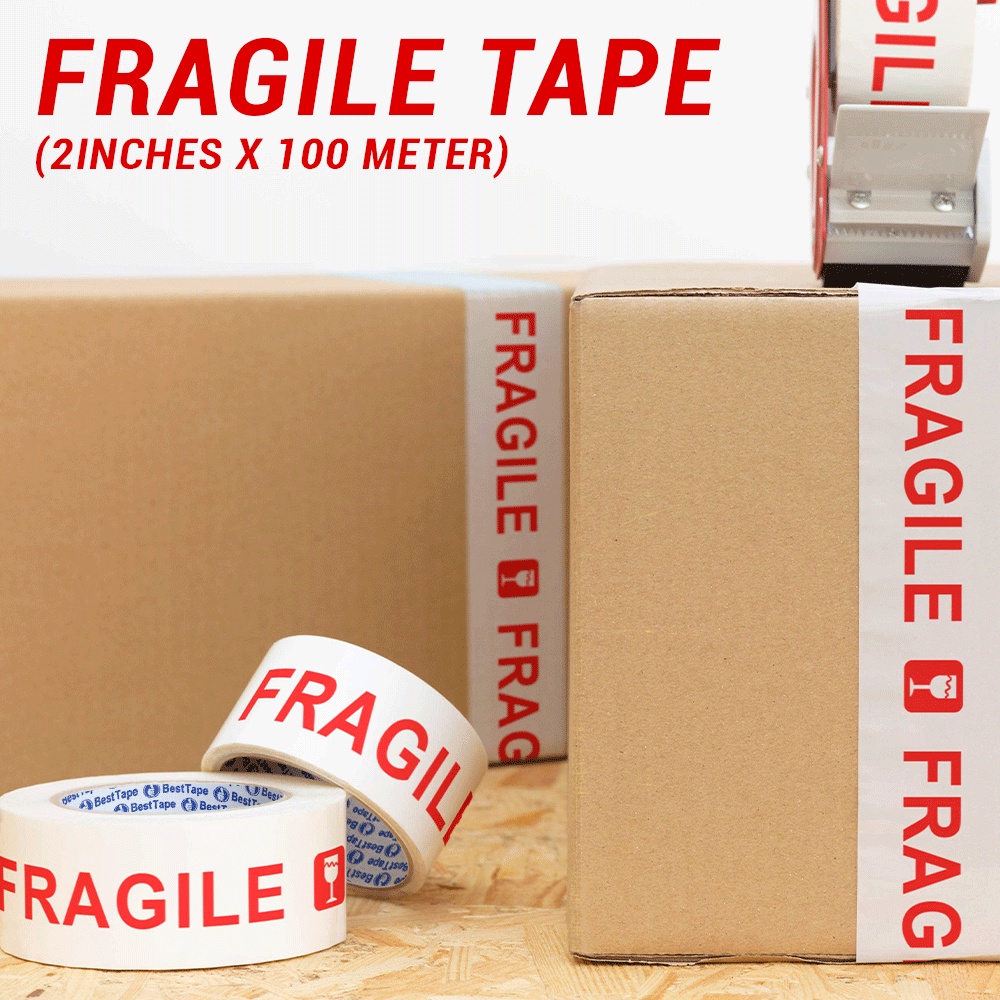
A stock image related to Fragile handling tape.
3 Common User Pain Points for ‘Fragile handling tape’ & Their Solutions
Scenario 1: Adhesive Breakdown in High-Temperature Supply Chains
문제: For B2B buyers operating in hot climates—such as Saudi Arabia, Nigeria, or Vietnam—standard fragile handling tape frequently fails when exposed to temperatures exceeding 40°C during container shipping or non-climate-controlled warehousing. The acrylic adhesive softens, causing “flagging” where tape edges lift and cartons potentially open. High humidity compounds the issue, weakening the bond between tape and corrugated fibers. When the printed “Fragile” warning becomes obscured or detached, delicate electronics, glassware, or ceramics become vulnerable to rough handling, resulting in increased damage claims and supply chain delays that disproportionately affect cross-border exporters.
솔루션: Specify industrial-grade fragile tape with hot-melt rubber or solvent-based acrylic adhesives formulated for high-shear resistance and temperature stability up to 60°C. Request technical data sheets documenting adhesion strength at elevated temperatures and humidity levels (typically 80-90% RH). Store inventory in climate-controlled environments below 30°C with first-in-first-out rotation to prevent age-related degradation. Conduct adhesion testing on your actual carton substrates, as recycled content variations significantly affect bonding performance in extreme conditions.
Scenario 2: Throughput Limitations in High-Volume Fulfillment Operations
문제: High-volume warehouses and 3PL providers processing thousands of fragile items daily face significant bottlenecks when workers manually tear and apply fragile tape. During peak seasons, inconsistent application—such as crooked placement or insufficient coverage—reduces warning visibility, while repetitive motion injuries from manual cutting increase operational costs. Workers waste 10-15 seconds per carton searching for tape ends and measuring lengths, severely limiting packing station throughput when processing urgent international shipments to African or South American markets.
솔루션: Invest in industrial-grade tape dispensers featuring adjustable length stops (12-inch or 18-inch presets) and weighted non-slip bases enabling one-handed operation. Establish standardized sealing protocols, such as the “H-pattern” method where fragile tape seals the top seam and extends down both side panels for maximum visibility. Deploy mobile dispenser stations to eliminate worker movement waste. Calculate ROI by comparing labor cost savings against equipment costs—automated dispensing typically reduces application time to under 5 seconds per carton while ensuring consistent warning placement that minimizes damage claims.
Scenario 3: Regulatory Confusion Between Fragile Tape and Separate Labels
문제: Procurement teams frequently struggle to choose between pre-printed fragile handling tape and separate adhesive labels, leading to inconsistent packaging standards across distribution networks. This confusion often results in hybrid approaches where labels peel off during multi-modal transit through humid climates, while generic tape fails to meet bilingual warning requirements mandated in regions like Saudi Arabia (Arabic/English) or Brazil (Portuguese). Buyers seeking brand differentiation sometimes compromise warning visibility with oversized logos, causing carrier rejections
Strategic Material Selection Guide for Fragile handling tape
Selecting the optimal substrate for fragile warning tape requires balancing environmental conditions, handling intensity, and cost constraints across your supply chain. While the printed message alerts handlers, the underlying material determines seal integrity during transoceanic shipments or high-humidity storage common in target markets like West Africa or Southeast Asia. Understanding material specifications prevents costly stockouts and damage claims when shipping glassware, electronics, or precision components through diverse logistics corridors.
Which Polypropylene Tape Suits High-Volume E-Commerce Fulfillment?
Biaxially Oriented Polypropylene (BOPP) film represents the industry standard for printed fragile tape, offering exceptional tensile strength and dimensional stability at low cost. This material performs reliably in climate-controlled warehouses and standard shipping environments, resisting abrasion during automated carton sealing processes. For B2B buyers managing high-throughput distribution centers in Saudi Arabia or Vietnam, BOPP provides excellent print clarity for high-visibility “FRAGILE” messaging while maintaining compatibility with both hot-melt and acrylic adhesive systems. However, in extreme heat or high-humidity conditions prevalent in tropical logistics corridors, standard BOPP may experience adhesive degradation or edge lifting if not specified with temperature-resistant formulations or UV stabilizers.
Is PVC Fragile Tape Ideal for Noise-Sensitive Warehouse Operations?
Polyvinyl Chloride (PVC) film delivers superior conformability and significantly quieter unwind characteristics compared to polypropylene alternatives, reducing workplace noise pollution in large fulfillment centers. This material excels when sealing corrugated boxes with irregular surfaces or high-recycled fiber content common in European sustainability-focused supply chains. The softer film structure creates immediate surface contact, reducing the risk of “flagging” (tape lifting at edges) during rough handling by courier services. While PVC offers excellent performance across temperature fluctuations, procurement teams should note higher material costs and potential environmental compliance concerns regarding plasticizer content in certain Middle Eastern and European regulatory environments where REACH or similar standards apply.
How Does Paper-Based Fragile Tape Support Circular Economy Initiatives?
Kraft paper tape, often reinforced with fiberglass threads or synthetic fibers, serves emerging sustainability mandates in European and South American markets where plastic reduction is prioritized by corporate ESG policies. This material provides unique tamper-evidence through visible fiber tear upon removal, adding security to high-value electronics shipments without additional security seals. Being recyclable with corrugated fiberboard eliminates separation costs for end-users and supports zero-waste packaging goals. The limitation lies in moisture sensitivity; paper substrates require climate-controlled storage and may lose adhesion in humid conditions characteristic of African coastal logistics hubs or tropical South American monsoon seasons, necessitating careful inventory rotation.
When Should You Specify Polyester Film for Heavy-Duty Fragile Shipments?
Polyester (PET) film offers the highest tensile strength and puncture resistance for heavy fragile items such as industrial glass, ceramics, or precision instrumentation exceeding 25 kilograms. This substrate maintains structural integrity under extreme tension and temperature variations from -20°C to 80°C, making it suitable for export containers facing prolonged exposure to maritime conditions or desert logistics. For B2B buyers shipping from manufacturing centers to distribution points across Africa or the Middle East, PET ensures carton seals remain intact despite stacking pressure, vibration, and potential exposure to oils or chemicals. The trade-off involves premium pricing approximately 40-60% above BOPP grades and the requirement for heavy-duty dispensers due to film rigidity.
| 재료 | Typical Use Case for Fragile handling tape | 주요 이점 | 주요 단점/제한 사항 | 상대적 비용 |
|---|---|---|---|---|
| BOPP (Polypropylene) | High-volume e-commerce and standard warehouse shipping of electronics, glassware | Excellent cost-efficiency and print clarity; compatible with automated dispensers | Susceptible to adhesive failure in extreme heat/humidity without specialized formulations | 낮음 |
| PVC(비닐) | Noise-sensitive fulfillment centers; irregular/recycled corrugated surfaces | Superior conformability and quiet unwind; excellent initial tack | Higher material cost; environmental compliance concerns regarding plasticizers | 중간-높음 |
| Kraft Paper | Sustainable supply chains; high-value electronics requiring tamper evidence | Recyclable with fiberboard; visible tamper indication; eco-friendly branding | Moisture sensitive; requires dry storage conditions; lower tensile strength | Medium |
| 폴리에스테르(PET) | Heavy industrial fragile items; extreme climate shipping; ocean freight | Maximum tensile strength and puncture resistance; wide temperature tolerance | Premium pricing; requires heavy-duty dispensing equipment | 높음 |
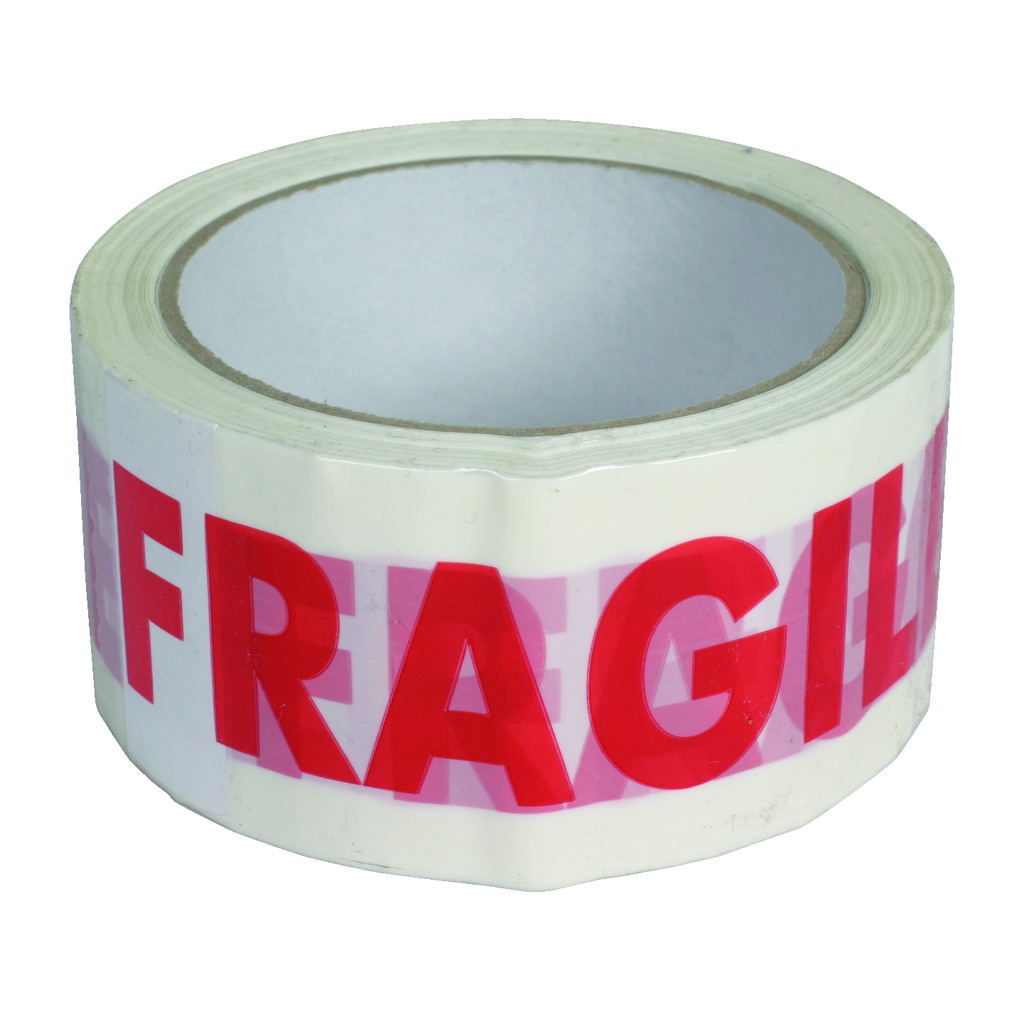
A stock image related to Fragile handling tape.
In-depth Look: Manufacturing Processes and Quality Assurance for Fragile handling tape
Fragile handling tape operates at the critical intersection of structural packaging integrity and visual risk communication. Unlike standard carton sealing solutions, these specialized products must maintain aggressive adhesion while displaying high-contrast messaging that survives rough handling, temperature fluctuations, and humidity extremes. For procurement teams managing supply chains across diverse logistical environments—from the humid ports of West Africa to the arid distribution centers of the Middle East and the variable climates of Eastern Europe—understanding the manufacturing nuances behind these tapes ensures consistent performance, regulatory compliance, and reduced damage rates during transit.
How Is the Film Substrate Engineered for Industrial Durability?
The foundation of premium fragile handling tape begins with biaxially oriented polypropylene (BOPP) film manufacturing, though some specialized applications utilize PVC or polyethylene substrates. During extrusion, polymer resins undergo simultaneous or sequential stretching in both machine and transverse directions, typically achieving thicknesses between 25 and 35 microns. This orientation process creates a molecular structure that delivers exceptional tensile strength while maintaining the flexibility required for manual or automated dispensing systems.
For B2B buyers sourcing for high-volume operations, the substrate’s clarity proves equally critical as its strength. Superior optical properties ensure that printed “FRAGILE” or “HANDLE WITH CARE” messaging maintains maximum visibility against corrugated cardboard backgrounds. Manufacturers achieve this through controlled crystallization processes that minimize haze while providing the smooth surface necessary for high-quality flexographic printing. When evaluating suppliers, procurement teams should request technical data sheets specifying film density and elongation percentages, as these metrics directly correlate with the tape’s ability to withstand shear forces during international shipping without message distortion.
What Adhesive Technologies Ensure Reliable Sealing Across Climate Zones?
The adhesive layer represents the most technically sophisticated component of fragile handling tape, requiring precise formulation to balance immediate tack with long-term cohesion. Most industrial-grade products employ pressure-sensitive adhesives (PSA) formulated from either hot-melt synthetic rubber compounds or acrylic emulsions. Hot-melt formulations typically offer superior initial grab and performance on recycled corrugated materials common in emerging markets, while acrylic adhesives provide better UV resistance and temperature stability for shipments exposed to extreme heat—critical considerations for buyers in Saudi Arabia or Brazil.
Manufacturers apply these adhesives through slot-die coating or roll-coating processes, achieving coat weights between 20-25 grams per square meter. The curing process requires precise control of temperature and humidity to prevent adhesive migration that could obscure printed warnings. For buyers operating in high-humidity environments such as Vietnam or coastal African regions, requesting tapes with moisture-resistant adhesive formulations prevents edge lifting and seal failure that could compromise both package security and warning visibility.
How Are High-Visibility Messages Applied Without Compromising Performance?
The integration of warning messages introduces significant manufacturing complexity, as the printing process must not weaken the film substrate or interfere with adhesive properties. Leading manufacturers employ flexographic printing using photopolymer plates that transfer solvent-based or UV-curable inks onto the film surface. Reverse printing—applying ink to the inner surface of the tape before adhesive coating—provides superior protection against abrasion during transit, ensuring that “FRAGILE” warnings remain legible even after packages slide across warehouse floors or endure dusty logistics environments.
Color consistency presents another quality variable, particularly for buyers requiring specific Pantone matching for brand compliance or regional color coding standards. Advanced manufacturing facilities utilize closed-loop color management systems with inline spectrophotometers to ensure that red warning symbols and black text maintain Delta E values below 2.0 across production batches. For international buyers, verifying that manufacturers can produce multi-language variants—including Arabic script, Vietnamese diacritics, or Cyrillic characters—without registration errors ensures compliance with local handling regulations and reduces liability risks.
Which Quality Assurance Protocols Validate Real-World Performance?
Rigorous quality control separates commodity-grade tapes from industrial solutions capable of securing high-value electronics, glassware, and precision instruments. Reputable manufacturers subject production batches to ASTM D3330 testing for peel adhesion, measuring the force required to remove tape from stainless steel and corrugated surfaces at 180-degree angles. Additionally, ASTM D3654 shear testing evaluates how long the tape maintains its seal under constant load—critical for palletized shipments that may remain sealed for weeks during ocean freight.
Print durability testing involves abrasion resistance assessments using standardized rubbing fixtures that simulate contact with conveyor belts and sorting equipment. Climate chamber testing replicates the “sweat” conditions common in tropical logistics, exposing samples to 40°C temperatures with 90% relative humidity to verify that printed messages resist bleeding or fading. For buyers in the Middle East, requesting documentation of high-temperature shear resistance (testing at 50°C or above) provides assurance that adhesive bonds won’t fail during peak summer distribution cycles.
What Certifications Should International Procurement Teams Verify?
Manufacturing quality extends beyond physical testing to encompass regulatory compliance and environmental standards. ISO 9001:2015 certification indicates that suppliers maintain documented quality management systems with traceable batch controls—essential for recall scenarios or defect investigations. European buyers should verify REACH compliance and RoHS certification to ensure tapes contain no restricted substances, while buyers in Saudi Arabia and other Gulf Cooperation Council states may require SASO conformity certificates.
Sustainability-conscious procurement teams increasingly request tapes manufactured with water-based adhesives and recyclable BOPP films, though these specifications must balance environmental goals with the aggressive adhesion requirements of heavy-duty logistics. When auditing potential suppliers, verify that manufacturing facilities maintain separate production lines for food-grade and industrial tapes to prevent cross-contamination that could compromise adhesive purity.
By scrutinizing these manufacturing variables—from substrate orientation processes to climate-specific adhesive formulations—B2B buyers can establish sourcing criteria that ensure fragile handling tape performs reliably across the diverse environmental and logistical challenges characteristic of global supply chains spanning Africa, South America, the Middle East, and Europe.
Practical Sourcing Guide: A Step-by-Step Checklist for ‘Fragile handling tape’
Sourcing fragile handling tape for international supply chains requires balancing visibility standards with environmental performance. Unlike standard packing tape, these specialized products must maintain adhesive integrity across varying climate zones while ensuring high-visibility messaging remains legible through multiple handling points. This checklist guides procurement teams through critical specifications—from tropical humidity resistance to bulk logistics optimization—ensuring your investment reduces damage rates without compromising operational efficiency.
How Do You Verify Adhesive Stability Across Climate Zones?
Evaluate adhesive formulations based on your destination markets’ environmental conditions. Hot-melt adhesives perform reliably in temperate European climates but may soften in Middle Eastern or Southeast Asian heat, whereas acrylic adhesives offer superior humidity resistance for tropical African or South American regions. Request technical data sheets specifying temperature tolerance ranges (typically -20°C to 60°C) and shear resistance tests. Verify that the pressure-sensitive adhesive maintains tack after exposure to high humidity during ocean freight transit.
What Width and Length Specifications Optimize Warehouse Efficiency?
Standard 2-inch (48mm) width accommodates most carton sealing applications, while 110-yard (100m) rolls balance changeover frequency with handling ergonomics. Calculate your monthly consumption to determine whether 36-roll master cases align with your storage constraints and import logistics. Consider core diameter compatibility—3-inch cores suit high-volume dispensers, while 1-inch cores fit manual application tools common in emerging market fulfillment centers.
Which Compliance Standards Should International Suppliers Meet?
Require suppliers to provide ISO 9001 quality management certifications and SGS or Bureau Veritas test reports confirming adhesive safety standards. For European markets, verify REACH compliance regarding chemical substances. Middle Eastern importers should request SASO conformity certificates, while African markets may require SONCAP or equivalent standards documentation. Confirm that manufacturing facilities maintain social compliance audits (BSCI, Sedex) to mitigate supply chain risks.
How Can You Validate Print Durability for Multi-Modal Transit?
The “FRAGILE” messaging must withstand abrasion from conveyor systems and manual handling across international hubs. Request samples subjected to rub-testing (ASTM D5264) to ensure ink adhesion remains intact after 50+ contact cycles. Verify that red/white contrast ratios meet visibility standards even when exposed to UV radiation during outdoor storage in Saudi Arabian or Brazilian logistics yards.
What Secondary Packaging Compatibility Factors Matter Most?
Ensure the tape’s adhesive chemistry bonds effectively with recycled corrugated board common in African and South American markets, not just virgin Kraft paper. Test compatibility with your existing void-fill systems—whether biodegradable packing peanuts or polyethylene bubble wrap—to prevent adhesive transfer that could compromise protective packaging integrity. The tape should seal effectively over printed box surfaces without ghosting or lifting.
How Do You Calculate Total Cost of Ownership for Fragile Tape Procurement?
Factor in dimensional weight charges for air freight versus container utilization for sea freight when comparing 36-roll case pricing. Account for damage reduction ROI—high-visibility tape typically reduces handling claims by 15-25% in e-commerce fulfillment. Evaluate payment terms and currency hedging for multi-month contracts, particularly when sourcing from Asian manufacturers for African or Latin American distribution networks.
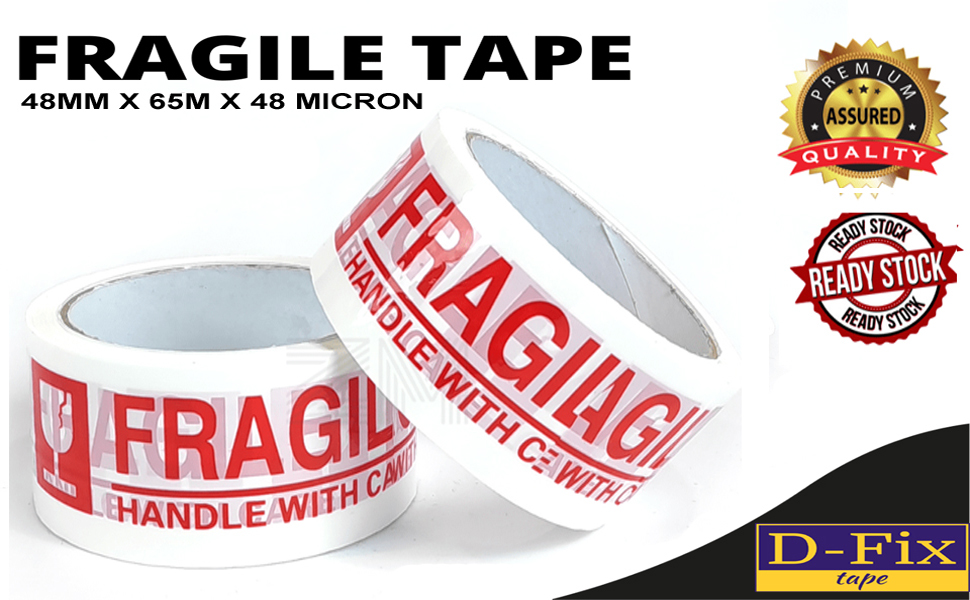
A stock image related to Fragile handling tape.
Comprehensive Cost and Pricing Analysis for Fragile handling tape Sourcing
When evaluating fragile handling tape for international procurement, discerning buyers must look beyond the nominal price per case to understand the complete cost architecture. Standard printed variants—typically 2-inch width by 110-yard length in 36-roll cases—often benchmark between $1.80 to $2.50 per roll when sourced in bulk from North American suppliers. However, for operations spanning Lagos to São Paulo or Riyadh to Hanoi, the landed cost incorporates freight volatility, import duties on adhesive polymers, and currency hedging against USD/EUR fluctuations that can swing total expenditure by 15–25% quarterly.
How Do Material Specifications Impact Long-Term Pricing Stability?
The substrate and adhesive chemistry fundamentally determine both upfront costs and operational efficiency. Hot-melt synthetic rubber adhesives offer aggressive initial tack at lower price points, ideal for high-humidity climates common in Southeast Asian or Gulf regions, whereas acrylic formulations command premium pricing but provide superior temperature resistance for cross-continental shipping. Film thickness measured in microns (typically 45–50µ for standard duty) directly correlates with yield per roll; thinner high-tensile options may cost 8–12% more per case but deliver 15% additional linear footage, reducing changeover frequency in automated packing stations.
What Are the Hidden Costs of International Freight and Regulatory Compliance?
For buyers in Africa and South America, ocean freight constitutes 30–40% of total landed costs, particularly when sourcing from East Asian manufacturing hubs. Fragile tape’s relatively low density makes it susceptible to dimensional weight pricing (chargeable weight vs. actual weight), necessitating optimized pallet configurations to minimize cubic meterage. Additionally, regional regulatory variations—such as Saudi Arabia’s SASO conformity requirements or the EU’s REACH regulations regarding adhesive chemical composition—may necessitate certification documentation that adds $200–$500 per shipment in compliance overhead, factors rarely reflected in unit pricing matrices.
How Can Volume Commitments and Payment Terms Optimize Cash Flow?
Strategic procurement involves negotiating tiered pricing structures beyond standard MOQs (Minimum Order Quantities) of 50–100 cases. Suppliers often provide 8–15% discounts for quarterly blanket orders versus spot purchasing, while offering 60–90 day payment terms for established credit lines—critical for emerging market buyers managing working capital constraints. For high-volume e-commerce fulfillment centers, consignment inventory arrangements can eliminate carrying costs entirely, though these require sophisticated vendor-managed inventory (VMI) agreements.
Which Value-Added Services Justify Premium Pricing?
Multilingual printing capabilities—simultaneous English/Arabic or Portuguese/Spanish warnings—typically add $0.15–$0.30 per roll but significantly reduce customs clearance friction and handling errors in multilingual distribution environments. Similarly, UV-resistant inks prevent message degradation during extended port storage in tropical climates, mitigating damage claims that far exceed the nominal upcharge. When calculating true procurement value, factor in the cost of damaged goods prevention: premium fragile tape reducing handling incidents by even 2% typically generates ROI exceeding 10x the material investment within a single fiscal quarter.
Alternatives Analysis: Comparing Fragile handling tape With Other Solutions
When evaluating packaging identification protocols for delicate goods, procurement teams must assess whether specialized fragile handling tape aligns with operational constraints or if alternative methodologies offer superior economics. While printed warning tape integrates carton sealing and hazard communication, distinct approaches—including discrete adhesive labels and direct carton printing—present unique advantages depending on shipment velocity, climate exposure, and inventory complexity across African, Middle Eastern, and Latin American supply chains.
| 비교 측면 | Fragile Handling Tape | 사전 인쇄된 깨지기 쉬운 라벨 | Custom Printed Corrugated Boxes |
|---|---|---|---|
| 성능 및 내구성 | High-visibility continuous messaging; tamper-evident seal; waterproof adhesion | Discrete placement; risk of peeling; no sealing function; moderate visibility | Permanent brand-grade integration; cannot be removed or obscured |
| 비용 구조 | Moderate per-unit cost; no minimum order requirements; immediate deployment | Low material cost; high labor burden for dual-step application | High upfront investment (MOQ 1,000+); low per-unit cost at volume |
| 구현의 용이성 | Single-step application; minimal training required; compatible with standard tape dispensers | Requires separate inventory management; additional application step | Complex logistics (SKU proliferation); long lead times; storage space requirements |
| 기후 복원력 | Excellent adhesion in high humidity/temperature variance; UV resistant | Adhesive degradation in tropical climates; detachment risk during transit | N/A (integrated into substrate); withstands extreme conditions |
| Volume Suitability | 100–10,000+ units/month; flexible for mixed product lines | <500 units/month; ideal for irregular shapes or seasonal operations | 5,000+ units/month; requires consistent product dimensions |
How Do Pre-Printed Fragile Labels Compare to Integrated Tape Solutions?
Pre-printed adhesive labels represent the most accessible alternative for businesses seeking lower material expenditures, particularly suitable for SMEs in emerging markets managing irregular shipment volumes. Unlike fragile handling tape that simultaneously creates a tamper-evident seal and high-visibility warning, labels necessitate a separate application workflow, increasing packing station labor time by 15–30 seconds per unit—a significant cost accumulator in high-volume fulfillment environments prevalent in Vietnam and Saudi Arabia. Moreover, labels demonstrate vulnerability to climate conditions common in African and South American logistics corridors; adhesive degradation in high humidity can cause labels to detach during multi-modal transit, whereas pressure-sensitive tape maintains integrity across temperature variances. While labels offer flexibility for irregularly shaped packages where tape application proves cumbersome, they provide discrete rather than continuous messaging, potentially reducing handler awareness during automated warehouse sorting. The approach suits low-volume operations or seasonal businesses but introduces inventory complexity—requiring separate stockkeeping for labels, boxes, and sealing tape—that integrated solutions eliminate.
Is Direct Carton Printing More Cost-Effective for High-Volume Exporters?
Custom pre-printed corrugated boxes eliminate secondary warning applications entirely, embedding “Fragile” messaging and handling instructions directly into packaging manufacturing. This strategy benefits dedicated product lines with consistent dimensions—such as electronics exporters in Europe or glassware distributors in the Middle East—where monthly volumes exceed 5,000 units and justify minimum order requirements typically starting at 1,000 pieces. However, the methodology introduces substantial inventory rigidity; warehouses must segregate and manage multiple box SKUs for fragile versus standard shipments, complicating storage optimization in space-constrained facilities common in urban African and South American distribution centers. Additionally, upfront capital requirements for custom die plates, design fees, and extended lead times create cash-flow barriers for growing enterprises, whereas fragile handling tape permits immediate flexibility to switch between standard and delicate shipments without obsolete packaging waste. Direct printing excels in brand presentation and offers permanent identification,
Essential Technical Properties and Trade Terminology for Fragile handling tape
When sourcing fragile handling tape for international supply chains, technical specifications directly correlate with damage prevention rates and customs handling efficiency. Buyers operating across diverse climates—from the humidity of West Africa to the temperature extremes of the Middle East—must evaluate material properties beyond basic dimensions to ensure carton integrity throughout multi-modal transit.
Which Adhesive Formulation Withstands Extreme Temperatures During Transit?
Fragile handling tape employs pressure-sensitive adhesive (PSA) systems, primarily categorized as hot melt rubber or acrylic emulsion. Hot melt formulations deliver aggressive initial tack and cost efficiency for ambient temperature logistics (15°C–30°C), while acrylic adhesives offer superior resistance to UV exposure and temperature fluctuations (-10°C to
Navigating Market Dynamics and Sourcing Trends in the Fragile handling tape Sector
The fragile handling tape sector functions as a critical risk-mitigation layer within global supply chains, where standardized 2-inch by 110-yard configurations have become the universal language of careful handling. For procurement directors navigating complex trade corridors between Africa, South America, the Middle East, and Europe—including high-growth markets like Vietnam and Saudi Arabia—strategic sourcing of printed warning tapes directly impacts damage rates, insurance costs, and customer satisfaction scores. Understanding current market trajectories enables buyers to optimize inventory turns while ensuring compliance with evolving international shipping standards.
How Is E-Commerce Fulfillment Reshaping Demand for Fragile Warning Tape?
The proliferation of cross-border e-commerce has transformed fragile tape from a peripheral packaging accessory into a high-volume consumable essential for warehouse automation. Distribution centers from São Paulo to Ho Chi Minh City now require case quantities of 36 rolls optimized for continuous-feed carton sealers, with procurement teams specifying pressure-sensitive adhesives engineered for tropical humidity and desert heat alike. This surge in demand has catalyzed innovations in high-visibility printing technologies that maintain legibility despite condensation exposure during ocean freight transit. Buyers are increasingly negotiating vendor-managed inventory (VMI) agreements to ensure consistent availability of standard 2-inch widths, preventing production line disruptions during peak shipping seasons while managing the currency volatility inherent to emerging market operations.
What Specifications Should International Buyers Prioritize for Multi-Modal Logistics?
While the industry standardizes around 110-yard roll lengths compatible with handheld dispensers and automated systems, sophisticated buyers now evaluate tape performance across diverse transit modalities. Glass and electronics exporters serving European markets require adhesives with enhanced shear resistance for stacked container shipping, whereas last-mile distributors in Middle Eastern urban centers prioritize quick-tack formulations suitable for dusty exterior surfaces. Procurement teams are also scrutinizing core diameter standardization to ensure compatibility with existing dispenser fleets, while exploring bilingual or multilingual printing options—particularly for shipments originating in Vietnam or destined for Arabic-speaking markets—without compromising the iconic red “Fragile” warning visibility that transcends language barriers.
Why Are Eco-Conscious Buyers Transitioning to Water-Based Adhesive Formulations?
Regulatory pressure from European Union packaging directives and Saudi Vision 2030 sustainability initiatives is accelerating the shift from solvent-based to water-based acrylic adhesives in fragile tape manufacturing. These formulations significantly reduce volatile organic compound (VOC) emissions during production while maintaining the aggressive tack necessary for securing corrugated boxes containing delicate items. Progressive procurement teams now require suppliers to provide technical data sheets verifying biodegradability timelines for tape backings and recyclable core materials. This environmental pivot extends to case packaging itself, with buyers specifying that 36-roll master cartons utilize post-consumer recycled cardboard and soy-based inks, thereby reducing Scope 3 carbon emissions associated with international freight forwarding.
How Can Procurement Teams Verify Ethical Manufacturing Across Global Supply Chains?
Ethical sourcing in the fragile tape sector necessitates rigorous due diligence beyond material specifications, particularly when sourcing from manufacturing hubs serving African and South American distribution networks. Buyers should prioritize suppliers demonstrating compliance with ISO 26000 social responsibility standards and SA8000 labor certification, ensuring fair wage practices and safe working conditions in tape conversion facilities. Additionally, leading procurement organizations are implementing blockchain-enabled traceability systems to verify that polypropylene resin suppliers adhere to conflict-mineral-free commitments. This transparency proves particularly valuable for high-value electronics manufacturers shipping from Vietnam to European retailers, where ESG compliance directly influences retail partnership agreements and consumer brand perception.
What Strategies Ensure Resilient Sourcing Amid Raw Material Volatility?
The polypropylene and adhesive markets remain susceptible to petrochemical price fluctuations, prompting buyers to develop diversified sourcing portfolios that balance cost efficiency with supply continuity. Strategic procurement teams are establishing direct relationships with manufacturers rather than relying solely on trading companies, enabling customization of 110-yard roll specifications while securing priority allocation during global shortages. For Middle Eastern and African markets particularly, buyers are evaluating regional conversion facilities that import bulk jumbo rolls for local slitting and printing, reducing lead times and import duties while supporting local economic development. This hybrid approach—combining global material sourcing with regional finishing operations—mitigates geopolitical risks while maintaining the quality consistency required for protecting high-value fragile shipments.
Frequently Asked Questions (FAQs) for B2B Buyers of Fragile handling tape
What is the difference between fragile handling tape and fragile labels for shipping?
Fragile handling tape combines structural carton sealing with high-visibility warning systems, whereas fragile labels are separate adhesive stickers applied to package surfaces. Integrated tape provides 360-degree visibility during transit, ensuring the warning remains readable even if one side of the box faces a wall or another package in containerized shipping. For B2B operations, this dual-function approach reduces application time by approximately 40% compared to dual-step labeling processes and eliminates the risk of labels falling off during humid conditions common in tropical climates like Vietnam or coastal African regions.
What are the standard specifications for industrial-grade fragile handling tape?
Industrial-grade fragile tape typically features 2-inch (48mm) width and 110-yard (100m) roll lengths, constructed from 2.0-2.5 mil thick BOPP (biaxially oriented polypropylene) film with pressure-sensitive acrylic adhesive. The printed message requires solvent-based or UV-cured inks to prevent smearing during automated application and must maintain legibility throughout the supply chain. For international shipping, verify the tape meets ISO 9001 quality standards and offers 45-60N/cm tensile strength to withstand multi-modal transport stresses across varying humidity and temperature zones.
Can fragile handling tape be customized with company logos and warning symbols?
Yes, manufacturers offer full-color custom printing with minimum order quantities typically starting at 50-100 cases for bespoke designs. You can incorporate corporate branding alongside standard “Fragile” warnings, QR codes linking to handling instructions, or multilingual alerts in Arabic, Spanish, or Portuguese to accommodate regional carrier requirements in the Middle East, Europe, and South America. Digital flexographic printing ensures logo clarity remains intact throughout the roll, though standard red-on-white “Handle With Care” designs remain the most cost-effective for high-volume e-commerce fulfillment operations.
What is the best tape dispenser for applying fragile handling tape in high-volume warehouse operations?
For facilities processing 500+ packages daily, invest in heavy-duty side-loading dispensers with 3-inch core compatibility and adjustable tension brakes to prevent tape overrun and waste. Pneumatic or electric tape dispensers with photo-eye sensors automate application for conveyor-fed operations, reducing repetitive strain injuries among packing staff. Ensure dispensers feature non-corrosive metal frames suitable for humid climates and can accommodate the standard 2-inch width without blade adjustments that compromise cutting efficiency during peak shipping periods.
How do I calculate the total cost of ownership for fragile handling tape in multi-regional supply chains?
Calculate TCO by factoring in freight costs per cubic meter (tape is lightweight but bulky), customs duties on packaging materials (typically 5-15% in African and South American markets), and waste reduction from damaged goods claims. Premium acrylic adhesives may cost 20% more upfront but reduce replacement rates in high-temperature Middle Eastern warehouses where standard adhesives fail. Factor in climate-controlled storage requirements—tape requires warehousing below 35°C to prevent adhesive degradation during transit to regional distribution centers in Saudi Arabia or Nigeria.
What adhesive technologies perform best in extreme humidity and temperature variations?
Hot-melt synthetic rubber adhesives provide superior performance in humid climates like Vietnam or coastal African regions, maintaining tack at 85% relative humidity. For Middle Eastern operations where warehouse temperatures exceed 40°C, acrylic adhesives resist shear failure and UV degradation better than rubber-based alternatives. Request technical data sheets showing PSTC-7 loop tack values and ASTM D3654 shear resistance specific to your destination climate zones, and conduct pilot tests during your region’s peak humidity seasons before committing to bulk orders.
How does fragile handling tape integrate with automated carton sealing systems?
Modern case sealers require tape with consistent unwind force (measured in grams per inch) to prevent jams in high-speed machine heads. Specify low-noise unwind properties (below 65 decibels) for warehouse environments with noise regulations. The printed message must be oriented correctly for top-and-bottom sealers—purchase “handed” tape rolls specifically designed for automated machines rather than manual dispensers to ensure the “Fragile” warning reads horizontally on finished packages and maintains brand consistency across your fulfillment network.
What quality certifications should I verify when sourcing fragile handling tape for international export?
Verify ISO 9001:2015 quality management and ASTM D5486 standard compliance for pressure-sensitive tape used for heavy-duty box closure. For European markets, ensure REACH compliance regarding chemical substances and RoHS directives if applicable. If shipping to Saudi Arabia, request SASO conformity certificates; for South American imports, verify INMETRO compliance where required. Reputable suppliers provide batch-specific COAs (Certificates of Analysis) documenting adhesive coat weight, tensile strength, and elongation percentages to ensure consistency across international shipments and reduce customs inspection delays.
중요 고지 사항 및 이용 약관
⚠️ 중요 고지 사항
제조업체, 기술 사양 및 시장 분석에 관한 내용을 포함하여 이 가이드에서 제공하는 정보는 정보 제공 및 교육 목적으로만 사용됩니다. 전문적인 조달 자문, 재무 자문 또는 법률 자문으로 간주되지 않습니다.
B2B 구매자는 독립적이고 철저한 실사를 수행해야 합니다. 구매 결정을 내리기 전에 반드시 확인하시기 바랍니다. 이 가이드의 정보에 의존하는 데 따른 위험은 전적으로 독자가 부담합니다.
Top 3 Fragile Handling Tape Manufacturers & Suppliers List
1. Phoenix Tape – Custom Printed Tape

도메인: phoenix-tape.com
등록: 1996년(30년)
소개: Custom printed tape options including polypropylene, paper, and PVC tape for fragile items. Water-activated paper tape available for boxes requiring gentle sealing without excess pressure. Paper tape specifications include: Reinforced 240 Grade thickness, 3 inch width, 375 feet length, Tan color, with custom printing available in one ink color (Reflex Blue). Sold in cases (example: 5 cases contain…
2. Tape Suppliers – Sealing Tape
도메인: tapesuppliers.com
등록: 2007년(19년)
소개: Sealing tape is an adhesive product designed to prevent the passage of liquids, gases, dust, moisture, air, and noise through crevices, serving as a cushion and barrier against the elements. Also known as insulating tape, gasket tape, or weather tape, it is manufactured from materials including foams, rubber, films, foils, and coated fabrics that can be die-cut into custom forms or patterns. The t…
3. Tape Logic – Fragile Packing Tape
도메인: nordisco.com
등록: 1997년(29년)
소개: Tape Logic T901P02 Fragile Packing Tape (SKU: B6AT901P02): 2″ x 55 Yd roll, 2.2 mil thickness, white waterproof tape with red ‘FRAGILE Handle with Care’ print. Features super strong acrylic adhesive for all weather conditions, consistent smooth release, and grips well to recycled cartons without yellowing over time. Eliminates need for separate labels while sealing cartons. Compatible with all 2″ …
Strategic Sourcing Conclusion and Outlook for Fragile handling tape
As global supply chains navigate increasing volatility, fragile handling tape has evolved from a simple commodity purchase to a strategic risk management instrument. For procurement teams operating across Africa, South America, the Middle East, and Europe, selecting high-visibility printed warning tape directly correlates with reduced damage rates, lower insurance claims, and enhanced end-customer satisfaction across sectors ranging from electronics manufacturing to glassware distribution.
How Can Buyers Future-Proof Their Fragile Tape Procurement Strategy?
The packaging sector is accelerating toward automated application compatibility and sustainable material innovation. Forward-thinking procurement leaders should prioritize suppliers offering pressure-sensitive adhesives that perform reliably across diverse climate conditions—from humid Southeast Asian ports to arid Middle Eastern logistics hubs—while evaluating recyclable film alternatives that align with tightening EU sustainability directives and emerging environmental regulations in African and South American markets.
What Supply Chain Resilience Factors Should Guide Regional Sourcing Decisions?
Diversifying supplier relationships across multiple manufacturing regions mitigates geopolitical disruptions while optimizing landed costs. Establishing partnerships with vendors who maintain consistent 2-inch width specifications and 110-yard roll standards ensures operational continuity, whether supporting high-volume e-commerce fulfillment centers in Vietnam or industrial packaging operations in Saudi Arabia. Strategic bulk purchasing of 36-roll case configurations further stabilizes inventory management during peak shipping seasons.
Ultimately, treating fragile handling tape as a strategic procurement category—rather than a routine consumable—delivers measurable ROI through reduced product damage, improved brand reputation, and enhanced supply chain agility in an increasingly competitive global marketplace.