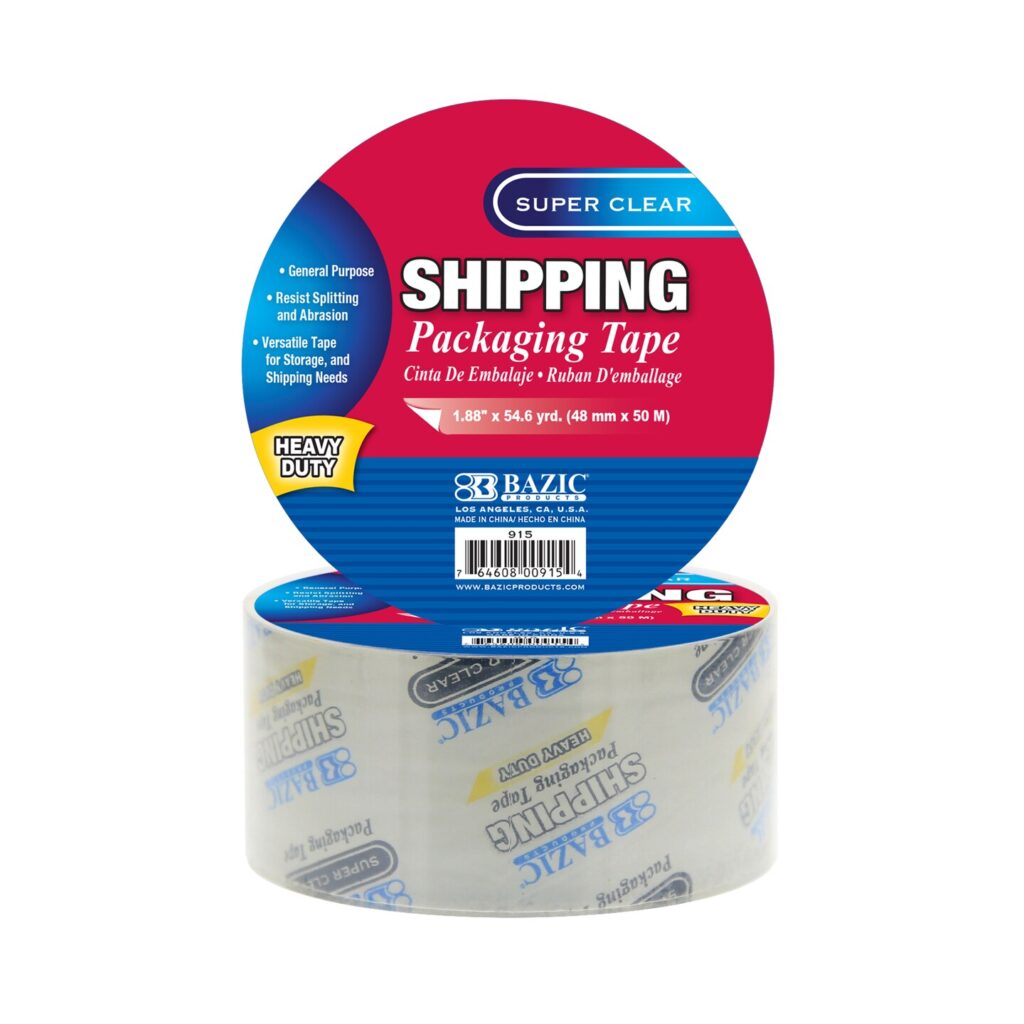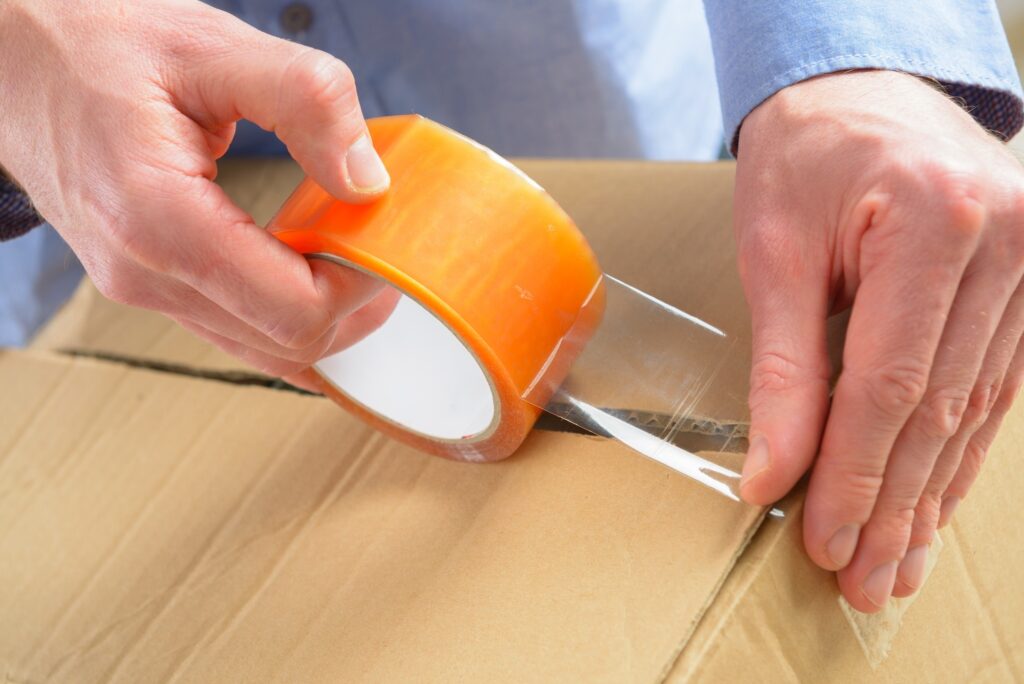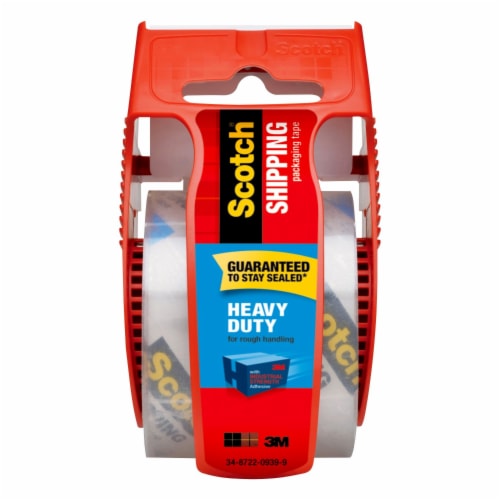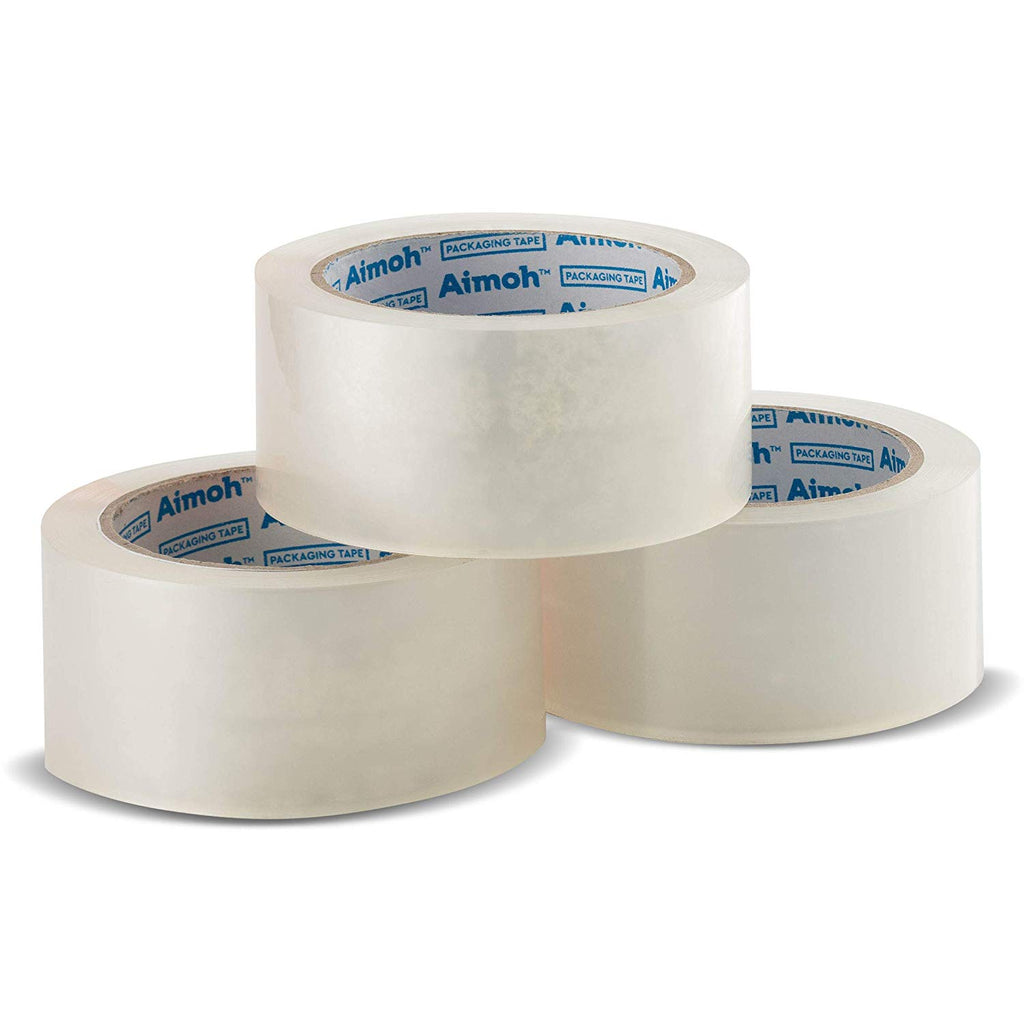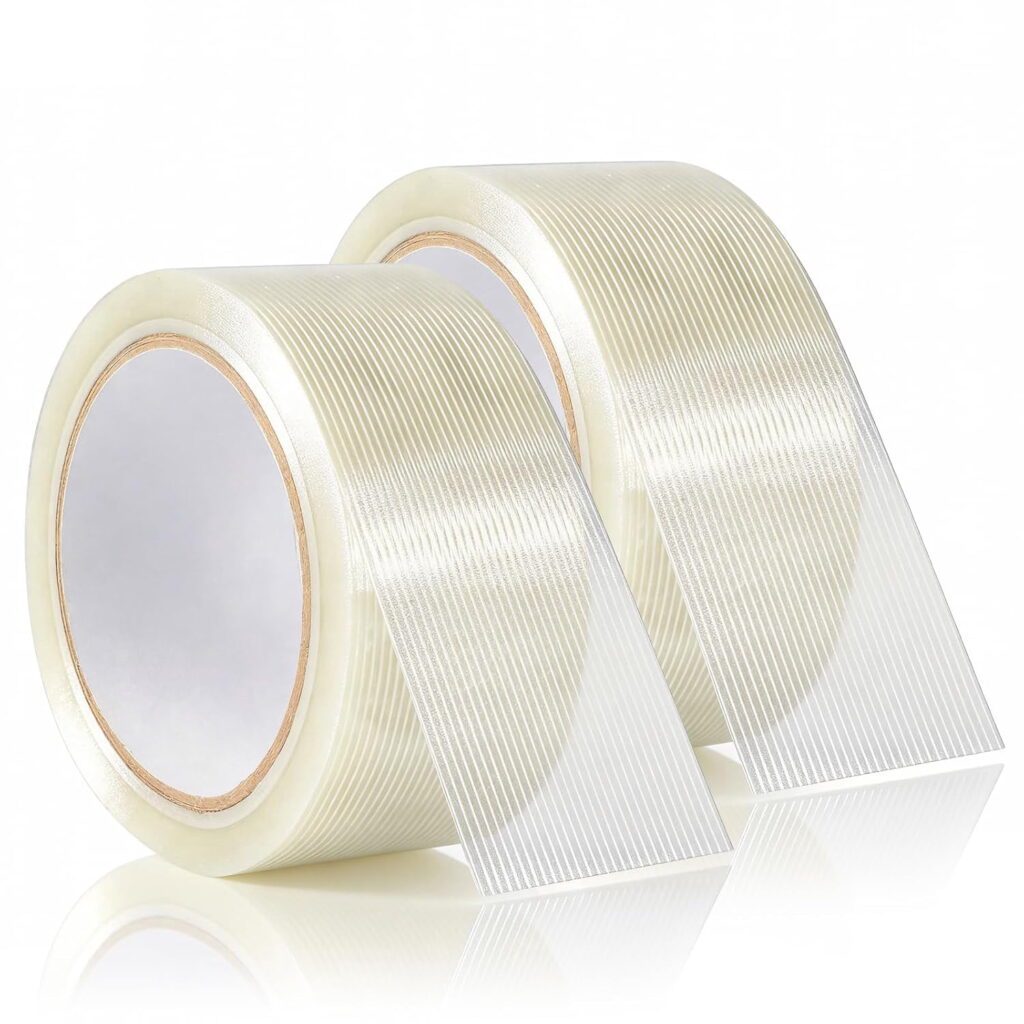
Introduction: Navigating the Global Market for Fragile tape for boxes
언제 sourcing fragile tape for boxes across today’s fragmented global supply chains, procurement teams face the critical challenge of balancing cost efficiency with the non-negotiable demand for product protection. As international shipping volumes surge through emerging markets—from the industrial corridors of São Paulo to the expanding logistics hubs of Riyadh and Lagos—selecting optimal packaging solutions has evolved from operational routine to strategic imperative. The risks of substandard materials extend far beyond damaged inventory; they trigger customs delays, insurance disputes, and eroded trust in competitive B2B relationships where every shipment represents your brand’s reputation.
Why Does Fragile Tape Selection Determine International Shipping Success?
High-visibility fragile tape serves as the first line of defense in multi-modal transportation, where packages endure multiple handling points across diverse infrastructure standards. Unlike conventional adhesives, specialized fragile tapes combine robust sealing strength with unmistakable visual warnings, reducing mishandling incidents by clearly communicating handling requirements to logistics teams worldwide. For buyers operating across varying climates—from the humidity of West African ports to the arid conditions of the Middle East—this dual functionality proves essential for maintaining cargo integrity through extreme environmental transitions and complex customs procedures.
What Comprehensive Solutions Does This Guide Cover?
This resource examines the complete spectrum of fragile tape technologies available to international buyers, including polypropylene, PVC, and sustainable paper-based alternatives tailored to regional regulatory requirements. We analyze critical selection criteria such as adhesive performance in high-humidity climates, print durability for long-haul shipments, and compliance with EU, GCC, and Mercosur packaging standards. Beyond technical specifications, we provide actionable frameworks for vetting reliable manufacturers, negotiating favorable bulk pricing structures, and optimizing inventory management for businesses scaling operations in Saudi Arabia, Brazil, and throughout Africa and Europe.
By synthesizing material science insights with regional market intelligence, this guide empowers procurement professionals to make data-driven decisions that protect both their cargo and bottom line. Whether establishing new supplier relationships in emerging economies or optimizing existing logistics networks, the strategic clarity provided herein enables confident navigation of the global fragile tape market.
Understanding Fragile tape for boxes Types and Variations
| 유형 이름 | 주요 차별화 기능 | 주요 B2B 애플리케이션 | 구매자를 위한 간략한 장단점 |
|---|---|---|---|
| Standard Printed Polypropylene (PP) Tape | 2.0–2.5 mil thickness, hot melt rubber adhesive, red/white or black/white “FRAGILE” print, synthetic film backing | High-volume e-commerce fulfillment, general logistics, moving and storage operations | Pros: Cost-effective, immediate tack, widely available Cons: Plastic waste concerns, adhesive may soften in extreme heat |
| 물 활성화 크래프트 종이 테이프 | Natural paper backing, water-activated adhesive, recyclable with corrugated boxes, tamper-evident seal properties | Sustainable packaging lines, EU exports (green compliance), luxury goods shipping | Pros: Eco-friendly, strong fiber-bonding, tamper-evident Cons: Requires specialized dispenser, moisture-sensitive application process |
| Heavy-Duty Acrylic Fragile Tape | 2.5–3.0 mil thickness, acrylic adhesive formulation, UV resistant, temperature stable (-20°C to 60°C) | Long-term warehousing, cold chain logistics, Middle East/Africa climate exposure | Pros: Durable in extreme temperatures, long shelf life, fade-resistant Cons: Higher unit cost, slower initial tack than hot melt |
| High-Visibility Fluorescent Tape | Bright orange/red fluorescent background, bold black text, 2.0+ mil thickness, high contrast visibility | Busy warehouse environments, cross-docking operations, multilingual facilities | Pros: Instant visual recognition, reduces handling errors Cons: Premium pricing, color may fade in direct sunlight without UV protection |
What Are the Different Material Options for Fragile Tape?
Standard polypropylene fragile tape remains the workhorse for B2B operations due to its excellent cost-to-performance ratio and compatibility with manual or automated dispensers. The hot melt adhesive provides immediate tack on corrugated surfaces, making it ideal for high-speed packaging lines in Brazil or Saudi Arabian distribution centers. However, buyers should verify the adhesive formulation for tropical humidity resistance, as standard rubber-based adhesives can soften in extreme heat. For bulk procurement, consider rolls exceeding 100 yards to minimize changeover downtime in high-volume facilities, and always request samples to test adhesion on your specific box grades.
Is Water-Activated Paper Tape Suitable for International Exports?
Water-activated kraft tape offers superior sustainability credentials crucial for European markets and eco-conscious South African retailers facing strict environmental regulations. This variation bonds molecularly with cardboard fibers, creating a tamper-evident seal that shows immediate damage upon removal, enhancing security for high-value electronics or glassware. While requiring specialized dispensers increases initial investment, the recyclable nature eliminates plastic waste fees in jurisdictions with extended producer responsibility laws. B2B buyers should evaluate total cost of ownership, as this tape often eliminates the need for additional fragile labels while providing superior box closure strength.
Which Fragile Tape Performs Best in Extreme Climates?
Acrylic-based fragile tape addresses temperature volatility common in Middle Eastern and South American supply chains where warehouses may lack climate control. Unlike rubber adhesives that degrade above 40°C or below 10°C, acrylic maintains bonding integrity across desert heat and refrigerated transport, ensuring labels remain affixed during transit. B2B buyers managing cross-border shipments should prioritize this type for inventory stored in non-climate-controlled warehouses. The UV resistance also prevents print fading during outdoor staging, ensuring “FRAGILE” warnings remain visible throughout extended logistics journeys in sun-intensive regions.
How Does High-Visibility Tape Reduce Logistics Errors?
Fluorescent fragile tape utilizes color psychology to trigger immediate caution responses in busy logistics hubs without requiring workers to read text. The bright orange or red backgrounds create peripheral vision alerts, reducing mishandling incidents by up to 30% in high-volume distribution centers across Africa and Europe. For operations employing multilingual workforces common in international trade, this visual communication transcends language barriers effectively. Buyers should specify fade-resistant solvent-based inks when sourcing for outdoor storage applications, particularly in sun-intensive regions like Saudi Arabia or Brazil, to ensure longevity.
Key Industrial Applications of Fragile tape for boxes
| 산업/섹터 | Specific Application of Fragile tape for boxes | 비즈니스를 위한 가치/혜택 | 이 애플리케이션의 주요 소싱 고려 사항 |
|---|---|---|---|
| 이커머스 및 소매 주문 처리 | Sealing corrugated boxes containing home décor, dishware, and consumer electronics for last-mile delivery | Reduces damage claims by 30-40%; eliminates separate labeling steps; improves warehouse throughput during peak seasons | UV-resistant adhesive for tropical climates; high-visibility red/white contrast for low-light warehouses; bulk roll lengths (100m+) |
| Electronics Manufacturing & Distribution | Securing boxes of semiconductors, circuit boards, and precision components between clean rooms and assembly plants | Prevents electrostatic discharge risks from excessive handling; ensures traceability in supply chain; reduces RMA rates | Anti-static properties; residue-free removal for reusable packaging; compatibility with cleanroom standards; temperature tolerance 0°C-50°C |
| Glass & Ceramics Manufacturing | Packaging artisanal tiles, sanitary ware, and decorative glass for export to Middle Eastern and European markets | Mitigates breakage during long-haul maritime shipping; satisfies international shipping insurance requirements; reinforces brand professionalism | High-tack acrylic adhesive for humid port environments; tamper-evident features; compliance with ISPM-15 for wood packaging; multilingual “FRAGILE” printing |
| Pharmaceutical & Medical Device Logistics | Sealing temperature-sensitive biologics and diagnostic equipment in cold chain packaging | Maintains package integrity through customs inspections; reduces temperature excursion risks from mishandling; ensures GMP compliance | FDA/EU compliant adhesives; performance in refrigerated conditions (2°C-8°C); chemical resistance to condensation; batch traceability codes |
| Art & Antiques Logistics | Securing crates and boxes containing high-value paintings, sculptures, and historical artifacts for international auction houses and museums | Protects irreplaceable cultural assets; satisfies fine art insurance liability clauses; provides chain-of-custody visibility through distinctive marking | Archival-safe, acid-free adhesives; non-residue formulas for wooden crates; discreet yet visible branding options; compliance with cultural heritage shipping protocols |
How Does Fragile Tape Streamline High-Volume E-commerce Operations?
In fulfillment centers across Brazil and Saudi Arabia, fragile tape serves dual purposes—sealing cartons while instantly communicating handling requirements to logistics partners. This eliminates the labor cost of separate “FRAGILE” stickers and reduces mis-handling during peak seasons like Ramadan or Black Friday. Buyers should prioritize high-contrast printing that remains legible in dusty warehouse environments and opt for hot-melt adhesives that perform reliably in climates ranging from humid Lagos to arid Dubai, ensuring packages maintain integrity through last-mile delivery challenges.
What Role Does Fragile Tape Play in Protecting High-Value Electronics Shipments?
For technology hubs in Europe and emerging manufacturing zones in Africa, fragile tape prevents costly damage to sensitive components during inter-facility transfers and export shipping. The tape identifies boxes containing static-sensitive or precision-calibrated instruments,
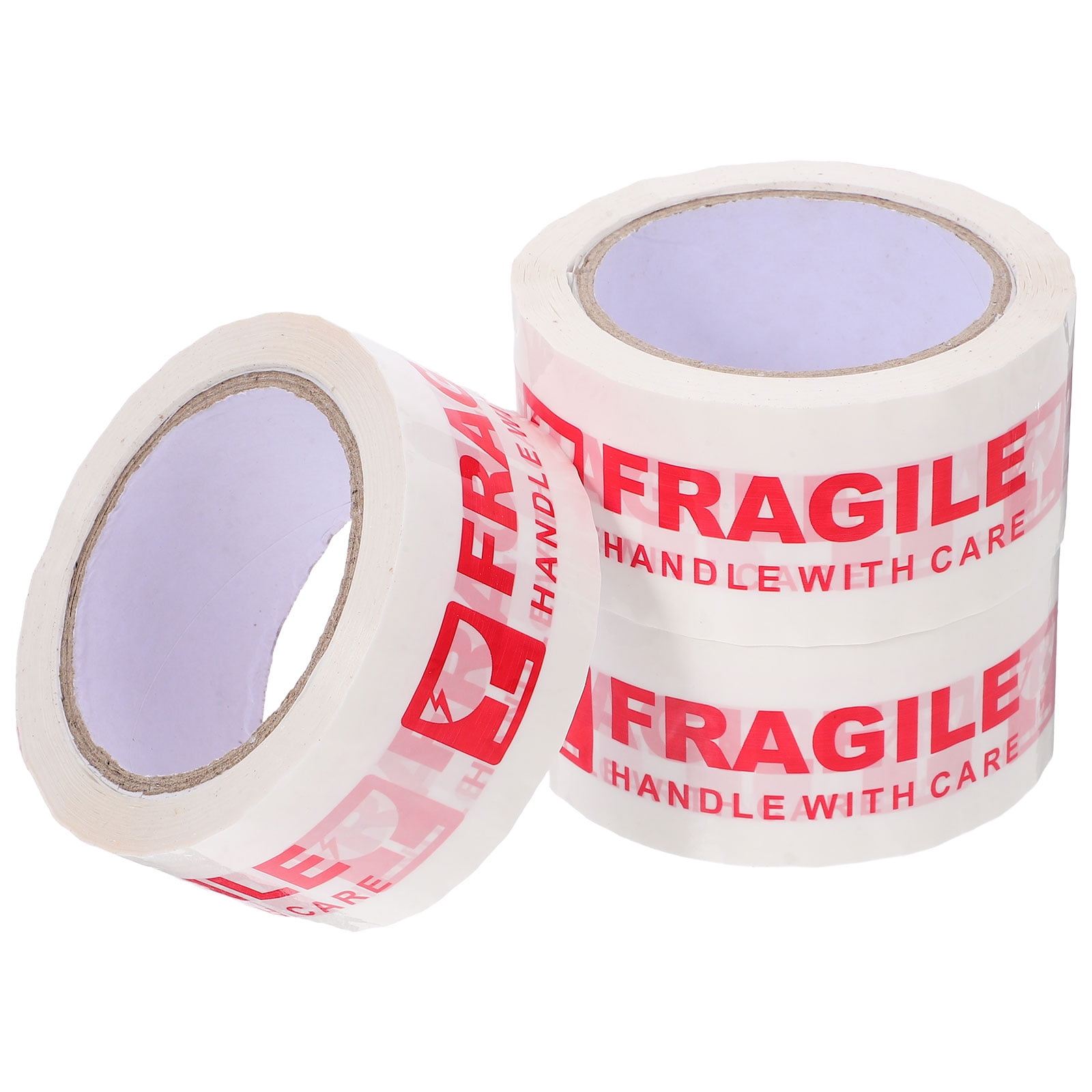
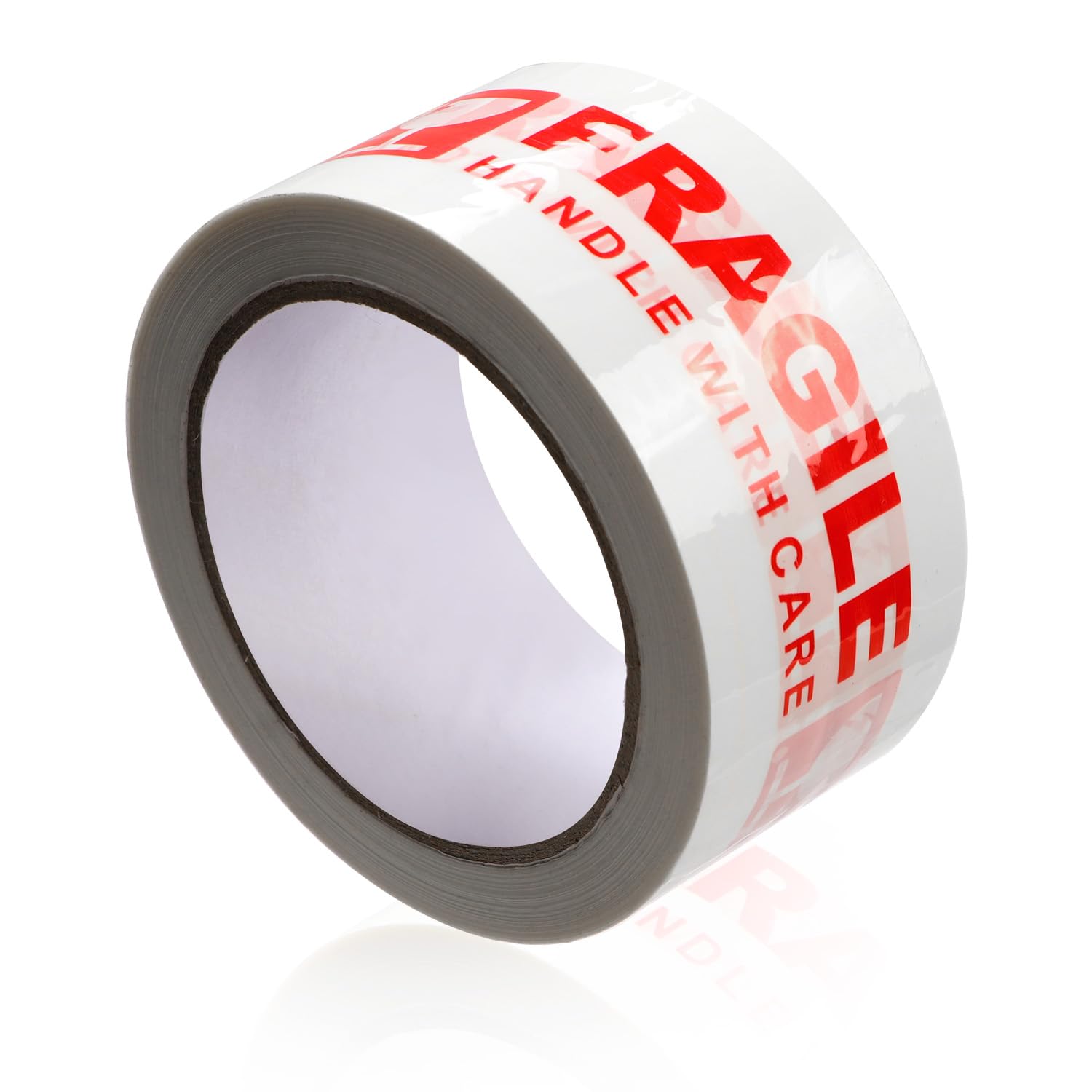
A stock image related to Fragile tape for boxes.
3 Common User Pain Points for ‘Fragile tape for boxes’ & Their Solutions
Scenario 1: Why Does Standard Fragile Tape Fail to Alert Handlers in High-Volume Warehouses?
문제: In bustling distribution centers from Johannesburg to São Paulo, operations move at high velocity under fluorescent lighting that washes out standard packaging colors. Many B2B buyers discover that thin 2-inch fragile tape in muted red hues becomes invisible against brown corrugated cardboard, especially when handlers are processing hundreds of boxes hourly. This visibility gap leads to mishandling of delicate electronics, glassware, or precision instruments, resulting in costly damage claims and customer dissatisfaction. The issue compounds during night shifts or in facilities with inconsistent lighting where visual cues must trigger instant recognition to prevent accidents.
솔루션: Upgrade to high-visibility 3-inch width fragile tape featuring bold black-on-yellow or red-on-white contrast patterns that capture attention immediately. Apply the tape to the top and two adjacent sides of each box to ensure visibility regardless of stacking orientation. For operations handling extremely sensitive cargo, specify fluorescent colorways that reflect light more effectively than standard prints. Additionally, consider embossed or textured tape varieties that provide tactile warnings, allowing handlers to feel the caution indicators when visibility is compromised. This redundant approach ensures fragile warnings communicate clearly even in the most demanding logistics environments.
Scenario 2: How Can Businesses Prevent Fragile Tape Adhesion Failure in Extreme Shipping Climates?
문제: International B2B shipments frequently traverse multiple climate zones, from the humid ports of Mombasa to the arid heat of Riyadh or variable European temperatures. Standard fragile tape often utilizes acrylic adhesives that degrade when exposed to high humidity or temperature fluctuations, causing edges to peel and the “FRAGILE” warning to detach before the package reaches its destination. This is particularly critical for heavy-duty shipping boxes containing dense industrial components, where tape must maintain integrity under significant weight and handling stress throughout extended transit periods across diverse regional conditions.
솔루션: Specify hot melt rubber-based adhesive tapes with a minimum thickness of 2.5 mil (preferably 3.0 mil) for superior bonding to corrugated fibers across temperature ranges. Prior to application, ensure box surfaces are clean and dry—dusty recycled cardboard common in emerging markets requires wiping to remove debris that compromises adhesion. Implement the H-taping method by sealing box seams with clear packing tape first, then overlaying fragile tape as a distinct visual marker rather than relying on it for structural closure. For extreme environments, consider reinforced filament fragile tape that combines visibility with tear-resistant fiberglass strands to withstand rough handling.
Scenario 3: Where Can Growing Enterprises Source Efficient Bulk Fragile Tape with Custom Branding?
문제: Rapidly scaling e-commerce and manufacturing operations in markets like Dubai or São Paulo face operational bottlenecks when using consumer-grade 30-yard fragile tape rolls that require constant reloading of dispenser guns. This interruption slows packing line throughput and increases labor costs. Simultaneously, generic fragile tape represents missed marketing opportunities—every package shipped is a brand touchpoint, yet standard tapes offer no company identification, making it impossible for recipients to associate careful handling with your specific business or for logistics partners to quickly identify your priority shipments in mixed cargo environments.
솔루션: Transition to industrial 1000-yard bulk rolls compatible with automated tape dispensers, reducing changeover frequency by 90% compared to standard retail sizes. Partner with suppliers offering custom printing services to integrate your company logo, handling instructions, and fragile warnings into a single tape application—eliminating the need for separate branded stickers while reinforcing brand recognition with every shipment. For mid-volume operations, 110-yard rolls strike an optimal balance between efficiency and manageability. Establish supplier relationships that offer consistent color matching across batches to maintain professional appearance, and negotiate annual contracts with regional distributors to secure volume pricing and stabilize supply chains across African, Middle Eastern, and South American markets.
Strategic Material Selection Guide for Fragile tape for boxes
Selecting the optimal substrate for fragile tape directly influences supply chain efficiency, damage claim rates, and regulatory compliance across international markets. For procurement teams managing logistics through diverse climatic zones—from the monsoon humidity of Lagos to the arid heat of Jeddah or the altitude-variable conditions of São Paulo—material properties determine whether “FRAGILE” warnings remain legible and adhered throughout multimodal transit. Beyond aesthetics, substrate selection impacts total cost of ownership, automation compatibility, and adherence to emerging sustainability mandates such as the EU’s Packaging and Packaging Waste Regulation (PPWR) and Saudi Vision 2030 circular economy initiatives. Understanding the tribological and adhesive characteristics of each substrate enables buyers to mitigate product damage while optimizing operational expenditures in high-volume distribution environments.
Which Substrate Balances Print Quality and Cost Efficiency for High-Volume Operations?
Biaxially Oriented Polypropylene (BOPP) film dominates the fragile tape market due to its exceptional tensile strength and superior printability. The molecular orientation process creates a rigid, abrasion-resistant surface that maintains high-contrast “FRAGILE” legends even after rough handling in automated sorting facilities. Available typically in 28-50 micron thicknesses, heavier gauges provide additional puncture resistance for recycled corrugated with shorter fibers common in African and South American packaging markets. For buyers operating distribution centers in Nigeria or Brazil, BOPP offers excellent compatibility with high-speed case sealers, available in jumbo rolls up to 1,000 meters to minimize changeover downtime. However, BOPP exhibits a characteristic “shriek” during unwinding that elevates warehouse noise levels, potentially violating occupational health standards in European facilities. Additionally, standard acrylic adhesives perform poorly in sub-zero storage or high-humidity environments above 70% relative humidity, limiting suitability for uncontrolled tropical logistics.
Is Polyvinyl Chloride Tape Essential for Climate-Resilient Export Logistics?
Polyvinyl Chloride (PVC) film addresses the thermal limitations of polypropylene through plasticizer integration, maintaining adhesive stability across temperatures ranging from -10°C to 60°C. This thermal resilience proves critical for Middle Eastern buyers managing shipments through extreme summer heat or for South American exporters navigating altitude-related temperature fluctuations in the Andes. PVC’s inherent flexibility allows the tape to conform to corrugated fiberboard irregularities, creating superior edge seals that resist lifting in humid port environments such as Durban or Mumbai. The material unwinds nearly silently, significantly reducing acoustic fatigue in high-volume fulfillment centers—a crucial ergonomic consideration for Saudi Arabian and European operations. Despite these performance advantages, PVC commands a 40-60% price premium over BOPP and faces increasing regulatory scrutiny under EU REACH regulations and plastic tax schemes, potentially complicating cross-border compliance for multinational operations.
How Does Reinforced Kraft Paper Support Circular Economy Compliance?
Fiber-reinforced Kraft paper tape offers the definitive sustainable alternative for buyers navigating stringent environmental regulations. Unlike plastic substrates, this material integrates seamlessly into cardboard recycling streams without requiring consumer separation, directly supporting compliance with France’s AGEC Law and emerging Extended Producer Responsibility (EPR) frameworks across Europe. The water-activated adhesive creates a permanent, tamper-evident bond that tears the box surface upon removal, providing security for high-value electronics shipments to African and South American markets. However, paper substrates suffer acute vulnerability to moisture absorption, making them unsuitable for monsoon season logistics or tropical storage without climate control. Application requires specialized water-activated dispensers rather than standard tape guns, increasing initial capital expenditure by approximately $200-$400 per station. Furthermore, the substrate lacks the elasticity for application over box seams under tension, restricting use to static closure rather than load-bearing reinforcement.
| 재료 | Typical Use Case for Fragile tape for boxes | 주요 이점 | 주요 단점/제한 사항 | 상대적 비용 |
|---|---|---|---|---|
| BOPP | Standard corrugated boxes in climate-controlled warehouses; high-speed automated lines | Excellent print clarity and compatibility with case sealers; lowest unit cost | High noise during application; poor adhesion in extreme humidity or cold | $ (Low) |
| PVC | High-value electronics; multi-climate export routes (Middle East, high-altitude South America) | Silent unw |
A stock image related to Fragile tape for boxes.
In-depth Look: Manufacturing Processes and Quality Assurance for Fragile tape for boxes
For B2B procurement teams sourcing fragile tape for boxes across diverse international markets—from the humid logistics corridors of West Africa to the high-temperature storage facilities of the Middle East—understanding manufacturing methodologies is critical. The integrity of your packaging communication depends not merely on the visibility of the “FRAGILE” print, but on the tape’s ability to maintain adhesive cohesion and legibility through extreme supply chain conditions. This analysis examines the industrial production workflows, material specifications, and quality assurance protocols that distinguish commercial-grade fragile tape from consumer-grade alternatives.
How Is Industrial Fragile Tape Manufactured Using Multi-Layer Coating Techniques?
Commercial fragile tape production begins with biaxially oriented polypropylene (BOPP) film extrusion, where polymer pellets are stretched in both machine and transverse directions to create a substrate with high tensile strength and low elongation. The film undergoes corona treatment to increase surface energy, ensuring proper adhesion of subsequent layers. Manufacturers apply adhesive coatings—typically hot-melt synthetic rubber compounds for immediate tack or acrylic emulsions for temperature stability—using precision slot-die coating systems that maintain micron-level thickness consistency. Following adhesive application, the tape passes through flexographic printing stations where the “FRAGILE” warning and handling instructions are deposited using UV-cured or solvent-based inks resistant to smudging during transit.
What Substrate and Adhesive Combinations Ensure Climate Resilience in Global Logistics?
For buyers operating in tropical climates like Brazil or coastal African regions, material selection must prioritize moisture and heat resistance. High-grade fragile tape utilizes BOPP films ranging from 28 to 50 microns in thickness, balancing conformability to corrugated surfaces with puncture resistance. Acrylic adhesives generally outperform hot-melt formulations in environments exceeding 40°C, maintaining shear resistance without oozing or edge lifting. Conversely, synthetic rubber adhesives offer superior initial grab on recycled cardboard fibers common in emerging markets. UV-stabilized ink formulations prevent the characteristic red “FRAGILE” print from fading during extended outdoor storage in Middle Eastern distribution centers, ensuring handling instructions remain legible throughout the shipping cycle.
Which Printing Technologies Guarantee High-Contrast Visibility for Handling Instructions?
Flexographic printing dominates high-volume fragile tape manufacturing due to its cost-efficiency and ability to print on tension-sensitive films without distortion. Advanced anilox roller systems control ink transfer volume precisely, creating sharp-edged typography that meets contrast ratio requirements for warehouse visibility standards. For premium applications requiring photographic-quality graphics or custom corporate branding alongside standard warnings, rotogravure printing offers superior resolution but requires higher minimum order quantities. Leading manufacturers implement inline vision inspection systems that verify print registration accuracy—ensuring each “FRAGILE” repeat occurs at consistent intervals (typically every 15-30 centimeters)—and detect missing prints or color deviations before slitting operations commence.
How Do Manufacturers Validate Adhesive Performance Through Accelerated Aging Tests?
Quality assurance protocols for export-grade fragile tape include rigorous testing simulating extended supply chain conditions. Peel adhesion testing per ASTM D3330 standards measures the force required to remove tape from standardized stainless steel and corrugated cardboard surfaces after 20-minute and 24-hour dwell times. Shear resistance testing (ASTM D3654) evaluates the tape’s ability to resist slippage under constant load at elevated temperatures, critical for palletized shipments in non-climate-controlled containers. Climate chamber cycling subjects sample rolls to rapid temperature fluctuations between -10°C and 60°C with 90% relative humidity to identify adhesive crystallization or print delamination. Additionally, abrasion resistance testing ensures the printed warning survives contact with conveyor belts and automated sorting equipment common in European distribution hubs.
What Quality Control Checkpoints Prevent Defects in High-Volume Tape Production?
Modern tape manufacturing facilities employ statistical process control (SPC) methodologies to maintain batch consistency essential for B2B buyers managing automated packaging lines. Inline coat-weight gauges continuously monitor adhesive thickness, triggering automatic rejection of sections falling outside ±5% tolerance parameters. Vision systems inspect for coating voids, contamination, or print registration errors at speeds exceeding 300 meters per minute. During the slitting and rewinding phase, tension control mechanisms prevent telescoping (lateral shifting of layers) that causes jams in dispenser guns. Each master roll receives identification coding enabling traceability back to specific resin batches and coating parameters, facilitating rapid response to any field performance issues reported by international logistics partners.
How Can International Buyers Verify Compliance with Regional Packaging Regulations?
Procurement teams must verify that manufacturing partners maintain certifications relevant to destination markets. For European Union imports, REACH compliance regarding chemical substances in adhesives and RoHS conformity for restricted substances are mandatory. Saudi Arabian Standards Organization (SASO) certification may be required for customs clearance in the Kingdom, while Brazilian buyers should confirm adherence to INMETRO regulations for pressure-sensitive adhesive products. Food-contact safety certifications (FDA 21 CFR 175.105 or EU 10/2011) become relevant when fragile tape seals boxes containing foodstuffs or pharmaceuticals. Reputable manufacturers provide test reports from accredited laboratories (SGS, Intertek, Bureau Veritas) validating shear strength, peel adhesion, and heavy metal content to expedite import documentation processes.
What Customization Capabilities Support Enterprise-Scale Fragile Tape Procurement?
Beyond standard red-and-white “FRAGILE” prints, industrial manufacturers offer customization options that enhance supply chain efficiency for high-volume operations. Custom repeat lengths allow buyers to specify exactly 240 warnings per roll (equivalent to approximately 30 yards of 2-inch tape) or adjust spacing for specific box sealing workflows. Corporate color matching enables integration of company branding with standard warning colors, while perforated tape options facilitate hand-tearing without dispensers—ideal for field operations in developing markets. Core diameter customization (76mm vs. 152mm) ensures compatibility with automated case sealers or manual dispenser guns. For buyers managing multi-language operations, manufacturers can produce tapes featuring Arabic, Portuguese, or bilingual warnings within single production runs, provided artwork meets minimum line thickness requirements for flexographic reproduction.
Practical Sourcing Guide: A Step-by-Step Checklist for ‘Fragile tape for boxes’
Procuring fragile tape for boxes requires more than selecting a pre-printed roll. For international operations spanning diverse climates and logistics networks, buyers must evaluate adhesive performance, visibility standards, and yield economics. This checklist provides actionable criteria to ensure your packaging communication reduces damage rates while optimizing procurement costs across global supply chains.
How Do You Calculate Total Consumption and Roll Specifications for High-Volume Operations?
Analyze your monthly box throughput to determine optimal roll dimensions. Standard industrial fragile tape ranges from 2-inch to 3-inch widths, with lengths varying from compact 55-yard retail sizes to 1000-yard bulk jumbo rolls. Calculate cost-per-impression rather than unit price—larger rolls significantly reduce per-label expenses compared to smaller consumer variants. Verify the exact yield of “FRAGILE” impressions per roll (typically 240-800 depending on repeat spacing) to prevent production line shortages during peak shipping seasons.
What Adhesive Specifications Should You Verify for Extreme Climate Conditions?
Hot-melt synthetic rubber adhesives perform reliably in high-humidity environments common in Brazil or West Africa, while acrylic-based formulas better withstand temperature fluctuations in Middle Eastern logistics hubs. Request technical data sheets specifying shear strength and temperature resistance ranges between -20°C to 60°C. Conduct sample testing under your specific warehouse storage conditions, as adhesive failure during transit renders warning labels ineffective and increases product damage liability.
How Can You Ensure Maximum Visibility Across Your Supply Chain?
Select high-contrast color combinations that remain instantly recognizable under varied warehouse lighting and outdoor conditions. Red-on-white or black-on-yellow configurations offer superior visual recognition compared to subtle pastel alternatives. Verify that printed text maintains legibility after extended UV exposure, particularly for shipments stored in open-yard container facilities. Consider reflective or holographic fragile tape options for high-value electronics or glassware requiring enhanced security marking.
Which Material Construction Meets Your Sustainability and Durability Requirements?
Evaluate substrate options between polypropylene, PVC, or reinforced paper-based tapes depending on your environmental compliance mandates. Paper-based fragile tape appeals to European markets with strict sustainability regulations, while reinforced filament tapes provide tamper-evident security for high-value cargo. Ensure the substrate tensile strength exceeds 20 lbs per inch to prevent splitting during automated application or rough handling by third-party logistics providers.
What Customization Options Balance Cost and Brand Recognition?
Determine whether standard “FRAGILE” messaging suffices or if multilingual warnings (English/Arabic/Portuguese) better serve your target markets. Custom printing with company logos typically requires higher MOQs (5,000+ rolls) but enhances brand professionalism at client receiving points. For budget-conscious operations, stock pre-printed tapes featuring local language warnings reduce handling confusion while avoiding expensive custom plate setup fees.
How Should You Evaluate Supplier Logistics and MOQ Flexibility?
Confirm that suppliers can deliver to regional distribution centers with manageable minimum order quantities suitable for your cash flow cycles. For African or South American markets, verify that master carton packaging includes moisture-barrier protection to prevent adhesive degradation during sea freight transit. Establish standard lead times of 4-6 weeks for stock orders and 8-10 weeks for custom prints, negotiating consignment stock arrangements where possible to optimize working capital.
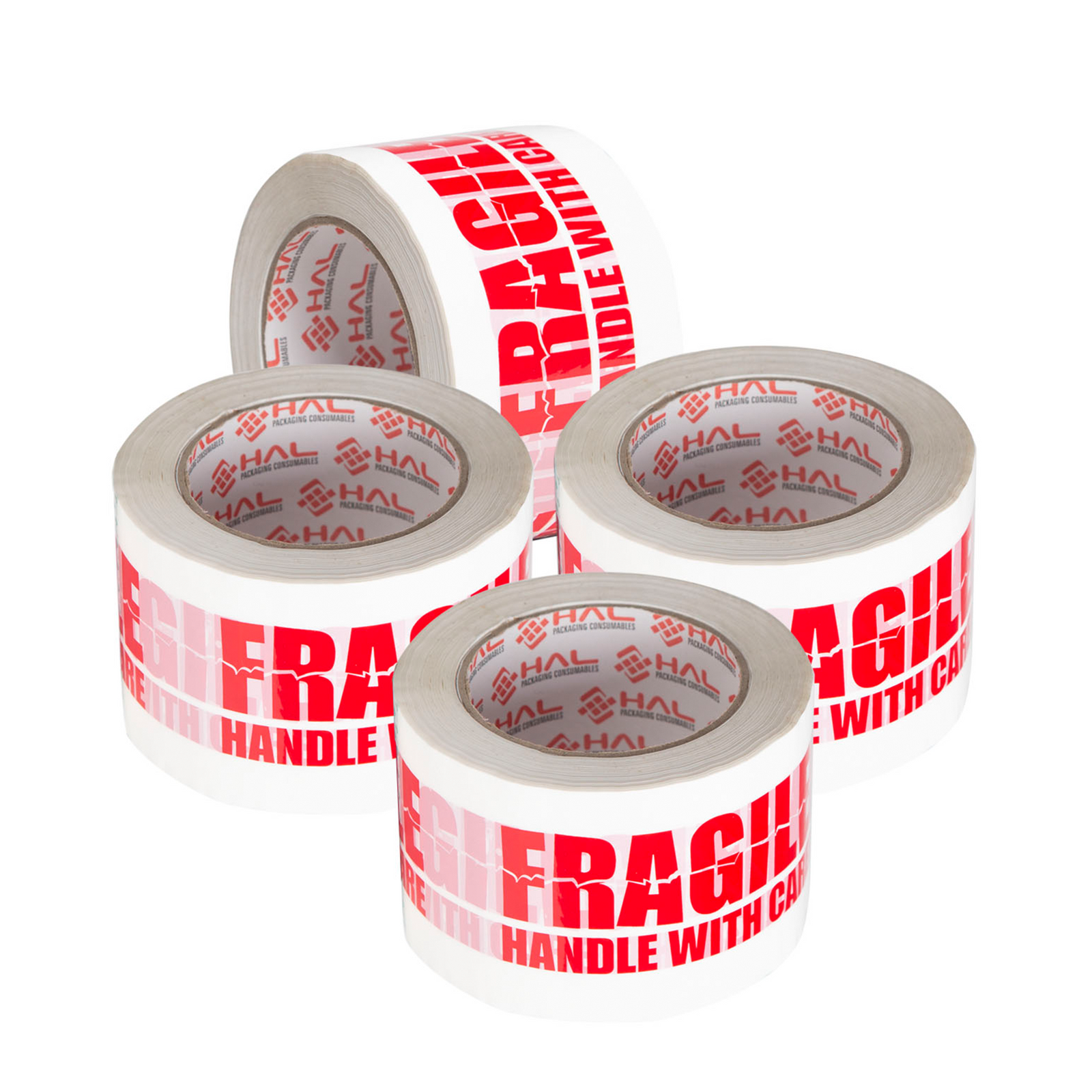
A stock image related to Fragile tape for boxes.
Comprehensive Cost and Pricing Analysis for Fragile tape for boxes Sourcing
Fragile tape represents a unique procurement category where packaging efficiency meets risk management, creating distinct cost structures that differ from standard sealing solutions. For international buyers evaluating suppliers across Asia, North America, or regional hubs, understanding unit economics requires analyzing the functional value of combined sealing and hazard communication rather than simple per-roll pricing.
What Material Specifications Drive Price Variations in Fragile Tape?
The substrate and adhesive formulation significantly impact both durability and cost. Standard polypropylene (BOPP) tapes with acrylic adhesives typically range from $0.015–$0.04 per linear meter for bulk orders, while heavy-duty variants with hot melt adhesives command 20–30% premiums. Width variations—commonly 48mm (2-inch) versus 72mm (3-inch)—affect pricing linearly, with wider rolls offering better per-meter value but requiring compatible dispensers. For buyers in humid climates like Brazil or Saudi Arabia, UV-resistant acrylic formulations prevent adhesive degradation during transit, adding marginal costs that ultimately prevent seal failure and product damage.
How Do Volume Tiers and MOQs Impact Unit Economics?
International sourcing reveals dramatic price breaks at specific quantity thresholds. Standard pre-printed fragile tapes in 110-yard lengths retail at $4.99–$6.00 per roll in consumer markets, whereas industrial quantities (1,000-yard rolls) drop to $0.03–$0.05 per yard when purchasing 50+ cases. However, direct container-level procurement (20ft FCL) from Asian manufacturers can reduce costs by 40–60% compared to regional distributors, though this requires navigating minimum order quantities of 5,000–10,000 rolls. For African and South American importers, consolidating orders to achieve FCL status often proves more economical than LCL shipments given the high volume-to-weight ratio of tape products.
Are Custom Printed Options Cost-Effective for Brand Protection?
Beyond standard “FRAGILE” warnings, custom-printed tapes incorporating company logos or handling instructions involve plate charges ($200–$500) and higher per-roll costs ($0.08–$0.12 per meter). For high-volume exporters shipping delicate electronics or glassware, branded fragile tape eliminates separate labeling labor, potentially reducing per-box handling time by 15–20 seconds. Break-even analysis typically favors customization at volumes exceeding 50,000 boxes annually, particularly for Middle Eastern markets where brand differentiation commands premium positioning and regulatory compliance benefits.
What Logistics Considerations Affect Total Landed Costs?
Tape’s bulky nature creates shipping inefficiencies that inflate landed costs. A standard carton containing 36 rolls of 3-inch tape occupies significant cubic volume while weighing relatively little, triggering dimensional weight charges in air freight scenarios. Sea freight remains optimal for international procurement, though buyers must factor in 5–15% import duties common in Saudi Arabia and Brazil, plus potential anti-dumping tariffs on Chinese-origin adhesive products. Regional sourcing from Turkey, UAE, or Mexico can mitigate tariff exposure while maintaining competitive pricing for European and American buyers.
How Can Buyers Calculate True Total Cost of Ownership?
Evaluating fragile tape requires analyzing application speed and waste reduction. Integrated seal-and-label designs reduce labor costs by eliminating separate sticker application, with operational studies indicating savings of $0.12–$0.18 per box in high-volume fulfillment centers. Additionally, compatibility with automated tape dispensers prevents line stoppages—critical for operations where downtime costs exceed material savings. When comparing suppliers, request yield calculations based on your specific box throughput rather than simple roll-to-roll price comparisons to identify genuine procurement value.
Alternatives Analysis: Comparing Fragile tape for boxes With Other Solutions
While fragile tape offers an integrated approach to securing and identifying delicate shipments, procurement teams navigating complex cross-border logistics—from the humid ports of West Africa to the arid climates of the Middle East—must evaluate whether standalone alternatives better align with their operational scale, budget constraints, and inventory flexibility. Conventional methods may offer distinct advantages regarding cost structure and branding capabilities that merit consideration for international B2B operations managing diverse regulatory environments.
| 비교 측면 | Fragile Tape For Boxes | Separate Fragile Labels + Standard Tape | Custom Pre-Printed Corrugated Boxes |
|---|---|---|---|
| Initial Setup Cost | 낮음 | 낮음 | High (MOQ typically 1,000+) |
| Per-Unit Cost (at scale) | $0.08–$0.15 | $0.05–$0.10 | $0.50–$2.00 (includes box cost) |
| Application Time | 3–5 seconds/box | 8–12 seconds/box | 0 seconds (pre-applied) |
| 기후 저항 | High (waterproof adhesive) | Moderate (labels may peel in humidity) | High (ink bonded to fiber) |
| Inventory Flexibility | High (universal application) | High (universal application) | Low (SKU-specific requirements) |
| Branding Potential | Limited (standard designs) | Limited | Extensive (custom graphics) |
| Best For | SMEs with mixed product lines | Low-volume shippers, testing markets | High-volume, consistent SKUs |
Are Separate Fragile Labels and Standard Tape More Cost-Effective for Emerging Markets?
This conventional two-step method—sealing boxes with standard polypropylene tape before applying adhesive “FRAGILE” labels—remains prevalent among SMEs in South America and Africa due to lower upfront material costs and ubiquitous supplier availability. However, the bifurcated process increases labor time by 40–60% per unit and introduces variability in label placement that can obscure visibility during customs inspections. Additionally, procurement teams must manage dual inventory streams, complicating reorder points and increasing disruption risks if either component faces supply chain delays. While suitable for low-volume exporters testing new markets, the risk of label detachment during high-humidity transit (common in West African or Southeast Asian corridors) often results in higher damage claim rates compared to integrated tape solutions.
Should High-Volume Exporters Invest in Custom Pre-Printed Boxes Instead of Tape?
For established manufacturers shipping consistent product lines—such as glassware suppliers in Riyadh or electronics distributors in São Paulo—custom pre-printed corrugated boxes eliminate labeling bottlenecks entirely by embedding fragile warnings directly into the box substrate. This approach delivers superior brand cohesion and permanent identification that withstands moisture, abrasion, and temperature fluctuations better than any adhesive-based method. However, the requirement for large minimum order quantities and the logistical complexity of managing multiple box inventories make this capital-intensive option viable only for enterprises with predictable shipping patterns. Furthermore, this method restricts operational agility; sudden shifts in product dimensions or regulatory labeling requirements (such as bilingual fragile warnings required in certain European and Middle Eastern jurisdictions) necessitate complete box redesigns rather than simple tape swaps, potentially straining cash flow for growing businesses.
Essential Technical Properties and Trade Terminology for Fragile tape for boxes
When procuring fragile tape for international logistics operations, technical diligence separates commodity-grade products from industrial solutions capable of withstanding the rigors of multi-modal transport across diverse climates. Buyers sourcing for markets in Saudi Arabia, Brazil, or Nigeria must prioritize specifications that address high-temperature adhesion and humidity resistance while ensuring clear hazard communication.
What Are the Critical Technical Specifications for Fragile Packing Tape?
Caliper (Thickness): Measured in mils (thousandths of an inch) or microns, thickness determines puncture resistance and durability. Standard carton sealing tape ranges from 2.0 to 2.5 mil (50–63 microns), while heavy-duty export applications require 3.0 mil or greater to prevent splitting during automated palletizing and rough handling.
인장 강도: Expressed in pounds per inch (lbs/in) or Newtons per centimeter (N/cm), this indicates the force required to break the tape. For B2B shipping, select tapes offering a minimum of 20 lbs/in to maintain seal integrity under stacking pressure in containerized freight and high-volume distribution centers.
Adhesion to Steel and Corrugated: Measured in ounces per inch (oz/in), this property reveals initial tack and long-term holding power. In dusty Middle Eastern warehouses or humid South American ports, specify a minimum of 25 oz/in adhesion to prevent flagging (edge lifting) and ensure the “FRAGILE” warning remains visible throughout the supply chain.
Elongation at Break: The percentage of stretch before rupture, typically 150–180% for polypropylene backings. Higher elongation absorbs shock during rough handling, protecting glassware and electronics in transit from African manufacturing hubs to European retail destinations.
Print Repeat Length: The distance between “FRAGILE” or “HANDLE WITH CARE” warnings printed on the tape. Industrial standards range from 12 to 24 inches (30–60 cm). Shorter repeats increase visibility but reduce linear meters per roll, directly affecting cost-per-seal calculations for high-volume operations.
What Industry Terms Should B2B Buyers Know When Sourcing Fragile Tape?
Hot Melt vs. Acrylic Adhesive: Hot melt synthetic rubber adhesives provide aggressive initial tack ideal for quick-seal operations in temperature-controlled environments. Acrylic adhesives offer superior UV and temperature stability, making them essential for Saudi Arabian desert storage or Brazilian tropical exposure where heat can degrade standard adhesives.
BOPP Substrate: Biaxially Oriented Polypropylene, the industry-standard backing material providing high tensile strength and print clarity. Unlike PVC alternatives, BOPP withstands temperature fluctuations from -20°C to 60°C without leaving residue during containerized ocean freight.
Release Coating: A silicone-based treatment applied to the tape’s non-adhesive side, preventing unwanted adhesion to itself (blocking) when unwinding. This coating is essential for high-speed automated dispensers used in European fulfillment centers to prevent production line jams.
전단 저항: The tape’s ability to resist sliding under constant load, measured in hours holding a standard weight. High shear values (24+ hours) prevent package failure when boxes are stacked for extended periods in humid climates common in West African or Southeast Asian logistics hubs.
3-Inch vs. 1-Inch Core: Refers to the cardboard tube’s internal diameter. Three-inch cores fit industrial-grade tape dispensers and automated sealing machines common in warehouse settings, while one-inch cores suit retail or office environments. Specifying the correct core size prevents equipment incompatibility and costly downtime.
MIL Specification: The standard unit for tape thickness where 1 mil equals 0.0254 millimeters. Understanding this metric ensures procurement of true 2.0 mil industrial-grade tape rather than economy 1.6 mil products that fail under the stress of international shipping and repeated handling.
Navigating Market Dynamics and Sourcing Trends in the Fragile tape for boxes Sector
The fragile tape for boxes market is undergoing a significant transformation as global supply chains prioritize efficiency, risk mitigation, and environmental accountability. For procurement teams across Africa, South America, the Middle East, and Europe, understanding these shifts is critical to optimizing packaging operations while navigating complex import regulations and fluctuating raw material costs. Recent innovations have moved beyond simple adhesive strips toward integrated sealing and labeling solutions that reduce handling errors in high-volume logistics environments, particularly crucial for cross-border trade routes experiencing rapid e-commerce growth.
What Are the Emerging Procurement Trends for Fragile Tape in Emerging Markets?
The B2B landscape for fragile tape is increasingly characterized by demand for dual-function products that combine secure carton sealing with high-visibility hazard communication. Rather than applying separate adhesive strips and paper labels, logistics operators now prefer tape rolls pre-printed with “FRAGILE” warnings that simultaneously seal boxes and communicate handling instructions. This consolidation reduces application time by approximately 40% in warehouse settings, a crucial efficiency gain for rapidly growing e-commerce markets in Brazil, Nigeria, and Saudi Arabia where labor costs and throughput speeds are critical competitive factors.
Volume procurement patterns are decisively shifting toward jumbo rolls and bulk configurations to minimize per-unit costs and packaging waste. Standard consumer-grade rolls of 30 yards are giving way to industrial 1,000-yard options for high-throughput distribution centers, with some suppliers offering custom slit widths of 2-inch or 3-inch to accommodate automated case sealers. Additionally, color-coded systems—particularly red-and-white or yellow-and-black hazard patterns—are becoming standardized across international shipping lanes to overcome language barriers in diverse trade corridors connecting European manufacturing hubs with African and South American consumer markets.
The integration of digital tracking capabilities represents another frontier, with some suppliers experimenting with QR codes printed directly onto fragile tape strips. These codes enable end-to-end traceability for high-value shipments moving through complex multi-modal routes common in African logistics networks, allowing receivers to verify handling protocols and chain of custody via smartphone scanning.
Currency fluctuation management has become essential for buyers in volatile markets such as Argentina, Nigeria, and Turkey. Forward-thinking procurement teams are negotiating quarterly pricing agreements indexed to resin commodity markets, while exploring local conversion facilities that import master rolls of printed fragile tape and slit them to specification domestically, reducing exposure to international shipping cost spikes and import duty escalations.
How Can B2B Buyers Source Eco-Friendly Fragile Tape Without Compromising Durability?
Sustainability mandates from European Union regulations and corporate ESG policies are reshaping sourcing criteria for fragile tape across global supply chains. Water-activated reinforced paper tapes printed with soy-based or water-based inks represent the fastest-growing segment, offering curbside recyclability that plastic polypropylene alternatives cannot match. These solutions provide tamper-evident sealing while meeting circular economy standards increasingly required by retailers in Germany, France, and the Netherlands, as well as by multinational corporations operating in African markets with growing environmental consciousness.
However, durability concerns persist in humid climates prevalent across Brazil, Southeast Asia, and West African nations. Advanced water-activated tapes with fiberglass reinforcement or cross-woven synthetic fibers now offer tensile strengths exceeding 100 lbs per inch, comparable to synthetic options, while resisting delamination during monsoon season shipping or high-humidity port storage. Buyers should verify ASTM D5748 or ISO 16012 compliance when evaluating eco-friendly alternatives to ensure performance parity with conventional pressure-sensitive films, particularly for heavy-duty applications involving double-walled corrugated containers.
Ethical sourcing extends beyond material composition to encompass manufacturing transparency and carbon footprint management. Leading suppliers now provide chain-of-custody documentation for paper pulp sourced from FSC-certified forests, alongside carbon footprint audits for the long-haul shipping of bulky tape rolls. For Middle Eastern buyers, partnering with manufacturers utilizing solar-powered production facilities aligns with Saudi Vision 2030 and UAE Net Zero 2050 sustainability targets while reducing scope 3 emissions.
Social compliance audits are increasingly requested by European buyers subject to the German Supply Chain Act (LkSG) and similar due diligence regulations. Tape manufacturers must demonstrate fair labor practices and safe working conditions in adhesive coating facilities, particularly in regions where solvent-based adhesives pose occupational health risks. Buyers should verify SA8000 or Sedex membership certifications when selecting partners to ensure alignment with international labor standards and avoid customs delays related to ethical trade documentation.
By aligning procurement strategies with these market dynamics—emphasizing bulk efficiency, visual standardization, and verifiable sustainability—B2B buyers can secure fragile tape solutions that enhance supply chain reliability while meeting evolving regulatory requirements across diverse international markets.
Frequently Asked Questions (FAQs) for B2B Buyers of Fragile tape for boxes
What is the best fragile tape for heavy-duty shipping boxes?
For heavy-duty international shipping, specify hot-melt polypropylene or PVC tape with tensile strength exceeding 60 pounds per inch and high-tack natural rubber adhesive. These specifications withstand rough handling through African ports and Middle Eastern logistics hubs where boxes endure multiple transshipment points. Select UV-resistant inks to prevent “FRAGILE” messaging from fading during extended outdoor storage in high-sunlight regions like Saudi Arabia or Brazil.
How do you properly apply fragile tape to cardboard boxes?
Apply tape along the box seam using a handheld dispenser to ensure 2-3 inches of overhang on each side, creating an “H-pattern” seal across both top and bottom seams for maximum structural integrity. Position the tape so “FRAGILE” text faces upward and remains legible from 6 feet away, ensuring visibility in crowded warehouse environments. Clean corrugated surfaces of dust and oil before application, as contaminated cardboard causes adhesive failure during temperature fluctuations common in desert or tropical shipping routes.
Where can businesses buy fragile tape in bulk quantities?
Source directly from manufacturers offering FOB (Free On Board) pricing for 20-foot container loads, typically containing 2,000-5,000 rolls depending on width and length specifications. Established industrial suppliers in China, Turkey, and Germany provide MOQs (Minimum Order Quantities) starting at 500 rolls with custom slit widths compatible with automated packaging machinery. For African and South American markets, regional distributors in Dubai or São Paulo reduce freight costs and simplify import documentation processes.
Can you get custom printed fragile tape with company branding?
Yes, industrial tape converters offer flexographic or digital printing for orders exceeding 1,000 rolls, allowing integration of corporate
중요 고지 사항 및 이용 약관
⚠️ 중요 고지 사항
제조업체, 기술 사양 및 시장 분석에 관한 내용을 포함하여 이 가이드에서 제공하는 정보는 정보 제공 및 교육 목적으로만 사용됩니다. 전문적인 조달 자문, 재무 자문 또는 법률 자문으로 간주되지 않습니다.
B2B 구매자는 독립적이고 철저한 실사를 수행해야 합니다. 구매 결정을 내리기 전에 반드시 확인하시기 바랍니다. 이 가이드의 정보에 의존하는 데 따른 위험은 전적으로 독자가 부담합니다.
Top 2 Fragile Tape For Boxes Manufacturers & Suppliers List
1. Phoenix – Custom Printed Packaging Tape

도메인: phoenix-tape.com
등록: 1996년(30년)
소개: Custom printed tape (polypropylene and PVC options) for fragile items allows messaging like ‘fragile’ or ‘handle with care’. Paper tape recommended for softer goods such as clothing or loose items that don’t stack easily. Water-activated paper tape suitable when boxes cannot withstand much pressure during sealing. Product specifications shown: Paper Tape, Reinforced 240 Grade thickness, 3 inch wid…
2. Supply Leader – B2B Sourcing Platform
도메인: supplyleader.com
등록: 2010년(16년)
소개: This company, Supply Leader – B2B Sourcing Platform, is a notable entity in the market.
Strategic Sourcing Conclusion and Outlook for Fragile tape for boxes
How Can B2B Buyers Future-Proof Their Fragile Tape Procurement Strategy?
As global supply chains face increasing volatility, sourcing fragile tape requires shifting from transactional purchasing to strategic partnership. Buyers across Africa, the Middle East, and South America must prioritize suppliers offering consistent quality certifications and climate-resistant adhesives suited to diverse storage conditions. The integration of high-visibility labeling with secure sealing technology not only reduces damage rates but also streamlines warehouse operations, directly impacting bottom-line profitability in competitive export markets.
What Role Does Regional Supply Chain Optimization Play in Tape Sourcing?
For emerging markets like Brazil and Saudi Arabia, regional manufacturing partnerships minimize currency fluctuation risks and reduce lead times significantly. Consider consolidating orders to secure bulk pricing on industrial-grade rolls—addressing the common operational pain point of insufficient yardage per unit while ensuring bright, unmistakable visual cues for handling teams. Establishing dual-source agreements with vetted suppliers prevents costly disruption during peak shipping seasons when demand surges.
Building Resilience Through Smart Packaging Investments
Ultimately, fragile tape represents more than a consumable; it is a critical risk-mitigation tool within your logistics ecosystem. By selecting solutions that combine superior adhesive durability with clear visual communication, procurement teams protect high-value cargo while optimizing labor efficiency. The future belongs to buyers who view specialized packaging materials as integral infrastructure components rather than afterthought supplies, ensuring seamless cross-border commerce regardless of regional challenges.