Introduction: Navigating the Global Market for Masking tape
When sourcing high-performance masking tape for demanding industrial applications, procurement professionals across Africa, South America, the Middle East, and Europe frequently encounter a critical pain point: navigating the complex intersection of technical specifications, supplier reliability, and cost optimization in a fragmented global marketplace. The difference between a successful production run and costly rework often hinges on selecting the right adhesive formulation—whether natural rubber for high-tack requirements or acrylic for UV stability—and backing material suited to your specific climate conditions and application requirements.
What challenges do global buyers face when procuring masking tape?
This comprehensive guide addresses the complete procurement lifecycle for B2B buyers, from understanding crepe paper saturation levels and temperature resistance ratings to evaluating supplier manufacturing certifications. We examine how general-purpose, high-temperature, and anti-UV variants perform across diverse industrial environments—from automotive painting facilities in São Paulo to electronics assembly operations in Ho Chi Minh City—ensuring you select products that withstand local humidity, temperature extremes, and surface compatibility demands.
How can buyers optimize their masking tape procurement strategy?
Beyond technical specifications, this resource provides actionable frameworks for supplier vetting, quality assurance protocols, and logistics optimization tailored to emerging markets. Whether you are securing bulk quantities for construction projects in the Middle East or establishing long-term manufacturing partnerships for European automotive suppliers, this guide equips you with the technical knowledge and strategic insights necessary to mitigate supply chain risks, ensure specification compliance, and achieve sustainable cost efficiencies in your international masking tape procurement operations.
Understanding Masking tape Types and Variations
| 유형 이름 | 주요 차별화 기능 | 주요 B2B 애플리케이션 | 구매자를 위한 간략한 장단점 |
|---|---|---|---|
| General-Purpose Crepe Tape | Saturated crepe paper backing; natural rubber adhesive; hand-tearable; 60-80°C tolerance | Interior painting, temporary bundling, surface protection during shipping, labeling | Pros: Economical, versatile, quick application Cons: Limited heat/UV resistance, potential residue if left >72 hours |
| High-Temperature Automotive Tape | Silicone/synthetic rubber adhesive; thermal-stable backing; 150°C+ resistance; clean removal after baking | Automotive painting (bake cycles), powder coating, electronics manufacturing | Pros: Withstands industrial oven cycles, no adhesive transfer Cons: Premium pricing, unnecessary for ambient applications |
| UV-Resistant Exterior Tape | Acrylic adhesive (UV-stable); 14-21 day outdoor rating; resists hardening in sunlight | Exterior construction, facade painting, outdoor signage, tropical climates | Pros: No ghosting or baking onto surfaces, withstands intense sun Cons: Higher cost, lower initial tack than rubber alternatives |
| 정밀 페인터 테이프 | Smooth-crease/washi-style flat paper; low-medium tack; sharp edge technology; thin profile | Decorative painting, luxury finishes, intricate trim work, hospitality projects | Pros: Razor-sharp lines, delicate surface safe, no bleed-through Cons: Premium pricing, unsuitable for rough or high-heat applications |
| Color-Coded Identification Tape | Pigmented saturated paper; multi-color options; standard adhesive properties | Inventory management, construction phase marking, assembly line coding, safety zones | Pros: Visual organization, instant identification, cost-effective Cons: Pigment may bleed in wet conditions, limited to general-purpose temperature range |
What Are the Core Characteristics of General-Purpose Masking Tape?
This entry-level variant features saturated crepe paper with natural rubber adhesive, delivering moderate tack and conformability for irregular surfaces. It suits cost-sensitive projects like interior renovations, temporary fixture bundling, and basic surface protection during shipping. B2B buyers should evaluate the paper’s tensile strength and adhesive aging properties, as lower-grade alternatives may leave residue on surfaces after 72 hours or fail in humid climates common in Southeast Asian and South American markets. Ideal for short-duration applications under 80°C.
How Does High-Temperature Masking Tape Support Industrial Manufacturing?
Engineered with silicone or specialized synthetic rubber adhesives bonded to thermally stable crepe paper, this grade withstands sustained temperatures exceeding 150°C without adhesive transfer or backing failure. Critical for automotive OEMs, powder coating operations, and electronics manufacturing where bake cycles are standard. Procurement teams must verify temperature ratings against specific oven profiles and ensure compatibility with metal substrates prone to oxidation. The higher cost is justified by eliminating rework from tape failure during curing processes.
Why Should B2B Buyers Invest in UV-Resistant Masking Tape for Outdoor Projects?
Utilizing acrylic adhesive systems rather than rubber, this variation resists ultraviolet degradation for 14-21 days of outdoor exposure without hardening or leaving ghost lines. Essential for construction projects in high-UV environments like the Middle East, North Africa, and Brazil where standard tapes bake onto facades. Buyers should assess the balance between UV stability and initial tack, as acrylic formulations may require firmer application pressure. Verify clean-removal guarantees at extended durations to avoid costly surface damage on exterior cladding.
When Is Precision Painter’s Tape the Right Choice for Professional Finishes?
Featuring smooth-crease or flat paper backings with calibrated adhesive levels, this specialty tape creates razor-sharp paint lines for decorative and luxury finishes. Washi-style variants offer exceptional conformability for complex curves without paint bleed. Best suited for hospitality projects, automotive detailing, and high-end residential developments. Purchasing considerations include edge-sealing technology, compatibility with low-VOC paints prevalent in European markets, and residue-free removal from delicate surfaces like fresh plaster or veneers. Premium pricing reflects specialized manufacturing tolerances.
How Can Color-Coded Masking Tape Streamline Warehouse and Construction Operations?
Available in high-visibility pigments like red, blue, green, and yellow, this variant maintains standard crepe paper mechanical properties while enabling visual coding systems. Widely adopted in automotive assembly lines, logistics warehouses, and multi-phase construction sites across emerging markets for quick identification of work zones or inventory categories. B2B purchasers should confirm colorfastness under
Key Industrial Applications of Masking tape
| 산업/섹터 | Specific Application of Masking tape | 비즈니스를 위한 가치/혜택 | 이 애플리케이션의 주요 소싱 고려 사항 |
|---|---|---|---|
| Automotive Manufacturing & Refinishing | Precision masking of trim, glass, and panels during spray painting and bake cycles | Eliminates overspray rework costs; withstands high-temperature curing up to 120°C+ | Verify temperature ratings for infrared drying booths; ensure clean removal from clear coats in humid climates |
| 전자 및 반도체 조립 | Protecting PCB gold fingers and connectors during wave soldering and conformal coating | Prevents short circuits; enables selective coating without residue contamination on precision components | Specify anti-static formulations; confirm resistance to 150°C+ soldering temps and solvent cleaning |
| Construction & Infrastructure Maintenance | Masking window frames, trim, and floors during commercial exterior painting projects | Reduces surface damage liability; enables sharp lines on multi-color schemes; cuts cleanup labor | Require 14-day UV resistance for tropical exposure; verify adhesion to concrete, masonry, and aluminum |
| Aerospace & Heavy Industrial Coating | Masking airframe components during powder coating, anodizing, and chemical milling | Withstands extreme 200°C+ curing; prevents chemical ingress; ensures precision coating lines | Source silicone-based adhesives; confirm conformance to aerospace material standards; check conformability to complex curves |
| General Industrial Manufacturing & Export | Sealing pipe threads, protecting machined surfaces, and bundling parts during overseas shipping | Prevents salt-air corrosion and transit damage; eliminates costly rework upon arrival | Prioritize high tensile strength; verify moisture resistance and clean removal from oiled metal surfaces |
How does high-temperature masking tape optimize automotive painting workflows in humid climates?
In automotive assembly and collision repair facilities, masking tape creates precise boundaries between body panels, trim, and glass during base coat and clear coat applications. The tape must withstand infrared drying booths and bake cycles exceeding 120°C without adhesive transfer or edge lifting. For buyers in Brazil and Vietnam’s growing automotive sectors, sourcing tapes with proven performance in high-humidity environments prevents edge bleed and ensures clean removal from delicate clear coat finishes, reducing costly rework and maintaining production line efficiency.
What specifications should electronics manufacturers prioritize when sourcing masking tape for PCB assembly?
Electronics manufacturers utilize crepe paper masking tape to protect gold fingers and connector areas during wave soldering and conformal coating processes. The tape must resist molten solder splatter and solvent-based cleaning agents while leaving zero adhesive residue on sensitive circuit boards. International buyers in emerging tech hubs across Eastern Europe and Southeast Asia should verify anti-static formulations and temperature ratings above 150°C to prevent ESD damage and ensure compatibility with lead-free soldering processes.
Why is UV-resistant masking tape critical for large-scale construction projects in tropical regions?
Commercial painting contractors rely on masking tape to protect aluminum window frames, concrete curbs, and glass facades during multi-week exterior painting projects. In regions like the Middle East and South America, tapes must resist intense UV exposure without adhesive baking onto surfaces or backing deterioration. Buyers should specify tapes with 14-day clean removal guarantees and strong adhesion to masonry and metal substrates to prevent paint bleeding and protect expensive architectural finishes from damage.
How do aerospace coating facilities ensure precision masking during extreme-temperature curing processes?
Aerospace manufacturers employ specialized high-temperature masking tape during powder coating, anodizing, and chemical milling of aluminum airframe components. These applications require tapes that maintain structural integrity at 200°C+ while providing sharp paint lines on complex curved surfaces. For European and Middle Eastern aerospace suppliers, sourcing considerations include silicone-based adhesives that resist chemical ingress and backing materials that conform to tight radii without wrinkling, ensuring compliance with stringent aerospace material specifications and reducing masking labor time.
How can industrial manufacturers prevent corrosion during overseas shipping using masking tape?
Metal fabricators and machinery exporters utilize heavy-duty masking tape to seal pipe openings, protect machined surfaces, and bundle components during ocean freight to African and South American ports. The tape must resist salt air corrosion and maintain adhesion through temperature fluctuations while peeling cleanly from oiled metal surfaces. Buyers should prioritize tapes with high tensile strength and moisture-resistant backings to prevent rust contamination and ensure
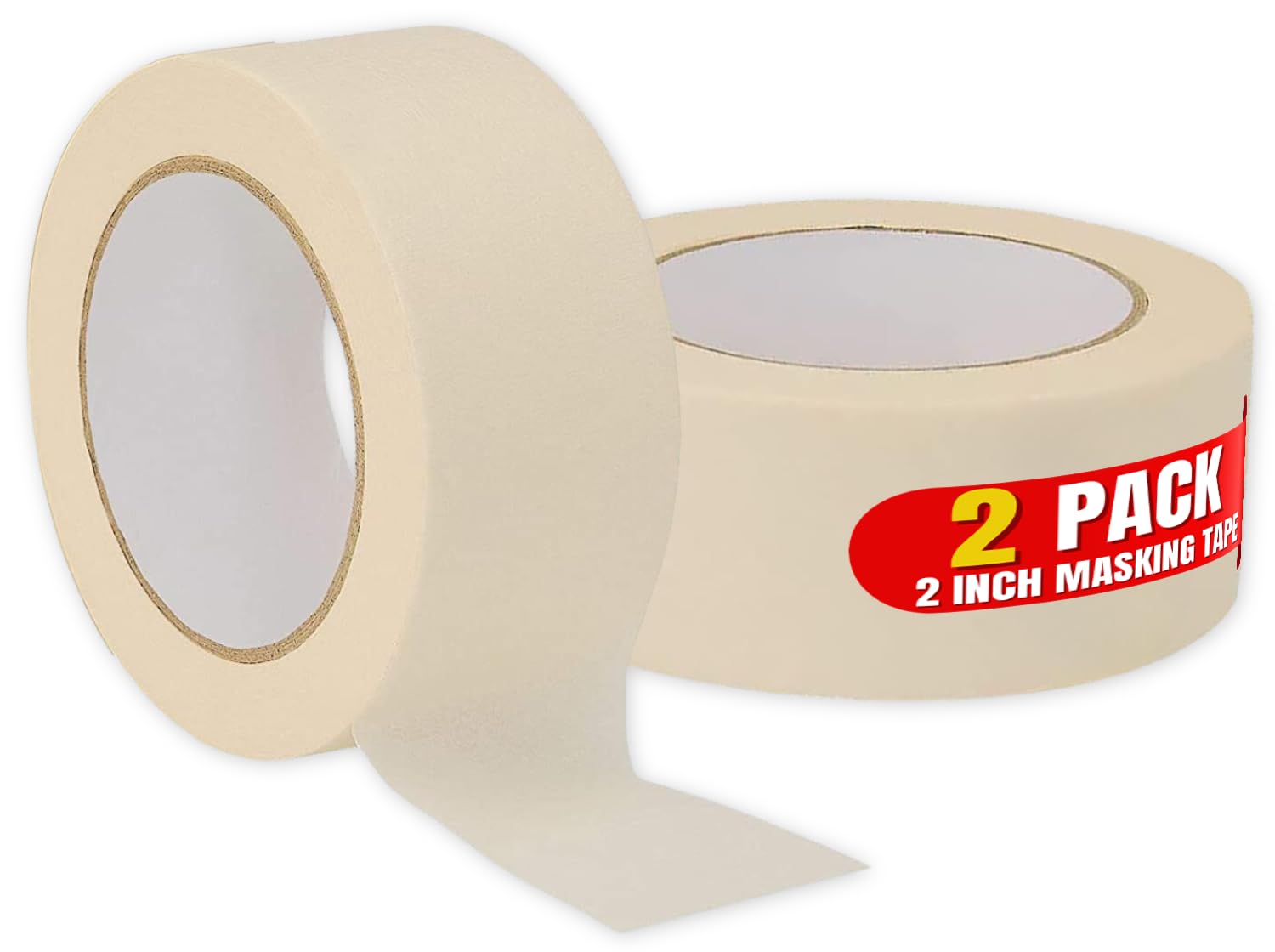
A stock image related to Masking tape.
3 Common User Pain Points for ‘Masking tape’ & Their Solutions
Scenario 1: Why Does Masking Tape Leave Residue on Automotive Paint Finishes?
문제:
B2B buyers in automotive manufacturing and refinishing frequently encounter costly production delays when general-purpose masking tape bonds too aggressively to fresh clear coats or sensitive OEM paint systems. Standard tapes utilizing natural rubber adhesives can oxidize and create gummy, difficult-to-remove residue when left on vehicle panels during multi-stage painting processes or in high-humidity environments common in regions like Southeast Asia and South America. This adhesive transfer not only requires time-consuming cleanup with harsh solvents but risks damaging high-value finishes through excessive abrasion. Additionally, inconsistent release coatings from international suppliers may cause tape layers to adhere to themselves during unwinding, leading to application failures and material waste on the production line.
솔루션:
Specify automotive-grade masking tape formulated with acrylic adhesives rather than natural rubber compounds, as acrylic provides superior aging resistance and guaranteed clean removal for up to 72 hours after application. For delicate clear-coat work, select low-tack variants specifically tested for OEM automotive compatibility. Implement standard operating procedures that mandate removing tape at a 45-degree angle immediately after the final paint coat sets—while still tacky—to prevent adhesive transfer. When sourcing from international manufacturers, request batch consistency certifications for the release coating layer to ensure reliable unwinding characteristics across varying climate conditions, and verify that the crepe paper backing has been properly saturated to resist moisture absorption during storage and application.
Scenario 2: What Temperature Can High-Heat Masking Tape Withstand in Powder Coating Applications?
문제:
Industrial coating facilities often experience catastrophic tape failure during curing cycles when general-purpose masking tape—rated only for 70–80°C—is exposed to powder coating ovens exceeding 150°C. The crepe paper backing chars and disintegrates, while rubber-based adhesives melt and carbonize onto metal substrates, creating contamination that requires secondary sanding or chemical stripping to remove. This temperature mismatch not only wastes material and labor but causes production bottlenecks as operators must re-mask rejected components. B2B buyers sourcing from global supply chains frequently encounter vague “high-temp” labeling without specific Celsius ratings, leading to procurement of inadequate products that fail under actual operating conditions.
솔루션:
For powder coating and industrial baking applications, procure masking tape explicitly rated for your specific curing temperature—typically requiring silicone adhesive formulations capable of withstanding 150°C to 180°C for standard powder coats, or polyimide film-based tapes for extreme environments exceeding 200°C. Request detailed technical data sheets from suppliers specifying heat resistance duration (usually 30–60 minutes at peak temperature) and residue-free removal guarantees after thermal exposure. Establish incoming quality control protocols that test sample rolls in your actual oven conditions before bulk procurement, verifying that both the backing paper and adhesive system maintain structural integrity without outgassing or adhesive bleed-through onto finished metal surfaces.
Scenario 3: How Do You Prevent Paint Bleeding When Using Masking Tape for Industrial Painting?
문제:
Facility managers and procurement teams often mistakenly deploy general-purpose masking tape for precision painting applications, resulting in paint seepage under tape edges that requires expensive rework. General-purpose varieties feature coarse-crease paper backings designed primarily for bundling and surface protection, lacking the engineered edge-sealing properties necessary for sharp paint lines in automotive or machinery refinishing. When applied to curved surfaces or left in place during multi-coat applications, these tapes allow solvent-based paints to wick underneath, creating “fuzzy” lines that fail quality inspections. This specification error proves particularly costly for large-scale industrial contracts where edge definition directly impacts client acceptance criteria and project profitability.
솔루션:
Differentiate between general-purpose masking and decorator-grade painter’s tape by specifying smooth-crease crepe paper backings that provide superior conformability around complex geometries and sharp edge definition. For critical industrial applications, select UV-resistant painter’s tape with acrylic adhesives that resist edge lifting during extended curing periods or outdoor exposure. Train application teams to activate the adhesive fully using firm pressure during application, and establish protocols for tape removal while paint remains slightly tacky—never after full curing—to achieve clean, sharp lines. For high-precision requirements, consider washi paper tapes or specialized fine-line masking products that offer exceptional conformability on irregular substrates, significantly reducing material waste and labor costs associated with touch-up work.
Strategic Material Selection Guide for Masking tape
Strategic material selection directly impacts production efficiency and surface integrity in industrial finishing operations. For B2B buyers sourcing masking solutions across diverse climates—from humid Southeast Asian manufacturing hubs to UV-intensive Middle Eastern construction sites—understanding substrate composition is critical. Masking tape performance hinges on the interaction between backing materials and adhesive chemistry. This analysis examines four primary material configurations, enabling procurement teams to align technical specifications with operational demands while balancing cost-performance ratios.
What Is Saturated Crepe Paper and When Should You Specify It for General Industrial Use?
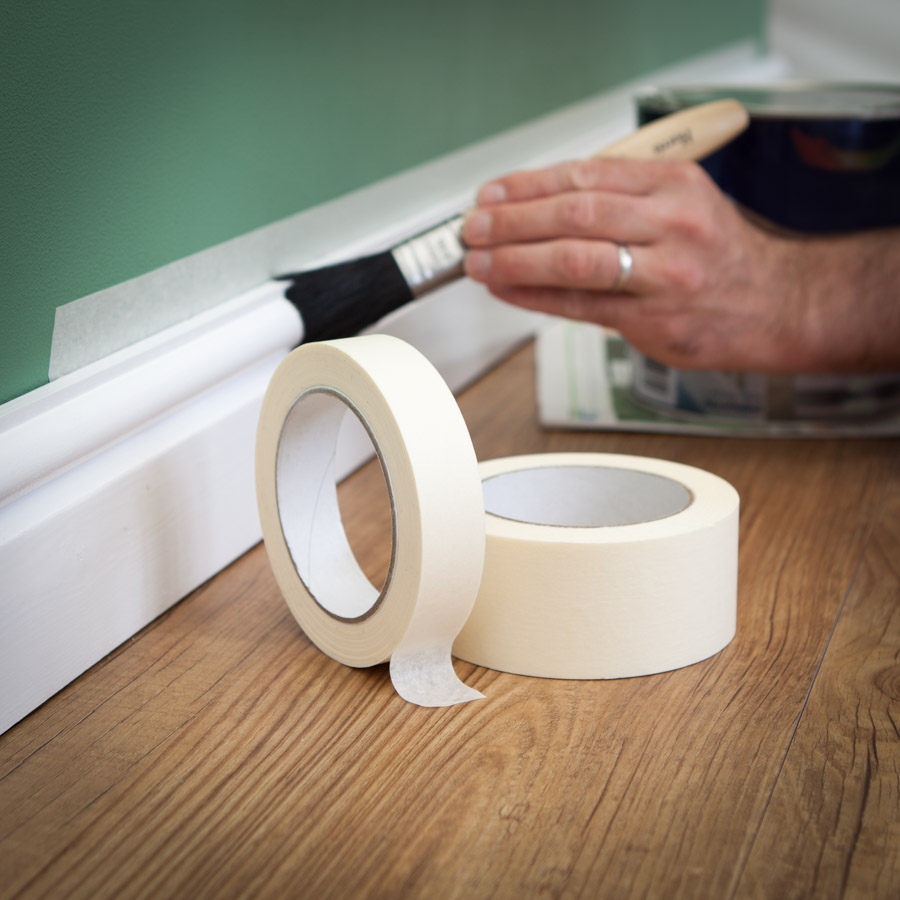
Saturated crepe paper represents the foundational material for standard-duty masking applications, utilizing latex or resin-impregnated wood pulp to create a moisture-resistant, crinkled backing. This construction delivers exceptional conformability around curved automotive panels, window frames, and irregular architectural features while maintaining sufficient tensile strength for clean removal. The characteristic texture allows hand-tearing without tools, accelerating application speed on construction sites. When paired with natural rubber adhesives, this material provides aggressive initial tack suitable for indoor painting, light-duty bundling, and temporary fixture masking on wood, glass, and painted drywall. However, thermal limitations typically restrict usage to environments below 80°C, making it unsuitable for powder coating or bake cycles. Its economical production costs make it ideal for high-volume procurement in residential construction and maintenance sectors where short-term masking dominates operational requirements.
How Does High-Temperature Resistant Paper Backing Perform in Automotive and Electronics Manufacturing?
High-temperature resistant crepe paper utilizes denser fiber matrices and thermal stabilizers to withstand sustained exposure exceeding 150°C during automotive refinishing and electronics manufacturing processes. Unlike standard crepe paper, this specialized backing resists charring, shrinkage, and adhesive bleed-through during powder coating, e-coating, and industrial baking cycles. The material typically integrates with synthetic rubber or silicone adhesives that maintain shear strength and cohesive integrity under thermal stress, ensuring clean removal from metal substrates without gummy residue. Critical for OEM automotive suppliers, appliance manufacturers, and circuit board producers, this material prevents costly masking failures that could contaminate precision components or require extensive rework. While commanding premium pricing compared to general-purpose alternatives, the prevention of production line stoppages and surface defects delivers substantial ROI in high-temperature industrial environments.
Why Choose Washi Paper for Precision Masking and Delicate Surface Applications?
Washi paper, derived from natural bast fibers including mulberry, bamboo, or hemp, offers ultra-thin dimensional stability and low-tack adhesion profiles essential for decorative painting and surface-sensitive applications. Unlike conventional wood-pulp crepe paper, washi’s smooth fiber structure prevents paint bleed-through while providing crisp, sharp lines required for high-end residential, automotive detailing, and luxury commercial finishing. The material adheres gently to freshly painted surfaces, wallpaper, veneers, and delicate trim without substrate damage or adhesive transfer, making it indispensable for restoration work and premium interior projects. Its breathable nature prevents moisture trapping under tape edges. While higher material costs and limited adhesion strength restrict use to specialty applications, washi tape eliminates expensive touch-ups and surface repairs on delicate substrates, proving cost-effective for precision contractors and custom automotive shops serving discerning clientele.
When Is UV-Stabilized Acrylic Adhesive Paper Essential for Exterior Construction Projects?
UV-stabilized acrylic adhesive paper addresses the challenges of prolonged outdoor exposure in infrastructure development and marine applications across high-radiation climates. Traditional rubber-based adhesives degrade rapidly under UV exposure, creating residue bonds that damage substrates and require labor-intensive removal. Acrylic-impregnated crepe paper backing combined with UV-resistant adhesive chemistry maintains clean removal characteristics after 14-day exterior exposure, even in intense sunlight common to Middle Eastern and South American markets. This material resists oxidation and temperature fluctuations without edge lifting or adhesive transfer onto metal, concrete, or glass surfaces. Essential for bridge construction, shipbuilding, and exterior architectural coating projects, the moderate cost premium over standard crepe paper is offset by eliminated labor costs associated with re-taping and residue cleaning, while preventing project delays caused by masking failure in challenging environmental conditions.
| Material | Typical Use Case for Masking
A stock image related to Masking tape.
In-depth Look: Manufacturing Processes and Quality Assurance for Masking tape
Understanding how masking tape is manufactured and validated ensures procurement teams can assess supplier capabilities beyond marketing claims. The production of high-performance masking tape involves precise control over three critical layers—crepe paper backing, pressure-sensitive adhesive, and release coating—each requiring specialized equipment and rigorous testing protocols.
What Raw Materials Determine Masking Tape Performance?
The foundation of quality masking tape begins with crepe paper selection. Manufacturers source paper with specific crepe ratios (typically 15–30% elongation) to balance conformability with tensile strength. Premium grades undergo saturation with latex or polymeric resins to prevent adhesive bleed-through and enhance moisture resistance. For B2B buyers sourcing automotive or industrial grades, verifying that suppliers use saturated crepe paper rather than standard kraft paper is essential, as saturation prevents fiber lifting during high-temperature bake cycles.
Adhesive selection represents the second critical material decision. Natural rubber-based adhesives offer aggressive initial tack and cost-effectiveness for general-purpose applications, while synthetic rubber compounds provide enhanced solvent resistance. Acrylic adhesives, though more expensive, deliver superior UV stability and aging characteristics required for exterior construction projects or long-term masking applications. The release coating—typically silicone-based—must be uniformly applied to prevent adhesive transfer while ensuring smooth unwind tension.
How Is Crepe Paper Saturated and Coated in Manufacturing?
The saturation process transforms raw crepe paper into a functional backing material capable of withstanding adhesive solvents and environmental stress. Paper webs pass through immersion baths containing styrene-butadiene latex or acrylic emulsions, followed by drying ovens operating at precise temperature curves (typically 80–120°C) to cure the saturant without embrittling the paper fibers.
Subsequent coating operations apply the pressure-sensitive adhesive via comma coating or gravure roll methods, achieving controlled coating weights between 25–50 grams per square meter depending on the tape grade. High-temperature masking tapes require heavier adhesive deposits and cross-linking agents to prevent adhesive flow during 150°C+ exposure. The manufacturing environment demands climate-controlled conditions (45–55% relative humidity) to prevent moisture absorption that could alter adhesive rheology before curing.
What Is the Difference Between Rubber and Acrylic Adhesive Application?
Rubber-based adhesives require hot-melt processing or solvent-based coating systems, necessitating solvent recovery systems for environmental compliance. These adhesives demand immediate cooling after application to prevent oxidation. Acrylic adhesives, conversely, utilize water-based emulsion coatings that undergo UV or thermal curing, offering lower volatile organic compound (VOC) emissions increasingly required by European and Middle Eastern environmental regulations.
The application method directly impacts final performance characteristics. Transfer coating—where adhesive is applied to a release liner then laminated to the paper—provides superior surface smoothness for precision painting applications. Direct coating onto crepe paper offers cost advantages for commodity-grade tapes but may result in slight texture transfer. B2B buyers should inquire about coating methods when specifying tapes for automotive refinishing versus general packaging applications.
How Is Jumbo Roll Converted to Finished Masking Tape Products?
Following coating and curing, master rolls (jumbos) measuring 1–1.5 meters in width undergo slitting and rewinding operations. Precision slitting equipment maintains ±0.5mm width tolerances, critical for automated tape dispensers used in high-volume manufacturing facilities. Edge quality inspection occurs during conversion, as frayed edges indicate improper paper saturation or dull slitting blades that could cause tape breakage during application.
Winding tension control prevents telescoping (lateral shifting of layers) and adhesive oozing. Quality converters utilize differential winding shafts that adjust tension across the roll width, compensating for crepe paper’s anisotropic strength properties. For buyers in humid climates like Southeast Asia or coastal Brazil, verifying that suppliers utilize moisture-barrier packaging and desiccant insertion during winding prevents hydrolysis of rubber adhesives during ocean freight.
How Do Manufacturers Test Masking Tape Adhesion Strength?
Quality assurance laboratories employ standardized testing methodologies to validate batch consistency. Peel adhesion tests (ASTM D3330) measure the force required to remove tape from stainless steel panels at 180-degree angles, with general-purpose tapes typically exhibiting 4–6 N/25mm and high-tack industrial grades reaching 8–10 N/25mm. Shear resistance testing (ASTM D3654) evaluates the tape’s ability to resist slippage under static load, crucial for vertical masking applications in construction.
Cohesion testing ensures the adhesive remains on the tape rather than transferring to the substrate. Manufacturers conduct “residue tests” by applying tape to painted metal panels, baking them at specified temperatures (60°C for standard grades, 150°C+ for automotive grades), then assessing adhesive remnants after removal using visual grading and solvent wipe tests. B2B procurement teams should request batch-specific test reports rather than generic specification sheets.
What Quality Certifications Should Masking Tape Suppliers Maintain?
International buyers should verify suppliers hold ISO 9001:2015 certification for quality management systems, ensuring documented process control from raw material receipt to finished goods shipment. For automotive industry supply chains, IATF 16949 certification indicates adherence to automotive-specific quality standards including defect prevention and traceability requirements.
Environmental and safety certifications carry increasing weight in European and Middle Eastern markets. RoHS compliance ensures tapes are free from restricted heavy metals, while REACH registration documentation verifies chemical substance safety. For food-contact or medical secondary packaging applications, FDA 21 CFR 175.105 compliance or similar regional food safety certifications become necessary. Requesting mill test certificates (MTCs) with each shipment enables traceability to specific production batches and raw material lots.
How Should Masking Tape Be Stored to Maintain Manufacturing Quality?
Even perfectly manufactured tape degrades under improper storage conditions. Quality assurance extends beyond production through proper packaging specifications. Suppliers should utilize moisture-resistant cores (plastic or wax-coated cardboard) and polyethylene film wrapping with UV inhibitors to prevent adhesive oxidation during transit. Ideal storage conditions require temperatures between 15–25°C and 40–60% relative humidity, with inventory rotation following First-In-First-Out (FIFO) protocols to prevent aging of rubber-based adhesives.
For buyers in tropical regions, verifying that suppliers provide container desiccant specifications and humidity indicator cards helps prevent “water staining” or adhesive degradation during maritime shipping. Acrylic-based tapes offer superior shelf stability (typically 12–18 months versus 6–12 months for natural rubber), making them preferable for long supply chains common in African and South American import markets.
By scrutinizing these manufacturing processes and quality protocols, procurement professionals can differentiate between commodity traders and vertically integrated manufacturers capable of delivering consistent, specification-compliant masking tape suitable for demanding industrial applications across diverse climatic conditions.
Practical Sourcing Guide: A Step-by-Step Checklist for ‘Masking tape’
Procuring masking tape for industrial-scale operations or commercial distribution requires moving beyond consumer-grade specifications. B2B buyers must balance adhesive chemistry, substrate compatibility, and regional climate factors to prevent costly application failures or residue-related rework. This systematic framework provides actionable criteria for evaluating suppliers, validating technical specifications, and securing procurement terms that align with high-volume operational demands across diverse international markets.
How Do You Define Application Requirements and Environmental Conditions for Masking Tape?
Begin by documenting the specific end-use environment and substrate types. High-humidity climates common in Southeast Asia, coastal Brazil, or West Africa necessitate acrylic-based adhesives that resist moisture-induced delamination, whereas high-temperature automotive refinishing demands silicone-modified adhesives rated above 150°C. Identify whether the tape will contact powder-coated metal, bare wood, or plastic composites, as each surface energy level requires different tack strengths. For electronics manufacturing, specify anti-static or ESD-compatible formulations to prevent circuit damage.
What Material Composition and Adhesive Chemistry Should You Specify?
Evaluate crepe paper backing density—measured in grams per square meter—to determine conformability and resistance to paint bleed-through. Saturated crepe paper provides superior strength for multi-day masking projects, while smooth-crease backings deliver sharper paint lines. Rubber-based adhesives offer aggressive initial tack ideal for textured concrete or masonry, but acrylic formulations provide cleaner removal and superior UV stability for outdoor construction in Middle Eastern or Australian markets. Request technical data sheets specifying adhesive coat weight and peel adhesion values (N/25mm).
How Do You Verify Temperature Resistance and Performance Specifications?
Request heat-resistance validation for your specific bake cycles—standard masking tape tolerates 60–80°C, while high-temperature variants must maintain integrity above 150°C without adhesive transfer or backing embrittlement. Confirm elongation percentages (typically 5–15%) to ensure the tape conforms to complex curves without tearing during removal. For critical automotive or aerospace applications, verify that the release coating prevents adhesive buildup on masking equipment and that the tape unwinds smoothly from the roll without splitting.
What Quality Certifications Should International Buyers Require?
Verify ISO 9001 quality management systems and RoHS compliance regarding restricted substances. For automotive supply chains, demand IATF 16949 certification. Inspect mill test certificates validating batch consistency in adhesive application and backing saturation. Ensure packaging specifications include moisture-barrier wrapping and pallet configurations suitable for tropical sea freight, preventing humidity damage during transit to African or South American ports. Clarify defect rate thresholds and replacement protocols for damaged rolls.
How Should You Conduct Sample Testing and Evaluate Clean Removal?
Before bulk commitment, test samples on your actual production substrates under real working conditions. Clean surfaces thoroughly—adhesive failure often stems from dust or oil contamination rather than product defects. Apply samples and remove at 90-degree angles after the intended dwell time (24–72 hours) to check for fiber tear or ghosting. For painting applications, verify “paint block” performance by spraying test panels and examining edge definition immediately after tape removal.
What Are the Optimal Specifications for Bulk Ordering and Logistics?
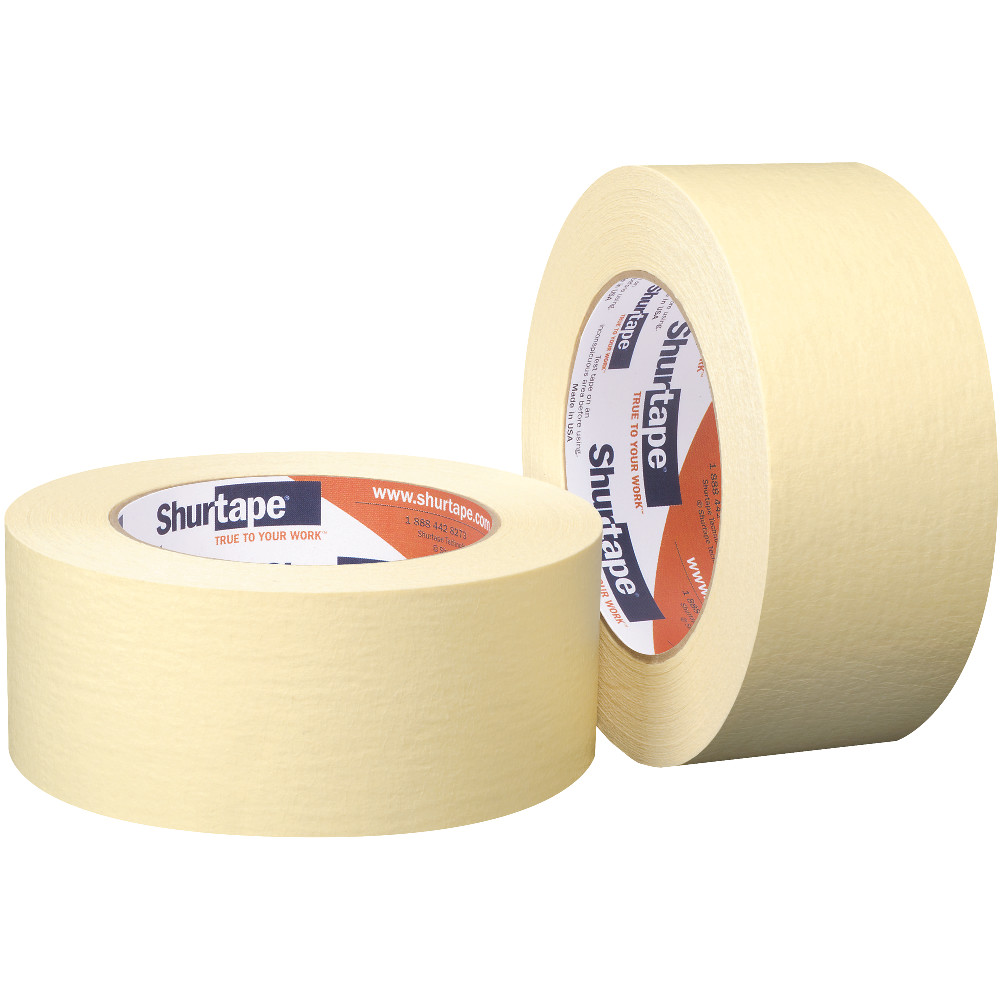
Negotiate custom widths (ranging from 12mm for fine detailing to 100mm for broad coverage) and lengths that minimize waste and match your hand masker specifications. Specify color-coding options—blue for general painting, green for UV-resistant outdoor use, or custom corporate colors for branded resale. Discuss climate-controlled container requirements for humidity-sensitive regions, and confirm lead times account for manufacturing holidays. Establish clear Incoterms and documentation standards for customs clearance in your target markets.
A stock image related to Masking tape.
Comprehensive Cost and Pricing Analysis for Masking tape Sourcing
Understanding the true cost structure of masking tape requires looking beyond unit pricing to material specifications, performance grades, and regional supply chain variables. For procurement teams operating across diverse climates and regulatory environments—from the humidity of Vietnam to the intense UV exposure of the Middle East—strategic sourcing decisions can reduce total expenditure by 15–30% while maintaining application quality.
What Raw Material Specifications Drive Masking Tape Pricing?
The primary cost determinants lie in the three-layer construction: backing saturation, adhesive formulation, and release coating quality. Standard crepe paper with basic rubber adhesives offers the lowest entry price point, suitable for general bundling and indoor painting. However, saturated paper backings with synthetic rubber or acrylic adhesives command premium pricing due to enhanced tensile strength and aging resistance. Acrylic-based formulations, while 20–40% more expensive than natural rubber alternatives, provide superior UV stability—a critical consideration for outdoor construction projects in Brazil or Saudi Arabia where tape failure leads to costly rework.
How Do Temperature Resistance Requirements Affect Your Sourcing Budget?
Temperature tolerance creates distinct pricing tiers that directly impact procurement strategies. General-purpose tapes rated for 70–80°C suit standard painting applications and represent the most economical bulk option. Mid-high temperature variants (100–120°C) bridge automotive refinishing needs, while specialized high-temperature masking tapes exceeding 150°C—essential for electronics manufacturing and powder coating—can cost 3–5 times more than standard grades. Buyers should audit actual application heat exposure rather than over-specifying; purchasing 150°C-rated tape for ambient-temperature bundling unnecessarily inflates material costs without operational benefit.
What Volume and MOQ Strategies Reduce Cost Per Roll for Regional Buyers?
Container optimization represents the most powerful lever for cost reduction when sourcing from Asian manufacturing hubs. Full 20-foot container loads (approximately 800–1,000 cartons depending on roll dimensions) typically unlock 12–18% price reductions compared to LCL (Less than Container Load) shipments. African and South American buyers should negotiate mixed-grade containers—combining high-temperature, UV-resistant, and general-purpose tapes—to meet minimum order quantities while diversifying inventory. Establishing annual volume commitments rather than spot-buying can further secure 5–8% preferential pricing and priority production scheduling during Chinese New Year shutdown periods.
Which Hidden Costs Impact Total Landed Price for Emerging Markets?
Beyond FOB pricing, procurement teams must calculate total landed costs including import duties, currency hedging, and climate-specific storage requirements. Masking tape’s crepe paper backing absorbs moisture, meaning warehouses in humid regions like Southeast Asia or coastal African nations require climate-controlled storage to prevent adhesive degradation—a logistical cost often overlooked in initial budgeting. Additionally, technical certifications (RoHS compliance for electronics, automotive industry standards) add $0.02–$0.05 per roll but prevent customs delays and rejection penalties that far exceed the certification premium.
How Do You Balance Initial Cost Against Application Performance?
The lowest unit price rarely delivers the lowest total cost of ownership. Budget tapes that leave adhesive residue require additional labor for surface cleaning, often costing more in man-hours than the material savings. For automotive painting or precision electronics manufacturing in European and Middle Eastern markets, specifying clean-removal, high-tack formulations prevents defect rates and customer rejections. Conducting small-scale application testing before bulk procurement validates that performance characteristics justify price premiums, ensuring that sourcing decisions align with actual production requirements rather than spreadsheet minimization.
Alternatives Analysis: Comparing Masking tape With Other Solutions
While general-purpose masking tape serves as a versatile staple across construction, automotive, and electronics manufacturing, procurement teams must evaluate whether specialized alternatives offer superior ROI for specific operational environments. Factors such as intense UV exposure in Middle Eastern climates, high humidity in Southeast Asian facilities, or the throughput demands of Brazilian automotive plants can render standard crepe paper masking tape suboptimal compared to engineered solutions designed for extended adhesion or large-area coverage.
| 비교 측면 | General-Purpose Masking Tape | Professional Painter’s Tape (Acrylic-Based) | Pre-Taped Masking Film Systems |
|---|---|---|---|
| Adhesion Technology | Natural/synthetic rubber-based; high initial tack | Acrylic adhesive; UV-stable; moderate tack | Rubber or acrylic adhesive border on HDPE film |
| 온도 저항 | Up to 80°C (176°F) | Up to 110°C (230°F); 14-day outdoor exposure | Varies by film grade; typically 80-100°C |
| 비용 효율성 | Low material cost; risk of rework if left too long | 20-40% higher unit cost; eliminates residue removal labor | Higher upfront cost; 60% faster application reduces labor |
| 표면 호환성 | Wood, metal, glass (standard); risk of residue on delicate surfaces | Delicate surfaces, fresh paint, wallpaper, vinyl; clean release | Large surfaces, vehicles, furniture; spray applications |
| 구현의 용이성 | Manual application; hand-tearable; requires separate sheeting | Manual application; requires clean surface prep | Dispenser-based; covers 2-3m² per minute; integrated protection |
| Clean Removal Window | 1-3 days indoor; adhesive residue if baked or UV-exposed | Up to 14 days; no ghosting or gummy residue | Dependent on tape portion; film prevents overspray contamination |
When Is Professional Painter’s Tape the Superior Choice for High-Value Surfaces?
Professional painter’s tape—formulated with acrylic adhesives rather than rubber-based compounds—serves as a critical alternative for B2B procurement teams managing high-value surface protection in challenging environments. Unlike general-purpose masking tape, which begins curing to permanent adhesion within 72 hours of UV exposure, acrylic-based painter’s tape offers 14-day clean removal windows and superior resistance to temperature fluctuations common in Middle Eastern and Southeast Asian climates. While unit procurement costs typically run 20-40% higher than standard crepe paper masking tape, the elimination of labor-intensive residue removal and reduced risk of ghosting on premium automotive finishes or delicate vinyl wall coverings deliver measurable ROI. Procurement specialists should prioritize this alternative for exterior construction projects, automotive refinishing contracts, and any application requiring extended masking periods without substrate damage.
Does Pre-Taped Masking Film Deliver Better ROI for High-Volume Spray Operations?
Pre-taped masking film systems represent an efficiency-driven alternative that combines high-density polyethylene sheeting with integrated adhesive borders, fundamentally changing application economics for large-scale industrial painting operations. For B2B buyers in Brazil’s automotive sector or Vietnam’s furniture manufacturing industry, these systems eliminate the labor bottleneck of manually securing separate plastic sheeting with standard masking tape, reducing application time by up to 60% while ensuring consistent 3-meter coverage per minute. The film component provides comprehensive overspray protection across complex geometries—critical when coating vehicle bodies or industrial machinery—while the attached tape prevents the “bridging” failures that occur when disparate materials separate during spray application. Although material costs exceed standard masking tape by 200-300%, the throughput acceleration and elimination of rework from paint bleed-through typically generate positive ROI within the first production quarter for facilities processing 50+ units daily.
Essential Technical Properties and Trade Terminology for Masking tape
When procuring masking tape for industrial or commercial applications, understanding the technical specifications and industry nomenclature ensures compatibility with regional climate conditions and application requirements. The following specifications and terms form the foundation of international trade documentation and quality assurance protocols for buyers operating across diverse markets.
What Are the Critical Technical Specifications for Masking Tape Procurement?
Temperature Service Range defines the thermal limits within which the adhesive maintains structural integrity without leaving residue. Standard crepe paper tapes typically tolerate 60°C to 80°C, suitable for ambient drying paints, while high-temperature variants withstand 150°C to 180°C for automotive baking and powder coating processes common in manufacturing hubs.
Adhesion Coefficient (measured in oz/in or N/25mm) indicates the tape’s holding power on various substrates. B2B buyers should specify shear resistance values; automotive-grade tapes require 20–30 oz/in for metal adherence, whereas general-purpose grades offer 12–18 oz/in for drywall and trim applications.
Backing Saturation Level refers to the degree of latex or rubber impregnation in the crepe paper substrate. Fully saturated backings provide enhanced solvent resistance and tensile strength (typically 25–40 N/cm), preventing tearing during removal on rough surfaces prevalent in construction environments.
연신율 (usually 5% to 15%) determines conformability to irregular contours. Higher elongation rates accommodate complex masking in automotive refinishing, while lower rates suit straight-line architectural painting where dimensional stability prevents edge creep.
UV Resistance Rating becomes critical for procurement in tropical climates. Anti-UV formulations prevent adhesive degradation during extended outdoor exposure, ensuring clean removal after 14-day dwell periods without substrate staining or gumming.
B2B 구매자가 마스킹 테이프를 소싱할 때 알아야 할 업계 용어는 무엇입니까?
Crepe Paper Backing describes the crinkled, creped texture that provides tearability by hand and flexibility around corners. Buyers should distinguish between “fine crepe” for sharp paint lines and “coarse crepe” for general bundling applications.
Edge Bleed (or paint seepage) refers to paint creeping beneath the tape edge, often caused by inadequate surface preparation or low-adhesion formulations. Premium painter’s grades feature “paint block” technology to prevent this phenomenon.
Dwell Time indicates the maximum duration tape can remain adhered before removal without residue. Standard specifications range from 3-day removal for economy grades to 14-day removal for professional exterior masking tapes.
Release Coating denotes the silicone or polymeric barrier applied to the backing’s reverse side, ensuring smooth unwinding without delamination. Compromised release coatings cause “telescoping” or sticking rolls, particularly problematic in high-humidity shipping containers.
Painter’s Grade vs. Automotive Grade distinguishes between general construction tapes and industrial variants engineered for chemical resistance and high-temperature bake cycles. Automotive grades command higher price points but offer certified clean removal from clear coats and metal substrates.
Masking Film refers to the polyethylene sheeting with pre-attached adhesive tape edges, used for covering large surface areas during spray applications. Understanding this complementary product helps buyers coordinate complete surface protection systems.
Navigating Market Dynamics and Sourcing Trends in the Masking tape Sector
The global masking tape sector is experiencing a paradigm shift as regional industrialization patterns and evolving end-user specifications reshape procurement strategies. For B2B buyers operating across diverse geographies—from Brazil’s expanding automotive hubs to Vietnam’s electronics manufacturing corridors and the Middle East’s mega-construction projects—understanding localized demand drivers is critical for supply chain optimization and cost management.
What Regional Factors Are Driving Masking Tape Demand in Emerging Markets?
Infrastructure development across Africa, South America, and Southeast Asia is fueling unprecedented demand for general-purpose and high-performance masking tapes. In tropical climates such as Brazil and Vietnam, buyers are increasingly prioritizing anti-UV formulations and moisture-resistant crepe paper backings that withstand high humidity and intense solar exposure during outdoor construction and marine applications. Meanwhile, the Middle East’s push toward economic diversification beyond oil has accelerated automotive assembly and electronics manufacturing, creating robust demand for high-temperature masking tapes capable of withstanding powder coating and industrial baking processes up to 150°C without adhesive transfer.
European markets, conversely, demonstrate mature demand characterized by stringent quality specifications and renovation-sector dominance. B2B buyers sourcing for European projects must navigate complex regulatory frameworks regarding chemical emissions while addressing the continent’s growing preference for painter’s tapes that deliver razor-sharp lines on delicate surfaces without substrate damage. This divergence between emerging markets—where cost-effectiveness and bulk availability remain paramount—and developed economies focused on precision application creates a bifurcated sourcing landscape requiring tailored procurement strategies and flexible supplier relationships.
How Is Product Innovation Responding to Industrial Application Evolution?
The masking tape category is expanding beyond traditional painting applications into specialized industrial niches that demand enhanced technical specifications. Electronics manufacturers, particularly in East Asia and Eastern Europe, are driving demand for low-static, high-temperature variants that protect sensitive components during wave soldering and conformal coating processes. Concurrently, the logistics and warehousing sectors across Africa and South America are adopting color-coded masking tape systems for inventory segmentation, elevating demand for custom-pigmented options that serve dual functions as temporary surface protection and visual organization tools.
Supply chain volatility in raw material markets—specifically natural rubber adhesives and saturated crepe paper—has prompted leading manufacturers to diversify adhesive formulations toward synthetic rubber and acrylic blends. These alternatives offer enhanced aging stability and reduced temperature sensitivity during ocean freight and overland shipping, addressing the logistical challenges faced by buyers in regions with inconsistent cold-chain infrastructure. Furthermore, the integration of advanced release coatings is becoming standard even in economy-grade products, significantly reducing labor costs associated with tape removal in large-scale construction and industrial maintenance projects.
How Can B2B Buyers Ensure Sustainable and Ethical Sourcing of Masking Tapes?
Sustainability has transitioned from a European-centric concern to a global procurement imperative, though regional implementation strategies vary significantly based on local infrastructure capabilities. Forward-thinking buyers are scrutinizing the environmental footprint of crepe paper backings, demanding Forest Stewardship Council (FSC)-certified paper sources and evaluating the biodegradability of natural rubber adhesives versus synthetic petrochemical alternatives. In markets with developing waste management infrastructure, such as parts of Africa and South America, the emphasis shifts toward tapes engineered for clean removal—minimizing residue contamination that would otherwise require harsh chemical cleaning agents burdening local water treatment capabilities.
Ethical sourcing extends beyond material composition to encompass manufacturing transparency and labor practices throughout the supply chain. B2B purchasers should verify supplier compliance with ISO 14001 environmental management standards and SA8000 social accountability protocols, particularly when sourcing from high-volume manufacturing regions in Asia. The industry-wide shift toward water-based adhesive systems, which eliminate volatile organic compound (VOC) emissions during production, represents both an environmental win and a workplace safety enhancement for end-users in confined construction environments across the Middle East and Europe.
Circular economy principles are increasingly influencing B2B procurement decisions, with progressive manufacturers introducing thinner-gauge, high-tensile-strength backings that reduce material usage without compromising conformability or temperature resistance. For buyers managing large-scale infrastructure projects, selecting suppliers that offer recyclable cardboard cores and plastic-free packaging aligns with corporate sustainability targets while preemptively addressing the growing regulatory pressure in European markets regarding extended producer responsibility. By prioritizing partnerships with suppliers who invest in solvent-free coating technologies and renewable energy-powered production facilities, procurement teams can mitigate future regulatory risks while supporting their industrial clients’ transition toward greener operational frameworks.
Frequently Asked Questions (FAQs) for B2B Buyers of Masking tape
1. What is the difference between masking tape and painter’s tape for industrial use?
While often categorized together in retail contexts, industrial buyers should distinguish these products by adhesive chemistry and intended duration. Painter’s tape utilizes acrylic adhesives with UV-stabilized release coatings designed for 14-day clean removal on delicate substrates, whereas general industrial masking tape typically employs natural or synthetic rubber adhesives optimized for high-temperature resistance in powder coating and automotive applications. For B2B procurement, specify painter’s tape when projects involve extended outdoor exposure or finished wood surfaces, and reserve high-saturation crepe paper masking tape for manufacturing environments where temperature tolerance exceeds 120°C and chemical resistance is prioritized over extended removability.
2. How do you remove masking tape without damaging automotive paint finishes?
Preventing clear coat damage requires removing the tape at a 45-degree angle while the surface remains slightly warm to the touch, never exceeding 50°C to avoid adhesive transfer or substrate lifting. For high-volume automotive operations, specify low-tack acrylic formulations rather than natural rubber adhesives, as rubber compounds can oxidize and bond aggressively to fresh clear coats within 24 hours of application. Always verify that the crepe paper backing has not absorbed moisture during storage or shipping, particularly in humid climates common in Brazilian or Vietnamese markets, as water-degraded paper can delaminate and leave abrasive fibers that scratch painted surfaces during removal.
3. What temperature can high-heat masking tape withstand in powder coating applications?
Standard crepe paper masking tapes tolerate continuous exposure up to 80°C, but powder coating cycles require specialized high-temperature variants rated for 150°C to 180°C with intermittent peaks reaching 200°C. These industrial-grade formulations utilize silicone-based adhesives rather than rubber compounds, combined with saturated crepe paper backings that resist embrittlement during curing oven cycles. When sourcing for powder coating lines, request technical datasheets specifying shear adhesion failure temperature (SAFT) rather than general temperature ratings, as SAFT indicates the actual thermal threshold where adhesive cohesion breaks down under mechanical load.
4. Can masking tape be custom printed with company logos for branding purposes?
Yes, B2B suppliers offer flexographic printing on crepe paper backings, typically requiring minimum order quantities of 5,000–10,000 rolls depending on tape width and
중요 고지 사항 및 이용 약관
⚠️ 중요 고지 사항
제조업체, 기술 사양 및 시장 분석에 관한 내용을 포함하여 이 가이드에서 제공하는 정보는 정보 제공 및 교육 목적으로만 사용됩니다. 전문적인 조달 자문, 재무 자문 또는 법률 자문으로 간주되지 않습니다.
B2B 구매자는 독립적이고 철저한 실사를 수행해야 합니다. 구매 결정을 내리기 전에 반드시 확인하시기 바랍니다. 이 가이드의 정보에 의존하는 데 따른 위험은 전적으로 독자가 부담합니다.
Top 3 Masking Tape Manufacturers & Suppliers List
1. HopeLight – Industrial Tapes
도메인: hopelightcn.com
등록: 2016(10년)
소개: Manufacturer: HOPELIGHT ELECTRICAL CO.,LIMITED. Product Categories: 1) Masking Tape, 2) NANO Tape, 3) Aluminum Foil Tape, 4) Polyimide Tape (subtypes: Kapton Tape Acrylic Adhesive, Polyimide Silicone Tape), 5) Polyester Tape (subtypes: Acrylic Adhesive, Silicone Adhesive), 6) PTFE Coated Glass Fabric Adhesive Tape, 7) Kraft Paper Tape, 8) PVC Tape, 9) Copper Tape (subtypes: Conductive Adhesive, No…
2. 테이프 공급업체 - 마스킹 테이프
도메인: tapesuppliers.com
등록: 2007년(19년)
소개: Masking tape is a pressure-sensitive adhesive tape invented in 1925, originally developed for the automotive industry to paint two-toned cars. It temporarily conceals and protects surfaces during finishing processes including soldering, blasting, spraying, coating, plating, and polishing. Key product features include easy hand-tearability, clean removal without leaving residue, and safe use on new…
3. Research and Markets – Automotive Masking Tape

등록: 2002년(24년)
소개: Key product features across leading manufacturers include: clean-line removal and dimensional stability (3M); biodegradable/low-emission adhesives with high-temperature resistance and superior conformability (Nitto Denko); residue-free removal and eco-friendly formulations (tesa); advanced acrylic and rubber adhesive systems (Intertape Polymer Group); plastic-based, moisture-resistant, and sustain…
Strategic Sourcing Conclusion and Outlook for Masking tape
As global construction and automotive markets expand across Africa, South America, and Southeast Asia, strategic sourcing of masking tape requires balancing technical performance with supply chain resilience. Understanding regional climate demands and application-specific requirements ensures procurement decisions that protect both surfaces and profit margins while accommodating diverse industrial standards.
How Should Buyers Navigate Temperature and Climate Challenges in Masking Tape Selection?
For operations in tropical climates like Brazil or Vietnam, prioritize UV-resistant acrylic adhesives over standard rubber-based formulations to prevent edge lifting and residue baking during high-humidity exposure. High-temperature variants (150°C+) remain essential for Middle Eastern industrial applications where ambient heat exceeds standard tape tolerances of 70–80°C. Evaluate crepe paper saturation levels to ensure conformability on irregular substrates common in emerging market construction projects.
What Procurement Strategies Ensure Consistent Quality in Cross-Border Supply Chains?
Establish partnerships with manufacturers offering multi-temperature portfolios and color-coding systems to streamline inventory management across diverse project sites. Verify adhesive consistency and release coating quality through batch testing, particularly when sourcing for critical automotive or electronics masking where clean removal is non-negotiable. Consider suppliers with regional distribution hubs to mitigate logistics disruptions and currency fluctuation risks.
Looking ahead, anticipate accelerated demand for biodegradable paper backings and solvent-free adhesives as environmental regulations tighten across Europe and Latin America. Buyers who secure suppliers with advanced R&D capabilities and flexible MOQs today will gain competitive advantages as application requirements diversify toward specialized high-performance and sustainable masking solutions.