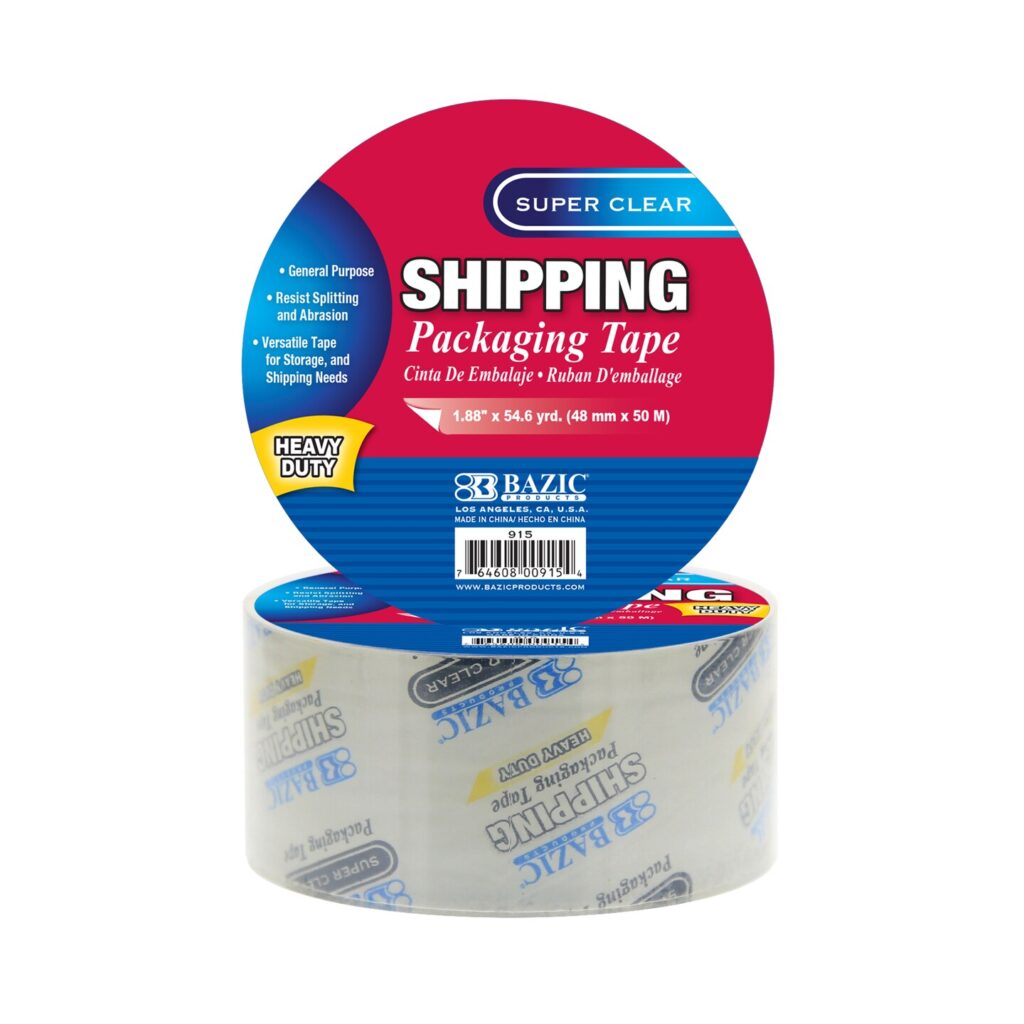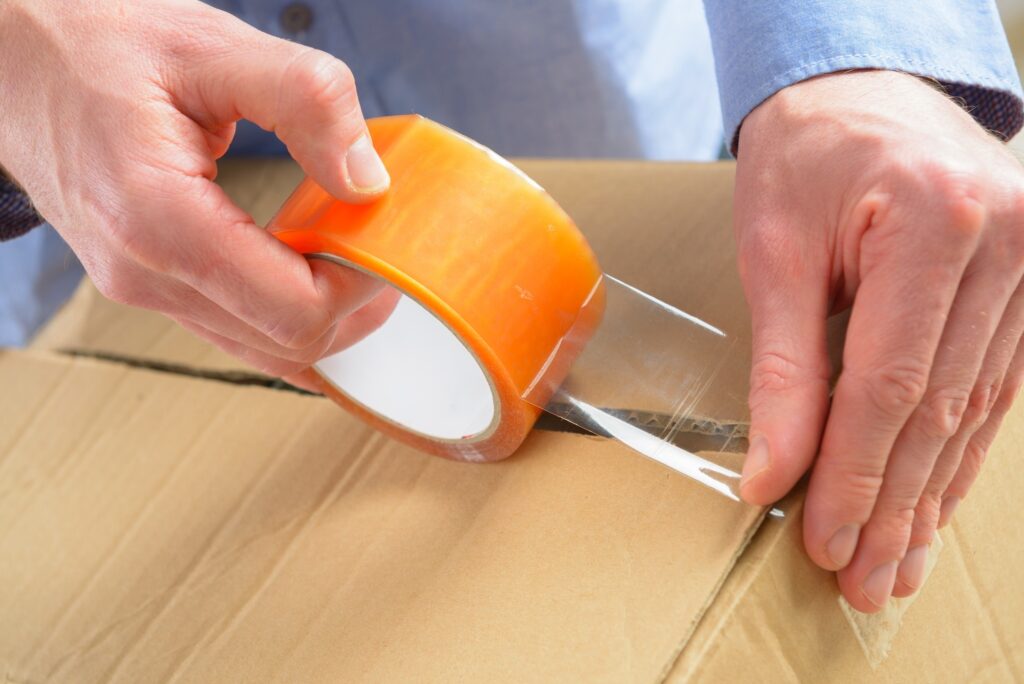
Introduction: Navigating the Global Market for Carton sealing tape for packing
Sourcing carton sealing tape for packing in today’s fragmented global marketplace requires navigating far more than simple adhesive specifications. For procurement teams from Lagos to Lima, the stakes are high: temperature fluctuations during transoceanic shipping, humidity extremes in tropical ports, and inconsistent local supply chains can transform a standard box closure into a critical failure point. Whether you’re securing pharmaceutical exports for European markets or managing high-volume e-commerce fulfillment in Southeast Asia, selecting the wrong tape formulation risks not just product damage, but regulatory non-compliance and eroded profit margins that directly impact your bottom line.
What Critical Factors Determine Tape Performance Across Diverse Climates?
This guide examines how acrylic, hot melt, and natural rubber formulations perform under Africa’s arid conditions versus South America’s tropical humidity, ensuring your seals withstand monsoons, desert heat, and freezer storage alike. We analyze heavy-duty options for recycled corrugate, automation-compatible specifications for scaling operations, and sizing standards from 48mm to 72mm widths that align with regional packaging norms and sealing equipment.
How Can You Systematically Evaluate Suppliers and Total Cost of Ownership?
Beyond technical specifications, we provide actionable frameworks for vetting international manufacturers, assessing ISO certification standards, and calculating true landed costs—including freight optimization, customs considerations, and inventory management strategies specific to Middle Eastern and European trade corridors. You’ll learn to identify red flags in supplier consistency and negotiate bulk procurement terms that protect against currency volatility.
Why Does Strategic Tape Procurement Matter for Emerging Market Competitiveness?
For buyers in Vietnam, Brazil, and across developing economies, this resource transforms carton sealing from a commodity purchase into a supply chain competitive advantage. You’ll gain region-specific insights to reduce damage claims, optimize for automated versus manual application, and build resilient procurement strategies that perform regardless of geographic complexity or infrastructure limitations.
Understanding Carton sealing tape for packing Types and Variations
| 유형 이름 | 주요 차별화 기능 | 주요 B2B 애플리케이션 | 구매자를 위한 간략한 장단점 |
|---|---|---|---|
| Acrylic Carton Sealing Tape | UV and oxidation resistant; anti-yellowing; high clarity; superior shear strength prevents “flagging”; consistent unwind for automated dispensing | Long-term warehousing, export to hot climates (Middle East, Africa), retail-ready packaging where presentation matters | 장점: Long shelf life (12+ months), stable across temperature fluctuations, cost-effective for high volume. 단점: Lower initial tack than hot melt; requires clean, dry application surfaces. |
| Hot Melt Carton Sealing Tape | Synthetic rubber adhesive; aggressive immediate tack; optimized for high-speed automated applicators; strong initial bond on virgin corrugated | High-volume e-commerce fulfillment, automated packaging lines, standard corrugated shipping within temperate climates | 장점: Superior immediate bond strength; excellent machine runnability; performs well on dusty box surfaces. 단점: Can become brittle in freezing temperatures; prone to yellowing over time; shorter shelf life. |
| Natural Rubber Carton Sealing Tape | Superior adhesion to rough/recycled surfaces; maintains flexibility in extreme temperatures (-20°C to 60°C); high tensile strength; resistant to humidity degradation | Heavy-duty exports, cold chain logistics, tropical climates (Brazil, Vietnam), sealing recycled/rough cardboard | 장점: Bonds to uneven/dirty surfaces; excellent low-temperature performance; tamper-evident seal. 단점: Premium pricing; potential for adhesive oxidation; requires specific storage away from heat. |
| Heavy-Duty Reinforced Tape | Fiberglass or filament reinforcement; available in 72mm+ widths; thickness 3.0+ mil; split and tear resistant under heavy load | Heavy machinery parts, bulk agricultural exports, palletized goods, international freight exceeding 25kg per carton | 장점: Prevents box burst under weight; eliminates need for double-layering; tamper-resistant. 단점: Higher material cost; requires heavy-duty dispensers; unnecessary expense for lightweight shipments. |
What Makes Acrylic Carton Sealing Tape Ideal for Long-Term Storage and Export?
Acrylic carton sealing tape utilizes a water-based adhesive renowned for its oxidative stability and UV resistance, making it the preferred choice for B2B buyers managing inventory in outdoor storage or hot climates common in Middle Eastern and African markets. Its superior shear strength prevents “flagging”—where tape edges lift and catch during transit—ensuring sealed cartons remain intact during extended ocean freight durations. While initial tack is moderate compared to hot melt alternatives, its exceptional longevity, anti-yellowing properties, and consistent unwind characteristics make it highly cost-effective for export operations requiring pristine package presentation upon arrival at European distribution centers.
Why Choose Hot Melt Carton Sealing Tape for High-Volume E-Commerce Operations?
Hot melt carton sealing tape features a synthetic rubber adhesive that delivers aggressive immediate tack and high initial adhesion, making it optimal for high-speed automated packaging lines prevalent in modern e-commerce fulfillment centers. This tape performs exceptionally well on virgin corrugated fiberboard, creating a robust bond that withstands the rigors of multiple handling points during distribution across South American logistics networks. B2B buyers should note that while it offers superior immediate sealing strength, performance may degrade in freezing temperatures or extreme cold storage, making it less suitable for cold chain logistics unless supplemented with climate-controlled transport containers.
When Should B2B Buyers Specify Natural Rubber Adhesive for Extreme Shipping Conditions?
Natural rubber carton sealing tape provides the strongest adhesion profile among standard packaging options, specifically engineered to bond with challenging substrates including recycled corrugated, rough textures, and dusty surfaces often encountered in industrial manufacturing environments. Its advanced formulation maintains exceptional flexibility across extreme temperature ranges, from sub-zero cold storage facilities to humid tropical climates prevalent in Southeast Asian and Brazilian markets. Procurement teams should carefully weigh the premium pricing against significantly reduced failure rates, particularly for heavy exports where seal integrity directly prevents costly damage claims and customs delays during international inspections.
How Does Heavy-Duty Reinforced Tape Secure High-Value International Shipments?
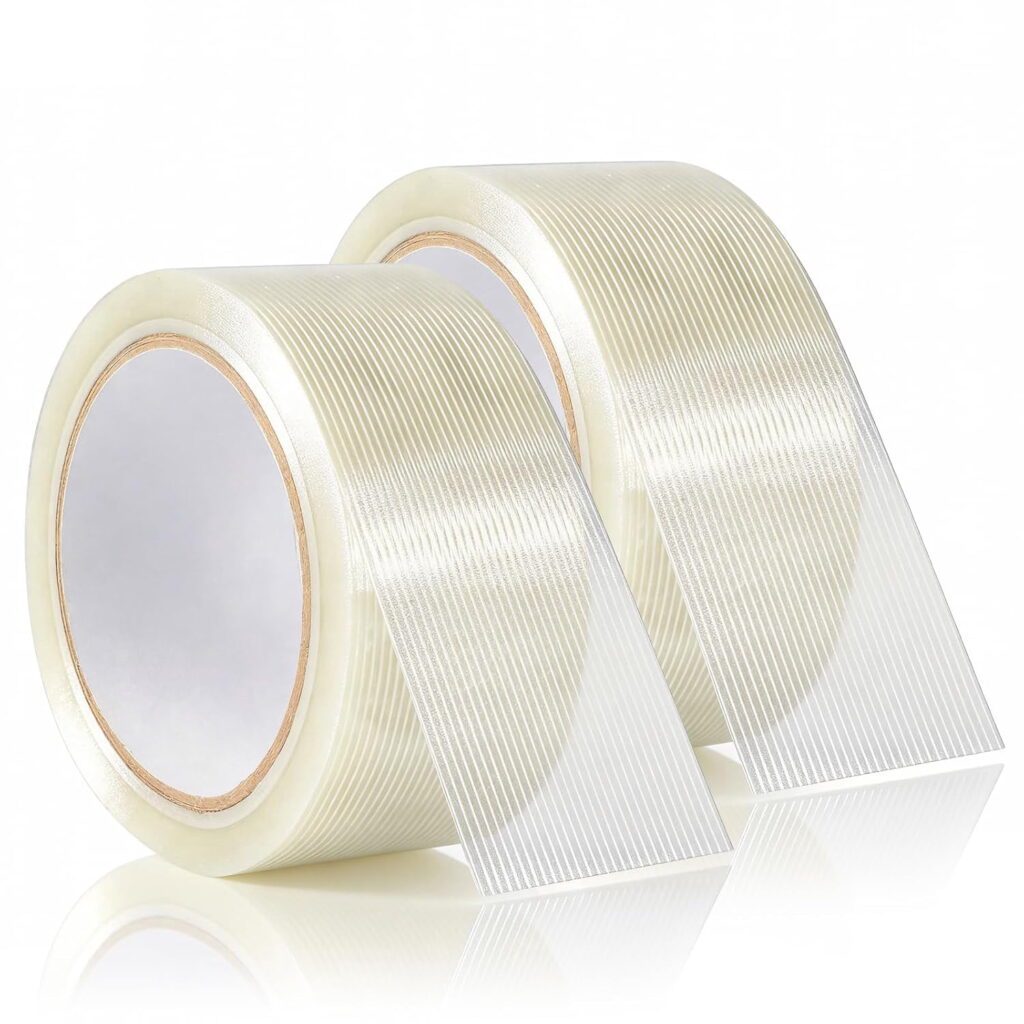
Heavy-duty reinforced carton sealing tape incorporates fiberglass filaments or cross-woven synthetic fibers within the polypropylene backing, delivering exceptional tensile strength specifically designed for sealing overweight cartons exceeding 25kg common in machinery parts and bulk agricultural exports. This industrial-grade variation eliminates the requirement for multiple overlapping tape layers, reducing both material waste and application time while providing tamper-evident security crucial for high-value international shipments to African and Middle Eastern ports. Buyers must verify that their case sealing equipment can accommodate the increased thickness, typically 3.0 mil or greater, to prevent dispenser jams and ensure smooth automated application.
Key Industrial Applications of Carton sealing tape for packing
| 산업/섹터 | Specific Application of Carton sealing tape for packing | 비즈니스를 위한 가치/혜택 | 이 애플리케이션의 주요 소싱 고려 사항 |
|---|---|---|---|
| 이커머스 및 소매 물류 | High-volume automated sealing for fulfillment centers; tamper-evident closure for last-mile delivery | Minimizes package failure during multi-modal transit; enables high-speed automation without flagging; enhances customer trust with secure closures | Acrylic or hot melt compatible with automatic case sealers; UV resistance for tropical outdoor storage; consistent adhesion across humidity ranges (40-80% RH) |
| Agricultural Export & Commodities | Sealing coffee, cocoa, and spice cartons for ocean freight; heavy-duty containment for mineral samples; ventilation-compatible sealing | Withstands tropical humidity and temperature fluctuations during 30+ day transits; prevents moisture ingress and contamination; supports container stackability without burst failures | Natural rubber adhesives for superior bonding to fibrous/recycled board; mold-resistant formulations; FDA/EU food-contact compliance; 72mm width options for dense loads |
| Food & Beverage Cold Chain | Freezer-grade sealing for frozen seafood and meat exports; refrigerated transport of dairy and processed foods | Maintains adhesion in sub-zero environments (-20°C to -40°C); prevents thermal expansion pop-opens; ensures hygiene barriers against condensation and bacteria | Cold-temperature acrylic or synthetic rubber formulations; moisture resistance; compatibility with direct food contact standards; reliable unwind in freezer room conditions |
| 제약 및 의료 유통 | Tamper-evident sealing for drug cartons and medical devices; secure closure for temperature-sensitive biologics | Provides visible tamper evidence for GDP compliance; maintains sterile barrier integrity; performs reliably in climate-controlled storage across varying regional humidity | High-clarity acrylic for clean aesthetics and barcode scanning; printable surfaces for batch tracking; consistent manual dispensing properties for clinic-level use |
| Manufacturing & Automotive Parts | Heavy-duty sealing for machinery and metal components; bundling irregular-shaped industrial items; recycled corrugated containment | Superior shear strength prevents “flagging” on 20+ kg boxes; withstands rough handling and industrial contaminants; bonds reliably to dusty or high-recycled-content surfaces | Hot melt or natural rubber for high initial tack; 2.0+ mil thickness for heavy loads; compatibility with recycled board; resistance to oils, dust, and extreme heat |
How Does Carton Sealing Tape Secure High-Volume E-commerce Operations in Tropical Climates?
In emerging markets like Vietnam and Brazil, e-commerce fulfillment centers require tape that performs reliably on automated case sealers despite high humidity and temperature fluctuations. Acrylic carton sealing tape offers excellent aging resistance and clarity, ensuring barcodes remain scannable while preventing “flagging” during high-speed application. For operations shipping electronics and consumer goods across multi-modal logistics networks, selecting UV-stable formulations prevents adhesive degradation during outdoor storage, reducing package failure rates and customer complaints.
What Carton Sealing Solutions Protect Agricultural Exports During Long-Haul Shipping?
For African coffee cooperatives and Brazilian agricultural exporters, natural rubber carton sealing tape provides superior adhesion to fibrous, recycled corrugated board commonly used in commodity packaging. These applications demand tape that withstands tropical humidity and condensation during ocean freight without mold growth or adhesive failure. Heavy-duty 72mm widths support the weight of dense agricultural products, while food-contact compliant formulations ensure safety when packaging spices, cocoa, or tea for European and Middle Eastern markets.
Why Is Cold-Grade Carton Sealing Tape Essential for Food and Beverage Export Integrity?
Frozen seafood exporters from South America and dairy processors in the Middle East require specialized acrylic or synthetic rubber tapes formulated for sub-zero adhesion. Standard adhesives become brittle in freezer environments, causing “pop-opens” that expose products to contamination and temperature violations. Cold-grade carton sealing tape maintains tack at -20°C to -40°C, ensuring boxes remain sealed through freezing, thawing, and condensation cycles. This prevents spoilage during intercontinental cold chain logistics and complies with strict food safety regulations.
How Can Pharmaceutical Buyers Ensure Tamper Evidence and Climate Stability?
Pharmaceutical distributors across Europe and Africa must secure drug shipments against tampering while maintaining seal integrity through varying climate conditions. High-clarity acrylic tapes provide visible tamper evidence and accommodate batch coding for traceability, critical for GDP (Good Distribution Practice) compliance. Unlike hot melt alternatives that may soften in Middle Eastern heat, acrylic formulations resist yellowing and maintain
A stock image related to Carton sealing tape for packing.
3 Common User Pain Points for ‘Carton sealing tape for packing’ & Their Solutions
Scenario 1: Why Does Carton Tape Fail in High-Humidity and Extreme Temperature Conditions?
문제: International buyers operating in tropical climates (Southeast Asia, South America) or desert regions (Middle East, North Africa) frequently encounter carton sealing tape that lifts at the edges, peels completely, or loses adhesion during transit. Standard acrylic tapes often struggle with high humidity, temperature fluctuations between warehouse and container shipping, or dusty corrugated surfaces common in emerging markets. This results in “flagging” (tape ends curling up), compromised box integrity, and potential product damage or contamination during long-distance exports. The issue intensifies when boxes are stored in non-climate-controlled environments before shipment.
솔루션: Specify Natural Rubber adhesive tapes for environments with extreme temperature variations or high humidity, as they maintain tack better than standard acrylics on uneven or dusty surfaces. For hot climates requiring high initial grab, Hot Melt adhesives provide superior quick-stick properties. Verify the tape’s temperature resistance range matches your logistics chain—typically -20°C to 60°C for standard grades, or specialized formulations for freezer applications. Additionally, request tapes with UV stabilizers and antioxidants if boxes endure direct sunlight during staging or transport. Always conduct adhesion testing on your specific corrugated substrates under local ambient conditions before bulk procurement.
Scenario 2: How Do You Prevent Production Line Jams When Scaling from Manual to Automated Sealing?
문제: Growing businesses transitioning from hand-sealing operations to semi-automatic or automatic case sealers often experience frequent line stoppages, tape breakage, and inconsistent seals. This typically occurs when procurement teams continue purchasing hand-grade tapes for machine application, or fail to account for unwind characteristics and roll diameter specifications. The result is wasted material, reduced throughput, and equipment wear from adhesive buildup on machine rollers. Many buyers from emerging manufacturing markets struggle to identify whether their current tape inventory supports automation without causing “telescoping” (layers shifting) or excessive noise during high-speed unwinding.
솔루션: Differentiate between hand-grade and machine-grade specifications during procurement. Machine-grade tapes feature controlled unwind properties, consistent roll geometry, and adhesive formulations designed for high-speed application without gumming up equipment. For automatic sealers, select Hot Melt or Acrylic tapes with specific unwind force ratings compatible with your machine’s tension settings. Ensure roll length and core size match dispenser specifications to prevent slippage. When scaling operations, conduct trial runs with sample rolls to verify compatibility with your sealing equipment’s acceleration rates and temperature profiles, particularly in facilities without climate control where adhesive viscosity may vary.
Scenario 3: What Causes Tape Failure on Recycled and Heavy-Duty Export Corrugated?
문제: As sustainability mandates increase globally, B2B buyers increasingly utilize 100% recycled corrugated boxes or high-recycled-content board, particularly for European and North American exports. Standard carton sealing tapes often fail to bond properly with the shorter fibers and dusty surfaces of recycled board, or they lack the tensile strength required for heavy-duty international shipping where boxes endure rough handling, stacking pressure, and variable humidity. This leads to box bursts, split seams, and tape tearing under load—critical failures for export shipments where repacking is costly or impossible.
솔루션: Select tapes specifically formulated for recycled corrugate, which feature aggressive adhesive systems that penetrate shorter fiber surfaces effectively. For heavy-duty applications, specify 2.0 mil thickness or greater (up to 3.0 mil) with Hot Melt adhesive for superior holding power on heavy boxes. Consider reinforced filament tape or fiber-reinforced options for extreme loads. When shipping to humid climates, combine high-mil thickness with Natural Rubber adhesives. Request tensile strength specifications (measured in lbs/inch or N/cm) exceeding 20 lbs/inch for export-grade shipments. For branded protection, custom printed tapes can serve dual purposes: marketing and added structural reinforcement through cross-filament patterns.
Strategic Material Selection Guide for Carton sealing tape for packing
Selecting the optimal carton sealing tape material directly impacts your supply chain integrity, damage reduction rates, and total cost of ownership, particularly when shipping across diverse climates and handling conditions. For B2B buyers operating in emerging markets—from the humid manufacturing zones of Vietnam to the temperature-variable logistics corridors of Brazil and the Middle East—understanding the nuanced differences between adhesive chemistries is essential for preventing seal failures, reducing product damage claims, and maintaining operational continuity across international distribution networks.
Which Adhesive Formulation Excels in Extreme Temperature and Humidity Conditions?
Natural rubber-based adhesives provide superior bonding strength for challenging logistics environments where climate consistency cannot be guaranteed. This material formulation maintains aggressive tack on uneven corrugated surfaces, including highly recycled or coarse board common in cost-conscious packaging operations across African and South American markets. It performs reliably across extreme temperature ranges, maintaining seal integrity from freezer storage conditions (-20°C) to desert heat exceeding 40°C. For operations in monsoon-prone regions or areas with high ambient humidity, natural rubber offers consistent adhesion where synthetic alternatives might experience delamination or flagging. However, this performance reliability comes at a premium price point, and the natural adhesive can oxidize over extended periods, potentially leaving residue on cartons that complicates recycling processes or damages graphic printing integrity.
What Material Delivers Optimal Performance for High-Speed Automated Packaging Lines?
Hot melt synthetic rubber adhesives strike an ideal balance between immediate bonding strength and operational efficiency for industrial-scale operations. These tapes feature aggressive initial tack and high shear strength, making them perfect for automated case sealers running at high speeds in manufacturing hubs throughout Europe and Latin America. The material bonds effectively to standard corrugated fiberboard and provides sufficient holding power for medium-to-heavy duty cartons typical in automotive parts and electronics exports. While hot melt tapes offer superior adhesion compared to acrylic alternatives and tolerate moderate temperature fluctuations, they lack long-term UV stability. Prolonged exposure to direct sunlight during outdoor storage or transparent shipping containers can cause yellowing and adhesive embrittlement, potentially compromising seal security during extended ocean freight transit times.
Which Tape Material Provides Superior Long-Term Storage and Clarity?
Acrylic water-based adhesives offer exceptional resistance to oxidation, weathering, and UV exposure, making them ideal for inventory that remains in warehouse storage for extended periods. This material maintains crystal-clear optical clarity without yellowing, supporting professional brand presentation for retail-ready shipments destined for European markets. Acrylic formulations perform consistently in climate-controlled environments and offer excellent aging characteristics, ensuring that cartons sealed months prior remain secure
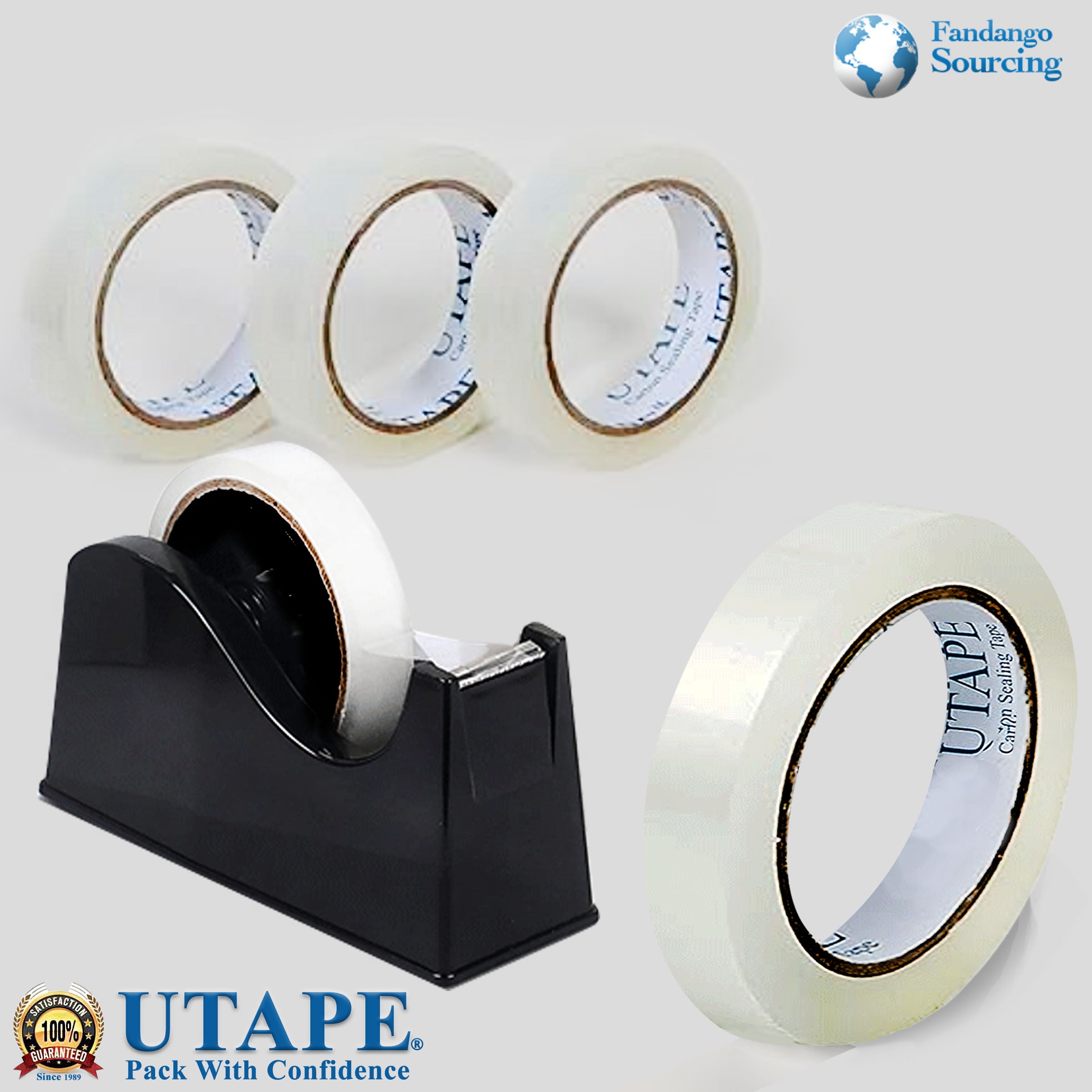
A stock image related to Carton sealing tape for packing.
In-depth Look: Manufacturing Processes and Quality Assurance for Carton sealing tape for packing
Understanding the manufacturing workflows behind carton sealing tape empowers procurement teams to assess supplier capabilities beyond price quotations. For B2B buyers sourcing from manufacturing hubs in Vietnam, Brazil, or the Middle East, insight into production methodologies and quality protocols ensures consistent adhesive performance across diverse climate zones—from humid tropical ports to arid desert distribution centers.
How Are Raw Materials Selected for High-Performance Carton Sealing Tape?
Premium carton sealing tape begins with biaxially oriented polypropylene (BOPP) film selection, typically ranging from 23 to 40 microns in thickness depending on load-bearing requirements. Manufacturers source film grades based on tensile strength and dimensional stability, critical factors for automated packaging lines that demand precise unwind characteristics. The adhesive formulation varies by tape type: acrylic emulsions provide UV resistance and aging stability for long-term storage, while hot melt synthetic rubber compounds deliver aggressive initial tack for high-speed sealing. Natural rubber adhesives, derived from latex processing, offer superior adhesion to recycled corrugated surfaces but require careful antioxidant stabilization to prevent degradation during ocean freight. Reputable suppliers incorporate plasticizers and UV stabilizers during the compounding phase to ensure performance consistency across the temperature fluctuations common in African and South American logistics corridors.
What Manufacturing Processes Ensure Adhesive Uniformity?
Modern tape production employs three primary coating methodologies: solvent-based coating, water-based emulsion coating, and hot melt extrusion. Hot melt carton sealing tape manufacturing involves heating synthetic rubber adhesives to 150-180°C before extrusion onto the BOPP film, followed by immediate cooling drums that lock in aggressive tack properties. Acrylic tape production utilizes gravure or Meyer rod coating systems that apply water-based emulsions in controlled 20-25 micron layers, subsequently passing through multi-stage drying ovens to eliminate moisture without compromising clarity. Lamination processes bond adhesive layers to film backings using precision rollers that maintain ±1 micron thickness tolerance, ensuring consistent adhesion across thousands of linear meters. Advanced production lines integrate inline thickness gauges and vision inspection systems to detect coating irregularities before slitting operations commence.
How Do Production Technologies Differ Between Adhesive Chemistries?
Each adhesive category demands specialized manufacturing environments that impact final product characteristics. Hot melt production requires nitrogen-blanketed melting tanks to prevent oxidation of synthetic rubber polymers, with temperature fluctuations strictly maintained within 2°C to preserve viscosity consistency. Acrylic manufacturing necessitates extended drying tunnels—sometimes exceeding 30 meters in length—to ensure complete moisture evaporation without residual solvents that could compromise food-grade packaging applications. Natural rubber tape production often involves solvent-based coating systems requiring explosion-proof facilities and recovery systems, though newer eco-friendly formulations utilize hot melt compounding to meet REACH and RoHS compliance for European markets. These technical distinctions directly influence minimum order quantities, lead times, and storage requirements, factors particularly relevant when coordinating consolidated shipments from Asian manufacturing centers to Middle Eastern distribution hubs.
What Quality Assurance Tests Validate Performance for Export Conditions?
Rigorous testing protocols separate commodity-grade suppliers from industrial-quality manufacturers. Peel adhesion testing per ASTM D3330 standards measures the force required to remove tape from standardized corrugated surfaces, with premium grades exceeding 20 oz/inch width for secure container sealing. Shear strength testing (ASTM D3654) evaluates the tape’s ability to resist slippage under constant load, critical for palletized goods experiencing vibration during transcontinental rail or truck transport. Climate chamber testing simulates extreme conditions—typically 60°C/90% RH for tropical environments and -10°C for cold chain logistics—to verify that adhesives maintain tack without flagging or brittle failure. Unwind force testing ensures consistent dispensing tension, preventing jams in automated case sealers that could halt production lines. Leading manufacturers also conduct accelerated aging tests using UV exposure chambers to guarantee that clear tapes resist yellowing during extended warehouse storage in sun-exposed facilities common in African and South American markets.
How Can International Buyers Verify Manufacturing Standards and Certifications?
Procurement professionals should demand documentation beyond basic product specifications. ISO 9001:2015 certification indicates standardized quality management systems, while ISO 14001 demonstrates environmental compliance increasingly critical for European Union import regulations. Material safety data sheets (MSDS) should detail adhesive compositions, confirming the absence of heavy metals or restricted substances under REACH or RoHS directives. Request batch-specific test reports showing adhesion values, thickness measurements, and unwind forces rather than generic marketing claims. For food and pharmaceutical applications, verify FDA 21 CFR 175.105 compliance or EU Regulation 10/2011 conformity for indirect food contact. Conducting third-party factory audits or requesting video documentation of testing laboratories provides additional assurance when direct site visits prove impractical for buyers in Brazil or the Middle East sourcing from Southeast Asian suppliers.
What Packaging and Storage Considerations Maintain Quality During Transit?
Post-manufacturing handling significantly impacts tape performance upon arrival. Proper winding tension prevents telescoping or edge damage during containerized shipping, while moisture-barrier packaging with desiccant protection safeguards against humidity ingress during lengthy ocean voyages through tropical zones. Core quality matters—cardboard cores should possess crush resistance exceeding 50 kg/cm² to prevent distortion under stacked pallet loads. Temperature-controlled storage at 15-25°C with 40-60% relative humidity preserves adhesive properties during warehousing periods. Buyers should verify that suppliers utilize export-grade palletization and container loading patterns that prevent compression damage, ensuring that carton sealing tape arrives at manufacturing facilities in Vietnam, Europe, or South America ready for immediate deployment without performance degradation.
Practical Sourcing Guide: A Step-by-Step Checklist for ‘Carton sealing tape for packing’
Procuring carton sealing tape for international B2B operations requires balancing technical specifications with regional logistics realities. Whether sourcing for manufacturing facilities in Vietnam, distribution centers in Brazil, or export operations across Africa and the Middle East, tape performance varies significantly under diverse climatic stresses. This checklist guides procurement teams through critical validation steps—from adhesive chemistry selection to supplier verification—ensuring your sealing solutions withstand humidity, temperature fluctuations, and rough handling across global supply chains.
1. How Do You Match Adhesive Chemistry to Your Climate and Application?
Begin by mapping environmental conditions at your destination points. For high-humidity regions like Southeast Asia or tropical zones in Africa and South America, natural rubber adhesives provide superior bonding on uneven surfaces and maintain aggressive tack despite moisture exposure. Hot melt formulations deliver excellent initial grab for automated sealing lines in controlled environments, while acrylic tapes resist UV aging and yellowing for long-term storage in sun-exposed Middle Eastern warehouses. Consider your application method—manual dispensing requires controlled unwind properties, while high-speed automation demands consistent adhesion release.
2. What Tape Dimensions and Thickness Specifications Suit Heavy-Duty Export Shipping?
Standardize specifications based on carton weight and handling intensity. Utilize 48mm width for standard cartons under 15kg, and mandate 72mm width for heavy-duty or double-wall boxes exceeding 20kg or experiencing rough transit handling. Specify polypropylene backing thickness between 28–35 microns for manual applications, or 40+ microns for mechanized lines. Verify that your selected dimensions align with existing tape dispensers and case sealing machinery to avoid costly retooling or production line interruptions.
3. How Can You Verify Tape Compatibility with Recycled Corrugated Boxes?
With sustainability mandates rising across Europe and Latin America, assess tape performance on high-recycled-content corrugate before committing to bulk orders. Recycled fibers generate more surface dust and irregularities; natural rubber or specialized hot melt tapes penetrate these inconsistencies better than standard acrylics. Request supplier samples to conduct shear-strength and “flagging” tests using your actual box substrates and sealing equipment. This validation prevents field failures where tape lifts from dusty recycled surfaces during international shipping.
4. What Certifications and Quality Standards Should You Demand from International Suppliers?
Require comprehensive documentation ensuring consistent quality across batches. Demand ISO 9001 certification and ASTM D3654 shear adhesion test reports. For food and pharmaceutical exports, verify FDA 21 CFR 175.105 compliance or EU Regulation 1935/2004. Request mill certificates confirming exact adhesive coat weights, backing specifications, and unwind force measurements. For buyers in emerging markets, verify suppliers’ export experience to your specific region to ensure packaging survives extended sea freight durations.
5. How Do You Calculate Total Cost of Ownership Beyond Per-Roll Pricing?
Analyze application efficiency and failure rates rather than unit costs alone. Inexpensive acrylic tapes may require double-sealing in humid climates, effectively doubling labor time and material consumption. Calculate meters-per-roll yield against case-sealing failure rates. Negotiate landed costs including humidity-controlled container shipping to prevent adhesive degradation during transit from manufacturing hubs. Factor in storage requirements—tapes requiring climate-controlled warehousing add hidden operational expenses.
6. What Storage Protocols Preserve Adhesive Performance in Tropical Warehouses?
Implement receiving and storage protocols immediately upon delivery. Maintain climate-controlled conditions between 15–25°C with 40–60% relative humidity, particularly in tropical regions where heat accelerates adhesive aging. Polypropylene-backed tapes exposed to direct sunlight or extreme warehouse heat develop “flagging” and reduced tack. Establish FIFO (First In, First Out) inventory rotation systems, as pressure-sensitive adhesives typically maintain optimal performance for 6–12 months from manufacture date.
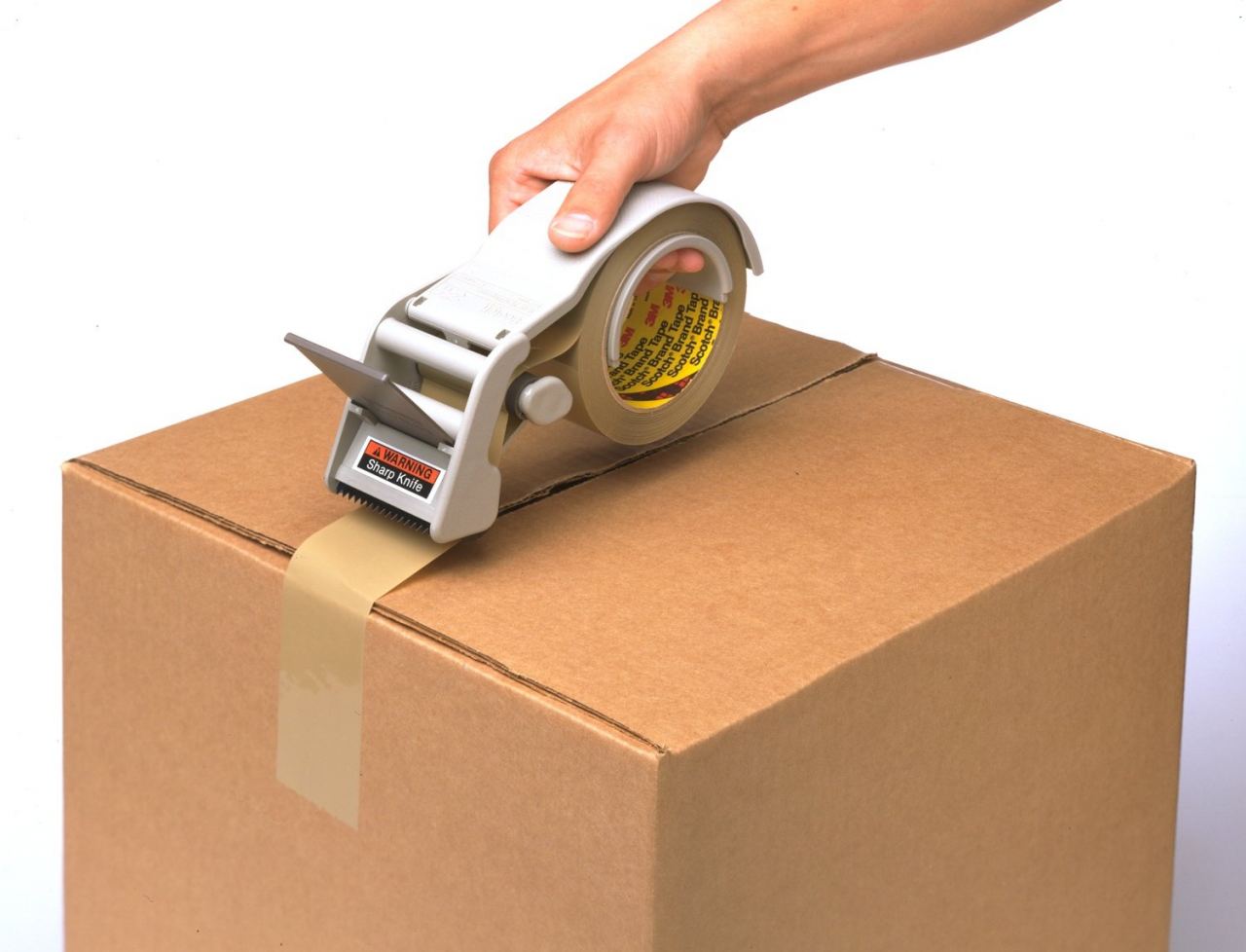
A stock image related to Carton sealing tape for packing.
Comprehensive Cost and Pricing Analysis for Carton sealing tape for packing Sourcing
When sourcing carton sealing tape at scale, understanding the granular cost structure prevents budget overruns and ensures competitive unit economics. For procurement teams operating across diverse regulatory environments—from São Paulo to Ho Chi Minh City—pricing volatility in raw materials, adhesive formulations, and international logistics demands a strategic approach to supplier negotiation.
What Raw Material Factors Drive Carton Sealing Tape Pricing?
Polypropylene (PP) film and adhesive resins constitute 60-70% of total manufacturing costs. Global petrochemical fluctuations directly impact BOPP (Biaxially Oriented Polypropylene) backing prices, while natural rubber adhesives typically command 15-25% premiums over acrylic formulations due to enhanced weather resistance. Buyers should monitor film thickness specifications carefully; standard 40-micron tapes cost significantly less than heavy-duty 50-micron variants, yet the latter may reduce damage claims in high-stress supply chains.
How Do Adhesive Specifications Impact Total Cost of Ownership?
Hot melt adhesives offer aggressive tack and immediate bond strength, reducing material waste from reapplication, yet require precise storage conditions (15-25°C) that increase warehousing costs in tropical climates. Acrylic tapes provide superior UV stability for outdoor storage but may require longer dwell times for maximum adhesion, potentially slowing high-velocity packing lines. Natural rubber formulations excel in extreme humidity—critical for Middle Eastern and Southeast Asian operations—but carry higher per-meter costs. Calculate your cost-per-seal rather than cost-per-roll; thinner tapes with superior adhesion often reduce overall consumption by 12-18%.
What Volume Breakpoints Optimize Procurement Economics for International Buyers?
Manufacturers typically structure pricing across MOQ tiers: 5,000 rolls (LCL shipments), 20-foot container loads (approximately 25,000-30,000 rolls), and 40-foot HQ containers. For African and South American importers, consolidating orders to achieve 40-foot container volumes reduces per-unit freight costs by 30-40% compared to air freight or LCL sea freight. Negotiate annual volume agreements with quarterly release schedules to lock in resin pricing while maintaining cash flow flexibility.
How Do Logistics and Regulatory Costs Affect Landed Pricing?
Import duties on pressure-sensitive tapes vary significantly—ranging from 5% in Vietnam to 15-20% in Brazil and select African markets. Additionally, anti-dumping duties on Chinese-origin BOPP tape affect sourcing decisions for European buyers. Factor in ISPM-15 compliance for wooden pallets and potential demurrage charges at congested ports like Lagos or Santos. Smart buyers negotiate DDP (Delivered Duty Paid) terms for initial orders to establish true cost baselines before transitioning to FOB arrangements at scale.
What Hidden Costs Should Procurement Teams Monitor Beyond Unit Pricing?
Core waste from improper tension settings on automated sealers can increase tape consumption by 20% unnoticed. Storage humidity above 60% degrades hot melt adhesives, creating “flagging” failures that require double-taping. Currency hedging becomes essential when sourcing from USD-denominated suppliers while selling in local currencies. Request suppliers provide yield calculations—meters per roll versus actual usable seals—to identify “short yardage” discrepancies common in low-cost markets.
Strategic sourcing of carton sealing tape requires moving beyond sticker price to analyze specification alignment, regional logistics infrastructure, and application-specific efficiency. By modeling total landed costs against performance metrics, procurement teams can achieve 8-12% cost reductions while improving seal integrity across their distribution networks.
Alternatives Analysis: Comparing Carton sealing tape for packing With Other Solutions
While pressure-sensitive carton sealing tape remains the dominant solution for corrugated box closure, B2B procurement teams evaluating total cost of ownership should consider alternative sealing methodologies that may better suit specific logistics environments. Hot melt adhesive systems and polypropylene strapping offer distinct mechanical advantages for heavy-duty or high-volume operations, though they require different capital investments and operational workflows. The following analysis examines how these alternatives stack against traditional tape across critical performance metrics relevant to international supply chains.
| 비교 측면 | Carton Sealing Tape For Packing | Hot Melt Glue Systems | 폴리프로필렌 스트래핑 |
|---|---|---|---|
| 초기 투자 | Low (manual dispensers) to Moderate (automated case sealers) | High (heated tanks, applicators, hoses) | Moderate to High (tensioning tools/arch machines) |
| Operating Cost | Low; consumable rolls cost-effective per linear meter | Moderate; requires continuous glue supply and higher energy consumption | Moderate; reel-based consumables with higher per-unit material cost |
| Seal Performance | High shear strength; vulnerable to humidity extremes without natural rubber adhesive | Superior structural bond; tamper-evident; resistant to temperature fluctuations | High tensile strength; mechanical containment for shifting loads |
| 애플리케이션 속도 | Immediate adhesion; suitable for manual or high-speed automated lines | Fast curing (seconds); requires automated application for efficiency | Slower; requires tensioning, sealing, and cutting cycles |
| 표면 호환성 | Excellent on recycled/uneven corrugated (with rubber-based formulas) | Requires clean, dry surfaces; poor adhesion to dusty or oily cardboard | Works on rough surfaces; independent of box material condition |
| Implementation Complexity | Minimal training; portable dispensers | Complex; requires heated equipment maintenance and safety protocols | Moderate; mechanical training for tool operation and safety |
| 환경 영향 | Plastic waste; recyclable with box if acrylic-based | Contaminates corrugated recycling streams; non-reusable | Recyclable PP material; reusable bands reduce waste |
| 모범 사용 사례 | High-volume varied box sizes; e-commerce fulfillment | Permanent closure; frozen food/cold chain; high-value goods | Heavy export shipping; palletized loads; construction materials |
How Do Hot Melt Glue Systems Compare to Carton Sealing Tape for High-Volume Operations?
Hot melt glue systems deliver a permanent, structural bond by applying molten adhesive directly to corrugated flaps, creating seal strength that often exceeds the shear resistance of pressure-sensitive tapes. Unlike surface-contact tapes, hot melt penetrates fibers to form a tamper-evident closure ideal for pharmaceutical exports or frozen food shipments to tropical climates where temperature fluctuations compromise tape adhesion. However, implementation requires significant capital expenditure for heated tanks, hoses, and applicator heads, alongside higher energy consumption and specialized maintenance protocols. While operating costs stabilize in high-throughput environments exceeding 50 boxes per hour, the inability to reopen boxes without destruction complicates return logistics and recycling processes, as glued boxes typically require labor-intensive material separation before pulping.
Is Polypropylene Strapping a Cost-Effective Alternative for Heavy-Duty Export Shipping?
Polypropylene (PP) strapping provides mechanical closure through tensioned bands rather than adhesive bonds, offering superior load containment for palletized shipments subject to rough handling in intermodal transport across emerging markets in Africa and South America. This method excels in securing heavy rigid contents—such as automotive parts or agricultural equipment—where tape might fail under shifting weight or sharp edges. Implementation demands semi-automatic arch strapping machines or manual tensioning tools, creating higher barriers to entry for small-scale operations. While strap reels generate less plastic waste per unit than tape rolls, the slower application speed and equipment investment must be weighed against the reusability factor; unlike single-use tape, strapping can be removed and reapplied during customs inspections or warehouse transfers, reducing material waste in complex supply chains subject to frequent cargo verification.
Can Self-Locking Box Designs Eliminate Adhesive Costs in Sustainable Supply Chains?
Self-locking corrugated designs utilize precision-cut interlocking tabs to create friction-based closure without consumable adhesives, representing the lowest variable cost option for B2B shippers focused on circular economy compliance. These designs eliminate tape inventory management and dispenser maintenance while supporting 100% recyclability, as boxes remain uncontaminated by glue or tape residue. However, customization requires upfront die-cutting tooling costs and limits box versatility—each SKU requires specific dimensional engineering. Furthermore, without adhesive reinforcement, these boxes may compromise security during humid transit common in Southeast Asian or Brazilian climates, often necessitating secondary strapping for export compliance, which partially offsets the material savings.
Essential Technical Properties and Trade Terminology for Carton sealing tape for packing
When procuring carton sealing tape for international supply chains, understanding technical specifications and industry nomenclature ensures compatibility with regional climate conditions and automated packaging lines. For buyers operating in high-humidity environments like Vietnam or Brazil, or extreme temperature zones in the Middle East and Africa, specific material properties determine seal integrity during multi-modal transit.
What Are the Critical Technical Specifications for Export-Grade Carton Sealing Tape?
접착 화학: The adhesive system—whether acrylic emulsion, hot melt synthetic rubber, or natural rubber—dictates bonding strength and environmental resistance. Acrylic offers UV stability and clarity for long-term storage in sunny climates, while hot melt provides aggressive initial tack for high-speed automated lines. Natural rubber excels in temperature fluctuations and adheres reliably to dusty or recycled corrugated surfaces common in emerging markets.
인장 강도: Measured in Newtons per centimeter (N/cm), tensile strength indicates the backing’s resistance to breaking under load. Industrial-grade tapes utilize biaxially oriented polypropylene (BOPP) backings ranging from 28 to 35 microns, providing the durability needed for heavy-duty export shipments without excessive bulk.
전단 저항: This measures the tape’s ability to resist sliding or “flagging”—when edges lift due to box stress or thermal expansion. High shear values prevent seal failure on palletized loads experiencing shifts during ocean freight.
Temperature Performance Range: This specifies minimum application temperature and maximum service temperature. Hot melt tapes typically apply at 0°C to 65°C but may soften in desert heat, whereas natural rubber maintains adhesion from -35°C to 65°C, essential for frozen supply chains and Middle Eastern storage facilities.
Total Caliper: Expressed in microns, this combines backing and adhesive thickness. Standard industrial tapes measure 40-50 microns, while heavy-duty variants reach 60+ microns for puncture resistance on rough-handled recycled boxes.
What Industry Terminology Should B2B Buyers Know When Sourcing Carton Sealing Tape?
BOPP (Biaxially Oriented Polypropylene): The industry-standard backing material created by stretching polypropylene film in two directions, yielding high tensile strength and dimensional stability while remaining cost-effective for high-volume procurement.
Flagging: A failure mode where tape edges lift due to insufficient shear strength or thermal expansion, creating entry points for moisture and contamination during international shipping.
Hot Melt Adhesive: A thermoplastic synthetic rubber adhesive offering aggressive tack and quick bond formation, ideal for high-temperature environments and automated case sealers.
Natural Rubber Adhesive: A solvent-based adhesive providing superior adhesion to challenging substrates like heavily recycled corrugated or uneven surfaces, with excellent performance in freezer-to-sun exposure cycles.
Release Coating: A micro-thin silicone layer applied to the backing’s non-adhesive side, ensuring controlled unwind without adhesive transfer, crucial for consistent dispensing in both manual and machine applications.
Recycled Content Compatibility: Refers to adhesive formulations specifically engineered to bond with 100% recycled corrugated boards, which present dustier, shorter fiber surfaces that standard acrylics may struggle to penetrate.
Navigating Market Dynamics and Sourcing Trends in the Carton sealing tape for packing Sector
What Are the Critical Market Trends Impacting Carton Sealing Tape Procurement in Emerging Economies?
The global carton sealing tape market is experiencing significant volatility driven by fluctuating polypropylene resin prices and shifting logistics demands across emerging economies. Buyers in regions such as Brazil, Vietnam, and the Middle East must navigate increasingly complex supply chains where raw material costs can vary by 15-20% quarterly, directly impacting packaging budgets. Strategic procurement now requires diversifying supplier bases across multiple manufacturing hubs to mitigate geopolitical risks and currency fluctuations while maintaining consistent product specifications.
Automation adoption in manufacturing and e-commerce fulfillment centers is accelerating demand for high-performance tape formulations that perform consistently on case sealers. Hot melt adhesives are gaining traction in high-throughput operations throughout Southeast Asia and South America due to their superior shear strength and immediate bond formation, while acrylic tapes remain preferred in European markets for their UV stability and long-term aging resistance. Climate-specific considerations are also driving regional preferences, with natural rubber formulations proving essential in humid African and South American environments where standard adhesives may fail.
Standardization around 48mm and 72mm widths has become critical for international logistics compatibility, ensuring seamless integration with automated dispensing equipment across global distribution networks. However, infrastructure limitations in certain emerging markets necessitate versatile solutions that perform equally well in manual application scenarios. Forward-thinking buyers are increasingly requesting technical data sheets that demonstrate performance across extreme temperature ranges, recognizing that warehouse conditions in the Middle East or tropical South America present unique challenges distinct from temperate European standards.
How Can B2B Buyers Ensure Sustainable and Ethically Sourced Carton Sealing Tape Supply Chains?
Sustainability imperatives are reshaping sourcing criteria as multinational corporations extend EPR (Extended Producer Responsibility) requirements to packaging consumables. Tapes designed specifically for recycled corrugated boxes—featuring specialized natural rubber or advanced hot melt formulations—are becoming essential as circular economy mandates spread from the EU to Latin American and African markets. These specialized adhesives ensure reliable seals on high-recycled-content boards that standard acrylic tapes often struggle to bond with effectively.
Ethical sourcing scrutiny now extends beyond the finished product to encompass raw material provenance, particularly for natural rubber adhesives sourced from Southeast Asian and African plantations. B2B buyers must verify supplier compliance with ethical labor standards and sustainable harvesting practices to avoid reputational risks associated with deforestation or exploitative farming. Additionally, lightweighting initiatives are driving demand for thinner, high-tensile polypropylene backings that reduce plastic consumption without compromising seal integrity during international transit.
Regional regulatory divergence presents both challenges and opportunities for global buyers. While European markets enforce strict REACH compliance and plastic waste directives, emerging economies are rapidly adopting similar frameworks that require documentation of adhesive chemical compositions and backing material recyclability. Establishing partnerships with manufacturers who maintain ISO 14001 environmental management certifications and can provide comprehensive material safety data sheets (MSDS) ensures compliance across diverse jurisdictional requirements while supporting corporate sustainability goals.
Frequently Asked Questions (FAQs) for B2B Buyers of Carton sealing tape for packing
What is the difference between hot melt and acrylic adhesive carton sealing tape?
Hot melt adhesives deliver superior initial tack and bonding strength, making them ideal for high-speed automated lines and heavy-weight cartons requiring immediate seal integrity. Acrylic adhesives offer exceptional resistance to ultraviolet light, aging, and yellowing, maintaining clarity and performance during long-term storage or temperature fluctuations common in international transit. While hot melt performs excellently in moderate climates with consistent handling, acrylic maintains adhesion integrity across broader temperature ranges, particularly in freezer environments or sun-exposed outdoor storage. For B2B buyers shipping to varied climates like the Middle East or humid Southeast Asian ports, acrylic provides better longevity, whereas hot melt suits high-throughput distribution centers requiring instant grab strength.
How do I choose the right mil thickness for heavy-duty packing tape?
Mil thickness directly correlates with tensile strength and puncture resistance, critical for export shipments facing multiple handling points and stacking pressures. Standard 1.8–2.0 mil tapes suffice for cartons under 30 kilograms, while heavy-duty applications exceeding 40 kilograms or utilizing double-wall corrugated require 2.5–3.0 mil specifications to prevent splitting. Consider the total supply chain stress—air freight with minimal handling tolerates thinner gauges, whereas ocean freight to African or South American ports demands thicker films to withstand humidity exposure and rough stevedoring operations. Always match thickness to your box construction quality; recycled content boxes often require thicker tape to compensate for fiber inconsistencies and dust accumulation.
What is the difference between hand-grade and machine-grade carton sealing tape?
Hand-grade tapes feature shorter roll lengths (typically 50–100 meters) and optimized unwind tension for manual dispensers, preventing wrist strain and ensuring smooth application during high-volume packing shifts. Machine-grade tapes come in extended lengths (1000+ meters) with consistent unwind characteristics engineered specifically for case sealing automation, minimizing downtime from frequent roll changes. The core differences lie in tensile strength consistency and release coating—machine grades withstand the high-speed friction of automated heads without snapping or flagging, while hand grades prioritize immediate tack for manual pressure application. When transitioning from manual to automated operations, specify machine-grade to prevent equipment jams and ensure uniform application pressure across thousands of seals.
Can carton sealing tape be custom printed with company logos for branding?
Yes, flexographic and digital printing technologies allow for single to multi-color logo application, handling instructions, or tamper-evident messaging directly on the polypropylene backing surface. Minimum order quantities typically start at 50–100 rolls depending on artwork complexity, with lead times of 2–4 weeks for custom plate creation and color matching. Printed tape serves dual functions as both closure mechanism and marketing asset, particularly valuable for e-commerce brands seeking unboxing experiences or pharmaceutical shipments requiring dosage instructions and lot numbers. When specifying, ensure your artwork accounts for the tape width—48mm accommodates simple logos while 72mm allows for detailed branding, barcodes, and handling pictograms visible to customs inspectors.
How do I select carton sealing tape for high-humidity or tropical climates?
Natural rubber adhesives outperform synthetic alternatives in tropical climates common to West Africa, Southeast Asia, and Latin America, maintaining tack despite moisture-laden air and corrugated fiberboard that may contain ambient humidity. Unlike hot melt formulations that can soften in extreme heat or standard acrylic that may struggle with dusty surfaces, natural rubber penetrates surface irregularities and short paper fibers for superior bonding in monsoon conditions. For shipments to ports like Lagos, Mumbai, or Santos, specify natural rubber or enhanced acrylic formulations with added plasticizers and UV stabilizers to prevent flagging during extended outdoor storage. Always conduct adhesion testing using sample boxes conditioned at destination-relative humidity levels before committing to large-volume contracts.
Which carton sealing tape works best with recycled corrugated boxes?
Recycled corrugated contains shorter paper fibers and higher dust content that standard adhesives struggle to penetrate, necessitating specialized hot melt or natural rubber formulations designed specifically for “difficult-to-stick” surfaces. These tapes feature aggressive wet-out properties that bond effectively with the clay coatings and inconsistent textures common in post-consumer recycled board, particularly 100% recycled content used in European sustainability programs. When sourcing packaging for markets with high recycled content mandates, verify tape compatibility through ASTM D3654 shear adhesion testing to ensure seal integrity under load. Using incompatible tape on recycled boxes risks catastrophic seal failure during the critical last mile, particularly in humid climates where fiber swelling and dust accumulation accelerate adhesive degradation.
What width specifications should I specify for export shipping containers?
The 48mm width serves as the international standard for single-wall cartons under 25 kilograms, while 72mm widths provide necessary coverage and seal integrity for heavy-duty double-wall boxes exceeding 40 kilograms or those subjected to rough handling in intermodal transport. For B2B exports to regions with varying warehouse standards, wider tape reduces the risk of edge lifting during forklift operations, customs inspections, and cross-docking procedures. When specifying for automated case sealers, ensure your equipment accommodates the chosen width—72mm often requires head recalibration and wider vacuum belts. Consider that Middle Eastern and European markets increasingly prefer 72mm for primary sealing combined with 48mm reinforcement cross-pattern applications on high-value shipments.
How should I store bulk quantities of carton sealing tape to maintain adhesive quality?
Maintain inventory in climate-controlled environments between 15°C and 25°C with relative humidity below 70% to prevent adhesive oxidation, backing embrittlement, and premature aging. Store rolls vertically on pallets rather than horizontally to avoid flat spots that cause dispensing jams, and implement first-in-first-out (FIFO) rotation to utilize the typical 6–12 month shelf life effectively. Hot melt adhesives are particularly susceptible to heat degradation, requiring storage away from warehouse skylights or metal roofing in tropical locations where temperatures can exceed 40°C. Proper storage preserves the controlled unwind characteristics critical for automated dispensing, preventing costly line stoppages and ensuring consistent seal pressure during peak shipping seasons.
중요 고지 사항 및 이용 약관
⚠️ 중요 고지 사항
제조업체, 기술 사양 및 시장 분석에 관한 내용을 포함하여 이 가이드에서 제공하는 정보는 정보 제공 및 교육 목적으로만 사용됩니다. 전문적인 조달 자문, 재무 자문 또는 법률 자문으로 간주되지 않습니다.
B2B 구매자는 독립적이고 철저한 실사를 수행해야 합니다. 구매 결정을 내리기 전에 반드시 확인하시기 바랍니다. 이 가이드의 정보에 의존하는 데 따른 위험은 전적으로 독자가 부담합니다.
Top 3 Carton Sealing Tape For Packing Manufacturers & Suppliers List
1. Crown Pack – Carton Sealing Tape
도메인: shop.crownpack.com
등록: 1997년(29년)
소개: Carton sealing tape (CST) categories include Acrylic, Hot Melt, Natural Rubber, Heavy Duty, and Recycled Box formulations. Acrylic tapes resist aging, weathering, UV light and yellowing with high clarity and shear strength to prevent flagging; suitable for all temperatures with controlled unwind for manual or automatic dispensing. Hot melt tapes feature thermoplastic adhesive delivering significan…
2. IPG – Carton Sealing Tapes
도메인: itape.com
등록: 1998년(28년)
소개: IPG offers a broad range of carton sealing tapes including clear and paper options designed for strong adhesion and durability. Products include: 100e (Recycled Kraft Paper Carton Sealing Tape, aggressive pressure-sensitive adhesive for various carton types); 1100 (3 Mil Premium Hot Melt Carton Sealing Tape, BOPP film with Corru-Grip™ adhesive, optimal for recycled corrugate, works down to 35°F); …
3. Tape Suppliers – Sealing Tape
도메인: tapesuppliers.com
등록: 2007년(19년)
소개: Sealing tape is an adhesive product designed to prevent liquids, gases, dust, moisture, air, and noise from passing through crevices, serving as a cushion and barrier against the elements. Also known as insulating tape, gasket tape, or weather tape, it ensures strong bonds when closing or sealing items. Available in various lengths, widths, strengths, and styles, sealing tape comes in materials in…
Strategic Sourcing Conclusion and Outlook for Carton sealing tape for packing
How Can Global Buyers Future-Proof Their Carton Sealing Tape Sourcing Strategy?
As supply chains face increasing volatility across Africa, South America, and the Middle East, procurement teams must prioritize adhesive versatility and supplier redundancy. Selecting tape formulations—such as natural rubber for extreme humidity and temperature fluctuations, or advanced acrylics for long-term aging resistance—ensures packaging integrity from tropical ports to arid logistics hubs. Forward-thinking buyers should verify compatibility with high-recycled-content corrugated materials now, as circular economy mandates tighten across European and emerging markets.
What Emerging Trends Will Shape Procurement Decisions in 2025 and Beyond?
Automation compatibility and climate-adaptive technologies represent the next frontier in packaging procurement. Water-based acrylic adhesives with enhanced shear strength are gaining traction for automated case sealers, while bio-based backing materials address Scope 3 emissions targets. For buyers in regions like Vietnam and Brazil, investing in UV-stabilized formulations prevents degradation during extended outdoor storage—a critical consideration for infrastructure-constrained markets.
Ultimately, carton sealing tape should be viewed not as a commodity expense, but as a strategic component of supply chain resilience. By partnering with suppliers offering regional technical support, consistent quality certification, and logistics expertise tailored to local conditions, B2B buyers can secure competitive advantages while mitigating risks in an evolving global marketplace.