Introduction: Navigating the Global Market for HVAC Duct Sealing Tape
When sourcing HVAC duct sealing tape for international infrastructure projects, procurement teams face the critical challenge of balancing stringent UL 181 compliance with climate-specific performance demands across diverse global markets.
Why Do Global Infrastructure Projects Require Specialized HVAC Sealing Solutions?
From the extreme heat of Saudi Arabian deserts to the humidity of Brazilian industrial zones, B2B buyers encounter unique adhesive failures, thermal expansion issues, and regulatory mismatches that standard commodity tapes cannot resolve. The complexity intensifies when navigating bulk procurement across continents, where certification authenticity, moisture resistance, and supply chain reliability determine project success or costly rework. Without proper guidance, purchasing managers risk selecting products that fail to maintain airtight seals in high-temperature environments or degrade under UV exposure in outdoor African installations.
What Critical Factors Should International Buyers Evaluate When Sourcing Duct Tape?
This comprehensive guide addresses these pain points by examining UL-listed aluminum foil tapes and metalized film solutions engineered for both rigid and flexible ductwork. We analyze application-specific requirements—from cold weather installations to high-temperature industrial HVAC systems—while providing frameworks for vetting certified suppliers, understanding volume-based pricing structures, and evaluating mold-resistant, waterproof solutions. The guide covers dead soft aluminum formulations for maximum conformability and explores how proper sealing technology helps meet sustainability goals by minimizing air distribution losses.
How Can Procurement Teams Navigate UL Certification and Regional Compliance Standards?
Whether you are procuring for large-scale German manufacturing facilities, Saudi Arabian commercial developments, or emerging African infrastructure projects, this resource equips you with actionable insights to optimize technical specifications, ensure multi-regional regulatory compliance, and secure cost-effective bulk purchasing agreements that enhance system efficiency and longevity.
Understanding HVAC Duct Sealing Tape Types and Variations
| 유형 이름 | 주요 차별화 기능 | 주요 B2B 애플리케이션 | 구매자를 위한 간략한 장단점 |
|---|---|---|---|
| UL 181A-P Listed Aluminum Foil Tape | Dead soft aluminum backing; high-temp acrylic adhesive; UL 181A-P certified for rigid ducts; flame and mold resistant | Sealing rigid metal ductwork; high-velocity HVAC systems; furnace and flue connections; commercial building main trunk lines | Pros: Superior heat resistance (-35°C to 120°C+), permanent airtight seal, code compliant for rigid ducts, long service life. Cons: Premium pricing; unsuitable for flexible duct cores; requires clean, dry surface preparation for adhesion. |
| UL 181B-FX Listed Metalized Film Tape | Metalized polyester/scrim laminate backing; pressure-sensitive adhesive; UL 181B-FX certified for flex ducts; highly conformable | Sealing flexible duct cores and connections; insulated flex duct systems; spiral duct applications; residential and light commercial ventilation | Pros: Excellent conformability to irregular surfaces; cost-effective for flex duct projects; lighter than aluminum foil. Cons: Lower heat tolerance than pure foil; limited to flex duct applications; requires proper pressure application to prevent delamination. |
| Cold Weather Aluminum Foil Tape | Specialized low-temperature acrylic adhesive; aluminum backing; UL listed variants available; linered for cold handling | Outdoor installations in winter climates; unheated construction sites; cold storage refrigeration lines; high-altitude Middle Eastern and Northern European projects | Pros: Bonds in sub-zero temperatures (down to -30°C); maintains adhesion in extreme environments; immediate tack in freezing conditions. Cons: Significant premium over standard foil; may over-adhere in hot climates; requires refrigerated storage in warm regions prior to use. |
| Industrial Grade Cloth Duct Tape | PE-coated cloth or PET scrim backing; natural rubber adhesive; high tensile strength; hand-tearable; no UL 181 listing | Temporary duct sealing during construction; flex duct gasket material; insulation jacketing; asbestos/abatement containment; general HVAC maintenance and repairs | Pros: Immediate aggressive tack; excellent conformability to rough surfaces; economical for large-scale temporary projects; easy hand-tearing. Cons: Not code-compliant for permanent duct sealing; shorter service life than foil; potential adhesive residue upon removal; vulnerable to UV degradation. |
| Printed HVAC Foil Tape | Custom-printable aluminum or metalized backing; UL listed options available; UV-stable ink compatibility; sequential marking capability | Contractor brand identification on ductwork; installation date tracking; inspection code marking; quality control documentation; commercial building maintenance logs | Pros: Enhances brand visibility and professionalism; facilitates regulatory inspection tracking; combines identification with sealing function. Cons: Higher minimum order quantities for customization; extended lead times for printed orders; print quality varies significantly between manufacturers. |
What Specifications Define UL 181A-P Listed Aluminum Foil Tape for Rigid Duct Systems?
UL 181A-P listed aluminum foil tapes feature dead soft
Key Industrial Applications of HVAC Duct Sealing Tape
| 산업/섹터 | Specific Application of HVAC Duct Sealing Tape | 비즈니스를 위한 가치/혜택 | 이 애플리케이션의 주요 소싱 고려 사항 |
|---|---|---|---|
| Commercial Construction & Infrastructure Development | Sealing rigid and flexible ductwork in high-rise buildings, mixed-use developments, and large-scale infrastructure projects | Reduces energy leakage by up to 30%, ensures compliance with green building standards (LEED, BREEAM) and local energy codes, significantly lowers long-term operational costs | UL 181 A/B certification, high-temperature resistance for desert climates (Middle East), cold-weather adhesion properties (Europe), waterproof and mold-resistant backing |
| Oil, Gas & Petrochemical Processing | Sealing ventilation systems in offshore platforms, refineries, and hazardous environment facilities | Prevents corrosive vapor ingress and maintains pressurization in critical safety systems, reduces equipment corrosion and costly unplanned downtime | Flame-resistant grades, chemical resistance, compliance with ATEX/IECEx standards for hazardous areas, metalized film construction |
| Food Processing & Cold Chain Logistics | Sealing refrigeration ducts, freezer room ventilation, and processing area HVAC in plants and distribution centers | Maintains sterile environments, prevents condensation-related mold growth, ensures temperature integrity for HACCP and food safety compliance | FDA-compliant adhesives, mold and moisture resistance, low-temperature adhesion performance, metalized film flexibility |
| Data Centers & Critical Telecommunications Infrastructure | Sealing precision cooling ducts, raised floor plenums, and CRAC unit connections in |
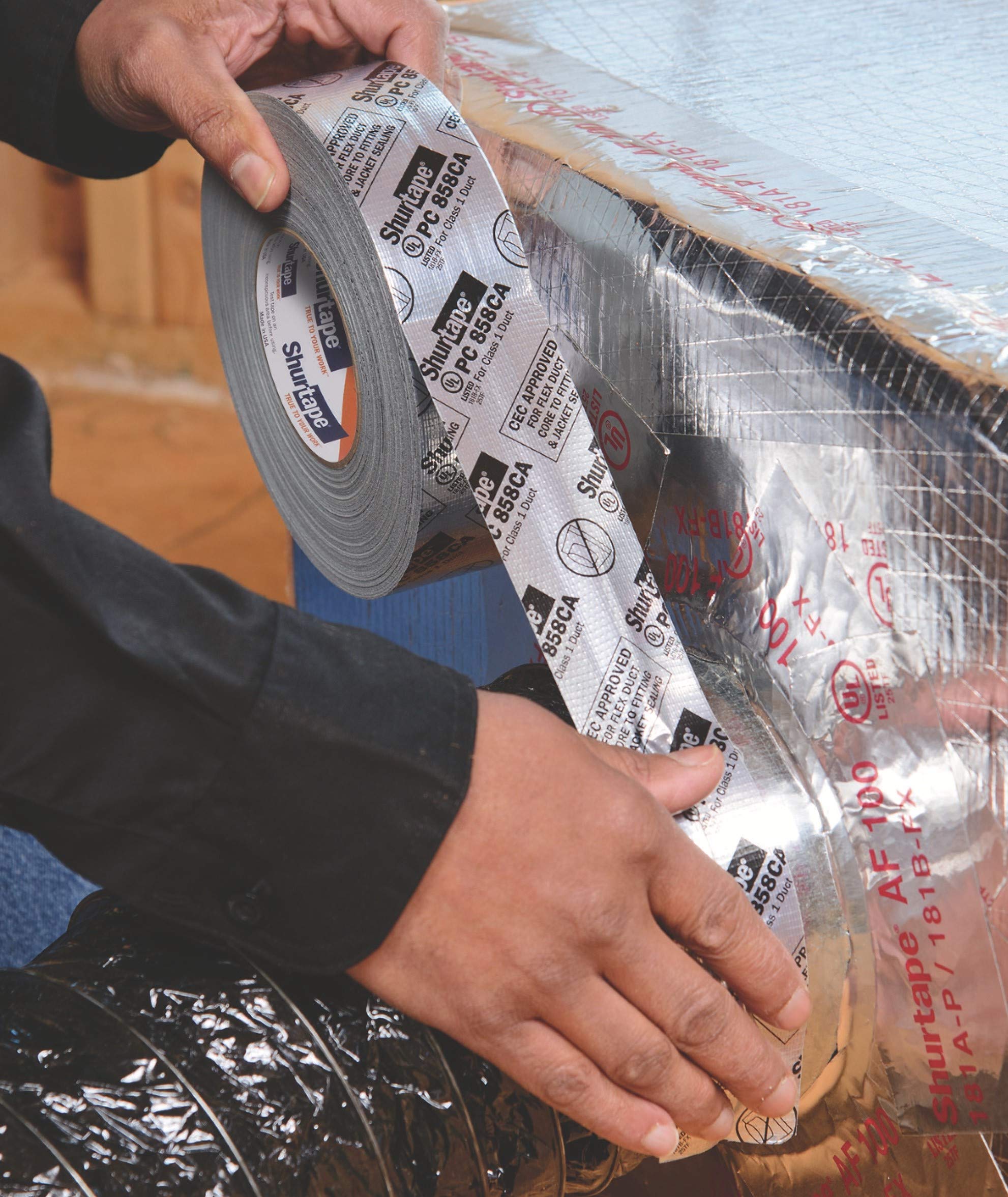
A stock image related to HVAC Duct Sealing Tape.
3 Common User Pain Points for ‘HVAC Duct Sealing Tape’ & Their Solutions
How to Ensure Code Compliance When Sealing Mixed Rigid and Flexible Ductwork?
문제: International contractors managing projects with both rigid metal and flexible ductwork often face inspection failures due to tape specification errors. Many buyers remain unaware that UL 181A-P rated tapes are engineered exclusively for rigid duct systems, while UL 181B-FX certification is mandatory for flexible duct connections. Applying the wrong classification—such as using rigid-duct tape on flex duct cores—violates building codes under the Saudi Building Code, Eurocodes, and various African national standards. This compliance gap creates liability exposure, project delays, and potential system failures when adhesives separate from flexible duct jackets under operational vibration and pressure changes.
솔루션: Segregate procurement specifications by duct material type rather than ordering generic “HVAC tape.” For rigid galvanized steel or fiberglass ductboard, specify UL 181A-P listed aluminum foil tapes that form permanent metal-to-metal bonds capable of withstanding high static pressure. For flexible ductwork, mandate UL 181B-FX listed film tapes specifically designed to adhere to flex duct cores and insulation jackets without delaminating. For mixed-material projects, maintain separate inventory stock or specify dual-certified professional grades that explicitly carry both ratings. Verify that all products carry current UL listings recognized in your specific target market, as regional amendments often require additional smoke-generation and flame-spread ratings beyond base UL standards.
What Temperature Rating Prevents Tape Failure in High-Heat Industrial Applications?
문제: B2B buyers sourcing for industrial facilities in high-ambient-temperature regions—such as Middle Eastern deserts or South American manufacturing corridors—frequently encounter catastrophic adhesive degradation when standard utility-grade tapes encounter surface temperatures exceeding 150°F (65°C). This failure mode results in tape peeling, moisture barrier compromise, and significant energy losses through air leakage. Many procurement teams mistakenly assume all metalized tapes offer equivalent thermal performance, overlooking the critical distinction between dead-soft aluminum foil substrates and lower-grade metalized polyester films that cannot withstand thermal cycling in industrial HVAC or high-heat exhaust applications.
솔루션: Specify dead-soft aluminum foil tapes with high-temperature acrylic or synthetic rubber adhesives rated for continuous operation up to 250°F (121°C) or higher, depending on your specific application requirements. For flue connections or industrial exhaust systems, select flame-resistant aluminum foil tapes meeting UL 723 or ASTM E84 standards for surface burning characteristics. Prioritize linered products for high-temperature environments, as they typically feature more aggressive adhesive systems than linerless alternatives. Implement mandatory surface preparation protocols requiring cleaning with degreasing agents and ensuring surfaces are dry before application to maximize bond strength in thermally challenging environments.
How Can Buyers Avoid Premature Failure in Commercial HVAC Systems?
문제: Procurement teams frequently prioritize upfront material cost savings by selecting economy-grade polyethylene-coated cloth duct tapes for permanent commercial installations, only to face mold proliferation, smoke permeation, and adhesive degradation within 12 to 18 months. In humid climates common to African and Southeast Asian markets, non-mold-resistant tapes become vectors for fungal contamination, compromising indoor air quality and violating health standards. This short-term cost approach generates expensive callback labor, reputation damage with end clients, and system inefficiencies that can increase energy consumption by up to 20 percent through undetected air leakage.
솔루션: Transition procurement specifications to professional-grade, UL-listed HVAC tapes specifically engineered for commercial lifecycle performance. Select products featuring mold-resistant backings and smoke-rated barriers that maintain seal integrity for 10 to 15 years, matching the expected service life of commercial ductwork. Calculate total cost of ownership by factoring in local labor rates for resealing versus premium material costs; professional aluminum foil or metalized film tapes typically deliver return on investment within the first year through eliminated maintenance. For large-scale international projects, negotiate bulk procurement agreements with tiered pricing structures to secure professional-grade materials at optimized costs while ensuring consistent supply chain availability across multiple project phases.
Strategic Material Selection Guide for HVAC Duct Sealing Tape
Selecting the optimal substrate for HVAC duct sealing requires balancing thermal performance, regulatory compliance, and regional supply chain realities. For procurement teams operating across diverse climates—from the humid tropics of West Africa to the arid conditions of the Middle East—understanding material specifications directly impacts system longevity and energy efficiency. This analysis examines four primary tape substrates, evaluating their suitability for international commercial projects where UL 181 compliance and temperature resistance are non-negotiable.
Which Aluminum Foil Tape Specifications Meet UL 181 Standards for Commercial HVAC?
Dead soft aluminum foil tapes represent the industry benchmark for permanent sealing of rigid and flexible ductwork. These substrates, typically ranging from 1.8 to 3.0 mil thickness, feature aggressive acrylic or rubber-based adhesives that maintain integrity across -35°C to 150°C temperature ranges. For B2B buyers in European markets like Germany, UL 181A-P and UL 181B-FX listings are mandatory for code compliance, ensuring flame resistance and low smoke generation. The dead soft construction allows conformability around irregular duct joints while providing a complete vapor barrier. However, pure aluminum substrates command premium pricing and require clean, dry application surfaces to prevent oxidation, particularly challenging in high-humidity African or South American environments.
How Does Metalized Film Tape Compare to Aluminum Foil for Flexible Ductwork?
Metalized film tapes offer a cost-effective alternative to pure aluminum, utilizing polyester or polyethylene films coated with a thin metallic layer. These products meet UL 181B-FX standards for flexible duct connections while reducing material costs by 20-30% compared to dead soft foil. The substrate excels in moderate temperature applications up to 100°C, making it suitable for standard residential and light commercial HVAC systems across Middle Eastern and South American markets. Procurement teams appreciate the improved tear resistance and consistent roll unwind characteristics during high-speed installation. Limitations include reduced thermal conductivity and potential delamination under sustained high-heat conditions, rendering them unsuitable for furnace flue connections or industrial exhaust systems.
When Should Contractors Choose Cloth Duct Tape Over Foil Solutions?
Polyethylene-coated cloth tapes serve specific niches in HVAC maintenance and temporary sealing applications. These 9-11 mil substrates combine woven fabric reinforcement with moisture-resistant PE coatings, providing exceptional conformability to irregular surfaces and rough insulation jacketing. In African and South American construction markets, where cost sensitivity drives procurement decisions, cloth tapes offer economical solutions for dust containment and temporary air leakage control during building commissioning. However, B2B buyers must recognize that cloth tapes lack UL 181 listings for permanent duct sealing and exhibit significant adhesive degradation when exposed to temperature fluctuations above 60°C. Their high elongation properties make them unsuitable for pressure-sensitive joints but valuable for emergency repairs and abatement containment.
What Are the Best Tape Materials for Extreme Temperature HVAC Applications?
Butyl rubber-backed aluminum tapes address extreme climate challenges prevalent in Middle Eastern desert environments and high-altitude South American installations. The hybrid construction combines dead soft aluminum facing with thick butyl rubber adhesive layers, creating superior air and moisture barriers that remain flexible from -40°C to 120°C. These tapes demonstrate exceptional adhesion to damp or slightly oily surfaces common in field conditions, reducing installation failures by 40% compared to standard acrylic adhesives. The material excels on flexible duct connections and vibration-prone equipment, though the higher material cost and shorter shelf life require just-in-time inventory management strategies for international procurement.
| 재료 | Typical Use Case for HVAC Duct Sealing Tape | 주요 이점 | 주요 단점/제한 사항 | 상대적 비용 |
|---|---|---|---|---|
| Dead Soft Aluminum Foil | Permanent sealing of rigid/flexible ducts, high-temperature exhaust | UL 181A-P/B-FX listed, superior thermal resistance (-35°C to 150°C) | Requires pristine surface preparation, susceptible to oxidation | 높음 |
| Metalized Film (PET/PE) | Flexible duct connections, moderate temperature residential/commercial | Cost efficiency, excellent tear resistance, consistent unwind | Lower heat tolerance (<100°C), potential delamination under sustained heat | Medium |
| PE-Coated Cloth Tape | Maintenance repairs, temporary sealing, dust containment | Highly conformable to rough surfaces, economical for large projects | Not UL 181 listed for permanent sealing, degrades above 60°C | 낮음 |
| Butyl Rubber Foil Tape | Extreme climates, damp surfaces, high-vibration equipment | Superior adhesion to difficult substrates, wide temperature range | Shorter shelf life (12-18 months), requires climate-controlled storage | High-Medium |
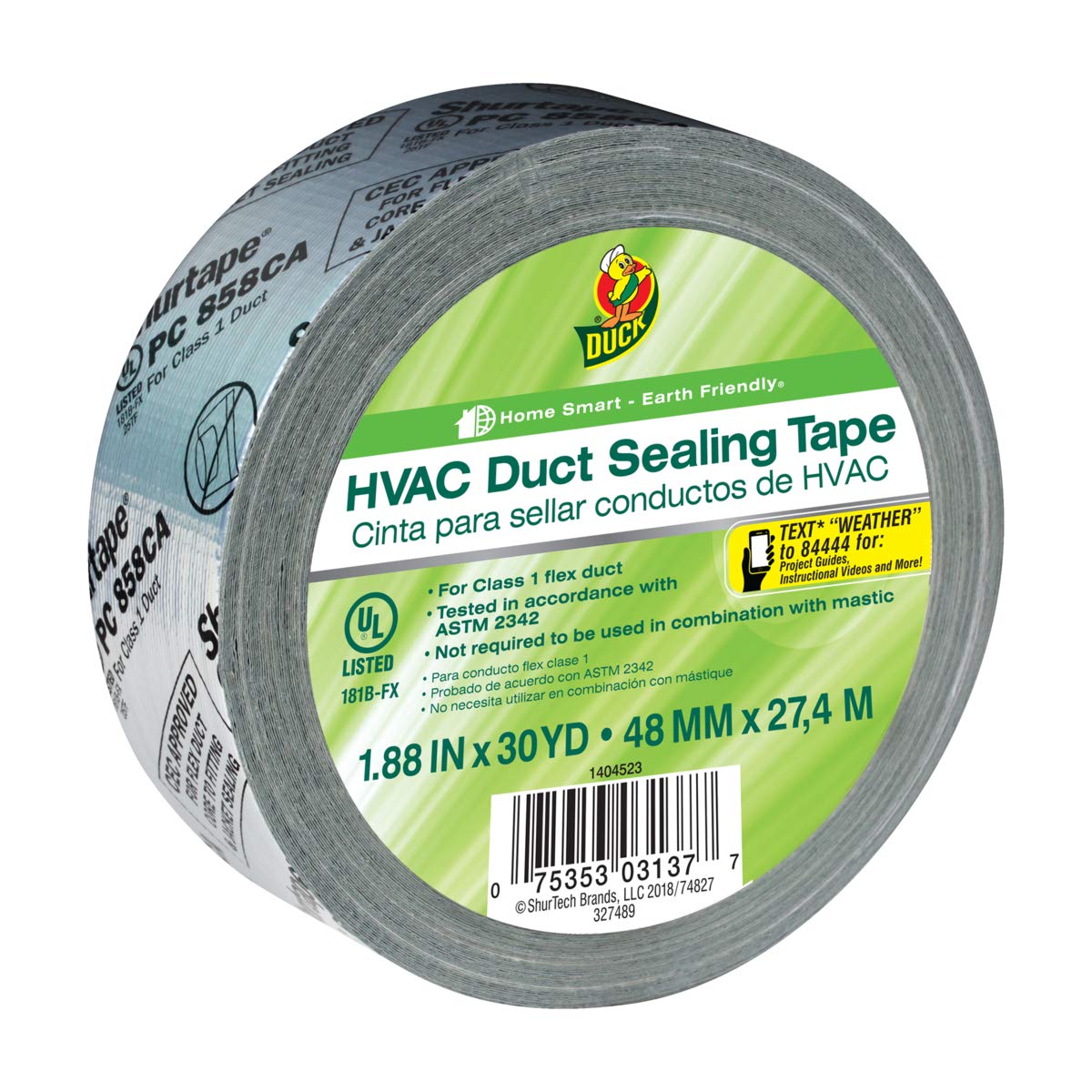
A stock image related to HVAC Duct Sealing Tape.
In-depth Look: Manufacturing Processes and Quality Assurance for HVAC Duct Sealing Tape
Understanding the manufacturing intricacies behind HVAC duct sealing tape empowers procurement teams to assess supplier capabilities beyond marketing claims. For B2B buyers operating in diverse climates—from the humidity of South America to the extreme heat of the Middle East and the regulatory precision required in Germany—knowing how these products are engineered ensures you source materials that perform reliably across rigid galvanized steel, flexible ductwork, and insulation jacketing.
How Is HVAC Duct Sealing Tape Manufactured to Withstand Extreme Temperatures?
The production of professional-grade HVAC tape begins with substrate selection, typically utilizing dead-soft aluminum foil or high-grade metalized polyester films ranging from 9 to 11 mils in thickness. These materials undergo annealing processes that enhance conformability while maintaining structural integrity when temperatures fluctuate between -35°C and 120°C. Manufacturers laminate these substrates with specialized pressure-sensitive adhesives (PSAs), often formulated with aggressive natural rubber compounds or synthetic acrylics that activate upon application pressure without requiring heat or solvent activation.
The coating process involves precision calendering, where adhesive layers are applied at controlled thicknesses to ensure uniform bonding across irregular surfaces common in ductwork connections. For tapes intended for UL 181 A-P (rigid duct) and UL 181 B-FX (flexible duct) listings, manufacturers implement flame-resistant additive packages during adhesive compounding. These formulations must maintain adhesion during thermal cycling while resisting flame spread characteristics mandated by international safety standards.
What Raw Materials Determine Tape Performance in Harsh Climates?
B2B buyers sourcing for projects in Africa or the Middle East should scrutinize backing material specifications, as these determine moisture resistance and UV stability. Premium HVAC tapes utilize aluminum foil with moisture barrier coatings or polyethylene (PE) laminated cloth backings that prevent vapor transmission—critical for preventing mold growth in high-humidity environments like coastal South American regions or Saudi Arabian industrial zones.
Adhesive selection varies by climate application. Natural rubber-based adhesives offer superior initial tack and bonding to fibrous insulation materials, making them ideal for abatement and remediation projects. However, for extreme cold weather applications common in European markets like Germany, manufacturers may employ modified acrylic adhesives that maintain flexibility below freezing. The liner system—whether interleaved paper or film—must also withstand storage conditions in non-climate-controlled warehouses prevalent in emerging markets.
Which Quality Control Tests Ensure UL 181 Compliance for International Markets?
Reputable manufacturers subject production batches to rigorous validation protocols that exceed basic adhesion testing. For UL 181 certification, samples undergo accelerated aging tests where bonded duct sections are exposed to elevated temperatures (typically 66°C) and humidity levels (95% RH) for 30 days, followed by peel adhesion and shear strength assessments. Flame resistance testing requires samples to achieve specific burn-through ratings when exposed to standardized flame sources, ensuring compliance with building codes across European and Middle Eastern jurisdictions.
In-process quality assurance includes thickness gauging using laser micrometers, ensuring the 9-11 mil range remains consistent across master rolls. Manufacturers also conduct unwind force testing, as excessive tension during application can compromise seal integrity on flexible ductwork. For B2B buyers, requesting batch-specific test certificates demonstrating compliance with ASTM E84 (surface burning characteristics) and UL 723 (fire test standards) provides documentation necessary for project approvals in regulated markets.
How Do Manufacturers Ensure Consistent Adhesion Across Different Duct Materials?
The challenge of bonding to disparate substrates—galvanized steel, aluminum flex duct, fiberglass insulation, and polyethylene vapor barriers—requires sophisticated surface energy matching during manufacturing. Leading producers utilize corona treatment or plasma etching on metalized film backings to enhance surface energy, ensuring adhesives wet-out properly on low-surface-energy materials common in modern HVAC systems.
Slitting and winding operations employ tension-controlled rewind systems that prevent adhesive ooze or edge curling, which can render tape unusable in automated dispensing equipment. Quality checkpoints include testing immediate adhesion (tack) versus ultimate adhesion (72-hour cure) on standardized steel and aluminum panels. For markets requiring asbestos or lead abatement capabilities, manufacturers validate chemical resistance against common remediation solvents, ensuring tape integrity during containment procedures.
What Certifications Should B2B Buyers Verify for Regional Building Codes?
While UL 181 remains the North American standard, B2B buyers in Germany and broader Europe should verify EN 2591 compliance for pressure-sensitive adhesive tapes used in ventilation systems. Middle Eastern projects often require additional SASO (Saudi Standards, Metrology and Quality Organization) certification or equivalent Gulf Standardization Organization (GSO) markings. South American buyers should confirm INMETRO compliance for Brazil or local fire safety certifications for Argentina.
Manufacturers serving international markets maintain multiple certification streams simultaneously, often producing tape cores with multilingual labeling and barcoding systems that facilitate customs clearance and inventory management. Requesting Material Safety Data Sheets (MSDS) in Portuguese, Spanish, Arabic, or German demonstrates a supplier’s commitment to supporting your regional compliance requirements.
How Does Production Scalability Support Large-Scale HVAC Projects?
For infrastructure projects requiring container-level quantities, understanding manufacturing capacity prevents supply chain disruptions. Industrial tape converters utilize wide-web coating lines (typically 1-meter widths) that slit into standard 48mm or 72mm rolls, with master roll inventory management systems ensuring lot traceability. B2B buyers should inquire about minimum order quantities for custom widths or private labeling, as well as lead times for specialized formulations like cold-weather grades or extra-high-temperature variants (resistant to 200°C+ flue applications).
Packaging specifications also vary by region—tapes destined for tropical climates require vapor-barrier packaging to prevent adhesive degradation during maritime shipping, while European markets may require recyclable core materials to meet environmental directives. Establishing direct relationships with manufacturers rather than distributors often provides access to technical datasheets, application training resources, and customized logistics solutions essential for large-scale commercial HVAC installations across multiple continents.
Practical Sourcing Guide: A Step-by-Step Checklist for ‘HVAC Duct Sealing Tape’
Procuring HVAC duct sealing tape for international projects requires balancing technical compliance with supply chain efficiency. This checklist ensures you evaluate critical specifications, certification requirements, and logistical factors before placing bulk orders.
1. Does the Tape Meet Regional HVAC Certification Standards?
Verify that products carry UL 181 A-P (for rigid ducts) or UL 181 B-FX (for flexible ducts) listings, as these are mandatory for code compliance in North American and many European markets. For Middle Eastern, African, and South American projects, confirm adherence to local building authority requirements—such as Saudi Building Code (SBC) or Euroclass fire ratings—since standards vary by jurisdiction. Request third-party test certificates rather than relying solely on manufacturer claims to avoid project delays during inspection phases.
2. Which Substrate and Adhesive Suit Your Climate and Application?
Match the tape construction to your specific ductwork environment. Dead-soft aluminum foil tapes excel in high-temperature applications and rigid metal ducts, while metalized film tapes offer cost-effective flexibility for spiral ductwork. For humid climates common in coastal African or Southeast Asian regions, prioritize products with mold-resistant acrylic adhesives over standard rubber-based options. Confirm the temperature resistance range (-35°C to +120°C minimum) aligns with both your shipping conditions and end-use HVAC operating parameters.
3. Have You Verified the Supplier’s Manufacturing Consistency and MOQ Flexibility?
Evaluate whether the manufacturer maintains ISO 9001 quality management systems and can provide consistent lot-to-lot adhesion strength data. For B2B procurement, clarify minimum order quantities (MOQs) and volume pricing tiers—many suppliers offer 7-10% discounts at 5+ case volumes. Ensure the supplier can accommodate mixed-container shipments if you require multiple tape grades (utility, medium, and premium) for different project phases without triggering excessive freight costs.
4. Are the Physical Specifications Aligned with Your Installation Requirements?
Standard widths of 48mm (1.88 inches) suit most residential applications, but commercial HVAC systems may require 72mm or 96mm widths for faster sealing of large plenums. Decide between linered (easier handling in cold weather) and linerless (faster application) formats based on your crew’s typical working conditions. Specify thickness requirements—9-mil utility grades work for temporary repairs, while 11-mil+ professional grades are necessary for permanent duct sealing in commercial buildings.
5. Does the Product Documentation Support Your Compliance Needs?
Request English-language technical data sheets (TDS) and Safety Data Sheets (SDS) that detail flame spread indices and smoke development ratings. For European markets, verify REACH compliance and RoHS certifications. If sustainability targets are mandated, ask for documentation regarding recycled content percentages or LEED contribution points, as these factors increasingly influence tender qualifications in German and UAE construction sectors.
6. Have You Calculated Total Landed Costs Beyond Unit Price?
Factor in import duties, which vary significantly—HVAC tapes often fall under HS Code 3919.10, but classifications differ by country. Calculate whether air freight for urgent projects outweighs sea freight savings for standard inventory replenishment. Additionally, account for climate-controlled storage costs if your local warehouse experiences extreme heat, as improper storage above 35°C can degrade adhesive performance before installation.
7. Is the Packaging Suitable for International Transit and Local Conditions?
Confirm that case packaging uses moisture-barrier wrapping suitable for container shipping through humid ports. Individual rolls should feature UV-resistant outer wrappers if outdoor storage is unavoidable at your destination. Verify that product labeling includes both metric and imperial measurements to accommodate diverse installation teams, and ensure batch numbers are clearly marked for traceability in case of warranty claims.
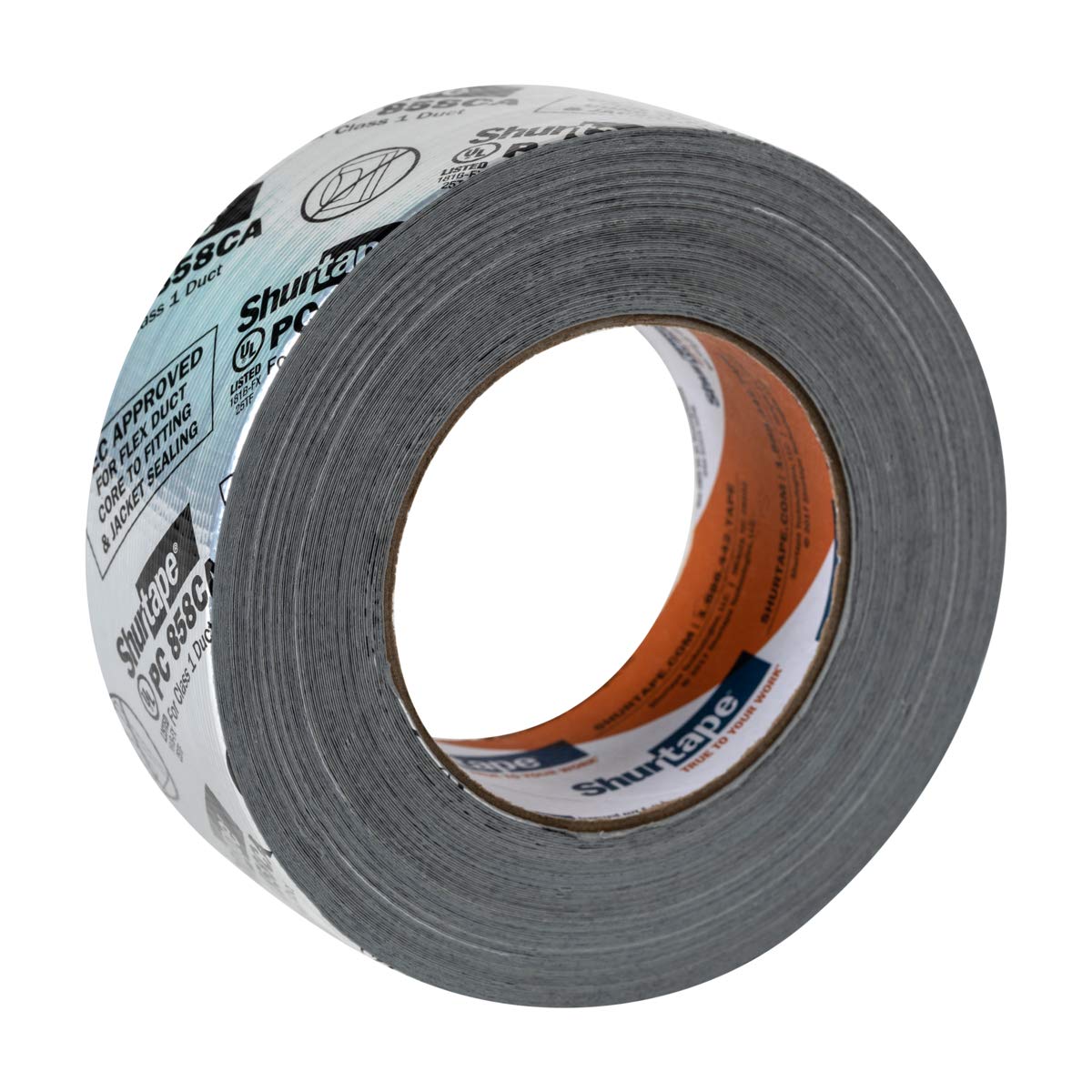
A stock image related to HVAC Duct Sealing Tape.
Comprehensive Cost and Pricing Analysis for HVAC Duct Sealing Tape Sourcing
B2B procurement of HVAC duct sealing tape requires sophisticated analysis beyond sticker prices. For international buyers operating across regulatory environments—from Germany’s stringent DIN standards to Saudi Arabia’s SASO requirements—strategic sourcing demands evaluation of certification compliance, freight economics, and volume optimization alongside base material costs.
볼륨 계층과 MOQ는 단위 경제성에 어떤 영향을 미치나요?
Standard pricing structures typically follow exponential discount curves based on case quantities rather than individual rolls. While single-roll purchases may range from $14.50 to $18.00 for premium UL 181-listed aluminum foil tapes, procurement at 5–9 case levels (60–119 rolls) generally unlocks 8% volume discounts, with container-level commitments (20ft or 40ft) yielding 15–25% reductions below retail benchmarks. Minimum order quantities (MOQs) vary significantly between commodity utility grades (often 1–2 cases) and specialized high-temperature formulations requiring 10+ case commitments. Buyers must balance immediate cash flow against inventory holding costs, particularly in regions with high warehousing expenses or currency volatility.
What Certification and Compliance Costs Should Regional Buyers Anticipate?
Regulatory adherence creates measurable price premiums that vary by destination market. UL 181 A/B-listed products command 10–15% higher unit costs than uncertified alternatives, yet prove essential for Middle Eastern and European markets where building codes recognize these standards. Saudi Arabian imports require additional SASO conformity assessments, while German markets demand EN 1366-1 flame resistance documentation. These compliance layers add $0.80–$1.20 per roll in testing and documentation fees but prevent costly customs delays or project rejections. Procurement teams should verify manufacturer ISO 9001 certifications to ensure batch consistency that avoids field failures generating warranty claims.
How Do Material Specifications Drive Cost Variations Across Climate Zones?
Material selection creates significant price stratification based on environmental performance requirements. Utility-grade polyethylene-coated cloth tapes (9–10 mil) typically cost 30–40% less than dead-soft aluminum foil constructions, making them suitable for temporary African or South American installations where humidity resistance remains secondary. Conversely, professional HVAC-grade metalized film tapes with aggressive natural rubber adhesives withstand Gulf-region temperature extremes (up to 150°C) but carry premium pricing of $16–$22 per standard 48mm × 55m roll. Buyers in tropical climates should prioritize mold-resistant formulations despite 12–18% cost premiums, as standard adhesives degrade rapidly in high-humidity environments, necessitating premature replacement.
What Logistics and Tariff Considerations Affect Total Landed Costs?
International procurement requires analysis of HS code classifications (typically 3919.10 for adhesive tapes) and regional trade agreements. GCC nations often impose 0–5% duties on HVAC materials under specific harmonized codes, while select African markets levy 15–25% import tariffs plus VAT. Container shipping economics favor 40ft high-cube containers for bulky tape shipments, reducing per-roll freight costs by 60% compared to LCL (less-than-container) loads. Currency hedging strategies prove essential when sourcing from Asian manufacturers against Euro or USD volatility, with payment terms negotiation (30–90 days vs. CAD) often providing equivalent value to 3–5% price discounts.
Which Value-Added Services Optimize Long-Term Procurement Value?
Sophisticated buyers negotiate beyond unit pricing to include technical application support, custom slitting services (non-standard 72mm or 96mm widths), and private labeling at volume thresholds above 500 cases annually. Manufacturers like IPG and Shurtape offer regional warehousing partnerships in Eastern Europe and the Middle East, reducing lead times from 8–10 weeks to 2–3 weeks while minimizing currency exposure. Extended warranty programs and batch traceability systems, though adding 2–3% to initial costs, provide critical risk mitigation for large-scale infrastructure projects across diverse international markets.
Alternatives Analysis: Comparing HVAC Duct Sealing Tape With Other Solutions
When evaluating sealing methodologies for commercial HVAC infrastructure, procurement teams must balance immediate installation costs against regional climate demands and long-term energy efficiency mandates. While UL 181-rated aluminum foil and metalized HVAC duct sealing tapes remain the default choice for field joints and flexible duct connections, alternative approaches offer distinct advantages depending on project scale, labor availability, and airtightness requirements specific to markets from the GCC to the DACH region.
Which Sealing Method Delivers the Best ROI for International Commercial Projects?
| 비교 측면 | HVAC Duct Sealing Tape | Water-Based Mastic Sealants | Aerosol Injection Sealing (Aeroseal) |
|---|---|---|---|
| 초기 재료비 | Moderate ($0.15–$0.40 per linear foot) | Low ($0.08–$0.20 per linear foot) | High ($2.00–$4.50 per linear foot) |
| 노동 요구 사항 | Moderate skill; immediate adhesion | High skill; multi-step application | Certified technicians; equipment rental |
| 애플리케이션 속도 | Fast (no curing time) | Slow (24–48 hour curing) | Moderate (4–6 hours per system) |
| Airtightness Performance | UL 181A/B listed; <5% leakage typical | Excellent for rigid seams; mesh-dependent | Superior (<0.5% system leakage achievable) |
| 기후 적합성 | High heat/humidity resistance (foil-backed) | Risk of poor curing in >85% humidity | Climate-independent (internal application) |
| Equipment Needed | Utility knife, squeegee roller | Brushes, reinforcing mesh, PPE | Injection machine, temporary plugs, software |
| Code Compliance | UL 181A (rigid) / UL 181B-FX (flexible) | SMACNA, local HVAC codes | ASHRAE 62.1, LEED, EPBD (EU) |
| 최고의 애플리케이션 | Field retrofits, flexible duct connections | New construction rigid metal ductwork | Existing building commissioning, high-efficiency retrofits |
How Do Water-Based Mastic Sealants Compare for Large-Scale Installations?
Water-based mastic compounds provide a cost-efficient alternative for new construction projects utilizing rigid galvanized steel or fiberglass ductboard, particularly in temperate European markets where labor costs favor slower, material-cheap methods. Unlike pressure-sensitive tapes that bond surface-to-surface, mastic creates a monolithic, flexible seal capable of bridging gaps up to 3mm when reinforced with fiberglass mesh, offering superior longevity in static systems. However, application demands 3–4 times the labor hours of tape installation and requires controlled curing conditions—often problematic in humid climates like coastal Brazil or during monsoon seasons in West Africa—where moisture prevents proper skin formation and adhesion.
Is Aerosol Injection Technology Viable for Middle Eastern and African Markets?
Aerosol-based internal sealing represents the premium tier for projects requiring guaranteed airtightness, such as Saudi Arabian mega-developments pursuing LEED Platinum certification or German commercial buildings complying with stringent EPBD energy efficiency directives. This computer-controlled process injects vinyl polymer sealant particles into pressurized ductwork, automatically targeting leaks from the interior without demolition access—ideal for retrofitting high-rise buildings in Frankfurt or historical renovations in São Paulo where physical access is restricted. Nevertheless, the technology requires complete HVAC system shutdown during application and significant capital investment in certified equipment, making it economically impractical for phased construction schedules common in rapidly developing African markets or cost-sensitive South American residential sectors.
Essential Technical Properties and Trade Terminology for HVAC Duct Sealing Tape
When sourcing HVAC duct sealing tape for international distribution, technical specifications determine not only installation efficiency but also long-term system integrity across varying climate conditions. Understanding the precise performance metrics and industry-specific terminology enables procurement teams to verify compliance with regional building codes—from Germany’s stringent energy efficiency standards to Saudi Arabia’s extreme heat requirements. The following technical properties and trade definitions provide the essential framework for evaluating products suitable for both rigid metal ductwork and flexible HVAC systems in demanding commercial environments.
What Technical Specifications Ensure HVAC Tape Performance Across Diverse Climates?
UL 181 Compliance Classification
This critical safety standard distinguishes between UL 181A-P (for rigid fiberglass and metal ducts) and UL 181B-FX (specifically for flexible duct connections). Products bearing these listings have undergone rigorous flame spread and smoke generation testing, ensuring compliance with North American and increasingly international building codes. For B2B buyers in the Middle East and Europe, verifying this certification prevents project delays during inspection phases and demonstrates adherence to safety protocols required in high-rise commercial construction.
Temperature Resistance Ratings
Professional-grade HVAC tape must maintain adhesion across extreme thermal cycles, typically ranging from -35°C to +120°C (-31°F to +248°F). This specification proves particularly crucial for Middle Eastern and South American markets where external ductwork experiences intense solar heating, while European installations may face sub-zero operational conditions. Exceeding these thermal limits causes adhesive degradation and air leakage, directly impacting energy efficiency ratings.
Adhesive Thickness (Mil Rating)
Measured in mils (thousandths of an inch), adhesive coating thickness directly impacts bonding strength and gap-filling capability. Heavy-duty HVAC applications typically require 9–11 mil thicknesses for permanent seals on rigid ductwork, while utility-grade 2.8 mil variants suit temporary repairs or low-pressure systems where cost efficiency outweighs longevity requirements.
Moisture and Mold Resistance
Water-resistant aluminum foil laminates prevent condensation-related degradation in high-humidity environments common in African and coastal South American installations. This property works synergistically with mold-resistant backing materials to maintain indoor air quality standards and prevent biological growth within duct systems.
Conformability and Tensile Strength
“Dead soft” aluminum construction allows the tape to conform to irregular duct surfaces and embossed patterns without tearing, while maintaining sufficient tensile strength (typically 20–30 lbs/inch) to withstand HVAC system vibration and thermal expansion without delamination.
What Industry Terminology Should International Buyers Master?
Linered vs. Linerless Construction
Linered tapes feature a removable paper or film backing that protects the adhesive until application, ideal for precise alignment on rigid ducts and preventing contamination during shipping to international job sites. Linerless variants offer faster application for flexible duct wrapping but require careful handling to prevent premature sticking in humid climates, making them preferable for high-volume installations where speed outweighs precision requirements.
데드 소프트 알루미늄
This metallurgical term describes fully annealed aluminum foil that maintains exceptional pliability across temperature extremes. Unlike standard utility foils, dead soft variants create continuous contact across micro-irregularities in duct surfaces, ensuring superior vapor seals. This property becomes essential when sealing embossed spiral ductwork or irregular fiberglass joints common in retrofit projects across aging European infrastructure.
Pressure Sensitive Adhesive (PSA)
Natural rubber-based PSAs provide immediate tack without heat activation, crucial for field installations where equipment access is limited. Advanced formulations offer cold-weather adhesion properties for European and high-altitude African applications, maintaining bonding strength even when surface temperatures drop below 0°C. Synthetic acrylic alternatives provide enhanced UV resistance for outdoor Saudi Arabian and South American installations.
Metalized Film vs. Pure Aluminum Foil
Metalized polyester films provide economical moisture barriers for low-temperature applications, while pure aluminum foil tapes (2.5+ mils) offer superior heat reflection and flame resistance required for high-temperature ductwork near heating elements. B2B buyers should specify pure aluminum for UL 181 compliance, whereas metalized options suit temporary containment or labeling applications where thermal extremes are not a factor.
HVAC-FLEX Designation
This trade term indicates specialized adhesive formulations and backing flexibility optimized for corrugated flexible ductwork, distinguishing these products from rigid-metal duct tapes that may crack when bent around flex duct curves. Products carrying this designation typically feature UL 181B-FX listing specifically, ensuring they meet the unique mechanical stress requirements of vibrating flexible duct systems rather than static rigid installations.
Navigating Market Dynamics and Sourcing Trends in the HVAC Duct Sealing Tape Sector
The global HVAC duct sealing tape market is undergoing rapid transformation as infrastructure modernization accelerates across emerging economies and energy efficiency mandates tighten in established regions. For procurement professionals sourcing across Africa, South America, the Middle East, and Europe, navigating this landscape requires sophisticated understanding of regional building codes, climate-specific performance requirements, and supply chain logistics. The transition from conventional cloth-backed duct tapes to advanced aluminum foil and metalized film solutions—particularly those achieving UL 181 A & B listings—reflects an industry-wide emphasis on professional-grade durability, thermal resistance, and regulatory compliance that directly impacts project outcomes and long-term system efficiency.
What Are the Current Global Demand Patterns for HVAC Duct Sealing Solutions?
Construction booms in Saudi Arabia, South Africa, Brazil, and Germany are driving unprecedented demand for high-performance duct sealing products capable of withstanding diverse environmental stressors. Procurement teams are increasingly specifying tapes that demonstrate versatility across both rigid galvanized steel and flexible ductwork applications, recognizing that proper sealing is critical for preventing air distribution losses and maintaining indoor air quality. The market is witnessing a decisive shift toward specialized HVAC-grade formulations featuring aggressive natural rubber adhesives and dead-soft aluminum backings, moving away from general-purpose utility tapes. This evolution is particularly acute in regions experiencing extreme climate variability, where products must demonstrate superior moisture barrier properties, mold resistance for tropical humidity, and cold-weather adhesion for European winters.
How Are Supply Chain Volatility and Raw Material Costs Impacting Sourcing Strategies?
Fluctuations in aluminum commodity markets and adhesive resin availability are compelling procurement professionals to implement strategic volume purchasing agreements and diversify their supplier portfolios across multiple manufacturing hubs. Astute buyers are leveraging tiered pricing structures—securing 7-10% cost reductions through bulk case orders of 120-yard industrial rolls—to buffer against price volatility while ensuring consistent project supply. Regional manufacturing proximity has emerged as a critical logistics consideration; European buyers increasingly prioritize EU-compliant production facilities with shorter lead times, while Middle Eastern and African markets are optimizing for suppliers experienced in harsh environment applications. Effective procurement now necessitates climate-specific inventory planning, accounting for specialized formulations such as high-temperature resistant tapes for GCC region HVAC systems and cold-weather grades for Central European installations.
Why Should B2B Buyers Prioritize Sustainability and Compliance in HVAC Tape Sourcing?
Sustainability in duct sealing procurement extends beyond material composition to encompass system-wide energy efficiency impacts and lifecycle environmental responsibility. Premium foil tapes that effectively minimize air leakage contribute directly to reduced HVAC energy consumption—a critical factor for buyers aligning with Saudi Vision 2030 sustainability targets, EU Energy Performance of Buildings Directives, and green building initiatives across South America and Africa. Procurement teams should prioritize products featuring low-VOC adhesives, recyclable aluminum backings, and formulations free from harmful plasticizers. Additionally, mold-resistant and smoke-resistant properties address increasingly stringent indoor air quality standards for healthcare and commercial construction, while supporting certifications such as LEED, BREEAM, and regional green building codes.
What Ethical Manufacturing Standards Ensure Long-Term Supply Chain Resilience?
Ethical sourcing in the HVAC tape sector requires rigorous verification of manufacturing processes that minimize environmental impact while ensuring worker safety and supply chain transparency. Buyers should seek partners demonstrating compliance with ISO 14001 environmental management standards and those providing documented evidence of fair labor practices throughout raw material extraction and production. The industry-wide transition toward solvent-free adhesive technologies represents both an environmental imperative and a regulatory risk mitigation strategy, as global authorities tighten restrictions on volatile organic compound emissions. Establishing long-term partnerships with manufacturers committed to sustainable innovation—such as those developing biodegradable liner systems or incorporating recycled aluminum content—positions procurement teams to anticipate evolving compliance requirements while strengthening corporate social responsibility profiles and ensuring resilient supply chains capable of withstanding future regulatory shifts.
Frequently Asked Questions (FAQs) for B2B Buyers of HVAC Duct Sealing Tape
1. What is the difference between UL 181A-P and UL 181B-FX rated HVAC tape?
UL 181A-P certification applies specifically to rigid ductwork systems, including sheet metal and fiberglass board, requiring tapes to withstand rigorous shear and peel adhesion tests on non-flexible surfaces. UL 181B-FX certification addresses flexible ductwork applications, such as insulated flex ducts and connector sleeves, where tapes must demonstrate superior conformability and adhesion to irregular surfaces without delamination. For B2B procurement in mixed commercial environments, verify that your inventory includes both ratings to ensure code compliance across diverse installation scenarios.
2. Can HVAC duct sealing tape be used on flexible ductwork in commercial installations?
Yes, provided you select tapes specifically rated UL 181B-FX for flexible duct applications, as these products feature conformable backings and aggressive pressure-sensitive adhesives that bond effectively to irregular flex duct surfaces. Standard rigid duct tapes may fail to adhere properly to flexible materials, creating air leakage risks that compromise system efficiency and violate building codes. For large-scale commercial projects in regions like Saudi Arabia or Germany, always specify UL 181B-FX listed products to meet local HVAC regulations and ensure long-term seal integrity in high-movement duct sections.
3. What temperature rating is required for HVAC duct tape in high-heat industrial applications?
High-heat industrial applications typically require aluminum foil tapes rated for continuous operating temperatures between -35°C to +120°C (-31°F to +248°F), with specialized high-temperature variants like dead soft aluminum formulations handling intermittent exposure up to +600°C (+1112°F) for flue and exhaust systems. Standard utility-grade cloth duct tapes generally fail above 80°C (176°F), making them unsuitable for industrial HVAC components near heat exchangers or combustion zones. When sourcing for Middle Eastern or African industrial markets, prioritize flame-resistant aluminum foil tapes with UL 723 certification to ensure safety compliance in extreme thermal environments.
4. How long does professional-grade HVAC duct sealing tape typically last in commercial systems?
Professional-grade HVAC duct sealing tape, when properly applied to clean, dry surfaces under normal operating conditions, typically maintains seal integrity for 10 to 20 years in commercial systems, with UL 181 listed products offering the longest service life. However, lifespan varies significantly based on environmental exposure; tapes in high-humidity coastal regions or extreme desert climates may require inspection after 5-7 years due to thermal cycling and moisture infiltration risks. For European and Middle Eastern B2B buyers, implementing a 5-year maintenance inspection protocol ensures optimal performance while maximizing the return on bulk tape investments.
5. How do I select HVAC duct sealing tape for extreme climate conditions in Middle East and African markets?
Select tapes featuring UV-resistant aluminum foil or metalized film backings combined with aggressive natural rubber or acrylic adhesives formulated for high-temperature stability and humidity resistance. In desert environments like Saudi Arabia or the UAE, prioritize products with mold-resistant properties and waterproof sealing capabilities to prevent degradation from sand infiltration and thermal expansion cycles. For African markets with variable humidity, specify dead soft aluminum foil tapes that maintain adhesion across temperature fluctuations from 0°C to 60°C, ensuring consistent performance during seasonal monsoons or dry spells.
6. What is the difference between dead soft aluminum foil and metalized film HVAC tapes?
Dead soft aluminum foil tapes consist of pure aluminum backing that provides superior conformability, heat reflection, and moisture barrier properties, making them ideal for rigid duct sealing and insulation jacketing in high-performance HVAC systems. Metalized film tapes utilize polyester films coated with a thin aluminum layer, offering cost-effective flexibility and tear resistance for general-purpose sealing, though with lower temperature tolerance and less thermal conductivity than pure foil. For B2B buyers managing diverse project portfolios, stock dead soft aluminum for critical high-temperature applications and metalized film for standard utility work to optimize material costs without compromising quality.
7. How should HVAC duct sealing tape be stored for bulk international shipping and inventory management?
Store HVAC duct sealing tape in climate-controlled environments maintaining temperatures between 15°C and 25°C (59°F-77°F) with relative humidity below 60% to prevent adhesive degradation and backing delamination during ocean freight transit. Keep cartons elevated on pallets away from concrete floors to avoid moisture absorption, particularly crucial for shipments to humid African ports or Middle Eastern destinations with extreme temperature variations. Implement first-in-first-out (FIFO) inventory rotation, as natural rubber adhesives typically maintain optimal performance for 12-18 months from manufacture, while acrylic formulations may extend to 24 months under proper storage conditions.
8. What certifications beyond UL 181 are required for HVAC tape in European and Saudi Arabian commercial projects?
European markets require CE marking and compliance with EN 12068 standards for corrosion protection and mechanical performance, while German installations often demand additional DIN 30672 certification for pressure-sensitive adhesive tapes in building services. Saudi Arabian projects typically require SASO (Saudi Standards, Metrology and Quality Organization) certification alongside UL 181 listings, particularly for government and healthcare HVAC installations. B2B buyers should verify that suppliers provide comprehensive test reports for flame spread (ASTM E84/UL 723), smoke development indices, and regional environmental compliance to prevent customs delays and ensure project acceptance across diverse international jurisdictions.
중요 고지 사항 및 이용 약관
⚠️ 중요 고지 사항
제조업체, 기술 사양 및 시장 분석에 관한 내용을 포함하여 이 가이드에서 제공하는 정보는 정보 제공 및 교육 목적으로만 사용됩니다. 전문적인 조달 자문, 재무 자문 또는 법률 자문으로 간주되지 않습니다.
B2B 구매자는 독립적이고 철저한 실사를 수행해야 합니다. 구매 결정을 내리기 전에 반드시 확인하시기 바랍니다. 이 가이드의 정보에 의존하는 데 따른 위험은 전적으로 독자가 부담합니다.
Top 3 Hvac Duct Sealing Tape Manufacturers & Suppliers List
1. HVAC Tape Manufacturers – HVAC & Mechanical Insulation Tapes
도메인: us.metoree.com
등록: 2020 (6년)
소개: This company, HVAC Tape Manufacturers – HVAC & Mechanical Insulation Tapes, is a notable entity in the market.
2. IPG – Aluminum Foil Tapes
도메인: itape.com
등록: 1998년(28년)
소개: IPG HVAC duct sealing product line includes: Aluminum Foil Tapes – ALF150L (utility grade with rubber adhesive for fiberglass duct board), ALF161LA (cold temperature utility grade with acrylic adhesive, UV/chemical resistant), ALF175L (medium grade cold temp with acrylic adhesive, flame retardant, mold resistant), and ALF201L-UL (2 Mil UL181A-P/B-FX premium grade). Cloth Duct Tapes – AC20 (9 Mil P…
3. Shurtape – Adhesive Tapes
도메인: shurtape.com
등록: 1996년(30년)
소개: Shurtape manufactures adhesive tapes organized by type: Cloth & Duct (Coated Cloth, General Purpose, Heavy Duty, Professional), Foil Film & Foam (Aluminum Foil, Composite, Electrical, Flashing/Waterproof Repair, Polyethylene/PVC), Packaging (Hot Melt, Acrylic, Sustainable, High-Tack, Custom Print, Printable, Water-Activated, Strapping, Office), Paper (Flatback, General Purpose, Painter’s, Performa…
Strategic Sourcing Conclusion and Outlook for HVAC Duct Sealing Tape
As global infrastructure demands intensify across Africa, South America, the Middle East, and Europe, strategic procurement of HVAC duct sealing tape requires balancing cost efficiency with uncompromising performance reliability. Buyers must navigate diverse regulatory landscapes while building resilient supply chains capable of withstanding regional climate extremes and logistical complexities.
How Can Procurement Teams Optimize Bulk Purchasing Strategies for HVAC Duct Sealing Tape?
Leveraging volume-based pricing tiers—typically offering 7% to 10% discounts at case-quantity levels—significantly reduces per-unit costs for international distributors. Establishing direct relationships with manufacturers that maintain multi-regional warehousing minimizes lead times and customs complications. Consolidating orders to achieve full container loads further optimizes logistics expenditures for large-scale MEP contractors managing projects across multiple jurisdictions.
What Certifications Should International Buyers Prioritize for Cross-Border Projects?
UL 181 A-P and UL 181B-FX listings remain essential for North American and European compliance, while emerging markets increasingly adopt these standards for quality assurance. Specifying dead-soft aluminum foil constructions with mold, smoke, and water-resistant properties ensures durability in high-humidity climates prevalent in Gulf Cooperation Council (GCC) nations and Sub-Saharan regions. Always verify temperature resistance ratings align with local HVAC operational demands, particularly for high-temperature commercial applications.
How Will Sustainability Standards Shape Future Duct Sealing Procurement?
Next-generation procurement strategies must prioritize tapes that minimize air distribution loss, directly supporting energy efficiency mandates and green building certifications. Selecting products with superior moisture barriers and durable adhesion reduces material waste from premature failure, aligning with circular economy goals while maintaining system integrity across extreme weather cycles.