Introduction: Navigating the Global Market for Custom printed carton sealing tape
Sourcing custom printed carton sealing tape for international distribution presents unique complexities that extend far beyond selecting a logo color or font. For procurement teams spanning from Lagos to Berlin, navigating disparate quality standards, fluctuating freight costs, and supplier reliability across continents transforms a simple packaging decision into a critical supply chain challenge. As e-commerce accelerates across emerging markets and European sustainability regulations tighten, the pressure to secure branded packaging solutions that balance cost-efficiency with compliance has never been greater.
What critical factors should global buyers evaluate when selecting custom tape suppliers?
This comprehensive guide addresses the multifaceted landscape of custom printed carton sealing tape procurement, examining everything from acrylic versus hot melt adhesive technologies to water-activated and eco-friendly alternatives. We dissect real-world applications—from tamper-evident security sealing to multilingual handling instructions and QR code integration—while providing robust frameworks for vetting manufacturers across Africa, South America, the Middle East, and Europe. Whether you’re managing high-volume exports from Nigeria or seeking sustainable packaging solutions compliant with German environmental standards, you’ll find actionable insights on volume pricing strategies, customs documentation requirements, and quality certifications that mitigate cross-border procurement risks.
How does this guide transform procurement strategy for diverse regional markets?
By synthesizing technical specifications with regional market intelligence, this resource equips international B2B buyers with decision-making frameworks necessary to optimize packaging investments across disparate regulatory environments. You’ll learn to identify suppliers capable of meeting both the logistical demands of South American distribution networks and the stringent quality requirements of Middle Eastern import regulations, ensuring your custom tape investment delivers measurable brand protection, operational efficiency, and competitive advantage across global supply chains.
Understanding Custom printed carton sealing tape Types and Variations
| 유형 이름 | 주요 차별화 기능 | 주요 B2B 애플리케이션 | 구매자를 위한 간략한 장단점 |
|---|---|---|---|
| Acrylic Custom Printed Tape | UV-resistant formulation, extreme temperature performance (-20°F to 150°F), 3-layer print lock technology, oxidation-resistant adhesive | Long-term storage, export shipping to varied climates, outdoor exposure, temperature-controlled warehouses | Pros: Excellent aging resistance, no yellowing, stable in climate fluctuations. Cons: Slower initial tack, requires compression time, higher cost than rubber-based alternatives |
| Hot Melt Custom Printed Tape | Synthetic rubber adhesive, aggressive quick tack, high shear strength, compatible with high-speed automated applicators | High-volume e-commerce fulfillment, automated packaging lines, distribution centers with ambient temperatures | Pros: Immediate bond strength, cost-effective, works well on recycled corrugated. Cons: Brittle in freezing temperatures, softens in extreme heat, limited weather resistance |
| Water-Activated Kraft (WAT) Custom Printed Tape | Paper-based kraft construction, starch adhesive, tamper-evident seal, 100% recyclable with cardboard, permanent fiber bond | Heavy-duty export, high-value electronics/pharmaceuticals, tamper-proof requirements, sustainable packaging programs | Pros: Superior security, recyclable with box, excellent for heavy loads. Cons: Requires water-activated dispenser, slower application speed, unsuitable for dusty environments |
| Eco-Friendly/Sustainable Custom Printed Tape | Bio-based or recycled film substrates, solvent-free adhesives, reduced carbon footprint, recyclable cores and materials | ESG compliance, green supply chains, European regulatory markets (PPWR), consumer-facing sustainable brands | Pros: Meets sustainability certifications, enhances brand reputation, regulatory compliance. Cons: Premium pricing (15-30% higher), limited color availability, variable humidity performance |
What are the performance characteristics of acrylic custom printed carton sealing tape?
Acrylic adhesive tapes utilize water-based formulations that cure to form a permanent, UV-stable bond resistant to oxidation. These tapes excel in environments with temperature fluctuations, maintaining adhesion from freezer storage to hot warehouse conditions without becoming brittle. The 3-layer print lock technology ensures branding remains crisp despite sun exposure or rough handling. For B2B buyers managing international supply chains or long-term inventory storage, acrylic offers superior aging characteristics without adhesive transfer or yellowing. However, procurement teams should note the slower initial tack development compared to rubber-based alternatives, requiring brief compression time during application to achieve optimal bond strength.
When should B2B buyers choose hot melt custom printed tape for high-volume operations?
Hot melt tapes feature synthetic rubber adhesives that deliver immediate, aggressive tack upon contact with corrugated surfaces, penetrating fibers for high shear strength. This makes them ideal for high-speed automated packaging lines where minimal dwell time maintains throughput. The adhesive performs well on recycled corrugated, providing consistent seals for heavy cartons in fulfillment centers. B2B buyers prioritizing speed and cost-effectiveness should select hot melt for ambient temperature operations. However, consider temperature limitations—these tapes become brittle below freezing and may soften above 120°F, potentially compromising seal integrity during transit through uncontrolled climates.
Why select water-activated custom printed tape for secure international shipping?
Water-activated tapes bond mechanically with corrugated fibers as starch adhesive penetrates the cardboard, creating a tamper-evident seal showing visible damage if removed. The kraft paper construction makes this variety fully recyclable with cardboard packaging, eliminating separation requirements. B2B buyers shipping high-value electronics or export goods benefit from enhanced security and professional aesthetic. However, implementation requires investment in water-activated dispensers, and application is slower than pressure-sensitive alternatives. These tapes demand clean, dry environments for proper bonding, making them unsuitable for dusty manufacturing floors without preparation protocols.
How do sustainable custom printed tapes support ESG and compliance requirements?
Sustainable variants utilize bio-based films
Key Industrial Applications of Custom printed carton sealing tape
| 산업/섹터 | Specific Application of Custom printed carton sealing tape | 비즈니스를 위한 가치/혜택 | 이 애플리케이션의 주요 소싱 고려 사항 |
|---|---|---|---|
| Agricultural Export & Commodity Trading | Origin branding and moisture-sensitive handling instructions for cocoa, coffee, and nut exports; tamper-evident sealing for bulk agricultural shipments | Differentiation in commodity markets, compliance with EU traceability regulations, reduced cargo pilferage during long-haul shipping | UV-resistant acrylic adhesives for tropical storage, high-tack formulations for dusty corrugated surfaces, moisture-resistant film backing |
| Pharmaceutical & Cold Chain Logistics | Temperature-sensitive indicators (e.g., “Keep Frozen”), tamper-evident security sealing, and regulatory batch coding for temperature-controlled pharmaceuticals | Patient safety assurance, chain of custody verification, reduced spoilage claims in extreme climates (Middle East, Africa) | Extreme temperature performance (-20°C to +60°C), solvent-free medical-grade adhesives, high-contrast printing for critical handling instructions |
| 전자상거래 및 제3자 물류(3PL) | Branded unboxing experiences with QR codes for returns/feedback, promotional messaging, and security sealing for high-value consumer goods | Customer retention in emerging markets, zero-cost mobile marketing, fraud prevention through branded tamper evidence | Hot melt adhesives for high-speed automated lines, high-definition print clarity for QR code scannability, consistent color matching for brand integrity |
| Electronics & Automotive Manufacturing | ESD (electrostatic discharge) warnings, “Fragile” handling instructions, and OEM branding for component shipments and spare parts distribution | Damage reduction for sensitive components, inventory accuracy through color-coded identification, brand protection for premium automotive parts | Clean-removal adhesives to prevent residue on packaging, chemical-resistant inks for industrial environments, antistatic properties for electronics handling |
How Can Agricultural Exporters Use Custom Printed Tape to Meet EU Compliance Standards?
For Nigerian cocoa cooperatives and South American coffee exporters shipping to European markets, custom printed tape serves as both a branding tool and compliance mechanism. By printing origin certifications and moisture-sensitive handling instructions directly on the tape, exporters create tamper-evident seals that satisfy EU traceability requirements while withstanding tropical humidity during pre-shipment storage. UV-resistant acrylic formulations ensure logos remain legible despite intense sun exposure in outdoor African loading yards, while high-tack adhesives bond effectively to the slightly dusty corrugated surfaces common in agricultural processing facilities. This dual functionality reduces customs delays and builds brand recognition in commodity markets where differentiation is traditionally challenging.
What Role Does Custom Printed Tape Play in Pharmaceutical Cold Chain Integrity?
In the Middle East’s extreme heat and Europe’s stringent regulatory environment, pharmaceutical distributors rely on custom printed tape to maintain cold chain integrity and patient safety. Tapes printed with temperature-sensitive indicators or “Keep Frozen” alerts provide immediate visual verification of handling protocols, while custom security prints prevent unauthorized access during transit. Solvent-free adhesive formulations meet medical-grade safety standards, and extreme temperature performance ensures reliable adhesion from refrigerated warehouses in Germany to ambient storage facilities in Lagos without delamination or message degradation. This visibility reduces spoilage claims and ensures compliance with Good Distribution Practice (GDP) guidelines across diverse climate zones.
Why Are E-commerce Platforms in Emerging Markets Adopting Branded Sealing Tape?
Rapidly growing e-commerce sectors across Africa and South America leverage custom printed tape to solve last-mile delivery challenges and build customer trust in regions with developing logistics infrastructure. By incorporating QR codes that link to local language return portals or promotional surveys, businesses transform every package into an interactive marketing channel that requires no additional advertising spend. Hot melt formulations accommodate high-speed packaging automation essential for managing high order volumes during peak seasons, while distinct branded colors help identify genuine products in markets plagued by counterfeiting. This approach simultaneously reduces pilferage, enhances the unboxing experience for first-time online shoppers, and provides traceability in informal delivery networks.
How Does Custom Printed Tape Protect Electronics Manufacturing Supply Chains?
German automotive suppliers and Middle Eastern electronics assemblers utilize custom printed tape to prevent costly damage during component transit across complex international supply chains. Printing ESD (electrostatic discharge) warnings and “Fragile” handling instructions directly on the sealing tape ensures handlers notice critical protocols regardless of box orientation, reducing static
A stock image related to Custom printed carton sealing tape.
3 Common User Pain Points for ‘Custom printed carton sealing tape’ & Their Solutions
Scenario 1: How Can Buyers Manage High Minimum Order Quantities When Testing Custom Printed Tape in New Markets?
문제: Many B2B buyers, particularly distributors in Nigeria or growing e-commerce firms in South America, face a significant barrier when attempting to introduce branded packaging: prohibitively high minimum order quantities (MOQs). Traditional flexographic printing often requires commitments of 500 to 1,000 rolls, representing a substantial capital outlay and significant warehouse space allocation. For businesses testing market response to branded unboxing experiences or managing seasonal product lines, this inventory risk is untenable. The fear of being stuck with obsolete inventory or tying up critical cash flow prevents many procurement teams from leveraging custom tape’s marketing benefits, forcing them to rely on generic alternatives that miss valuable customer touchpoints.
솔루션: Buyers should seek suppliers offering digital printing capabilities or “hybrid” custom programs that allow MOQs as low as 10-50 rolls for initial market tests. Alternatively, negotiate phased delivery contracts where you commit to the total MOQ but receive shipments monthly to manage storage costs and cash flow. For international buyers, partnering with regional converters or distributors rather than direct manufacturers can reduce both MOQ thresholds and shipping expenses. This approach allows A/B testing of messaging strategies—such as QR codes versus traditional logos—in specific markets like Germany or the UAE without the risk of full-scale inventory commitment, enabling data-driven scaling of packaging investments.
Scenario 2: What Prevents Custom Print Degradation During Extreme Climate Shipping Conditions?
문제: A critical pain point for global logistics managers is print degradation during international transit. Custom printed tape that looks pristine in a European warehouse may suffer from ink smearing, fading, or adhesive failure when exposed to the high humidity of West African shipping routes or the extreme heat of Middle Eastern distribution centers. Standard single-layer printed tapes often rub off against corrugated fibers or degrade under UV exposure, rendering the branding investment useless and potentially obscuring critical handling instructions like “Fragile” or “Keep Frozen.” This not only wastes marketing budget but can compromise package security and handling protocols.
솔루션: Specify tapes utilizing advanced 3-layer lock print technology, where the ink is encapsulated between the film layer and a protective overlaminate, ensuring artwork protection against abrasion and weather. For hot climates prevalent in the Middle East and parts of South America, choose UV-resistant acrylic adhesives that withstand temperatures up to 150°F (65°C) without adhesive transfer or print distortion. For cold-chain logistics common in European pharmaceutical exports, select hot melt rubber adhesives that maintain aggressive tack in freezing conditions. Always request climate-specific performance data and accelerated aging tests from suppliers to validate that prints remain crisp and legible from warehouse to final mile.
Scenario 3: How Do International Buyers Mitigate Long Lead Times and Stockout Risks for Custom Packaging Tape?
문제: Production cycles for custom printed tape typically range from 2-4 weeks, excluding international freight time. For B2B buyers managing just-in-time inventory systems across continents, this creates a dangerous replenishment gap. Running out of custom tape forces the use of generic alternatives, breaking brand consistency during peak sales periods and damaging the curated unboxing experiences that drive customer loyalty. This is particularly acute for buyers in Africa or South America, where shipping delays and customs clearance can add an additional 3-6 weeks, creating a total procurement cycle of nearly three months. Such long lead times strain working capital and increase stockout risks.
솔루션: Implement a dual-track inventory strategy combining “make-to-order” custom designs with “stock” printed safety tapes (pre-printed standard messages like “Handle with Care”) to bridge gaps. Establish conservative reorder points that trigger new orders when inventory hits 8-12 weeks of projected usage, rather than standard 4-week buffers, accounting for ocean freight variability. Additionally, vet suppliers for digital print-on-demand capabilities that can reduce production lead times to 5-7 days for rush orders. For mission-critical markets, consider maintaining a small buffer stock of custom tape in a regional 3PL warehouse to ensure continuity despite customs delays or production bottlenecks.
Strategic Material Selection Guide for Custom printed carton sealing tape
Selecting the optimal substrate for custom printed carton sealing tape requires balancing adhesive chemistry, film durability, and regional climate conditions. For procurement teams across diverse markets—from Germany’s regulated industrial sectors to Nigeria’s humid supply chains—understanding material distinctions prevents costly application failures and ensures brand integrity throughout the distribution cycle.
What Are the Performance Benefits of Acrylic-Based Polypropylene Tape for Custom Printing?
Acrylic-coated biaxially oriented polypropylene (BOPP) film represents the premium tier for custom printed applications requiring longevity. This material excels in environments with temperature fluctuations between -20°C and 60°C, making it ideal for cold chain logistics common in pharmaceutical distribution or frozen food exports to Middle Eastern markets. The 3-layer lock print technology typically applied to these films ensures UV-resistant graphics that resist fading during extended outdoor storage. While acrylic formulations offer superior aging characteristics and optical clarity for vibrant branding, they exhibit slower initial tack compared to rubber-based alternatives, requiring precise application pressure during high-speed automation. Procurement teams should evaluate the total cost of ownership, as reduced replacement rates often offset higher initial material expenses in long-term storage scenarios.
How Does Hot Melt Adhesive Technology Impact Custom Tape Durability in Extreme Temperatures?
Hot melt synthetic rubber adhesives on BOPP film deliver aggressive initial tack and immediate bond strength critical for high-velocity packaging lines. This configuration performs optimally in climate-controlled warehouses with stable temperatures between 15°C and 40°C, prevalent in European manufacturing hubs. The material’s lower viscosity allows for cost-effective custom printing with sharp detail, though it demonstrates reduced performance in freezer applications or direct sunlight exposure. Procurement teams should note that hot melt tapes may yellow over time and lose adhesion in tropical humidity, potentially compromising brand presentation during extended transit through African or South American logistics corridors. For operations prioritizing speed over environmental resistance, this material offers the most economical entry point into custom branded packaging.
When Is Water-Activated Kraft Paper the Optimal Choice for Secure Custom Branding?
Reinforced water-activated tape (WAT) utilizing kraft paper backing and starch-based adhesives provides tamper-evident security and professional aesthetics for e-commerce and luxury goods. Unlike pressure-sensitive films, WAT bonds molecularly with corrugated fibers, creating a permanent seal that shows immediate damage upon removal. This characteristic proves invaluable for high-value shipments to regions with complex customs processes or pilferage concerns. However, the material requires specialized dispensers and moisture application, limiting its feasibility in extremely humid environments like coastal Nigeria or during monsoon seasons in South America without climate-controlled packing facilities. The unboxing experience delivered by kraft paper textures particularly resonates with premium consumer brands targeting environmentally conscious European demographics.
Are Sustainable Film Materials Viable for Custom Printed Carton Sealing?
Emerging eco-friendly films incorporating bio-based polypropylene or post-consumer recycled content address stringent European sustainability mandates while maintaining print compatibility. These materials typically utilize water-based acrylic adhesives and support 3-layer print technologies comparable to conventional films. While they offer significant ESG compliance advantages for German industrial buyers, current limitations include reduced adhesive performance in high-humidity African markets and higher per-unit costs. Supply chain availability remains inconsistent across developing regions, requiring advance procurement planning for consistent branding across international distribution networks. As recycling infrastructure expands throughout Africa and South America, these materials will likely become the standard for multinational corporations seeking unified sustainable packaging strategies.
| 재료 | Typical Use Case for Custom printed carton sealing tape | 주요 이점 | 주요 단점/제한 사항 | 상대적 비용 |
|---|---|---|---|---|
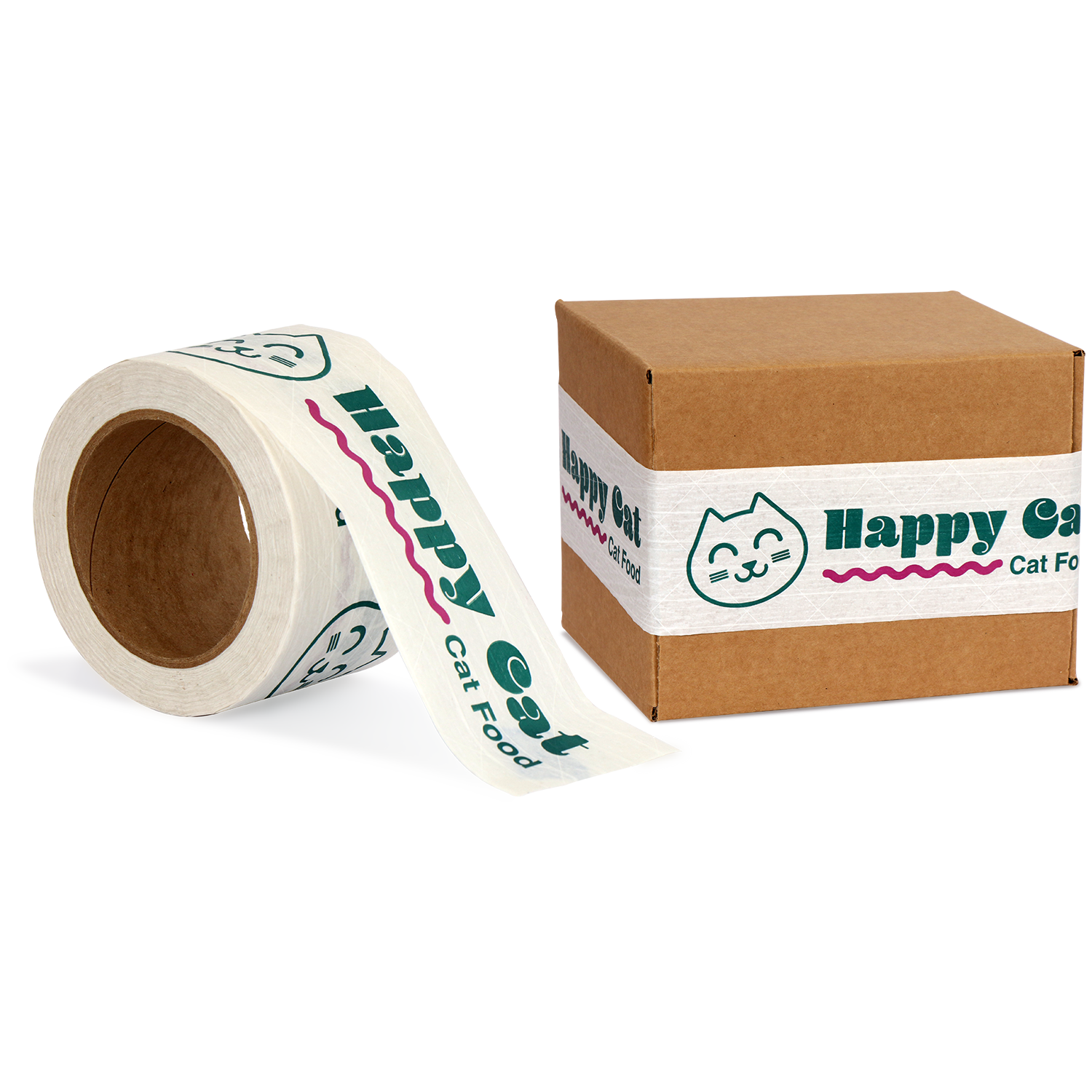
A stock image related to Custom printed carton sealing tape.
In-depth Look: Manufacturing Processes and Quality Assurance for Custom printed carton sealing tape
Custom printed carton sealing tape serves as both a security seal and a mobile advertising medium, yet its effectiveness depends entirely on manufacturing precision that withstands the rigors of international shipping. For procurement teams evaluating suppliers across continents—from the humidity challenges of West African ports to the temperature-controlled precision required for German automotive parts logistics—understanding the production workflow ensures specifications align with real-world performance demands. The manufacturing process integrates substrate engineering, advanced flexographic printing, and adhesive chemistry to create a finished product that maintains brand integrity from production line to final-mile delivery.
How Is Custom Printed Carton Sealing Tape Manufactured?
The production sequence begins with substrate selection, typically biaxially oriented polypropylene (BOPP) film chosen for its exceptional tensile strength and cost efficiency in high-volume applications. Premium variants may utilize polyvinyl chloride (PVC) films for heavy-duty industrial applications requiring enhanced puncture resistance. Prior to printing, films undergo corona discharge treatment, a surface activation process that increases dyne levels to ensure proper ink adhesion and prevents delamination during extreme temperature fluctuations common in Middle Eastern and South American logistics corridors.
Flexographic printing represents the industry standard for custom tape production, utilizing photopolymer plates mounted on rotating cylinders to transfer designs onto the moving web. Modern facilities employ computer-to-plate (CTP) technology, eliminating traditional film intermediaries to ensure precise registration and reduced setup waste. For high-durability requirements, manufacturers implement multi-layer print protection systems—typically comprising a primer layer, UV-cured ink application, and protective overlaminate—that shield branding elements from abrasion, moisture, and chemical exposure during transit.
What Quality Control Protocols Ensure Print Durability?
Quality assurance begins with incoming raw material verification, including gel content analysis for adhesive polymers and melt flow index testing for film substrates. During production, automated vision systems inspect print registration accuracy at speeds exceeding 300 meters per minute, detecting color deviations as subtle as ΔE 1.5 CIELAB units to ensure brand consistency across production batches.
Post-printing durability testing subjects samples to simulated aging protocols, including UV exposure testing (ASTM G154) for shipments destined for high-sunlight regions and humidity cycling (40°C/95% RH) for tropical climates. Adhesion validation follows ASTM D3330 standards, measuring peel strength after 20-minute and 24-hour dwell times on standardized corrugated surfaces. For food and pharmaceutical applications, migration testing ensures ink components comply with EU REACH regulations and FDA 21 CFR 175.105 indirect food contact standards.
Which Adhesive Technologies Suit Different Climate Conditions?
Hot melt rubber-based adhesives dominate general-purpose applications, offering aggressive initial tack suitable for high-speed automated case sealers prevalent in Nigerian and Brazilian manufacturing sectors. These formulations undergo coating at temperatures between 160-180°C, applied through precision slot-die coaters that maintain ±2% weight tolerance across the web width.
Acrylic adhesives provide superior UV and aging resistance critical for European outdoor storage conditions, applied via emulsion coating processes that allow precise control of coating weights (typically 18-25 gsm). Water-activated tape (WAT) production involves saturating kraft paper backings with starch-based adhesives, requiring specialized curing chambers that regulate moisture content to prevent fungal growth during ocean freight to humid destinations.
How Do Manufacturers Ensure Consistent Slitting and Roll Integrity?
The finishing phase employs razor or shear slitting technologies to convert master rolls into finished widths, with tension control systems maintaining ±5% variance to prevent telescoping during international air freight. Core preparation utilizes recycled cardboard or plastic cores specified to ISO 9001 tolerances, with automated packaging incorporating moisture-barrier films for sea container shipments.
Edge profile inspection detects burrs or adhesive bleed that could cause jamming in pneumatic dispensers, while roll hardness testing (measured in Shore A durometer) ensures consistent unwind characteristics across temperature ranges from -10°C to 60°C. Lot traceability systems record production parameters including adhesive batch numbers, anilox roll specifications, and operator certifications, enabling root cause analysis for any performance discrepancies reported in the field.
What Compliance Standards Should International Buyers Verify?
Procurement teams should verify ISO 9001:2015 quality management certification as a baseline requirement, supplemented by ISO 14001 environmental management for sustainability mandates increasingly prevalent in German markets. For Middle Eastern exports, SASO (Saudi Standards, Metrology and Quality Organization) compliance ensures adherence to regional packaging material regulations.
Material safety data sheets (MSDS) must detail volatile organic compound (VOC) content for workplace safety compliance across jurisdictions. Additionally, suppliers demonstrating FSC chain-of-custody certification for paper-based tapes or GRS (Global Recycled Standard) accreditation for films containing post-consumer recycled content provide competitive advantages for ESG-focused procurement frameworks.
Practical Sourcing Guide: A Step-by-Step Checklist for ‘Custom printed carton sealing tape’
Procuring custom printed carton sealing tape across international markets requires balancing brand consistency with logistical practicality and climate-specific performance. This checklist guides B2B buyers through technical specifications, supplier validation, and cross-border procurement strategies to ensure your packaging maintains integrity and brand visibility from factory floor to final destination.
1. What Are Your Operational Environment and Application Requirements?
Begin by mapping your facility’s temperature ranges, humidity levels, and storage conditions before finalizing tape specifications. Hot climates prevalent across Nigeria or the Middle East necessitate UV-resistant acrylic adhesives that resist premature aging, while Central European warehouses may prioritize cold-temperature performance for unheated storage. Determine whether your operation requires standard carton sealing, heavy-duty reinforcement for export pallets, or specialized messaging such as “Fragile,” “Keep Frozen,” or QR-coded marketing engagement.
2. Which Adhesive Technology Suits Your Climate and Handling Needs?
Choose between acrylic, hot melt, or water-activated formulations based on your regional conditions and application speed. Acrylic tapes offer superior UV and temperature stability for outdoor storage in tropical regions, maintaining adhesion despite humidity fluctuations. Hot melt adhesives provide aggressive initial tack essential for high-speed automated lines common in German manufacturing facilities. Water-activated options deliver tamper-evident security and sustainable credentials increasingly mandated by EU environmental regulations.
3. How Should You Specify Print Design and Durability Standards?
Detail artwork requirements including precise color matching (Pantone references), minimum font sizes for regulatory compliance text, and durability standards for multi-modal transit. Specify 3-layer lock print technology to prevent artwork smearing or abrasion during rough handling. Ensure your design maintains legibility after exposure to dust, moisture, and temperature variations common in international shipping lanes, particularly when targeting markets with challenging last-mile delivery conditions.
4. What Certifications and Export Capabilities Should You Verify?
Thoroughly vet potential suppliers for relevant export licenses, quality management systems (ISO 9001), and market-specific compliance certifications. European buyers must verify REACH and RoHS chemical compliance, while Middle Eastern importers may require specific quality or halal certifications. Validate the manufacturer’s logistical experience with international shipping documentation, Incoterms proficiency, and proper palletization standards essential for protecting tape rolls during lengthy ocean freight to African or South American destinations.
5. Why Is Sample Testing Critical Before Bulk Procurement?
Always request production samples using your actual carton substrates and sealing equipment to validate real-world performance. Test adhesion strength after simulating destination climate conditions—particularly crucial for buyers in humid regions like coastal South America or during European seasonal transitions. Verify that printed messaging remains legible after 24-hour adhesion tests and that tape unwind tension suits your applicator machines without causing jams or misalignment.
6. How Do You Structure Payment Terms and International Logistics?
Negotiate favorable payment structures (typically 30% deposit, 70% against bill of lading copy) and clarify responsibility for freight, insurance, and customs clearance using standardized Incoterms. Confirm lead times account for production schedules plus ocean freight durations to ports in Lagos, São Paulo, or Jeddah. Discuss minimum order quantities (MOQs) that balance unit economics with inventory carrying costs, considering the extended transit periods and potential customs delays inherent in intercontinental procurement.
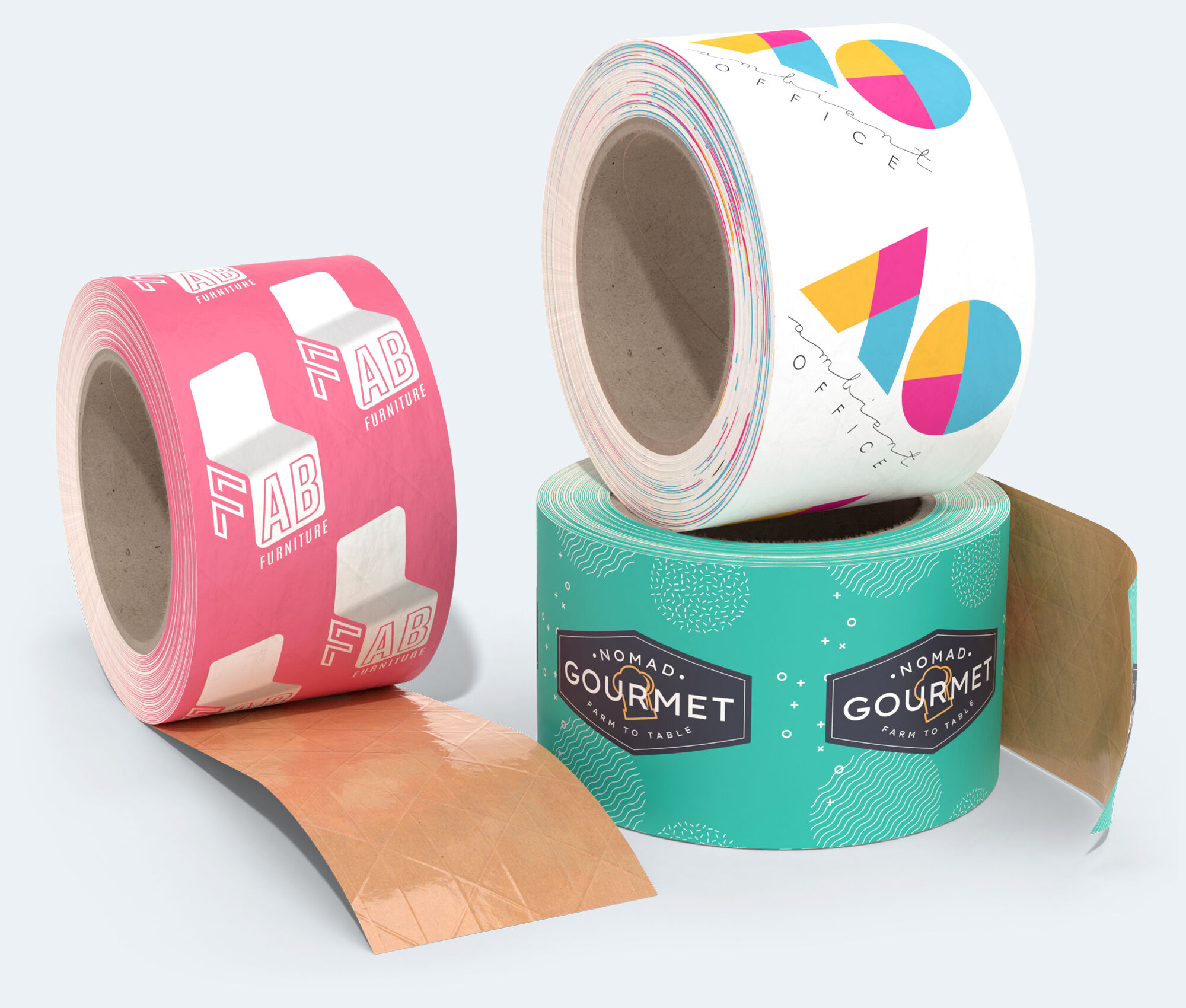
A stock image related to Custom printed carton sealing tape.
Comprehensive Cost and Pricing Analysis for Custom printed carton sealing tape Sourcing
When sourcing custom printed carton sealing tape for international operations, understanding the complete cost architecture extends far beyond the per-roll sticker price. Procurement teams must evaluate the interplay between setup investments, material specifications, and regional logistics to achieve true cost efficiency. A strategic approach requires dissecting both visible and hidden cost drivers that impact total landed costs across diverse markets from Germany to Nigeria.
What Setup and Plate Charges Should Buyers Anticipate?
Custom printing necessitates upfront fixed costs that vary significantly by supplier and complexity. Initial plate charges for flexographic printing typically range between $200-$600 per color, with multi-color logos requiring separate plates for each hue. Digital printing alternatives eliminate plate fees but often command higher per-unit costs at lower volumes, making them economical only for specialized short runs. Buyers should clarify whether these setup costs are amortized across the first order or treated as separate capital expenditures, as this accounting method dramatically affects initial unit economics.
How Do Adhesive Technologies Influence Unit Pricing?
Material selection creates distinct pricing tiers that align with performance requirements. Hot melt rubber adhesives offer aggressive tack and cost efficiency for standard temperature environments, typically representing the mid-range price point. Acrylic formulations command premium pricing due to UV resistance and extreme temperature stability, essential for shipments traversing the Middle Eastern desert heat or humid South American climates. Water-activated tape (WAT) provides tamper-evident security at competitive material costs but requires specialized dispensers, adding capital equipment considerations. Emerging sustainable films with recycled content or bio-based adhesives currently carry 15-25% premiums over conventional options, though this gap narrows as volumes scale.
What Logistics Considerations Affect Total Landed Costs?
For buyers in Africa, South America, and the Middle East, freight economics often overshadow material savings. Custom printed tape’s bulk-to-weight ratio means ocean freight typically offers 40-60% savings over air cargo, though requiring 4-8 week lead times. European buyers benefit from regional manufacturing hubs that minimize transit times and customs complexity. Import duties vary significantly—Nigerian buyers face packaging material tariffs ranging 5-20% depending on HS classifications, while German markets encounter VAT and environmental packaging regulations. Consolidating orders to meet full container load (FCL) quantities rather than less-than-container load (LCL) shipments can reduce per-roll logistics costs by 30% or more.
How Can Regional Buyers Optimize Procurement Economics?
Strategic volume planning remains the most powerful cost lever. Minimum order quantities (MOQs) typically start at 36-72 rolls for standard sizes, but price breaks often occur at 144+ roll quantities. Buyers should negotiate annual volume agreements that lock pricing while allowing quarterly release schedules, balancing working capital against unit cost reduction. For emerging markets, partnering with suppliers offering regional warehousing in Dubai or Rotterdam can eliminate import complexity and reduce lead times from months to days, though at slightly higher per-roll costs. Evaluating the total cost of ownership—including dispenser compatibility, storage requirements, and waste reduction from proper adhesive selection—ultimately delivers greater value than pursuing lowest-unit-price quotations alone.
Alternatives Analysis: Comparing Custom printed carton sealing tape With Other Solutions
When evaluating sealing methodologies for international B2B supply chains, procurement teams must balance brand visibility against operational constraints unique to their regions. While custom printed carton sealing tape integrates marketing with security, alternatives such as standard plain tape and direct-to-corrugate printing present distinct value propositions for different volume tiers, climatic conditions, and warehousing infrastructures prevalent in African, South American, Middle Eastern, and European markets.
How do custom printed tape alternatives compare across key procurement metrics?
| 비교 측면 | Custom Printed Carton Sealing Tape | Standard Plain Carton Sealing Tape | Direct-to-Corrugate Box Printing |
|---|---|---|---|
| Unit Cost per Package | $0.02–$0.08 (volume dependent) | $0.01–$0.03 | $0.15–$0.50 (amortized) |
| Minimum Order Flexibility | Low MOQs (36+ rolls) | No MOQs | High MOQs (1,000+ boxes) |
| 기후 복원력 | High (acrylic/hot melt options for humidity/heat) | 높음 | Medium (ink degradation in extreme heat) |
| Branding Surface Area | Limited to tape width | None | Full box coverage |
| Supply Chain Agility | High (switch designs between batches) | N/A | Low (locked into box inventory) |
| Storage Footprint | Minimal (compact rolls) | 최소 | Significant (bulky printed boxes) |
| 보안 기능 | Tamper-evident breakage patterns | None | Limited |
What are the hidden costs of standard plain tape for international shipments?
Standard plain carton sealing tape—whether clear polypropylene or brown acrylic—remains the default choice for cost-sensitive logistics operations across emerging markets. This alternative eliminates plate charges, setup fees, and minimum order constraints entirely, allowing Nigerian or Brazilian procurement teams to source commodity tape from local distributors with immediate availability and minimal currency exposure. For manufacturers operating white-label contracts or shipping to distribution centers where final branding occurs downstream, plain tape provides adequate structural integrity without revealing sourcing origins. However, operations must account for hidden logistical costs: separate adhesive labels required for handling instructions add labor time, increase SKU complexity, and risk detachment during humid transit conditions common in Gulf regions or tropical African climates. Additionally, plain tape offers minimal tamper-evidence benefits, creating security vulnerabilities for high-value pharmaceutical or electronics exports bound for European markets.
When should buyers choose direct
Essential Technical Properties and Trade Terminology for Custom printed carton sealing tape
When procuring custom printed carton sealing tape for international supply chains, understanding technical specifications and commercial terminology ensures your packaging withstands diverse shipping stresses while meeting branding requirements. Specifications vary significantly between adhesive platforms and film constructions, directly impacting performance across climate zones—from humid tropical ports to arid desert distribution centers.
What Technical Properties Determine Performance in Global Logistics?
Adhesive Chemistry and Environmental Tolerance
The adhesive system dictates bonding reliability across temperature extremes. Acrylic formulations provide excellent UV resistance and stability from -20°C to 60°C, ideal for long-term outdoor storage in Middle Eastern and African logistics corridors. Hot melt rubber adhesives deliver aggressive initial tack for high-speed automated lines but may soften in extreme heat. Water-activated tape (WAT) creates a permanent chemical bond with corrugated fibers, offering tamper-evident security valued in European pharmaceutical and food exports.
Film Gauge and Tensile Integrity
Film thickness, measured in microns (μm) or mils, typically ranges from 28μm for lightweight cartons to 50μm for heavy-duty export boxes. Tensile strength exceeding 30 N/cm prevents splitting during rough handling, while elongation properties of 150-200% absorb vibration stresses common in ocean freight.
Print Durability and Layer Technology
Premium custom tape employs 3-layer lock print technology, encapsulating artwork between the base film and a protective overlaminate. This prevents ink abrasion during palletizing and ensures barcode scannability upon arrival. Reverse printing—applying ink to the inner side of clear film—provides additional scratch resistance.
Service Temperature Range and UV Stability
Specify service temperatures matching your logistics corridor. Standard acrylic tapes perform across -20°C to 60°C, while specialized cold-chain formulations handle freezing conditions. UV inhibitors prevent print fading and adhesive degradation during prolonged customs yard storage.
조달 팀이 숙지해야 할 업계 용어는 무엇인가요?
3-Layer Lock Print Technology
This manufacturing process sandwiches graphics between film layers, creating scuff-resistant imagery that survives shrink-wrapping and rough handling. Unlike surface-printed alternatives, locked prints maintain legibility throughout multi-modal transport.
Plate Charges and Artwork Setup
Custom orders require etched printing plates (or digital cylinders) per color, incurring one-time setup fees typically ranging $200–$600 per color. These capital costs amortize across high-volume orders but significantly impact per-roll pricing for smaller shipments.
Print Repeat Length and Registration
Repeat length measures the distance between identical images (usually 250mm–500mm). Precise registration ensures consecutive logos align without gaps or “ghosting”—critical for professional brand presentation on retail-ready packaging.
Minimum Order Quantities (MOQ) and Lead Times
MOQs typically range from 500 to 2,000 rolls depending on width and color count. Production lead times span 4–8 weeks including sea freight to African or South American ports, necessitating advance planning to prevent stockouts.
WAT vs. Pressure-Sensitive Adhesive (PSA)
Water-activated tape requires moisture to bond chemically with carton fibers, creating tamper-evident seals that show visible damage if removed. Pressure-sensitive tapes (acrylic or hot melt) apply dry and allow repositioning, working with standard dispensers but offering less security.
Unwind Direction and Handedness
This specification indicates adhesive orientation when unwinding (e.g., “unwind left”). Matching unwind direction to case sealing equipment prevents jams and ensures printed graphics face outward on sealed cartons.
Navigating Market Dynamics and Sourcing Trends in the Custom printed carton sealing tape Sector
How Is the Custom Printed Tape Market Evolving Beyond Basic Branding?
The custom printed carton sealing tape sector is undergoing a significant transformation from simple logo application to sophisticated, multi-functional communication tools. Modern B2B buyers are leveraging advanced print technologies—such as 3-layer lock print systems—to ensure artwork durability against abrasion, moisture, and temperature fluctuations during international transit. This shift reflects a broader market trend where packaging tape serves not merely as a closure mechanism but as a mobile advertising medium and customer engagement platform. For international buyers across Africa, South America, the Middle East, and Europe, this evolution presents opportunities to differentiate products in increasingly competitive export markets while addressing region-specific logistical challenges and regulatory requirements.
What Material and Adhesive Innovations Should Buyers Prioritize for Diverse Climates?
Material innovation stands at the forefront of current market dynamics, with distinct adhesive technologies catering to diverse climatic and operational requirements. Acrylic-based custom tapes now dominate sectors requiring extreme temperature performance and UV resistance—critical considerations for shipments traversing Middle Eastern heat or prolonged African solar exposure during port delays. Meanwhile, hot melt adhesives continue to gain traction for high-speed automated packaging lines prevalent in German manufacturing hubs, offering immediate tack essential for high-volume operations. Water-activated tape (WAT) solutions are experiencing renewed interest among security-conscious buyers, providing tamper-evident sealing that reduces pilferage risks during long-haul shipments to Nigerian ports or South American distribution centers where cargo security remains paramount.
Why Are QR Codes and Functional Messaging Becoming Standard Requirements?
The integration of interactive elements represents one of the fastest-growing trends in custom tape specification. Forward-thinking buyers are incorporating QR codes that direct end-users to digital manuals, authenticity verification portals, or region-specific promotional campaigns—transforming passive packaging into active marketing infrastructure. Beyond engagement, functional messaging such as “Keep Frozen,” “Fragile,” or multilingual handling instructions addresses the complex regulatory landscapes of international trade. This dual-purpose approach maximizes utility while reducing the need for additional packaging inserts, optimizing both cost structures and sustainability metrics for businesses operating across linguistic boundaries.
B2B 구매자는 지속 가능성 및 윤리적 소싱 요건을 어떻게 탐색할 수 있을까요?
Sustainability has transitioned from a value-added feature to a procurement mandate across European and increasingly Middle Eastern markets. When sourcing custom printed tapes, discerning buyers should prioritize suppliers offering eco-friendly film substrates—such as recycled polypropylene or biodegradable alternatives—paired with solvent-free adhesives and soy-based inks that maintain print clarity. Ethical sourcing extends beyond material composition to encompass supply chain transparency, particularly regarding labor practices and carbon footprint disclosure in manufacturing facilities. For African and South American buyers exporting to EU markets, ensuring compliance with Extended Producer Responsibility (EPR) regulations and REACH standards through certified sustainable tape solutions mitigates regulatory risks while appealing to environmentally conscious end consumers.
What Critical Factors Should Guide Supplier Selection for International Operations?
Successful sourcing requires evaluating technical capabilities that transcend basic printing services. Buyers should assess suppliers’ climate-specific testing protocols—ensuring printed messaging maintains legibility after exposure to high humidity common in West African shipping routes or freezing temperatures relevant for Central European logistics. Additionally, minimum order quantity (MOQ) flexibility remains crucial for emerging market enterprises testing brand differentiation strategies without committing to massive inventory volumes. Partnering with manufacturers offering digital proofing, color consistency across batches, and rapid prototyping capabilities enables faster time-to-market for seasonal campaigns or urgent regulatory label updates, providing competitive advantage in fast-moving consumer goods sectors across diverse geographical markets.
Frequently Asked Questions (FAQs) for B2B Buyers of Custom printed carton sealing tape
What is the minimum order quantity (MOQ) for custom printed carton sealing tape?
Most manufacturers require minimum orders between 30 and 50 master cases, though this varies significantly based on tape width and print complexity. Single-color designs on standard 2-inch or 3-inch widths typically offer the lowest entry points, while multi-color or narrow-width productions may require higher volumes to justify plate setup costs. International buyers should clarify whether MOQs refer to individual rolls or case packs, as this distinction impacts warehouse storage calculations and cash flow planning. For consistent high-volume users, negotiate blanket purchase agreements that allow scheduled releases against annual commitments to optimize inventory turnover.
How much does custom printed packing tape cost compared to standard unprinted tape?
Custom printed tape generally carries a 25-45% premium over plain stock tape at the unit price level, though this differential narrows significantly at volume tiers above 100 cases. When evaluating total cost of ownership, factor in the marketing value equivalent to mobile billboard advertising and the reduction in pilferage losses due to tamper-evident branding. Many suppliers offer price breaks at 50, 100, and 500-case quantities, with additional economies available for multi-container shipments to major ports. The investment typically pays for itself through reduced need for separate marketing inserts and enhanced package security during international transit.
What are the key business benefits of using branded carton sealing tape for international shipping?
Branded tape transforms every shipment into a mobile marketing asset that reinforces recognition before the box opens, particularly valuable in emerging markets where first impressions drive loyalty. Advanced 3-layer lock print technology ensures logos and handling instructions remain legible despite temperature fluctuations, rough handling, and exposure to UV during cross-border logistics. The tape provides instant visual tamper evidence, as broken seals cannot be replicated with generic stock, significantly reducing pilferage risks in complex supply chains. Additionally, printed instructions like “Fragile” or “Keep Frozen” communicate handling requirements across language barriers, reducing damage claims and insurance costs.
How long does production and delivery take for custom printed packaging tape orders?
Standard lead times span 4-6 weeks from final artwork approval to delivery at destination ports, though this varies by shipping method and customs complexity. Digital proofing and plate creation typically require 5-7 business days, followed by 2-3 weeks for production scheduling and manufacturing. Ocean freight to Africa, South America, or the Middle East adds 2-4 weeks depending on port congestion and transshipment requirements, while air freight can compress total delivery to 10-14 days for urgent replenishment. Establishing pre-approved artwork libraries with your supplier enables repeat orders to ship within 2 weeks, critical for maintaining continuity during peak seasons.
Which adhesive formulation works best for extreme climates and long-term storage?
Acrylic adhesives excel in UV-exposed environments and temperature extremes ranging from -20°F to 150°F, making them ideal for Middle Eastern and African logistics chains where containers experience intense heat. Hot melt formulations provide aggressive initial tack for dusty or recycled corrugated surfaces common in emerging markets, though they may soften in sustained high temperatures. Water-activated tape offers superior security and humidity resistance while remaining biodegradable, but requires specific dispensers and skilled application. Match your adhesive selection to your destination climate, surface contamination levels, and available application equipment to prevent seal failures during transit.
What design specifications ensure optimal print quality on custom carton sealing tape?
Supply vector artwork in EPS or AI format with specified Pantone colors to ensure consistent brand representation across international production facilities. Maintain minimum line weights of 0.5mm and text heights exceeding 3mm for legibility on narrow tape widths, accounting for the 1/8-inch bleed required to prevent white gaps during high-speed application. High-definition flexographic printing supports up to three colors with protective overlaminate technology that shields artwork from abrasion and chemical exposure. Avoid gradients and fine details below 0.25mm, as these may fill in during the printing process or become illegible after warehouse handling.
How should custom printed tape be stored to preserve adhesive performance during international shipping?
Store inventory in climate-controlled environments between 50-80°F with 40-60% relative humidity to prevent adhesive degradation and edge lifting. Keep cartons elevated on pallets and shielded from direct sunlight, heat sources, and moisture, as extreme conditions can cause blocking or premature aging of the adhesive. Implement FIFO (First In, First Out) inventory rotation, utilizing rolls within 12 months of manufacture to ensure optimal tack and print clarity. For humid regions like West Africa or Southeast Asia, consider investing in dehumidified warehousing or moisture-barrier packaging to protect adhesive integrity during monsoon seasons.
Are there sustainable custom tape options that comply with EU packaging regulations and FDA standards?
Eco-friendly acrylic tapes utilizing water-based adhesives meet EU Packaging and Packaging Waste Directive requirements while maintaining the durability needed for international shipping. Water-activated reinforced tapes offer biodegradable alternatives that align with German and broader EU circular economy standards, though they require specific disposal pathways. For food and beverage exporters, select FDA 21 CFR 175.105 compliant adhesives that ensure safe indirect food contact without compromising print quality. Many suppliers now offer films with 30-50% recycled content that reduce carbon footprint while supporting high-definition custom printing for brand consistency.
중요 고지 사항 및 이용 약관
⚠️ 중요 고지 사항
제조업체, 기술 사양 및 시장 분석에 관한 내용을 포함하여 이 가이드에서 제공하는 정보는 정보 제공 및 교육 목적으로만 사용됩니다. 전문적인 조달 자문, 재무 자문 또는 법률 자문으로 간주되지 않습니다.
B2B 구매자는 독립적이고 철저한 실사를 수행해야 합니다. 구매 결정을 내리기 전에 반드시 확인하시기 바랍니다. 이 가이드의 정보에 의존하는 데 따른 위험은 전적으로 독자가 부담합니다.
Strategic Sourcing Conclusion and Outlook for Custom printed carton sealing tape
As global supply chains navigate increasing complexity, custom printed carton sealing tape has evolved from a commodity packaging component into a strategic brand asset. For procurement teams operating across Africa, South America, the Middle East, and Europe, selecting the right specifications—from UV-resistant acrylics suited for extreme temperatures to reinforced water-activated options for high-security exports—directly impacts both operational integrity and brand perception at the final mile.
How Can Buyers Select Adhesive Formulations for Extreme Climates and Long-Haul Logistics?
Regional climate variability demands precise adhesive selection to prevent tape failure during transit. For buyers in Nigeria and the Middle East facing intense heat and UV exposure, acrylic-based tapes with 3-layer lock print technology offer superior temperature resistance and artwork durability. Conversely, European markets like Germany benefit from hot melt adhesives providing quick tack in cooler warehouse environments, while water-activated reinforced tapes prove optimal for humid South American logistics corridors where package security is paramount.
What Role Will Sustainability and Digital Engagement Play in Next-Generation Custom Tape?
The convergence of eco-conscious procurement and smart packaging is reshaping sourcing criteria. Forward-thinking buyers are prioritizing suppliers offering eco-friendly film substrates alongside integrated QR code capabilities that transform tape into interactive marketing channels. This dual functionality addresses growing European sustainability mandates while enabling emerging market brands to bridge digital engagement gaps without additional packaging costs.
Looking ahead, successful sourcing strategies will prioritize partners capable of delivering climate-specific formulations, scalable customization, and integrated digital capabilities. By treating custom tape as a multifunctional investment—simultaneously securing shipments, conveying brand identity, and enabling customer engagement—B2B buyers can transform logistics expenditures into competitive advantages across diverse international markets.