Introduction: Navigating the Global Market for HVAC Aluminum Foil Tape Roll
When sourcing HVAC aluminum foil tape rolls for international infrastructure projects, procurement teams frequently encounter a critical operational challenge: the disconnect between promised performance specifications and real-world durability under diverse climatic conditions. Whether maintaining vapor barrier integrity in humid Brazilian commercial developments or ensuring adhesive stability across Middle Eastern temperature extremes, inconsistent material standards can compromise entire ductwork systems. This complexity intensifies when navigating disparate certification requirements across African, European, and Southeast Asian markets, where regulatory frameworks and environmental stressors demand precise aluminum alloy and adhesive selection.
Why Do Global Supply Chains Present Unique Procurement Challenges?
The international marketplace for HVAC aluminum foil tape remains fragmented by regional compliance standards, from UL 181A-P/B-FX listings in North American-influenced sectors to specific thermal resistance directives governing European installations. Buyers in Vietnam and Brazil must evaluate acrylic versus rubber-based adhesives for tropical humidity resistance, while African contractors face logistics hurdles alongside material authenticity concerns. Understanding these climatic variables, certification nuances, and supply chain reliability factors is essential before assessing manufacturer capabilities or negotiating bulk pricing structures.
How Can Strategic Buyers Optimize Their Sourcing Decisions?
This comprehensive guide equips procurement professionals with actionable frameworks for supplier vetting, material specification analysis, and total cost of ownership calculations beyond unit pricing. We examine application-specific requirements—from fiberglass duct board sealing to insulation jacketing—while addressing quality assurance protocols, MOQ negotiations, and customs compliance for cross-border transactions. By synthesizing technical specifications with regional market intelligence, this resource empowers B2B buyers across Africa, South America, the Middle East, and Europe to make informed purchasing decisions that ensure long-term HVAC system integrity and project profitability.
Understanding HVAC Aluminum Foil Tape Roll Types and Variations
| 유형 이름 | 주요 차별화 기능 | 주요 B2B 애플리케이션 | 구매자를 위한 간략한 장단점 |
|---|---|---|---|
| Acrylic Adhesive Foil Tape | UV-resistant, solvent-based acrylic adhesive; performs in extreme temperatures (-30°C to +120°C); long aging resistance | Outdoor ductwork, exposed piping, solar thermal systems, coastal/high-humidity environments | Pros: Excellent weatherability, clean removal in some variants. Cons: Higher cost, slower initial tack than rubber |
| Rubber-Based (PSA) Foil Tape | High-tack pressure-sensitive synthetic rubber adhesive; immediate bond; conformable to irregular surfaces | General HVAC sealing, fiberglass duct board, vapor barrier maintenance, indoor metal ductwork | Pros: Instant adhesion, cost-effective, good cold surface bonding. Cons: Poor UV resistance, potential adhesive degradation in high heat |
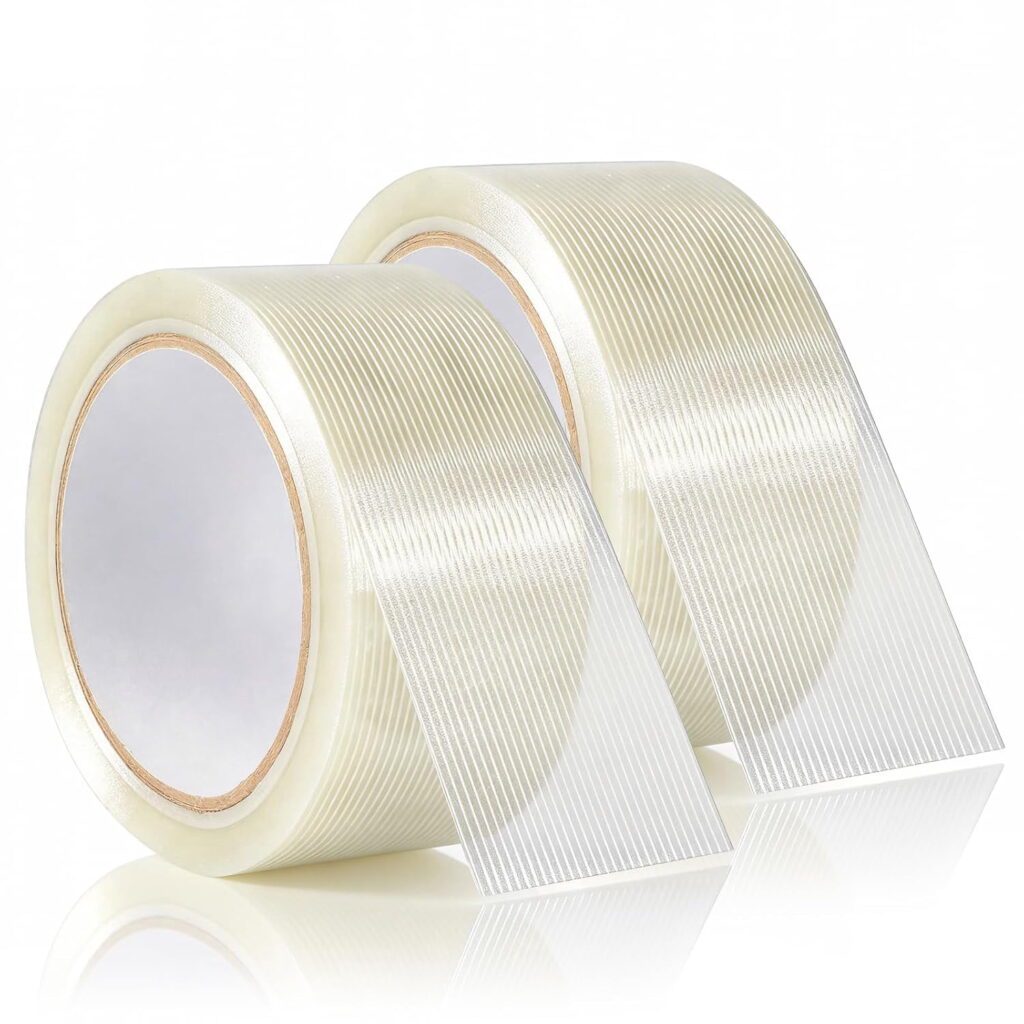
| Reinforced (Scrim) Foil Tape | Fiberglass mesh or scrim laminated between foil layers; high tensile strength; puncture resistant | Rigid duct board fabrication, insulation facing repairs, heavy-duty industrial wrapping, transportation equipment | Pros: Superior tear resistance, dimensional stability. Cons: Less conformable to complex curves, premium pricing |
| Butyl Rubber Foil Tape | Thick butyl rubber adhesive layer; 100% waterproof; gas-tight seal; extreme weather resistance | Exterior waterproofing, underground ductwork, roofing penetrations, marine HVAC, chemical resistance | Pros: Permanent waterproof seal, excellent chemical resistance. Cons: Very aggressive adhesion (difficult repositioning), not suitable for high-temp applications |
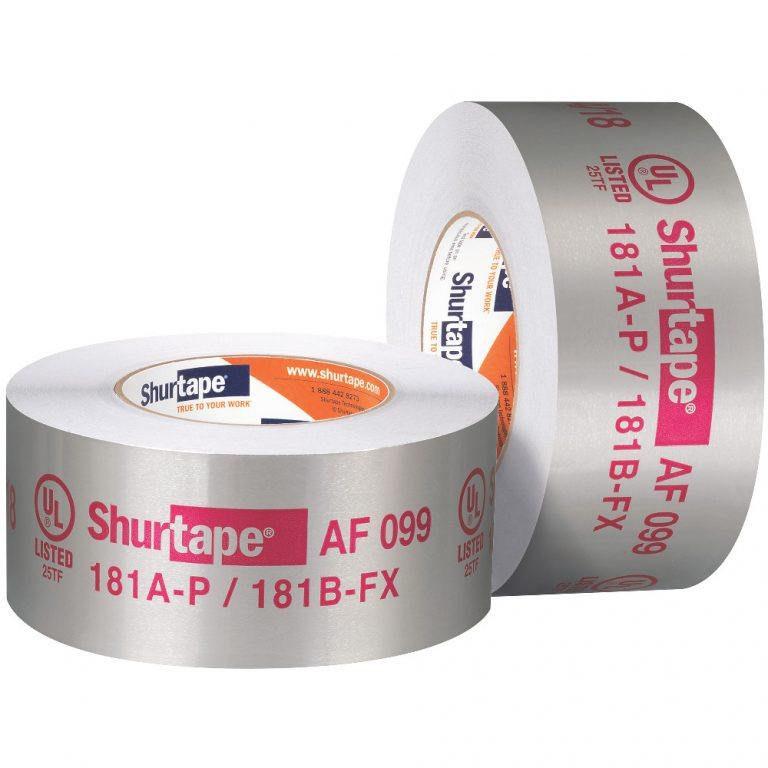
| UL-Listed/Fire-Rated Foil Tape | Meets UL 181A-P/181B-FX standards; flame-resistant; low smoke emission; mold-resistant | Commercial buildings, hospitals, schools, high-rise HVAC, code-compliant installations | Pros: Regulatory compliance, liability protection, inspector approval. Cons: Premium pricing, limited availability in some regions |
What Makes Acrylic HVAC Aluminum Foil Tape Ideal for Extreme Climates?
Acrylic adhesive foil tapes utilize solvent-based formulations that maintain bonding integrity across severe temperature fluctuations, making them indispensable for B2B procurement in regions with extreme weather variations like the Middle East or South America. These tapes offer superior UV resistance and aging characteristics compared to rubber alternatives, ensuring long-term vapor barrier protection on exposed outdoor ductwork. For international buyers, verify the temperature rating matches local climate extremes, as standard acrylic formulations typically withstand -30°C to +120°C, though specialized high-temp variants exist for industrial boiler applications.
How Does Rubber-Based HVAC Aluminum Foil Tape Support Cost-Effective Installation?
Rubber-based pressure-sensitive adhesive (PSA) tapes provide immediate high-tack bonding that accelerates installation timelines for large-scale HVAC contractors, particularly beneficial in high-volume markets like Brazil and Vietnam. These general-purpose variants excel at sealing fiberglass duct board and maintaining vapor barrier integrity on indoor metal systems where UV exposure is minimal. B2B purchasers should note that while these offer excellent initial grab and cold surface adhesion, they typically lack the weatherability required for outdoor applications, making them suitable primarily for interior climate control infrastructure.
Why Should Industrial Buyers Choose Reinforced HVAC Aluminum Foil Tape?
Reinforced foil tapes incorporate fiberglass scrim or mesh layers that dramatically increase tensile strength and puncture resistance, essential for heavy-duty applications in industrial facilities and rigid duct board fabrication across African and European markets. The laminated construction prevents tearing during application while maintaining flexibility sufficient for standard HVAC joints. Procurement teams should evaluate the scrim density—measured in threads per inch—as higher density provides greater structural support but reduces conformability around complex duct geometries, requiring careful specification matching to project requirements.
When Is Butyl HVAC Aluminum Foil Tape the Right Choice for Waterproofing?
Butyl rubber foil tapes feature thick, aggressive adhesive layers that create permanent gas-tight and waterproof seals, critical for underground ductwork, roofing penetrations, and marine HVAC systems prevalent in coastal Middle Eastern and Southeast Asian environments. Unlike standard acrylic or rubber tapes, butyl variants remain flexible indefinitely and resist water vapor transmission completely. However, B2B buyers must recognize that once applied, repositioning is nearly impossible due to immediate aggressive bonding, and these tapes typically cannot withstand high-temperature exhaust applications exceeding 80°C, limiting their use to ambient temperature systems.
What Compliance Factors Matter When Selecting UL-Listed HVAC Aluminum Foil Tape?
UL 181A-P and 181B-FX listed foil tapes meet stringent fire safety and mold growth resistance standards required by building codes in European and North American markets, though increasingly adopted globally for commercial projects. These certified tapes undergo rigorous testing for flame spread and smoke development, making them essential for procurement teams managing hospital, school, or high-rise installations where code compliance is non-negotiable. While premium-priced, UL-listed variants eliminate liability risks and ensure inspector approval, particularly critical when specifying tape for air supply and return systems in regulated environments.
Key Industrial Applications of HVAC Aluminum Foil Tape Roll
| 산업/섹터 | Specific Application of HVAC Aluminum Foil Tape Roll | 비즈니스를 위한 가치/혜택 | 이 애플리케이션의 주요 소싱 고려 사항 |
|---|---|---|---|
| Commercial Construction & HVAC Contracting | Sealing fiberglass duct board joints and vapor barriers in commercial ventilation systems | Prevents air leakage, maintains thermal efficiency, ensures building code compliance | High-tack acrylic adhesive for humid climates, UL 181A-P fire safety certification |
| Industrial Manufacturing & Dust Collection | Seaming ductwork in cyclone separators and dust extraction systems | Maintains suction integrity, prevents hazardous dust leakage, enhances workplace safety | Compatibility with galvanized steel, resistance to industrial particulates and vibration |
| Cold Storage & Refrigeration | Vapor barrier sealing for insulation boards and refrigeration line protection | Prevents condensation, maintains temperature stability, reduces energy consumption | Low-temperature adhesive performance, moisture/UV resistance for tropical environments |
| Oil & Gas/Petrochemical | Thermal insulation jacketing for pipes and equipment sealing | Corrosion resistance, heat reflection, personnel protection from hot surfaces | Chemical resistance to hydrocarbons, flame retardant properties, harsh environment durability |
| Transportation & Automotive | HVAC duct sealing in commercial vehicles, buses, and rail systems | Vibration resistance, lightweight sealing, compliance with transportation safety standards | Flexibility for curved surfaces, long-term adhesion under mechanical stress and thermal cycling |
How Does HVAC Aluminum Foil Tape Enhance Commercial Building Efficiency in High-Humidity Regions?
In rapidly urbanizing markets like Brazil and Vietnam, commercial construction projects demand reliable sealing solutions for fiberglass duct board and flexible ductwork. HVAC aluminum foil tape provides a high-tack pressure-sensitive seal that maintains vapor barrier integrity in high-humidity environments, preventing condensation and mold growth. For B2B buyers, selecting acrylic adhesive formulations ensures long-term bonding in tropical climates while meeting local fire safety standards. This translates to reduced energy costs through improved thermal efficiency and air leakage prevention, critical for green building certifications in emerging economies.
What Role Does Aluminum Foil Tape Play in Industrial Air Quality Management?
Industrial facilities across Africa and the Middle East utilize aluminum foil tape to maintain airtight seals in dust collection systems and cyclone separators. The tape’s durability prevents hazardous particulate leakage in woodworking, mining, and metalworking operations, protecting worker safety and expensive filtration equipment. When sourcing for manufacturing environments, buyers should prioritize tapes with strong adhesion to galvanized steel and resistance to industrial contaminants. This ensures continuous operation in high-vibration settings without seal degradation, reducing downtime and maintenance costs in heavy industrial applications.
Why Is Vapor Barrier Sealing Critical for Cold Storage Operations in Tropical Markets?
For cold chain logistics expanding throughout South America and Southeast Asia, aluminum foil tape serves as a critical component in vapor barrier maintenance for refrigeration systems and insulated transport containers. It effectively seals insulation boards and prevents moisture infiltration that could compromise thermal efficiency in persistently humid climates. Procurement teams should verify low-temperature adhesive performance specifications, ensuring the tape maintains tack in sub-zero conditions while providing UV resistance for external storage applications, thereby safeguarding perishable goods and reducing spoilage rates.
How Can Oil and Gas Facilities Utilize HVAC Aluminum Foil Tape for Thermal Management?
In Middle Eastern petrochemical and oil & gas facilities, HVAC aluminum foil tape provides essential thermal insulation jacketing for process piping, heat exchangers, and HVAC equipment. The tape’s reflective surface reduces heat absorption while protecting against corrosion in harsh coastal or desert environments. B2B procurement specialists must prioritize products with flame-retardant certifications and chemical resistance to hydrocarbons, ensuring compliance with stringent international safety regulations while minimizing maintenance requirements and extending equipment lifespan in extreme temperature operational conditions.
What Are the Key Considerations for Using Foil Tape in Transportation HVAC Systems?
Public transportation infrastructure projects across Europe, Africa, and Latin America increasingly rely on aluminum foil tape for sealing HVAC ductwork in buses, rail systems, and commercial vehicles. The lightweight solution offers vibration-resistant sealing that withstands constant mechanical stress while maintaining air quality standards for passenger comfort. Sourcing considerations should include flexibility for curved metal surfaces and long-term adhesion under thermal cycling, ensuring climate control systems
A stock image related to HVAC Aluminum Foil Tape Roll.
3 Common User Pain Points for ‘HVAC Aluminum Foil Tape Roll’ & Their Solutions
Scenario 1: Adhesive Failure in Extreme Temperature and Humidity Zones
문제:
B2B buyers sourcing for projects in high-temperature climates like the Middle East, North Africa, or humid regions such as Vietnam and Brazil often face catastrophic tape failure when standard rubber-based adhesives melt, ooze, or lose tack. When HVAC aluminum foil tape is applied to rooftop ductwork or unconditioned mechanical rooms where surface temperatures exceed 80°C (176°F), low-grade adhesives degrade rapidly, causing joints to separate and vapor barriers to fail. Similarly, in tropical environments with 90%+ relative humidity, moisture can compromise the bond between the tape and fiberglass duct board before full adhesion develops, leading to costly callbacks and energy inefficiency.
솔루션:
Specify HVAC aluminum foil tape with acrylic adhesive formulations rather than standard rubber-based options, as acrylic maintains structural integrity across extreme temperature ranges (typically -35°C to 120°C). For high-humidity markets, request tapes with moisture-resistant adhesive systems and ensure your installation teams follow strict surface preparation protocols—cleaning substrates with isopropyl alcohol to remove oils and allowing complete drying before application. Additionally, verify the tape’s UL 181A-P rating for high-temperature commercial applications, ensuring it can withstand thermal cycling without delamination.
Scenario 2: Code Compliance Confusion Between UL 181A-P and General-Purpose Tapes
문제:
Procurement teams frequently encounter project delays and inspection failures when supplying general-purpose aluminum foil tape for high-pressure commercial ductwork in markets like Europe and Brazil. Many buyers mistakenly assume all foil tapes meet stringent HVAC standards, only to discover during commissioning that their tape lacks the UL 181A-P rating required for rigid metal duct systems operating above 2 inches water gauge pressure. This non-compliance forces contractors to remove and replace tape on completed installations, eroding profit margins and damaging supplier relationships.
솔루션:
Before bulk procurement, distinguish between application-specific ratings: UL 181A-P is mandatory for rigid fiberglass duct board and metal ductwork in commercial high-pressure systems, while UL 181B-FX applies only to flexible duct connections. For commercial ductwork, insist on tape thickness of 2.0 mils (0.05mm) or greater with reinforced scrim backing to handle mechanical stress. Request third-party certification documentation from manufacturers rather than relying on product descriptions, and ensure your technical datasheets explicitly state compliance with local building codes—such as EN 13403 in Europe or ABNT NBR standards in Brazil—to prevent regulatory setbacks.
Scenario 3: Vapor Barrier Compromise on Fiberglass Duct Board and Insulation Wraps
문제:
In regions with aggressive monsoon seasons or high condensation potential, contractors report that thin, low-grade aluminum foil tape (1.0–1.5 mils) tears easily during application to fiberglass duct board or insulation wraps, creating micro-perforations that compromise the vapor barrier. When tape fails to maintain an airtight seal on duct board joints, moisture ingress saturates the fiberglass insulation, reducing thermal efficiency and creating mold risks—particularly critical for pharmaceutical and data center projects in Southeast Asia and Africa where environmental control is paramount.
솔루션:
For fiberglass duct board and duct wrap applications, specify heavy-duty 3.0 mil (0.075mm) aluminum foil tape with high-tack acrylic adhesive specifically formulated for porous surfaces. The increased thickness provides puncture resistance during installation while ensuring the tape conforms to irregular fiberglass textures without lifting. Train installation teams to apply the tape using a squeegee or roller technique to eliminate air pockets, and specify tape widths of 48mm or 72mm for overlapping seams on insulation wraps. For maximum vapor barrier integrity in tropical climates, combine tape application with mechanical fasteners at 150mm intervals on horizontal duct runs to prevent sagging under thermal load.
Strategic Material Selection Guide for HVAC Aluminum Foil Tape Roll
Selecting the optimal material composition for HVAC aluminum foil tape requires balancing thermal performance, environmental conditions, and installation constraints against total cost of ownership. For procurement teams sourcing across diverse climates—from the humid tropics of Vietnam to the arid regions of the Middle East—understanding the nuanced differences between adhesive chemistries and foil backing specifications is critical for ensuring long-term duct integrity and system efficiency. Material selection directly impacts vapor barrier performance, air leakage rates, and compliance with regional building codes, making informed specification essential for international B2B buyers managing multi-site commercial projects.
What Are the Primary Adhesive Options for High-Performance HVAC Aluminum Foil Tape?
Acrylic adhesive systems represent the industry standard for general-purpose HVAC applications, particularly in climate zones with significant UV exposure and fluctuating humidity levels. These water-based polymer formulations provide excellent aging characteristics and maintain consistent adhesion across temperature ranges typically spanning -20°C to 120°C, meeting UL 181A-P and UL 181B-FX standards for duct closure. Procurement officers favor acrylic tapes for outdoor duct sealing, vapor barrier maintenance, and exposed insulation applications because they resist oxidation, discoloration, and offer cleaner removal during system retrofits compared to rubber-based alternatives. However, buyers should verify that installation crews allow adequate pressure application time, as acrylic adhesives achieve full bond strength gradually over 24-72 hours rather than immediately upon contact.
How Does Rubber-Based Adhesive Compare to Synthetic Rubber Formulations in Extreme Climates?
Synthetic rubber and butyl rubber adhesives deliver superior initial tack and immediate vapor sealing capabilities, making them indispensable for cold-weather installations common in European winters or high-altitude South American regions where temperatures drop below 10°C. These solvent-based formulations penetrate minor surface contaminants and moisture better than acrylics, ensuring reliable bonds on fiberglass duct board, foil-faced insulation, and galvanized sheet metal
A stock image related to HVAC Aluminum Foil Tape Roll.
In-depth Look: Manufacturing Processes and Quality Assurance for HVAC Aluminum Foil Tape Roll
Understanding the manufacturing intricacies behind HVAC aluminum foil tape enables procurement teams to distinguish between commodity-grade products and industrial-performance solutions suited for demanding climate conditions. For international buyers sourcing from global supply chains—particularly those operating in high-humidity environments like Brazil and Vietnam or extreme temperature zones in the Middle East—manufacturing transparency directly correlates with field reliability and installation efficiency. The following technical overview examines the critical production stages and quality validation protocols that define tape performance in commercial ductwork applications.
What Raw Material Specifications Define Premium HVAC Aluminum Foil Tape?
The foundation of high-performance HVAC tape begins with aluminum alloy selection, typically utilizing 1145 or 1235 alloy with minimum 99% aluminum purity to ensure optimal conformability and corrosion resistance. Reputable manufacturers specify annealed (soft) temper foil ranging from 1.8 to 3.0 mils in thickness, balancing tear resistance against the ability to conform to irregular duct surfaces and fiberglass board joints. The adhesive matrix represents the second critical decision point: acrylic formulations provide superior UV stability and elevated temperature resistance (withstanding continuous exposure up to 150°C), making them ideal for Middle Eastern and tropical installations, while synthetic rubber-based adhesives offer aggressive initial tack for cold-weather application in European climates. Premium products incorporate silicone-coated release liners with consistent release values between 50-150 g/cm to prevent adhesive migration during storage while ensuring clean, automated unwinding on job sites.
How Is the Multi-Layer Lamination Process Controlled for Consistency?
Modern manufacturing employs precision coating lines that apply adhesive layers between 1.2 and 2.0 mils thick through direct gravure or slot-die coating methods, ensuring uniform thickness variation of less than ±5% across the entire web width. Tension control systems maintain web stability during the lamination process, preventing micro-wrinkles that could compromise vapor barrier integrity when sealing duct board. Following coating, the laminate undergoes controlled curing in thermal ovens or UV chambers, with acrylic adhesives requiring 24-48 hour aging periods to achieve full cross-linking and optimal shear resistance. Slitting operations utilize razor or shear-cut technology to maintain width tolerances within ±0.5mm, critical for automated dispensing equipment used in large-scale HVAC fabrication facilities across Africa and South America.
What Quality Assurance Protocols Validate Tape Performance in Extreme Climates?
Comprehensive QC laboratories subject production batches to accelerated aging protocols that simulate harsh environmental exposure. Peel adhesion testing per ASTM D3330 measures initial tack and 72-hour bond strength, with premium HVAC tapes demonstrating minimum 60 oz/inch adhesion to stainless steel after thermal cycling. Shear resistance testing (ASTM D3654) evaluates the adhesive’s ability to resist slippage under constant load at elevated temperatures, particularly crucial for vertical duct applications in high-rise buildings. Humidity aging tests expose samples to 85°C/85% relative humidity for 1000+ hours to validate vapor barrier integrity in tropical climates like Vietnam or coastal Brazil. Additionally, manufacturers conduct low-temperature flexibility tests at -20°C to ensure tapes remain conformable during winter installations in Northern Europe without cracking or delamination.
Which International Certifications Should B2B Buyers Demand?
Procurement specifications should mandate compliance with UL 723 (ASTM E84) for flame spread and smoke development indices, ensuring tapes meet fire safety codes for commercial HVAC systems in European and Middle Eastern jurisdictions. ASTM D3311 certification validates conformance to flexible duct manufacturing standards, while ISO 9001:2015 quality management system certification indicates documented process controls and traceability. For EU markets, REACH and RoHS compliance certificates confirm the absence of restricted substances in adhesives and liners. Buyers sourcing for Brazilian infrastructure projects should verify ABNT NBR compliance, while Middle Eastern contractors often require SASO or GCC certification marks indicating regional quality standards adherence.
How Does Packaging Engineering Protect Tape Integrity During Global Shipping?
Manufacturing excellence extends to protective packaging designed for multi-modal international transport. Individual rolls receive moisture-barrier film wrapping with desiccant packets to prevent humidity ingress during ocean freight transits through tropical zones. Core materials utilize high-density cardboard or plastic with crush resistance exceeding 200 kg to maintain roll geometry when palletized nine layers high in shipping containers. Pallet patterns optimize 20-foot and 40-foot container capacities while incorporating VCI (Volatile Corrosion Inhibitor) films for sea freight protection. Labeling includes batch numbers, manufacturing dates, and storage condition warnings (typically 15-25°C, 40-60% RH) to ensure warehouse handlers in African and South American ports maintain product viability during customs clearance periods.
What Manufacturing Audit Points Reduce Procurement Risk?
Before contract finalization, buyers should verify manufacturers maintain raw material traceability systems linking each finished roll to specific aluminum ingot batches and adhesive lot numbers. Request documentation of in-process testing frequencies, including online thickness gauges and adhesion spot-checks performed every 500 linear meters. Evaluate laboratory accreditation to ISO/IEC 17025 standards, ensuring testing equipment calibration traceability to international standards. Assess the facility’s slitting equipment maintenance logs, as worn blades create edge fraying that complicates automated application. Finally, confirm the manufacturer retains batch samples for minimum 24 months, enabling forensic analysis of any field failures in international installations where product replacement carries significant logistics costs.
By scrutinizing these manufacturing and quality assurance parameters, international procurement teams can establish supplier qualification criteria that ensure consistent tape performance across diverse HVAC applications, from European commercial retrofits to Middle Eastern new construction projects.
Practical Sourcing Guide: A Step-by-Step Checklist for ‘HVAC Aluminum Foil Tape Roll’
Procuring HVAC aluminum foil tape for international distribution requires balancing technical performance with logistical resilience. Whether supplying contractors in humid Brazilian coastal regions or managing extreme temperature swings in Middle Eastern deserts, buyers must verify specifications that ensure adhesive integrity upon arrival and long-term vapor barrier performance. This systematic checklist addresses critical selection criteria—from climate-specific chemistry to container optimization—that prevents costly field failures and customs delays.
1. How Do You Verify Adhesive Specifications for Extreme Climate Conditions?
Examine whether the tape utilizes acrylic or rubber-based pressure-sensitive adhesives (PSA). Acrylic formulations offer superior UV resistance and aging stability for tropical environments, while rubber-based adhesives provide immediate high-tack bonding ideal for cold-weather installations. Request technical data sheets confirming temperature service ranges from -20°C to 80°C and verify humidity resistance ratings above 95% RH for regions like Southeast Asia or coastal Africa. Consider liner release characteristics that prevent “sticking to itself” during high-temperature container transit.
2. What Certifications Should HVAC Aluminum Foil Tape Meet for Cross-Border Compliance?
Validate UL 181A-P/B-FX listings or equivalent regional certifications before purchase. European markets require REACH and RoHS compliance regarding chemical substances, while Middle Eastern projects often demand SASO or GCC conformity certificates. Ensure the manufacturer provides mill test reports (MTRs) confirming aluminum purity levels and flame-spread indices that meet local building codes. Verify that printed certification marks remain legible throughout the product shelf life for inspection purposes.
3. How Do You Calculate Optimal Roll Dimensions for Container Efficiency?
Standard 2-inch by 150-foot rolls optimize palletization for 20-foot containers, but custom widths affect yield calculations significantly. Determine linear footage requirements per HVAC unit and negotiate master carton quantities that maximize container cube utilization. Specify core diameters (typically 3-inch) compatible with local dispenser equipment to prevent jobsite compatibility issues. Request palletized configurations that prevent carton crushing when stacked five-high during ocean freight to port destinations like Lagos or Santos.
4. What Vapor Barrier Specifications Prevent Condensation Failures?
Inspect the tape’s moisture vapor transmission rate (MVTR) and permeability ratings. For fiberglass duct board applications—the primary use case for these tapes—require aluminum thickness between 30-50 microns with reinforced scrim backing to prevent tears during application. Verify that the product maintains vapor barrier integrity when applied to both foil-faced insulation and bare sheet metal, ensuring thermal envelope continuity. Test conformance to ASTM E96 standards for water vapor transmission in your specific climate zone.
5. How Should You Structure Storage Protocols for Long-Distance Shipping?
Aluminum foil adhesives degrade when exposed to temperatures exceeding 40°C during transit. Specify climate-controlled container sections or insulated packaging for shipments to equatorial regions. Require suppliers to include moisture-barrier bagging with desiccant packs and confirm shelf-life documentation of 12-18 months from manufacture date to account for extended customs clearance periods. Establish receiving inspection protocols to check for liner separation or adhesive oozing that indicates heat damage before accepting delivery.
6. Why Should You Conduct Application-Specific Sampling Before Volume Orders?
Request 10-15 meter sample rolls for adhesion testing on your specific substrate materials—whether fiberglass duct board, reflective insulation, or galvanized steel. Test immediate tack and 72-hour cured bond strength under local ambient conditions. This prevents costly compatibility failures when bulk inventory arrives and discovers poor adhesion to local insulation products with different surface treatments. Evaluate the tape’s conformability around irregular duct corners and its resistance to lifting when subjected to system vibration.
A stock image related to HVAC Aluminum Foil Tape Roll.
Comprehensive Cost and Pricing Analysis for HVAC Aluminum Foil Tape Roll Sourcing
What Factors Drive HVAC Aluminum Foil Tape Pricing in Global Markets?
The cost structure of HVAC aluminum foil tape rolls hinges on three primary variables: substrate thickness, adhesive formulation, and certification standards. Industrial-grade tapes utilizing 30-micron aluminum backing with solvent-based acrylic adhesives command premium pricing compared to 18-micron general-purpose variants with rubber-based adhesives. For B2B buyers sourcing from Asian manufacturing hubs, raw material volatility—particularly aluminum ingot prices and petrochemical-derived adhesive components—can fluctuate quarterly pricing by 8-15%. Additionally, specialized features such as UL 181A-P certification for rigid duct applications or flame-retardant liners add 20-30% to base manufacturing costs but prove essential for compliance in European and Middle Eastern markets.
How Do Volume Tiers Impact Cost Per Roll for International Buyers?
Retail benchmarks, such as the $24.95 price point for 150-foot general-purpose rolls, typically represent 40-60% markups over wholesale B2B rates. For container-load quantities (20-40ft FCL), buyers targeting African or South American markets should negotiate pricing based on per-kilogram metrics rather than per-roll units, as shipping costs correlate directly with tape density. Minimum order quantities (MOQs) vary significantly by region: Chinese manufacturers often require 5,000-10,000 roll commitments for custom widths, while Middle Eastern suppliers may offer flexible 1,000-roll entry points at slightly elevated per-unit costs. Smart procurement strategies involve consolidating orders across multiple HVAC SKUs to achieve freight optimization without overcommitting to single-item inventory.
Are There Hidden Costs When Importing Aluminum Foil Tape from Overseas?
Beyond unit pricing, international buyers must account for logistics complexities specific to pressure-sensitive adhesive products. Aluminum foil tape falls under HS Code 7607.20, attracting varying duty rates—ranging from 0% in GCC countries to 15-25% in select South American nations. Temperature-controlled shipping becomes critical for acrylic adhesive formulations; container temperatures exceeding 40°C during transit can degrade tack properties, necessitating reefer containers that add $800-1,200 to standard freight costs. Additionally, third-party laboratory testing for peel adhesion and shear strength (ASTM D3330/D3654) represents a $500-2,000 upfront investment that prevents costly field failures but impacts initial procurement budgets.
How Can Buyers Balance Cost Efficiency with Performance Requirements?
Selecting tape based solely on per-meter pricing risks system failures in critical HVAC applications. For high-humidity climates prevalent in Southeast Asia or coastal African regions, investing in corrosion-resistant aluminum alloys with aggressive acrylic adhesives reduces long-term maintenance costs despite 25% higher upfront pricing. Conversely, standard rubber-based adhesives suffice for temporary sealing or low-pressure ductwork in controlled environments. Buyers should request technical data sheets specifying temperature resistance ranges (-30°C to +120°C for premium grades) and conduct small-batch pilot testing before committing to volume orders. This approach ensures compliance with local building codes while optimizing material expenditure across large-scale commercial projects.
Alternatives Analysis: Comparing HVAC Aluminum Foil Tape Roll With Other Solutions
When evaluating sealing methodologies for commercial HVAC infrastructure, procurement teams must balance immediate installation efficiency against long-term thermal performance and regional climate demands. While aluminum foil tape provides rapid deployment with minimal skill requirements, alternative approaches—including brush-applied mastics and mechanical fastening systems—offer distinct advantages for specific operational environments, particularly in high-vibration industrial settings or large-scale developments where material bulk pricing significantly impacts project ROI.
| 비교 측면 | HVAC Aluminum Foil Tape Roll | Liquid Duct Mastic | Mechanical Fastening with Gaskets |
|---|---|---|---|
| 애플리케이션 속도 | Immediate tack, no curing required | 24-48 hour cure time; immediate handling | Immediate structural connection; labor-intensive |
| Material Cost per Meter | $0.20–$0.35 (moderate) | $0.08–$0.15 (low, in bulk) | $0.60–$1.20 (high, includes hardware) |
| 표면 적응성 | Requires clean, smooth, dry surfaces | Excellent for irregular gaps and porous fiberglass | Limited to rigid metal substrates |
| 온도 저항 | -30°C to 150°C (acrylic adhesive) | -10°C to 80°C (water-based) | -50°C to 200°C+ (metal-dependent) |
| 내구성/수명 | 10–15 years (UV stable) | 20+ years (fully cured) | 30+ years (no adhesive degradation) |
| Labor Skill Level | Low (minimal training) | Medium (technique-sensitive application) | High (requires tool proficiency) |
| 베스트 애플리케이션 | Seaming, vapor barrier repair, quick fixes | Large surface sealing, duct board fabrication | High-pressure systems, seismic zones |
Is Liquid Duct Mastic More Cost-Effective for High-Volume Installations?
Liquid duct mastic serves as a compelling alternative for contractors managing extensive HVAC networks across humid regions like Southeast Asia or coastal Brazil, where bulk application efficiency outweighs speed requirements. This water-based compound, applied via brush or spray equipment, penetrates microscopic surface imperfections to create monolithic, vapor-tight seals particularly effective on porous fiberglass duct board and irregular joint geometries. While material costs run 40–60% lower than premium foil tapes on a per-meter basis, procurement teams must account for 24–48 hour cure times and higher skilled labor requirements—application demands consistent thickness to avoid pinholes that compromise system efficiency. Additionally, mastic requires climate-controlled storage to prevent spoilage and presents cleanup complexities compared to tape’s immediate usability. For projects with flexible schedules and adequate ventilation during curing, mastic eliminates cold-weather adhesion failures and provides superior longevity on rough substrates where tape might delaminate over thermal cycles.
When Do Mechanical Fastening Systems Outperform Adhesive Sealing Methods?
Mechanical fastening utilizing sheet metal screws, pop rivets, and EPDM gaskets delivers unmatched structural integrity for high-vibration environments prevalent in Middle Eastern industrial facilities or African mining operations, where thermal expansion cycles and mechanical stress rapidly compromise adhesive bonds. This methodology eliminates temperature limitations entirely, withstanding extremes from -50°C to 200°C depending on metal specifications, and requires no cure time upon installation. However, procurement must budget for specialized installation tools—including drill/drivers and rivet guns—and accept significantly higher material costs, often two to three times that of foil tape systems. The approach also creates permanent perforations demanding precise gasket alignment to prevent air leakage, and complicates future disassembly for maintenance access. Despite these constraints, mechanical solutions remain indispensable for high-pressure ductwork, seismic zones, and critical infrastructure where 30+ year service life without UV degradation or adhesive creep justifies the premium investment and extended installation timeline.
Essential Technical Properties and Trade Terminology for HVAC Aluminum Foil Tape Roll
When procuring HVAC aluminum foil tape for international distribution, understanding the technical specifications and industry nomenclature ensures compliance with regional building codes and application requirements. The following critical properties and trade terminology will help buyers evaluate product quality beyond basic dimensions.
What Technical Specifications Determine HVAC Tape Performance?
Adhesive Chemistry and Temperature Stability
The adhesive formulation dictates the tape’s operational climate range. Acrylic adhesives offer superior UV resistance and temperature stability from -30°C to 120°C, making them ideal for outdoor ductwork in Middle Eastern or South American environments. Synthetic rubber adhesives provide aggressive initial tack for cold-weather installations but may degrade under prolonged UV exposure.
Foil Gauge and Conformability
Backing thickness, typically measured in mils (thousandths of an inch) or millimeters, ranges from 0.018mm to 0.075mm for HVAC applications. Thicker foils (2.0+ mils) provide structural reinforcement for rigid duct board seams, while thinner variants conform better to irregular spiral duct surfaces without wrinkling.
Tensile Strength and Durability
Measured in pounds per inch (PPI) or Newtons per 25mm, tensile strength indicates resistance to tearing during application. Industrial-grade tapes should exceed 20 PPI to withstand the mechanical stress of duct expansion and contraction cycles common in European climate zones.
UL 181 Compliance and Fire Safety
Underwriters Laboratories (UL) 181 certification indicates the tape meets strict requirements for mold growth resistance, flame spread, and smoke development. This certification is mandatory for North American projects and increasingly required in African commercial developments following international building standards.
Peel Adhesion Values
This metric, expressed in ounces per inch width, quantifies the force required to remove the tape from stainless steel after 24 hours. Values above 50 oz/in ensure permanent bonding to fiberglass duct board and sheet metal surfaces under high humidity conditions.
Which Trade Terms Are Essential for International HVAC Procurement?
UL 181A-P vs. UL 181B-FX Classifications
These UL designations distinguish between tape approved for rigid fiberglass duct board (181A-P) versus flexible air ducts (181B-FX). Buyers sourcing for mixed-use projects must verify the appropriate classification, as using 181B-FX tape on rigid ductwork violates installation codes in many jurisdictions.
Vapor Barrier Integrity
This term refers to the tape’s ability to maintain an airtight, moisture-resistant seal. In tropical climates like Vietnam or Brazil, tapes with high vapor barrier integrity prevent condensation accumulation within insulation layers, protecting against mold and thermal efficiency loss.
추운 날씨 접착력
Critical for high-altitude or winter installations, this specification indicates the minimum application temperature—often as low as -10°C—where the adhesive maintains sufficient tack. Buyers in mountainous South American regions or Northern Europe should prioritize tapes rated for sub-zero application.
라이너 릴리스 포스
The ease of removing the silicone-coated paper backing affects installation speed. “Easy-release” liners reduce labor costs by allowing one-handed application, a significant consideration for large-scale commercial projects where installer efficiency impacts overall profitability.
Pressure-Sensitive Adhesion (PSA)
Unlike heat-activated or solvent-based bonding, PSA tapes bond immediately upon contact with pressure. This eliminates curing time, allowing immediate system pressurization testing—a crucial advantage for contractors facing tight construction schedules in fast-growing African markets.
Navigating Market Dynamics and Sourcing Trends in the HVAC Aluminum Foil Tape Roll Sector
The HVAC aluminum foil tape roll sector is experiencing significant transformation as global infrastructure demands intersect with evolving regulatory standards and supply chain complexities. For procurement teams operating across diverse markets—from Brazil’s commercial construction surge to Vietnam’s manufacturing expansion and the Middle East’s mega-development projects—understanding these dynamics is essential for strategic inventory management and supplier selection.
How Is the Global HVAC Aluminum Foil Tape Market Evolving in Key Regions?
Regional market dynamics vary considerably across your target procurement territories. In the Middle East and Africa, rapid urbanization and large-scale HVAC installations in commercial and residential sectors are driving demand for high-temperature resistant aluminum foil tapes capable of withstanding extreme thermal cycling. Meanwhile, South American markets, particularly Brazil, are witnessing increased adoption of acrylic adhesive formulations over traditional rubber-based options, driven by superior aging resistance in high-humidity environments. European buyers are prioritizing tapes that meet stringent EN standards for fire resistance and low smoke emissions, creating a bifurcation between commodity-grade and premium specification products. Southeast Asian markets, including Vietnam, demonstrate strong demand for cost-effective bulk solutions that maintain vapor barrier integrity in tropical climates, often favoring 150-foot standard rolls for duct board seaming applications.
What Supply Chain Factors Should B2B Buyers Monitor When Sourcing HVAC Tape?
Raw material volatility represents the most critical sourcing consideration for international buyers. Aluminum price fluctuations directly impact tape roll costs, while adhesive component availability—particularly acrylic emulsions and synthetic rubber compounds—can create lead time disruptions. Smart procurement strategies involve diversifying supplier relationships across manufacturing hubs to mitigate regional production delays. Additionally, freight optimization for bulky tape roll inventories requires careful calculation; many buyers are shifting toward consolidated container shipments rather than air freight to maintain competitive unit economics. Quality consistency remains paramount—variations in foil thickness (typically 30-50 microns) and adhesive coat weight can significantly impact vapor barrier performance in HVAC applications, necessitating pre-shipment inspection protocols and certificate of conformance requirements.
Why Does Sustainability Matter in HVAC Tape Sourcing Decisions?
Environmental compliance is no longer optional in B2B HVAC procurement. Aluminum foil tape offers inherent sustainability advantages through its recyclable metal backing, but the complete environmental profile depends heavily on adhesive chemistry. Progressive manufacturers are transitioning to solvent-free acrylic adhesives that eliminate volatile organic compound (VOC) emissions during application—a critical consideration for LEED-certified building projects and indoor air quality standards. Forward-thinking buyers should evaluate suppliers’ waste reduction initiatives, including liner recycling programs and water-based coating technologies that minimize manufacturing environmental impact. Carbon footprint transparency in shipping logistics is increasingly requested by end-users in European and Middle Eastern markets, where green building certifications drive specification requirements.
How Can Buyers Ensure Ethical and Compliant Supply Chains?
Ethical sourcing verification requires moving beyond price-per-roll comparisons to examine manufacturing governance. Reputable suppliers should provide documentation regarding conflict minerals compliance, ensuring aluminum sourcing avoids regions with labor violations. Factory audits verifying ISO 9001 quality management and ISO 14001 environmental management systems provide assurance of consistent production standards. For buyers in emerging markets, establishing direct relationships with manufacturers rather than relying solely on trading companies can improve traceability while reducing markup costs. Additionally, verifying UL 723 (ASTM E84) flame spread ratings and compliance with local HVAC codes—such as Brazil’s ABNT NBR standards or UAE’s Civil Defense requirements—prevents costly project delays and ensures tape products meet regional safety mandates for ductwork sealing applications.
Frequently Asked Questions (FAQs) for B2B Buyers of HVAC Aluminum Foil Tape Roll
1. What Temperature Ranges Can HVAC Aluminum Foil Tape Withstand in Extreme Climate Conditions?
Standard HVAC aluminum foil tape withstands continuous operating temperatures from -35°C to 120°C (-31°F to 248°F), with high-performance acrylic formulations tolerating peaks up to 150°C (302°F) for industrial exhaust applications. For buyers in the Middle East or tropical regions like Brazil, prioritize tapes with UV-stable acrylic adhesives that resist thermal cycling and solar degradation without delaminating. Always verify technical data sheets specify shear strength retention at elevated temperatures, as rubber-based adhesives may soften in sustained heat above 80°C, compromising vapor barrier integrity.
2. What Thickness Specifications Ensure Optimal Performance for Commercial Ductwork Installations?
Commercial HVAC systems require aluminum foil tape between 30-50 microns (1.2-2.0 mils) for standard vapor barrier sealing, while heavy-duty industrial applications demand 75+ micron (3.0 mil) variants for puncture resistance during rough handling. Thicker dead-soft aluminum backings conform better to irregular fiberglass duct board surfaces and spiral pipe seams common in European retrofit projects. When procuring for large-scale African infrastructure developments, specify thickness tolerances of ±10% to ensure consistent application across varying climate zones and substrate conditions.
3. How Do I Verify UL 181A-P and UL 181B-FX Compliance for HVAC Aluminum Foil Tape?
UL 181A-P certification specifically validates tape performance for sealing rigid fiberglass duct board, while UL 181B-FX applies to flexible duct connections—distinctions critical for code compliance in international markets. Request original UL authorization letters and third-party test reports from manufacturers, as counterfeit ratings persist in global supply chains targeting emerging markets. For Middle Eastern commercial projects, insist on UL-listed products meeting ASTM D1974 standards to satisfy insurance underwriters, local building inspectors, and facility management certifications.
4. Can You Use Aluminum Foil Tape Effectively on Flexible Ductwork and Spiral Pipes?
Aluminum foil tape effectively seals flexible ductwork when using high-tack acrylic formulations compatible with vinyl, polyester, or metallic flexible duct materials common in South American installations. Application requires wrapping the tape with 50% overlap around spiral wire reinforcements, then smoothing with a squeegee to eliminate air pockets that compromise static pressure ratings. Avoid installation when ambient temperatures fall below 10°C (50°F) unless using cold-weather rubber adhesive variants, particularly relevant for high
중요 고지 사항 및 이용 약관
⚠️ 중요 고지 사항
제조업체, 기술 사양 및 시장 분석에 관한 내용을 포함하여 이 가이드에서 제공하는 정보는 정보 제공 및 교육 목적으로만 사용됩니다. 전문적인 조달 자문, 재무 자문 또는 법률 자문으로 간주되지 않습니다.
B2B 구매자는 독립적이고 철저한 실사를 수행해야 합니다. 구매 결정을 내리기 전에 반드시 확인하시기 바랍니다. 이 가이드의 정보에 의존하는 데 따른 위험은 전적으로 독자가 부담합니다.
Top 3 Hvac Aluminum Foil Tape Roll Manufacturers & Suppliers List
1. Tape Suppliers – Aluminum Foil Tape
도메인: tapesuppliers.com
등록: 2007년(19년)
소개: Also known as aluminum tape or aluminum foil tape. Key properties include chemical resistance, light reflectance, weatherability, flame resistance, and moisture resistance. Primary applications include electrical, HVAC, construction, and industries requiring electrical or thermal conductivity. Not evaluated or approved for medical industry applications.
2. IPG – Aluminum Foil Tapes
도메인: itape.com
등록: 1998년(28년)
소개: IPG offers a comprehensive range of aluminum foil tapes for building and construction applications, including HVAC, insulation, and duct sealing. Key product categories include: 1) Premium Grade (ALF300/ALF300L): 3.0 mil dead soft aluminum foil with aggressive acrylic adhesive, self-wound or with liner, UV resistant, water-resistant; 2) Medium Grade (ALF200/ALF200L): 2.0 mil dead soft aluminum foi…
3. Elite Tape – Aluminum Foil Tapes
도메인: elitetape.com
등록: 2014년(12년)
소개: Elite Tape offers Aluminum Foil Tapes for Industrial and General Purpose Masking during Electrocoating, Plating, Anodizing and HVAC applications. Product line includes Aluminum Foil, Lead Foil and Foil-Scrim-Kraft Tapes available in various thicknesses (e.g., 820A model at 2.0 Mil Silver), adhesion levels, self-wound and linered versions. Features Acrylic and Rubber based adhesive systems formulat…
Strategic Sourcing Conclusion and Outlook for HVAC Aluminum Foil Tape Roll
As global infrastructure acceleration continues across Africa, South America, the Middle East, and Southeast Asia, HVAC aluminum foil tape has transitioned from a commodity accessory to a critical supply chain component. Procurement teams must now balance immediate cost efficiencies with long-term reliability to prevent project delays caused by adhesive degradation or vapor barrier integrity failures in extreme climates.
How Can Emerging Market Buyers Secure Long-Term Supply Stability for HVAC Aluminum Foil Tape?
Establishing direct manufacturer relationships rather than fragmented distributor networks ensures consistent acrylic adhesive formulations and aluminum purity standards. Buyers should prioritize suppliers offering ISO-certified production with climate-specific testing protocols, particularly for high-humidity environments where inferior tapes fail prematurely. Negotiating annual volume agreements with flexible shipping terms mitigates currency fluctuation risks while securing priority allocation during raw material shortages.
What Future Innovations and Sustainability Trends Will Impact HVAC Tape Procurement?
The industry is shifting toward solvent-free acrylic adhesives and recycled aluminum content to meet tightening environmental regulations in Europe and expanding green building codes globally. Smart procurement strategies now include evaluating suppliers’ R&D capabilities in UV-resistant formulations, essential for outdoor ductwork in tropical climates. Additionally, digital inventory integration—providing real-time stock visibility—will become a competitive differentiator for large-scale MEP contractors managing multi-site projects.
By treating HVAC aluminum foil tape as a strategic procurement category rather than an afterthought, international buyers ensure project integrity while positioning their organizations ahead of sustainability and supply chain transparency curves.