Introduction: Navigating the Global Market for Low noise box sealing tape
Sourcing low noise box sealing tape for high-volume international operations requires navigating complex technical specifications and regional supply chain variables that extend far beyond standard procurement criteria. As distribution centers across Nigeria, Saudi Arabia, Brazil, and emerging European markets scale operations to meet explosive e-commerce growth, the acoustic pollution generated by conventional packaging tapes has evolved from a minor inconvenience into a critical operational liability. Beyond mere workplace comfort considerations, excessive sealing noise disrupts worker concentration in busy warehouse environments, compromises productivity metrics in 24/7 fulfillment operations, and creates significant compliance challenges in noise-sensitive logistics corridors near residential zones or healthcare facilities, transforming silent sealing solutions from peripheral convenience items into strategic procurement priorities essential for competitive operations.
What technical and logistical factors define optimal low noise tape procurement?
This comprehensive guide examines the material science behind polyethylene-based low noise alternatives versus conventional vinyl tapes, analyzing critical adhesion performance characteristics across extreme temperature variations common to Middle Eastern deserts and humid African climates. We evaluate application-specific requirements ranging from high-speed automated carton sealing systems to manual bundling operations, while addressing essential storage protocols necessary to maintain acoustic dampening properties in challenging environmental conditions.
How can international buyers evaluate suppliers and optimize total cost of ownership?
Beyond material specifications, we investigate rigorous supplier vetting methodologies essential for cross-border trade, including ISO quality control certifications, customization capabilities for corporate branding, and logistics optimization strategies for bulk procurement across diverse customs frameworks. Our cost-benefit analysis extends beyond superficial unit pricing to encompass durability metrics, moisture resistance capabilities, and quantifiable worker efficiency gains realized through reduced environmental noise pollution.
For procurement directors and operations managers navigating complex markets from Lagos to Riyadh to São Paulo, this resource delivers actionable intelligence to streamline packaging workflows, ensure regulatory compliance, and secure sustainable competitive advantages through strategic acoustic management investments.
Understanding Low noise box sealing tape Types and Variations
| 유형 이름 | 주요 차별화 기능 | 주요 B2B 애플리케이션 | 구매자를 위한 간략한 장단점 |
|---|---|---|---|
| Water-Based Acrylic Low Noise Tape | Eco-friendly water-based adhesive on polypropylene film; stable quality with 15-30°C storage requirements; silent unwind mechanism | General carton sealing, mail rooms, e-commerce fulfillment, standard export to Europe | Cost-effective and environmentally friendly; consistent performance in climate-controlled facilities. Limited tack on heavily recycled or dusty cartons; reduced performance in extreme temperature fluctuations |
| Hot Melt Rubber Low Noise Tape | Synthetic rubber adhesive formulation; aggressive initial tack that penetrates corrugated fibers; wider operational temperature range | Heavy-duty shipping, recycled carton sealing, long-distance export from Africa/Middle East, rough handling environments | Superior adhesion on difficult surfaces and immediate bond strength; excellent for high-humidity climates. Higher per-unit cost; potential adhesive residue on reusable plastic containers; requires careful storage |
| Machine-Grade Low Noise Tape | Calibrated unwind force and precise roll tolerances; optimized for consistent tension; compatible with case sealers and automated dispensers | Automated packaging lines, high-speed fulfillment centers, 24/7 manufacturing operations | Reduces equipment jams and downtime; maintains noise compliance during high-throughput operations. Requires specific dispenser calibration; higher initial investment for compatible machinery |
| 맞춤형 인쇄 저소음 테이프 | Flexographic printing capability (1-3 colors); maintains silent unwinding while enabling branding; tamper-evident security features | Brand recognition packaging, security sealing for high-value goods, marketing unboxing experiences, corporate identity reinforcement | Dual-function sealing and advertising; provides theft deterrence and professional presentation. Higher minimum order quantities; extended lead times for artwork approval; premium pricing over standard stock |
Which low noise tape type offers the best cost-efficiency for standard export packaging?
Water-based acrylic low noise tape represents the industry standard for general B2B applications, utilizing eco-friendly water-based adhesives bonded to polypropylene film. This variation delivers consistent silent unwinding properties while maintaining reliable adhesion for standard cardboard substrates in climate-controlled environments. For buyers in Nigeria and Saudi Arabia, this type offers excellent value for high-volume operations where storage temperatures remain between 15-30°C. However, procurement teams should note that acrylic formulations may exhibit reduced tack on heavily recycled or dusty cartons common in emerging markets, potentially requiring surface cleaning protocols or alternative adhesive selections for critical shipments.
How does hot melt rubber low noise tape perform on recycled packaging materials?
Hot melt rubber low noise tape addresses the limitations of acrylic adhesives through aggressive synthetic rubber compounds that penetrate corrugated fibers more effectively. This variation maintains the essential silent unwinding characteristic while providing superior initial tack and shear strength, making it ideal for heavy-duty export shipments from South America to European destinations. B2B buyers should prioritize this type when sealing cartons subjected to rough handling or extreme temperature fluctuations during transit. The trade-off involves slightly higher per-unit costs and potential adhesive residue on reusable plastic totes, though the enhanced security typically justifies the investment for high-value merchandise.
What specifications should buyers prioritize for automated packaging lines?
Machine-grade low noise tape features calibrated unwind forces and precise roll tolerances specifically engineered for case sealing automation and high-speed dispensers. Unlike hand-grade alternatives, this variation prevents excessive tension that triggers dispenser jams or premature blade wear while maintaining the acoustic dampening properties essential for warehouse noise regulations. European and Middle Eastern manufacturers increasingly specify this type for 24
Key Industrial Applications of Low noise box sealing tape
| 산업/섹터 | Specific Application of Low noise box sealing tape | 비즈니스를 위한 가치/혜택 | 이 애플리케이션의 주요 소싱 고려 사항 |
|---|---|---|---|
| 전자상거래 및 제3자 물류(3PL) | High-volume carton sealing in fulfillment centers operating extended shifts across multiple time zones | Reduces acoustic fatigue in open-plan facilities, improving worker concentration and reducing order-picking error rates by up to 15% | Water-based adhesive formulations suitable for ambient storage in tropical climates (Africa/Middle East); compatibility with handheld pistol-grip dispensers for manual packing stations |
| 자동차 제조 및 조립 | Component packaging and in-line sub-assembly sealing within noise-sensitive production floors and JIT delivery systems | Maintains compliance with workplace noise regulations (typically <85 dB) while enabling one-hand operation for assembly line efficiency | High tensile strength ratings (>45 N/cm) for heavy metal parts; resistance to workshop dust, oil contamination, and temperature variations in non-climate-controlled plant areas |
| 제약 및 헬스케어 유통 | Sealing temperature-sensitive medical supplies, diagnostic kits, and OTC products in cleanroom-adjacent packaging areas | Silent unwinding prevents static buildup and acoustic disruption in controlled environments where particle contamination risks must be minimized | Non-toxic, environmentally friendly materials meeting GCC or EU healthcare standards; stable adhesion performance within 15-30°C storage parameters typical of climate-controlled Middle Eastern facilities |
| Food & Beverage Processing & Export | Secondary packaging for ambient and chilled goods destined for long-distance export to European and African markets | Moisture-resistant sealing maintains carton integrity during high-humidity transcontinental transit while enabling 24/7 packaging without noise ordinance violations | FDA or EU-compliant adhesive systems; resistance to condensation and temperature fluctuations (-10°C to +40°C) during ocean freight from Lagos, São Paulo, or Jeddah to European ports |
| Retail & Luxury Goods Distribution | Branded carton sealing for high-value electronics, fashion, and cosmetics in boutique fulfillment operations often located within mixed-use commercial developments | Printable surface enables custom branding while silent application preserves premium unboxing experiences and allows operation adjacent to corporate offices or showrooms | Clear or brown polypropylene options with high-quality print receptivity for logo application; compatibility with desktop dispensers for low-volume, high-precision packing operations |
How does low noise tape optimize high-volume e-commerce fulfillment operations?
In fulfillment centers across Nigeria and Saudi Arabia, where ambient temperatures often exceed standard warehouse climate controls, low noise box sealing tape provides critical operational advantages. The water-based adhesive systems perform reliably in high-heat environments while the silent unwinding mechanism eliminates the acoustic distraction that leads to picker fatigue during extended shifts. For 3PL providers managing multi-client operations, this technology enables packing stations to operate adjacent to customer service areas without noise complaints, while the strong anti-pull properties ensure cartons withstand the rigors of last-mile delivery across diverse urban and rural topographies.
Why is silent sealing tape critical for automotive manufacturing supply chains?
Automotive assembly plants in Europe and the Middle East require precision-focused environments where communication between technicians remains unobstructed. Low noise tape dispensers allow line workers to seal component cartons and sub-assembly packaging using one-hand operation—essential when handling heavy parts—while maintaining ambient noise levels below regulatory thresholds. The polypropylene construction offers resistance to workshop dust and oil contamination common in maintenance areas, ensuring seals remain intact during internal logistics movements. Buyers should prioritize tapes with high tensile strength ratings to secure metal components without stretch-related seal failures.
What advantages does low noise packaging offer pharmaceutical distributors in controlled environments?
Pharmaceutical distribution centers operating in regions like Saudi Arabia must maintain strict environmental controls while managing high-throughput packaging of temperature-sensitive medications. Low noise adhesive tapes eliminate the static and acoustic disruption that can compromise cleanroom-adjacent operations, where particle contamination risks must be minimized. The non-toxic, environmentally friendly formulations align with GCC regulatory requirements for healthcare logistics. When sourcing, buyers should verify stable adhesion performance within 15-30°C storage parameters typical of Middle Eastern climate-controlled facilities, ensuring the silent unwinding properties remain effective throughout the product shelf life.
How can food and beverage exporters leverage quiet sealing solutions for international shipping?
Food processors exporting to European markets from South American and African facilities face dual challenges: maintaining seal integrity during humid transcontinental transit and operating packaging lines in noise-sensitive areas near production equipment. Low noise tapes provide moisture-resistant seals that prevent contamination while allowing 24/7 packaging operations without violating workplace noise ordinances. The durability of polypropylene backing resists delamination during temperature fluctuations encountered in container shipping from Lagos to Rotterdam or São Paulo to Hamburg. Sourcing considerations should include FDA or EU-compliant adhesive systems and resistance to condensation accumulation during ocean freight.
What makes low noise tape essential for luxury retail and electronics logistics?
Premium retailers and electronics distributors require packaging solutions that protect brand integrity from warehouse to unboxing. Low noise tapes enable boutique fulfillment centers—often located within mixed-use commercial developments in cities like Dubai or Johannesburg—to operate without disturbing adjacent corporate offices or retail showrooms. The printable surface allows for custom logo application, transforming functional sealing into brand reinforcement. For high-value goods, the strong adhesion prevents tampering during international transit while the smooth, non-stretchable application ensures professional presentation. Buyers should prioritize clear or brown options with high-quality print receptivity compatible with desktop dispensers for low-volume, high-precision packing operations.
A stock image related to Low noise box sealing tape.
3 Common User Pain Points for ‘Low noise box sealing tape’ & Their Solutions
Scenario 1: How Can High-Volume Packers Reduce Warehouse Noise Without Sacrificing Speed?
문제: In busy distribution centers across Nigeria, Saudi Arabia, and emerging European markets, the cumulative noise from standard PVC packing tape dispensers creates hazardous sound environments that frequently exceed occupational safety thresholds. This constant acoustic pollution leads to worker fatigue, reduced concentration during repetitive high-volume packing operations, and potential regulatory non-compliance with local workplace noise ordinances. Operations managers often face increased employee turnover and decreased productivity when packing stations generate high-frequency screeching sounds throughout shifts, particularly in open-plan warehouses where noise amplifies across concrete floors and metal shelving.
솔루션: Deploy low-noise polypropylene sealing tapes featuring specialized unwind coatings that significantly reduce decibel levels compared to conventional vinyl tapes. These materials work optimally with pistol-grip dispensers equipped with unique pressure bars that dampen vibration during tape application. For maximum effectiveness, select formulations with water-based adhesives specifically rated for your regional climate while maintaining high tensile strength. This combination ensures that noise reduction never compromises sealing speed or carton integrity during long-distance shipping, creating a more sustainable workplace without throughput penalties.
Scenario 2: Is Low Noise Carton Sealing Tape Compatible With Existing Tape Dispensers?
문제: Procurement teams frequently hesitate to transition to low-noise alternatives due to concerns about equipment incompatibility and unexpected capital expenditure. Many B2B buyers worry that achieving quieter operations requires replacing entire fleets of standard handheld dispensers or retrofitting automated packaging lines, creating operational downtime and unbudgeted expenses during the transition. This fear of hardware disruption often prevents facilities from addressing legitimate noise complaints, leaving operations stuck with screeching standard tapes despite growing pressure to improve workplace conditions and meet corporate sustainability goals.
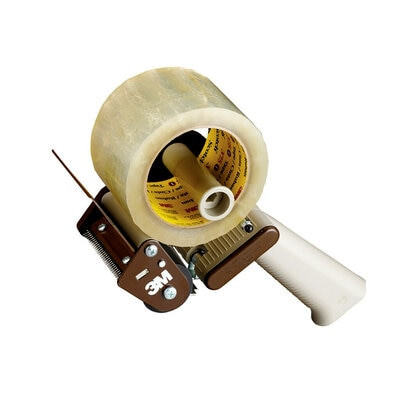
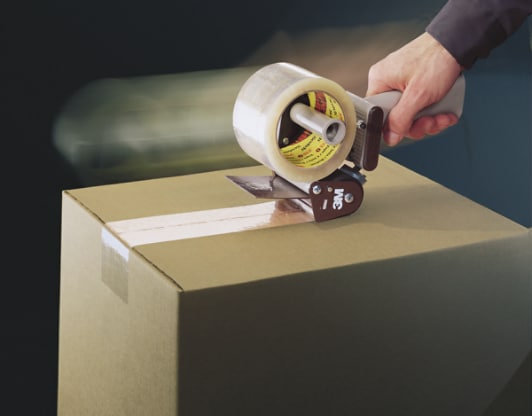
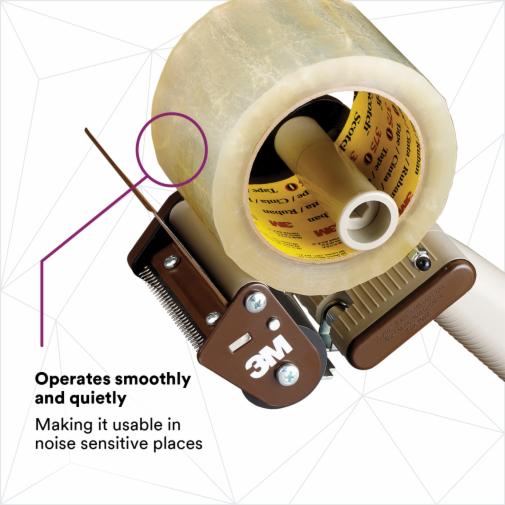
솔루션: Modern low-noise box sealing tapes are engineered for universal compatibility with standard 2-inch (48mm) handheld dispensers and most automated carton sealing machines. Rather than requiring specialized hardware, these tapes utilize modified film constructions and optimized unwind properties that function seamlessly with existing roller mechanisms. When upgrading, verify that your current dispensers accommodate the tape’s core dimensions—typically 3-inch—and consider models featuring spring-loaded pressure bars that continuously press the tape roll against the core roller to minimize unwinding friction. This approach eliminates the need for equipment replacement while immediately reducing noise levels.
Scenario 3: What Is the Difference Between Low Noise and Standard Box Sealing Tape in Extreme Climates?
문제: Buyers in Middle Eastern and African markets often express concern that low-noise tapes—frequently associated with water-based adhesive systems—will compromise seal integrity when exposed to high ambient temperatures during storage or international transit. There is a prevalent misconception that “quiet” equates to “weak,” leading procurement managers to prioritize noisy but seemingly robust PVC tapes over acoustic comfort. This trade-off mindset forces facilities to sacrifice worker wellbeing for perceived durability, particularly in regions where warehouse temperatures regularly exceed 30°C and long-distance shipping demands exceptional adhesion reliability.
솔루션: Specify low-noise tapes formulated with high-temperature resistant acrylic or advanced synthetic rubber adhesives specifically rated for continuous exposure to hot climates. These specialized formulations maintain strong anti-pull properties, moisture resistance, and dirt resistance while delivering the silent unwinding characteristics essential for comfortable working environments. Ensure suppliers provide technical data sheets confirming adhesion performance at elevated temperatures, and maintain inventory storage between 15–30°C to preserve both the acoustic properties and adhesive effectiveness. This approach delivers the durability of standard tapes with the workplace benefits of noise reduction.
Strategic Material Selection Guide for Low noise box sealing tape
Selecting the optimal substrate and adhesive combination for low-noise box sealing tape requires balancing acoustic performance with tensile strength, environmental compliance, and cost efficiency. For procurement teams operating in high-volume export hubs like Lagos or Riyadh, where temperature fluctuations and noise ordinances intersect, understanding material properties ensures long-term operational reliability and worker productivity.
Why Is Polyethylene Film the Preferred Substrate for Silent Unwinding in High-Volume Warehouses?
Polyethylene, specifically
A stock image related to Low noise box sealing tape.
In-depth Look: Manufacturing Processes and Quality Assurance for Low noise box sealing tape
Low noise box sealing tape represents a specialized category where acoustic performance is engineered directly into the material structure rather than achieved solely through dispenser mechanics. For procurement teams sourcing from international manufacturers, understanding the technical distinctions in production methodologies and quality validation protocols ensures consistent performance across high-volume operations, particularly when supply chains extend through challenging climate zones.
How Is Low Noise Box Sealing Tape Engineered for Silent Unwinding?
The acoustic signature of packaging tape originates primarily from the interaction between the adhesive layer and the release coating during unwinding. Standard polypropylene tapes generate high-frequency noise through adhesive fracture and film vibration. Low noise variants utilize modified polyethylene or specially formulated polypropylene films with optimized release coatings—typically silicone-based or proprietary polymer blends—that reduce the energy released during adhesive separation.
Manufacturers achieve this through controlled coating thickness tolerances, often maintaining adhesive layers between 20-30 microns with variance of less than 2 microns across the web. The film substrate undergoes corona treatment to precise surface energy levels (typically 38-42 dynes/cm), ensuring uniform adhesive anchoring without creating excessive bond strength that would generate noise during dispensing. This chemical engineering approach allows the tape to unwind at noise levels 50-70% lower than conventional alternatives, even when deployed with standard pistol-grip dispensers lacking specialized pressure bars.
What Raw Materials Ensure Performance in Extreme Climate Markets?
For buyers operating in regions like Nigeria or Saudi Arabia, substrate selection becomes critical. Low noise tapes utilize either low-density polyethylene (LDPE) or specialized biaxially oriented polypropylene (BOPP) films with enhanced UV stabilizers and antioxidant packages. These additives prevent embrittlement in high-temperature storage conditions often encountered in Middle Eastern and African supply chains.
The adhesive system typically employs water-based acrylic formulations rather than solvent-based natural rubber adhesives. Acrylic systems maintain stable viscosity across temperature ranges of 15°C to 40°C, preventing the “cold flow” that causes edge bleeding in hot climates or brittleness in air-conditioned facilities. Premium manufacturers incorporate humidity-resistant cross-linking agents that prevent hydrolysis during monsoon seasons or humid port storage, ensuring the tape maintains its low-noise unwinding characteristics and tack properties throughout the product lifecycle.
Which Manufacturing Processes Guarantee Batch Consistency?
Production begins with extrusion casting or blown film processes where resin pellets are melted and formed into thin films (typically 25-40 microns thickness). Critical to low noise performance is the subsequent orientation process—manufacturers use either machine-direction orientation (MDO) or biaxial orientation to align polymer chains, creating a smoother surface topology that minimizes friction during unwinding.
The coating stage employs gravure or Meyer rod application systems in cleanroom environments (ISO Class 7 or better) to prevent particulate contamination that could create “popping” sounds during tape deployment. Adhesive coating weights are monitored in real-time using beta-ray gauges, ensuring consistent application across jumbo rolls up to 1,280mm wide. Slitting operations utilize razor or shear slitting with tension control systems maintaining ±5% force variance, as uneven winding tension creates telescoping that generates noise during subsequent unwinding.
How Do Quality Assurance Protocols Validate Acoustic Performance?
Leading manufacturers implement multi-stage testing regimes beyond standard adhesion metrics. Acoustic validation typically involves unwinding jumbo rolls at standardized speeds (30-50 meters/minute) in anechoic chambers, measuring decibel output with calibrated sound level meters positioned at 30cm distance—simulating dispenser-to-ear proximity in warehouse environments. Acceptable thresholds typically fall below 65 dB, compared to 85-90 dB for standard tapes.
Mechanical testing includes unwind force measurement using motorized test stands, where consistent values between 1.5-3.0 N/cm indicate proper release coating application. Peel adhesion tests (ASTM D3330) ensure minimum 4.5 N/cm holding power on corrugated fiberboard, while shear resistance testing (ASTM D3654) validates that the tape won’t slip during vertical storage. Climate chamber testing cycles samples through 48-hour exposures at 40°C/90% RH to simulate tropical transit conditions, verifying that low-noise properties remain stable despite thermal stress.
What Storage Protocols Preserve Low Noise Characteristics?
The polymeric modifications that enable silent unwinding remain sensitive to thermal degradation. Manufacturers recommend maintaining warehouse temperatures between 15°C and 30°C with relative humidity below 70%. Exceeding 35°C for extended periods can cause adhesive migration into the release coating, permanently altering the unwind characteristics and increasing noise levels.
Inventory rotation protocols should follow First-In-First-Out (FIFO) methodologies, as low noise tapes typically maintain optimal acoustic properties for 12-18 months from manufacture when stored properly. Buyers should verify that suppliers utilize UV-protective wrapping for ocean freight shipments, as prolonged sun exposure during port delays can pre-age the adhesive system. Pallet stacking should not exceed five layers to prevent compression set that could cause edge adhesion and subsequent “squealing” during initial unwind.
How Can International Buyers Verify Manufacturing Compliance?
When sourcing from Asian or European manufacturers for African or Middle Eastern distribution, buyers should request documentation of ISO 9001:2015 quality management systems and ISO 14001 environmental compliance. For European markets, REACH compliance certificates confirm the absence of restricted phthalates or heavy metals in adhesive formulations.
Request batch-specific test reports including unwind force curves and acoustic measurement data rather than generic specification sheets. Reputable suppliers provide Certificate of Analysis (CoA) documents with each shipment, detailing melt flow index of the base polymer, coating weights, and peel test results. For high-volume contracts, consider third-party inspection protocols (SGS, Bureau Veritas) verifying slit width tolerances (typically ±1mm) and roll length accuracy, as short rolls indicate poor tension control during manufacturing that correlates with increased noise during application.
Understanding these manufacturing variables enables procurement professionals to specify tapes that maintain silent operation characteristics despite the thermal and logistical challenges inherent in cross-continental supply chains, ultimately protecting both worker comfort standards and brand reputation in noise-sensitive environments.
Practical Sourcing Guide: A Step-by-Step Checklist for ‘Low noise box sealing tape’
Procuring low-noise box sealing tape requires more than comparing decibel ratings. For B2B buyers operating in noise-sensitive environments—from Lagos distribution centers to Riyadh logistics hubs—selecting the right product involves assessing adhesive chemistry, equipment compatibility, and climate resilience. This checklist provides actionable criteria to ensure your investment delivers both acoustic comfort and operational reliability.
-
How Do You Verify Noise Reduction Claims Against Your Operational Environment?
Request unwinding force data and acoustic test reports from suppliers before committing to bulk orders. Low-noise tapes should demonstrate silent unwinding properties with minimal “squeal” during application, achieved through specialized pressure bar mechanisms that direct tape at angles reducing vibration. Test samples in your actual facility, as ambient noise levels in Middle Eastern warehouses or Nigerian packing rooms vary significantly from controlled laboratory conditions, affecting perceived performance.
-
What Material Composition Works Best for Your Climate and Sustainability Goals?
Prioritize polypropylene or polythene-based films with water-based adhesives for hot climates common in Saudi Arabia and Nigeria, as these resist temperature fluctuations better than vinyl alternatives while maintaining strong anti-pull properties. Verify eco-friendly certifications if your European clients require sustainable packaging compliance, and confirm the tape resists moisture and dirt in high-humidity environments typical of South American regions.
-
Is Your Tape Compatible with Existing Hand-Held and Automated Dispensers?
Match tape width—typically 48mm or 2 inches—to your dispenser specifications, ensuring compatibility with pistol-grip models that utilize spring-loaded pressure bars. These mechanisms press the tape roll against core rollers while directing the tape away at specific angles, minimizing unpleasant sounds. If using automated carton sealers, confirm the tape’s tensile strength suits machine tension settings without delamination or stretching.
-
Have You Established Proper Storage Protocols for International Shipping?
Low-noise adhesive properties degrade if exposed to extreme heat during transit. Specify storage temperatures between 15°C and 30°C in your procurement contracts, particularly critical for shipments to African and Middle Eastern ports where container temperatures can exceed safe thresholds. Request climate-controlled logistics or warehouse receiving protocols that protect adhesive integrity before the tape reaches your packing stations.
-
Which Customization Options Enhance Brand Visibility Without Compromising Performance?
Leverage printable low-noise tapes to add logos, QR codes, or handling instructions directly on cartons for shipments to European retail markets. Ensure printing inks and processes don’t compromise the tape’s non-stretchable properties or noise-reduction capabilities. This customization adds marketing value and traceability while maintaining the functional benefits required for high-volume mail rooms and distribution centers.
-
How Do You Calculate True Cost Efficiency for High-Volume Operations?
Beyond per-roll pricing, calculate total cost of ownership including dispenser compatibility (avoiding equipment replacement costs) and productivity gains from reduced worker fatigue. Low-noise tapes often justify premium pricing through improved concentration in noise-sensitive zones like hospitals, libraries, or night-shift operations common in global logistics hubs, while providing over ten years of reliable adhesion when properly stored.
A stock image related to Low noise box sealing tape.
Comprehensive Cost and Pricing Analysis for Low noise box sealing tape Sourcing
Sourcing low noise box sealing tape requires analyzing beyond per-roll pricing to understand total cost of ownership. For procurement teams managing high-volume packaging operations across Africa, the Middle East, South America, and Europe, material specifications, climate resilience, and dispensing compatibility create complex pricing dynamics that significantly impact long-term operational budgets and supply chain efficiency.
What Material Specifications Drive Cost Variations in Low Noise Tape?
Low noise tapes utilize specialized polypropylene or polyethylene films with modified release coatings to achieve silent unwinding, typically commanding a 15-25% premium over standard vinyl alternatives. Water-based acrylic adhesives, while environmentally compliant and essential for long-distance shipping durability, contribute to higher raw material costs compared to solvent-based options. Buyers should evaluate micron thickness (typically 28-50μm) and tensile strength ratings, as industrial-grade specifications suitable for automated carton sealing justify higher unit costs through reduced breakage and application failure rates during high-speed processing.
How Does Climate Compatibility Affect Storage and Logistics Pricing?
The requirement for 15-30°C storage temperatures to preserve adhesive integrity creates significant cost implications for buyers in tropical climates like Nigeria or Saudi Arabia. Temperature-controlled warehousing during transit and storage adds approximately $0.02-$0.04 per square meter in logistics overhead, particularly critical for landlocked African destinations. Additionally, moisture-resistant packaging becomes essential for sea freight routes to South American and African ports, necessitating vapor-barrier pallet wrapping that increases landed costs but prevents costly delamination failures in humid maritime conditions.
What Is the ROI of Integrating Low Noise Dispensers in High-Volume Operations?
While compatible pistol-grip dispensers represent initial capital expenditure ($15-$40 per unit for industrial-grade models), they reduce tape waste by 30-40% through controlled tension mechanisms and optimized pressure bars that ensure clean cuts. For operations processing 500+ cartons daily, this efficiency gain typically offsets equipment costs within 60-90 days while improving worker productivity. Procurement strategies should bundle dispenser acquisition with tape supply agreements to negotiate volume discounts on both consumables and hardware, particularly when consolidating annual requirements into full container load shipments.
How Do Customization and Regional Compliance Impact Unit Economics?
Custom printed low noise tapes require minimum order quantities (MOQs) of 5,000-10,000 rolls, shifting pricing structures from commodity spot-buying to contractual manufacturing partnerships. While standard clear or tan tapes offer procurement flexibility, branded solutions eliminate secondary labeling costs and enhance shipment security. Furthermore, water-based adhesive formulations satisfy REACH and GCC conformity standards more cost-effectively than solvent alternatives, reducing regulatory compliance expenditures for European and Middle Eastern imports. Currency fluctuation risks between USD-denominated raw materials and local currencies necessitate hedging strategies or quarterly pricing agreements to stabilize procurement budgets against market volatility.
Alternatives Analysis: Comparing Low noise box sealing tape With Other Solutions
When evaluating sealing solutions for high-throughput logistics operations, procurement teams must weigh acoustic comfort against security, speed, and total cost of ownership. While low noise box sealing tape addresses workplace noise compliance and employee wellbeing, alternative methods may better suit specific regional infrastructure constraints or commodity types prevalent in African, Middle Eastern, and South American markets.
How Does Low Noise Tape Compare to Conventional and Water-Activated Solutions?
| 비교 측면 | Low Noise Box Sealing Tape | Standard Pressure-Sensitive Tape | Water-Activated Tape (WAT) |
|---|---|---|---|
| Noise Level | Minimal (45-55 dB during unwind) | High (75-85 dB, sharp tearing sound) | Low (mechanical tearing only) |
| 보안/변조 증거 | Moderate (surface adhesion, can be resealed) | Low (easy to lift and reapply) | High (bonds with carton fibers, shows tampering) |
| 미터당 비용 | Mid-range ($) | Low ($) | Higher ($$) |
| 애플리케이션 속도 | Fast (compatible with handheld dispensers) | Fast (standard dispensers) | Moderate (requires water activation and drying time) |
| 기후 저항 | High (stable 15-30°C range, humidity tolerant) | Moderate (adhesive softens in extreme heat) | Moderate (sensitive to pre-application humidity) |
| Infrastructure Requirements | 최소(표준 디스펜서) | 최소(표준 디스펜서) | Moderate (water reservoirs, heating elements) |
| 환경 영향 | Recyclable polypropylene, water-based adhesive | Standard plastic waste | Biodegradable paper, starch adhesive |
Is Standard Pressure-Sensitive Tape a Viable Alternative for High-Volume Operations?
Standard acrylic or hot melt adhesive tapes represent the most common alternative, offering unit costs typically 20-30% lower than specialized low noise variants. While this option appeals to cost-sensitive distributors in emerging markets like Nigeria or Brazil, it generates significant acoustic pollution that can violate workplace safety regulations in jurisdictions such as Saudi Arabia and the European Union. The high-frequency tearing sound disrupts communication in packing stations, potentially reducing productivity in 24/7 fulfillment centers common throughout the Middle East. Furthermore, conventional tapes lack the specialized unwind tension mechanisms found in low noise dispensers, leading to adhesive buildup on rollers and increased maintenance downtime. However, for outdoor storage operations or non-climate-controlled warehouses where temperature fluctuations might compromise water-based adhesive systems, standard hot melt tapes may provide more reliable immediate tack, provided buyers accept the trade-off in worker comfort and potential regulatory non-compliance.
When Should B2B Buyers Choose Water-Activated Tape Over Low Noise Options?
Water-activated tape (WAT) utilizes starch-based adhesives that penetrate cardboard fibers to create a permanent, tamper-evident seal ideal for high-value pharmaceutical or electronics exports prevalent in European trade corridors. Unlike low noise polypropylene options, WAT eliminates acoustic disturbance entirely while providing superior pilferage resistance—a critical consideration for cross-border shipments through regions with complex customs protocols. However, this solution requires electric or manual water dispensers, introducing capital expenditure and maintenance requirements that may challenge operations in developing markets with limited technical support infrastructure. WAT also demands strict climate-controlled storage between 15-25°C to prevent premature humidity activation in tropical climates like coastal West Africa or Southeast Asia, whereas low noise tape maintains stability across broader temperature ranges. While WAT offers excellent sustainability credentials for ESG-focused enterprises, its slower application speed and inability to accommodate non-carton bundling tasks make it less versatile than low noise solutions for diversified logistics providers handling varied cargo types.
Essential Technical Properties and Trade Terminology for Low noise box sealing tape
When procuring low-noise box sealing tape for high-volume distribution centers or retail fulfillment operations across diverse climates, technical specifications directly impact operational efficiency and workplace compliance. Understanding the precise engineering standards behind “silent” unwinding mechanisms ensures buyers select products that meet both acoustic comfort requirements and rigorous shipping durability standards for international logistics.
What Technical Specifications Define Premium Low-Noise Box Sealing Tape?
Unwinding Acoustic Profile: The defining characteristic is measured noise reduction during dispensing, typically achieved through specialized pressure bars or modified release coatings that dampen the “snap” sound of standard BOPP tapes. Premium variants maintain unwinding forces below 2.5 N/25mm while generating significantly lower decibel levels than conventional acrylic tapes, making them suitable for noise-sensitive environments like Saudi Arabian fulfillment centers or Nigerian pharmaceutical warehouses.
Substrate Composition: Unlike standard noisy polypropylene (BOPP) tapes, true low-noise variants utilize polyethylene (PE) film or specially formulated BOPP with acoustic-dampening additives. PE substrates naturally produce less vibration during unwinding and offer superior conformability to irregular carton surfaces, critical for cold-chain logistics in regions with variable climates.
접착 화학: Water-based acrylic adhesives dominate this category, offering stable performance across 15°C to 30°C storage parameters while maintaining environmental compliance. These formulations provide immediate tack without the “squeal” associated with hot-melt adhesives, though buyers should verify temperature resistance for Middle Eastern or tropical African warehousing conditions.
Tensile Strength and Elongation: Look for minimum tensile strength of 25 N/cm with elongation at break between 150-200%. This ensures the tape withstands shipping stresses while the non-stretchable film prevents “necking” that could compromise seal integrity during transit.
Caliper Consistency: Industrial-grade low-noise tape typically ranges 45-55 microns (1.8-2.2 mil) total thickness. Thicker calipers (60+ microns) indicate heavy-duty variants suitable for automated case sealers, while thinner gauges work optimally with manual pistol-grip dispensers.
What Trade Terminology Is Essential for Negotiating Low-Noise Tape Contracts?
Silent Unwind Technology: Refers to proprietary manufacturing processes—often involving specialized release coatings or unwind angle optimization—that eliminate the high-frequency “screech” of standard pressure-sensitive tapes. Suppliers should provide acoustic testing data comparing their product against ISO 3744 noise measurement standards.
Release Coating Optimization: The silicone or fluoropolymer coating applied to the backing film controls unwinding force. “Light unwind” specifications indicate minimal resistance (typically 0.5-1.2 N/25mm), reducing operator fatigue and dispenser wear while maintaining the quiet profile essential for noise-sensitive environments.
Machine-Grade Tension Control: Distinguishes between hand-application tape and automated packaging line compatibility. Machine-grade requires consistent roll geometry and tension stability to prevent “telescoping” or edge curling that triggers emergency stops on high-speed carton sealers.
Custom Slitting and Print Registration: For branding requirements, verify “printable surface” specifications and slitting tolerances (±0.5mm). Low-noise PE films accept flexographic printing differently than BOPP, requiring specific corona treatment levels for logo adhesion without compromising the acoustic properties.
Core Adhesion Balance: Describes the relationship between tape-to-core adhesion and unwind force. Excessive core adhesion causes “sticking” and noise spikes at roll startup, while insufficient adhesion leads to telescoping during shipping. Premium suppliers guarantee consistent unwind curves across the entire roll diameter.
Navigating Market Dynamics and Sourcing Trends in the Low noise box sealing tape Sector
What Are the Key Market Trends Driving Adoption of Low-Noise Box Sealing Tape in High-Volume Logistics?
The industrial packaging landscape across emerging markets is undergoing significant transformation as acoustic ergonomics becomes a strategic priority for multinational logistics operations. In high-growth regions such as Nigeria, Saudi Arabia, and Brazil, the proliferation of e-commerce fulfillment centers and export-oriented manufacturing has created unprecedented demand for workplace environments that balance operational efficiency with employee wellbeing. This shift has positioned low-noise box sealing tape not merely as a commodity, but as a compliance-critical component for facilities adhering to evolving occupational noise standards. Procurement managers are increasingly recognizing that excessive dispenser noise in packing stations directly impacts worker concentration and productivity, particularly in open-plan warehouses where multiple sealing operations occur simultaneously.
Technical innovation in tape manufacturing has responded to these demands through the development of polypropylene-based films paired with specialized water-based adhesive systems. Unlike traditional vinyl alternatives, these advanced formulations provide exceptional temperature stability—crucial for maintaining adhesion integrity in the hot climates characteristic of Middle Eastern and sub-Saharan African logistics hubs. The market is simultaneously witnessing integration between tape specifications and ergonomic dispenser technologies, with pistol-grip designs featuring spring-loaded pressure bars becoming standard requirements in B2B tenders. These systems reduce unwinding noise by maintaining consistent angular tension between the roll and application surface, enabling one-handed operation that accelerates packing speeds without acoustic disruption.
Sector-specific applications are further accelerating adoption, particularly in pharmaceutical distribution centers and electronics manufacturing facilities across Europe and the Middle East, where noise-sensitive cleanroom environments require packaging solutions that maintain sterile or precision conditions without auditory interference. Additionally, the economic calculus for procurement teams has shifted toward total cost of ownership models that account for reduced worker fatigue and lower error rates in quiet packing environments, justifying premium pricing for high-performance low-noise variants through measurable productivity gains and reduced employee turnover in high-volume packing roles.
How Can B2B Buyers Ensure Sustainable and Ethical Sourcing of Low-Noise Sealing Solutions?
Sustainability in low-noise tape procurement extends beyond immediate material composition to encompass total lifecycle impact and storage optimization—critical considerations for buyers managing international supply chains across diverse climatic zones. Environmentally conscious procurement strategies now favor water-based acrylic adhesives over solvent-based alternatives, significantly reducing volatile organic compound (VOC) emissions during both manufacturing and application phases. These eco-friendly formulations deliver comparable tensile strength and anti-pull properties to conventional options while offering enhanced recyclability profiles that align with circular economy principles, allowing sealed corrugated cardboard to enter recycling streams without adhesive contamination concerns prevalent with synthetic vinyl tapes.
For operations in temperature-variable regions, ethical sourcing necessitates rigorous verification of storage stability claims and thermal performance specifications. Premium low-noise tapes demonstrate consistent acoustic properties and adhesion integrity when maintained between 15°C and 30°C, with shelf lives extending beyond ten years—factors that dramatically reduce inventory waste and replacement costs for high-volume users in regions with limited climate-controlled warehousing. Procurement teams should demand comprehensive technical datasheets from suppliers detailing temperature resistance parameters and humidity tolerance, particularly when sourcing for coastal logistics hubs in West Africa or the Arabian Peninsula where atmospheric conditions challenge adhesive performance.
Supplier verification protocols must extend to manufacturing ethics and occupational safety compliance, ensuring that products labeled for industrial use meet rigorous standards such as OSHA, ANSI, or equivalent regional certifications applicable in European and Middle Eastern markets. B2B buyers should prioritize partnerships with manufacturers implementing ISO-certified quality control systems that guarantee non-stretchable, non-delaminating film structures essential for securing heavy export cartons during long-distance international shipping.
Frequently Asked Questions (FAQs) for B2B Buyers of Low noise box sealing tape
1. What is the difference between low noise and standard box sealing tape?
Low noise box sealing tape utilizes specialized polythene backing and modified adhesive formulations that release smoothly from the roll without the high-frequency vibration characteristic of standard tapes. While conventional acrylic or vinyl tapes produce a sharp screeching sound during unwinding due to adhesive cohesion and friction, low noise variants incorporate multi-layered film technology that dampens acoustic resonance. The primary distinction lies in the unwinding mechanics: low noise tapes require significantly less separation force and often pair with dispensers featuring spring-loaded pressure bars to maintain silent operation.
2. How does low noise tape benefit warehouse working environments?
Implementing low noise sealing solutions creates measurable improvements in occupational health by reducing ambient noise levels in high-volume packing stations, directly supporting compliance with international workplace safety standards such as OSHA and ANSI guidelines. The elimination of sharp acoustic peaks minimizes worker fatigue and cognitive distraction, particularly critical in open-plan distribution centers where multiple packing stations operate simultaneously. For facilities in residential zones or regions with strict noise ordinances—common in European and Middle Eastern markets—this technology enables extended operating hours without community disturbance while reducing reliance on personal hearing protection equipment.
3. Is low noise carton sealing tape compatible with standard tape dispensers?
While low noise tape will physically function in standard handheld dispensers, achieving the advertised acoustic reduction requires compatible low noise dispensers equipped with specialized pressure bar mechanisms. Premium dispensers like pistol-grip models incorporate spring-loaded bars that continuously press the tape roll against the core roller at specific angles, directing the tape away to minimize vibration and sound transmission. B2B buyers should specify dispenser compatibility during procurement, as using standard dispensers may result in partial noise reduction and suboptimal unwinding force that could affect application speed.
4. What decibel reduction can businesses expect from low noise packing tape?
While specific decibel ratings vary by manufacturer and testing conditions, quality low noise tapes typically reduce unwinding noise by 50-70% compared to standard box sealing tapes, effectively eliminating the high-pitched screech that dominates the 2-4 kHz frequency range. The perceptible difference transforms packing operations from acoustically disruptive environments to background-noise levels comparable to normal conversation. For precise compliance documentation, request acoustic testing data from suppliers that measure sound pressure levels (SPL) in decibels at standardized unwinding speeds relevant to your operational throughput.
5. How should low noise sealing tape be stored to maintain acoustic properties in hot climates?
To preserve the low noise characteristics essential for your operations, store tape rolls in climate-controlled environments between 15°C and 30°C (59°F-86°F), away from direct sunlight and heat sources that could degrade the water-based adhesive and polythene backing. Excessive heat exposure, particularly relevant for buyers in Nigeria, Saudi Arabia, and other high-temperature regions, can alter the tape’s unwinding force and acoustic dampening properties. Maintain original packaging until use to protect against dust and humidity, ensuring the smooth, clean surface required for silent operation remains intact.
6. Can low noise box sealing tape support custom branding for export shipments?
Yes, premium low noise tapes offer excellent printability, allowing B2B buyers to apply corporate logos, handling instructions, or security markings directly onto the tape surface using flexographic or screen printing methods. This capability transforms functional sealing tape into a branding asset for export cartons traveling to international markets across Africa, Europe, and the Middle East. When specifying custom printed low noise tape, confirm with suppliers that the ink systems are compatible with the water-based adhesive and polythene film to maintain both acoustic properties and adhesion strength during long-distance shipping.
7. What adhesive technologies ensure low noise tape performs in extreme temperatures?
Quality low noise tapes employ advanced water-based acrylic adhesives engineered to maintain tack and shear strength across temperature ranges from freezing conditions to high heat, making them suitable for cold chain logistics and desert climate exports. Unlike solvent-based alternatives, these adhesives resist thermal degradation while providing strong anti-pull properties and moisture resistance critical for carton integrity during international transit. For businesses operating in variable climates, verify that your supplier’s tape meets industry standards for both low-temperature adhesion and high-temperature holding power to prevent seal failure.
8. How do I calculate ROI when switching to low noise tape for high-volume operations?
Calculate return on investment by quantifying indirect cost savings: reduced worker compensation claims related to noise exposure, eliminated need for hearing protection equipment, and increased packing speed due to improved worker concentration and reduced fatigue. Factor in the operational flexibility gained—ability to run packing lines during noise-restricted evening hours or in mixed-use facilities without acoustic barriers. While low noise tape may carry a slight premium over standard vinyl options, the ten-year durability rating and reduced package failure rates due to superior adhesion typically generate net savings within the first operational quarter for facilities processing over 500 cartons daily.
중요 고지 사항 및 이용 약관
⚠️ 중요 고지 사항
제조업체, 기술 사양 및 시장 분석에 관한 내용을 포함하여 이 가이드에서 제공하는 정보는 정보 제공 및 교육 목적으로만 사용됩니다. 전문적인 조달 자문, 재무 자문 또는 법률 자문으로 간주되지 않습니다.
B2B 구매자는 독립적이고 철저한 실사를 수행해야 합니다. 구매 결정을 내리기 전에 반드시 확인하시기 바랍니다. 이 가이드의 정보에 의존하는 데 따른 위험은 전적으로 독자가 부담합니다.
Top 1 Low Noise Box Sealing Tape Manufacturers & Suppliers List
1. Scotch – 2 Low Noise Tape Dispenser H150
도메인: tapeplanet.com
Registered: 2006 (20 years)
소개: This company, Scotch – 2 Low Noise Tape Dispenser H150, is a notable entity in the market.
Strategic Sourcing Conclusion and Outlook for Low noise box sealing tape
How Can Procurement Teams Optimize Low Noise Tape Specifications for Emerging Markets?
Selecting the right low noise box sealing tape extends beyond decibel reduction. For high-throughput operations in Nigeria, Saudi Arabia, and South American logistics hubs, prioritize water-based acrylic adhesives that maintain tack integrity across temperature fluctuations. Specify polypropylene films with anti-pull properties to prevent delamination during automated application, ensuring compatibility with pressure-bar dispensers and high-speed sealers. Evaluate suppliers on unwind consistency and custom printing capabilities to maximize brand visibility during transit.
What Storage Protocols Ensure Performance in Tropical and Arid Climates?
Climate resilience determines long-term value in Middle Eastern and African markets. These tapes require strict storage between 15°C and 30°C to preserve acoustic properties and adhesive chemistry. Procurement teams should verify climate-controlled logistics documentation and moisture-barrier packaging from suppliers. Establishing vendor-managed inventory agreements mitigates risks associated with extreme warehouse conditions, ensuring silent unwinding characteristics remain intact from production through final application.
Why Does Acoustic Comfort Represent the Next Workplace Compliance Frontier?
As occupational health standards tighten globally, noise-sensitive packaging environments are becoming competitive advantages. Forward-thinking buyers are integrating low noise sealing solutions into broader safety frameworks, recognizing that reduced acoustic stress correlates with improved accuracy and retention in fulfillment operations. This shift positions environmentally friendly, low-noise alternatives not merely as consumables, but as strategic investments in operational sustainability and employee wellbeing across international supply chains.