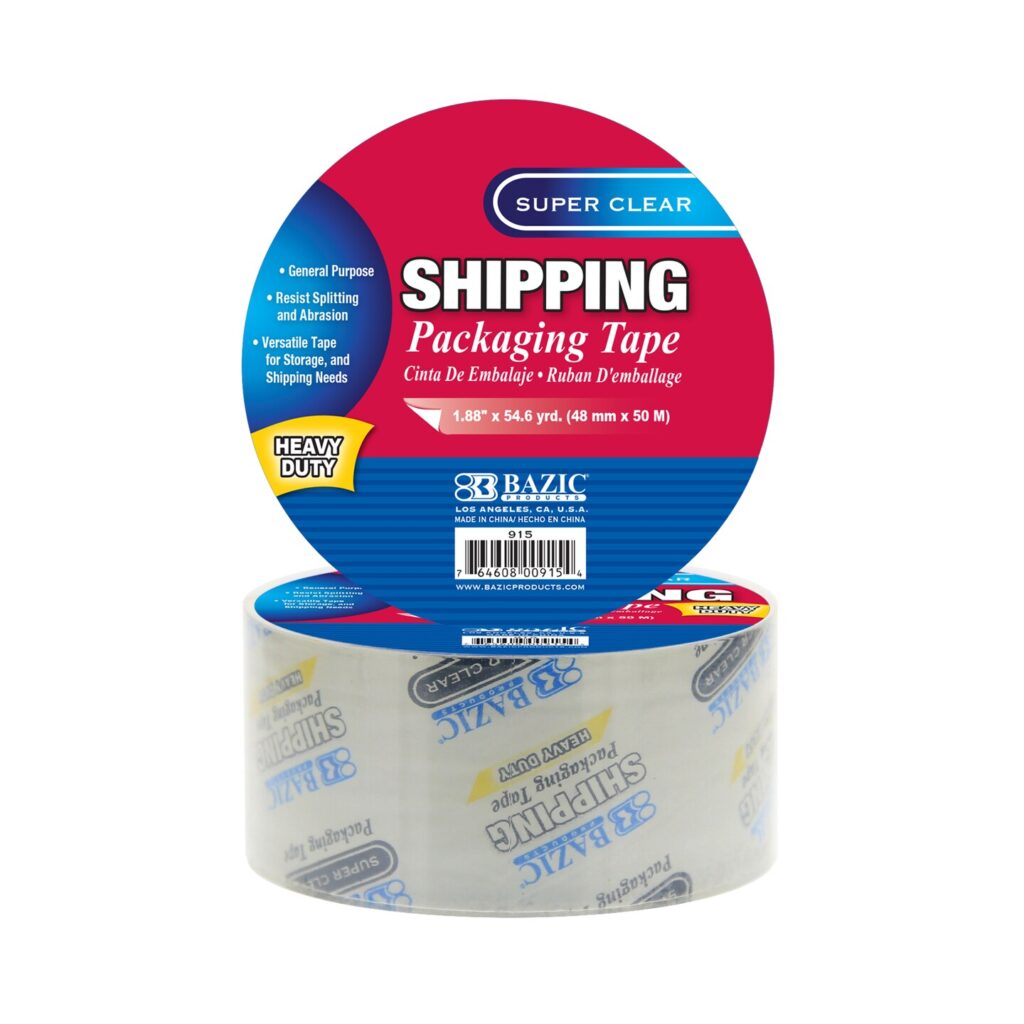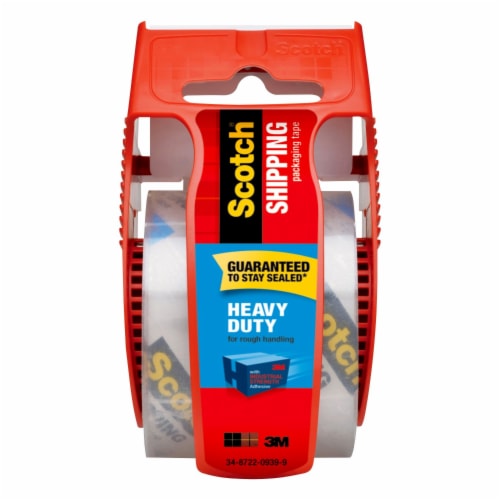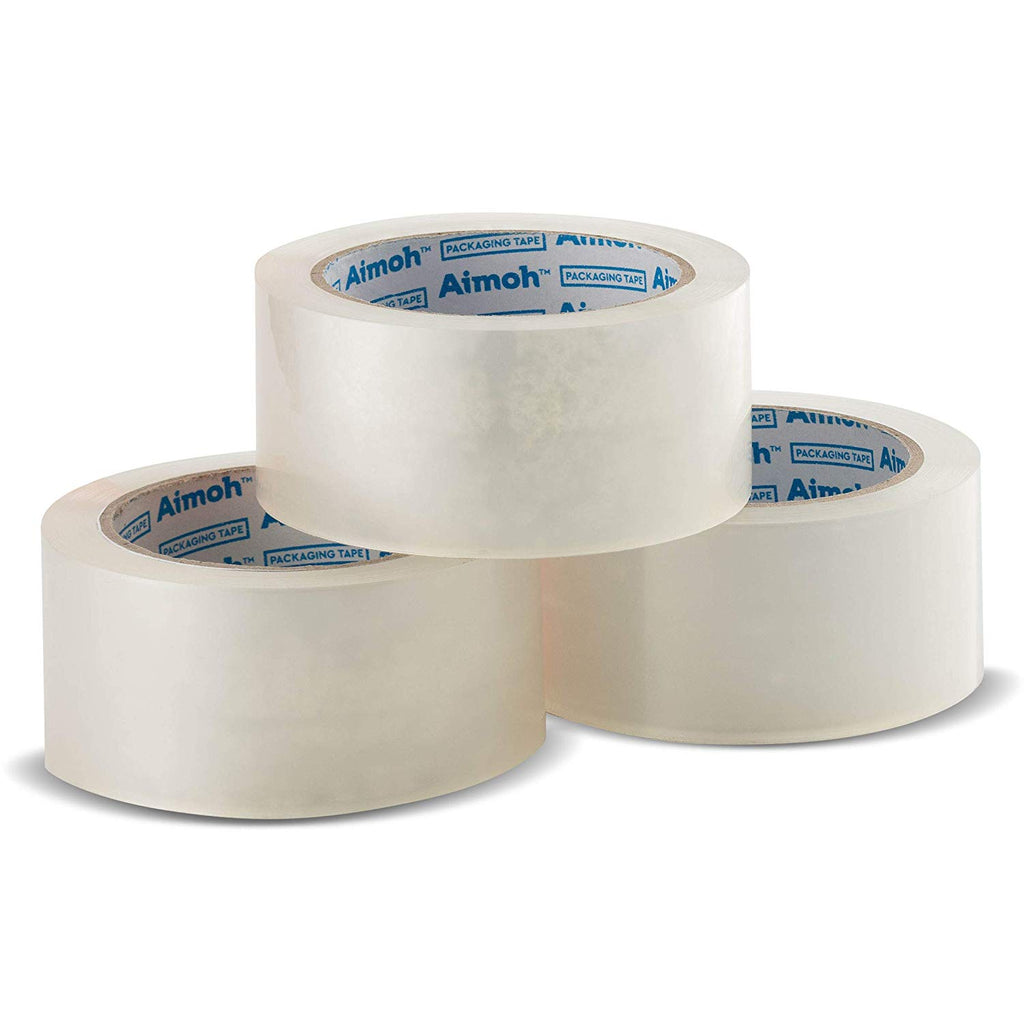
Introduction: Navigating the Global Market for Low noise clear packing tape
Sourcing low-noise clear packing tape for high-volume fulfillment operations presents a critical challenge for procurement teams balancing workplace comfort with packaging integrity. In an era where e-commerce distribution centers operate around the clock and noise regulations tighten across industrial zones, the screech of conventional packing tape has evolved from minor irritation to operational liability. For international buyers managing cross-border supply chains, selecting the right silent sealing solution requires navigating complex technical specifications, regional compliance standards, and supplier reliability across continents.
What challenges do international buyers face when sourcing silent sealing solutions?
This comprehensive guide addresses the multifaceted procurement landscape for B2B buyers across Africa, South America, the Middle East, and Europe. Whether you are outfitting a distribution center in São Paulo, optimizing logistics in Lagos, or meeting stringent workplace standards in Germany, you will find actionable intelligence on BOPP film thicknesses, acrylic adhesive formulations, and noise-reduction technologies. We examine application-specific requirements—from lightweight retail packaging to heavy-duty 40kg+ carton sealing—while dissecting supplier vetting protocols, volume pricing structures, and quality certifications essential for global trade.
How can procurement teams optimize their packaging supply chain across diverse markets?
By synthesizing technical specifications with regional market insights, this resource empowers you to make informed decisions that reduce operator fatigue, enhance brand presentation through ultra-clear film clarity, and ensure compliance with local workplace noise ordinances. From understanding the difference between 40-micron standard grades and 52-micron heavy-duty variants to evaluating factory-direct versus distributor pricing models, you will gain the strategic framework necessary to secure reliable, cost-effective tape solutions that perform consistently across varying climates and handling conditions.
Understanding Low noise clear packing tape Types and Variations
| 유형 이름 | 주요 차별화 기능 | 주요 B2B 애플리케이션 | 구매자를 위한 간략한 장단점 |
|---|---|---|---|
| Standard Duty Low-Noise Acrylic (40–45 micron) | Water-based acrylic adhesive on BOPP film; 40–45 micron thickness; noise reduction up to 50% versus conventional tape; optimal for loads up to 40 kg | E-commerce fulfillment centers, light manufacturing, office relocations, retail backroom operations | Pros: Cost-efficient for high-volume usage, adequate for majority of carton weights, readily available from multiple suppliers. Cons: Insufficient tensile strength for heavy export loads, limited performance in extreme temperature fluctuations. |
| Heavy-Duty Low-Noise Export Grade (48–52+ micron) | Thicker BOPP carrier (48–52 micron); enhanced acrylic formulation; superior tensile strength; maintains quiet unwind under heavy stress; suitable for 40 kg+ cartons | International export shipping, heavy industrial components, cold storage facilities, long-term warehousing | Pros: Exceptional holding power for heavy or overstuffed cartons, resistant to humidity and temperature variations, reduces risk of seal failure during transit. Cons: Higher per-unit cost, may provide excessive adhesion for lightweight recyclable cartons. |
| Ultra-Clear Premium Low-Noise | Optical-grade BOPP film with high transparency; low-noise unwind technology; virtually invisible seams; compatible with barcode scanning systems | Luxury goods packaging, retail-ready displays, branded e-commerce unboxing experiences, pharmaceutical distribution | Pros: Maximizes brand visibility and packaging aesthetics, ensures scanning accuracy without tape interference, conveys premium quality to end customers. Cons: Premium pricing tier, requires climate-controlled storage to prevent clarity degradation, limited color options. |
| Pre-Mounted Dispenser Roll Systems | Low-noise tape pre-loaded on industrial-grade dispensers; ergonomic design; consistent tension control; typically 48mm width standard | Mobile packing stations, temporary warehouse setups, small-scale fulfillment operations, retail environments without automated lines | Pros: Immediate operational deployment without setup time, reduces repetitive strain injuries, ensures consistent application pressure. Cons: Higher total cost of ownership due to dispenser hardware, not compatible with high-speed automated sealing machines, replacement dispenser availability concerns. |
Which Low-Noise Tape Specifications Are Optimal for High-Volume E-Commerce and Light Industrial Use?
Standard Duty Low-Noise Acrylic tape (40–45 micron) represents the workhorse specification for B2B buyers managing moderate carton weights in high-frequency packing environments. This variation utilizes water-based acrylic adhesives bonded to BOPP film, delivering sufficient peel adhesion for cartons up to 40 kilograms while reducing operational noise by approximately half compared to conventional packing tape. For procurement teams in Africa and South America managing cost-sensitive fulfillment operations, this type offers the optimal balance between performance and unit economics, though buyers should verify temperature stability specifications for regions with high humidity or heat extremes to prevent adhesive degradation.
What Heavy-Duty Low-Noise
Key Industrial Applications of Low noise clear packing tape
| 산업/섹터 | Specific Application of Low noise clear packing tape | 비즈니스를 위한 가치/혜택 | 이 애플리케이션의 주요 소싱 고려 사항 |
|---|---|---|---|
| 전자상거래 및 제3자 물류(3PL) | High-volume carton sealing in fulfillment centers and distribution warehouses; automated packing line integration | Reduces ambient noise pollution by up to 50% compared to standard tape; improves worker comfort and packing speed in 24/7 operations; eliminates acoustic fatigue in open-floor layouts | Verify acrylic adhesive performance in high-humidity tropical climates (Africa/South America); ensure consistent roll-to-roll unwind tension for compatibility with automated dispensers; confirm supply chain scalability for seasonal demand spikes |
| Electronics & Precision Component Manufacturing | Cleanroom packaging of semiconductors, automotive electronics, and sensitive devices; anti-static compatible carton sealing | Maintains sterile/low-dust environments without acoustic disruption; ultra-clear finish preserves visibility of antistatic warning labels and component serial numbers through the tape layer | Confirm RoHS/REACH compliance for EU/German market entry; validate BOPP film thickness (45–50 micron) for static control compatibility; assess particulate generation during unwind for ISO Class 7-8 cleanroom standards |
| 제약 및 헬스케어 유통 | Secondary packaging of medical supplies, OTC products, and temperature-sensitive biologics in regional distribution hubs | Enables early morning/nighttime warehouse operations without noise complaints; clear substrate allows critical batch codes, expiry dates, and tamper-evident seals to remain visible for regulatory inspections | Require FDA or EU pharmacopeia adhesive safety certifications; assess cold-chain adhesion performance (5°C to 40°C) for diverse Middle Eastern and African supply chains; verify resistance to sterilization humidity |
| Luxury Retail & Export Packaging | Premium gift boxing, high-end apparel, and cosmetics export sealing for direct-to-consumer international shipments | Enhances unboxing experience with silent opening; crystal-clear appearance conveys quality and protects premium branding elements during transit; reduces customer-facing noise at retail packing stations | Specify custom printing compatibility for logos and brand marks; ensure UV-resistant adhesive for sun exposure during shipping to South American and Middle Eastern ports; confirm optical-grade clarity standards (haze <2%) |
| Food & Beverage Distribution | Secondary packaging for ambient and chilled goods in distribution centers; multi-pack bundling for retail-ready shipments | Permits 24/7 operation in noise-sensitive urban logistics zones near residential areas; clear film allows barcode scanning without package manipulation, accelerating FMCG throughput | Confirm adhesive formulation resists condensation and refrigeration cycles; verify compliance with EU food contact regulations (EC 1935/2004) for indirect contact; assess performance in high-dust agricultural processing environments |
How Does Low Noise Tape Improve Efficiency in High-Volume E-commerce Fulfillment?
In rapidly expanding e-commerce markets across Brazil, Nigeria, and the UAE, fulfillment centers operate around the clock to meet consumer demand. Low noise clear packing tape eliminates the sharp, repetitive screech associated with traditional acrylic tape unwinding, significantly reducing acoustic fatigue among packing staff. This silent operation allows warehouses to maintain packing stations in open-floor layouts without disturbing adjacent office spaces or residential areas—critical for urban logistics hubs in densely populated cities like São Paulo or Lagos. The smooth unwind mechanism also increases linear packing speed, directly impacting throughput during peak seasonal demand while supporting worker retention in competitive labor markets.
Why Is Silent Sealing Critical for Electronics Manufacturing and Cleanroom Environments?
German automotive electronics manufacturers and emerging Middle Eastern semiconductor facilities require contamination-controlled environments where noise pollution can affect precision work. Low noise clear packing tape provides secure carton sealing for sensitive components without generating airborne particulates or acoustic distractions that could disrupt delicate assembly processes. The ultra-clear BOPP film ensures that antistatic warning labels and component serial numbers remain fully visible through the tape layer, eliminating the need for secondary documentation while maintaining the pristine aesthetic standards expected in European industrial supply chains. Buyers sourcing for these sectors must verify static-dissipative properties and RoHS compliance when qualifying Asian manufacturers.
What Role Does Quiet Packaging Play in Pharmaceutical Distribution Compliance?
Pharmaceutical distributors across Europe and South Africa face stringent regulations regarding warehouse working conditions and product traceability. Low noise clear packing tape enables early-morning and late-night packing operations—common in temperature-controlled logistics—without violating local noise ordinances or disturbing nearby healthcare facilities. The tape’s high transparency allows pharmacists and customs inspectors to verify batch numbers and tamper-evident seals without removing the packaging, streamlining cross-border inspections between EU member states and African trade partners. Procurement teams should prioritize water-based acrylic adhesives that maintain tack across the 5°C to 40°C temperature ranges typical of diverse regional climates and seasonal variations.
How Can Luxury Retailers Enhance Brand Perception with Clear Silent Tape?
Premium retailers in Germany’s luxury goods sector and Brazil’s high-end cosmetics market utilize low noise clear packing tape to elevate the unboxing experience for international clientele. The silent unwind prevents the jarring acoustic signature that diminishes perceived product value during final-mile delivery, while the optical-grade clarity ensures that branded packaging designs remain completely unobstructed. For export shipments facing prolonged sun exposure during transit through Middle Eastern ports or equatorial African routes, UV-stabilized acrylic adhesives prevent yellowing and adhesive degradation, ensuring packages arrive with the same visual integrity as when they left the fulfillment center.
How Does Silent Tape Support Continuous Operations in Food and Beverage Logistics?
European and Latin American food distributors require round-the-clock packing capabilities to manage perishable inventory turnover without disturbing residential areas near urban distribution hubs. Low noise clear packing tape enables overnight shift operations in locations like São Paulo or Berlin while maintaining the acoustic standards required by municipal noise regulations. The tape’s moisture-resistant acrylic adhesive performs reliably in cold storage environments typical of African and Middle Eastern cold chain logistics, while its transparency facilitates rapid inventory scanning through outer packaging layers, reducing handling time and operational costs for high-volume FMCG distribution networks.
A stock image related to Low noise clear packing tape.
3 Common User Pain Points for ‘Low noise clear packing tape’ & Their Solutions
Scenario 1: Regulatory Non-Compliance and Acoustic Fatigue in Dense Packing Environments
문제: High-volume distribution centers across Europe and Brazil face strict occupational noise exposure limits, often capped at 85 dB over an eight-hour shift. Standard BOPP packing tape generates sharp, high-frequency screeching during unwind—typically reaching 75-80 dB—which compounds existing warehouse noise from conveyors and material handling equipment. This acoustic pollution creates communication barriers between floor staff and supervisors, increasing error rates due to misheard instructions in busy facilities. For B2B buyers operating in Germany’s stringent regulatory environment or Brazil’s industrial sectors, excessive noise risks violations of worker protection standards like the Arbeitsschutzgesetz or NR-15, potentially resulting in operational fines and increased staff turnover due to acoustic fatigue.
솔루션: Low noise clear packing tape utilizes specialized silicone-coated release layers and premium water-based acrylic adhesives that reduce unwind noise by 40-50%, typically operating below 60 dB. When procuring for noise-sensitive environments, specify tapes with documented acoustic testing against ISO 7779 standards and verify peel adhesion remains above 20 oz/in to ensure performance isn’t sacrificed for silence. For facilities in Middle Eastern free zones or African industrial parks located near residential areas, this decibel reduction eliminates neighbor complaints while ensuring compliance with local environmental noise ordinances. Additionally, the quieter operation improves team communication accuracy, directly reducing mispack rates in high-speed fulfillment operations.
Scenario 2: Throughput Bottlenecks and Repetitive Strain in High-Frequency Packing Operations
문제: E-commerce fulfillment centers and export packers in rapidly growing markets like Nigeria and Colombia often encounter significant efficiency drains when using conventional tape. Standard films exhibit “stick-slip” behavior during unwind, requiring operators to apply excessive force that causes wrist strain and inconsistent tape application. This friction not only slows packing line speeds by 15-20% but also leads to frequent tape breakage and material waste—critical concerns when processing thousands of units daily. The jerky unwind motion creates uneven sealing pressure, compromising carton integrity during international shipping through the humidity fluctuations common in tropical climates and Middle Eastern logistics corridors.
솔루션: Low noise formulations feature optimized BOPP carriers—40–45 micron for standard cartons up to 40kg, or 48–52 micron for heavy-duty export packaging—with smooth-release coatings that enable single-handed, continuous dispensing without resistance. The reduced friction coefficient allows ergonomic application that minimizes repetitive strain injuries during extended shifts while maintaining the high tensile strength required for secure transit sealing. B2B buyers should request trial samples to test unwind consistency with existing tape dispensers, ensuring the tape’s adhesion profile performs reliably across temperature variations from European cold storage to humid South American warehouses. The smooth unwind also eliminates the “snap-back” effect that causes tape to stick to itself, reducing material waste and improving packing station throughput.
Scenario 3: Equipment Jamming and Maintenance Costs in Automated Packaging Lines
문제: Automated case sealers and carton sealing machines in European manufacturing hubs and Middle East distribution centers frequently experience costly downtime when standard packing tape causes roller contamination or inconsistent feeding. The high-friction unwind of conventional tape leads to “telescoping” (layers shifting on the roll), adhesive residue buildup on machine contact surfaces, and sudden tension spikes that trigger emergency stops. These interruptions require maintenance teams to clean rollers and recalibrate tension settings—delays that prove expensive in 24/7 operations where downtime can exceed $1,000 per hour. Additionally, noisy tape operation in automated systems amplifies mechanical sounds, creating acoustic discomfort in enclosed production facilities and violating workplace comfort standards in countries with strict manufacturing environment regulations.
솔루션: Low noise clear packing tape is engineered with uniform 2.0 mil (approximately 50 micron) BOPP film and precisely calibrated release coatings that provide consistent unwind tension compatible with high-speed automated dispensers operating at 20–30 meters per minute. The smooth, quiet release prevents adhesive transfer to machine components and eliminates telescoping, reducing maintenance intervals by up to 60% and ensuring continuous operation during peak seasonal demands. When sourcing for automated lines, verify compatibility with specific case sealer models (typically 48mm or 72mm width requirements) and confirm the tape’s suitability for lightweight to average cartons up to 40kg. For buyers operating Industry 4.0 facilities in Germany or Brazil, selecting tape with stable unwind characteristics ensures seamless integration with robotic packaging systems while maintaining the optical clarity necessary for automated barcode scanning and premium brand presentation.
Strategic Material Selection Guide for Low noise clear packing tape
Selecting the optimal substrate for low-noise clear packing tape requires balancing acoustic performance, tensile requirements, and regulatory compliance across diverse shipping environments. While BOPP dominates the market, alternative films offer distinct advantages for specific B2B applications in Europe, the Middle East, Africa, and South America. Understanding the material science behind each substrate enables procurement teams to align packaging specifications with operational noise constraints and sustainability mandates.
How Does Standard BOPP Film Perform in Noise-Sensitive Environments?
Standard biaxially oriented polypropylene (BOPP) serves as the baseline material for most clear packing tapes, offering exceptional clarity and tensile strength exceeding 20 N/cm. However, conventional BOPP generates significant unwinding noise due to its rigid molecular structure and high surface friction against adhesive coatings. For B2B buyers in high-volume fulfillment centers, standard BOPP creates acoustic challenges exceeding 85 decibels during rapid application, potentially violating workplace noise regulations in European and Middle Eastern jurisdictions. While cost-effective at $0.80–$1.20 per roll, this material requires specific low-noise adhesive formulations or surface treatments to meet quiet packaging requirements, adding complexity to supply chains and potentially compromising adhesion strength.
What Makes Low-Noise Modified BOPP the Industry Standard?
Specialty low-noise BOPP films incorporate proprietary surface treatments and optimized molecular orientation to reduce friction coefficients by 40–60% compared to standard grades. These modified carriers, typically paired with water-based acrylic
A stock image related to Low noise clear packing tape.
In-depth Look: Manufacturing Processes and Quality Assurance for Low noise clear packing tape
Understanding the manufacturing intricacies behind low-noise clear packing tape empowers procurement teams to distinguish between commodity-grade products and precision-engineered solutions. For B2B buyers operating in noise-sensitive environments—such as German automotive parts warehouses, Brazilian pharmaceutical distribution centers, or Middle Eastern luxury goods fulfillment hubs—the manufacturing methodology directly impacts operational efficiency, worker comfort, and brand perception.
How Is Low-Noise BOPP Film Engineered for Silent Unwinding?
The foundation of quiet performance begins with the biaxially oriented polypropylene (BOPP) film carrier. Unlike standard packaging tape films, low-noise variants undergo specialized mechanical and thermal treatment during the orientation process. Manufacturers stretch the polypropylene film both longitudinally and transversely to create a balanced molecular structure that minimizes the “stick-slip” friction responsible for high-frequency screeching during unwind.
Surface treatment proves equally critical. Corona or flame treatment modifies the film’s surface energy to ensure uniform adhesive wet-out without creating microscopic irregularities that generate noise. Premium manufacturers maintain thickness tolerances within ±2% (typically targeting 40–52 microns for heavy-duty applications) to prevent tension variations that cause chatter during application. For buyers sourcing from Asian manufacturers for African or South American markets, verifying that suppliers use virgin resin rather than recycled BOPP ensures consistent acoustic properties across humidity and temperature variations.
What Adhesive Technologies Deliver Silent Yet Secure Sealing?
Water-based acrylic adhesives dominate the low-noise segment due to their inherent viscoelastic properties that dampen vibration. Unlike hot-melt adhesives that can create brittle, noisy interfaces, acrylic formulations provide a “cushioned” release mechanism. The coating process requires precision gravure or Meyer rod application to achieve optimal coating weights—typically 20–25 grams per square meter—to balance peel adhesion (targeting 18–22 oz/in) with quiet unwind characteristics.
Advanced manufacturers employ multi-stage drying tunnels that gradually remove moisture without blistering the adhesive surface. This controlled curing prevents the “tackifier migration” that causes sticky, noisy unwinding in inferior products. For European buyers subject to stringent VOC regulations, verifying that suppliers use solvent-free acrylic emulsions ensures compliance with REACH and RoHS directives while maintaining the 2-mil total thickness specification optimal for automatic case sealers.
Which Quality Control Protocols Validate Acoustic Performance?
Reputable manufacturers implement specialized acoustic testing protocols beyond standard physical property assessments. Inline decibel meters measure unwind noise levels during production, with premium low-noise tapes registering below 60 dB compared to 75–80 dB for conventional tapes. Batch testing includes 180-degree peel adhesion tests per ASTM D3330 and shear adhesion tests per ASTM D3654 to ensure the quiet formulation does not compromise holding power.
Optical clarity testing represents another critical QC checkpoint. Spectrophotometers measure haze and light transmission rates, with ultra-clear variants requiring less than 5% haze to maintain barcode scannability and brand visibility. For buyers in humid climates like Brazil or Southeast Asia, accelerated aging tests (70°C for 72 hours) verify that the adhesive remains stable and noise-resistant despite moisture exposure.
How Does Precision Slitting Impact End-User Experience?
The final manufacturing stage—slitting and winding—determines whether the tape performs quietly in field applications. Computer-controlled tension systems maintain consistent web tension during slitting to prevent edge deformation that causes “fluting” and subsequent noise during unwind. Laser-guided alignment ensures that adhesive coating remains perfectly centered on the BOPP carrier, eliminating exposed adhesive on roll edges that creates sticking and tearing sounds.
Core selection also influences performance. Cardboard cores with precise 3-inch diameters and smooth finishes prevent the “core crush” that generates crunching sounds during the final meters of tape usage. Buyers should inquire about slitting width tolerances—±0.5mm represents industry-leading precision—particularly when integrating tape into automated packaging lines where variance causes jamming and noise spikes.
What Certifications Should International Buyers Demand?
For B2B procurement across diverse regulatory environments, manufacturing certifications provide essential risk mitigation. ISO 9001:2015 certification indicates systematic quality management, while ISO 14001 demonstrates environmental responsibility increasingly valued in European markets. Product-specific certifications including FDA 21 CFR 175.105 (for indirect food contact) and BPI compostability standards matter for buyers serving the growing sustainable packaging sector in Germany and the Netherlands.
Regional compliance requirements vary significantly. Middle Eastern buyers should verify SASO conformity, while Brazilian importers need INMETRO certification for certain industrial applications. Requesting detailed technical data sheets (TDS) and certificates of analysis (COA) for each production lot enables buyers to audit actual versus specified peel adhesion, thickness, and noise decibel levels.
Procurement Checklist for Manufacturing Excellence
When evaluating suppliers, prioritize manufacturers utilizing virgin BOPP resin, water-based acrylic adhesives with documented VOC compliance, and automated tension-controlled slitting. Request sample rolls for acoustic testing in your specific environment—ambient humidity and temperature significantly affect noise levels. Verify that quality documentation includes batch-specific test results for peel adhesion, tensile strength (typically exceeding 25 lbs/inch), and optical clarity rather than generic specifications.
By scrutinizing these manufacturing parameters, procurement teams secure tape solutions that reduce workplace noise pollution while maintaining the 40kg carton sealing capacity required for demanding logistics operations across international supply chains.
Practical Sourcing Guide: A Step-by-Step Checklist for ‘Low noise clear packing tape’
Procuring low-noise clear packing tape requires balancing acoustic performance with structural integrity for international supply chains. This practical checklist guides B2B buyers—particularly those sourcing from Africa, South America, the Middle East, and Europe—through technical specifications, supplier verification, and logistics considerations to ensure your packaging operations meet workplace comfort standards while maintaining export durability requirements.
1. How to Verify Decibel Ratings and Noise Reduction Claims?
Request acoustic test reports quantifying unwind noise in decibels (dB) under operational conditions. True low-noise variants should register significantly below standard BOPP tape levels, typically producing less than 40-45 dB during high-speed dispensing. Ask suppliers for video demonstrations or physical samples to validate “silent” claims in your specific warehouse environment before committing to bulk orders, ensuring the acoustic benefits translate to your equipment setup.
2. What Film Thickness and Adhesive Specifications Match Your Load Requirements?
Match tape thickness precisely to your carton weight capacity and shipping distances. For lightweight e-commerce shipments under 40 kg, 40-45 micron (1.6-1.8 mil) BOPP film with water-based acrylic adhesive provides adequate security. However, heavy-duty export loads exceeding 40 kg or enduring rough handling require 48-52 micron (1.9-2.0+ mil) film with enhanced peel adhesion exceeding 20 oz/in to prevent seal failure during international transit and storage.
3. How to Assess Optical Clarity for Brand Visibility?
Evaluate haze and transparency levels when packaging aesthetics influence customer perception. Ultra-clear low-noise tape should maintain high light transmission rates above 90% with minimal clouding or crystallization. Request optical clarity certifications and printed sample rolls to verify that your branding remains visible through the tape without yellowing, fogging, or distortion during temperature fluctuations common in cross-border shipping.
4. Which Supplier Credentials Matter for International B2B Procurement?
Distinguish between factory-direct manufacturers and trading intermediaries by verifying production capabilities. Legitimate suppliers should provide ISO 9001 quality certifications, BOPP film sourcing documentation, and acrylic adhesive safety data sheets. For buyers in regulated markets like Germany or Brazil, confirm suppliers’ experience with export documentation including SGS inspection reports, REACH compliance certificates, and customs-specific certificates of origin to prevent import delays.
5. How to Evaluate Customization and MOQ Flexibility?
Assess customization options for width variations (standard: 48mm/1.88 inches) and custom printed branding capabilities. Reliable manufacturers offer flexible MOQ structures, sometimes providing single-roll samples for acoustic and adhesion testing before scaling to container-load quantities. Negotiate tiered pricing structures that accommodate seasonal demand fluctuations while maintaining consistent noise-reduction specifications across all production batches.
6. What Logistics and Compliance Documentation Should You Request?
Secure comprehensive export documentation including detailed material composition reports, adhesive chemical compliance (REACH/RoHS), and humidity-resistant packaging specifications. Confirm palletization standards and container loading optimization strategies to prevent edge damage or adhesive contamination during ocean freight. Request pre-shipment inspection protocols that verify noise levels, optical clarity, and adhesion consistency match your approved samples exactly.
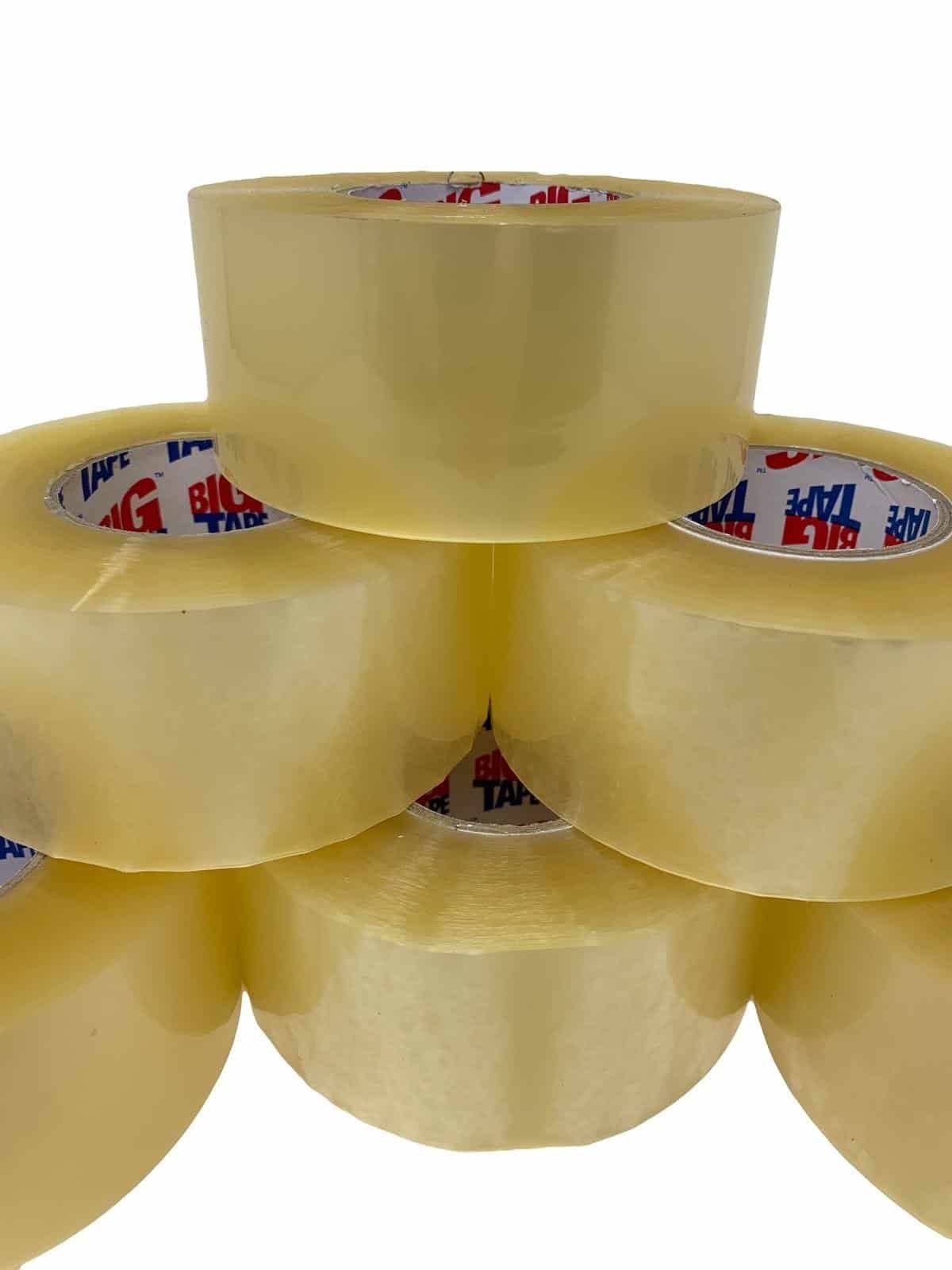
A stock image related to Low noise clear packing tape.
Comprehensive Cost and Pricing Analysis for Low noise clear packing tape Sourcing
When evaluating low-noise clear packing tape for international procurement, savvy B2B buyers recognize that unit price represents only one component of total landed cost. The specialized manufacturing processes required to achieve noise reduction—typically involving modified BOPP film surfaces and premium water-based acrylic adhesives—create distinct pricing architectures that vary significantly across global markets.
What Factors Drive Price Variation in Low-Noise Clear Packing Tape?
The cost structure hinges on three technical specifications: film thickness, adhesive formulation, and unwind noise decibel ratings. Standard low-noise variants range from 40–45 microns (1.6–1.8 mils) for light-duty e-commerce applications, while heavy-duty industrial grades requiring 48–52 microns (1.9–2.0 mils) command premium pricing due to enhanced tensile strength. Acrylic adhesive quality particularly impacts costs; high-performance formulations offering superior temperature resistance and immediate tack properties typically increase material costs by 15–25% compared to standard acrylics. Additionally, true “no-noise” formulations utilizing specialized release coatings or micro-embossed film surfaces involve proprietary manufacturing techniques that reflect in per-unit pricing.
How Do Volume Tiers Impact Total Procurement Costs?
B2B sourcing reveals substantial economies of scale, with tiered pricing structures commonly offering 15–33% reductions at volume thresholds. Initial trial orders (1–35 rolls) typically range from $2.50–$3.50 per roll depending on specifications, while container-level commitments (181+ rolls) can reduce costs to $2.00–$2.70 per roll. However, buyers must balance these discounts against storage costs and inventory carrying charges. For operations in Brazil, Germany, or emerging African markets, calculating the optimal order quantity requires analyzing local warehousing expenses against the 20–30% price advantages achieved at full container load (FCL) volumes.
What Hidden Costs Should Buyers Consider When Importing Low-Noise Tape?
International procurement involves logistics variables that significantly affect final costs. Import duties on adhesive tapes vary by HS code classification—typically 6.5–12% for European Union destinations and 10–18% for select South American markets. Shipping costs from Asian manufacturing hubs to Middle Eastern or African ports can add $0.15–$0.40 per roll depending on fuel surcharges and port congestion. Additionally, buyers should factor in currency fluctuation hedging, particularly when sourcing from USD-denominated suppliers while operating in EUR, BRL, or local African currencies. Factory-direct arrangements often eliminate distributor markups (typically 12–20%) but require managing minimum order quantities (MOQs) of 1,000+ rolls versus distributor flexibility at 100-roll minimums.
How Can Specifications Be Optimized for Cost-Performance Balance?
Strategic specification adjustments yield significant savings without compromising functionality. For standard carton sealing under 40kg, 40-micron low-noise tape provides adequate performance at 20% lower cost than 50-micron alternatives. Buyers should evaluate whether “ultra-clear” optical-grade film—costing approximately 8–12% more than standard clear—justifies the branding visibility requirements for their specific market. For high-volume operations, custom slitting to exact width specifications (rather than standard 48mm or 72mm) reduces waste and can lower per-meter costs by 5–10% through optimized material utilization.
Establishing long-term supply agreements with manufacturers offering stable pricing clauses and regional warehousing options mitigates volatility while ensuring consistent quality. By analyzing total cost of ownership—including application efficiency gains from reduced operator fatigue and fewer resealing incidents—procurement teams can justify the modest premium for quality low-noise solutions over commodity alternatives.
Alternatives Analysis: Comparing Low noise clear packing tape With Other Solutions
When evaluating sealing solutions for international distribution centers and manufacturing facilities, procurement teams must balance acoustic comfort, cost efficiency, and operational throughput. While low noise clear packing tape offers distinct advantages for noise-sensitive environments, three primary alternatives dominate the B2B procurement landscape: conventional standard BOPP tape, high-tack hot melt BOPP variants, and water-activated reinforced paper tape. Each solution presents unique trade-offs between initial investment, application speed, and environmental compliance that vary significantly across regional markets from Germany to Brazil.
| 비교 측면 | Low Noise Clear Packing Tape | Standard Acrylic BOPP Tape | Water-Activated Reinforced Paper Tape |
|---|---|---|---|
| 노이즈 레벨 풀기 | 40-50 dB (Quiet/Silent) | 70-80 dB (High-pitch screech) | Silent (0 dB – water application) |
| 머티리얼 구성 | BOPP film (2.0 mil) | BOPP film (1.8-2.0 mil) | Kraft paper + fiberglass reinforcement |
| 접착 화학 | Water-based acrylic | Water-based acrylic | Vegetable starch-based |
| Cost per 1,000 Cartons | $45-60 | $30-40 | $55-75 (includes dispenser amortization) |
| 신청 방법 | Hand dispenser or automated | Hand dispenser or automated | Water-activated dispenser (manual/auto) |
| 온도 저항 | -10°C ~ 60°C | -10°C ~ 60°C | 0°C to 40°C (humidity sensitive) |
| 변조 증거 | 낮음(재밀봉 가능) | 낮음(재밀봉 가능) | High (tears fiber when removed) |
| Recyclability | Recyclable with carton | Recyclable with carton | Biodegradable with carton |
| Setup Investment | 최소 | 최소 | Moderate (dispenser required) |
| Best For | Offices, retail, light industrial | High-volume warehouses, outdoor | E-commerce, luxury goods, exports |
Is Standard Acrylic BOPP Packing Tape Suitable for Noise-Tolerant Environments?
Standard acrylic BOPP packing tape represents the most direct cost competitor to low-noise variants, typically offering 20-30% lower unit costs in bulk procurement scenarios common across African and South American markets. While sharing identical BOPP film substrates and acrylic adhesive chemistry with low-noise versions, standard formulations lack specialized unwind coatings that dampen the characteristic screeching sound during application. This makes conventional tape ideal for outdoor
Essential Technical Properties and Trade Terminology for Low noise clear packing tape
When procuring low-noise clear packing tape for international logistics, understanding precise technical specifications ensures compatibility with automated sealing equipment and compliance with regional workplace noise regulations. The following critical properties and industry terminology provide the foundation for informed B2B procurement decisions across diverse climatic and operational environments.
What Film Thickness Supports Heavy-Duty Carton Sealing?
Film thickness, measured in microns (μm) or mils (1 mil = 25.4 μm), directly determines puncture resistance and tensile performance. Standard low-noise clear tapes utilize 45–52 micron (1.8–2.0 mil) BOPP carriers, suitable for sealing cartons up to 40 kg. Thicker gauges prevent tearing during high-speed automated application while maintaining the acoustic dampening properties essential for meeting strict European warehouse noise standards.
How Does Peel Adhesion Ensure Seal Integrity in Variable Climates?
Peel adhesion quantifies immediate bond strength, expressed in ounces per inch (oz/in) or Newtons per 25mm (N/25mm). Premium low-noise formulations deliver 18–24 oz/in (5.0–6.5 N/25mm) on corrugated cardboard, ensuring carton security during humid transit through Brazilian or West African supply chains. Water-based acrylic adhesives provide this tack without the residual stickiness that attracts dust in outdoor Middle Eastern storage environments.
What Noise Level Classifications Define Low-Noise Performance?
Acoustic specifications distinguish low-noise tapes, which operate below 60 dB during unwind compared to 70–80 dB for standard BOPP varieties. This reduction results from specialized film casting and adhesive curing processes that minimize friction squeal, ensuring compliance with EU Machinery Directive occupational noise limits and improving working conditions in high-volume South American distribution centers.
Why Does Optical Clarity Impact Supply Chain Efficiency?
Optical clarity, measured by haze percentage and gloss units, affects both barcode scannability and brand presentation. Ultra-clear formulations maintain <5% haze and >80 gloss units (measured at 60°), ensuring shipping documentation remains machine-readable and logos stay visible despite UV exposure during outdoor storage in African and Middle Eastern climates.
What Is BOPP Film Construction?
Biaxially Oriented Polypropylene (BOPP) refers to polypropylene film stretched in both
Navigating Market Dynamics and Sourcing Trends in the Low noise clear packing tape Sector
How Is the Global Low-Noise Packing Tape Market Evolving for B2B Procurement?
The low-noise clear packing tape sector is experiencing significant transformation driven by the explosive growth of e-commerce fulfillment centers and increasingly stringent workplace noise regulations across industrialized markets. For B2B buyers in Germany and broader Europe, compliance with EU workplace safety directives regarding acoustic comfort has shifted low-noise packaging from a preference to a procurement requirement, particularly in high-volume distribution centers operating near residential areas or within mixed-use urban logistics hubs. Meanwhile, emerging markets across Brazil and the broader Latin American region are witnessing rapid adoption as organized retail and logistics infrastructure modernize, creating robust demand for premium sealing solutions that balance operational efficiency with enhanced worker comfort and productivity.
Regional specifications vary considerably, necessitating highly tailored sourcing strategies rather than one-size-fits-all procurement. Middle Eastern buyers prioritize adhesive formulations with enhanced temperature stability to withstand extreme heat during storage and transit, often requiring specialized water-based acrylic systems that maintain tack integrity above 40°C. Conversely, African and South American markets typically seek cost-optimized solutions that strategically do not compromise on the 45–52 micron thickness range required for secure carton sealing of loads up to 40kg, while navigating complex import tariff structures that favor bulk sea freight over air cargo.
The technical evolution has moved beyond simple noise dampening to sophisticated engineered unwind characteristics utilizing micro-embossed BOPP (Biaxially Oriented Polypropylene) films paired with advanced release coatings. These innovations deliver the “ultra-clear” optical properties essential for branded packaging visibility alongside truly silent application, addressing the historical trade-off between transparency and noise reduction. Procurement patterns are simultaneously shifting away from generalist trading companies toward direct partnerships with specialized manufacturers capable of offering volume-tiered pricing structures—often demonstrating 15–33% cost reductions at scale—and robust OEM capabilities for custom-printed clear tapes that maintain low-noise properties while displaying high-resolution corporate branding.
What Should International Buyers Prioritize for Sustainable and Ethical Sourcing?
Sustainability in the low-noise tape sector extends far beyond base material composition to encompass the entire production ethics, supply chain transparency, and lifecycle impact of sealing solutions. European buyers, particularly those operating under Germany’s stringent packaging regulations and the EU’s Single-Use Plastics Directive, must rigorously verify REACH and RoHS compliance, ensuring that advanced water-based acrylic adhesives have completely replaced traditional solvent-based formulations to eliminate volatile organic compound (VOC) emissions during both manufacturing and application. The industry-wide shift toward recyclable mono-material BOPP constructions—specifically avoiding multi-layer laminates or PVC contaminants that complicate mechanical recycling streams—represents a critical procurement criterion for businesses aiming to meet 2030 Circular Economy Action Plan targets and satisfy increasingly eco-conscious end consumers.
Ethical sourcing demands comprehensive supply chain verification, particularly when procuring from concentrated Asian manufacturing hubs that supply global markets. B2B purchasers should mandate ISO 14001 environmental management certifications and conduct third-party factory audits to validate labor standards, chemical handling protocols, and waste water treatment systems, ensuring that competitive pricing does not derive from compromised worker safety or environmental controls. For emerging markets in Africa and South America, where import regulations are tightening around extended producer responsibility for packaging waste, selecting suppliers who provide detailed technical data sheets verifying total thickness consistency (typically 2.0 mils/50 microns for heavy-duty export applications) and peel adhesion rates exceeding 20 oz/in significantly reduces material waste through superior initial bonding performance and reduced application overlap requirements.
Furthermore, sustainable procurement strategies now recognize operational efficiency as a direct environmental metric. Low-noise tapes that enable faster manual application speeds—reducing operator fatigue and repetitive strain injuries—contribute to measurably lower energy consumption per package sealed, while precision-engineered unwind mechanisms minimize tape waste from accidental overextension or “telescoping” failures. Astute buyers should evaluate suppliers’ capabilities in providing optimized dispenser-integrated systems and custom roll lengths that align precisely with specific carton throughput rates, thereby eliminating the inefficiencies of standard roll formats that generate excess cardboard core waste and secondary packaging material surplus throughout the distribution network.
Frequently Asked Questions (FAQs) for B2B Buyers of Low noise clear packing tape
What is the decibel difference between low noise and standard packing tape in warehouse environments?
Standard BOPP packing tape typically generates 75–85 decibels during high-speed unwinding, creating noise levels comparable to heavy urban traffic. Low noise clear packing tape reduces this to approximately 55–65 decibels, delivering a 20-decibel reduction that transforms warehouse acoustics from disruptive to conversational levels. This significant noise reduction helps facilities comply with EU Directive 2003/10/EC and similar occupational noise regulations in Brazil, South Africa, and Middle Eastern trade zones.
How does low noise clear packing tape improve productivity in fulfillment centers?
The smooth unwind mechanism eliminates the jerky resistance common in standard tapes, reducing wrist fatigue and allowing packers to maintain consistent sealing speeds throughout extended shifts. Operations typically report 15–20% faster packing times because workers no longer pause to untangle screeching tape or adjust grip pressure to control noisy release. Additionally, reduced noise pollution enables clearer communication between floor managers and packing teams, minimizing mislabeling errors and rework in high-volume e-commerce environments.
Is low noise packing tape compatible with automated case sealers and tape dispensers?
Low noise clear packing tape is specifically engineered with uniform caliper thickness (40–52 microns) and optimized unwind tension that integrates seamlessly with automated case sealers, carton sealing machines, and electronic tape dispensers. The water-based acrylic adhesive provides consistent tack levels that prevent the slipping or double-layering issues that can jam high-speed packaging lines. When specifying for automation, verify that the tape’s tensile strength exceeds 20 N/cm and that your supplier provides batch consistency certifications to ensure uninterrupted production runs.
What industries benefit most from switching to low noise clear packing tape?
E-commerce fulfillment centers, pharmaceutical distribution facilities, and luxury goods exporters gain immediate value due to strict workplace noise standards and premium packaging requirements. Food and beverage warehouses benefit from improved worker comfort during extended packing shifts, while electronics distributors appreciate the ultra-clear finish that protects barcode readability and branding visibility. Any B2B operation running multiple packing stations in shared warehouse spaces or open-plan offices will find the acoustic improvements essential for maintaining professional environments and regulatory compliance.
How can I verify adhesive strength and film quality when sourcing low noise tape from international suppliers?
Request technical data sheets specifying peel adhesion values (minimum 18–20 oz/in), tensile strength ratings, and exact BOPP film thickness measurements before placing bulk orders. Conduct sample testing by measuring unwind decibel levels with a smartphone app in a controlled environment, and verify the tape maintains adhesion after 24-hour cure time on corrugated cardboard. Ensure your supplier holds ISO 9001:2015 certification and can provide batch testing reports to guarantee consistency across large-volume shipments to ports in Germany, Brazil, or Lagos.
What is the typical ROI timeline when upgrading warehouse operations to low noise clear packing tape?
While low noise clear packing tape typically commands a 10–15% price premium over standard BOPP alternatives, most B2B operations achieve full ROI within 4–6 months through measurable productivity gains. Cost savings materialize through reduced worker fatigue claims, decreased error rates from improved concentration, and elimination of hearing protection equipment expenses in noise-sensitive zones. Calculate your specific break-even point by measuring current packing times against the 15–20% efficiency improvement typically realized after team adaptation to the quieter, smoother application process.
How should low noise clear packing tape be stored to maintain performance during international shipping and warehousing?
Maintain inventory in climate-controlled environments between 15–25°C with 40–60% relative humidity to prevent adhesive degradation during long international transit times. Store cartons horizontally on pallets rather than vertically to avoid edge damage that could compromise the low-noise unwind characteristics, and ensure containers are moisture-free when shipping to humid destinations like Brazilian ports or West African logistics hubs. Rotate stock using FIFO (First In, First Out) methods, as acrylic adhesives maintain optimal performance for 12 months when stored properly away from direct UV exposure.
What customization options are available for low noise clear packing tape to support brand visibility and operational requirements?
Ultra clear low noise tapes support high-definition flexographic printing for logos, handling instructions, or QR codes while maintaining the transparency needed for barcode scanning and premium presentation. Standard widths range from 24mm for small cartons to 72mm for heavy-duty export boxes, with 48mm being the optimal choice for most B2B shipping applications handling weights up to 40kg. When ordering custom printed variants, specify that the ink system must be compatible with low-noise film formulations to prevent surface cracking that could generate unwanted sound during unwind.
중요 고지 사항 및 이용 약관
⚠️ 중요 고지 사항
제조업체, 기술 사양 및 시장 분석에 관한 내용을 포함하여 이 가이드에서 제공하는 정보는 정보 제공 및 교육 목적으로만 사용됩니다. 전문적인 조달 자문, 재무 자문 또는 법률 자문으로 간주되지 않습니다.
B2B 구매자는 독립적이고 철저한 실사를 수행해야 합니다. 구매 결정을 내리기 전에 반드시 확인하시기 바랍니다. 이 가이드의 정보에 의존하는 데 따른 위험은 전적으로 독자가 부담합니다.
Top 2 Low Noise Clear Packing Tape Manufacturers & Suppliers List
1. Partech - 저소음 OPP 포장 테이프
도메인: partech-packing.com
등록: 2023년(3년)
소개: Low Noise OPP Packing Tape manufactured by Partech® (Yilane Shanghai Industrial Co Ltd) in China. Made from high-quality materials featuring unique low-noise design that reduces unwinding sound compared to regular packing tapes for quieter packaging operations. Offers strong adhesion to ensure secure packaging for fragile items and heavy boxes. Provides tamper resistance and protection against dir…
2. Fisher Scientific – Box Sealing Tape
도메인: fishersci.com
등록: 1995년(31년)
소개: Products include 3M Scotch Box Sealing Tape 371 (Premium, Hot-melt/Synthetic adhesive, for carton/box sealing); Staples Advantage Scotch Sure-Start Shipping Packing Tape (1.88″W x 22.2 yds, Clear, 6 rolls, hot melt adhesive, 25 lbs/in tensile strength, 2.6 mil thick, quiet unwind); Grainger Heavy Duty Packaging Tape (Clear, PK6); MSC 3M Film Tape (1″ wide, Clear, Acrylic adhesive); Essendant 3750 …
Strategic Sourcing Conclusion and Outlook for Low noise clear packing tape
As e-commerce fulfillment and warehouse automation accelerate across Europe, the Middle East, Africa, and South America, low-noise clear packing tape has evolved from a niche comfort feature to a strategic procurement asset. Forward-thinking buyers must now balance acoustic performance with supply chain resilience, regulatory compliance, and total cost of ownership when standardizing their specifications.
How Can Procurement Teams Future-Proof Their Low-Noise Tape Specifications?
Standardizing on water-based acrylic adhesives and high-clarity BOPP carriers ensures compatibility with automated sealing machinery while preempting emerging workplace noise regulations. Prioritize suppliers offering consistent micron thickness tolerances across the 40–52 micron range and transparent volume-tier pricing structures to secure cost advantages without compromising load-bearing integrity for cartons up to 40 kg.
What Should International Buyers Prioritize in Global Supplier Partnerships?
Discerning buyers should seek partners providing validated technical data on peel adhesion (minimum 20 oz/in) and quantified noise reduction metrics, alongside flexible MOQs that accommodate regional demand volatility. Equally critical are robust logistics networks capable of navigating complex customs environments—from Brazil’s import protocols to Germany’s sustainability audits—ensuring consistent supply continuity.
Ultimately, strategic sourcing of low-noise tape transcends unit pricing; it represents an investment in operational efficiency, workplace safety, and brand perception. By aligning specifications with both immediate fulfillment velocity and long-term ESG objectives, procurement teams transform this consumable into a measurable competitive advantage.