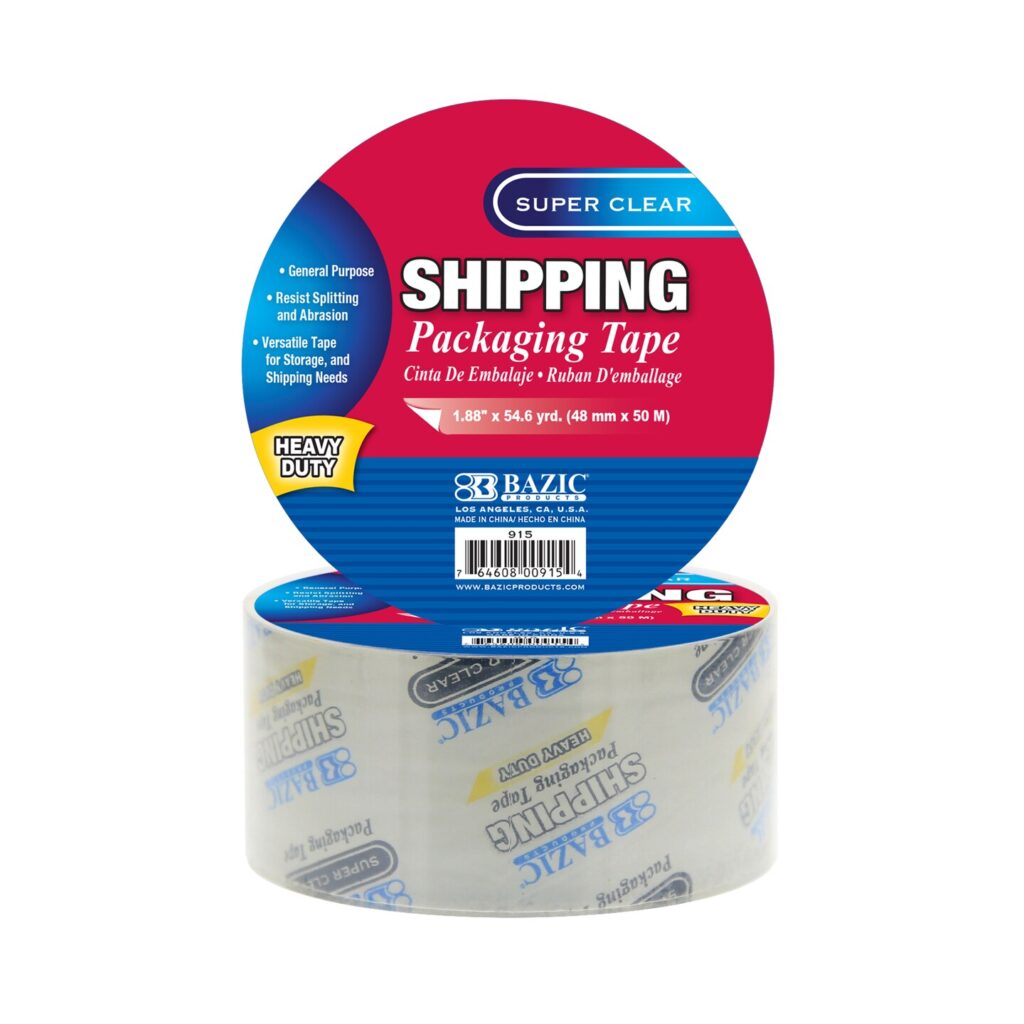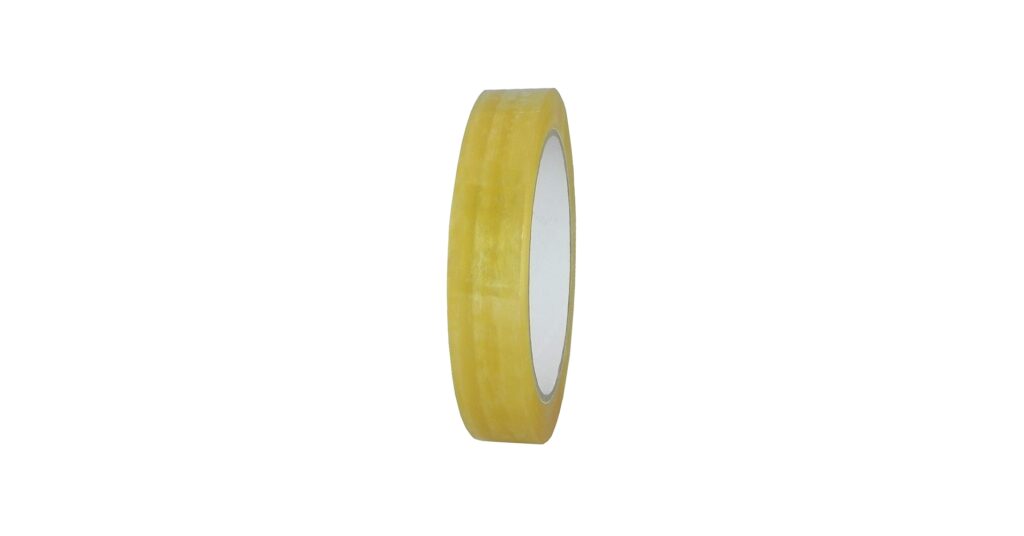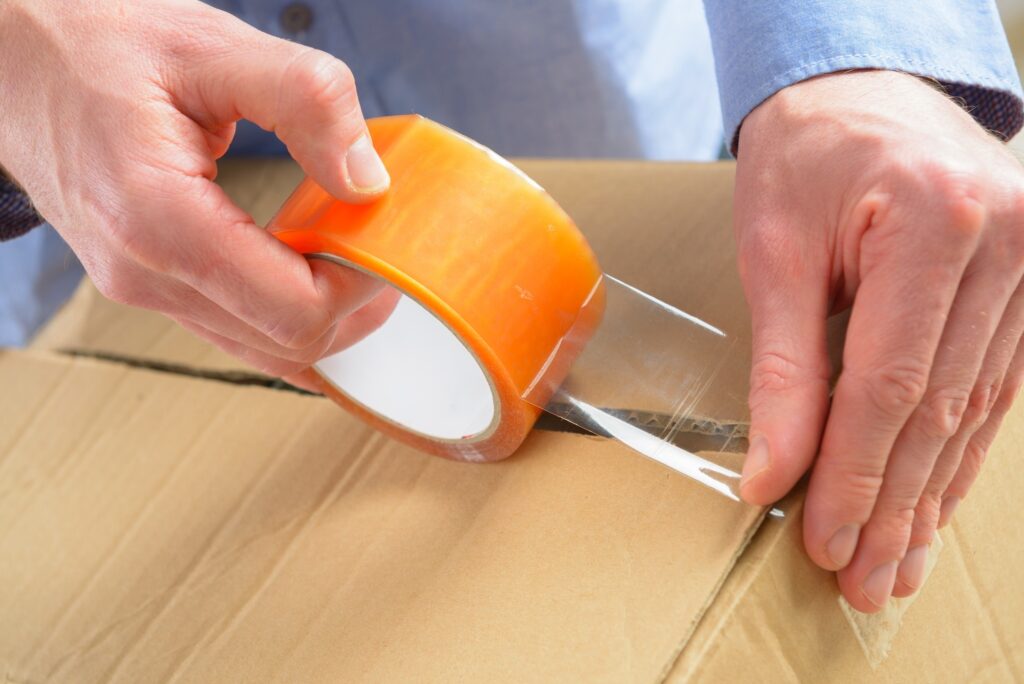
Introduction: Navigating the Global Market for Low noise brown tape
언제 sourcing low-noise brown tape for international logistics and packaging operations, procurement professionals face a complex landscape where acoustic performance, adhesive durability, and supply chain reliability intersect. The high-decibel screech of conventional packing tape doesn’t merely disrupt warehouse environments—it compromises worker safety protocols, reduces operational efficiency in noise-sensitive facilities, and creates compliance challenges across diverse regulatory frameworks from European industrial zones to Middle Eastern distribution centers.
Why Is Acoustic-Reducing Packaging Tape Critical for Global B2B Operations?
Beyond mere convenience, low-noise solvent tape addresses fundamental operational inefficiencies that plague high-volume packaging environments. This guide examines the technical and commercial complexities that buyers encounter when procuring solutions capable of withstanding temperature fluctuations while maintaining structural integrity during international transit. We analyze material specifications including high-temperature resistance and tensile strength variations, delineate sector-specific applications from e-commerce fulfillment to professional relocation services, and compare performance metrics between standard acrylic and specialized solvent-based formulations essential for securing heavy-duty cartons.
How Can Procurement Teams Across Africa, South America, the Middle East, and Europe Optimize Their Sourcing Strategy?
Whether managing supply chains for German automotive distributors, Saudi Arabian mega-hub operations, or rapidly scaling e-commerce platforms in Nigeria, Brazil, and Argentina, understanding regional compliance standards and bulk pricing structures proves essential. This comprehensive resource empowers decision-makers with actionable frameworks for supplier vetting, cost-optimization strategies leveraging volume discount tiers, and quality assurance protocols specific to 48mm x 66m standard dimensions—transforming tape procurement from a routine supply task into a strategic operational advantage that enhances workplace ergonomics while securing measurable bottom-line savings.
Understanding Low noise brown tape Types and Variations
| 유형 이름 | 주요 차별화 기능 | 주요 B2B 애플리케이션 | 구매자를 위한 간략한 장단점 |
|---|---|---|---|
| Solvent Acrylic Low Noise Tape | Solvent-based natural rubber adhesive, 45-50 micron BOPP thickness, high-tack formulation, temperature resistant (-20°C to +60°C) | Export logistics, warehousing, removal services, heavy-duty carton sealing | Pros: Superior adhesion on recycled cardboard, long shelf life, extreme temperature stability. Cons: Higher unit cost, longer adhesive curing time, solvent odor during application |
| 핫멜트 저소음 테이프 | Synthetic rubber adhesive, consistent low-decibel unwind, immediate bond strength, standard 40-45 micron thickness | E-commerce fulfillment, retail distribution, high-speed automated packaging lines | Pros: Cost-effective for bulk orders, reliable instant adhesion, compatible with most dispensers. Cons: Poor performance in freezing conditions, shorter shelf life (6-12 months), limited temperature range |
| 헤비 듀티 산업용 저소음 테이프 | 50-65 micron reinforced backing, high shear strength adhesive, enhanced puncture resistance | Machinery exports, pallet consolidation, construction material packaging, heavy goods (>25kg) | Pros: Exceptional load-bearing capacity, reduced package failure rates, suitable for rough handling. Cons: Requires industrial-grade dispensers, premium pricing, heavier rolls increase shipping costs |
| UV-Resistant Low Noise Tape | UV stabilizers integrated in film and adhesive, 3-6 month outdoor durability, brown BOPP backing | Agricultural exports, outdoor storage facilities, construction site supplies, Middle Eastern/African markets | Pros: Withstands prolonged sun exposure without delamination, maintains seal integrity in harsh climates. Cons: Limited color options, specialized pricing, over-engineered for indoor-only applications |
| Recycled Content Eco Low Noise Tape | Post-industrial recycled BOPP film (30-50%), reduced noise unwind, eco-friendly adhesive formulations | Sustainable supply chains, European retail compliance, corporate ESG initiatives | Pros: Supports carbon reduction goals, maintains acoustic properties, appeals to environmentally conscious clients. Cons: 10-15% price premium, variable availability, may have slight color inconsistencies |
What Makes Solvent Acrylic Low Noise Tape Ideal for Export Packaging?
Solvent acrylic low noise tape utilizes a natural rubber adhesive dissolved in solvents, delivering superior adhesion to recycled and corrugated cardboard common in international shipping. This variation excels in temperature fluctuations during transit from Africa to Europe or the Middle East, maintaining seal integrity across diverse climate zones. B2B buyers should verify thermal resistance specifications and shelf life claims, as premium formulations withstand extreme warehouse conditions without delamination. While commanding higher per-unit costs than synthetic alternatives, the extended durability reduces total cost of ownership for export-heavy operations.
Is Hot Melt Low Noise Tape the Right Choice for High-Volume E-commerce Operations?
Hot melt low noise tape features a synthetic rubber adhesive providing immediate bond strength upon application, making it optimal for high-speed packaging lines in e-commerce fulfillment centers across South America and Europe. This variation offers consistent unwind characteristics that reduce operator fatigue during extended shifts while maintaining the acoustic dampening properties essential for shared warehouse spaces. When sourcing internationally, buyers should request compatibility samples for automated dispensers, as hot melt formulations vary in tack levels. While cost-effective for large volumes, this tape performs poorly in freezing conditions, limiting suitability for cold chain logistics.
When Should B2B Buyers Choose Heavy-Duty Industrial Low Noise Tape?
Heavy-duty industrial low noise tape incorporates thicker BOPP film (50-65 microns) and enhanced adhesive mass specifically engineered for securing heavy consignments exceeding 25kg. This variation addresses the rigorous demands of machinery exports and consolidated pallet shipments prevalent in German manufacturing and Brazilian agricultural sectors. Procurement teams must assess shear strength ratings and ensure warehouse staff utilize industrial-grade dispensers capable of handling increased roll resistance. The investment eliminates costly re-work through superior puncture resistance and load-bearing capacity during rough handling in international transit.
How Does UV-Resistant Low Noise Tape Support Outdoor Storage Requirements?
UV-resistant low noise tape integrates specialized stabilizers that prevent adhesive degradation during prolonged sun exposure, critical for construction material suppliers and agricultural exporters in Middle Eastern and African markets. This specialized variation maintains structural integrity for 3-6 months outdoors, preventing carton seal failures before goods reach climate-controlled distribution centers. Buyers should confirm UV ratings align with local intensity levels, as standard tapes deteriorate rapidly under direct sunlight. While commanding premium pricing, this tape eliminates expensive re-packaging of weather-exposed inventory and reduces insurance claims for damaged goods.
What Are the Benefits of Recycled Content Low Noise Tape for Sustainable Supply Chains?
Recycled content low noise tape incorporates post-industrial recycled plastics in the BOPP film and environmentally optimized adhesive formulations, addressing stringent corporate sustainability mandates prevalent in European markets. This variation maintains acoustic dampening properties while significantly reducing carbon footprint across packaging operations. B2B buyers should verify certification claims such as ISO 14001 or specific recycled content percentages, as quality consistency varies between international manufacturers. Although typically priced 10-15% higher than virgin materials, this tape supports ESG compliance and appeals to environmentally conscious end customers without compromising sealing reliability or noise reduction performance.
Key Industrial Applications of Low noise brown tape
| 산업/섹터 | Specific Application of Low noise brown tape | 비즈니스를 위한 가치/혜택 | 이 애플리케이션의 주요 소싱 고려 사항 |
|---|---|---|---|
| Logistics & E-commerce Fulfillment | Carton sealing in high-volume distribution centers and 24/7 fulfillment hubs | Eliminates noise pollution in shared warehouse spaces, reduces worker acoustic fatigue, enables round-the-clock operations without disturbing adjacent businesses | Solvent adhesive formulation suitable for hot/cold climate transitions during international shipping; bulk quantity pricing for high-volume consumption |
| 전자 제품 제조 및 조립 | Sealing component boxes, anti-static packaging, and sensitive device cartons in clean room environments | Prevents acoustic contamination in precision assembly areas, maintains concentration for quality control, avoids electrostatic discharge risks associated with noisy tape unwind | Low noise unwind specifications; residue-free removal for reusable packaging; temperature stability for warehouse storage in varying climates |
| International Removals & Relocation Services | Securing household goods, office equipment, and personal effects for overseas container shipping | Allows quiet packing in noise-restricted residential areas, extends allowable working hours, ensures high shear strength for multi-week ocean transits | UV resistance for extended container storage; humidity tolerance for tropical destinations; 66m length rolls to minimize changeover time |
| 제약 및 헬스케어 유통 | Sealing cold chain cartons, medical supply boxes, and temperature-sensitive biological shipments | Maintains sterile environment acoustics near clean rooms, ensures seal integrity through temperature excursions, supports GDP compliance | FDA/EU regulatory compliance for indirect food contact; extreme temperature performance (-20°C to +60°C); consistent unwind force for automated application |
| Retail & FMCG Warehousing | Case sealing for night shift operations, urban distribution centers, and last-mile delivery preparation | Ensures compliance with strict urban noise ordinances, reduces community complaints, enables continuous operations in residential zones | High tack adhesion for recycled cardboard substrates; compatibility with manual and dispenser application; resistance to humidity in tropical storage conditions |
How does low noise brown tape optimize high-volume distribution operations in global logistics hubs?
In bustling fulfillment centers across Germany and Saudi Arabia, where 24/7 operations are standard, the reduced decibel output during application eliminates acoustic fatigue among packing teams while maintaining high throughput. The solvent adhesive formulation ensures cartons remain sealed through varying climate conditions encountered during international transit to African and South American markets, while the quiet unwind prevents disruption in shared warehouse spaces where multiple operations coexist simultaneously.
What makes low noise brown tape essential for electronics manufacturing and assembly facilities?
Precision assembly environments in European tech hubs require minimal acoustic interference to maintain strict quality control standards and worker concentration. This tape provides secure carton sealing for sensitive components without the sharp tearing sounds that disrupt clean room protocols. The high-temperature resistance proves critical when sealing packages stored in non-climate-controlled warehouses across the Middle East, ensuring adhesive integrity during peak summer heat while preventing electrostatic discharge risks associated with noisy tape removal.
Why do international relocation companies specify low noise brown tape for residential and commercial moves?
When packing household goods in residential neighborhoods across São Paulo, Lagos, or European suburbs, strict noise restrictions often limit working hours and operational efficiency. The subdued unwind allows crews to work earlier mornings and later evenings without disturbing residents or violating local ordinances. The 66-meter length reduces changeover frequency during intensive packing schedules, while the solvent-based adhesive maintains exceptional bond strength during the humidity fluctuations common in container shipping to tropical destinations.
How does low noise brown tape support compliance in pharmaceutical and healthcare distribution networks?
Medical distribution centers require secure sealing without the acoustic disruption that affects sensitive diagnostic equipment or sterile packaging environments. The tape’s quiet application allows packing operations adjacent to clean rooms without contamination risks from shouted communication over machinery noise. For buyers in Saudi Arabia and Europe, the temperature resistance ensures seal integrity during cold chain distribution and hot climate storage, critical for maintaining GDP (Good Distribution Practice) compliance across diverse international regulatory frameworks.
What advantages does low noise brown tape offer FMCG warehousing and retail distribution operations?
Urban distribution centers in densely populated Middle Eastern and European cities face increasingly strict noise ordinances that threaten 24-hour operational capabilities. The reduced sound profile enables night-shift carton sealing without violating local regulations or disturbing residential communities. The high-tack solvent adhesive performs reliably on recycled cardboard commonly used in sustainable packaging initiatives across African and South American markets, ensuring secure pallet loads despite varying board qualities and temperature extremes during intercontinental transit.
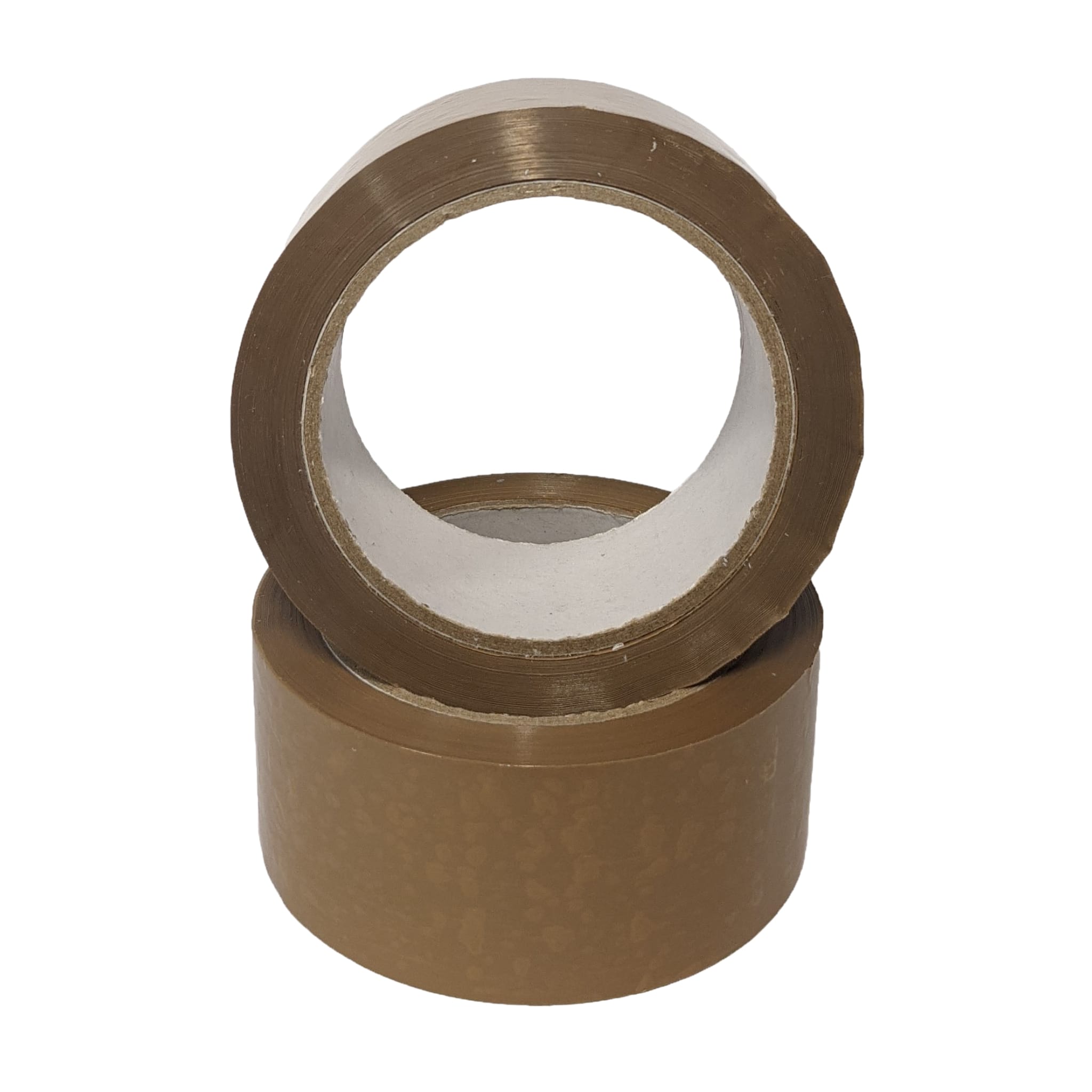
A stock image related to Low noise brown tape.
3 Common User Pain Points for ‘Low noise brown tape’ & Their Solutions
Scenario 1: How Does Low Noise Brown Tape Reduce Noise Levels in Warehouse Environments?
문제:
In high-density logistics hubs across Germany, Saudi Arabia, and urban centers throughout Africa and South America, standard packaging tape generates high-frequency screeching exceeding 85 decibels when dispensed rapidly. This acoustic pollution violates stringent EU OSHA directives and emerging Middle Eastern labor safety standards, particularly problematic for mixed-use facilities operating near residential zones or hospitals. Beyond regulatory compliance risks, persistent noise disturbance contributes to worker fatigue, communication breakdowns on busy floors, and elevated staff turnover rates in 24/7 fulfillment operations where hundreds of cartons require sealing hourly.
솔루션:
Deploy solvent-based low noise brown tape specifically engineered with optimized unwind properties that operate below 65 decibels. This technology utilizes a specialized adhesive layer that minimizes the “squeal” effect during rapid dispensing while maintaining aggressive initial tack. For B2B buyers managing multi-shift operations, specify tape rolls with anti-static cores to prevent dust attraction in humid climates, and conduct on-site decibel testing during procurement trials. Implementing these specifications ensures compliance with regional noise ordinances while supporting employee wellbeing initiatives and allowing continuous operations in noise-restricted zones without sacrificing packaging throughput.
Scenario 2: Can Low Noise Brown Tape Be Used with Automated Packaging Machines and Dispensers?
문제:
Automated carton sealing lines in high-volume manufacturing facilities—common in European automotive parts distribution and South American agricultural export centers—frequently experience production bottlenecks when tape exhibits inconsistent unwind tension or “telescoping” (lateral shifting of the roll). Standard low-grade alternatives often lack the dimensional stability required for high-speed dispensers, causing sensor misreads, frequent jams, and costly downtime exceeding 30 minutes per incident. Maintenance teams in African processing plants report that incompatible tape formulations can leave adhesive residue on machine rollers and clutch mechanisms, requiring daily cleaning protocols that significantly reduce overall equipment effectiveness (OEE).
솔루션:
Select low noise brown tape manufactured with precision-wound 48mm widths and reinforced polypropylene cores designed specifically for automated packaging machinery. Look for formulations featuring consistent tensile strength (typically 28-30 N/cm) and anti-flagging properties that prevent tape tails from sticking to the roll edge. When sourcing for automated lines, request technical specifications confirming compatibility with clutch-style dispensers and high-speed taping heads capable of processing 20+ cartons per minute. Implementing machine-grade low noise tape reduces maintenance intervals by up to 40% while maintaining the acoustic benefits essential for facilities operating noise-restricted night shifts or located in urban industrial parks.
Scenario 3: Is Low Noise Brown Tape as Strong and Durable as Standard Packaging Tape in Extreme Climates?
문제:
Procurement managers in the Middle East and Sub-Saharan Africa frequently encounter adhesive failure when using standard packaging tape in temperatures exceeding 50°C (122°F), while European buyers face similar concerns regarding cold-chain logistics in freezing warehouses. There is a prevalent misconception that low noise formulations necessarily compromise on shear strength and temperature resistance to achieve quiet unwinding. This creates risk aversion among B2B buyers who prioritize package integrity over workplace comfort, particularly for heavy-duty export shipments subject to rough handling, stacking pressure, and variable climate exposure during international transit from South America to European ports.
솔루션:
Specify solvent-based low noise brown tape rather than water-based acrylic alternatives to ensure superior performance in extreme temperatures ranging from
Strategic Material Selection Guide for Low noise brown tape
Selecting the optimal material composition for low noise brown tape requires balancing acoustic performance with substrate compatibility and environmental resilience. For procurement teams operating across diverse climates—from the humidity of West Africa to the temperature fluctuations of Central Europe—understanding the distinction between adhesive chemistries and film backings is critical for supply chain optimization. Material selection directly impacts not only workplace noise compliance but also seal integrity during international transit, where temperature variations and humidity levels can compromise adhesive effectiveness in cross-border logistics.
What adhesive chemistry delivers true low-noise performance while maintaining high tack?
Solvent-based natural rubber adhesives represent the gold standard for low noise brown tape, utilizing synthetic resins dissolved in organic solvents that create a fibrous, stress-absorbing structure during unwind. This formulation generates approximately 50-60% less acoustic output than conventional hotmelt alternatives, making it ideal for warehouse operations in noise-restricted zones such as German industrial parks or Saudi Arabian logistics hubs operating near residential areas. The natural rubber base provides immediate tack and superior adhesion to recycled corrugated boards common in European packaging standards, while maintaining performance integrity across the 5°C to 60°C temperature
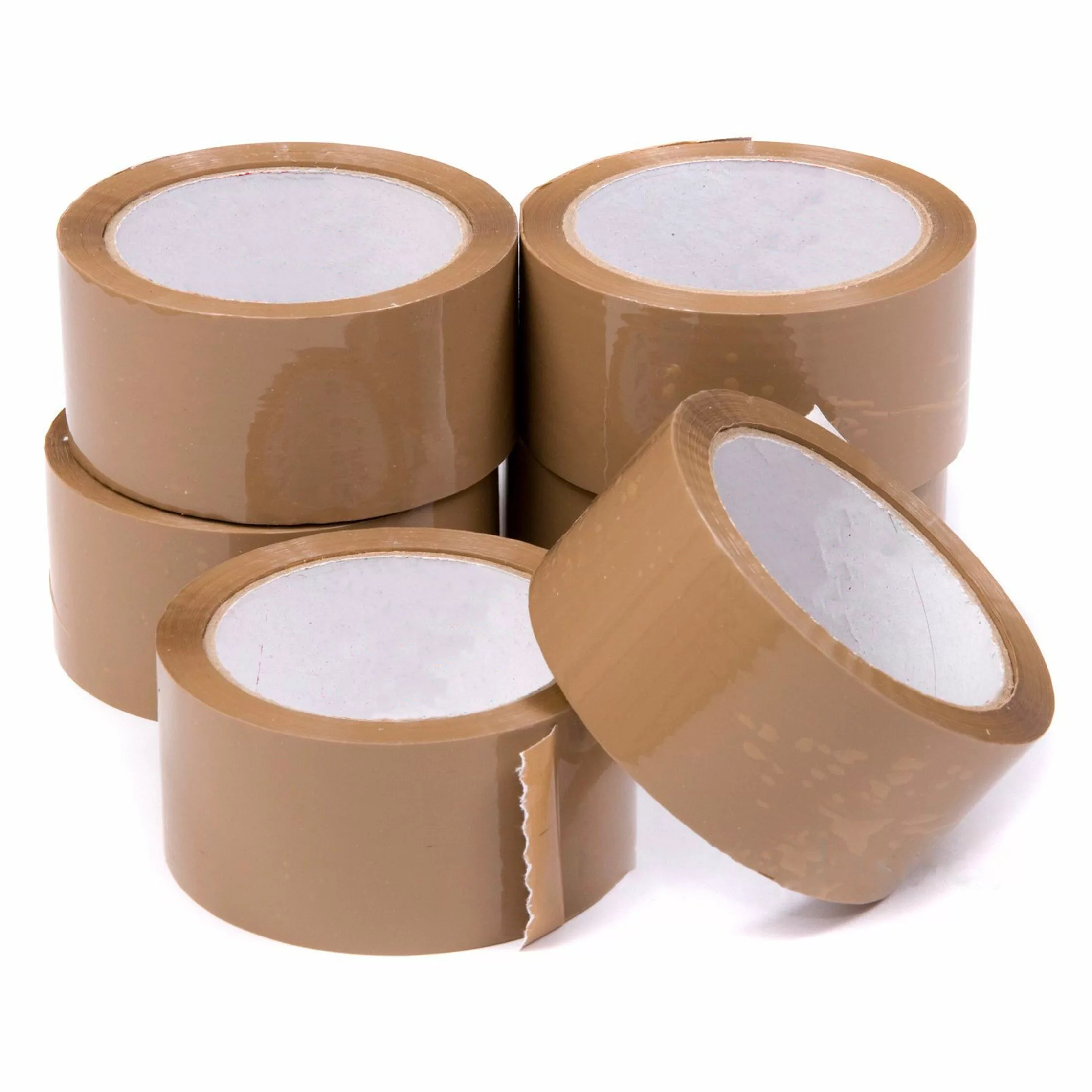
A stock image related to Low noise brown tape.
In-depth Look: Manufacturing Processes and Quality Assurance for Low noise brown tape
When sourcing low noise brown tape for high-volume operations, understanding the technical backbone of production ensures you specify materials that align with both operational efficiency and regional environmental demands. The manufacturing journey transforms raw polypropylene into the silent, high-tensile sealing solution critical for automated warehouses and manual packing stations across diverse climates.
How Is Low Noise Brown Tape Engineered for Silent Unwinding?
The foundation of low noise performance begins with biaxially oriented polypropylene (BOPP) film extrusion. Manufacturers stretch polypropylene resin both mechanically and thermally to create a thin, strong backing with specific molecular alignment that reduces vibration during unwinding. Unlike standard packing tape, low noise variants utilize specialized release coatings—typically solvent-based silicone formulations—that create a smoother interface between the adhesive layer and the film backing. This chemical architecture minimizes the “squeak” effect caused by friction when tape dispenses at high speeds, a critical consideration for facilities in Germany and Saudi Arabia where workplace noise regulations increasingly impact packaging operations.
What Manufacturing Techniques Reduce Noise Levels in Industrial Tape?
Adhesive application determines the acoustic signature of the final product. Premium low noise brown tape employs solvent-based acrylic adhesives rather than hot-melt alternatives, as the solvent curing process creates a more uniform adhesive surface with superior flow characteristics. During coating, manufacturers utilize precision gravure rollers that deposit adhesive at controlled thicknesses between 20-25 microns, ensuring consistent tack without the irregularities that generate audible vibration. The drying phase involves controlled temperature zones—typically 80°C to 120°C—that evaporate solvents gradually, preventing bubble formation that could create surface irregularities and subsequent noise during application.
How Do Quality Assurance Protocols Validate Noise Reduction Performance?
Rigorous acoustic testing forms the cornerstone of QA for low noise tape destined for international B2B markets. Manufacturers employ decibel meters positioned at standardized distances (usually 30cm) from tape dispensers operating at 2 meters per second—the standard speed for automated packing lines. Acceptable noise levels typically fall below 65 decibels, compared to 75-80 decibels for conventional tapes. Additionally, peel adhesion testing measures the force required to remove tape from stainless steel panels, ensuring the low noise formulation maintains the 4.5-6.0 N/cm adhesion standards required for heavy-duty carton sealing in logistics hubs across South America and Africa.
What Temperature Resistance Testing Ensures Reliability in Extreme Climates?
Given the climatic diversity across target markets—from the humid heat of Nigerian distribution centers to the variable temperatures of European logistics corridors—thermal stability testing proves essential. Manufacturers subject tape samples to accelerated aging chambers, cycling temperatures between -10°C and 60°C to simulate warehouse conditions and transit environments. High-quality low noise solvent tape maintains adhesion integrity and backing flexibility across these ranges, preventing the “adhesive creep” or brittle backing that compromises seal security. Humidity resistance testing at 85% relative humidity further validates performance for Middle Eastern buyers managing air-conditioned storage transitions to outdoor shipping environments.
How Does Dimensional Consistency Impact Automated Packaging Operations?
Precision slitting operations ensure the standard 48mm width and 66-meter length specifications meet tight tolerances (±0.5mm width, ±1% length) critical for automated tape dispensers. Variations beyond these parameters cause jamming in high-speed case sealers, creating costly downtime in Brazilian or Saudi Arabian fulfillment centers. Quality control includes roll profile inspection to ensure core alignment and wound tension consistency, preventing telescoping during shipping that could render tape unusable in automated systems. B2B buyers should verify that manufacturers utilize laser-guided slitting technology rather than mechanical blades, as this produces cleaner edges that resist fraying during high-speed application.
What Certifications and Compliance Standards Should B2B Buyers Verify?
Reputable manufacturers maintain ISO 9001:2015 quality management certifications and ASTM D3330 compliance for peel adhesion testing. For European markets, REACH compliance regarding chemical substances in adhesives is non-negotiable, while Middle Eastern buyers increasingly require SASO (Saudi Standards, Metrology and Quality Organization) conformity certificates. Environmental certifications such as RoHS compliance demonstrate adherence to restricted substance directives, particularly important for German buyers facing strict packaging waste regulations. Requesting batch-specific test reports—including noise level documentation and temperature resistance data—provides the traceability necessary for quality audits in regulated industries.
Understanding these manufacturing and quality assurance parameters enables procurement teams to distinguish between commodity-grade alternatives and industrial-strength low noise tape capable of maintaining performance across the supply chain complexities of Africa, South America, the Middle East, and Europe. By specifying tapes produced under these rigorous protocols, B2B buyers secure operational advantages through reduced workplace noise pollution, minimized downtime in automated systems, and reliable adhesion across climatic extremes.
Practical Sourcing Guide: A Step-by-Step Checklist for ‘Low noise brown tape’
Procuring low noise brown tape for international B2B operations requires balancing acoustic performance with durability standards suited to diverse climate conditions. Whether supplying distribution centers in Germany, logistics hubs in Saudi Arabia, or manufacturing facilities across Africa and South America, procurement teams must navigate technical specifications, volume optimization, and cross-border compliance. This practical checklist guides buyers through essential validation steps, from adhesive chemistry analysis to storage protocols, ensuring your packaging infrastructure maintains integrity across global supply chains.
1. How Do You Verify Core Specifications and Dimensions for International Logistics?
Confirm that prospective suppliers offer the industry-standard 48mm width and 66m length configurations, ensuring compatibility with automated tape dispensers and manual application tools used across European warehouses. Verify that the tape’s micron thickness and tensile strength ratings meet ISO 2423 standards for heavy-duty carton sealing, particularly when shipping through varying humidity zones from Northern Europe to equatorial regions. Request sample rolls to test unwind consistency and verify that the low-noise coating performs silently during high-speed application in busy fulfillment centers.
2. What Adhesive Technology Best Suits Your Climate and Application Requirements?
Evaluate solvent-based acrylic adhesives that maintain tack integrity across extreme temperature ranges, typically from -10°C to 60°C, essential for Middle Eastern logistics corridors and South American high-altitude storage facilities. Request technical data sheets confirming immediate adhesion strength on recycled corrugated materials and long-term holding power under sustained load. Verify compliance with workplace noise directives by testing unwinding decibel levels in simulated warehouse environments before committing to bulk orders.
3. How Should You Calculate Optimal Order Volumes and Negotiate Bulk Pricing?
Analyze your monthly carton throughput to establish baseline consumption rates, then structure purchase orders to trigger volume discounts typically activated at 20-roll thresholds or full pallet quantities. Negotiate tiered pricing structures that accommodate seasonal demand fluctuations in European retail markets while securing fixed annual contract rates for consistent supply to African distribution networks. Factor in total landed costs including customs duties when comparing quotes from international suppliers.
4. Which Quality Certifications and Testing Standards Ensure Reliability?
Demand current ISO 9001 quality management certification and specific packaging material safety data sheets relevant to your target export markets, including REACH compliance for European Union destinations. Verify independent laboratory test results confirming noise reduction levels below 60 decibels during unwinding operations, ensuring compliance with occupational health standards in Saudi Arabian logistics zones and German manufacturing facilities.
5. How Do You Evaluate Supplier Logistics for Cross-Border Procurement?
Assess realistic lead times and Incoterms compatibility, prioritizing suppliers offering consolidated sea freight options to major African and South American ports with established customs clearance protocols. Confirm that outer packaging utilizes moisture-resistant cartons and pallet configurations that prevent edge crushing during transoceanic transit, preserving tape roll integrity upon arrival in humid climates.
6. What Storage Protocols Maintain Performance in High-Temperature Environments?
Establish climate-controlled warehousing parameters maintaining temperatures between 15°C and 25°C with relative humidity below 70%, particularly critical for outdoor storage facilities in tropical regions. Implement strict first-in-first-out inventory rotation systems to prevent adhesive degradation, ensuring that solvent-based tape maintains its low-noise unwinding characteristics and high-tack performance throughout its 12-month shelf life.
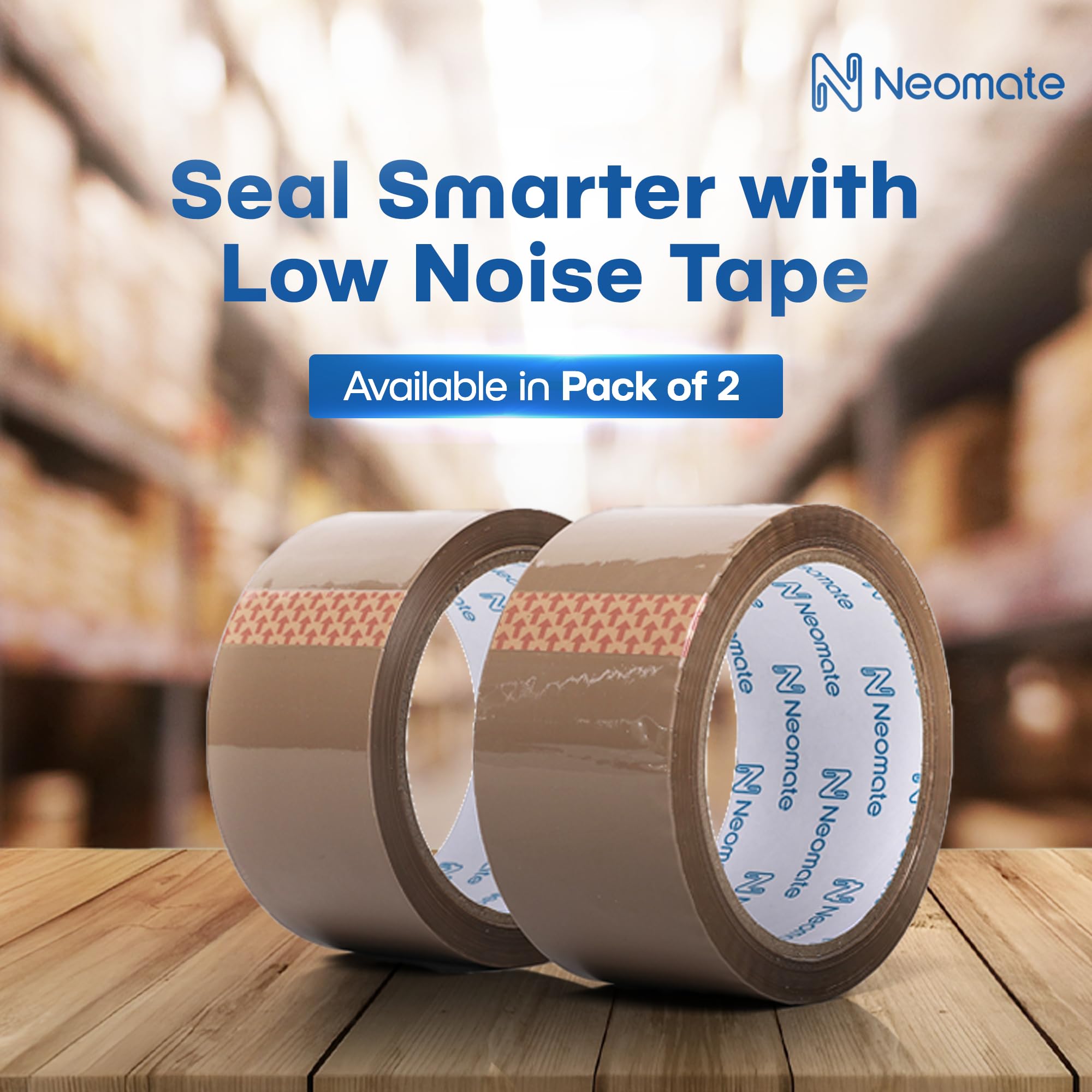
A stock image related to Low noise brown tape.
Comprehensive Cost and Pricing Analysis for Low noise brown tape Sourcing
Strategic procurement of low noise brown tape requires moving beyond unit price comparisons to evaluate total cost of ownership across international supply chains. For B2B buyers operating in diverse markets—from Germany’s industrial logistics hubs to Saudi Arabia’s warehousing sectors and emerging economies in Africa and South America—understanding the complete pricing architecture ensures sustainable procurement economics.
How Do Volume Tiers and MOQs Structure Low Noise Brown Tape Pricing?
Low noise brown tape typically follows aggressive volume-based discount models, with meaningful price breaks often beginning at relatively low thresholds. While retail equivalents may offer modest savings at 3–5 unit purchases, industrial procurement unlocks substantial economies at 10, 20, and 30+ carton quantities, frequently yielding 8–15% unit cost reductions. However, Minimum Order Quantities (MOQs) vary significantly by manufacturing origin; Asian suppliers often require full container loads (20ft or 40ft) for customized specifications, while European distributors may accommodate pallet-level orders for standard 48mm x 66m dimensions. Buyers must calculate the break-even point where bulk discounts offset increased inventory carrying costs, particularly for temperature-resistant solvent adhesive formulations that require climate-controlled storage in humid regions.
What Hidden Costs Impact Total Acquisition Beyond the Tape Price?
The sticker price rarely reflects true procurement expenditure. Solvent-based low noise tapes command premium pricing compared to acrylic alternatives, but deliver superior adhesion in high-temperature environments—a critical factor for Middle Eastern and South American logistics operations. Additional cost drivers include dispenser compatibility (ensuring 48mm–50mm width standardization prevents operational inefficiencies), customs duties ranging from 5–15% depending on HS code classifications in African and European markets, and inland logistics from port to warehouse. Currency fluctuation risks, particularly when sourcing from USD-denominated markets while operating in EUR, SAR, or local emerging market currencies, can erode quarterly savings by 3–8% if unhedged.
How Can B2B Buyers Optimize Pricing Through Strategic Sourcing?
Securing competitive pricing requires multi-dimensional negotiation strategies. Consolidating orders to achieve full container utilization typically reduces per-roll landed costs by 20–25% compared to LCL (Less than Container Load) shipments. Establishing annual volume agreements with manufacturers rather than spot-buying through distributors unlocks preferential pricing tiers and payment term flexibility—critical for managing cash flow in markets with letter-of-credit requirements. Additionally, specifying exact requirements (micron thickness, noise reduction decibel levels, and tensile strength) prevents over-specification that inflates costs unnecessarily, while ensuring compliance with regional packaging regulations avoids costly customs delays or rejection penalties.
By analyzing these interconnected cost factors, procurement teams can achieve 12–18% total cost reductions while securing consistent supply quality across international operations.
Alternatives Analysis: Comparing Low noise brown tape With Other Solutions
Selecting the optimal sealing solution requires balancing acoustic workplace standards, climatic reliability, and total cost of ownership. While low noise brown tape—formulated with solvent-based adhesives—provides distinct operational advantages for high-volume distribution centers, two primary alternatives dominate B2B procurement discussions: conventional acrylic packing tape and water-activated reinforced paper tape. Each solution presents unique trade-offs between upfront material costs, application efficiency, and package integrity across diverse shipping environments, from humid logistics hubs in West Africa to temperature-controlled facilities in Germany.
| 비교 측면 | Low Noise Brown Tape (Solvent-Based) | Standard Acrylic Packing Tape | 물 활성화 강화 테이프 |
|---|---|---|---|
| Noise Level During Application | <35dB; suitable for noise-restricted zones | 60-70dB; requires hearing protection in continuous use | Minimal noise; quiet application but requires water dispenser |
| Adhesion in Extreme Climates | Excellent; maintains tack in 0°C to 60°C, high humidity | Poor; adhesive failure above 40°C or high humidity | Superior; bonds molecularly with cardboard, climate-resistant |
| Initial Cost per Roll | Medium (£1.50–£2.20 per 66m roll) | Low (£0.80–£1.20 per roll) | High (£3.50–£5.00 per roll + dispenser investment) |
| 장비 요구 사항 | Hand dispenser or automated case sealer | Hand dispenser | Electric or manual water-activated tape dispenser (essential) |
| 변조 증거 | Moderate; visible tear marks | Low; easy to reapply without detection | High; permanent bond, shows clear evidence of interference |
| 구현 용이성 | Immediate; compatible with existing workflows | Immediate; universal compatibility | Moderate; staff training required for proper activation |
Is Standard Acrylic Tape Suitable for High-Volume Export Operations?
Standard acrylic packing tape represents the most common cost-saving alternative, particularly attractive for budget-conscious operations in emerging markets. However, procurement teams in regions like South America and the Middle East must evaluate hidden operational costs: acrylic adhesives degrade rapidly in high-heat warehouse environments exceeding 40°C, leading to carton seal failures and potential inventory losses during transit. While the per-roll price is approximately 40% lower than solvent-based low noise alternatives, the frequent rework requirements and worker fatigue from high-decibel application noise often erode initial savings within high-volume fulfillment centers.
When Should B2B Buyers Invest in Water-Activated Tape Instead?
Water-activated tape (WAT) serves as the premium alternative for B2B buyers prioritizing shipment security and brand presentation, particularly relevant for European markets with stringent tamper-evidence requirements. Unlike pressure-sensitive alternatives, WAT forms a permanent molecular bond with corrugated fibers, creating a seal that withstands extreme temperature fluctuations and humidity variations common in African logistics corridors. The transition requires capital investment in dispensers (£200–£500) and operator training, making it ideal for centralized distribution hubs rather than decentralized field operations. For Saudi Arabian exporters handling high-value electronics or German automotive parts suppliers, the enhanced security justifies the 3x material cost premium over low noise brown tape.
Essential Technical Properties and Trade Terminology for Low noise brown tape
What Dimensional Specifications Define Commercial-Grade Low Noise Brown Tape?
Standard industrial rolls typically measure 48mm in width by 66m in length, accommodating high-volume carton sealing operations without frequent changeovers. The core diameter—usually 76mm (3-inch) for handheld dispensers or 25mm (1-inch) for office environments—determines compatibility with automated sealing machinery and manual tape guns. Buyers should verify that these dimensions align with their existing equipment inventory to avoid operational bottlenecks during peak shipping periods.
How Does Solvent-Based Acrylic Adhesive Enhance Performance in Extreme Climates?
Unlike conventional hot-melt rubber adhesives, solvent-based acrylic formulations provide superior temperature resistance, typically performing reliably between -10°C and +60°C. This chemistry ensures minimal adhesive transfer and maintains tack integrity during long-haul shipments through varying thermal conditions common in Middle Eastern and African logistics corridors. The solvent carrier also facilitates quieter unwind characteristics, reducing warehouse noise pollution by up to 50% compared to standard polypropylene tapes.
What Noise Reduction Metrics Distinguish Premium Low Noise Formulations?
Industrial low noise tapes generate approximately 55-65 decibels during application, significantly below the 75-85 decibel range of conventional packaging tapes. This acoustic reduction proves critical for B2B operations in noise-sensitive environments such as German distribution centers or Saudi Arabian logistics hubs operating near residential zones. Specifications should indicate certified “low noise” or “quiet unwind” ratings rather than merely “reduced noise” to ensure compliance with international workplace safety standards.
Which Physical Strength Indicators Ensure Load Security During Transit?
인장 강도—measured in Newtons per centimeter (N/cm)—should exceed 25 N/cm for heavy-duty applications, while total caliper thickness typically ranges from 28 to 45 microns (μm) including the film and adhesive layer. These specifications prevent splitting under stress and maintain seal integrity across corrugated fiberboard surfaces. Buyers sourcing for export markets should prioritize tapes with high shear resistance to prevent “flagging” (tape lifting at edges) during extended storage periods in humid climates.
What Is the Technical Distinction Between Solvent Acrylic and Hot Melt Adhesives?
Solvent acrylic adhesives utilize a liquid carrier that evaporates during manufacturing, leaving a permanent high-tack layer ideal for recycled corrugated materials and dusty surfaces. Hot melt adhesives, composed of synthetic rubber blocks, offer immediate grab strength but produce significantly higher unwind noise and degrade faster under UV exposure. For European buyers focused on sustainability and performance, solvent acrylics provide better aging characteristics and less yellowing over time compared to rubber-based alternatives.
How Do Industry Professionals Define “Unwind Noise” and “Clutch Compatibility”?
Unwind noise refers to the decibel level generated when tape releases from the roll, with low noise variants employing specialized silicone release coatings and oriented polypropylene (OPP) film formulations. Clutch compatibility indicates whether the tape core fits standard 3-inch industrial dispensers equipped with tension clutches—mechanical devices that control unwind speed and prevent backlash during rapid application. Understanding these terms ensures procurement teams specify equipment-matched consumables that minimize operator fatigue and maximize line efficiency in high-throughput facilities.
Navigating Market Dynamics and Sourcing Trends in the Low noise brown tape Sector
What Are the Emerging Global Trends Reshaping Low Noise Brown Tape Procurement?
The low noise brown tape sector is experiencing significant evolution driven by the explosive growth of e-commerce logistics and international freight consolidation. Procurement managers across Africa, South America, the Middle East, and Europe are increasingly prioritizing solvent-based adhesive formulations—particularly the 48mm x 66m standard specification—due to their superior performance in high-temperature environments and extended shelf stability. Unlike conventional acrylic tapes, these solvent variants offer the high-temperature resistance essential for Middle Eastern and African supply chains, where warehouse temperatures frequently exceed standard operating thresholds.
Regional market dynamics reveal distinct procurement patterns. European buyers, particularly in Germany, are driving demand for workplace safety compliance, favoring low noise formulations that reduce decibel levels in distribution centers to meet stringent occupational health standards. Conversely, markets in Saudi Arabia and South America prioritize tensile strength and UV resistance for long-haul container shipping, where packages endure prolonged exposure to extreme climatic conditions. This divergence has prompted manufacturers to offer specialized product tiers while maintaining the universal 48mm width standard that ensures compatibility with global tape dispensers and automated sealing machinery.
Volume-based procurement strategies dominate B2B transactions, with tiered discount structures becoming industry standard for orders ranging from 3 to 30+ cartons. Smart inventory management now favors consolidated purchasing of 66-meter rolls, balancing longevity with storage efficiency. Additionally, the shift toward just-in-time manufacturing has increased demand for consistent cross-border availability, requiring suppliers to maintain regional distribution hubs that minimize lead times for international buyers managing complex multi-modal supply chains.
How Can B2B Buyers Navigate Sustainability and Ethical Sourcing in Adhesive Tape Supply Chains?
Sustainability considerations in the low noise brown tape market extend beyond simple recyclability to encompass the entire adhesive chemistry lifecycle. While solvent-based tapes offer superior bonding strength for heavy-duty applications, procurement teams must evaluate volatile organic compound (VOC) emissions and compliance with regional environmental directives such as the EU’s REACH regulations. Forward-thinking suppliers are now developing modified solvent formulations that maintain high-temperature performance while reducing environmental impact, though these premium variants require careful cost-benefit analysis against standard offerings.
Ethical sourcing has become a critical differentiator in B2B partnerships, particularly for buyers sourcing from Asian manufacturing hubs. International procurement officers should verify supplier adherence to ISO 14001 environmental management standards and SA8000 social accountability certifications, ensuring production facilities maintain safe working conditions and fair labor practices. Due diligence should include verification of raw material provenance, as the kraft paper backing and natural rubber adhesives used in premium brown tapes often originate from forestry and agricultural sectors with varying sustainability credentials.
End-of-life considerations present unique challenges for brown tape disposal, as the combination of solvent adhesives and reinforced paper backing complicates standard cardboard recycling streams. Progressive B2B buyers are increasingly demanding take-back programs or partnerships with specialized recycling facilities that can separate adhesive from fiber. When evaluating suppliers, prioritize those offering transparency regarding carbon footprint documentation and sustainable packaging options for the tape products themselves—such as recycled core boards and plastic-free outer packaging—to align with corporate ESG mandates while maintaining the operational reliability required for secure transit applications.
Frequently Asked Questions (FAQs) for B2B Buyers of Low noise brown tape
1. What is low noise brown tape used for in industrial packaging and logistics operations?
Low noise brown tape serves as a specialized carton sealing solution designed for high-volume packaging environments where acoustic control is essential. Industrial facilities deploy this tape for securing corrugated shipments in distribution centers, fulfillment warehouses, and manufacturing plants located near residential zones or within noise-regulated business districts. The opaque brown polypropylene backing conceals previous box markings while providing professional aesthetics suitable for B2B retail supply chains and e-commerce logistics across European and Middle Eastern markets.
2. How does low noise brown tape reduce noise levels in warehouse environments compared to standard packaging tape?
The noise reduction derives from specialized adhesive formulations that unwind smoothly without the high-frequency squeal characteristic of conventional BOPP tapes. Low noise variants utilize modified acrylic or solvent-based adhesives that
중요 고지 사항 및 이용 약관
⚠️ 중요 고지 사항
제조업체, 기술 사양 및 시장 분석에 관한 내용을 포함하여 이 가이드에서 제공하는 정보는 정보 제공 및 교육 목적으로만 사용됩니다. 전문적인 조달 자문, 재무 자문 또는 법률 자문으로 간주되지 않습니다.
B2B 구매자는 독립적이고 철저한 실사를 수행해야 합니다. 구매 결정을 내리기 전에 반드시 확인하시기 바랍니다. 이 가이드의 정보에 의존하는 데 따른 위험은 전적으로 독자가 부담합니다.
Top 4 Low Noise Brown Tape Manufacturers & Suppliers List
1. Brown Tape Products – Adhesive Tapes
도메인: tapesuppliers.com
등록: 2007년(19년)
소개: Brown Tape Products offers adhesive tape solutions for packaging, sealing, masking, and insulation applications. They provide custom manufacturing services including custom sizes, specialized adhesive formulations, and branding options. Their tapes serve industries including manufacturing, construction, and healthcare. The company focuses on tailor-made tape solutions designed to meet unique clien…
2. CAMAT – Low Noise Brown Tape
도메인: camat.com
등록: 1998년(28년)
소개: Product Name: CAMAT® Low Noise Brown Tape. Material: BOPP film backing coated with water-based acrylic glue or hotmelt-based glue. Key Features: High adhesive, high resistance, tensile strength, durable viscosity, no discoloration, smooth, antifreezing, environment protection, stable quality, low noise operation. Applications: Medium and heavy carton sealing; general industrial, food, medical phar…
3. Ajit Industries – BOPP Low Noise Tapes
도메인: ajitindustries.com
등록: 2003년(23년)
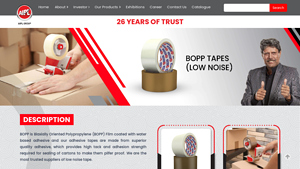
소개: BOPP Low Noise Tapes are Biaxially Oriented Polypropylene (BOPP) Film coated with water-based adhesive, designed for high tack and adhesion strength required for pilfer-proof carton sealing. Available in brown and transparent colors with up to 5-color printing capability. Product variants include Wonder (36 micron), Wonder+ (38 micron), EZ (40 micron), Super Gold (42 micron), EZ+ (45 micron), Suns…
4. WER – Low Noise Brown Packaging Tape
도메인: wer.online
등록: 2016(10년)
소개: This company, WER – Low Noise Brown Packaging Tape, is a notable entity in the market.
Strategic Sourcing Conclusion and Outlook for Low noise brown tape
As global supply chains navigate increasing complexity, strategic procurement of low-noise brown tape requires balancing cost efficiency with performance reliability. Buyers operating across diverse climates—from the humid regions of South America to the arid logistics corridors of the Middle East—must prioritize solvent-based adhesives with verified high-temperature resistance to prevent seal failures during transit.
How Can Volume Purchasing Strategies Reduce Total Cost of Ownership?
Implementing tiered procurement frameworks enables significant economies of scale. Organizations sourcing standard 48mm x 66m rolls should negotiate sliding-scale discounts starting at 3% for mid-volume orders, escalating to 15% for bulk commitments exceeding 30 units. This approach not only reduces per-unit packaging costs but also ensures supply continuity during peak shipping seasons.
Which Regional Factors Should Influence Your Sourcing Decisions?
Emerging market buyers in Africa and the Middle East should evaluate suppliers offering climate-adapted formulations that maintain adhesion integrity in extreme heat. European procurement teams, particularly in Germany and Saudi Arabia’s industrial sectors, increasingly demand compliance with sustainable manufacturing standards while preserving the acoustic benefits essential for warehouse working environments.
What Innovations Are Shaping the Future of Industrial Packaging?
The outlook points toward bio-based solvent adhesives and enhanced recyclability without compromising low-noise unwind properties. Forward-thinking procurement strategies will prioritize suppliers investing in temperature-stable, environmentally responsible formulations that meet evolving regulatory standards across international markets.