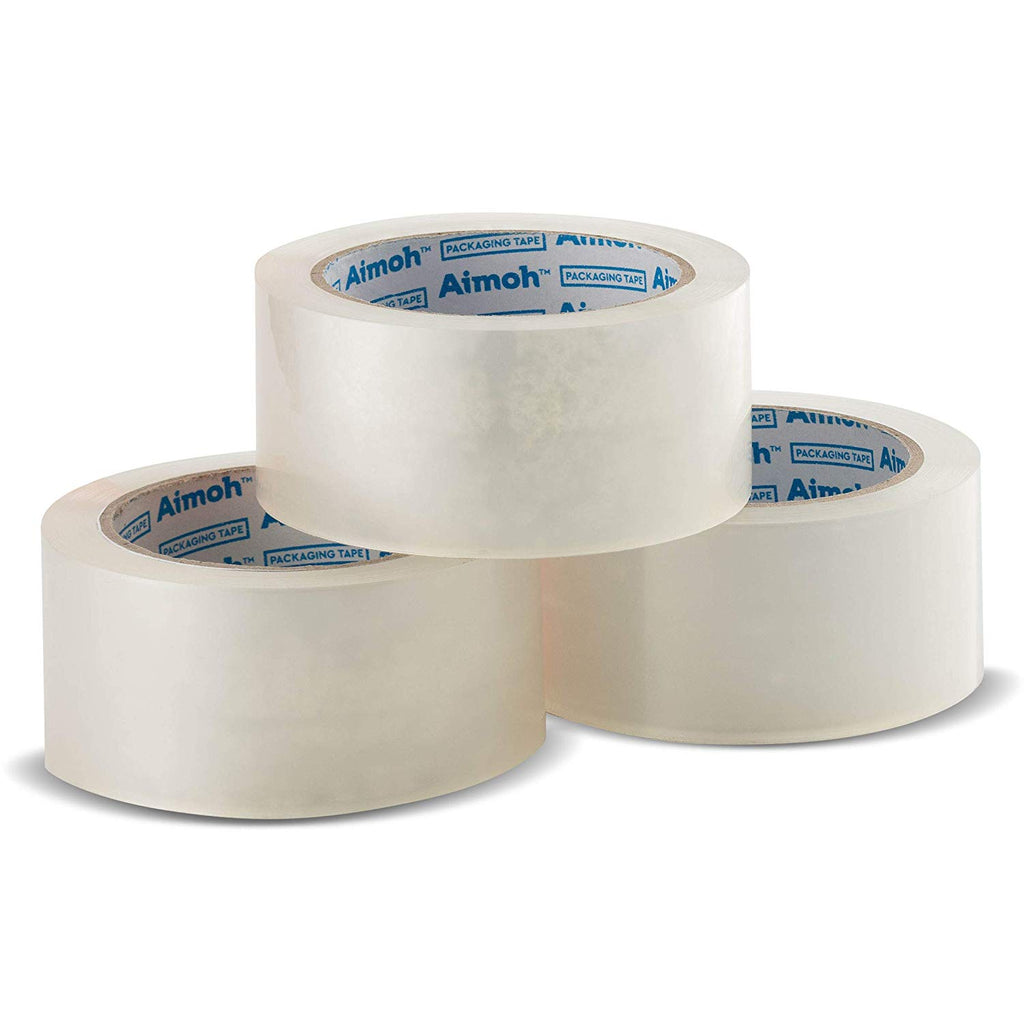
Introduction: Navigating the Global Market for Low noise packing tape
Sourcing low-noise packing tape for compliant logistics operations has become a critical procurement priority as warehouses across Africa, South America, the Middle East, and Europe face increasing pressure to reduce workplace noise pollution while maintaining secure packaging standards. The screech of traditional BOPP tape dispensers not only disrupts productivity in noise-sensitive environments—such as facilities near residential zones in Saudi Arabia or shared logistics hubs in Vietnam—but can also violate emerging occupational health regulations. For international buyers managing high-volume packaging operations, selecting the right silent sealing solution requires navigating complex material specifications, regional supplier capabilities, and total cost of ownership calculations that extend far beyond unit pricing.
Why Are Global Distribution Centers Transitioning to Silent Sealing Technologies?
This guide examines the technical evolution from standard acrylic adhesives to specialized low-noise formulations, analyzing how reduced decibel levels during application correlate with improved worker satisfaction and operational efficiency. We explore specific BOPP film constructions and release coatings that eliminate the characteristic “tape screech” without compromising tensile strength or crystal-clear presentation quality essential for professional branding.
What Should International Buyers Evaluate When Vetting Low-Noise Tape Suppliers?
Beyond product specifications, we address the unique procurement challenges facing buyers in emerging markets—from verifying ISO-certified manufacturing facilities to negotiating favorable Incoterms for shipments to African trade hubs. You’ll discover frameworks for assessing supplier reliability, understanding regional compliance standards, and calculating landed costs that account for customs duties and climate-specific storage requirements in Middle Eastern logistics corridors.
How Can Procurement Teams Optimize Costs Without Sacrificing Acoustic Performance?
We conclude with strategic insights on volume pricing structures, dispenser compatibility considerations, and quality assurance protocols that protect your investment. Whether you’re outfitting a new e-commerce fulfillment center in Brazil or upgrading existing packaging lines in Eastern Europe, this comprehensive resource equips you with the technical knowledge and market intelligence to make confident, cost-effective purchasing decisions.
Understanding Low noise packing tape Types and Variations
| 유형 이름 | 주요 차별화 기능 | 주요 B2B 애플리케이션 | 구매자를 위한 간략한 장단점 |
|---|---|---|---|
| Acrylic-Based Low-Noise Tape | Water-based acrylic adhesive; UV-stable formulation; consistent unwind noise reduction below 55dB | General warehousing, e-commerce fulfillment, long-term storage in climate-variable regions | Pros: Cost-effective, age-resistant, stable across temperature ranges. Cons: Lower initial tack than hot-melt; slower adhesion build on recycled corrugated |
| Hot-Melt Synthetic Low-Noise Tape | Synthetic rubber-resin adhesive; high immediate tack; engineered for high-speed quiet dispensing | Heavy-duty export packaging, palletized goods, corrugated boxes exceeding 20kg | Pros: Aggressive initial bond, excellent shear strength for rough handling. Cons: Premium pricing, potential adhesive residue in extreme heat (>60°C) |
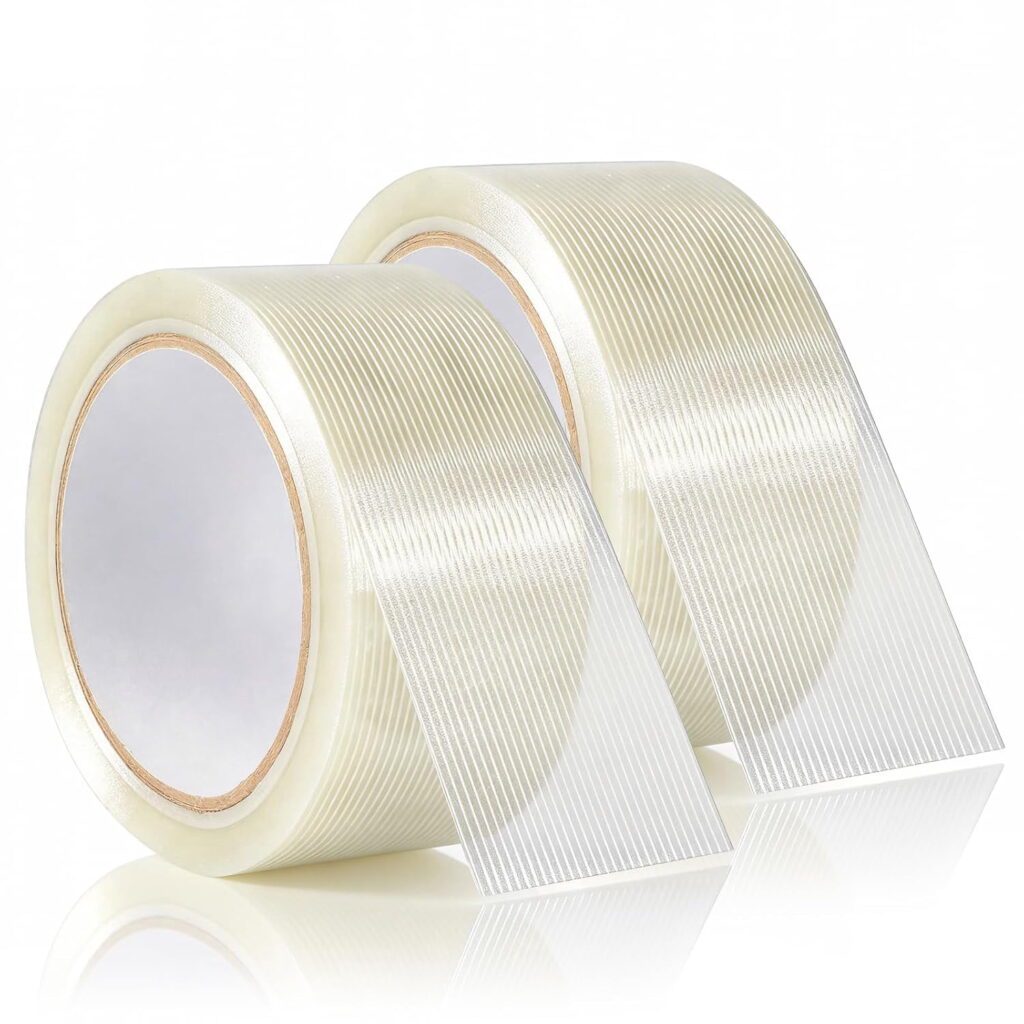
| Heavy-Duty Reinforced Low-Noise Tape | 35-50 micron BOPP film; fiberglass or cross-woven filament reinforcement; whisper-quiet unwind | Industrial manufacturing, construction material bundling, metal component palletizing | Pros: Superior tensile strength (>40 N/cm), prevents splitting under stress. Cons: Requires heavy-duty dispensers, highest per-roll cost |
| Custom Printed Low-Noise Tape | Flexographic/gravure-compatible surface; maintains noise-dampening properties with branding | Luxury retail distribution, pharmaceutical handling, fragile goods identification | Pros: Marketing value, tamper-evident branding, unboxing experience enhancement. Cons: High MOQ (500+ rolls), design plate costs, longer lead times |
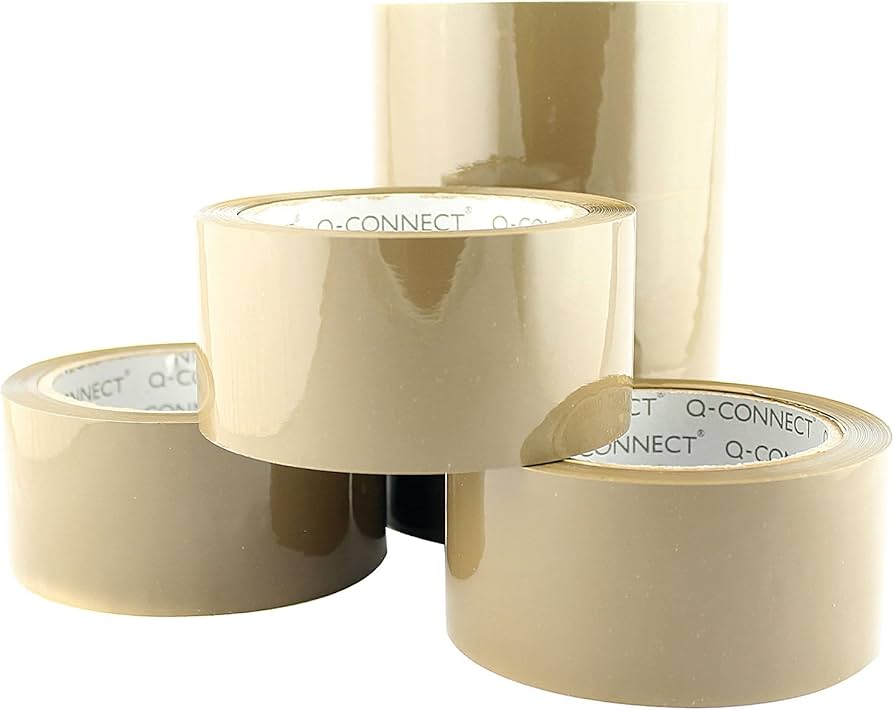
| Colored Identification Low-Noise Tape | UV-stable pigmented BOPP film; color-coded inventory management; silent unwind properties | Warehouse zone segregation, priority shipping lanes, temperature-sensitive goods marking | Pros: Immediate visual sorting, reduces handling errors, no labeling required. Cons: Limited color range vs. standard tape, potential fading under direct sunlight |
What makes acrylic low-noise tape ideal for long-term storage facilities?
Acrylic-based low-noise tape utilizes water-based adhesive formulations that significantly reduce unwind decibel levels while maintaining excellent aging characteristics. This variation remains stable under UV exposure and temperature fluctuations, making it particularly suitable for B2B buyers managing inventory in regions with high ambient temperatures, such as the Middle East or Southeast Asia. When purchasing, verify the adhesive coat weight—typically measured in grams per square meter (gsm)—as higher coat weights indicate better adhesion on recycled corrugated surfaces common in emerging markets.
How does hot-melt low-noise tape enhance export packaging security?
Hot-melt synthetic low-noise tape employs modified rubber-resin adhesives engineered to dampen acoustic output during high-speed dispensing. Unlike standard acrylics, this type delivers aggressive initial tack and shear strength essential for heavy-duty export containers subject to rough handling during international transit. B2B procurement teams should prioritize formulations with specific noise-reduction certifications and test compatibility with automated case sealers, as the aggressive adhesive may require adjusted tension settings to prevent stretching during application.
Why choose reinforced low-noise tape for industrial manufacturing environments?
Heavy-duty reinforced low-noise tape combines thickened BOPP substrates (35-50 microns) with longitudinal fiberglass strands or cross-woven filaments to prevent splitting under extreme tension. This variation maintains whisper-quiet unwind properties despite its industrial-grade construction, making it indispensable for palletizing operations and bundling metal components in manufacturing facilities. Buyers should assess the tape’s tensile strength ratings—typically exceeding 40 N/cm—and ensure dispenser compatibility, as reinforced variants require robust cutting mechanisms to prevent blade wear in high-volume facilities.
Is custom-printed low-noise tape cost-effective for branded unboxing experiences?
Custom-printed low-noise tape enables simultaneous brand messaging and acoustic comfort, utilizing flexographic or gravure printing techniques that don’t compromise the tape’s noise-dampening adhesive layers. This variation serves B2B sectors like luxury retail, electronics, and pharmaceutical distribution where presentation aesthetics and warehouse noise reduction are equally critical operational requirements. Procurement considerations typically include minimum order quantities (often 500+ rolls), plate-making costs, and ensuring that ink coverage doesn’t interfere with barcode scanning systems or adhesion performance on recycled cardboard substrates.
How can colored low-noise tape improve warehouse inventory management?
Colored low-noise tape incorporates UV-stable pigments into the BOPP film substrate while preserving the specialized adhesive formulations that eliminate screech during unwind. This variation enables immediate visual identification of priority shipments, temperature-sensitive goods, or departmental segregation without sacrificing acoustic comfort in high-volume distribution centers. B2B buyers should verify color consistency across production batches—critical for automated sorting systems—and confirm that pigmentation doesn’t compromise the adhesive’s noise-reduction properties or tack levels on various corrugated flute types common in international shipping.
Key Industrial Applications of Low noise packing tape
| 산업/섹터 | Specific Application of Low noise packing tape | 비즈니스를 위한 가치/혜택 | 이 애플리케이션의 주요 소싱 고려 사항 |
|---|---|---|---|
| E-commerce Fulfillment & Logistics Centers | High-volume carton sealing in automated and manual packing stations for last-mile delivery operations | Reduces noise pollution in warehouse environments, enabling 24/7 operations in noise-restricted urban zones while improving worker wellbeing and productivity | High-tensile BOPP formulations compatible with automated dispensers; climate-resistant adhesives for high-humidity tropical climates (Southeast Asia, Africa) and dusty environments (Middle East) |
| 헬스케어 및 제약 유통 | Sealing medical supply boxes, pharmacy shipments, and hospital inventory cartons for clinical and emergency restocking | Maintains therapeutic quiet zones in hospitals and clinics while ensuring secure, tamper-evident sealing for sensitive medical goods and patient privacy | Medical-grade compliance certifications; reliable adhesion for temperature-controlled cold-chain distribution across diverse climates from desert heat to coastal humidity |
| Hospitality & Luxury Retail | Packaging guest amenities, high-value retail goods, and boutique e-commerce shipments in back-of-house operations | Preserves premium brand experience through silent unboxing |
A stock image related to Low noise packing tape.
3 Common User Pain Points for ‘Low noise packing tape’ & Their Solutions
Scenario 1: How Can B2B Buyers Resolve Warehouse Noise Compliance Issues in Mixed-Use Industrial Zones?
문제: Distribution centers and fulfillment hubs operating in urban areas across Europe and the Middle East increasingly face stringent noise ordinances and workplace safety regulations. Standard acrylic packing tape generates high-frequency screeching sounds reaching 70-80 decibels during rapid application—a noise level comparable to busy traffic. In facilities running multiple packing stations simultaneously, this creates a cacophony that violates local environmental codes, triggers neighbor complaints in mixed-use zones, and contributes to worker fatigue and decreased concentration during long shifts. For B2B buyers managing 24/7 operations, noise pollution risks operational licenses and creates hostile work environments that impact employee retention.
솔루션: Transition to low-noise packing tape engineered with modified acrylic adhesives and specialized release coatings that reduce application noise to under 50 decibels—quieter than normal conversation. Specify BOPP (Biaxially Oriented Polypropylene) film constructions with precision-calibrated unwind tension that eliminates the “squeal” effect at the adhesive-release interface. When sourcing from international suppliers, request acoustic test reports confirming decibel ratings under ISO 7779 standards. Implement a phased rollout across high-density packing zones, measuring noise reduction with smartphone decibel meters during peak operations. This approach ensures compliance with local workplace safety authorities while maintaining packing velocity.
Scenario 2: Is Low Noise Packing Tape Durable Enough for Heavy-Duty International Shipments?
문제: Procurement teams frequently assume that low-noise tape formulations sacrifice adhesive strength for silence, creating significant risk for international shipments to Africa and South America where packages endure rough handling, extreme temperature fluctuations, and high-humidity conditions during multi-modal transit. Buyers worry that “quiet” tapes might feature weaker adhesive matrices prone to delamination, edge lifting, or complete seal failure—particularly on recycled corrugated boxes common in emerging markets. This durability uncertainty creates procurement paralysis, with managers hesitant to switch from noisy but trusted standard acrylic tapes despite workplace noise complaints.
솔루션: Modern low-noise tapes utilize high-tack synthetic rubber or advanced acrylic adhesives that deliver 3.5+ N/cm adhesion strength and 25+ N/cm tensile strength—matching or exceeding standard packing tape performance. When evaluating suppliers, request technical data sheets specifying temperature resistance ranges (-10°C to 60°C) and shear adhesion tests. Conduct pilot tests on your heaviest SKU categories (20+ kg) using the “lift test” method: seal boxes, allow 24-hour cure time, then suspend by the tape seam. For bulk procurement, specify BOPP film thickness of 45-50 microns with reinforced fiberglass strands for heavy-duty applications. This ensures package integrity throughout the supply chain while achieving noise reduction goals.
Scenario 3: What Are the Best Practices for Integrating Low Noise Tape into High-Volume Production Lines?
문제: High-volume shipping operations in manufacturing hubs like Vietnam or Saudi Arabia face operational disruptions when low-noise tapes jam, misfeed, or break in existing dispenser equipment designed for standard tape unwind characteristics. The modified release coatings that enable quiet application sometimes create static buildup or inconsistent tension that halts automated taping lines and frustrates manual packers. In just-in-time manufacturing environments where line stoppages cost thousands per hour, equipment incompatibility represents a hidden procurement risk that can negate the benefits of noise reduction entirely.
솔루션: Standardize on low-noise tapes with 3-inch (76mm) universal cores compatible with existing handheld dispensers and automated case-sealing machinery. Specify anti-static silicone release coatings that prevent cling without requiring equipment retrofits. For high-volume environments processing 50,000+ packages monthly, invest in adjustable-tension dispensers featuring rubber roller guides specifically calibrated for low-noise tape unwind rates. Before bulk ordering, request sample rolls for compatibility testing across your equipment fleet—testing both manual stations and automated lines during peak throughput periods. Establish supplier agreements guaranteeing dimensional tolerances (±0.5mm width consistency) to prevent edge folding and misalignment. This ensures seamless integration while maintaining the 40-60% noise reduction that improves workplace conditions.
Strategic Material Selection Guide for Low noise packing tape
Which Substrate Delivers Optimal Acoustic Performance for High-Volume Fulfillment Centers?
Modified Biaxially Oriented Polypropylene (BOPP) serves as the industry standard for industrial-grade low noise packing tape, commanding significant market share among third-party logistics providers and e-commerce fulfillment operations across Southeast Asia and the Middle East. This thermoplastic polymer undergoes specialized manufacturing processes, including micro-embossed surface texturing and advanced silicone release coating formulations, that effectively dampen the high-frequency vibrations responsible for the characteristic 80-90 decibel screech of conventional packing tape. BOPP substrates typically range from 28 to 50 microns in thickness, offering exceptional tensile strength-to-weight ratios that support automated carton sealing machines requiring consistent tape feeding without acoustic disruption in shared warehouse environments. Procurement teams in sun-intensive regions such as Sub-Saharan Africa or the Gulf Cooperation Council states should specify UV-stabilized grades, as standard BOPP films may experience polymer degradation and adhesive yellowing during extended outdoor storage, compromising both aesthetics and seal integrity.
Is PVC-Based Low Noise Tape the Right Investment for Premium Brand Presentation?
Polyvinyl Chloride (PVC) based low noise tapes cater to premium market segments where acoustic comfort and optical clarity justify elevated material costs, particularly within European luxury retail and high-end electronics manufacturing sectors. Unlike polypropylene alternatives, PVC possesses inherent viscoelastic damping properties that naturally suppress unwinding noise to levels below 60 decibels without requiring extensive chemical modifications, while maintaining superior transparency for showcasing branded packaging designs. The material exhibits excellent conformability to irregular carton surfaces and textured substrates, performing reliably across the temperature fluctuations common in South American cross-Andean logistics corridors. However, B2B buyers must conduct thorough lifecycle cost analyses, as PVC faces increasingly stringent restrictions under EU REACH regulations and Extended Producer Responsibility frameworks, potentially incurring higher waste management fees and limiting recyclability options compared to polyolefin-based alternatives.
How Does Polyethylene Perform in Cold Chain and High-Humidity Logistics?
Low-density Polyethylene (PE) and Linear Low-Density Polyethylene (LLDPE) substrates address critical operational challenges in tropical African climates and refrigerated supply chains where standard BOPP becomes brittle or experiences adhesive failure. The material’s softer molecular structure and lower modulus of elasticity inherently reduce unwinding noise while maintaining pliability across temperature ranges from -20°C to 60°C, supporting pharmaceutical cold chain and agricultural export operations from regions like Kenya or Vietnam. PE-based low noise tapes demonstrate superior hydrophobic performance in high-humidity port environments such as Lagos, Mombasa, or Cartagena, resisting edge-lifting and seal compromise during monsoon seasons or maritime transit. Procurement specialists should note that PE substrates typically require 40-60% thicker gauges to achieve tensile strength comparable to BOPP, potentially necessitating dispenser recalibration and increasing per-package material consumption rates.
Are Bio-Based Films Viable for Sustainable Packaging Initiatives?
Cellulose Acetate and other plant-derived films emerge as strategic alternatives for European enterprises navigating stringent Extended Producer Responsibility (EPR) regulations and corporate carbon neutrality mandates. These bio-based substrates, derived from sustainably sourced wood pulp or cotton linters, biodegrade in industrial composting facilities within 90-180 days while delivering acoustic performance comparable to synthetic PVC, making them suitable for organic food products and circular economy packaging systems. The material performs exceptionally in manual packing stations where operators require immediate tack and quiet application without synthetic film “squeal,” particularly benefiting boutique fulfillment operations in noise-sensitive urban zones. Buyers must evaluate supply chain limitations, as cellulose-based tapes exhibit hygroscopic tendencies that can cause dimensional instability in Southeast Asian or equatorial African humidity levels exceeding 80% RH, requiring climate-controlled warehousing to prevent curling and adhesive delamination.
| 재료 | Typical Use Case for Low noise packing tape | 주요 이점 | 주요 단점/제한 사항 | 상대적 비용 |
|---|---|---|---|---|
| Modified BOPP | High-volume automated fulfillment, general logistics | Superior tensile strength, compatible with dispensers | Requires UV stabilizers for tropical storage | 낮음 |
| PVC | Luxury goods, electronics, premium retail | Natural noise dampening, exceptional clarity | Environmental compliance restrictions, disposal costs | 높음 |
| Polyethylene (PE) | Cold chain logistics, humid climates, agricultural exports | Flexible in extreme temperatures, moisture resistant | Higher gauge requirements, lower tensile strength | Medium |
| 셀룰로오스 아세테이트 | Sustainable packaging, organic products, EPR compliance | Biodegradable, premium acoustic performance | Humidity sensitivity, limited supply chain availability | Premium |
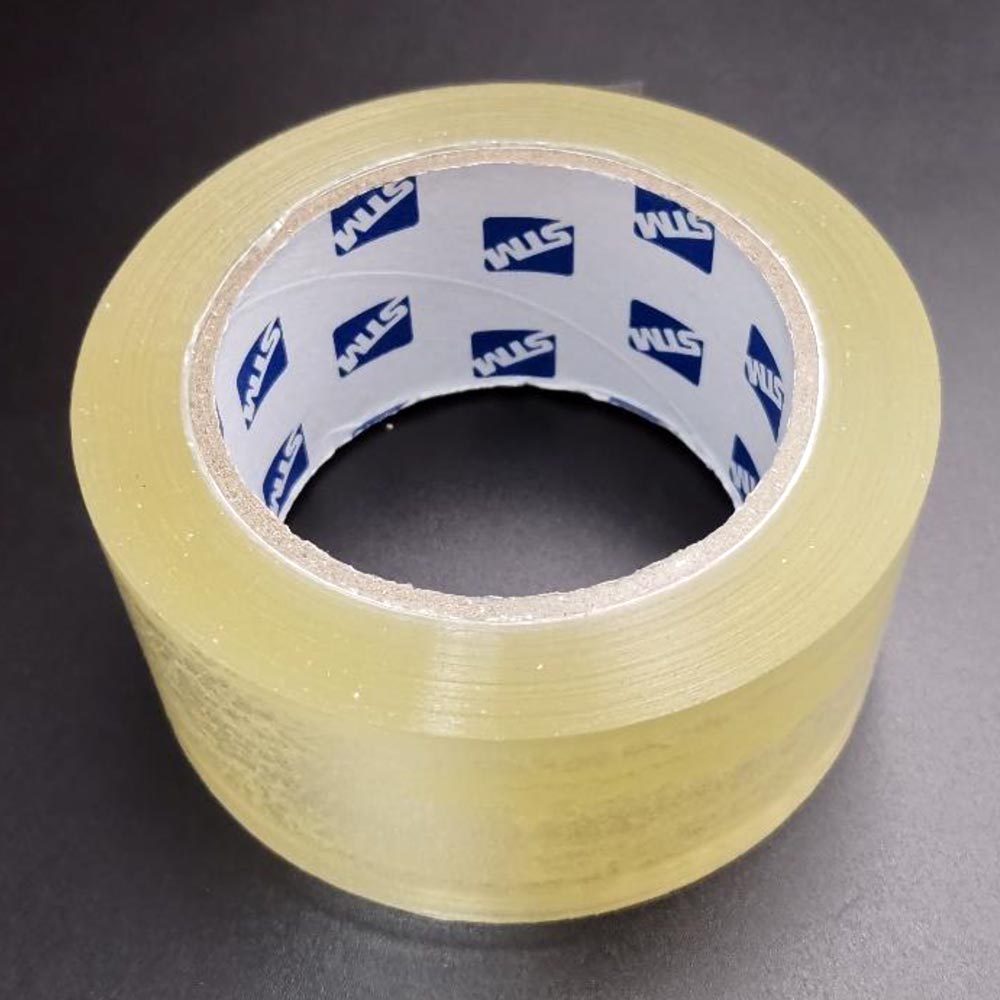
A stock image related to Low noise packing tape.
In-depth Look: Manufacturing Processes and Quality Assurance for Low noise packing tape
How Is Low-Noise Packing Tape Engineered for Silent Unwinding?
Low-noise packing tape achieves its signature quiet operation through specialized manufacturing processes that modify both the film substrate and adhesive layer chemistry. Unlike standard BOPP tapes that generate high-pitched screeching during unwinding—often exceeding 75 decibels—low-noise variants utilize precision-calibrated release coatings and modified adhesive formulations to dampen acoustic vibrations. The manufacturing process begins with biaxially oriented polypropylene (BOPP) film extrusion using virgin resin grades (typically homopolymer or copolymer PP with melt flow indices of 2-4 g/10min), where molecular orientation is carefully controlled to balance tensile strength with flexibility. Manufacturers apply a specialized silicone-based or UV-cured release agent to the non-adhesive side at coating weights of 0.5-1.0 g/m², creating a micro-smooth surface that minimizes friction coefficients during tape unwinding. This technical modification reduces noise levels to below 50 decibels, meeting workplace safety standards for noise pollution in warehouse environments while maintaining the crystal-clear optical properties required for professional packaging presentation.
What Manufacturing Processes Ensure Consistent Low-Noise Performance?
The production of industrial-grade low-noise tape requires multi-stage coating and curing processes distinct from conventional adhesive tape manufacturing. After extruding the BOPP film to precise thickness specifications (typically 28-50 microns depending on load-bearing requirements), manufacturers subject the substrate to corona treatment at 38-42 dynes/cm surface tension, increasing surface energy to ensure optimal adhesive bonding without compromising the release layer’s effectiveness. The adhesive application stage utilizes slot-die coating or reverse comma coating methods to deposit water-based acrylic emulsions or modified synthetic rubber hot-melt adhesives at controlled thicknesses between 20-40 microns. Critical to noise reduction, the adhesive formulation incorporates specific tackifier resins and plasticizers selected to dampen vibration frequencies between 2-4 kHz—the primary range responsible for audible screeching. Following coating, the material undergoes thermal curing in controlled environments (40-60°C for water-based, 120-140°C for hot-melt) to stabilize adhesive properties while preserving the release coating’s silicone integrity.
Which Quality Assurance Protocols Validate Noise Reduction Claims?
Reputable manufacturers implement rigorous QA testing protocols that extend beyond standard adhesion and tensile strength measurements to specifically quantify acoustic performance. Noise level testing occurs in anechoic chambers using precision decibel meters positioned at standardized distances (30cm) from the unwinding tape, with premium industrial grades requiring readings below 45dB compared to 75-80dB for conventional tapes. Batch testing includes unwind force analysis using tensile testers to ensure consistent resistance levels (typically 2.5-4.0 N/cm width) that prevent abrupt tearing while maintaining smooth, controlled application. Accelerated aging tests subject tape samples to 40°C/75% relative humidity environments for 72 hours to verify that noise-reduction properties remain stable during extended storage in non-climate-controlled warehouses. Additionally, manufacturers conduct 180-degree peel adhesion assessments per ASTM D3330 or ISO 29862 standards (targeting 4.0-6.0 N/cm for standard applications) to ensure the noise-reducing modifications haven’t compromised bonding strength on corrugated substrates.
제조업체는 글로벌 유통을 위한 기후 안정성을 어떻게 보장할 수 있을까요?
For B2B buyers sourcing from Asian manufacturing hubs to destinations in Africa, the Middle East, or South America, climate adaptability represents a critical quality consideration often overlooked in standard specifications. Low-noise tapes require specialized formulation adjustments to prevent adhesive bleed-through in high-temperature environments (up to 60°C during container shipping) or adhesive hardening in cold storage conditions prevalent in European logistics. Quality assurance includes thermal cycling tests that simulate transoceanic shipping container conditions, exposing tape rolls to temperature fluctuations between -10°C and 50°C over 48-hour cycles. Manufacturers should provide certificates of conformity regarding RoHS (Restriction of Hazardous Substances) and REACH regulations, ensuring adhesive formulations contain no restricted phthalates, heavy metals, or volatile organic compounds that could trigger customs rejections in European or Middle Eastern markets. Humidity resistance testing (85% RH for 96 hours) validates that the release coating maintains its noise-dampening properties in tropical climates common in Southeast Asian or South American logistics hubs.
What Documentation and Certifications Should B2B Buyers Request?
International procurement of low-noise packing tape requires specific documentation to ensure compliance with regional regulations and quality consistency across multi-container orders. Buyers should request Material Safety Data Sheets (MSDS) or Safety Data Sheets (SDS) detailing adhesive chemical compositions, particularly when importing to regions with strict VOC regulations like the EU or Saudi Arabia. ISO 9001:2015 certification indicates standardized manufacturing processes with documented change control procedures, while ISO
Practical Sourcing Guide: A Step-by-Step Checklist for ‘Low noise packing tape’
Sourcing low-noise packing tape for international operations requires balancing acoustic performance with logistical efficiency and regional compliance. Unlike standard packaging materials, these specialized tapes must meet specific decibel-reduction standards while maintaining the BOPP tensile strength necessary for secure transit across diverse climates. This checklist guides procurement teams through critical evaluation criteria, from material composition to customs documentation, ensuring your investment delivers both workplace comfort and supply chain reliability for facilities in Europe, the Middle East, Africa, and the Americas.
How Do You Verify Acoustic Performance Standards?
Request independent laboratory test reports measuring decibel levels during unwinding and application against baseline standard tapes. Quality low-noise variants should produce significantly lower sound levels than conventional BOPP alternatives, typically achieved through specialized film formulations and modified release coatings. Verify that testing methodology aligns with ISO or ASTM standards to ensure consistent measurements across different manufacturing regions and batch consistency.
What Material Specifications Ensure Load-Bearing Capacity?
Examine the BOPP (biaxially oriented polypropylene) film thickness and tensile strength ratings, particularly for heavy-duty shipping requirements. High-quality options feature reinforced molecular structures that maintain silent unwinding properties without compromising adhesion strength. Confirm the tape accommodates your specific weight classes, from lightweight e-commerce parcels to industrial pallet sealing.
Is the Tape Compatible with Automated Dispensing Systems?
Evaluate dispenser compatibility for your existing packaging infrastructure, whether manual handheld units or automated carton-sealing machinery. Low-noise formulations sometimes require specific unwind tension settings to maintain their acoustic properties. Request technical specifications regarding core dimensions, roll diameter tolerances, and optimal application temperatures for your operational environment.
Which Certifications Validate Manufacturing Consistency?
Verify supplier adherence to international quality management systems such as ISO 9001 and environmental standards like ISO 14001. For markets like Saudi Arabia, Vietnam, or EU member states, confirm compliance with regional packaging regulations and chemical substance restrictions such as REACH or RoHS. Review batch testing protocols to ensure acoustic and adhesive properties remain consistent across high-volume orders and seasonal production runs.
How Should You Structure Volume Pricing and MOQs?
Analyze pricing tiers based on your projected consumption patterns, comparing unit costs between LCL (Less than Container Load) and FCL (Full Container Load) shipments. Negotiate flexible minimum order quantities that accommodate seasonal fluctuations without excessive inventory carrying costs. Clarify whether pricing includes dispenser units or if these require separate procurement.
Have You Assessed Climate Resilience for Transit Conditions?
Request samples for testing under your specific regional humidity and temperature conditions, as adhesive performance varies significantly between climates. Low-noise coatings may react differently to high-humidity environments common in Southeast Asian or South American markets compared to arid Middle Eastern conditions. Conduct peel-strength testing after simulated storage periods.
What Documentation Ensures
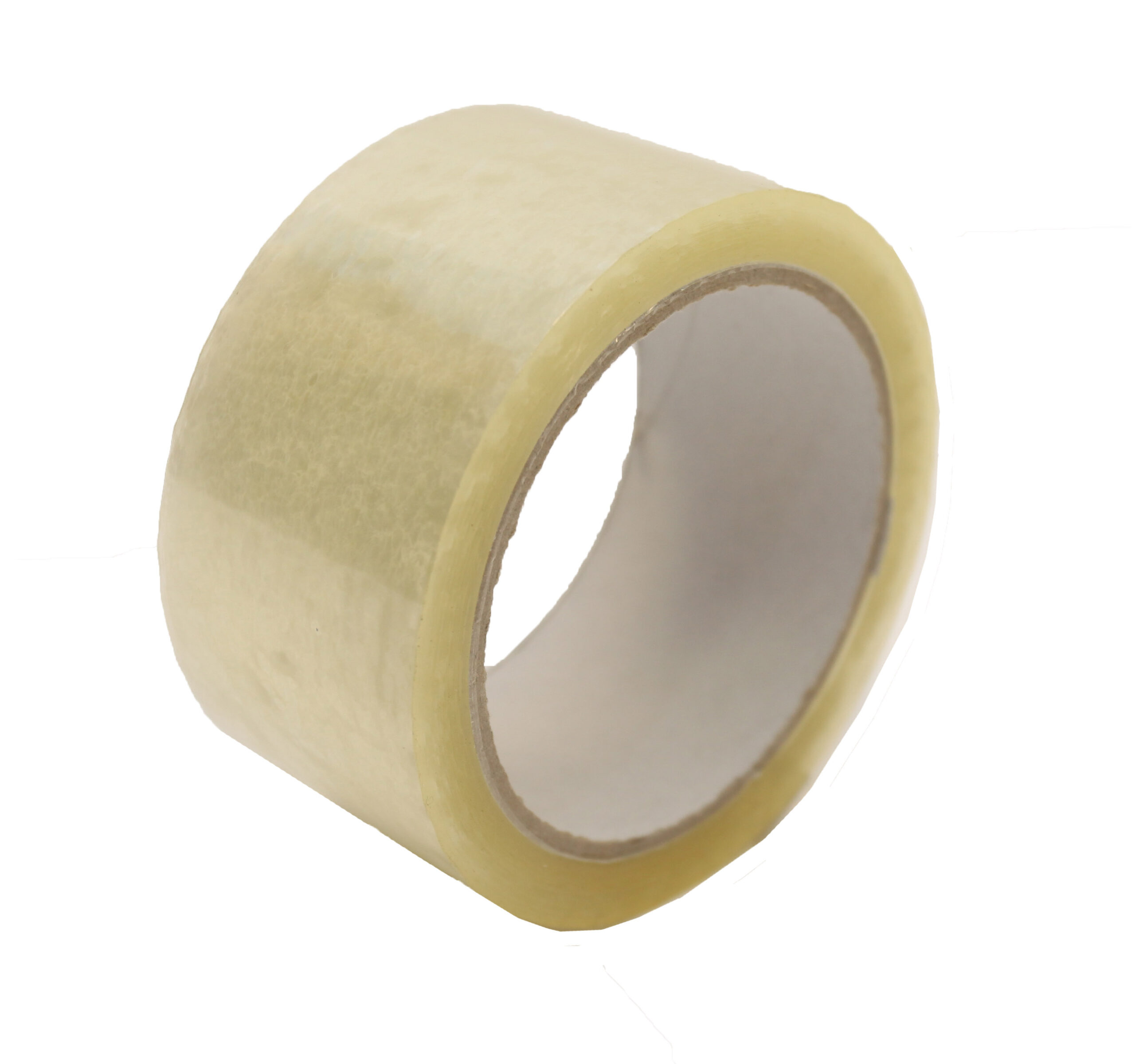
A stock image related to Low noise packing tape.
Comprehensive Cost and Pricing Analysis for Low noise packing tape Sourcing
When evaluating low-noise packing tape for high-volume operations, procurement teams must look beyond the per-roll sticker price to understand the true total cost of ownership (TCO). For buyers in emerging markets such as Vietnam, Saudi Arabia, Nigeria, or Brazil, fluctuations in raw material costs, currency exchange rates, and regional logistics infrastructure create unique pricing volatility that standard retail benchmarks fail to capture. A comprehensive sourcing strategy requires analyzing material specifications, volume leverage, and landed cost optimization to secure both acoustic performance and fiscal efficiency.
What Factors Drive the Unit Cost of Low-Noise Packing Tape in Global Markets?
The primary cost differentiator lies in the specialized manufacturing process required to dampen the unwinding noise. Premium low-noise tapes utilize modified BOPP (Biaxially Oriented Polypropylene) films with specialized release coatings or micro-embossed surfaces that reduce friction—additions that increase material costs by 15–25% compared to standard acrylic tapes. Furthermore, adhesive formulations must balance quick-stick properties with noise suppression, often requiring synthetic rubber or hot-melt compounds that are sensitive to petrochemical price indices. Buyers should request detailed material specifications, as tapes marketed as “low-noise” but priced at commodity levels often achieve silence through excessive adhesive application that compromises tensile strength and increases waste.
How Do Volume Tiers and MOQs Impact Your Total Procurement Cost?
For international B2B buyers, minimum order quantities (MOQs) typically start at 5,000–10,000 rolls for direct factory sourcing, with significant price inflection points at full-container-load (FCL) quantities of 50,000+ rolls. African and South American importers should negotiate for mixed-container options—combining low-noise tape with complementary packaging supplies like dispensers or bubble wrap—to maximize shipping cube utilization and reduce per-unit freight costs by up to 40%. Additionally, consider the storage economics: low-noise tapes often require climate-controlled warehousing to prevent adhesive migration in high-humidity environments, adding $0.02–$0.04 per roll to your holding costs over a six-month inventory cycle.
Are There Hidden Logistics Costs When Sourcing Low-Noise Tape Internationally?
While packing tape is lightweight, its cubic volume can trigger dimensional weight (DIM) pricing penalties in air freight scenarios common for Middle Eastern and European urgent restocks. Sea freight remains the cost-effective standard, but port congestion in Lagos, Jeddah, or Santos can incur demurrage charges that erase initial product savings. Smart buyers should negotiate Incoterms that shift risk appropriately—FOB (Free on Board) for established routes, or CIF (Cost, Insurance, Freight) for new supplier relationships. Furthermore, import duties vary significantly; Saudi Arabia applies 5% customs duty on adhesive tapes, while Vietnam offers preferential rates for ASEAN-sourced materials, potentially saving 2–3% on landed costs.
How Can Buyers Balance Acoustic Performance with Budget Constraints?
Not all operations require premium “silent” laboratory-grade tape. For warehouse environments in busy urban centers like São Paulo or Jakarta, mid-tier low-noise formulations (reducing decibel levels by 50–60% versus standard tape) often suffice at 70% of the premium price. Conduct on-site acoustic testing with sample batches before committing to large orders, as subjective noise tolerance varies by facility layout. Finally, evaluate dispenser compatibility—low-noise tapes require precision dispensers with tension control; bundling these purchases with your tape order can reduce total equipment expenditure by 12–18% through consolidated shipping and volume discounts.
Alternatives Analysis: Comparing Low noise packing tape With Other Solutions
When evaluating sealing solutions for distribution centers and fulfillment operations, procurement teams must weigh acoustic benefits against total cost of ownership and security requirements. While low noise packing tape addresses workplace comfort and regulatory compliance, understanding how conventional alternatives perform across key operational metrics ensures optimal material selection for your specific logistics environment, particularly in regions with varying infrastructure standards and noise ordinances.
| 비교 측면 | Low Noise Packing Tape | Standard Acrylic Packing Tape | Water-Activated Tape (WAT) |
|---|---|---|---|
| Operational Noise Level | <35 dB (whisper-quiet unwind) | 65-75 dB (high-pitch screech) | <30 dB (silent activation) |
| 신청 방법 | Hand dispenser or automated case sealers | Hand dispenser or automated | Requires water-activated dispenser with reservoir |
| 변조 증거 | Moderate (can be resealed if not printed) | Low (easy to lift and reapply) | High (permanent bond, shows fiber damage) |
| 미터당 비용 | $0.02 – $0.04 | $0.01 – $0.02 | $0.03 – $0.06 |
| Setup Investment | Low (compatible with standard dispensers) | Low (compatible with standard dispensers) | Medium (water tanks, heaters, maintenance) |
| Climate Adaptability | Stable in high humidity/temperature | May degrade in extreme heat/cold | Requires climate-controlled water systems |
| Throughput Speed | High (immediate tack, no curing) | High (immediate tack) | Moderate (activation + curing time) |
Is Standard Acrylic Packing Tape the Most Economical Choice for Bulk Operations?
Standard acrylic packing tape represents the baseline solution for carton sealing, offering the lowest per-roll procurement costs and immediate availability across global supply chains. For facilities in emerging markets managing tight margins, this traditional option provides reliable adhesion on corrugated surfaces and performs adequately across broad temperature ranges, from humid coastal regions to arid inland warehouses. However, operations managers must calculate the total cost of ownership beyond the unit price: the characteristic high-pitch screech during tape unwind—often exceeding 70 decibels—creates occupational health liabilities in jurisdictions enforcing strict workplace noise limits, potentially requiring hearing protection investments or restricted operating hours. Additionally, the pressure-sensitive adhesive allows for easy lifting and reapplication, presenting security vulnerabilities for high-value shipments while the noise pollution limits deployment in shared logistics hubs or residential-adjacent distribution centers common in densely populated European and Middle Eastern urban zones.
How Does Water-Activated Tape Compare for Secure Shipping Requirements?
Water-activated tape (WAT), or gummed paper tape, serves as the primary alternative when tamper evidence and carton integrity outweigh pure application speed, utilizing a starch-based adhesive that chemically bonds with cardboard fibers to create a permanent seal. This method operates silently—comparable to low noise options—but requires capital investment in water reservoirs, heating elements, and specialized dispensers that maintain consistent viscosity across varying ambient temperatures, a particular concern for facilities in tropical climates like Vietnam or Nigeria where microbial growth in water tanks demands rigorous maintenance protocols. While the per-meter cost runs higher than acrylic alternatives, WAT eliminates the need for multiple tape layers on heavy shipments and provides instant visual evidence of interception, making it ideal for pharmaceutical, electronics, and luxury goods exporters serving Middle Eastern and European markets with stringent security requirements. The trade-off involves reduced throughput velocity, as operators must wait for adhesive activation and initial tack development, rendering this solution less suitable for high-velocity e-commerce fulfillment where packers process hundreds of units hourly.
Essential Technical Properties and Trade Terminology for Low noise packing tape
When evaluating low-noise packing tape for international supply chains, procurement teams must distinguish between marketing claims and measurable technical standards. The following specifications and terminology provide the necessary framework for quality assurance and supplier qualification, particularly when sourcing for high-volume operations across diverse climates and regulatory environments.
What Technical Specifications Define Industrial-Grade Low-Noise Packing Tape?
Acoustic Performance Rating (Decibel Level)
Standard BOPP packing tape generates 75–80 dB during unwind—comparable to heavy traffic. Industrial low-noise formulations should operate below 60 dB, meeting workplace noise regulations in EU warehouses and Saudi Arabian logistics centers. Request acoustic testing reports showing decibel measurements at standard unwind speeds of 30 meters per minute to verify claims.
Film Thickness (Micron/Gauge)
Low-noise tapes utilize biaxially oriented polypropylene (BOPP) films ranging from 40–50 microns (1.6–2.0 mil). Heavier export shipments to humid climates like Vietnam or Brazil require 45+ micron thickness to prevent splitting during containerized transport, while maintaining the flexibility necessary for quiet unwind characteristics.
Adhesive Formulation and Coating Weight
Hot-melt synthetic rubber adhesives provide aggressive initial tack (1.5–2.0 N/cm adhesion to steel) but require specialized release coatings to minimize noise. Acrylic adhesives offer superior temperature stability (-10°C to 70°C) for Middle Eastern outdoor storage, though they may generate slightly higher noise levels than optimized hot-melt systems.
Tensile Strength (Machine Direction)
Critical for palletizing heavy goods, longitudinal tensile strength should exceed 25 N/cm. This prevents tape breakage during high-speed case sealing operations common in automated African and South American distribution centers, ensuring secure containment during long-haul shipping.
Optical Clarity and Haze
For barcode scanning efficiency and professional presentation, look for haze levels below 5% and total luminous transmittance above 90%. Crystal-clear appearance maintains brand integrity for retail-ready shipments entering European markets while allowing scanner compatibility.
What Trade Terminology Should B2B Buyers Master When Sourcing Silent Sealing Solutions?
Unwind Noise (Quiet Unwind)
The industry metric describing acoustic emissions when tape separates from the roll. Premium low-noise tapes feature micro-embossed release films or specialized adhesive rheology that eliminates the “screeching” associated with standard acrylic tapes, crucial for 24/7 operations in residential areas.
BOPP (Biaxially Oriented Polypropylene)
The standard substrate for packing tape, stretched in two directions to enhance strength. Low-noise variants often incorporate proprietary surface treatments or micro-voiding techniques within the BOPP film to dampen vibration during unwind without compromising tensile integrity.
핫멜트 대 아크릴 접착제
Hot melt (synthetic rubber-based) provides instant bonding and lower noise potential but limited UV resistance. Acrylic offers better aging characteristics for long-term storage in sunny climates like Saudi Arabia or Nigeria, though requires formulation adjustments to achieve comparable noise reduction.
Micron/Gauge Conversion
Film thickness measured in microns (metric) or gauge (imperial), where 1 mil = 25.4 microns. B2B buyers should specify tolerance ranges (±2 microns) to ensure consistency across bulk orders from Asian manufacturers and prevent dispenser jamming issues.
Core Size Standards
Industrial dispensers utilize 3-inch (76mm) cores, while handheld dispensers use 1-inch (25mm) cores. Low-noise tape compatibility with existing sealing stations requires verification of core dimensions and unwind tension settings to prevent telescoping (lateral sliding of tape layers).
UV Resistance (Adhesive Aging)
Expressed as percentage retention of adhesion after UV exposure testing. Essential for shipments stored in outdoor yards or containers exposed to tropical sunlight, preventing adhesive degradation that causes “flagging” (tape edges lifting) during extended port delays.
Navigating Market Dynamics and Sourcing Trends in the Low noise packing tape Sector
What Market Forces Are Accelerating Demand for Silent Sealing Solutions?
The global low-noise packing tape sector is experiencing robust expansion, driven primarily by the exponential growth of e-commerce fulfillment operations and increasingly stringent workplace noise regulations across industrialized regions. Unlike conventional polypropylene tapes that generate disruptive screeching during unwinding, low-noise variants utilizing specialized BOPP (Biaxially Oriented Polypropylene) films address critical operational pain points in high-volume packaging environments. For procurement teams operating distribution centers in the European Union and Middle East, where occupational noise standards are tightening, silent sealing technologies have transitioned from convenience features to compliance necessities.
Regional market dynamics reveal distinct procurement patterns that savvy international buyers must navigate. European markets demonstrate strong preference for products aligning with EU Packaging and Packaging Waste Directive requirements, often commanding premium pricing for certified sustainable options. Conversely, rapidly industrializing economies across Africa and South America exhibit heightened price sensitivity while simultaneously upgrading logistics infrastructure, creating demand for mid-tier acoustic solutions that balance performance with cost efficiency. Meanwhile, Vietnam and Saudi Arabia represent particularly high-growth corridors where modern warehouse investments and 24/7 operational models necessitate noise-reduced materials that maintain community relations in mixed-use industrial zones.
Which Technical Specifications Define Premium Low-Noise Tape Performance?
Material innovation constitutes a pivotal trend distinguishing commodity tapes from professional-grade solutions. Advanced low-noise formulations now integrate high-tensile strength BOPP substrates—often exceeding 25 microns in thickness—that maintain adhesive integrity under extreme temperature variations ranging from desert heat to refrigerated supply chains. The crystal-clear optical properties of these materials support brand presentation standards, allowing barcode scanning and branding visibility without tape distortion. Furthermore, integrated dispenser systems have evolved from optional accessories to standard B2B configurations, reducing application time while minimizing repetitive strain injuries among warehouse personnel.
How Can Buyers Integrate Sustainability Into Silent Tape Procurement Strategies?
Sustainability has evolved from peripheral concern to central procurement criterion, particularly for multinational enterprises seeking to decarbonize supply chains while meeting corporate social responsibility mandates. When evaluating low-noise packing tape suppliers, discerning buyers should scrutinize the circularity credentials of BOPP substrates. Unlike PVC alternatives that present significant end-of-life challenges and potential chlorine contamination, mono-material BOPP tapes offer superior recyclability within standard polypropylene waste streams, though regional recycling infrastructure capabilities vary significantly across African and South American markets.
Ethical sourcing imperatives demand rigorous supplier vetting beyond product specifications. Major manufacturing concentrations in East Asia require comprehensive due diligence regarding labor practices, chemical handling protocols, and wastewater management. Procurement teams should prioritize partners demonstrating ISO 14001 environmental management certifications and Sedex or SA8000 compliance, ensuring that silent tape production adheres to international labor standards. For buyers supplying European markets, adherence to REACH regulations regarding adhesive chemical formulations remains non-negotiable, while Middle Eastern importers increasingly require SASO conformity certificates for industrial adhesives.
What Strategic Approaches Optimize International Sourcing Workflows?
Carbon footprint optimization presents another strategic consideration influencing supplier selection. The lightweight nature of BOPP low-noise tapes inherently reduces transportation emissions compared to heavier reinforced alternatives, yet sourcing geography significantly impacts Scope 3 emissions calculations. Buyers can mitigate logistics costs and environmental impact by establishing direct relationships with specialized manufacturers in Vietnam or regional production hubs, bypassing intermediary markups while securing documented chain-of-custody for sustainability reporting. Additionally, emerging innovations in bio-based hot-melt adhesives and post-industrial recycled BOPP content are reshaping product categories, offering differentiation opportunities for environmentally conscious brands willing to invest in next-generation silent sealing solutions that maintain acoustic performance while advancing circular economy objectives.
Frequently Asked Questions (FAQs) for B2B Buyers of Low noise packing tape
-
How does low noise packing tape reduce warehouse noise pollution and improve workplace compliance?
Low noise packing tape utilizes specialized BOPP (Biaxially Oriented Polypropylene) film formulations with unique release coatings that minimize the high-frequency screech associated with standard acrylic tapes unwinding. By reducing application noise by up to 15-20 decibels, these tapes help facilities maintain compliance with WHO occupational noise guidelines and local safety regulations prevalent in European and Middle Eastern jurisdictions. The acoustic dampening properties create safer work environments that reduce worker fatigue and potential hearing-related compensation claims, particularly critical during night shifts or in open-plan fulfillment centers where multiple packing stations operate simultaneously.
-
Is low noise packing tape as durable as standard acrylic packing tape for heavy-duty international shipping?
Premium low noise packing tapes match or exceed the tensile strength of conventional acrylic options, typically offering 25-30 N/cm resistance and aggressive hot melt adhesives that perform reliably across extreme temperature variations encountered during ocean freight to Africa and South America. The multi-layer BOPP construction provides superior puncture resistance and edge tear protection essential for palletized goods shipped through high-humidity port environments. Independent shear testing confirms these tapes maintain adhesion integrity for 6-12 months, ensuring cartons remain sealed through monsoon seasons and extended storage without compromising the noise-reducing properties.
-
What are the best dispenser options for low noise packing tape in high-volume shipping environments?
For operations processing 500+ packages daily, industrial-grade dispensers with adjustable tension controls and precision serrated blades optimize performance by preventing overstretching that could compromise acoustic properties. Pneumatic dispensers with soft-start mechanisms work exceptionally well in automated packaging lines prevalent in Vietnamese and Saudi Arabian manufacturing hubs, ensuring consistent application without the snap noise of manual cutting. Manual dispensers with ergonomic grips and noise-dampening blade housings suit smaller B2B operations, though buyers should verify blade sharpness compatibility, as low noise tapes require precision cutting edges due to their specialized film density.
-
Does low noise packing tape cost more than regular packing tape for bulk B2B orders?
While low noise packing tape typically commands a 10-15% premium per roll in bulk quantities (36+ roll cases), the total cost of ownership often favors the investment when accounting for productivity gains and workplace safety compliance. Procurement contracts for 100+ cases frequently narrow this gap to 5-8%, particularly when sourcing directly from manufacturers for Middle Eastern and African markets. The reduction in worker distraction and elimination of noise-related workplace complaints typically generates ROI within 3-6 months for mid-sized fulfillment operations, making the slight material cost increase negligible compared to operational efficiency benefits.
-
How should low noise packing tape be stored in high-humidity climates to maintain adhesive performance?
In tropical regions like Southeast Asia and coastal South American markets, low noise packing tape requires climate-controlled storage at 15-25°C (59-77°F) with relative humidity below 65% to prevent the specialized release coatings from degrading prematurely. Unlike standard tapes, the acoustic-dampening layers are moisture-sensitive, meaning exposure to monsoon seasons can compromise noise-reduction properties before application. Buyers should request moisture-barrier packaging from suppliers and implement FIFO (First In, First Out) inventory rotation, as the optimal shelf life remains 12 months compared to 18 months for conventional tapes in humid environments.
-
Can low noise packing tape be customized with company branding for B2B packaging requirements?
Leading manufacturers now offer custom printing capabilities on low noise tape substrates, allowing 1-3 color logo imprinting that maintains acoustic properties while enhancing brand visibility during unboxing experiences. The printing process requires specialized flexographic techniques to avoid disrupting the micro-structured surface that creates the noise-dampening effect, typically adding 2-3 weeks to production lead times for orders exceeding 5,000 rolls. This customization proves particularly valuable for e-commerce businesses in Europe and the Middle East where unboxing experience impacts customer retention, though buyers should verify that ink formulations remain compatible with the tape’s low-noise release coating.
-
What quality certifications should international buyers verify when sourcing low noise packing tape from overseas suppliers?
B2B buyers should prioritize suppliers holding ISO 9001:2015 quality management certifications and SGS-tested reports confirming the tape meets ASTM D3652 (thickness) and ASTM D3759 (tensile strength) standards for industrial packaging. For European markets, REACH and RoHS compliance ensures the acoustic additives contain no restricted heavy metals, while FDA 21 CFR 175.105 certification becomes essential for food and beverage logistics operations in Africa and South America. Requesting batch-specific COAs (Certificates of Analysis) verifying noise reduction levels (typically <35dB during unwinding) prevents procurement of counterfeit products that claim low noise properties but lack the specialized BOPP formulation.
-
How does low noise packing tape perform in automated packaging lines compared to manual application?
Low noise packing tape demonstrates superior performance in automated carton sealers due to consistent unwinding tension that prevents the “tape scream” common in high-speed machinery running at 30+ meters per minute, though buyers must verify compatibility with their specific machine’s roller specifications. The reduced static electricity generation in low noise formulations minimizes dust attraction during the sealing process, a critical advantage in cleanroom environments for electronics manufacturing prevalent in Vietnam and Saudi Arabia. However, operations must calibrate their automated dispensers to accommodate the slightly different elongation properties (typically 180-200% vs 150% for standard tapes) to prevent misfeeds in high-speed rotary sealing systems.
중요 고지 사항 및 이용 약관
⚠️ 중요 고지 사항
제조업체, 기술 사양 및 시장 분석에 관한 내용을 포함하여 이 가이드에서 제공하는 정보는 정보 제공 및 교육 목적으로만 사용됩니다. 전문적인 조달 자문, 재무 자문 또는 법률 자문으로 간주되지 않습니다.
B2B 구매자는 독립적이고 철저한 실사를 수행해야 합니다. 구매 결정을 내리기 전에 반드시 확인하시기 바랍니다. 이 가이드의 정보에 의존하는 데 따른 위험은 전적으로 독자가 부담합니다.
Top 3 Low Noise Packing Tape Manufacturers & Suppliers List
1. Partech - 저소음 OPP 포장 테이프
도메인: partech-packing.com
등록: 2023년(3년)
소개: Low Noise OPP Packing Tape manufactured by Partech® (Yilane (Shanghai) Industrial Co Ltd) in China. Made from high-quality materials featuring a unique low-noise design that significantly reduces unwelcome sounds during application compared to regular packing tapes, creating a peaceful and hassle-free packaging experience. Features high adhesive strength ensuring packaging stays secure and intact …
2. Fisher Scientific – Packaging Tapes
도메인: fishersci.com
등록: 1995년(31년)
소개: Product range includes box sealing tapes, packaging tapes, film tapes, kraft sealing tapes, and tamper-evident security tapes from brands including 3M/Scotch, Staples Advantage, Grainger, MSC, Essendant, Tape Logic, and Uline. Key specifications include widths of 1″, 1.88″, 2″, and 3″; lengths ranging from 22.2 yards to 1,000 yards; clear color options; and thicknesses from 1.6 mil to 4.1 mil. Adh…
3. Baywater Packaging – Industrial Adhesive Tapes
도메인: 베이워터패키징.com
Registered: 2005 (21 years)
소개: Types: Pressure-sensitive adhesive tapes, water-activated tapes, eco-friendly/biodegradable options made from natural materials, recyclable products. Key Features: High adhesive strength, durability, effective sealing capabilities, advanced adhesive technologies (3M), specialized tape products meeting industry standards (Intertape Polymer Group). Applications: Household, industrial, retail, shippi…
Strategic Sourcing Conclusion and Outlook for Low noise packing tape
How Should International Buyers Evaluate Low-Noise Tape Suppliers for Strategic Partnerships?
Selecting the right low-noise packing tape supplier requires looking beyond unit pricing to assess material consistency and acoustic performance guarantees. B2B procurement teams should prioritize manufacturers utilizing high-grade BOPP substrates with specialized noise-dampening adhesives, ensuring reliable tensile strength for heavy-duty applications while maintaining the whisper-quiet operation critical for noise-sensitive logistics environments. Verify that potential partners offer compatible dispensing systems and customizable specifications to align with your automated packaging lines, particularly when sourcing for diverse regional operations across the Middle East, Southeast Asia, and Latin America where humidity and temperature variations can affect adhesive performance.
What Market Trends Will Shape Silent Packaging Solutions Through 2025?
The global shift toward workplace ergonomics and stricter noise pollution regulations positions low-noise tape as a compliance necessity rather than merely a premium option. Forward-thinking buyers should anticipate growing demand for eco-friendly silent adhesives and recyclable BOPP films that satisfy both acoustic and sustainability requirements. As e-commerce fulfillment centers expand rapidly in emerging markets like Vietnam and Saudi Arabia, investing in noise-reducing packaging infrastructure now provides competitive advantages in employee retention and residential zoning compliance, securing operational scalability for high-volume distribution networks while meeting evolving corporate social responsibility standards.