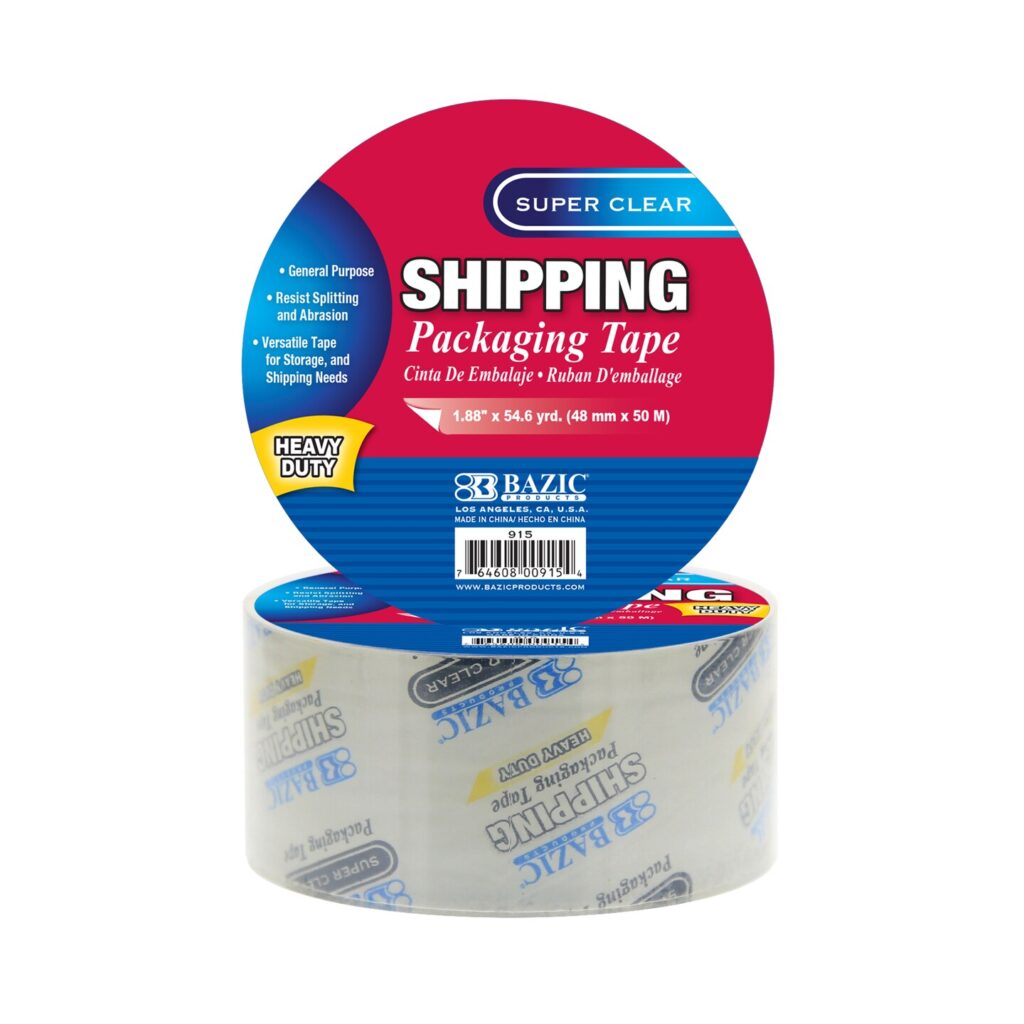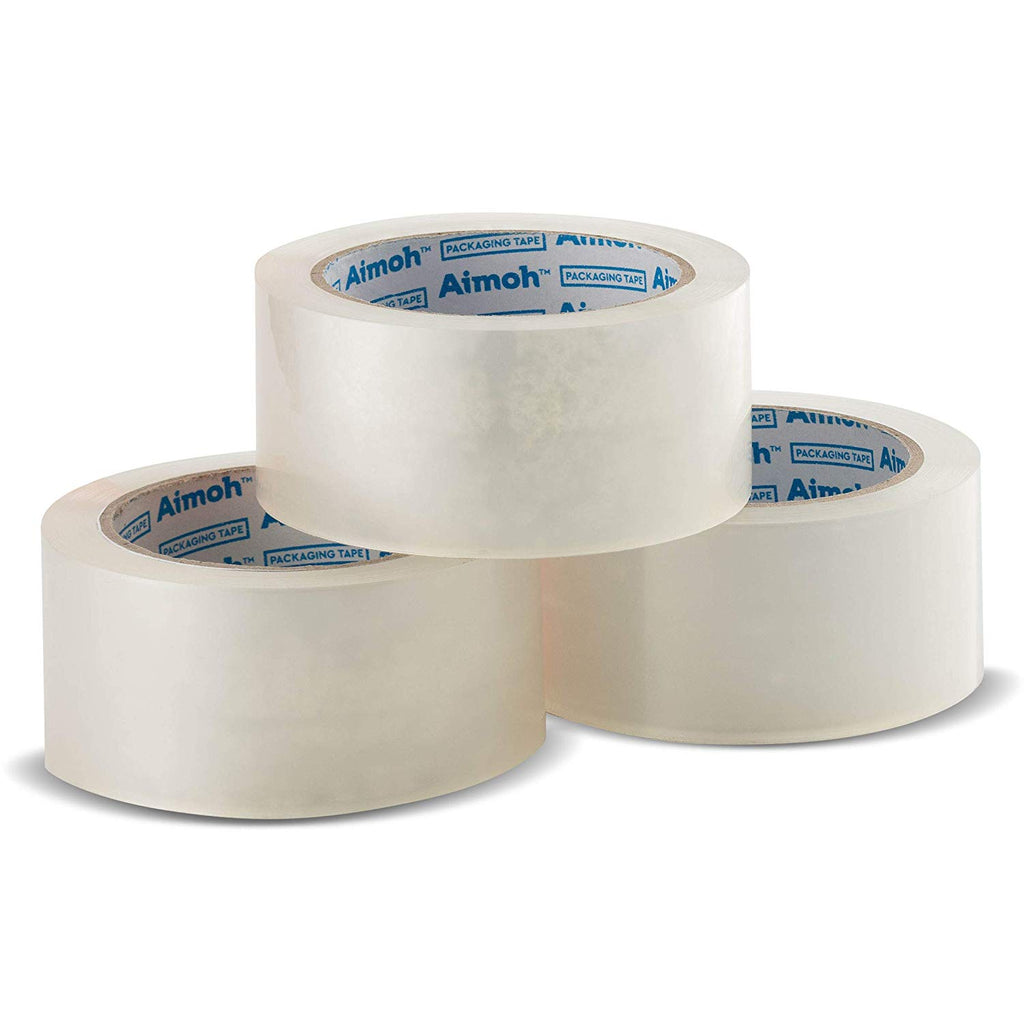
Introduction: Navigating the Global Market for Noiseless packing tape
Sourcing noiseless packing tape for high-volume distribution centers has become a strategic imperative for B2B procurement teams across Saudi Arabia, Brazil, and emerging markets throughout Africa and Europe. The screeching disruption of traditional adhesive tapes creates not only workplace discomfort but measurable productivity losses in sensitive environments such as hospital logistics, premium retail fulfillment, and shared office spaces. As international supply chains prioritize both operational efficiency and employee wellbeing, the shift toward silent sealing solutions represents a critical evolution in packaging procurement strategy.
Why Are Global Enterprises Prioritizing Silent Sealing Solutions?
The persistent acoustic pollution generated by conventional polypropylene packing tape—often exceeding 80 decibels during high-speed application—poses significant challenges for modern logistics operations. For buyers managing facilities in densely populated urban centers from Lagos to São Paulo, noise compliance regulations and workforce retention concerns demand immediate attention. Silent tape technologies eliminate the friction-induced screech through specialized film formulations and adhesive compositions, delivering the same tensile strength and sealing reliability without the auditory disruption.
How Will This Guide Empower Your International Procurement Strategy?
This comprehensive resource addresses the complete spectrum of noiseless tape sourcing considerations, from distinguishing between acrylic and hot-melt low-noise formulations to evaluating supplier certifications relevant to Middle Eastern and European import standards. You will discover application-specific recommendations for e-commerce fulfillment, pharmaceutical distribution, and luxury goods packaging, alongside rigorous frameworks for vetting manufacturers, analyzing total cost of ownership, and navigating complex logistics corridors into African and South American markets. By synthesizing technical specifications with regional market intelligence, this guide equips procurement professionals to make confident, cost-effective decisions that align operational requirements with workplace comfort standards.
Understanding Noiseless packing tape Types and Variations
| 유형 이름 | 주요 차별화 기능 | 주요 B2B 애플리케이션 | 구매자를 위한 간략한 장단점 |
|---|---|---|---|
| Clear Low-Noise Acrylic Tape | 2.0–2.5mil BOPP film, modified acrylic adhesive, high optical clarity (>90% light transmission) | E-commerce fulfillment, retail packaging, document sealing, barcode-scanning operations | Pros: Immediate bond on corrugated, excellent clarity for scanning, cost-effective for high volumes; Cons: Reduced shear resistance above 60°C, limited UV stability for outdoor storage |
| Heavy-Duty Industrial Silent Tape | 2.5–3.0mil+ thickness, reinforced adhesive matrix, anti-static properties, moisture-resistant backing | Export shipping, heavy carton sealing (>30kg), palletizing, coastal logistics | Pros: Superior holding power in humidity, puncture-resistant, performs in variable climates; Cons: 15–20% price premium, requires calibrated dispensers for optimal unwind |
| Custom Printed Quiet Tape | 1.9–2.5mil thickness, multi-color flexographic printing capability, maintains <50dB unwind | Brand authentication, tamper-evident sealing, luxury goods packaging, pharmaceutical distribution | Pros: Eliminates secondary labels, enhances unboxing experience, marketing integration; Cons: High MOQs (typically 5,000+ rolls), 3–4 week lead times, plate setup costs |
| Colored Identification Silent Tape | Opaque pigmented film (standard safety colors), consistent low-decibel unwinding, chemical-resistant dyes | Inventory color-coding, cold storage segregation, priority mail sorting, hazardous material marking | Pros: Instant visual identification, reduces labeling errors, compatible with automated dispensers; Cons: Content obscuration prevents visual inspection, potential pigment fading under intense UV exposure |
What Makes Clear Low-Noise Acrylic Tape Essential for High-Volume Operations?
This variant utilizes biaxially oriented polypropylene (BOPP) film with modified acrylic adhesives engineered to reduce friction coefficients during unwinding. Ideal for operations in Saudi Arabian or Brazilian e-commerce hubs where ambient noise reduction improves workplace compliance, this tape offers immediate adhesion on corrugated surfaces without the screeching associated with standard rubber-based tapes. B2B buyers should verify temperature stability specifications, as standard acrylic formulations may soften in sustained heat above 60°C, potentially affecting seal integrity during Middle Eastern summers or tropical storage conditions. Additionally, confirm optical clarity ratings if your operation relies on high-speed barcode scanning through the tape layer.
How Does Heavy-Duty Industrial Silent Tape Perform in Extreme Climates?
Constructed with thicker gauge films (2.5mil+) and reinforced adhesive matrices, this type addresses the demands of export-oriented markets in Africa and South America where cartons endure extended transit and rough handling. The enhanced thickness provides superior puncture resistance while maintaining the quiet unwind critical for 24/7 distribution centers operating in residential zones or noise-sensitive environments. Procurement teams should assess humidity compatibility, as premium variants often incorporate moisture-resistant additives essential for coastal shipping routes or monsoon climates, though this specialization typically commands 15–20% price premiums over standard grades and may require specific dispenser calibrations.
Why Invest in Custom Printed Noiseless Tape for Brand Protection?
Combining branding functionality with acoustic comfort, this tape allows high-definition flexographic printing of logos, handling instructions, or security patterns without compromising the low-noise unwind properties. Particularly valuable for European luxury goods exporters and Middle Eastern pharmaceutical distributors requiring tamper-evidence, it eliminates secondary labeling costs while reinforcing brand presence during unboxing. However, buyers must plan for extended production cycles (typically 3–4 weeks) and minimum order quantities that often exceed 5,000 rolls, making this suitable for established high-volume operations rather than pilot programs or seasonal campaigns with fluctuating demand patterns.
When Should You Implement Colored Silent Tape in Warehouse Logistics?
Featuring opaque pigmentation in standard warehouse colors (red, blue, green, yellow), this variation enables immediate visual sorting while maintaining noise levels below 50dB during high-speed application. Critical for Brazilian agricultural exporters or African pharmaceutical distributors managing cold-chain segregation and priority mail sorting, the color-coding reduces mispack errors without additional label costs. When sourcing, verify pigment stability under UV exposure and humidity, as lower-quality variants may fade during outdoor storage in equatorial regions or bleed when exposed to condensation, potentially compromising inventory management systems that rely on consistent color coding for operational efficiency.
Key Industrial Applications of Noiseless packing tape
| 산업/섹터 | Specific Application of Noiseless packing tape | 비즈니스를 위한 가치/혜택 | 이 애플리케이션의 주요 소싱 고려 사항 |
|---|---|---|---|
| E-commerce Fulfillment & Retail Distribution | High-volume carton sealing for outbound shipments in distribution centers and fulfillment warehouses | Reduces ambient noise by up to 15-20dB, improving worker wellbeing and enabling 24/7 operations in noise-restricted urban zones | Bulk volume pricing, hot-melt adhesive performance in high-humidity climates (e.g., Brazil, West Africa), compatibility with automated dispensers |
| Healthcare & Pharmaceutical Logistics | Sealing medical supply kits, surgical equipment, and temperature-controlled pharmaceutical shipments | Maintains quiet in patient-care proximity; prevents contamination from loose tape ends; supports compliance with hospital noise ordinances and HACCP standards | Medical-grade material certifications, static-free properties, cold-chain adhesive performance for GCC and EU regulatory compliance |
| Corporate Office & Administrative Mailrooms | Internal document routing, inter-office package sealing, and confidential file dispatch in open-plan environments | Eliminates disruptive screeching in professional settings; enhances workplace productivity and supports hybrid work environments with minimal acoustic disturbance | Low MOQ for smaller operations, ergonomic dispenser compatibility, clear appearance for professional branding |
| Hospitality & Luxury Goods Shipping | Packaging for high-end retail, hotel amenities, spa products, and premium e-commerce fulfillment | Preserves guest experience in boutique hotels and luxury retail spaces; prevents noise pollution in serene environments; conveys premium brand image through silent operation | Aesthetic clarity and printability for branding, residue-free removal for reusable packaging, UV resistance for storage in tropical and desert climates |
How does noiseless packing tape optimize e-commerce fulfillment operations in high-volume emerging markets?
In high-throughput distribution centers across Brazil and Saudi Arabia, noiseless packing tape eliminates the sharp screeching associated with traditional acrylic tape during rapid carton sealing operations. This acoustic reduction allows facilities to operate extended night shifts without violating local noise ordinances or disturbing residential communities near urban logistics hubs. For international buyers, prioritizing tapes with hot-melt adhesive formulations is critical, as these maintain superior tack in high-humidity climates common across African and South American regions, ensuring consistent seal integrity during monsoon seasons or extreme desert heat fluctuations that can compromise standard tape performance.
What are the critical advantages of silent sealing solutions for healthcare logistics in noise-sensitive environments?
Hospitals and pharmaceutical distributors require silent sealing solutions for packaging medical supplies, surgical kits, and temperature-sensitive prescription deliveries where patient recovery environments demand minimal acoustic disruption. The low-noise unwind prevents startling patients in critical care units while maintaining sterile barrier integrity essential for infection control. For Middle Eastern and European buyers, sourcing considerations must include compliance with EU medical device regulations or GCC standardization requirements, alongside verifying the tape’s adhesive performance in cold-chain logistics where condensation and temperature differentials might otherwise compromise seal security during transit from distribution hubs to clinical facilities.
Why should corporate mailrooms invest in low-noise packaging materials for modern office environments?
Corporate mailrooms in European business districts and African commercial centers increasingly adopt noiseless tape to eliminate acoustic distractions in open-plan workspaces, co-working environments, and client-facing reception areas. Unlike conventional packing tape that generates piercing sounds during manual application, these quiet alternatives enable administrative staff to prepare inter-office shipments and confidential document packages without disrupting concentration, phone calls, or video conferences. Procurement teams should evaluate dispenser compatibility and ergonomic designs suitable for non-industrial users, while ensuring suppliers offer flexible minimum order quantities that accommodate smaller-scale office purchasing patterns compared to bulk industrial warehouse contracts.
How can hospitality businesses leverage silent packing tape to enhance guest satisfaction in luxury markets?
Luxury hotels, boutique resorts, and premium retail operations utilize noiseless packing tape to maintain sophisticated ambiance in guest-facing areas while efficiently managing back-of-house logistics and amenity distribution. In Brazil’s competitive resort markets or Saudi Arabia’s luxury hospitality sector, silent sealing prevents noise pollution in spa environments and executive lounges where guest experience is paramount. The tape’s high-clarity appearance supports branded packaging aesthetics without the jarring acoustic interruptions that accompany standard shipping materials. Buyers must verify that products offer residue-free removal properties for reusable packaging initiatives and enhanced UV stability for storage in sun-exposed facilities typical of tropical and desert climates.
A stock image related to Noiseless packing tape.
3 Common User Pain Points for ‘Noiseless packing tape’ & Their Solutions
Scenario 1: Warehouse Noise Compliance in Mixed-Use Urban Zones
문제: Distribution centers operating in densely populated Middle Eastern commercial districts or European urban logistics zones face increasingly strict noise ordinances that restrict operational hours and maximum decibel levels. Standard packing tape generates high-frequency screeching during high-volume sealing operations, creating acoustic disturbances that violate local regulations and generate complaints from neighboring businesses or residential complexes. Operations managers struggle to maintain 24/7 fulfillment schedules while keeping noise levels compliant, particularly during night shifts when ambient noise drops and tape screech becomes significantly more pronounced and disruptive to the surrounding community.
솔루션: Implement noiseless packing tape rolls featuring specialized acrylic adhesive formulations that unwind at significantly lower decibel levels—typically under 50dB compared to 70dB+ for standard tapes. This acoustic reduction allows warehouses to operate continuous packing lines without installing expensive sound barriers or restricting operations to daytime hours. For facilities in Saudi Arabia or Brazil’s congested urban logistics hubs, this translates to extended operational windows, improved community relations, and compliance with municipal noise codes while maintaining the industrial-grade 2.4mil thickness and tensile strength required for secure carton sealing.
Scenario 2: Durability Concerns for Long-Haul International Shipping
문제: Procurement teams responsible for international export to African or South American markets frequently assume that “low-noise” tape formulations inherently compromise adhesive strength or film integrity. Given extended transit times, exposure to varying humidity levels in tropical climates, and rough handling at international ports, buyers fear that quieter tapes might lack the aggressive tack and holding power necessary to secure shipments through complex multi-modal transportation chains. This perception creates procurement hesitation, particularly when shipping high-value electronics or fragile goods to regions where package integrity directly impacts customer satisfaction and return rates.
솔루션: Specify noiseless tapes engineered with heavy-duty BOPP (biaxially oriented polypropylene) films measuring 2.4mil or greater, paired with high-performance acrylic adhesives that cure silently but bond aggressively to corrugated surfaces. These advanced formulations actually outperform standard hot-melt tapes in temperature fluctuations common during Middle Eastern summers or humid Brazilian monsoon seasons, providing consistent seal integrity from warehouse to final destination. The silent unwinding property eliminates acoustic fatigue without sacrificing the shear strength required for double-walled cartons and export-grade packaging standards.
Scenario 3: Workplace Ergonomics and Employee Retention in High-Volume Fulfillment
문제: High-volume e-commerce fulfillment centers processing thousands of packages daily expose warehouse staff to repetitive acoustic stress from tape dispensers, particularly in open-plan packing environments. In regions like Europe where workplace wellness regulations are stringent, or in rapidly growing African and South American logistics hubs competing for skilled labor, constant exposure to packing tape screech contributes to operator fatigue, reduced concentration, and measurable increases in staff turnover rates. Operations directors face pressure to improve ergonomic conditions without compromising packing speed or investing in expensive automated sealing systems that may not suit variable package sizes.
솔루션: Transition to silent-unwind packing tape specifically designed for ergonomic handheld dispensers that eliminate the high-frequency “screech” associated with traditional acrylic tape unwinding. This immediate noise reduction creates a significantly more comfortable work environment that supports international OSHA-equivalent safety standards and improves packing accuracy rates by reducing operator distraction. For bulk buyers managing large workforces, this represents a cost-effective ergonomic intervention that minimizes worker compensation claims, supports retention in competitive labor markets, and enables packing operations in noise-sensitive environments such as hospital supply rooms or hotel back-of-house areas.
Strategic Material Selection Guide for Noiseless packing tape
Selecting the appropriate substrate for noiseless sealing operations requires balancing

A stock image related to Noiseless packing tape.
In-depth Look: Manufacturing Processes and Quality Assurance for Noiseless packing tape
Noiseless packing tape represents a specialized evolution in adhesive technology, requiring precise modifications to standard polypropylene film manufacturing lines. Unlike conventional BOPP (Biaxially Oriented Polypropylene) tapes that generate significant decibel spikes during unwinding, silent variants demand controlled adhesive crystallization and film surface treatments that minimize friction-induced acoustic vibration. For procurement teams sourcing from international manufacturers, understanding these production nuances ensures specifications align with operational requirements across diverse industrial environments, from high-humidity Brazilian distribution centers to climate-controlled Saudi logistics facilities.
How is the acoustic dampening layer engineered in noiseless packing tape?
The manufacturing divergence begins at the adhesive compounding stage, where standard hot-melt formulations create high-friction contact points between tape layers, generating the characteristic screech during application. Noiseless variants utilize modified acrylic or synthetic rubber adhesives with specific viscosity profiles, typically calibrated between 1,200-1,800 centipoise, that maintain aggressive tack while reducing surface tension coefficients. Manufacturers employ precision multi-layer coating techniques, applying a micro-thin release agent between the film substrate and adhesive that prevents the “stick-slip” phenomenon responsible for acoustic emissions. This process requires advanced slot-die coating heads with ±2% tolerance control to ensure acoustic dampening properties remain consistent across 1,000+ meter production runs. The adhesive curing phase utilizes UV-stabilized cross-linking agents that maintain flexibility without the glass-transition hardening that contributes to noise generation during rapid unwinding.
What raw material specifications ensure consistent noise reduction across global supply chains?
B2B buyers should verify that suppliers utilize virgin polypropylene resin with specific melt flow indices (MFI 3-5 g/10min) rather than recycled content, which introduces acoustic variability through inconsistent molecular weight distribution. The film thickness typically ranges between 2.0-2.8 mil (0.05-0.07mm), with 2.4mil representing the industry sweet spot for balancing noise reduction and tensile strength requirements in heavy-duty shipping applications. Critical to performance is the corona treatment level—measured in dynes per centimeter (38-42 dynes/cm)—which ensures proper adhesive anchoring without creating brittle fracture points that generate micro-vibrations during stress. Premium manufacturers utilize optical-grade BOPP film with haze values below 1.5% to maintain barcode scanning clarity while incorporating proprietary micro-embossing patterns that reduce surface contact area by 15-20%, further diminishing friction-induced sound waves during dispensing.
Which quality control metrics matter most for B2B procurement of silent tape?
Procurement specifications should mandate testing for peel adhesion measured in Newtons per 25mm, with optimal ranges between 4.5-6.0 N/25mm for noiseless variants—slightly lower than standard tapes to facilitate quieter unwinding while maintaining box-sealing integrity. Tensile strength must exceed 35 N/cm to prevent breakage during high-speed automated application in European distribution centers. However, the critical QC differentiator specific to this product category is the “unwinding decibel test,” where samples are pulled at 30 meters/minute in anechoic chambers, with premium products registering below 55 dB compared to 75-85 dB for conventional tapes. Batch consistency testing should include adhesive age-resistance verification using accelerated aging protocols, as improperly stabilized acrylics tend to increase noise output by 10-15 dB over 6-12 month storage periods—a crucial consideration for African and South American importers managing extended supply chains.
How do manufacturers test decibel levels in production environments?
Leading facilities implement inline acoustic monitoring systems using piezoelectric sensors positioned at the slitting stations, measuring vibration frequencies in real-time and automatically rejecting rolls that exceed 60 dB during the winding process. Laboratory validation employs ISO 16063-21 vibration testing methodologies, simulating various temperature (40-60°C) and humidity (80-90% RH) conditions encountered in Middle Eastern and tropical South American logistics environments. Manufacturers serving European markets often adhere to DIN EN ISO 3744 sound power level standards, providing documented acoustic reports traceable to specific production lots—essential for buyers requiring compliance with EU Directive 2003/10/EC regarding workplace noise exposure limits. Reputable suppliers conduct comparative testing against standard tape benchmarks, providing buyers with decibel reduction certificates that quantify the acoustic improvement for warehouse safety compliance documentation.
What certifications should international buyers verify for noiseless adhesive products?
Beyond standard ISO 9001 quality management systems, discerning buyers should request REACH compliance documentation for European distribution, ensuring adhesive formulations contain no SVHCs (Substances of Very High Concern) that could compromise the polymer stability affecting noise performance. RoHS certification becomes critical for electronic packaging applications in Middle Eastern tech hubs. For Saudi Arabian markets, SASO (Saudi Standards, Metrology and Quality Organization) conformity certificates ensure products withstand high-temperature storage (up to 50°C ambient) without adhesive migration that could compromise noise-reduction properties through uneven coating distribution. Brazilian importers should verify INMETRO accreditation for adhesive products, while buyers across Africa benefit from ASTM D3654 shear adhesion testing reports that predict long-term bonding performance in high-humidity tropical climates where standard adhesives often fail.
How does climate-resistant formulation affect manufacturing consistency?
The adhesive formulation must account for humidity-induced tack variation—a critical factor for African and Southeast Asian distribution networks where seasonal monsoons affect warehouse conditions. Manufacturers achieve climate stability through advanced silane coupling agents during the adhesive synthesis phase, maintaining consistent noise-reduction properties across 0-85% relative humidity ranges without sacrificing initial tack. Production facilities utilize climate-controlled curing chambers maintained at 23±2°C and 50±5% RH to prevent batch-to-batch variation that could affect unwinding acoustics. Buyers should verify that suppliers conduct tropical climate simulation tests (ASTM D3611) exposing samples to 38°C/90% RH conditions for 21 days to ensure noiseless properties remain stable throughout extended ocean freight durations typical for South American and African import routes.
Understanding these manufacturing parameters enables procurement professionals to draft technical specifications that transcend marketing claims, ensuring delivered products meet acoustic performance requirements in real-world warehouse environments. The intersection of material science, precision coating technology, and climate-specific formulation ultimately determines whether noiseless tape delivers measurable workplace noise reduction or merely represents a marginal improvement over standard alternatives.
Practical Sourcing Guide: A Step-by-Step Checklist for ‘Noiseless packing tape’
Procuring noiseless packing tape for international B2B operations requires balancing acoustic performance with logistical durability across diverse climate zones. This checklist guides procurement teams through technical specifications, supplier validation, and region-specific considerations essential for warehousing and distribution centers in high-humidity markets like Brazil, temperature-extreme environments in the Middle East, and stringent regulatory frameworks across Europe.
1. How Do You Define Noise Reduction Requirements for Your Operational Environment?
Distinguish between “low-noise” and “silent” variants based on your facility’s acoustic standards and local regulations. Warehouse operations near residential zones in Saudi Arabia or urban centers in Brazil may require sub-40dB unwinding levels to comply with municipal noise ordinances, while standard low-noise formulations suffice for industrial parks. Document your decibel thresholds and peak operation hours before engaging suppliers to avoid specification mismatches that could trigger operational restrictions.
2. What Film Thickness and Adhesive Formulations Withstand Regional Climate Challenges?
Specify 2.0–3.0mil thickness for heavy-duty export applications, prioritizing hot-melt synthetic rubber adhesives for high-humidity climates prevalent in West Africa and coastal South America. For arid Middle Eastern warehouses with extreme temperature fluctuations, select acrylic formulations with UV stabilizers. Verify thermal resistance ratings from -10°C to 60°C, ensuring the tape maintains adhesion integrity during storage in non-climate-controlled facilities common in emerging markets.
3. How Should You Optimize Roll Dimensions for International Freight Efficiency?
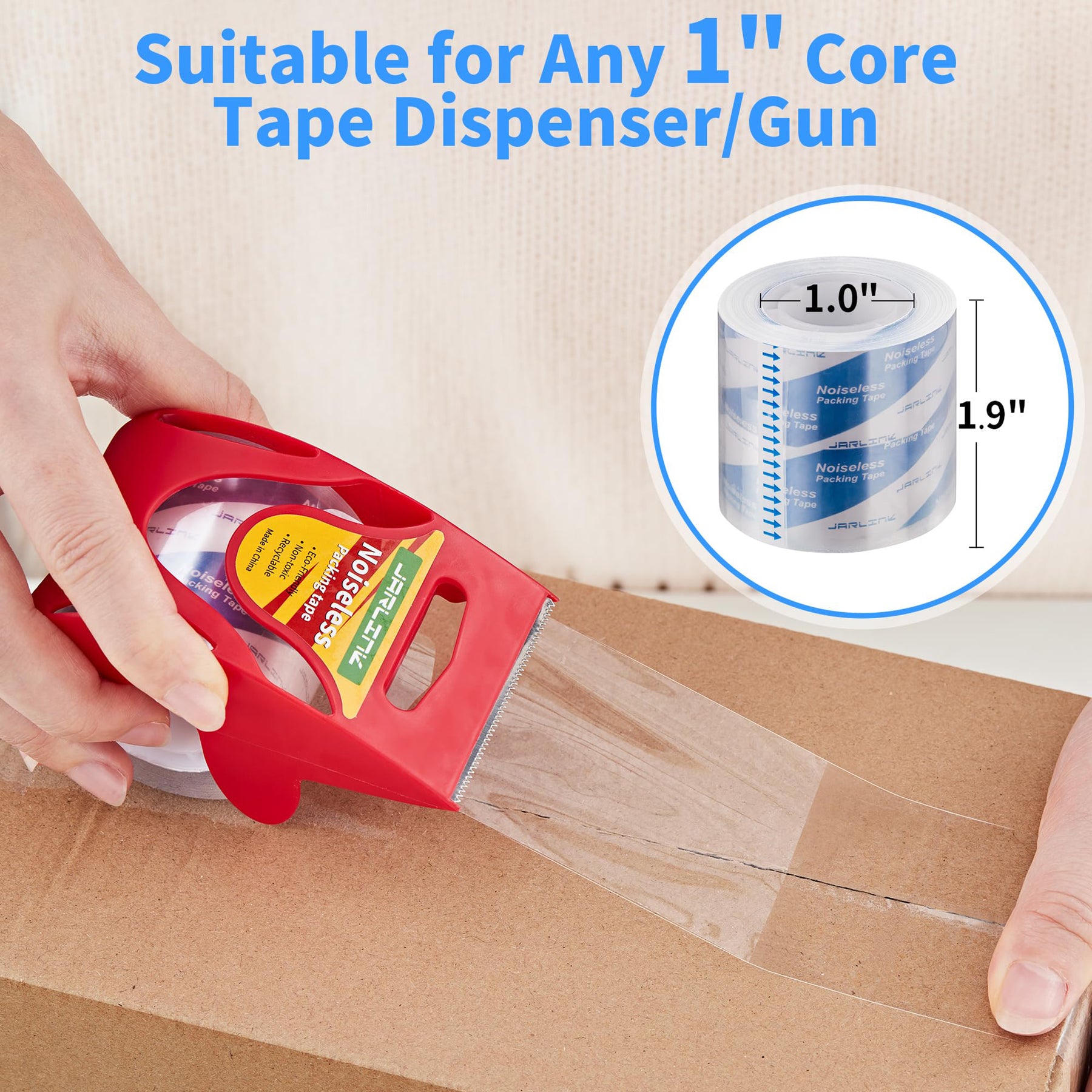
Standardize on 48mm (1.88-inch) widths with 50–60-yard lengths to maximize pallet density during 20-foot and 40-foot container shipping from Asian manufacturing hubs. Calculate yield per cubic meter to minimize freight costs, ensuring rolls are packed with 3-inch cores compatible with existing dispensers across your distribution network. Request case pack quantities that align with your monthly consumption rates to reduce inventory holding costs while maintaining supply continuity.
4. Which Quality Certifications Validate Noiseless Tape for Cross-Border Trade?
Require ISO 9001 manufacturing standards and SGS or Bureau Veritas testing reports confirming adhesion strength (minimum 20N/25mm) and tensile resistance. For European Union imports, verify REACH compliance regarding chemical substance restrictions. Middle Eastern buyers should request SASO conformity certificates for Saudi Arabia and ESMA approval for UAE. Brazilian operations require INMETRO alignment, while South African imports need SABS certification to clear customs efficiently.
5. How Can You Conduct Validated Field Testing Before Bulk Procurement?
Request A4-sized sample rolls to test unwinding noise levels using decibel meter applications in your actual warehouse acoustic environment, not laboratory conditions. Evaluate adhesion performance on locally sourced corrugated board grades, which vary significantly between European recycled content and Middle Eastern virgin fiber. Test dispensers for compatibility with your existing manual sealing stations or automated carton sealers to prevent operational bottlenecks.
6. What Logistics Terms Protect Tape Quality During Long-Distance Shipping?
Negotiate humidity-controlled container specifications maintaining below 60% relative humidity to prevent adhesive degradation during 30–45 day sea freight transits. Specify moisture-barrier pallet wrapping and shock-resistant corner protection to avoid edge crushing that compromises roll integrity. Clarify Incoterms 2020 responsibilities regarding temperature fluctuations, particularly for routes transiting the Suez Canal or equatorial regions where container interiors can exceed 70°C.
7. How Do You Structure Performance Guarantees and SLA Terms?
Establish acceptable defect rates (typically <0.5% for roll irregularities) and adhesion failure thresholds measured after 24-hour cure times. Include clauses for third-party batch testing rights upon arrival at destination ports and penalty structures for non-conformance to specified noise level decibel ranges. Define replacement protocols for moisture-damaged inventory discovered during customs inspections, ensuring suppliers bear costs for inadequate export packaging.
A stock image related to Noiseless packing tape.
Comprehensive Cost and Pricing Analysis for Noiseless packing tape Sourcing
What Material Specifications Drive Bulk Pricing for Noiseless Tape?
Noiseless packing tape commands a premium over standard acrylic varieties due to specialized BOPP film formulations and modified adhesive layers engineered to dampen unwinding sound. For B2B procurement teams, pricing correlates directly with film thickness measured in microns or mils—standard duty ranges from 45-50 microns while heavy-duty industrial variants exceed 60 microns (approximately 2.4mil). Width and length specifications significantly impact unit economics; formats like 48mm x 100m offer superior cost-per-meter efficiency compared to narrow retail rolls. When negotiating with Asian manufacturers, explicitly specify noise-reducing adhesive chemistries and film clarity grades upfront, as these material choices typically account for 60-70% of the final unit cost structure.
What Volume Thresholds Unlock Optimal Pricing for Emerging Market Buyers?
International buyers from Brazil, Saudi Arabia, or Nigeria should target full container load (FCL) quantities—typically 20-foot containers accommodating 15,000-18,000 rolls—to bypass distributor markups and secure factory-direct rates. Minimum order quantities vary significantly across the supply chain: trading companies often accept 500-1,000 roll orders, while tier-one manufacturers require 5,000+ roll commitments but offer 15-25% price reductions at scale. For procurement strategies involving mixed logistics, negotiate “high-cube” 40-foot container rates combining noiseless tape with complementary packaging materials, which can reduce per-unit shipping costs by approximately 30% compared to LCL (Less than Container Load) shipments.
How Do Regional Logistics Impact Landed Costs in Africa and South America?
Landed cost calculations for noiseless tape extend far beyond factory gate prices. Buyers in landlocked African regions or Brazil’s interior must factor inland transportation from port hubs like Lagos or Santos, which can add $800-$1,200 per container to final expenses. Import duty classifications vary by HS code—typically 3919.10 for self-adhesive tapes—ranging from 5% in GCC countries like Saudi Arabia to 18-25% in Mercosur nations. Additionally, budget for climate-controlled storage during transit; noiseless tape’s specialized adhesive properties may require temperature-regulated containers when shipping through high-humidity routes, adding 10-15% to freight budgets.
What Hidden Costs Should Procurement Teams Anticipate Beyond Unit Pricing?
B2B buyers must account for currency fluctuation exposure when paying suppliers in USD or RMB against volatile local currencies like the Brazilian Real or Nigerian Naira. Quality assurance represents another critical expense—allocate $200-$500 for third-party pre-shipment inspections to verify noise-reduction specifications and adhesion strength measured in N/25mm. Storage requirements also impact total cost of ownership; noiseless tape typically demands climate-controlled warehousing with 18-24 month shelf life management, unlike standard packing tape. Finally, consider the “false economy” of ultra-low quotes—tapes with insufficient adhesive mass increase application waste by 20-30%, negating initial price advantages through operational inefficiency.
How Can Buyers Structure Contracts for Long-Term Price Stability?
Mitigate cost volatility through 12-month rolling contracts featuring price-lock provisions for quarterly volumes exceeding 10,000 rolls. Negotiate Incoterms strategically—FOB (Free on Board) terms suit experienced logistics teams managing their own freight forwarding, while CIF (Cost, Insurance, Freight) provides cost certainty for buyers new to importing from Chinese or Southeast Asian manufacturing hubs. Request extended payment terms (60-90 days) once supplier relationships mature, and insist on defect allowances of 2-3% to offset quality inconsistencies common in bulk noiseless tape orders without destroying unit economics.
Alternatives Analysis: Comparing Noiseless packing tape With Other Solutions
When evaluating sealing solutions for high-throughput distribution centers or noise-sensitive logistics hubs, procurement teams must weigh acoustic comfort against sealing integrity, cost efficiency, and regional supply chain availability. While noiseless packing tape addresses specific workplace compliance and ergonomic concerns, understanding its performance relative to conventional and specialized alternatives ensures capital expenditure aligns with operational realities across diverse markets—from humid Brazilian warehouses to temperature-controlled facilities in Saudi Arabia.
| 비교 측면 | Noiseless Packing Tape | Standard Acrylic Packing Tape | 물 활성화 크래프트 테이프 |
|---|---|---|---|
| Operational Noise Level | <35 dB (whisper-quiet unwind) | 65-75 dB (high-pitch screech) | 40-50 dB (tearing/splashing) |
| 보안/변조 증거 | Moderate (visible tear) | Low (clean removal possible) | High (destructive removal, fiber tear) |
| 선형 미터당 비용 | $$ (Premium grade) | $ (Standard commodity) | $$$ (Specialized adhesive) |
| 애플리케이션 속도 | High (instant adhesion) | High (instant adhesion) | Moderate (requires moistening/drying) |
| 기후 복원력 | High (stable in 0-60°C) | Moderate (adhesive degrades >40°C) | Variable (humidity affects curing) |
| Implementation Complexity | Low (standard dispensers) | Low (standard dispensers) | High (requires water reservoirs/dispensers) |
| 지속 가능성 프로필 | Polypropylene (recyclable) | Polypropylene (recyclable) | Paper-based (biodegradable) |
How Does Standard Acrylic Packing Tape Compare in High-Volume Logistics?
Standard acrylic adhesive tape remains the dominant commodity choice for carton sealing due to its aggressive initial tack and universal compatibility with corrugated surfaces. However, in high-volume environments typical of São Paulo or Lagos distribution corridors, the characteristic 70-decibel screech generated during unwind creates cumulative acoustic fatigue, potentially violating emerging OSHA-equivalent workplace standards in the Middle East and Europe. While significantly cheaper per unit, the hidden costs of employee turnover, hearing protection equipment, and potential regulatory penalties often erode the initial savings for operations running multiple packing stations 24/7. Furthermore, standard acrylic formulations exhibit reduced adhesion in high-heat environments common to Gulf Cooperation Council (GCC) logistics hubs, risking seal failure during transit.
Can Water-Activated Kraft Tape Replace Noiseless Solutions for Secure Shipping?
Water-activated tape (WAT), or gummed paper tape, presents a compelling alternative for B2B buyers prioritizing tamper-evident security and brand presentation over pure speed. The reinforced paper construction bonds molecularly with corrugated fibers, creating a seal that shows immediate visual evidence of interference—critical for high-value electronics or pharmaceutical shipments entering strict regulatory environments like Saudi Arabia or the EU. However, implementation requires capital investment in electric or manual water dispensers, and the 30-60 second curing time introduces bottlenecks in automated fulfillment lines. Humidity fluctuations in coastal Brazilian markets can also affect the starch-based adhesive’s curing consistency, requiring climate-controlled storage that may prove prohibitive for mid-tier 3PL providers.
Essential Technical Properties and Trade Terminology for Noiseless packing tape
When procuring noiseless packing tape for high-volume operations across diverse markets, understanding precise technical specifications ensures compatibility with automated packaging lines and regional compliance standards. The following critical properties and industry terminology distinguish professional-grade quiet tape from standard alternatives, enabling informed decision-making for buyers in Saudi Arabia, Brazil, and beyond.
What Film Thickness and Caliper Specifications Matter for Heavy-Duty Applications?
Film thickness, measured in mils (thousandths of an inch) or microns, directly correlates with puncture resistance and load-bearing capacity. Premium noiseless tapes typically range from 2.0 to 3.0 mil (50–75 microns), with 2.4 mil representing an optimal balance between durability and cost-efficiency for export shipping. Thicker films withstand temperature fluctuations common in Middle Eastern and South American logistics corridors, preventing adhesive failure during extended transit periods.
How Is Acoustic Performance Quantified in Low-Noise Adhesive Tapes?
The defining characteristic—unwind decibel level—measures sound emission during application, typically rated below 50 dB for “noiseless” classification compared to 70+ dB for standard tapes. This specification relies on specialized adhesive formulations and film surface treatments that minimize friction against dispenser rollers, crucial for maintaining workplace noise compliance in European Union and Saudi Arabian industrial facilities.
What Adhesive Coat Weight Ensures Secure Sealing Without Residue?
Coat weight, expressed in grams per square meter (gsm), determines initial tack and long-term adhesion. Noiseless tapes utilize 20–25 gsm of modified acrylic or hot-melt adhesives, providing sufficient shear strength for corrugated fiberboard while eliminating the “squeal” associated with high-tack solvent-based alternatives. This property prevents box pop-open failures during humid Brazilian monsoon seasons or arid African supply chain routes.
Why Does Tensile Strength and Elongation Percentage Impact Load Security?
Tensile strength (measured in Newtons per centimeter or pounds per inch) and elongation at break indicate a tape’s ability to absorb shock without snapping. Industrial-grade quiet tapes offer 35–45 N/cm tensile strength with 150–200% elongation, ensuring cartons remain sealed despite vibration during long-haul maritime shipping to European ports.
What Is BOPP Substrate and Why Does It Determine Tape Performance?
Biaxially Oriented Polypropylene (BOPP) film serves as the industry-standard substrate for premium noiseless tapes. This manufacturing process stretches polypropylene in two directions, creating molecular alignment that delivers exceptional clarity and dimensional stability. BOPP substrates accept specialized low-noise coatings better than PVC or cellulose alternatives, making them essential for automated application systems in high-throughput distribution centers.
How Do Hot Melt and Acrylic Adhesive Systems Differ in Noise Reduction?
Hot melt adhesives provide immediate tack and perform excellently in cold temperatures but may generate higher unwind noise; water-based acrylic systems offer quieter unwinding and superior UV resistance for outdoor storage in Middle Eastern markets. Understanding this distinction prevents procurement mismatches when specifying tape for climate-controlled pharmaceutical packaging versus ambient warehouse operations.
What Does “Custom Slitting” Mean for International Bulk Orders?
Custom slitting refers to converting master rolls into specific widths (commonly 48mm/1.89 inches or 72mm) and lengths tailored to regional dispenser standards. This service eliminates waste for buyers requiring non-standard dimensions for specialized Brazilian agricultural exports or Saudi e-commerce fulfillment operations, ensuring optimal cost-per-seal calculations.
How Do Core Size Standards Affect Dispenser Compatibility?
The cardboard core diameter—typically 76mm (3-inch) for industrial dispensers or 25mm (1-inch) for handheld units—determines compatibility with existing packaging infrastructure. Mismatched core specifications cause operational downtime in automated lines, making this terminology critical when retrofitting facilities across African and South American markets.
Navigating Market Dynamics and Sourcing Trends in the Noiseless packing tape Sector
The global noiseless packing tape sector is undergoing rapid transformation as B2B buyers prioritize workplace ergonomics and operational efficiency alongside traditional performance metrics. Once considered a premium office supply niche, low-noise sealing solutions have become essential infrastructure components for modern logistics hubs, e-commerce fulfillment centers, and retail distribution networks across emerging and established markets. The shift reflects growing recognition that acoustic comfort directly impacts worker productivity and regulatory compliance, particularly in urban warehousing environments where noise ordinances restrict operational hours. For procurement teams navigating volatile supply chains, understanding the intersection of technical specifications—such as 2.4mil heavy-duty thickness standards and 1.88-inch width optimization—with regional compliance requirements has become critical for maintaining competitive operational advantages in diverse climates and regulatory landscapes.
What Are the Current Market Dynamics Driving Noiseless Packing Tape Adoption?
Global demand for noise-reduced packaging solutions is accelerating at approximately 8-12% annually, driven by stringent workplace noise regulations in European distribution centers and the rapid expansion of e-commerce infrastructure in the Middle East and Latin America. In markets like Saudi Arabia and Brazil, where mega-fulfillment hubs are proliferating under national economic diversification initiatives, buyers are increasingly specifying heavy-duty 2.4mil thickness variants that withstand high-temperature shipping conditions while maintaining acoustic comfort for 24/7 operations. The standardization around 60-yard roll lengths and 1.88-inch widths reflects a shift toward compatibility with automated dispensing systems, reducing manual labor costs in high-volume African and South American packaging facilities. Additionally, sectors handling sensitive electronics and luxury pharmaceuticals are driving premium demand for crystal-clear tape variants that combine noise reduction with aesthetic presentation, creating distinct market tiers beyond commodity-grade offerings.
How Are Regional Supply Chains Adapting to Quality Consistency Demands?
Procurement officers across diverse geographies are confronting the challenge of sourcing noiseless tapes that perform uniformly across humid tropical climates and arid desert environments. Leading suppliers are now offering climate-stabilized acrylic adhesives that maintain tack integrity from São Paulo’s humidity to Riyadh’s heat, addressing a historical pain point for transcontinental B2B buyers who previously faced adhesive failure during seasonal transitions. The trend toward consolidated purchasing agreements—where African distributors partner with Middle Eastern logistics firms for container-sharing—requires products that meet multiple regional certification standards simultaneously, pushing manufacturers toward universal compliance frameworks rather than market-specific formulations. Furthermore, inventory optimization strategies are shifting toward just-in-time delivery models supported by regional warehousing in free trade zones, reducing the working capital burden for importers in emerging markets while ensuring consistent availability of specialized 2.4mil heavy-duty specifications.
Why Does Sustainability Matter in B2B Noiseless Tape Procurement?
Sustainability has evolved from marketing rhetoric to procurement mandate, particularly for European buyers subject to Extended Producer Responsibility (EPR) regulations and Middle Eastern companies aligning with Vision 2030 sustainability benchmarks. Modern noiseless tape manufacturing now incorporates recycled polypropylene cores and water-based acrylic adhesives that reduce volatile organic compound (VOC) emissions without compromising the 2.4mil structural integrity required for heavy-load security. For Brazilian and African markets, where import tariffs increasingly favor sustainable materials, sourcing tapes with certified recycled content offers both cost optimization and carbon footprint reduction—critical factors as these regions develop stricter environmental compliance frameworks. Beyond material composition, the noise-reduction characteristic itself contributes to sustainability goals by enabling energy-efficient night-shift operations without disturbing surrounding communities, effectively extending permissible warehouse operating hours while reducing daytime energy consumption for climate control.
What Ethical Sourcing Standards Should International Buyers Prioritize?
When evaluating suppliers for noiseless packing tape, B2B buyers must extend due diligence beyond product specifications to encompass labor practices and supply chain transparency. Factory audits verifying ISO 14001 environmental management and SA8000 social accountability standards are becoming non-negotiable for European retailers and Middle Eastern conglomerates alike, particularly as consumers demand visibility into packaging supply chains. Procurement teams should prioritize manufacturers offering full material traceability—particularly regarding the sourcing of BOPP (biaxially oriented polypropylene) films and adhesive polymers—to mitigate risks associated with forced labor in raw material extraction. For African and South American importers, establishing direct relationships with tier-1 manufacturers rather than intermediaries ensures quality consistency while supporting ethical labor practices, ultimately protecting brand reputation in increasingly transparent global markets. Documentation of carbon-neutral shipping options and ethical labor certifications should be requested as standard components of RFQ processes, not optional add-ons.
Frequently Asked Questions (FAQs) for B2B Buyers of Noiseless packing tape
How does noiseless packing tape improve warehouse operations and employee wellbeing?
1. What is noiseless packing tape used for in warehouse environments?
Noiseless packing tape eliminates the high-pitched screeching sound produced by standard acrylic tapes during application, creating significantly quieter packaging stations essential for high-volume fulfillment centers. In facilities operating across multiple shifts, this acoustic reduction minimizes worker fatigue and supports compliance with occupational noise regulations common in European and Middle Eastern jurisdictions. Operations in Brazil and Saudi Arabia particularly benefit when situated near residential areas or within mixed-use industrial zones where municipal noise ordinances restrict operational hours based on decibel levels.
What are the key differences between noiseless packing tape and standard acrylic alternatives?
2. How does noiseless packing tape differ from standard acrylic packing tape in composition and performance?
Unlike conventional acrylic tapes that utilize rigid film substrates, noiseless variants employ specialized polypropylene films with modified release coatings that dampen vibration during unwinding. The adhesive formulation typically incorporates natural rubber or synthetic resin blends rather than standard acrylic emulsions, providing immediate tack without friction-induced squeal. While standard acrylic tapes often require 24-hour curing periods to reach maximum holding power, noiseless alternatives achieve optimal adhesion instantly, streamlining export packaging workflows for time-sensitive shipments to African and South American markets.
Can noiseless packing tape withstand heavy-duty shipping and export requirements?
3. Is noiseless packing tape durable enough for heavy-duty international shipping and customs inspections?
Premium noiseless packing tapes maintain thickness specifications of 2.4 mil or greater, providing tensile strength comparable to heavy-duty acrylic options while maintaining silent unwinding characteristics. These tapes perform reliably across temperature variations encountered during maritime shipping routes through tropical climates or desert conditions common in Middle Eastern and African trade corridors. The natural rubber adhesive systems used in quality noiseless tapes often demonstrate superior performance on recycled corrugated materials, ensuring carton integrity through multi-modal transportation involving air freight, ocean cargo, and overland distribution networks.
Where can international businesses source noiseless packing tape in bulk for multi-regional operations?
4. Where can businesses buy noiseless packing tape in bulk quantities for operations across Africa, South America, and the Middle East?
International buyers should establish direct relationships with manufacturers offering FOB shipping terms from major Asian production hubs or regional distribution centers in Dubai, São Paulo, or Johannesburg. Seek suppliers providing customizable roll lengths ranging from 60-yard retail equivalents to 1000-yard machine-length rolls, alongside specific width variations such as 1.88-inch standards or 2-inch wide options for automated applicators. Many global distributors now offer consolidated shipping programs that reduce freight costs for businesses operating fulfillment centers across multiple continents, with minimum order quantities typically starting at 500-case volumes for wholesale pricing tiers.
How do procurement teams determine optimal noiseless packing tape specifications for high-volume export packaging?
5. What thickness and width specifications should B2B buyers specify for noiseless packing tape in heavy-duty applications?
For export shipments exceeding 30 kilograms or cartons subjected to automated sorting systems, specify noiseless tapes with minimum 2.4-mil thickness and 48mm width to ensure adequate tensile strength and edge protection. Consider 3-inch width variants for double-wall corrugated boxes commonly used in agricultural exports from Brazil or manufactured goods shipments from Saudi Arabia. Machine-grade noiseless tapes designed for automated carton sealers require specific unwind tension characteristics and 3-inch diameter cores to prevent stretching or misalignment during high-speed application exceeding 30 cartons per minute.
What storage protocols maintain noiseless packing tape performance in tropical and desert climates?
6. How should businesses store noiseless packing tape to preserve adhesive quality in high-humidity or extreme temperature environments?
Store noiseless packing tape in climate-controlled environments between 15°C and 25°C with relative humidity below 70% to prevent natural rubber adhesive degradation common in tropical African or coastal South American warehouses. Avoid direct exposure to sunlight or heat sources exceeding 40°C, which can cause premature aging of the polypropylene film and adhesive migration. When sourcing for operations in the Middle East or equatorial regions, request suppliers provide UV-resistant packaging wraps and silica gel desiccants within master cartons to maintain shelf stability during extended ocean freight transit periods.
How does switching to noiseless packing tape affect customer experience and brand positioning?
7. What impact does noiseless packing tape have on end-user unboxing experiences and corporate sustainability branding?
While primarily benefiting packaging operations, noiseless tape contributes to premium brand perception through clean, quiet unboxing experiences that align with luxury or wellness-oriented product positioning popular in European and Middle Eastern consumer markets. The absence of adhesive squeal during opening reduces customer frustration with return processes or package inspections, particularly important for e-commerce businesses serving noise-sensitive residential areas. Many noiseless tape formulations utilize solvent-free adhesive systems that support corporate sustainability certifications increasingly required by European Union import regulations and multinational ESG procurement standards.
What cost-benefit factors should procurement teams evaluate when transitioning to noiseless packing tape?
8. How do procurement teams calculate ROI when switching from standard to noiseless packing tape for large-scale operations?
Calculate total cost of ownership by factoring in reduced worker compensation claims related to noise-induced hearing stress and improved packing speeds, as noiseless application can increase manual sealing rates by 15-20% due to elimination of the hesitation common with squealing tapes. While unit costs may run 10-15% higher than commodity acrylic tapes, bulk purchasing agreements and reduced waste from improved initial tack often neutralize price differentials within six months for operations processing 10,000-plus cartons monthly. Factor in potential productivity gains from extended shift operations in noise-restricted zones, particularly valuable for Brazilian or Saudi Arabian facilities operating near residential districts with strict municipal sound ordinances.
중요 고지 사항 및 이용 약관
⚠️ 중요 고지 사항
제조업체, 기술 사양 및 시장 분석에 관한 내용을 포함하여 이 가이드에서 제공하는 정보는 정보 제공 및 교육 목적으로만 사용됩니다. 전문적인 조달 자문, 재무 자문 또는 법률 자문으로 간주되지 않습니다.
B2B 구매자는 독립적이고 철저한 실사를 수행해야 합니다. 구매 결정을 내리기 전에 반드시 확인하시기 바랍니다. 이 가이드의 정보에 의존하는 데 따른 위험은 전적으로 독자가 부담합니다.
Strategic Sourcing Conclusion and Outlook for Noiseless packing tape
As global e-commerce fulfillment centers across Saudi Arabia, Brazil, and emerging European markets intensify their focus on workplace ergonomics, noiseless packing tape has transitioned from niche convenience to strategic procurement asset. Forward-thinking B2B buyers recognize that silent sealing solutions enhance employee wellbeing in high-volume environments while reducing acoustic contamination that interferes with quality control systems and automated sorting operations.
How Can Regional Buyers Optimize Total Cost of Ownership When Sourcing Silent Packaging Materials?
When evaluating suppliers across Africa, South America, and the Middle East, prioritize manufacturers offering consistent 2.4mil+ thickness specifications and climate-stable acrylic adhesives that withstand tropical humidity and desert heat without compromising quiet unwind properties. Establishing direct partnerships with ISO-certified factories—rather than retail distributors—ensures volume pricing advantages, customizable roll dimensions, and protection against supply chain disruptions that disproportionately affect emerging markets.
What Strategic Advantages Await Early Adopters of Next-Generation Noiseless Adhesive Technologies?
The next evolution involves integrating biodegradable film substrates with low-decibel release coatings, simultaneously addressing stringent workplace noise regulations and sustainability mandates gaining traction in EU and Mercosur trade blocs. Procurement teams who negotiate multi-year framework agreements with innovation-capable suppliers today will secure preferential pricing and exclusive regional distribution rights as demand accelerates, effectively future-proofing their operations against impending acoustic compliance standards while maintaining the heavy-duty sealing integrity required for international freight.