Introduction: Navigating the Global Market for Heavy Duty Aluminum Tape
When sourcing heavy duty aluminum tape for mission-critical infrastructure projects, procurement teams across Africa, South America, the Middle East, and Europe face a dual challenge: securing products that withstand extreme thermal stress and corrosive environments while navigating complex international supply chains. The gap between standard adhesive solutions and industrial-grade performance can mean the difference between system longevity and catastrophic failure in HVAC networks, aerospace applications, and marine installations operating under severe climatic conditions.
What Makes Heavy Duty Aluminum Tape Procurement Complex?
Industrial buyers must evaluate dead-soft aluminum backings, acrylic adhesive formulations, and flame-retardant certifications while ensuring suppliers meet diverse regional compliance standards. From Saudi Arabia’s desert heat to Germany’s precision engineering requirements, the demand for moisture-resistant, UV-stable sealing solutions has intensified—yet quality inconsistencies, counterfeit products, and logistical bottlenecks continue to complicate cross-border procurement for emerging markets.
How Will This Guide Optimize Your Sourcing Strategy?
This comprehensive resource examines critical technical specifications including thermal conductivity ratings (-30°C to 120°C), fiberglass reinforcement options, and electromagnetic shielding capabilities. We analyze application-specific requirements for construction, refrigeration, and heavy manufacturing sectors, alongside rigorous supplier vetting frameworks tailored for African, South American, and Middle Eastern markets. Cost optimization strategies, bulk purchasing considerations, and sustainability credentials—essential for meeting European environmental standards—receive detailed examination to maximize operational efficiency.
Who Benefits from This Global Procurement Intelligence?
Whether you are a German automotive manufacturer requiring heat-shielding solutions, a Saudi HVAC contractor managing humidity-resistant duct sealing, or a Brazilian marine engineer sourcing corrosion-proof insulation, this guide provides actionable frameworks. By demystifying technical standards, certification requirements, and regional supply chain nuances, we empower procurement professionals to make specification-compliant decisions that reduce downtime, minimize waste, and ensure project integrity across diverse climatic and regulatory environments.
Understanding Heavy Duty Aluminum Tape Types and Variations
| 유형 이름 | 주요 차별화 기능 | 주요 B2B 애플리케이션 | 구매자를 위한 간략한 장단점 |
|---|---|---|---|
| Dead-Soft Heavy Duty Aluminum Foil Tape | 4.8–7 mil dead-soft aluminum backing; high-tack acrylic adhesive; conforms to irregular surfaces; UV/moisture resistant | HVAC duct sealing, industrial pipe wrapping, construction weatherproofing, temporary outdoor repairs | Pros: Excellent conformability to complex geometries; clean removal options available; wide temperature range (-30°C to 120°C). Cons: Lower tensile strength than reinforced variants; vulnerable to puncture in high-traffic areas |
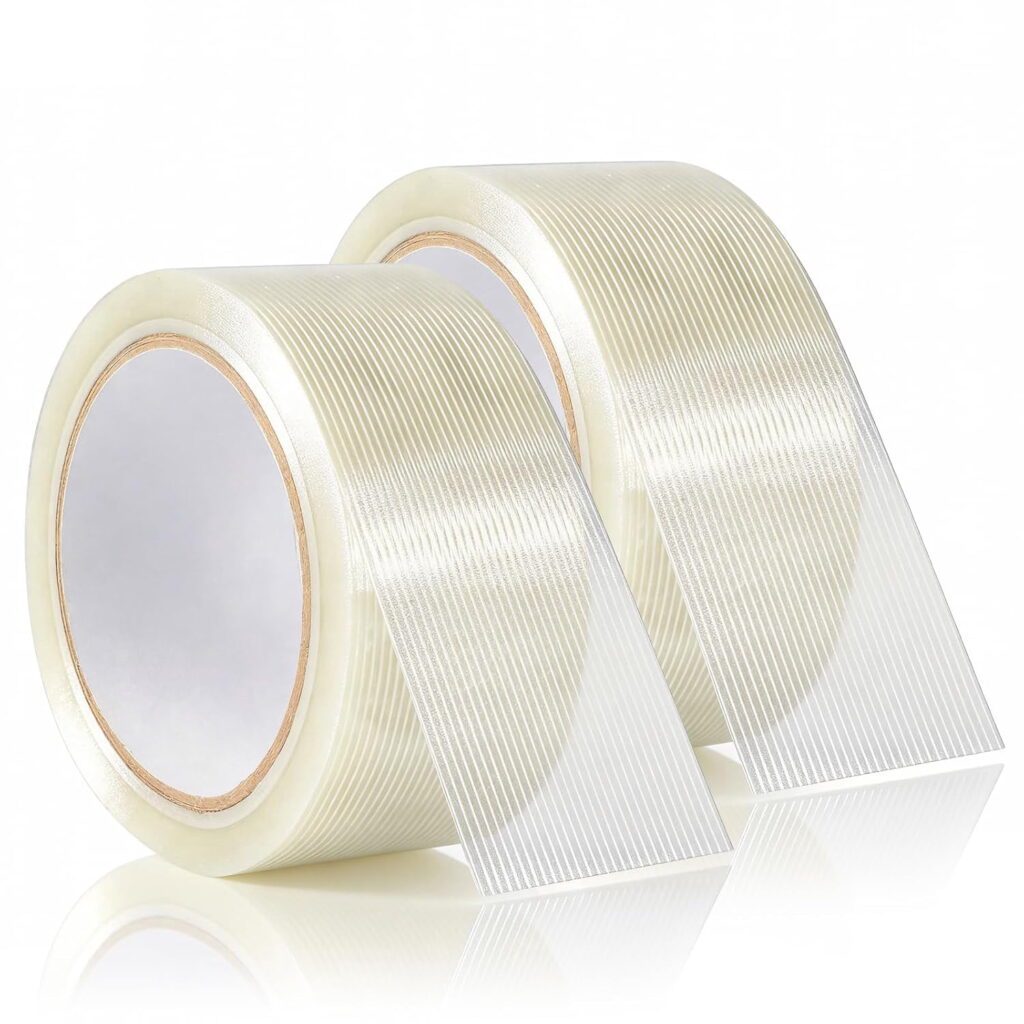
| Fiberglass-Reinforced Aluminum Tape | Aluminum foil laminated to woven fiberglass scrim; high tear/puncture resistance; reflective surface; dimensional stability | Cable tray protection, automotive heat shielding, marine insulation, industrial equipment facing | Pros: Superior mechanical strength; withstands radiant heat and physical stress; long-term durability. Cons: Reduced flexibility for tight radius applications; thicker profile may not suit precision electronic work |
| Flame-Retardant Aluminum Tape | Silicone or intumescent fire-resistant adhesive; meets UL 723/ASTM E84/EN 13501-1; maintains integrity above 150°C | Petrochemical facilities, electrical panel insulation, aerospace components, fire-rated barrier systems | Pros: Critical safety compliance; chemical and solvent resistant; prevents flame propagation. Cons: Premium pricing; specialized surface preparation often required; limited color options |
| EMI/RFI Shielding Aluminum Tape | Conductive acrylic adhesive; dead-soft foil with siliconized release liner; precise thickness control; high shielding effectiveness | Data center cable management, telecommunications infrastructure, military electronics, automotive control systems | Pros: Blocks electromagnetic interference effectively; enables clean aesthetic installation; supports EMC compliance. Cons: Conductivity varies significantly by grade; requires pristine application surfaces; higher cost than non-conductive alternatives |
What distinguishes dead-soft heavy duty aluminum tape from standard grades?
This variant features a pliable, dead-soft aluminum backing typically ranging from 4.8 to 7 mil thickness, coated with a high-performance acrylic adhesive engineered for thermal stability. Its primary advantage lies in conformability—it molds seamlessly to irregular ductwork, corrugated surfaces, and complex geometries without tearing or delaminating. For B2B buyers in HVAC and construction sectors across humid climates like West Africa or the Middle East, this type offers superior moisture barrier properties and UV resistance essential for outdoor longevity. When sourcing, verify the temperature rating and ensure the adhesive is formulated for permanent bonding rather than temporary masking, as removal characteristics vary significantly between industrial grades.
When should buyers specify fiberglass-reinforced aluminum tape?
Engineered with a woven fiberglass mesh laminated to the aluminum backing, this variation delivers exceptional tensile strength and dimensional stability under mechanical stress. It withstands radiant heat exposure and physical abrasion that would compromise standard foil tapes, making it indispensable for cable protection in industrial plants, marine vessel insulation, and automotive underhood heat shielding. Buyers should assess the fiberglass weave density—higher density indicates better puncture resistance but reduced flexibility for tight radius bends. This variation proves particularly valuable for infrastructure projects in regions with extreme temperature cycling, such as desert environments or high-altitude European installations where thermal expansion stresses materials.
Why is flame-retardant aluminum tape critical for industrial safety compliance?
Formulated with silicone-based or intumescent adhesives and typically meeting UL 723, ASTM E84, or EN 13501-1 standards, this specialized tape maintains structural integrity when exposed to open flame or sustained temperatures exceeding 150°C. It serves critical functions in petrochemical facilities, electrical panel insulation, and aerospace manufacturing where fire safety protocols are non-negotiable. B2B procurement teams must confirm certification documentation aligns with local regulatory requirements—particularly crucial for German industrial projects requiring specific DIN standards or Saudi Arabian developments following SASO/NFPA guidelines. While commanding premium pricing compared to standard grades, the liability reduction and compliance assurance justify the investment for safety-critical infrastructure.
How does EMI/RFI shielding aluminum tape protect sensitive electronics?
Featuring electrically conductive acrylic adhesives and precision-rolled foil thicknesses, this variant effectively blocks electromagnetic interference in sensitive electronic environments. It is essential for data centers, telecommunications infrastructure, and military hardware where signal integrity determines operational reliability. The siliconized release liner facilitates clean, bubble-free application in precision manufacturing settings. Buyers should evaluate shielding effectiveness ratings across frequency ranges (typically measured in dB attenuation) and verify adhesive conductivity specifications, as these vary significantly between industrial grades. For European buyers subject to EMC Directive compliance or automotive manufacturers requiring ISO 11452 compatibility, selecting tapes with certified conductive properties prevents costly retrofitting and ensures regulatory adherence.
Key Industrial Applications of Heavy Duty Aluminum Tape
| 산업/섹터 | Specific Application of Heavy Duty Aluminum Tape | 비즈니스를 위한 가치/혜택 | 이 애플리케이션의 주요 소싱 고려 사항 |
|---|---|---|---|
| HVAC & Refrigeration | Sealing ductwork joints, insulating refrigeration lines, and repairing thermal insulation in climate control systems | Prevents energy loss through air leaks, extends equipment lifespan by blocking moisture ingress, and maintains system efficiency in extreme temperature cycles | Verify continuous operating temperature ratings (-30°C to 120°C+), acrylic adhesive formulation for humidity resistance, and compliance with regional HVAC standards |
| 건설 및 인프라 | Temporary weatherproofing, vapor barrier sealing, and protecting electrical cables during building envelope installation | Reduces project delays by providing immediate UV-stable sealing, prevents structural moisture damage, and eliminates the mess of liquid mastic on large job sites | Assess conformability to rough concrete surfaces, flame retardancy certifications (e.g., DIN standards for Germany), and availability of bulk roll formats for high-volume applications |
| Automotive & Transportation Manufacturing | Heat shielding in engine compartments, masking during high-temperature painting processes, and securing wiring harnesses | Protects sensitive components from radiant heat damage, enables clean removal without residue during painting, and improves assembly line efficiency through easy application | Confirm dead-soft foil backing for complex geometries, tensile strength for automated dispensing, and resistance to automotive fluids and solvents |
| Energy & Electrical Infrastructure | EMI shielding for control panels, sealing solar panel junction boxes, and thermal management in transformer stations | Ensures signal integrity in sensitive electronics, prevents moisture-related failures in outdoor installations, and dissipates heat to protect high-load cable connections | Evaluate dielectric strength ratings, thermal conductivity specifications, and UV/weathering resistance for desert or tropical climates |
How does heavy duty aluminum tape solve thermal sealing challenges in extreme climates?
In regions like Saudi Arabia and across Africa where HVAC systems operate under intense thermal stress, heavy duty aluminum tape creates airtight seals on ductwork and insulation that prevent costly energy loss. The acrylic adhesive maintains bond integrity despite constant temperature cycling between extreme outdoor heat and air-conditioned interiors, while the reflective foil backing minimizes thermal radiation transfer. Procurement teams should prioritize products rated for continuous high temperatures above 100°C and verify humidity resistance certifications essential for coastal Middle Eastern or tropical South American environments where moisture infiltration accelerates system degradation.
What makes aluminum tape essential for weatherproofing large-scale construction projects?
For infrastructure developments across Germany, emerging markets in Africa, and commercial projects in South America, heavy duty aluminum tape provides immediate vapor barriers and temporary sealing solutions that withstand prolonged UV exposure during construction phases. Its malleable conformability allows application over irregular concrete surfaces and insulation materials without compromising seal integrity, replacing messy mastic in high-volume applications. Buyers must evaluate flame retardancy classifications to meet strict German DIN standards or regional fire codes, and consider suppliers offering bulk roll formats that minimize installation time and material waste on large commercial sites.
Why do automotive manufacturers rely on heavy duty aluminum foil tape for heat management?
In precision manufacturing hubs like Germany and growing automotive sectors in Brazil and the Middle East, this tape serves critical dual purposes: protecting sensitive components from engine bay radiant heat during assembly and serving as high-temperature masking during painting and coating processes. The dead-soft foil backing conforms to complex geometries and wiring harnesses while the engineered acrylic adhesive removes cleanly without residue, preventing costly rework and surface contamination. Sourcing managers should verify tensile strength specifications for automated application lines and ensure consistent thickness tolerances that prevent tearing during high-speed production.
How can heavy duty aluminum tape enhance reliability in renewable energy installations?
As solar and wind energy expansion accelerates across North Africa, the Middle East, and South America, heavy duty aluminum tape provides critical EMI shielding for control cabinets and moisture sealing for outdoor electrical connections in harsh environments. Its thermal conductivity helps dissipate heat from high-load cables in solar inverters and transformer stations operating in desert conditions where ambient temperatures exceed 50°C. International buyers must assess dielectric strength ratings for electrical safety compliance and ensure products meet local standards for UV resistance in Middle Eastern installations or humidity protection in tropical African climates where monsoon conditions threaten equipment longevity.
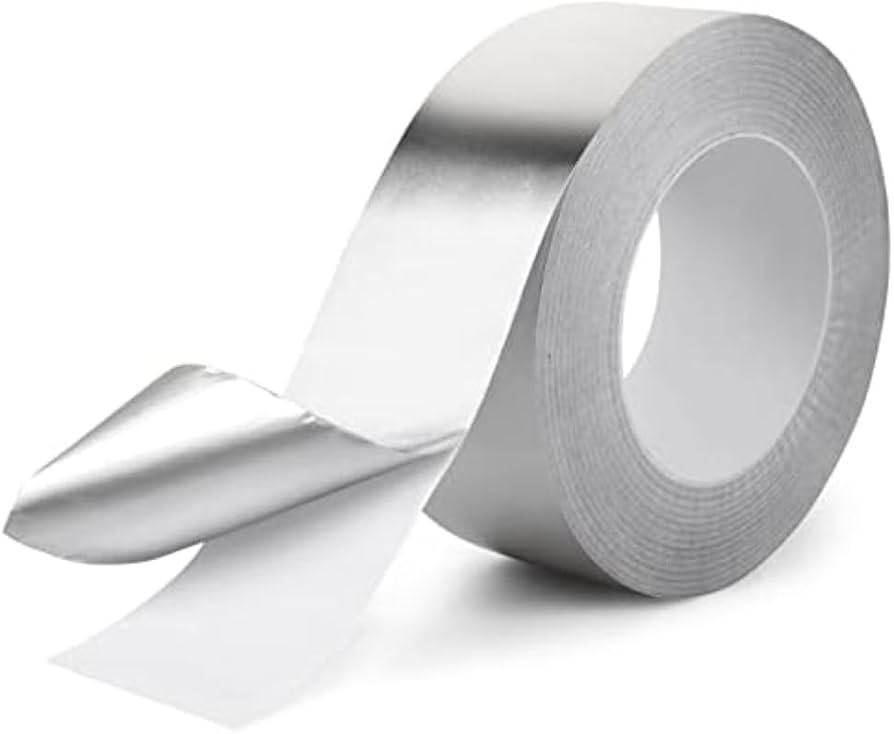
A stock image related to Heavy Duty Aluminum Tape.
3 Common User Pain Points for ‘Heavy Duty Aluminum Tape’ & Their Solutions
Scenario 1: How to Prevent Thermal Degradation in Extreme Climate HVAC Systems?
문제: Facilities managers and HVAC contractors operating in extreme climate zones—from the scorching industrial zones of Saudi Arabia to the high-humidity environments of South America—regularly encounter catastrophic adhesive failure when aluminum tapes are subjected to continuous operating temperatures exceeding 80°C. Standard rubber-based adhesives soften and flow under thermal stress, creating channel gaps that compromise thermal insulation barriers and allow moisture ingress. This degradation not only reduces HVAC efficiency by 15-20% but also creates condensation points that accelerate ductwork corrosion, requiring expensive system shutdowns and resealing operations.
솔루션: Specify heavy duty aluminum tapes engineered with solvent-resistant acrylic adhesives rated for continuous exposure between -30°C and 120°C, capable of withstanding the thermal cycling common in desert-to-cooled-environment transitions. Prioritize dead soft aluminum foil backings that thermally conduct and dissipate heat across the tape surface rather than concentrating it at adhesive points. For outdoor applications exposed to intense UV radiation or monsoon conditions, select products with enhanced weathering resistance and moisture vapor transmission rates (MVTR) below 1.0 g/m² per day to maintain seal integrity during extreme weather events.
Scenario 2: Which Certifications Ensure Code Compliance for International Construction Projects?
문제: International procurement teams managing multi-site construction projects across Germany, the Middle East, and Africa frequently face project delays when aluminum tapes fail to meet disparate regional safety certifications. German building codes require specific DIN-compliant fire ratings, while Saudi Arabian projects demand SASO certification and UL 723 surface burning characteristics. Using non-listed tapes results in failed inspections, insurance liability issues, and the costly removal of installed insulation systems. The complexity increases when contractors discover that “heavy duty” labeling doesn’t automatically equate to flame retardancy or smoke development compliance required for high-rise HVAC installations.
솔루션: Establish a pre-qualification protocol requiring suppliers to provide third-party certification documentation including UL listings, flame spread indices (Class A/Class 1), and regional compliance marks before shipment. For critical building infrastructure, specify aluminum tapes with explicit flame retardant additives and silicone-coated release papers that prevent adhesive contamination while supporting high-temperature applications. Maintain a compliance matrix mapping tape specifications to local building codes—ensuring that products destined for European markets meet CE marking requirements while those for Middle Eastern projects carry G-Mark certifications for fire safety and mechanical resistance.
Scenario 3: What Thickness Specifications Optimize Conformability in Complex Ductwork?
문제: Commercial insulation contractors often struggle with material selection when standard aluminum tapes prove either too rigid to conform to irregular ductwork geometries or too fragile to withstand application stresses. In complex HVAC systems common in European commercial buildings or African industrial facilities, tapes must navigate corrugated metal joints, fibrous insulation boards, and vibration-prone equipment housings. Overly thick heavy duty variants (exceeding 7 mil) resist conforming to surface irregularities, creating micro-channel air leaks, while thin standard tapes tear when stretched over sharp flange edges or subjected to thermal expansion cycles. This leads to compromised vapor barriers, increased energy costs, and callbacks for seal repairs.
솔루션: Specify dead soft aluminum foil tapes with optimized 4-5 mil backing thickness that provide structural integrity without sacrificing conform
Strategic Material Selection Guide for Heavy Duty Aluminum Tape
Selecting the optimal construction for heavy-duty aluminum tape requires understanding how different backing materials and laminates perform under specific industrial stresses. For procurement teams sourcing across diverse climates—from the humidity of West Africa to the temperature extremes of the Middle East or the regulatory rigor of the European Union—material composition directly impacts thermal conductivity, tensile strength, and long-term adhesion in manufacturing processes. This guide analyzes four primary material configurations, examining how each addresses distinct operational challenges in HVAC, construction, and specialized industrial applications.
What Makes Dead Soft Aluminum Foil Ideal for Heat Dissipation Applications?
Dead soft aluminum foil represents the standard heavy-duty construction, featuring annealed pure aluminum that maximizes malleability and thermal conductivity. This material conforms exceptionally to irregular substrates—critical for duct sealing and heat shielding in automotive manufacturing across Germany and Saudi Arabia. The dead soft structure dissipates heat evenly across surfaces, preventing localized hot spots that compromise substrate integrity in temperatures ranging from -30°C to 120°C. Procurement teams should verify alloy purity standards, as 1145 or 1235 aluminum alloys offer optimal characteristics for pressure-sensitive adhesives, though the material remains susceptible to tearing under mechanical stress or vibration without additional reinforcement.
How Does Fiberglass-Reinforced Aluminum Tape Perform in High-Tensile Applications?
Aluminum-fiberglass cloth laminates integrate woven glass fiber mesh with aluminum layers, dramatically increasing tensile strength while maintaining thermal reflectivity. This construction proves essential for cable protection in mining operations across South America or offshore energy projects in the Middle East, where radiant heat protection must coexist with mechanical durability. The fiberglass matrix prevents elongation under load, ensuring seals remain intact despite thermal cycling and heavy precipitation. While this composite offers superior puncture resistance compared to pure foil, the added rigidity reduces conformability on complex geometries, and the material commands higher procurement costs due to multi-layer manufacturing processes.
Which Heavy Duty Aluminum Tape Material Ensures Compliance with Strict Fire Safety Standards?
Flame
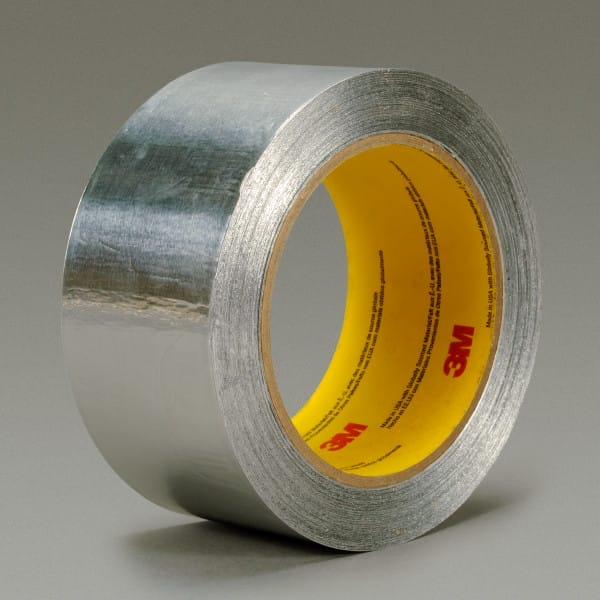
A stock image related to Heavy Duty Aluminum Tape.
In-depth Look: Manufacturing Processes and Quality Assurance for Heavy Duty Aluminum Tape
How Is Dead Soft Aluminum Foil Engineered for Maximum Conformability?
The foundation of high-performance heavy duty aluminum tape lies in the metallurgical treatment of the foil substrate. Manufacturers typically begin with 1100 or 1145 alloy aluminum, selected specifically for its superior corrosion resistance and thermal conductivity properties essential for HVAC and industrial applications. To achieve the “dead soft” characteristics that allow the tape to conform seamlessly to irregular ductwork, corrugated surfaces, and complex industrial geometries, the foil undergoes a precisely controlled annealing process. This thermal treatment involves heating the metal to temperatures between 300°C and 400°C in continuous roller-hearth furnaces, followed by controlled slow cooling that recrystallizes the grain structure and eliminates work hardening from previous rolling operations. For heavy duty industrial applications, backing thickness typically ranges from 3.5 mil to 5 mil (0.09 mm to 0.13 mm), striking the critical balance between structural integrity for mechanical protection and the hand-tearable pliability required for efficient field application without cutting tools.
What Adhesive Technologies Ensure Long-Term Bonding in Extreme Climates?
The transition from traditional rubber-based adhesives to advanced synthetic acrylic systems represents a critical evolution in heavy duty tape manufacturing, directly impacting performance longevity in harsh environments. Modern production lines utilize solvent acrylic or water-based acrylic emulsions engineered with specific tackifiers, plasticizers, and cross-linking agents that polymerize to form flexible yet tenacious bonds. The coating process employs precision gravure cylinders or slot-die application methods to achieve uniform adhesive deposition, typically measured in grams per square meter (GSM) with tolerances of ±5%. For B2B buyers sourcing for regions with intense UV exposure and thermal cycling—such as the Middle Eastern desert climates or high-altitude South American installations—acrylic adhesives demonstrate superior oxidative stability compared to natural rubber formulations, maintaining peel adhesion and shear strength across operational temperature ranges from -30°C to 120°C without embrittlement or flow. The curing process involves controlled thermal treatment in long ovens to activate adhesive properties while ensuring clean removability characteristics for temporary masking applications in automotive and aerospace manufacturing.
How Do Manufacturers Ensure Consistent Lamination and Slitting Accuracy?
Following adhesive application, the lamination process bonds the aluminum backing to a silicone-coated release liner, typically constructed from polycoated kraft paper or polyethylene film depending on the intended application temperature range. This continuous web operation requires sophisticated tension control systems and automated web guiding to prevent wrinkles, telescoping, or delamination that could compromise application efficiency on fast-moving production lines. Quality assurance at this stage involves real-time thickness monitoring using non-contact laser micrometers and beta-ray gauges to verify overall caliper consistency across the entire web width. Conversion operations subsequently slit the master rolls into specified widths—from narrow 25 mm strips for precision cable wrapping to 1200 mm jumbo rolls for automated HVAC duct fabrication. Precision slitting utilizing razor blades or shear cuttings is crucial for B2B procurement decisions; uneven edges, excessive burr, or improper tension can cause jamming in high-speed dispensers, create leak paths in critical sealing applications, or result in waste during automated application processes.
What Quality Control Tests Validate Performance Under Thermal and Mechanical Stress?
Reputable manufacturers subject heavy duty aluminum tape to rigorous laboratory testing protocols that simulate accelerated real-world degradation mechanisms. Standardized peel adhesion testing per ASTM D3330 measures the force required to remove the tape from stainless steel panels after standardized 20-minute and 24-hour dwell times, ensuring both immediate tack for handling and long-term bond development for permanent installations. For thermal performance verification, samples undergo cyclic aging in environmental chambers alternating between extreme heat (150°C) and sub-zero conditions (-40°C), replicating the thermal shock experienced in industrial exhaust systems or outdoor construction sites across diverse climates from German winters to Saudi Arabian summers. Humidity resistance testing per ASTM D2247 exposes taped assemblies to 95% relative humidity at 38°C for 500+ hours, critical validation for buyers in tropical African or Southeast Asian markets where moisture ingress rapidly compromises lesser adhesive systems. Additional testing includes flame spread classification (ASTM E84) and puncture resistance to verify mechanical durability
Practical Sourcing Guide: A Step-by-Step Checklist for ‘Heavy Duty Aluminum Tape’
Procuring heavy-duty aluminum tape for international industrial operations requires balancing thermal performance, adhesive chemistry, and regional compliance standards. Whether sourcing for Saudi Arabian HVAC infrastructure, German automotive manufacturing, or Brazilian marine applications, procurement teams must verify specifications capable of withstanding extreme environmental stressors—from desert heat to tropical humidity. This systematic checklist provides actionable criteria to evaluate suppliers, mitigate supply chain risks, and secure products that maintain adhesive integrity and flame resistance across diverse climatic conditions.
1. How Do You Determine the Right Heavy Duty Aluminum Tape Specifications for Extreme Climates?
Map specific use cases—HVAC duct sealing, cable heat shielding, or marine insulation—against environmental stressors.
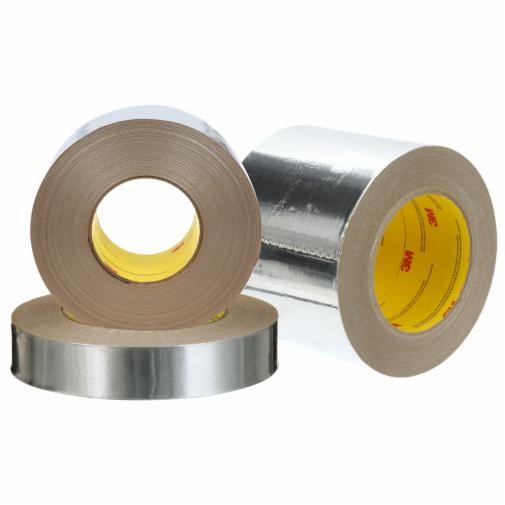
A stock image related to Heavy Duty Aluminum Tape.
Comprehensive Cost and Pricing Analysis for Heavy Duty Aluminum Tape Sourcing
Sourcing heavy duty aluminum tape involves navigating a complex pricing landscape where material specifications, regional market dynamics, and logistical considerations create significant cost variability across global supply chains. For procurement teams operating across diverse regulatory environments—from German industrial standards to Saudi Arabian heat-resistance requirements—understanding the true cost structure extends far beyond per-roll unit pricing.
What Drives the Cost Structure of Heavy Duty Aluminum Tape?
The primary cost determinants center on material composition and performance engineering. Dead-soft aluminum foil backings, typically ranging from 3 mil to 5 mil (0.08mm–0.13mm) thickness, command premium pricing due to higher aluminum content and enhanced thermal conductivity. Acrylic adhesive systems—essential for UV resistance and extreme temperature performance (-30°C to 120°C)—incur greater manufacturing costs than standard rubber-based alternatives but deliver superior longevity. Reinforced variants incorporating glass fiber cloth or flame-retardant liners add 15–30% to base costs, while specialized width configurations (beyond standard 48mm or 50mm rolls) require custom slitting processes that impact volume pricing tiers.
How Do Regional Markets Impact Pricing Strategies?
Geographic sourcing strategies reveal distinct pricing ecosystems. European markets, particularly Germany, emphasize REACH compliance and sustainability certifications, adding 8–12% to landed costs but ensuring regulatory alignment. Middle Eastern procurement, especially in Saudi Arabia, prioritizes heat-shielding specifications and humidity resistance, often necessitating premium-grade acrylic formulations. For African and South American buyers, currency volatility and import duty structures (ranging from 5–25% depending on HS code classifications) frequently overshadow base material costs, making localized warehousing or regional distribution hubs critical for budget predictability.
What Hidden Costs Should Buyers Factor Into Their Sourcing Budget?
Beyond per-meter pricing, comprehensive budgeting must address logistical density challenges. Aluminum tape rolls possess significant weight-to-volume ratios, rendering air freight prohibitively expensive for bulk orders—sea freight consolidation becomes essential for cost efficiency. Storage requirements present additional considerations; while aluminum tape resists moisture, extreme warehouse temperatures can compromise adhesive integrity, potentially necessitating climate-controlled inventory management. Customs documentation for pressure-sensitive adhesive classifications varies by jurisdiction, with some regions requiring additional safety data sheet certifications that incur third-party testing fees ranging from $500–$2,000 per product specification.
구매자는 어떻게 단가를 넘어 총 소유 비용을 최적화할 수 있을까요?
Strategic procurement focuses on lifecycle value rather than upfront expenditure. Heavy duty specifications with dead-soft foil and engineered acrylic adhesives reduce application waste through cleaner removal and repositioning capabilities, lowering labor costs during HVAC or industrial installations. Negotiating annual volume agreements rather than spot-buying leverages aluminum commodity price hedging, while multi-regional supplier qualification mitigates geopolitical supply chain disruptions. For developing markets, establishing consignment inventory arrangements with manufacturers eliminates upfront capital expenditure while ensuring compliance with local content requirements where applicable.
Alternatives Analysis: Comparing Heavy Duty Aluminum Tape With Other Solutions
When evaluating sealing and shielding solutions for industrial infrastructure, procurement teams often encounter three primary categories: high-performance metal foil tapes, traditional polymer-based cloth tapes, and wet-applied chemical sealants. While heavy duty aluminum tape offers distinct advantages in thermal management and longevity, understanding its limitations relative to alternative methods ensures optimal material specification for specific project environments, particularly when operating across diverse climates from the humid coastlines of West Africa to the extreme temperature fluctuations of Central Europe.
How Does Heavy Duty Aluminum Tape Compare to Traditional Sealing Methods?
| 비교 측면 | Heavy Duty Aluminum Tape | Traditional Cloth Duct Tape | Brush-Applied Mastic Sealants |
|---|---|---|---|
| 온도 저항 | -30°C to 120°C+ (acrylic adhesive stable) | -10°C to 60°C (rubber adhesive degrades rapidly) | -40°C to 90°C (varies by formulation) |
| Moisture/Humidity Performance | Excellent; impermeable foil barrier with chemical resistance | Poor; cloth backing absorbs moisture, adhesive emulsifies | Good when fully cured; vulnerable to washout during curing phase |
| 애플리케이션 속도 | Immediate; peel-and-stick application | Immediate; peel-and-stick application | Slow; requires 4-24 hours curing time |
| 초기 재료비 | Moderate to High ($$) | Low ($) | Low to Moderate ($-$$) |
| Long-Term Durability | 10+ years (UV/acrylic stability) | 1-3 years (UV degradation, delamination) | 15+ years (if applied correctly) |
| 표면 적합성 | High; dead soft foil conforms to micro-irregularities | Moderate; limited flexibility on uneven surfaces | Excellent; fills gaps up to 6mm and irregular joints |
| Labor & Equipment Requirements | Minimal; no tools or PPE beyond gloves | Minimal; no tools required | High; requires brushes, solvents, protective equipment, cleanup protocols |
Why Does Traditional Cloth Duct Tape Fail in High-Temperature Industrial Applications?
Despite its ubiquitous presence in maintenance kits, standard cloth-backed duct tape represents a false economy for B2B procurement in HVAC, aerospace, and construction sectors across Saudi Arabia and South America. The rubber-based adhesive systems employed in cloth tapes undergo rapid thermal degradation when exposed to temperatures above 60°C—common in ductwork and engine compartments operating under Middle Eastern sun or African industrial conditions. Additionally, the woven fabric backing absorbs atmospheric moisture, causing adhesive emulsification and seal failure within months, particularly problematic in humid coastal European or tropical South American installations. While the initial unit cost appears significantly lower than aluminum foil alternatives, the total cost of ownership escalates due to frequent reapplication cycles, labor redundancy, and potential damage to underlying substrates from failed seals that allow moisture ingress.
Are Liquid Mastic Sealants a Viable Alternative to Heavy Duty Aluminum Tape for Large-Scale HVAC Projects?
Brush or spray-applied mastic compounds serve as the primary chemical alternative to foil tapes, particularly for sealing irregular duct joints and large gaps exceeding 3mm where tape conformability reaches its limits. These solvent-based or water-based sealants offer superior gap-filling capability and can achieve monolithic seals across complex geometries in German industrial facilities or Brazilian manufacturing plants. However, B2B buyers must factor in hidden operational costs: application requires specialized labor, extensive surface preparation time, and significant curing periods before system pressurization—extending project timelines by 24-48 hours compared to immediate tape application. While mastic demonstrates excellent longevity once cured, its vulnerability during the curing phase to construction dust, humidity, and temperature fluctuations makes heavy duty aluminum tape the preferred solution for maintenance repairs and time-sensitive installations where production downtime carries premium costs in competitive markets.
Essential Technical Properties and Trade Terminology for Heavy Duty Aluminum Tape
What Technical Specifications Define Heavy Duty Aluminum Tape Performance?
Heavy duty aluminum tape serves critical functions across HVAC, aerospace, and marine industries where standard adhesives fail. When evaluating supplier specifications, procurement teams must verify material compositions that ensure thermal stability and chemical resistance in extreme environments prevalent in Middle Eastern, African, and South American markets.
What Is Dead Soft Aluminum Foil Backing and Why Does Thickness Matter?
The backing material distinguishes industrial-grade products from consumer alternatives. “Dead soft” aluminum refers to fully annealed foil that offers maximum conformability to irregular surfaces without cracking or lifting when formed around ductwork or cable bundles. Standard heavy duty specifications utilize 5 mil (0.13 mm) thickness, providing sufficient tensile strength for heat shielding while maintaining malleability. Thicker backings (7-9 mil) suit high-abrasion environments, while thinner variants optimize conformability for complex geometries.
How Do Acrylic Adhesives Outperform Rubber-Based Alternatives in Extreme Temperatures?
The adhesive chemistry determines long-term durability under thermal cycling. Acrylic pressure-sensitive adhesives maintain bond integrity from -30°C to 120°C, resisting UV degradation and oxidation that cause rubber adhesives to harden and fail within months. This thermal stability proves essential for regions where ambient temperatures exceed 50°C, ensuring seals remain intact despite substrate expansion and contraction without requiring additional mechanical fasteners.
What Temperature Ranges and Flame Resistance Ratings Should Buyers Specify?
Heavy duty variants must withstand continuous operating temperatures up to 150°C with intermittent exposure to 200°C. Critical specifications include UL 723 flame spread ratings and ASTM E84 compliance for smoke generation, particularly for European construction markets governed by strict EN 13501 fire safety directives. These ratings ensure tapes perform as thermal barriers in electrical insulation and HVAC firestop applications.
What Chemical Resistance Properties Ensure Longevity in Industrial Environments?
Specifications should cite resistance to corrosive chemicals, salt spray, and high humidity prevalent in marine and petrochemical facilities. Acrylic adhesives inherently resist plasticizer migration and chemical solvents, maintaining adhesion when exposed to oils, greases, and cleaning agents. Low moisture vapor transmission rates (MVTR) prevent condensation buildup beneath the tape, critical for preventing galvanic corrosion on metal substrates.
What Industry Terminology Should International Buyers Understand?
Navigating supplier documentation requires familiarity with regional terminology variations and technical jargon that impacts application suitability and compliance verification.
What Does “Pressure Sensitive Adhesive” (PSA) Mean for Installation Protocols?
PSA indicates immediate bonding capability upon application pressure without solvent activation or curing time. This characteristic enables rapid field installation in construction and maintenance operations, reducing labor costs compared to mastic-based sealing systems. Buyers should verify minimum application temperature thresholds, typically ranging from 4°C to 10°C for acrylic formulations used in temperate European climates.
How Do Release Liners and Backing Materials Differ in Tape Construction?
The “backing” or carrier constitutes the aluminum foil itself, while the “release liner” (silicone-coated paper) protects the adhesive until application. Heavy duty tapes often feature glass fiber cloth reinforcement laminated to the foil backing, increasing tensile strength by 40-60% for cable wrapping. Understanding this distinction prevents specification errors during procurement reviews.
What Is the Difference Between Heat Shielding and Heat Reflecting Applications?
While often used interchangeably, these terms describe distinct thermal management functions. Heat shielding involves dissipating thermal energy across the tape surface to protect substrates from direct heat transfer, while heat reflecting describes redirecting infrared radiation away from sensitive components. Dead soft aluminum’s high emissivity makes it suitable for both functions, though fiber-reinforced variants excel specifically in radiant heat barrier applications.
What Does “Conformability” or “Dead Fold” Mean for Surface Application?
“Dead fold” describes the tape’s ability to maintain shape when molded around corners and irregular substrates without spring-back. This property stems from the annealing process and proves critical for creating vapor-tight seals in HVAC ductwork. High conformability reduces the need for additional mechanical fasteners, lowering installation costs while ensuring continuous thermal barriers across complex geometries.
Navigating Market Dynamics and Sourcing Trends in the Heavy Duty Aluminum Tape Sector
The global heavy duty aluminum tape market is experiencing robust expansion driven by infrastructure modernization and stringent thermal management requirements across industrial sectors. For procurement teams operating in diverse regulatory environments—from German manufacturing hubs to Saudi Arabian construction sites—understanding the intersection of material innovation, supply chain resilience, and sustainability mandates is critical for strategic sourcing decisions.
What Are the Current Market Drivers for Heavy Duty Aluminum Tape in Global Industries?
Demand for high-performance aluminum foil tape is accelerating across HVAC, aerospace, automotive, and marine applications, particularly in regions experiencing rapid infrastructure development. In the Middle East and Africa, extreme temperature fluctuations and dust-intensive environments are driving procurement toward dead-soft aluminum backing variants that offer superior conformability and heat dissipation. European markets, particularly Germany, demonstrate increasing demand for tapes meeting specific DIN standards and flame-retardant certifications for industrial insulation projects. The shift from traditional rubber-based adhesives to advanced acrylic formulations represents a significant technical trend, as the latter provides enhanced UV stability and thermal cycling resistance essential for outdoor installations in South American climates.
How Is the Supply Chain for Heavy Duty Foil Tape Evolving in Key Regions?
Sourcing strategies are diversifying beyond traditional manufacturing centers to mitigate logistics risks and reduce lead times for critical industrial applications. Buyers in Africa and South America are increasingly establishing direct relationships with specialized converters who offer custom width configurations and private labeling capabilities, rather than relying solely on distributor networks. Regional compliance requirements are becoming more stringent; Saudi Arabian importers now frequently require SASO certification alongside international ISO 9001 standards, while European buyers demand REACH compliance and RoHS documentation. The market is also witnessing a premiumization trend, where procurement teams prioritize tapes with glass fiber reinforcement for high-tensile applications in cable protection and radiant heat shielding, despite higher unit costs.
Why Should B2B Buyers Prioritize Sustainable and Ethical Sourcing of Aluminum Adhesive Products?
Sustainability has transitioned from a peripheral concern to a core procurement criterion, particularly for European Union-based buyers navigating the Corporate Sustainability Reporting Directive (CSRD). Aluminum tape offers inherent circular economy advantages due to its infinite recyclability without quality degradation, though buyers should verify that suppliers utilize low-carbon primary aluminum or high-recycled content feedstock. The adhesive chemistry presents another environmental consideration; solvent-free acrylic adhesives significantly reduce VOC emissions compared to traditional rubber-based alternatives during application and curing. Ethical sourcing protocols now extend to verifying responsible mining practices for raw aluminum, particularly for buyers in Germany and Scandinavia where supply chain due diligence regulations are most advanced. Procurement teams should request Environmental Product Declarations (EPDs) and carbon footprint documentation to align with corporate ESG targets.
What Quality Specifications Matter Most When Sourcing Heavy Duty Aluminum Tape for Extreme Environments?
When evaluating heavy duty variants for demanding applications, technical specifications should exceed standard consumer-grade products. Look for tapes rated for continuous operating temperatures between -30°C and 120°C, with dead-soft aluminum foil backings of at least 5 mil (0.13 mm) thickness for optimal thermal conductivity and puncture resistance. The adhesive system should demonstrate high initial tack and long-term cohesion under humidity exposure—critical for marine and tropical climates prevalent in target markets. For electromagnetic shielding applications common in telecommunications infrastructure, specify tapes with conductive acrylic adhesives and release liners that prevent contamination during application. Flame retardancy ratings (UL 723 or equivalent) are non-negotiable for HVAC ductwork and electrical insulation projects in commercial buildings across the Middle East and Europe. Finally, verify that suppliers provide batch-specific test reports for peel adhesion and shear strength to ensure consistency across large-scale industrial deployments.
Frequently Asked Questions (FAQs) for B2B Buyers of Heavy Duty Aluminum Tape
1. What is the maximum temperature rating for heavy duty aluminum tape in industrial HVAC applications?
Temperature Ratings for Heavy Duty Aluminum Tape in Industrial HVAC Systems
Heavy duty aluminum tapes typically withstand continuous operating temperatures ranging from -30°C to 120°C, with specialized formulations handling intermittent exposure up to 150°C. The dead soft aluminum backing dissipates thermal energy across the surface, preventing hot spots that compromise adhesive integrity. For industrial HVAC applications involving high-heat exchangers or boiler connections, verify the specific acrylic adhesive formulation, as standard rubber-based adhesives degrade above 80°C while engineered acrylics maintain bond strength in thermal cycling conditions.
2. How does heavy duty aluminum tape differ from reinforced foil tape for ductwork sealing?
Heavy Duty Aluminum Tape vs Reinforced Foil Tape for Commercial Ductwork
Heavy duty aluminum tape utilizes a solid dead soft aluminum foil backing (typically 4-5 mil thickness) that conforms to irregular surfaces without reinforcement, offering superior moisture barriers and thermal conductivity. Reinforced foil tape incorporates fiberglass scrim or mesh layers that increase tensile strength for structural applications but reduce flexibility and heat dissipation. For standard ductwork sealing, heavy duty variants provide better adhesion to sheet metal and fiberglass duct board, while reinforced options suit applications requiring puncture resistance or cable harnessing.
3. What thickness specifications define heavy duty aluminum tape for commercial insulation?
Thickness Specifications for Heavy Duty Aluminum Tape in Commercial Insulation
Commercial-grade heavy duty aluminum tape typically features a backing thickness between 0.10 mm (4 mil) and 0.15 mm (6 mil), with 0.13 mm (5 mil) serving as the industry standard for high-performance applications. The total construction including adhesive and release liner ranges from 0.17 mm to 0.20 mm, providing sufficient structural integrity for outdoor weatherproofing while maintaining conformability around insulation joints. B2B buyers should specify dead soft temper aluminum rather than hard-rolled variants, as the softer backing creates intimate surface contact critical for vapor barrier continuity in cold storage and HVAC systems.
4. Is heavy duty aluminum tape UL listed and code compliant for building HVAC systems?
UL Listing and Code Compliance for Heavy Duty Aluminum HVAC Tape
Premium heavy duty aluminum tapes carry UL 723 (ASTM E84) ratings for surface burning characteristics and meet NFPA 90A standards for air distribution systems, ensuring compliance with international building codes. Look for products bearing UL 181A-P or UL 181B-FX listings, which certify the tape for use as a closure system on flexible air ducts and rigid fiberglass duct boards. For projects in Saudi Arabia and EU markets, verify compliance with SASO ASTM standards or EN 13501-1 fire classification ratings respectively, as regional codes may require specific smoke development index ratings below 450.
5. How do I select the right adhesive formulation for extreme climate conditions in Middle East and African markets?
Selecting Acrylic Adhesives for Extreme Temperatures and UV Exposure
Specify solvent-acrylic or pure acrylic adhesives rather than rubber-based formulations when sourcing for regions with intense UV exposure or temperature extremes common in Middle Eastern and African industrial zones. Rubber adhesives oxidize rapidly under UV radiation and lose tack in high ambient temperatures (above 40°C), whereas engineered acrylics maintain cohesive strength from -30°C to 120°C. For marine or coastal applications in West Africa or humid Southeast Asian ports, request formulations with enhanced moisture vapor transmission resistance (MVTR) to prevent delamination during monsoon seasons or high-humidity storage.
6. What are the optimal storage and handling protocols for heavy duty aluminum tape in high-humidity shipping environments?
Storage Protocols for Aluminum Tape in High-Humidity Supply Chains
Store aluminum tape in climate-controlled environments between 15°C and 25°C with relative humidity below 60% to prevent premature adhesive degradation during ocean freight to tropical destinations. Keep cartons elevated on pallets and away from walls to avoid condensation damage common in container shipping to African and South American ports. If storing in non-climate-controlled warehouses in humid regions, utilize desiccant packs within master cartons and rotate inventory using FIFO (First In, First Out) methods, as high humidity can reduce shelf life from 24 months to 12 months by accelerating acrylic adhesive oxidation.
7. How does heavy duty aluminum tape compare to mastic sealants for large-scale commercial ductwork projects?
Aluminum Tape vs Mastic Sealants for Industrial Ductwork Efficiency
Heavy duty aluminum tape provides immediate pressure-sensitive adhesion without curing time, allowing HVAC contractors to pressurize systems immediately rather than waiting 24-48 hours for mastic compounds to dry. While mastic offers gap-filling capabilities for irregular joints exceeding 6mm, aluminum tape creates cleaner aesthetic finishes and reduces labor costs by 40% on straight duct runs and flange connections. For large-scale projects across European and Middle Eastern construction sectors, tape systems eliminate the need for additional application tools and cleanup solvents, reducing project waste and supporting LEED certification requirements through recyclable aluminum content.
8. What customization options are available for OEM buyers requiring specific widths or printed branding on aluminum tape?
OEM Customization Options for Heavy Duty Aluminum Tape Specifications
Leading manufacturers offer slit-to-width services ranging from 12mm to 1219mm (48 inches) jumbo rolls, allowing OEMs to optimize material yield for automated duct fabrication lines or specific insulation thicknesses. Custom printing capabilities include up to 4-color flexographic printing on the release liner or foil backing for private label branding, installation instructions, or safety warnings required by local construction codes. For specialized industrial applications, request flame-retardant silicone adhesives, glass fiber cloth laminations, or custom thicknesses (3-7 mil) to meet specific thermal conductivity requirements for automotive or aerospace manufacturing sectors.
중요 고지 사항 및 이용 약관
⚠️ 중요 고지 사항
제조업체, 기술 사양 및 시장 분석에 관한 내용을 포함하여 이 가이드에서 제공하는 정보는 정보 제공 및 교육 목적으로만 사용됩니다. 전문적인 조달 자문, 재무 자문 또는 법률 자문으로 간주되지 않습니다.
B2B 구매자는 독립적이고 철저한 실사를 수행해야 합니다. 구매 결정을 내리기 전에 반드시 확인하시기 바랍니다. 이 가이드의 정보에 의존하는 데 따른 위험은 전적으로 독자가 부담합니다.
Top 2 Heavy Duty Aluminum Tape Manufacturers & Suppliers List
1. Coroplast – Aluminum Adhesive Tape
도메인: coroplast-tape.com
등록: 2013(13년)
소개: Coroplast Aluminum Adhesive Tapes are self-adhesive aluminum coated tapes available in thin and thick variants made of pure aluminum or aluminum composite film. Key properties include cold and heat resistance, flame retardancy, durability, waterproof or water resistance depending on type, strong adhesive strength, and high shear resistance. These thermal adhesive tapes are designed for technical i…
2. Merco Tape – Aluminum Foil Tapes
도메인: mercotape.com
등록: 1998년(28년)
소개: Collection: Foil Tapes – Aluminum foil and specialty metals tapes for HVAC, manufacturing, maintenance. Brands: Merco Tape, Nashua, Polyken, 3M, Shurtape, IPG/Intertape. Total 50 products. Product types include: Aluminum Foil Tape (Cold Weather HVAC, Contractor Grade, Utility Grade, Military Grade, Premium Grade), FSK Tape (Foil Scrim Kraft), Copper Foil Tape (Electrically Conductive and Non-Condu…
Strategic Sourcing Conclusion and Outlook for Heavy Duty Aluminum Tape
As global infrastructure projects accelerate across diverse climates—from Saudi Arabia’s desert heat to Germany’s industrial zones—heavy duty aluminum tape has evolved from a commodity item to a strategic procurement asset. Buyers must now balance immediate performance requirements with long-term supply chain resilience.
How can procurement teams optimize aluminum tape specifications for extreme environments?
Specifying dead-soft aluminum backings with acrylic adhesives rated for temperatures ranging from -30°C to 120°C ensures reliability across Africa’s tropical humidity and Middle Eastern thermal extremes. Prioritize UV-resistant formulations and moisture barriers that exceed standard HVAC requirements, particularly for outdoor cable shielding and marine applications in South American markets.
What sustainability factors are reshaping aluminum tape supply chains?
Recyclability and low-energy production processes are becoming procurement criteria, especially for European buyers facing stringent environmental regulations. However, emerging markets should balance eco-credentials with extended product lifecycles—selecting flame-retardant, glass-fiber-reinforced options that minimize replacement frequency and total cost of ownership.
Why is technical partnership critical for long-term sourcing success?
Beyond unit pricing, evaluate suppliers offering custom adhesive formulations and regional compliance expertise. Partners who understand local certification requirements—from German industrial standards to Saudi building codes—reduce regulatory risks while optimizing tape performance for specific seaming, heat shielding, or electromagnetic shielding applications.
The outlook favors buyers who prioritize thermal performance specifications and supply chain transparency over lowest-bid procurement. As industries demand greater durability under chemical exposure and temperature fluctuations, strategic partnerships with manufacturers capable of custom engineering will define competitive advantage in global markets.