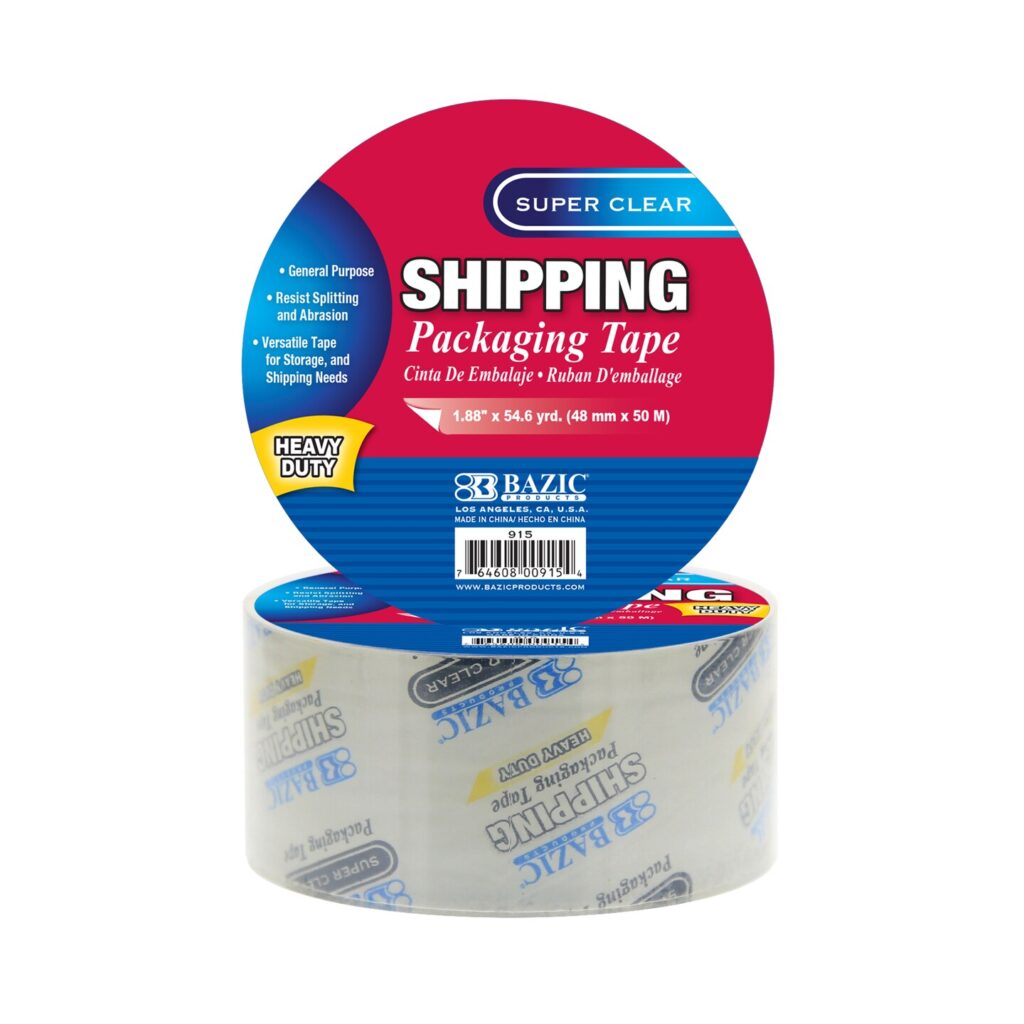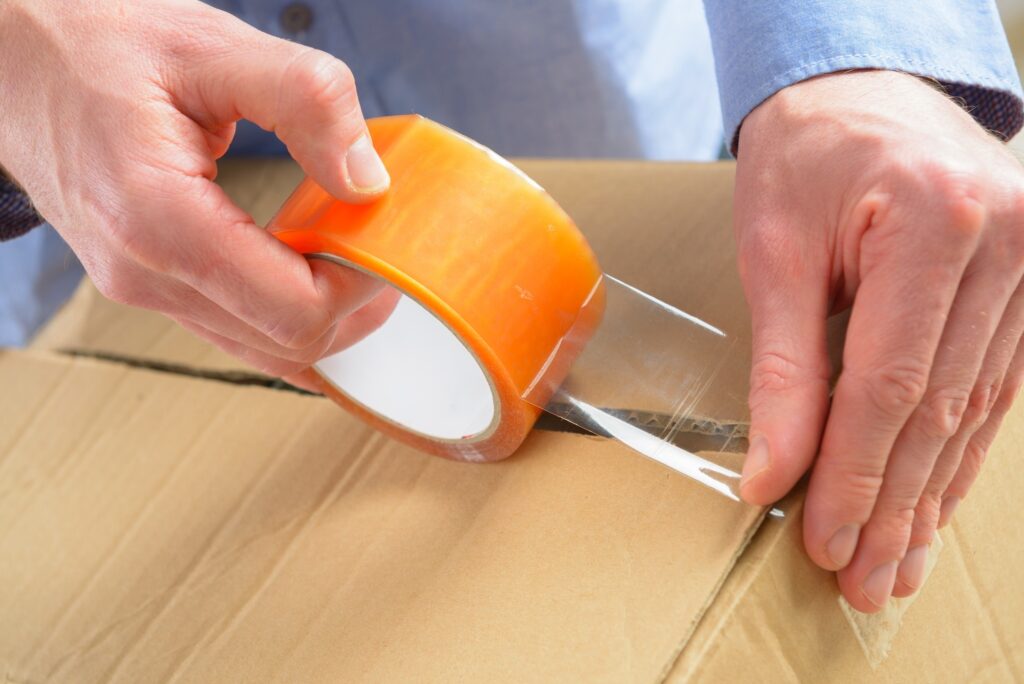
Introduction: Navigating the Global Market for Low noise carton sealing tape
Sourcing low-noise carton sealing tape for compliance with workplace safety standards has evolved from a niche preference to a strategic operational requirement. The distinctive screech of traditional packaging tape creates not only employee discomfort but measurable productivity drains and potential regulatory liabilities in noise-sensitive environments. As warehousing and fulfillment operations expand across international markets, procurement professionals must navigate technical specifications that balance acoustic performance with adhesive reliability and cost efficiency.
Why Are Noise Regulations Reshaping Packaging Procurement?
For operations spanning Nigeria’s rapidly growing logistics sector to Germany’s rigorous industrial safety frameworks, acoustic comfort in packaging stations has become a compliance imperative. Whether managing fulfillment centers in São Paulo or distribution networks in Dubai, buyers face the dual challenge of meeting local noise ordinances while maintaining seal integrity across varying climate conditions and handling requirements.
What Technical Factors Define Quality in Quiet Sealing Solutions?
This guide demystifies the polymer engineering behind low-noise adhesives, distinguishing between surface-modified films and specialized release coatings that reduce decibel levels without compromising tack strength. We analyze application-specific requirements—from high-speed automated lines requiring consistent unwind characteristics to retail environments demanding near-silent sealing—and evaluate how regional humidity and temperature variations affect performance across diverse markets.
How Can Buyers Navigate Global Supply Chains with Confidence?
Beyond technical specifications, we provide frameworks for vetting manufacturers capable of consistent bulk supply across Africa, South America, the Middle East, and Europe. You’ll discover strategies for verifying ISO certifications, managing lead times for container shipments to emerging markets, and negotiating favorable terms that account for currency fluctuations and import documentation requirements specific to regions like Nigeria and Germany.
Understanding Low noise carton sealing tape Types and Variations
| 유형 이름 | 주요 차별화 기능 | 주요 B2B 애플리케이션 | 구매자를 위한 간략한 장단점 |
|---|---|---|---|
| 아크릴 저소음 테이프 | Water-based adhesive, UV stable, consistent unwind | Long-term storage, temperature-stable warehouses | Pros: Cost-effective, aging resistant, clean removal. Cons: Lower initial tack, temperature sensitive application |
| 핫멜트 저소음 테이프 | Synthetic rubber resin, aggressive tack, quick stick | High-speed packaging, export shipping, e-commerce | Pros: Immediate bond, competitive unit cost. Cons: Heat sensitivity, potential odor in confined spaces |
| Natural Rubber Low Noise Tape | Superior adhesion, flexible temperature range, premium grade | Heavy-duty sealing, recycled cartons, cold storage | Pros: Excellent hold on rough surfaces, reliable in extremes. Cons: Higher cost, adhesive yellowing over time |
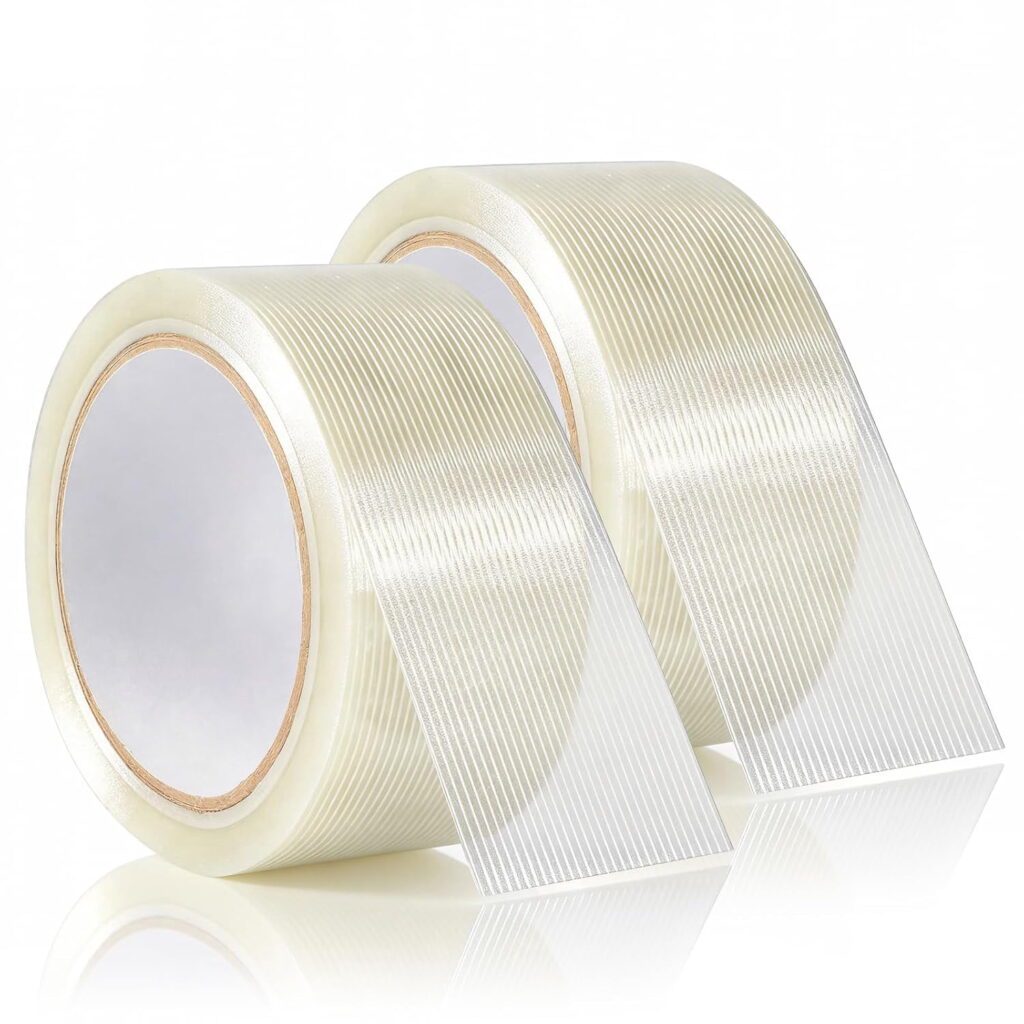
| Reinforced Low Noise Tape | Fiberglass filament strands, tear-resistant backing | Palletizing, heavy export loads, security sealing | Pros: Exceptional strength, tamper-evident. Cons: Premium pricing, requires heavy-duty dispensers |
| 맞춤형 인쇄 저소음 테이프 | Branded logos/text, color-coding capability, maintains quiet unwind | Marketing, authentication, inventory management | Pros: Brand enhancement, theft deterrence. Cons: MOQ requirements, longer lead times, plate costs |
What Makes Acrylic Low Noise Tape Ideal for Climate-Controlled Warehousing?
Acrylic-based low noise tapes utilize water-based adhesive systems with specialized release coatings that significantly dampen unwind decibel levels. These formulations offer superior UV resistance and aging stability, making them particularly suitable for long-term storage applications in European and Middle Eastern facilities. B2B buyers should verify temperature application ranges, as acrylic adhesives require 15°C-60°C environments for optimal bonding. While offering lower initial tack compared to rubber-based alternatives, they provide clean removal and consistent performance over extended periods, ideal for inventory that remains static for months.
Why Choose Hot Melt Low Noise Tape for High-Volume Export Operations?
Hot melt low noise variants feature synthetic rubber resin adhesives engineered for aggressive immediate tack and rapid bond formation. These tapes excel in high-speed automated packaging environments common in Nigerian and South American manufacturing hubs. The modified polypropylene backing incorporates noise-dampening agents without compromising adhesive aggression. Purchasing managers should evaluate temperature resistance specifications carefully, as standard hot melt formulations may soften in extreme heat during Middle Eastern or African transit. This type offers the best cost-performance ratio for high-volume shippers requiring instant carton security.
Is Natural Rubber Low Noise Tape Worth the Premium for Heavy-Duty Applications?
Natural rubber low noise tapes represent the premium tier, utilizing solvent-based adhesives that maintain flexibility and superior adhesion across extreme temperature variations. These tapes bond exceptionally well to recycled corrugated surfaces and dusty cartons prevalent in industrial African and South American markets. While commanding higher per-roll costs, they reduce failure rates and product damage claims significantly. B2B buyers should verify compliance with international VOC regulations and consider the slight yellowing tendency of natural rubber, which affects aesthetics but not structural integrity. Essential for heavy palletized loads and rough handling environments.
When Should B2B Buyers Invest in Reinforced Low Noise Tape?
Reinforced low noise tape combines standard polypropylene film with longitudinal fiberglass filaments, delivering tensile strength up to three times that of conventional tapes while maintaining quiet unwind properties. This variation serves critical applications in security sealing and heavy export palletizing, particularly valuable for German industrial exporters and Nigerian distributors handling high-value goods. Buyers must ensure compatible dispenser systems capable of cutting filament materials without blade damage. While requiring higher initial investment, the reduction in transit damage and tampering incidents provides rapid ROI for international shipping routes.
How Can Custom Printed Low Noise Tape Enhance Brand Security and Recognition?
Custom printed low noise tape integrates branding elements, sequential numbering, or color-coding onto hot melt or acrylic bases without sacrificing noise-reduction properties. This variation serves dual functions as both packaging seal and marketing tool, particularly effective for European manufacturers prioritizing unboxing experiences or African distributors combating counterfeiting. B2B procurement teams should anticipate minimum order quantities of 500+ rolls and 2-4 week lead times for plate preparation. Factor in setup costs and ensure print coverage doesn’t compromise adhesive performance on tape edges, maintaining sealing integrity while enhancing brand visibility
Key Industrial Applications of Low noise carton sealing tape
| 산업/섹터 | Specific Application of Low noise carton sealing tape | 비즈니스를 위한 가치/혜택 | 이 애플리케이션의 주요 소싱 고려 사항 |
|---|---|---|---|
| 전자상거래 및 3PL 주문 처리 | High-volume carton sealing in distribution centers operating extended shifts | Reduces worker fatigue and noise complaints; enables 24/7 operations in noise-sensitive zones | High tack adhesion for automated applicators; humidity-resistant acrylic adhesive for tropical climates (Africa/South America) |
| Retail & Supermarket Distribution | Back-of-house stock receiving and shelf-ready packaging preparation | Allows early morning/late night restocking without disturbing customers or residential neighbors nearby | Compliance with EU noise directives for German retail; UV-stable for outdoor storage in Middle Eastern markets |
| Pharmaceutical & Healthcare Logistics | Cleanroom and hospital pharmacy packaging of medical supplies and temperature-sensitive shipments | Maintains sterile, quiet environments critical for patient care and precision medication handling | FDA/EU regulatory compliance; low-outgassing properties; compatibility with cold chain logistics |
| 식음료 가공 | Secondary packaging of finished goods in facilities near residential areas or with 24/7 production schedules | Prevents noise pollution violations; improves worker communication in safety-critical production areas | Food-safe adhesive certifications; moisture resistance for humid processing environments; freezer-grade performance |
| 전자 제품 제조 | Final packaging of consumer electronics and components in cleanroom or static-controlled assembly facilities | Prevents electrostatic discharge from acoustic startle responses; enables quiet night-shift operations in mixed-use zones | Anti-static properties; clean-removal adhesive; compliance with ISO 14644-1 cleanroom standards |
How Does Low-Noise Tape Optimize E-Commerce Fulfillment Operations?
In high-volume fulfillment centers across Nigeria and Germany, low-noise carton sealing tape enables continuous packing operations without the shrill acoustic disturbance associated with standard polypropylene tapes. This technology utilizes a specialized film formulation and release coating that dampens the unwinding sound, allowing facilities to operate 24/7 in mixed-use industrial zones without violating local noise ordinances. For international buyers, selecting humidity-resistant acrylic adhesives is crucial when sourcing for tropical African climates or humid South American ports, ensuring the tape maintains tack integrity during monsoon seasons or high-humidity storage conditions.
Why Is Quiet Packaging Critical for Modern Retail Distribution?
Retail distribution centers in urban European centers and bustling Middle Eastern markets increasingly adopt low-noise sealing solutions to facilitate early-morning inventory replenishment without disturbing residential communities. The tape’s reduced decibel output—typically 10-15 dB lower than conventional options—allows back-of-house teams to prepare shelf-ready shipments during off-peak hours, maximizing floor space efficiency. Buyers should prioritize UV-stable formulations when storing inventory in outdoor yards common in Middle Eastern logistics hubs, while ensuring compliance with Germany’s stringent workplace noise protection regulations (ArbSchG) to avoid operational penalties.
What Are the Pharmaceutical Industry’s Requirements for Silent Sealing Solutions?
Pharmaceutical logistics operations from Johannesburg to Frankfurt require contamination-free packaging environments where acoustic comfort supports precision handling of temperature-sensitive biologics. Low-noise carton sealing tape eliminates the sharp tearing sounds that can distract compounding pharmacists or disrupt cleanroom concentration protocols. When sourcing for these applications, international buyers must verify FDA 21 CFR 175.105 compliance for indirect food contact and ensure low-outgassing properties that won’t compromise sterile barriers. Additionally, cold-chain compatibility becomes essential for vaccines and insulin distribution networks prevalent across emerging African and Latin American markets.
How Can Food & Beverage Processors Benefit from Noise-Reduced Sealing?
Food processing facilities operating 24/7 schedules in residential-adjacent areas of São Paulo or Cairo utilize low-noise tape to maintain positive community relations while meeting production quotas. The reduced acoustic signature prevents worker communication breakdowns in safety-critical environments where machinery alerts must remain audible. For this sector, buyers must source tapes with direct food-contact certifications (EC 1935/2004 for European exports) and moisture-resistant backings that withstand washdown procedures. Freezer-grade formulations are particularly vital for Middle Eastern and European cold-chain exporters handling frozen seafood or dairy products.
What Role Does Silent Tape Play in Electronics Manufacturing and Assembly?
Electronics manufacturers from Shenzhen to Mexico City require low-noise carton sealing to protect sensitive components in static-controlled environments where acoustic pollution can mask equipment malfunction alerts. The tape’s quiet unwinding prevents electrostatic discharge risks associated with sudden movements caused by startling noise, while facilitating night-shift operations in mixed-use industrial parks. Buyers should prioritize anti-static properties and clean-removal adhesives that won’t leave residue on conductive packaging, ensuring compatibility with ISO 14644-1 cleanroom standards essential for semiconductor and consumer electronics exports to European and Middle Eastern markets.
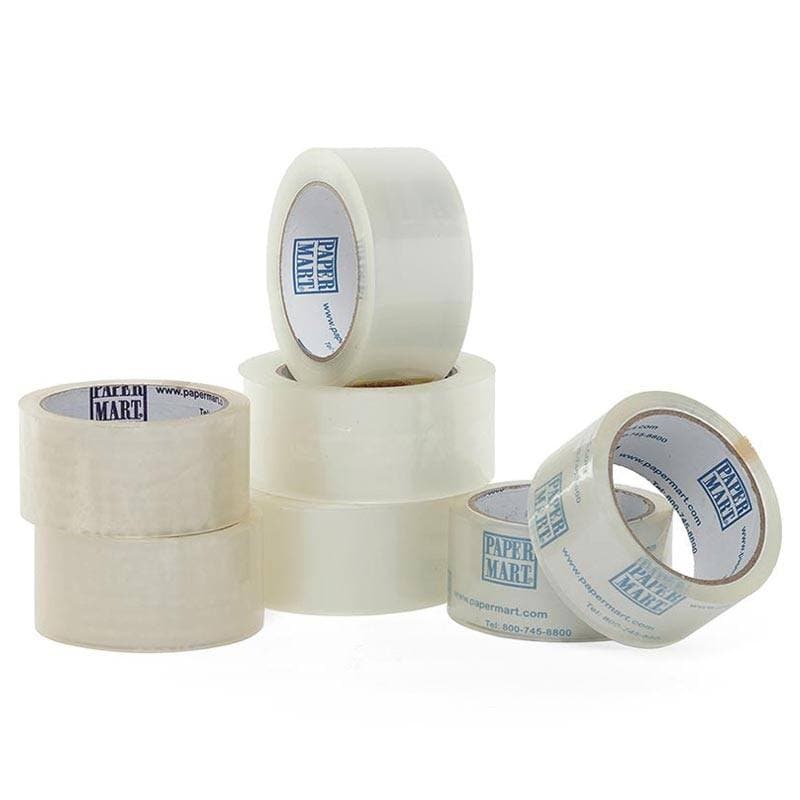
A stock image related to Low noise carton sealing tape.
3 Common User Pain Points for ‘Low noise carton sealing tape’ & Their Solutions
Scenario 1: Warehouse Noise Compliance and Occupational Health Management
문제: High-volume distribution centers operating in urban European environments or densely populated Middle Eastern commercial zones face escalating scrutiny regarding occupational noise exposure. Standard polypropylene packing tape typically generates 70-75 decibels during high-speed unwinding—comparable to vacuum cleaner noise—which compounds existing warehouse ambient sound levels. For B2B buyers managing 24/7 operations or facilities near residential areas in Nigeria or South America, this creates dual pressures: regulatory non-compliance with EU Machinery Directive or local occupational safety standards, and increased worker compensation claims related to acoustic fatigue and hearing strain among packaging teams.
솔루션: Specify low-noise carton sealing tape engineered with specialized release coatings that reduce unwinding noise to approximately 55-60 decibels, effectively eliminating the high-frequency screech associated with standard acrylic tapes. When sourcing, request acoustic test data from suppliers demonstrating decibel reduction under actual dispensing conditions rather than theoretical measurements. Implement these solutions specifically in enclosed packing stations, night-shift operations, and facilities with shared office-warehouse spaces. This approach ensures compliance with stringent German workplace ordinances and emerging African corporate wellness standards while improving employee retention in competitive labor markets where workplace environment quality increasingly influences staffing decisions.
Scenario 2: Automated Packaging Line Integration and Reliability
문제: B2B buyers transitioning from manual to semi-automated case sealing frequently encounter tape breakage, inconsistent box closure, and sensor interference when deploying standard noisy tapes in automated environments. The aggressive unwind characteristics and irregular tension of conventional tapes cause film stretching and misalignment in high-speed packaging lines prevalent in German manufacturing and Brazilian export hubs. Additionally, the acoustic signatures of standard tape can interfere with proximity sensors and automated quality control systems, resulting in unplanned downtime, rejected cartons, and reduced throughput that undermines automation ROI calculations.
솔루션: Select low-noise carton sealing tapes specifically formulated for automated packaging machinery, featuring hotmelt adhesive systems with controlled unwind tension and uniform film caliper consistency. Verify compatibility with your specific equipment—whether 3M-Matic case sealers, Interpack systems, or regional automation brands—by requesting technical datasheets showing elongation percentages and unwind force measurements. Conduct pilot tests measuring both noise reduction and machine uptime before bulk procurement. For operations spanning manual and automated stations, establish distinct SKU protocols ensuring automated-grade low-noise tape (typically featuring reinforced cores and specific adhesive rheology) feeds production lines while manual stations use standard low-noise variants, optimizing both acoustic comfort and mechanical reliability.
Scenario 3: Strategic Cost Optimization and Application Zoning
문제: Procurement teams struggle to justify the 15-25% price premium of low-noise tape across diverse operational environments, particularly when purchasing for mixed-use facilities spanning office-based e-commerce fulfillment and heavy industrial export packing. Buyers in price-sensitive markets like Nigeria or South America often either over-apply expensive low-noise tape in outdoor construction or rough-handling applications where acoustic benefits are irrelevant, or conversely, deploy noisy standard tape in quiet office environments where disruption impacts productivity. This misalignment creates inflated packaging costs without delivering proportional value, complicating budget approvals for acoustic comfort initiatives.
솔루션: Implement operational zoning that maps acoustic requirements to specific functional areas rather than facility-wide deployment. Reserve low-noise tape for noise-sensitive zones: enclosed office packing stations, retail backrooms, residential delivery preparation areas, and night-shift operations in mixed-use facilities. Deploy standard acrylic tape for outdoor loading docks, heavy industrial environments, and rough-handling export logistics where ambient noise already exceeds 80 decibels. Calculate ROI by factoring in productivity gains from reduced worker distraction, lower hearing protection equipment costs, and potential regulatory compliance savings. Negotiate volume-tiered contracts with suppliers that reflect this split-inventory approach, ensuring appropriate tape specifications reach correct endpoints while optimizing total cost of ownership across your international procurement footprint.
Strategic Material Selection Guide for Low noise carton sealing tape
Low-noise carton sealing tape achieves its acoustic properties through careful substrate selection and adhesive formulation, critical considerations for procurement teams managing operations across diverse climatic and regulatory environments. From high-humidity distribution centers in Lagos to temperature-controlled pharmaceutical facilities in Frankfurt, material choice directly impacts not just decibel levels but seal integrity, automation compatibility, and compliance with evolving sustainability mandates. Understanding the mechanical properties and environmental implications of each substrate enables strategic sourcing decisions that balance acoustic performance with operational durability. The following analysis evaluates four primary materials, examining their suitability for specific B2B applications where noise reduction intersects with functional requirements.
What Makes Polypropylene (BOPP) the Standard Choice for Noise-Reduced Operations?
Modified biaxially oriented polypropylene (BOPP) dominates the low-noise tape market, engineered with specialized release coatings and low-tack adhesives that dampen the high-frequency vibration responsible for the characteristic “squeal” during unwind. This thermoplastic substrate offers exceptional moisture resistance and dimensional stability, performing reliably in the fluctuating humidity levels common across Middle Eastern and West African logistics corridors. For automated packaging lines running at 30+ cartons per minute, BOPP provides consistent unwind tension without the variability that triggers applicator jams. However, procurement teams must specify gauge thickness carefully—standard 28-micron films transmit more acoustic vibration than premium 35-40 micron low-noise variants, while adhesive formulations require verification for compatibility with recycled corrugated content increasingly specified by European retailers.
Why Do Facilities Still Specify PVC for Ultra-Quiet Sealing Applications?
Polyvinyl chloride remains the acoustic benchmark for facilities requiring near-silent operation, particularly in German electronics manufacturing and Nigerian pharmaceutical distribution where noise pollution regulations are stringent. The material’s inherent plasticizer content provides natural flexibility that eliminates the glass-like resonance of polypropylene films, achieving decibel reductions of 15-20 dB compared to standard tapes. Despite these acoustic advantages, PVC presents significant procurement challenges: the chlorine content conflicts with EU Packaging and Packaging Waste Directive recycling targets, while plasticizer migration concerns limit its use in food-contact applications. Additionally, PVC exhibits lower tensile strength (typically 20-25 N/cm) and poor low-temperature performance, becoming brittle in unheated warehouse environments during European winters or high-altitude South American distribution centers.
Is Paper-Based Kraft Tape the Sustainable Solution for Silent Packaging?
Reinforced kraft paper tapes offer an inherently silent unwinding experience while addressing the sustainability mandates driving procurement decisions across European and Latin American markets. These substrates utilize fiberglass thread reinforcement or cross-woven patterns to achieve tensile strengths comparable to plastic films, completely eliminating the squeal associated with film-based tapes. For B2B buyers prioritizing circular economy compliance, paper tapes provide curbside recyclability and biodegradability that satisfies Extended Producer Responsibility regulations. However, the hygroscopic nature of cellulose fibers demands climate-controlled storage in tropical climates—exposure to humidity above 70% causes premature adhesive activation and edge curling. Water-activated varieties require dispenser infrastructure investments, while self-adhesive paper options typically demonstrate lower initial tack on highly recycled corrugated boards common in eco-conscious supply chains.
When Should Heavy-Duty Polyester (PET) Be Considered for Low-Noise Requirements?
High-performance polyester (PET) films serve specialized B2B applications where noise reduction must coexist with extreme load-bearing requirements, such as industrial parts distribution and bulk commodity shipping throughout African mining sectors and South American agricultural exports. With tensile strengths exceeding 100 N/cm and elongation at break below 100%, PET maintains seal integrity on overweight cartons exceeding 40kg without the relaxation common in polypropylene. Advanced low-noise PET formulations utilize specialized backside coatings that reduce unwind noise while maintaining the material’s excellent temperature resistance (-20°C to +80°C), critical for Middle Eastern desert logistics and unheated European warehouses. The primary limitation remains economic: PET commands a 40-60% price premium over BOPP and requires precise tension calibration on manual dispensers to prevent stretching that compromises adhesive contact.
| 재료 | Typical Use Case for Low noise carton sealing tape | 주요 이점 | 주요 단점/제한 사항 | 상대적 비용 |
|---|---|---|---|---|
| 폴리프로필렌(BOPP) | High-volume e-commerce fulfillment and automated packaging lines | Excellent moisture resistance and automated applicator compatibility | Standard gauges may produce residual noise; requires specific low-noise formulation | $ (Low) |
| Polyvinyl Chloride (PVC) | Pharmaceutical, electronics, and luxury goods packaging requiring near-silent operation | Superior inherent flexibility eliminates high-frequency squeal | Environmental compliance challenges; contains chlorine and plasticizers | $$ (Medium-High) |
| Paper/Kraft | Sustainable packaging initiatives and retail box sealing | Completely silent unwinding; biodegradable and recyclable | Humidity sensitivity requires climate-controlled storage; lower initial tack | $$ (Medium) |
| 폴리에스테르(PET) | Heavy-duty industrial shipping and overweight carton sealing | Exceptional tensile strength (>50 lbs/inch) with noise reduction | Significant cost premium; over-specification for standard applications | $$$(높음) |
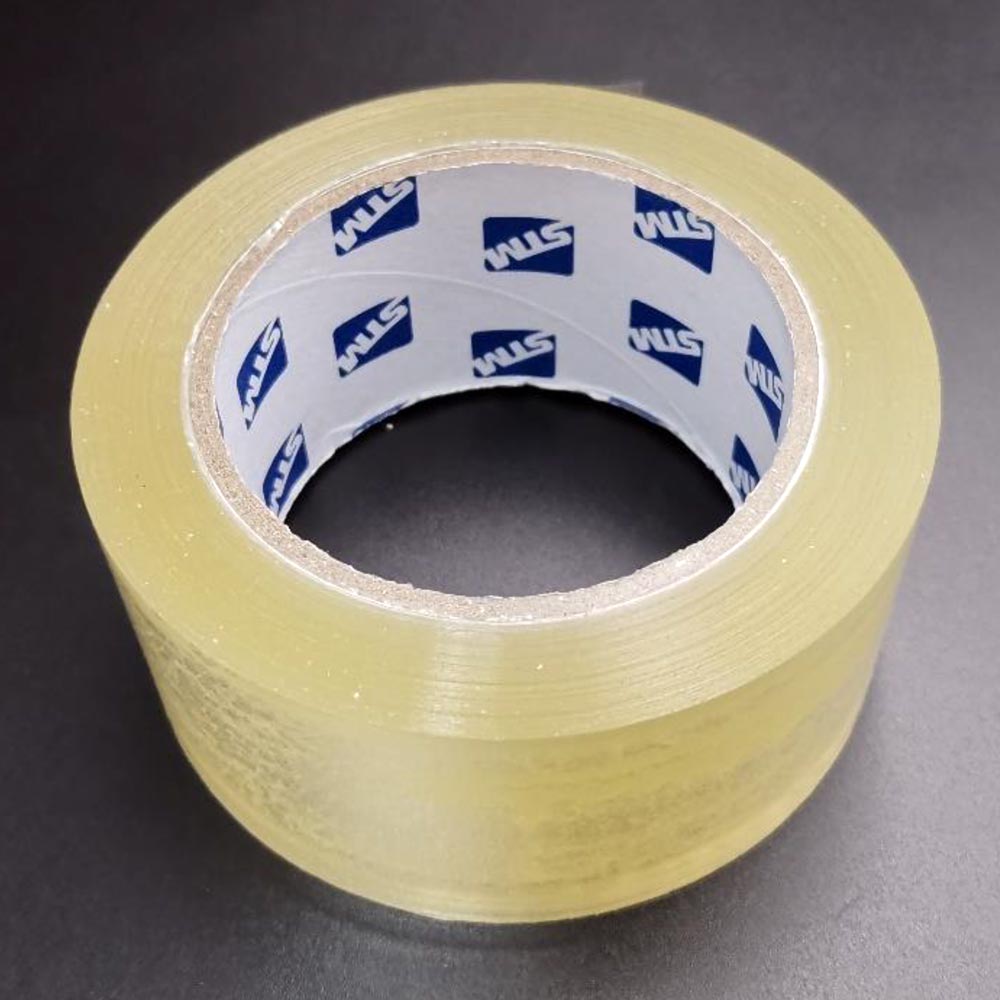
A stock image related to Low noise carton sealing tape.
In-depth Look: Manufacturing Processes and Quality Assurance for Low noise carton sealing tape
Low-noise carton sealing tape represents a specialized category within industrial packaging, requiring precise modifications to standard manufacturing workflows. Unlike conventional acrylic or hot-melt tapes that generate significant decibel levels during unwind and application, low-noise variants demand controlled film formulations, specialized release coatings, and tension-calibrated winding processes. For procurement teams operating across diverse regulatory environments—from Germany’s stringent workplace safety standards to Nigeria’s growing logistics sectors—understanding these manufacturing nuances ensures you specify products that deliver measurable acoustic reduction without compromising adhesive integrity.
How Is Low-Noise Carton Sealing Tape Engineered to Reduce Acoustic Disturbance?
The acoustic signature of packaging tape originates primarily at the interface between the adhesive layer and the backing film during unwind. Manufacturers achieve noise reduction through three core material modifications. First, the polypropylene film substrate undergoes specialized surface treatment—typically corona or flame treatment at controlled energy levels—to create micro-roughness that facilitates quieter adhesive release without weakening bond strength. Second, adhesive formulations incorporate rheology modifiers that dampen the “snap” effect common in standard hot-melt compounds, resulting in a more viscous, controlled flow during application. Third, release coatings applied to the film’s non-adhesive side utilize silicone-based compounds with specific cure profiles that reduce static friction coefficients, minimizing the high-frequency vibrations that translate to audible screech.
These modifications require precision compounding capabilities that differentiate tier-one manufacturers from commodity converters. The film thickness tolerance typically narrows from ±5% in standard tapes to ±2% in acoustic-grade products, ensuring consistent unwind force across bulk rolls. For buyers sourcing from international suppliers, verifying that your manufacturer operates in-house resin compounding facilities—rather than relying on third-party adhesive blends—provides greater assurance of formulation consistency across large-volume orders.
What Are the Critical Manufacturing Stages That Determine Tape Quietness?
Production of low-noise tape follows a modified BOPP (biaxially oriented polypropylene) extrusion workflow with several acoustic-specific control points. The extrusion phase begins with polymer pellet selection, where manufacturers specify metallocene-catalyzed polypropylene grades that offer superior clarity and reduced crystalline noise compared to conventional Ziegler-Natta resins. During the tentering process—where the film is stretched longitudinally and transversely—temperature gradients must remain within ±1°C to prevent molecular orientation irregularities that amplify sound during later unwind.
The coating stage presents the most critical quality control juncture. Adhesive application occurs via direct gravure or Meyer rod coating methods, with viscosity maintained within narrow shear-rate parameters to prevent air entrapment. Air bubbles trapped in the adhesive matrix create microscopic rupture points that generate popping sounds during application. Following coating, the curing phase employs infrared or hot-air ovens with zoned temperature control to ensure complete solvent evaporation while preventing thermal degradation of the noise-reducing additives.
Winding tension represents the final acoustic determinant. Precision tension control systems—often utilizing dancer rollers with load cell feedback—maintain consistent web tension during roll formation. Variations exceeding 10% in winding tension create hard spots or telescoping that manifest as erratic noise spikes during dispenser use. Leading manufacturers employ automated tension profiling that gradually decreases from core to outer diameter, compensating for the increasing roll diameter to maintain constant interlayer pressure.
Which Quality Assurance Protocols Validate Acoustic Performance in Bulk Production?
Quality assurance for low-noise tape extends beyond standard adhesion and tensile testing to include specific acoustic validation. Reputable manufacturers implement decibel testing protocols using calibrated sound level meters positioned at standardized distances (typically 30cm) from tape dispensers during unwind operations. Acceptance criteria generally require noise levels below 65-70 dB—comparable to normal conversation levels—compared to 80-85 dB for conventional tapes.
Beyond acoustic metrics, rheological testing ensures batch consistency. Dynamic mechanical analysis (DMA) verifies that the adhesive’s storage modulus remains within specified ranges across temperature variations, critical for buyers in climates ranging from Middle Eastern heat to humid West African conditions. Peel adhesion testing (ASTM D3330) and shear adhesion testing (ASTM D3654) proceed alongside acoustic validation to ensure that noise reduction does not compromise holding power on corrugated substrates.
Statistical process control (SPC) charts track unwind force consistency across production runs. Coefficient of variation (CV) values below 3% indicate manufacturing precision suitable for automated packaging lines where tension fluctuations cause machinery jams. For pharmaceutical or electronics clients requiring cleanroom compatibility, additional QA includes particle counting and outgassing analysis to ensure acoustic additives do not introduce contamination.
How Can B2B Buyers Verify Manufacturing Standards and Supplier Capabilities?
When evaluating potential suppliers for international distribution, focus audit protocols on three capability vectors. First, assess the manufacturer’s laboratory accreditation—specifically ISO/IEC 17025 certification for testing laboratories—which ensures acoustic measurement equipment maintains calibration traceability to international standards. Second, examine the production environment’s climate control systems; low-noise adhesive coatings exhibit heightened sensitivity to ambient humidity, requiring facilities maintaining 45-55% RH stability.
Third, request documentation of raw material traceability systems. The specialized release coatings and modified polypropylene resins used in low-noise formulations often originate from single-source chemical suppliers. Verify that your manufacturer maintains safety stock agreements for these critical inputs and employs first-in-first-out (FIFO) inventory rotation to prevent adhesive aging that degrades acoustic performance.
For buyers in emerging markets such as South America or Africa, consider requesting sample retention protocols where manufacturers archive production samples from each batch for 12-24 months. This practice enables forensic analysis if field performance issues arise after shipping, particularly important given the extended supply chains and variable storage conditions these regions often present.
What Role Does Raw Material Traceability Play in Consistent Low-Noise Performance?
The acoustic properties of carton sealing tape depend heavily on the molecular consistency of base polymers and additives. Metallocene polypropylene catalyst systems, when sourced from different petrochemical suppliers, can produce films with varying acoustic signatures despite meeting identical mechanical specifications. Similarly, silicone release coatings exhibit batch-to-batch viscosity variations that affect cure rates and final noise characteristics.
Leading manufacturers implement blockchain or advanced ERP-based traceability systems that link each finished roll to specific raw material lot numbers, catalyst batches, and even extruder screw wear measurements. This granularity enables rapid root-cause analysis if acoustic performance drifts and facilitates targeted recalls rather than broad batch rejections. For procurement teams managing just-in-time inventory across multiple continents, this traceability translates to reduced risk of line stoppages due to tape performance inconsistencies.
When negotiating supply agreements, specify that acoustic testing data must accompany each production lot, including baseline decibel readings and peel adhesion values. This requirement incentivizes manufacturers to maintain process discipline while providing your quality assurance teams with objective acceptance criteria upon goods receipt, regardless of whether shipments arrive in Hamburg, Lagos, or São Paulo.
Practical Sourcing Guide: A Step-by-Step Checklist for ‘Low noise carton sealing tape’
Procuring low-noise carton sealing tape requires balancing acoustic comfort with operational durability across diverse climate conditions and regulatory environments. This practical checklist equips international procurement teams—from German industrial distributors to Nigerian logistics operators—with actionable criteria to evaluate suppliers systematically. Following these steps ensures your investment genuinely reduces warehouse noise pollution while maintaining seal integrity during high-volume packaging operations across multiple regional markets.
1. How Do You Verify Acoustic Performance Specifications Beyond Marketing Claims?
Request detailed technical data sheets specifying exact decibel reduction percentages compared to standard polypropylene tape, ideally referencing ISO 7779 acoustic testing standards rather than subjective assessments. Conduct sample testing within your specific warehouse environment, as ambient humidity and temperature significantly affect unwinding
A stock image related to Low noise carton sealing tape.
Comprehensive Cost and Pricing Analysis for Low noise carton sealing tape Sourcing
Low-noise carton sealing tape commands a price premium over standard polypropylene tape due to its specialized release coating and modified adhesive formulations that reduce unwinding noise. For procurement teams operating across diverse markets—from Lagos to Berlin—understanding the nuanced cost drivers ensures competitive unit economics without compromising acoustic performance standards. Strategic sourcing requires analyzing material composition, volume leverage, and regional logistics variables to optimize total landed costs.
What Drives the Cost Structure of Low-Noise Carton Sealing Tape?
Raw material volatility significantly impacts pricing for this specialized category. The silicone-based or proprietary polymer release coating adds 15-25% to base film costs compared to standard tapes, while acrylic adhesive formulations optimized for quiet release require higher-grade resin inputs. Manufacturing complexity also increases overhead; precision slitting equipment with tighter tension controls is necessary to prevent adhesive buildup that causes noise. Currency fluctuations in propylene derivative markets directly affect quarterly pricing adjustments from major exporters in China and Southeast Asia, requiring buyers to monitor petrochemical indices.
How Do Volume Tiers Impact Unit Pricing for International Buyers?
Bulk procurement strategies vary significantly by region and directly affect per-roll economics. Full container load (FCL) shipments typically unlock 30-40% price reductions compared to less-than-container-load (LCL) orders, particularly critical for African importers facing high per-unit shipping costs to ports like Lagos or Mombasa. European buyers often negotiate annual framework agreements with quarterly call-offs, stabilizing prices against raw material volatility. Minimum order quantities from tier-1 manufacturers generally start at 5,000-10,000 rolls, while trading companies offer flexibility at 15-20% markups for smaller batches suitable for Middle Eastern distributors testing market demand.
Are There Hidden Logistics Costs When Sourcing from Asia to Africa and Europe?
Beyond FOB pricing, buyers must factor in acoustic testing certifications and climate-specific packaging requirements. ISO 3744 compliance documentation adds administrative costs but prevents customs delays in regulated European markets. Moisture-resistant packaging becomes essential for humid transit routes through Nigerian ports or Brazilian warehouses, where standard cardboard packaging risks moisture ingress that degrades adhesive performance. Import duties vary significantly: EU MFN tariffs on adhesive tapes typically range 6.5-7.5%, while South American Mercosur members may face different duty structures. Climate-controlled warehousing prevents degradation above 35°C, avoiding adhesive transfer failures that negate the tape’s noise-reduction benefits.
How Can Buyers Balance Quality Grades with Budget Constraints?
Three-tier quality systems help optimize spend across different market requirements. Premium grades (45-50 micron thickness, >72-hour adhesion) suit German automotive or pharmaceutical exports requiring silent fulfillment centers. Standard industrial grades (40-45 micron) offer adequate noise reduction for general e-commerce in emerging markets. Requesting sample batches for decibel testing (targeting <35dB unwinding noise) before mass production prevents costly specification mismatches. Long-term contracts should include price adjustment clauses tied to resin indices rather than fixed pricing, protecting margins during petrochemical volatility while securing supply continuity.
Alternatives Analysis: Comparing Low noise carton sealing tape With Other Solutions
When evaluating sealing solutions for high-volume distribution centers or retail fulfillment operations, procurement teams must weigh acoustic comfort against throughput efficiency and total cost of ownership. While low-noise carton sealing tape offers distinct advantages for workplace ergonomics, understanding its performance relative to conventional alternatives ensures optimal specification for your specific logistics environment. The following analysis examines how low-noise formulations compare against standard acrylic adhesives and water-activated systems across critical operational metrics including decibel levels, application velocity, and seal integrity.
| 비교 측면 | Low Noise Carton Sealing Tape | Standard Acrylic Carton Sealing Tape | Water-Activated Tape (WAT) |
|---|---|---|---|
| Operational Noise Level | 60-65 dB (whisper-quiet) | 80-90 dB (high-pitch screech) | Near-silent (0 dB from tape) |
| 애플리케이션 속도 | High (compatible with automated sealers) | High (fastest manual application) | Moderate (requires wetting time) |
| 재료비 지수 | $$ (Premium grade) | $ (Economy standard) | $$$ (Paper-based, higher material cost) |
| 장비 요구 사항 | Standard dispensers | Standard dispensers | Specialized water dispensers (manual or electric) |
| 변조 증거 | Moderate (can be removed with heat) | Low (clean removal possible) | High (bonds to box, tears fiber if removed) |
| 기후 적합성 | Stable in varied humidity | Performance varies in extreme heat/cold | Risk of activation in high humidity storage |
| Recyclability | Polypropylene (check local streams) | Polypropylene | Fully recyclable with corrugated box |
How Does Standard Acrylic Tape Impact Worker Productivity and Safety?
Standard acrylic carton sealing tape remains the default choice for many facilities due to its lower unit cost and universal compatibility with hand dispensers and automated case sealers. However, the high-frequency noise generated during rapid application—often exceeding 85 decibels—creates cumulative fatigue in warehouse environments and may violate occupational noise regulations in jurisdictions like the EU and Nigeria. While the tape itself is inexpensive, hidden costs emerge through increased worker turnover, potential hearing protection equipment requirements, and reduced packing speeds as employees naturally moderate their pace to mitigate acoustic discomfort. Additionally, standard acrylic formulations often suffer from “flagging” (lifting at edges) in temperature fluctuations, requiring double-sealing that negates initial material savings. For operations prioritizing absolute material cost over ergonomic considerations, standard acrylic suffices, though it lacks the premium unboxing experience and consistent adhesion that low-noise formulations provide across varying temperature ranges common in Middle Eastern logistics hubs.
Is Water-Activated Tape a Superior Alternative for High-Value Shipments?
Water-activated tape (WAT) presents a compelling alternative for B2B buyers prioritizing tamper-evidence and fiber-based recyclability over raw application speed. Unlike pressure-sensitive low-noise tapes, WAT forms a permanent chemical bond with corrugated fibers, creating a seal that shows immediate visual evidence of interference and provides superior stacking strength for palletized exports. However, this security advantage requires capital investment in water-activated dispensers—either manual units or electric systems—and introduces a moisture variable that complicates storage in humid climates common in South American or West African distribution centers. While WAT eliminates noise entirely and offers excellent performance in dusty environments where pressure-sensitive adhesives might fail, the slower application process and dependency on water reservoirs make it less suitable for high-velocity e-commerce operations compared to low-noise pressure-sensitive options. Furthermore, WAT requires training to ensure proper water-to-adhesive ratios; insufficient moisture leads to poor bonding, while excess water can damage corrugated integrity. Procurement teams should reserve WAT for high-value, low-to-medium volume shipments where security and sustainability credentials outweigh throughput requirements, particularly for pharmaceutical or electronics exports requiring chain-of-custody documentation.
Essential Technical Properties and Trade Terminology for Low noise carton sealing tape
When procuring low-noise carton sealing tape for high-volume operations, understanding precise technical specifications ensures compliance with workplace noise regulations and operational efficiency across diverse climates. For buyers in Nigeria, Germany, and throughout the Middle East and South America, these metrics determine compatibility with automated packaging lines, storage conditions, and regional safety standards.
What Technical Specifications Define Premium Low-Noise Carton Sealing Tape?
Decibel Reduction Coefficient: Unlike standard BOPP tapes that generate 70–80 dB during unwind, low-noise variants typically operate below 50 dB. Request specific acoustic ratings from manufacturers, as this metric directly impacts warehouse noise compliance and worker comfort indices in regions with strict occupational health standards.
Film Caliper and Micron Consistency: The base polypropylene film thickness, measured in microns (μm) or mils (1 mil = 25.4 μm), typically ranges from 28–45 μm for carton sealing. Thicker films provide dimensional stability but require precise adhesive formulation to maintain quiet unwind characteristics without increasing application noise.
Adhesive Coating Weight: Expressed in grams per square meter (gsm), the adhesive mass affects both bond strength and acoustic properties. Low-noise tapes utilize specialized hot-melt or water-based acrylic formulations with coating weights between 18–25 gsm, optimized to minimize the “snap” sound during application while ensuring fiber-tearing adhesion.
Tensile Strength and Elongation: Machine Direction (MD) tensile strength should exceed 30 N/25mm for heavy-duty export applications, with elongation at break between 150–200%. These properties prevent tape breakage during high-speed automated sealing, crucial for manufacturing facilities handling significant throughput.
Temperature Resistance Spectrum: For buyers in regions with extreme climates, verify the service temperature range. Quality low-noise tapes maintain adhesion from -10°C to 60°C, with application temperatures typically requiring minimum 5°C for hot-melt adhesives to perform effectively in European winters or air-conditioned Middle Eastern facilities.
What Industry Terminology Should Global Buyers Understand When Sourcing Quiet Packaging Tape?
Quiet Unwind Technology: This refers to specialized release coatings and adhesive rheology that dampen oscillating frequencies produced when tape separates from the roll. It encompasses both the unwind noise and the “zip” sound during cutting, distinct from standard acrylic formulations.
Release Coating Optimization: A silicone-based or proprietary coating applied to the film’s non-adhesive side that controls unwinding tension. Proper optimization prevents “telescoping” (lateral shifting of tape layers) while maintaining the low-friction properties essential for quiet dispensing in manual or automated operations.
Hot Melt vs. Acrylic Systems: Hot melt rubber-based adhesives offer superior initial tack and low-temperature performance but may yellow over time. Acrylic adhesives provide better UV resistance and aging stability, often preferred for long-term storage in outdoor markets across Africa and South America where sun exposure is significant.
Tack and Shear Balance: “Tack” measures immediate stickiness upon contact, while “shear” indicates resistance to slippage under load. Low-noise formulations must balance high tack for secure sealing with sufficient shear resistance to prevent package creep during stacked storage and international shipping.
Core Start Adhesion: The force required to initiate unwinding from the cardboard core. Excessive adhesion creates a loud “rip” at the roll’s commencement; low-noise tapes feature modified adhesive deposition at the core to ensure smooth, silent starting without compromising end-of-roll performance.
Fiber-Tearing Bond: The industry standard for permanent carton sealing, describing adhesive penetration into corrugated fibers that prevents tampering. Low-noise tapes must achieve fiber-tearing adhesion without the aggressive quick-stick properties that generate acoustic spikes during application.
Navigating Market Dynamics and Sourcing Trends in the Low noise carton sealing tape Sector
The global shift toward urban logistics and workplace ergonomics is fundamentally reshaping procurement priorities for sealing solutions. As distribution centers relocate closer to residential zones and noise pollution regulations tighten across jurisdictions, low noise carton sealing tape has transitioned from a niche comfort product to a strategic operational necessity. For procurement teams spanning Lagos to Berlin, understanding these evolving market dynamics ensures competitive positioning while mitigating compliance risks.
What Are the Key Market Drivers for Low Noise Carton Sealing Tape in Global Logistics?
The exponential growth of e-commerce fulfillment in densely populated metropolitan areas has created unprecedented demand for packaging solutions that minimize acoustic disruption. Unlike conventional polypropylene tapes that generate sharp, high-frequency sounds during application and dispensation, low noise variants utilize specialized acrylic adhesives and embossed film technologies that reduce decibel levels by up to 60%. This innovation proves particularly critical for B2B operations in mixed-use facilities, where warehousing activities coexist with office spaces or residential units. Additionally, emerging occupational health mandates across the European Union and Gulf Cooperation Council countries now explicitly address workplace noise exposure, compelling facility managers to retrofit packing stations with quieter alternatives to maintain compliance and reduce worker fatigue-related errors.
How Are Regional Regulations Shaping Procurement Strategies for Quiet Packaging Solutions?
Procurement patterns reveal distinct regional sophistication levels regarding noise abatement. German and broader Central European markets demonstrate the most stringent adherence to DIN standards and local noise ordinances, often requiring acoustic documentation for packaging materials used in urban distribution centers. Conversely, rapidly industrializing economies such as Nigeria and Brazil present a bifurcated landscape: while cost sensitivity remains primary for commodity logistics, premium export-oriented sectors—particularly pharmaceuticals and electronics—increasingly specify low noise specifications to meet international buyer expectations. Middle Eastern logistics hubs, positioning themselves as transshipment gateways between East and West, are adopting these standards proactively to attract multinational e-commerce operators seeking consistent operational standards across their global footprint.
What Technological Innovations Are Transforming Low Noise Tape Manufacturing?
Recent material science breakthroughs have expanded the performance envelope of quiet sealing solutions beyond mere noise reduction. Next-generation hot melt formulations now offer low noise properties without sacrificing the aggressive tack strength required for automated high-speed packaging lines. Meanwhile, micro-embossed BOPP (Biaxially Oriented Polypropylene) films provide enhanced conformability to recycled corrugated fibers—a critical consideration as businesses increase their use of post-consumer content in shipping boxes. For procurement teams, this means evaluating suppliers based on their ability to provide consistent unwind characteristics across varying temperature and humidity conditions, ensuring that “low noise” claims translate to reliable performance in tropical climates like those found in West Africa or the humid subtropical regions of South America.
Why Are Sustainable Low Noise Sealing Solutions Becoming Critical for International Buyers?
Sustainability and acoustic performance are converging as dual procurement mandates. Premium low noise tapes increasingly incorporate water-based acrylic adhesives that eliminate volatile organic compounds (VOCs) while maintaining silent unwind properties. Furthermore, the superior adhesion characteristics of these specialized tapes reduce material waste through eliminated re-taping and package reinforcement needs. For businesses targeting circular economy certifications, selecting tapes compatible with corrugated recycling streams—those utilizing recyclable adhesives and films—ensures that noise reduction initiatives do not compromise end-of-life packaging recyclability. This alignment proves particularly valuable for European buyers navigating Extended Producer Responsibility (EPR) frameworks and for emerging market exporters seeking to meet the sustainability criteria of international retail partners.
How Can Procurement Teams Ensure Ethical Sourcing of Eco-Friendly Quiet Carton Tape?
Strategic sourcing requires moving beyond product specifications to evaluate supply chain provenance. Reputable manufacturers should provide transparency regarding adhesive sourcing, particularly regarding solvent-free manufacturing processes and conflict-free mineral components in tape dispensers. Bulk procurement strategies—leveraging container-load quantities for regional distribution hubs—not only optimize landed costs but also reduce the carbon footprint associated with frequent small-batch shipments. When vetting suppliers, prioritize those offering comprehensive technical data sheets demonstrating acoustic testing methodologies (ideally ISO 7779 compliance) alongside environmental certifications such as FSC chain-of-custody documentation for paper-based components or Cradle to Cradle certification for innovative bio-based alternatives.
What Environmental Benefits Do Premium Low Noise Tapes Offer Beyond Noise Reduction?
High-performance low noise variants contribute to sustainability goals through operational efficiency gains. Their stable adhesive chemistry prevents tape degradation and edge-lifting in storage, reducing the incidence of rejected packages and material waste. Additionally, the enhanced shear strength of quality acrylic formulations allows for narrower tape widths in certain applications, directly reducing plastic consumption per sealed carton. For procurement directors managing multi-site operations across diverse climates—from the humidity of São Paulo to the arid conditions of Dubai—selecting tapes with proven weather resistance ensures that sustainability investments are not undermined by product failure requiring secondary sealing or package replacement.
Frequently Asked Questions (FAQs) for B2B Buyers of Low noise carton sealing tape
1. What decibel level qualifies as “low noise” carton sealing tape in industrial environments?
Standard carton sealing tape typically generates 70–80 decibels during unwinding—comparable to heavy urban traffic. Genuine low noise variants are engineered to operate below 55 decibels, roughly equivalent to a quiet conversation or background office noise. This reduction is achieved through specialized polypropylene film formulations and micro-embossed release coatings that minimize friction between adhesive layers. When sourcing from international suppliers, request acoustic testing data measured at 1-meter distance per ISO 3744 standards to verify claims, as marketing terminology often lacks standardized thresholds.
2. How does low noise packing tape improve operational efficiency in high-volume warehouse operations?
Beyond hearing protection compliance, reduced acoustic levels eliminate the “cocktail party effect” where workers unconsciously raise voices to compete with machinery noise. This creates measurable productivity gains in pick-and-pack environments where communication clarity directly impacts order accuracy rates. Additionally, low noise tape allows for extended shift operations without violating OSHA, EU Noise Directive (2003/10/EC), or local occupational safety limits—particularly critical in shared industrial spaces across Germany or the Middle East where multiple packaging lines operate simultaneously.
3. What are the material differences between low noise and standard carton sealing tape?
While both utilize polypropylene or PVC substrates, low noise tape incorporates specialized release coatings and modified adhesive systems that reduce the “snap” effect during unwind. Standard tape relies on aggressive tackifiers that create high-friction unwinding, whereas low noise variants use lubricated backings and controlled unwind tension mechanisms. The adhesive mass typically remains comparable—25–35 microns—but the application method requires slightly adjusted dispenser settings to prevent telescoping, particularly important when transitioning existing manual stations in African or South American facilities.
4. Is low noise carton sealing tape compatible with automated case sealers and random taping machines?
Yes, provided the tape meets specific tensile strength benchmarks (minimum 35 N/cm) and unwind force consistency standards. Automated systems require tape with stable unwind characteristics to prevent machine jams or inconsistent application pressure at high speeds. When sourcing for automation, verify that the supplier provides “automation-grade” low noise specifications, as some hand-grade variants may lack the tensile uniformity needed for rotary taping heads operating at 30+ cases per minute—common in European e-commerce fulfillment centers.
5. How do I calculate the true ROI of switching to low noise carton sealing tape for my fulfillment operations?
Calculate beyond unit cost by factoring in reduced PPE expenditures (hearing protection), potential noise violation penalties, and productivity metrics. In European markets, compliance with Machinery Directive 2006/42/EC noise emission standards can prevent costly operational shutdowns. For emerging markets like Nigeria or Brazil, consider worker retention rates—facilities with lower noise pollution report 15–20% lower turnover in packaging roles, significantly reducing recruitment and training costs associated with high-volume seasonal operations.
6. What specifications should international buyers verify when sourcing low noise tape for extreme climate conditions?
Verify temperature range compatibility, particularly for Middle Eastern and African markets where warehouse temperatures frequently exceed 40°C. Low noise acrylic adhesives can soften in extreme heat, affecting tack strength and creating “gumming” on automated equipment. Request UV-stabilized formulations for South American operations with high sun exposure during transport. Additionally, confirm that the tape meets destination country recycling codes—EU buyers should verify PP-PE separability under EN 13430, while Nigerian customs increasingly require specific SGS or SON certifications for imported packaging materials.
7. How do humidity and long-term storage impact low noise adhesive performance?
Acrylic-based low noise tapes perform optimally in 40–60% relative humidity; excessive moisture can activate noise-reducing release coatings prematurely, causing adhesive transfer or edge flagging. For tropical climates common in African and South American operations, specify moisture-resistant synthetic rubber or hotmelt acrylic formulations rather than natural rubber adhesives, which degrade faster in high humidity. Store rolls vertically in climate-controlled areas at 15–25°C to prevent edge lifting that compromises the low-noise unwind mechanism, particularly critical when managing ocean freight inventory lead times.
8. What quality certifications distinguish genuine low noise tape from standard products with unsubstantiated claims?
Look for ISO 3744 or ISO 11201 acoustic testing reports rather than internal manufacturer specifications. For European compliance, CE marking under the Packaging and Packaging Waste Directive (94/62/EC) ensures the tape meets material safety standards alongside noise specifications. In automated environments, request TAPPI T-400 series testing data for unwind force consistency. Reputable suppliers should provide third-party acoustic lab results showing sustained noise reduction across the entire roll diameter, not just the outer layers—a common issue with inferior products that lose low-noise properties as the roll depletes.
중요 고지 사항 및 이용 약관
⚠️ 중요 고지 사항
제조업체, 기술 사양 및 시장 분석에 관한 내용을 포함하여 이 가이드에서 제공하는 정보는 정보 제공 및 교육 목적으로만 사용됩니다. 전문적인 조달 자문, 재무 자문 또는 법률 자문으로 간주되지 않습니다.
B2B 구매자는 독립적이고 철저한 실사를 수행해야 합니다. 구매 결정을 내리기 전에 반드시 확인하시기 바랍니다. 이 가이드의 정보에 의존하는 데 따른 위험은 전적으로 독자가 부담합니다.
Top 3 Low Noise Carton Sealing Tape Manufacturers & Suppliers List
1. STM – Low Noise Packaging Tape
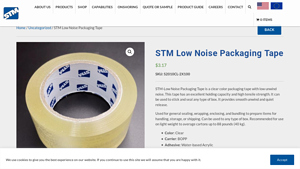
도메인: specialtytapes.net
등록: 1999년(27년)
소개: STM Low Noise Packaging Tape (SKU: S2010CL-2X100) is a clear BOPP packaging tape featuring water-based acrylic adhesive with 2 mils total thickness and 20 oz/in peel adhesion. Key features include low unwind noise, smooth unwind, quiet release, excellent holding capacity, and high tensile strength. Designed for general sealing, wrapping, enclosing, and bundling of lightweight to average cartons up…
2. Tape Suppliers – Sealing Tape
도메인: tapesuppliers.com
등록: 2007년(19년)
소개: Sealing tape prevents liquids, gases, dust, moisture, air, and noise from passing through crevices. Also known as insulating tape, gasket tape, or weather tape, it functions as a cushion and barrier against the elements. Available in materials including foams, rubber, films, foils, and coated fabrics that can be die-cut into any form or pattern. The tape comes in various lengths, widths, strengths…
3. John Maye Company – Tape Sealing Solutions
도메인: johnmayecompany.com
등록: 1999년(27년)
소개: John Maye Company offers professional tape sealing solutions including: 1060 COHERE (1.7mil economy grade for light weight cartons with minimal shipping hazards, 100% Dow Acrylic PS adhesive, available in Clear and Tan); 1180 SUPREME (1.8mil general purpose for normal shipping hazards with non-yellowing adhesive and high performance shear, available in Clear and Tan); 1352 SUPREME (2.8mil industri…
Strategic Sourcing Conclusion and Outlook for Low noise carton sealing tape
How Can International Buyers Secure Consistent Supply Chain Value?
When sourcing low-noise carton sealing tape across diverse markets—from Nigeria’s expanding logistics hubs to Germany’s precision manufacturing centers—consistency remains paramount. Evaluate suppliers not merely on unit pricing, but on their ability to maintain acoustic performance standards across varying climate conditions and humidity levels. Establishing direct relationships with manufacturers who offer certified noise-reduction specifications ensures your packaging operations meet both local workplace safety regulations and international quality benchmarks without costly operational disruptions.
What Strategic Advantages Define the Next Generation of Quiet Sealing Solutions?
The evolution of low-noise tape technology increasingly intersects with sustainability mandates and automation readiness. Forward-thinking procurement teams should prioritize solutions featuring solvent-free acrylic adhesives and recyclable film substrates that maintain silent unwinding properties even under high-speed application. As e-commerce fulfillment centers in South America and the Middle East adopt advanced automated sealing systems, compatibility with mechanical dispensers—without sacrificing noise reduction—will separate commodity suppliers from strategic logistics partners.
Final Recommendation
Ultimately, low-noise carton sealing tape represents more than a workplace comfort feature; it is a strategic asset for brand reputation and operational efficiency in noise-sensitive environments. By prioritizing acoustic certification, climate resilience, and automation compatibility within your sourcing criteria, you position your organization to capitalize on emerging market opportunities while maintaining the premium packaging standards that discerning global customers increasingly demand.