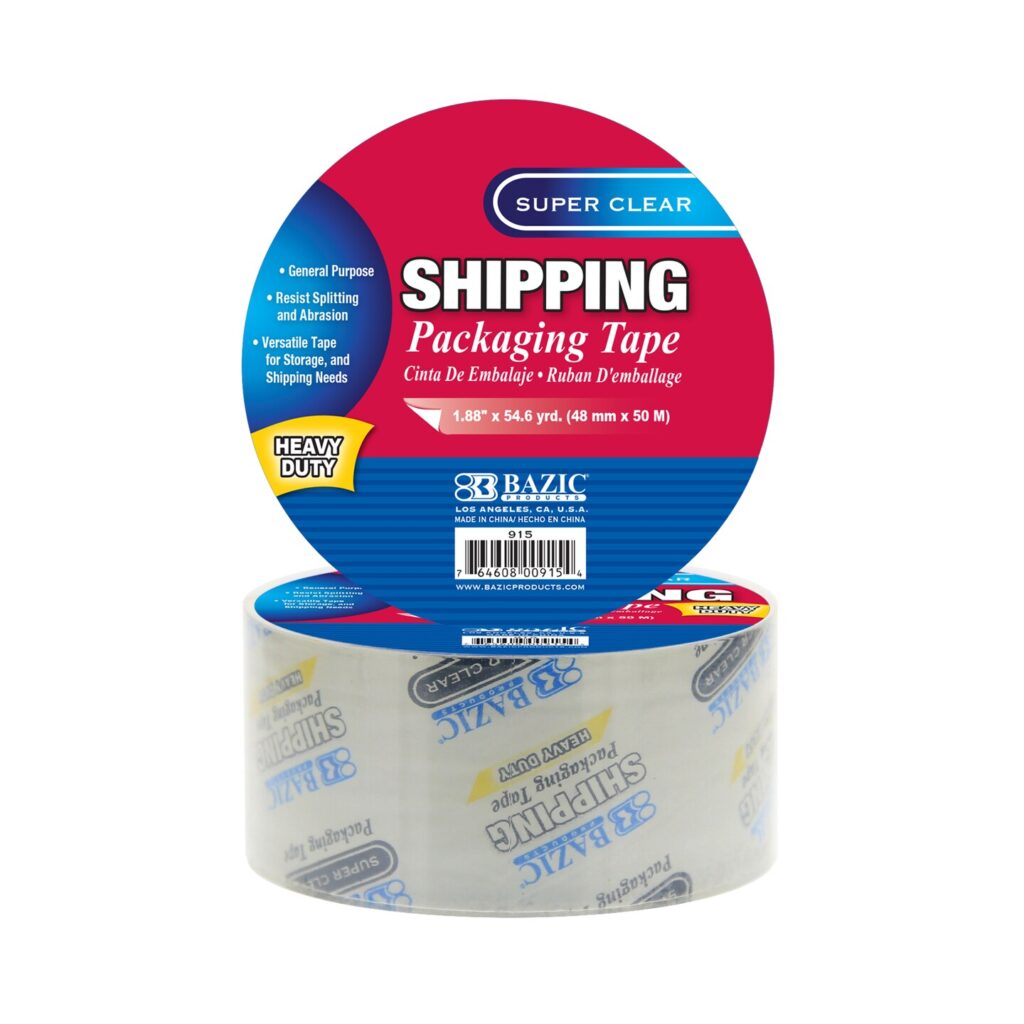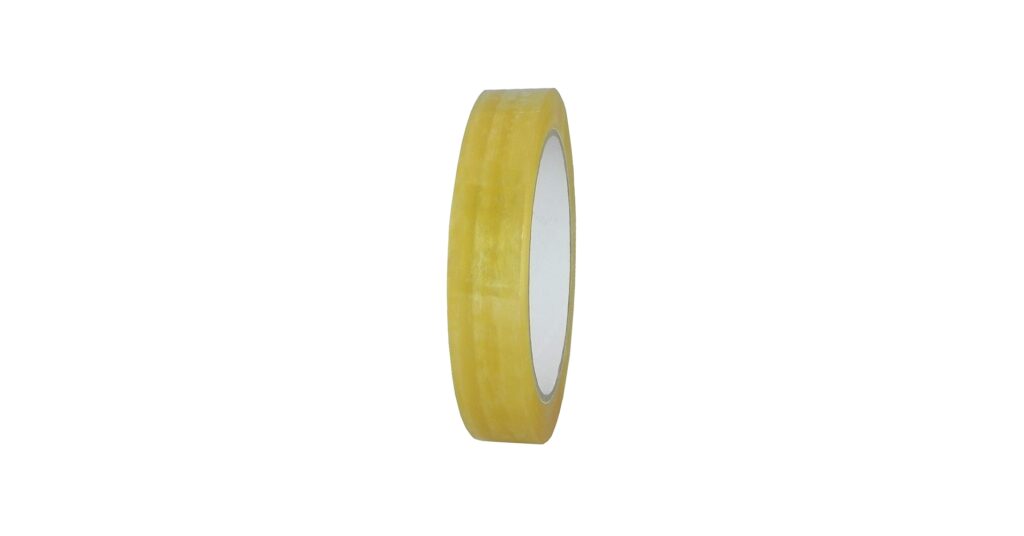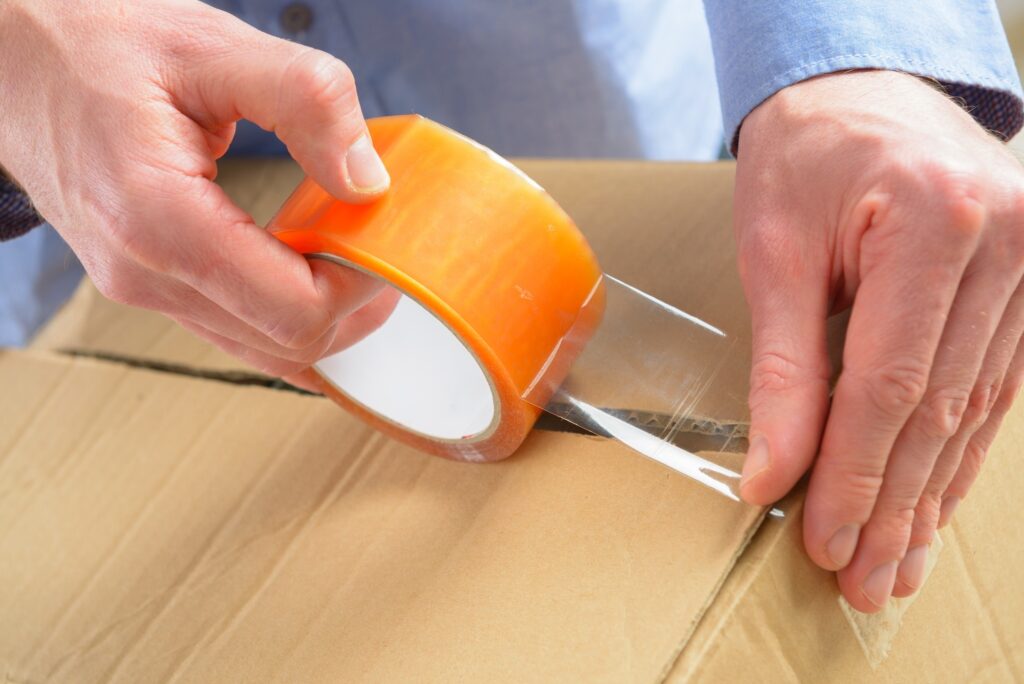
Introduction: Navigating the Global Market for Shipping carton tape
Sourcing high-performance shipping carton tape for international distribution networks presents a critical procurement challenge that extends far beyond basic box sealing. For B2B buyers managing complex supply chains across Africa, South America, the Middle East, and Europe—including precision-driven markets like Germany and rapidly expanding logistics hubs in Saudi Arabia—tape selection directly impacts cargo security, customs efficiency, and bottom-line profitability. Inadequate adhesive performance in extreme temperatures or high-humidity environments can result in catastrophic seal failures, inventory damage, and costly delays that erode competitive advantage in global trade.
What Technical Specifications Determine Tape Performance in Global Shipping?
This comprehensive guide demystifies the complete spectrum of carton sealing technologies, from economical hot-melt pressure-sensitive adhesives to heavy-duty water-activated reinforced tapes. We analyze critical performance metrics including tensile strength, carrier material compatibility, and elongation properties essential for securing recycled corrugated boards and varying load weights. Beyond material science, we examine strategic procurement considerations: supplier qualification protocols, volume-based cost optimization, regional compliance requirements, and application methods tailored to manual versus automated packaging lines.
How Can Regional Buyers Optimize Procurement Across Diverse Markets?
Whether you are securing pharmaceutical shipments through Middle Eastern distribution centers or exporting agricultural products from South American ports, this resource provides actionable frameworks for navigating supplier landscapes and specification standards. By aligning adhesive chemistry with specific climatic challenges, transportation modalities, and regulatory environments prevalent in African, European, and Middle Eastern markets, you will transform packaging procurement from a routine expense into a strategic competitive advantage that ensures product integrity across every mile of the global supply chain.
Understanding Shipping carton tape Types and Variations
| Type Name | Key Distinguishing Features | Primary B2B Applications | Indicative Price Range (e.g., $, $$, $$$) | Brief Pros & Cons for Buyers |
|---|---|---|---|---|
| Hot Melt Synthetic Rubber BOPP | Synthetic rubber adhesive, aggressive initial tack, operational range 40°F–120°F, potential yellowing over time | High-volume e-commerce fulfillment, standard corrugated cartons, ambient storage facilities | $ | Pros: Most economical for bulk procurement, strong immediate grab, easy manual unwind. Cons: Adhesive discoloration, poor performance on recycled fibers, limited extreme weather tolerance. |
| Acrylic Adhesive BOPP | Acrylic adhesive chemistry, UV resistant, quieter unwind, stable in temperature extremes | Long-term warehousing, export shipping to variable climates, clear tape branding requirements | $$ | Pros: Clarity retention, excellent aging resistance, performs in freezing and high-heat environments. Cons: Slower initial tack development, higher per-unit cost than hot melt. |
| Natural Rubber Adhesive BOPP | Natural rubber formulation, superior adhesion to difficult substrates, high shear strength | Heavy-duty cartons, high-recycled-content packaging, cold chain logistics, dusty industrial environments | $$$ | Pros: Bonds to challenging surfaces, excellent low-temperature performance, reliable heavy-load sealing. Cons: Premium pricing tier, potential rubber odor, overkill for lightweight shipments. |
| Water-Activated Kraft Paper (WAT) | Kraft paper backing, water-activated adhesive, tamper-evident seal, recyclable with box | High-value goods, food & beverage exports, sustainable packaging mandates, pharmaceutical security | $$–$$$ | Pros: Permanent fiber-bonding seal, immediate tamper evidence, eco-friendly disposal. Cons: Requires specialized dispenser investment, vulnerable to humidity before application. |
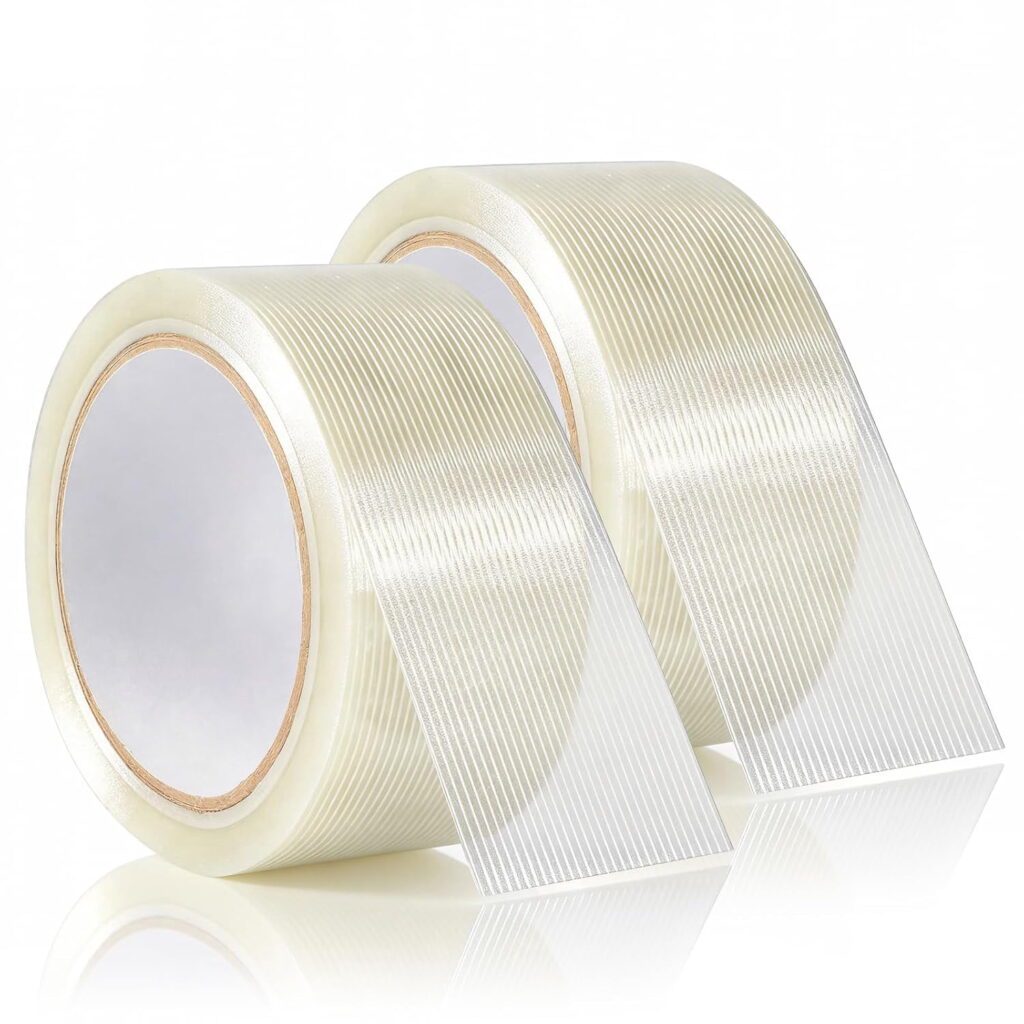
| Filament-Reinforced Strapping | Fiberglass filaments embedded in backing, 100+ lbs tensile strength, split and tear resistance | Palletizing heavy machinery, bundling metal pipes, reinforcing weak or overstuffed containers, load unitization | $$$ | Pros: Extreme structural strength, prevents load shifting, versatile for irregular shapes. Cons: Potential adhesive residue on removal, higher material costs, visible application aesthetics. |
Which Carton Sealing Tape Offers the Best Cost Efficiency for High-Volume Operations?
Hot melt synthetic rubber BOPP tape utilizes synthetic rubber adhesives that provide aggressive initial tack and reliable holding power on virgin corrugated fiberboard. Ideal for automated and manual high-speed packaging lines, this tape performs optimally in ambient temperatures between 40°F and 120°F (4°C to 49°C). B2B buyers should note that while economical for mass procurement, this variety may experience adhesive yellowing and reduced efficacy on recycled cartons or in extreme climate fluctuations common in cross-continental logistics.
What Tape Type Ensures Package Integrity Across Extreme Temperature Variations?
Acrylic adhesive BOPP tape features superior UV resistance and thermal stability, maintaining adhesion in temperature ranges from sub-freezing to over 150°F (65°C). Unlike hot melt alternatives, acrylic formulations resist yellowing and offer quieter unwind characteristics, crucial for warehouse environments. For businesses shipping from humid African ports to arid Middle Eastern destinations, this tape provides consistent performance without specialized storage requirements, though buyers should account for its slower initial bond development compared to rubber-based adhesives.
Is Natural Rubber Tape Essential for Recycled Packaging and Heavy Loads?
Natural rubber adhesive tapes deliver exceptional bonding strength to challenging substrates, including high-recycled-content corrugated and dusty surfaces prevalent in industrial African and South American markets. With superior shear strength and performance in cold chain logistics, this premium option ensures carton integrity under stress. B2B procurement teams should evaluate the total cost of ownership; while unit costs exceed synthetic alternatives, reduced seal failures and compatibility with recycled materials often justify the investment for heavy-duty export shipments.
When Should B2B Buyers Switch to Water-Activated Paper Tape for Security?
Water-activated tape (WAT) creates a permanent, tamper-evident bond by penetrating corrugated fibers, forming a seal that shows immediate visual evidence of interference. This solution addresses growing European and Middle Eastern sustainability mandates while providing superior protection for high-value electronics and pharmaceuticals. Implementation requires capital investment in dispensers, but the single-strip sealing reduces material waste. Buyers must ensure warehouse humidity control during application, as premature moisture exposure compromises adhesive activation.
How Does Reinforced Filament Tape Support Heavy-Duty Industrial Logistics?
Filament-reinforced tape incorporates fiberglass strands within the backing material, delivering tensile strength exceeding 100 lbs per inch for palletizing, bundling metal components, and reinforcing overstuffed containers. Critical for manufacturing exporters in Germany and heavy industry sectors across target regions, this tape prevents load shifting during ocean freight. Procurement considerations include surface preparation requirements and the potential for adhesive residue on certain substrates, necessitating compatibility testing before bulk orders.
Key Industrial Applications of Shipping carton tape
| Industry/Sector | Specific Application of Shipping carton tape | Value/Benefit for the Business | Key Sourcing Considerations for this Application |
|---|---|---|---|
| E-commerce & Retail Fulfillment | High-speed automated sealing of corrugated shipping boxes in fulfillment centers | Maximizes throughput velocity; reduces line downtime and worker fatigue via low-noise unwind; ensures package security during last-mile delivery | Machine-grade compatibility; hot-melt or acrylic adhesive with immediate tack; consistent roll-to-roll thickness for automated dispensers |
| Food & Beverage Cold Chain | Sealing corrugated cases for frozen and refrigerated goods across temperature extremes | Maintains seal integrity despite condensation and thermal cycling; prevents contamination and spoilage; complies with food safety regulations | Acrylic adhesive formulated for 0°F to 140°F ranges; FDA or EU 10/2011 compliance for indirect food contact; moisture-resistant backing |
| Manufacturing & Heavy Industry | Bundling metal components and sealing heavy-duty recycled corrugated containers | Prevents burst seams under heavy loads; accommodates box expansion during stacking; reduces workplace hazards from package failure | Filament-reinforced or >3.0 mil thickness; high tensile strength (>25 lbs/inch); compatibility with recycled corrugated fibers |
| Agricultural Export & Commodities | Securing produce cartons and commodity bags for long-haul international shipping | Protects against humidity and UV degradation during outdoor staging; provides tamper-evidence for customs security; ensures arrival integrity | UV-resistant acrylic adhesive; tamper-evident features; water-resistant backing; compatibility with high-recycled-content board |
How Does Shipping Carton Tape Optimize High-Volume E-commerce Operations?
In high-velocity fulfillment centers across Europe and the Middle East, shipping carton tape serves as the critical final step in automated packaging lines. Hot-melt acrylic tapes provide immediate tack essential for rapid box sealing, while low-noise unwind properties reduce worker fatigue in large distribution hubs. For international buyers managing inventory turnover in fast-moving retail sectors, selecting machine-grade tapes with consistent roll-to-roll adhesion prevents costly line stoppages. This reliability ensures secure closure during peak seasonal surges and reduces material waste from rejected packages, directly impacting operational profitability in competitive e-commerce markets.
What Are the Critical Requirements for Shipping Carton Tape in Cold Chain Logistics?
Food and beverage distributors operating in regions with extreme climate variations—such as the heat of Saudi Arabia or the cold storage facilities of Germany—require acrylic-based shipping carton tapes formulated for broad temperature ranges. These tapes must maintain adhesion despite condensation cycles and freezer burn that compromise standard hot-melt adhesives. Sourcing considerations include FDA-compliant or EU 10/2011-compliant adhesives for indirect food contact and resistance to moisture accumulation during refrigerated transport. This ensures that corrugated cases remain hermetically sealed from processing plant to retail shelf, preventing contamination and spoilage in temperature-sensitive supply chains.
Why Do Heavy-Duty Manufacturing Sectors Require Specialized Carton Sealing Solutions?
Manufacturing exporters in South America and Africa frequently utilize recycled corrugated containers that present unique challenges for standard adhesives. Heavy-duty shipping carton tape, often reinforced with fiberglass filaments or exceeding 3.0 mil thickness, provides the tensile strength necessary to contain metal parts, automotive components, and industrial machinery. These specialized tapes prevent burst seams during rough handling in port facilities and offer the elongation properties needed to accommodate box expansion under heavy vertical stacking. For industrial buyers, sourcing tapes with high shear strength ensures load integrity during ocean freight and reduces the risk of workplace injuries from package failure.
How Can Agricultural Exporters Ensure Product Integrity During International Transit?
For agricultural producers shipping coffee, cocoa, or fresh produce from Africa and South America, shipping carton tape must withstand high humidity and prolonged exposure to UV radiation during outdoor staging. Acrylic adhesives resist yellowing and maintain tack in tropical climates, while tamper-evident variants provide security against pilferage during lengthy customs inspections. Buyers should prioritize tapes compatible with high-recycled-content boxes common in agricultural packaging and those offering water-resistant backing to protect against
A stock image related to Shipping carton tape.
3 Common User Pain Points for ‘Shipping carton tape’ & Their Solutions
Scenario 1: Why Does Carton Tape Lose Adhesion in Extreme Heat and Humidity?
The Problem: B2B buyers shipping from humid coastal regions in West Africa or through the extreme heat of Middle Eastern logistics hubs often experience catastrophic tape failure during summer months. Standard hot-melt adhesive tapes can soften and lose tack when container temperatures exceed 120°F (49°C), causing cartons to pop open during transit and exposing goods to contamination. Conversely, acrylic tapes applied in cold storage facilities in Northern Europe may fail to achieve initial grab, leading to insecure seals that compromise shipment integrity and require expensive manual reinforcement at ports.
The Solution: Match your adhesive chemistry to your climate zone and storage conditions. For high-temperature routes common in Saudi Arabia or Brazil, select acrylic-based carton sealing tapes, which offer superior UV stability and heat resistance up to 150°F. For cold-chain operations in Germany or refrigerated exports, choose hot-melt formulations specifically rated for low-temperature application (down to 32°F/0°C). Always verify the temperature application range—typically 40°F to 120°F for standard hot-melt versus -20°F to 150°F for acrylic—rather than assuming universal performance. Conducting a 24-hour adhesion test on your specific corrugated substrate before bulk procurement prevents costly field failures.
Scenario 2: How Can I Eliminate Downtime on High-Speed Automated Case Sealers?
The Problem: Manufacturing facilities in industrial hubs like Germany or Turkey investing in automated packaging lines frequently encounter tape breakage, flagging (loose tape ends), and inconsistent seals that halt production. Using hand-grade carton tape in machine applicators causes unwinding tension issues and excessive noise, while incorrect mil thickness leads to splitting under the stress of high-speed rollers. This results in production line stoppages, manual rework, and compromised throughput during peak export seasons to African or South American markets, directly impacting delivery commitments and customer satisfaction.
The Solution: Specify machine-grade pressure-sensitive tape with optimized unwind characteristics and consistent 2.0–3.0 mil thickness. Machine-grade hot-melt or acrylic tapes feature stronger polypropylene carrier backings and precisely engineered release coatings that prevent snapping at speeds exceeding 30 cartons per minute. Ensure your tape supplier provides rolls with consistent core dimensions (3-inch standard) and length tolerances compatible with your case sealer model. For high-volume operations, consider E-tape systems that offer 50% more linear footage per roll, reducing changeover frequency and maintaining continuous flow. Proper tape specification can reduce packaging line downtime by up to 40%, significantly improving operational efficiency during bulk export cycles.
Scenario 3: Which Tape Specifications Prevent Heavy Load Failures in Rough Handling Environments?
The Problem: Exporters of agricultural machinery, mining equipment parts, or dense consumer goods from South America and Africa face unique challenges where cartons endure rough handling, stacking pressure, and extended transit times across poor road infrastructure. Standard 1.6-mil economy tapes often split along the box seam when subjected to weight exceeding 25–30 kg, particularly on recycled corrugated that has shorter fibers and more dust. This results in inventory damage, theft vulnerabilities, and costly repackaging at distribution centers, eroding profit margins on heavy-duty shipments destined for European or Middle Eastern markets.
The Solution: Upgrade to heavy-duty carton sealing tape with a minimum 2.5–3.0 mil thickness and enhanced tensile strength exceeding 30 pounds per inch. For cartons exceeding 50 lbs (23 kg) or double
Strategic Material Selection Guide for Shipping carton tape
Selecting the optimal carrier material for carton sealing tape directly impacts supply chain integrity, operational efficiency, and total cost of ownership. For international B2B procurement teams operating across diverse climates—from the humidity of West Africa to the temperature-controlled logistics of Central Europe—understanding material-specific performance characteristics is critical. Material selection must balance immediate procurement costs against long-term durability, application compatibility, and end-market environmental regulations. Below is a strategic analysis of the primary tape substrates used in global shipping operations.
Which Polypropylene (BOPP) Specifications Optimize High-Volume Export Operations?
Biaxially Oriented Polypropylene (BOPP) dominates the global shipping market due to its exceptional cost-to-performance ratio and compatibility with high-speed automated applicators. This thermoplastic polymer film offers excellent tensile strength and dimensional stability, resisting elongation during temperature fluctuations common in containerized ocean freight. Available with both hot-melt synthetic rubber and acrylic adhesive systems, BOPP performs reliably in ambient temperatures between 40°F and 120°F (4°C to 49°C). However, procurement teams should note that standard BOPP tapes may experience adhesive degradation in extreme desert heat or high-humidity tropical environments common in Middle Eastern and African logistics corridors. For these regions, specify UV-stabilized acrylic formulations to prevent yellowing, adhesive bleed, and edge lifting that compromises carton security during extended transit times.
When Does PVC Vinyl Tape Deliver Superior Performance for Premium Logistics?
Polyvinyl Chloride (PVC) or vinyl-backed tapes represent the premium tier in carton sealing solutions, particularly favored by European pharmaceutical, automotive parts, and electronics exporters requiring pristine package presentation. Unlike polypropylene, PVC offers significantly quieter unwind characteristics—critical for noise-sensitive warehouse environments—and maintains adhesive flexibility in cold storage conditions down to 20°F (-6°C). The material’s higher initial tack and superior conformability ensure excellent adhesion to recycled corrugated fibers, dusty surfaces, and UV-coated printed boxes often encountered in industrial zones. While PVC commands a 20-30% price premium over standard BOPP, its durability reduces re-work costs and catastrophic package failures during multi-modal international transit. German and Saudi Arabian luxury goods distributors frequently specify PVC for high-value shipments where first impressions influence B2B customer relationships.
Is Water-Activated Gummed Paper Tape
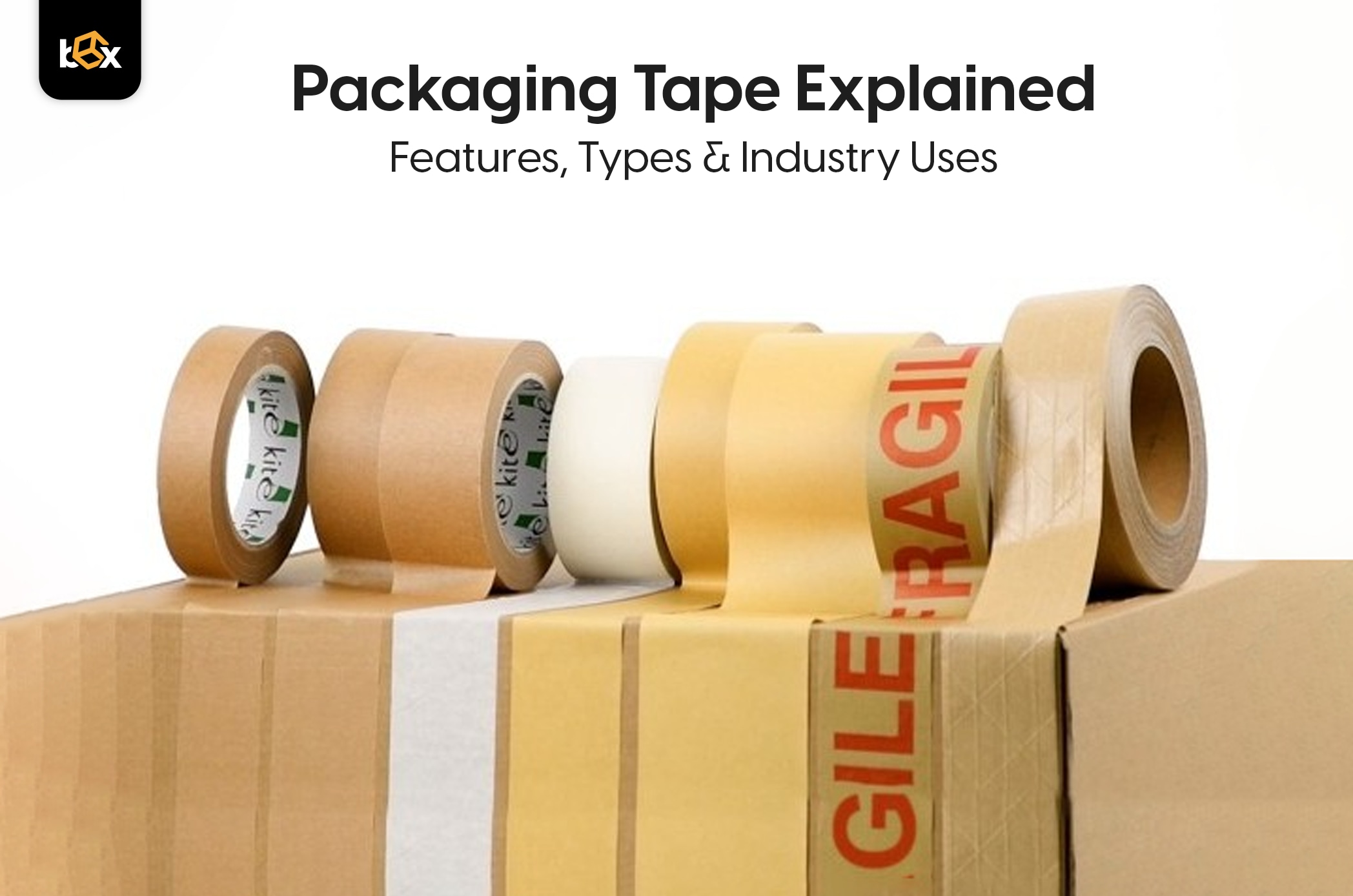
A stock image related to Shipping carton tape.
In-depth Look: Manufacturing Processes and Quality Assurance for Shipping carton tape
Understanding the manufacturing intricacies behind shipping carton tape empowers procurement teams to evaluate supplier capabilities beyond unit pricing. The transformation from raw polypropylene resin to finished adhesive rolls involves precise engineering across extrusion, coating, and slitting stages—each directly impacting the tape’s tensile performance, adhesion longevity, and compatibility with automated packaging lines in high-volume distribution centers from São Paulo to Riyadh.
How Is Polypropylene Film Extruded and Oriented for Maximum Tensile Strength?
The foundation of standard carton sealing tape lies in biaxially oriented polypropylene (BOPP) film manufacturing. Raw polypropylene pellets undergo melt extrusion through a flat die, forming a thick sheet that enters a sequential stretching unit. Here, the film undergoes machine-direction orientation (MDO) and transverse-direction orientation (TDO)—simultaneously or sequentially stretching polymer chains lengthwise and crosswise to create balanced mechanical properties. This orientation process crystallizes the polymer structure, determining the final tape’s tensile strength (typically 20–30 lbs/inch) and elongation percentage (usually 100–180%), ensuring the backing resists breaking under stress while accommodating box expansion during transit.
Thickness control during extrusion, measured precisely in mils or microns with ±5% tolerance, dictates whether the tape suits light-duty ecommerce (1.6–1.8 mils) or heavy-duty industrial shipping (2.5–3.0 mils) common in German manufacturing exports. Additionally, the orientation process affects film clarity and surface energy—critical factors for subsequent adhesive bonding and custom printing applications where branding requirements demand high-definition graphics.
What Are the Critical Differences Between Hot-Melt and Acrylic Adhesive Coating Processes?
Adhesive application represents the most technically demanding production phase, with distinct methodologies separating hot-melt and acrylic systems. Hot-melt carton sealing tapes utilize synthetic rubber-based adhesives (typically styrene-isoprene-styrene block copolymers) compounded with tackifying resins and plasticizing oils. These formulations are heated to 300–350°F (150–175°C) and coated directly onto the BOPP film via slot-die or roll coating methods, creating aggressive initial tack ideal for high-speed automated lines. However, this process requires oxygen-barrier packaging during storage to minimize oxidative yellowing—a particular concern for white or clear tapes used in consumer-facing Saudi Arabian retail logistics.
Conversely, acrylic adhesives begin as water-based emulsions containing acrylic polymers, surfactants, and wetting agents. These undergo gravure or Meyer rod coating followed by multi-zone drying ovens (80–120°C) to evaporate water content, leaving a pressure-sensitive layer with superior UV resistance and extended temperature stability (-4°F to 140°F). The coating weight, typically measured in grams per square meter (gsm), directly correlates with adhesion strength—standard grades apply 20–25 gsm, while heavy-duty variants for humid African climates exceed 30 gsm to combat moisture ingress at carton seams.
Which Quality Control Tests Ensure Carton Tape Performance in Extreme Climates?
For buyers operating across diverse climatic zones—from the Sahara’s desert heat to Amazonian humidity—quality assurance protocols must simulate environmental stressors beyond standard laboratory conditions. Reputable manufacturers conduct accelerated aging tests per ASTM D3330 (peel adhesion) and ASTM D3759 (tensile strength), subjecting samples to 40°C/75% relative humidity chambers for 72 hours to assess adhesive degradation and backing dimensional stability.
Shear resistance testing (ASTM D3654) measures how long tape withstands constant load before slipping—critical for palletized goods vibrating in shipping containers crossing the Atlantic. Loop tack testing quantifies initial grab strength on recycled corrugated surfaces, which present challenging adhesion due to surface fibers and dust prevalent in South American recycling streams. For Middle Eastern and Gulf Cooperation Council markets, manufacturers should provide certificates of analysis demonstrating performance at 120°F (49°C) application temperatures, ensuring hot-melt adhesives don’t soften excessively or acrylics don’t skin-over prematurely. Conversely, European buyers should verify cold-temperature adhesion at 32°F (0°C) for winter logistics.
How Does Slitting and Winding Technology Impact Application Efficiency?
Post-coating conversion transforms master rolls (typically 1,000–2,000mm wide) into finished carton sealing tape through precision slitting operations. Razor, shear, or score slitting methods affect edge quality—clean, burr-free edges prevent adhesive buildup on dispenser guides and tape heads that cause downtime in automated German packaging facilities. Laser-guided inspection systems detect coating voids or contamination during this phase.
Winding tension control proves equally critical; inconsistent tension creates telescoping (lateral shifting) or buckling that causes jams in high-speed case sealers. Core selection impacts compatibility with existing equipment—standard 3-inch (76mm) cores suit most industrial dispensers, while 2-inch (50mm) cores accommodate compact handheld guns used in African small-to-medium enterprises. Buyers should verify that suppliers utilize anti-static treatments during winding to prevent dust attraction, particularly important in dusty Middle Eastern warehouse environments where particulate contamination compromises adhesion on micro-flute corrugated boards.
What Certifications and Standards Should B2B Buyers Demand from Tape Manufacturers?
Beyond physical testing, supply chain reliability hinges on manufacturing certifications that facilitate international trade. ISO 9001:2015 quality management systems ensure consistent batch-to-batch performance, while RoHS (Restriction of Hazardous Substances) and REACH compliance guarantee adhesives free from heavy metals, phthalates, and restricted chemicals—essential for European Union imports and increasingly regulated Middle Eastern environmental standards.
For food and pharmaceutical logistics applications common in German and Brazilian markets, FDA 21 CFR 175.105 or EU 10/2011 compliance certifies indirect food contact safety. Sustainability-conscious buyers should inquire about ISO 14001 environmental management and recycled content certifications for paper-based water-activated alternatives. Finally, demand batch traceability documentation with laser-etched roll identification, enabling rapid identification of raw material sources and production dates in case of adhesion failures during critical export shipments.
Practical Sourcing Guide: A Step-by-Step Checklist for ‘Shipping carton tape’
This checklist provides procurement professionals with a systematic framework to evaluate technical specifications, adhesive technologies, and supplier capabilities specific to high-volume carton sealing operations across diverse climatic regions.
1. How Do I Match Tape Specifications to My Shipping Environment and Load Requirements?
Begin by auditing your packaging ecosystem. Document the weight distribution of your typical shipments, the percentage of recycled content in your corrugated boxes, and the environmental stress factors during transit. Heavy-duty applications exceeding 30kg require tape thickness above 3.0 mils with high tensile strength, while standard loads under 15kg perform adequately with 1.6–2.0 mil specifications. Remember that recycled corrugated fibers demand more aggressive adhesive formulations than virgin cardboard to ensure fiber-tearing bonds.
2. Which Adhesive Technology Works Best for My Climate and Application Method?
Select pressure-sensitive adhesives (PSA) formulated for your regional temperature bandwidth. Hot-melt synthetic rubber adhesives offer excellent initial tack and perform reliably in temperatures between 40°F and 120°F (4°C to 49°C), making them suitable for varied climates from German winters to Saudi Arabian summers. For extreme humidity or freezer applications, consider acrylic-based PSAs or water-activated gummed tape, which creates a permanent chemical bond with corrugated fibers. Determine whether hand-application dispensers or automated case sealers will be used, as machine-grade tapes require specific unwind characteristics and core dimensions.
3. What Core Dimensions and Roll Lengths Optimize My Operational Efficiency?
Standardize your core sizes to match existing dispensers—typically 3-inch diameter for hand application and 6-inch for high-speed automation. Evaluate total cost of ownership by comparing roll lengths; machine-length rolls of 1000+ yards reduce changeover frequency by 80% compared to standard 110-yard rolls, significantly improving throughput in high-volume facilities. Ensure your warehouse racking and dispenser inventory align with these specifications to prevent operational friction.
4. How Can I Verify Supplier Quality Standards and Regional Compliance?
Request technical data sheets verifying tensile strength, elongation percentages, and adhesive coat weights. For shipments to Middle Eastern or European markets, confirm compliance with relevant packaging standards and customs regulations regarding material composition. Assess the supplier’s logistics infrastructure for container loading optimization and their ability to maintain adhesive integrity during ocean freight through climate-controlled storage or moisture-barrier packaging.
5. What Testing Protocols Validate Tape Performance Before Bulk Procurement?
Implement a three-phase validation process. First, conduct shear tests on your actual corrugated substrates, particularly if using high-recycled content boxes. Second, simulate environmental aging by exposing samples to 48-hour cycles of your region’s maximum humidity and temperature ranges. Third, perform application speed tests to verify unwind noise levels and dispensing consistency, critical factors for manual packing stations in high-volume operations.
6. How Do I Calculate Total Cost of Ownership Beyond the Unit Price?
Analyze the complete procurement equation including freight density, customs duties, and storage efficiency. Lightweight polypropylene carriers reduce shipping weight, while longer rolls decrease per-meter costs and packaging waste. Factor in the hidden costs of application failure: reworks from popped seals or damaged goods often exceed material savings from economy-grade tapes. Establish performance benchmarks that prioritize seal integrity over initial price per roll.
Comprehensive Cost and Pricing Analysis for Shipping carton tape Sourcing
When sourcing shipping carton tape at scale, international procurement teams must look beyond unit roll pricing to understand the total landed cost structure. For buyers operating across diverse climates—from the humidity of West Africa to the temperature-controlled logistics hubs of Germany—material selection directly correlates with both immediate expenditure and long-term operational efficiency. A comprehensive cost analysis requires evaluating adhesive chemistry, substrate specifications, volume thresholds, and regional logistics variables that impact your final procurement budget.
What Factors Drive Bulk Shipping Carton Tape Pricing?
The primary cost determinants center on adhesive formulation and carrier material thickness. Hot-melt synthetic rubber tapes offer the most economical entry point for standard corrugated applications, typically ranging 20-30% lower in unit cost than acrylic alternatives. However, natural rubber adhesives—while commanding premium pricing—deliver superior performance in extreme temperature ranges critical for Middle Eastern desert logistics or South American high-altitude storage. Polypropylene film thickness, measured in mils (thousandths of an inch), creates distinct price tiers: economy grades below 1.5 mils suit lightweight single-wall cartons, while heavy-duty 3.0+ mil specifications necessary for recycled corrugated or export-grade packaging increase material costs by 40-60% per linear yard.
How Do Material Specifications Impact Total Cost of Ownership?
Buyers frequently underestimate how core size and roll length affect operational economics. Machine-grade rolls of 1000-2000 yards reduce per-yard pricing significantly compared to standard 55-yard hand rolls, but require compatible dispensing equipment. Water-activated gummed paper tapes, though 15-25% higher in initial material cost than pressure-sensitive alternatives, eliminate the need for additional case sealing and provide tamper-evident security that reduces theft-related losses—particularly valuable for high-value shipments to African and European markets.
What Are the Hidden Logistics Costs in International Tape Sourcing?
For containerized shipments originating from Asian manufacturing centers, cubic meter efficiency critically impacts landed costs. Carton sealing tape’s low weight-to-volume ratio means ocean freight expenses frequently exceed production costs when procuring less-than-container-load (LCL) quantities below 500-1000 cartons. Buyers in Saudi Arabia and Germany should negotiate FOB (Free On Board) pricing while modeling CIF (Cost, Insurance, Freight) scenarios, particularly noting that custom-printed tapes may trigger additional customs scrutiny or anti-dumping duties in certain South American jurisdictions. Warehouse consolidation strategies—storing six months of inventory during low-season shipping rates—can reduce per-roll logistics costs by 18-22% compared to quarterly replenishment cycles.
How Can Strategic Volume Commitments Optimize Procurement Spend?
Establishing annual volume agreements with manufacturers typically unlocks tiered pricing reductions of 8-12% above spot-market rates, with minimum order quantities (MOQs) often starting at one 20-foot container for customized specifications. For African and South American buyers facing currency volatility, consolidating tape orders with complementary packaging materials (stretch film, corrugated void fill) maximizes container utilization and reduces per-unit freight absorption. Technical specifications also drive efficiency: requesting 3-inch width rolls instead of standard 2-inch specifications can reduce total linear yard consumption by 30% on heavy-duty applications, though this requires recalibrating sealing protocols and dispenser equipment.
Which Contract Terms Should International Buyers Prioritize?
Negotiate price-lock clauses for raw material volatility—particularly polypropylene resin indices—while building in quality assurance protocols specifying tensile strength and elongation percentages. For German and Saudi Arabian markets, ensure suppliers provide REACH or SASO compliance documentation upfront to avoid costly port delays. Sample testing protocols, while adding 2-3 weeks to procurement timelines, prevent expensive bulk orders of tape that yellows prematurely or fails adhesion standards in your specific climate zone.
Alternatives Analysis: Comparing Shipping carton tape With Other Solutions
While pressure-sensitive shipping carton tape dominates global logistics, procurement teams managing diverse supply chains—from Germany’s automotive sector to Saudi Arabia’s pharmaceutical exports—must evaluate whether alternative sealing technologies better serve specific weight classifications, climate conditions, and regulatory requirements. Understanding the operational trade-offs between adhesive systems ensures optimal package integrity while balancing implementation costs and throughput efficiency.
Comparative Analysis: How Does Standard Carton Tape Perform Against Specialized Sealing Solutions?
| Comparison Aspect | Shipping Carton Tape (Pressure-Sensitive) | Water-Activated Tape (Gummed Paper) | Filament Tape (Fiber-Reinforced) |
|—|—
Essential Technical Properties and Trade Terminology for Shipping carton tape
When procuring shipping carton tape for distribution across Africa, the Middle East, Europe, and South America, technical specifications must address diverse climatic stresses and regulatory frameworks. Understanding material properties alongside industry-specific terminology enables procurement teams to verify supplier claims, ensure automated line compatibility, and prevent costly seal failures during international transit.
What Technical Specifications Ensure Performance Across Diverse Climates?
Tensile Strength and Elongation: Tensile strength measures the force required to break the tape (typically 35-65 N/25mm for standard BOPP), while elongation percentage (150-200%) indicates how far the tape stretches before rupture
Navigating Market Dynamics and Sourcing Trends in the Shipping carton tape Sector
The global shipping carton tape market is undergoing significant transformation driven by e-commerce acceleration, raw material volatility, and evolving regional compliance standards. For procurement teams spanning Riyadh to Berlin and São Paulo to Lagos, understanding these dynamics is critical for securing supply continuity while optimizing total cost of ownership. Strategic sourcing now requires balancing performance specifications with sustainability mandates, as regulatory frameworks in Europe and the Middle East increasingly intersect with operational demands in emerging markets.
How Are Supply Chain Volatility and Raw Material Innovations Reshaping Procurement Strategies?
The polypropylene and synthetic rubber adhesive markets have experienced acute price fluctuations due to petrochemical volatility and global logistics disruptions, directly impacting carton sealing tape landed costs. B2B buyers must navigate these uncertainties by diversifying supplier portfolios across Asian manufacturing hubs and regional conversion facilities to mitigate single-source dependencies and currency exposure risks. Simultaneously, the rapid automation of distribution centers in Germany and Saudi Arabia is shifting demand toward machine-grade acrylic tapes that offer superior temperature resistance and consistent unwind characteristics compared to traditional hot-melt formulations. Procurement teams should evaluate total applied costs rather than unit pricing alone, considering that high-performance acrylic adhesives reduce rework rates and seal failures in automated high-speed lines despite higher initial material costs, ultimately delivering superior ROI through reduced downtime and damage claims.
What Regional Performance Specifications Should Buyers Prioritize for Extreme Climates and Infrastructure Variability?
Climate adaptability represents a critical sourcing criterion often underestimated in international procurement strategies. In Saudi Arabia and broader Gulf Cooperation Council (GCC) markets, extreme heat exceeding 50°C and intense UV exposure during containerized shipping necessitate premium acrylic or natural rubber adhesives over standard hot-melt formulations, which risk adhesive creep and catastrophic seal failure under thermal stress. Conversely, German and European buyers increasingly prioritize low-noise unwinding properties and compatibility with high-recycled-content corrugated board, requiring specialized tape formulations that bond effectively with shorter paper fibers and dusty surfaces. For African and South American markets, procurement teams must balance cost efficiency with humidity resistance, selecting polypropylene carriers with moisture-resistant adhesives that maintain tack in tropical conditions while withstanding variable handling infrastructure and extended storage periods during customs clearance and last-mile delivery.
Which Sustainability Certifications and Circular Economy Innovations Are Becoming Procurement Prerequisites?
Sustainability has transitioned from preference to contractual mandate, particularly within European regulatory frameworks influencing global supply chains. B2B buyers should prioritize suppliers offering Forest Stewardship Council (FSC)-certified paper-based carton sealing tapes and water-activated gummed tapes (WAT) that integrate seamlessly with corrugated recycling streams without contaminating paper pulping processes. The European Union’s Packaging and Packaging Waste Regulation (PPWR) is accelerating demand for mono-material solutions and plastic-free sealing alternatives that align with extended producer responsibility schemes. However, buyers must perform comprehensive lifecycle assessments, as water
Frequently Asked Questions (FAQs) for B2B Buyers of Shipping carton tape
What is the difference between acrylic and hot melt adhesive shipping carton tape?
Hot melt carton sealing tape utilizes synthetic rubber adhesives that deliver aggressive initial tack and strong holding power at application temperatures between 40°F and 120°F (4°C to 49°C), making it ideal for high-speed automated lines and general-purpose sealing. Acrylic adhesive tapes, conversely, offer superior UV resistance and clarity, maintaining adhesion across extreme temperature ranges from sub-zero conditions to sustained heat exceeding 150°F (65°C), which proves critical for cross-border shipments through varying climates. While hot melt provides immediate bond strength and cost efficiency for standard applications, acrylic resists yellowing and performs better on recycled corrugated surfaces or during extended storage periods.
How do I choose the right mil thickness for heavy-duty shipping applications?
For heavy-duty applications exceeding 50 pounds or involving double-walled corrugated containers, specify carton tape with a thickness of 3.0 mils or greater to ensure adequate tensile strength and resistance to splitting under stress. Medium-duty shipments between 30 and 50 pounds typically require 1.9 to 2.5 mil thickness, while economy grades below 1.5 mils suffice only for lightweight, temporary storage under 30 pounds. When sourcing for industrial use, match the tape’s elongation percentage and tensile strength ratings to your specific box strength and shipping method, particularly for ocean freight where packages endure sustained pressure and humidity.
Can shipping carton tape be custom printed with company logos and branding?
Yes, B2B buyers can specify flexographic or digital printing on polypropylene or PVC carton sealing tape to incorporate company logos, handling instructions, barcodes, or tamper-evident messaging. Minimum order quantities typically range from 50 to 100 cases depending on the number of print colors and tape width, with lead times extending 4-6 weeks for custom plate creation. Custom printed tape serves dual functions as both a security feature and mobile advertising, particularly valuable for e-commerce and retail-ready shipments where brand visibility enhances unboxing experiences.
Which shipping carton tape works best with high-speed automated case sealers?
Machine-grade carton sealing tape requires consistent unwind characteristics and uniform thickness to prevent tracking errors and downtime on high-speed automated lines. Specify rolls with 1,000 to 2,000 yard lengths and 3-inch cores to minimize changeover frequency, paired with either hot melt or acrylic adhesives formulated for low-noise unwinding. For operations in Saudi Arabia or similar climates, acrylic-based machine tapes resist heat-induced adhesive transfer onto rollers, while hot melt formulations provide superior initial grab for cold storage environments in Northern Europe.
How do I ensure reliable adhesion when sealing recycled or high-content corrugated boxes?
Recycled corrugated fibers create dusty, shorter surfaces that challenge standard adhesives, requiring hot melt formulations with enhanced wet-out properties or specialized natural rubber adhesives. Prior to application, ensure box surfaces are clean and dry, as recycled content absorbs atmospheric moisture more readily than virgin Kraft paper. For critical exports to Africa or humid South American ports, consider water-activated reinforced paper tape, which bonds molecularly with the corrugate fibers rather than merely adhering to the surface.
What temperature resistance specifications matter for cross-border shipping through varying climates?
When shipping from temperate Europe through Middle Eastern heat or African highlands, select acrylic adhesive tapes rated for service temperatures between -20°F and 150°F (-29°C to 65°C) to prevent adhesive softening and edge lifting. Hot melt adhesives typically perform reliably only between 40°F and 120°F (4°C to 49°C), risking failure during desert storage or winter transits. Always verify the tape’s application temperature range versus its service temperature range, as warehouses in Germany may require different specifications than distribution centers in Brazil.
How do I calculate total cost of ownership beyond per-roll pricing for bulk tape procurement?
Total cost analysis must factor in tape yield per roll, dispenser efficiency, and rework rates caused by splitting or adhesion failures during transit. Machine-length rolls of 1,000+ yards reduce labor costs associated with changeovers by up to 40% compared
Important Disclaimer & Terms of Use
⚠️ Important Disclaimer
The information provided in this guide, including content regarding manufacturers, technical specifications, and market analysis, is for informational and educational purposes only. It does not constitute professional procurement advice, financial advice, or legal advice.
B2B buyers must conduct their own independent and thorough due diligence before making any purchasing decisions. The risk of relying on any information in this guide is borne solely by the reader.
Top 2 Shipping Carton Tape Manufacturers & Suppliers List
1. Baywater Packaging – Adhesive Tapes
Domain: baywaterpackaging.com
Registered: 2005 (21 years)
Introduction: Types: Pressure-sensitive adhesive tapes, water-activated tapes, eco-friendly/biodegradable options made from natural materials, recyclable products. Key Features: High adhesive strength, durability, effective sealing capabilities, advanced adhesive technologies (3M), specialized tape products meeting industry standards (Intertape Polymer Group). Applications: Household, industrial, retail, shippi…
2. Tape Jungle – Carton Sealing Tape
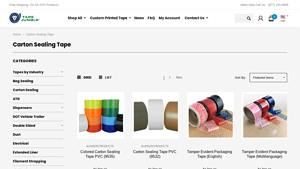
Domain: tapejungle.com
Registered: 2010 (16 years)
Introduction: Carton Sealing Tape products include: Colored PVC Tape (9535) – 2.4 mil (35 micron) UPVC film with solvent-based natural rubber adhesive, available in tan and clear, 15 oz/in adhesion, 42 lbs/in tensile strength, 75% elongation, printable and heat-shrinkable; Standard PVC Tape (9532) – 2.2 mil (32 micron) UPVC film with solvent-based natural rubber adhesive, quiet unwind, available in white, tan a…
Strategic Sourcing Conclusion and Outlook for Shipping carton tape
How Can Global Buyers Future-Proof Their Carton Sealing Investments?
Strategic sourcing of shipping carton tape extends far beyond securing the lowest unit price. Astute procurement teams recognize that adhesive performance must align precisely with substrate composition—particularly as recycled corrugated board becomes prevalent across African, South American, and Middle Eastern markets. Selecting between hot-melt, acrylic, or water-activated formulations based on tensile strength requirements and climate-specific elongation properties prevents costly seal failures and inventory damage during long-haul transit.
Looking ahead, sustainability mandates and warehouse automation are reshaping procurement criteria. Water-activated gummed tapes and tamper-evident security solutions are gaining traction among compliance-focused industries in Europe, while E-tape dispensing systems offer measurable efficiency gains for high-volume operations in Germany and Saudi Arabia. Forward-thinking buyers should prioritize suppliers capable of providing technical specification consistency and regional inventory support across international logistics corridors.
To optimize supply chain resilience, establish clear performance benchmarks for core size, mil thickness, and temperature resistance that match your specific package weights and shipping methods. Partnering with manufacturers who demonstrate expertise in regional regulatory shifts—from EU packaging waste directives to humidity challenges in tropical climates—ensures your sealing infrastructure remains robust against evolving logistics demands.