Introduction: Navigating the Global Market for Brief Introduction Of Aluminum Foil Tape
Sourcing high-performance aluminum foil tape for industrial applications presents unique challenges for procurement teams navigating global supply chain complexities. Whether securing thermal insulation for HVAC infrastructure in Brazil or procuring EMI shielding for electronics manufacturing in Vietnam, inconsistent specifications and varying compliance standards can derail critical projects. This guide serves as your strategic roadmap to mastering aluminum foil tape fundamentals while optimizing cross-border procurement decisions.
What Critical Factors Should Buyers Evaluate in Global Aluminum Foil Tape Markets?
We examine essential classifications—from pure aluminum HVAC grades to reinforced fiberglass composites—alongside application requirements across electronics, automotive, and construction sectors. Our analysis covers thermal conductivity metrics, adhesive chemistry compatibility, and moisture resistance ratings crucial for diverse climates. Additionally, we detail supplier vetting protocols, including ISO certification verification and sample testing methodologies essential for mitigating quality risks in international trade.
How Can This Guide Streamline Your International Procurement Process?
Beyond technical specifications, this resource provides actionable frameworks for cost-benefit analysis and logistics optimization tailored to emerging markets in Africa, South America, the Middle East, and Europe. You will learn to identify documentation red flags, navigate regional regulatory requirements, and establish quality assurance checkpoints ensuring consistent performance from manufacturing hubs to facilities in São Paulo or Dubai.
By synthesizing technical expertise with procurement strategy, this guide equips international B2B buyers with the confidence to secure reliable aluminum foil tape partnerships that drive operational efficiency across diverse industrial applications.
Understanding Brief Introduction Of Aluminum Foil Tape Types and Variations
| Type Name | Key Distinguishing Features | Primary B2B Applications | Brief Pros & Cons for Buyers |
|---|---|---|---|
| Pure Aluminum Foil Tape (Standard Grade) | Dead-soft aluminum backing (0.05mm–0.08mm), pressure-sensitive acrylic or rubber adhesive, high conformability to irregular surfaces | HVAC duct sealing, refrigeration systems, general thermal insulation, vapor barriers | Pros: Cost-effective, excellent thermal reflection (up to 97%), easy hand-tearability. Cons: Limited tensile strength (<50N/25mm), vulnerable to puncture in high-traffic areas, requires dry surface application |
| Aluminum Foil Glass Cloth Tape | Fiberglass mesh reinforcement (9×9 or 12×12 weave), silicone or high-temp acrylic adhesive, thickness typically 0.15mm+ | Heavy-duty HVAC, automotive heat shielding, industrial pipe wrapping, aerospace insulation | Pros: Superior tensile strength (>300N/25mm), puncture resistant, withstands 150°C–200°C continuous heat. Cons: Higher unit cost, reduced flexibility compared to pure foil, requires pressure rollers for optimal adhesion |
| Conductive EMI Shielding Tape | High-purity aluminum (99.5%+), conductive acrylic adhesive, anti-oxidation coating, surface resistivity <0.05 ohms/sq | Electronics manufacturing (PCBs, transformers, LED displays), telecommunications cable shielding, server room grounding | Pros: Eliminates electromagnetic interference, RoHS/REACH compliant, maintains conductivity after bending. Cons: Premium pricing (2–3x standard grades), requires pristine surface preparation (no oil/dust), limited outdoor UV resistance |
| Laminated Aluminum Foil Tape | Multi-layer construction (aluminum + PET/polyester film), solvent-resistant adhesive backing, enhanced moisture barrier properties | Marine applications, outdoor HVAC in coastal regions, petrochemical cable wrapping, moisture barrier bags | Pros: Superior chemical/saltwater resistance, prevents “pinholing,” dimensional stability in humidity (Brazil/Vietnam climates). Cons: Reduced thermal conductivity vs. pure foil, requires specific adhesive compatibility testing, higher MOQs for custom laminations |
What Are the Core Differences Between Standard and Reinforced Aluminum Foil Tapes?
Standard pure aluminum foil tape features dead-soft aluminum backing (typically 0.05mm–0.08mm) with pressure-sensitive acrylic or rubber adhesives, offering superior conformability for irregular ductwork and refrigeration systems. This variant represents the most cost-effective solution for general thermal insulation and vapor barrier applications. B2B buyers should prioritize liner type (paper vs. film) for automated application compatibility and verify adhesive temperature ratings (-30°C to 120°C standard) for regional climate conditions in Africa and the Middle East, while confirming UL 723 flame spread ratings for building code compliance.
When Should Procurement Teams Choose Glass Cloth Reinforced Variants?
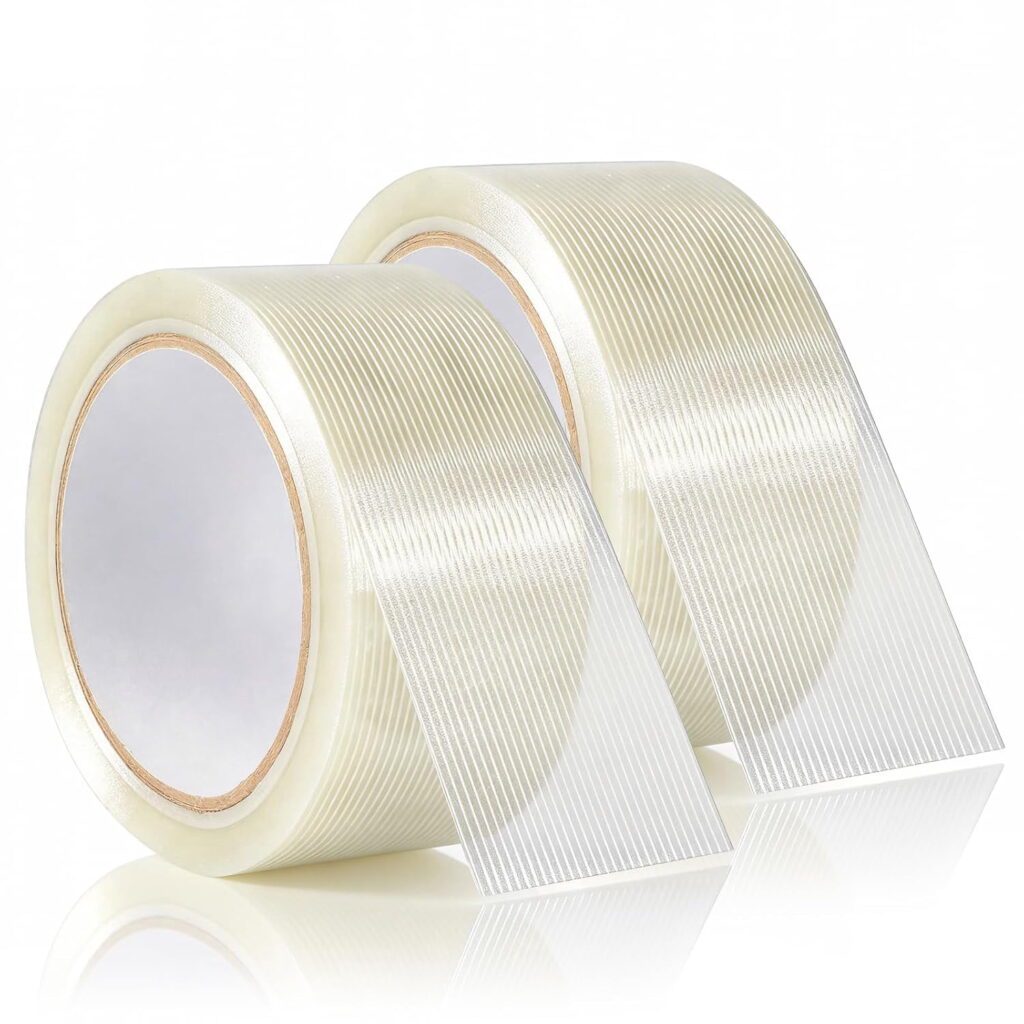
Aluminum foil glass cloth tape integrates fiberglass mesh reinforcement, delivering tensile strengths exceeding 300N/25mm—critical for heavy-duty HVAC installations, automotive heat shielding, and industrial pipe wrapping. The fiberglass scrim prevents tearing during high-tension wrapping around large-diameter pipes and ductwork. Procurement teams must evaluate the weave density (typically 9×9 or 12×12 threads per inch) and adhesive systems (silicone for high-heat vs. acrylic for general use), as these determine performance in high-vibration environments common in South American mining and European manufacturing sectors where mechanical stress exceeds standard foil capabilities.
How Does Conductive Aluminum Foil Tape Support Electronics Manufacturing?
Conductive-grade aluminum foil tape utilizes high-purity aluminum (99.5%+) with conductive acrylic adhesives to provide EMI/RFI shielding for transformers, LED displays, and telecommunications equipment. Unlike standard variants, these tapes eliminate electrostatic discharge risks while maintaining flexibility for wrapping cables and circuit board components. B2B purchasers should verify surface resistivity specifications (<0.05 ohms/sq) and oxidation resistance, particularly for humid climates in Southeast Asia and coastal regions, while ensuring compliance with RoHS and REACH standards for electronics exports to European markets. The polyester fiber carrier mentioned in technical specifications enhances dielectric strength for high-voltage applications.
What Factors Determine Selection of Laminated vs. Pure Aluminum Foil Tapes?
Laminated aluminum foil tape combines aluminum with PET or polymer films, creating moisture barriers ideal for marine applications, outdoor HVAC, and cable wrapping in petrochemical environments. This construction prevents “pinholing” common in pure foil while resisting saltwater corrosion prevalent in Middle Eastern coastal and Vietnamese industrial zones. Buyers must assess the lamination structure (foil thickness vs. film thickness ratios) and chemical resistance ratings, noting
Key Industrial Applications of Brief Introduction Of Aluminum Foil Tape
| Industry/Sector | Specific Application of Brief Introduction Of Aluminum Foil Tape | Value/Benefit for the Business | Key Sourcing Considerations for this Application |
|---|---|---|---|
| HVAC & Building Systems | Sealing ductwork joints, insulating refrigeration lines, repairing thermal insulation in commercial AC systems | Reduces energy consumption by 15-30% through airtight seals; prevents condensation damage; extends equipment lifespan in high-humidity climates | Verify high-temperature acrylic adhesive (>80°C); check thermal conductivity ratings; ensure compliance with local HVAC standards; moisture-resistant backing |
| Electronics Manufacturing | EMI shielding for circuit boards, thermal management in LED displays, grounding solutions for telecommunications equipment | Prevents electromagnetic interference in sensitive devices; dissipates heat from processors; ensures compliance with international electronics standards | Specify conductive adhesive layers; verify thickness precision (0.05-0.08mm); request RoHS/REACH compliance certificates; anti-static packaging |
| Automotive & Transportation | Heat shielding for engine compartments, wire harness wrapping, exhaust system repairs, securing thermal insulation in commercial vehicles | Protects sensitive electronics from thermal damage; reduces fire risks; improves fuel efficiency through better thermal management; withstands vibration | Confirm flame-retardant ratings (UL 723); validate rubber-based adhesive for oil resistance; check flexibility at low temperatures; OEM certification requirements |
| Construction & Infrastructure | Vapor barrier sealing for insulation facings, roofing membrane repairs, temporary waterproofing, bonding reflective insulation panels | Prevents mold and structural damage; maintains indoor air quality; provides immediate weatherproofing; compatible with multiple substrates | Require UV-stabilized aluminum backing; aggressive PSA for concrete/metal bonding; tear-resistant construction; compatibility with local building codes |
| Marine & Petrochemical | Pipeline wrapping, tank sealing, offshore equipment protection, chemical-resistant patching in refineries | Resists saltwater corrosion and chemical exposure; maintains seal integrity under thermal expansion; reduces maintenance downtime | Specify butyl or synthetic rubber adhesives; verify salt spray test results (ASTM B117); chemical resistance charts; heavy-duty backing thickness (>0.08mm) |
How does aluminum foil tape enhance HVAC efficiency in extreme climates?
In regions like the Middle East and Southeast Asia, aluminum foil tape serves as the primary sealing solution for ductwork and insulation joints in commercial HVAC systems. The tape’s high thermal reflectivity prevents energy loss in air conditioning infrastructure while maintaining airtight seals against dust and humidity. For B2B buyers in Brazil and Vietnam, selecting tapes with high-temperature acrylic adhesives ensures performance in tropical conditions, reducing operational costs through improved energy efficiency and preventing condensation-related corrosion in large-scale building projects.
What are the critical applications of aluminum foil tape in electronics manufacturing?
Aluminum foil tape functions as an essential EMI/RFI shielding material in the production of smartphones, LED displays, and computing equipment prevalent in manufacturing hubs like Vietnam and Eastern Europe. The tape isolates sensitive components from electromagnetic interference while dissipating heat from high-performance processors. International buyers should prioritize tapes with conductive acrylic adhesives and precise thicknesses between 0.05mm-0.08mm to meet precision assembly requirements, ensuring compliance with global electronics standards and preventing signal degradation in densely packed circuit boards.
Why is aluminum foil tape vital for automotive heat management systems?
In automotive manufacturing across Europe and South America, aluminum foil tape provides critical thermal protection for wire harnesses
A stock image related to Brief Introduction Of Aluminum Foil Tape.
3 Common User Pain Points for ‘Brief Introduction Of Aluminum Foil Tape’ & Their Solutions
Scenario 1: Adhesion Failure in High-Humidity HVAC Installations
The Problem: Facilities managers in tropical regions such as Southeast Asia and coastal South America frequently report aluminum foil tape peeling from HVAC duct seams within weeks of installation. High ambient humidity—often exceeding 85%—compromises the bond between standard acrylic adhesives and metal substrates, particularly when surfaces haven’t been adequately degreased. This premature failure creates air leakage pathways, reducing system efficiency by up to 15% and necessitating costly maintenance callbacks. The issue compounds in marine environments where salt-laden moisture accelerates adhesive degradation and backing corrosion, rendering standard tapes unsuitable for industrial applications near coastlines or in unconditioned spaces.
The Solution: Specify high-tack acrylic or synthetic rubber adhesives explicitly rated for high-humidity exposure (ASTM D1000 testing standards). Mandate rigorous surface preparation using volatile solvent cleaners like isopropyl alcohol rather than water-based solutions that may leave moisture traces. For Middle Eastern coastal applications, procure marine-grade aluminum foil tape featuring corrosion-resistant alloy backings and moisture-curing adhesives. Ensure installation protocols require substrate temperatures between 15°C and 40°C during application to prevent condensation formation beneath the adhesive layer, and specify minimum 48-hour curing periods before system pressurization.
Scenario 2: Thermal Mismatch in Extreme Temperature Cycling
The Problem: Procurement teams sourcing for cold chain logistics in Europe or petrochemical facilities in Africa often select aluminum foil tape based on initial cost rather than thermal performance specifications, resulting in catastrophic adhesive failure during temperature cycling. Standard tapes with rubber-based adhesives become brittle and lose tack in sub-zero refrigeration environments (-30°C), while flowing excessively and creating messy seams when exposed to high-heat exhaust systems (120°C+). This mismatch leads to vapor barrier breaches in insulation systems, energy losses exceeding industry standards, and potential contamination risks in temperature-sensitive pharmaceutical or food processing applications where seam integrity is critical.
The Solution: Conduct thorough operating temperature analysis before procurement—specify silicone adhesives for continuous high-heat applications up to 200°C, and specialized cold-temperature acrylics for freezer environments maintaining flexibility to -40°C. Verify thermal conductivity ratings (quality grades typically range 0.04-0.06 W/m·K) and specify minimum 0.08mm thickness for applications involving thermal expansion cycles. Request batch-specific temperature resistance certificates and conduct in-house shear adhesion testing at extreme temperatures. For Brazilian and Middle Eastern markets with high diurnal temperature swings, specify reinforced tapes that accommodate differential expansion rates between dissimilar materials without delaminating.
Scenario 3: Structural Inadequacy in Heavy-Duty Industrial Applications
The Problem: Industrial contractors across infrastructure projects in Africa and South America consistently encounter aluminum foil tape tearing during application over irregular pipe geometries or when pulled across sharp flanges. Standard 0.05mm foil tapes lacking reinforcement provide insufficient tensile strength (typically <20 N/cm) for industrial duct wrapping, creasing permanently when conforming to complex shapes and failing under mechanical stress. This results in material waste rates exceeding 30%, installation delays, and compromised vapor barriers in critical systems. Procurement teams often confuse standard HVAC-grade tape with industrial-grade reinforced variants, leading to specification mismatches that jeopardize project timelines and insulation integrity in petrochemical and power generation facilities.
The Solution: Specify glass fiber scrim-reinforced aluminum foil tape for industrial applications, which increases tensile strength to 50-70 N/cm while maintaining conformability to irregular surfaces. For heavy-duty petrochemical and marine use, procure laminated aluminum foil tapes featuring aluminum-polyester-aluminum composite layers that resist tearing during high-tension wrapping. Verify reinforcement patterns—hexagonal grid scrim provides superior multi-directional strength and conformability compared to linear fiber arrangements. Establish clear procurement specifications distinguishing between standard 0.05mm foil (suitable for light HVAC) and 0.08mm+ reinforced grades for industrial applications, and require manufacturers to provide tensile strength test reports according to ASTM D3759 standards.
Strategic Material Selection Guide for Brief Introduction Of Aluminum Foil Tape
Selecting the optimal aluminum foil tape composition requires understanding how backing materials and adhesive systems interact with regional environmental conditions and industry-specific demands. For procurement teams operating across diverse climates—from the humid tropics of Vietnam to the temperature extremes of the Middle East—material specification directly impacts installation longevity, thermal performance, and total cost of ownership. This guide analyzes four primary material configurations to inform strategic sourcing decisions for industrial applications.
How Does Standard Dead-Soft Aluminum Foil Perform in General Industrial Applications?
Standard dead-soft aluminum foil tapes utilize pure aluminum substrates ranging from 0.05mm to 0.08mm thickness, coated with pressure-sensitive acrylic adhesives. These configurations offer exceptional conformability for irregular ductwork surfaces and reflect up to 95% of radiant heat, making them ideal for HVAC sealing and refrigeration line insulation in commercial buildings. However, the material’s high malleability results in low tensile strength, rendering it susceptible to tearing during high-speed automated application or rough handling on construction sites. For buyers in Brazil and Southeast Asia seeking cost-effective thermal management solutions, this material represents the baseline specification for climate-controlled environments.
What Are the Advantages of Glass Cloth Reinforced Aluminum Foil Tapes?
Glass cloth reinforced aluminum foil tapes combine a woven fiberglass scrim laminated between aluminum layers or bonded to the backing surface. This composite structure increases tensile strength by 300-400% compared to standard foil while maintaining flexibility, enabling application in high-vibration environments such as industrial oven seals, automotive exhaust systems, and petrochemical pipelines. The reinforcement prevents tearing during installation around sharp metal edges and withstands continuous operating temperatures up to 200°C. Procurement teams should note that the added rigidity requires more surface preparation time, and the material commands a 40-60% price premium over standard foil, though this is offset by reduced material waste and elimination of rework in critical applications.
When Should Buyers Specify PET-Laminated Aluminum Foil for Electronics and EMI Shielding?
Polyester (PET) laminated aluminum foil tapes feature a thin aluminum layer bonded to PET film, creating a dimensionally stable substrate with superior dielectric strength exceeding 4kV. These specifications are critical for electromagnetic interference (EMI) shielding in consumer electronics manufacturing, particularly for LED displays, mobile devices, and transformer winding applications common in Vietnam’s electronics hubs. The PET layer prevents galvanic corrosion when contacting dissimilar metals and provides excellent resistance to solvents and oils. While thermal conductivity is lower than pure aluminum (reducing effectiveness for HVAC applications), the material’s precision cutting capability and clean removal characteristics justify moderate cost premiums for electronics OEMs requiring exact specification compliance.
Why Consider Heavy-Gauge Aluminum with Butyl Adhesive for Marine and Coastal Infrastructure?
Heavy-gauge aluminum foil (0.08mm–0.10mm) paired with butyl rubber adhesives creates a permanent vapor barrier system specifically engineered for maritime environments, coastal desalination plants, and Middle Eastern infrastructure exposed to salt-laden humidity. The butyl adhesive layer provides exceptional moisture resistance and tenacious bonding to metal substrates under water exposure, unlike acrylic formulations that degrade in standing water. This configuration excels for sealing ship hulls, offshore platform ductwork, and coastal HVAC systems where saltwater corrosion prevention is paramount. Buyers should recognize that butyl formulations have limited high-temperature resistance (maximum 90°C) and higher material costs, requiring careful application temperature monitoring during installation in hot climates.
| Material | Typical Use Case for Brief Introduction Of Aluminum Foil Tape | Key Advantage | Key Disadvantage/Limitation | Relative Cost |
|---|---|---|---|---|
| Dead-Soft Pure Aluminum (0.05-0.08mm) | HVAC duct sealing, refrigeration lines, general thermal insulation | Exceptional conformability and thermal reflectivity (95%+) | Low tensile strength; prone to tearing | Low |
| Glass Cloth Reinforced Aluminum | High-temperature industrial ovens, automotive, petrochemical pipelines | 300-400% higher tensile strength; withstands 200°C+ | Reduced flexibility; requires surface preparation | Moderate-High |
| PET-Laminated Aluminum | EMI shielding, electronics (LEDs, transformers, mobile devices) | Superior dielectric strength; prevents galvanic corrosion | Lower thermal conductivity than pure foil | Moderate |
| Heavy-Gauge |
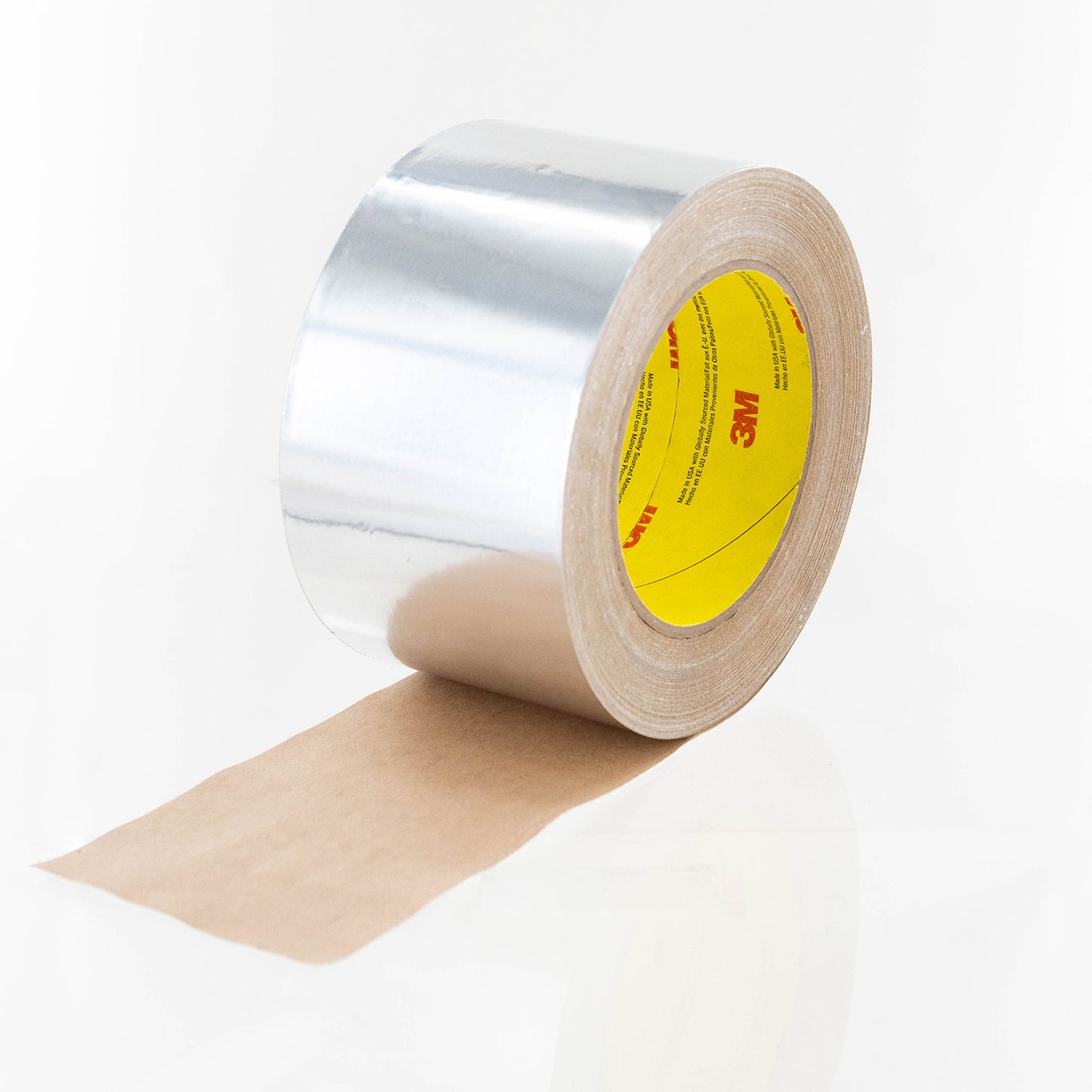
A stock image related to Brief Introduction Of Aluminum Foil Tape.
In-depth Look: Manufacturing Processes and Quality Assurance for Brief Introduction Of Aluminum Foil Tape
Understanding the manufacturing workflow and quality assurance frameworks behind aluminum foil tape production is essential for procurement teams sourcing from international markets. The conversion of raw aluminum into high-performance adhesive tape involves precision metallurgy, advanced coating technologies, and rigorous testing protocols that directly impact product reliability in HVAC, electronics, and industrial applications. For buyers operating across diverse climates and regulatory environments—from the humid conditions of Southeast Asia to the temperature extremes of the Middle East—manufacturing transparency serves as the foundation for supply chain resilience and long-term partnership viability.
How Is Aluminum Foil Tape Manufactured in Modern Production Lines?
The production process begins with cold-rolling aluminum ingots into thin foils, typically achieving thicknesses between 0.05mm and 0.08mm for standard industrial grades, followed by annealing processes that enhance malleability for conformability around irregular ductwork. Manufacturers then apply specialized pressure-sensitive adhesives—commonly acrylic, rubber-based, or silicone formulations—through precision coating lines equipped with gravure or slot-die applicators that ensure uniform thickness across the entire substrate surface. The lamination process requires controlled tension and temperature parameters between 20°C–30°C to prevent wrinkling or adhesive migration, followed by curing chambers that stabilize the bond between the metallic backing and adhesive layer through controlled solvent evaporation or UV crosslinking. Finally, automated slitting equipment cuts the master rolls into specified widths while maintaining edge integrity and tension control critical for clean application in high-speed HVAC installation and EMI shielding operations.
What Raw Material Specifications Should International Buyers Verify?
Procurement teams should prioritize aluminum purity levels, as high-grade 1100 or 1235 aluminum alloys offer superior malleability and corrosion resistance compared to recycled alternatives that may contain iron contaminants causing galvanic corrosion in marine environments. The adhesive composition requires particular scrutiny—acrylic adhesives provide excellent UV resistance and aging stability for outdoor Middle Eastern HVAC applications, while rubber-based formulations deliver aggressive initial tack and plasticizer resistance for immediate bonding on irregular automotive surfaces. Buyers must also verify liner quality; silicone-coated release papers should withstand tropical humidity during ocean freight without adhesive bleed-through or liner separation. Requesting material safety data sheets (MSDS), aluminum alloy certificates, and adhesive rheology reports ensures compliance with RoHS directives and REACH regulations prevalent in European markets while facilitating customs clearance in Brazil and Vietnam.
Which Quality Control Protocols Ensure Batch-to-Batch Consistency?
Leading manufacturers implement statistical process control (SPC) monitoring throughout production, measuring parameters such as coating weight uniformity (typically 40–60 gsm), foil thickness deviation (±0.005mm tolerance), and rolling resistance in real-time using automated vision systems. Incoming inspection protocols should verify aluminum foil surface cleanliness through dyne level testing, as oil residues or oxidation from improper annealing compromise adhesive bonding strength in critical refrigerator manufacturing applications. Process validation includes peel adhesion testing at various temperatures (-10°C to 80°C) to simulate operational conditions in automotive underhood environments or desert climate HVAC systems. Reputable suppliers maintain batch traceability systems linking finished rolls to specific raw material lots and production shifts, enabling rapid quality investigations and containment strategies if performance issues arise during end-user application in African or South American markets.
How Do Manufacturers Validate Thermal and Adhesive Performance?
Laboratory validation protocols measure shear strength and 180-degree peel adhesion according to ASTM D3330 and PSTC-101 standards, ensuring tapes maintain minimum 20 oz/inch bonding integrity under mechanical stress and thermal cycling. Thermal conductivity testing verifies the aluminum backing’s heat reflection capabilities exceeding 95% reflectivity, crucial for energy efficiency in Brazilian building insulation and Southeast Asian electronics thermal management. High-temperature aging tests simulate extended exposure to 80°C–150°C environments for 72–168 hours, validating that adhesives won’t ooze, degrade, or leave residue in Middle Eastern solar installations or industrial furnace applications. Humidity resistance testing—typically 95% relative humidity at 40°C for 96 hours per ASTM D1000—confirms performance stability in tropical climates, while dielectric strength testing (minimum 1000 volts/mil) ensures safety for electronics manufacturers in Vietnam and Europe.
What Certifications Are Essential for Cross-Border Trade?
B2B purchasers should require ISO 9001:2015 certification as a baseline for quality management systems, supplemented by industry-specific standards such as UL 723 (ASTM E84) for flame spread and smoke generation ratings in HVAC applications. REACH compliance documentation and SCIP database registration prove essential for European Union markets, while SASO Product Safety Program certificates facilitate customs clearance in Saudi Arabia and Gulf Cooperation Council countries. For electronics applications, requesting UL 510 listings for flame retardance and dielectric breakdown strength ensures safety in transformer and LED display manufacturing. Brazilian buyers should verify INMETRO conformity assessment for import licensing, whereas Vietnamese importers benefit from suppliers holding ISO 14001 environmental management certifications and OHSAS 18001 worker safety standards to meet sustainable procurement mandates and corporate social responsibility requirements.
How Should Buyers Evaluate Manufacturing Partner Capabilities?
Virtual and physical factory audits should examine cleanroom classifications in coating areas (minimum Class 100,000), as particulate contamination causes adhesive defects and pinholes visible only during end-use application. Reviewing calibration records for coating thickness gauges, tensile testing equipment, and rheometers reveals maintenance discipline and measurement accuracy critical for consistent product performance. Buyers should request production samples from different shifts and production dates to evaluate consistency across manufacturing runs, particularly important for long-term supply agreements involving container shipments to Lagos, São Paulo, or Dubai. Establishing quality agreements that define acceptable quality levels (AQL 1.0–2.5) for attributes like pinholes in foil, adhesive coverage percentage, and roll edge alignment provides contractual protection against substandard shipments while defining clear rejection criteria and corrective action protocols for non-conforming material.
By scrutinizing these manufacturing and quality assurance dimensions, international buyers mitigate risks associated with cross-border procurement while securing aluminum foil tape products capable of performing across diverse industrial environments. The intersection of metallurgical precision, adhesive chemistry expertise, and standardized testing creates the reliability necessary for critical applications in refrigeration, electronics shielding, and infrastructure development across emerging markets in Africa, South America, and beyond.
Practical Sourcing Guide: A Step-by-Step Checklist for ‘Brief Introduction Of Aluminum Foil Tape’
When procuring aluminum foil tape for industrial applications across diverse markets, buyers must navigate technical specifications, adhesive chemistries, and compliance standards. This checklist provides a systematic framework to evaluate suppliers and ensure your procurement aligns with specific operational requirements, whether for HVAC systems in the Middle East or electronics manufacturing in Southeast Asia.
1. How Do You Define Technical Specifications for Your End-Use Application?
Begin by mapping exact dimensional and material requirements. Standard thickness ranges from 0.05mm to 0.08mm for general insulation, but heavy-duty HVAC or automotive applications may require thicker aluminum backings up to 0.1mm. Specify adhesive chemistry—acrylic offers UV resistance for outdoor Middle Eastern installations, rubber provides immediate high-tack bonding for cold-weather Brazilian markets, while silicone withstands extreme temperatures in industrial ovens. Confirm width tolerances and whether your production line requires release liners for automated dispensing or hand-tearable formats.
2. What Compliance Certifications Are Essential for Your Target Markets?
Verify regulatory documentation before placing orders. Electronics applications require RoHS and REACH compliance for European and Middle Eastern markets, while UL-listed products ensure safety in North American electrical installations. For construction sectors in Africa and South America, request fire-resistance ratings and thermal conductivity certificates. ISO 9001-certified manufacturing facilities demonstrate consistent quality management systems essential for long-term supply agreements.
3. How Can You Validate Supplier Quality Control Protocols?
Request third-party test reports validating peel adhesion strength, thermal cycling resistance, and EMI shielding effectiveness for electronic applications. Inspect sample rolls for aluminum purity—high-grade tapes use annealed aluminum without pinholes to ensure moisture barrier integrity. Confirm the supplier conducts substrate compatibility testing, particularly if bonding to low-surface-energy materials common in modern HVAC equipment or polymer-coated cables.
4. Which Packaging Specifications Protect Product Integrity During Transit?
Specify moisture-barrier packaging with desiccants for shipments to humid climates like Vietnam or coastal Brazilian regions. Verify core dimensions match your dispensing machinery to prevent production line interruptions. Request palletization standards that prevent edge damage during ocean freight, and ensure labeling includes proper HS codes for smooth customs clearance in African and South American ports.
5. What Application Support Ensures Successful Implementation?
Demand comprehensive technical data sheets detailing surface preparation protocols—critical for electronics where substrates must be cleaned with dry cloths rather than solvents. Confirm the supplier provides temperature application guidelines, as pressure-sensitive adhesives require specific ranges to achieve optimal bond strength. Establish clear communication channels for troubleshooting adhesion failures in extreme environments, and verify warranty terms covering adhesive aging and thermal performance degradation.
6. How Do You Structure Flexible Procurement Terms for Market Fluctuations?
Negotiate minimum order quantities that accommodate market testing phases, particularly when entering new territories like emerging African construction sectors or Vietnamese electronics manufacturing hubs. Establish lead time commitments that account for seasonal demand spikes in HVAC industries, and verify the supplier maintains raw material inventory buffers to prevent aluminum price volatility from disrupting your supply chain. Request consignment stock options or scheduled release agreements for high-volume automotive or refrigerator manufacturing contracts.
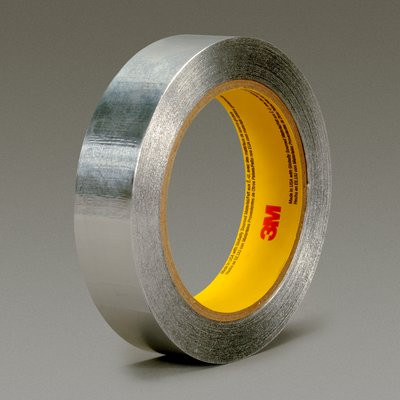
A stock image related to Brief Introduction Of Aluminum Foil Tape.
Comprehensive Cost and Pricing Analysis for Brief Introduction Of Aluminum Foil Tape Sourcing
Sourcing aluminum foil tape for industrial applications requires understanding a multi-layered cost structure that extends beyond unit price quotes. For procurement teams in Brazil, Vietnam, and across Africa and the Middle East, fluctuations in aluminum commodity markets and adhesive chemistry specifications create significant budget variability that demands strategic planning and precise specification alignment.
What Raw Material Specifications Drive Aluminum Foil Tape Costs?
The primary cost determinant lies in the aluminum substrate thickness and purity. Standard industrial grades range from 0.05mm to 0.08mm, with thicker gauges (0.08mm+) commanding 15-25% premiums due to higher metal content. High-purity aluminum (99.5%+) essential for electronics EMI shielding applications costs substantially more than standard HVAC grades. The adhesive layer—whether acrylic, rubber-based, or silicone—creates additional price stratification. Solvent-based acrylic adhesives offer superior temperature resistance (-30°C to 120°C) but cost 20-30% more than water-based alternatives, a critical consideration for Middle Eastern climate conditions where thermal stability is non-negotiable.
How Do Volume Thresholds Impact Pricing for Emerging Market Buyers?
Chinese manufacturers typically structure pricing around MOQs of 5,000-10,000 square meters for standard widths, with price breaks at 20,000+ square meters offering 12-18% reductions. For African and South American buyers facing container optimization challenges, negotiating mixed-product containers (combining aluminum foil tape with complementary HVAC accessories) often proves more cost-effective than LCL shipments. European buyers should note that CE-marked products carry 8-12% compliance premiums compared to standard industrial grades, while RoHS compliance for electronics applications adds certification costs.
Why Do Application-Specific Requirements Alter Your Sourcing Budget?
HVAC-grade aluminum foil tape represents the most cost-effective segment, typically ranging $0.80-1.50 per square meter FOB depending on thickness. However, specialized variants for electronics manufacturing—featuring polyester fiber reinforcement for repeated bending and enhanced thermal conductivity—command $2.50-4.00 per square meter. Glass cloth laminated versions for high-temperature industrial applications (petrochemical, furnace repair) fall in the premium $3.00-5.50 range due to complex lamination processes and specialized adhesive formulations required for chemical resistance.
What Hidden Logistics Costs Should International Buyers Anticipate?
Beyond unit costs, procurement teams must calculate total landed price implications. Aluminum foil tape faces anti-dumping duties in certain South American markets, adding 15-35% to declared values. Sea freight volatility from Chinese ports to African destinations currently adds $800-1,200 per 20-foot container. For time-sensitive construction projects, air freight costs for aluminum products typically exceed sea freight by 8-10x, making inventory planning critical for Brazilian and Vietnamese industrial sectors. Additionally, buyers should budget 2-3% for pre-shipment inspection and quality verification to ensure adhesive viscosity and aluminum purity meet specifications.
Strategic sourcing involves requesting detailed cost breakdowns separating aluminum raw material indices from conversion costs, enabling buyers to hedge against metal price fluctuations through quarterly adjustment clauses rather than fixed pricing models that expose suppliers to margin risk.
Alternatives Analysis: Comparing Brief Introduction Of Aluminum Foil Tape With Other Solutions
When evaluating sealing and shielding solutions for industrial procurement, understanding the performance trade-offs between aluminum foil tape and specialized alternatives ensures optimal material selection for specific regional requirements. While aluminum foil tape offers an exceptional balance of thermal management, EMI protection, and cost-efficiency for HVAC and electronics applications, certain infrastructure projects demand the distinct material properties of rubber-based weatherproofing or copper-based electromagnetic shielding. This analysis examines how butyl rubber tape and copper foil tape compare across critical B2B decision factors including climate resilience, electromagnetic performance, and total cost of ownership for markets in Africa, South America, and Southeast Asia.
Comparative Performance Matrix: How Does Aluminum Foil Tape Stack Against Industrial Alternatives?
| Comparison Aspect | Aluminum Foil Tape | Butyl Rubber Tape | Copper Foil Tape |
|---|---|---|---|
| Primary Function | Thermal insulation, EMI shielding, HVAC sealing | Weatherproof sealing, vibration damping, permanent bonding | High-performance EMI/RFI shielding, electrical grounding |
| Thermal Conductivity | High (excellent heat reflection) | Low (thermal insulator) | Very High (superior heat dissipation) |
| EMI Shielding Effectiveness | Good (60-80 dB) | Poor (minimal shielding) | Excellent (80-100 dB) |
| Moisture Resistance | Excellent (with acrylic adhesive) | Superior (inherent waterproofing) | Good (risk of oxidation in humidity) |
| Cost Efficiency | $ (Low to Moderate) | $$ (Moderate) | $$$ (High) |
| Ease of Implementation | High (conformable, clean removal) | Moderate (requires surface preparation, permanent adhesion) | High (similar application to aluminum) |
| Best Applications | Refrigeration, air ducts, consumer electronics | Outdoor roofing, marine equipment, automotive | Telecommunications, 5G infrastructure, medical devices |
Is Butyl Rubber Tape More Cost-Effective for Outdoor Infrastructure Projects?
Butyl rubber tape represents a compelling alternative for procurement teams prioritizing waterproofing and vibration damping over thermal conductivity in tropical climates. This synthetic rubber adhesive forms a permanent, molecular bond with substrates, creating an airtight seal that maintains flexibility across extreme temperature ranges from -40°C to 90°C. Unlike aluminum foil tape, which excels in heat reflection but may require replacement in high-UV environments, butyl tape demonstrates superior longevity in outdoor applications such as roofing membranes and marine equipment sealing prevalent in Brazilian and Southeast Asian markets. However, B2B buyers should evaluate total cost of ownership carefully: while butyl tape eliminates thermal bridging concerns, it typically commands 40-60% higher per-unit costs than aluminum alternatives and offers no electromagnetic shielding properties, limiting its utility in electronics manufacturing despite its excellent performance in construction and automotive sectors.
When Should Buyers Choose Copper Foil Tape Over Aluminum for EMI Shielding?
Copper foil tape emerges as the premium alternative for specialized electromagnetic interference (EMI) shielding applications in telecommunications infrastructure and high-precision electronics manufacturing. While aluminum foil tape provides adequate shielding effectiveness of 60-80 dB for consumer electronics and HVAC systems, copper delivers superior electrical conductivity—approximately 30-40% higher than aluminum—and exceptional performance against high-frequency interference above 1 GHz. For European and Middle Eastern B2B buyers sourcing components for data centers, 5G base stations, or medical equipment, copper tape ensures compliance with stringent electromagnetic compatibility (EMC) directives, though procurement teams must
Essential Technical Properties and Trade Terminology for Brief Introduction Of Aluminum Foil Tape
When procuring aluminum foil tape for industrial applications across diverse climates—from humid Southeast Asian manufacturing hubs to arid Middle Eastern construction sites—understanding precise technical specifications and standard trade terminology ensures compliance with project requirements and prevents costly material failures.
What Are the Critical Technical Properties for High-Performance Aluminum Foil Tape?
Backing Thickness and Alloy Composition
Typically specified in millimeters (0.018mm–0.08mm) or mils (0.7mil–3mil), the aluminum backing thickness determines both conformability and puncture resistance. Dead soft aluminum alloys offer superior malleability for irregular surfaces, while harder tempers provide structural rigidity for heavy-duty ductwork in HVAC systems common across European and Brazilian markets.
Adhesive Chemistry and Service Temperature Range
Acrylic adhesives deliver excellent UV resistance for outdoor installations in tropical climates, while rubber-based formulations provide aggressive initial tack essential for cold-weather applications in temperate regions. Silicone adhesives withstand extreme temperatures (-40°C to 200°C), making them indispensable for petrochemical facilities and automotive manufacturing in the Middle East and Africa.
Thermal Conductivity and Emissivity Ratings
High-performance foil tapes exhibit thermal conductivity between 0.04–0.06 W/m·K and low emissivity surfaces (0.05–0.20), critical for preventing heat loss in refrigeration units and improving energy efficiency in building insulation projects throughout South America and Europe.
Peel Adhesion and Shear Resistance
Measured in Newtons per 25mm (N/25mm) or ounces per inch, peel adhesion indicates bonding strength to metal substrates. Industrial-grade applications require minimum 20N/25mm adhesion for reliable duct sealing, while shear resistance prevents adhesive creep under vertical load conditions common in infrastructure projects.
Flame Retardancy and Smoke Development
UL 723 (ASTM E84) certification with Class A flame spread index (0–25) and smoke development index below 450 is mandatory for commercial construction in the Middle East and European Union, ensuring compliance with stringent fire safety regulations for high-rise buildings and industrial facilities.
What Trade Terminology Should International Buyers Know When Negotiating Aluminum Foil Tape Contracts?
Dead Soft Aluminum
This refers to fully annealed aluminum foil that maintains structural integrity while allowing hand-tearability and conformability around complex ductwork geometries without work-hardening or cracking—distinct from semi-rigid or hard-temper foils that require cutting tools.
Liner Release Force
Expressed in grams per 25mm width, this metric indicates the force required to remove the silicone-coated release liner from the adhesive. Low release force (10–30g) facilitates rapid application in high-volume Vietnamese electronics manufacturing, while high release force prevents accidental delamination during ocean freight to African ports.
Cold Weather Adhesion
A critical performance specification indicating the tape’s ability to maintain tack and bond strength at sub-zero temperatures, essential for construction projects during European winters or refrigerated logistics chains throughout South America.
HVAC Grade vs. General Purpose
HVAC-grade tapes meet UL 181A-P/B-FX standards for duct closure and feature moisture-resistant acrylic adhesives capable of withstanding thermal cycling, whereas general-purpose tapes suit temporary repairs and non-critical sealing applications with shorter service life expectations.
EMI/RFI Shielding Effectiveness
Measured in decibels (dB) of attenuation, this specification quantifies the tape’s capacity to block electromagnetic interference, vital for telecommunications infrastructure projects across Africa and electronics assembly operations in Vietnam requiring protection against signal degradation.
Conformability and Elongation Percentage
This describes the tape’s ability to stretch (typically 5–15% elongation) without tearing when applied over corrugated surfaces or pipe fittings, ensuring complete surface contact and eliminating thermal bridges in insulation systems prevalent in Middle Eastern petrochemical installations.
Navigating Market Dynamics and Sourcing Trends in the Brief Introduction Of Aluminum Foil Tape Sector
The aluminum foil tape sector is experiencing significant transformation as global infrastructure modernization and stringent regulatory frameworks reshape procurement priorities. For international buyers sourcing from Asian manufacturing hubs to serve markets in Africa, South America, the Middle East, and Europe, understanding evolving market dynamics is critical for securing competitive advantage. This section examines the demand drivers disrupting traditional supply chains and the sustainability imperatives now central to B2B vendor selection.
What Factors Are Driving Aluminum Foil Tape Demand in Emerging Markets?
The global aluminum foil tape market is expanding beyond traditional HVAC applications into high-growth sectors including 5G telecommunications infrastructure, electric vehicle battery thermal management, and LED display manufacturing. In regions such as Vietnam and Brazil, rapid industrialization and extreme climate variability are accelerating demand for high-performance sealing solutions that withstand thermal cycling, humidity, and chemical exposure. B2B buyers are observing a strategic pivot from commodity-grade products to specialized variants, including reinforced glass cloth aluminum tapes for petrochemical applications and ultra-thin conductive grades for consumer electronics EMI shielding.
Supply chain resilience has become equally critical as price volatility, with procurement teams increasingly diversifying supplier portfolios across multiple Asian manufacturing regions to mitigate geopolitical risks and aluminum commodity fluctuations. Regional specification requirements are diverging significantly, requiring buyers to maintain nuanced inventory strategies. European markets prioritize REACH and RoHS compliance for chemical safety, while Middle Eastern buyers emphasize UV resistance and high-temperature performance for desert climates. African and South American distributors are seeking multi-purpose industrial grades that perform reliably across diverse environmental conditions, from tropical humidity to high-altitude temperature variations.
Innovation in adhesive chemistry is also reshaping procurement decisions. The industry is transitioning from solvent-based acrylics to hot-melt and rubber-based formulations that offer superior aging resistance and immediate tack strength. This evolution impacts storage requirements and application methods, necessitating closer technical collaboration between buyers and manufacturers to ensure product compatibility with local installation standards and climate conditions.
How Can B2B Buyers Ensure Sustainable and Ethical Sourcing?
Sustainability has transitioned from a marketing differentiator to a procurement mandate, particularly for buyers serving EU markets with strict carbon border adjustment mechanisms and extended producer responsibility regulations. When evaluating aluminum foil tape suppliers, prioritize partners utilizing recycled aluminum content and solvent-free adhesive technologies that reduce volatile organic compound emissions during application and end-of-life processing.
Ethical sourcing extends beyond environmental metrics to encompass responsible mining practices and labor standards throughout the supply chain. Request smelter verification documentation and conflict minerals reports to ensure aluminum originates from certified ethical sources. Leading manufacturers now provide Environmental Product Declarations and ISO 14001 certification, demonstrating systematic environmental management and carbon footprint transparency.
The circular economy presents both challenges and opportunities for aluminum foil tape procurement. While aluminum backing is infinitely recyclable, the adhesive layer complicates material recovery, prompting innovation in release liner recycling programs and adhesive separation technologies. For buyers in Brazil and Vietnam, where environmental regulations are tightening, partnering with suppliers offering take-back programs for production scrap can enhance corporate sustainability profiles while reducing waste management costs.
Quality assurance intersects with sustainability through product longevity. High-grade aluminum foil tapes with superior thermal stability and moisture resistance reduce replacement frequency, minimizing material consumption over infrastructure lifecycles. When auditing potential suppliers, examine their renewable energy adoption in manufacturing processes and water recycling systems, as these operational efficiencies often correlate with both environmental stewardship and production cost stability. Digital supply chain transparency tools, including blockchain-tracked material origins, are becoming essential for buyers requiring verifiable sustainability credentials for government and corporate tenders.
Frequently Asked Questions (FAQs) for B2B Buyers of Brief Introduction Of Aluminum Foil Tape
What are the primary industrial applications of aluminum foil tape in HVAC systems and thermal insulation projects?
Aluminum foil tape serves as a critical sealing and insulation component across HVAC, refrigeration, and petrochemical industries. In ductwork systems, it creates airtight seals at joints and seams, preventing thermal leakage and maintaining system efficiency ratings. Beyond HVAC, the tape functions as a vapor barrier in cold storage facilities, reflects radiant heat in industrial ovens, and provides corrosion protection for pipes in marine environments. Procurement teams should specify tape width and thickness based on whether the application involves standard indoor duct sealing or heavy-duty outdoor weatherproofing.
What temperature resistance specifications should buyers verify when sourcing aluminum foil tape for high-heat industrial environments?
High-quality aluminum foil tape typically withstands operating temperatures ranging from -30°C to 150°C (-22°F to 302°F), though specialized silicone-adhesive variants can handle intermittent exposure up to 200°C (392°F). The adhesive formulation determines thermal ceiling limits, with acrylic adhesives offering moderate heat resistance for general HVAC use, while silicone-based options excel in furnace repair and high-temperature exhaust applications. Buyers should request technical data sheets specifying both service temperature ranges and thermal conductivity coefficients (typically 0.04-0.06 W/m·K) to ensure compatibility with specific insulation systems.
How does reinforced aluminum foil tape differ from standard foil tape in structural integrity and application suitability?
Reinforced aluminum foil tape incorporates fiberglass scrim or polyester mesh embedded within the foil layer, providing tensile strength up to 50% higher than standard variants. While standard foil tape (0.05mm–0.08mm thickness) suits indoor electronics shielding and light-duty sealing, reinforced versions withstand mechanical stress, tearing, and expansion/contraction cycles in outdoor HVAC installations and industrial pipe wrapping. B2B buyers should select reinforced grades for applications involving thermal bridging prevention in building envelopes or long-term exposure to wind loads and vibration, whereas standard grades suffice for temporary repairs and clean-room electronics assembly.
What critical material properties should procurement teams prioritize when selecting aluminum foil tape for electromagnetic shielding and thermal management?
For electromagnetic interference (EMI) shielding in electronics manufacturing, prioritize tapes with pure aluminum purity exceeding 99% and conductive acrylic adhesives that maintain surface resistivity below 0.05 ohms/sq. Thermal management applications require evaluation of emissivity values (ideally 0.03–0.05 for low-emissivity variants) and adhesion strength measured in ounces per inch width. Procurement teams should also verify the tape’s dielectric strength for electrical insulation applications and ensure the liner release characteristics support automated dispensing systems common in high-volume electronics assembly lines.
Which adhesive formulations offer optimal chemical resistance and longevity for marine, automotive, and outdoor industrial environments?
Acrylic adhesives provide superior UV stability and moisture resistance for outdoor HVAC and marine applications exposed to saltwater and weather cycling. Solvent-based rubber adhesives deliver aggressive initial tack and conformability for irregular automotive surfaces but degrade under prolonged UV exposure. Silicone adhesives withstand aggressive chemical environments including petrochemical processing and exhaust systems, maintaining adhesion in temperatures fluctuating between -40°C and 200°C. Buyers should match adhesive chemistry to the specific environmental stressors—prioritizing acrylic for general exterior use, silicone for chemical exposure, and rubber for low-temperature flexibility in refrigerated transport applications.
What surface preparation protocols ensure maximum adhesion when applying aluminum foil tape to metal ducts, glass, or polymer substrates?
Optimal adhesion requires substrate surfaces free of dust, oils, oxidation, and moisture, achieving surface energy levels above 38 dynes/cm. For metal ducts and aluminum surfaces, clean with isopropyl alcohol (IPA) or specialized degreasing agents rather than water-based cleaners that may leave residue. Application temperature should exceed 10°C (50°F) to ensure adhesive flow and wetting. B2B installation teams should apply firm pressure using a squeegee or roller, achieving minimum 15 psi pressure to eliminate air pockets and activate pressure-sensitive adhesives fully. Allow 24-hour curing time before exposing joints to thermal cycling or mechanical stress.
How do thickness specifications and alloy grades impact conformability and performance in precision electronics versus heavy-duty industrial applications?
Standard thicknesses range from 0.05mm (2 mil) for conformable electronics shielding to 0.08mm (3.1 mil) for industrial HVAC applications, with heavy-duty variants reaching 0.15mm for puncture resistance. Thinner gauges (0.05mm) conform to complex geometries in smartphone and LED display assembly, while thicker aluminum provides structural rigidity for pipe wrapping and insulation facing. Buyers should specify 1050 or 1100 alloy series for general industrial use, while 1145 or 1235 alloys offer enhanced purity for critical EMI shielding in telecommunications equipment. Custom slitting widths and die-cut shapes should be negotiated for high-volume electronics manufacturing to minimize waste and application time.
What quality certifications and compliance standards should international buyers verify when importing aluminum foil tape for regulated industries?
Procurement teams must verify RoHS and REACH compliance for electronics applications, ensuring adhesive formulations contain no restricted heavy metals or phthalates. UL 723 (ASTM E84) certification proves surface burning characteristics for building and construction markets, while MIL-PRF-19500 standards apply to aerospace and defense applications. For food processing and cold storage, FDA 21 CFR 175.105 compliance ensures adhesive safety. Buyers sourcing from Asian manufacturers should request ISO 9001:2015 quality management certification and batch-specific test reports verifying peel adhesion (minimum 60 oz/inch) and shear strength to ensure consistency across international supply chains.
Important Disclaimer & Terms of Use
⚠️ Important Disclaimer
The information provided in this guide, including content regarding manufacturers, technical specifications, and market analysis, is for informational and educational purposes only. It does not constitute professional procurement advice, financial advice, or legal advice.
B2B buyers must conduct their own independent and thorough due diligence before making any purchasing decisions. The risk of relying on any information in this guide is borne solely by the reader.
Top 4 Brief Introduction Of Aluminum Foil Tape Manufacturers & Suppliers List
1. The Tape Lab Inc – Foil Tape
Domain: us.metoree.com
Registered: 2020 (6 years)
Introduction: This company, The Tape Lab Inc – Foil Tape, is a notable entity in the market.
2. Tape Suppliers – Foil Tape
Domain: tapesuppliers.com
Registered: 2007 (19 years)
Introduction: Foil tape, also known as aluminum tape or aluminum foil tape, is a versatile adhesive product featuring pressure-sensitive adhesive. Key properties include chemical resistance, light reflectance, weather ability, flame resistance, and moisture resistance. It provides solutions for electrical and thermal conductivity applications across electrical, HVAC, construction, and other industrial sectors. …
3. Merco Tape – Aluminum Foil Tapes
Domain: mercotape.com
Registered: 1998 (28 years)
Introduction: Collection of 50 aluminum foil and specialty metal tapes for HVAC, manufacturing, and maintenance applications. Brands include Merco Tape, Nashua, Polyken, 3M, Shurtape, and IPG/Intertape. Product types: Aluminum Foil Tapes (cold weather, contractor, utility, premium, military grades), FSK Tapes (Foil-Scrim-Kraft insulation), Copper Foil Tapes (electrically conductive and non-conductive adhesives)…
4. Tape Jungle – Foil Tapes
Domain: tapejungle.com
Registered: 2010 (16 years)
Introduction: Foil tapes are durable, high-tensile tapes with metal foil backings (copper, aluminum, or lead) used in construction, electrical work, and packaging. They are sturdy yet flexible, suitable for harsh conditions. Product offerings include: Copper Foil Tape with Acrylic Adhesive (3883X) featuring 1 oz (1.4 mil) copper foil with non-conductive acrylic adhesive on white 66# paper liner; General Purpose…
Strategic Sourcing Conclusion and Outlook for Brief Introduction Of Aluminum Foil Tape
As global infrastructure development accelerates across Africa, South America, and the Middle East, aluminum foil tape has transitioned from basic commodity to engineered performance material. Procurement teams must now balance thermal efficiency specifications with supply chain resilience when evaluating suppliers for HVAC, electronics, and automotive applications.
How Can Buyers Verify Quality Standards Across International Supply Chains?
When sourcing for projects in Brazil, Vietnam, or European markets, prioritize manufacturers providing certified pressure-sensitive adhesives with documented thermal conductivity ratings. Request validation of moisture resistance and aging stability under regional climate conditions—critical for HVAC installations in humid environments or desert temperature extremes.
What Emerging Applications Will Drive Future Demand?
The intersection of 5G infrastructure expansion and sustainable building codes positions aluminum foil tape as essential for electromagnetic shielding and energy-efficient sealing. Forward-thinking procurement strategies should assess suppliers’ capabilities in custom specifications, laminate configurations, and compliance with international automotive and electronics standards.
Strategic sourcing decisions today must anticipate evolving technical requirements while ensuring consistent quality across complex international logistics networks.