Introduction: Navigating the Global Market for Brown carton sealing tape
Sourcing brown carton sealing tape for climate-resilient supply chains presents a critical procurement dilemma that extends far beyond aesthetic preference. International buyers navigating the $15 billion global packaging tape market must reconcile adhesive performance across extreme environments—from the humid ports of Lagos to the arid logistics hubs of Jeddah—while managing bulk procurement costs and supplier reliability. Whether you’re securing pharmaceutical shipments in Riyadh or automotive components in Stuttgart, selecting the wrong tape specification can result in seal failures, damaged inventory, and costly customs delays.
What critical factors should procurement teams evaluate when standardizing brown carton sealing tape specifications?
This guide dismantles the complexity of global tape procurement by examining four essential categories: adhesive technologies (acrylic versus hot melt versus natural rubber), substrate durability ratings (1.8 Mil to 7 Mil options), climate-specific performance thresholds, and total cost of ownership calculations. We analyze application-specific requirements—from lightweight e-commerce packaging to heavy-duty industrial palletizing—while providing frameworks for vetting manufacturers, negotiating bulk pricing tiers, and ensuring compliance with regional environmental regulations.
How can businesses across Africa, South America, the Middle East, and Europe optimize their sealing tape investments?
Specifically tailored for procurement professionals in emerging and established markets—including Saudi Arabia’s rapidly expanding logistics sector and Germany’s precision manufacturing industries—this resource equips you with actionable criteria for supplier selection, quality verification protocols, and logistics optimization. By understanding the nuanced differences between BOPP acrylic formulations for humid climates and hot melt alternatives for rapid application, you’ll transform packaging tape from a commodity expense into a strategic supply chain asset that protects product integrity across international borders.
Understanding Brown carton sealing tape Types and Variations
| Type Name | Key Distinguishing Features | Primary B2B Applications | Brief Pros & Cons for Buyers |
|---|---|---|---|
| BOPP Acrylic Adhesive Tape | Conformable BOPP film with pressure-sensitive acrylic adhesive; excellent environmental resistance (5°C to 65°C); superior aging properties | Long-term storage, export shipping to varied climates, lightweight cartons (<48 lbs) | Pros: UV and temperature stable, cleaner unwind, printable. Cons: Higher initial cost than hot melt, slower initial tack on dusty surfaces. |
| BOPP Hot Melt Adhesive Tape | Aggressive synthetic rubber-based hot melt adhesive; instant tack on corrugated surfaces; easy release from roll | High-speed packaging lines, immediate carton sealing, short-term transit | Pros: Lower cost, aggressive initial grab, quiet unwind. Cons: Poor performance in extreme heat/cold, potential adhesive transfer in high humidity. |
| Kraft Paper Tape (Natural Rubber) | Heavy-duty 7-mil kraft paper backing with natural rubber/resin adhesive; moisture-resistant; tamper-evident appearance | Heavy-duty packaging, moisture-prone environments, eco-conscious branding | Pros: Biodegradable backing, strong holding power, professional aesthetic. Cons: Higher cost per roll, requires more pressure for adhesion, limited dispenser compatibility. |
| Water-Activated Kraft Tape (Gummed) | Reinforced kraft paper with starch-based adhesive; requires water activation; 100% biodegradable; bonds chemically with carton fibers | Secure tamper-proof sealing, heavy export crates, cold storage facilities | Pros: Permanent seal, recyclable with box, theft-deterrent. Cons: Requires dispenser with water reservoir, not for wet environments, longer application time. |
| Machine-Length Brown BOPP Tape | Extended length rolls (1000–2000+ yards); 2.1+ mil thickness; compatible with automated case sealers; reduced changeover frequency | High-volume manufacturing, automated packaging facilities, continuous production lines | Pros: Reduced downtime, lower cost per linear foot, consistent tension. Cons: Higher upfront investment, requires specific machinery, less portable for manual use. |
Which brown carton sealing tape offers the best climate resistance for international shipping?
BOPP Acrylic adhesive tape utilizes a pressure-sensitive acrylic coating on a conformable BOPP film, delivering exceptional performance across temperature extremes from 5°C to 65°C. This variant develops a stronger bond over time compared to rubber-based alternatives and maintains adhesion under UV exposure and humidity fluctuations. For B2B buyers managing export logistics to regions with varying climates—such as the humid conditions of West Africa or the heat of the Middle East—this tape provides reliable sealing without adhesive yellowing or edge lifting during extended transit periods.
What is the most cost-effective brown tape for high-speed packaging operations?
BOPP Hot Melt tape features an aggressive synthetic rubber adhesive engineered for instant tack and rapid application on corrugated surfaces. Its formulation allows for easy release from the roll and quiet unwind, making it ideal for manual and semi-automated packing stations where speed outweighs environmental exposure concerns. While offering lower upfront costs per roll than acrylic variants, procurement teams should note that hot melt adhesives may soften in high-temperature warehouses or lose tack in freezing conditions, limiting suitability for long-term outdoor storage or extreme climate shipping.
How does natural rubber kraft tape compare for heavy-duty and sustainable packaging?
Kraft Paper Tape with natural rubber adhesive combines a 7-mil biodegradable paper backing with an aggressive moisture-resistant resin adhesive. This construction provides tamper-evident sealing and superior performance in damp conditions where plastic tapes might fail. B2B buyers prioritizing sustainability credentials for European markets or requiring heavy-duty closure for bulk agricultural exports will find this option aligns with circular economy goals. However, the paper backing demands careful handling to prevent tearing during application and typically requires manual dispensing rather than automated systems.
When should B2B buyers choose water-activated gummed tape over pressure-sensitive options?
Water-Activated Kraft Tape, or gummed tape, employs a starch-based adhesive that requires moisture activation to form a permanent chemical bond with carton fibers. This creates a tamper-proof seal that cannot be resealed without detection, making it ideal for high-value shipments and cold storage environments. The 100% biodegradable composition appeals to environmentally regulated markets in Germany and Scandinavia. Procurement considerations include the necessity of specialized dispensers with water reservoirs and the incompatibility with wet application environments, though the resulting seal strength often justifies the operational adaptation for security-critical supply chains.
What are the advantages of machine-length brown tape for automated production lines?
Machine-Length Brown BOPP Tape addresses the operational efficiency needs of high-volume facilities through extended rolls ranging from 1000 to 2000+ yards, significantly reducing changeover frequency on automated case sealers. The 2.1-mil thickness provides consistent tensile strength for continuous high-speed application, while the brown color maintains professional aesthetics and inventory discretion. B2B buyers should evaluate core compatibility (typically 3-inch) and machine tension specifications when sourcing, as these bulk rolls require capital investment in appropriate dispensing equipment but deliver substantial labor cost savings and reduced packaging waste over standard lengths.
Key Industrial Applications of Brown carton sealing tape
| Industry/Sector | Specific Application of Brown carton sealing tape | Value/Benefit for the Business | Key Sourcing Considerations for this Application |
|---|---|---|---|
| E-commerce & 3PL Fulfillment | Sealing corrugated shipping boxes for high-volume order dispatch | Tamper-evident brown finish hides dirt/scuffs; acrylic adhesive ensures secure transit across climate zones | Bulk volume pricing (36+ rolls); 3″ width for heavy boxes; temperature stability (5-65°C) for warehouse storage |
| Agricultural Export & Food Processing | Closing export cartons for fresh produce and packaged goods shipping to international markets | Moisture-resistant acrylic adhesive prevents seal failure in humid port environments; brown color matches recycled packaging aesthetics | Humidity resistance certification; compliance with food-safe packaging standards; 110+ yard lengths for automated lines |
| Automotive Parts Distribution | Securing component boxes containing filters, brake pads, and accessories for B2B supply chains | High-tack acrylic bonds to dusty/rough corrugated surfaces; 2.1 Mil thickness supports loads up to 48 lbs without splitting | Adhesion strength on recycled fiberboard; compatibility with manual and automated dispensers; color coding for inventory |
| Construction & Building Materials | Sealing cartons of hardware, tiles, and tools for project-based delivery | UV-resistant brown BOPP withstands outdoor jobsite exposure; conformable film adheres to irregular box surfaces | Heavy-duty thickness options (3+ Mil) for sharp-edged contents; natural rubber alternative for cold-weather applications |
| Retail Wholesale & Distribution | Palletizing mixed goods for regional distribution centers | Cost-effective bulk sealing; printable surface for branding/logistics codes; immediate bond prevents shift during stacking | Custom printing capabilities; consistent roll length for inventory predictability; 2″ vs 3″ width selection based on box weight |
How Does Brown Carton Sealing Tape Support High-Volume E-commerce Operations?
High-volume fulfillment centers require sealing solutions that maintain integrity through automated dispensing and variable climate exposure. Brown BOPP acrylic tape provides immediate tack for fast-moving conveyor systems while concealing dust and handling marks that occur during sorting. For buyers in Germany and Saudi Arabia, where warehouses may experience significant temperature differentials, the 5°C to 65°C performance range ensures adhesive stability during seasonal transitions. The 3-inch width option offers additional security for heavier parcels common in cross-border B2B shipments, reducing the risk of center-seam failure.
What Are the Best Sealing Solutions for Agricultural Export Packaging in Humid Climates?
Fresh produce and packaged food exports from Africa and South America face extended exposure to high humidity during ocean freight. Brown carton sealing tape with acrylic adhesive creates moisture-resistant seals that prevent carton degradation and contamination risks. The tape’s conformability ensures reliable closure on recycled fiberboard commonly used in sustainable agricultural packaging. Buyers should prioritize 110-yard machine-length rolls for automated packing lines, ensuring continuous operation during peak harvest seasons when export volumes surge and downtime becomes prohibitively expensive.
Why Do Automotive Suppliers Rely on Brown Acrylic Tape for Component Shipping?
Automotive supply chains demand tamper-evident sealing for inventory components ranging from filtration systems to electrical parts. Brown tape’s aggressive acrylic formulation bonds effectively to dusty corrugated surfaces typical in manufacturing environments, while the 2.1 Mil thickness accommodates weights up to 48 lbs without elongation or splitting. For Middle Eastern distributors managing high ambient temperatures, the tape’s heat resistance prevents adhesive bleed-through that could damage sensitive components. Custom printing options allow for part number integration directly on the seal, enhancing traceability throughout the supply chain.
How Can Construction Material Distributors Prevent Package Failure in Outdoor Storage?
Building supply distributors require packaging that withstands rough handling and outdoor storage conditions. Brown BOPP tape offers UV resistance for cartons stored on job sites, while the film backing resists abrasion from adjacent materials like tile or hardware. The tape’s ability to adhere to irregular, coarse cardboard surfaces solves the primary failure point in construction logistics. European buyers particularly benefit from the tape’s compatibility with both manual dispensers for small contractors and automated systems for large development projects, ensuring flexibility across diverse operational scales.
Which Tape Specifications Ensure Secure Retail Distribution Across Diverse Climate Zones?
Regional distribution centers managing mixed-product pallets need cost-effective sealing that supports traceability. Brown tape provides a neutral background for printed tracking codes and branding while offering immediate bond strength to prevent package shifting during intermodal transport. The availability of various thicknesses—from 1.8 Mil for lightweight consumer goods to 7 Mil for heavier bulk items—allows procurement teams to match specifications precisely to product weight categories. This optimization reduces material waste while ensuring compliance with carrier requirements for international shipments to diverse markets.
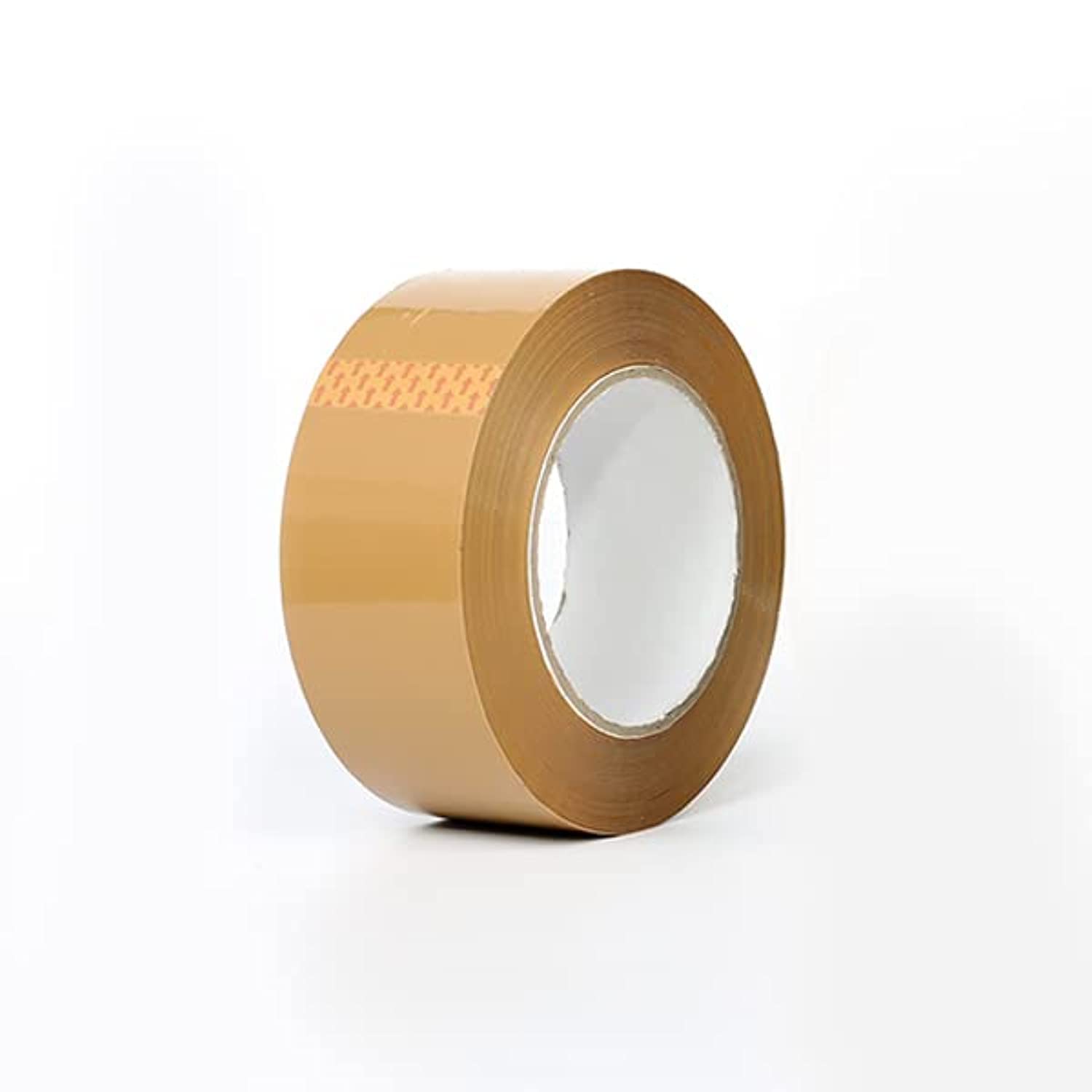
A stock image related to Brown carton sealing tape.
3 Common User Pain Points for ‘Brown carton sealing tape’ & Their Solutions
International B2B buyers operating across diverse climates and regulatory environments frequently encounter specific failure modes with standard sealing solutions. Understanding these operational challenges—and their precise technical remedies—ensures supply chain integrity from manufacturing facilities in Germany to distribution centers in Saudi Arabia or agricultural exporters in Brazil.
Why Does Brown Carton Sealing Tape Fail in High-Temperature Export Environments?
The Problem:
B2B buyers shipping from regions like Nigeria, Saudi Arabia, or Brazil frequently encounter catastrophic tape failure when cartons endure prolonged exposure in non-climate-controlled warehouses or shipping containers where internal temperatures exceed 40°C. Standard hot melt adhesives soften and lose tack under extreme heat, causing cartons to pop open during transit. Conversely, exporters serving Northern European markets face delamination issues in cold storage facilities where adhesives become brittle and shear away from corrugated surfaces. This temperature volatility results in damaged goods, customs delays, increased insurance claims, and compromised customer relationships across the supply chain.
The Solution:
Specify BOPP acrylic adhesive tape rather than hot melt for temperature-sensitive supply chains. Acrylic formulations maintain consistent adhesion across a 5°C to 65°C operational range and resist humidity fluctuations common in tropical African or Middle Eastern climates. For freezer-bound shipments to European distribution centers, acrylic’s faster setting time and superior bond development prevent brittle failure. Pair this with 2.1 mil thickness for standard loads under 48 lbs, ensuring the backing film maintains structural integrity despite thermal expansion and contraction cycles during international transit.
Which Tape Thickness Prevents Carton Bursting in Heavy-Duty Industrial Applications?
The Problem:
Industrial manufacturers in Germany’s automotive sector or South American mining operations frequently ship dense components and metal parts that exceed standard corrugated weight limits. Using lightweight 1.8 mil tape on double-walled boxes creates significant liability: the tape stretches or shears under shear forces during forklift handling and container stacking. Buyers often default to clear tape without considering that brown tape’s opacity effectively conceals dirt and handling marks while requiring specific thickness calibration. This miscalculation leads to either over-taping waste or dangerous under-securing that risks inventory loss and workplace safety incidents during heavy-load handling.
The Solution:
Implement a weight-class matching system for tape selection. For cartons under 48 lbs, 2.1 mil BOPP provides optimal tensile strength and elongation properties without excess material cost. For heavy machinery parts or dense agricultural exports exceeding this threshold, upgrade to 7 mil Kraft natural rubber tape, which offers superior puncture resistance and moisture protection essential for ocean freight. Utilize 3-inch width rather than standard 2-inch for heavy loads to distribute stress across a wider sealing surface, significantly reducing the probability of seam splitting during international handling and rough customs inspections.
How Can SMEs Access Custom-Printed Brown Tape Without Excessive Minimum Order Requirements?
The Problem:
Growing e-commerce businesses and mid-sized exporters across Africa and the Middle East require branded sealing tape for supply chain security and marketing differentiation, but assume custom printing requires enterprise-level volumes of 500+ rolls. Many traditional suppliers impose prohibitive MOQs or charge setup premiums that eliminate ROI for smaller operations testing new markets. Additionally, procurement teams worry that brown tape’s darker substrate won’t display logos clearly compared to clear alternatives, forcing them into expensive secondary security-labeling workarounds that slow down packing lines and increase labor costs during high-volume shipping periods.
The Solution:
Brown BOPP acrylic tape accepts high-quality flexographic printing exceptionally well, providing excellent contrast for corporate logos, barcodes, and handling instructions against the neutral background. Source suppliers offering customization programs starting at 6-roll minimums for standard stock, with scalable pricing tiers (36, 72, 144 rolls) that reduce per-unit costs as volume grows. Opt for 110-yard lengths to maximize print area utilization while minimizing roll change frequency on manual or automated dispensers. This approach allows businesses to achieve tamper-evident branding and professional unboxing experiences without tying up working capital in excessive inventory or sacrificing operational efficiency.
Strategic Material Selection Guide for Brown carton sealing tape
Selecting the optimal material composition for brown carton sealing tape requires balancing environmental conditions, application speed, and sustainability mandates. For procurement teams managing international supply chains across diverse climates—from the humidity of West Africa to the temperature fluctuations of Central Europe—understanding the distinct performance characteristics of each substrate is critical for reducing damage rates and optimizing packaging spend.
Which Tape Material Offers Superior Performance in Extreme Climates?
Biaxially-Oriented Polypropylene (BOPP) film laminated with acrylic adhesive represents the industry benchmark for brown carton sealing tape in demanding logistics environments. This combination delivers exceptional dimensional stability across temperature ranges of 5°C to 65°C, effectively resisting humidity-induced curling common in tropical African climates and cold-cracking typical of unheated European warehouses. The acrylic formulation develops a molecular bond stronger than traditional rubber adhesives over time, making it ideal for long-term storage and export containers facing extended transit periods. However, procurement teams should note that acrylic tapes carry a moderate price premium and require slightly longer setting times compared to hot melt alternatives, potentially creating bottlenecks in high-speed automated packaging lines where immediate handling is required.
Is Hot Melt Adhesive the Right Choice for High-Volume Operations?
For distribution centers prioritizing throughput velocity over climate versatility, BOPP film paired with hot melt synthetic rubber adhesive offers compelling operational advantages. This configuration provides aggressive initial tack and instantaneous adhesion to corrugated fibers, enabling rapid case sealing without the dwell time required by acrylic formulations. The easy-release properties significantly reduce operator fatigue during manual application, while the lower per-roll cost appeals to high-volume operations managing tight packaging budgets. The critical limitation lies in temperature sensitivity; hot melt adhesives soften in ambient heat above 40°C and become brittle in freezing conditions, restricting their effectiveness to climate-controlled environments and limiting suitability for Middle Eastern outdoor storage or cross-continental shipping through varying seasonal zones.
When Should You Choose Kraft Paper Tape Over Polypropylene Options?
Sustainability-focused enterprises and brands targeting environmentally conscious European markets increasingly specify kraft paper backing with natural rubber/resin adhesive for brown carton sealing applications. This material combination provides excellent moisture resistance while offering a professional, matte aesthetic that enhances unboxing experiences for premium consumer goods. Unlike plastic films, the paper substrate allows for complete recyclability within standard cardboard waste streams without separation concerns, directly supporting compliance with stringent EU packaging regulations and corporate ESG mandates. Procurement teams must carefully weigh these benefits against material limitations: kraft tapes lack the conformability of BOPP films, struggle with adhesion to dusty or highly recycled corrugated surfaces common in African and South American industrial environments, and command significantly higher per-meter costs.
Why Consider Water-Activated Gummed Tape for Maximum Security?
Reinforced kraft paper with water-activated adhesive—commonly designated as gummed tape—provides the highest security level for export shipments requiring tamper evidence and pilferage resistance. The starch-based adhesive bonds molecularly with carton fibers upon application, creating a permanent seal that shows immediate visual evidence of interference upon removal. This 100% biodegradable option withstands extreme temperature fluctuations better than pressure-sensitive alternatives, making it suitable for long-haul maritime containers. However, the application process requires specialized water dispensers and trained operators, while the adhesive remains vulnerable to moisture exposure before activation. These operational complexities, combined with moderate pricing, position gummed tape as a strategic choice for high-value electronics or pharmaceutical exports rather than general commodity shipping.
The following comparison matrix summarizes the critical decision factors for international B2B procurement:
| Material | Typical Use Case for Brown carton sealing tape | Key Advantage | Key Disadvantage/Limitation | Relative Cost |
|---|---|---|---|---|
| BOPP Acrylic | Long-term storage, climate-variable international shipping | Superior environmental resistance (5°C to 65°C), UV stable | Higher cost than hot melt, slower setting time | Medium |
| BOPP Hot Melt | High-speed automated lines, climate-controlled warehouses | Aggressive initial tack, cost-effective, easy release | Poor performance in temperature extremes, limited durability | Low-Medium |
| Kraft Natural Rubber | Premium branding, recyclable packaging, moisture exposure | Biodegradable backing, professional aesthetic, moisture resistant | Poor conformability, adhesion issues with dusty surfaces | High |
| Water-Activated Kraft | High-security exports, tamper-evident requirements | Permanent bond, 100% biodegradable, tamper evidence | Requires water dispenser, application complexity, moisture sensitive before curing | Medium-High |
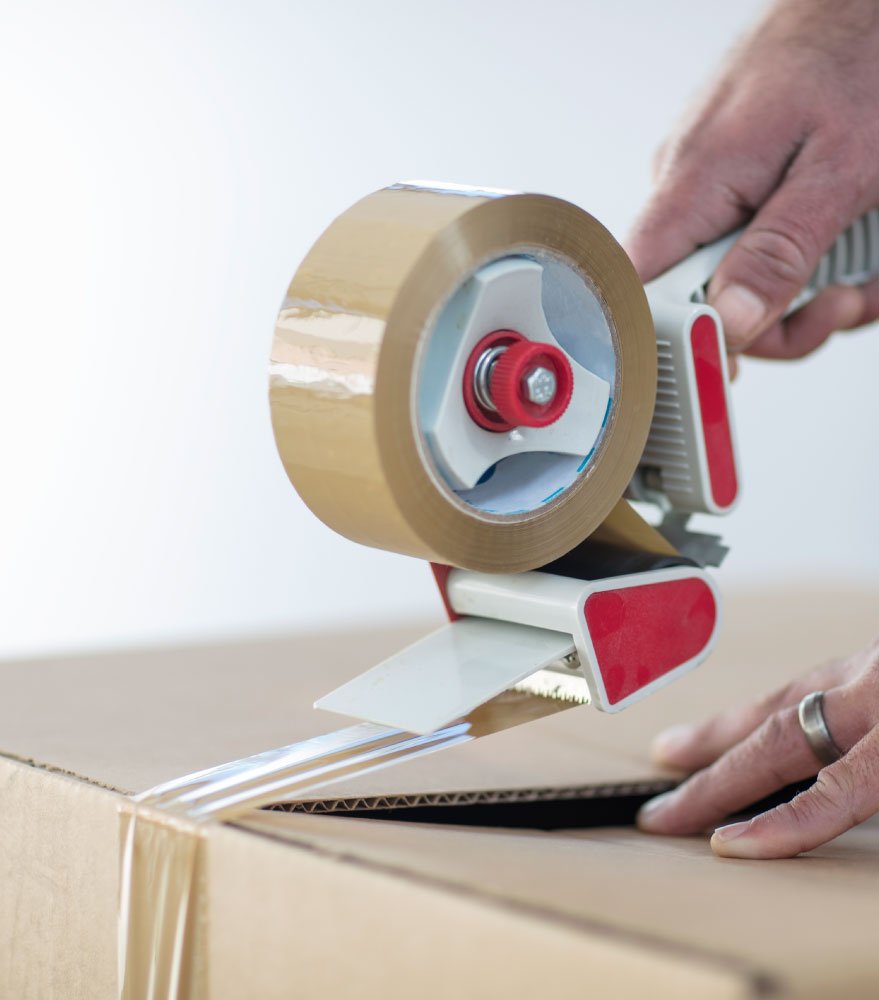
A stock image related to Brown carton sealing tape.
In-depth Look: Manufacturing Processes and Quality Assurance for Brown carton sealing tape
Understanding the manufacturing journey of brown carton sealing tape empowers procurement teams to evaluate suppliers beyond unit pricing, ensuring specifications align with regional climate challenges and operational demands. For buyers sourcing from manufacturing hubs to distribution centers across Africa, the Middle East, and South America, insight into production protocols reveals critical performance differentiators that impact seal integrity during extreme temperature fluctuations and long-haul logistics.
How Is Biaxially-Oriented Polypropylene Film Engineered for Maximum Tensile Strength?
The foundation of premium brown carton sealing tape begins with biaxially-oriented polypropylene (BOPP) film extrusion, a process where polypropylene resin undergoes machine-direction and transverse-direction stretching. This biaxial orientation aligns polymer chains to create a backing material that resists splitting while maintaining conformability around corrugated edges. Manufacturers utilize thickness gauges ranging from 1.8 mil for lightweight ecommerce applications to 2.1 mil and beyond for medium-plus duty cycles, with each micron variation requiring precise calendering controls. For B2B buyers managing heavy inventory loads exceeding 48 pounds per carton, specifying 2.1 mil or 7 mil Kraft alternatives ensures the film withstands shear forces during automated conveyor transport and stacked warehousing common in European distribution networks.
What Adhesive Coating Technologies Deliver Climate-Resistant Performance?
Following film preparation, manufacturers apply pressure-sensitive adhesive coatings through solvent-based or hot-melt extrusion methods, with acrylic and synthetic rubber formulations dominating industrial brown tape production. Acrylic adhesives undergo oxidative curing processes that create cross-linked polymer structures capable of maintaining tack between 5°C and 65°C, making them optimal for Middle Eastern and African markets where warehouse temperatures fluctuate dramatically. Conversely, hot-melt adhesives utilize thermoplastic rubber compounds that provide immediate initial grab—critical for high-speed packaging lines in German automotive parts facilities—but may soften in sustained heat above 60°C. Quality-focused suppliers implement viscosity monitoring during coating to ensure uniform adhesive deposition across the 3-inch or 2-inch width specifications, preventing “adhesive pooling” that causes inconsistent sealing and machine jamming.
Which Quality Control Protocols Validate Tape Performance for International Shipping?
Rigorous quality assurance separates commodity-grade tape from industrial-performance products suitable for transoceanic freight. Leading manufacturers subject brown BOPP tape to PSTC-101 peel adhesion testing, ASTM D3654 shear testing, and accelerated aging chambers simulating six-month storage in humid tropical climates. For buyers in Saudi Arabia and Brazil, UV resistance testing proves essential, as brown pigmentation—achieved through carbon black or iron oxide masterbatch integration—must prevent photodegradation during outdoor staging. Additionally, unwind force testing ensures rolls dispense smoothly through automated carton sealers without stretching or tearing, a specification particularly vital for European fulfillment centers utilizing high-speed case sealing machinery.
How Do Manufacturers Ensure Color Consistency and Customization Capabilities?
The distinctive brown hue of carton sealing tape serves functional and aesthetic purposes, concealing dirt while providing tamper-evident visibility. Masterbatch compounding requires precise pigment dispersion to prevent streaking that signals quality inconsistency to end consumers. Advanced extrusion lines utilize spectrophotometric monitoring to maintain Delta E color tolerances below 1.5, ensuring batch-to-batch uniformity crucial for branded packaging operations. Furthermore, inline flexographic printing capabilities allow direct application of corporate logos or handling instructions during the manufacturing process rather than secondary labeling, reducing per-unit costs for high-volume buyers requiring customized security features or inventory tracking codes.
What Supply Chain Certifications Indicate Manufacturing Excellence?
When vetting suppliers across global manufacturing regions, B2B procurement teams should prioritize facilities holding ISO 9001:2015 quality management certifications and ISO 14001 environmental compliance, particularly for water-activated Kraft tape variants marketed as biodegradable alternatives. RoHS and REACH compliance documentation ensures adhesive formulations exclude restricted substances that could contaminate pharmaceutical or food-grade supply chains prevalent in European markets. Additionally, suppliers utilizing statistical process control (SPC) methodologies during slitting and winding operations demonstrate capability to maintain length tolerances—whether producing standard 110-yard consumer rolls or machine-length 1000-yard industrial formats—preventing costly downtime from miscounted inventory or core alignment failures.
How Should Buyers Evaluate Packaging and Storage Specifications for Long-Distance Procurement?
The final manufacturing phase involves precision slitting and tension-controlled winding onto 3-inch cores, with moisture-barrier packaging critical for preventing adhesive oxidation during sea freight to South American or African ports. Premium suppliers nitrogen-flush individual roll packaging or apply release coatings that prevent adhesive bleed-through during 90-day ocean transit. Buyers should verify that manufacturers provide technical data sheets specifying shelf life under recommended storage conditions—typically 12 months when maintained between 15°C and 25°C with 50% relative humidity—to avoid purchasing inventory that degrades before deployment in high-temperature climates.
By scrutinizing these manufacturing and quality assurance parameters, international B2B buyers secure brown carton sealing tape that maintains adhesive integrity from production floors through last-mile delivery, regardless of regional climate extremes or handling rigors.
Practical Sourcing Guide: A Step-by-Step Checklist for ‘Brown carton sealing tape’
Procuring brown carton sealing tape requires balancing performance specifications with supply chain efficiency, particularly when managing international shipments across diverse climates. This checklist guides B2B buyers through critical decision points to ensure selected products withstand environmental challenges while optimizing packaging operations and controlling costs.
1. How Do You Match Tape Specifications to Load Requirements?
Begin by calculating the maximum weight your sealed cartons will endure during transit. For standard shipments under 48 pounds, a 2.1 mil thickness provides adequate tensile strength, while heavier loads demand 7 mil heavy-duty options or reinforced Kraft paper alternatives. Consider your warehouse storage environment—acrylic adhesives perform reliably between 5°C and 65°C, making them suitable for Middle Eastern heat and European cold snaps alike.
2. Which Adhesive Technology Suits Your Regional Climate?
Select adhesive chemistry based on your operational environment and application speed requirements. BOPP acrylic formulations offer superior resistance to humidity and temperature fluctuations, ideal for tropical African or South American markets. Hot melt adhesives provide aggressive initial tack for high-speed manual sealing operations, while water-activated Kraft tapes deliver biodegradable security for eco-conscious European markets, though they require strictly dry storage conditions.
3. What Dimensions and Roll Configurations Optimize Your Workflow?
Standard 2-inch widths suit lightweight parcels, whereas 3-inch widths provide enhanced security for heavy export shipments. Match roll lengths to your sealing equipment capabilities—110-yard rolls work for intermittent manual use, while 1000+ yard machine-length rolls significantly reduce changeover downtime in automated German or Saudi distribution centers. Verify that your existing dispensers accommodate standard 3-inch cores.
4. How Can You Leverage Customization and Branding Opportunities?
Evaluate suppliers offering custom printing capabilities to transform functional tape into marketing assets. Many manufacturers accommodate corporate logos and specific Pantone color requirements with minimum order quantities starting at six rolls. Request pre-production samples to verify print clarity and adhesion quality on brown BOPP substrates before committing to bulk orders.
5. What Cost and Logistics Factors Impact Your Total Investment?
Analyze volume pricing tiers rather than focusing solely on unit costs. Significant price breaks typically occur at 36, 144, and 324-roll quantities, potentially reducing per-roll costs by 15-20%. Calculate shipping thresholds—many international suppliers offer complimentary freight on orders exceeding $149. Confirm lead times of 1-3 business days align with your inventory cycles to prevent production delays.
6. Which Quality Certifications Ensure Cross-Border Compliance?
Verify tapes meet destination-specific regulations, including EU packaging directives or biodegradability standards for Kraft options in environmentally regulated markets. Request technical data sheets confirming temperature resistance and adhesive shear strength. For food-adjacent shipments or pharmaceutical exports, ensure compliance with relevant safety standards applicable in your target African, Middle Eastern, or European markets.
This systematic approach ensures your brown carton sealing tape investment delivers consistent durability across international supply chains while meeting regional regulatory requirements and sustainability goals.
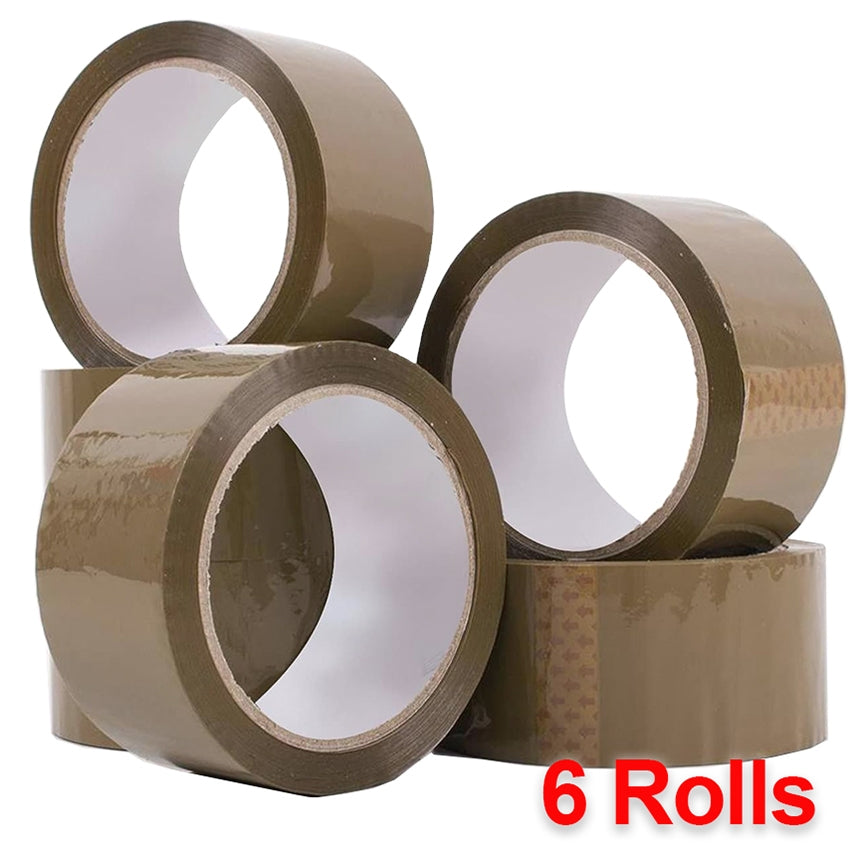
A stock image related to Brown carton sealing tape.
Comprehensive Cost and Pricing Analysis for Brown carton sealing tape Sourcing
For procurement teams operating across Africa, South America, the Middle East, and Europe, strategic sourcing of brown carton sealing tape requires moving beyond sticker prices to analyze volume economies, material specifications, and logistics optimization. Understanding how these variables interact enables buyers to reduce total cost of ownership while ensuring packaging integrity across diverse climate conditions.
How Do Volume Tiers Impact Unit Costs for Brown Carton Sealing Tape?
B2B pricing structures typically follow non-linear volume brackets that reward larger commitments with significant per-unit savings. Analysis of standard 2.1 mil BOPP acrylic tape reveals potential cost reductions of up to 16% when scaling from entry-level minimum order quantities (MOQs) of 6 rolls to bulk volumes exceeding 300 rolls. However, buyers should scrutinize tier breakpoints carefully, as intermediate quantities do not always guarantee incremental discounts. For international operations, consolidating quarterly requirements into single shipments often proves more economical than frequent smaller orders, provided warehouse capacity and capital allocation support bulk storage.
Which Material Specifications Drive Price Variations in BOPP Tape?
Cost differentials stem primarily from thickness, adhesive chemistry, and dimensional configurations. Standard duty 1.8 mil hot melt formulations typically command lower prices than 2.1 mil acrylic alternatives, while heavy-duty 7 mil kraft paper tapes with natural rubber adhesives represent premium investments suited for moisture-resistant applications. Width and length specifications further influence pricing; machine-length rolls of 1000+ yards reduce per-yard material costs compared to standard 110-yard hand rolls, though they require compatible dispensing equipment. Additionally, custom printing capabilities for branding or handling instructions introduce setup fees and minimum volume requirements that impact unit economics.
How Can International Buyers Optimize Landed Costs Across Regions?
For buyers in Saudi Arabia, Germany, and emerging markets, total landed cost calculations must incorporate shipping thresholds, customs classifications, and regional climate considerations. Many suppliers offer free freight programs on orders exceeding $149, making consolidation critical for container utilization. Middle Eastern and African buyers should prioritize acrylic adhesives rated for 5°C to 65°C temperature resistance to prevent adhesive failure in extreme heat, avoiding costly re-taping and potential cargo damage. European procurement teams should verify compliance with EU packaging waste directives, particularly when evaluating biodegradable kraft water-activated tapes versus standard BOPP films.
When Does Investing in Heavy-Duty Grades Improve Total Cost of Ownership?
While 2.1 mil medium-plus tapes suit packages under 48 pounds, heavier shipments warrant analyzing upgrade costs to 7 mil reinforced grades. The incremental material expense often offsets expenses associated with double-taping, carton failure, and insurance claims. Machine-length rolls further reduce per-seal costs for high-volume operations by minimizing roll changeover labor and core waste. Ultimately, matching tape specifications precisely to weight requirements, environmental exposure, and application methods delivers superior ROI compared to universal lightweight solutions.
Alternatives Analysis: Comparing Brown carton sealing tape With Other Solutions
Selecting the optimal carton sealing method requires balancing operational velocity, environmental conditions, and compliance requirements across diverse international supply chains. While standard brown BOPP acrylic tape serves as the industry baseline for general-purpose packaging, procurement teams in manufacturing hubs from São Paulo to Riyadh should evaluate specialized alternatives that may better align with specific sustainability mandates, security protocols, or climate challenges prevalent in their regions.
| Comparison Aspect | Brown Carton Sealing Tape (BOPP Acrylic) | Water-Activated Kraft Tape (Gummed) | BOPP Hot Melt Tape |
|---|---|---|---|
| Initial Tack Speed | Moderate (minutes to full bond strength) | Slow (requires water activation and drying) | Instant (aggressive immediate grab) |
| Temperature Resistance | 5°C to 65°C (standard range) | Extreme (-20°C to 80°C+) | 0°C to 60°C (limited high-heat tolerance) |
| Environmental Impact | Polypropylene (recyclable with film) | 100% biodegradable paper and adhesive | Polypropylene (standard plastic waste) |
| Security/Tamper Evidence | Standard (can be resealed cleanly) | Superior (bonds to fibers, shows damage) | Standard (can be resealed cleanly) |
| Cost per Application | $ (low material cost, no equipment) | $$ (higher material cost + dispenser investment) | $ (similar to acrylic, standard dispensers) |
| Recommended Weight | Under 48 lbs | Heavy duty (unlimited with reinforcement) | Under 40 lbs (lighter loads) |
| Best Use Case | General shipping, manual operations | High-value goods, ESG compliance | High-speed automated lines |
Is Water-Activated Kraft Tape More Secure and Sustainable Than Brown Carton Sealing Tape?
This solution utilizes a starch-based adhesive that chemically bonds with cardboard fibers, creating a permanent seal that shreds the box upon removal and prevents clean resealing. For B2B buyers in Germany and Saudi Arabia facing strict sustainability regulations or ESG compliance requirements, this biodegradable alternative eliminates plastic waste while providing superior tamper evidence compared to standard brown tape. The 7-mil reinforced paper construction withstands extreme temperature fluctuations from -20°C to over 80°C, outperforming acrylic adhesives in uncontrolled storage environments common in African and Middle Eastern logistics corridors. However, implementation requires water-activated tape dispensers and longer setting times, making it unsuitable for high-velocity operations but ideal for heavy-duty shipments exceeding 48 lbs or valuable electronics requiring chain-of-custody verification.
When Should You Choose Hot Melt Adhesive Over Standard Brown Acrylic Tape?
Featuring aggressive synthetic rubber adhesives, hot melt variants deliver immediate tack strength ideal for automated packaging lines common in large-scale manufacturing hubs across South America and Africa. Unlike acrylic brown tape that requires pressure and time to reach full adhesion, hot melt performs reliably in dusty warehouse environments and maintains grip on recycled corrugated materials with shorter fiber lengths that challenge acrylic formulations. Procurement teams should note that while hot melt offers faster application speeds and works excellently in 1.8-mil lightweight configurations for cost savings, it typically sacrifices the broad temperature range and UV resistance that 2.1-mil acrylic brown tape provides. This trade-off potentially compromises seal integrity during extreme summer heat in Middle Eastern logistics corridors or long-term outdoor storage, limiting its suitability for temperature-sensitive supply chains despite its operational efficiency advantages.
Essential Technical Properties and Trade Terminology for Brown carton sealing tape
When sourcing brown carton sealing tape for international logistics, understanding material specifications and industry nomenclature ensures compatibility with automated packaging lines and regional climate conditions. The following technical properties and trade definitions guide procurement decisions across diverse markets from the Middle East to South America.
What Are the Critical Technical Specifications for Brown Carton Sealing Tape?
Film Thickness (Mil): Measured in thousandths of an inch, mil ratings directly correlate with load-bearing capacity. Standard BOPP tapes range from 1.8 mil (lightweight, suitable for cartons under 30 lbs) to 2.1 mil (medium-duty, supporting up to 48 lbs), while reinforced Kraft paper options reach 7 mil for heavy industrial freight. Thicker films resist tearing during rough handling but require dispenser calibration adjustments.
Adhesive Chemistry: Acrylic formulations provide superior environmental resistance, maintaining bond integrity across temperatures from 5°C to 65°C with faster setting times than traditional rubber adhesives. Hot melt adhesives deliver aggressive initial tack and instant grab on corrugated surfaces, ideal for high-speed automated lines, though they may soften in extreme heat. Natural rubber variants offer enhanced moisture resistance for humid climates.
Carrier Material Composition: Biaxially-Oriented Polypropylene (BOPP) film undergoes molecular alignment during manufacturing, creating high tensile strength and dimensional stability while maintaining conformability to irregular carton surfaces. This backing prevents “flagging” (edge lifting) during temperature fluctuations common in cross-border shipping.
Core Size Standards: Industrial rolls typically feature 3-inch diameter cores, ensuring compatibility with standard manual dispensers and automated carton sealing machines. Verifying core dimensions prevents operational downtime caused by fit mismatches in existing equipment.
What Industry Terminology Defines Performance Standards?
PST (Pressure-Sensitive Tape): This classification indicates self-adhesive tapes requiring no heat, water, or solvent activation. PST includes standard BOPP acrylic and hot melt varieties that offer immediate handling strength upon application, streamlining high-volume packaging operations.
WAT (Water-Activated Tape): Commonly called gummed tape, these Kraft paper products feature starch-based adhesives that require moisture activation to form permanent chemical bonds with corrugated fibers. WAT provides tamper-evident sealing and 100% biodegradability for sustainability-focused supply chains.
Shear Strength: This metric measures resistance to sliding forces when cartons are stacked under load. High shear resistance prevents “box creep” during palletized transport, particularly critical for heavy freight shipments to Africa or South America where transit vibrations stress seals.
Release Coat: A silicone-based coating applied to the tape’s non-adhesive side that controls unwind force. Proper release coating prevents “telescoping” (sideways unwinding) and ensures consistent dispensing tension in both manual applications and automated machinery.
UV Stabilization: Additives that prevent adhesive degradation during prolonged sun exposure. Essential for outdoor storage in high-sunlight regions like Saudi Arabia or Brazil, UV stabilization prevents acrylic and rubber adhesives from becoming brittle or losing tack.
Navigating Market Dynamics and Sourcing Trends in the Brown carton sealing tape Sector
The brown carton sealing tape sector is experiencing significant transformation as procurement teams from Lagos to Riyadh navigate complex supply chain dynamics and evolving material specifications. While Biaxially-Oriented Polypropylene (BOPP) remains the industry standard for backing material, the sector is witnessing a strategic shift toward specialized adhesive formulations designed to withstand extreme climatic variations. For buyers operating across diverse regions—from the humidity of West Africa to the temperature-controlled logistics hubs of Germany—understanding the intersection of material science, volume economics, and sustainability compliance has become essential for strategic sourcing decisions that balance cost efficiency with operational reliability.
What Are the Current Market Dynamics Shaping Brown Carton Sealing Tape Procurement?
The global brown carton sealing tape market is characterized by increasing segmentation between commodity-grade and performance-specified products, driven by regional climate demands and application-specific requirements. Acrylic adhesive formulations are gaining significant market share over traditional rubber-based alternatives, particularly for buyers in the Middle East and Africa where temperature fluctuations between 5°C and 65°C demand superior environmental resistance and bond stability. Unlike hot melt adhesives that offer immediate tack but limited heat tolerance, acrylic BOPP tapes provide extended shelf stability and stronger bond development over time—critical factors for shipments facing prolonged transit periods or warehouse storage in non-climate-controlled environments prevalent in South American and African markets.
Procurement trends indicate a growing demand for customization capabilities, with B2B buyers increasingly requiring printed tape solutions for tamper-evident branding, inventory management, and supply chain traceability. However, minimum order quantities (MOQs) remain a key negotiation point; standard configurations typically start at 6-roll increments, with significant price breaks at 144+ roll volumes (often reducing per-unit costs by 10-15% or more). For European buyers, particularly in Germany and neighboring EU markets, compliance with packaging waste regulations and automation compatibility is driving interest in 2.1 Mil medium-plus thickness options that balance material efficiency with structural integrity for loads under 48 lbs, while machine-length rolls (1000-2000 yards) cater to high-speed automated packaging lines.
Regional logistics infrastructure also heavily influences sourcing strategies and inventory planning. Buyers in South America and Africa often prioritize shorter lengths (55-110 yards) to accommodate manual application processes and reduce upfront capital expenditure, whereas Middle Eastern importers frequently stock diverse thickness portfolios—from 1.8 Mil lightweight options for e-commerce fulfillment to 7 Mil heavy-duty variants for industrial palletizing. Raw material volatility in polypropylene pricing continues to impact contract negotiations, prompting sophisticated buyers to establish multi-sourcing agreements with 1-3 business day lead time capabilities to mitigate supply disruption risks in volatile currency environments.
How Can International Buyers Navigate Sustainability and Ethical Sourcing Requirements?
Sustainability mandates are fundamentally reshaping procurement criteria, particularly for European Union buyers facing stringent Extended Producer Responsibility (EPR) frameworks and Germany’s Packaging Act (VerpackG) requirements. While conventional BOPP acrylic tapes dominate volume sales due to their recyclability with cardboard streams, environmentally conscious buyers are increasingly evaluating Kraft paper alternatives, including water-activated gummed tapes that offer 100% biodegradability and natural rubber/resin formulations. However, these eco-friendly options present distinct performance trade-offs: water-activated tapes require specific application environments and lack moisture resistance, making them unsuitable for humid climates prevalent in regions like West Africa or the Gulf states unless protected throughout the supply chain.
Ethical sourcing extends beyond material composition to encompass manufacturing transparency, carbon footprint optimization, and labor practice verification. For buyers in Saudi Arabia and across the Middle East, where Vision 2030 sustainability goals intersect with extreme heat requirements, verifying supplier adherence to ISO 14001 environmental management standards and ethical labor practices is becoming as critical as product specifications. The shift toward 7 Mil heavy-duty Kraft natural rubber tapes reflects a hybrid approach—delivering moisture resistance while utilizing renewable paper backings, though at significantly higher price points than standard 1.8-2.1 Mil BOPP alternatives.
Strategic buyers are evaluating total cost of ownership through circular economy principles and logistics optimization. Custom-printed brown tapes reduce the need for additional labeling materials, while proper thickness selection (2.1 Mil for standard loads versus 7 Mil for heavy-duty applications) minimizes material waste and shipping weight. For international procurement, consolidating orders to
Frequently Asked Questions (FAQs) for B2B Buyers of Brown carton sealing tape
What is the difference between acrylic and hot melt brown carton sealing tape?
Acrylic adhesive delivers superior environmental resistance across temperature ranges of 5°C to 65°C, making it the preferred choice for shipments transiting through diverse climates such as Middle Eastern deserts or humid African ports. Hot melt adhesive provides aggressive initial tack and instant bonding to corrugated surfaces, excelling in high-speed automated packaging lines where immediate carton closure is critical. While acrylic develops a stronger long-term bond and resists aging and UV exposure better than rubber-based alternatives, hot melt performs optimally in moderate, temperature-controlled environments but may soften in extreme heat.
What thickness (micron) is best for heavy-duty industrial shipping applications?
For heavy-duty industrial applications involving dense machinery parts or packages exceeding 48 lbs, 7 mil (approximately 177 microns) Kraft paper tape or heavy-gauge BOPP options provide maximum puncture resistance and load-bearing capacity. Standard 2.1 mil (53 microns) BOPP acrylic tape adequately secures medium-weight freight under 48 lbs, while 1.8 mil suits lightweight ecommerce shipments. When navigating rough handling environments or extended international supply chains, the 7 mil reinforced construction prevents seal failure and maintains package integrity under significant stress.
Can brown carton sealing tape be custom printed with company logos in bulk orders?
Yes, BOPP acrylic brown carton sealing tape supports high-quality custom printing with corporate logos, handling instructions, or specific brand colors for bulk wholesale orders. This customization transforms standard packaging into a mobile marketing asset while providing tamper-evident security through unique print patterns that indicate package interference. Minimum order quantities for custom printed tape typically begin at 144+ rolls, with pricing economies becoming significant at 324+ roll quantities, offering cost-effective branding solutions for high-volume distributors and logistics providers.
What is the minimum order quantity for wholesale brown carton sealing tape?
Wholesale pricing structures for standard brown carton sealing tape typically commence at 6 rolls, with substantial per-unit discounts activating at 36, 144, and 324+ roll thresholds. Volume tiers demonstrate clear economies of scale, with per-roll costs potentially decreasing by up to 16% when transitioning from entry-level wholesale to full pallet quantities. For international buyers in Africa, South America, and the Middle East, consolidating orders to reach 180+ roll minimums optimizes total landed costs by balancing unit pricing benefits against international shipping expenses.
How do extreme temperatures and humidity affect brown carton sealing tape performance?
Acrylic-based brown carton sealing tape maintains adhesive integrity across humidity fluctuations and temperature extremes, critical for shipments facing Saudi Arabian desert heat or tropical South American moisture during ocean transit. Hot melt adhesives may soften in temperatures exceeding 65°C or lose tack in high-humidity environments, potentially compromising seal security during extended freight journeys. For European winter storage conditions or high-humidity African logistics hubs, acrylic formulations provide consistent performance without delamination, flagging, or premature adhesive failure.
Should I choose 2-inch or 3-inch width brown carton sealing tape for industrial applications?
Select 2-inch width for standard corrugated boxes under 24 inches in length or lightweight parcels where material efficiency is prioritized. The 3-inch width provides 50% greater surface contact area, essential for heavy freight, oversized cartons, or double-wall corrugated applications common in industrial B2B shipping throughout Europe and the Middle East. Wider tape distributes stress more evenly across seal points, significantly reducing the risk of carton burst during automated sorting processes and rough handling in international freight hubs.
What is the difference between BOPP plastic and Kraft paper brown sealing tape for sustainable packaging requirements?
Kraft paper tape offers biodegradable, recyclable solutions aligned with German and EU sustainability regulations, utilizing natural rubber or water-activated adhesives that integrate seamlessly with cardboard recycling streams without separation. BOPP (Biaxially-Oriented Polypropylene) provides superior moisture resistance and tensile strength but requires manual separation from cardboard before recycling. For markets prioritizing circular economy compliance, Kraft water-activated tape offers 100% biodegradable options, while BOPP remains the cost-effective standard for regions where durability outweighs recyclability concerns.
How should bulk inventories of brown carton sealing tape be stored to maintain adhesive quality?
Store brown carton sealing tape in climate-controlled environments between 15°C and 25°C with 40-60% relative humidity, away from direct sunlight, dust, and chemical contaminants. Acrylic adhesives resist aging and UV exposure better than hot melt formulations, but both types require vertical storage on standard 3-inch cores to prevent edge curling and adhesive migration. For international buyers maintaining strategic inventory across multiple seasons in varied climates, implementing first-in-first-out (FIFO) stock rotation ensures optimal tack performance throughout the 12-18 month shelf life.
Important Disclaimer & Terms of Use
⚠️ Important Disclaimer
The information provided in this guide, including content regarding manufacturers, technical specifications, and market analysis, is for informational and educational purposes only. It does not constitute professional procurement advice, financial advice, or legal advice.
B2B buyers must conduct their own independent and thorough due diligence before making any purchasing decisions. The risk of relying on any information in this guide is borne solely by the reader.
Top 2 Brown Carton Sealing Tape Manufacturers & Suppliers List
1. STA Tapes – Acrylic Carton Sealing Tapes
Domain: sta-tapes.com
Registered: 2016 (10 years)
Introduction: STA Tapes (STA Coated Technologies) manufactures US-made acrylic carton sealing tapes in Rogersville. Product lines include: (1) COHERE Economy Acrylic series (1.7mil-2.0mil): 1060, 1080, 1081 (High Tack), 1082 in Clear/Tan; (2) SUPREME Industrial Acrylic series (1.7mil-3.1mil): 1160, 1180, 1181 (High Tack), 1182 (available in 9 colors including Clear/Tan/Red/Blue/Green/Yellow/White/Orange/Black),…
2. IQS Directory – Sealing Tape
Domain: iqsdirectory.com
Registered: 2004 (22 years)
Introduction: Sealing tape is adhesive designed to ensure strong bonds when closing or sealing items, available in various lengths, widths, strengths, styles, materials, and colors (clear or patterned/colored). Key types include: Thread Seal Tape (PTFE/plumber’s tape for sealing pipe threads with lubrication properties), Box Sealing Tape/Parcel Tape (pressure-sensitive polypropylene or polyester film for corrug…
Strategic Sourcing Conclusion and Outlook for Brown carton sealing tape
As global supply chains face increasing pressure to balance durability with sustainability, selecting the optimal brown carton sealing tape requires moving beyond basic specifications. Procurement teams must evaluate adhesive chemistry—whether acrylic for extreme temperature fluctuations common in Middle Eastern and African logistics, or hot melt for rapid application in high-volume European distribution centers—against total cost of ownership and environmental impact.
How Can International Buyers Secure Competitive Pricing on Bulk Tape Orders?
Strategic volume procurement remains critical for cost optimization. Analyzing tiered pricing structures reveals that orders exceeding 250 rolls typically unlock significant per-unit reductions, while consolidating specifications across regional facilities maximizes economies of scale. Additionally, leveraging custom printing capabilities transforms tape from a commodity into a branding asset, offering tamper-evident security while reinforcing corporate identity during transit.
What Sustainability Factors Should Influence Your Brown Tape Sourcing Strategy?
Environmental compliance increasingly dictates sourcing decisions, particularly within EU markets and sustainability-focused Middle Eastern initiatives. Water-activated kraft tapes provide 100% biodegradable alternatives to traditional BOPP films, meeting circular economy mandates without compromising seal integrity. Forward-thinking procurement strategies should prioritize suppliers offering both high-performance synthetic options and certified eco-friendly alternatives to ensure regulatory agility across diverse markets.
The future of packaging procurement lies in adaptive specifications that accommodate climate variability, automation compatibility, and evolving environmental standards—ensuring your sealing solutions remain resilient regardless of destination.