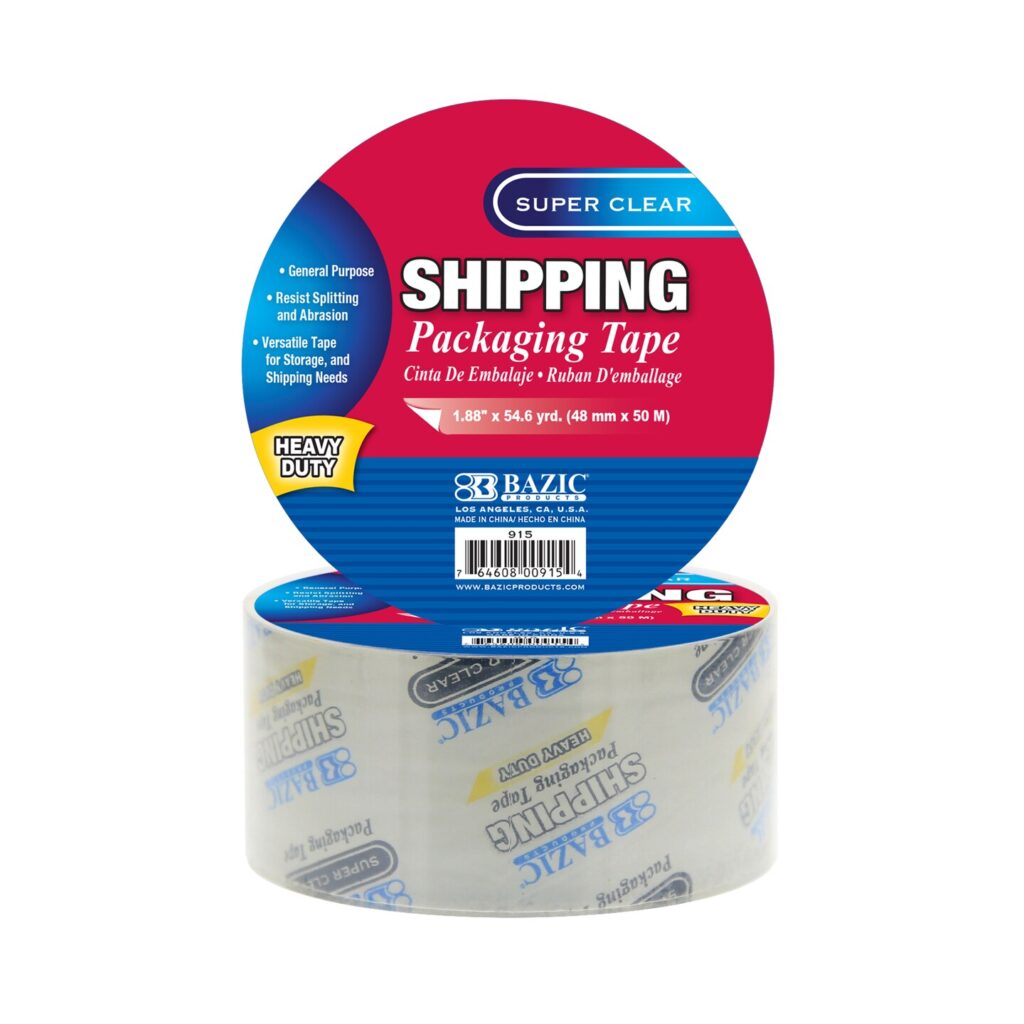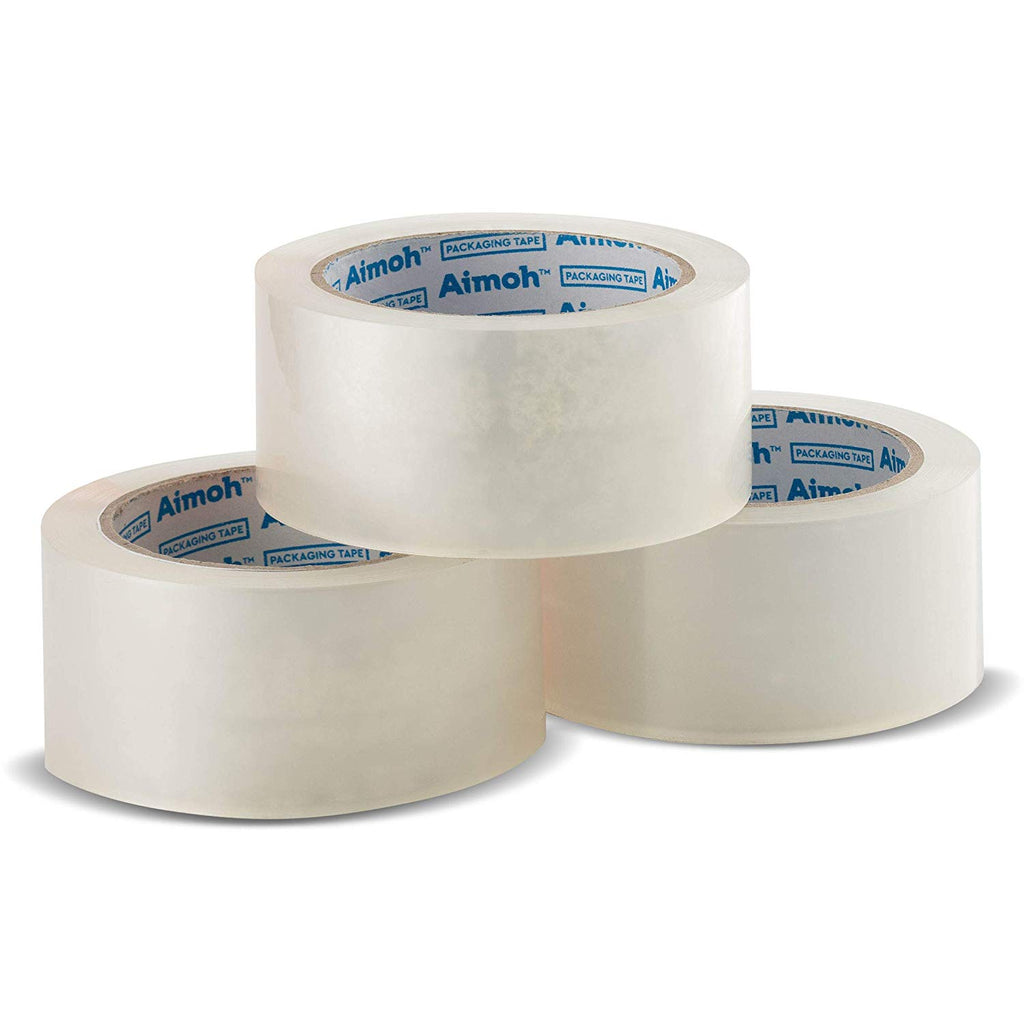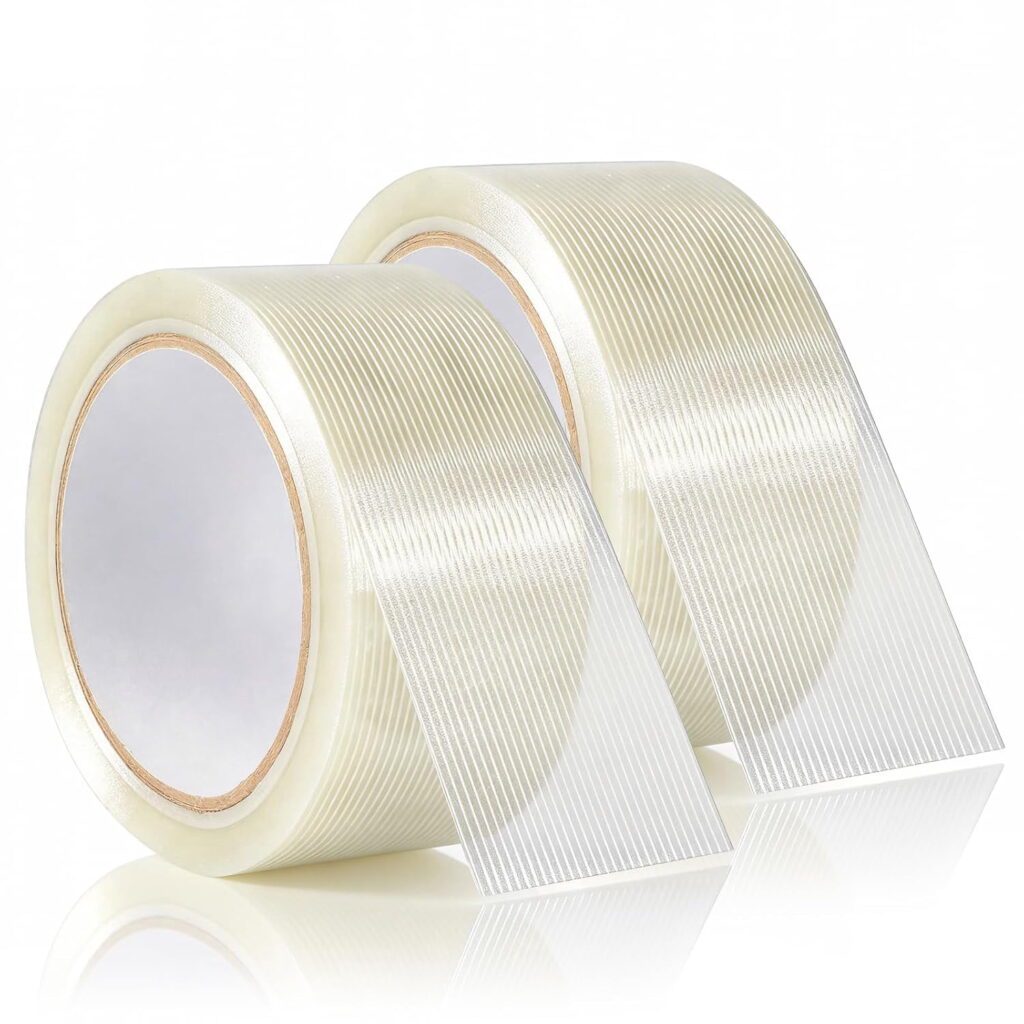
Introduction: Navigating the Global Market for Clear packaging tape heavy duty
Procuring high-performance clear packaging tape heavy duty for international logistics operations presents a unique set of challenges that extend far beyond simple adhesive selection. For procurement managers spanning from Lagos to São Paulo, Dubai to Hanoi, and Berlin to Johannesburg, the stakes involve preventing costly shipment failures, ensuring regulatory compliance across diverse climates, and balancing unit economics against performance reliability. When substandard tape fails under extreme temperatures or high-humidity storage conditions, the resulting product damage and customer dissatisfaction can erode profit margins and damage brand reputation in competitive export markets where packaging integrity directly correlates with customer trust.
What critical factors should international buyers evaluate when sourcing industrial-grade clear tape?
This comprehensive guide addresses the complex procurement landscape by examining technical specifications including mil thickness, tensile strength, and temperature resistance ranges critical for cross-continental shipping. We analyze application-specific requirements for e-commerce fulfillment centers, heavy manufacturing exports, and long-term storage facilities while providing frameworks for vetting suppliers capable of consistent quality assurance and regulatory compliance across African, South American, Middle Eastern, and European markets. From understanding UV-resistant formulations to evaluating “clear to the core” construction benefits, we demystify the specifications that separate commodity-grade products from professional solutions.
How can procurement teams optimize costs without compromising sealing integrity?
Beyond product specifications, we explore strategic sourcing considerations including volume pricing structures, supply chain reliability metrics, and climate-specific performance requirements essential for operations in Germany’s precision manufacturing sector or Vietnam’s rapidly expanding export economy. By synthesizing technical data with regional market insights, this resource empowers B2B decision-makers to navigate supplier negotiations, understand true total cost of ownership, and implement quality control protocols that ensure every carton arrives intact regardless of transit duration or environmental conditions.
Understanding Clear packaging tape heavy duty Types and Variations
| Type Name | Key Distinguishing Features | Primary B2B Applications | Brief Pros & Cons for Buyers |
|---|---|---|---|
| Crystal-Clear to the Core Heavy-Duty Tape | 2.6+ mil thickness; optical clarity maintained throughout entire roll; UV-resistant adhesive; bond strengthens over 24-48 hours | E-commerce fulfillment, retail packaging, long-term storage, international postal shipments requiring label visibility | Pros: Professional aesthetics, barcode readability, no yellowing over time Cons: Premium pricing vs standard tape, excessive for internal-only use |
| Extra-Wide Heavy-Duty Sealing Tape (3-inch) | 3″ width (60% wider than standard); reinforced backing; superior tensile strength for heavy loads; distributes shear forces across wider seams | Heavy corrugated boxes (>40kg), palletizing, moving/storage companies, rough handling environments in African and South American logistics | Pros: Single-strip sealing for heavy items, eliminates double-taping, faster application Cons: Requires specialized wide dispensers, higher material cost per roll |
| All-Weather/UV-Resistant Heavy-Duty Tape | Wide temperature range (-10°C to 60°C+); UV inhibitors prevent degradation; humidity-resistant adhesive; stable in extreme climates | Outdoor storage, Middle Eastern and African desert logistics, cold chain shipping, construction material exports sitting in customs yards | Pros: Withstands climate extremes, prevents tampering during extended transit, long shelf life Cons: Specialized formulation costs more, slightly lower initial tack in freezing conditions |
| Machine-Grade Automated Heavy-Duty Tape | Consistent unwind force; high tensile strength prevents breaking at speed; low-noise unwind; optimized for case sealing machinery | Automated packaging lines, high-volume manufacturing (>500 boxes/hour), German and Vietnamese distribution centers scaling operations | Pros: Reduces downtime, precise application reduces waste, significant labor cost savings Cons: Requires capital investment in equipment, typically higher MOQs, incompatible with manual dispensers |
What Makes Crystal-Clear to the Core Heavy-Duty Tape Essential for Professional Branding?
This variant features optical clarity maintained throughout the entire roll thickness, not just the surface layer. With a 2.6 mil or greater construction, it provides structural integrity while allowing barcodes and branding to remain visible beneath the seal. For B2B buyers in Europe and Vietnam where presentation standards are exceptionally high, this tape ensures packages arrive looking professional rather than industrial. The adhesive bond strengthens over 24-48 hours, making it ideal for long-term storage applications while meeting international postal regulations for clear visibility of shipping labels.
When Should Buyers Choose Extra-Wide 3-Inch Heavy-Duty Clear Tape?
Standard 1.88-inch tape often requires multiple strips for heavy corrugated boxes exceeding 40kg. The 3-inch variant provides 60% more surface contact, distributing shear forces across wider seams and reducing stress concentration points. This is particularly valuable for palletized shipments to South America and Africa, where rough handling and extended transit times are common realities. While requiring specialized dispensers, the reduced labor time and eliminated need for double-taping make this cost-effective for high-volume operations handling bulky manufactured goods or agricultural products.
How Does All-Weather Heavy-Duty Tape Perform in Extreme Climates?
Formulated with temperature-stable adhesives and UV inhibitors, this type maintains tack from -10°C to 60°C without yellowing or delamination. For Middle Eastern buyers facing desert heat or German distributors managing winter logistics, this ensures seal integrity across diverse supply chain conditions. The ultraviolet resistance prevents adhesive degradation during outdoor storage, crucial for construction materials and agricultural exports that may sit in customs yards for extended periods. Its humidity resistance also prevents lifting in tropical environments common in
Key Industrial Applications of Clear packaging tape heavy duty
| Industry/Sector | Specific Application of Clear packaging tape heavy duty | Value/Benefit for the Business | Key Sourcing Considerations for this Application |
|---|---|---|---|
| E-commerce & Omnichannel Retail | High-velocity carton sealing for fulfillment centers and automated sorting lines | Crystal-clear visibility enables barcode scanning through tape; reinforced adhesive prevents pop-opens during automated handling | Bulk case configurations (36+ rolls), compatibility with automated tape dispensers, consistent 100+ yard roll lengths to minimize downtime |
| Industrial Manufacturing & Export | Heavy-duty palletizing and export carton sealing for machinery components | UV-resistant formula prevents yellowing during outdoor storage; 2.6+ mil thickness resists tearing under extreme tension and rough handling | Wide temperature range performance (-10°C to 60°C) for container shipping, compliance with international postal regulations, high shear strength for heavy loads |
| Agriculture & Cold Chain Logistics | Moisture-resistant sealing for refrigerated produce and food export packaging | Maintains aggressive adhesion in cold storage (down to 14°F/-10°C); transparent finish allows visual inventory checks without breaking seals | Food-grade adhesive formulations, resistance to condensation and humidity fluctuations during transoceanic shipping |
| Pharmaceutical & Medical Distribution | Tamper-evident sealing for medical supplies and temperature-sensitive pharmaceuticals | Professional aesthetic supports brand integrity; strong bond prevents contamination while providing immediate visibility of package contents | Clean unwind properties for cleanroom environments, lot number traceability for regulatory compliance, non-yellowing acrylic adhesive for extended shelf-life visibility |
How does heavy-duty clear tape optimize high-volume e-commerce fulfillment operations?
In omnichannel fulfillment centers, clear heavy-duty packaging tape serves as the critical final step in automated packing lines. The crystal-clear substrate allows optical barcode scanners to read through sealed seams without repositioning packages, eliminating bottlenecks in high-velocity sorting facilities. For international B2B buyers operating in emerging e-commerce markets across Southeast Asia and Latin America, selecting tape with reinforced 2.6-mil thickness prevents “pop-opens” during rigorous automated sorting and last-mile delivery processes. The adhesive’s ability to strengthen over time ensures that returns and reverse logistics remain secure throughout the supply chain cycle.
What sealing solutions withstand extreme conditions in manufacturing and export logistics?
For manufacturers shipping heavy machinery components from Germany to the Middle East or Africa, clear heavy-duty tape must withstand thermal expansion and contraction within metal shipping containers. The tape’s wide temperature performance range (14°F to 140°F) maintains seal integrity across climate zones, while UV resistance prevents degradation during customs inspections and outdoor staging. Industrial buyers should prioritize tapes with high tensile strength that resist tearing when applied to corrugated edges and pallet corners, ensuring that high-value exports arrive without tampering or moisture ingress despite rough handling at international ports.
Why is climate-resistant clear packaging tape essential for agricultural export supply chains?
Agricultural exporters in South America and Africa rely on clear heavy-duty tape to maintain cold chain integrity for perishable goods traveling to European markets. The tape’s specialized adhesive formulation maintains aggressive tack even in refrigerated environments, preventing carton failure when condensation forms on package surfaces. Clear visibility allows customs inspectors to verify contents without breaking seals, expediting clearance at border crossings. For B2B buyers, sourcing tape with moisture-resistant properties ensures that humidity fluctuations during transoceanic voyages do not compromise adhesive performance, protecting harvests from spoilage and contamination.
How can pharmaceutical distributors ensure compliance with tamper-evident sealing standards?
Pharmaceutical and medical device distributors require clear heavy-duty tape that provides both security and aesthetic professionalism. The transparent finish allows healthcare providers to verify medication labels and expiration dates while maintaining tamper-evident seals that show clear signs of interference. For buyers in regulated markets, selecting tape with clean unwind properties prevents particulate contamination in cleanroom packing environments. The non-yellowing acrylic adhesive ensures that sterile packages maintain a professional appearance throughout extended storage periods, supporting compliance with international health authority standards while providing the 2.6-mil thickness necessary for securing heavy medical equipment shipments.
A stock image related to Clear packaging tape heavy duty.
3 Common User Pain Points for ‘Clear packaging tape heavy duty’ & Their Solutions
When sourcing clear packaging tape for international B2B operations, procurement teams across Africa, South America, the Middle East, and Europe encounter distinct logistical challenges that standard consumer-grade products fail to address. Here are three critical pain points and actionable solutions for heavy-duty applications.
Scenario 1: Adhesive Failure in Extreme Climate Conditions
The Problem: B2B buyers operating across diverse climate zones—from the humid ports of Vietnam to the scorching logistics hubs of the Middle East and Africa—frequently encounter adhesive failure when using standard clear packaging tape. When containers sit in direct sunlight exceeding 50°C (122°F) or move through cold storage facilities in Northern Europe, low-grade acrylic adhesives soften, slide, or crystallize. This results in cartons popping open during transit, exposing valuable inventory to moisture, dust, and tampering. The financial impact extends beyond product replacement to include customs delays, insurance claims, and damaged client relationships in competitive export markets.
The Solution: Specify heavy-duty clear packaging tape engineered with a broad temperature tolerance range (ideally -10°C to 60°C / 14°F to 140°F) and UV-stabilized adhesive formulations. Prioritize 2.6 mil thickness minimum with hot melt or synthetic rubber adhesives that maintain tack across humidity variations common in South American and Southeast Asian shipping lanes. Request technical datasheets verifying moisture resistance and bond-strengthening characteristics over 24-72 hours. For temperature-sensitive pharmaceutical or agricultural exports, consider tape with reinforced backing that prevents thermal expansion from compromising seal integrity during week-long ocean freight.
Scenario 2: Insufficient Tensile Strength for Heavy Export Cartons
The Problem: International B2B shipments frequently involve dense, heavy products—such as German automotive parts, Brazilian agricultural machinery, or African mineral exports—where individual cartons exceed 30-40 kg. Standard 1.8-2.0 mil packaging tape lacks the tensile strength to withstand the shear forces of automated conveyor systems, rough port handling, and stacking pressure in container ships. When tape tears or delaminates during transit, the resulting “burst box” scenario creates catastrophic inventory loss, customs inspection complications, and supply chain disruptions that can delay critical manufacturing timelines for receiving businesses.
The Solution: Implement 2.6 mil or heavier clear packaging tape with reinforced tensile strength exceeding 25 lbs/inch, specifically engineered for heavy-duty export applications. Verify that the tape features a “clear to the core” construction free from foam or filler layers that weaken under load. Train warehouse teams in the “H-taping” method—sealing center seams and edge reinforcements—to distribute weight stress evenly across carton surfaces. For high-value shipments, select tape with tamper-evident properties and immediate tack adhesion that strengthens over 48 hours, ensuring security throughout extended international transit times that may exceed 30 days.
Scenario 3: Balancing Professional Appearance with Cost Constraints
The Problem: Procurement teams face a critical balancing act between unit cost and performance quality. In emerging markets like Vietnam and Nigeria, buyers are pressured to minimize packaging expenditures, yet economy-grade clear tape often yellows within weeks of UV exposure or develops a cloudy, unprofessional appearance that damages brand perception in discerning European retail markets. Conversely, premium European buyers require crystal-clear presentation for shelf-ready shipments but struggle to justify costs when tape represents a significant line item in high-volume operations. This dilemma frequently results in either excessive spending on over-engineered solutions or costly damage claims from under-performing alternatives.
The Solution: Calculate total cost of ownership rather than per-roll expenditure. Heavy-duty clear tape with UV-resistant, non-yellowing adhesive reduces rework rates and damage claims by 40-60%, offsetting higher initial costs through eliminated re-taping labor and inventory protection. Specify “clear to the core” optical clarity that maintains professional aesthetics throughout the product lifecycle, essential for B2B clients in Germany and other quality-focused markets. Negotiate volume-based case pricing (24-36 roll configurations) to achieve per-unit costs competitive with standard tape while ensuring compliance with international postal regulations and tropical climate stability requirements for Middle Eastern and African logistics corridors.
Strategic Material Selection Guide for Clear packaging tape heavy duty
Selecting the optimal clear heavy-duty packaging tape requires understanding how film substrates and adhesive chemistries interact with your specific logistics environment. For B2B procurement teams managing supply chains across diverse climates—from the humidity of Vietnam to the temperature fluctuations of Germany—material selection directly impacts seal integrity, storage longevity, and total cost of ownership. While standard tapes may suffice for light domestic shipping, heavy-duty applications demand substrates that resist shearing forces, temperature extremes, and aging degradation without compromising the transparency required for inventory management and branding.
Is BOPP with Hot Melt Synthetic Rubber Adhesive Cost-Effective for High-Volume Operations?
Biaxially Oriented Polypropylene (BOPP) film combined with hot melt synthetic rubber adhesive represents the industry standard for heavy-duty carton sealing, typically manufactured at thicknesses between 2.0 and 2.6 mil. This configuration delivers exceptional tensile strength—often exceeding 20 lbs per inch—and immediate aggressive tack, making it ideal for automated packaging lines in e-commerce fulfillment centers and manufacturing facilities processing thousands of units daily. The material offers excellent clarity for barcode scanning and professional presentation while maintaining low per-unit costs that support high-volume procurement strategies. However, hot melt adhesives exhibit limited performance in extreme temperature ranges, typically effective only between 40°F and 120°F, which may compromise seal integrity during cross-continental shipping through varying climates or warehouse storage in non-climate-controlled environments prevalent in emerging markets.
Why Should Export-Oriented Businesses Choose Acrylic-Based BOPP Clear Tape?
For companies shipping from South America to Europe or the Middle East, acrylic adhesive systems on BOPP film provide superior environmental stability compared to hot melt alternatives. These tapes maintain reliable adhesion across broader temperature ranges, typically -10°F to
A stock image related to Clear packaging tape heavy duty.
In-depth Look: Manufacturing Processes and Quality Assurance for Clear packaging tape heavy duty
For B2B procurement teams sourcing across diverse climates—from the humid ports of West Africa to the temperature-controlled logistics hubs of Germany—understanding how heavy-duty clear packaging tape is manufactured ensures you specify products that withstand real-world stressors. The difference between commodity-grade and industrial-grade tape lies not merely in thickness, but in the precision of biaxial orientation, adhesive cross-linking, and contamination-free coating environments.
What Raw Materials Define Premium Heavy-Duty Clear Packaging Tape?
The foundation of any 2.6 mil (or greater) heavy-duty tape begins with biaxially oriented polypropylene (BOPP) film. Unlike standard polypropylene, BOPP undergoes sequential stretching in both machine and transverse directions, creating a molecular structure that delivers the tensile strength necessary for securing heavy corrugated loads without tearing. Premium manufacturers utilize virgin resin grades rather than recycled content to ensure optical clarity—eliminating the hazy “frosting” effect that obscures shipping labels and barcodes.
Adhesive formulation separates industrial-grade products from consumer variants. Heavy-duty clear tapes typically employ either hot-melt rubber-based adhesives or advanced acrylic emulsions. Hot-melt systems offer immediate tack and high initial adhesion critical for high-speed packaging lines, while acrylic formulations provide superior aging characteristics and UV stability—essential for shipments stored in direct sunlight during Middle Eastern or South American summers. The “clear to the core” specification requires that both the film and adhesive remain optically transparent, necessitating specialized UV stabilizers and anti-oxidant packages that prevent yellowing during extended storage.
How Is Heavy-Duty Clear Tape Manufactured from Film to Finish?
The manufacturing process begins with extrusion, where polypropylene pellets are melted and cast into thick sheets. These sheets undergo biaxial orientation at precise temperatures (typically 150°C–160°C), stretching the material to 4–8 times its original dimensions to create the strength-to-thickness ratio that defines heavy-duty performance. This oriented film then receives a corona discharge treatment to raise surface energy, ensuring adhesive wetting and bond integrity.
Coating represents the critical quality inflection point. For hot-melt adhesives, manufacturers use slot-die coating systems operating at 150°C–170°C to apply a controlled 20–25 micron adhesive layer. Acrylic tapes require water-based coating lines with precision gravure rollers and subsequent drying tunnels. Cleanroom conditions (ISO Class 8 or better) prevent particulate contamination that would create “fish eyes” or weak points in the adhesive layer. Following coating, the jumbo rolls undergo aging—typically 24–72 hours—allowing adhesive crystallization and stress relaxation that prevents “oozing” during slitting.
Slitting operations demand laser-guided tension control systems. Heavy-duty tapes require precise edge alignment (±0.5mm tolerance) to prevent “telescoping” during application, particularly important for automated case sealers used in high-volume Vietnamese or German manufacturing facilities. Winding tension must accommodate the tape’s modulus; excessive tension causes core crushing, while insufficient tension leads to edge flagging during dispensing.
What Quality Control Tests Ensure Industrial-Grade Reliability?
Reputable manufacturers implement statistical process control (SPC) throughout production, but final validation requires specific physical testing. Peel adhesion testing (per ASTM D3330) measures the force required to remove tape from stainless steel or corrugated surfaces, with heavy-duty clear tapes typically exhibiting 60–80 oz/inch width. Shear adhesion testing evaluates the tape’s ability to resist slippage under load—critical for palletized goods in hot climates.
Tensile strength and elongation testing (ASTM D3759) ensures the BOPP film can withstand the stresses of over-boxing and rough handling. Heavy-duty specifications demand minimum 25 lbs/inch tensile strength with less than 150% elongation to prevent “necking” during application. Temperature cycling tests verify performance across the -10°C to 60°C range, simulating warehouse conditions from European winters to equatorial storage.
Optical quality control involves haze and clarity measurements using spectrophotometers. Premium clear tapes maintain haze values below 5% and luminous transmittance above 90%, ensuring barcode scanners read through the tape without interference. UV resistance testing (ASTM D4329) exposes samples to 500+ hours of accelerated aging to verify the “non-yellowing” claims essential for professional presentation.
Which International Certifications Should B2B Buyers Verify for Global Compliance?
When sourcing for export to European Union markets, verify REACH compliance and RoHS certification regarding restricted substances. ISO 9001:2015 certification indicates consistent manufacturing processes, while ISO 14001:2015 demonstrates environmental management competency—increasingly important for sustainability-focused German buyers. For postal and courier compliance, look for tapes meeting PSTC-1 (Pressure Sensitive Tape Council) or European Standard EN 12369 specifications.
Food-contact applications require FDA 21 CFR 175.105 compliance for indirect food contact, relevant for agricultural exporters in Africa and South America. Additionally, TAPPI (Technical Association of the Pulp and Paper Industry) testing standards provide third-party validation of adhesive performance on recycled corrugated substrates common in emerging markets.
How Can Buyers Audit Manufacturing Consistency for Large-Volume Orders?
Request batch retention samples and certificate of analysis (CoA) documentation for each production lot. Sophisticated manufacturers provide peel adhesion histograms and thickness measurements across the roll width, not just spot checks. For container shipments to tropical climates, verify that manufacturers package rolls in moisture-barrier film with desiccants, preventing adhesive degradation from humidity during ocean freight.
Conducting pre-shipment inspections focusing on roll profile consistency—checking for “soft” or “hard” spots in winding—prevents application failures in automated packaging systems. For buyers in Vietnam or other manufacturing hubs, specify that slit rolls undergo 48-hour conditioning at 23°C/50% RH before packaging to ensure dimensional stability upon arrival in varying climates.
By scrutinizing these manufacturing parameters—from resin selection to final QC protocols—procurement teams secure tape solutions that maintain seal integrity across the supply chain, reducing costly rework and damage claims while ensuring compliance with diverse international shipping standards.
Practical Sourcing Guide: A Step-by-Step Checklist for ‘Clear packaging tape heavy duty’
Procuring clear heavy-duty packaging tape for international B2B operations requires balancing material performance with supply chain logistics. This checklist guides procurement teams through critical specifications—from adhesive chemistry to climate compatibility—ensuring selections meet operational demands across diverse regional markets while optimizing total cost of ownership.
1. How to Evaluate Load-Bearing Specifications for Heavy-Duty International Shipping?
Assess the weight class of your typical shipments and required storage duration. Heavy-duty applications demand minimum 2.6 mil thickness with reinforced tensile strength to prevent splitting under stress. Calculate shear strength requirements based on whether shipments will remain sealed for extended periods, as premium adhesives formulate bonds that strengthen over time rather than degrading during long-term storage.
2. What Material Composition and Clarity Standards Should B2B Buyers Specify?
Request detailed specifications on adhesive chemistry—hot melt synthetic rubber adhesives provide superior initial tack for high-speed packaging lines, while acrylic formulations offer enhanced UV resistance. Verify “clear to the core” construction ensures professional presentation when sealing transparent packaging or overlaying shipping documents. Specify ultraviolet-resistant formulations to prevent yellowing during extended storage in bright warehouse environments.
3. How to Calculate Optimal Roll Dimensions for Warehouse Efficiency?
Standard 1.88-inch (48mm) widths suit most carton sealing applications, while 3-inch (72mm) widths provide enhanced security for heavy freight. Calculate total linear footage needed based on daily throughput—bulk configurations typically offer 36 rolls per case at 110 yards per roll. Ensure core diameters match your existing dispenser infrastructure to avoid operational disruption.
4. What Climate Resistance Factors Matter When Sourcing Packaging Tape Globally?
Verify temperature performance ratings align with your logistics corridors, prioritizing tapes rated for 14°F to 140°F (-10°C to 60°C) to accommodate German winters and Middle Eastern summers. For humid climates common in Southeast Asia or South America, specify moisture-resistant adhesives that resist delamination. Confirm compliance with international postal regulations for cross-border shipments.
5. How to Analyze Total Cost of Ownership and Supplier Reliability?
Evaluate pricing beyond per-roll costs by calculating cost-per-yard and analyzing volume discount tiers, which typically offer 5-20% reductions at 5+ case quantities. Assess supplier lead times and minimum order quantities against your inventory turnover. Request samples for adhesion testing against your specific carton substrates, as performance varies between recycled and virgin corrugated materials.
6. How to Implement Quality Assurance Protocols for Industrial Tape Procurement?
Establish incoming inspection procedures to verify mil thickness consistency and adhesive coating uniformity. Conduct accelerated aging tests to validate UV resistance claims and long-term clarity. Document batch numbers for traceability, particularly when sourcing for regulated industries requiring consistent adhesive performance documentation.
A stock image related to Clear packaging tape heavy duty.
Comprehensive Cost and Pricing Analysis for Clear packaging tape heavy duty Sourcing
When sourcing clear heavy-duty packaging tape for international operations, procurement teams must look beyond sticker prices to understand true cost structures. The B2B market operates on sophisticated tiered pricing models where unit costs can fluctuate by 20% or more depending on order volume, specifications, and supply chain geography. For buyers in emerging markets like Vietnam or Nigeria, understanding these variables ensures competitive positioning while maintaining quality standards essential for export compliance.
How Do Volume Tiers Impact Your Cost Per Roll?
Volume-based pricing remains the primary cost determinant in B2B tape procurement. Manufacturers typically structure discounts across multiple thresholds—single items, case quantities (usually 6-12 units), and pallet-level orders (10+ cases). Analysis of standard 2.6 mil heavy-duty clear tape shows price differentials of 17-21% when moving from individual roll purchases to bulk case orders. For high-volume operations processing 100+ cases annually, negotiating annual volume agreements rather than spot-buying can secure additional 5-8% reductions beyond standard tier pricing.
What Hidden Costs Should International Buyers Factor Beyond Unit Pricing?
Smart procurement requires calculating landed costs rather than ex-factory prices. Heavy-duty packaging tape incurs significant shipping expenses due to weight and cubic volume, with freight potentially adding 15-25% to total expenditure for container shipments from North American manufacturers to European or African ports. Additionally, dispenser-inclusive SKUs command 30-40% premiums over refill rolls—a critical consideration for warehouse managers standardizing equipment across multiple facilities. Customs duties vary by HS code classification (typically 3919.10), while storage costs for bulk inventory must offset per-unit savings against working capital constraints.
How Do Material Specifications Drive Price Variations?
Thickness measured in mils directly correlates with pricing—standard 2.0 mil tapes cost approximately 20% less than 2.6-3.0 mil heavy-duty variants, though the latter offer superior tensile strength for automated packaging lines. UV-resistant formulations and extreme temperature adhesives (rated for -10°C to 60°C) add 10-15% premiums but reduce replacement frequency in challenging climates common in Middle Eastern or South American logistics hubs. Buyers should specify exact adhesive requirements (hot melt vs. acrylic) as these chemical compositions significantly impact both performance and per-yard pricing.
Which Sourcing Strategies Optimize Cost Efficiency Across Regions?
Geographic sourcing decisions dramatically affect total expenditure. While U.S.-manufactured tapes offer consistent quality and compliance with postal regulations, Asian manufacturing centers provide 25-35% cost advantages for equivalent specifications, particularly crucial for price-sensitive African and South American markets. However, European buyers should evaluate near-shoring options from Eastern European or Turkish suppliers to minimize carbon footprint costs and Brexit-related customs complexities. Establishing direct relationships with manufacturers rather than distributors typically eliminates 12-18% markup layers, though this requires meeting higher minimum order quantities (MOQs) of 5,000+ rolls.
How Can Procurement Teams Calculate True Total Cost of Ownership?
Effective cost analysis requires moving beyond per-roll mathematics to total cost of ownership (TCO) modeling. Calculate breakage rates during application—cheaper tapes with lower tensile strength often result in 8-12% material waste in high-speed automated environments. Factor in application labor costs; superior adhesion reduces re-taping incidents that consume warehouse labor. For international buyers, currency hedging strategies protect against USD/EUR fluctuations that can erode quarterly savings. Ultimately, the lowest unit price rarely represents the best value when reliability failures risk supply chain disruptions or customer dissatisfaction.
Alternatives Analysis: Comparing Clear packaging tape heavy duty With Other Solutions
When evaluating sealing solutions for international supply chains, procurement teams must weigh performance requirements against operational constraints and regional infrastructure capabilities. While clear heavy duty packaging tape offers versatility across diverse climates, alternative methods may better serve specific shipping profiles, sustainability mandates, or cost structures prevalent in emerging markets. Understanding these distinctions ensures optimal material selection for logistics scenarios ranging from German automotive parts exports to high-volume e-commerce fulfillment in Vietnam or agricultural shipping from South America.
| Comparison Aspect | Clear Heavy Duty Packaging Tape | Water-Activated Reinforced Tape | Standard Duty BOPP Tape |
|---|---|---|---|
| Material Composition | 2.6–3.0 mil polypropylene film | Kraft paper with fiberglass reinforcement threads | 1.8–2.0 mil polypropylene film |
| Tensile Strength | High (resists splitting and tearing) | Very High (superior burst strength) | Moderate (suitable for light loads) |
| Application Method | Pressure-sensitive; hand or automated dispensers | Requires water-activated dispenser (moisture bonding) | Pressure-sensitive; standard dispensers |
| Cost per Meter | Moderate ($0.02–$0.04 per yard) | Higher material cost, lower per-seal labor cost | Low ($0.01–$0.02 per yard) |
| Security Features | Residue-free removal possible | Tamper-evident; destroys box surface upon removal | Easy to peel and reseal |
| Environmental Profile | Plastic film; recyclable with cardboard | Biodegradable; recyclable as paper waste | Plastic film; minimal material usage |
| Climate Resistance | -10°C to 60°C (14°F–140°F) range | Sensitive to humidity pre-application; stable post-cure | Limited temperature range; adhesive degrades in heat |
| Best Use Case | Heavy boxes, long-term storage, temperature extremes | High-value goods, recycled-content boxes, sustainability mandates | Lightweight packages, high-volume, short transit |
How Does Water-Activated Reinforced Tape Compare for High-Value International Shipments?
Water-activated reinforced tape utilizes a starch-based adhesive that chemically bonds with corrugated fibers, creating a permanent, tamper-evident seal that destroys the box upon removal. Unlike pressure-sensitive clear tape, this solution requires specialized water-dispensing equipment, adding initial capital expenditure but delivering superior security for pharmaceutical and electronics exports to Middle Eastern and European markets. The fiberglass reinforcement provides tensile strength exceeding plastic alternatives, making it ideal for heavy recycled-content boxes common in sustainable supply chains. However, the application process demands 3–5 seconds per seal versus instant application, potentially bottlenecking high-volume operations unless integrated with automated sealing stations. For B2B buyers prioritizing circular economy goals, this paper-based alternative offers full recyclability without separation, though humidity-sensitive storage conditions in tropical African or Southeast Asian climates require climate-controlled warehousing to prevent premature adhesive activation.
Is Standard Duty Packaging Tape Sufficient for Cost-Conscious B2B Operations?
Standard duty BOPP tape, typically ranging 1.8–2.0 mil in thickness, presents a compelling cost alternative for operations shipping items under 25 kilograms. While lacking the UV resistance and temperature stability of heavy duty clear variants, this lighter option reduces material costs by 30–40% per linear meter—significant for high-volume fulfillment centers in South America and Africa. The trade-off manifests in reduced adhesion to recycled corrugated surfaces and higher susceptibility to edge-lifting during extended sea freight. For German automotive suppliers or Vietnamese garment exporters utilizing double-sealing methods, standard tape may suffice for secondary sealing or lightweight inner cartons, though it compromises protection for palletized goods experiencing shifting loads. Implementation requires no equipment changes, allowing immediate cost reduction, but procurement teams must calculate failure rates against insurance costs for damaged goods when selecting this economically lighter alternative.
Essential Technical Properties and Trade Terminology for Clear packaging tape heavy duty
When sourcing clear heavy-duty packaging tape for international logistics, understanding technical specifications ensures compliance with shipping regulations and prevents cargo integrity failures across diverse climates. The following specifications and terminology form the baseline for procurement decisions in high-volume export environments.
What Are the Critical Technical Specifications for Heavy-Duty Clear Packaging Tape?
Film Thickness (Mil Rating)
Standard heavy-duty variants typically measure 2.6 mil (0.066 mm) or higher, providing puncture resistance necessary for recycled corrugated boxes and rough handling during intermodal transport. Thinner films (1.8–2.0 mil) suit light-duty applications but risk splitting under heavy pallet loads or box cutters during customs inspections.
Tensile Strength and Elongation
Measured in pounds per inch (PPI) or Newtons per 25mm, tensile strength indicates resistance to stretching and breaking. Premium heavy-duty tapes offer 30–50 lbs/in, ensuring cartons remain sealed during stacking and vibration. Low tensile strength leads to “flagging” (tape lifting at edges) and potential tampering indicators during long-haul shipping.
Adhesive Shear Resistance
This measures the tape’s ability to resist sliding under static load. High-performance hot melt adhesives provide immediate grab with bond strength that increases over 24–72 hours, crucial for long-term storage in warehouses. Shear resistance prevents “creep” when boxes are stacked for extended periods in humid climates.
Operational Temperature Range
For global supply chains spanning Africa, the Middle East, and Europe, tapes must perform from -10°C to 60°C (14°F to 140°F). Adhesives formulated for tropical climates may become brittle in German winters, while cold-weather formulas prevent “gumming” and adhesive transfer in high-heat environments.
UV Stability and Aging Properties
Ultraviolet inhibitors prevent yellowing and adhesive degradation during outdoor storage or transit through sun-exposed ports. This maintains barcode scanability and professional appearance while preventing brittle failure after prolonged exposure.
Core Size Compatibility
Standard 3-inch (76mm) cores fit industrial dispensers and automated packaging lines, while 1-inch cores suit handheld guns. B2B buyers must specify core size to ensure compatibility with existing warehouse equipment in Vietnam or European distribution centers.
What Industry Terminology Should B2B Buyers Know When Sourcing Clear Packaging Tape?
Hot Melt vs. Acrylic Adhesive
Hot melt rubber adhesives offer aggressive initial tack for high-speed applications but may soften in extreme heat. Acrylic adhesives provide superior temperature stability and UV resistance, preferred for export shipping where containers experience fluctuating climates.
Clear-to-the-Core Construction
Indicates the tape roll is transparent throughout, not merely surface-coated. This prevents the “fuzzy” appearance of cardboard-core showing through, ensuring consistent clarity for address label visibility and automated sorting systems.
Initial Tack vs. Ultimate Adhesion
Initial tack refers to immediate stickiness upon application, while ultimate adhesion develops over 24 hours as adhesive flows into corrugated fibers. Heavy-duty applications require balanced properties to prevent pop-opens during transit while allowing repositioning during packing.
Case Pack Configuration
Refers to standard packaging quantities (e.g., 36 rolls per case, 6-roll packs) that maximize palletization efficiency. Understanding minimum order quantities (MOQs) and case dimensions reduces per-unit freight costs and optimizes container utilization for international buyers.
Shear Strength
The internal cohesion of adhesive under static load. High shear resistance is essential for heavy inventory stacking common in Middle Eastern and South American warehousing, preventing slow adhesive flow that leads to box openings.
Postal Regulation Compliance
Indicates adherence to carrier-specific requirements for tape opacity, adhesive bleed-through, and backing strength. Compliance ensures acceptance by national postal services and prevents rejection at distribution hubs.
Navigating Market Dynamics and Sourcing Trends in the Clear packaging tape heavy duty Sector
The global heavy-duty clear packaging tape market is undergoing rapid evolution as cross-border e-commerce logistics and sustainability mandates reshape procurement priorities. For international buyers operating across Africa, South America, the Middle East, and Europe—including major import hubs like Vietnam and Germany—navigating this sector requires balancing performance specifications with supply chain resilience. Fluctuating raw material costs for polypropylene films and acrylic adhesives, combined with regional regulatory divergence, demand strategic sourcing approaches that prioritize both immediate operational efficiency and long-term partnership stability.
What Are the Defining Market Trends in Heavy-Duty Clear Packaging Tape Procurement?
Which Technical Specifications Separate Premium Products from Commodity Alternatives?
The professional tape segment has stratified around rigorous performance benchmarks that exceed standard shipping requirements. Contemporary heavy-duty formulations now consistently feature 2.6 mil thickness ratings paired with reinforced tensile strength capable of withstanding automated sealing machine stress without filamentation. Market leaders are expanding width portfolios beyond the traditional 1.88-inch standard to include 3-inch variants specifically engineered for heavy-load export packaging and pallet stabilization. Roll length diversification represents another critical trend, with suppliers offering graduated configurations—from compact 22-yard dispenser-compatible rolls for small-scale operations to industrial 109-yard bulk formats designed for high-speed automated warehouse environments.
How Are Regional Supply Chain Dynamics Influencing Sourcing Decisions?
Geographic procurement patterns reveal distinct operational priorities shaping global distribution strategies. German and broader European buyers increasingly mandate UV-resistant formulations that prevent adhesive degradation and yellowing during extended warehouse storage, while maintaining compliance with stringent EU packaging waste directives. Conversely, Middle Eastern and African markets prioritize heat-stable acrylic adhesives capable of maintaining tack integrity across temperature extremes from desert transit conditions to refrigerated port storage. Vietnamese importers and Southeast Asian distributors are driving demand for modular case configurations—specifically 36-roll master cases for volume users alongside 6-pack retail formats—enabling flexible inventory management across fragmented local supply chains.
What Pricing Structures Support Cost-Effective Bulk Acquisition?
Volume-based procurement strategies have become essential for margin optimization in competitive logistics sectors. Tiered pricing models now typically structure discounts around case-quantity thresholds, with significant per-unit reductions—often 15-20%—activating at 5-case minimums and additional economies emerging at 10-case volumes. Smart buyers are negotiating consolidated shipping arrangements for 24-roll or 36-case configurations rather than fragmented small-batch orders, reducing both per-unit freight costs and customs processing overhead. This shift toward predictive bulk purchasing requires suppliers to maintain regional warehousing capabilities across multiple continents to ensure consistent lead times without excessive safety stock requirements.
How Can International Buyers Navigate Sustainability and Ethical Sourcing?
What Environmental Credentials Should B2B Purchasers Prioritize Beyond Basic Recyclability?
Sustainable procurement in adhesive products extends far beyond end-of-life disposal to encompass manufacturing transparency and chemical safety. Progressive suppliers now provide comprehensive datasheets documenting solvent-free hot-melt adhesive formulations and reduced-diameter cardboard cores that minimize packaging waste without compromising structural integrity. For buyers sourcing from Vietnamese manufacturing hubs or other Asian production centers, verifying ISO 14001 environmental management certification and REACH compliance for chemical substances offers critical protection against regulatory penalties while ensuring consistent product quality across import batches.
How Do Ethical Labor Practices Impact Long-Term Tape Supply Partnerships?
Responsible sourcing necessitates scrutiny of labor conditions throughout the supply chain, particularly regarding chemical handling protocols in tape manufacturing facilities. B2B purchasers should prioritize suppliers demonstrating SA8000 or equivalent fair labor certifications, especially when procuring from regions with variable regulatory enforcement. The physical characteristics of heavy-duty tape—specifically the “clear to the core” construction where optical clarity extends through the entire roll—often indicate advanced manufacturing capabilities associated with higher facility standards and worker safety protocols compared to commodity alternatives with opaque filler materials.
How Can Circular Economy Principles Be Applied to Packaging Adhesive Procurement?
Forward-thinking buyers are implementing circular economy frameworks by evaluating tape products for their compatibility with existing cardboard recycling infrastructure. Crystal-clear polypropylene films that release cleanly from corrugated fibers during pulping processes support closed-loop packaging systems without contaminating recycled paper streams. Additionally, procurement teams should assess whether manufacturers utilize post-consumer recycled content in tape cores and outer case packaging, as these elements constitute significant material volumes in large-scale B2B transactions. Selecting suppliers who offer take-back programs for used tape dispensers and cores further demonstrates commitment to waste reduction while potentially qualifying buyers for sustainability certifications valued in European and North American markets.
Frequently Asked Questions (FAQs) for B2B Buyers of Clear packaging tape heavy duty
1. What mil thickness is considered heavy duty for clear packaging tape?
Heavy duty clear packaging tape typically starts at 2.5 mil (0.0025 inches) in thickness, with premium industrial grades ranging up to 3.0 mil or higher. Standard packaging tapes usually measure between 1.8 mil and 2.0 mil, making heavy duty variants approximately 30% thicker and significantly more resistant to tearing and splitting. For B2B buyers sourcing for international logistics, tapes in the 2.6 mil range offer optimal tensile strength for heavy corrugated boxes without compromising dispenser compatibility. This additional thickness provides the structural integrity needed for palletized shipments and long-term warehouse storage where package integrity is critical.
2. How much weight can heavy duty clear packaging tape hold for commercial shipping?
When properly applied using the “H-taping” method on corrugated seams, heavy duty clear packaging tape can reliably secure boxes weighing 20 to 30 pounds per individual seal, with some reinforced grades supporting up to 50 pounds depending on substrate quality. The adhesive bond actually strengthens over the first 24 hours after application, creating a tamper-evident seal that becomes increasingly secure during transit. For B2B operations shipping dense commodities like hardware, automotive parts, or glassware, this load-bearing capacity significantly reduces the risk of burst seams and inventory loss. Buyers should verify that the tape’s tensile strength exceeds the shear forces expected during automated sorting and international handling.
3. What is the difference between heavy duty and standard clear packaging tape?
The primary distinctions lie in film thickness, adhesive mass, and performance additives rather than just visual clarity. Heavy duty tapes utilize biaxially oriented polypropylene (BOPP) films with higher tensile strength and feature hot melt or acrylic adhesives with superior initial tack and long-term cohesion. Unlike standard grades, heavy duty variants offer extended temperature performance ranges (typically 14°F to 140°F) and UV inhibitors that prevent yellowing during prolonged storage or sun exposure. These specifications make heavy duty tape essential for export shipments facing variable climates, while standard tapes suffice for lightweight, short-duration domestic transport.
4. Is heavy duty clear packaging tape worth the investment for high-volume business shipping?
For B2B operations processing more than 500 packages monthly, heavy duty clear tape delivers measurable ROI through reduced damage claims and eliminated re-taping labor. The upfront cost premium of 15-25% over standard tape is offset by decreased incidence of box failure during automated handling and reduced adhesive usage per seal due to superior holding power. Additionally, the crystal-clear appearance maintains professional branding on retail-ready shipments and provides visibility for barcode scanning without removal. International buyers particularly benefit from the tape’s resistance to humidity and temperature fluctuations during extended ocean freight transit.
5. How does temperature variation affect heavy duty clear packaging tape performance in global supply chains?
Premium heavy duty clear packaging tapes maintain adhesive integrity across temperature ranges from 14°F (-10°C) to 140°F (60°C), making them suitable for frozen supply chains and desert storage conditions alike. In tropical climates common to African and Southeast Asian trade routes, high-performance acrylic adhesives resist humidity-induced delamination better than standard rubber-based alternatives. For European and Middle Eastern buyers
Important Disclaimer & Terms of Use
⚠️ Important Disclaimer
The information provided in this guide, including content regarding manufacturers, technical specifications, and market analysis, is for informational and educational purposes only. It does not constitute professional procurement advice, financial advice, or legal advice.
B2B buyers must conduct their own independent and thorough due diligence before making any purchasing decisions. The risk of relying on any information in this guide is borne solely by the reader.
Top 1 Clear Packaging Tape Heavy Duty Manufacturers & Suppliers List
1. AM Tape – Clear Heavy Duty Packaging Tape
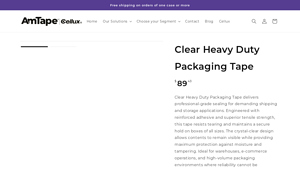
Domain: amtape.us
Registered: 2025 (1 years)
Introduction: Product: Clear Heavy Duty Packaging Tape. Price: $89.43. Specifications: 110.0 yards (100.6m) length, 36 rolls per box, limit of 12 boxes per order. Features: Professional-grade sealing with reinforced adhesive and superior tensile strength; resists tearing; crystal-clear design for content visibility; provides protection against moisture and tampering. Ideal for warehouses, e-commerce operations,…
Strategic Sourcing Conclusion and Outlook for Clear packaging tape heavy duty
As global supply chains face increasing pressure from climate variability and cost volatility, strategic procurement of clear heavy-duty packaging tape requires balancing immediate unit economics with long-term performance reliability. Buyers must look beyond price per roll to assess total cost of ownership, factoring in adhesive longevity, climate resilience, and application efficiency across diverse operational environments.
How Can Procurement Teams Optimize Bulk Purchasing for International Logistics?
Volume-based sourcing strategies significantly reduce per-unit costs while ensuring supply continuity for high-volume operations. Analyzing tiered pricing structures and consolidating orders to meet container-load efficiencies minimizes freight costs per roll. Establishing partnerships with manufacturers offering consistent 2.6-mil thickness and UV-resistant formulations prevents costly application failures and inventory degradation during extended storage periods.
What Specifications Ensure Performance Across Extreme Temperature Ranges?
For operations spanning African heat waves to European cold storage, selecting tapes rated for 14°F to 140°F ensures adhesive integrity during transit and warehousing. Clear-to-core construction eliminates yellowing while maintaining professional aesthetics, crucial for brands requiring visible barcodes and clean presentation. Reinforced tensile strength resists tearing under heavy loads, reducing damage claims and rework labor in demanding e-commerce and warehouse environments.
Forward-thinking procurement prioritizes versatile specifications that adapt to multi-regional compliance standards and environmental stressors. By investing in heavy-duty clear tapes with proven climate resilience and bulk efficiency, B2B buyers secure operational continuity while optimizing packaging expenditures across global distribution networks.