Introduction: Navigating the Global Market for Strong fragile tape
Sourcing industrial-grade fragile tape for high-volume logistics presents a unique procurement paradox for international buyers: securing packages firmly while ensuring clear handling visibility. For procurement teams across Africa, South America, the Middle East, and Europe—including rapidly expanding markets like Saudi Arabia and Brazil—identifying suppliers who deliver consistent adhesive performance alongside unmistakable fragile warnings remains a critical supply chain imperative.
Why Does Tape Quality Determine Cross-Border Shipping Success?
Cross-border commerce demands packaging solutions that withstand diverse climate conditions and rough handling during extended transit. Substandard tape compromises both package integrity and brand reputation, particularly when shipping delicate electronics, glassware, or precision instruments through complex international networks where temperature fluctuations and multiple handling points create compounded risks.
What Procurement Challenges Face Emerging Market Buyers?
Regional buyers often navigate fragmented supplier landscapes, inconsistent quality certifications, and volatile pricing structures when importing packaging materials. Currency fluctuations, import duty complexities, and varying adhesive standards between manufacturing regions further complicate bulk purchasing decisions.
Comprehensive Coverage for Strategic Procurement
This guide examines polypropylene and PVC tape variants, adhesive strength specifications, and custom printing capabilities essential for warehouse automation. We analyze supplier vetting protocols, bulk pricing strategies, and compliance standards relevant to your specific region. Whether managing ecommerce fulfillment centers in São Paulo or distribution networks in Riyadh, you’ll discover actionable frameworks for evaluating tensile strength, temperature resistance, and print durability—ensuring your fragile shipments arrive intact while optimizing procurement costs across global supply chains.
Understanding Strong fragile tape Types and Variations
| Type Name | Key Distinguishing Features | Primary B2B Applications | Brief Pros & Cons for Buyers |
|---|---|---|---|
| Polypropylene (PP) Hot Melt Fragile Tape | Synthetic rubber adhesive, high initial tack, economical polypropylene backing, standard “FRAGILE” imprint | E-commerce fulfillment, general warehouse sealing, light-to-medium cartons for domestic distribution | Pros: Cost-effective for high volumes, excellent immediate grab on recycled cardboard. Cons: Performance degrades in extreme heat (>40°C); less suitable for long-term storage in humid climates. |
| PVC Solvent-Based Fragile Tape | Vinyl backing with solvent adhesive, superior tensile strength, moisture-resistant, quiet unwind | Heavy export shipments, Middle East/Africa logistics, cold chain packaging, dusty environment handling | Pros: Withstands temperature fluctuations (-10°C to 60°C), maintains adhesion on contaminated surfaces. Cons: Higher cost per roll, potential regulatory restrictions regarding PVC disposal in EU markets. |
| Acrylic Adhesive Fragile Tape | Water-based acrylic on PP film, UV-stable, aging-resistant, clear “FRAGILE” print retention | Long-term storage facilities, retail distribution centers, archival shipping, pharmaceutical exports | Pros: Maintains adhesion for 12+ months, works well in humid climates (e.g., Brazil, coastal regions). Cons: Lower initial tack requires pressure application, not ideal for dusty or oily surfaces. |
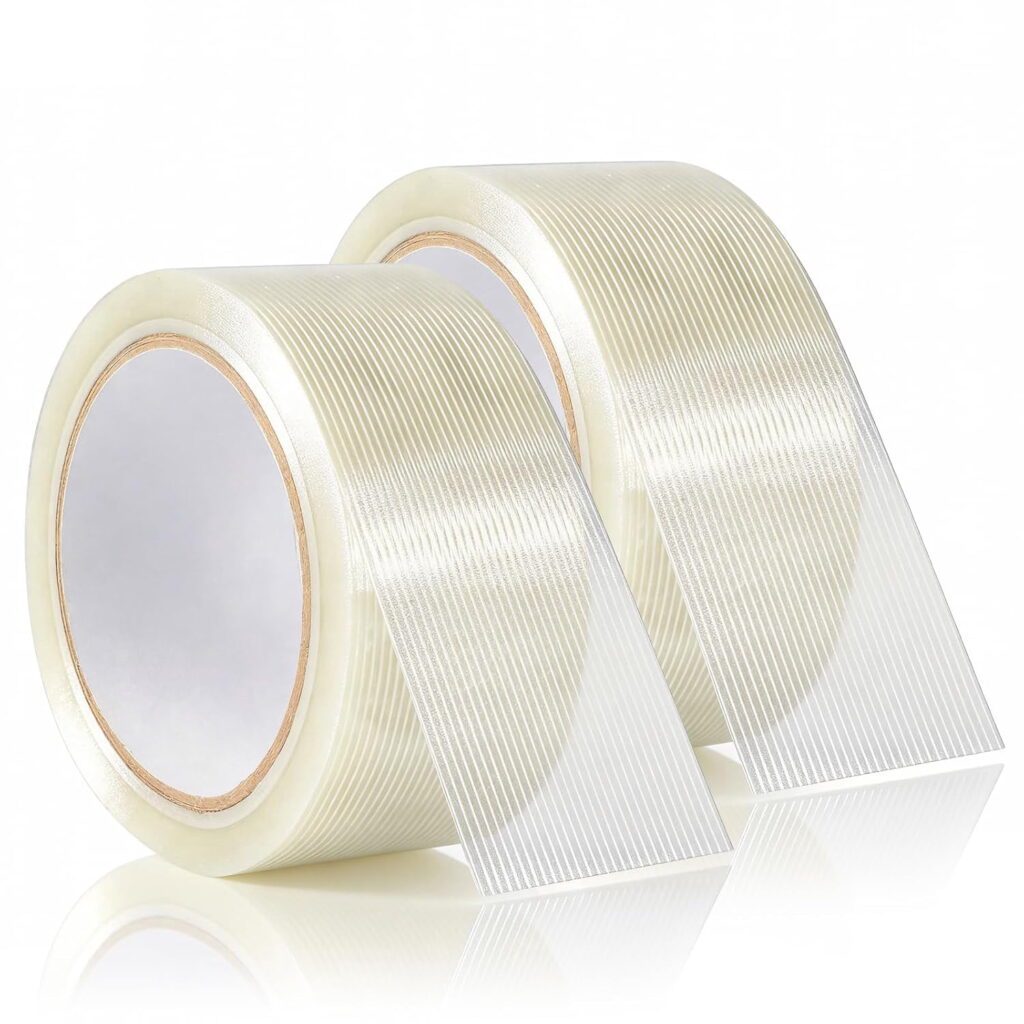
| Reinforced Filament Fragile Tape | Fiberglass threads embedded in backing, “FRAGILE” overprint, split-resistant, high tensile strength | Heavy machinery parts, palletized goods, construction material exports, mining equipment shipping | Pros: Tamper-evident, eliminates need for strapping on medium loads up to 30kg. Cons: Requires dispenser with cutting blade, limited flexibility on curved surfaces, higher material cost. |
What Are the Different Strong Fragile Tape Materials for Industrial Use?
Polypropylene hot melt fragile tape represents the most cost-effective solution for high-volume operations, particularly suited for e-commerce hubs in Saudi Arabia and Brazil where immediate carton sealing is prioritized over long-term storage. The synthetic rubber adhesive provides aggressive initial tack on recycled corrugated surfaces common in African markets, ensuring packages remain sealed through high-speed automated dispensers. However, procurement teams should verify temperature ratings when shipping to regions experiencing extreme heat, as standard hot melt formulations may soften and compromise seal integrity during transit through desert climates or tropical zones, potentially necessitating climate-controlled storage prior to application.
How Does PVC Solvent-Based Fragile Tape Compare for Export Logistics?
PVC solvent-based variants offer superior durability for international supply chains facing environmental stressors, making them ideal for European exporters shipping to Middle Eastern ports where temperature fluctuations and humidity variations challenge standard adhesives. The vinyl backing provides exceptional moisture resistance during ocean freight, while the solvent adhesive maintains bonding strength on dusty or slightly contaminated surfaces often encountered in construction material shipments across African trade routes. B2B buyers should weigh the higher unit cost against reduced package failure rates and consider emerging EU regulations regarding PVC disposal when specifying for European distribution networks, balancing performance with sustainability mandates.
When Should B2B Buyers Choose Acrylic Adhesive Fragile Tape?
Acrylic adhesive fragile tape serves specialized applications requiring extended shelf life and climate stability, particularly valuable for South American distributors managing inventory in high-humidity environments like Brazilian coastal warehouses or Colombian agricultural exports. Unlike hot melt alternatives, acrylic formulations continue strengthening over 24-48 hours, creating tamper-evident seals that withstand tropical storage conditions without yellowing or degrading. Procurement managers should specify acrylic variants for pharmaceutical exports or electronics distribution where packages may remain sealed for six months or longer, though they must ensure warehouse staff apply adequate pressure during application to compensate for lower initial grab, potentially requiring training on manual application techniques.
Is Reinforced Filament Fragile Tape Worth the Investment for Heavy Goods?
Reinforced filament fragile tape bridges the gap between standard carton sealing and industrial strapping, incorporating fiberglass threads that provide 50-100% higher tensile strength than conventional options while maintaining visible “FRAGILE” warnings. This variation proves essential for African mining equipment suppliers and Middle Eastern construction material exporters shipping dense products that stress standard adhesive tapes during rough handling. While requiring specialized dispensers with cutting mechanisms to prevent workplace injuries from glass fibers, the reinforcement eliminates the need for secondary strapping on palletized loads up to 30kg, reducing overall packaging material costs
Key Industrial Applications of Strong fragile tape
| Industry/Sector | Specific Application of Strong fragile tape | Value/Benefit for the Business | Key Sourcing Considerations for this Application |
|---|---|---|---|
| E-commerce & Third-Party Logistics (3PL) | Carton sealing for high-value fragile goods with printed “FRAGILE” warning indicators | Reduces transit damage claims by 30-40% while maintaining brand professionalism through custom printing; eliminates need for separate handling labels | UV-resistant adhesive for tropical climates (Africa, Middle East), bulk volume pricing, compliance with international shipping standards |
| Electronics Manufacturing & Distribution | Secure sealing of anti-static packaging for semiconductors, medical devices, and consumer electronics | Prevents moisture ingress and tampering while clearly identifying handling requirements; reduces insurance costs for high-value component shipments | Low-residue adhesive for clean removal, static-neutral properties, temperature stability for container shipping across climate zones |
| Glassware & Ceramics Export | Heavy-duty carton reinforcement for artisanal pottery, industrial glass, and decorative ceramics | Combines structural integrity with multilingual handling instructions; reduces breakage rates during long-haul maritime transport to European and Middle Eastern markets | High-tack polypropylene for humid port environments, multilingual “Fragile” printing (Portuguese, Arabic, French), moisture-resistant backing |
| Pharmaceutical & Medical Devices | Tamper-evident sealing of temperature-sensitive medical equipment and diagnostic instrument shipments | Ensures cold chain integrity while providing clear handling protocols; prevents costly contamination of sterile packaging | FDA/EU compliance certifications, sterilization compatibility, distinct color-coding for priority handling and temperature requirements |
| Industrial Machinery & Automotive Parts | Securing specialized crating for precision-calibrated components and sensitive instrumentation | Protects against vibration damage and rough handling at industrial ports; eliminates secondary labeling costs while ensuring handler awareness | High tensile strength for heavy cartons, solvent-resistant adhesives for factory environments, custom branding for asset tracking |
How Can E-commerce Fulfillment Centers Minimize Transit Damage with Strong Fragile Tape?
For high-volume fulfillment operations across Brazil and Saudi Arabia, strong fragile tape serves as both a structural sealant and a critical communication tool for cross-border shipments. The high-tack polypropylene adhesive withstands extreme temperature fluctuations
A stock image related to Strong fragile tape.
3 Common User Pain Points for ‘Strong fragile tape’ & Their Solutions
Scenario 1: How Do You Ensure Strong Fragile Tape Handles Heavy Industrial Loads Without Package Failure?
The Problem: Many B2B buyers mistakenly assume that “strong” fragile tape refers to weight-bearing capacity rather than tensile strength and adhesion properties. When shipping heavy industrial equipment or dense fragile goods—common in manufacturing hubs across Brazil and Saudi Arabia—operations managers frequently encounter catastrophic tape failure mid-transit. The tape may display “FRAGILE” warnings prominently, but if the adhesive cannot withstand the shear forces of stacked pallets or shifting loads during international shipping, cartons burst open at the seams. This creates a dual crisis: not only does the high-value inventory suffer damage from exposure and rough handling, but the compromised packaging also removes critical handling instructions, leaving subsequent carriers unaware that contents require delicate treatment.
The Solution: Select polypropylene-based fragile tape with high-tack hot melt or acrylic adhesives explicitly rated for specific weight classes—typically 20–30kg holding strength per seal for standard applications. For shipments exceeding 25kg or those subject to rough handling in African or Middle Eastern logistics corridors, implement a reinforced fragile tape that incorporates fiberglass strands with printed warnings, or apply the “H-taping” method for structural reinforcement. Always verify the tape’s shear resistance specifications (measured in N/cm²) against your maximum carton weight and stacking height. For regions experiencing temperature fluctuations, such as desert transit routes or humid South American ports, specify tapes with UV-resistant backings and temperature-stable adhesives that maintain integrity from warehouse loading through final delivery.
Scenario 2: Can Strong Fragile Tape Be Removed Safely From Antique Furniture and Glass Surfaces Without Leaving Residue?
The Problem: Art dealers, antique exporters, and specialty glass manufacturers—particularly prevalent in European markets and emerging sectors across South America—face significant financial risk when removing standard fragile tape from sensitive surfaces. High-tack adhesives designed for corrugated cardboard bond aggressively to varnished wood, gilt frames, or polished optical glass, leaving sticky residues that require chemical solvent removal. This solvent interaction risks stripping centuries-old antique finishes, damaging hand-painted details, or creating permanent hazy patches on precision glass surfaces. The cost of restoration often exceeds the value of the shipping protection, turning what should be a simple unpacking process into a conservation emergency that damages client relationships and results in insurance claims for irreplaceable inventory.
The Solution: Specify low-tack or “clean removal” acrylic fragile tapes specifically formulated for non-porous and finished surfaces, utilizing pressure-sensitive adhesives that maintain holding power during transit but release cleanly within 48–72 hours without ghost marks or adhesive transfer. For high-value antique furniture exports, apply tape only to polyethylene foam wrapping or corner protectors rather than direct contact with wood surfaces. In humid climates like coastal Brazil or Gulf state shipping routes, avoid rubber-based adhesives that oxidize and harden over time; instead, choose silicone-acrylic hybrid formulations that resist humidity-induced permanent bonding. Always conduct patch tests on hidden surface areas before full application, and train warehouse staff to remove tape at 180-degree angles slowly to minimize surface stress.
Scenario 3: Where Can International Businesses Source Consistent-Quality Strong Fragile Tape for High-Volume Warehouse Operations?
The Problem: Procurement teams managing distribution centers across multiple continents—from African logistics hubs to South American fulfillment centers—struggle with severe supply inconsistency when sourcing fragile tape in bulk for warehouse operations. Variations in adhesive quality between manufacturing batches lead to unpredictable performance: some rolls stick excessively (damaging recyclable packaging and slowing down removal), while others fail to adhere properly (causing critical “FRAGILE” labels to detach during transit). Additionally, international buyers face complex challenges with customs documentation for chemical adhesive products, fluctuating MOQs (Minimum Order Quantities) that strain cash flow, and extended lead times that disrupt just-in-time packaging workflows. This forces operations to switch suppliers frequently, requiring constant retraining of staff on varying tape performance characteristics and dispenser calibration.
The Solution: Establish direct partnerships with ISO 9001-certified manufacturers who offer consistent hot melt or acrylic formulations with documented shear resistance data and batch testing reports. Negotiate regional distribution agreements—sourcing European-manufactured tape for EU/Middle Eastern operations and South American-produced alternatives for Brazilian markets—to reduce shipping costs, minimize customs delays, and ensure climate-appropriate adhesive formulations. Implement a rigorous vendor qualification process requiring sample testing across your specific environmental conditions (high humidity, dust, temperature extremes). For bulk procurement, specify exact BOPP (Biaxially Oriented Polypropylene) thicknesses (typically 28–35 microns) and precise adhesive coat weights to eliminate variability, ensuring every roll performs identically in high-speed
Strategic Material Selection Guide for Strong fragile tape
Selecting the optimal substrate for fragile-handling packaging tape requires balancing tensile strength, adhesive performance, and climatic resilience—particularly critical when managing cross-border supply chains spanning humid Brazilian ports to arid Saudi Arabian distribution centers. Material composition directly impacts seal integrity during multi-modal transit, storage longevity, and compliance with regional sustainability mandates targeting single-use plastics. For procurement teams operating across diverse regulatory environments from the European Union to emerging African markets, understanding substrate-specific performance characteristics ensures both product protection and cost optimization.
Is Polypropylene (BOPP) Tape Suitable for Cost-Sensitive Export Operations?
Biaxially Oriented Polypropylene (BOPP) dominates global fragile tape procurement due to its exceptional cost-to-performance ratio and compatibility with high-speed automated dispensers. This thermoplastic polymer offers adequate tensile strength for standard corrugated cartons while maintaining flexibility across temperature variations typical in African and South American logistics corridors. The material accommodates high-quality “FRAGILE” printing with solvent-based or water-based inks, ensuring visibility during customs inspections in busy ports like Santos or Jeddah. However, BOPP exhibits reduced adhesion in high-humidity environments exceeding 70% relative humidity, potentially compromising seal security during monsoon seasons or extended maritime transport. For B2B buyers prioritizing volume procurement across price-sensitive markets, BOPP remains the baseline standard, though climate-controlled storage recommendations should accompany deployment in tropical regions to prevent adhesive degradation.
When Does PVC Tape Outperform Polypropylene for High-Value Fragile Goods?
Polyvinyl Chloride (PVC) fragile tape commands premium positioning in European and Middle Eastern markets where shipment integrity outweighs material expenditure and regulatory compliance allows. Characterized by superior conformability to irregular carton surfaces and enhanced resistance to UV degradation, PVC maintains adhesive stability in Saudi Arabian desert heat and Brazilian high-humidity warehousing without delamination. The material’s natural quiet unwind properties reduce warehouse noise pollution—a significant ergonomic consideration for large-scale fulfillment centers in densely populated European cities. Its higher thickness (typically 35-50 microns versus BOPP’s 28-35 microns) provides tamper-evident characteristics through visible tearing upon interference. The primary limitation involves environmental compliance; PVC faces increasing regulatory scrutiny under EU packaging waste directives and generates higher carbon footprint during production. Procurement teams should evaluate total cost of ownership against breakage rates for delicate electronics, glassware, or precision instruments where seal failure proves catastrophic.
Can Water-Activated Kraft Paper Tape Replace Plastic Alternatives in Sustainable Supply Chains?
Gummed paper tape—reinforced with fiberglass filaments or standard kraft paper—addresses growing Middle Eastern and European sustainability mandates while providing unique security advantages for fragile shipments. Unlike pressure-sensitive plastics, water-activated adhesives bond molecularly with corrugated fibers, creating a tamper-evident seal that destroys carton integrity upon removal, deterring pilferage in complex African distribution networks. The material performs optimally in climate-controlled environments but suffers from adhesive degradation when exposed to moisture before application—a critical consideration for outdoor warehousing in tropical South American regions during rainy seasons. While unit costs exceed polypropylene by 40-60%, the elimination of plastic tax liabilities in jurisdictions like the UK, Spain, and emerging GCC sustainability frameworks often neutralizes price differentials for EU-bound shipments. Implementation requires capital investment in water-activated dispensers, though long-term operational savings through reduced material usage and enhanced brand reputation frequently justify the transition for premium exporters.
| Material | Typical Use Case for Strong fragile tape | Key Advantage | Key Disadvantage/Limitation | Relative Cost |
|---|---|---|---|---|
| Polypropylene (BOPP) | High-volume e-commerce and retail distribution across emerging markets; standard corrugated sealing | Economical scalability; universal print compatibility | Humidity-sensitive adhesion; limited conformability | Low |
| PVC (Polyvinyl Chloride) | Premium electronics, glassware, and pharmaceutical exports; long-term storage applications | Superior weather resistance; quiet unwind; tamper-evident tearing | Environmental compliance challenges; higher carbon footprint | High |
| Water-Activated Kraft Paper | Sustainable luxury goods; high-security pharmaceutical and art shipments to regulated markets | Tamper-evident bonding; plastic-tax exemption eligibility; recyclability | Climate-sensitive application process; requires dispensing equipment | Medium-High |
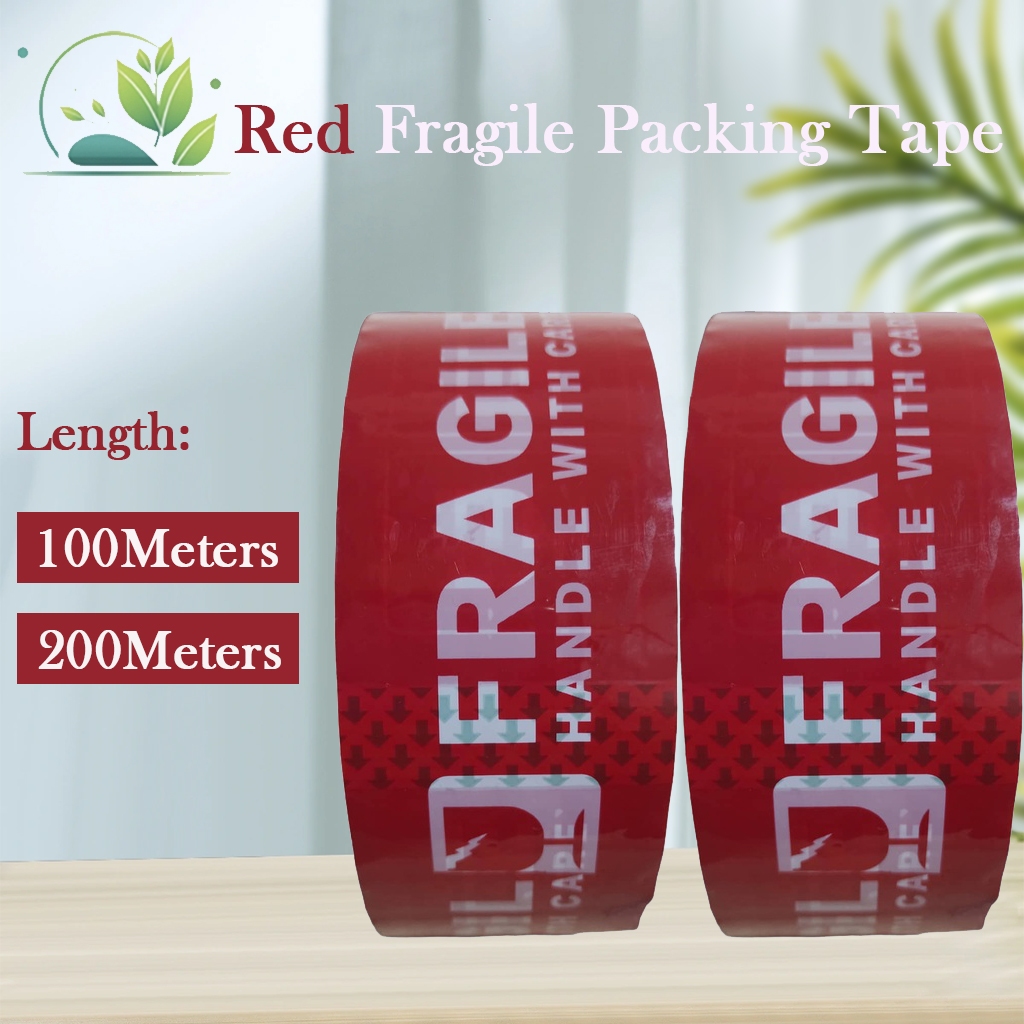
A stock image related to Strong fragile tape.
In-depth Look: Manufacturing Processes and Quality Assurance for Strong fragile tape
Understanding the manufacturing intricacies behind strong fragile tape empowers procurement teams to assess supplier capabilities beyond surface-level specifications. For B2B buyers operating across diverse climates—from the humid logistics corridors of West Africa to the temperature-controlled facilities of Saudi Arabia and the variable seasonal conditions of Brazil—knowing how these tapes are engineered ensures your packaging integrity aligns with regional operational demands.
What Raw Materials Define High-Performance Fragile Tape?
The foundation of superior fragile tape begins with substrate selection, typically biaxially oriented polypropylene (BOPP) film ranging from 28 to 50 microns in thickness. Premium manufacturers utilize virgin resin BOPP rather than recycled blends to ensure consistent tensile strength and dimensional stability during application. The film undergoes corona treatment to increase surface energy, creating microscopic pitting that enables superior adhesive anchoring—critical for maintaining bond strength on recycled cardboard surfaces common in emerging markets.
Adhesive formulation represents the primary differentiator between commodity and industrial-grade products. Hot melt synthetic rubber adhesives offer immediate tack and cost-effectiveness for room-temperature applications, while solvent acrylic adhesives provide superior performance in extreme temperatures ranging from -20°C to 80°C. For buyers in the Middle East and tropical South American regions, water-based acrylic adhesives with modified tackifiers resist humidity-induced degradation better than standard hot melt alternatives. The adhesive coating weight, typically measured in grams per square meter (gsm), directly correlates with initial tack strength—industrial applications require 25-35 gsm for secure carton sealing under stress.
How Is the “Fragile” Warning Integrated During Production?
The integration of high-visibility “FRAGILE” messaging occurs through flexographic printing processes that apply UV-resistant inks directly onto the BOPP substrate prior to adhesive coating. Leading manufacturers employ anilox rollers with cell volumes calibrated between 3.0 and 6.0 BCM (billion cubic microns) to ensure crisp, legible text without ink bleeding. This pre-printing approach embeds the warning message within the tape structure rather than surface-printing, preventing scuffing during transit and maintaining readability after handling.
Color fastness testing ensures red warning text remains vivid despite exposure to sunlight during outdoor storage—a frequent scenario in African and Middle Eastern logistics hubs. Quality-focused producers conduct rub tests using standardized abradants to verify that printed messages withstand 50+ friction cycles without significant degradation. For buyers requiring multilingual warnings or custom branding, digital flexographic hybrid systems enable rapid plate changes while maintaining registration accuracy within ±0.5mm across production runs exceeding 10,000 linear meters.
What Quality Control Tests Ensure Tape Reliability in Extreme Climates?
Comprehensive quality assurance protocols must simulate the environmental stressors specific to your operational regions. Peel adhesion testing per ASTM D3330 standards measures the force required to remove tape from standardized steel and cardboard surfaces—premium fragile tape should demonstrate 4.5-6.0 N/cm adhesion strength immediately after application, increasing to 6.5-8.0 N/cm after 24-hour curing. Shear resistance testing evaluates holding power under constant load, with industrial-grade products maintaining position for 72+ hours at 40°C under 1kg weight.
Climate-specific validation includes temperature cycling tests that expose tape samples to rapid transitions between 60°C and -10°C, simulating desert-to-cold-chain logistics scenarios common in Middle Eastern and European trade routes. Humidity chamber testing at 85% relative humidity for 500+ hours identifies adhesive formulations prone to hydrolysis—essential for buyers in coastal Brazilian or West African markets where moisture infiltration compromises seal integrity. UV resistance testing using Xenon arc exposure prevents premature embrittlement of both film and adhesive during outdoor warehousing.
Which Manufacturing Certifications Should B2B Buyers Verify?
When evaluating suppliers for international procurement, ISO 9001:2015 certification indicates standardized quality management systems, while ISO 14001:2015 demonstrates environmental responsibility increasingly required by European import regulations. For food and pharmaceutical logistics applications, FDA 21 CFR 175.105 compliance or EU Regulation 10/2011 certification ensures adhesive safety for indirect food contact. REACH compliance documentation proves the absence of restricted substances like phthalates or heavy metals, preventing customs complications in European markets.
Production facilities serving Middle Eastern buyers should demonstrate SASO (Saudi Standards, Metrology and Quality Organization) conformity certificates, while Brazilian importers require INMETRO registration for certain industrial adhesive classifications. Requesting batch-specific Certificate of Analysis (CoA) documents enables traceability of raw material lots and testing parameters, crucial for maintaining consistency across multi-container orders shipped over several months.
How Does Slitting and Winding Technology Affect Usability?
The final manufacturing stages significantly impact operational efficiency in high-volume distribution centers. Precision slitting using razor or shear blade systems maintains width tolerances of ±0.5mm on standard 48mm rolls, preventing jamming in automated case sealers—a critical consideration for e-commerce fulfillment operations in major Brazilian and Saudi Arabian markets. Winding tension control prevents telescoping (lateral shifting of tape layers) during ocean freight transit, where temperature fluctuations and vessel vibration stress packaging integrity.
Core quality specifications matter for pneumatic tape dispensers; high-density cardboard cores with 3-inch (76mm) inner diameters resist crushing better than recycled paper alternatives. Edge alignment inspection ensures the fragile printed message remains centered and parallel to tape edges, preventing misapplication during high-speed sealing operations. Leading manufacturers implement vision inspection systems that reject rolls exhibiting print registration errors exceeding 1mm or adhesive voids larger than 2mm².
By scrutinizing these manufacturing parameters—from resin selection through final inspection—procurement teams can establish technical specifications that ensure your fragile tape inventory performs reliably across the climatic and logistical variables inherent to multi-regional B2B operations.
Practical Sourcing Guide: A Step-by-Step Checklist for ‘Strong fragile tape’
Navigating the procurement of strong fragile tape requires balancing technical performance with logistical realities across diverse markets. Whether supplying warehouses in São Paulo or distribution centers in Riyadh, buyers must verify specifications that withstand tropical humidity, desert heat, and extended transit times. This checklist provides actionable criteria to evaluate suppliers, validate product performance, and ensure your packaging maintains integrity from factory floor to final destination.
What Technical Specifications Ensure Reliable Performance in High-Volume Operations?
Begin by defining precise dimensional requirements for your automation or manual application processes. Standard widths of 48mm or 50mm accommodate most carton sealing equipment, while lengths of 66 meters or more reduce changeover frequency in high-throughput environments. Specify adhesive chemistry based on your climate zone—hotmelt formulations provide immediate grab strength for dusty conditions common in Middle Eastern logistics hubs, while acrylic adhesives offer superior temperature resistance for Brazilian or African warehouses experiencing seasonal fluctuations. Request technical data sheets confirming tensile strength exceeding 40 N/cm and elongation properties that prevent snapping during rough handling.
How Do You Evaluate Climate Compatibility for Cross-Regional Distribution?
Assess environmental resilience before committing to bulk orders, particularly when sourcing for regions with extreme weather variations. Strong fragile tape destined for Saudi Arabian or Brazilian markets must maintain adhesion between 5°C and 60°C without delamination or oozing. Verify humidity resistance ratings above 80% relative humidity for tropical African climates, ensuring the polypropylene backing and adhesive layer resist moisture infiltration that compromises seal integrity. Confirm UV stabilization additives are present if shipments will endure prolonged sun exposure during outdoor storage or desert transit.
Which Surface Preparation Standards Maximize Adhesion Across Board Grades?
Demand compatibility testing against your specific corrugated substrates, as recycled cardboard prevalent in European markets presents different surface energy than virgin fiberboard common in emerging economies. The tape must adhere aggressively to dusty, slightly oily, or printed surfaces without primer activation. Request samples to test application at varying temperatures—optimal performance requires surfaces above 15°C, though premium formulations should tolerate 5°C minimums for unheated warehouses during winter months in Southern Europe or high-altitude South American facilities.
What Certifications Validate Quality for International Trade?
Require ISO 9001:2015 manufacturing certifications to ensure consistent batch quality and dimensional tolerance. For European distribution, verify REACH compliance regarding chemical substance restrictions. Middle Eastern buyers should request SASO (Saudi Standards) or equivalent Gulf region certifications, while Brazilian imports require INMETRO conformity assessments where applicable. Environmental certifications such as FSC chain-of-custody documentation increasingly influence B2B purchasing decisions across these markets.
How Do You Structure Logistics Agreements for Multi-Continental Supply?
Negotiate minimum order quantities that balance ocean freight economics with working capital constraints typical of growing African and South American enterprises. Secure moisture-barrier packaging for sea containers—desiccant-lined master cartons prevent adhesive degradation during 30+ day transits through humid ports. Establish clear Incoterms that account for port handling capabilities, particularly for landlocked destinations in Africa or interior Brazilian states. Verify supplier experience with documentary credits and local currency hedging options to mitigate forex risks.
Why Does Pre-Production Sampling Prevent Costly Errors?
Insist on production-run samples rather than prototype specimens to validate print clarity, color consistency, and adhesive age-resistance. Test samples under actual warehouse conditions in your destination market, simulating 48-hour exposure to target climate extremes. For printed fragile tape, verify legibility in local languages—Arabic script orientation, Portuguese character spacing, or bilingual requirements for European markets. Confirm roll unwind noise levels meet workplace safety standards, as low-noise formulations improve ergonomics in high-volume packing stations.
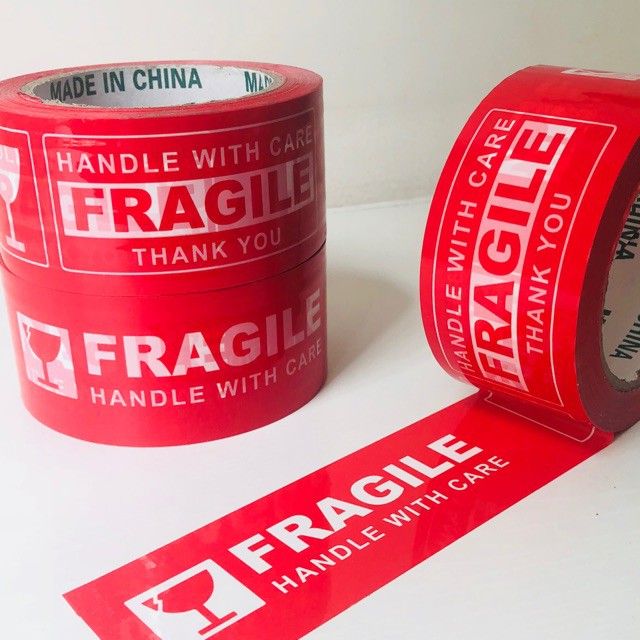
A stock image related to Strong fragile tape.
Comprehensive Cost and Pricing Analysis for Strong fragile tape Sourcing
Strategic procurement of strong fragile tape requires understanding beyond unit price to total cost of ownership. For buyers operating across Africa, South America, the Middle East, and Europe, material specifications, logistics complexity, and regional compliance factors significantly impact final landed costs. A systematic approach to pricing analysis ensures you balance adhesive performance with procurement economics while avoiding supply chain disruptions.
What Factors Drive Strong Fragile Tape Pricing in Global B2B Markets?
Material composition and dimensional specifications constitute the primary cost variables for polypropylene-based fragile tape. Standard 48mm width by 66m length configurations, as commonly stocked by wholesale distributors, typically offer the most economical entry point due to production efficiency. However, adhesive technology creates significant price stratification—hotmelt adhesives generally cost less than acrylic formulations but may compromise performance in extreme temperatures common in Middle Eastern or South American logistics corridors. Custom printing with “FRAGILE” warnings or branded logos adds 15-30% to base material costs but reduces handling damage rates that often exceed tape expenses.
How Do Minimum Order Quantities Impact Your Total Procurement Cost?
Wholesale platforms typically enforce minimum order thresholds around $50-100 USD, suitable for small-to-medium enterprises testing product quality. Direct manufacturer engagement becomes cost-effective at pallet quantities (500+ rolls), reducing per-unit costs by 20-40% but requiring sophisticated inventory management. For African and South American buyers, consolidating orders into full container loads (FCL) rather than less-than-container (LCL) shipments amortizes freight costs across units, often reducing total landed cost by 12-18% despite higher upfront capital requirements.
Are You Accounting for Hidden Logistics and Compliance Costs?
Import duties and value-added tax structures vary dramatically across target regions, with European VAT rates reaching 20% and certain Middle Eastern markets imposing specific packaging material tariffs. Temperature-controlled shipping represents a critical hidden cost often overlooked—standard acrylic adhesives can degrade when exposed to container temperatures exceeding 40°C during transit through equatorial regions or desert climates. Budgeting for climate-controlled containers or selecting high-temperature resistant adhesive formulations prevents costly stock losses that negate initial tape savings.
When Does Premium Adhesive Technology Justify Higher Unit Costs?
In humid environments characteristic of Brazilian coastal regions or West African ports, investing in high-tack acrylic adhesives reduces tape failure rates by up to 60% compared to economy-grade alternatives. Calculate the break-even point by comparing the incremental tape cost against average damage claims—typically, upgrading adhesive quality proves economical when shipping fragile goods valued above $500 per cubic meter. For Saudi Arabian and Gulf region buyers, UV-resistant formulations prevent adhesive degradation during outdoor storage, extending shelf life and reducing waste.
How Can Regional Buyers Optimize Currency and Payment Terms?
Fluctuating exchange rates between USD, EUR, and local currencies necessitate forward contracting or supplier credit arrangements to stabilize costs. Establishing letter-of-credit (LC) terms with reputable manufacturers often secures 2-5% pricing discounts compared to advance payment requirements while protecting both parties in cross-border transactions. Building annual volume commitments with single suppliers rather than spot-buying from multiple sources typically unlocks tiered pricing structures and priority production scheduling during global supply constraints.
Alternatives Analysis: Comparing Strong fragile tape With Other Solutions
When evaluating sealing and handling notification methods for international logistics, procurement teams typically weigh the trade-offs between material costs, labor efficiency, and supply chain resilience. While strong fragile tape integrates high-tensile polypropylene sealing with continuous “FRAGILE” visibility, two distinct alternatives dominate the B2B landscape: the modular approach of standard clear tape paired with adhesive warning labels, and the capital-intensive strategy of custom pre-printed corrugated packaging. Each solution presents unique implications for businesses operating across diverse climates and regulatory environments, from the humid port conditions of Brazil to the high-temperature storage facilities common in Saudi Arabia.
| Comparison Aspect | Strong Fragile Tape (Integrated) | Standard Tape + Fragile Labels (Modular) | Custom Pre-Printed Boxes (Bespoke) |
|---|---|---|---|
| Initial Investment | Low (standard MOQs, off-shelf availability) | Very Low (generic supplies, no specialization) | High (custom plates, high MOQs 1000+) |
| Application Efficiency | High (single-pass sealing and warning) | Low (two-step process, alignment required) | Very High (zero application labor for warnings) |
| Climate Resilience | High (continuous adhesive bond, no peeling edges) | Medium (labels prone to edge-lifting in humidity) | High (ink permanently bonded to substrate) |
| Operational Flexibility | High (compatible with any box size/brand) | High (compatible with any box) | Low (committed to specific dimensions; SKU changes costly) |
| Per-Unit Cost (at scale) | $0.02–$0.04 per seal | $0.015–$0.03 per seal + labor | $0.50–$2.00 premium per box |
| Best Use Case | Medium-to-high volume exporters with variable SKU sizes | Small businesses, irregular shipping schedules | Large-scale manufacturers with stable product lines |
Is Standard Packing Tape with Separate Fragile Labels More Cost-Effective for Low-Volume Exporters?
This modular approach involves sealing cartons with generic clear BOPP or acrylic tape, then applying discrete adhesive “FRAGILE” stickers to critical box faces. While the upfront material expenditure remains minimal—particularly attractive for startups in emerging markets like Nigeria or Peru—the hidden labor costs accumulate rapidly during high-season fulfillment cycles. More critically, separate labels present a failure risk in challenging climates; the adhesive bond on paper labels often degrades during transshipment through humid Gulf Coast ports or tropical African logistics hubs, potentially leaving packages unmarked and subject to rough handling. For businesses shipping fewer than 500 parcels monthly with inconsistent box dimensions, however, this method avoids inventory commitment to specialized tape rolls and allows flexibility in warning placement.
When Do Custom Pre-Printed Boxes Offer Better ROI Than Integrated Fragile Tape?
Custom-printed corrugated solutions embed handling instructions and “FRAGILE” warnings directly into the box board during manufacture, eliminating the need for tape-based communication entirely. This method delivers unmatched professional aesthetics and tamper-evident integrity, particularly valuable for B2B brands targeting European retail shelves where unboxing experience influences buyer relationships. However, the model demands significant capital lock-in: minimum order quantities typically exceed 1,000 units per SKU, and storage requirements strain warehouse capacity in expensive urban centers like São Paulo or Dubai. Consequently, this alternative suits only high-volume exporters—typically those shipping 5,000+ identical units monthly through stable trade lanes—where the per-unit cost amortizes across massive production runs and the elimination of tape application labor justifies the initial investment.
Essential Technical Properties and Trade Terminology for Strong fragile tape
When sourcing strong fragile tape for international logistics, understanding technical specifications ensures your shipments withstand diverse climate conditions—from the humidity of São Paulo to the desert heat of Riyadh. This section breaks down the essential properties and trade terminology that differentiate commodity-grade products from industrial-strength solutions.
What Technical Specifications Determine Tape Performance in Harsh Environments?
Tensile Strength and Break Load
Measured in Newtons per centimeter (N/cm) or pounds per inch (lbs/in), tensile strength indicates the force required to snap the tape. For heavy-duty export cartons exceeding 20kg, specifications above 35 N/cm prevent seam splitting during automated handling and rough transit through customs checkpoints.
Peel Adhesion to Corrugated Board
This metric, typically ranging 2.0–4.0 N/25mm, determines how aggressively the tape grips cardboard surfaces. In high-humidity markets like West Africa or coastal Brazil, acrylic adhesives outperform hot-melt variants, resisting moisture-induced delamination that compromises carton integrity during monsoon seasons or sea freight.
Film Thickness (Micron Rating)
Standard fragile tape utilizes 28–35 micron BOPP films, while “strong” variants employ 40–50 micron backings. Thicker films provide superior puncture resistance against box cutters and rough handling during repeated inspections, reducing the risk of “pop-open” failures in temperature-fluctuating container environments.
Temperature Resistance Range
Quality strong fragile tape maintains adhesion across -10°C to 60°C. Low-temperature formulations prevent brittleness during European winter storage, while heat-resistant adhesives avoid “flagging” (edge lifting) in Saudi Arabian warehouses or cargo holds traversing the Suez Canal.
Elongation at Break
Expressed as a percentage, 150–180% elongation allows the tape to absorb kinetic shock during transit without snapping. This flexibility distributes stress across carton seams rather than concentrating it at seal points, critical for palletized goods navigating uneven infrastructure in developing markets.
What Trade Terminology Should International Buyers Master When Negotiating Contracts?
Hot Melt vs. Acrylic Adhesive
Hot melt adhesives offer aggressive initial tack ideal for high-speed automated packing lines, while acrylic formulations provide superior aging resistance and UV stability—essential for shipments facing extended sea freight durations or prolonged port delays.
Master Roll Converting
This refers to the process of slitting large production rolls (often 1000m+) into standard 66m or 132m finished rolls. Understanding converting capabilities helps buyers negotiate custom widths (e.g., 48mm vs. 72mm) for specialized packaging machinery without paying premium prices for finished goods.
Tamper-Evident Sealing
Unlike standard printed tape, tamper-evident variants leave visible “VOID” messages or surface damage upon removal. This provides security for high-value electronics and pharmaceutical exports to African and Middle Eastern markets without requiring additional metal seals or strapping.
Incoterms Applicability (FOB vs. CIF)
FOB (Free On Board) shifts transportation responsibility at the port of origin, while CIF (Cost, Insurance, Freight) includes transit to the destination port. For South American and African buyers, understanding these terms prevents unexpected logistics costs and clarifies insurance liability during transoceanic shipping.
Custom Slitting and Core Sizes
B2B buyers should specify inner core diameters (typically 76mm/3-inch for dispensers) and inquire about “slitting” capabilities for non-standard widths. European automated packing lines often require 50mm or 75mm widths, while manual operations in emerging markets may prefer narrower 25mm rolls for reinforcement taping.
MOQ and Lead Time Flexibility
Minimum Order Quantities for custom-printed fragile tape typically range from 50–100 rolls when sourcing from regional converters, but direct factory orders from Asian manufacturers may require 500+ rolls. Clarifying production lead times (usually 15–30 days for custom prints) helps maintain inventory buffers during peak shipping seasons.
Navigating Market Dynamics and Sourcing Trends in the Strong fragile tape Sector
What Are the Current Market Dynamics Driving Demand for Strong Fragile Tape?
The global strong fragile tape market is experiencing robust expansion, fueled by the exponential growth of e-commerce logistics across Africa, South America, and the Middle East. As warehousing and distribution networks modernize in regions like Saudi Arabia and Brazil, procurement teams are standardizing on high-performance polypropylene tapes—typically 48mm x 66m rolls—that offer superior tensile strength for securing delicate inventory during high-humidity transit and long-haul shipping. Unlike standard packaging tapes, these specialized solutions combine high-tack acrylic or hot melt adhesives with reinforced backing to prevent “flagging” (tape lifting at edges) on corrugated surfaces, a critical failure point in multi-modal supply chains.
Raw material volatility remains a primary concern for B2B buyers. Polypropylene resin prices fluctuate with crude oil markets, directly impacting unit economics for bulk orders. Smart procurement strategies now involve quarterly contract negotiations rather than spot-buying, particularly for buyers in emerging markets where currency fluctuations against the USD or Euro can erode margins. Additionally, the shift toward automated packaging lines in European and Middle Eastern fulfillment centers is driving demand for tapes with consistent unwind tension and low-noise application—specifications that legacy suppliers often struggle to meet.
Regional infrastructure disparities also shape sourcing decisions. While European buyers prioritize compliance with EN 12312 standards for transport packaging, African and South American markets focus on UV-resistant formulations that withstand extreme warehouse temperatures without adhesive degradation. This divergence requires procurement teams to verify technical datasheets carefully, ensuring that “strong” fragile tape specifications align with local climatic conditions rather than generic temperate-zone standards.
How Can B2B Buyers Navigate Sustainability and Ethical Sourcing?
Sustainability has transitioned from a value-added feature to a procurement mandate, particularly for buyers supplying into European markets or serving multinational clients with Scope 3 emissions targets. When evaluating strong fragile tape suppliers, prioritize polypropylene films containing 30-50% post-industrial recycled content, which maintain structural integrity while reducing virgin plastic dependency. Leading manufacturers now offer solvent-free adhesive systems that eliminate volatile organic compounds (VOCs) during production—a critical consideration for Saudi Arabian and Brazilian buyers facing tightening environmental regulations.
Ethical sourcing verification extends beyond material composition to encompass the entire production ecosystem. Procurement teams should demand transparency regarding factory labor standards, particularly when sourcing from high-volume manufacturing hubs. Look for suppliers holding ISO 14001 environmental management and SA8000 social accountability certifications, which ensure adherence to fair wage practices and safe working conditions. For African buyers importing from Asian manufacturing centers, third-party audits verifying anti-slavery compliance have become non-negotiable due diligence steps.
The circular economy imperative is also reshaping tape specifications. While polypropylene tapes are technically recyclable, adhesive contamination often prevents processing in standard waste streams. Innovative suppliers now offer water-soluble adhesive formulations or dual-layer constructions that separate cleanly during cardboard pulping, enabling true circularity for e-commerce packaging. When negotiating contracts, include clauses requiring suppliers to provide recyclability documentation and carbon footprint data per pallet shipped—metrics increasingly required for corporate ESG reporting in Middle Eastern and European markets.
Finally, consider localized sourcing strategies to mitigate Scope 3 emissions. Establishing relationships with regional converters in Turkey, South Africa, or Mexico—who import jumbo rolls but perform slitting and printing locally—can reduce transportation emissions by 40-60% compared to importing finished goods from East Asia, while supporting regional economic development goals.
Frequently Asked Questions (FAQs) for B2B Buyers of Strong fragile tape
What is the weight capacity of strong fragile tape for industrial shipping applications?
Q: What is the weight capacity of strong fragile tape for industrial shipping applications?
A: Strong fragile tape is engineered for secure carton sealing rather than load-bearing, typically delivering tensile strengths of 20–30 N/cm when manufactured at 28–50 micron thicknesses. While the high-tack adhesive creates permanent bonds suitable for cartons weighing up to 30–40kg when applied using the H-taping method (sealing center seams and edges), the tape itself does not reinforce the box structure. For industrial shipments exceeding these parameters, combine fragile tape with corrugated edge protectors and stretch wrap to prevent seam failure during transit.
Can strong fragile tape be removed without damaging antique furniture or glass surfaces?
Q: Can strong fragile tape be removed without damaging antique furniture or glass surfaces?
A: Removal safety depends on adhesive chemistry and dwell time—hot-melt adhesives provide aggressive initial tack but may leave residue on porous antiques or delicate glass if left for weeks, while acrylic formulations offer cleaner removal after 24-hour curing periods. For high-value inventory, avoid applying tape directly to finished surfaces; instead, secure it to corrugated cardboard only, or specify low-tack surface protection variants designed for temporary adhesion. When removal is unavoidable, apply gentle heat (40–50°C) using a heat gun and peel parallel to the surface slowly to minimize substrate damage or finish lifting.
What is the difference between strong fragile tape and standard reinforced packing tape?
Q: What is the difference between strong fragile tape and standard reinforced packing tape?
A: Strong fragile tape consists of high-grade polypropylene film with aggressive adhesive and pre-printed warning graphics, functioning primarily as a visual handling indicator and tamper-evident seal for delicate contents. Conversely, reinforced packing tape incorporates fiberglass filaments or cross-woven threads that provide 2–3x greater tensile strength (50+ N/cm) for heavy-duty bundling and structural support. While fragile tape alerts logistics handlers to contents requiring care, reinforced tape physically prevents box failure under extreme stress or stacking pressure.
Where can businesses buy strong fragile tape in bulk for warehouse operations?
Q: Where can businesses buy strong fragile tape in bulk for warehouse operations?
A: International buyers should prioritize manufacturers with regional distribution hubs in Africa, South America, and the Middle East to minimize shipping costs, customs delays, and currency fluctuation risks. Seek suppliers offering MOQ flexibility starting at 50-carton quantities with consolidated container shipping options and credit terms suitable for B2B procurement cycles. Direct manufacturer relationships enable custom printing capabilities (multilingual “Fragile” warnings in Arabic, Portuguese, or French) and consistent quality control, while verify suppliers hold ISO 9001 certification and provide technical data sheets confirming adhesive specifications for your specific climate zone.
How does humidity and temperature affect strong fragile tape performance in tropical climates?
Q: How does humidity and temperature affect strong fragile tape performance in tropical climates?
A: Tropical environments with 80%+ humidity and temperatures exceeding 35°C can compromise standard acrylic adhesives, causing “gumming,” premature edge lifting, or adhesive transfer to contents during transit. For operations in Brazil, West Africa, or the Gulf region, specify hot-melt synthetic rubber adhesives with enhanced moisture resistance and UV stabilizers that maintain tack in high-heat conditions. Store inventory in climate-controlled environments (15–25°C, 40–60% RH) to prevent adhesive migration, and conduct 48-hour adhesion tests on local cardboard substrates before committing to large volumes, as recycled pulp content varies by region and significantly affects bond strength.
What specifications should procurement teams prioritize for high-volume ecommerce fulfillment?
Q: What specifications should procurement teams prioritize for high-volume ecommerce fulfillment?
A: For warehouse automation compatibility, specify 48mm width with 66-meter lengths to minimize changeover frequency on high-speed packing lines and ensure compatibility with standard dispenser guns. Select 30–35 micron thickness for optimal balance between conformability (sealing irregular box edges) and machine dispensing without breakage. Ensure the tape offers immediate tack for rapid handling and features high-contrast red/white “FRAGILE” printing visible under fluorescent warehouse lighting. Request samples to test unwind noise levels—excessively loud tapes indicate poor quality film and create ergonomic issues in fulfillment centers.
Can strong fragile tape be customized with multilingual handling instructions for international export?
Q: Can strong fragile tape be customized with multilingual handling instructions for international export?
A: Yes, most manufacturers offer flexographic or digital printing capabilities allowing customization beyond standard “FRAGILE” text to include handling pictograms, company branding, or multilingual warnings essential for markets in the Middle East, Africa, and South America. Minimum order quantities for custom printing typically start at 1,000–5,000 rolls depending on color count and plate charges. For cost efficiency in international trade, consider using universal symbols (ISO 780) combined with English text, or invest in regional variants with Arabic, Portuguese, or French warnings if shipping consistently to specific linguistic markets.
What is the optimal shelf life and storage protocol for bulk strong fragile tape inventory?
Q: What is the optimal shelf life and storage protocol for bulk strong fragile tape inventory?
A: Polypropylene-based strong fragile tape maintains optimal adhesive properties for 6–12 months when stored vertically in original packaging away from direct sunlight and heat sources. Excessive stacking pressure can cause “edge ooze” where adhesive migrates to roll edges, resulting in dispensing jams and waste. Maintain storage temperatures between 10–30°C with relative humidity below 70% to prevent premature aging or oxidation. Implement FIFO (First In, First Out) inventory rotation, and conduct quarterly adhesion tests on aged stock—if tape requires excessive force to unwind or shows yellowing discoloration, the adhesive has likely degraded and should not be used for critical shipments.
Important Disclaimer & Terms of Use
⚠️ Important Disclaimer
The information provided in this guide, including content regarding manufacturers, technical specifications, and market analysis, is for informational and educational purposes only. It does not constitute professional procurement advice, financial advice, or legal advice.
B2B buyers must conduct their own independent and thorough due diligence before making any purchasing decisions. The risk of relying on any information in this guide is borne solely by the reader.
Top 4 Strong Fragile Tape Manufacturers & Suppliers List
1. Topever – BOPP Tape
Domain: topevertape.com
Registered: 2022 (4 years)
Introduction: Fragile tape supplier offering BOPP tape jumbo rolls (clear, yellowish, brown), custom logo printed fragile OPP packaging tape, colorful printed tape, adhesive plastic tape, masking tape, duct tape, PE stretch film, and BOPP film for thermal laminating. Features include water-based acrylic adhesive, customizable printing, and eco-friendly materials. 26+ years manufacturing experience supplying to …
2. Tape Suppliers – Adhesive Tapes
Domain: tapesuppliers.com
Registered: 2007 (19 years)
Introduction: 3M Tape, Adhesive Tape, Carpet Tape, Cloth Tape, Duct Tape, Electrical Tape, Foam Tape, Foil Tape, High Temperature Tape, Masking Tape, PTFE Tape, Sealing Tape, Teflon Tape, Vinyl Tape; additional services include die cutting
3. iTape – Reinforced Water-Activated Fragile Tape
Domain: itape.com
Registered: 1998 (28 years)
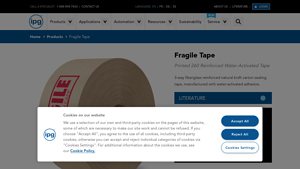
Introduction: Product: Printed 260 Reinforced Water-Activated Fragile Tape. Material: 3-way fiberglass reinforced natural kraft paper with water-activated adhesive. Usage: Two-strip sealing for cartons top and bottom; suitable for recycled cartons and non-unitized loads. Weight Capacity: Up to 55 pounds (25 kg). Applications: Branding and identification, case sealing (manual and automated), general packaging fo…
4. Englewood – Industrial Tapes

Domain: englewoodco.com
Registered: 1999 (27 years)
Introduction: Industrial tape products including pressure-sensitive tapes, friction tape, PTFE and UHMW films, water-activated tapes, and adhesive solutions. Materials include silicone, rubber, acrylic, hot-melt adhesives, foam, film, woven/non-woven carriers, fiberglass, and aramid. Applications cover automotive, aerospace, medical, construction, HVAC, electronics, printing/packaging, surface protection, splic…
Strategic Sourcing Conclusion and Outlook for Strong fragile tape
Strategic procurement of strong fragile tape demands a shift from commodity purchasing to technical partnership. As B2B buyers across Africa, South America, the Middle East, and Europe navigate volatile logistics landscapes, adhesive reliability and climatic resilience have become non-negotiable performance metrics that directly impact damage rates and customer satisfaction.
How Can Buyers Future-Proof Procurement Against Supply Chain Volatility?
Rather than prioritizing lowest unit costs, forward-thinking procurement teams should evaluate total cost of ownership through bulk consolidation strategies and multi-regional supplier qualification. Establishing specifications for high-tack polypropylene formulations—particularly those resistant to temperature fluctuations common in tropical and desert climates—ensures consistent sealing integrity from warehouse to final mile delivery.
What Emerging Innovations Will Define Next-Generation Protective Sealing?
The sector is pivoting toward enhanced sustainability without compromising tensile strength. Bio-based adhesive alternatives and recyclable film substrates are gaining traction among compliance-focused European markets and ESG-conscious multinationals. Simultaneously, custom printed fragile tape serves dual functions: damage prevention and brand amplification during critical unboxing experiences.
Ultimately, securing optimal strong fragile tape requires vetting suppliers for technical transparency, consistent cross-border logistics capability, and scalable customization options. By aligning procurement strategies with regional climatic demands and sustainability trajectories, buyers transform packaging from a line-item expense into a competitive logistics advantage.