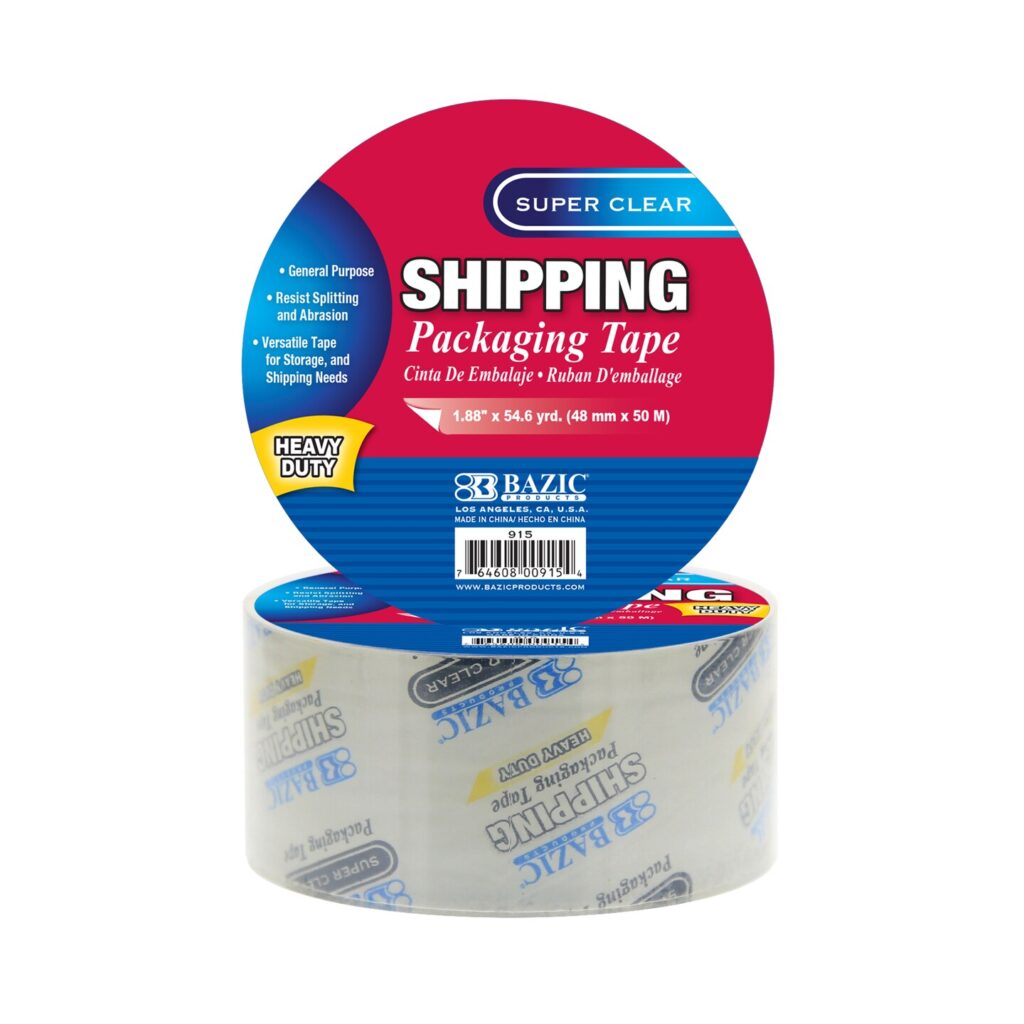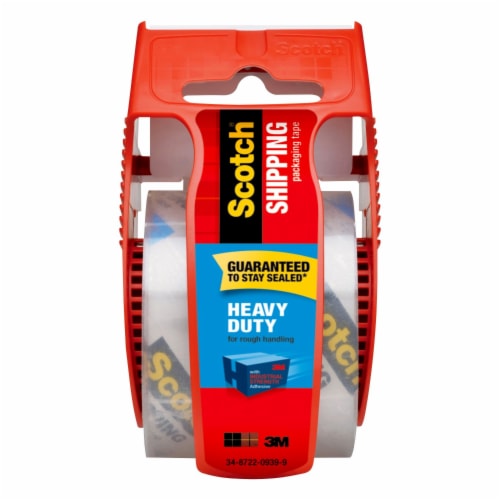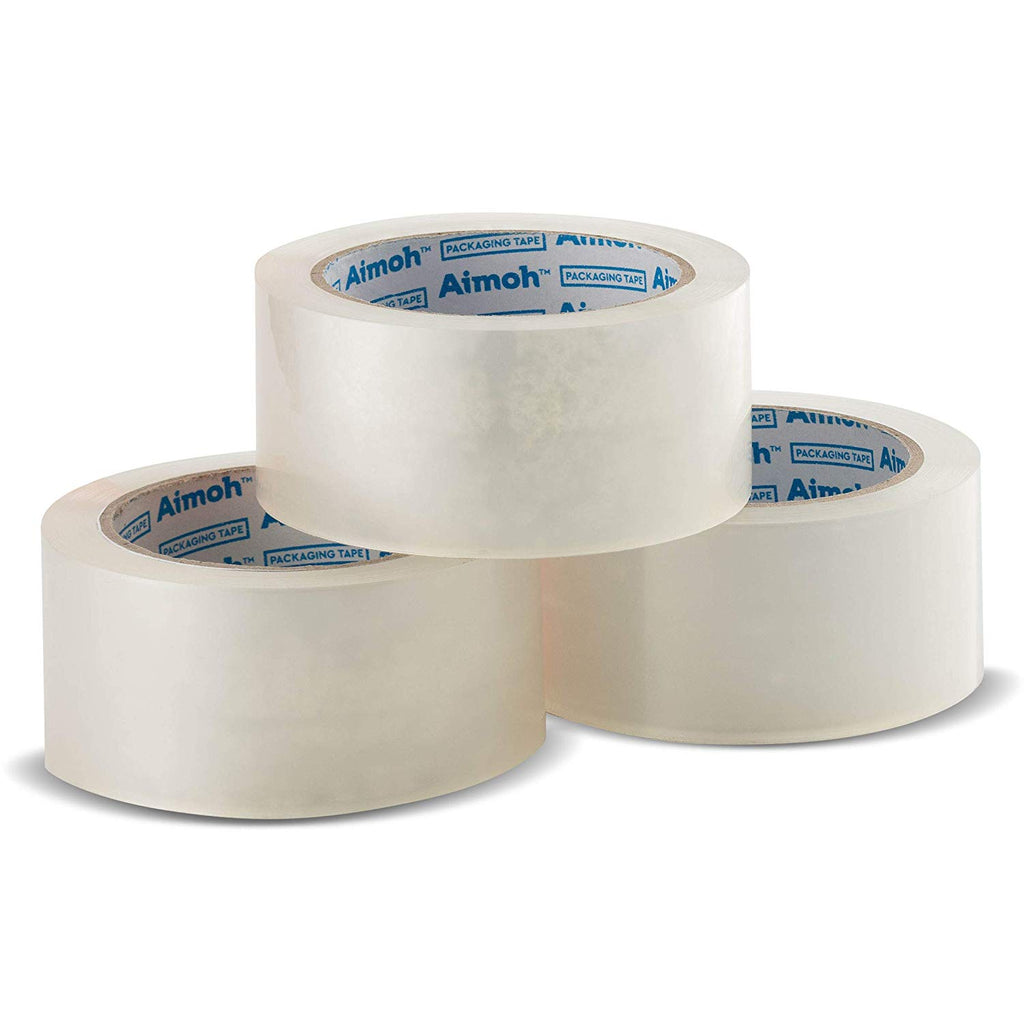
Introduction: Navigating the Global Market for Fragile tape roll
Sourcing industrial-grade fragile tape rolls for international logistics networks presents a critical procurement challenge that extends far beyond basic adhesive selection. As supply chains expand across emerging markets—from São Paulo’s export corridors to Riyadh’s e-commerce fulfillment hubs—procurement teams must navigate complex variables including acrylic adhesive formulations, mil thickness standards, and high-visibility printing durability. The consequences of substandard selection are immediate: compromised shipments of glassware, electronics, and precision instruments that erode profit margins and damage hard-won client relationships in competitive B2B environments.
What Specifications Define Premium Fragile Tape for Global Trade?
This guide comprehensively examines the technical distinctions between consumer-grade and industrial fragile tape solutions, analyzing critical metrics from 2.2 mil thickness durability to yardage optimization strategies (30-yard versus 55-yard rolls). We explore application-specific requirements across sectors, including pharmaceutical cold-chain logistics, fine art transportation, and retail distribution, while addressing regional compliance variations affecting buyers in Saudi Arabia, Brazil, Nigeria, and European Union markets.
How Can Buyers Optimize Costs Without Compromising Protection?
Beyond unit pricing analysis, we investigate volume discount structures, supplier vetting protocols for cross-border partnerships, and freight efficiency calculations specific to tape roll inventories. Learn to evaluate acrylic adhesive performance in extreme climates, negotiate favorable contract terms for bulk procurement, and establish quality assurance benchmarks that prevent costly supply chain interruptions.
By mastering these strategic sourcing principles, B2B procurement teams across Africa, South America, the Middle East, and Europe will gain the actionable intelligence necessary to secure reliable packaging partnerships, streamline tender processes, and ensure consistent product protection across diverse regulatory frameworks.
Understanding Fragile tape roll Types and Variations
| Type Name | Key Distinguishing Features | Primary B2B Applications | Brief Pros & Cons for Buyers |
|---|---|---|---|
| Standard Pre-Printed Polypropylene | 2.2 mil thickness, acrylic adhesive, 55yd length, red print on white backing | General warehouse packing, e-commerce fulfillment, domestic shipping | Cost-effective for SMEs; limited durability for long-haul international transit without reinforcement |
| Extended-Length Industrial Rolls | 110+ yard length, compatible with automated dispensers, bulk pricing tiers | High-volume distribution centers, automated packing lines | Reduces changeover downtime by 50%; requires industrial-grade dispensers and higher upfront capital |
| Heavy-Duty Export Grade | 3.0+ mil thickness, solvent-based adhesive, reinforced backing | International freight, containerized shipping, heavy machinery parts | Superior adhesion in extreme climates; premium pricing and limited supplier availability in some regions |
| Eco-Friendly Paper/Kraft Tape | Water-activated or pressure-sensitive, recyclable paper backing, biodegradable adhesives | European markets, sustainable supply chains, paper-based packaging systems | Aligns with ESG compliance and EU regulations; humidity-sensitive and requires specific dispensers |
| Custom-Branded Security Tape | Company logo + fragile messaging, tamper-evident features, custom color schemes | Luxury goods, electronics, pharmaceutical distribution | Enhanced brand visibility and theft deterrence; higher MOQs (500+ rolls) and 4-6 week lead times |
What Are the Specifications of Standard Pre-Printed Polypropylene Fragile Tape?
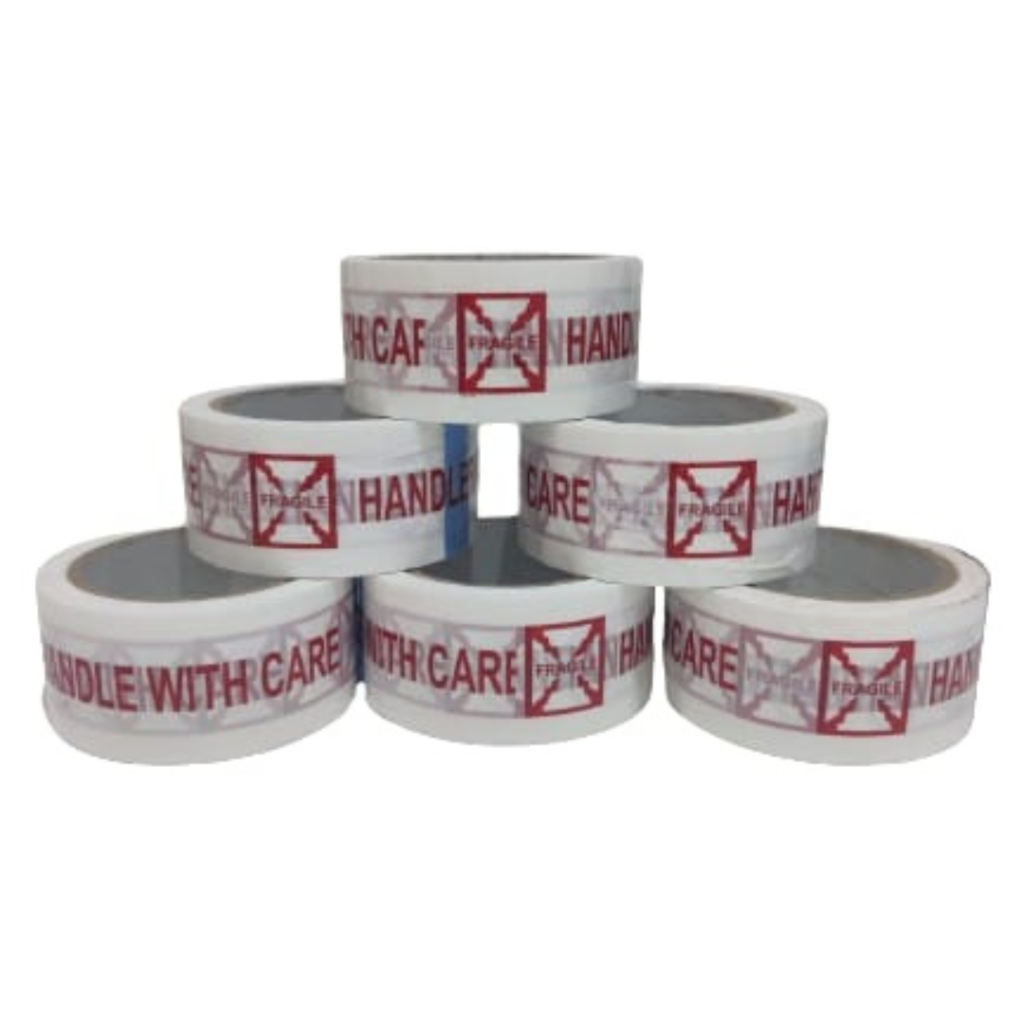
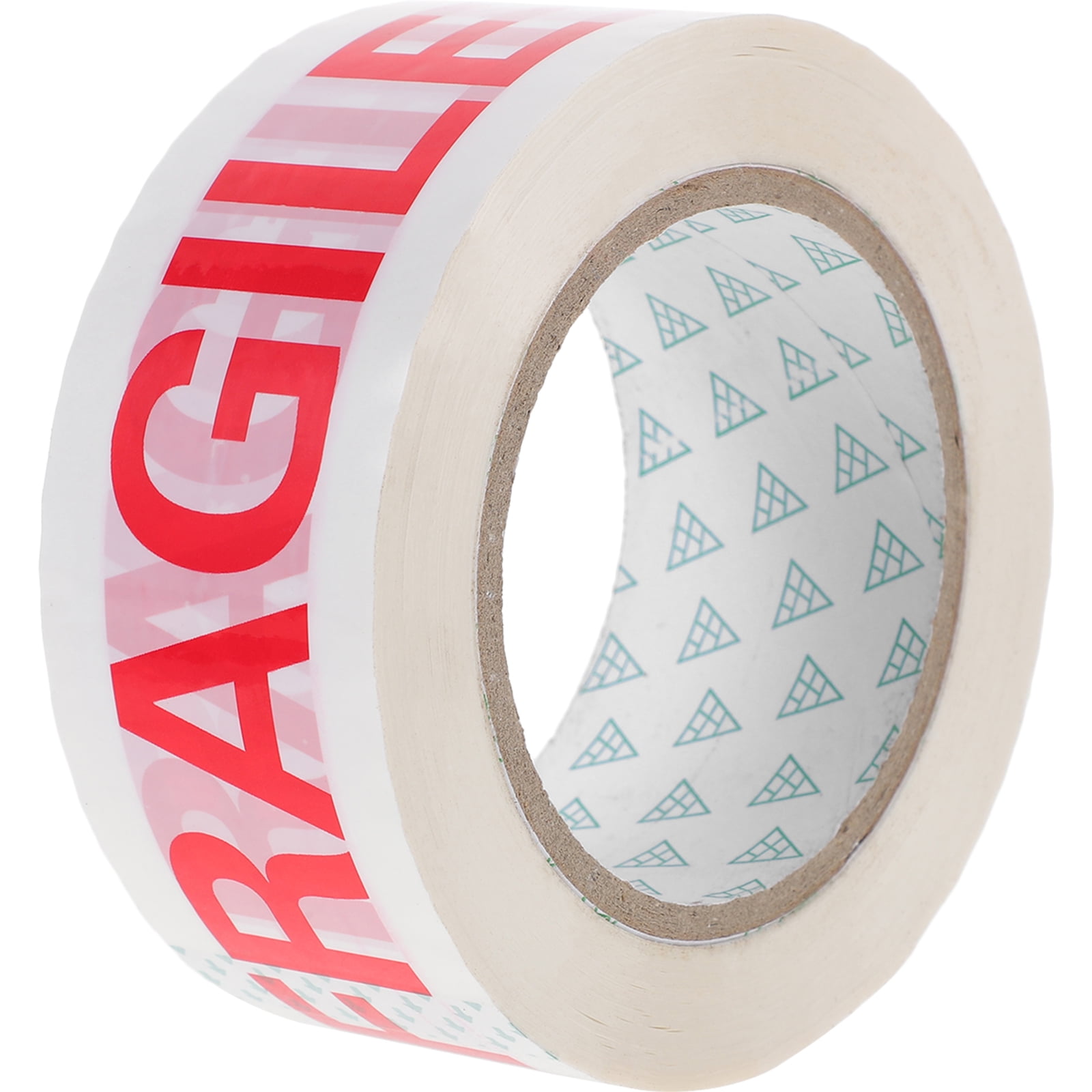
This category represents the industry baseline, typically featuring 2.2 mil thickness with acrylic adhesive on polypropylene backing. Standard rolls measure 2 inches by 55 yards, offering approximately 240 pre-printed “FRAGILE” warnings per roll. For B2B buyers in Brazil and Saudi Arabia managing mid-volume distribution, this type balances visibility with cost-efficiency. However, user feedback indicates that standard mil thickness may require double-sealing for heavy export loads, making it essential to verify adhesive quality and tensile strength when sourcing from international suppliers to ensure compliance with regional handling standards.
How Do Extended-Length Industrial Rolls Optimize High-Volume Operations?
Extended-length variants, typically 110 yards or more, are engineered for continuous-use environments such as automated packing stations and large-scale fulfillment centers. These rolls reduce changeover frequency by 50% compared to standard 30-yard lengths, directly improving line efficiency and reducing labor interruptions. For buyers across African and South American markets where operational downtime carries significant labor costs, bulk quantity pricing—often tiered at 36+ roll thresholds—provides substantial unit economics. Procurement teams must ensure dispenser compatibility, as industrial-grade tape guns are required to handle the increased roll weight and tension without jamming.
When Should B2B Buyers Choose Heavy-Duty Export Grade Fragile Tape?
Heavy-duty variants feature enhanced thickness (3.0 mil or greater) and solvent-based adhesives formulated to withstand temperature fluctuations during international container shipping. This specification is critical for Middle Eastern and African exporters facing extreme climate variations from desert heat to humid port conditions. While commanding premium pricing per roll, these tapes eliminate the need for secondary reinforcement, reducing total material costs and package weight. Buyers should prioritize suppliers offering consistent adhesive performance across varying humidity levels to prevent edge-lifting during multi-week ocean transit.
Why Consider Eco-Friendly Paper-Based Fragile Tape for European Compliance?
Water-activated or pressure-sensitive kraft paper tapes address stringent EU packaging regulations and corporate ESG mandates prevalent in European markets. Unlike polypropylene, these tapes integrate seamlessly with corrugated recycling streams, eliminating labor-intensive separation requirements. For European buyers and exporters shipping to the EU, this type mitigates compliance risks associated with plastic packaging taxes and sustainability audits. However, procurement teams must account for specialized dispensers and climate-controlled storage protocols, as paper-based adhesives can degrade in high-humidity environments common in tropical regions like Brazil or West Africa.
How Can Custom-Branded Fragile Tape Enhance Supply Chain Security?
Custom-branded variants combine standard fragile warnings with corporate logos, barcodes, or tamper-evident patterns to deter theft and reinforce brand identity during transit. Particularly valuable for electronics and pharmaceutical distributors in high-risk corridors, these tapes require minimum order quantities typically starting at 500+ rolls and 4-6 week production lead times. While unit costs exceed standard pre-printed options, the integration of security features reduces pilferage losses and eliminates the need for separate branded
Key Industrial Applications of Fragile tape roll
| Industry/Sector | Specific Application of Fragile tape roll | Value/Benefit for the Business | Key Sourcing Considerations for this Application |
|---|---|---|---|
| Logistics & Freight Forwarding | High-volume carton sealing with integrated “FRAGILE” warning for mixed freight handling and cross-docking operations | Eliminates separate labeling steps; reduces handling errors and damage claims by 15-25%; accelerates dock-to-door throughput in high-velocity hubs | Acrylic adhesive rated for extreme temperature fluctuations (-20°C to 60°C); high tensile strength (2.2+ mil) for heavy loads; bulk pallet pricing for volume consistency |
| E-commerce & Retail Fulfillment | Automated sealing of glassware, ceramics, and consumer electronics with immediate visual handling cues for last-mile delivery | Reduces packing labor by 30-40% through consolidated sealing/labeling; minimizes return rates due to handling damage; enhances brand perception during unboxing | Compatibility with tape dispensers/guns; high-contrast red-on-white print for low-light warehouses; moisture-resistant adhesive for humid climates (e.g., Brazil, Gulf regions) |
| Electronics & Pharmaceutical Manufacturing | Secure sealing of component boxes, cleanroom packages, and anti-static bags containing semiconductors or medical devices | Prevents ESD and physical damage during intra-facility transport; ensures compliance with cleanroom protocols; reduces contamination risks from paper labels | Low-noise unwinding for sensitive environments; residue-free acrylic adhesive; anti-static properties; compliance with FDA/ESD standards; dust-resistant backing |
| Export Packaging & International Trade | Multi-language fragile warning sealing for ocean freight containers and air cargo destined for emerging markets | Mitigates customs inspection damage; reduces total loss incidents in long-haul supply chains; satisfies international shipping insurance requirements without translation costs | UV-resistant ink for tropical port storage; 55+ yard rolls for high-yield sealing; adherence to ISO 780 packaging symbols; salt-air corrosion-resistant adhesive for maritime routes |
How does fragile tape streamline high-volume logistics operations?
In high-throughput distribution centers across Saudi Arabia and Brazil, fragile tape serves as both sealant and warning system, eliminating the need for separate paper labels that can detach during handling. When applied to corrugated shippers containing mixed freight, the high-visibility red print immediately alerts warehouse personnel to implement gentle handling protocols during sortation. This dual-function approach reduces packing station labor by consolidating sealing and labeling into a single step, while significantly lowering damage rates and associated insurance claims during the cross-docking processes typical of regional 3PL hubs.
What are the best practices for fragile tape application in e-commerce fulfillment?
For online retailers managing fragile home goods and consumer electronics, integrating pre-printed fragile tape into semi-automated packing lines ensures consistent application without creating bottlenecks. The tape’s bright visual cue helps last-mile delivery partners in densely populated European and Middle Eastern urban centers identify packages requiring careful stacking and vehicle positioning. Businesses sourcing for South American markets should specify acrylic adhesives formulated for humid subtropical climates to prevent edge lifting during monsoon seasons, ensuring the warning remains visible from warehouse to customer doorstep.
Why is fragile tape critical for electronics and pharmaceutical supply chains?
Sensitive electronics and medical device manufacturers require tamper-evident sealing that communicates handling requirements without introducing paper contaminants or particulates. Fragile tape with low-residue acrylic adhesive protects cleanroom environments while securing anti-static packaging during intra-facility transport. In African and Middle Eastern manufacturing zones, where temperature fluctuations between climate-controlled facilities and outdoor transport can compromise tape integrity, selecting 2.2-mil thickness variants ensures the seal maintains adhesion during thermal expansion cycles, preventing exposure to dust and moisture that could damage sensitive semiconductor components.
How can exporters ensure compliance and protection using fragile tape in international shipping?
When preparing goods for ocean freight from European ports to destinations in Africa or South America, fragile tape provides essential handling instructions that transcend language barriers without additional labeling costs. The universal “FRAGILE” marking satisfies international shipping insurance requirements while withstanding tropical humidity during extended trans-shipment. Exporters should source UV-resistant printed rolls that prevent fading during port storage in direct sunlight, and verify that adhesive formulations resist salt-air corrosion—critical for maintaining seal integrity on maritime routes through the Suez Canal or around Cape Horn where container condensation is prevalent.
A stock image related to Fragile tape roll.
3 Common User Pain Points for ‘Fragile tape roll’ & Their Solutions
Scenario 1: Why Does Fragile Tape Lose Adhesion in Extreme Heat and Humidity?
The Problem: In regions with high temperatures and humidity—common in Saudi Arabian logistics hubs or Brazilian coastal warehouses—standard fragile tape rolls often suffer from adhesive degradation. Hot melt adhesive formulations can soften and lose tack in temperatures exceeding 40°C, causing “FRAGILE” labels to peel off during transit. This leaves delicate electronics, glassware, and ceramics unmarked and vulnerable to rough handling, resulting in increased damage rates, insurance claims, and strained client relationships.
The Solution: Switch to acrylic-based adhesive fragile tape rolls, which offer superior temperature resistance ranging from -20°C to 60°C and maintain tack in humid conditions. Ensure the tape features a minimum 2.2 mil thickness for structural integrity. Store inventory in climate-controlled environments away from direct sunlight, and verify surface compatibility—acrylic performs best on clean, dry corrugated surfaces without dust accumulation common in open-air loading docks across African and Middle Eastern supply chains.
Scenario 2: How Can You Ensure Fragile Warnings Are Visible in Fast-Paced Warehouses?
The Problem: Warehouse staff in high-volume distribution centers across Africa and Europe often miss fragile warnings when tape is too thin or lacks contrast. When “FRAGILE” prints appear washed out or use low-visibility colors, or when sub-2.0 mil thickness standards are not met, handlers cannot distinguish priority packages from standard freight during rapid sorting. This visibility gap leads to preventable breakage of sensitive inventory, costly reverse logistics, and damaged B2B relationships in competitive markets.
The Solution: Implement high-visibility fluorescent red or orange fragile tape with bold, large-font printing and minimum 2.2 mil thickness. Opt for 2-inch width rolls—the industrial standard—to ensure compatibility with standard tape dispensers while maximizing visibility. Apply tape in an “H-pattern” across box seams rather than just strip-sealing, creating multiple visual touchpoints that catch attention even in dimly lit storage facilities or during night-shift operations common in global logistics hubs.
Scenario 3: How Can B2B Buyers Optimize Bulk Pricing While Maintaining Brand Identity?
The Problem: Procurement managers for multi-location operations across emerging markets struggle to reconcile the need for branded packaging with fragile handling requirements. Ordering separate custom labels and standard tape strains operational budgets and adds processing time, while generic fragile tape misses valuable marketing opportunities. Additionally, navigating complex bulk pricing tiers—where 36+ rolls trigger significant per-unit discounts—creates inventory management challenges for
Strategic Material Selection Guide for Fragile tape roll
Selecting the optimal substrate for fragile tape rolls requires balancing climatic resilience, regulatory compliance, and total cost of ownership across diverse international supply chains. For procurement teams operating in Africa, South America, the Middle East, and Europe, material choice directly impacts both product protection during transit and adherence to evolving sustainability mandates. The following analysis examines three primary substrate technologies, each offering distinct performance profiles for high-volume B2B applications.
Which Substrate Material Ensures Maximum Visibility for Fragile Handling Instructions in Extreme Temperatures?
PVC (polyvinyl chloride) film represents the premium tier for fragile tape manufacturing, particularly valued in Middle Eastern and North African markets where surface temperatures during transport can exceed 60°C. The material’s molecular structure provides exceptional conformability to corrugated board textures, ensuring that “FRAGILE” warnings maintain contact with box surfaces even when subjected to vibration during long-haul trucking. Unlike polypropylene alternatives, PVC maintains adhesive integrity across wider temperature ranges, preventing the “flagging” or edge-lifting that compromises warning visibility. Furthermore, PVC’s resistance to UV degradation ensures that labels remain conspicuous during extended outdoor storage in Saudi Arabian distribution yards. Procurement specialists appreciate the substrate’s superior print receptivity, which allows for high-contrast red-on-white graphics that remain legible despite dust accumulation. However, the material commands 40-50% higher per-unit costs than standard
A stock image related to Fragile tape roll.
In-depth Look: Manufacturing Processes and Quality Assurance for Fragile tape roll
For B2B procurement teams sourcing fragile tape rolls across diverse climate zones—from the humid ports of Santos to the arid logistics hubs of Riyadh—understanding manufacturing intricacies directly impacts supply chain integrity. The convergence of substrate engineering, adhesive formulation, and precision printing determines whether your “FRAGILE” warning remains legible after weeks in container shipping or fails during critical handling operations. High-volume buyers must look beyond surface-level specifications to verify that production methodologies account for regional temperature extremes, automated packaging compatibility, and international regulatory frameworks.
What Substrate and Adhesive Combinations Withstand Extreme Climate Variations?
Premium fragile tape manufacturing begins with biaxially oriented polypropylene (BOPP) film selection, typically ranging from 1.8 to 2.5 mil thickness depending on load-bearing requirements. For buyers in Saudi Arabia, Brazil, and equatorial African nations, acrylic adhesive systems outperform hot-melt alternatives due to superior temperature stability across -10°C to 60°C ranges without adhesive creep or failure. The coating process involves precision gravure or slot-die application, ensuring uniform adhesive deposition of 20-25 grams per square meter. This consistency prevents “oozing” in high-heat environments—a critical defect when tape is palletized in non-climate-controlled Middle Eastern warehouses. Manufacturers should provide glass transition temperature (Tg) specifications, with optimal acrylic formulations maintaining adhesion integrity above 50°C ambient temperatures while resisting humidity-induced delamination during monsoon seasons in South American and West African ports.
How Are High-Visibility Graphics Applied Without Compromising Structural Integrity?
The “FRAGILE” warning integration employs flexographic printing using solvent-based or UV-cured inks on the BOPP substrate prior to adhesive coating. This “reverse printing” technique—applying graphics to the non-adhesive side through the film—protects the message from abrasion during transit while maintaining tape clarity and preventing ink transfer onto packaged goods. For European and Middle Eastern markets requiring multilingual warnings, rotary screen or digital printing capabilities enable crisp Arabic script or Portuguese “FRÁGIL” markings without bleeding or registration errors. Quality checkpoints include rub-testing (ASTM D5264) to verify ink adhesion after 50+ abrasion cycles, ensuring legibility remains intact from manufacturing facilities through to final-mile delivery in Lagos or São Paulo. Color fastness testing under UV exposure simulates extended outdoor storage, preventing the red warning from fading to pink during prolonged customs clearance periods.
Which Quality Control Tests Validate Performance for International Shipping?
Rigorous QC protocols separate commodity-grade from industrial-grade fragile tape suitable for export logistics. Peel adhesion testing per ASTM D3330 standards should demonstrate minimum 20 oz/inch adhesion to corrugated fiberboard immediately after application and 24 hours later, while shear resistance testing (ASTM D3654) validates holding power under static load—critical for heavy freight moving through vibrating container environments. Climate-specific testing includes 72-hour humidity chamber exposure (95% RH at 40°C) for South American and Southeast Asian destinations, and thermal shock cycling between -5°C and 55°C for desert logistics corridors. Manufacturers committed to B2B reliability also conduct unwind force testing (0.5-2.0 N range) and noise-level verification, ensuring consistent tension across 55-yard rolls to prevent dispenser jamming and operator fatigue in high-volume automated packaging lines common in European distribution centers.
What Roll Conversion Standards Ensure Automated Packaging Compatibility?
Post-manufacturing slitting and winding operations demand precision to meet international machinery specifications and prevent costly downtime. Width tolerances must maintain ±0.5mm on standard 48mm (2-inch) widths to prevent tracking errors in pneumatic tape dispensers used by third-party logistics providers across Europe and the Middle East. Winding tension control prevents “telescoping”—lateral shifting of tape layers that causes waste and edge damage during high-speed application. Core specifications matter equally; 3-inch diameter cardboard cores with crush-resistant specifications (minimum 40-pound edge crush test) withstand stacking pressures during ocean freight from Asian manufacturing hubs to African distribution centers. Length verification systems should guarantee ±1% yardage accuracy, ensuring procurement teams receive full value on bulk 110-yard industrial rolls versus standard 30-yard consumer equivalents, while automated vision systems detect print registration errors before packaging.
How Can Buyers Verify Ethical Manufacturing and Regulatory Compliance?
For European buyers navigating REACH regulations and Middle Eastern importers requiring SASO compliance, manufacturing transparency extends beyond physical performance. Verify ISO 9001:2015 certification for quality management systems and ISO 14001 environmental controls, particularly regarding solvent recovery systems in printing operations that reduce volatile organic compound emissions. RoHS compliance ensures tape formulations exclude heavy metals and restricted phthalates—essential for electronics shipments to EU markets and increasingly important for Saudi Arabian sustainability initiatives. For African development contracts and Brazilian government tenders, manufacturers should provide Sedex or BSCI audit reports confirming ethical labor practices and facility safety standards. Request batch-specific COAs (Certificates of Analysis) documenting adhesive lot numbers, film gauge measurements, and print registration accuracy to facilitate customs clearance, insurance documentation, and supply chain traceability requirements.
What Customization Capabilities Support Regional Branding and Handling Requirements?
Beyond standard red-on-white “FRAGILE” printing, advanced manufacturers offer Pantone-matched corporate colors and barcode integration for inventory tracking systems prevalent in European automated warehouses. Multi-language plate configurations accommodate simultaneous English/Arabic or Portuguese/Spanish warnings without changeover delays, supporting pan-regional distribution strategies. For high-value electronics exporters to Middle Eastern and African markets, tamper-evident fragile tape with void-release messaging provides security alongside handling instructions. Custom roll lengths—ranging from compact 10-yard rolls for artisanal exporters to 1000-yard jumbo rolls for automated case sealers—optimize cost per seal while reducing changeover frequency. Minimum order quantities for customization typically start at 5,000 rolls for flexographic printing, though digital printing options accommodate lower volumes for specialized regional launches.
Understanding these manufacturing variables enables procurement teams to specify tape solutions that maintain adhesive integrity across climate extremes, ensure regulatory compliance in target markets, and optimize automated application efficiency. When evaluating suppliers for fragile tape roll contracts, prioritize those offering documented QC traceability, climate-specific performance data, and regional customization capabilities tailored to your specific logistics corridors from São Paulo to Dubai.
Practical Sourcing Guide: A Step-by-Step Checklist for ‘Fragile tape roll’
Procuring fragile tape rolls for international logistics operations requires balancing cost efficiency with performance reliability across diverse climate zones. This checklist guides procurement teams through critical decision points—from adhesive chemistry to volume optimization—ensuring your packaging infrastructure meets regulatory standards and operational demands in markets from São Paulo to Riyadh.
How Do You Select Specifications for High-Humidity Environments?
Specify 2.2 mil thickness minimum with acrylic adhesive formulations for tropical climates prevalent in Brazil and West African markets. Standard 2-inch width accommodates most carton sealing applications, while 55-yard rolls reduce changeover frequency compared to 30-yard alternatives. Request samples to test adhesion on recycled corrugated materials common in emerging markets, ensuring the tape bonds effectively without delamination during monsoon seasons or desert heat exposure.
What Volume Calculations Reduce Total Landed Costs?
Analyze monthly carton throughput to leverage tiered pricing structures typically starting at 36-roll thresholds for optimal unit economics. Calculate cubic meter efficiency—shipping 55-yard rolls versus 30-yard variants significantly affects container utilization rates. Factor in 15-20% buffer stock for seasonal demand spikes, such as Saudi Arabia’s relocation peak seasons or Brazil’s agricultural export periods, while accounting for 60-90 day international lead times.
Which Certifications Validate Supplier Reliability?
Verify ISO 9001 quality management and SGS adhesion testing reports before contract execution. For Middle Eastern markets, confirm compliance with Gulf Standardization Organization (GSO) requirements; European buyers should require REACH certification regarding adhesive chemical safety. Request batch-specific CoC (Certificate of Conformance) documentation to ensure consistent thickness tolerances and legible red “FRAGILE” printing that meets international shipping visibility standards.
How Should You Test Adhesive Performance Pre-Purchase?
Conduct shear-resistance testing simulating 48-hour exposure to 40°C temperatures and 85% humidity—conditions typical in Nigerian or Saudi logistics hubs. Validate that printed warnings remain legible after UV exposure during port storage, and ensure the tape releases cleanly from dispensers without splitting. This prevents operational delays in high-volume distribution centers where automated sealing machinery requires consistent unwind tension.
What Packaging Standards Protect Transit Integrity?
Specify palletized shipping with moisture-barrier wrapping to prevent adhesive degradation during ocean freight. Require corner-board protection and strapping that prevents roll crushing—damaged cores cause dispensing inefficiencies that slow production lines. For European rail freight or African road networks, insist on shock-resistant packaging that withstands multi-modal transfer points without compromising roll geometry or creating “telescoping” layers that jam dispensers.
How Do You Structure Payment and Delivery Terms?
Negotiate 30% deposit with 70% against Bill of Lading (B/L) terms to mitigate cross-border risks. Clarify Incoterms 2020 responsibilities—FOB suits port-centric buyers in Brazil, while CIP benefits inland European destinations. Establish contingency clauses for production pauses during Chinese New Year or Ramadan that affect supply chain continuity, ensuring your fragile tape inventory never compromises critical export shipments.
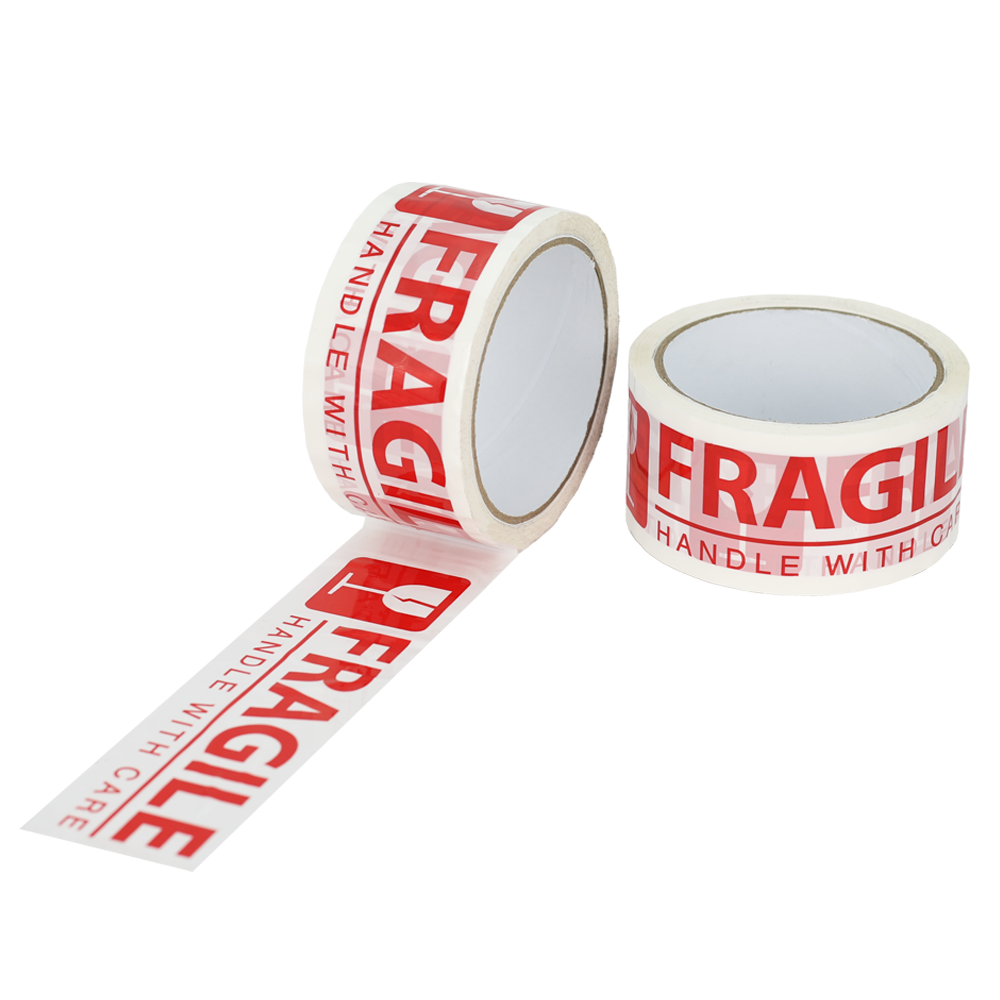
A stock image related to Fragile tape roll.
Comprehensive Cost and Pricing Analysis for Fragile tape roll Sourcing
When evaluating fragile tape roll suppliers, savvy procurement teams look beyond sticker prices to understand the total cost of ownership (TCO). For international buyers operating in markets like Saudi Arabia, Brazil, or South Africa, where import logistics and currency fluctuations significantly impact margins, a granular analysis of pricing structures ensures competitive procurement without compromising supply chain reliability.
How to Calculate True Cost Per Meter for Fragile Tape Comparisons?
Standard roll lengths vary dramatically between suppliers—ranging from 30-yard consumer rolls to 110-yard industrial versions—making direct price comparisons misleading. Calculate your cost per linear meter by dividing the unit price by total yardage (converting yards to meters: 1 yard = 0.9144 meters). A 55-yard roll priced at $4.59 delivers approximately $0.091 per meter, while shorter 30-yard alternatives often command higher per-meter rates despite lower absolute prices. For high-volume operations, this metric reveals that bulkier 110-yard rolls typically reduce material costs by 15-25% compared to standard lengths, though they require compatible heavy-duty dispensers.
What Volume Pricing Tiers Should B2B Buyers Expect?
Industrial fragile tape procurement follows predictable volume breaks. Entry-level pricing typically applies to 1-5 roll quantities, with meaningful discounts triggering at 6-11 units (often 10-15% reductions) and deeper cuts at 36+ rolls (reaching 20-25% below retail). For container-level imports to African or South American markets, negotiate pallet pricing directly with manufacturers rather than distributors, as intermediary markups can inflate costs by 30-40%. Request tiered quotes based on quarterly consumption rather than single orders to unlock contract pricing without excessive inventory carrying costs.
How Do Material Specifications Impact Fragile Tape Pricing?
Acrylic adhesive systems, commonly specified for temperature-stable storage environments, typically cost 10-12% more than hot-melt alternatives but offer superior longevity in humid climates like coastal Brazil or the Gulf region. Thickness matters: standard 2.0-2.2 mil tapes suit general applications, while heavy-duty 3.0+ mil variants command premium pricing for export shipping. Custom printed branding or multilingual “Fragile” warnings (essential for Middle Eastern and European markets) add $0.02-0.05 per meter depending on color complexity and minimum order quantities, which typically start at 5,000+ rolls for custom runs.
What Hidden Costs Impact International Fragile Tape Procurement?
For buyers importing from Asian manufacturing hubs, factor in dimensional weight shipping costs—tape rolls are deceptively heavy in bulk. Import duties on adhesive tapes vary significantly: Saudi Arabia applies 5% customs duty plus 15% VAT, while Brazil’s Mercosur tariffs can reach 12-18% for non-regional suppliers. Additionally, consider dispenser compatibility costs; investing in ergonomic tape guns reduces application time by 40% but adds $8-12 per unit. Storage humidity controls may be necessary in tropical climates to prevent adhesive degradation, adding warehousing overhead that affects TCO calculations.
How Can Procurement Teams Optimize Long-Term Fragile Tape Costs?
Beyond unit pricing, negotiate consignment inventory agreements where suppliers maintain stock in your local warehouse, reducing working capital requirements. For seasonal businesses, flexible scheduling clauses prevent obsolescence. Request samples from multiple suppliers to test adhesion on your specific corrugated board grades—cheaper tapes that fail during transit generate exponential damage costs. Finally, consolidate fragile tape orders with complementary packaging materials (bubble wrap, corner protectors) to achieve freight economies and simplify supplier management across diverse regional markets.
Alternatives Analysis: Comparing Fragile tape roll With Other Solutions
When evaluating protective packaging for international logistics, procurement teams must weigh the operational efficiency of fragile tape rolls against traditional methods. While printed fragile tape streamlines the sealing and labeling process into a single step, alternative solutions may better suit specific shipping volumes, budget constraints, or regulatory requirements across diverse supply chain environments—from Saudi Arabian distribution centers to Brazilian manufacturing hubs.
| Comparison Aspect | Fragile Tape Roll | Conventional Clear Tape + Adhesive Labels | Direct Industrial Marker Marking |
|---|---|---|---|
| Performance & Visibility | High-contrast printed text (red on white), tamper-evident seal, 2.2 mil thickness | Dependent on label quality; risk of label detachment during transit | Limited visibility; vulnerable to smudging in humid conditions (e.g., Brazilian ports, Middle Eastern heat) |
| Cost Structure | $4.59–$6.00 per 55-yard roll; no additional labeling costs | Lower tape cost ($2–3 per roll) + $0.02–$0.05 per label | Minimal cost ($0.01–$0.02 per box for markers) |
| Ease of Implementation | Single-step application; reduces labor time by 30–40% | Two-step process requires alignment precision; training needed for consistent placement | Immediate application; no equipment needed but requires quality control checks |
| Scalability | Ideal for medium-volume operations (100–1,000 boxes/day) | Suitable for variable volumes; easy to adjust label quantities | Best for low-volume or temporary operations; labor-intensive at scale |
| Customization | Limited to standard “FRAGILE” text; color variations available | Full customization possible with branded or multilingual labels | Highly flexible but unprofessional appearance for B2B shipments |
| Durability in Transit | Acrylic adhesive withstands -20°C to 60°C; resistant to humidity | Label adhesion varies; tape and label may separate under stress | Vulnerable to water damage, fading, and abrasion during international shipping |
Is fragile tape roll more efficient than using separate labels and tape?
The conventional approach of applying clear packing tape followed by adhesive fragile labels remains prevalent in cost-sensitive markets across Africa and South America. While this hybrid method offers procurement flexibility—allowing businesses to source generic tape and specialized labels separately—it introduces significant operational friction. Warehouse personnel must execute two distinct application steps, increasing packing time by approximately 15–20 seconds per carton. For distribution centers processing 500+ units daily, this compounds to substantial labor costs and throughput bottlenecks. Additionally, adhesive labels carry detachment risks during international transit, particularly when exposed to humidity fluctuations common in coastal Brazilian ports or Middle Eastern shipping routes. However, for manufacturers shipping diverse product categories requiring different handling instructions—such as “This Side Up” versus “Glass”—separate labels provide superior customization without committing to single-use fragile tape inventory. This approach also accommodates bilingual or trilingual compliance labeling required in European Union markets, whereas standard fragile tape typically offers limited language options.
How does direct box marking compare for international B2B compliance standards?
Industrial permanent markers represent the most economical alternative, particularly for startups and SMEs in emerging markets managing tight operational budgets. This method eliminates consumables inventory entirely, requiring only waterproof markers and basic quality control protocols. However, for European and Middle Eastern B2B buyers accustomed to ISO-compliant packaging standards, handwritten markings may signal operational informality, potentially affecting brand perception during customs inspections or client receiving processes. The technique also presents environmental vulnerabilities—ink runs in tropical climates prevalent across West Africa and Southeast Asia, while markings fade under prolonged UV exposure during outdoor storage in arid Middle Eastern conditions. Direct marking suits temporary warehouse operations, internal inventory transfers, or non-retail B2B contexts where packaging aesthetics are secondary to function. Yet for fragile electronics, medical equipment, or high-value exports requiring documented handling protocols, this method presents unacceptable compliance risks and liability exposure during international freight claims.
Essential Technical Properties and Trade Terminology for Fragile tape roll
When procuring fragile tape rolls for international logistics operations, understanding technical specifications ensures compliance with handling protocols while optimizing cost-per-unit economics. For buyers managing supply chains across diverse climate zones—from Saudi Arabia’s extreme heat to Brazil’s tropical humidity—material specifications directly impact adhesion performance and label legibility throughout the transit cycle.
What Mil Thickness Ensures Durability During International Transit?
Specify 2.0 to 2.5 mil thickness for standard carton sealing, while 3.0+ mil accommodates heavier export packaging. This measurement (one-thousandth of an inch) indicates film strength and resistance to edge splitting when handlers apply compression during stacking. Thicker films reduce breakage incidents in high-volume African and South American distribution centers where rough handling is common.
How Do Acrylic Adhesive Formulations Perform in Tropical Climates?
Acrylic adhesives offer superior temperature stability for Middle Eastern and South American markets, maintaining effective tack between -20°C and 80°C. Unlike hot-melt alternatives that soften in extreme heat, acrylic provides clean removal characteristics and UV resistance, preventing adhesive transfer onto delicate surfaces during prolonged outdoor warehouse exposure in desert or equatorial environments.
What Roll Dimensions Deliver Optimal Cost-Per-Impression Value?
Standard 48mm (2-inch) width accommodates most single-wall and double-wall carton flaps, while length options (30-yard retail vs. 55-yard industrial) determine printing economies. Calculate impressions per roll—approximately 240 fragile warnings per 30-yard roll—to determine whether extended 110-yard industrial lengths better suit high-volume European export operations requiring fewer changeovers.
Why Does Print Legibility Specification Matter for Customs Handling?
Specify solvent-based or UV-resistant inks for high-contrast visibility, typically red text on white film. This ensures “FRAGILE” messaging remains legible after exposure to moisture, dust, or intense sunlight during outdoor transshipment in African ports or Middle Eastern customs yards, reducing handling errors and inspection delays.
How Does Film Grade Classification Impact Export Compliance?
Polypropylene (BOPP) film grades differentiate between general packaging and export-grade specifications. Export-grade tapes feature higher tensile strength (≥20 N/cm) and low-noise unwinding properties—essential for night operations in European logistics hubs and noise-sensitive residential deliveries in dense Middle Eastern urban centers.
What Is “Pre-Printed Message Tape” in Logistics Procurement?
This industry category denotes pressure-sensitive tapes combining sealing functions with handling instructions. Unlike standard packing tape requiring separate adhesive labels, these integrated solutions reduce SKU complexity and application time by 40-50%—critical for 3PL providers managing diverse export classifications across multiple trade lanes.
How Does “Core Size” Affect Dispenser Compatibility?
Standard 3-inch (76mm) cardboard cores fit industrial tape guns and automated case sealers, while 1-inch cores suit handheld dispensers. Mismatched specifications halt production lines; verify dispenser specifications before bulk ordering, particularly when equipping temporary warehouse staff during peak export seasons in Brazil or Saudi Arabia.
What Differentiates “Tack” from “Adhesion” in Technical Data Sheets?
Tack refers to immediate grip upon application (wet-out speed), while adhesion measures long-term bond strength over 24-72 hours. High-tack acrylics suit dusty export environments common in Middle Eastern logistics hubs, ensuring immediate seal integrity despite airborne particulates that compromise standard adhesives.
Understanding “Temperature Resistance Ratings” for Cross-Border Compliance
This specification indicates performance thresholds across climate zones. For Saudi Arabian or Brazilian operations, specify minimum 60°C heat resistance to prevent adhesive softening during containerized shipping, while cold-chain exports to Europe require -10°C flexibility ratings to prevent brittleness.
What Is “Elongation at Break” and Why Does It Matter?
Expressed as percentage (typically 150-180% for polypropylene BOPP), this measures stretch capacity before snapping. Higher elongation accommodates box expansion during altitude changes in air freight or humidity absorption in tropical ports, maintaining seal integrity when packages experience stress during rough handling.
Navigating Market Dynamics and Sourcing Trends in the Fragile tape roll Sector
The fragile tape roll sector is experiencing accelerated evolution as procurement teams navigate post-pandemic supply chain complexities and heightened quality standards. For international buyers operating across Africa, South America, the Middle East, and Europe, strategic sourcing requires balancing cost efficiency with performance reliability in diverse climatic and regulatory environments. Understanding current market dynamics enables procurement professionals to secure competitive advantages through informed supplier selection and inventory optimization.
What Market Dynamics Are Reshaping Fragile Tape Procurement Strategies?
The convergence of sealing and identification functions represents the most significant operational shift in recent years. Contemporary fragile tape solutions—predominantly manufactured in 2-inch widths with high-visibility red printing—eliminate the need for separate labeling processes, reducing per-package handling time by approximately 30% in automated fulfillment centers. This hybrid functionality proves particularly valuable for e-commerce logistics providers managing high-velocity operations across multiple jurisdictions, where clear damage-prevention communication reduces insurance claims and customer dissatisfaction.
Material standardization has coalesced around 2.2-mil polypropylene films with acrylic adhesive formulations, providing consistent performance across temperature variations from European cold-chain logistics to Middle Eastern ambient storage. However, procurement specialists note increasing demand for extended-length configurations (55 yards versus conventional 30-yard rolls) to minimize production line changeovers and reduce packaging waste from spent cores. Bulk quantity pricing tiers have become increasingly sophisticated, with tiered discounts typically activating at 611-unit thresholds and deeper reductions at 1,200+ units, rewarding consolidated purchasing strategies.
Regional market intelligence reveals distinct procurement priorities. Saudi Arabian and UAE-based buyers increasingly require UV-stabilized formulations to prevent adhesive degradation during outdoor storage in extreme heat, while Brazilian and broader South American markets emphasize humidity-resistant acrylics for tropical shipping corridors. African importers are prioritizing suppliers offering flexible minimum order quantities (MOQs) and dollar-denominated pricing stability to hedge against currency volatility. Meanwhile, European procurement teams face stringent regulatory compliance requirements, including REACH certification and plastic packaging tax implications, driving demand for alternative substrate solutions.
Raw material volatility presents ongoing challenges, with polypropylene resin prices fluctuating based on petrochemical markets. Forward-thinking buyers are negotiating fixed-price contracts for 12-month periods or exploring index-linked pricing mechanisms to maintain budget predictability. Additionally, customization capabilities—such as multilingual “Fragile” printing for diverse workforces or corporate color-matching for brand consistency—are becoming standard expectations rather than premium services.
How Can International Buyers Ensure Sustainable and Ethical Fragile Tape Sourcing?
Sustainability has transitioned from competitive differentiator to baseline procurement requirement, particularly for buyers serving EU markets or multinational corporations with Scope 3 emissions reduction targets. When evaluating fragile tape manufacturers, prioritize partners utilizing water-based acrylic adhesive systems rather than solvent-based alternatives, which significantly reduce volatile organic compound (VOC) emissions and eliminate hazardous air pollutants from production facilities. These eco-friendly formulations demonstrate equivalent adhesion strength while supporting corporate sustainability reporting requirements.
Material innovation presents viable pathways for environmental compliance. Recyclable paper-based fragile tapes, reinforced with fiberglass or cellulose fibers for tensile strength, offer biodegradable alternatives to traditional polypropylene while maintaining 2.2-mil equivalent durability. For plastic-dependent applications, verify post-consumer recycled (PCR) content percentages and certification against ISO 14001 environmental management standards. European buyers should specifically confirm compliance with the EU Packaging and Packaging Waste Directive (PPWD) and emerging Extended Producer Responsibility (EPR) schemes, which increasingly hold importers accountable for end-of-life packaging disposal.
Ethical sourcing extends beyond environmental metrics to encompass social accountability throughout the supply chain. Conduct thorough due diligence on manufacturing partners, verifying adherence to SA8000 standards or equivalent labor certifications, particularly when sourcing from regions with complex regulatory environments. Request transparency regarding raw material provenance, ensuring that adhesive resins and film substrates derive from conflict-free sources and facilities maintaining fair wage standards. Be vigilant against greenwashing by demanding third-party verification of environmental claims rather than accepting unsubstantiated marketing assertions.
Logistics optimization represents an often-overlooked sustainability vector. Given the high volume-to-weight ratio of tape products, consolidating orders into quarterly bulk shipments rather than monthly replenishment cycles can reduce transportation-related carbon emissions by up to 40%. Strategic buyers are increasingly establishing direct relationships with regional converters—such as Turkish or North African manufacturers for Middle Eastern and African markets, or Eastern European facilities for EU distribution—to minimize shipping distances and circumvent complex import duty structures while supporting local economic development and ensuring faster crisis response capabilities during global supply chain disruptions.
Frequently Asked Questions (FAQs) for B2B Buyers of Fragile tape roll
What is the standard width for fragile tape rolls used in industrial packaging?
The industry standard width for fragile tape rolls is 2 inches (48mm to 50mm), which ensures compatibility with standard tape dispensers and carton sealing machines used in high-volume operations. This width provides sufficient surface coverage for secure box sealing while maximizing the visibility of “FRAGILE” or “HANDLE WITH CARE” warnings across corrugated surfaces. When sourcing for automated packaging lines, verify that your dispensers accommodate this width specification to prevent feed issues and ensure consistent application pressure.
Can fragile tape rolls be custom printed with company branding and handling instructions?
Yes, manufacturers offer custom printing services that allow you to incorporate corporate logos, multilingual handling instructions, and specific regulatory symbols directly onto the tape substrate. Minimum order quantities (MOQs) typically start at 50-100 rolls depending on complexity, with flexographic or digital printing options available for high-resolution graphics. For businesses operating across Saudi Arabia, Brazil, or European markets, custom printing can include Arabic, Portuguese, or local language warnings to comply with regional handling standards and enhance brand recognition during transit.
What is the difference between acrylic and hot melt adhesive for fragile packaging tape?
Acrylic adhesive offers superior UV resistance and temperature stability, making it ideal for long-term storage and shipments exposed to extreme heat common in Middle Eastern or African climates, though it requires 24-48 hours to reach full bond strength. Hot melt adhesive provides immediate tack and superior adhesion to corrugated fibers in dusty or humid conditions typical of South American logistics hubs, but may degrade under prolonged high-temperature exposure. For international B2B shipments facing variable climates, acrylic-based fragile tape is generally recommended for containerized ocean freight, while hot melt suits short-haul distribution.
How do bulk pricing tiers work for fragile tape roll orders?
Bulk pricing typically follows volume-based tier structures where unit costs decrease at thresholds such as 6-11 rolls, 12-35 rolls, and 36+ rolls per SKU, with additional discounts available for full pallet or container-load quantities. When negotiating with suppliers, inquire about mixed-SKU palletization options that allow you to combine fragile tape with standard packing tape to reach higher tier pricing without overstocking a single product. For importers in Europe or South America, consider negotiating annual volume agreements that lock pricing against resin market fluctuations while ensuring consistent supply chain continuity.
How do I calculate yield and cost-per-box for fragile tape roll inventory planning?
Standard 55-yard fragile tape rolls yield approximately 160-180 linear feet of usable tape, sufficient to seal 80-90 standard moving boxes when using standard “H” taping methods with 1.5-foot per box consumption. To calculate your specific cost-per-box, divide the roll price by the number of boxes sealed per roll, factoring in waste from dispenser starts and operator variance. For large-scale operations in Africa or the Middle East, consider 110-yard jumbo rolls which reduce changeover frequency by 50% and lower per-foot costs by 15-20% compared to standard lengths.
What storage conditions prevent adhesive degradation in humid tropical climates?
To maintain adhesive integrity in high-humidity environments like coastal Brazil or West African ports, store fragile tape rolls in climate-controlled warehouses maintaining 40-60% relative humidity and temperatures between 65°F-75°F (18°C-24°C). Avoid direct sunlight exposure and store cartons on pallets rather than concrete floors to prevent moisture wicking that can cause edge curling or adhesive oxidation. Implement first-in-first-out (FIFO) inventory rotation, as acrylic adhesives typically maintain optimal performance for 12-18 months when stored properly in tropical conditions.
How does pre-printed fragile tape compare to using separate adhesive labels?
Pre-printed fragile tape combines sealing and labeling functions into a single application step, reducing labor costs by eliminating the need for separate label application while ensuring handling instructions cannot be removed or obscured during transit. Unlike paper labels that may detach in humid conditions, integrated printed tape provides tamper-evident security and continuous messaging across box seams. For B2B buyers managing high-volume distribution centers, this consolidation typically reduces packaging station time by 30-40% compared to dual-step seal-and-label processes.
Are fragile tape rolls compliant with international shipping and export standards?
Quality fragile tape rolls meet ISO 9001 manufacturing standards and ISTA (International Safe Transit Association) guidelines for packaging integrity, ensuring the adhesive performs under simulated distribution hazards including vibration and compression testing. When exporting to Saudi Arabia or European Union markets, verify that your supplier provides RoHS-compliant formulations free from heavy metals and phthalates, along with SGS or equivalent certification documentation for customs clearance. For aerospace or electronics exports, specify anti-static fragile tape variants that prevent electrostatic discharge while marking sensitive components.
Important Disclaimer & Terms of Use
⚠️ Important Disclaimer
The information provided in this guide, including content regarding manufacturers, technical specifications, and market analysis, is for informational and educational purposes only. It does not constitute professional procurement advice, financial advice, or legal advice.
B2B buyers must conduct their own independent and thorough due diligence before making any purchasing decisions. The risk of relying on any information in this guide is borne solely by the reader.
Top 3 Fragile Tape Roll Manufacturers & Suppliers List
1. Topever – Fragile Tape Roll
Domain: topevertape.com
Registered: 2022 (4 years)
Introduction: Fragile Tape Roll manufactured and supplied by China-based factory with product sourcing and flight consolidation services. Company operates own manufacturing unit and supplies to global markets including Europe, America, Australia, Italy, Croatia, Mauritius, and Oman. Related product offerings include Self Adhesive Tear Tape, Darvesh Self Adhesive Tape, China Packing Tape, and Bopp Gum Tape. Cust…
2. 3M – Industrial Tapes
Domain: tapesuppliers.com
Registered: 2007 (19 years)
Introduction: 3M Tape, Adhesive Tape, Carpet Tape, Cloth Tape, Duct Tape, Electrical Tape, Foam Tape, Foil Tape, High Temperature Tape, Masking Tape, PTFE Tape, Sealing Tape, Teflon Tape, Vinyl Tape; additional services include die cutting
3. iTape – Printed 260 Reinforced Water-Activated Tape
Domain: itape.com
Registered: 1998 (28 years)
Introduction: Product Name: Printed 260 Reinforced Water-Activated Tape (Fragile Tape). Construction: 3-way fiberglass reinforced natural kraft carton sealing tape with water-activated adhesive. Key Features: Designed for two-strip sealing of cartons top and bottom; works well on recycled cartons and non-unitized loads; recommended for average weight cartons up to 55 pounds (25 kg). Applications: Branding and i…
Strategic Sourcing Conclusion and Outlook for Fragile tape roll
How Can B2B Buyers Optimize Fragile Tape Procurement for Global Logistics?
Sourcing fragile tape rolls requires balancing immediate cost efficiencies with long-term operational resilience. For procurement teams across Africa, South America, the Middle East, and Europe, the strategic imperative lies in consolidating purchases to leverage volume-based pricing tiers—typically unlocking 15–25% cost reductions at pallet-scale quantities—while ensuring acrylic adhesive formulations withstand regional climate variations from humid coastal ports to arid inland distribution centers.
What Quality Indicators Ensure Maximum Supply Chain Protection?
Prioritize 2.2-mil thickness specifications with high-contrast red-on-white printing, as these provide optimal tensile strength for heavy-load sealing and immediate visual recognition across diverse handling environments. Dual-function tapes that simultaneously seal and label—offering approximately 240 “FRAGILE” impressions per standard roll—eliminate redundant labeling steps, streamlining packing protocols during high-volume export seasons while reducing labor overhead.
Future Outlook: Sustainability and Standardization
The market trajectory points toward eco-conscious acrylic formulations and extended-length rolls (55+ yards) that minimize changeover frequency in automated packaging lines. Forward-thinking procurement strategies should negotiate multi-regional supplier agreements that accommodate fluctuating import tariffs while standardizing tape specifications across international warehouse networks, ensuring consistent brand protection from São Paulo to Riyadh.