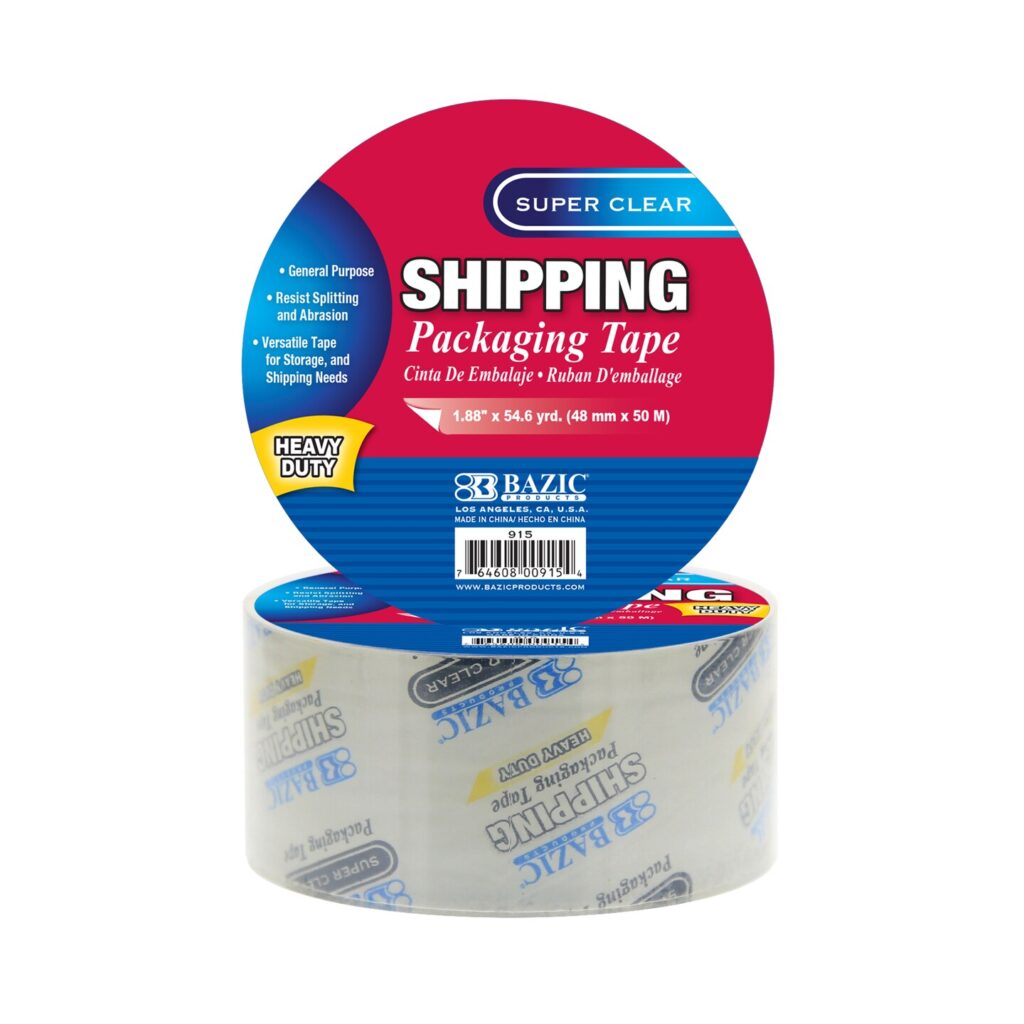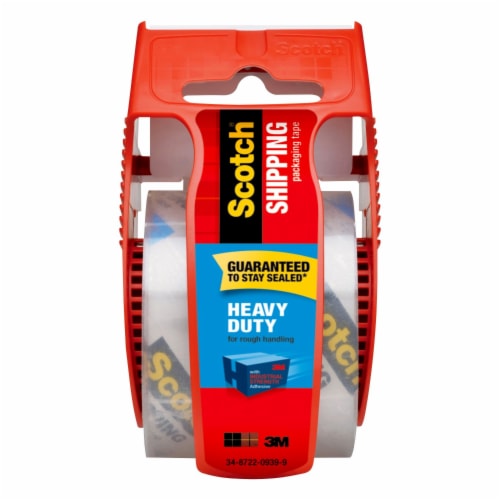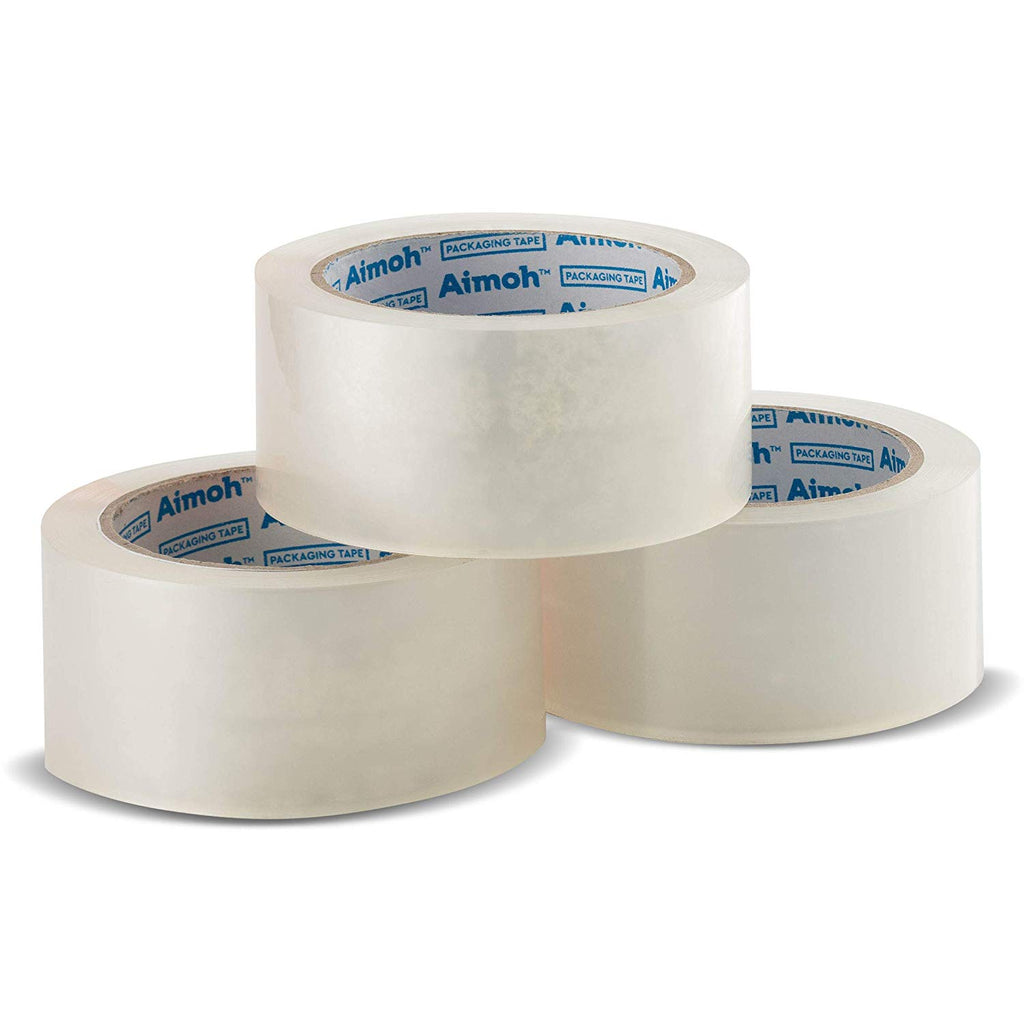
Introduction: Navigating the Global Market for Silent packing tape
When sourcing silent packing tape for international distribution centers or noise-sensitive logistics hubs, procurement teams face a dual challenge: eliminating the disruptive screech of traditional acrylic tape while securing reliable supply chains across continents. The high-pitched unwind of standard packing tape isn’t merely an annoyance—it creates measurable workplace fatigue, violates noise ordinances in densely populated European districts, and compromises customer experience in retail fulfillment environments from São Paulo to Dubai. For operations managers in these regions, the transition to low-noise sealing solutions represents both an employee welfare imperative and a strategic quality differentiator.
What Specifications Should Global Buyers Prioritize When Procuring Silent Packaging Solutions?
This comprehensive guide dismantles the complexity of the ultra-quiet adhesive tape market, delivering actionable intelligence on film thickness optimization (2.0mil to 2.6mil), acrylic adhesive formulations engineered for extreme temperature fluctuations, and dispenser compatibility critical for high-volume operations. We examine application-specific requirements distinguishing light-duty office mailrooms from heavy-duty Brazilian agricultural exports, analyze cost-per-seal metrics against durability benchmarks, and provide vetting frameworks for identifying manufacturers utilizing certified Dow PS acrylic technologies versus inferior hot-melt alternatives.
For procurement professionals navigating Germany’s stringent workplace standards, Brazil’s high-humidity shipping corridors, or the Middle East’s temperature extremes, this resource provides region-specific compliance insights and supplier qualification checklists. Whether you’re establishing new supplier relationships in emerging African markets or optimizing existing European logistics networks, this guide translates technical specifications into procurement strategies. We empower B2B buyers to secure noise-reducing sealing solutions that balance acoustic performance with adhesive longevity—transforming packaging operations from a source of sonic disruption into a competitive operational advantage.
Understanding Silent packing tape Types and Variations
| Type Name | Key Distinguishing Features | Primary B2B Applications | Brief Pros & Cons for Buyers |
|---|---|---|---|
| Heavy-Duty Industrial Silent Tape | 2.6+ mil thickness, reinforced film, high-tack synthetic adhesive | Heavy machinery parts, export shipping, warehouse palletizing | Pros: Superior tensile strength, extreme temperature resistance. Cons: Higher per-roll cost, requires compatible heavy-duty dispensers. |
| Medium-Duty General Purpose Silent Tape | 2.4 mil thickness, balanced adhesion, clear BOPP finish | E-commerce fulfillment, retail packaging, moving services | Pros: Cost-effective for high-volume use, versatile performance. Cons: Less |
Key Industrial Applications of Silent packing tape
| Industry/Sector | Specific Application of Silent packing tape | Value/Benefit for the Business | Key Sourcing Considerations for this Application |
|---|---|---|---|
| E-commerce & Third-Party Logistics (3PL) | High-volume carton sealing in urban |
A stock image related to Silent packing tape.
3 Common User Pain Points for ‘Silent packing tape’ & Their Solutions
For procurement teams managing operations across diverse regulatory environments—from Germany’s strict workplace safety standards to high-density logistics hubs in Lagos, Dubai, or São Paulo—packing tape selection directly impacts compliance costs and workforce productivity. Silent packing tape addresses critical friction points that standard acrylic tapes exacerbate, particularly regarding acoustic pollution, climate variability, and performance misconceptions in heavy-duty applications.
Scenario 1: How Can B2B Operations Eliminate Warehouse Noise Complaints While Maintaining Productivity?
The Problem: In shared logistics facilities, open-plan offices, or urban distribution centers, the high-frequency screech of standard packing tape creates significant acoustic pollution. This noise disrupts concentration in adjacent administrative spaces, triggers workplace safety violations in regions with strict occupational health standards, and generates complaints from nearby residential areas in densely populated cities. Persistent noise exposure leads to operator fatigue and reduced packing speeds, directly impacting throughput during peak shipping seasons while potentially violating local decibel regulations.
The Solution: Deploy premium-grade silent packing tape featuring controlled unwind technology and acrylic adhesive systems. Specify tapes with 2.4–2.6 mil thickness to ensure noise reduction does not compromise structural integrity, and pair with ergonomic noise-reducer hand dispensers to eliminate mechanical clatter. For facilities in noise-sensitive zones, implement designated “quiet packing stations” using these materials to achieve regulatory compliance while maintaining the high-velocity output required for B2B fulfillment operations.
Scenario 2: Is Silent Packing Tape Durable Enough for Heavy-Duty International Shipments?
The Problem: Procurement managers frequently hesitate to transition to silent alternatives due to concerns that noise-reducing formulations utilize inferior adhesives or thinner film substrates. This anxiety intensifies when shipping heavy industrial components or export goods through multi-modal transport chains, where carton seal failure results in costly damage claims. Buyers worry that the “silent” feature indicates a consumer-grade product unsuitable for rigorous supply chain demands, particularly for loads exceeding 20-30kg or long-term storage applications in varying climates.
The Solution: Select silent tapes engineered with 100% acrylic adhesives rather than hot-melt formulations, as acrylic provides superior long-term holding power and wider temperature tolerance critical for international container shipping. Verify specifications ensuring 2.6 mil thickness and resistance to splitting under tension—these deliver tensile strength comparable to standard industrial tapes while eliminating noise. Conduct seal integrity testing under specific climate conditions, as acrylic silent tapes maintain adhesion across broader temperature ranges, preventing pop-opens during transit through varying altitudes and humidity levels.
Scenario 3: How Can Distribution Centers Prevent Tape Failure in Extreme Heat and Humidity?
The Problem: Operations in the Middle East, tropical South America, and sub-Saharan Africa face unique challenges where extreme heat and humidity cause standard hot-melt adhesive tapes to soften, ooze, or lose tack entirely. This results in carton re-work, increased material waste, and potential product damage during storage or transit. Facilities often resort to excessive tape layering to compensate, driving up material costs and packing time while still risking seal failure when boxes sit in non-climatized warehouses or shipping containers exposed to direct sunlight.
The Solution: Implement acrylic-based silent packing tape specifically formulated for broad temperature performance. Unlike hot-melt alternatives, acrylic adhesives maintain consistent viscosity and bonding strength across fluctuating thermal conditions, from high-humidity monsoon seasons to desert heat. Specify tapes with UV-resistant properties and 2.4+ mil thickness to prevent edge lifting, and store rolls in climate-controlled environments prior to use. This approach eliminates both the acoustic stress of traditional tape application and the physical risk of climate-related seal failures during long-haul transport.
Strategic Material Selection Guide for Silent packing tape
Selecting the optimal material composition for silent packing tape requires balancing acoustic engineering with logistical durability. For international operations spanning diverse climate zones—from the humidity of São Paulo to the heat of Dubai or the variable European seasons—understanding substrate and adhesive interactions is critical for procurement decisions.
What makes BOPP with acrylic adhesive the standard for noise-sensitive logistics?
Biaxially Oriented Polypropylene (BOPP) film paired with acrylic adhesive represents the most widely specified material for silent packing tape, typically available in 2.0 to 2.4 mil thicknesses. This combination delivers the “quiet unwind” essential for office environments and shared warehouse spaces while maintaining reliable carton sealing for light to moderate weight shipments. Acrylic formulations provide superior temperature stability compared to hot melt alternatives, ensuring consistent adhesion across the broad thermal ranges encountered during international export from Africa to Europe or throughout South American supply chains. The material offers excellent clarity for barcode scanning and remains cost-effective for high-volume procurement, though it may lack the tensile strength required for extremely heavy industrial loads.
When does heavy-duty 2.6 mil BOPP become essential for export operations?
For heavy-duty applications involving dense merchandise or long-distance export shipping, 2.6 mil BOPP with enhanced acrylic adhesive provides the necessary structural integrity. This heavier gauge resists splitting and tearing during rough handling, maintaining seal security through multiple transit checkpoints common in Middle Eastern and African logistics corridors. The increased film thickness accommodates thermal expansion better than standard grades, preventing “flagging” or seal failure in containerized shipping where temperatures fluctuate dramatically. While requiring more robust dispensing equipment due to the stiffer construction, this material reduces tape consumption per package and minimizes rework costs associated with seal failures during international transit.
Why specify PVC film for premium silent packaging applications?
Polyvinyl Chloride (PVC) film tape offers an alternative substrate prized for its inherently quieter unwind characteristics and premium feel, making it ideal for mailroom environments and high-end retail packaging operations in European markets. Unlike BOPP, PVC possesses natural dampening properties that virtually eliminate the “screech” associated with tape dispensing, even without specialized coatings. The material conforms exceptionally well to irregular surfaces and provides excellent immediate tack. However, PVC carries significantly higher material costs and reduced tensile strength compared to heavy-duty BOPP options, limiting its suitability for heavy export cartons but making it perfect for internal logistics, document sealing, and premium unboxing experiences where acoustic comfort and aesthetic presentation outweigh pure load-bearing requirements.
How do specialized release coatings enhance acoustic performance?
Advanced silent tape specifications incorporate specialized low-noise release coatings on BOPP substrates, engineered specifically for high-volume distribution centers where operator fatigue and noise pollution are operational concerns. These micro-engineered surfaces reduce the friction between the tape layers during unwind, creating the “smooth, controlled” application mentioned in premium product lines. When paired with noise-reducer hand dispensers, this material configuration minimizes workplace noise levels while maintaining standard acrylic adhesive performance. This technology bridges the gap between standard BOPP and PVC, offering enhanced acoustic properties without the premium cost of PVC film, though optimal performance requires compatible dispensing equipment to prevent coating damage during application.
| Material | Typical Use Case for Silent packing tape | Key Advantage | Key Disadvantage/Limitation | Relative Cost |
|---|---|---|---|---|
| Standard BOPP with Acrylic (2.0–2.4 mil) | Light to moderate duty carton sealing, general logistics | Excellent temperature stability across climates, widely available | Lower tensile strength for heavy export loads; potential splitting under extreme stress | Low |
| Heavy-Duty BOPP with Enhanced Acrylic (2.6 mil+) | Heavy-duty export packaging, industrial shipping, long-distance transit | Superior split resistance; maintains seal integrity in variable container conditions | Requires heavier-duty dispensers; higher per-roll investment | Medium |
| PVC Film Tape | Office environments, premium retail packaging, internal mailrooms | Inherently quietest unwind; premium aesthetic; excellent conformability | Significantly higher material cost; limited heavy-duty capability; less UV resistant | High |
| Low-Noise Coated BOPP | High-volume automated or manual dispensing operations | Optimized unwind consistency; reduces operator fatigue; compatible with standard acrylics | Requires compatible dispensers to realize full acoustic benefits; coating may wear if mishandled | Medium-High |
A stock image related to Silent packing tape.
In-depth Look: Manufacturing Processes and Quality Assurance for Silent packing tape
Silent packing tape represents a sophisticated evolution in packaging technology, where the manufacturing process must balance acoustic engineering with structural integrity. Unlike conventional pressure-sensitive tapes that generate high-frequency screeching during unwind, silent variants require precise modifications to both substrate preparation and adhesive chemistry. For procurement teams evaluating suppliers across diverse markets—from German industrial hubs to Brazilian logistics centers—understanding these production nuances ensures you specify products that deliver genuine noise reduction without compromising seal security.
How Does the Adhesive Formulation Differ in Silent Tape Manufacturing?
The core innovation in silent packing tape lies in the acrylic adhesive emulsion rather than the backing material itself. Manufacturers utilize modified pressure-sensitive acrylics, often incorporating proprietary Dow PS acrylic technologies or equivalent high-grade emulsions, specifically engineered to reduce the “stick-slip” phenomenon that causes acoustic vibration during unwind.
Production facilities coat BOPP (biaxially oriented polypropylene) films with a precisely controlled adhesive layer typically ranging between 2.0 mil and 2.6 mil thickness. This coating process requires advanced slot-die or roll-coating systems that maintain tolerance within ±0.1 mil to ensure consistent noise suppression across the entire roll length. The adhesive must achieve a delicate equilibrium: sufficient tack to secure heavy-duty cartons (exceeding 30 kg in many specifications) while exhibiting reduced elastic modulus during unwinding to dampen sound waves.
Temperature stability becomes critical during this phase. Quality manufacturers validate that their acrylic formulations maintain silent unwind characteristics across broad operational ranges, typically -10°C to 60°C, ensuring performance consistency whether applied in climate-controlled European warehouses or high-humidity African distribution centers.
What Substrate and Winding Technologies Ensure Noise Reduction?
While standard packing tape often utilizes generic BOPP films, silent tape production demands premium-grade film substrates with optimized surface energy profiles. The manufacturing process involves corona treatment levels carefully calibrated to promote adhesive anchorage without increasing unwind friction—a common source of operational noise.
The winding tension represents a frequently overlooked manufacturing variable. Automated winding systems must maintain precisely controlled tension gradients throughout the roll formation, typically 15-25% lower than conventional tape specifications. Excessive tension creates microscopic adhesive displacement that generates noise during application; insufficient tension risks telescoping during transit. Leading facilities employ laser-guided tension control systems that adjust in real-time during the slitting process.
Core diameter standardization (typically 3-inch industrial cores) and release coating application also require modification. Manufacturers apply specialized silicone-based release coatings to the film’s non-adhesive side, optimized to reduce the coefficient of friction against the adhesive layer when unwinding, directly contributing to the characteristic smooth, controlled release that defines premium silent tape.
Which Quality Assurance Protocols Validate Acoustic Performance?
B2B buyers should verify that suppliers implement objective noise measurement protocols rather than subjective “quiet” claims. Reputable manufacturers conduct decibel testing using calibrated sound level meters positioned at standardized distances (typically 30 cm) during simulated dispensing operations. Acceptable thresholds generally fall below 60 dB, compared to 75-85 dB for conventional acrylic tapes.
Beyond acoustic validation, comprehensive QC includes:
– Coat weight verification: Automated beta-gauge systems ensure adhesive application consistency across the web, preventing “heavy edges” that cause uneven unwind noise
– Tensile integrity testing: Validating 2.4-2.6 mil constructions resist splitting under stress, particularly important for heavy-duty shipping applications common in South American and Middle Eastern logistics
– Shear adhesion testing: Ensuring the modified adhesive maintains holding power on corrugated substrates for 72+ hours at 40°C, simulating tropical storage conditions
Batch retention testing proves essential for international procurement, as acrylic adhesives can undergo viscosity changes during ocean freight. Quality facilities retain samples from each production lot for 12-month stability validation.
How Should Buyers Evaluate Manufacturing Certifications for Global Compliance?
When sourcing silent tape for international distribution, manufacturing certifications extend beyond basic ISO 9001 quality management. European buyers, particularly German distributors, should verify REACH compliance regarding adhesive chemical composition and RoHS certification for electronic goods packaging applications.
For Middle Eastern and African markets, manufacturers should demonstrate compliance with Gulf Standardization Organization (GSO) requirements or equivalent regional safety standards. Brazilian importers specifically benefit from suppliers holding INMETRO certification or demonstrating compliance with Mercosur technical regulations for pressure-sensitive adhesives.
Environmental manufacturing credentials increasingly influence B2B procurement decisions. Facilities utilizing water-based acrylic systems (as opposed to solvent-based) reduce VOC emissions during production—a significant consideration for corporate sustainability mandates across European Union markets. Additionally, verify that manufacturers utilize 100% virgin resin BOPP films rather than recycled content, as post-consumer materials can compromise the molecular consistency required for reliable silent performance.
What Red Flags Indicate Substandard Silent Tape Production?
Procurement professionals should scrutinize manufacturing specifications that seem contradictory. Products claiming “heavy-duty” performance (2.6 mil+) while promising whisper-quiet operation require sophisticated adhesive technology; budget manufacturers often achieve noise reduction by under-applying adhesive, resulting in seal failure during temperature fluctuations.
Inconsistent roll geometry—visible as “soft” or “squashed” rolls—indicates improper winding tension control during manufacturing, which will manifest as noisy, jerky unwind behavior despite marketing claims. Similarly, suppliers unable to provide specific decibel ratings or acoustic testing methodologies likely rely on generic low-tack adhesives rather than engineered silent formulations.
By demanding detailed manufacturing process documentation, including adhesive specifications, coating tolerances, and acoustic validation protocols, B2B buyers ensure their silent tape investments deliver measurable workplace noise reduction while maintaining the seal integrity required for international shipping standards.
Practical Sourcing Guide: A Step-by-Step Checklist for ‘Silent packing tape’
Silent packing tape represents a critical upgrade for facilities prioritizing workplace acoustics and employee comfort. Unlike standard polypropylene tapes that generate high-frequency noise during unwind, these specialized products utilize modified acrylic adhesives and controlled-release coatings to dampen sound without compromising seal integrity. For procurement teams across diverse climates—from humid South American distribution centers to temperature-controlled German logistics hubs—sourcing requires balancing technical specifications with supply chain reliability to ensure consistent performance across international operations.
How Do You Define Your Operational Requirements for Silent Tape?
Begin by mapping your facility’s acoustic sensitivity zones and throughput volumes. Office-adjacent mailrooms and e-commerce fulfillment centers in urban Middle Eastern or European locations typically require sub-60 decibel application levels, while high-volume African distribution hubs may prioritize tensile strength alongside noise reduction. Document your carton weight categories—light-duty (under 15kg) versus heavy-duty (over 25kg)—as these determine whether 2.0mil or 2.6mil thickness specifications suffice for secure sealing without adhesive failure.
How Do You Evaluate Adhesive Technology and Film Thickness Specifications?
Specify solvent-free acrylic adhesives rather than hot-melt formulations, particularly for buyers in regions with extreme temperature fluctuations. Premium acrylic systems maintain tack integrity across broader ranges (-20°C to 60°C), essential for Middle Eastern summers or varied European seasons. For heavy-duty applications, insist on 2.4mil to 2.6mil BOPP film thickness with reinforced edges to prevent splitting during high-speed automated application, ensuring the tape resists tangles and provides long-term holding power.
What Width and Length Configurations Optimize Your Packaging Workflows?
Standardize on 48mm (1.88″) or 50mm (2″) widths for manual sealing operations, while 72mm (3″) configurations suit automated case sealers or heavy corrugated boxes. Consider 110-yard rolls for high-volume continuous operations versus 60-yard options for intermittent use. Verify core diameter compatibility—3-inch standard cores must align with your existing dispenser inventory to avoid operational disruption and unnecessary equipment replacement costs in Brazilian or African facilities.
How Can You Verify Noise Reduction Claims Before Committing to Bulk Orders?
Request decibel level test reports comparing unwind noise against standard polypropylene benchmarks. Demand sample rolls for on-site testing in your actual acoustic environment—what qualifies as “silent” in a noisy warehouse may differ from quiet office settings. Test adhesion strength after 24-hour cure times on your specific corrugated substrates, particularly if sourcing from humid Brazilian or coastal African markets where atmospheric moisture affects acrylic performance and long-term seal durability.
Which Dispenser Systems and Accessories Maximize Application Efficiency?
Pair silent tape with noise-reducer hand dispensers featuring tension control mechanisms and ergonomic grips. For automated packaging lines, verify that low-noise unwind properties function at your operational speeds (meters per minute) without causing telescoping or flagging. Evaluate dispenser ergonomics for operator comfort during extended shifts, particularly relevant for labor-intensive markets where worker productivity directly impacts throughput and noise compliance.
How Do You Assess Supplier Reliability and Climate-Specific Logistics?
Verify manufacturers utilize 100% virgin resin formulations with consistent Dow or equivalent acrylic adhesive systems to avoid batch variability that could compromise seal integrity. For international procurement, confirm packaging specifications prevent edge damage during containerized shipping—critical for long-haul routes to South America or Africa. Establish quality control protocols including pre-shipment inspection certificates and moisture barrier packaging for tropical storage conditions, ensuring product integrity from German manufacturing facilities to Middle Eastern receiving docks.
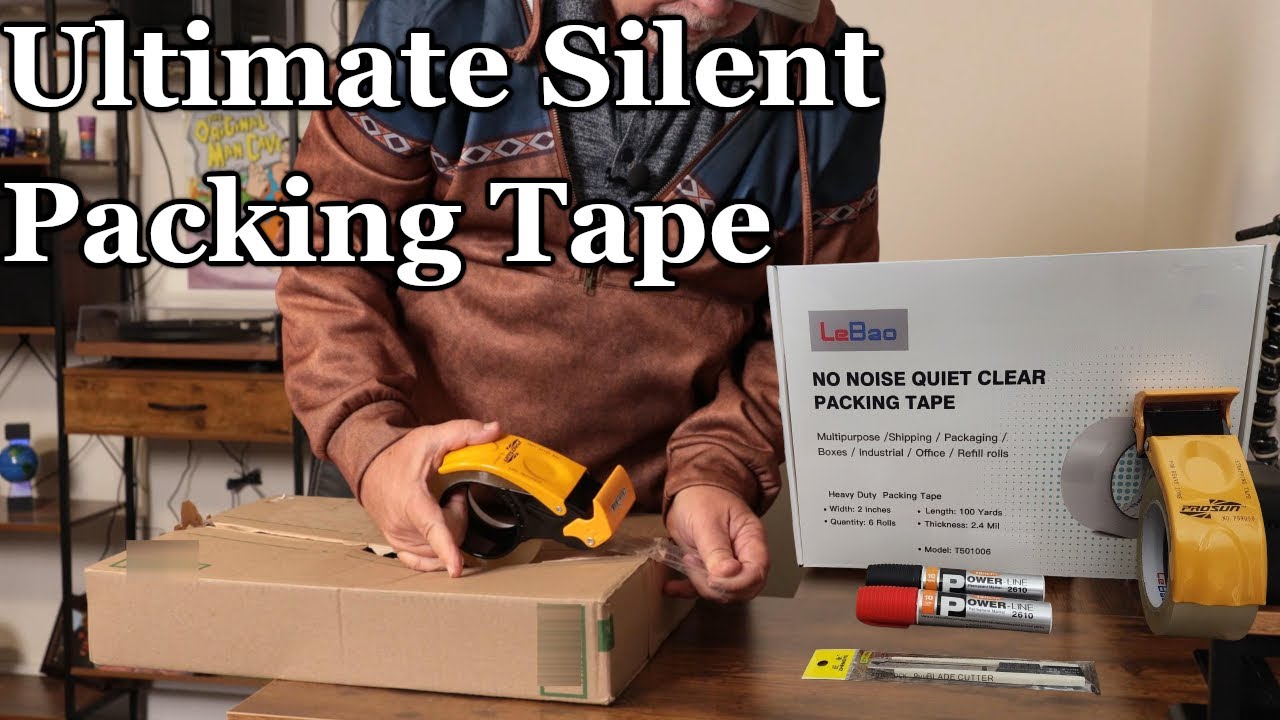
A stock image related to Silent packing tape.
Comprehensive Cost and Pricing Analysis for Silent packing tape Sourcing
Silent packing tape typically commands a 15–30% premium over standard polypropylene varieties due to specialized film formulations and noise-dampening adhesive layers that require precision manufacturing. For procurement teams across Africa, South America, the Middle East, and Europe, understanding the complete cost architecture—beyond per-roll sticker prices—is critical for accurate budget forecasting, landed cost calculations, and long-term supplier relationship management.
How Does Film Thickness Impact Bulk Pricing for Silent Tape?
Film thickness serves as the primary cost determinant, with standard variants ranging from 2.0 mil for light-duty office applications to 2.6 mil for heavy-duty industrial sealing. B2B buyers should calculate costs per linear yard rather than per roll to enable accurate comparisons, as lengths vary significantly between 60-yard retail packs and 110-yard industrial rolls. Heavy-duty specifications (2.4–2.6 mil) generally price 20–25% higher than lighter 2.0 mil alternatives but reduce total application waste through superior split resistance and fewer reapplication needs. When sourcing from Asian manufacturing hubs for delivery to Germany or Brazil, specify exact thickness tolerances to avoid costly quality inconsistencies that inflate per-unit expenses and disrupt automated packaging lines.
What Hidden Logistics Costs Affect International Silent Tape Procurement?
The cubic volume of packing tape shipments often surprises first-time importers, as the hollow core construction creates significant dead space in container loading that reduces freight efficiency. Optimizing shipping costs requires negotiating compressed pallet configurations or sourcing from regional manufacturing hubs—such as UAE suppliers for Middle Eastern markets or Turkish manufacturers for European distribution—to minimize transit distances and customs clearance complexities. Additionally, acrylic adhesive formulations may require climate-controlled shipping in extreme heat regions like West Africa or the Gulf states during summer months, potentially adding 8–12% to landed costs compared to standard hot-melt tapes that tolerate wider temperature ranges during transit.
Why Do Acrylic Adhesives Justify Premium Pricing for Global Operations?
While hot-melt adhesives offer lower upfront material costs, 100% acrylic formulations—such as those utilizing Dow PS technology—provide superior temperature stability critical for cross-border shipping through varying climates. This specialized chemical composition explains 30–40% of the price differential between economy silent tapes and premium industrial grades. For buyers in South America and Africa where warehouse temperatures fluctuate dramatically between seasons, the investment in acrylic-based silent tape prevents seal failure, carton pop-opens, and inventory damage that would otherwise generate significantly higher replacement and repackaging expenses.
How Can Buyers Optimize Specifications to Reduce Total Ownership Costs?
Standardizing tape widths—choosing between 48mm (1.88″) and 72mm (3″) based on actual carton sealing requirements—prevents over-purchasing and ensures compatibility with existing dispenser fleets across multiple facilities. Procuring 3-inch core diameters universally supports most industrial hand dispensers and automated sealing equipment, avoiding the hidden capital expense of equipment retrofits or adapter purchases. Finally, consolidating annual volume into quarterly shipments rather than monthly orders typically unlocks 12–18% volume discounts from manufacturers while balancing working capital requirements against storage constraints common in emerging markets with limited warehouse capacity.
Alternatives Analysis: Comparing Silent packing tape With Other Solutions
When evaluating sealing solutions for commercial packaging operations, procurement teams must weigh acoustic comfort against total cost of ownership, throughput requirements, and regional regulatory frameworks. While silent packing tape addresses workplace noise compliance and employee wellbeing, alternative technologies offer distinct advantages in specific logistical contexts. The following analysis examines how specialized low-noise formulations compare against conventional and emerging sealing methods commonly utilized across European, Middle Eastern, African, and South American markets.
| Comparison Aspect | Silent Packing Tape | Standard Acrylic Tape | Water-Activated Tape (WAT) |
|---|---|---|---|
| Noise Level | <35 dB (ultra-quiet unwind) | 65-75 dB (high-pitched screech) | <30 dB (water activation only) |
| Unit Cost | Premium (+20-30% vs standard) | Baseline ($0.03-0.04/ft) | Moderate (+15-25% vs standard) |
| Application Speed | Immediate adhesion | Immediate adhesion | 5-10 second curing delay |
| Seal Security | Surface adhesion (removable) | Surface adhesion (removable) | Bonded to fibers (tamper-evident) |
| Climate Suitability | Broad range (-20°C to 60°C) | Standard (0°C to 50°C) | Humidity-sensitive storage |
| Equipment Investment | Standard hand dispensers | Standard hand dispensers | Electric water dispensers ($300-$800) |
| Regulatory Compliance | Meets EU noise-at-work directives | Requires hearing protection in EU | Meets noise and sustainability directives |
How Does Standard Acrylic Tape Compare for Cost-Sensitive Operations?
Standard biaxially oriented polypropylene (BOPP) acrylic tape remains the default choice for high-volume fulfillment centers prioritizing immediate cost reduction, offering unit savings of 20-30% compared to specialized silent formulations. However, facilities operating in densely populated commercial zones—particularly within European Union jurisdictions enforcing Directive 2003/10/EC on noise exposure—must calculate hidden compliance costs. The characteristic 65-75 dB screech generated during unwind creates acoustic fatigue in open-plan warehouses, potentially reducing picker productivity and necessitating hearing protection investments that erode initial material savings. For isolated packing stations or overnight operations in regions with less stringent occupational health enforcement, this conventional option maintains viability, though it introduces ergonomic risks during extended shifts common in e-commerce peak seasons.
Is Water-Activated Tape a Viable Alternative for Security-Conscious Shippers?
Water-activated tape (WAT), or gummed reinforced paper tape, presents a compelling alternative for B2B sectors requiring tamper-evident sealing and premium brand presentation, such as electronics distribution or luxury goods logistics. Unlike pressure-sensitive silent tapes, WAT bonds molecularly with corrugated fibers, creating a seal that destroys the carton upon removal—critical for high-value shipments traversing complex supply chains in Sub-Saharan Africa or the Middle East where pilferage risks escalate. However, the technology requires capital investment in electric dispensing equipment ($300-$800 per station) and introduces significant humidity sensitivity that complicates storage in tropical climates common to Brazil or Southeast Asia. The 5-10 second curing delay also reduces throughput velocity compared to instant-grab silent solutions, making WAT less suitable for high-velocity e-commerce operations where packing speed directly impacts labor costs per unit shipped.
Essential Technical Properties and Trade Terminology for Silent packing tape
When procuring silent packing tape for international distribution centers or retail logistics, technical specifications determine acoustic performance, machinery compatibility, and climate resilience across diverse operational environments. Understanding these metrics enables buyers to verify supplier claims against objective standards rather than marketing terminology.
What Film Thickness Specifications Define Heavy-Duty Silent Packing Tape?
Silent tapes typically utilize films ranging from 2.0 mil to 2.6 mil (0.05–0.066 mm), where one mil equals 0.001 inch. Thicker 2.4–2.6 mil variants provide enhanced split resistance during high-speed automated application and superior durability for heavy export shipments common in African and South American trade routes. Thinner 2.0 mil specifications suit light-to-moderate carton weights in office or pharmaceutical environments. B2B buyers should verify that thickness measurements encompass both the biaxially oriented polypropylene (BOPP) film and adhesive layer to prevent underspecification.
How Does Acrylic Adhesive Chemistry Impact Temperature Stability?
Premium silent tapes employ 100% acrylic pressure-sensitive adhesives rather than hot melt formulations, delivering quieter unwind characteristics alongside superior thermal performance. Acrylic systems maintain optimal tack across broad temperature ranges (typically -20°C to 60°C), critical for Middle Eastern warehouses and European cold-chain logistics. This chemistry also prevents adhesive transfer and yellowing during extended storage, ensuring barcode readability and professional presentation upon delivery.
What Core Dimensions Ensure Global Dispenser Compatibility?
Standard 3-inch (76 mm) core diameters dominate international B2B supply chains, ensuring interoperability with handheld dispensers and automated carton sealers across German manufacturing facilities and Brazilian distribution hubs. Buyers should additionally verify core compression strength, as low-density cardboard cores may collapse under high-tension machine application, causing costly production line interruptions.
Why Does Controlled Unwind Force Matter for Noise Reduction?
The “silent” characteristic derives from specialized release coatings that reduce unwind force to 50–100 grams per inch, significantly below conventional tape levels. This controlled release minimizes high-frequency vibrations responsible for screeching sounds while maintaining sufficient tension to prevent “flagging” (edge lifting) during transit. Specifications should reference PSTC-101 or ASTM D1000 testing standards for objective measurement.
What Do “Unwind Noise” and “Acrylic Adhesive” Mean in Trade Specifications?
Unwind Noise refers to decibel levels generated during tape application, with true silent tapes operating below 60 dB compared to 80+ dB for standard varieties. B2B contracts should specify maximum decibel thresholds rather than subjective descriptions.
Acrylic Adhesive designates synthetic resin-based pressure-sensitive adhesives offering quieter release than rubber-based hot melts, alongside superior UV and aging resistance essential for export documentation compliance.
Mil represents 0.001 inch (0.0254 mm), the standard imperial unit for film thickness despite metric dominance in many target markets. Understanding this conversion prevents procurement errors when sourcing from US-based manufacturers.
Tensile Strength, measured in pounds per inch (PPI) or Newtons per 25mm, indicates resistance to breaking under stress. Quality silent tapes maintain 20–30 PPI to ensure seal integrity during rough handling.
Low-Noise Designations lack universal ISO standards. “Silent” typically indicates specialized release coatings achieving sub-60 dB performance, while “low-noise” may represent only marginally quieter standard formulations. Always request acoustic test data to verify claims.
Navigating Market Dynamics and Sourcing Trends in the Silent packing tape Sector
The silent packing tape sector is experiencing accelerated demand as noise pollution regulations tighten across industrial zones and e-commerce fulfillment centers expand into residential areas. For procurement teams operating across diverse regulatory environments—from Germany’s stringent workplace standards to Brazil’s growing logistics hubs and the Middle East’s temperature-extreme distribution networks—understanding the intersection of acoustic performance, material specifications, and supply chain resilience has become critical. This shift represents more than a comfort feature; it signals evolving workplace safety protocols and operational efficiency standards that directly impact employee retention and community relations in densely populated commercial districts.
How Is the Global Silent Packing Tape Market Evolving for B2B Procurement?
The market is transitioning from commodity-grade packaging to specialized acoustic solutions, driven by urban logistics growth and nighttime delivery operations. European markets, particularly Germany, lead in mandating noise-reduction packaging in mixed-use commercial zones, while emerging economies in Africa and South America are rapidly adopting these standards to support 24/7 fulfillment operations without disturbing residential areas. Product specifications now favor acrylic adhesive systems over traditional hot melts, offering superior temperature stability across climates ranging from Middle Eastern heat to humid South American conditions. Thickness variations between 2.0 mil for office environments and 2.6 mil for heavy-duty industrial applications allow buyers to optimize cost-performance ratios based on specific supply chain stress factors and regional handling requirements.
What Technical Specifications Should B2B Buyers Prioritize When Sourcing Silent Tape?
Procurement decisions increasingly center on unwind decibel levels and adhesive chemistry rather than basic tensile strength. Premium silent tapes utilizing 100% acrylic adhesives—such as those incorporating advanced acrylic polymer technology—provide consistent tack across broad temperature ranges while maintaining noise levels below 40 decibels during application. Buyers should evaluate compatibility with noise-reducer hand dispensers, as integrated systems reduce both acoustic disturbance and material waste through controlled unwind mechanics. Width standardization (48mm/2-inch for general shipping, 72mm/3-inch for heavy cartons) ensures interoperability with existing sealing equipment across international operations, while core diameter consistency (3-inch standard) facilitates seamless dispenser integration and inventory management.
Why Does Sustainability Matter in Silent Tape Supply Chains?
Environmental compliance now extends beyond biodegradability to encompass the full acoustic footprint of packaging operations. European Union regulations increasingly penalize noise pollution in logistics, creating indirect sustainability metrics where silent tapes contribute to corporate ESG scoring through improved workplace environments and community noise reduction. Material transparency regarding adhesive sources—specifically virgin acrylic resins versus recycled content—affects import classifications and carbon footprint calculations in cross-border trade. Additionally, the durability factor of 2.4-2.6 mil heavy-duty variants reduces material consumption through reliable single-strip sealing, aligning with circular economy principles while maintaining package integrity during extended international transit through varying climate conditions.
How Can International Buyers Ensure Ethical and Resilient Sourcing Across Regions?
Establishing supply chain resilience requires evaluating regional manufacturing capabilities against import dependency risks. For buyers in Africa and South America, partnering with suppliers offering localized converting operations reduces lead times and currency fluctuation exposure while ensuring products meet specific climatic demands. Ethical sourcing protocols should verify adhesive chemical compliance with
Frequently Asked Questions (FAQs) for B2B Buyers of Silent packing tape
What is silent packing tape and how does it differ from standard acrylic tape?
1. What is silent packing tape and how does it differ from standard acrylic tape?
Silent packing tape is a specialized carton sealing solution engineered with low-noise polypropylene film and optimized acrylic adhesive systems that significantly reduce the screeching sound typically produced during unwind. Unlike standard packing tape that creates high-frequency noise through friction between film layers and adhesive, silent variants utilize controlled release coatings and specialized film formulations that dampen acoustic vibration. This technology maintains equivalent sealing integrity to conventional tapes while operating at substantially reduced noise levels, making it ideal for office-adjacent warehouses, shared logistics facilities, and regions with strict municipal noise ordinances.
Is silent packing tape as strong as standard packing tape for heavy-duty export shipping?
2. Is silent packing tape as strong as standard packing tape for heavy-duty export shipping?
Premium silent packing tapes match or exceed the tensile strength of conventional alternatives, with industrial-grade options available in thicknesses ranging from 2.0 mil to 2.6 mil for demanding applications. These tapes utilize 100% acrylic adhesive systems—such as Dow PS Acrylic technology—which provide superior long-term holding power and resistance to splitting compared to hot melt adhesives, particularly across the broad temperature ranges encountered during international transit. For B2B buyers managing export operations from Germany, Brazil, or the Middle East, selecting 2.4 mil or 2.6 mil silent tape ensures secure seals on heavy corrugated containers without sacrificing acoustic comfort.
What are the operational and financial benefits of using silent packing tape in B2B shipping environments?
3. What are the operational and financial benefits of using silent packing tape in B2B shipping environments?
Implementing silent packing tape delivers measurable ROI through improved workplace compliance with noise regulations—such as EU Directive 2003/10/EC and Brazil’s NR-15 standards—while reducing employee fatigue in high-volume packing stations. The elimination of high-pitch screeching enables 24-hour operations in mixed-use facilities without disturbing administrative offices or residential-adjacent warehouses, allowing flexible shift scheduling and expanded production capacity. Additionally, the smooth controlled unwind characteristic of quality silent tapes minimizes material waste from accidental over-pulling and tape tangling, lowering per-package consumable costs and reducing downtime for roll changes.
How does silent packing tape reduce noise levels in packaging operations without compromising adhesion?
4. How does silent packing tape reduce noise levels in packaging operations without compromising adhesion?
Silent tape achieves noise reduction through specialized film-to-adhesive interface engineering that minimizes the “stick-slip” vibration responsible for the characteristic screeching sound of standard tape. The formulation incorporates noise-dampening release coatings and optimized film thicknesses that create a smooth, controlled unwind at the dispenser level, reducing acoustic output by up to 20 decibels compared to conventional options. This mechanical quieting occurs without altering the aggressive tack and shear strength of the acrylic adhesive, ensuring cartons remain securely sealed through temperature fluctuations and handling stress typical of international logistics corridors.
How do I select the optimal mil thickness and width specifications for silent tape in tropical or desert climates?
5. How do I select the optimal mil thickness and width specifications for silent tape in tropical or desert climates?
For operations in high-temperature regions such as Africa, the Middle East, or South America, specify silent packing tape with a minimum 2.4 mil thickness and premium acrylic adhesive rated for broad temperature performance from -20°C to 60°C. Thicker 2.6 mil variants provide enhanced resistance to splitting when sealing heavy-duty corrugated boxes common in export manufacturing, while standard 2.0 mil options suffice for light-to-moderate weight retail distribution. Width selection should align with carton sealing standards: 48mm (1.88 inches) for standard boxes, 50mm (2 inches) for general purpose, and 72mm or 75mm (3 inches) for heavy-duty export containers requiring additional seal integrity.
Can silent packing tape be used with existing tape dispensers, or does it require specialized noise-reduction equipment?
6. Can silent packing tape be used with existing tape dispensers, or does it require specialized noise-reduction equipment?
Silent packing tape is designed for compatibility with standard 3-inch core dispensers commonly used in B2B packaging operations, requiring no capital investment in new application equipment. However, pairing silent tape with specialized noise-reducer hand dispensers—featuring dampened rollers and tension control mechanisms—can further minimize operational sound levels for the ultimate quiet packaging experience. When procuring for large-scale distribution centers, verify that your current dispenser fleet accommodates the specific roll diameter and width (typically 48mm to 75mm) of your selected silent tape specification to ensure seamless integration.
How does silent packing tape impact employee productivity and OSHA compliance in warehouse environments?
7. How does silent packing tape impact employee productivity and OSHA compliance in warehouse environments?
Silent packing tape directly supports compliance with occupational noise exposure limits—typically 85 decibels over 8-hour time-weighted averages in regions like Europe and Brazil—by eliminating the 70-80 decibel screech associated with conventional tape application. The reduction in acoustic stress decreases worker fatigue and improves concentration in packing stations, leading to measurable productivity gains in high-volume fulfillment operations. For multinational corporations operating across Germany, South Africa, or the UAE, standardizing on silent tape demonstrates corporate social responsibility while mitigating hearing conservation program costs and potential regulatory penalties.
What quality certifications and adhesive specifications should B2B buyers verify when sourcing silent packing tape for international markets?
8. What quality certifications and adhesive specifications should B2B buyers verify when sourcing silent packing tape for international markets?
Prioritize suppliers utilizing 100% acrylic adhesive systems from recognized chemical manufacturers, ensuring compliance with REACH regulations for European markets and FDA standards for indirect food contact where applicable. Request technical data sheets verifying tensile strength (typically 20-25 lbs/inch), elongation properties, and temperature resistance specifications to ensure performance across diverse climate zones encountered in global supply chains. For sustainable procurement initiatives, seek manufacturers offering silent tape with recycled content cores and solvent-free adhesive formulations that maintain noise-reduction properties while supporting environmental compliance requirements in target export markets.
Important Disclaimer & Terms of Use
⚠️ Important Disclaimer
The information provided in this guide, including content regarding manufacturers, technical specifications, and market analysis, is for informational and educational purposes only. It does not constitute professional procurement advice, financial advice, or legal advice.
B2B buyers must conduct their own independent and thorough due diligence before making any purchasing decisions. The risk of relying on any information in this guide is borne solely by the reader.
Top 2 Silent Packing Tape Manufacturers & Suppliers List
1. Metoree – Industrial Tapes
Domain: us.metoree.com
Registered: 2020 (6 years)
Introduction: This company, Metoree – Industrial Tapes, is a notable entity in the market.
2. STA – 1382 Silent Supreme Ultra-Quiet Packaging Tape
Domain: sta-tapes.com
Registered: 2016 (10 years)
Introduction: Product Name: 1382 Silent Supreme (Ultra-Quiet Packaging Tape). Manufacturer: STA Coated Technologies. Thickness: 2.0 mil. Type: Specialty carton sealing tape. Key Features: Ultra-quiet operation, smooth controlled unwind, acrylic adhesive with long-term holding power. Applications: Sealing light to moderate weight boxes in office or mailroom environments. Temperature Performance: Suitable for wid…
Strategic Sourcing Conclusion and Outlook for Silent packing tape
As global supply chains prioritize workplace ergonomics and operational efficiency, silent packing tape has evolved from a niche convenience to a strategic procurement asset. For international buyers managing diverse logistics networks across Africa, South America, the Middle East, and Europe, selecting the right low-noise sealing solution requires balancing acoustic performance with adhesive reliability and climate adaptability.
How Should Global Buyers Evaluate Silent Tape Specifications for Regional Climate Challenges?
When sourcing across varying humidity and temperature zones—from Germany’s cold storage facilities to Brazil’s tropical distribution centers—prioritize acrylic-based formulations over standard hot melts. Premium options ranging from 2.0mil to 2.6mil thickness offer superior temperature stability and split resistance, ensuring consistent seal integrity whether applied in high-altitude Middle Eastern warehouses or humid African ports.
What Integration Strategies Maximize ROI for High-Volume Operations?
To fully realize noise-reduction benefits, pair ultra-quiet tapes with compatible low-friction dispensers. This combination not only reduces workplace decibel levels by eliminating the characteristic “tear” sound but also minimizes operator fatigue and tape waste through controlled unwind. For procurement teams, specifying high-grade acrylic adhesives and UV-resistant films ensures long-term holding power that justifies the premium investment through reduced package failure rates and enhanced brand perception in noise-sensitive environments.
The transition to silent sealing technology represents more than acoustic comfort—it signals a commitment to modern workplace standards and supply chain resilience. By prioritizing thickness consistency, climate-appropriate adhesives, and dispenser compatibility, B2B buyers can secure competitive advantages in markets increasingly sensitive to both employee welfare and packaging integrity.