Introduction: Navigating the Global Market for Bulk fragile tape
Sourcing bulk fragile tape for high-volume international operations presents a complex procurement challenge that extends far beyond simple adhesive selection. As supply chains stretch across continents and handling standards vary dramatically between regions, the margin for packaging error narrows significantly. For procurement teams managing shipments from manufacturing hubs in Vietnam to distribution centers in Germany, or from export zones in Africa to retail destinations across South America and the Middle East, selecting the right protective sealing solution becomes a critical risk management decision that directly impacts damage claims and customer satisfaction.
Why Do Global Exporters Need Specialized Fragile Tape Procurement Strategies?
The international logistics landscape demands packaging materials that communicate handling instructions universally while withstanding diverse climate conditions and extended transit stresses. This guide examines technical specifications including film thickness, adhesive formulations, and print durability standards essential for cross-border commerce. We analyze application-specific requirements across electronics, glassware, and automotive components, while providing frameworks for vetting suppliers capable of maintaining consistent quality at volume.
How Can Regional Buyers Optimize Supply Chain Resilience?
Whether you’re securing inventory for a Middle Eastern fulfillment network or negotiating long-term contracts for South American manufacturing facilities, understanding regional compliance standards and freight optimization strategies proves essential. From evaluating total cost of ownership beyond unit pricing to assessing supplier certifications for international trade, this resource equips procurement professionals with actionable intelligence to mitigate transit damage, streamline customs processes, and establish resilient supply partnerships that protect both products and profit margins across diverse global markets.
Understanding Bulk fragile tape Types and Variations
| Type Name | Key Distinguishing Features | Primary B2B Applications | Brief Pros & Cons for Buyers |
|---|---|---|---|
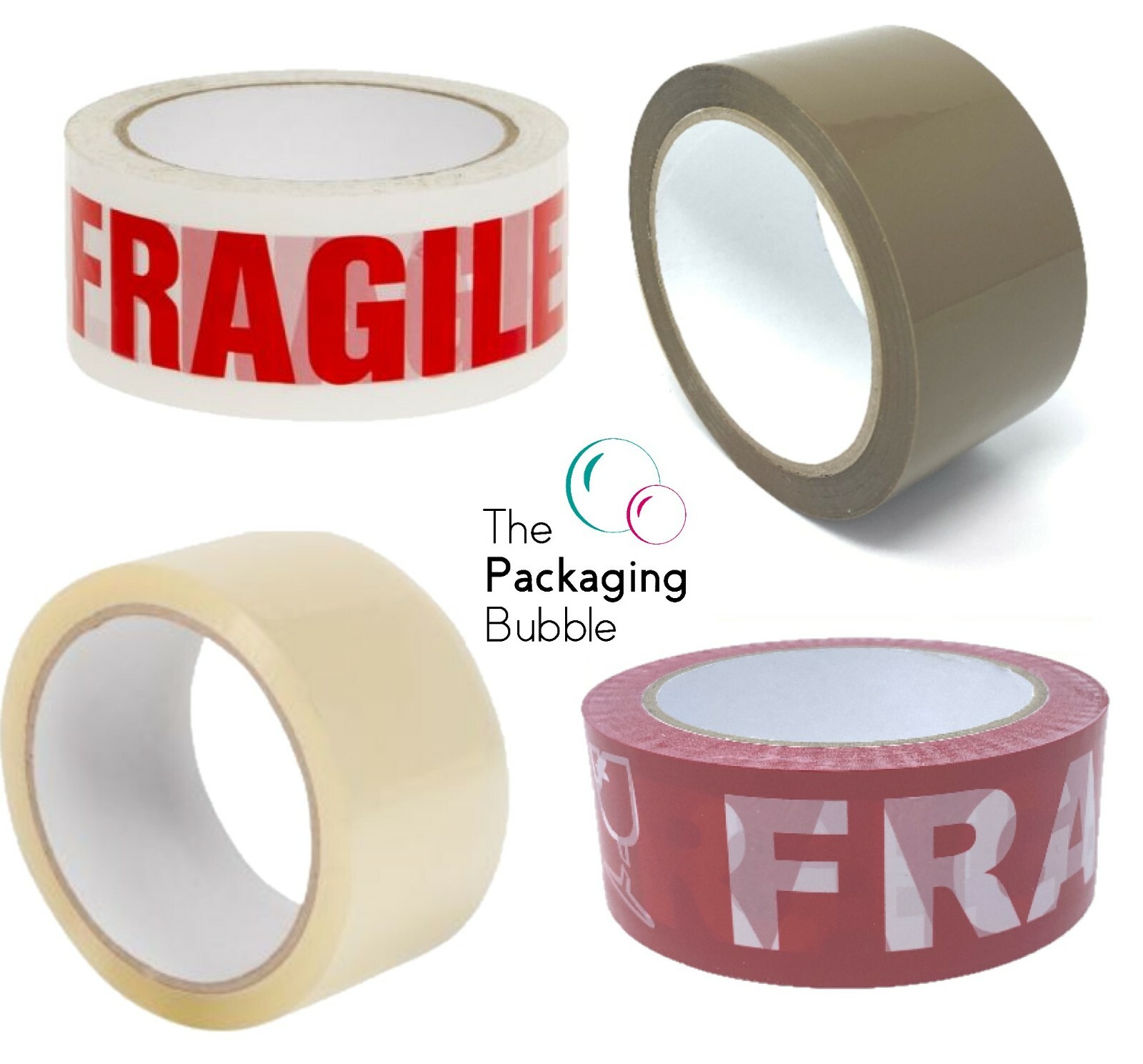
| Standard Pre-Printed “FRAGILE” Tape | Bold red/black text on clear/white polypropylene; 2.0–2.2 mil thickness; acrylic adhesive; 48mm standard width | E-commerce fulfillment, retail distribution, general warehouse operations | Pros: Cost-effective, immediate availability, universal recognition Cons: Limited customization, potential language barriers in export markets |
| Multi-Language Fragile Warning Tape | “FRAGILE” printed in 3–5 languages (EN/ES/FR/DE/AR); UV-resistant inks; complies with international shipping visibility standards | International logistics, export-heavy manufacturers, cross-border e-commerce | Pros: Reduces handling errors globally, compliance with regional labeling standards Cons: Higher per-roll cost, larger inventory requirements for specific language combinations |
| Heavy-Duty Reinforced Fragile Tape | 2.5–3.0 mil thickness; fiberglass or cross-woven filaments; hot melt/natural rubber adhesive; weather-resistant backing | Heavy machinery parts, ceramic/glass manufacturing, industrial equipment shipping | Pros: Superior tensile strength, weather resistance, tamper-evident properties Cons: Premium pricing, requires stronger dispenser mechanisms |
| Custom Branded Fragile Tape | Company logo + fragile warning; Pantone color matching; 1–3 color flexographic printing; tamper-evident seal | Premium product lines, brand-conscious retailers, corporate gift services | Pros: Marketing visibility, theft deterrence, professional unboxing experience Cons: Higher MOQs (500+ rolls), longer lead times (2–4 weeks) |
| Color-Coded Handling Instruction Tape | Multi-message combinations (Fragile + Glass/This Side Up); distinct color blocking (red/yellow/blue); language-independent | Pharmaceutical distribution, electronics manufacturing, art/antique logistics | Pros: Visual sorting efficiency, reduced damage claims, multi-instruction clarity Cons: Specific color meanings vary by region, requires staff training |
What Is Standard Pre-Printed Fragile Tape and When Should You Use It?
Standard pre-printed fragile tape features high-visibility red or black “FRAGILE” lettering on clear or white polypropylene backing, typically manufactured at 2.0 mil thickness with acrylic adhesive. This variation suits high-volume operations requiring immediate implementation without customization delays. B2B buyers should verify adhesive compatibility with their standard corrugated board grades and consider bulk case quantities of 36 rolls to optimize per-unit costs. Ideal for seasonal demand spikes where rapid procurement outweighs branding requirements.
Why Choose Multi-Language Fragile Tape for International Shipments?
Multi-language fragile tape incorporates handling instructions in three to five languages—typically English, Spanish, French, German, and Arabic—to accommodate diverse logistics networks across Africa, Europe, and the Middle East. This variation eliminates language-based handling errors in multi-national distribution centers. When sourcing, buyers should confirm that ink formulations resist UV degradation during extended transit times and verify that font sizes meet minimum visibility standards for international shipping regulations. Essential for exporters managing complex supply chains.
How Does Heavy-Duty Reinforced Fragile Tape Protect High-Value Goods?
Heavy-duty reinforced fragile tape utilizes 2.5 to 3.0 mil thicknesses with embedded fiberglass filaments or cross-woven polypropylene fibers, paired with hot melt or natural rubber adhesives for extreme temperature tolerance. This construction prevents “flagging” (tape lifting at edges) during rough handling or climate fluctuations common in intercontinental shipping. B2B procurement teams should assess tensile strength ratings (measured in lbs/inch) and ensure dispenser compatibility, as these tapes require stronger cutting mechanisms than standard grades. Critical for ceramic, glass, and machinery exporters.
Is Custom Branded Fragile Tape Worth the Investment for Bulk Orders?
Custom branded fragile tape combines standard fragile warnings with corporate logos, taglines, or handling instructions using flexographic printing in up to three colors. While minimum order quantities typically start at 500 rolls with 2–4 week lead times, this variation transforms packaging into a marketing asset while providing tamper-evident security. Buyers should request Pantone color matching samples and verify that printed inks maintain adhesion when subjected to friction during transit. Best suited for established brands with consistent monthly shipping volumes exceeding 1,000 packages.
What Are the Benefits of Color-Coded Fragile Handling Systems?
Color-coded fragile tape systems utilize distinct background colors—such as red for fragile, yellow for glass contents, or blue for electronics—to create instant visual sorting protocols without language dependency. This variation proves particularly effective in busy warehouse environments where handlers process mixed freight rapidly. Procurement considerations include verifying that color meanings align with regional logistics standards (as interpretations vary between European, Middle Eastern, and South American markets) and ensuring sufficient contrast for colorblind workers. Reduces damage claims through immediate visual recognition.
Key Industrial Applications of Bulk fragile tape
| Industry/Sector | Specific Application of Bulk fragile tape | Value/Benefit for the Business | Key Sourcing Considerations for this Application |
|---|---|---|---|
| Electronics Manufacturing & Export | Sealing outer cartons and master packs containing semiconductors, LCD screens, and consumer electronics | Reduces damage claims by 40-60%; eliminates need for separate fragile labels; streamlines high-volume packing operations | Moisture-resistant acrylic adhesive for humid climates (Southeast Asia, Africa); UV-resistant ink for outdoor storage in Middle East; compliance with VDA/ISO packaging standards |
| Glass & Ceramics Production | Securing packaging for flat glass, sanitary ware, tableware, and decorative ceramics for export | Prevents costly breakage during rough port handling; provides instant visual cue for stevedores; reinforces brand professionalism | High-tack hot-melt adhesive for dusty/rough surfaces; abrasion-resistant 2.5+ mil film; multi-language printing options for diverse workforces |
| E-commerce & 3PL Fulfillment | Identifying fragile SKUs in mixed-carton environments and returns processing centers | Reduces training time for seasonal staff; prevents mishandling in automated sortation; improves customer satisfaction scores | Aggressive adhesion to recycled corrugated (common in Europe); compatible with high-speed dispensers; bulk cost efficiency for margin-sensitive operations |
| Automotive Components Distribution | Protecting sensitive parts like headlights, mirrors, sensors, and instrument clusters during multimodal transport | Prevents vibration damage and surface scratches; ensures compliance with OEM handling standards; reduces inventory shrinkage | Temperature-stable adhesive (-20°C to 60°C) for climate variation; high tensile strength for heavy cartons; custom printing for lot traceability |
| Fine Arts & Luxury Goods Logistics | Sealing crates and boxes containing artwork, antiques, high-end electronics, and luxury retail items | Provides tamper-evident security; signals white-glove handling requirements; supports insurance compliance for high-value cargo | Clean removal adhesive (no residue on crates); low-noise unwinding for gallery environments; discrete branding options for security |
How Does Bulk Fragile Tape Secure Electronics Exports in High-Humidity Markets?
Bulk fragile tape serves as the primary damage prevention tool for electronics manufacturers shipping semiconduct
A stock image related to Bulk fragile tape.
3 Common User Pain Points for ‘Bulk fragile tape’ & Their Solutions
Scenario 1: Navigating Inflexible Minimum Order Quantities
The Problem: Procurement managers in emerging markets—particularly mid-sized distributors across Africa, Vietnam, and South America—frequently encounter suppliers demanding container-level MOQs for bulk fragile tape. These requirements strain working capital and warehouse capacity, forcing businesses to tie up resources in six months of inventory or compromise on product protection by switching to generic alternatives. For growing operations with limited storage infrastructure, this creates a catch-22: you need bulk pricing to remain competitive, but the volume commitments exceed your operational capabilities.
The Solution: Seek suppliers offering tiered MOQ structures that accommodate mixed-product pallets or regional consolidation hubs. Negotiate “less-than-container-load” (LCL) shipping that combines fragile tape with complementary packaging materials. Additionally, explore vendor-managed inventory (VMI) programs where suppliers hold your bulk stock locally, releasing it on demand. This converts fixed storage costs into variable expenses while ensuring you maintain access to specialized tape without the burden of warehousing thousands of rolls.
Scenario 2: Balancing Custom Branding with Bulk Economics
The Problem: Export-oriented manufacturers often require custom-printed fragile tape featuring multilingual warnings or brand logos for markets like Germany and the UAE. However, traditional flexographic printing requires expensive plates and uniform designs across massive volumes, creating risk if branding guidelines change. Buyers hesitate to commit bulk budgets to custom inventory that might become obsolete, yet generic tape misses valuable marketing touchpoints and compliance requirements in diverse international markets.
The Solution: Leverage digital printing technologies that eliminate plate fees and allow shorter production runs within bulk orders. Many suppliers now offer “hybrid bulk” arrangements, splitting shipments between standard and custom-printed tape while maintaining volume discounts. Alternatively, specify standardized fragile tape colors with variable data printing for specific handling instructions. This approach lets you maintain single-SKU inventory efficiency while adapting messaging for regional compliance without dedicated print runs for each market variation.
Scenario 3: Preventing Adhesive Failure in Extreme Climates
The Problem: Industrial shippers operating in tropical regions—common across Africa, Southeast Asia, and coastal South America—experience frequent tape peeling when using standard fragile tape designed for temperate warehouses. High humidity and heat degrade adhesives during transit, causing “FRAGILE” warnings to fall off and exposing delicate contents to rough handling. This creates liability issues for electronics and glassware exporters who cannot afford damage rates but struggle to find climate-appropriate specifications in standard bulk catalogs.
The Solution: Specify acrylic-based or specialized hot-melt adhesives rated for tropical climates (typically resisting 35°C/90% humidity) when placing bulk orders. Request technical data sheets verifying shear strength for your specific shipping routes. Implement climate-controlled sealing protocols—applying tape in dry, cool environments before exposure to extreme conditions. For critical shipments, consider reinforced fragile tape with fiberglass strands that provide both visual identification and structural reinforcement, ensuring protection survives the journey even if primary seals face environmental stress.
Strategic Material Selection Guide for Bulk fragile tape
When procuring bulk fragile tape for international logistics networks spanning Africa, South America, the Middle East, and Europe, material selection directly influences print durability, adhesive performance across diverse climate zones, and total cost of ownership. B2B buyers must evaluate substrate characteristics alongside adhesive chemistry and environmental resilience to ensure handling instructions remain visible from warehouse to final delivery. The following analysis examines three primary substrate categories—biaxially oriented polypropylene (B
A stock image related to Bulk fragile tape.
In-depth Look: Manufacturing Processes and Quality Assurance for Bulk fragile tape
How Is Industrial Fragile Tape Manufactured for High-Volume Export Orders?
Understanding the production pipeline behind bulk fragile tape empowers procurement teams to evaluate suppliers beyond unit pricing. The manufacturing process begins with substrate selection, typically biaxially oriented polypropylene (BOPP) film ranging from 1.8 to 2.2 mil thickness, which provides the tensile strength required for heavy carton sealing without excessive bulk. Premium manufacturers utilize virgin resin formulations rather than recycled blends to ensure consistent molecular structure, critical for maintaining adhesion integrity across the extended temperature fluctuations common in intercontinental shipping routes. The extrusion process involves stretching the film both mechanically and thermally to create a balanced orientation that resists splitting when applied to corrugated fibers under stress.
What Adhesive Formulations Perform Best in Humid Tropical vs. Dry Continental Climates?
The adhesive layer determines whether fragile warnings remain securely affixed from warehouse to final destination, making formulation expertise particularly vital for buyers sourcing from manufacturing hubs in Vietnam or Germany for distribution across Africa and South America. Hot melt synthetic rubber adhesives dominate the bulk fragile tape market due to their immediate tack and strong shear resistance, though acrylic water-based formulations offer superior UV stability and aging characteristics for Middle Eastern markets with intense solar exposure. Sophisticated manufacturers apply adhesive coatings using precision slot-die or roll-coating techniques, maintaining a tolerance of ±2 grams per square meter to prevent oozing during high-speed application or delamination in high-humidity environments like Brazilian coastal ports. Buyers should inquire about climate chamber testing protocols, as reputable suppliers validate products across temperature ranges from -20°C to 60°C with relative humidity cycling between 40% and 90%.
Which Printing Technologies Ensure Warning Labels Remain Legible After Rough Handling?
The “FRAGILE” messaging serves both a protective and liability function, necessitating printing processes that withstand abrasion, moisture, and chemical exposure. Flexographic printing using UV-cured or solvent-based inks remains the industry standard for bulk orders, allowing for high-speed production of custom designs while achieving print resolutions sufficient for barcode scannability. Critical quality indicators include ink adhesion measured via cross-hatch tape tests and color density consistency (ΔE < 2.0) across production runs exceeding 10,000 rolls. For markets requiring multilingual warnings or specific handling pictograms, such as German-language “Vorsicht Glas” or Arabic script requirements, computer-to-plate (CTP) prepress systems ensure registration accuracy within ±0.1mm to prevent misalignment that could confuse handling personnel.
What Quality Control Protocols Prevent Batch Inconsistencies in Bulk Tape Orders?
Consistency across bulk shipments—often packaged in 36-roll cases palletized for container transport—requires rigorous statistical process control. Leading manufacturers implement automated optical inspection systems during slitting operations to detect defects like gapping, wrinkles, or adhesive voids in real-time, rejecting individual rolls before case packing. Tensile strength testing samples from each production lot verify that the tape withstands minimum 20-pound force per inch width, while peel adhesion tests measure removal force against stainless steel and corrugated cardboard substrates. For B2B buyers managing multi-location operations across continents, suppliers should provide Certificate of Analysis (CoA) documentation with each shipment, detailing batch-specific test results for unwind noise, adhesion to backing, and total thickness verification.
How Can Buyers Verify Manufacturing Compliance for Cross-Border Pharmaceutical and Electronics Shipments?
Regulatory alignment becomes crucial when fragile tape accompanies high-value electronics or pharmaceutical exports subject to strict chain-of-custody requirements. Facilities producing tape for European markets should demonstrate REACH compliance regarding Substances of Very High Concern (SVHC), while FDA 21 CFR 175.105 compliance ensures adhesive safety for indirect food contact in packaging applications. ISO 9001:2015 certification provides baseline quality management assurance, though buyers serving German automotive or African mining sectors may additionally require IATF 16949 or ISO 14001 environmental management credentials. Requesting audit reports or third-party facility inspections helps verify that manufacturing environments maintain dust-controlled coating rooms and proper solvent recovery systems, preventing contamination that could compromise tape performance during critical shipments.
When evaluating potential suppliers for fragile tape procurement, insist on transparency regarding raw material sourcing, adhesive aging studies, and climate-specific performance data. The most reliable manufacturing partners offer not merely competitive pricing on 2-mil standard rolls, but technical documentation supporting product reliability across diverse logistical environments—from the humidity of Ho Chi Minh City to the automated sorting facilities of Frankfurt.
Practical Sourcing Guide: A Step-by-Step Checklist for ‘Bulk fragile tape’
Navigating international procurement for printed fragile-handling tape requires balancing technical specifications with logistics efficiency across diverse regulatory environments. This checklist equips procurement teams with actionable criteria to secure high-visibility warning tape that maintains adhesive integrity and print legibility from manufacturing hubs through to final-mile distribution in varying climates.
1. How Do You Validate Climate-Resistant Adhesive Formulations?
Prioritize acrylic-based adhesives over standard hot-melt formulations when sourcing for humid subtropical regions (Southeast Asia, South America) or arid Middle Eastern climates. Request technical data sheets verifying temperature resistance ranges from -10°C to 60°C and humidity tolerance above 80% RH. Specify UV-resistant ink formulations to prevent print fading during outdoor storage or container transshipment through equatorial zones.
2. What Print Specifications Ensure Universal Handling Recognition?
Verify that “FRAGILE” warnings utilize ISO 780-compliant handling symbols alongside text to transcend language barriers in German, Vietnamese, or Arabic markets. Demand samples printed with solvent-based or UV-cured inks rather than water-based alternatives to prevent smudging during high-humidity sea transit. Confirm contrast ratios exceed 4.5:1 for visibility under warehouse lighting conditions, and specify multilingual variants if shipping to regions with strict local-language labeling mandates.
3. How Should You Optimize Bulk Packaging for Container Shipping?
Standardize case configurations to 36 rolls per carton with 2-inch cores to maximize pallet cube utilization during ocean freight. Calculate dimensional weight efficiency by requesting compressed pallet stacking heights below 1.8 meters for standard dry container loading. Negotiate moisture-barrier wrapping using VCI (Volatile Corrosion Inhibitor) films for shipments destined for ports with high humidity exposure, preventing adhesive degradation before the tape reaches your facility.
4. Which Compliance Standards Apply to Cross-Border Tape Procurement?
Confirm REACH compliance for European Union destinations and RoHS certification for electronics supply chains. Verify that backing materials contain no restricted phthalates under regional chemical regulations. Request Material Safety Data Sheets (MSDS) in English and the destination language to expedite customs clearance in countries with strict import documentation requirements, particularly for adhesive products classified as chemical mixtures.
5. How Can You Verify Supplier Production Consistency Across Borders?
Establish quality agreements specifying maximum allowable variation in adhesive coat weight (±5%) and print registration tolerance (±1mm). Require pre-shipment inspection reports adhering to ANSI/ASQ Z1.4 sampling standards, with particular attention to roll length verification (110-yard guarantees) and core integrity. Structure payment terms using documentary letters of credit for initial orders from new manufacturing partners in emerging markets to mitigate non-delivery risks.
6. What Storage Protocols Prevent Pre-Use Degradation?
Implement climate-controlled warehousing protocols maintaining 18-25°C with relative humidity below 60% upon receipt, particularly critical for buyers in tropical African or Southeast Asian regions. Store cases vertically on pallets away from concrete floors to prevent moisture wicking, and enforce first-in-first-out rotation to utilize inventory within 12 months of manufacture. Establish receiving inspection checkpoints to test immediate tack adhesion using standardized ASTM D3330 peel tests before accepting bulk shipments.
A stock image related to Bulk fragile tape.
Comprehensive Cost and Pricing Analysis for Bulk fragile tape Sourcing
How Do Material Specifications Drive Bulk Fragile Tape Pricing?
The cost structure of bulk fragile tape hinges on material composition and technical specifications. Standard configurations such as 2-inch width, 110-yard length, and 2-mil thickness represent industry benchmarks, but deviations in adhesive formulation—whether hot melt, acrylic, or natural rubber—significantly impact per-roll costs. Custom printed “FRAGILE” warnings add plate fees and setup charges, typically requiring minimum order quantities of 36 rolls per case to justify production economies. B2B buyers should balance aesthetic branding requirements against functional performance, as premium adhesives suitable for extreme temperature variations command 15-25% price premiums over standard formulations.
What Volume Thresholds Unlock Competitive Pricing for Global Procurement?
International buyers sourcing from Africa, South America, the Middle East, and Europe must navigate distinct volume-based pricing tiers. Suppliers typically structure breaks at pallet quantities (50+ cases), full container loads (FCL), and mixed container consolidations. For emerging market importers in Vietnam or Germany, achieving the 36-roll case minimum represents the entry point, while enterprise clients managing multi-location warehouses qualify for corporate discount programs yielding 10-20% annual savings. Machine-grade tapes for automated packaging lines require higher initial volumes but reduce per-unit labor costs, offering superior ROI for high-throughput operations despite 30% higher upfront material costs.
How Can Buyers Calculate True Total Cost of Ownership?
Unit price represents merely the starting point in comprehensive cost analysis. Smart procurement strategies must factor in dimensional weight shipping calculations, import duties varying by HS code classification (typically 3919.10 for adhesive tapes), and regional storage costs. Corporate buyers operating distributed facilities should negotiate centralized purchasing agreements with location-specific drop-shipping provisions, eliminating redundant inventory carrying costs. Additionally, compatibility assessments between tape dispensers and bulk fragile tape specifications prevent costly operational inefficiencies—mismatched adhesive strength or core sizes can increase material waste by 12-18% through application errors and rework.
Strategic Cost Optimization for Cross-Border Sourcing
Successful B2B sourcing requires moving beyond transactional pricing toward partnership-based cost reduction. Establishing annual volume commitments with manufacturers rather than distributors often unlocks direct pricing 8-15% below wholesale levels. For buyers in developing markets, consolidating shipments to minimize Less-than-Container Load (LCL) surcharges proves critical, as freight can constitute 40-60% of total landed costs for low-weight, high-volume products like packaging tape. Implementing just-in-time inventory protocols with suppliers offering regional warehousing in target markets further reduces capital tie-up while ensuring supply chain resilience against currency fluctuations and raw material price volatility.
Alternatives Analysis: Comparing Bulk fragile tape With Other Solutions
Selecting the optimal method for identifying delicate shipments requires balancing operational efficiency, capital expenditure, and regional logistics standards. While bulk fragile tape integrates sealing and warning functions into a single application, procurement teams must evaluate whether alternative marking strategies—ranging from discrete adhesive labels to fully customized packaging—better align with their volume requirements, storage constraints, and brand positioning. This analysis examines three distinct alternatives to help international buyers from high-growth markets make data-driven sourcing decisions.
Which Alternatives Should B2B Buyers Consider for Fragile Item Marking?
| Comparison Aspect | Bulk Fragile Tape | Adhesive Fragile Labels | Pre-Printed Corrugated Cartons |
|---|---|---|---|
| Performance & Durability | High adhesion; integrated seal and warning; weather-resistant | Moderate adhesion; risk of edge peeling in humidity | N/A (warning permanent on box); dependent on box integrity |
| Total Cost of Ownership | Moderate material cost; low labor overhead | Low material cost; high labor overhead per unit | High upfront setup; economies of scale at 10,000+ units |
| Ease of Implementation | Immediate; works with standard tape guns | Requires label applicators or manual placement | Complex; requires SKU-specific inventory management |
| Supply Chain Flexibility | High (generic boxes + specific tape) | High (generic boxes + labels on demand) | Low (committed inventory per SKU) |
| Visibility & Compliance | High-visibility warning; universally recognized | Standard visibility; may require additional handling marks | Customizable warning placement; meets retail branding standards |
How Do Adhesive Fragile Labels Compare to Bulk Printed Tape for High-Volume Operations?
Adhesive fragile labels serve as a flexible entry-level alternative for businesses managing variable shipping volumes or limited warehouse footprints. Particularly in emerging markets across Africa and South America, where initial capital constraints favor minimal inventory investment, these discrete stickers allow procurement teams to purchase generic packaging materials while adding warning indicators only when necessary. However, operational analysis reveals significant labor inefficiencies; warehouse staff must execute a two-step application process involving both standard sealing tape and separate label placement, increasing pack time by 15-20% per unit. For German or Vietnamese manufacturers operating automated fulfillment lines, this manual intervention creates unacceptable throughput bottlenecks. Additionally, labels risk detachment during humid transit conditions common in Middle Eastern logistics corridors, whereas polypropylene-based fragile tape maintains adhesive integrity across climate variations.
Is Direct Carton Printing a Viable Alternative to Fragile Tape for Brand Differentiation?
Pre-printed corrugated cartons eliminate auxiliary marking materials entirely by embedding “FRAGILE” warnings and handling instructions directly into box fabrication through flexographic or digital printing processes. This solution delivers unmatched brand cohesion and unboxing experiences, particularly valuable for European B2B markets where packaging aesthetics influence supplier evaluations and retail partnerships. The approach also reduces material waste by removing secondary tape applications, aligning with sustainability mandates increasingly prevalent in German and French procurement specifications. Nevertheless, the model requires substantial minimum order quantities—often exceeding 1,000 units per SKU—and creates complex inventory management scenarios where warehouses must stock size-specific printed cartons rather than versatile generic boxes. For distributors serving diverse African or Middle Eastern markets with unpredictable demand fluctuations, the risk of obsolete printed
Essential Technical Properties and Trade Terminology for Bulk fragile tape
When sourcing bulk fragile tape for international supply chains, technical specifications must align with regional climate conditions and handling protocols. Procurement teams from Germany to Vietnam require precise material data to ensure warning labels remain intact through extreme temperatures and multi-modal logistics. Understanding these parameters prevents seal failure during critical transit phases and ensures compliance with regional packaging standards.
What Are the Critical Technical Specifications for High-Volume Fragile Tape?
Adhesive Chemistry and Climate Compatibility
Hot melt synthetic rubber adhesives provide aggressive initial tack ideal for automated packaging lines in humid African or South American climates. Acrylic formulations offer superior UV and aging resistance for outdoor storage in Middle Eastern distribution centers. Specify operating temperature ranges between -10°C and 60°C to ensure cross-continental compatibility and prevent adhesive failure during winter transport in Europe or summer warehousing in Southeast Asia.
Film Thickness (Mil) and Tensile Integrity
Standard fragile tape ranges from 1.8 to 3.0 mil (thousandths of an inch). Heavy-duty 2.5+ mil polypropylene withstands shear forces in stacked ocean containers, while lighter 1.9 mil grades reduce dimensional weight for air freight. Tensile strength should exceed 20 lbs/inch for palletized loads and 25 lbs/inch for heavy industrial shipments requiring reinforced sealing.
Print Durability and Legibility Standards
Flexographic printing with UV-resistant inks ensures “FRAGILE” warnings remain legible after repeated customs inspections and warehouse abrasion. Scuff-resistant messaging prevents liability disputes when shipping electronics or glassware through high-touch distribution networks. Verify that print contrast meets international shipping symbol standards for hazard communication.
Core Specifications and Dispenser Compatibility
Standard 3-inch cardboard cores fit most industrial hand dispensers and automated case sealers. However, plastic cores prevent collapse in high-humidity regions like coastal Vietnam or Brazil. Verify width compatibility—European operations often utilize 50mm (2-inch) rolls while North American standards favor 48mm or 72mm variants for different box sealing requirements.
Which Trade Terms Should B2B Buyers Master When Procuring Fragile Tape?
Slit Rolls versus Jumbo Rolls
Jumbo rolls (master logs) reduce international shipping volumes by up to 60% but require local slitting facilities. Pre-slit rolls offer immediate warehouse deployment but incur higher per-unit freight costs. African importers often prefer jumbo rolls to avoid import duties on finished goods, converting material locally to reduce landed costs and support regional manufacturing.
Hand Grade versus Machine Grade Specifications
Hand-grade tapes feature quiet unwinding properties and easy tear characteristics for manual application in smaller European workshops. Machine-grade formulations include specialized release coatings and consistent unwind tension for automated case sealers operating at 30+ meters per minute without breaking or flagging during high-speed production runs.
Case Pack Configurations and Palletization
Standard configurations specify “36 rolls per case,” though bulk pallet packs may contain 1,000+ rolls for high-volume users. Clarify whether pricing reflects individual roll pricing or case-lot pricing, and verify pallet dimensions for container optimization when importing to South American ports or Middle Eastern free trade zones.
Shear Resistance and Peel Adhesion Values
Technical datasheets list “shear resistance” (holding power under static load) in hours and “peel adhesion” in ounces per inch. Values exceeding 48 hours shear and 20 oz/in peel ensure boxes remain sealed through vibration-heavy truck transport common in developing infrastructure regions with unpaved road conditions.
Navigating Market Dynamics and Sourcing Trends in the Bulk fragile tape Sector
How Is the Global Fragile Tape Market Evolving for Bulk Buyers?
The global fragile tape sector is undergoing structural realignment as procurement teams across Africa, South America, the Middle East, and Europe navigate complex post-pandemic supply chain realities. Buyers are increasingly diversifying away from single-source dependencies toward strategic manufacturing partnerships, particularly as Vietnamese producers enhance their technical capabilities to compete with traditional Chinese manufacturing dominance. This geographic diversification offers tangible benefits, including reduced currency fluctuation exposure, shorter lead times for regional distribution centers, and enhanced negotiation leverage when securing volume-based corporate pricing structures.
Standardization has emerged as a defining characteristic of mature markets, with 2-mil thickness polypropylene films and hot melt rubber adhesives becoming the de facto specification for high-volume industrial operations. However, raw material volatility—particularly in petrochemical derivatives and specialty inks—continues to challenge procurement teams attempting to lock in favorable long-term contracts. Sophisticated buyers are mitigating these risks through indexed pricing agreements, strategic inventory positioning during low-demand cycles, and multi-location consolidation strategies that qualify for corporate discount programs.
The explosive growth of e-commerce fulfillment across emerging economies has fundamentally altered demand patterns, with printed fragile tape evolving from a simple handling warning to a critical damage-prevention tool in automated sorting facilities. This operational shift has spurred innovation in high-visibility ink formulations that resist fading under intense UV exposure and extreme temperature variations common in Middle Eastern and South American logistics environments. Digital printing technologies have further transformed sourcing dynamics, enabling cost-effective customization with company logos, handling instructions, or QR codes for supply chain traceability. For buyers in competitive markets like Germany and Vietnam, where brand differentiation commands premium positioning, leveraging these customization options at bulk pricing levels creates measurable ROI through reduced damage claims and enhanced customer satisfaction.
Furthermore, European regulatory pressures regarding packaging waste and extended producer responsibility are cascading through global supply chains, compelling suppliers to develop recyclable alternatives that maintain the tensile strength and quick-tack adhesion properties necessary for high-speed carton sealing operations. For international buyers managing multi-location warehousing networks, understanding these converging technical specifications and regulatory trends proves essential for securing competitive bulk pricing while ensuring compliance across diverse jurisdictional requirements.
What Should B2B Buyers Prioritize When Evaluating Sustainable and Ethical Fragile Tape Sourcing?
Sustainability and ethical sourcing have transitioned from peripheral marketing claims to central procurement criteria, particularly for B2B buyers serving European markets with stringent environmental compliance frameworks. When evaluating bulk fragile tape suppliers, procurement teams should prioritize manufacturers offering water-based acrylic adhesive systems rather than traditional solvent-based formulations, as these alternatives significantly reduce volatile organic compound (VOC) emissions during production while maintaining comparable shear strength and temperature resistance required for secure transit. Water-based technologies also demonstrate superior performance in humid climates prevalent in many African and Southeast Asian markets, offering practical operational benefits alongside environmental credentials.
Leading suppliers are increasingly providing coreless tape configurations or utilizing cardboard cores certified by sustainable forestry management programs, directly addressing the circular economy mandates prevalent in German packaging directives and broader EU sustainability frameworks. Buyers should additionally inquire about take-back programs or recycling partnerships offered by suppliers, which can help organizations meet zero-waste-to-landfill commitments while ensuring that used tape cores and edge trimmings re-enter manufacturing streams rather than contributing to local waste management burdens.
Ethical sourcing extends beyond material composition to encompass comprehensive supply chain transparency and labor practice verification. Buyers should seek suppliers conducting regular third-party audits of manufacturing facilities to ensure compliance with international labor standards, workplace safety protocols, and anti-corruption measures—a critical consideration when sourcing from high-volume production regions. Additionally, the carbon footprint associated with transcontinental shipping has prompted many African and South American importers to explore regional warehousing partnerships or near-shoring alternatives that minimize transportation emissions while ensuring consistent inventory availability without the premium costs of air freight.
For procurement teams operating across multiple international locations, implementing centralized sustainability criteria requires balancing local regulatory requirements with global corporate responsibility objectives. This includes verifying that printed fragile tapes utilize eco-friendly, non-toxic inks suitable for standard recycling streams, and confirming that adhesive formulations comply with REACH regulations for chemical safety and RoHS directives for electronic goods shipments. By establishing these sustainability benchmarks early in the vendor selection process, buyers can secure long-term partnerships that not only reduce environmental impact but also future-proof operations against evolving regulatory landscapes in target export markets. Suppliers demonstrating robust ethical sourcing credentials typically provide enhanced traceability documentation and batch-level certifications, facilitating streamlined customs clearance and supporting corporate ESG reporting requirements for publicly traded purchasing entities.
Frequently Asked Questions (FAQs) for B2B Buyers of Bulk fragile tape
1. What is the minimum order quantity for bulk fragile tape when sourcing for international manufacturing operations?
Standard minimum order quantities (MOQs) typically range from 36 to 72 rolls per case for stock printed fragile tape, with pallet-level commitments of 20 to 40 cases unlocking true wholesale pricing tiers. For container shipments destined to Africa, South America, or Southeast Asia, suppliers often require 1-to-5 pallet minimums to optimize freight costs and customs clearance efficiency. Negotiate flexible tiered pricing structures that align with your quarterly consumption rates rather than single-order volumes to improve cash flow.
2. Can you get custom printed fragile tape when ordering in bulk for business branding and compliance?
Yes, bulk orders exceeding 50 cases typically qualify for custom flexographic printing featuring your company logo, multilingual handling instructions, or region-specific compliance symbols. Custom plate development requires 2-to-4 week lead times and setup fees ranging from $200 to $500, though per-unit costs decrease significantly at full-container-load (FCL) quantities exceeding 1,000 cases. Ensure your artwork meets vector-based printing specifications and that ink formulations comply with destination country chemical safety regulations such as EU REACH or UAE standards.
3. How much does wholesale fragile tape cost per case or pallet for export orders?
Stock fragile tape averages $12 to $18 per case (36 rolls of 2-inch x 110 yards) at distributor pricing levels, dropping to $8 to $12 per case for pallet commitments and $6 to $9 at container volumes. Custom printed variants or specialized 2.5-mil heavy-duty formulations command 15% to 25% premiums depending on color count and adhesive type. Always request landed cost quotes inclusive of sea freight to major ports such as Hamburg, Lagos, or Ho Chi Minh City to accurately compare supplier proposals and avoid hidden logistics fees.
4. What is the difference between fragile tape and standard packing tape for industrial shipping applications?
Fragile tape combines high-visibility red or white “FRAGILE” printing with industrial-grade hot melt or acrylic adhesives, whereas standard packing tape focuses purely on carton seal integrity without visual messaging. The printed warnings reduce handling damage by 40% to 60% in logistics studies by alerting warehouse staff to contents requiring careful treatment. For B2B exporters, fragile tape serves dual purposes: providing physical sealing strength equivalent to 2.0-mil clear tape while offering legal liability protection through visible handling instructions that meet international shipping insurance requirements.
5. How do I select fragile tape adhesives that withstand extreme humidity and temperature variations during international transit?
Hot melt rubber adhesives perform optimally in temperate European climates but degrade in high-humidity African or Southeast Asian ports, whereas acrylic adhesives offer superior UV resistance and temperature stability ranging from -20°C to 60°C. Specify your primary shipping routes when placing orders—suppliers can formulate tropical-grade adhesives that prevent delamination and flagging during containerized ocean freight. Always request batch-specific shear strength test reports calibrated for your destination climate zone to ensure adhesive integrity upon arrival.
6. How can I ensure bulk fragile tape integrates with automated case sealers and packaging machinery?
Verify that core dimensions match your equipment specifications—typically 3-inch cores for industrial dispensers—and that unwind tension ratings align with your machine’s caliper settings, as fragile tape often runs slightly thinner than standard reinforced tape. Conduct trial runs with 5 to 10 sample rolls before committing to bulk orders, as printed patterns can occasionally trigger false readings in photo-eye sensors on high-speed automated sealers. Maintain consistent vendor sourcing and specify tight thickness tolerances (±0.1 mil) to prevent jamming and downtime in high-volume operations.
7. What are the optimal storage conditions for maintaining bulk fragile tape inventory in warehouse environments?
Store tape rolls upright in climate-controlled environments between 15°C and 25°C with 40% to 60% relative humidity to prevent adhesive migration, edge lifting, and print degradation over time. Avoid direct sunlight or UV exposure which can fade “FRAGILE” warnings and compromise acrylic adhesive performance, particularly in Middle Eastern storage facilities. With proper storage conditions, industrial fragile tape maintains a 12-to-18-month shelf life; implement FIFO (First In, First Out) inventory rotation to maximize adhesive effectiveness and reduce waste.
8. How do I navigate customs classifications and import documentation when sourcing fragile tape internationally?
Printed fragile tape typically falls under HS Code 3919.10 (self-adhesive plates, sheets, and film) with import duty rates varying between 3% and 8% depending on the destination country and any applicable free trade agreements. Request Material Safety Data Sheets (MSDS), certificate of origin documentation, and mill test certificates from suppliers to expedite customs clearance in strict regulatory environments like Germany or Brazil. For large orders, negotiate Incoterms such as FOB (Free On Board) or CIF (Cost, Insurance, Freight) to clarify responsibility transfers and insurance coverage during international transit.
Important Disclaimer & Terms of Use
⚠️ Important Disclaimer
The information provided in this guide, including content regarding manufacturers, technical specifications, and market analysis, is for informational and educational purposes only. It does not constitute professional procurement advice, financial advice, or legal advice.
B2B buyers must conduct their own independent and thorough due diligence before making any purchasing decisions. The risk of relying on any information in this guide is borne solely by the reader.
Top 4 Bulk Fragile Tape Manufacturers & Suppliers List
1. Topever – Fragile Tape
Domain: topevertape.com
Registered: 2022 (4 years)
Introduction: Fragile Tape Supplier and manufacturer offering BOPP tape products including jumbo rolls (clear, yellowish, brown, transparent), colorful printed tape with custom logo printing, adhesive tape, brown fragile tape, and plastic adhesive tape. Additional product lines include duct tape, general purpose masking tape jumbo rolls, high quality PE stretch film, and BOPP film for thermal laminating. Produc…
2. Tape Suppliers – Industrial Adhesive Tapes
Domain: tapesuppliers.com
Registered: 2007 (19 years)
Introduction: Product categories include: 3M Tape, Adhesive Tape, Carpet Tape, Cloth Tape, Duct Tape, Electrical Tape, Foam Tape, Foil Tape, High Temperature Tape, Masking Tape, PTFE Tape, Sealing Tape, Teflon Tape, and Vinyl Tape. Services offered include die cutting. Suppliers provide tape products and services for industrial and commercial applications including electrical insulation, masking, sealing, and h…
3. Rize Tape – Fragile Sealing Tape
Domain: rizetape.com
Registered: 2022 (4 years)
Introduction: Fragile Sealing Tape offered by Rize Tape, a China-based factory, supplier, and manufacturer. The company supplies to global markets including Europe, America, Australia, Netherlands, Greece, United States, and Somalia. The product is marketed alongside related items such as PVC Tape Clear, Heavy Duty Two Sided Tape, Wide PVC Tape, and Wrapping Tape For Furniture. The supplier emphasizes high qual…
4. Elite Tape – Industrial Adhesive Tapes
Domain: elitetape.com
Registered: 2014 (12 years)
Introduction: Product categories include carton sealing tapes (including colored options), cloth coated duct tape, hot melt packaging tape, aluminum foil insulation tape, foam tapes, carpet tape (double-sided cloth), and double-sided PVC tapes. Key features include pressure-sensitive adhesives that bond on contact, withstand stress/heat/shearing, and perform on irregular surfaces; cloth duct tape offers abrasio…
Strategic Sourcing Conclusion and Outlook for Bulk fragile tape
As international logistics networks face continued volatility, strategic sourcing of bulk fragile tape requires evolving beyond transactional purchasing toward resilient, partnership-based models. Buyers across Africa, South America, and the Middle East must prioritize suppliers demonstrating consistent mil thickness, high-tack acrylic adhesives, and climate-resistant formulations capable of withstanding tropical humidity and extreme temperature fluctuations during extended transit periods.
How Can Procurement Teams Balance Sustainability with Performance Requirements?
Forward-looking procurement teams are increasingly integrating circular economy metrics into RFQs, seeking recyclable paper-based fragile tapes and water-activated reinforced options that align with stringent EU packaging regulations and emerging ESG mandates across German and Vietnamese markets. Digital inventory management systems now enable predictive reorder analytics and automated procurement workflows, significantly reducing stockout risks during peak e-commerce seasons while optimizing working capital deployment across distributed operations.
What Strategies Minimize Total Cost of Ownership for High-Volume Users?
Establishing regional warehousing partnerships and negotiating corporate volume discounts across multiple distribution locations minimizes lead times and mitigates customs complications. Ultimately, treating fragile tape as a critical supply chain safeguard rather than a commoditized expense protects brand reputation, reduces damage-related returns, and secures sustainable competitive advantage in increasingly demanding international logistics environments.