Introduction: Navigating the Global Market for Fragile Tape
Sourcing industrial-grade fragile tape for cross-border shipping protection has emerged as a strategic imperative for procurement teams navigating the complexities of international logistics. As supply chains stretch across continents—from manufacturing hubs in Asia to distribution centers in Germany, Saudi Arabia, and emerging markets across Africa and South America—the risk of product damage during multi-modal transit has intensified. A single compromised shipment can erode profit margins, damage brand reputation, and strain crucial business relationships in competitive B2B environments.
Why Do International Supply Chains Demand Superior Fragile Tape Solutions?
Global B2B buyers face unique challenges when securing packaging materials that must withstand diverse climate conditions, varying handling standards, and extended transit times. Standard sealing tape often fails to communicate critical handling instructions across language barriers, while inferior adhesives deteriorate in extreme temperatures common in Middle Eastern warehouses or humid South American ports. This guide addresses these pain points by examining high-performance tape specifications, regional compliance requirements, and durability standards essential for protecting high-value cargo throughout complex logistics networks.
How Can This Guide Empower Your Procurement Strategy?
Throughout this comprehensive resource, we analyze critical selection criteria including material composition (polypropylene versus paper-based alternatives), adhesive technologies suited for tropical and arid climates, and cost-benefit analyses tailored to bulk purchasing scenarios. You will discover actionable frameworks for vetting manufacturers, negotiating favorable terms for container-load quantities, and implementing quality control protocols that align with European sustainability standards and Middle Eastern logistics requirements. We also explore regional regulatory nuances affecting packaging imports in South American markets and procurement strategies specific to African trade corridors. Whether you are establishing new supplier relationships in Lagos or São Paulo, or optimizing existing channels in Frankfurt or Riyadh, this guide equips you with the technical insights and commercial intelligence necessary to mitigate transit risks and secure competitive advantages through informed, cost-effective purchasing decisions.
Understanding Fragile Tape Types and Variations
| Type Name | Key Distinguishing Features | Primary B2B Applications | Brief Pros & Cons for Buyers |
|---|---|---|---|
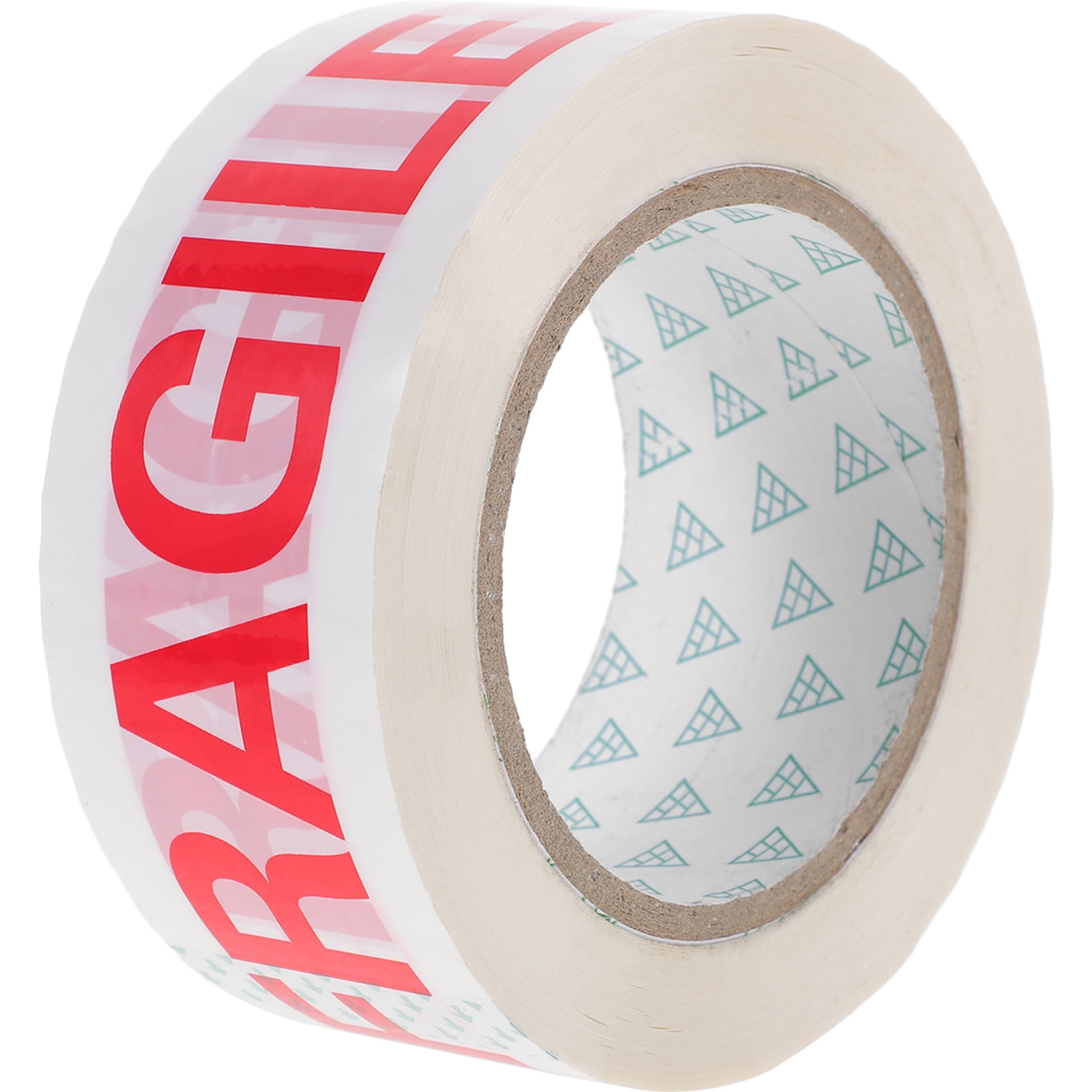
| Polypropylene (PP) Fragile Tape | 2.0–2.2 mil BOPP film; acrylic adhesive; waterproof; high tensile strength; standard red/white “Fragile” legend | High-volume e-commerce fulfillment, consumer electronics, general logistics across varied climates | Cost-effective and durable for automated application; not biodegradable, adhesive may soften in extreme heat |
| Paper-Based/Kraft Fragile Tape | Repulpable kraft paper substrate; natural rubber or water-activated adhesive; recyclable with corrugated board | EU regulatory compliance (Germany/Scandinavia), sustainable packaging initiatives, organic product lines | Environmentally compliant and brand-positive; moisture-sensitive, higher unit cost, limited weather resistance |
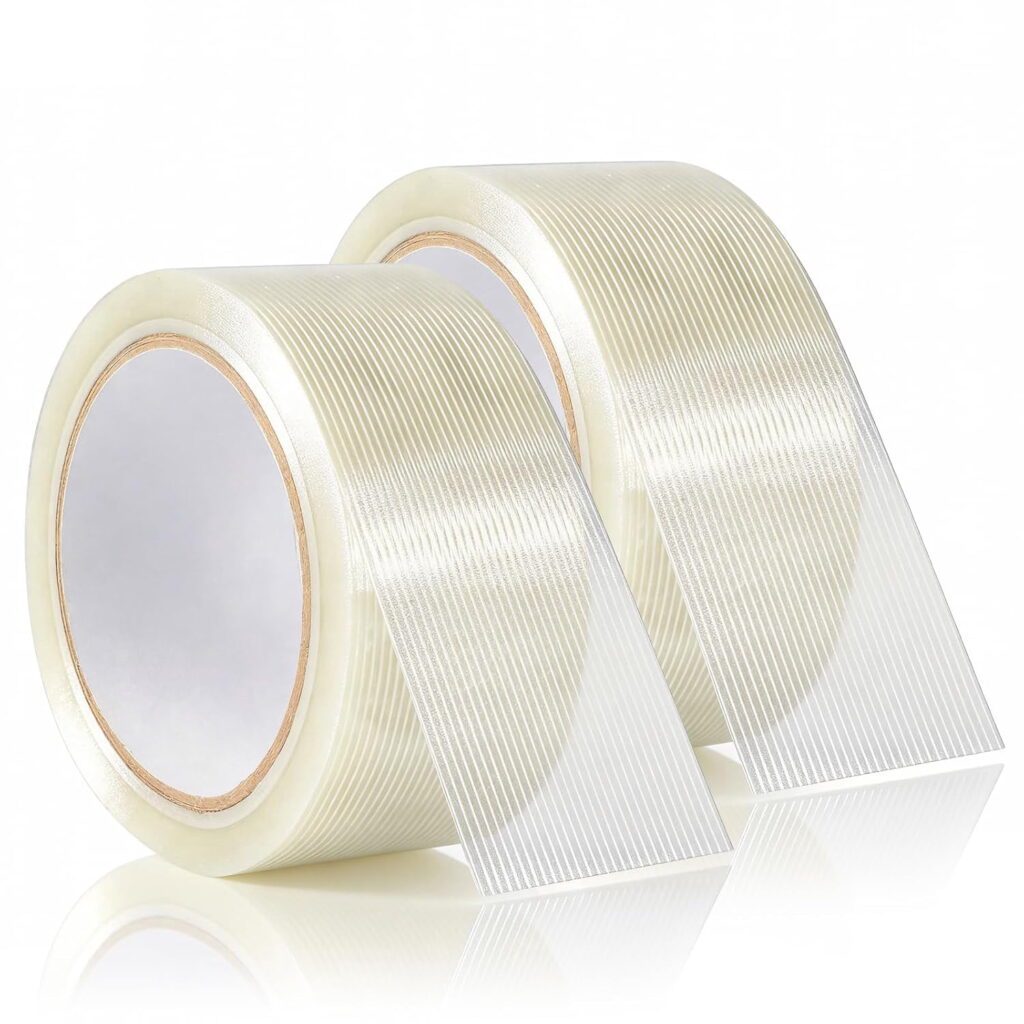
| Heavy-Duty Industrial Fragile Tape | 3.0+ mil thickness; fiberglass or filament reinforcement; solvent-based adhesive; UV and shear resistant | Heavy machinery, automotive parts, construction equipment, long-haul international freight | Superior holding power for heavy cartons; significantly higher cost, requires specialized dispensers, overkill for light items |
| Custom-Printed Branded Fragile Tape | Multi-color capability; multilingual warnings (e.g., Arabic/English/German); corporate logo integration; 48mm–76mm widths | Premium retail unboxing, Saudi/European export compliance, tamper-evident security for high-value goods | Enhanced brand recognition and handling clarity; high MOQs (1,000+ rolls), setup fees, longer lead times |
Which Fragile Tape Material Offers the Best Durability for High-Volume Shipping?
Polypropylene (PP) fragile tape remains the industry standard for B2B operations prioritizing cost-efficiency and operational reliability. Constructed from biaxially oriented polypropylene film paired with pressure-sensitive acrylic adhesive, this variation delivers exceptional tensile strength and moisture resistance critical for multi-modal transport through varying climates. For buyers managing distribution across Africa and the Middle East, where temperature fluctuations and high humidity are common, selecting UV-stabilized acrylic formulations prevents adhesive degradation during extended outdoor storage. When purchasing in bulk, evaluate roll length consistency—whether standard 66-meter or jumbo 100-meter+ rolls—to ensure compatibility with existing dispenser systems and minimize changeover frequency in high-speed automated packing lines.
Is Eco-Friendly Paper Fragile Tape Suitable for International Export Standards?
Paper-based fragile tape addresses escalating regulatory pressures in European markets and stringent sustainability mandates increasingly demanded by German and Scandinavian corporate buyers. Manufactured from renewable kraft paper substrates with natural rubber or water-activated starch adhesives, this variation integrates seamlessly into single-stream cardboard recycling systems, eliminating the contamination issues typically associated with plastic films. However, procurement teams must carefully verify humidity resistance specifications, as untreated paper substrates can compromise seal integrity in tropical climates common throughout South American and West African logistics corridors. Consider implementing dual inventory strategies—paper-based solutions for EU destinations while utilizing polypropylene alternatives for humid regions—or selecting hybrid reinforced paper options that balance biodegradability with enhanced moisture resistance.
What Specifications Define Heavy-Duty Fragile Tape for Industrial Applications?
Heavy-duty industrial fragile tape distinguishes itself through elevated thickness ratings (3.0 mil and above) and optional reinforced fiberglass or filament layers specifically engineered for carton sealing applications exceeding 30 kilograms. This variation typically utilizes solvent-based or hot-melt adhesives that maintain aggressive tack in sub-zero conditions and dusty environments prevalent in mining, agricultural, and construction machinery exports. Middle Eastern buyers shipping heavy industrial equipment should prioritize tapes formulated with UV inhibitors and high-shear resistance to prevent edge flagging during extended desert transport or prolonged warehouse exposure. While unit costs typically run 40-60% higher than standard polypropylene options, the substantial reduction in package failure rates, freight damage claims, and customer returns justifies the investment for high-value cargo.
How Can Custom-Branded Fragile Tape Improve Cross-Border Compliance and Recognition?
Custom-printed fragile tape transcends basic utility by incorporating multilingual handling instructions—essential for Saudi Arabian and pan-European distribution networks where Arabic, German, and English warnings may be required simultaneously to ensure regulatory compliance. Beyond legal adherence, branded tape serves as a tamper-evident security layer and mobile advertising medium that reinforces corporate identity upon delivery. When sourcing customized solutions, specify Pantone-matched colors for brand consistency and verify that printing inks meet FDA or EU food-contact safety regulations if shipping packaged consumer goods. Note that customization typically requires minimum order quantities of 1,000+ rolls and 4-6 week production lead times, necessitating accurate demand forecasting to accommodate seasonal export peaks without inventory gaps.
Key Industrial Applications of Fragile Tape
| Industry/Sector | Specific Application of Fragile Tape | Value/Benefit for the Business | Key Sourcing Considerations for this Application |
|---|---|---|---|
| E-commerce & Third-Party Logistics (3PL) | Sealing corrugated boxes containing consumer electronics, glassware, and ceramics; integrates handling warnings with carton sealing to eliminate separate labeling steps | Reduces damage claims by 30-40%, streamlines packing operations, and lowers labor costs in high-volume fulfillment environments | UV-resistant acrylic adhesives for tropical climates (Africa/South America); bulk carton quantities; compatibility with automated sealing machines |
| Electronics Manufacturing & Assembly | Sealing anti-static boxes for semiconductors, circuit boards, LCD panels, and precision sensors during inter-facility transfers and export shipping | Combines ESD protection with visible handling warnings, preventing costly component damage and production line interruptions | Low-outgassing adhesives compatible with cleanroom standards; temperature resistance for Middle Eastern logistics hubs; high-contrast colors for automated scanning systems |
| Pharmaceutical & Medical Device Distribution | Securing temperature-controlled packaging for diagnostic equipment, biologic samples, and delicate medical instruments in cold chain logistics | Maintains packaging integrity across temperature variations while alerting handlers to sensitive contents, reducing spoilage and compliance violations | FDA-compliant or medical-grade adhesive formulations; moisture-resistant backing for humid climates (South America/Southeast Asia); residue-free removal for reusable containers |
| Glass & Ceramics Export Manufacturing | Bundling flat-pack furniture glass, sanitary ware, artisan ceramics, and optical glass for international sea and air freight | Prevents breakage during multi-modal transport with multiple handling points, reduces insurance premiums and replacement costs for fragile exports | High-tack rubber adhesives for dusty environments; UV-stable formulations for extended port storage; bilingual printing (Arabic/English for Middle East, Portuguese/Spanish for South America) |
| Automotive Parts Supply Chain | Packaging sensitive components including automotive glass, lighting assemblies, oxygen sensors, and ECU modules for just-in-time delivery sequences | Protects production schedules from disruption caused by damaged precision parts, critical for lean inventory models with minimal safety stock | Heat-resistant formulations for warehouse storage in hot climates; compatibility with recycled corrugated materials; strong adhesion to oily or dusty box surfaces |
How Does Fragile Tape Secure Electronics Manufacturing Supply Chains?
In electronics manufacturing, fragile tape serves dual purposes by sealing anti-static cartons while clearly marking boxes containing semiconductors, LCD panels, and precision sensors. This eliminates the need for separate handling labels, reducing packing station labor by 15-20%. For buyers in Germany and Saudi Arabia, where automated handling systems are prevalent, high-contrast red/white tape with machine-readable barcodes ensures compatibility with warehouse scanning equipment while preventing costly electrostatic discharge damage during inter-facility transfers.
What Role Does Fragile Tape Play in Pharmaceutical Cold Chain Logistics?
Pharmaceutical distributors rely on fragile tape to secure temperature-controlled packaging for diagnostic equipment and biologic samples, where temperature excursions aren’t the only risk—physical shock can invalidate entire shipments. The tape’s waterproof acrylic adhesive maintains integrity in cold chain environments ranging from refrigerated trucks to humid climates common in Brazilian or Nigerian logistics hubs. B2B buyers should specify medical-grade adhesives that won’t degrade during gamma sterilization or leave residue on reusable shipping containers.
Why Is High-Visibility Fragile Tape Essential for Glass Export Operations?
For glass manufacturers exporting to Middle Eastern and European markets, fragile tape provides essential protection during multi-modal transport where packages face multiple handling points. Unlike standard sealing tape, specialized fragile variants with 2.2-mil thickness reinforce box corners prone to splitting under weight. African and South American exporters particularly benefit from UV-resistant formulations that prevent adhesive degradation during extended port storage, while bilingual Arabic/English or Portuguese/Spanish printing ensures handlers understand warnings regardless of local language barriers.
How Can E-commerce Fulfillment Centers Reduce Costs with Integrated Fragile Tape?
Third-party logistics providers handling cross-border e-commerce utilize fragile tape to streamline high-volume packing operations while reducing damage claims. By integrating handling instructions directly into the sealing process, warehouses eliminate the labor cost of applying separate fragile stickers—critical for competitive markets like South Africa or Argentina where operational efficiency directly impacts margins. Buyers should prioritize pressure-sensitive acrylic adhesives that perform across temperature variations from European winters to Gulf State summers, ensuring consistent tack on recycled corrugated materials increasingly used in sustainable packaging initiatives.
What Are the Critical Applications of Fragile Tape in Automotive Parts Distribution?
Automotive parts distributors utilize fragile tape to protect sensitive components like oxygen sensors, ECU modules, and lighting assemblies during just-in-time delivery sequences. In industrial zones across Turkey, Mexico, and South Africa, where dust and temperature fluctuations challenge adhesive performance, high-tack rubber-based fragile tape prevents seal failure while alerting handlers to precision-engineered contents. This reduces production line stoppages caused by damaged components, particularly critical for manufacturers operating lean inventory models with minimal safety stock.
A stock image related to Fragile Tape.
3 Common User Pain Points for ‘Fragile Tape’ & Their Solutions
Scenario 1: How Do You Prevent Fragile Tape Adhesion Failures in Extreme Climates?
The Problem: B2B buyers managing supply chains across humid regions like West Africa, Southeast Asia, or the Middle East frequently encounter fragile tape that loses adhesive strength when exposed to high moisture, dust, or temperature fluctuations. Standard acrylic formulations often fail during monsoon seasons or in non-climate-controlled warehouses, causing seals to pop open and exposing delicate electronics, glassware, or precision instruments to damage. This creates significant liability for exporters, resulting in costly insurance claims, customs delays, and damaged client relationships in destination markets where product integrity is non-negotiable.
The Solution: Specify pressure-sensitive fragile tape with high-tack acrylic adhesives specifically rated for extreme temperature ranges (-20°C to 60°C) and high-humidity environments. Select 2.2 mil or thicker polypropylene backing that maintains structural integrity under thermal stress and resists moisture penetration. For dusty conditions common in Middle Eastern and North African logistics hubs, choose tape with sealed-edge construction to prevent particulate contamination from compromising the adhesive bond. Always request climate-specific performance data from suppliers and conduct pilot tests under local ambient conditions before committing to bulk procurement volumes.
Scenario 2: What Is the Most Efficient Way to Apply Fragile Tape in High-Volume Warehouse Operations?
The Problem: High-volume e-commerce fulfillment centers and third-party logistics (3PL) providers across Europe and South America face significant productivity drains when packing teams must first apply separate “FRAGILE” stickers before sealing boxes with standard tape. This redundant two-step process reduces line speeds by 15-20%, increases per-package labor costs, and creates inconsistency in handling instruction placement—sometimes resulting in unmarked packages that sustain damage during automated sorting. For businesses scaling operations or managing seasonal peaks, these inefficiencies directly impact profit margins and delivery timelines while increasing error rates.
The Solution: Transition to pre-printed “Fragile Handle With Care” carton sealing tape that integrates communication and sealing into a single application step. Select 48mm or 76mm widths compatible with automated tape dispensers to accelerate packing speeds while eliminating separate label inventory management. This approach ensures 100% consistent handling instruction visibility on every package. For markets with strict logistics compliance requirements like Germany or Saudi Arabia, specify tape manufactured to ISO 9001 quality standards to meet regulatory expectations while streamlining warehouse operations and reducing labor overhead.
Scenario 3: Which Fragile Tape Specifications Are Best for Heavy-Duty Industrial Packaging?
The Problem: Industrial manufacturers and heavy machinery exporters—particularly those serving Germany’s automotive sector or Saudi Arabia’s construction industries—discover that standard fragile tape lacks the tensile strength required for double-wall corrugated boxes exceeding 30kg. Thin tape (below 2.0 mil) frequently splits under shear stress during international transit, while inadequate adhesives fail on recycled corrugated surfaces increasingly common in European sustainable packaging initiatives. This results in catastrophic seal failure during rough handling at international ports, particularly in African and South American logistics corridors where package integrity faces severe mechanical stress.
The Solution: Specify industrial-grade fragile tape with minimum 2.5 mil thickness and hot-melt or natural rubber adhesive formulations specifically engineered for heavy-duty applications and recycled content boxes. Utilize 3″ width options providing 50% greater surface contact than standard 2″ tape for enhanced seal security on large export containers. Consider custom-printed fragile tape incorporating both handling instructions and company branding—this reinforces brand identity while providing the structural integrity necessary for palletized ocean freight. Verify that tape specifications meet ASTM D5486 or equivalent international standards for heavy-duty carton sealing to ensure compliance with industrial shipping requirements.
Strategic Material Selection Guide for Fragile Tape
Selecting the optimal substrate for fragile tape requires balancing adhesion performance, environmental resilience, and total cost of ownership. For procurement teams managing logistics across diverse corridors—from humid Sub-Saharan African routes to temperature-controlled European freight and dusty Middle Eastern construction sites—material composition directly impacts seal integrity, handling visibility, and customs compliance. Understanding the mechanical properties and environmental trade-offs of each substrate category enables strategic inventory decisions that align with specific product vulnerability profiles and regional climate challenges.
What Is the Most Cost-Effective Fragile Tape Material for High-Volume Export Operations?
Biaxially Oriented Polypropylene (BOPP) constitutes approximately 70% of global fragile tape production, offering procurement teams an optimal balance of mechanical performance and unit economics. This thermoplastic polymer exhibits exceptional tensile strength-to-weight ratios, resisting elongation during rough handling in international transshipment hubs. For operations spanning humid South American ports or monsoon-prone Southeast Asian distribution centers, BOPP’s inherent moisture resistance prevents adhesive degradation and label delamination. The material’s compatibility with high-speed automated carton sealers—capable of processing thousands of packages hourly—makes it indispensable for large-scale e-commerce fulfillment. Acrylic adhesive systems provide immediate surface grab on recycled corrugated fibers, though procurement teams should note that standard BOPP formulations become brittle below -10°C, potentially compromising seal integrity during Central European winter logistics or refrigerated pharmaceutical transport.
Which Fragile Tape Material Delivers Superior Performance in Extreme Desert and Tropical Climates?
Polyvinyl Chloride (PVC) fragile tape represents the premium substrate choice for shipments traversing extreme thermal environments, such as Middle Eastern desert corridors or equatorial African zones. Unlike polypropylene, PVC maintains adhesive flexibility and conformability across surface temperatures ranging from -20°C to 60°C, preventing edge lifting during solar exposure in Saudi Arabian distribution yards. The material’s chemical resistance proves valuable when shipping industrial solvents, agricultural chemicals, or automotive parts where tape contact with minor spills could compromise seal integrity. PVC’s superior conformability allows it to maintain contact across irregular box surfaces and expansion joints common in heavy machinery packaging. However, procurement managers must evaluate higher per-roll costs against reduced damage claims, while considering emerging EU regulations restricting chlorine-based polymers in circular economy packaging directives.
How Can Sustainable Procurement Teams Select Eco-Friendly Fragile Tape for Circular Economy Compliance?
Reinforced Kraft paper fragile tape addresses stringent environmental regulations prevalent in German packaging laws and growing sustainability mandates across African trade blocs. This substrate utilizes natural cellulose fibers integrated with cross-woven glass filaments or synthetic yarn reinforcements to achieve tensile strength comparable to plastic alternatives while maintaining full recyclability within standard cardboard waste streams. Water-activated adhesive systems (gummed tape) provide tamper-evident security that bonds molecularly with corrugated fibers, offering superior theft deterrence for high-value electronics shipped to European markets. The matte surface accepts rubber-based inks for high-contrast “FRAGILE” messaging without reflective glare. Procurement teams must account for climate-controlled warehousing requirements, as humidity levels above 70% can prematurely activate adhesives or cause paper fiber swelling that compromises print legibility and dispensing efficiency.
When Should Logistics Managers Specify Heavy-Duty Polyester Fragile Tape for Industrial Cargo?
Polyester (PET) fragile tape serves specialized B2B applications involving heavy palletized goods, sharp-edged metal components, or abrasive building materials where standard films risk puncture or tear propagation. The material’s dimensional stability—exhibiting less than 1% elongation under load—ensures consistent “FRAGILE” message alignment during high-speed automated application, critical for pharmaceutical and precision instrument shipments. PET substrates demonstrate exceptional UV resistance for outdoor storage scenarios common in Middle Eastern construction supply chains and African port staging areas. The aggressive adhesive systems typically paired with polyester films create permanent bonds resistant to shear forces during ocean freight vibration. Despite superior durability, the material commands 40-60% price premiums over BOPP alternatives and often requires specialized metal or heavy-duty plastic dispensers, limiting viability for standard carton sealing but proving essential for export crating and industrial machinery protection.
| Material | Typical Use Case for Fragile Tape | Key Advantage | Key Disadvantage/Limitation | Relative Cost |
|---|---|---|---|---|
| Polypropylene (BOPP) | High-volume e-commerce and retail distribution in varied climates | Excellent moisture resistance and print clarity; compatible with automated applicators | Brittle in freezing temperatures; non-biodegradable | Low |
| PVC (Vinyl) | Premium electronics and industrial equipment shipping; extreme climate zones | Superior conformability on irregular surfaces; high temperature tolerance | Higher environmental impact; complex recycling | High |
| Reinforced Kraft Paper | Sustainable packaging for EU compliance; organic product lines | Fully recyclable with cardboard; tamper-evident water-activated adhesion | Moisture-sensitive storage requirements; lower initial tack | Medium |
| Polyester (PET) | Heavy-duty industrial palletizing; sharp-edged metal components | Maximum puncture resistance and dimensional stability; UV resistant | Premium pricing; requires specialized dispensing equipment | High |
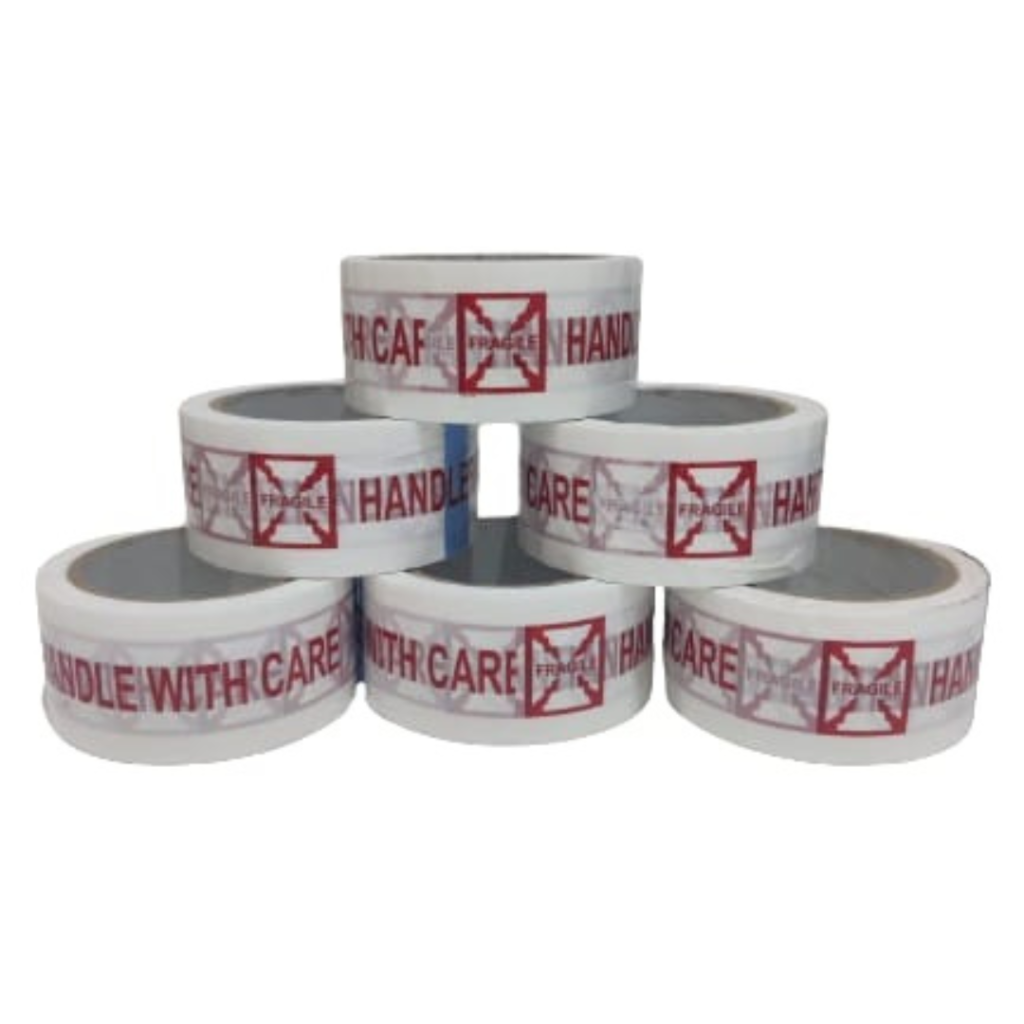
A stock image related to Fragile Tape.
In-depth Look: Manufacturing Processes and Quality Assurance for Fragile Tape
When sourcing fragile tape for international supply chains, understanding the production pipeline separates commodity-grade products from industrial-quality solutions that withstand the rigors of global logistics. B2B procurement teams across diverse climates—from the humidity of West African ports to the temperature-controlled precision required in German automotive supply chains—must evaluate manufacturing capabilities that ensure consistent adhesive performance and legible warning messaging across thousands of kilometers.
What Raw Materials Determine Fragile Tape Performance?
The foundation of high-performance fragile tape begins with substrate selection, typically oriented polypropylene (OPP) film ranging from 28 to 35 microns in thickness, though PVC alternatives remain prevalent for heavy-duty applications. Premium manufacturers utilize biaxially oriented polypropylene (BOPP) film that provides the 2.2-mil thickness standard while maintaining tensile strength exceeding 20 N/cm, ensuring cartons remain sealed through multiple handling points.
Adhesive formulation represents the critical differentiator between standard and industrial-grade products. Acrylic water-based adhesives dominate European and Middle Eastern markets due to their superior UV resistance and stable performance across temperature fluctuations from -10°C to 60°C. Conversely, hot-melt synthetic rubber adhesives offer aggressive initial tack preferred for dusty environments common in African and South American logistics hubs, though they require careful storage away from direct heat sources.
How Is the “Fragile” Warning Integrated During Production?
The integration of high-visibility warning text occurs through flexographic printing processes utilizing photopolymer plates capable of 120+ line screen resolution. Unlike standard packaging tape, fragile tape demands precise registration control to ensure “FRAGILE” or “HANDLE WITH CARE” legends remain perfectly aligned during high-speed application at 500+ meters per minute production rates.
Color fastness presents a particular challenge for international shipments exposed to prolonged sunlight. Quality manufacturers employ solvent-based or UV-cured inks with 7-8 lightfastness ratings on the Blue Wool Scale, ensuring red warning text on white backgrounds remains vivid after weeks in transit. Advanced facilities utilize inline corona treatment before printing to increase surface energy above 38 dynes/cm, guaranteeing ink adhesion that resists smudging during contact with conveyor belts or moisture exposure.
What Quality Control Tests Ensure Adhesive Reliability in Extreme Climates?
Rigorous quality assurance protocols must simulate the environmental stresses encountered during intercontinental shipping. Peel adhesion testing follows ASTM D3330 standards, requiring minimum 4.5 N/cm adhesion to stainless steel after 24-hour dwell time. However, sophisticated manufacturers conduct additional tropical climate testing at 85% relative humidity and 40°C to validate performance for Middle Eastern and African supply chains.
Shear resistance testing proves particularly critical for fragile tape applications, as packages often endure prolonged vertical storage during ocean freight. Quality labs apply 1kg static loads at elevated temperatures to verify the adhesive’s resistance to sliding failure. Additionally, loop tack testing measures immediate bond strength, ensuring handlers can reposition cartons during loading without seal compromise.
Print durability undergoes abrasion testing using Taber methods, where the warning text must remain legible after 50+ cycles of simulated handling. This prevents the dangerous scenario where “FRAGILE” indicators become illegible precisely when packages reach high-volume distribution centers where careful handling instructions matter most.
Which Manufacturing Certifications Should B2B Buyers Verify?
International B2B procurement requires verification of ISO 9001:2015 quality management systems as a baseline, though region-specific certifications carry additional weight. For European markets, REACH compliance regarding chemical substances and RoHS directives for restricted materials remain non-negotiable. Middle Eastern buyers should seek SASO (Saudi Standards, Metrology and Quality Organization) conformity marks, while African markets increasingly require SONCAP (Standards Organization of Nigeria Conformity Assessment Program) certifications for imported packaging materials.
Environmental credentials gain prominence in German and Nordic markets, making ISO 14001 environmental management certification and FSC (Forest Stewardship Council) accreditation for paper-based fragile tape variants valuable differentiators. Manufacturers demonstrating closed-loop solvent recovery systems and water-based adhesive capabilities position themselves favorably for sustainability-focused procurement tenders.
How Does Custom Printing Impact Production Lead Times?
B2B buyers requiring branded fragile tape with company logos alongside standard warning text must understand the production implications. Flexographic plate creation adds 3-5 days to standard manufacturing schedules, with minimum order quantities typically starting at 2,000-5,000 square meters depending on tape width specifications (commonly 48mm or 72mm).
Digital printing technologies increasingly offer shorter runs for regional distributors, though gravure and flexographic methods remain cost-effective for volumes exceeding 10,000 rolls. Color matching to Pantone specifications requires additional quality checkpoints, particularly for corporate red branding that must simultaneously meet safety visibility standards while maintaining brand consistency across packaging ecosystems.
What Sustainable Manufacturing Options Are Available for Eco-Conscious Procurement?
Progressive manufacturers now offer fragile tape solutions addressing circular economy requirements without compromising handling safety. Paper-based fragile tape utilizing kraft paper substrates with natural rubber adhesives provides biodegradable alternatives to polypropylene, though with reduced moisture resistance. Water-activated reinforced gummed tape (WAT) printed with soy-based inks offers tamper-evident sealing while eliminating plastic entirely.
For polypropylene-dependent operations, manufacturers utilizing 30-50% post-industrial recycled content in the film substrate maintain structural integrity while reducing virgin plastic consumption. Adhesive formulations free from solvents and toluene reduce VOC emissions during production, aligning with Saudi Vision 2030 sustainability initiatives and European Green Deal packaging regulations.
Understanding these manufacturing variables enables procurement teams to specify fragile tape solutions that balance cost efficiency with the reliability demanded by international logistics networks, ultimately reducing damage rates and protecting brand reputation across diverse market entry points.
Practical Sourcing Guide: A Step-by-Step Checklist for ‘Fragile Tape’
Procuring fragile tape for international B2B operations requires balancing material durability, adhesive reliability, and regional compliance standards. Buyers sourcing for diverse climates—from the humidity of West Africa to the temperature fluctuations of Central Europe—must verify specifications that ensure carton integrity throughout complex supply chains. This checklist provides actionable criteria to evaluate suppliers, optimize specifications, and secure cost-effective protection for delicate shipments.
Step 1: What Material Specifications Should B2B Buyers Prioritize for Fragile Tape?
Evaluate substrate options based on your regional climate and sustainability goals. Polypropylene tapes offer superior moisture resistance for humid environments like the Gulf states or tropical regions, while paper-based alternatives serve European markets demanding eco-friendly packaging directives. Verify thickness specifications—2.2 mil provides standard durability, while heavier 3-mil options suit oversized freight. Request technical data sheets verifying tensile strength exceeding 20 lbs/inch to prevent splitting during automated carton sealing processes.
Step 2: How to Evaluate Adhesive Performance for International Shipping Conditions?
Select pressure-sensitive acrylic adhesives that maintain tack across temperature ranges from -20°C to 60°C, critical for Middle Eastern desert transit and European winter logistics. Test adhesion on recycled corrugated surfaces common in African and South American supply chains. Confirm the adhesive eliminates the need for secondary labels by bonding securely to dusty or slightly irregular cardboard surfaces. Inquire about hot-melt adhesive alternatives only for climate-controlled European distribution, as these can soften in equatorial heat.
Step 3: What Dimensions and Visual Specifications Optimize Operational Efficiency?
Specify widths based on package weight: 48mm (2-inch) for standard parcels, 72mm (3-inch) for heavy industrial shipments. Select 110-yard rolls over 55-yard options to minimize changeover frequency in high-volume warehouses. Prioritize high-contrast red-and-white printing with multilingual “Fragile” legends—essential for diverse handler populations in international ports. Ensure print registration remains precise throughout the roll length to maintain professional appearance on retail-ready shipments, and verify legibility after UV exposure during outdoor storage.
Step 4: How to Verify Supplier Compliance and Customization Capabilities?
Confirm manufacturers hold ISO 9001 quality management and ISO 14001 environmental certifications, particularly critical for German and Saudi Arabian import regulations. Assess minimum order quantities (MOQs) for custom branded tape featuring company logos, which enhances brand perception while protecting goods. Validate lead times accommodate sea freight schedules from Asian manufacturing hubs to African or South American distribution centers. Verify the supplier’s experience with export documentation and customs clearance procedures specific to your target regions.
Step 5: What Total Cost Factors Should Guide Bulk Procurement Decisions?
Calculate total cost of ownership beyond per-roll pricing. Pre-printed fragile tape eliminates separate warning labels, reducing material costs and application labor by approximately 30%. Evaluate shelf life—quality acrylic tapes maintain adhesion for 12+ months when stored in climate-controlled warehouses. Consider the warehousing footprint—larger 110-yard rolls reduce storage cube requirements by 40% compared to equivalent lengths in shorter rolls. Negotiate volume tiers based on quarterly consumption rates rather than spot purchasing to secure favorable freight class 50 shipping rates.
Step 6: How to Conduct Pre-Purchase Quality Assurance Testing?
Request samples for climate chamber testing under simulated tropical humidity (85% RH) and desert heat conditions. Perform adhesion tests on your specific carton grades after 24-hour and 72-hour curing periods. Verify the tape’s tamper-evident properties—quality fragile tape should show visible fiber tear upon removal, indicating seal integrity. Test compatibility with your existing tape dispensers to ensure smooth unwind without adhesive transfer to machine rollers. Finally, conduct visibility studies with warehouse handlers to confirm the warning text commands attention from 3-meter distances in busy logistics environments.
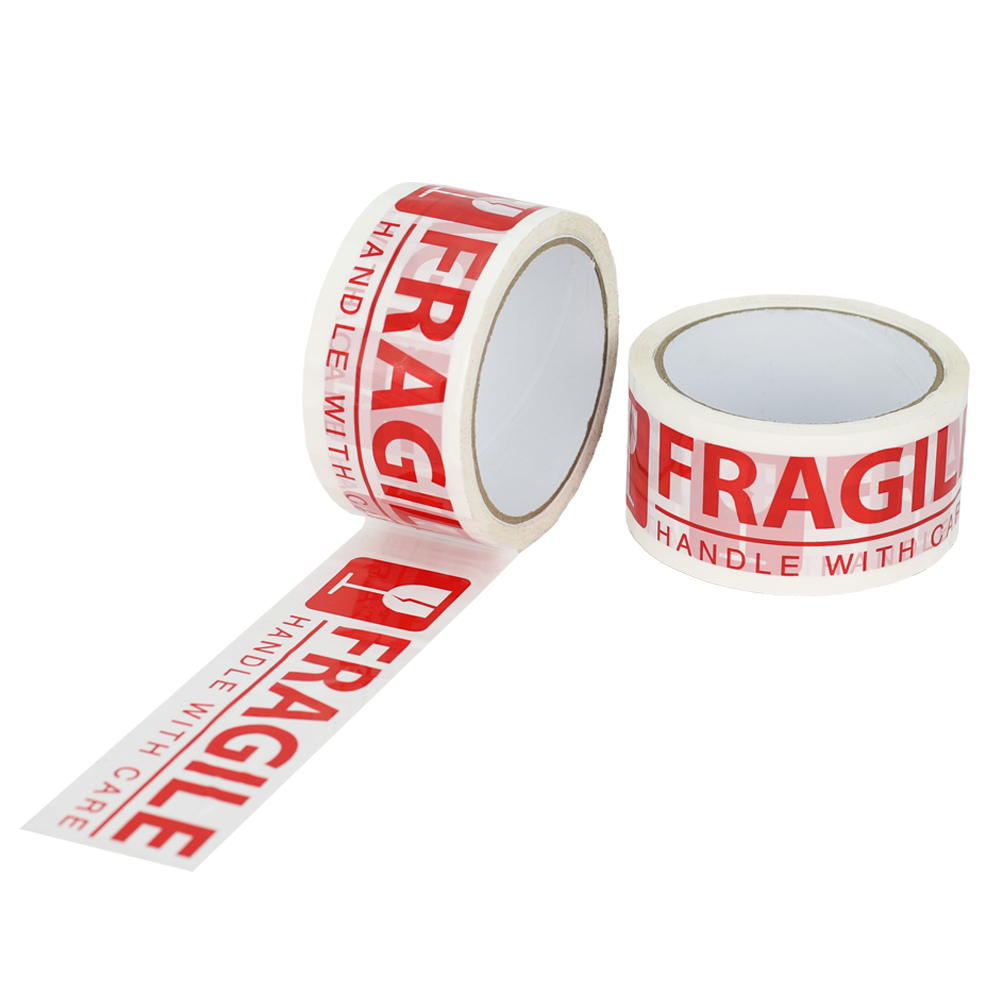
A stock image related to Fragile Tape.
Comprehensive Cost and Pricing Analysis for Fragile Tape Sourcing
International procurement of fragile tape extends far beyond comparing unit prices per roll. For B2B buyers across Africa, South America, the Middle East, and Europe, strategic sourcing requires analyzing material specifications, volume leverage, and regional logistics variables that collectively determine total cost of ownership.
How Do Material Specifications Drive Fragile Tape Pricing Structures?
Material composition serves as the primary cost determinant in fragile tape manufacturing. Standard polypropylene tapes with 2.2-mil thickness and acrylic adhesive—common in 48mm x 91m or 2″ x 110 yard specifications—typically offer the most cost-effective solution for high-volume operations. However, paper-based alternatives command premium pricing due to eco-friendly credentials and biodegradability, increasingly important for European markets like Germany facing strict packaging regulations. Pre-printed “Fragile Handle With Care” messaging eliminates separate labeling costs, offering immediate operational savings despite marginally higher per-roll prices compared to plain sealing tape.
What Volume-Based Pricing Strategies Maximize Procurement Efficiency?
Bulk purchasing dramatically alters unit economics, with carton quantities typically ranging from 6-roll packs to 36-roll cases providing tiered discounts. Direct manufacturer engagement often reveals container-load pricing advantages unavailable through distributors, particularly beneficial for Middle Eastern and African buyers importing from Asian manufacturing hubs. Minimum order quantities (MOQs) vary significantly by supplier; while standard distributors might require 50-carton commitments, specialized B2B suppliers frequently offer flexible terms for 500+ roll orders with customized branding options.
How Do Regional Logistics and Import Duties Impact Total Landed Costs?
For buyers in Saudi Arabia, Brazil, or Nigeria, freight costs and customs classifications substantially affect final pricing. Fragile tape typically ships efficiently due to its lightweight nature, but import duties on packaging materials range from 0-15% depending on regional trade agreements. European buyers benefit from proximity to manufacturing centers, reducing lead times and inventory carrying costs. Conversely, South American and African importers should factor in currency fluctuation buffers and potential port handling fees when calculating annual procurement budgets.
How Can Buyers Calculate ROI Beyond Per-Roll Pricing?
True cost analysis must incorporate damage prevention value. High-quality 2.2-mil acrylic adhesive tapes reduce product breakage rates by 30-40% compared to standard packaging, directly lowering return processing and replacement expenses. Additionally, pre-printed fragile messaging eliminates labor costs associated with manual “Handle With Care” sticker application—saving approximately 15-20 seconds per package in high-volume fulfillment centers. For German automotive parts suppliers or Saudi electronics distributors, these operational efficiencies typically justify 10-15% premiums on superior tape specifications within the first quarter of implementation.
Strategic fragile tape procurement balances upfront material costs against operational risk mitigation. By analyzing specifications against regional logistics realities and volume requirements, international buyers transform packaging from a commodity expense into a calculated investment in supply chain integrity.
Alternatives Analysis: Comparing Fragile Tape With Other Solutions
While fragile tape offers the dual functionality of secure carton sealing and visible handling instructions, procurement teams often evaluate standalone alternatives that may better suit specific operational scales or branding requirements. Understanding how discrete labeling solutions or custom packaging investments compare to integrated fragile tape helps optimize both protection levels and total cost of ownership across diverse supply chain environments.
What Are the Most Cost-Effective Alternatives to Fragile Tape for International Shipping?
| Comparison Aspect | Fragile Tape (Integrated Solution) | Pre-Printed Fragile Labels | Custom-Printed Corrugated Boxes |
|---|---|---|---|
| Performance & Durability | High adhesion acrylic, waterproof, seals while warning; 2.2+ mil thickness withstands rough handling and temperature fluctuations | Risk of label detachment in humid conditions; no sealing function; requires additional clear tape | Permanent print won’t peel; requires standard tape for sealing; print may fade if box reused |
| Total Cost Efficiency | Moderate per-unit cost; eliminates separate label procurement; reduces labor steps | Lower material cost per label; requires additional packing tape; higher labor time for dual application | High upfront investment (plate/setup fees); economies of scale at 10,000+ units; zero ongoing label/tape costs for warnings |
| Implementation Speed | Immediate deployment; compatible with tape dispensers; no curing time | Requires label applicators or manual placement; additional tape application step | Long lead times (2-4 weeks); requires inventory management of specific box SKUs; inflexible for mixed freight |
| Brand Presentation | Professional but utilitarian; limited color options (typically red/white) | Basic appearance; risk of crooked application; limited premium feel | Premium unboxing experience; full-color branding; reinforces corporate identity throughout supply chain |
| Operational Flexibility | Ideal for mixed inventory; works with any carton size; easy to adjust warning intensity | Flexible for varying box sizes; requires inventory of multiple label sizes | Rigid; requires accurate demand forecasting; wasteful if product mix changes |
How Do Pre-Printed Fragile Labels Compare to Integrated Fragile Tape Solutions?
Pre-printed fragile labels represent the most common alternative, offering a lower per-unit material cost that appeals to budget-conscious operations in emerging markets. However, this approach necessitates a two-step sealing and labeling process, increasing labor time by approximately 15-20% per package compared to integrated tape solutions. While suitable for low-volume operations or businesses utilizing existing clear tape inventory, separate labels present adhesion risks in extreme climates—particularly in humid regions like West Africa or the Gulf States—where label edges may lift during transit, potentially obscuring critical handling instructions when handlers need them most.
Is Direct-to-Box Printing a Viable Replacement for Fragile Tape in B2B Logistics?
Custom-printed corrugated boxes eliminate the need for both fragile tape and labels by integrating handling instructions directly into the packaging substrate, creating a premium solution favored by German manufacturers and luxury goods exporters in the Middle East. This method delivers superior brand consistency and eliminates the risk of warning message obstruction, though it requires significant minimum order quantities (typically 5,000-10,000 units) and extended lead times that may challenge just-in-time inventory strategies common in South American and African markets. For businesses shipping homogeneous product lines with predictable volumes, direct printing reduces per-package touch time to nearly zero, but lacks the operational flexibility to accommodate last-minute changes in shipping requirements or mixed fragile/non-fragile inventory without maintaining multiple box SKUs.
Essential Technical Properties and Trade Terminology for Fragile Tape
When procuring fragile tape for high-volume shipping operations, understanding the technical specifications and industry nomenclature ensures compliance with international logistics standards and prevents costly material failures in diverse climates. The following critical properties and trade definitions will guide sourcing decisions across regulatory environments from the EU to emerging markets in Africa and South America.
What Technical Specifications Define High-Performance Fragile Tape?
Substrate Material and Caliper
The foundation of any fragile tape lies in its substrate—typically biaxially oriented polypropylene (BOPP) film for durability or kraft paper for biodegradable applications. Caliper, measured in mils (thousandths of an inch), determines puncture resistance; standard industrial grades range from 1.8 to 2.5 mil, with heavier 3-mil variants offering superior protection for abrasive cross-border freight conditions common in Middle Eastern and African logistics corridors.
Adhesive Chemistry and Coat Weight
Acrylic adhesives provide excellent UV and temperature stability for long-haul shipments through varying climates, while hot-melt synthetic rubber adhesives offer aggressive initial tack for high-speed automated sealing. Solvent-based adhesives remain rare but excel in extreme cold chain logistics. The adhesive coat weight, typically measured in grams per square meter (gsm), directly correlates with bonding strength on recycled corrugated surfaces prevalent in European circular economy packaging.
Tensile Strength and Elongation
Measured in pounds per inch (lbs/in) or Newtons per 25mm, tensile strength indicates the force required to break the tape, with industrial standards requiring minimum 20 lbs/in for heavy-load containment. Elongation percentage—usually 150-180% for polypropylene—determines the tape’s ability to absorb impact without snapping during rough handling in high-volume South American transit hubs.
Temperature Resistance Range
Critical for Gulf Cooperation Council (GCC) and European markets, service temperature ranges specify performance thresholds from -20°C to 60°C. Acrylic formulations maintain adhesion in high-heat desert transport, while specialized low-temperature grades prevent brittle failure during frozen supply chain segments.
Print Legibility and Fade Resistance
The “FRAGILE” legend requires solvent-based or UV-cured inks that resist smearing when exposed to tropical humidity or maritime moisture. High-contrast red-on-white or black-on-yellow configurations ensure visibility under warehouse lighting conditions, meeting ISO 780 standards for handling symbols required in German and Saudi Arabian distribution centers.
What Industry Terminology Should International Buyers Know When Sourcing Fragile Tape?
Pressure-Sensitive Adhesive (PSA)
Unlike water-activated or heat-sealed alternatives, PSA tapes require only finger pressure to bond, eliminating equipment needs but demanding clean application surfaces. This technology defines modern carton sealing tapes and ensures immediate handling instruction communication without curing time.
Legend or Imprint
The printed messaging—whether “Fragile,” “Handle With Care,” or multilingual warnings—constitutes the tape’s legend. B2B buyers should specify legend clarity standards and language variants to comply with regional labeling requirements, particularly for Arabic-Portuguese-English multilingual shipments common in trade between the Middle East and South America.
Hot Melt vs. Acrylic Adhesive
Hot melt adhesives offer quick stick and lower cost for short-duration shipping, while acrylic provides aging resistance for storage or extended ocean freight. Understanding this distinction prevents adhesive failure in tropical versus temperate climates.
Carton Sealing Tape (CST)
The industry classification for pressure-sensitive tapes used to close corrugated boxes. Fragile tape represents a specialized subset of CST with pre-printed handling instructions that integrate sealing and warning functions into a single application step.
Tamper-Evident Features
Security slits or void-release adhesives that leave residue upon removal, deterring pilferage in high-risk shipping lanes. These features add traceability to delicate electronics or pharmaceutical shipments entering African and Middle Eastern markets.
Elongation at Break
The measurable stretch before rupture, distinct from tensile strength. High elongation (180%+) accommodates box expansion and contraction during altitude changes in air freight between European and South American hubs.
Navigating Market Dynamics and Sourcing Trends in the Fragile Tape Sector
How Is the E-Commerce Surge Reshaping Fragile Tape Demand in Emerging Markets?
The exponential growth of cross-border e-commerce has catalyzed unprecedented demand for protective packaging solutions across Africa, South America, and the Middle East, fundamentally altering procurement priorities
Frequently Asked Questions (FAQs) for B2B Buyers of Fragile Tape
1. What is fragile tape used for in warehouse operations and logistics centers?
Fragile tape serves as a critical visual communication tool in high-volume warehouse environments, immediately alerting material handlers, forklift operators, and sorting personnel to packages requiring careful handling. Unlike standard sealing tape, it combines secure carton sealing with prominent “Fragile” or “Handle With Care” messaging, eliminating the need for separate adhesive labels that can peel off during transit. In logistics centers, this tape streamlines operations by enabling quick visual sorting of delicate inventory, reducing the incidence of mishandling during loading, unloading, and cross-docking processes. For B2B operations shipping to regions with varying handling standards, such as emerging markets in Africa or South America, this visual cue provides an essential safeguard against damage in multi-modal supply chains.
2. How do you choose the right fragile tape specifications for international B2B shipping?
Selecting appropriate fragile tape requires evaluating your specific supply chain conditions, including climate variations and transportation modes common in your target markets. For shipments to humid regions like Southeast Asia or the Middle East, opt for waterproof polypropylene tapes with acrylic adhesives that maintain tackiness despite moisture and temperature fluctuations. Standard B2B specifications typically include 2-inch width for standard cartons and 3-inch width for heavier industrial packaging, with thickness ranging from 2.0 to 2.2 mil for adequate durability. Consider roll length based on volume—55-yard rolls suit smaller operations, while 110-yard rolls minimize changeover time in high-speed automated packaging lines common in European manufacturing facilities.
3. Can fragile tape be customized with company branding and handling instructions for B2B clients?
Yes, modern fragile tape manufacturing supports extensive customization, allowing B2B buyers to incorporate corporate logos, brand colors, and specific handling instructions beyond standard “Fragile” warnings. This capability transforms packaging from a cost center into a marketing asset, reinforcing brand recognition when packages arrive at client facilities in Germany, Saudi Arabia, or other key markets. Custom printing can include multilingual instructions—essential for international operations—such as Arabic, Spanish, or Portuguese text alongside universal symbols. Additionally, you can specify custom adhesive formulations or tape widths to match existing packaging machinery, ensuring seamless integration into automated sealing processes while maintaining consistent brand presentation.
4. Which fragile tape specifications are best for heavy-duty industrial packaging applications?
Heavy-duty industrial applications demand fragile tape with enhanced structural integrity, specifically 2.2 mil thickness or greater and 3-inch width to secure heavy corrugated boxes under significant stress. Look for hot melt or solvent acrylic adhesives that provide aggressive initial tack and long-term adhesion, particularly important for palletized shipments undergoing extended transit times to African or South American destinations. The tape should exhibit high tensile strength to resist tearing during rough handling in industrial environments, while maintaining legibility of printed warnings despite abrasion. For maximum protection in heavy machinery or automotive parts shipping, consider reinforced filament fragile tape that combines handling instructions with fiberglass strands for tear resistance.
5. How does fragile tape reduce shipping damage costs and improve ROI in B2B supply chains?
Implementing fragile tape delivers measurable ROI by significantly reducing damage-related returns, replacements, and warranty claims that erode profit margins in B2B transactions. By
Important Disclaimer & Terms of Use
⚠️ Important Disclaimer
The information provided in this guide, including content regarding manufacturers, technical specifications, and market analysis, is for informational and educational purposes only. It does not constitute professional procurement advice, financial advice, or legal advice.
B2B buyers must conduct their own independent and thorough due diligence before making any purchasing decisions. The risk of relying on any information in this guide is borne solely by the reader.
Top 5 Fragile Tape Manufacturers & Suppliers List
1. Rizetape – Fragile Sealing Tape
Domain: rizetape.com
Registered: 2022 (4 years)
Introduction: Fragile Sealing Tape supplied by Rizetape, a factory/manufacturer based in China. Marketed as high-quality sealing tape for fragile items with competitive pricing and first-class service. Intended for global distribution to markets including Europe, America, Australia, Netherlands, Greece, United States, and Somalia. Positioned alongside related product categories such as PVC Tape Clear, Heavy Dut…
2. Tape Suppliers – Industrial Tapes & Die Cutting
Domain: tapesuppliers.com
Registered: 2007 (19 years)
Introduction: 3M Tape, Adhesive Tape, Carpet Tape, Cloth Tape, Duct Tape, Electrical Tape, Foam Tape, Foil Tape, High Temperature Tape, Masking Tape, PTFE Tape, Sealing Tape, Teflon Tape, Vinyl Tape; die cutting services
3. iTape – Fragile Tape
Domain: itape.com
Registered: 1998 (28 years)
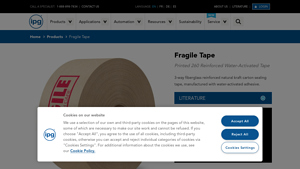
Introduction: Fragile Tape (Printed 260 Reinforced Water-Activated Tape) is a 3-way fiberglass reinforced natural kraft carton sealing tape manufactured with water-activated adhesive. Key features include suitability for two-strip sealing of cartons top and bottom, effectiveness on recycled cartons and non-unitized loads, and recommendation for average weight cartons up to 55 pounds (25 kg). Applications encomp…
4. Tape Logic – Fragile Tape
Domain: nordisco.com
Registered: 1997 (29 years)
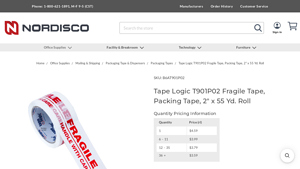
Introduction: Product Name: Tape Logic T901P02 Fragile Tape, Packing Tape; SKU: B6AT901P02; Dimensions: 2″ x 55 Yd. Roll; Thickness: 2.2 Mil; Material: White waterproof tape with red print, Acrylic adhesive; Price: $4.59 per roll (RL); Quantity Pricing: 6-11 rolls at $3.99, 12-35 rolls at $3.79, 36+ rolls at $3.59; Key Features: Pre-printed with ‘FRAGILE Handle with Care’ messaging to communicate handling instr…
5. Englewood – Industrial Adhesive Tapes

Domain: englewoodco.com
Registered: 1999 (27 years)
Introduction: Industrial adhesive tapes and solutions including: pressure-sensitive tapes, water-activated tapes, friction tape, PTFE and UHMW tapes, silicone/rubber/acrylic/hot-melt adhesive systems; carrier materials including foam, film, woven/non-woven fabrics, fiberglass, polyester, aramid, and custom substrates. Applications cover industrial manufacturing, automotive, aerospace, construction, HVAC, medica…
Strategic Sourcing Conclusion and Outlook for Fragile Tape
How Can B2B Buyers Optimize Fragile Tape Procurement for Global Logistics?
Strategic procurement of fragile tape requires balancing operational efficiency with climatic resilience, particularly for buyers across Africa, South America, and the Middle East. Prioritizing pre-printed acrylic adhesive tapes in bulk configurations—such as 36-roll cartons—eliminates separate labeling processes while ensuring waterproof sealing in humid or variable temperature conditions. Polypropylene options deliver superior durability for long-haul shipping, though paper-based alternatives are gaining traction in European markets with strict sustainability mandates. Evaluating suppliers based on consistent mil thickness (2.2+ mil) and pressure-sensitive adhesion prevents seal failures that trigger costly damage claims.
What Future Trends Will Define Fragile Tape Sourcing in 2025 and Beyond?
The fragile tape market is pivoting toward automation-compatible formulations and eco-conscious materials. As e-commerce infrastructure expands across emerging economies, demand will intensify for tapes that integrate seamlessly with high-speed carton sealers while maintaining bold “Handle With Care” visibility. European buyers, particularly in Germany, are driving innovation in recyclable paper-based adhesives, creating procurement opportunities for suppliers offering dual-functionality: protection and environmental compliance. Forward-thinking buyers should secure partnerships with manufacturers investing in climate-resistant acrylic technologies and sustainable substrate alternatives, ensuring supply chain resilience against both physical damage risks and evolving regulatory landscapes.