Introduction: Navigating the Global Market for Gecko tape
Sourcing advanced Gecko tape technologies for industrial automation, medical wound closure, or tactical applications requires navigating a complex landscape of biomimetic engineering capabilities and fragmented international supply chains. Unlike conventional pressure-sensitive adhesives, these solutions leverage van der Waals forces through microscopic fibrillar structures—mimicking gecko setae—to deliver residue-free, reusable adhesion that demands specialized manufacturing expertise. For procurement professionals operating in Germany, Nigeria, and emerging markets across Africa, South America, and the Middle East, identifying reliable suppliers capable of delivering consistent dry adhesive performance or biocompatible medical-grade variants represents a critical strategic challenge that directly impacts operational efficiency, regulatory compliance, and end-user safety outcomes.
What critical challenges do B2B buyers face when procuring gecko-inspired adhesive solutions?
The global Gecko tape marketplace spans highly specialized formats—from high-strength construction adhesives tested aboard the International Space Station to compact, vacuum-sealed medical flat tapes designed for field trauma kits. This technical fragmentation creates significant vetting complexities for international buyers, who must distinguish between research-grade prototypes and scalable commercial solutions while navigating disparate quality certifications, import regulations, and logistics requirements across European, African, and Middle Eastern markets. Additionally, buyers must evaluate critical performance differentiators between pure dry adhesives and polymer-coated biocompatible variants suitable for medical applications.
How will this guide empower your global sourcing strategy?
This comprehensive resource examines specific tape classifications, application-specific performance benchmarks, and cost-optimization strategies tailored to regional procurement conditions. Whether securing biodegradable surgical adhesives for healthcare infrastructure development in Nigeria, industrial grip solutions for German precision manufacturing, or tactical medical tapes for emergency response teams across South America, this guide provides actionable frameworks for supplier qualification, compliance verification, and logistics planning—enabling B2B buyers to make informed, risk-mitigated purchasing decisions that align with both technical specifications and local market realities.
Understanding Gecko tape Types and Variations
| Type Name | Key Distinguishing Features | Primary B2B Applications | Brief Pros & Cons for Buyers |
|---|---|---|---|
| Industrial Dry-Adhesive Gecko Tape | Micro-fibrillar structure utilizing van der Waals forces; reusable 1000+ cycles; zero residue; dry surface adhesion only | Construction material handling, glass manufacturing, cleanroom equipment mounting | Pros: No cleaning costs, eco-friendly reusability. Cons: Limited to dry environments, higher upfront cost vs traditional tape |
| Medical-Grade Biocompatible Gecko Tape | Polymer-coated spatulae for wet tissue adhesion; biodegradable; drug-eluting capabilities; hypoallergenic | Surgical wound closure, internal tissue fixation, drug delivery patches | Pros: Eliminates suture removal, reduces infection risk. Cons: Strict regulatory compliance required, moisture-dependent adhesion strength |
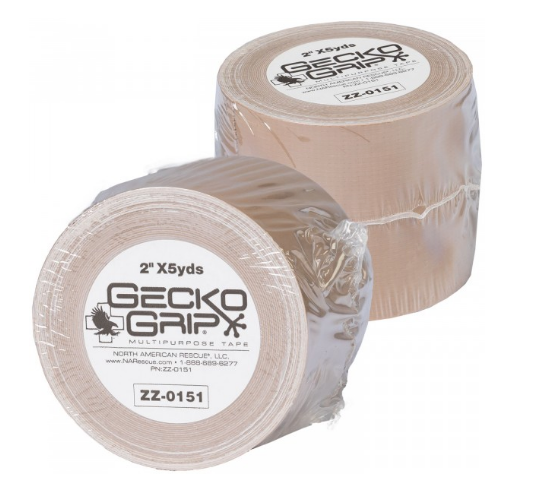
| Tactical High-Strength Gecko Grip Tape | High-tensile synthetic backing; flat-pack vacuum sealed; easy-peel liner; weather-resistant | Emergency medical kits, military IFAKs, outdoor adventure equipment, disaster response | Pros: Space-efficient packaging, immediate deployment. Cons: Single-use application, limited reusability compared to pure gecko adhesives |
| Custom Molded Gecko Adhesive Pads | Precision-cut geometries; programmable adhesion strength; integration-ready for robotic end-effectors | Automated manufacturing, space robotics, precision electronics handling | Pros: Exact fit for automation, repeatable performance. Cons: High minimum order quantities, extended lead times |
What are the specifications for industrial dry-adhesive gecko tape?
Industrial dry-adhesive gecko tape represents the foundational biomimetic technology replicating the microscopic setae structures found on gecko feet. This variation relies purely on van der Waals forces to create temporary molecular bonds with surfaces, eliminating the need for chemical adhesives. For B2B procurement teams in manufacturing hubs like Germany or Nigeria, this translates to clean handling processes without residue contamination. The tape excels in automated production lines handling glass, polished metals, or semiconductor wafers. However, buyers must verify environmental controls, as humidity and surface particulates significantly degrade adhesion performance. Bulk purchasing agreements should include specifications for fibrillar density and peel strength ratings to ensure compatibility with existing handling robotics.
How does medical-grade gecko tape differ from standard adhesive solutions?
Medical-grade gecko tape incorporates a specialized polymer coating over the micro-fibrillar structures, enabling adhesion to biological tissues despite moisture, oils, and blood—environments where traditional dry gecko adhesives fail. This variation addresses critical needs in emerging healthcare markets across Africa and the Middle East, offering suture-less wound closure that biodegrades naturally within the body. B2B buyers should prioritize suppliers with FDA or CE Mark certifications, particularly when sourcing for surgical applications. The technology supports drug-infused variants that release medication during the healing process, presenting opportunities for pharmaceutical partnerships. Procurement considerations must include sterilization compatibility and shelf-life stability under tropical storage conditions.
Which gecko tape variation is optimal for emergency response kits?
Tactical high-strength gecko grip tape bridges the gap between pure biomimetic adhesives and conventional tape, offering immediate high-tack adhesion in emergency scenarios. Unlike reusable industrial variants, this type prioritizes single-use reliability and compact packaging—essential for Individual First Aid Kits (IFAKs) and disaster response units prevalent in South American and Middle Eastern defense sectors. The flat-pack configuration reduces logistics costs while maintaining
Key Industrial Applications of Gecko tape
| Industry/Sector | Specific Application of Gecko tape | Value/Benefit for the Business | Key Sourcing Considerations for this Application |
|---|---|---|---|
| Medical Technology & Healthcare | Biocompatible wound closure and surgical sealing | Eliminates suture removal procedures; reduces infection risk; enables drug-eluting bandages for controlled medication release | Verify biocompatibility certifications (ISO 10993); ensure sterilization compatibility; validate biodegradability timelines against local regulatory requirements |
| Advanced Manufacturing & Robotics | Precision gripping systems for fragile materials (glass, semiconductors, solar panels) | Reduces breakage rates; enables high-speed automation of delicate handling; eliminates residue contamination on high-value components | Assess load capacity ratings against production speeds; verify cleanroom compatibility (ISO 14644); evaluate durability cycles for continuous operations |
| Construction & Heavy Industry | Temporary adhesion for glass panel installation and heavy composite maneuvering | Enables residue-free positioning and infinite repositioning; reduces need for mechanical fasteners; minimizes material waste on large-scale projects | Confirm weather/UV resistance for tropical climates; check reusability cycle guarantees; validate adhesion on locally prevalent materials (concrete, ceramic, treated glass) |
| Aerospace, Defense & Emergency Response | Zero-gravity tool fixation and field medical kit applications | Secure equipment in extreme environments; compact emergency wound closure; reliable adhesion in vacuum and space conditions | Ensure compliance with aerospace material standards (NASA/ESA); verify packaging integrity for long-term emergency storage; confirm performance in extreme temperature variations |
How Does Gecko Tape Transform Surgical Procedures in Emerging Markets?
In regions like Nigeria and Sub-Saharan Africa, where surgical infrastructure spans urban centers and remote clinics, gecko-inspired medical adhesives address critical healthcare logistics challenges. Unlike traditional sutures requiring scheduled removal appointments—often impractical in rural areas—these biocompatible tapes adhere to moist, oily tissue without causing inflammation, naturally biodegrading as wounds heal. For B2B healthcare buyers, this eliminates follow-up care costs while improving patient compliance in humid climates where conventional adhesives fail. Procurement teams must verify ISO 10993 biocompatibility certifications against local regulatory frameworks and ensure cold-chain logistics for polymer-coated variants requiring specialized storage in tropical environments.
What Are the Automation Advantages for European Manufacturing Sectors?
German automotive and electronics manufacturers increasingly integrate gecko tape into robotic end-effectors handling precision glass and semiconductor wafers, where vacuum suction leaves contamination risks and mechanical grippers cause micro-fractures. The dry adhesion mechanism enables high-speed automation of delicate substrates without residue, essential for solar panel assembly and display manufacturing. B2B buyers should evaluate load capacity specifications against production line speeds, as industrial applications require higher-density synthetic setae than consumer alternatives. Critical sourcing considerations include cleanroom ISO classifications, cyclic durability ratings for continuous operations, and supplier technical support for integration with existing robotic systems across European manufacturing hubs.
Why Is Gecko Tape Critical for Construction Projects in Extreme Climates?
Large-scale construction projects across the Middle East and South America utilize gecko tape for temporary fixation of glass curtain walls and composite panels during installation, particularly in high-humidity environments where conventional adhesives degrade or leave permanent
A stock image related to Gecko tape.
3 Common User Pain Points for ‘Gecko tape’ & Their Solutions
Scenario 1: Adhesion Failure in High-Humidity Manufacturing Environments
The Problem: B2B buyers operating manufacturing facilities in tropical climates—such as textile plants in Nigeria, automotive factories in Brazil, or electronics assembly hubs across Southeast Asia—frequently encounter catastrophic adhesion failures when standard dry gecko tapes encounter ambient humidity above 60%. The microscopic setae structures that generate van der Waals forces absorb atmospheric moisture, causing them to clump together and drastically reducing surface contact area. This results in automated robotic grippers dropping fragile glass panels or precision components without warning, leading to expensive production line stoppages, increased scrap rates, and potential safety violations. Procurement teams face resistance from plant engineers who cannot risk unreliable gripping systems in high-throughput environments where downtime costs thousands per hour.
The Solution: Specify next-generation polymer-coated gecko tape variants specifically engineered for wet-surface adhesion and high-humidity operation. These formulations apply a hydrophobic nanolayer over the micro-structured pillars, maintaining consistent van der Waals forces even in 95% humidity or light oil contamination common in manufacturing environments. Implement mandatory climate-controlled storage protocols (below 50% RH) for tape inventories upon receipt, and conduct adhesion validation testing using ASTM D903 peel standards at your facility’s specific ambient conditions before full-scale deployment. Partner with suppliers who provide region-specific performance datasheets tested in tropical climates rather than standard laboratory conditions, and request samples for 30-day humidity chamber testing to verify longevity in your specific operational environment.
Scenario 2: Uncertain Load Capacity Calculations for Heavy-Duty Industrial Applications
The Problem: Procurement managers in construction, logistics, and heavy manufacturing sectors across Germany and the Middle East hesitate to specify gecko tape for material handling due to ambiguous load-bearing specifications compared to mechanical fasteners. Unlike bolts or clamps with clear SWL (Safe Working Load) ratings certified to DIN standards, micro-structured adhesive capacity depends on variables including surface roughness, cleanliness, and contact area—factors that fluctuate significantly on construction sites. Project stakeholders risk compliance violations and liability exposure if adhesive systems fail to meet local safety regulations for hoisting glass curtain walls or composite aerospace components. This uncertainty often forces buyers to default to traditional mechanical gripping systems, forfeiting the residue-free, reusable benefits of gecko adhesion despite its operational advantages.
The Solution: Engineer material handling solutions using load-rated commercial-grade gecko tapes that provide quantified adhesion values (typically 5-15 N/cm² depending on substrate preparation). Calculate required contact surface area using the engineering formula: Load (kg) × Safety Factor (minimum 3:1 for dynamic loads) ÷ Adhesion Rating = Minimum Contact Area. Implement hybrid fastening strategies where gecko tape handles primary gripping for delicate surfaces while redundant mechanical safety systems manage shock loads and seismic forces. Request comprehensive third-party testing certificates from suppliers demonstrating performance on your specific material substrates—whether polished aluminum, low-iron glass, or powder-coated steel—and verify compliance with regional standards such as CE marking for European projects or GCC certification for Middle Eastern construction.
Scenario 3: Supply Chain Fragmentation and Quality Inconsistency in Bulk Procurement
The Problem: Manufacturing buyers across Africa, South America, and secondary European markets struggle to source gecko tape in bulk quantities without encountering debilitating batch-to-batch quality variations. Unlike commodity pressure-sensitive adhesives, gecko tape requires precision nanomolding of setae structures—processes that vary significantly between suppliers and even between production runs. Inconsistent pillar height, density, or polymer coating thickness between shipments causes automated robotic grippers to lose calibration, resulting in production downtime and rejected finished goods. Additionally, international buyers face extended lead times, customs clearance complications, and minimum order quantity challenges when sourcing from research institutions rather than industrial-scale manufacturers capable of consistent high-volume output.
The Solution: Establish strategic partnerships with ISO 9001-certified manufacturers operating dedicated nanomolding production lines with statistical process control (SPC) rather than academic spin-offs or prototype suppliers. Require suppliers to provide batch-specific quality documentation including scanning electron microscope (SEM) images verifying setae geometry consistency within ±5% tolerance. For regional operations in Nigeria, South Africa, or the UAE, identify suppliers with bonded warehousing in local free
Strategic Material Selection Guide for Gecko tape
Strategic material selection for gecko-inspired adhesive systems requires procurement professionals to navigate complex trade-offs between biomimetic adhesion performance, environmental durability, and regulatory compliance across international markets. For B2B buyers operating in diverse climatic conditions—from German precision manufacturing facilities to Nigerian healthcare infrastructure and South American construction sites—substrate choice directly impacts supply chain reliability, application longevity, and total cost of ownership. This analysis examines four primary polymer categories currently dominating industrial, medical, and aerospace procurement channels, providing region-specific selection criteria for high-volume purchasing decisions.
Which Silicone Elastomer Formulation Maximizes Reusability in Industrial Applications?
Polydimethylsiloxane (PDMS) remains the gold standard for fabricating microstructured dry adhesives that replicate gecko setae geometry. Its inherently low surface energy and superior mold release characteristics enable manufacturers to achieve the precise spatular architectures necessary for optimized van der Waals force generation. For B2B procurement teams in aerospace and electronics manufacturing, PDMS offers exceptional thermal stability across extreme temperatures (-50°C to 200°C) and enables clean removal without surface contamination. However, silicone elastomers demonstrate significantly reduced shear adhesion on rough or textured substrates and exhibit electrostatic attraction to dust particles, necessitating protective packaging and controlled storage environments. While raw material costs remain moderate, the precision injection molding requirements and low-throughput manufacturing processes elevate total procurement costs for large-scale industrial applications.
How Do Biodegradable Polyesters Perform for Medical-Grade Gecko Adhesives?
Poly(l
A stock image related to Gecko tape.
In-depth Look: Manufacturing Processes and Quality Assurance for Gecko tape
Gecko tape production bridges nanoscale engineering with industrial-scale manufacturing, creating unique challenges for quality assurance teams. Unlike conventional pressure-sensitive adhesives that rely on chemical tackifiers, this biomimetic technology replicates the millions of microscopic setae and spatulae found on gecko feet through precision molding and advanced polymer science. For procurement professionals sourcing from suppliers in Germany, the UAE, or emerging manufacturing hubs in Nigeria and Brazil, understanding these specialized production workflows ensures you specify products that meet both performance benchmarks and regional regulatory requirements.
How Are Micro-Structured Adhesive Surfaces Fabricated at Scale?
The manufacturing process begins with master template creation using photolithography or electron-beam lithography to produce silicon wafers with high-aspect-ratio pillars mimicking natural setae, typically measuring 2-5 micrometers in diameter with aspect ratios exceeding 3:1. These masters undergo soft lithography replication to create durable negative molds in polydimethylsiloxane (PDMS) or perfluoropolyether (PFPE). High-volume production typically employs roll-to-roll nanoimprint lithography, allowing continuous patterning of micro-scale fibrillar structures onto silicone, polyurethane, or styrene-ethylene-butylene-styrene (SEBS) substrates at speeds suitable for industrial demand. For medical-grade applications, manufacturers apply specialized biocompatible polymer coatings—often biodegradable polyesters, poly(glycerol sebacate), or hydrogels—via plasma deposition or precision dip-coating processes to enable tissue adhesion and controlled dissolution rates. The precision required demands Class 1000 (ISO 6) or better cleanroom environments to prevent particulate contamination that could compromise the delicate van der Waals adhesion mechanism, with environmental monitoring systems tracking airborne particles and volatile organic compounds throughout production cycles.
What Quality Control Measures Validate Adhesion Performance?
Quality assurance protocols focus on verifying the consistency of intermolecular forces rather than chemical bond strength. Automated optical microscopy and scanning electron microscopy (SEM) inspect fibrillar density, aspect ratios, and structural integrity across production batches, with statistical process control (SPC) charts tracking dimensional variance. Adhesion testing employs standardized protocols measuring shear strength (ASTM D3654) and 90-degree peel adhesion (ASTM D6862) under varying environmental conditions including temperature cycling between -40°C and 85°C. Crucially, manufacturers conduct cyclic loading tests—attaching and detaching samples thousands of times—to verify the reusability claims that distinguish gecko tape from traditional adhesives, ensuring van der Waals forces remain consistent across multiple attachment cycles. Surface energy profiling using contact angle measurements ensures hydrophobicity gradients align with specifications, particularly important for medical variants requiring performance despite blood, tissue fluids, or surgical irrigation that could interfere with dry adhesion mechanisms.
How Do Manufacturers Ensure Biocompatibility and Sterilization Compatibility?
Medical-grade gecko tape requires additional manufacturing layers beyond standard industrial versions. Production facilities must maintain ISO 13485 certification for medical device quality management systems, with dedicated production lines preventing cross-contamination between industrial and clinical grades. Raw material validation includes cytotoxicity testing (ISO 10993-5), sensitization assays, and biodegradation rate verification for resorbable surgical tapes intended to replace sutures. Sterilization compatibility presents unique challenges; gamma irradiation or ethylene oxide (EtO) processing must not degrade the micro-structures or polymer coatings, requiring validation studies that demonstrate adhesion retention post-sterilization. Manufacturers often employ accelerated aging studies (ASTM F1980) to validate shelf-life claims while maintaining adhesion integrity under tropical storage conditions. For buyers in African and Middle Eastern markets
Practical Sourcing Guide: A Step-by-Step Checklist for ‘Gecko tape’
Procuring gecko tape requires understanding its biomimetic adhesive technology—microscopic setae structures that utilize van der Waals forces rather than chemical adhesives. Whether sourcing for medical wound closure, industrial material handling, or aerospace applications, buyers must verify specific technical capabilities that differ significantly from conventional adhesive tapes. This checklist ensures you evaluate suppliers capable of delivering consistent nanofabricated adhesion performance across complex international supply chains to markets in Europe, Africa, and beyond.
-
What Technical Specifications Define Industrial-Grade vs. Medical-Grade Gecko Tape?
Distinguish between dry adhesive formats suitable for construction and glass handling versus polymer-coated variants designed for biocompatible medical applications. Specify required adhesion strength measured in shear force, surface compatibility across dry, wet, or tissue environments, and expected reusability cycles. Medical applications require specialized coatings that enable controlled biodegradability and compatibility with bodily fluids, while industrial versions prioritize load-bearing capacity and residue-free removal from sensitive electronic or glass surfaces.
-
How Can Buyers Verify Regulatory Compliance for Biomedical Adhesives?
For medical procurement, confirm suppliers hold current ISO 10993 biocompatibility testing certifications, FDA 510(k) clearances, or CE marking for European medical device regulations. Request comprehensive documentation proving the tape’s inflammatory response profile, cytotoxicity levels, and specific biodegradation rates aligned with healing timelines. Industrial applications may require different compliance standards, such as aerospace material specifications or construction safety certifications, depending on your specific regional regulatory requirements and end-use environment.
-
What Manufacturing Capabilities Indicate Reliable Nanofabrication Partners?
Assess whether potential suppliers possess precision nanomolding, photolithography, or laser micro-machining capabilities necessary to replicate gecko-inspired microstructures with sub-micron consistency. Verify their statistical process control protocols for maintaining setae density, aspect ratios, and spatulae geometry across large production batches. For buyers in Nigeria, Germany, or emerging markets, confirm the supplier’s documented experience with international logistics, export licensing for advanced materials, and their demonstrated ability to scale from prototype samples to bulk industrial quantities without adhesion performance degradation.
-
Which Customization Options Optimize Gecko Tape for Specific B2B Applications?
Evaluate suppliers offering format customization beyond standard rolls, such as pre-cut flat packs optimized for medical IFAKs or vacuum-sealed strips for aerospace and tactical field applications. Specify backing materials that facilitate easy peeling in gloved or automated manufacturing conditions, and discuss tight dimensional tolerances required for robotic integration. Advanced options include custom polymer coatings infused with antimicrobial agents or drug delivery systems for medical technology buyers seeking next-generation wound care solutions.
-
What Storage Protocols Preserve Van der Waals Adhesive Properties During Transit?
Establish stringent shipping requirements that protect the delicate microstructured adhesive surfaces from particulate contamination, moisture infiltration, and extreme temperature fluctuations common in long-haul international transit. Polymer-coated medical variants often require climate-controlled storage between 15-25°C to prevent coating degradation. Confirm shelf-life guarantees exceeding 12 months, moisture-barrier packaging specifications, and handling protocols suitable for extended shipping routes to African, South American, or Middle Eastern destinations with variable infrastructure.
-
How Should B2B Buyers Structure Pre-Purchase Adhesion Testing?
Request comprehensive sample batches for testing on your specific substrate materials under actual operating conditions—whether glass panels, biological tissue, or composite aerospace surfaces. Implement standardized peel-strength, shear-resistance, and cyclic adhesion testing across multiple reuse scenarios to validate longevity claims. Document environmental variables including humidity, temperature, and surface preparation methods during testing to create performance benchmarks that match your specific operational requirements and quality assurance standards.

A stock image related to Gecko tape.
Comprehensive Cost and Pricing Analysis for Gecko tape Sourcing
Gecko tape procurement requires navigating a complex pricing landscape where nanoscale engineering meets application-specific compliance standards. Unlike conventional pressure-sensitive adhesives, synthetic gecko adhesives leverage van der Waals force replication through micro-patterned surfaces, introducing manufacturing variables that significantly impact B2B cost structures. For procurement teams in Germany, Nigeria, and emerging markets across South America and the Middle East, understanding these cost drivers is essential for strategic sourcing decisions.
What Factors Drive Unit Costs in Gecko Tape Manufacturing?
The primary cost differentiator lies in the precision of biomimetic engineering. Medical-grade variants requiring biocompatible polymer coatings—necessary for wound closure applications that replace sutures—command premium pricing due to nanomolded pillar structures and biodegradable material integration. Conversely, industrial dry adhesives used for construction material handling or aerospace robotics utilize simpler silicone or polymer micro-structures, offering lower per-meter costs but reduced versatility. Manufacturing scale dramatically affects pricing; while retail tactical configurations (such as 90-inch vacuum-sealed strips for first aid kits) retail around $4.59, bulk industrial orders of thousands of square meters benefit from economies of scale in nanolithography production.
How Do Application Requirements Impact Bulk Pricing Tiers?
Procurement costs diverge sharply across verticals. Medical device buyers must factor in regulatory compliance expenditures—FDA 510(k) clearances or CE marking for tissue-adhesive compatibility—adding 15-30% to base material costs. Construction and logistics sectors purchasing for glass handling or heavy-load transportation avoid these certification premiums but require higher shear-strength specifications and environmental resistance testing. For African and Middle Eastern markets, sourcing decisions must balance the higher upfront costs of advanced medical grades against the total cost of ownership benefits, including elimination of suture removal procedures and reduced inflammatory response risks.
What Regional Variables Affect Landing Costs for International Buyers?
Cross-border procurement introduces logistical complexities unique to advanced material sourcing. European buyers benefit from proximity to specialized nanotechnology producers, reducing freight costs and import VAT complexities. Conversely, Nigerian and South American importers face cold-chain requirements for temperature-sensitive medical formulations, adding significant per-unit costs in specialized shipping. Tariff classifications vary significantly—medical-grade gecko tape often enters under HTS codes for advanced wound care (subject to lower duties in ECOWAS and Mercosur agreements), while industrial variants may face higher tariffs as manufactured plastics.
How Can Buyers Optimize Total Cost of Ownership Beyond Unit Price?
Strategic procurement focuses on lifecycle economics rather than per-roll pricing. Gecko tape’s reusability—unlike traditional medical or duct tape—creates amortized value; construction applications show break-even points after 50-100 attachment cycles despite 3-5x higher initial costs. Residue-free adhesion eliminates surface preparation and cleaning expenses in precision manufacturing environments. For healthcare systems, biodegradable surgical tapes reduce follow-up appointment costs associated with suture removal. When negotiating with suppliers, demand volume-tiered pricing that accounts for reusability metrics and specify performance guarantees for extreme environments to ensure cost-performance alignment.
Alternatives Analysis: Comparing Gecko tape With Other Solutions
When evaluating adhesion technologies for industrial, medical, or commercial applications, procurement teams must weigh the trade-offs between bonding strength, surface integrity, and operational efficiency. While gecko-inspired adhesives offer unique biomimetic advantages, understanding how they stack against incumbent solutions—traditional chemical adhesives and mechanical fastening systems—is critical for making region-specific sourcing decisions across diverse markets from Germany to Nigeria.
| Comparison Aspect | Gecko Tape | Traditional Pressure-Sensitive Adhesives (PSA) | Mechanical Fastening Systems |
|---|---|---|---|
| Adhesion Mechanism | Van der Waals forces via micro-structured surfaces; dry adhesion | Chemical bonding via acrylic/rubber-based compounds; wet adhesion | Physical interlocking or penetration (screws, rivets, sutures) |
| Surface Impact | Zero residue; no surface damage; reusable 1000+ cycles | Residue requiring solvents; surface degradation; single-use | Permanent damage (holes, punctures); potential for tissue trauma in medical applications |
| Performance in Wet/Oily Conditions | Limited (dry adhesion only unless polymer-coated); poor underwater adhesion | Moderate (water-resistant variants available); poor with oils/blood | High (generally unaffected by moisture or contaminants) |
| Initial Cost vs. Lifecycle Cost | High initial cost; low per-use cost (reusable) | Low initial cost; high recurring cost (single-use) | Medium-high initial cost; permanent installation |
| Ease of Implementation | Tool-free application; instant bonding; easy peel-off removal | Simple application; requires surface cleaning for removal; curing time for structural tapes | Requires specialized tools/training; installation time varies; removal complex |
| Load Capacity | Moderate (optimal for light-to-medium loads, fragile materials) | High (structural epoxies); varies by formulation | Very high (structural loads); point-source stress concentration |
| Regulatory Compliance | Emerging standards; biocompatible variants available (medical) | Well-established standards; wide regulatory approval | Established standards; invasive medical use requires strict protocols |
How Do Conventional Industrial Tapes Compare to Gecko-Inspired Solutions?
Traditional pressure-sensitive adhesives—including acrylic foam tapes and rubber-based medical adhesives—remain the dominant solution for temporary bonding across manufacturing and healthcare sectors. These solutions rely on chemical wetting and mechanical interlocking at the molecular level, requiring significant pressure during application to achieve bond strength. While PSAs offer lower upfront procurement costs and immediate availability through established supply chains critical for African and South American markets, they introduce hidden operational costs through surface preparation requirements, solvent-based cleaning protocols, and single-use waste generation. Unlike gecko tape’s dry adhesion, conventional tapes struggle with oily or wet substrates without additional chemical treatments, and their residue accumulation can damage sensitive substrates like glass, polished metals, or electronic components—making them unsuitable for precision handling applications where surface integrity is paramount.
What Are the Operational Trade-offs Between Mechanical Fixings and Biomimetic Adhesion?
Mechanical fasteners—including industrial screws, rivets, and medical sutures—provide the highest load-bearing capacity and reliability across extreme environmental conditions, from Middle Eastern desert heat to humid Nigerian manufacturing floors. However, these systems create point-source stress concentrations and permanent surface damage that compromise material integrity. In medical applications, sutures and staples require invasive penetration of tissue, increasing infection risk and necessitating secondary removal procedures that extend patient recovery times. For industrial B2B buyers in Europe’s advanced manufacturing sector, mechanical fastening demands significant capital investment in installation equipment and skilled labor, whereas gecko tape enables rapid, tool-free assembly and disassembly ideal for automated production lines and temporary fixtures. While mechanical solutions excel in heavy-load structural applications, their permanence and surface damage make them economically inefficient for temporary holding, fragile material handling, or applications requiring frequent repositioning during assembly processes.
Essential Technical Properties and Trade Terminology for Gecko tape
When procuring gecko-inspired adhesives for industrial automation, medical devices, or construction applications, understanding the quantitative specifications and industry nomenclature ensures compliance with diverse regional safety standards—from CE marking in Germany to NAFDAC requirements in Nigeria. Unlike conventional pressure-sensitive adhesives, gecko tape operates through physical rather than chemical bonding, necessitating distinct evaluation criteria for B2B procurement teams.
What Critical Technical Specifications Should Buyers Evaluate?
Van der Waals Force Coefficient: This measures the intermolecular attraction force per unit area (typically quantified in N/cm²) generated by the tape’s micro-pillars. Industrial grades require coefficients exceeding 15 N/cm² for heavy-load handling, while medical variants prioritize lower, tissue-safe values around 0.5–2 N/cm² to prevent skin damage during removal.
Anisotropic Peel Strength: The directional variance in adhesion force allows the tape to resist shear forces when pressed flat while releasing cleanly at specific peel angles (usually 30–90 degrees). This property is critical for robotic pick-and-place systems and wound closure applications where controlled removal prevents trauma to delicate substrates.
Cyclic Durability Rating: Quantified as the number of attachment/detachment cycles before adhesion drops below 80% of initial value. High-performance industrial tapes offer 1,000+ cycles for reusable grippers, whereas single-use medical bandages prioritize biodegradability over longevity.
Substrate Compatibility Range: The spectrum of surface energies (measured in dynes/cm) where adhesion remains effective, spanning low-energy polymers (polypropylene, PTFE) to high-energy metals (aluminum, steel). Premium grades maintain grip on dusty or slightly oily surfaces common in Middle Eastern and African industrial environments.
Which Industry Terms Govern B2B Procurement Decisions?
Dry Adhesion: Refers to bonding via van der Waals forces without chemical residues, liquids, or pressure-activated adhesives. This distinguishes gecko tape from traditional duct tapes and ensures clean-room compatibility for electronics manufacturing.
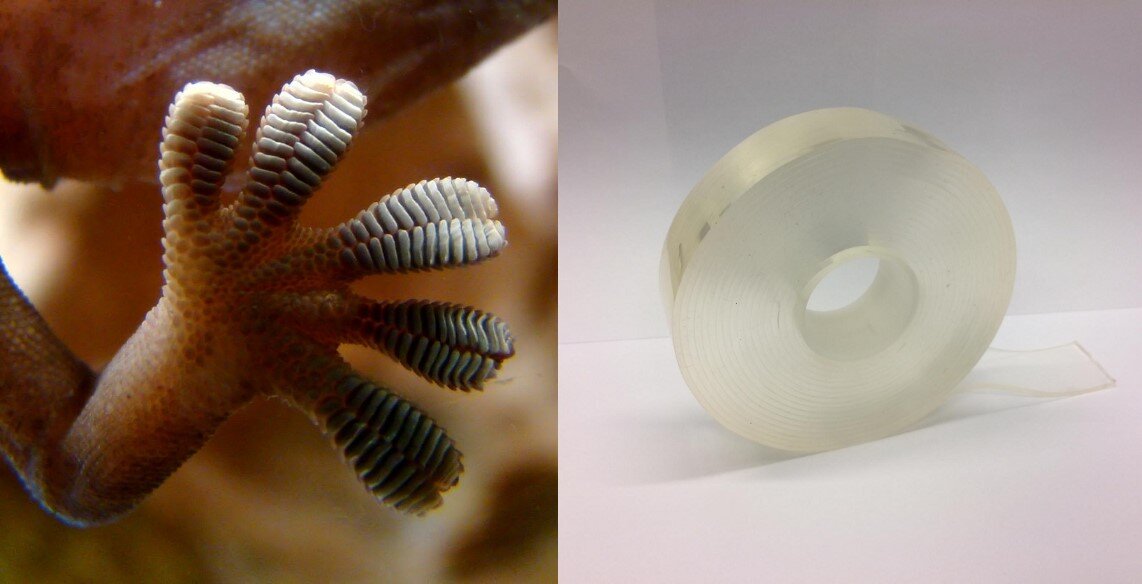
Setae and Spatulae: The biomimetic microstructures mimicking gecko foot anatomy—vertical pillars (setae) terminating in flattened tips (spatulae). Synthetic versions utilize polymer nano-pillars or carbon nanotube arrays; higher density (typically >10⁶ pillars/cm²) correlates with superior grip strength.
Anisotropic Detachment: Also called “directional release,” this describes the tape’s ability to adhere strongly in shear but detach easily when peeled parallel to the surface. This property reduces energy consumption in automated handling systems and enables painless removal from skin or fragile glass.
Biocompatibility Grading: Classification per ISO 10993 standards indicating suitability for tissue contact. Medical-grade gecko tapes require biodegradable polymers (poly(glycerol sebacate) or similar) that dissolve within 7–30 days, unlike industrial silicone or acrylic variants designed for construction or logistics.
Vacuum-Sealed Configuration: Packaging specification where tape strips are vacuum-packed to reduce bulk for IFAKs (Individual First Aid Kits) and emergency medical logistics. This maintains product flexibility while minimizing storage volume and protecting against humidity—a critical consideration for buyers managing supply chains across diverse climates.
Navigating Market Dynamics and Sourcing Trends in the Gecko tape Sector
What Are the Primary Industrial Applications Reshaping Gecko Tape Demand?
The commercial gecko tape landscape has matured considerably since early biomimetic research in 2001, now serving distinct procurement verticals from medical technology to heavy industry. Medical-grade variants utilizing biocompatible polymer coatings represent the fastest-growing segment, particularly for post-surgical wound closure systems that eliminate suture removal procedures while offering controlled drug release capabilities. Industrial procurement teams increasingly specify dry adhesive formats for automated manufacturing lines, where van der Waals-based gripping enables robotic handling of fragile glass and polished semiconductor components without residue contamination. Aerospace applications, including logistics support for orbital research facilities, demand specialized formulations capable of maintaining adhesion in vacuum environments and extreme temperature fluctuations, creating high-value niche markets for certified suppliers.
How Is Regional Market Growth Influencing Sourcing Strategies Across Emerging Economies?
Procurement patterns in Africa, South America, and the Middle East diverge significantly from European standards, necessitating adaptable supply chain approaches. Nigerian healthcare distributors and hospital procurement officers prioritize compact, vacuum-sealed configurations resistant to tropical humidity, similar to tactical flat-pack designs utilized in outdoor medical kits. German industrial buyers, conversely, emphasize DIN-compliant specifications and seamless integration with Industry 4.0 automation systems, requiring extensive documentation and batch traceability. South American construction sectors demonstrate growing demand for heavy-load handling applications in infrastructure projects, while Middle Eastern buyers focus on medical import compliance aligned with Gulf Cooperation Council (GCC) standardization requirements. Successful B2B sourcing requires suppliers capable of navigating disparate regulatory frameworks, from EU Medical Device Regulation (MDR) certification to NAFDAC registration in Nigeria and ANVISA compliance in Brazil.
What Sustainability Criteria Define Responsible Gecko Tape Procurement?
Environmental impact differentiation represents a critical procurement advantage, as gecko tape technologies offer biodegradable alternatives to conventional petroleum-based adhesives. B2B buyers should evaluate end-of-life specifications, prioritizing medical-grade tapes utilizing dissolvable hydrogel polymers that eliminate secondary removal procedures and reduce clinical waste streams. Industrial procurement teams must assess reusability metrics, as high-quality dry adhesives withstand hundreds of attachment cycles compared to single-use synthetic tapes, directly supporting circular economy objectives and waste reduction KPIs. Packaging sustainability warrants scrutiny, with leading suppliers now offering vacuum-sealed configurations using recyclable polymers rather than multi-layer plastics that complicate waste management in regions with limited recycling infrastructure.
How Can International Buyers Verify Ethical Manufacturing and Supply Chain Transparency?
Ethical sourcing extends beyond material composition to encompass research integrity and labor practices within the biomimicry sector. Procurement teams should verify that suppliers adhere to Convention on Biological Diversity (CBD) guidelines, ensuring bio-inspired designs derive from non-destructive observational research rather than exploitative biodiversity harvesting. Manufacturing audits should confirm OECD-compliant chemical handling protocols and fair labor standards, particularly critical when sourcing from emerging production hubs in Asia and Latin America. Buyers must demand full polymer provenance documentation to avoid conflict minerals or non-certified palm oil derivatives in adhesive coatings. Additionally, establishing supplier compliance with ISO 14001 environmental management standards ensures consistent sustainability practices across global distribution networks serving diverse regulatory environments from German industrial sectors to Nigerian healthcare systems.
Frequently Asked Questions (FAQs) for B2B Buyers of Gecko tape
When sourcing gecko tape for industrial or medical applications, procurement teams must evaluate adhesion mechanisms, environmental suitability, and supply chain logistics specific to their regional markets. The following addresses critical decision points for buyers operating across diverse manufacturing environments.
What are the primary industrial applications for gecko tape in manufacturing and construction?
1. What is gecko tape used for in industrial applications?
Gecko tape serves precision manufacturing sectors including solar panel installation, semiconductor clean rooms, and automotive glass handling where residue-free adhesion is mandatory. Unlike traditional pressure-sensitive adhesives, these biomimetic tapes enable repetitive handling of delicate substrates—such as wafers, lenses, and polished metals—without leaving chemical traces or requiring solvent cleaning between uses. Construction applications include temporary fixation of heavy cladding panels and damage-free mounting of sensors on finished surfaces, particularly valuable in European retrofitting projects and Middle Eastern smart building initiatives.
How does van der Waals force technology determine load capacity in commercial gecko adhesives?
2. What is the load capacity of commercial-grade gecko tape?
Load capacity depends on surface contact area and substrate smoothness rather than adhesive mass, with commercial formulations typically supporting 1–3 N/cm² on clean glass or polished steel. The millions of microscopic fibrillar structures distribute weight through van der Waals forces, meaning a 10 cm² patch could theoretically suspend 10–30 kg under ideal conditions, though safety margins usually limit operational loads to 30% of maximum capacity. Buyers should request shear and peel test data specific to their target substrates, as porous or contaminated surfaces common in African mining operations or South American agricultural processing may reduce effective adhesion by 40–60%.
Gecko tape integration for robotic grippers and automated handling systems
3. How does gecko tape work for robotic grippers and automation?
The technology mimics gecko setae through directional micro-fibrillar arrays that adhere upon perpendicular contact and release via angled peeling, allowing robotic end-effectors to grasp without crushing force or vacuum pumps. This mechanism proves essential for collaborative robots handling fragile electronics or food-grade packaging where pneumatic systems risk contamination or damage. Notably, NASA-validated variants operate in vacuum environments, making them suitable for aerospace manufacturing facilities in Germany or satellite assembly operations across international supply chains.
Sourcing gecko tape in bulk: procurement strategies for international manufacturers
4. Where can manufacturers buy gecko tape in bulk quantities?
Direct procurement from specialized nanomaterial manufacturers in the United States, Germany, or East Asia typically requires minimum order quantities (MOQs) of 1,000+ units for custom specifications, while regional distributors in Nigeria, UAE, or Brazil offer smaller volumes with localized technical support. B2B buyers should verify whether suppliers provide vacuum-sealed flat-pack configurations—critical for reducing shipping costs to remote African or South American sites—or establish consignment inventory agreements to manage cash flow. For medical-grade requirements, prioritize suppliers with FDA or CE-registered facilities capable of providing biocompatibility documentation (ISO 10993) alongside industrial specifications.
Medical-grade versus industrial-grade gecko tape: which specification suits your application?
5. How do medical-grade and industrial-grade gecko tapes differ for B2B procurement?
Industrial grades prioritize shear strength and reusability across thousands of cycles, utilizing dry adhesive micro-structures suitable for factory automation. Medical variants incorporate biodegradable polymer coatings that enable tissue adhesion, controlled drug release capabilities, and dissolution timelines synchronized with wound healing—features essential for hospital procurement in European healthcare systems or private clinic networks in the Middle East. Medical tapes require sterilization compatibility and inflammation testing, whereas industrial versions emphasize temperature resistance and solvent-free removability.
Environmental resistance and performance in extreme climates
6. How does gecko tape perform in high-humidity or dusty environments common in African and Middle Eastern markets?
Standard dry gecko adhesives experience degraded performance when exposed to moisture, oils, or particulate contamination, as these interfere with van der Waals bonding at the microscopic level. However, advanced polymer-coated variants now offer water-resistant adhesion suitable for humid climates in West Africa or coastal South American regions, though these sacrifice some reusability. For dusty environments such as mining operations or desert construction sites, specify tapes with protective release liners and implement compressed-air cleaning protocols between applications to maintain optimal contact surface area.
Customization and OEM integration considerations
7. Can gecko tape be customized for specific robotic or manufacturing equipment?
Manufacturers offer die-cutting services to create application-specific geometries, from circular pads for suction-cup replacements to linear strips for conveyor belt grippers, with tolerances suitable for high-precision German automation standards. OEM buyers can specify backing materials—ranging from rigid polymer substrates for permanent robotic installation to flexible medical-grade films for wearable applications—and request private labeling for integration into existing product lines. Lead times for custom geometries typically range 8–12 weeks, necessitating advance procurement planning for large-scale African infrastructure or European automotive retooling projects.
Regulatory compliance and international shipping standards
8. What certifications should B2B buyers verify when importing gecko tape for medical or industrial use?
Industrial buyers should confirm RoHS compliance for electronics manufacturing and ISO 9001 quality management certification, while medical procurement requires ISO 13485 medical device quality systems and biocompatibility testing (ISO 10993-5/10). For import into Nigeria or other African markets, verify SONCAP certification readiness, while EU-bound shipments require CE marking for medical applications. Request material safety data sheets (MSDS) and tariff classification codes (typically HTS 3919 or 3920 for plastic-based adhesives) to expedite customs clearance and avoid delays at Middle Eastern or South American ports.
Important Disclaimer & Terms of Use
⚠️ Important Disclaimer
The information provided in this guide, including content regarding manufacturers, technical specifications, and market analysis, is for informational and educational purposes only. It does not constitute professional procurement advice, financial advice, or legal advice.
B2B buyers must conduct their own independent and thorough due diligence before making any purchasing decisions. The risk of relying on any information in this guide is borne solely by the reader.
Top 1 Gecko Tape Manufacturers & Suppliers List
1. Accio – Biomimetic Adhesives
Domain: accio.com
Registered: 1997 (29 years)
Introduction: This company, Accio – Biomimetic Adhesives, is a notable entity in the market.
Strategic Sourcing Conclusion and Outlook for Gecko tape
Gecko tape represents a decisive shift from disposable adhesives to reusable, residue-free bonding solutions rooted in advanced biomimicry. For procurement leaders across Germany, Nigeria, and emerging markets, this technology delivers dual strategic value: immediate operational efficiencies in industrial handling and positioning within the rapidly expanding medical adhesive sector. As dry adhesive applications evolve from aerospace robotics to biocompatible wound closure systems, buyers must balance current implementation against forthcoming biodegradable, drug-infused iterations that will redefine surgical supply chains.
How Can International Buyers Optimize Gecko Tape Sourcing for Regional Compliance?
When vetting suppliers, prioritize partners with demonstrated cross-regional certification capabilities—particularly for medical-grade variants requiring biocompatibility standards in European and African healthcare markets. Industrial procurement teams should verify load-bearing specifications for construction and fragile material handling, while emergency response buyers benefit from vacuum-sealed, flat-pack configurations optimized for IFAKs and field deployment. Establishing diversified supply chains across Middle Eastern manufacturing hubs and Latin American distribution networks mitigates logistical risks while capitalizing on localized production incentives.
The convergence of sustainability mandates and van der Waals-based material science positions gecko-inspired adhesives as essential long-term inventory components. Organizations integrating these solutions now—whether for precision manufacturing in German facilities or advanced medical wraps in Nigerian healthcare systems—will secure competitive advantages as residue-free, reusable bonding becomes the industry standard across B2B sectors.