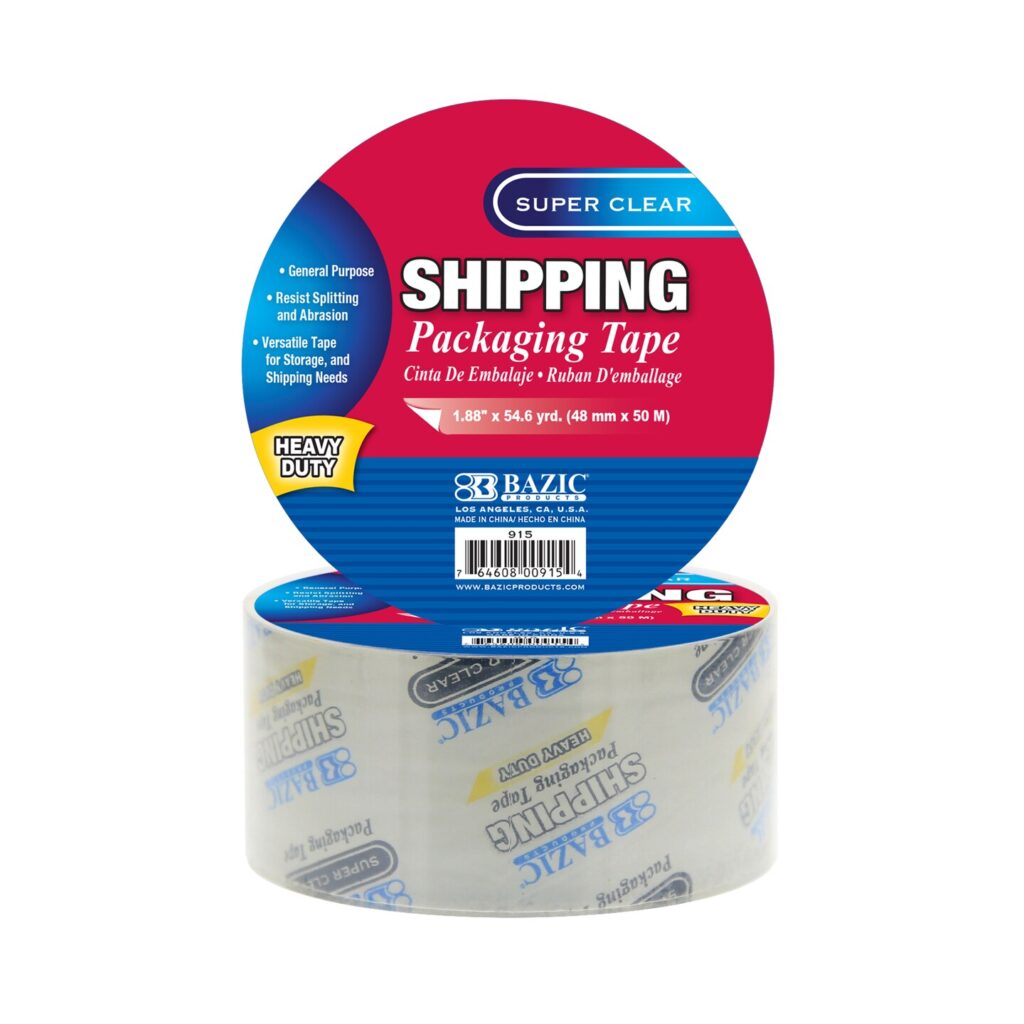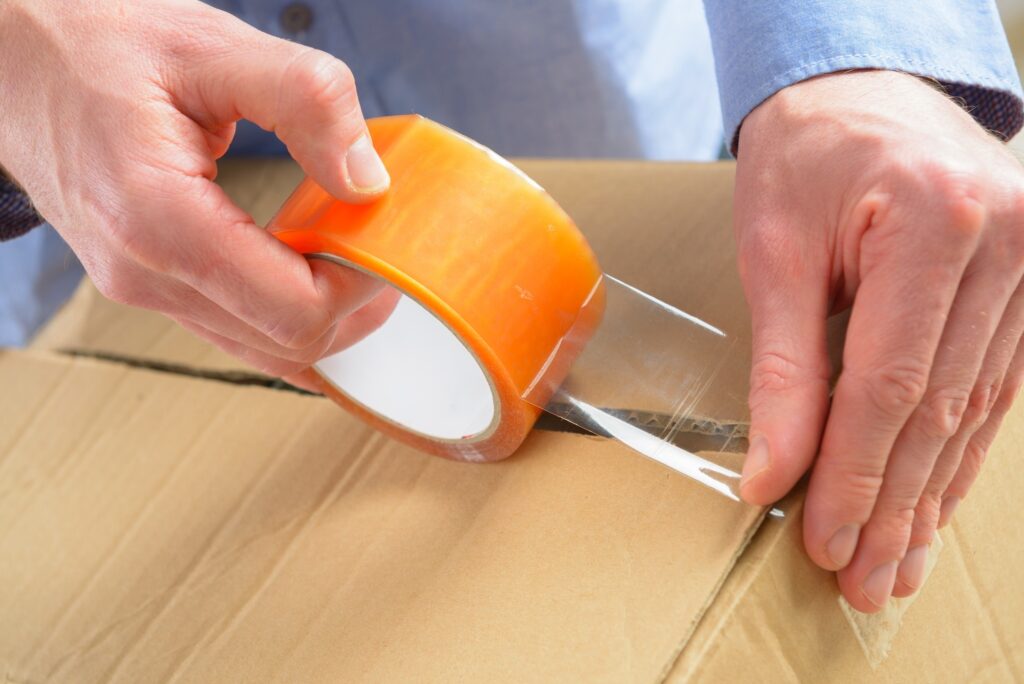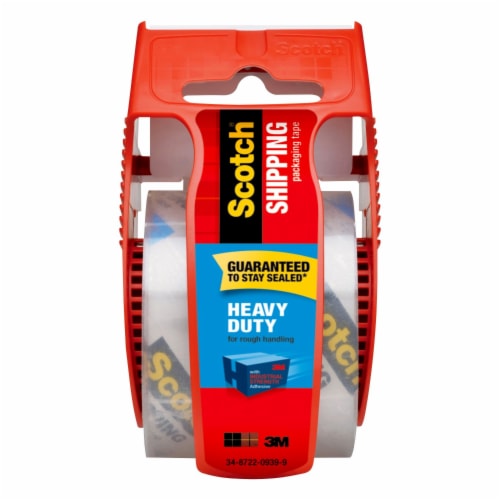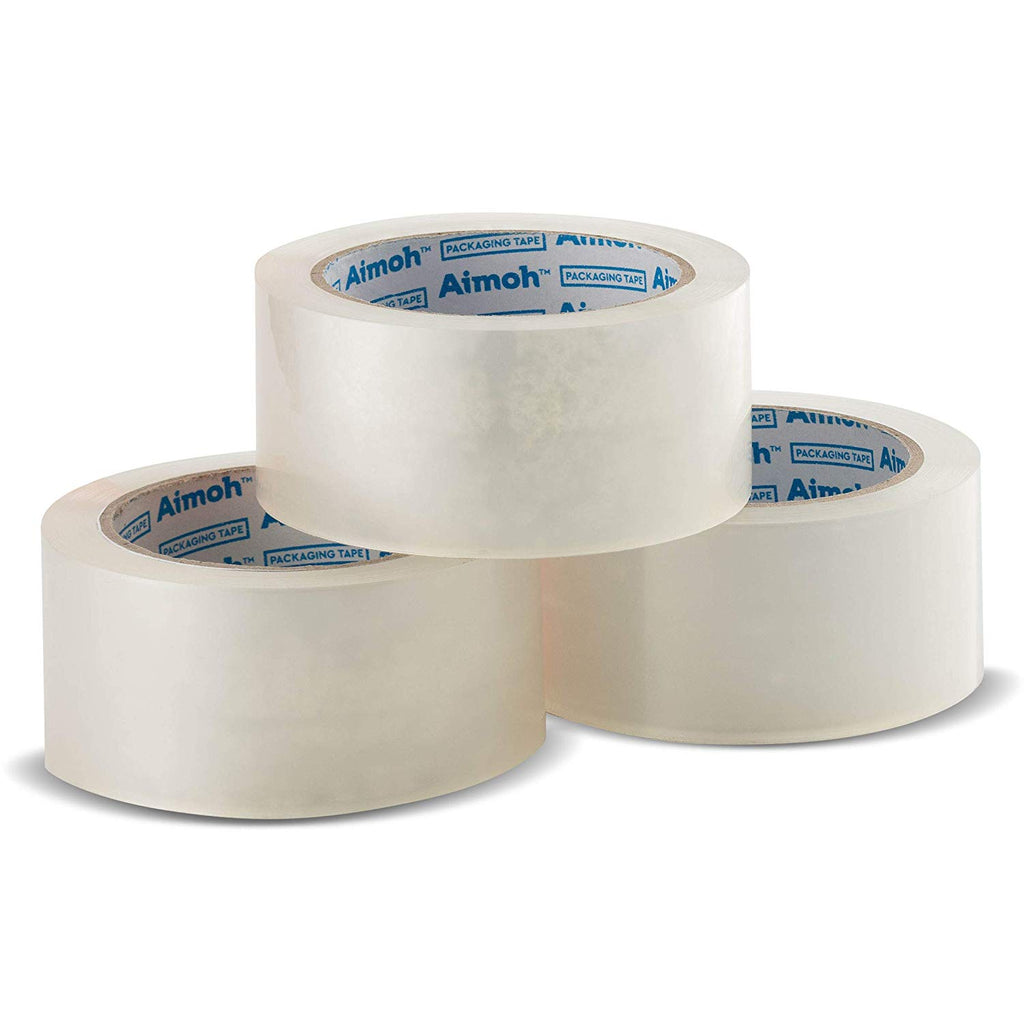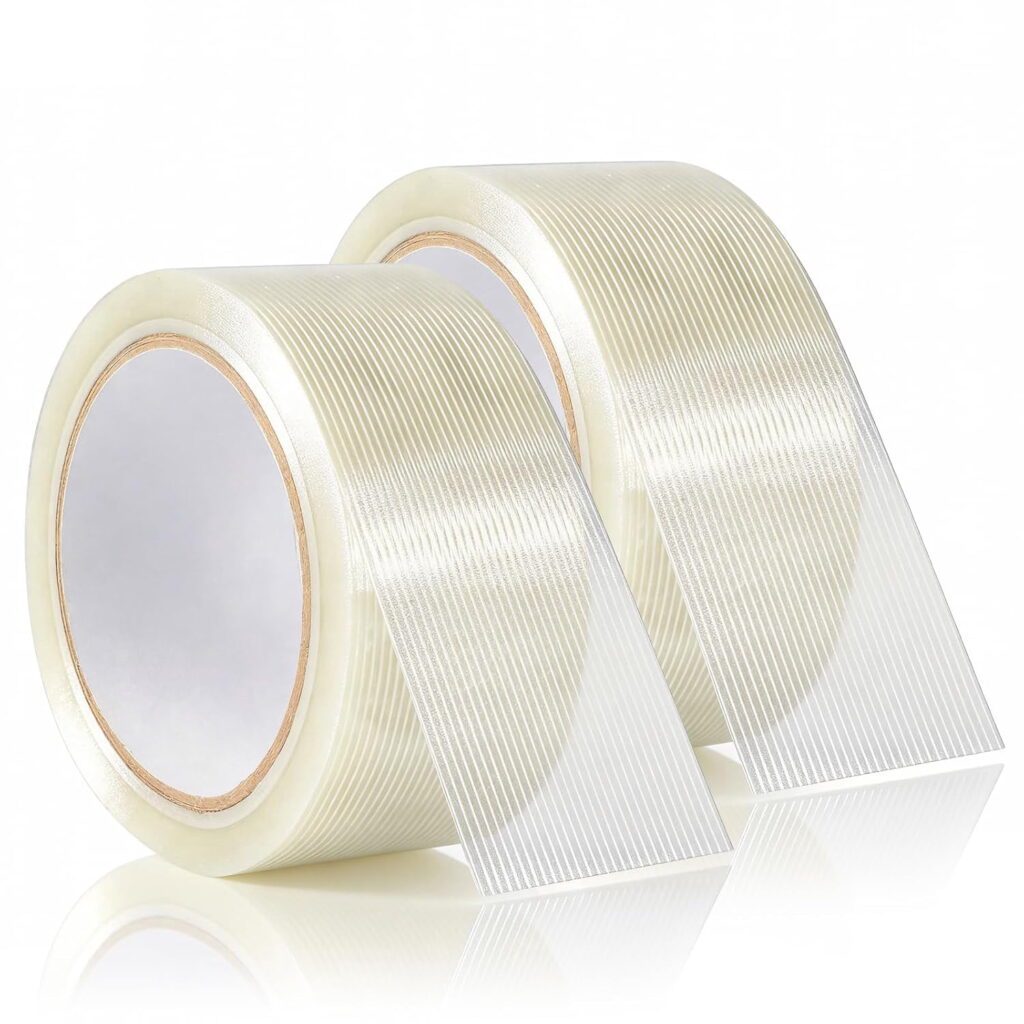
Introduction: Navigating the Global Market for High adhesion carton tape
Sourcing high adhesion carton tape for extreme climate logistics has emerged as a strategic imperative for procurement teams navigating the complexities of modern global trade. From the humid port conditions of West Africa to the temperature-controlled precision required in German automotive supply chains, the integrity of your carton sealing directly impacts product security and brand reputation. Standard acrylic solutions that perform adequately in moderate environments often fail catastrophically when subjected to the thermal stress of Middle Eastern summers or the high humidity of South American monsoon seasons, creating hidden vulnerabilities in your packaging infrastructure that translate directly into financial losses.
Why do international shipments require specialized high-tack sealing solutions?
The global diversification of manufacturing and distribution networks has exposed critical performance gaps in conventional packaging tapes, particularly when sealing recycled corrugated materials or navigating multi-modal transportation routes. High adhesion carton tape—encompassing hot melt formulations with superior shear strength and natural rubber adhesives designed for uneven surfaces—provides the environmental resistance necessary to maintain seal integrity across varying altitudes and humidity levels. This guide examines the technical distinctions between acrylic, hot melt, and natural rubber compounds, analyzing their compatibility with automated case sealing equipment and heavy-duty palletizing requirements specific to industrial operations in Africa, the Middle East, and beyond.
How can procurement teams optimize supplier relationships and total cost of ownership?
Beyond material specifications, successful international sourcing requires rigorous vetting of manufacturing partners capable of consistent micron-level adhesive coating across bulk orders and fluctuating seasonal demand. We explore cost-optimization strategies that balance immediate price points with long-term durability metrics, while addressing region-specific compliance requirements from European sustainability standards to Saudi Arabian import regulations. By the conclusion of this guide, buyers from São Paulo to Frankfurt will possess actionable frameworks for selecting tape solutions that eliminate packaging failures, reduce damage claims, and secure supply chain continuity regardless of destination climate challenges or substrate variations.
Understanding High adhesion carton tape Types and Variations
| Type Name | Key Distinguishing Features | Primary B2B Applications | Brief Pros & Cons for Buyers |
|---|---|---|---|
| Hot Melt Synthetic Rubber Tape | Aggressive initial tack; rapid bond formation; optimized adhesion to recycled corrugated; synthetic rubber thermoplastic adhesive | High-volume distribution centers; e-commerce fulfillment; automated case sealing lines | Pros: Superior immediate grab, cost-effective for bulk operations, compatible with high-speed machinery. Cons: Performance degrades above 60°C; susceptible to oxidation yellowing; limited repositionability. |
| Natural Rubber Solvent-Based Tape | Exceptional shear strength; maintains adhesion from -20°C to 80°C; penetrates uneven surfaces; high moisture resistance | Cold chain logistics; agricultural exports; heavy industrial shipping; humid climate storage | Pros: Reliable in extreme temperature fluctuations, excellent holding power on rough substrates. Cons: Premium pricing; 24-48 hour cure time; VOC emissions require ventilation; solvent odor. |
| High-Performance Acrylic Tape | UV and oxidation resistant; crystal-clear optical properties; stable long-term adhesion; consistent controlled unwind | Retail-ready packaging; long-term warehousing; temperature-controlled storage; barcode visibility applications | Pros: Aesthetic clarity, aging resistant, quieter unwind, recyclable with cardboard. Cons: Lower initial tack requiring pressure activation; slower bond development; marginal performance on dusty surfaces. |
| Heavy-Duty Reinforced Tape | Fiberglass filament or cross-woven reinforcement; tensile strength exceeding 100 lbs/inch; split-resistant backing; ultra-high adhesion | Heavy machinery components; metal parts shipping; double-wall corrugated; export freight consolidation | Pros: Prevents box burst under extreme load; puncture resistant; maintains seal integrity during rough handling. Cons: Non-recyclable with paper waste streams; requires specialized cutting tools; significantly higher cost per meter. |
What is Hot Melt Synthetic Rubber Tape and When Should You Use It?
Hot melt synthetic rubber tapes utilize thermoplastic adhesives that deliver immediate surface grab and aggressive bonding to challenging substrates, including high-recycled-content corrugated common in emerging markets. These tapes perform exceptionally on automated case sealers due to consistent unwind properties and quick-stick characteristics. B2B buyers should evaluate the specific melt point relative to storage climates, as these adhesives can soften in sustained temperatures above 60°C, potentially compromising seal integrity during transit through hot climates common in Middle Eastern and African logistics corridors.
How Does Natural Rubber Solvent-Based Tape Perform in Extreme Environments?
Natural rubber solvent-based formulations provide the most robust adhesion profile for demanding applications, particularly in regions with extreme temperature fluctuations or high humidity. The solvent carrier enables deeper substrate penetration, creating molecular bonds with fibrous corrugated materials that resist shear forces during rough handling. Procurement teams must consider longer adhesive cure times—typically 24-48 hours for full bond strength—and ensure adequate ventilation during application due to volatile organic compound emissions, making this less suitable for enclosed automated lines without extraction systems.
Is High-Performance Acrylic Tape Suitable for Automated Packaging Lines?
High-performance acrylic tapes offer balanced adhesion chemistry ideal for European markets emphasizing sustainability and aesthetic presentation, featuring exceptional clarity that supports barcode scanning and brand visibility. Unlike rubber-based alternatives, acrylic adhesives demonstrate superior resistance to ultraviolet degradation and oxidation, making them suitable for inventory cycles exceeding six months. B2B purchasers should note that these tapes require firm application pressure and extended dwell time to achieve optimal adhesion, particularly on coated or printed box surfaces where initial tack may appear lower than aggressive rubber formulations.
When Should You Specify Heavy-Duty Reinforced Carton Tape?
Heavy-duty reinforced tapes integrate fiberglass filaments or cross-woven synthetic fibers within the backing material, delivering tensile strengths exceeding 100 lbs per inch for industrial applications involving dense metal components or glass products. This variation addresses the primary failure point of standard tapes—backbone splitting under stress—while maintaining compatibility with manual and semi-automated dispensers. Buyers must assess total cost of ownership, as reinforced tapes typically require separate disposal from corrugated waste streams and necessitate specialized cutting tools to prevent workplace injury during application.
Key Industrial Applications of High adhesion carton tape
| Industry/Sector | Specific Application of High adhesion carton tape | Value/Benefit for the Business | Key Sourcing Considerations for this Application |
|---|---|---|---|
| Agricultural Export & Commodity Trading | Sealing recycled corrugated boxes for cocoa, coffee, and spice shipments; securing palletized heavy sacks in high-humidity port environments | Prevents moisture ingress and catastrophic box failure during long-haul maritime transport; reduces product loss and rejected loads in tropical climates | Natural rubber adhesive for extreme humidity; compliance with EU Regulation 1935/2004 for food-contact materials; UV-resistant backing for outdoor storage in African/South American ports |
| Automotive & Heavy Machinery Distribution | Securing cartons containing metal components, engine parts, and sharp-edged accessories; bundling irregularly shaped spare parts on oily surfaces | Eliminates pop-open failures under heavy vertical stacking in warehouse racking; withstands oil-contaminated surfaces common in mechanical workshops | Hot melt synthetic rubber for immediate bond on oily substrates; thickness of 2.5+ mil for puncture resistance; compatibility with automated case sealers used in German manufacturing hubs |
| Construction Materials & Building Supplies | Closing boxes of ceramic tiles, cement additives, and hardware; sealing dusty cartons stored in open-air yards under direct sun | Maintains adhesion on dusty, recycled board surfaces; resists heat degradation in Middle Eastern climates exceeding 60°C during summer months | High-tack hot melt or natural rubber formulations; tape width of 72mm for heavy loads; temperature resistance range covering desert extremes and cooled warehouse interiors |
| Pharmaceutical & Healthcare Logistics | Tamper-evident sealing of temperature-sensitive drug shipments; securing secondary packaging for multi-modal cold chain distribution | Ensures seal integrity across freezing to tropical temperature ranges; prevents contamination and maintains security during customs inspections | FDA or EU pharmacopeia compliance; low-temperature acrylic or all-weather natural rubber; printable surface for batch coding; static-free unwind for cleanroom environments |
How Does High Adhesion Carton Tape Secure Agricultural Exports in High-Humidity Environments?
For agricultural exporters shipping cocoa, coffee, and spices from African and South American ports, high adhesion carton tape addresses the dual challenge of cost-saving recycled packaging materials and extreme monsoon humidity. Natural rubber adhesives penetrate the porous fibers of double-wall recycled corrugated board, creating a molecular bond that withstands condensation during trans-Atlantic transport. This prevents catastrophic “box burst” failures that plague commodity traders when containers experience temperature swings between tropical loading docks and cooled vessel holds. Buyers should prioritize tapes with moisture-resistant polypropylene backings and verify compliance with EU Regulation 1935/2004 for food-contact materials to ensure seamless customs clearance into European markets.
What Sealing Solutions Work Best for Heavy Automotive Parts Distribution?
Automotive parts distributors operating from German manufacturing hubs require sealing solutions that accommodate metal components with sharp edges and residual machining oils. High-tack hot melt tapes provide immediate shear strength upon application, preventing cartons from popping open under the compressive weight of dense transmission parts stacked in warehouse racking systems. Unlike standard acrylic tapes, these synthetic rubber formulations maintain aggressive adhesion on slightly oily surfaces and resist puncturing from protruding hardware. Procurement teams must verify compatibility with high-speed automated case sealing equipment while ensuring the adhesive system offers sufficient initial tack to eliminate “flagging” during rapid bundling operations common in JIT delivery networks.
Why Is High-Tack Tape Critical for Construction Materials in Extreme Heat?
In Middle Eastern construction markets, where building materials endure outdoor storage in desert heat exceeding 60°C, high adhesion tapes must perform where standard acrylics soften and fail. Advanced natural rubber and hot melt formulations secure boxes of ceramic tiles and cement additives despite the fine concrete dust that coats recycled board surfaces. The aggressive tack ensures cartons remain sealed during rough handling across uneven terrain on active construction sites. Sourcing managers should specify 72mm width tapes with UV-stabilized polypropylene backings to prevent adhesive degradation during prolonged sun exposure, while ensuring the product maintains flexibility and impact resistance during cooler desert nights and winter months.
How Can Pharmaceutical Logistics Maintain Cold Chain Integrity with Specialized Carton Sealing?
Pharmaceutical cold chain distributors face unique sealing challenges when moving temperature-sensitive biologics from European manufacturing facilities to Middle Eastern and African markets. High adhesion tapes with all-weather natural rubber or specialized low-temperature acrylics maintain seal integrity across freezing storage conditions and tropical ambient transport phases. This prevents contamination risks and maintains tamper-evident security during multiple customs inspections. Buyers must prioritize tapes that offer printable surfaces for batch tracking codes and static-free unwind properties to prevent particulate attraction in cleanroom packing environments, ensuring compliance with international pharmacopeia standards and WHO GDP guidelines for pharmaceutical transport.
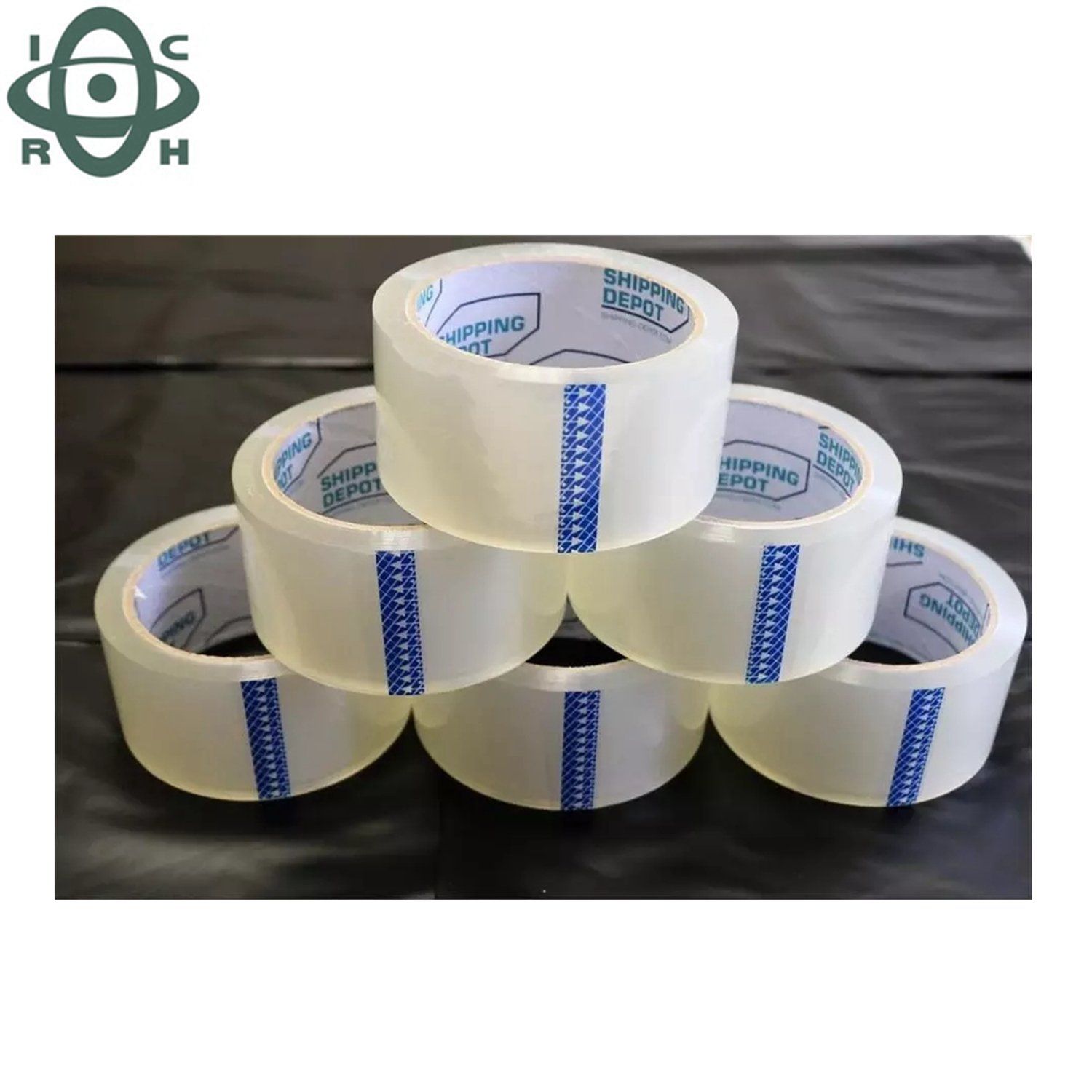
A stock image related to High adhesion carton tape.
3 Common User Pain Points for ‘High adhesion carton tape’ & Their Solutions
Scenario 1: Climate-Induced Adhesion Failure in Transit and Storage
The Problem:
For B2B buyers shipping through the Middle East’s scorching summer ports or storing inventory in West Africa’s humid monsoon seasons, standard acrylic carton tapes frequently soften, lose tack, or completely delaminate from box flaps. This “pop-open” failure mode exposes products to contamination, theft, and weather damage during lengthy customs holds or outdoor warehousing. The issue compounds when temperature fluctuations cause condensation on container walls, further compromising tape integrity on long-haul routes from Europe to Africa or intra-regional Middle East logistics.
The Solution:
Transition to natural rubber-based high adhesion carton tape specifically formulated for extreme temperature ranges (-20°C to 60°C+) and high-humidity environments (>90% RH). Natural rubber adhesives maintain aggressive tack and peel strength where acrylics fail, creating a permanent bond that resists thermal shock. When sourcing, request technical data sheets verifying humidity resistance and UV stability for outdoor exposure. For automated application, specify tapes with silicone-coated release agents that prevent gumming on machine rollers while ensuring instant grab on corrugated surfaces, even in sweaty warehouse conditions.
Scenario 2: Inconsistent Sealing on Recycled and Rough-Fiber Corrugated
The Problem:
As European manufacturers and global exporters adopt 100% recycled corrugated board to meet sustainability mandates, many procurement teams discover that standard packing tapes struggle to bond with the shorter fiber lengths, higher dust content, and uneven surfaces characteristic of recycled material. This results in “flagging”—where tape edges lift prematurely—and complete seal failures during rough handling or pallet stacking. The problem is particularly acute when shipping heavy industrial components or agricultural exports from South America, where box quality varies and dust accumulation is common, leading to costly repackaging labor and product damage claims.
The Solution:
Implement high-tack hot melt carton tape engineered specifically for recycled content and rough surface adhesion. Unlike acrylic formulations, hot melt adhesives penetrate porous, uneven substrates more effectively, providing immediate grab and long-term holding power. Specify tapes with adhesion strength exceeding 20 oz/in to fiberboard, and consider 72mm widths for heavy-duty applications. Conduct adhesion testing on your specific recycled board grade—particularly if using high-recycled-content boxes common in German circular economy initiatives—verifying both immediate tack and 24-hour cure performance before committing to bulk orders.
Scenario 3: Operational Bottlenecks in High-Speed Automated Lines
The Problem:
High-volume distribution centers in Germany and automated logistics hubs in Saudi Arabia frequently encounter production line stoppages when high-adhesion tapes create excessive unwind resistance, causing “snap-back” or adhesive residue buildup on case sealer rollers. Conversely, tapes lacking sufficient shear strength lead to “flagging” (tail lifting), which triggers optical sensor errors and mechanical jams in high-speed equipment processing 1,000+ boxes hourly. These interruptions create cascading delays, increased maintenance costs, and inconsistent seal quality that jeopardizes pallet stability during international transit.
The Solution:
Specify high adhesion tapes with optimized shear strength and “controlled unwind” characteristics specifically rated for automated case sealing machinery. Hot melt adhesives typically offer superior immediate tack for machine application, but require precise thickness tolerances (2.0–2.5 mil) and reinforced polypropylene backings to prevent stretching at high speeds. Verify compatibility with your equipment’s tape head specifications—request low-noise unwind properties and anti-static features to prevent dust attraction. Establish preventive maintenance schedules that align with the adhesive type; natural rubber may require more frequent roller cleaning than acrylic in dusty environments, while hot melt performs best with periodic tension adjustments.
Strategic Material Selection Guide for High adhesion carton tape
Selecting the optimal adhesive formulation represents a critical procurement decision when sourcing high-adhesion carton tape for demanding international logistics operations. The material composition directly impacts initial tack, shear resistance, and long-term seal integrity across varying climatic conditions and substrate qualities. For procurement teams managing supply chains across diverse regions—from the humid coastlines of West Africa to the temperature-controlled warehouses of Germany or the arid distribution centers of Saudi Arabia—understanding the distinct performance profiles of synthetic rubber, natural rubber, and acrylic adhesives ensures specification alignment with operational throughput, environmental exposure, and cost parameters.
How Does Hot Melt Synthetic Rubber Deliver Superior Initial Tack for High-Speed Operations?
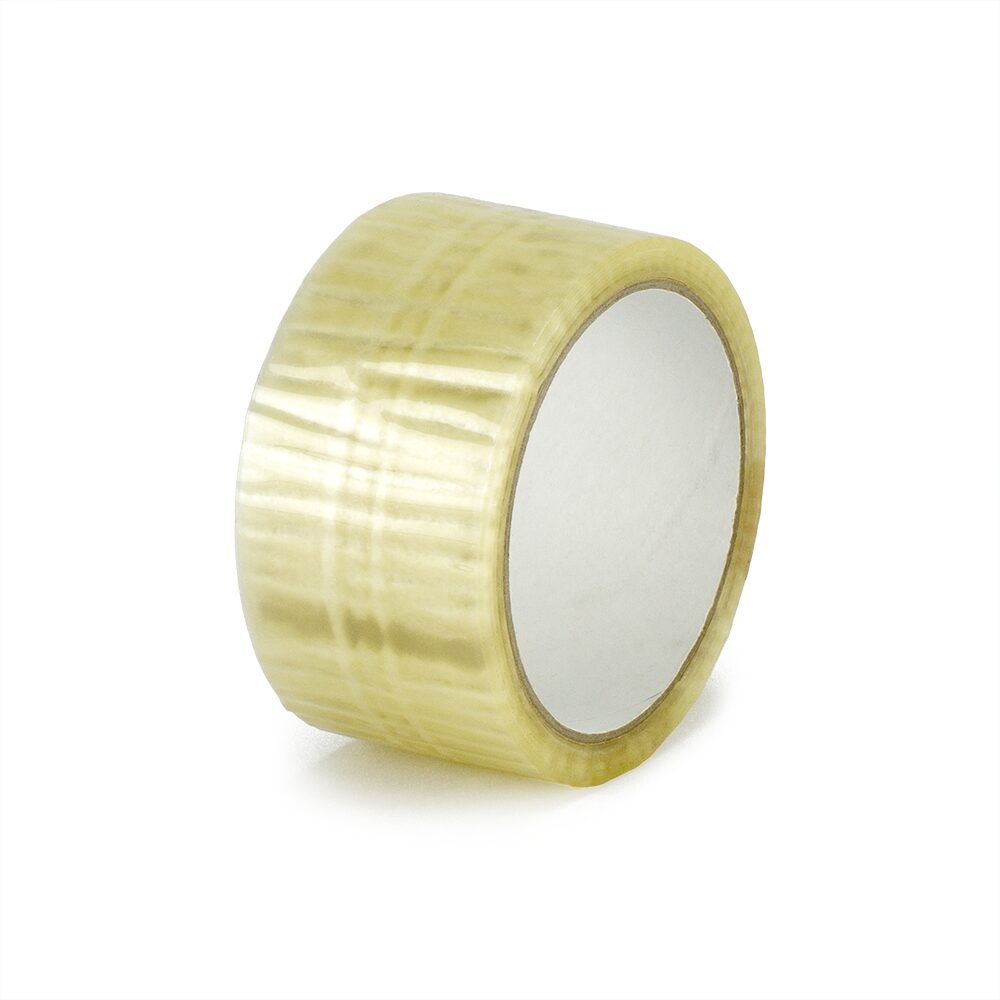
Hot melt synthetic
A stock image related to High adhesion carton tape.
In-depth Look: Manufacturing Processes and Quality Assurance for High adhesion carton tape
High adhesion carton tape represents the convergence of advanced polymer science and precision manufacturing engineering. Unlike standard packaging tapes, these industrial-grade solutions require meticulous control over adhesive formulation, substrate preparation, and coating application to deliver the aggressive tack and holding power demanded by heavy-duty logistics, automated fulfillment centers, and challenging climate conditions. Understanding the technical nuances behind production separates commodity-grade products from performance-engineered solutions that protect high-value shipments across global supply chains.
How Is High Adhesion Carton Tape Manufactured?
The manufacturing process begins with biaxially oriented polypropylene (BOPP) film production, where polymer pellets are extruded and stretched in both machine and transverse directions to create a backing material with exceptional tensile strength and dimensional stability. This film serves as the foundation, typically ranging from 25 to 40 microns in thickness depending on the required durability grade.
The critical transformation occurs during the adhesive coating phase. Manufacturers employ either solvent-based or hot-melt extrusion coating technologies. Hot melt systems utilize thermoplastic synthetic rubber adhesives heated to precise temperatures (typically 150–180°C) before being applied through slot-die or roll-coating methods. Solvent-based natural rubber adhesives undergo a different process involving polymer dissolution, coating application, and subsequent drying via heated ovens to remove carrier solvents. Both methods require cleanroom environments to prevent contamination that could compromise adhesive integrity.
What Adhesive Technologies Deliver Superior Bonding Strength?
High adhesion tapes predominantly utilize two distinct chemistries: hot melt synthetic rubber and solvent natural rubber formulations. Hot melt adhesives consist of block copolymers—typically styrene-isoprene-styrene (SIS) or styrene-butadiene-styrene (SBS)—combined with tackifying resins and plasticizers. These formulations provide immediate tack (instant adhesion upon contact) and excel in high-speed automated sealing operations where dwell time is minimal.
Solvent natural rubber adhesives, derived from polyisoprene, offer broader temperature tolerance and superior performance on recycled corrugated surfaces or substrates with high dust content. These systems penetrate surface irregularities more effectively due to longer molecular chains and lower initial modulus. For buyers operating in regions with extreme temperature fluctuations—such as the fluctuating desert climates of the Middle East or humid tropical environments in West Africa—natural rubber formulations often provide more consistent performance across seasonal variations.
Which Backing Materials Optimize Adhesive Performance?
The substrate film undergoes surface treatment via corona discharge or flame treatment to raise surface energy, ensuring maximum adhesive wet-out and anchorage. High-performance tapes utilize premium-grade BOPP with specific orientation ratios that balance machine-direction strength (resistance to lengthwise tearing) with cross-direction flexibility.
Film thickness directly impacts adhesion performance; heavier cartons requiring high adhesion typically necessitate 28-micron or greater backing to prevent stretching or “necking” during application. Additionally, manufacturers apply specialized release coatings to the non-adhesive side, utilizing silicone or polymeric release agents that ensure consistent unwind force—critical for automated dispensers operating at high speeds in European fulfillment centers or Saudi Arabian distribution hubs.
How Do Manufacturers Ensure Consistent Coating Weight and Thickness?
Precision coating represents the most quality-critical manufacturing stage. High adhesion requires coating weights typically ranging from 20–25 grams per square meter (gsm), significantly higher than standard acrylic tapes. Manufacturers employ gravure coating or metered slot-die systems equipped with real-time beta-ray or infrared gauging systems that monitor adhesive thickness to micron-level tolerances.
In-line viscosity monitoring ensures adhesive flow characteristics remain constant despite temperature variations or batch differences. Deviation in coating weight by even 2–3 gsm can result in adhesive overflow (causing machine jams and waste) or insufficient coverage (leading to seal failure). Leading facilities utilize statistical process control (SPC) charts to maintain Six Sigma quality levels, ensuring every roll delivers the specified adhesion values regardless of production date.
What Quality Assurance Tests Validate High Adhesion Performance?
Laboratory validation extends beyond visual inspection to quantitative mechanical testing. Peel adhesion testing per ASTM D3330 measures the force required to remove tape from standardized steel or corrugated surfaces, with high-adhesion products typically demonstrating 25–35 ounces per inch (oz/in) immediate tack and 40–50 oz/in ultimate adhesion after 24-hour dwell.
Shear adhesion testing (ASTM D3654) evaluates the tape’s resistance to slippage under constant load, simulating the stress of stacked inventory. High-quality tapes should withstand 50–100+ hours of static shear at standard temperatures. Additionally, loop tack testing quantifies initial grab strength, while unwind force measurements ensure compatibility with specific dispenser calibrations—essential for buyers utilizing automated case sealers in high-volume German manufacturing operations.
How Are Tapes Tested for Extreme Climate Conditions?
Given the diverse environmental conditions across target markets, accelerated aging and environmental stress testing prove essential. Manufacturers subject tape samples to temperature cycling (-20°C to +60°C) to simulate warehouse-to-transport transitions. Humidity chamber testing (85°C/85% relative humidity for 1000+ hours) validates adhesive stability in tropical climates prevalent in South American and African logistics corridors.
UV resistance testing ensures adhesives and backings resist degradation during extended outdoor storage—a common scenario in Middle Eastern ports and open-air warehousing. High adhesion tapes must maintain 90% of initial peel strength after UV exposure equivalent to six months of direct sunlight. Cold temperature flexibility tests (0°C to -10°C) ensure tapes remain tacky and flexible during winter distribution in Northern Europe or high-altitude South American regions.
What Certifications and Standards Should B2B Buyers Demand?
Procurement teams should verify manufacturers maintain ISO 9001:2015 quality management systems and ISO 14001 environmental management certifications. For European markets, REACH compliance and RoHS certification ensure tapes contain no restricted substances, while FDA compliance (21 CFR 175.105) becomes critical for food and pharmaceutical packaging applications.
Technical Data Sheets (TDS) should provide specific adhesion values, shear resistance data, and temperature performance ranges rather than vague marketing claims. Buyers should also inquire about batch traceability systems—essential for recall management and quality investigations—and whether facilities utilize Good Manufacturing Practices (GMP) protocols. For sustainable procurement initiatives, certifications regarding recycled content in the film backing or bio-based adhesive components provide additional value differentiation.
Practical Sourcing Guide: A Step-by-Step Checklist for ‘High adhesion carton tape’
Procuring high adhesion carton tape for international supply chains requires balancing aggressive bonding performance with regional logistics realities. This checklist guides procurement teams through critical technical specifications and commercial validations to ensure seal integrity across diverse climates, recycled substrates, and extended transit times while optimizing total cost of ownership.
1. How Do You Assess Substrate Compatibility and Surface Energy?
Analyze your corrugated board composition, particularly recycled content percentages and surface dust accumulation. High-recycled boxes or rough-cut fibers with low surface energy demand aggressive natural rubber adhesives, while standard virgin Kraft suits hot melt formulations. Conduct 24-hour peel tests on actual production boxes from your supplier, not pristine samples, as manufacturing residues and storage dust significantly compromise adhesion in real-world African and Middle Eastern warehouse conditions.
2. What Environmental Conditions Should Drive Adhesive Selection?
Map temperature and humidity exposure across your entire logistics chain, from manufacturing through port storage to final destination. For Middle Eastern and African markets experiencing extreme heat, or South American tropical humidity, specify natural rubber or high-tack hot melt formulations rated for sustained 50°C+ environments. Conversely, European cold chain applications or Nordic exports require low-temperature acrylics that maintain tack below freezing without becoming brittle.
3. Which Dimensions and Thickness Specifications Ensure Load Security?
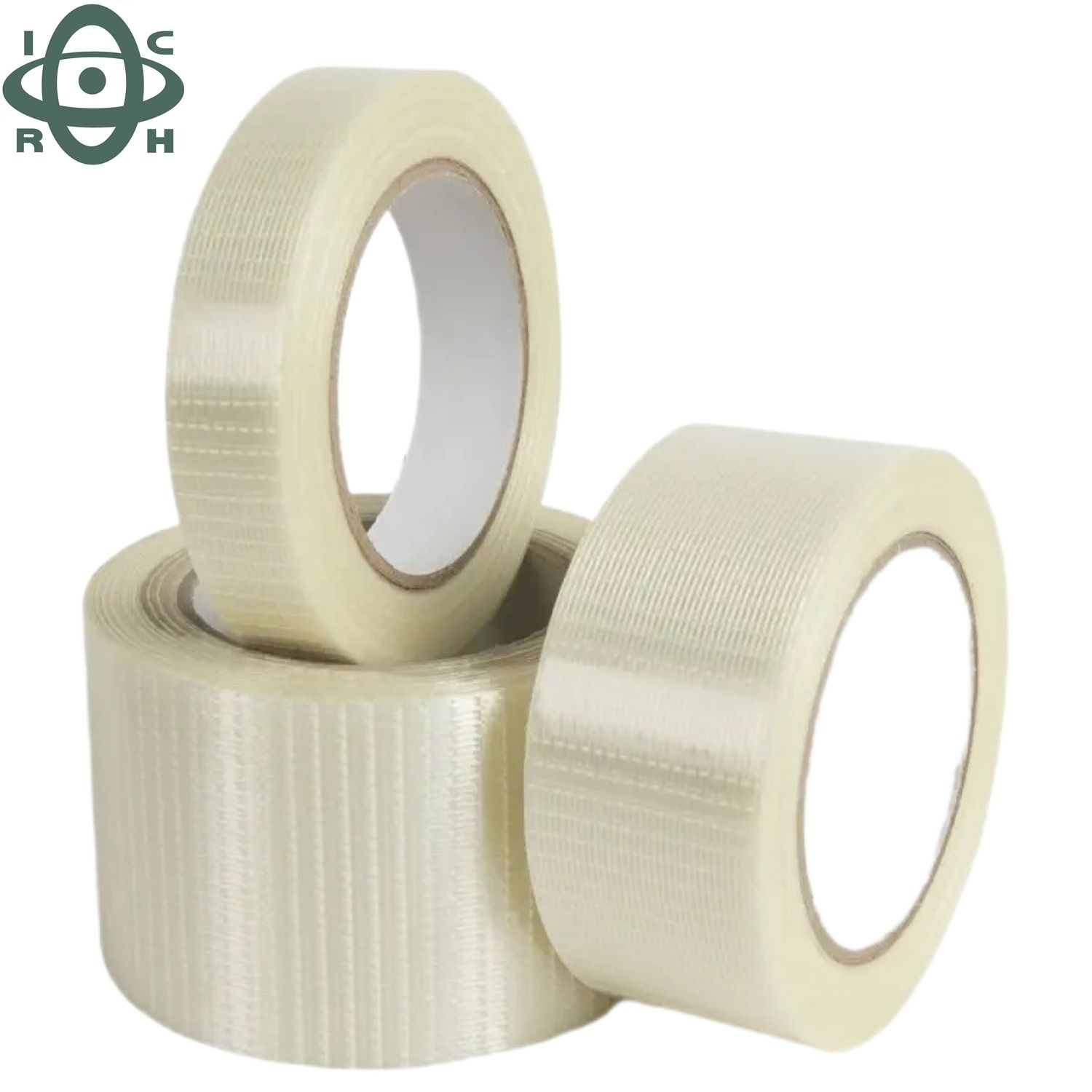
Match tape width to gross box weight and handling stress: 48mm suffices for standard loads under 15kg, while 72mm prevents seal failure on heavy export shipments exceeding 25kg or double-walled corrugate. Specify backing thickness—typically 40-50 microns for manual application, 30-40 microns for automated lines—based on dispensing equipment capabilities. Thinner films reduce freight costs but require precise tension calibration to prevent stretching and adhesive starvation.
4. How Should You Evaluate Adhesive Chemistry for Long-Haul Transit?
Differentiate between hot melt, acrylic, and natural rubber chemistries based on dwell time and aging requirements. Hot melt offers immediate grab for high-speed automated lines but may soften in container heat. Acrylic provides superior UV stability for outdoor storage in sunny climates, while natural rubber delivers unmatched adhesion to challenging surfaces but requires 24-hour cure times before rough handling or stacking.
5. What Compliance Certifications Are Essential for Cross-Border Trade?
Verify FDA 21 CFR 175.105 compliance for food contact applications common in agricultural exports, REACH registration for European markets, and SASO conformity certificates for Saudi Arabian imports. Request batch-specific COAs (Certificates of Analysis) documenting shear strength, peel adhesion, and rolling ball tack values rather than accepting generic technical data sheets that mask production variability.
6. How Can You Validate Supplier Consistency Before Scaling?
Order pilot batches from three distinct production lots to test adhesion consistency and unwind noise levels. Assess the supplier’s raw material sourcing stability—adhesive formulation changes due to petrochemical shortages can compromise seal integrity mid-contract. Confirm their ability to maintain exact specifications across 12-month agreements and their contingency plans for resin market volatility that particularly affects natural rubber availability.
7. What Storage and Handling Protocols Preserve Adhesive Performance?
Specify climate-controlled warehousing requirements (15-25°C, 40-60% relative humidity) in your procurement agreement, with penalties for non-compliance. High-tack adhesives degrade rapidly when subjected to direct sunlight or extreme heat common in port storage facilities across target regions. Establish mandatory FIFO (First In, First Out) inventory rotation protocols and six-month shelf-life limits to prevent aging-related adhesion loss during extended international transit.
A stock image related to High adhesion carton tape.
Comprehensive Cost and Pricing Analysis for High adhesion carton tape Sourcing
High adhesion carton tape procurement requires sophisticated analysis of cost drivers beyond per-roll pricing. For international buyers operating across Africa, South America, the Middle East, and Europe, understanding the total cost of ownership ensures optimal material selection without compromising sealing integrity in diverse climatic conditions.
What Factors Drive High Adhesion Carton Tape Pricing in Global Markets?
Raw material volatility significantly impacts pricing structures across adhesive categories. Polypropylene film backing and synthetic resin costs fluctuate with petrochemical markets, directly affecting hot melt, acrylic, and natural rubber formulations. Natural rubber tapes command 20-30% premiums over standard acrylic due to superior tack and extreme temperature resistance, while hot melt positions as a mid-range solution offering higher adhesion than acrylic at moderate cost increases. Acrylic formulations present economical options for climate-controlled European warehouses but may require double-sealing applications in humid environments, potentially negating initial savings through increased material consumption.
How Do Adhesive Specifications Impact Your Total Cost of Ownership?
Micron thickness and adhesive coat weight create distinct price-performance tiers that directly affect operational budgets. Industrial-grade high adhesion tapes utilizing 45-50 micron polypropylene backings with elevated coat weights cost 15-25% more than standard 40-micron variants, yet significantly reduce package failure rates during long-haul shipping. For Saudi Arabian exporters facing extreme heat or Nigerian distributors managing monsoon season logistics, investing in natural rubber’s superior shear strength prevents costly re-taping labor and product damage claims that often exceed material savings from inferior alternatives.
What Volume-Based Pricing Strategies Should International Buyers Consider?
Strategic procurement volumes dramatically influence unit economics for regional distributors managing tight margins. Full container load (FCL) shipments of standard 48mm and 72mm widths typically yield 18-30% cost efficiencies versus less-than-container-load (LCL) arrangements common in emerging African markets. However, buyers must balance bulk discounts against inventory carrying costs and shelf-life limitations—hot melt adhesives maintain optimal performance for 12-18 months under proper storage, while natural rubber formulations degrade faster in uncontrolled warehouse environments prevalent in some South American regions, necessitating just-in-time delivery schedules.
How Can Regional Logistics and Compliance Requirements Affect Sourcing Budgets?
Landed costs extend beyond manufacturing pricing to encompass climate-controlled shipping and regulatory compliance. German automotive and pharmaceutical supply chains often require ISO-certified tapes with specific shear strength documentation, adding certification costs but ensuring compliance with stringent EU packaging regulations. Middle Eastern buyers face high humidity challenges requiring moisture-barrier packaging during transit, while African importers navigate inconsistent port infrastructure that necessitates reinforced master cartoning to prevent in-transit damage. Understanding Incoterms clarity regarding humidity-controlled storage and import duty classifications prevents unexpected cost inflation that can increase total procurement expenses by 8-12%.
Strategic sourcing of high adhesion carton tape demands evaluating performance specifications against regional supply chain economics rather than unit pricing alone. By aligning adhesive technology selection with specific environmental challenges—from German recycling-compatible natural rubber formulations to heat-resistant hot melt for Gulf Cooperation Council markets—international buyers optimize both operational reliability and comprehensive cost efficiency across their global distribution networks.
Alternatives Analysis: Comparing High adhesion carton tape With Other Solutions
Selecting the appropriate sealing method requires balancing immediate operational costs against long-term risk mitigation and regional logistical challenges. While high adhesion carton tape—typically formulated with hot melt or natural rubber adhesives—offers superior tack and environmental resilience, procurement teams across diverse markets often evaluate alternatives that may reduce per-unit expenses or align with specific security mandates. Below, we analyze how standard acrylic tapes and water-activated reinforced systems compare across critical performance metrics for international supply chains operating in variable climates from the humid regions of West Africa to the arid logistics corridors of the Middle East.
Comparative Performance Matrix
| Comparison Aspect | High Adhesion Carton Tape (Hot Melt/Natural Rubber) | Standard Acrylic Carton Tape | Water-Activated Reinforced Tape |
|---|---|---|---|
| Initial Bond Strength | Immediate high tack; instant seal on contact with minimal pressure | Low initial tack; requires 24–72 hour cure time to reach optimal adhesion | Bonds upon drying; creates permanent mechanical seal with carton fibers |
| Climate & Environmental Resilience | Excellent; performs in extreme heat, humidity, and cold (-20°C to 60°C+) | Moderate; vulnerable to temperature fluctuations, yellowing, and aging | High; resistant to dust, temperature shifts, and aging once fully set |
| Surface Compatibility | Superior adhesion to recycled, dusty, or uneven corrugated surfaces | Best suited for clean, virgin corrugated; poor performance on recycled content | Excellent on all corrugated grades including high-recycle and fiberboard |
| Equipment Requirements | Low; compatible with manual dispensers and high-speed automated case sealers | Low; standard hand-held dispensers | Moderate to high; requires water-activated dispensers (manual or electric) |
| Total Cost of Ownership | Mid-range material cost; minimal waste from reapplication | Low material cost; economical for high-volume, low-risk shipments | Low material cost; higher initial capital investment for dispensers |
| Operational Throughput | High; immediate handling strength allows instant palletizing | High only after curing period; risk of seal failure if moved too soon | Moderate; requires 30–60 seconds drying time before handling |
| Security & Tamper Evidence | Moderate; can be removed and replaced with heat | Low; easy to lift and reapply without visible detection | High; tamper-evident; removal destroys box integrity and shows clear evidence |
When Is Standard Acrylic Carton Tape the Practical Choice for Cost-Sensitive Markets?
Standard acrylic carton tape represents the economical baseline for sealing operations, particularly attractive for businesses in emerging markets across South America and Sub-Saharan Africa where immediate budget constraints outweigh long-term durability risks. Its pressure-sensitive acrylic adhesive offers excellent UV resistance and optical clarity, making it suitable for long-term storage in climate-controlled warehouses where boxes remain stationary for extended periods. However, procurement teams should carefully evaluate its significant operational limitations: the adhesive exhibits poor shear strength leading to “flagging” on overfilled boxes, requires a lengthy curing period to reach optimal bond strength, and consistently fails on recycled corrugated common in circular economy initiatives. In high-humidity environments prevalent in Gulf Cooperation Council (GCC) countries or during monsoon seasons in South Asia, acrylic adhesives often lose tack entirely, creating liability risks for heavy exports or containers facing variable transit conditions through multiple climate zones.
Does Water-Activated Reinforced Tape Offer Superior Security for High-Value European and Middle Eastern Exports?
Water-activated tape (WAT), commonly referred to as gummed paper tape, presents a compelling alternative for German industrial exporters and Saudi Arabian pharmaceutical logistics operators prioritizing tamper evidence and sustainability compliance. Unlike pressure-sensitive alternatives, WAT utilizes a starch-based adhesive that penetrates the carton fibers, creating a mechanical bond that cannot be removed without destroying the packaging—a critical security feature for high-value electronics, automotive parts, and sensitive agricultural exports. While the initial investment in water dispensers and the potential reduction in manual packing speeds may deter high-volume operations, the system offers unparalleled performance on dusty manufacturing floors and 100% recyclability without the separation issues associated with polypropylene backings. For companies automating their packaging lines, modern electric WAT dispensers can achieve application speeds comparable to pressure-sensitive systems while eliminating plastic waste entirely, directly supporting EU Packaging and Packaging Waste Regulation (PPWR) compliance and corporate ESG targets increasingly demanded by European retail buyers.
Essential Technical Properties and Trade Terminology for High adhesion carton tape
When procuring high adhesion carton tape for international supply chains, understanding measurable technical specifications and industry nomenclature ensures compatibility with automated systems and extreme environmental conditions prevalent in target markets like the Middle East, Africa, and South America. Buyers must distinguish between marketing claims and verifiable performance metrics to secure inventory that withstands high humidity, temperature fluctuations, and the variable porosity of recycled corrugated boards.
Which Technical Specifications Determine Tape Performance in High-Demand Logistics?
Peel Adhesion Strength quantifies the force required to remove tape from a corrugated surface, typically measured in ounces per inch (oz/in) or Newtons per 25 millimeters (N/25mm). For high-adhesion applications, values exceeding 25 oz/in indicate superior bonding suitable for heavy-duty cartons or high-recycled-content boards common in European sustainability mandates. This metric directly correlates with seal security during rough handling in cross-border logistics and prevents package opening under stacking pressure.
Shear Resistance measures the tape’s ability to resist sliding or lifting under constant load, typically tested by hanging weighted samples vertically. High shear strength prevents “flagging”—the curling of tape edges that compromises seal integrity. This property proves critical for palletized goods experiencing prolonged vibration during long-haul transportation across varied terrains in Africa and South America, where seal failure can lead to inventory loss.
Tensile Strength and Elongation define the backing material’s structural integrity. Measured in pounds per inch (lbs/in) or megapascals (MPa), tensile strength indicates resistance to breakage under stress, while elongation percentage reveals flexibility during application. Polypropylene backings with 20-30 lbs/in tensile strength and 150-200% elongation provide optimal durability without excessive rigidity, balancing performance with cost-efficiency for bulk procurement.
Operating Temperature Windows distinguish between application temperature (minimum for adhesion activation) and service temperature (sustained performance limits). Natural rubber formulations typically withstand -20°C to 80°C, making them ideal for Saudi Arabian desert heat or European cold storage. Hot melt adhesives generally perform optimally between 0°C and 60°C, requiring climate-controlled storage in extreme environments to prevent adhesive softening or brittleness.
Total Caliper (Thickness) combines backing film and adhesive layer measurements, expressed in mils (thousandths of an inch) or microns. Heavy-duty applications typically require 2.0-3.0 mil (50-75 micron) total thickness, providing sufficient adhesive mass for porous recycled corrugate while maintaining compatibility with standard dispenser mechanisms.
What Trade Terminology Distinguishes Professional-Grade Carton Sealing Solutions?
Adhesive Chemistry Classifications categorize tapes by formulation. Hot Melt synthetic rubber adhesives offer aggressive initial tack and cost efficiency for high-volume automated operations. Natural Rubber formulations provide superior adhesion to dusty, uneven, or highly recycled surfaces and maintain performance across extreme temperature ranges critical for Middle Eastern and African logistics. Solvent Acrylic adhesives deliver exceptional UV resistance and aging stability, preferred for long-term outdoor storage or European export requirements.
“Flagging” describes the phenomenon where tape edges lift or curl away from the carton surface due to insufficient shear strength, improper application pressure, or thermal expansion. This creates entry points for dust, moisture, and pests, particularly problematic in humid South American or tropical climates where seal integrity directly impacts product shelf life and customs compliance.
Controlled Unwind refers to the consistent force required to pull tape from the roll, affecting both ergonomic efficiency in manual packing stations and tension consistency in automated case sealers. Excessive unwind force causes operator fatigue and repetitive strain injuries, while insufficient unwind leads to “telescoping”—layer shifting that jams dispensing heads and disrupts production lines.
Tack vs. Ultimate Adhesion differentiates between immediate surface grip (tack) and maximum bonding strength achieved after 24-72 hours curing. High-tack hot melt adhesives secure instant holds necessary for high-speed lines processing recycled content boxes, whereas natural rubber systems may require longer dwell times to achieve full adhesion potential on challenging substrates.
Recycled Corrugate Compatibility indicates specialized adhesive formulations engineered to penetrate and bond with shorter fibers and more porous surfaces of recycled cardboard (RCC). Standard tapes often fail on 100% recycled linerboard prevalent in German and Saudi Arabian sustainability programs, whereas high-adhesion variants utilize softer adhesive polymers that flow into surface irregularities for superior mechanical bonding.
Navigating Market Dynamics and Sourcing Trends in the High adhesion carton tape Sector
The high-adhesion carton tape market is undergoing significant transformation as global supply chains adapt to escalating e-commerce volumes and diverse regional operational challenges. For B2B buyers across Africa, South America, the Middle East, and Europe, sourcing decisions now extend beyond basic adhesive strength to encompass climate resilience, automation compatibility, and ethical supply chain governance. Understanding these evolving dynamics is critical for procurement teams seeking to secure reliable sealing solutions that perform consistently across varying environmental conditions while meeting increasingly stringent sustainability mandates and cost-efficiency targets.
How Is the Global Demand for High-Adhesion Carton Sealing Solutions Evolving?
The exponential growth of cross-border e-commerce and industrial manufacturing in emerging economies is driving unprecedented demand for high-performance carton sealing solutions. Markets in Africa and South America are experiencing rapid infrastructure development and export growth, creating surge requirements for tapes capable of securing heavy-duty shipments through challenging logistics networks and varying climatic conditions. Simultaneously, European and Middle Eastern buyers are prioritizing formulations that withstand extreme temperature fluctuations, high-humidity environments, and dusty conditions without compromising seal integrity. This regional diversification is shifting procurement preferences away from standard acrylic formulations toward advanced hot melt and natural rubber adhesives that offer aggressive tack, superior shear strength, and reliable performance on automated packaging lines operating at high speeds.
What Are the Critical Performance Trends Shaping Industrial Tape Procurement?
Modern industrial procurement increasingly favors adhesive technologies that address specific substrate challenges, particularly the widespread adoption of recycled corrugated materials and lightweight board structures. Hot melt carton sealing tapes are gaining significant market traction due to their immediate bonding strength, excellent holding power on fibrous surfaces, and compatibility with high-speed automated case sealers used in large-scale distribution centers. Meanwhile, natural rubber formulations remain essential for operations in extreme climates where temperature variations exceed standard acrylic performance thresholds, providing consistent adhesion on uneven or contaminated surfaces. Additionally, buyers are prioritizing low-noise unwind characteristics, anti-splitting properties, and controlled application tension to enhance workplace ergonomics, reduce operator fatigue, and minimize application failures during peak production periods.
Why Does Sustainability Matter in High-Adhesion Tape Supply Chains?
Sustainability initiatives are fundamentally reshaping sourcing criteria, particularly within European markets where circular economy regulations mandate packaging recyclability, reduced carbon footprints, and ethical material provenance. High-adhesion tapes must now demonstrate compatibility with high-percentage recycled corrugated boards—a surface that presents unique technical challenges due to fiber exposure, variable surface energy, and dust particulates—while maintaining aggressive initial tack and long-term seal security. Furthermore, ethical sourcing of raw materials, particularly natural rubber harvested through responsible forestry practices and petroleum-based adhesives subject to environmental compliance, has become a critical vendor qualification factor. Procurement teams are increasingly evaluating suppliers based on responsible extraction practices, solvent-free manufacturing processes, and the ability to provide concentrated formulations that reduce overall tape consumption through superior adhesion, thereby minimizing packaging waste and supporting corporate sustainability objectives.
How Can B2B Buyers Ensure Ethical and Resilient Sourcing Strategies?
Establishing resilient supply chains requires diversifying supplier relationships across multiple geographic manufacturing hubs to mitigate regional disruption risks, currency fluctuations, and logistics bottlenecks. Buyers should prioritize partners who provide transparent technical documentation regarding adhesive formulations, backing material compositions, and performance testing data, ensuring compliance with both international safety standards and regional environmental regulations such as EU REACH or Saudi Standards. For operations in Germany’s automated warehouses or Saudi Arabia’s extreme heat, verifying natural rubber content, thermal stability, and UV stabilization becomes essential to prevent adhesive degradation and seal failure. Additionally, assessing suppliers’ ethical labor practices, sustainable manufacturing certifications, and waste reduction protocols—particularly regarding energy-efficient coating processes and recyclable core materials—provides competitive advantages in markets where corporate social responsibility increasingly influences B2B purchasing decisions and long-term partnership viability.
Frequently Asked Questions (FAQs) for B2B Buyers of High adhesion carton tape
What is the difference between high adhesion carton tape and standard packing tape?
Standard packing tape typically employs basic acrylic formulations designed for lightweight, single-wall corrugated boxes in climate-controlled environments. High adhesion carton tape utilizes advanced adhesive technologies—such as hot melt synthetic rubber or natural rubber compounds—that deliver significantly higher tack values and shear strength, ensuring secure seals on heavy-duty, double-wall, or triple-wall corrugated containers. While standard tape suffices for short-term storage, high adhesion variants maintain seal integrity through the mechanical stress, temperature fluctuations, and extended transit times characteristic of international B2B supply chains.
Which industries require high adhesion carton tape for heavy-duty shipping applications?
Industries handling dense, abrasive, or high-value goods consistently specify high adhesion carton tape to prevent catastrophic seal failure during transit. Automotive parts exporters, agricultural commodity suppliers from South America, construction material manufacturers, and heavy machinery shippers across Africa and the Middle East rely on these tapes to secure overweight cartons exceeding 25-30 kg. Additionally, pharmaceutical and electronics exporters in Germany and Saudi Arabia utilize high-tack formulations to maintain sterile, tamper-evident seals through multiple climate zones and rigorous customs inspections.
Can high adhesion carton tape be used with automated case sealing machinery?
Yes, high adhesion carton tape is fully compatible with automated case sealing machinery when specifications align with your equipment requirements. Hot melt and natural rubber high-tack formulations offer controlled unwind characteristics and consistent adhesion levels that perform reliably on both manual dispensers and high-speed automated lines processing hundreds of cartons per hour. For optimal integration, specify tape with uniform thickness (typically 2.0-3.0 mil) and appropriate roll diameter to prevent flagging, stretching, or machine jams during continuous operation.
How does temperature and humidity affect the performance of high adhesion carton tape?
Temperature and humidity significantly influence adhesive performance, with extreme conditions potentially compromising seal integrity if the formulation mismatches the environment. Natural rubber-based high adhesion tapes maintain flexibility and aggressive tack across temperatures ranging from -20°C to 60°C, making them ideal for the intense heat of Middle Eastern summers or humid African monsoon seasons. Conversely, hot melt formulations may soften excessively in high heat, while acrylic adhesives can become brittle in freezing European winters or lose adhesion in high-humidity port environments, necessitating climate-specific selection.
How do I choose between hot melt, natural rubber, and acrylic adhesives for high adhesion carton tape?
Selecting the optimal adhesive requires analyzing your specific supply chain climate and substrate surface conditions. Hot melt synthetic rubber delivers immediate tack and high shear strength, ideal for automated packaging lines and climate-controlled warehouses in European distribution centers. Natural rubber formulations excel in extreme temperature variations and high-humidity environments common in African and South American logistics corridors, providing superior adhesion to dusty or recycled corrugated surfaces. Acrylic adhesives offer excellent UV and aging resistance for long-term outdoor storage, though they typically provide lower initial tack compared to rubber-based alternatives.
What width and thickness specifications ensure secure sealing for international export containers?
For international export shipments, specify 48mm (2-inch) width for cartons up to 15kg and 72mm (3-inch) width for heavy-duty shipments exceeding 25kg to ensure adequate surface contact and seal strength. Thickness should range between 2.0-3.0 mil (50-75 microns) for high adhesion applications, with thicker films providing better resistance to abrasion during ocean freight and rough handling. When shipping to regions with challenging infrastructure, consider specifying reinforced backings that resist tearing during repeated customs inspections and transloading operations common in busy Middle Eastern and African ports.
How does high adhesion carton tape perform on recycled or rough corrugated surfaces?
High adhesion carton tape, particularly natural rubber formulations, demonstrates superior bonding to recycled corrugated fibers and rough, uneven surfaces where standard acrylic tapes fail to achieve proper wet-out. The aggressive tack and flow characteristics of high-tack adhesives allow them to penetrate surface dust, liner inconsistencies, and micro-irregularities common in post-consumer recycled board prevalent in cost-sensitive markets. For optimal results on highly recycled content (90%+), ensure the surface is dry and apply consistent pressure during application, as the increased porosity of recycled board may require slightly longer adhesive contact time to achieve maximum bond strength.
What are the best practices for storing high adhesion carton tape in high-humidity warehouse environments?
Store high adhesion carton tape in climate-controlled environments between 15°C and 25°C with relative humidity below 65% to prevent premature degradation of the adhesive mass and backing material. In high-humidity regions such as coastal African or Southeast Asian warehouses, maintain inventory on pallets at least 15cm off concrete floors and keep original packaging sealed until use, as atmospheric moisture can activate the adhesive on the roll, causing blocking or difficult unwind. Implement first-in-first-out (FIFO) inventory rotation and avoid direct sunlight exposure that can accelerate aging in natural rubber formulations, particularly critical for Middle Eastern storage facilities experiencing extreme heat.
Important Disclaimer & Terms of Use
⚠️ Important Disclaimer
The information provided in this guide, including content regarding manufacturers, technical specifications, and market analysis, is for informational and educational purposes only. It does not constitute professional procurement advice, financial advice, or legal advice.
B2B buyers must conduct their own independent and thorough due diligence before making any purchasing decisions. The risk of relying on any information in this guide is borne solely by the reader.
Top 3 High Adhesion Carton Tape Manufacturers & Suppliers List
1. Guoqiang – PVC Insulation Tape
Domain: exporthub.com
Registered: 2001 (25 years)
Introduction: Product 1: Pvc Adhesive Backed Teflon Insulating Tapepvc Insulation Tape Log Roll; Price: USD 0.83/Rolls; Min. Order: 50; Supplier: Dongguan Guoqiang Adhesive Tape Technology Co., Lt; Location: Wuhua Industrial Zone, Houde Village, Daojiao Town, Dongguan, China; Response Rate: 70%; Currency: CNY, USD; Language: English, Chinese; Contact: Ms. Rebecca Wu. Product 2: Adhesive Packing Bopp Tape; Price…
2. WH Tape – Industrial & Specialty Tapes
Domain: wh-tape.com
Registered: 2023 (3 years)
Introduction: 3M: Scotch and VHB (Very High Bond) tapes, office tapes, specialized industrial tapes. Avery Dennison: pressure-sensitive adhesive materials for labeling, packaging, and medical applications. Tesa SE: double-sided tapes, masking tapes, packaging tapes, industrial and automotive tapes. Nitto Denko: electrical insulation tapes, surface protection films, medical tapes. Scapa Group: healthcare, electr…
3. FJYY – Transparent Carton Sealing Tape
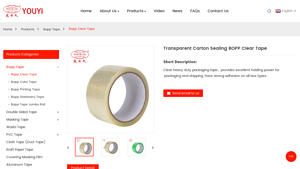
Domain: fjyytape.com
Registered: 2021 (5 years)
Introduction: Product Name: Transparent Carton Sealing BOPP Clear Tape. Description: Clear heavy duty packaging tape providing excellent holding power for packaging and shipping with strong adhesion on all box types. Structure: BOPP film coated with acrylic water-based adhesives, single-sided. Features: Good adhesion, high tensile strength, light weight, low cost. Specifications: Custom length/width/pattern; St…
Strategic Sourcing Conclusion and Outlook for High adhesion carton tape
Selecting the optimal high-adhesion carton tape represents a critical strategic decision for international operations managing diverse climatic conditions and substrate variability. As supply chains extend across continents—from the humid ports of West Africa to the temperature-controlled warehouses of Central Europe—procurement teams must prioritize adhesive reliability over unit cost to prevent catastrophic field failures and secure cargo integrity.
How Should Global Buyers Balance Performance and Cost in High-Adhesion Tape Selection?
Total cost of ownership calculations must extend beyond per-roll pricing to include failure rates and labor costs associated with reworks. Hot melt adhesives deliver superior initial tack for recycled corrugated and dusty environments common in emerging markets, while natural rubber formulations provide essential performance across extreme temperature swings encountered during Middle Eastern summers or high-altitude South American logistics. Evaluating shear strength specifications alongside climate compatibility ensures operational continuity rather than merely securing lowest bid pricing.
What Supply Chain Trends Will Shape High-Adhesion Tape Procurement?
Sustainability mandates and circular economy requirements are driving demand for tapes compatible with 100% recycled board and biodegradable film backings. Concurrently, automated packaging lines require consistent unwind characteristics and high-clarity options for barcode scanning visibility. Forward-thinking procurement strategies should specify adhesives tested for both environmental stressors and mechanical application speeds prevalent in modern German and Saudi Arabian distribution centers.
Ultimately, successful sourcing requires technical partnerships with manufacturers capable of regional customization. By aligning adhesive chemistry with specific logistical challenges—whether humidity resistance, cold-chain integrity, or rough-handling durability—buyers transform packaging from a commodity expense into a supply chain reliability engine.