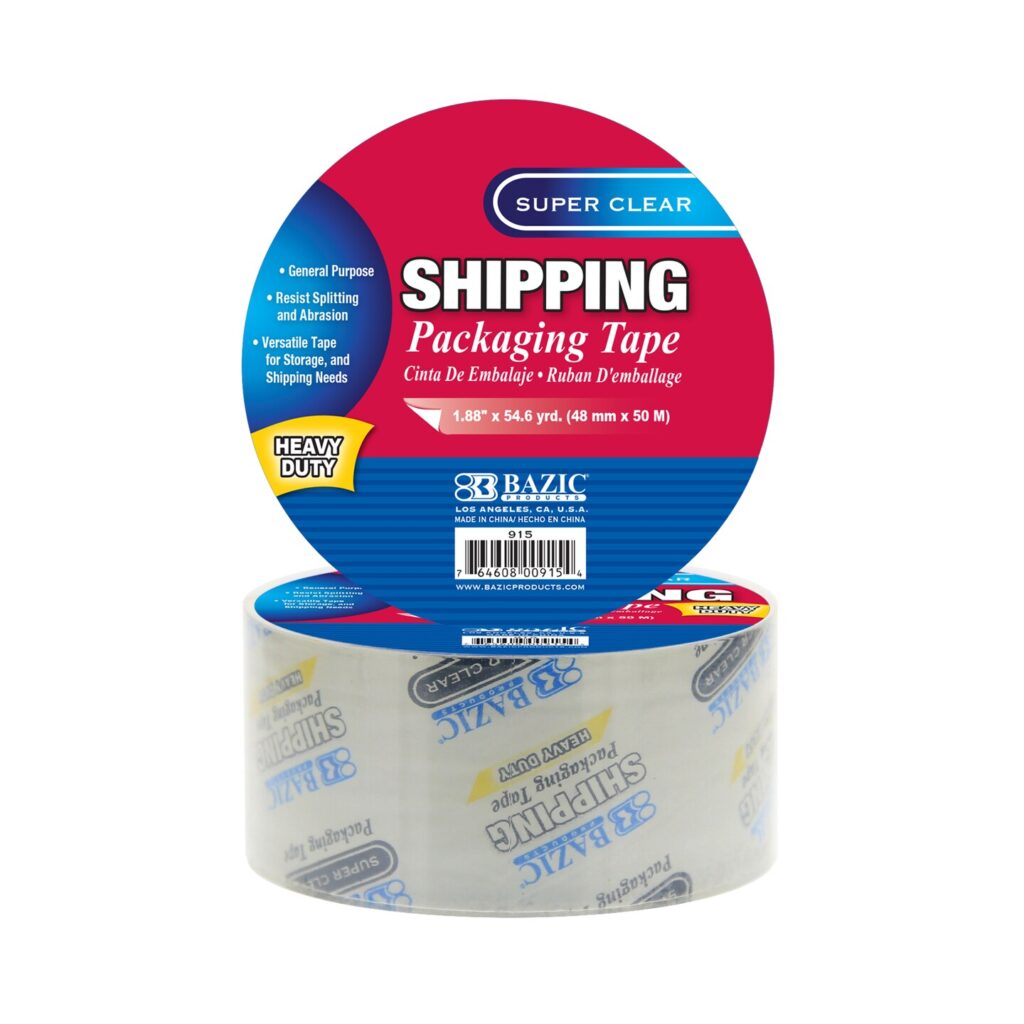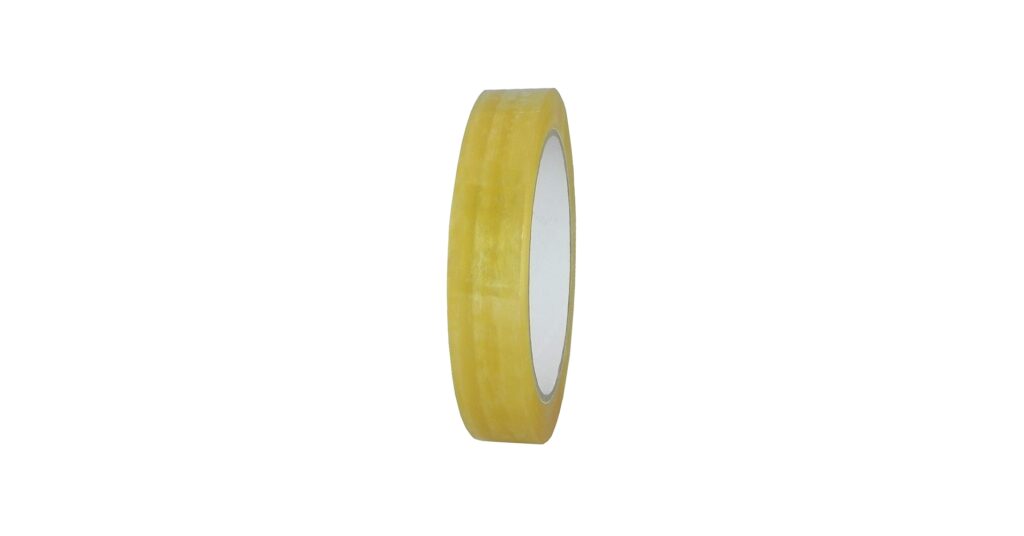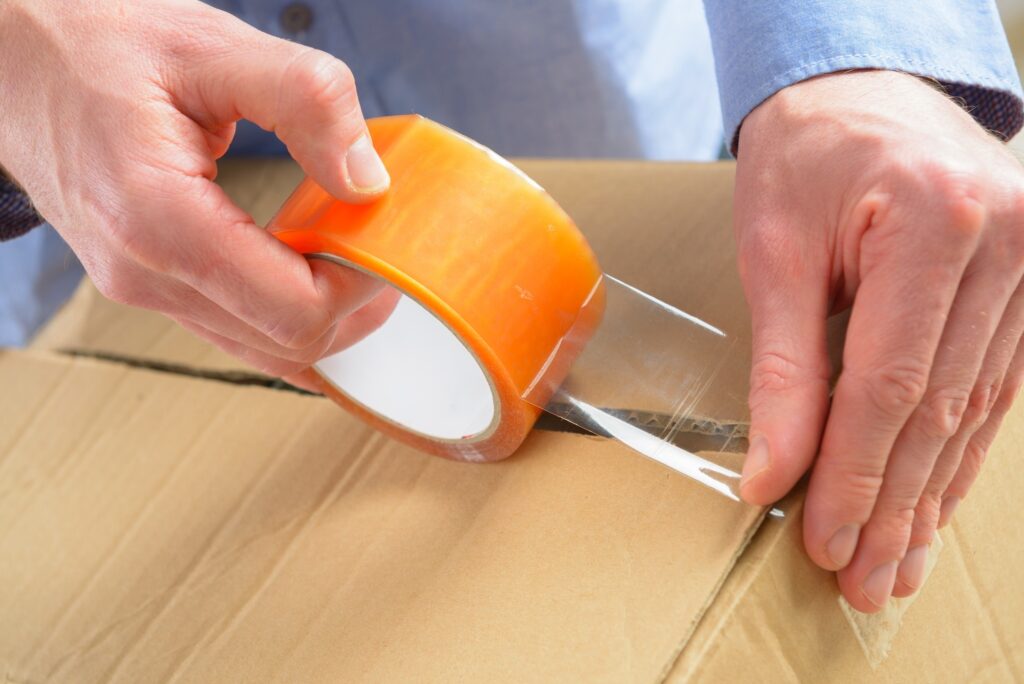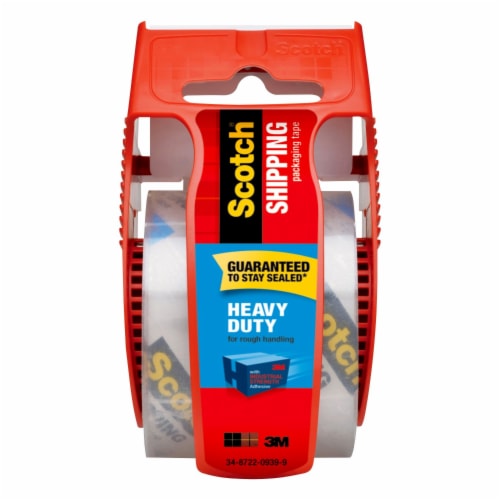
Introduction: Navigating the Global Market for House painting masking tape
Sourcing house painting masking tape for professional-grade finishes presents unique procurement challenges in today’s fragmented global supply chain. For contractors, paint distributors, and facility maintenance companies operating across Africa, South America, the Middle East, and Europe, the distinction between basic masking tape and specialized painter’s tape can determine project profitability, rework costs, and client satisfaction. Yet navigating technical specifications, adhesion standards, and supplier reliability across international markets remains a complex undertaking that directly impacts operational efficiency and bottom-line results.
Why do procurement teams struggle with tape quality consistency across regions?
Surface preparation requirements vary dramatically between humid tropical climates and arid desert environments, demanding distinct adhesive formulations and backing materials that many procurement teams overlook. Buyers frequently discover that products labeled as “painter’s tape” in one market may lack the UV resistance, temperature stability, or clean-release technology required for professional applications in another region. This guide addresses the critical distinction between general-purpose masking tape and specialized painting solutions, examining how environmental factors and substrate compatibility affect long-term performance outcomes across diverse construction markets.
What comprehensive sourcing insights does this guide provide?
Beyond basic product categorization, we analyze technical specifications including anti-bleed edge technology, adhesion strength ratings, and surface-specific formulations essential for delicate substrates or exterior durability in extreme climates. You’ll find detailed supplier vetting frameworks covering ISO manufacturing certifications, bulk logistics optimization, and regional compliance standards relevant to German industrial requirements or Saudi Arabian construction codes. Our cost-analysis methodologies help balance procurement budgets against performance metrics, ensuring your inventory meets diverse project demands from residential developments to commercial facilities without compromising application quality.
Whether you’re establishing new supplier relationships in Lagos, São Paulo, Riyadh, or Berlin, this resource equips you with actionable criteria to evaluate house painting masking tape specifications, mitigate cross-border supply chain risks, and secure products that deliver crisp, professional results across interior and exterior painting applications.
Understanding House painting masking tape Types and Variations
| Type Name | Key Distinguishing Features | Primary B2B Applications | Indicative Price Range (e.g., $, $$, $$$) | Brief Pros & Cons for Buyers |
|---|---|---|---|---|
| Utility Grade Crepe Paper | High-tack rubber adhesive; textured crepe paper backing; off-white/tan coloration; general-purpose adhesion | Dust sheet securing; temporary fixture holding; protection of non-painted hardware and glass | $ | Pros: Economical bulk pricing; aggressive initial tack for rough substrates. Cons: High risk of paint damage and adhesive residue; unsuitable for clean paint lines. |
| Professional Blue Painter’s Tape | Flatback paper construction; medium-tack synthetic adhesive; 14-day clean removal; anti-bleed edge treatment | Interior commercial painting; trim and molding masking; wall-to-ceiling transitions; multi-room residential projects | $$ | Pros: Reliable clean removal; high visibility for quick identification; prevents paint seepage. Cons: Limited UV resistance; inadequate adhesion for exterior masonry or stucco. |
| Delicate Surface Low-Tack Tape | Washi paper or specialized crepe formulation; ultra-low adhesion levels; 60-day removal window; yellow or white coloration | Freshly painted surfaces (24hr+ cure); wallpaper; wood veneer; lacquered cabinetry; historic restoration work | $$ | Pros: Zero residue risk; safe for sensitive cured finishes. Cons: Insufficient bonding for heavy textures; higher per-unit cost than standard grades. |
| Exterior Heavy-Duty UV-Resistant | Synthetic rubber adhesive; UV-stable 7-14 days; waterproof backing; high-tack for rough surfaces | Exterior stucco; brick facades; concrete; outdoor wood trim; commercial facade repainting | $$ | Pros: Withstands weather exposure and temperature fluctuations; strong bond to porous masonry. Cons: Risk of surface damage on delicate substrates; requires careful timing for removal. |
| Advanced Edge-Sealing Tape | Polymer-treated edges or PaintBlock technology; absorbs water-based paint to form seal; premium flatback backing | Decorative color blocking; accent walls; high-precision commercial interiors; mural and artistic applications | $$$ | Pros: Eliminates bleed-through completely; reduces labor touch-up time; superior line definition. Cons: Significant price premium; unnecessary cost for basic coverage applications. |
What distinguishes utility-grade crepe paper from professional painter’s tapes?
Utility-grade crepe paper masking tape serves as the economical workhorse for general site preparation rather than precision finishing. Characterized by its crinkled paper backing and aggressive rubber-based adhesive, this type excels at securing dust sheets and protecting hardware but presents significant risks when applied to painted substrates. B2B buyers should reserve this category for non-surface applications and prioritize bulk procurement strategies, as the high-tack formulation frequently damages cured paint films and leaves problematic residues that require costly remediation.
When should B2B buyers specify professional blue painter’s tape for commercial projects?
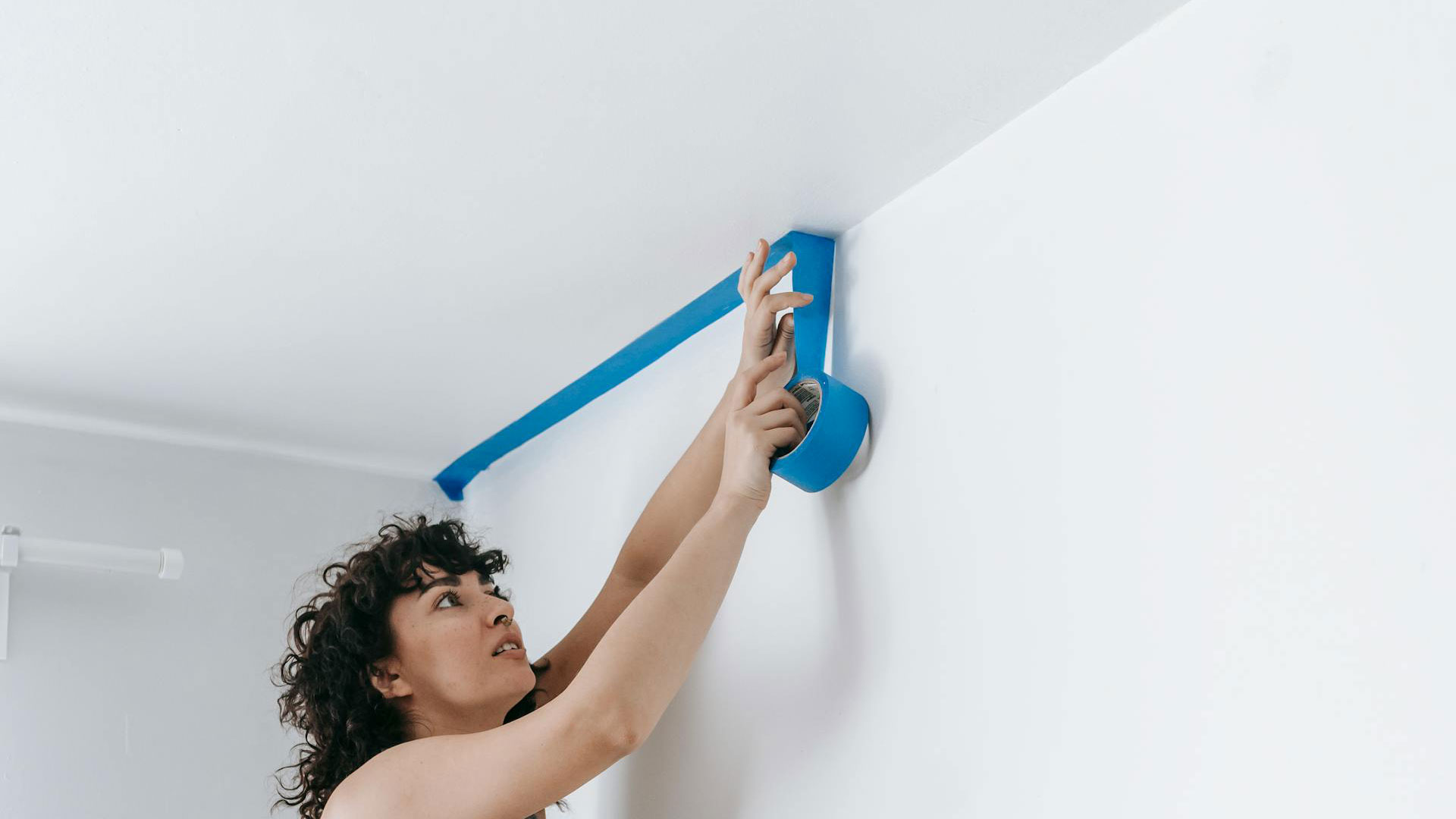
Professional blue painter’s tape represents the industry standard for interior commercial applications, featuring flatback paper construction and calibrated medium-tack adhesives designed for 14-day clean removal. Its distinct blue coloration facilitates quick visual identification on job sites, while anti-bleed edges prevent seepage under tape boundaries. For B2B procurement, verify compatibility with water-based latex formulations common in European and Middle Eastern markets, and consider that while this grade offers superior interior performance, it lacks the UV stability and moisture resistance required for external facade work.
Why is delicate surface low-tack tape critical for high-end finishing work?
Delicate surface low-tack tapes utilize washi paper or specialized crepe formulations with significantly reduced adhesion levels, specifically engineered for substrates requiring gentle contact. These varieties accommodate freshly cured paint films (minimum 24-hour cure time) and sensitive veneers without pulling underlying finishes or leaving adhesive transfer. B2B buyers managing high-end residential or heritage commercial projects should prioritize these tapes despite higher per-unit costs, as they eliminate the rework expenses associated with substrate damage common with standard-grade alternatives.
Which specifications ensure masking tape performance in exterior house painting?
Exterior-grade masking tapes incorporate UV-stabilized synthetic rubber adhesives and waterproof backings capable of withstanding prolonged sun exposure and temperature fluctuations typical of African and Middle Eastern climates. Designed for masonry, stucco, and rough-sawn timber, these high-tack formulations maintain adhesion on textured substrates where standard tapes fail. Procurement teams must verify temperature application ranges, as extreme heat can accelerate adhesive degradation, and ensure compatibility with local surface preparation standards to prevent bonding failures during critical coating windows.
How does advanced edge-sealing technology impact contractor profitability?
Advanced edge-sealing tapes employ polymer-based technologies that react with water-based paints to form microscopic barriers, effectively eliminating bleed-through at tape edges
Key Industrial Applications of House painting masking tape
| Industry/Sector | Specific Application of House painting masking tape | Value/Benefit for the Business | Key Sourcing Considerations for this Application |
|---|---|---|---|
| Commercial Construction & Renovation | Multi-surface edge masking and substrate protection during phased interior/exterior painting | Eliminates bleed-through rework, accelerates project timelines, ensures crisp lines between paint zones and untreated surfaces | UV-resistant formulations for outdoor exposure; bulk volume pricing; compatibility with local paint chemistries (alkyd vs. latex common in Middle East and Europe) |
| Facility Management & Maintenance | Delicate surface masking in occupied healthcare, educational, and corporate environments | Prevents damage to existing finishes, reduces tenant disruption, enables maintenance during business hours | Low-tack adhesive variants for fresh paint (<30 days); residue-free guaranteed removal; compliance with indoor air quality standards (VOC regulations in Germany/Saudi Arabia) |
| Industrial Manufacturing & Logistics | Temporary floor marking, safety line demarcation, and equipment masking in warehouses | Cost-effective alternative to permanent epoxy systems; supports flexible facility reconfiguration; protects inventory from overspray | Heavy-duty adhesion for concrete/rough substrates; chemical resistance to cleaning agents; humidity-stable adhesive for tropical climates (South America/Africa) |
| Hospitality & Tourism | Rapid room turnover painting, decorative accent walls, and fixture protection in hotels/resorts | Minimizes room downtime revenue loss; enables complex geometric designs; protects high-value furnishings and fixtures | Crepe paper backing for curved architectural elements; quick-release formulations; color-coded inventory management for multi-property chains |
How is house painting masking tape utilized in large-scale commercial construction projects to ensure precision between different substrate materials?
In commercial construction across Europe and the Middle East, contractors deploy high-tack painter’s tape to create sharp boundaries between drywall, concrete, and metal surfaces during multi-phase projects. The tape prevents bleed-through on exposed structural elements while accommodating thermal expansion differences common in Saudi Arabian and German building standards. For international buyers, selecting UV-stabilized variants prevents adhesive degradation during extended outdoor exposure in African and South American high-heat environments, ensuring clean removal without substrate damage when transitioning between construction phases. Bulk procurement strategies should account for 30-60 day removal windows to prevent adhesive transfer.
What specific masking tape properties are required for facility maintenance teams working in occupied healthcare and corporate environments?
Facility managers in Saudi Arabia and Germany require low-tack, residue-free masking tapes that comply with strict indoor air quality regulations while protecting sensitive medical equipment and office furnishings. These applications demand tapes that release cleanly from fresh paint (24-48 hours cure time) without leaving adhesive residue that attracts dust in HVAC-controlled environments. For buyers in humid climates like Brazil or Nigeria, moisture-resistant crepe paper backings prevent tape failure during monsoon seasons or in coastal facilities, maintaining adhesion integrity throughout maintenance windows. Color-coded variants help maintenance crews identify appropriate surfaces quickly, reducing application errors in multi-lingual workforces.
How do warehouse operators leverage painting masking tape for temporary floor marking systems in high-traffic distribution centers?
Industrial facilities across Africa and South America utilize heavy-duty painter’s tape as a flexible alternative to permanent epoxy aisle markings, allowing rapid reconfiguration of logistics flows without facility shutdowns. The tape must withstand forklift traffic, chemical cleaning agents, and extreme temperature variations common in Middle Eastern warehouses. Procurement teams should prioritize solvent-resistant adhesives that maintain bond strength on concrete dusted with desert sand or tropical humidity, while ensuring color-fastness for safety compliance in 5S lean manufacturing environments prevalent in European industrial sectors. Width consistency is critical for automated application equipment used in large German distribution centers.
What role does specialized masking tape play in maintaining rapid renovation schedules for hotels and resorts across diverse climate zones?
Hospitality groups operating across multiple continents require masking tapes that enable same-day room turnovers in properties from German business hotels to Brazilian beach resorts. Quick-release formulations prevent paint lifting on delicate wallcoverings common in luxury Middle Eastern properties, while conformable crepe paper adapts to ornate architectural moldings found in historic European buildings. For procurement managers, sourcing tapes with humidity-stable adhesives ensures consistent performance whether applied in air-conditioned Saudi interiors or humid Colombian coastal environments, directly impacting occupancy rates and renovation ROI. Bulk packaging in climate-resistant cartons prevents edge curling during ocean freight to African and South American ports.
A stock image related to House painting masking tape.
3 Common User Pain Points for ‘House painting masking tape’ & Their Solutions
Scenario 1: Why Does Masking Tape Damage Fresh Paint and Leave Residue on Delicate Surfaces?
The Problem: Contractors frequently encounter costly callbacks when standard masking tape pulls away fresh paint or leaves sticky residue on delicate surfaces like newly cured walls, wallpaper, or decorative finishes. This occurs because utility-grade masking tapes utilize high-tack rubber adhesives designed for binding rather than temporary surface protection. In premium residential markets across Europe and the Middle East, such damage necessitates expensive rework and compromises professional reputations, particularly when working with specialty finishes or eggshell paints that require 30-day cure times.
The Solution: Specify crepe paper painter’s tapes with low-tack acrylic adhesives explicitly rated for “delicate surfaces,” often identified by yellow or pink color coding in professional product lines. These formulations provide adequate edge seal while allowing clean removal without residue for up to 60 days on cured surfaces. For phased projects, mandate removal within 24-48 hours of application and conduct patch testing on vulnerable substrates like textured drywall or vinyl coverings before full-scale application. Procurement teams should verify adhesive specifications rather than relying on generic “masking tape” categorizations that fail to distinguish between utility and surface-safe grades.
Scenario 2: How Can Contractors Prevent Paint Bleeding Under Tape on Trim and Edges?
The Problem: Using general-purpose masking tape for precision boundaries between walls, trim, and ceilings often results in paint bleeding under edges, creating unprofessional, wavy lines that require touch-up work. This issue is particularly acute in commercial projects requiring geometric patterns or color-blocking where precision defines quality standards. Basic masking tape lacks the edge-sealing technology necessary to prevent solvent-based paints from seeping through micro-gaps at the tape-substrate interface, especially on textured trim or uneven plaster common in older European and South American buildings.
The Solution: Procure professional-grade painter’s tapes featuring “edge-lock” or “paint block” technology, utilizing treated crepe paper or polymer films that create a micro-barrier along the tape edge. Stock multiple widths—specifically 24mm (1-inch) for narrow trim and 48mm (2-inch) for ceiling lines and hand-masking applications—to accommodate various detailing requirements. Train application crews to seal edges firmly using a putty knife or specialized applicator tool rather than finger pressure alone, and establish protocols for tape removal at a 45-degree angle while paint remains slightly tacky (30-60 minutes) to prevent film bridging or edge lifting.
Scenario 3: What Temperature Rating Should Masking Tape Have for Exterior House Painting in Hot Climates?
The Problem: In hot climates prevalent across African, South American, and Middle Eastern markets, standard masking tape adhesives soften and fail, causing premature lifting or leaving gummy residues that require solvent cleaning and additional surface preparation. UV exposure accelerates degradation on exterior trim, stucco, and metalwork where tape must remain for several days during multi-coat applications. This results in project delays and labor cost overruns when crews must re-mask surfaces or remove baked-on adhesive residue before applying protective coatings or final paint layers.
The Solution: Specify exterior-grade masking tapes with temperature ratings of 90°C (194°F) or higher and UV-resistant adhesives designed for 14-day clean removal in direct sunlight. These specialized formulations maintain tack in extreme heat without baking onto masonry, vinyl, or metal substrates. For tropical climates, prioritize waterproof backing materials that resist moisture infiltration during humidity spikes or unexpected precipitation. Procurement specifications should explicitly distinguish between interior-grade blue painter’s tape and exterior-rated products, ensuring crews working on facades and outdoor architectural details receive tapes with appropriate weather-resistant polymers and backing strength.
Strategic Material Selection Guide for House painting masking tape
B2B procurement teams must understand that substrate composition directly dictates adhesion integrity, surface compatibility, and final paint line quality in residential applications. While consumer markets often conflate “masking tape” and “painter’s tape” as interchangeable commodities, industrial buyers recognize that distinct backing materials—ranging from crepe paper to specialized washi and polyethylene films—serve specific functional roles within large-scale housing workflows. Strategic material selection ensures compliance with surface warranty requirements, minimizes labor costs associated with touch-ups, and prevents costly substrate damage during removal on high-value interior and exterior finishes across diverse climatic conditions, from humid South American regions to arid Middle Eastern environments and temperate European zones.
What distinguishes crepe paper backing for general construction applications?
Standard crepe paper masking tape utilizes a crinkled cellulose backing with rubber-based adhesives, offering high conformability to irregular surfaces such as crown molding, textured drywall, and window frames. This material excels in temporary holding applications—securing polyethylene drop cloths, masking door hardware, or protecting glass during spray applications—where precise paint lines remain secondary to adhesion strength. For B2B buyers managing inventory across African and South American markets, crepe paper offers immediate availability and cost-efficiency for high-volume consumption. However, untreated crepe paper lacks moisture resistance and anti-bleed properties, making it unsuitable for wet paint lines. Procurement managers should note that rubber adhesives degrade rapidly in tropical storage conditions, potentially rendering bulk inventory unusable within months if climate controls are absent, while the aggressive tack risks pulling fresh paint or leaving gummy residue on delicate substrates.
Which washi paper specifications optimize interior precision work?
Washi paper painter’s tape—typically color-coded in blue, green, or yellow variants—features a thin, strong rice paper substrate with low-tack acrylic adhesives engineered for clean removal within 14-day windows. This category includes advanced variants with polymer-based edge-sealing technology that reacts with latex paint to form a micro-barrier against bleed-through, critical for German markets demanding architectural-grade finish quality. For Saudi Arabian luxury residential developments or European renovation projects, washi tapes provide essential surface safety for fresh painted walls, wallpaper, and decorative trim without ghosting or adhesive transfer. B2B procurement teams should note that color-coding facilitates job site efficiency: blue indicates multi-surface compatibility, green signifies multi-surface with advanced sealing, while yellow designates
A stock image related to House painting masking tape.
In-depth Look: Manufacturing Processes and Quality Assurance for House painting masking tape
Understanding the technical intricacies behind house painting masking tape production enables procurement teams to evaluate supplier capabilities beyond unit pricing. For construction material distributors and large-scale painting contractors operating across varying climate zones—from the humid coastal regions of West Africa to the arid environments of the Middle East—manufacturing standards directly correlate with product performance and project profitability. The following examination of production methodologies and quality protocols provides essential benchmarks for assessing potential manufacturing partners and ensuring consistent supply chain reliability.
What raw material specifications ensure performance across diverse climates?
The foundation of premium masking tape lies in crepe paper backing saturation, a process where base paper undergoes polymeric impregnation to create a paint-impermeable barrier. Manufacturers utilizing 140-160 micron crepe paper with cross-fiber reinforcement deliver superior tensile strength for clean removal, while lighter 120-micron variants suit cost-sensitive bulk orders. For B2B buyers sourcing for regions with high humidity, such as Southeast Asia or coastal South America, verifying that suppliers utilize moisture-resistant saturation resins becomes critical—standard paper backings absorb atmospheric moisture, causing adhesive degradation and edge curling before application. Additionally, flatback paper options provide smoother unwind characteristics for automated taping machines increasingly common in European commercial painting sectors.
How does adhesive formulation impact application reliability?
Modern manufacturing facilities employ either natural rubber-based or synthetic acrylic adhesive systems, with distinct performance profiles suited to specific procurement needs. Rubber adhesives offer aggressive initial tack ideal for textured surfaces prevalent in Middle Eastern construction, yet require precise formulation to prevent residue transfer during removal. Acrylic systems, while commanding higher raw material costs, provide superior UV stability essential for exterior projects in sun-intensive climates, maintaining adhesion integrity during 14-day exposure periods without baking onto substrates. Leading manufacturers utilize microsphere adhesive technology, creating anti-bleed edges through variable bead sizing that seals against paint penetration while allowing controlled release. When evaluating suppliers, request documentation of adhesive coat weights—typically measured in grams per square meter (gsm)—with 25-35 gsm representing optimal balance for residential masking applications.
What manufacturing processes prevent edge bleed and adhesive transfer?
Precision coating represents the critical differentiator between commodity masking tape and professional-grade painter’s tape. Advanced production lines employ comma coating or knife-over-roll application methods, maintaining ±1 gsm tolerance across 1,300mm-wide master rolls. Following adhesive application, controlled curing ovens cross-link polymer chains at 80-120°C, establishing shear resistance without compromising tack. The application of silicone release coatings on the backing’s reverse side ensures consistent unwind forces—typically measured at 0.5-1.0 N/cm—preventing tape splitting or adhesive stringing during high-speed application. For distributors serving premium markets like Germany or Saudi Arabia, verify that manufacturers utilize edge-sealing technologies that prevent adhesive migration during storage, a common cause of roll blocking in high-temperature transport containers.
Which quality control protocols validate clean removal standards?
Reputable manufacturers implement ASTM D3330 and PSTC-101 testing standards throughout production runs, measuring adhesion strength to steel and cardboard substrates at 20-minute and 24-hour intervals. For delicate surface applications—such as freshly painted walls or decorative trim common in European residential markets—suppliers should demonstrate low-tack formulations tested on painted drywall samples cured for 24 hours. Climate chamber testing simulating 90% relative humidity and 50°C temperatures validates product stability during ocean freight to tropical destinations. Additionally, UV-aging tests exposing tape samples to 500 hours of accelerated weathering confirm that exterior-grade products release cleanly without substrate damage, crucial for Middle Eastern infrastructure projects where masking materials may remain in place for extended curing periods.
How do slitting and winding standards affect job site efficiency?
Post-coating conversion processes significantly impact usability in professional settings. Precision slitting equipment maintaining ±0.5mm width tolerance ensures consistent coverage when applying multiple parallel lines for geometric designs or color blocking. Core integrity standards require 3-inch cardboard cores capable of withstanding 50kg stacking pressure without collapse, essential for sea container loading and warehouse storage. Tension-controlled winding prevents telescoping—where layers shift creating irregular edges—while maintaining optimal roll hardness for manual or dispenser-based application. B2B buyers should verify batch traceability systems, requiring manufacturers to imprint lot numbers on each roll core enabling quality investigation across potentially defective production runs that could impact large-scale projects.
What packaging specifications maintain product integrity during international shipping?
Climate-responsive packaging separates professional-grade suppliers from commodity producers. Individual roll shrink-wrapping utilizing UV-stabilized films prevents adhesive oxidation during transit through equatorial regions, while master carton construction with moisture-barrier coatings protects against container rain and port humidity. Pallet configurations optimized for 40-foot high-cube containers—typically 48 rolls per pallet in tiered configurations—maximize freight efficiency for African and South American importers. Critical documentation should include 12-month shelf life guarantees when stored at 15-25°C with 40-60% relative humidity, alongside Material Safety Data Sheets (MSDS) compliant with EU REACH regulations and GCC Standardization Organization requirements for Middle Eastern markets.
When auditing potential manufacturing partners, prioritize facilities demonstrating ISO 9001:2015 quality management certification alongside environmental compliance with ISO 14001 standards. Request sample production runs subjected to your specific climate conditions and surface substrates, ensuring that anti-bleed technologies and clean-release formulations meet the performance demands of your target markets. By establishing these manufacturing benchmarks, procurement teams secure supply chains capable of delivering consistent product quality that reduces job site callbacks and enhances end-user satisfaction across diverse international territories.
Practical Sourcing Guide: A Step-by-Step Checklist for ‘House painting masking tape’
Procuring the right house painting masking tape requires more than comparing unit prices. For B2B buyers serving diverse markets—from humid coastal regions in West Africa to precision-focused contractors in Germany—selecting appropriate specifications ensures project success and minimizes costly callbacks. This checklist provides actionable criteria to evaluate suppliers, validate product performance, and secure inventory that meets professional painting standards across varying climatic and surface conditions.
1. Define Application Requirements and Surface Compatibility
What surface specifications determine house painting masking tape selection? Identify whether your end-users work primarily with delicate fresh paint, standard drywall, or rough exterior masonry. Delicate surfaces require low-tack formulations to prevent substrate damage and paint lifting, while rough exterior applications demand aggressive adhesion and thicker crepe paper backings. Document the predominant surface types in your target markets to narrow specifications before engaging suppliers, ensuring you stock SKUs aligned with actual regional construction practices.
2. Evaluate Adhesive Performance and Duration Requirements
How long can house painting masking tape remain adhered without residue? Professional projects often require multi-day masking, making clean removal critical to avoid costly rework. Specify tapes with UV-resistant adhesives for exterior Middle Eastern or South American projects exposed to intense sunlight. For interior European renovations, prioritize low-tack options that release cleanly within 14 days without leaving rubber residue on precision trim work or newly painted walls.
3. Assess Environmental Resistance and Climate Suitability
Which masking tape specifications withstand high humidity and UV exposure? Tropical African markets and humid South American climates necessitate moisture-resistant acrylic adhesives rather than standard rubber-based options that degrade quickly. Verify temperature resistance ranges, particularly for tapes used in unconditioned spaces or exterior applications where thermal expansion could compromise seal integrity and cause paint bleed along edges.
4. Verify Compliance with Regional Standards and Certifications
What certifications should house painting masking tape meet for international markets? European buyers typically require REACH compliance and low-VOC certifications, while Middle Eastern markets may prioritize SASO or GCC conformity marks. Confirm that prospective suppliers provide batch-specific test reports, MSDS documentation, and traceability records to facilitate customs clearance and meet local construction regulatory requirements without delays.
5. Analyze Cost Efficiency and Supply Chain Reliability
How to balance bulk procurement costs with masking tape quality standards? Calculate total landed costs including humidity-controlled shipping for adhesive-sensitive inventory. Evaluate supplier lead times and minimum order quantities against your inventory turnover rates. Remember that premium painter’s tapes reduce labor costs through superior edge sealing, often justifying higher unit prices over generic masking alternatives when factoring in rework prevention and contractor productivity.
6. Conduct Sample Testing and Quality Assurance Protocols
What quality testing methods validate masking tape performance before bulk orders? Request A4 sample rolls to test adhesion strength on local substrate materials common in your regions. Perform bleed-through tests using standard latex paints available in your markets, and verify backing tensile strength to ensure clean removal without tearing. Establish clear acceptance criteria for batch consistency and width tolerances before finalizing long-term supply agreements.
A stock image related to House painting masking tape.
Comprehensive Cost and Pricing Analysis for House painting masking tape Sourcing
When sourcing house painting masking tape at industrial scale, procurement teams must look beyond sticker prices to understand the total cost of ownership. The market presents three distinct pricing tiers: economy-grade masking tape (typically $0.50–$1.20 per roll), professional-grade painter’s tape ($1.80–$3.50 per roll), and premium performance tapes like specialized Frog Tape variants ($4.00–$6.50 per roll). For B2B buyers managing large-scale housing developments or maintenance contracts across diverse climates—from humid African coastal regions to arid Middle Eastern environments—selecting the appropriate tier directly impacts project margins and rework expenses.
How Do Painter’s Tape Pricing Tiers Impact Bulk Procurement Strategies?
Volume discounts vary significantly across product categories. Economy masking tapes often see price reductions of 30–40% at pallet quantities (500+ rolls), making them attractive for general protection and non-critical masking. However, professional-grade painter’s tapes—formulated with specialized crepe paper and low-tack adhesives—typically offer flatter discount curves (15–25% at volume) due to higher raw material costs. For buyers in markets like Germany or Saudi Arabia where precision finishing standards are non-negotiable, the higher per-unit cost of premium tapes often yields net savings through eliminated touch-up labor and reduced surface damage claims.
What Hidden Costs Should B2B Buyers Consider Beyond Unit Price?
The true cost of painter’s tape extends far beyond procurement invoices. High-tack economy tapes used on delicate surfaces can generate substantial remediation costs—professional painters report spending 2–3 hours per room correcting adhesive residue or paint pull-off from improper tape selection. Conversely, premium tapes with PaintBlock technology or UV-resistant formulations may cost 3x more per roll but reduce labor time by 40% through cleaner removal and extended outdoor adhesion windows. When calculating total cost of ownership, factor in storage climate control requirements; acrylic adhesives degrade in extreme heat, potentially rendering bulk inventory unusable in South American or Middle Eastern warehouses without climate control.
How Do Regional Logistics and Import Regulations Affect Landing Costs?
For international buyers, landed costs fluctuate dramatically based on regional trade agreements and adhesive chemical classifications. European buyers face REACH compliance certification requirements that add 8–12% to documentation and testing costs, while African markets often encounter import duty variations between 5–25% depending on local manufacturing protection policies. Container optimization becomes critical—painter’s tape’s bulky, lightweight nature means shipping costs often exceed product value on a per-kilogram basis. Consolidating orders to fill 40-foot containers rather than LCL (Less than Container Load) shipments can reduce per-roll logistics costs by 60–70%, particularly vital for South American importers facing high port handling fees.
Which Cost-Optimization Strategies Balance Quality with Application-Specific Needs?
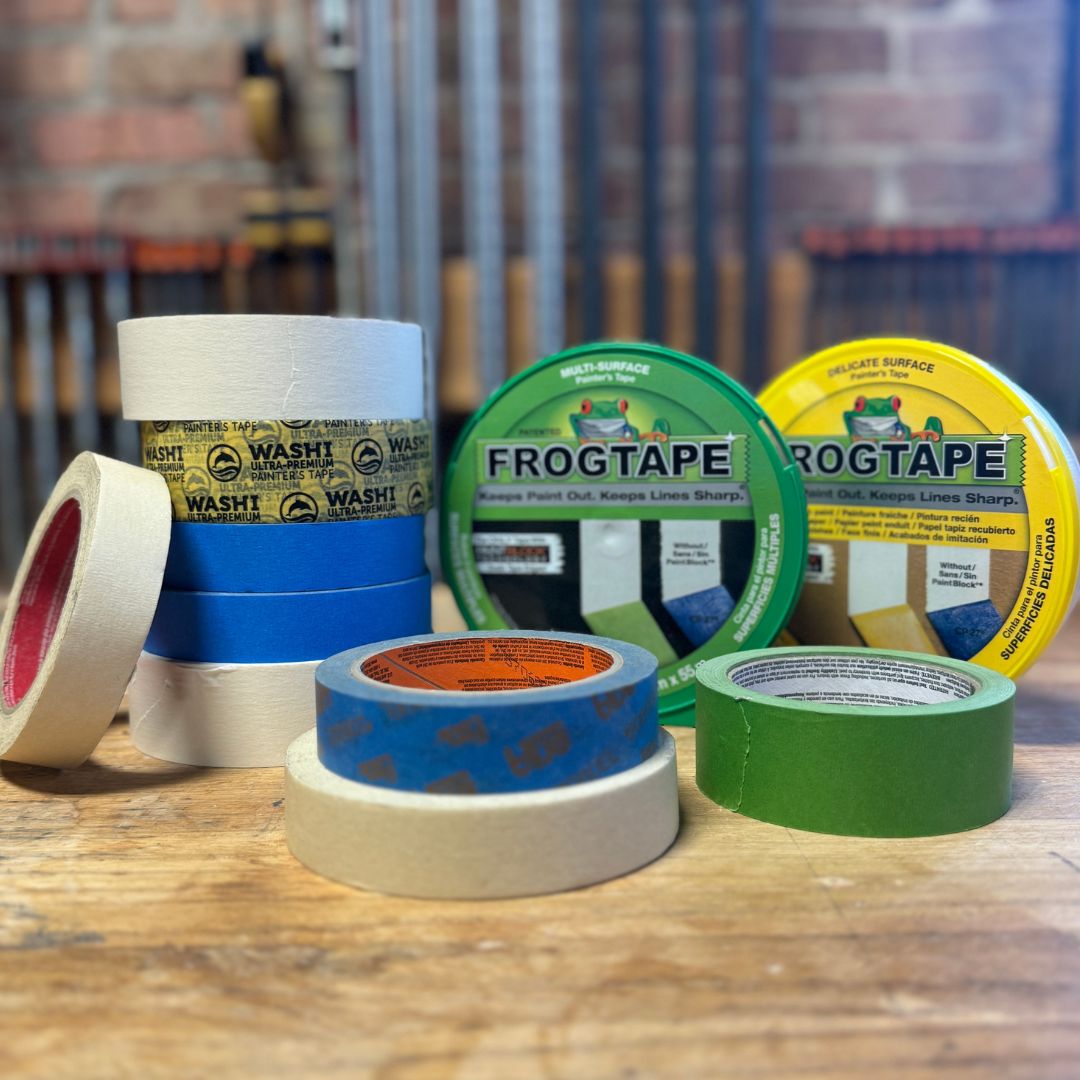
Smart SKU rationalization drives procurement efficiency. Rather than stocking ten tape varieties, consider dual-grade strategies: premium yellow-grade tapes for delicate interior finishes on high-visibility projects, and standard blue painter’s tape for general exterior masking. Private label sourcing from certified Asian manufacturers can reduce costs by 20–35% while maintaining quality standards, provided buyers verify ISO 9001 certification and conduct batch adhesion testing. For recurring projects, negotiate annual volume agreements with suppliers willing to hold buffer stock, minimizing your carrying costs while securing price stability in volatile raw material markets.
Alternatives Analysis: Comparing House painting masking tape With Other Solutions
When evaluating surface protection strategies for commercial painting contracts, procurement teams must look beyond unit pricing to assess total cost of ownership across diverse climatic and substrate conditions. Standard crepe paper masking tape—while ubiquitous in hardware supply chains—presents significant liability risks for professional operations, including adhesive residue transfer, substrate damage upon removal, and paint bleed-through requiring costly rework. For B2B buyers serving markets from Germany’s precision-focused industrial sector to Saudi Arabia’s high-temperature exterior construction environments, understanding the performance differentials between generic masking tape and engineered alternatives directly impacts project margins and client retention. This analysis examines two primary alternatives: professional-grade low-tack painter’s tapes utilizing synthetic acrylic adhesives, and advanced polymer sealing tapes incorporating hydrophobic barrier technologies, comparing their operational value against conventional masking solutions across procurement, application, and performance metrics.
| Comparison Aspect | Standard House Painting Masking Tape | Professional Low-Tack Painter’s Tape | Advanced Polymer Sealing Tape (PaintBlock Technology) |
|---|---|---|---|
| Performance | Moderate adhesion; high risk of paint bleed and substrate damage; suitable only for rough masking on unfinished surfaces | Superior anti-bleed edges; clean removal |
Essential Technical Properties and Trade Terminology for House painting masking tape
When procuring masking tape for house painting applications, B2B buyers must distinguish between general-purpose masking and specialized painter’s tape to avoid costly substrate damage and rework. Understanding specific technical properties ensures compatibility with diverse regional climate conditions—from the high UV exposure of Middle Eastern exteriors to the humidity of tropical markets—while mastering industry terminology facilitates precise communication with international suppliers and contractors.
What Technical Specifications Should B2B Buyers Prioritize When Selecting House Painting Masking Tape?
Adhesion Level (Tack Classification)
Professional tapes are categorized by tack strength: low-tack formulations for delicate, freshly painted surfaces (often yellow-coded), medium-tack for general interior use (typically blue), and high-tack for rough or exterior textures (green/orange). Selecting the incorrect classification risks either surface damage upon removal or inadequate masking that allows paint seepage.
Temperature Resistance
Critical for markets with extreme heat, such as Saudi Arabia or parts of Africa and South America, high-temperature masking tape withstands surface temperatures up to 120°C (250°F) without adhesive transfer or backing failure. This specification is essential for exterior walls exposed to direct sunlight or for industrial baking processes where heat resistance prevents tape degradation during cure cycles.
UV Resistance
Standard adhesives degrade under ultraviolet exposure, causing residue and difficult removal. UV-resistant formulations maintain structural integrity for up to 14 days of outdoor exposure, preventing the adhesive from “baking” onto substrates—a crucial specification for European and Middle Eastern exterior renovation projects.
Clean Removal Window (Dwell Time)
This defines the maximum duration tape can remain adhered without leaving residue or damaging substrates. Premium painter’s tapes offer 14-21 day clean removal windows, while economy masking tapes may require removal within 24 hours to prevent permanent adhesive transfer or paint pull-up.
Thickness (Mil Rating) and Tensile Strength
Measured in mils (thousandths of an inch), thickness typically ranges from 4.5 to 6.5 mils for hand-tearable crepe paper. Tensile strength, measured in Newtons per centimeter or pounds per inch, determines resistance to tearing during application—particularly important for automated taping tools used in large-scale German commercial projects or high-volume residential developments.
Which Industry Terms Are Essential for International Procurement and Quality Assessment?
Bleed-through (Paint Seepage)
Refers to paint penetrating beneath the tape edge, causing ragged lines. Premium products feature “anti-bleed” edge treatments or proprietary technologies that react with latex paint to form a micro-barrier, ensuring crisp lines on decorative features and color-blocked walls.
Crepe Paper vs. Flatback Construction
Crepe paper has a crinkled texture providing conformability for curved surfaces and easy hand-tearability. Flatback (smooth paper) offers higher tensile strength and is preferred for straight-line masking and automated dispensers but typically requires cutting tools for application.
Edge Treatment / Edge Sealing
Manufacturing processes that treat the tape edge to prevent capillary action of paint. Terms like “saturated crepe” or “fine structured edge” indicate superior sealing capabilities essential for achieving sharp paint lines on trim and ceilings.
Dwell Time
The duration between tape application and removal. B2B buyers must coordinate dwell time with project schedules; exceeding the manufacturer’s specified window results in adhesive residue or substrate damage, particularly on wood trim, drywall, or delicate plaster common in European heritage properties.
Conformability
The tape’s ability to adhere to irregular surfaces, curves, and textured walls. High conformability is essential for European decorative molding or the textured architectural details found in Middle Eastern and South American residential construction.
Solvent Resistance
Indicates compatibility with oil-based paints, varnishes, and industrial solvents. This property is critical for B2B buyers supplying automotive refinishers or industrial painting contractors who use chemical-resistant coatings that might degrade standard adhesive formulations.
Navigating Market Dynamics and Sourcing Trends in the House painting masking tape Sector
How Is the Global House Painting Masking Tape Market Evolving for B2B Procurement?
The house painting masking tape sector is experiencing significant regional diversification as construction activity accelerates across emerging markets in Africa, South America, and the Middle East, while European markets prioritize premium renovation products. B2B buyers are navigating a bifurcated supply landscape where commodity-grade crepe paper tapes compete against specialized anti-bleed formulations designed for precision residential and commercial finishing. Understanding these dynamics enables procurement teams to optimize inventory mixes for distinct climatic and regulatory environments.
Climate adaptability has become a critical procurement criterion, particularly for buyers in Saudi Arabia and Gulf states where UV-resistant formulations prevent adhesive degradation during intense exterior painting cycles, and for humid tropical regions in South America requiring moisture-resistant backings. Smart inventory strategies now emphasize climate-specific SKUs rather than one-size-fits-all solutions, reducing waste from tape failure in extreme conditions. Temperature-stable adhesives that maintain tack in both desert heat and European winter conditions are increasingly valued by international distributors serving multiple climate zones.
The distinction between general masking tape and painter-specific solutions continues to drive market segmentation. Professional-grade products featuring treated edges and low-tack adhesives command higher margins but deliver superior performance on delicate surfaces—a crucial consideration for European contractors working with historic substrates or premium interior finishes. Bulk procurement agreements increasingly specify performance metrics such as clean removal timeframes and bleed-through resistance rather than just adhesive strength, reflecting the shift toward professional application standards across all regions.
Supply chain resilience remains paramount as manufacturers relocate production to reduce lead times for regional markets. German buyers increasingly prioritize EU-manufactured tapes meeting REACH compliance standards, while African importers seek suppliers offering flexible MOQs and regional warehousing to mitigate currency fluctuation risks. The rise of private-label manufacturing allows distributors to develop branded tape portfolios tailored to local contractor preferences, from high-tack options for rough concrete in industrial African applications to delicate-surface solutions for European residential markets requiring residue-free removal from fresh paint.
What Sustainability and Ethical Sourcing Standards Should B2B Buyers Prioritize?
Sustainability has transitioned from niche preference to procurement mandate, particularly for European buyers supplying green building projects and Middle Eastern developers pursuing LEED certification. Modern sourcing strategies prioritize solvent-free adhesive formulations and biodegradable crepe paper backings that reduce landfill impact without compromising edge-sealing performance. Leading manufacturers now offer tapes certified for low VOC emissions, aligning with stringent indoor air quality standards prevalent in German and Saudi Arabian commercial construction sectors.
Ethical manufacturing verification now extends beyond labor practices to encompass raw material traceability, with premium tape manufacturers adopting Forest Stewardship Council (FSC) certified paper sources and transparent supply chain auditing. B2B procurement teams are increasingly demanding Environmental Product Declarations (EPDs) and carbon footprint documentation to satisfy corporate sustainability mandates and government tender requirements in regulated markets. This transparency proves particularly valuable when supplying state-funded housing projects in Europe or luxury residential developments in the Middle East where green credentials influence contract awards.
Packaging innovation presents another sourcing consideration, with bulk buyers favoring suppliers utilizing recycled cardboard cores and plastic-free shrink wrapping. The circular economy challenge remains significant for used tape disposal, driving interest in compostable alternatives and manufacturer take-back programs. However, durability cannot be sacrificed for biodegradability, creating demand for tapes that maintain structural integrity during the painting process yet break down safely post-disposal.
For buyers in price-sensitive markets like Africa and South America, balancing sustainability premiums with project budgets requires strategic product tiering—specifying eco-premium tapes for visible interior applications while utilizing standard grades for exterior masking and surface protection. Ethical sourcing also encompasses worker safety standards in manufacturing facilities, with ISO 45001 certification becoming a differentiator when selecting long-term supply partners for large-scale painting contractors and retail chains. This holistic approach to sustainability strengthens supply chain resilience while meeting evolving regulatory landscapes across diverse international markets.
Frequently Asked Questions (FAQs) for B2B Buyers of House painting masking tape
1. What is the difference between painter’s tape and masking tape for professional house painting?
Professional painter’s tape utilizes specialized crepe paper backing and calibrated synthetic adhesives engineered for clean removal without substrate damage, whereas general-purpose masking tape employs rubber-based adhesives that risk leaving residue and lifting fresh paint upon removal. For B2B procurement, painter’s tape delivers anti-bleed edge technology that reduces rework costs by preventing paint seepage, while standard masking tape often lacks the UV resistance and low-tack formulation required for delicate surfaces. Specify color-coded painter’s tape systems—typically blue for general use, green for multi-surface applications, and yellow for delicate finishes—to ensure compatibility with diverse substrate conditions across international projects.
2. What width masking tape do contractors use for trim and edges?
Professional contractors typically specify 18mm to 24mm (0.7″ to 1″) widths for precision trim work and sharp edge definition, while 48mm (2″) serves as the industry standard for masking skirting boards, window frames, and door casings. For bulk surface protection during large-scale residential or commercial projects, 72mm to 100mm (3″ to 4″) widths significantly improve crew efficiency by reducing application time for floor and fixture coverage. B2B buyers should maintain inventory across these three width categories, as narrower tapes minimize material waste on detailed millwork, while wider options reduce labor costs during preparation phases.
3. How long can masking tape be left on surfaces without leaving residue?
Standard interior painter’s tape allows for 3-day clean removal, while premium UV-resistant grades extend this window to 14 days even under direct sun exposure. For exterior projects in high-UV climates common in the Middle East and Africa, exceeding these timeframes risks adhesive baking, which necessitates razor scraping and potential substrate damage. Procurement teams should establish jobsite protocols requiring tape removal within 30 to 60 minutes of final coat application—before the paint fully cures—to prevent edge bridging and ensure residue-free performance.
4. What temperature rating should masking tape have for exterior house painting?
Specify tapes with application temperature ranges of +10°C to +40°C (50°F to 104°F) for exterior projects, ensuring service temperature tolerance from -20°C to +80°C (-4°F to 176°F) to accommodate seasonal variations across European winters and Gulf Cooperation Council (GCC) summer conditions. For hot-climate applications, select high-temperature acrylic adhesives that resist softening and seepage under intense solar exposure. Verify that ratings cover both application conditions and the paint curing environment, as adhesive failure during the drying phase compromises edge quality and necessitates costly touch-ups.
5. How do I select the appropriate adhesive grade for different surface types in international construction markets?
Match adhesive strength to substrate porosity and paint cure time: specify low-tack formulations (often yellow or purple labeled) for walls with less than 30 days cure time and delicate surfaces common in high-end European interiors; medium-tack (green or blue) for cured painted drywall and wood trim; and high-tack (orange or red) for rough masonry, brick, and textured exteriors prevalent in African and Latin American construction. Conduct adhesion testing on local substrate samples before bulk procurement, as surface porosity variations across international markets significantly impact tape performance and removal characteristics.
6. How do I optimize bulk procurement costs without compromising tape performance quality?
Negotiate volume pricing on 24mm and 48mm widths—the highest consumption sizes—while evaluating total project cost rather than per-roll expenditure. Premium painter’s tape reduces rework by 40-60% compared to generic masking tape, justifying higher unit costs through reduced touch-up labor, paint consumption, and damage liability. For large-scale developments across Africa, South America, or the Middle East, request contractor packs (36-roll cartons) and establish consignment inventory agreements to manage cash flow while ensuring UV-resistant stock availability for exterior work phases.
7. What UV resistance specifications are critical for exterior masking tape in high-sunlight regions?
In high-UV environments such as Saudi Arabia, Brazil, or Nigeria, specify tapes with UV resistance ratings of 7 to 14 days to prevent adhesive degradation and backing embrittlement that leads to difficult removal. Standard tapes without UV inhibitors become problematic after 48-72 hours of direct exposure, requiring aggressive removal methods that damage painted surfaces. Look for “exterior grade” or “UV-stable” certifications, and verify that the backing material maintains structural integrity during removal in hot conditions where adhesive softening typically occurs.
8. How do I ensure proper tape adhesion in humid tropical climates during monsoon seasons?
In humid
Important Disclaimer & Terms of Use
⚠️ Important Disclaimer
The information provided in this guide, including content regarding manufacturers, technical specifications, and market analysis, is for informational and educational purposes only. It does not constitute professional procurement advice, financial advice, or legal advice.
B2B buyers must conduct their own independent and thorough due diligence before making any purchasing decisions. The risk of relying on any information in this guide is borne solely by the reader.
Top 1 House Painting Masking Tape Manufacturers & Suppliers List
1. Research and Markets – Masking Tapes

Domain: researchandmarkets.com
Registered: 2002 (24 years)
Introduction: Key product features across leading manufacturers include: clean-line removal and dimensional stability with compatibility for conventional and low-VOC coatings (3M); biodegradable and low-emission adhesive technologies with superior conformability and high-temperature resistance (Nitto Denko); reliable adhesion and residue-free removal under challenging conditions with eco-friendly formulations (…
Strategic Sourcing Conclusion and Outlook for House painting masking tape
How Can B2B Buyers Optimize Bulk Procurement Strategies for Masking Tape?
For procurement teams serving diverse climates—from Saudi Arabia’s extreme heat to Germany’s humidity-sensitive interiors—bulk purchasing requires strategic segmentation. Rather than sourcing generic masking tape, prioritize UV-resistant painter’s tapes for exterior projects in high-sun regions and low-tack variants for delicate interior finishes in European markets. Establishing direct relationships with manufacturers who offer climate-specific formulations ensures consistent adhesion performance while reducing per-unit costs through volume commitments. Consolidating shipments across multiple project sites further optimizes logistics expenditures.
What Quality Standards Should International Buyers Prioritize for House Painting Tapes?
As regulatory landscapes tighten, particularly across the EU and Middle East, B2B buyers must verify compliance with low-VOC certifications and residue-free adhesive guarantees. Premium painter’s tapes featuring advanced edge-sealing technology justify higher upfront costs by eliminating rework expenses and protecting painted surfaces. When sourcing for African and South American markets, prioritize tapes with extended UV stability and moisture-resistant backings to prevent adhesive degradation during humid conditions or prolonged exterior masking.
Which Innovations Are Shaping the Future of Masking Tape Supply Chains?
The industry is shifting toward sustainable crepe paper backings and solvent-free adhesives that maintain performance across temperature extremes. Forward-thinking buyers should partner with suppliers investing in recyclable core materials and color-coded surface-specific solutions—streamlining inventory management while meeting growing environmental mandates across European and Middle Eastern construction sectors. Digital inventory tracking systems are also emerging as essential tools for managing diverse SKU requirements across international portfolios.