Introduction: Navigating the Global Market for General purpose masking tape
Procuring high-performance general purpose masking tape for industrial-scale operations requires navigating a complex landscape where commodity-grade products often fail to meet rigorous application demands. For procurement teams across Africa’s expanding manufacturing hubs, South America’s diverse climate zones, the Middle East’s high-temperature construction sectors, and Europe’s precision-driven automotive industries, inconsistent adhesive formulations and questionable supplier reliability present significant operational risks. Whether you’re sourcing for protective coating applications in Riyadh or bundling operations in Lagos, understanding the critical distinctions between crepe paper grades and rubber-based adhesive systems determines whether your production lines maintain efficiency or face costly downtime from residue contamination and tape failure.
Why do international buyers struggle with masking tape quality consistency?
The global marketplace for pressure-sensitive adhesives is fragmented, with vast disparities between industrial-grade specifications and consumer-level products masquerading as commercial solutions. Buyers frequently encounter challenges with temperature resistance failures during baking processes, adhesive residue left on delicate substrates, and supply chain opacity that masks substandard backing materials. These issues compound when managing cross-border logistics, where humidity exposure during shipping and storage can degrade adhesive performance before products reach your facility.
How does this guide optimize your masking tape procurement strategy?
This comprehensive resource examines technical specifications—including backing saturation levels, tack ratings, and clean-removal capabilities—while providing actionable frameworks for supplier vetting, cost analysis, and quality assurance tailored to regional conditions. From evaluating German automotive compliance standards to selecting heat-resistant formulations for Saudi Arabian industrial applications, you’ll gain the procurement intelligence necessary to secure consistent, high-quality masking solutions that align with your operational requirements and budget parameters.
Understanding General purpose masking tape Types and Variations
| Type Name | Key Distinguishing Features | Primary B2B Applications | Brief Pros & Cons for Buyers |
|---|---|---|---|
| Standard Economy Grade | Crepe paper backing with natural rubber adhesive; medium tack (8-12 oz/in); hand-tearable; temperature resistance up to 60–80°C | Indoor facility maintenance, light bundling, temporary labeling, packaging seals, non-critical masking | Pros: Lowest cost-per-roll, immediate availability, versatile on smooth surfaces. Cons: Risk of residue on delicate substrates; adhesive degradation in high humidity; unsuitable for bake cycles. |
| High-Temperature Industrial Grade | Saturated crepe paper; synthetic rubber or silicone-modified adhesive; heat resistance 100–150°C+; clean removal from metal | Automotive painting (e-coat/powder coat), electronics manufacturing, industrial baking, metal finishing | Pros: Withstands thermal cycles without adhesive transfer; prevents paint bleed in high-heat curing. Cons: Premium pricing; over-engineered for ambient-temperature applications; limited flexibility in cold storage. |
| UV-Resistant Outdoor Grade | UV-stabilized acrylic or modified rubber adhesive; weather-resistant backing; 14+ day clean removal rating under direct sunlight | Exterior construction, facade restoration, infrastructure painting (bridges/pipelines), outdoor signage installation | Pros: Prevents edge lifting in intense solar exposure; no ghosting on glass/aluminum. Cons: Higher material cost; stiffness in sub-zero temperatures requires storage climate control. |
| Color-Coded Identification Grade | Pigmented saturated crepe paper; consistent adhesion across color spectrum; writable surface compatible with industrial markers | Warehouse inventory coding, assembly line differentiation, hazard marking, trade-specific identification (HVAC/electrical) | Pros: Instant visual organization; reduces picking errors; compatible with lean manufacturing systems. Cons: Non-UV colors fade in prolonged sunlight; pigment bleeding risk on porous surfaces if low-quality. |
| Low-Tack Delicate Surface Grade | Low-adhesion acrylic formulation; thin crepe paper backing; extended 14–30 day removal window; minimal surface interaction | Freshly painted drywall, wallpaper, decorative trim, sensitive substrates, temporary protection of finished carpentry | Pros: Zero damage to fresh paint or delicate surfaces; clean removal without substrate lifting. Cons: Poor adhesion on rough/textured surfaces (concrete, brick); unsuitable for high-heat or heavy bundling. |
What are the different grades of general-purpose masking tape for industrial use?
Standard economy grade serves as the operational workhorse for facility maintenance and light industrial bundling. Constructed from standard crepe paper with natural rubber adhesive, it delivers reliable tack on smooth, non-porous surfaces like metal, glass, and sealed wood. For B2B buyers managing high-volume procurement across multiple sites, this grade offers optimal cost efficiency for short-term applications under 80°C. However, procurement teams should verify storage protocols, as natural rubber adhesives degrade in tropical humidity common in African and South American markets, potentially causing edge lifting or gummy residue during removal.
Which high-temperature masking tape works best for automotive painting applications?
Engineered for manufacturing environments where thermal resistance is critical, high-temperature industrial grade utilizes saturated crepe paper and synthetic rubber adhesives rated for 100°C to 150°C+ exposure. Automotive OEMs and electronics manufacturers rely on this variation for powder coating, e-coating, and wave soldering processes where standard tapes would fail. When sourcing, buyers should confirm specific temperature thresholds and dwell-time ratings, as classifications vary significantly between suppliers. Additionally, verify compatibility with paint chemistries to prevent silicone contamination in automotive refinishing applications common in German and Saudi Arabian industrial sectors.
How does UV-resistant masking tape prevent adhesive failure in outdoor construction projects?
Construction and infrastructure projects in high-sunlight regions require masking solutions that resist photodegradation. This variation incorporates UV-stabilized acrylic adhesives that maintain tack integrity during extended outdoor exposure without leaving ghosting on glass or aluminum facades. For buyers in the Middle East, Africa, and South America where intense solar exposure is standard, selecting tapes with 14-day UV resistance ratings prevents costly rework from edge lifting. Ensure the backing features moisture-resistant saturation to handle morning condensation or humidity spikes typical of coastal European and tropical environments.
Why choose color-coded masking tape for warehouse inventory management systems?
Beyond surface protection, colored masking tapes function as visual management tools in lean manufacturing and logistics operations. Available in standard safety colors, these tapes use pigmented saturated paper that maintains consistent adhesion properties across the spectrum. B2B buyers in warehousing and assembly should specify writable backings compatible with industrial markers for temporary SKU labeling. When procuring, request colorfastness specifications to ensure pigments don’t bleed onto finished surfaces during removal, particularly important in automotive two-tone painting applications or clean-room environments.
What is the best low-tack masking tape for delicate surfaces and fresh paint?
Specifically formulated for freshly painted drywall, wallpaper, and sensitive decorative surfaces, low-tack delicate surface grade features reduced adhesion strength that prevents substrate damage or paint lifting upon removal. Acrylic-based adhesive systems provide clean removal windows up to 30 days, making them ideal for renovation contractors and interior fit-out specialists in European markets. Procurement teams should assess surface energy compatibility—this grade performs poorly on rough concrete but excels on smooth, cured paints. Verify the “days to remove” specification strictly, as extended application beyond recommended timeframes can result in adhesive curing and permanent surface damage.
Key Industrial Applications of General purpose masking tape
| Industry/Sector | Specific Application of General purpose masking tape | Value/Benefit for the Business | Key Sourcing Considerations for this Application |
|---|---|---|---|
| Automotive Manufacturing & Refinishing | Masking vehicle panels, trim, and glass during spray painting; temporary holding of protective films on assembly lines | Cost-effective surface protection that reduces rework and prevents damage to fresh paint; enables high-volume production efficiency | Verify 70–80°C heat resistance for paint booth stability; ensure consistent adhesion to metal, glass, and rubber substrates; negotiate bulk pricing for OEM consumption rates |
| Construction & Building Maintenance | Protecting window frames, fixtures, and trim during interior/exterior painting; temporary sealing of gaps; labeling construction materials | Prevents costly damage to installed fixtures; delivers sharp paint lines for professional finishes; versatile across multiple trades and surface types | Prioritize UV-resistant formulations for intense sun exposure (Africa/Middle East); confirm adhesion to concrete, masonry, and painted drywall; select multiple widths for diverse job requirements |
| General Manufacturing & Fabrication | Bundling components and wiring harnesses; temporary part identification; masking non-critical areas during light coating | Improves workflow efficiency and reduces part loss; economical for high-volume temporary applications without specialized tape costs | Ensure clean removal from metal and plastic without silicone transfer; verify writable surface compatibility with industrial markers; consider consistent roll lengths for automated dispensers |
| Logistics & Warehousing | Pallet labeling and color-coding; temporary carton sealing reinforcement; inventory batch identification | Enables quick visual identification of shipments; cost-effective alternative to printed labels; clean removal supports reusable container programs | Specify moisture-resistant adhesives for humid port conditions (South America/Middle East); request color-coding options for warehouse systems; evaluate jumbo roll formats for high-volume cost reduction |
| Electronics Assembly (Light-Duty) | Masking PCB edges during conformal coating; protecting connectors from overspray; temporary component holding | Prevents costly short circuits and contamination; enables selective coating processes; avoids adhesive migration onto sensitive contacts | Confirm silicone-free, low-outgassing formulations for cleanroom compatibility; verify solvent resistance against acrylic coatings; source precision slit widths for micro-component applications |
How is general-purpose masking tape utilized in automotive refinishing workflows?
In busy collision repair centers and OEM paint shops, this tape masks door edges, window trim, and rubber seals during basecoat and clearcoat applications. Its rubber-based adhesive provides reliable tack to metal and glass surfaces without leaving residue that could mar fresh paint. For buyers in Germany and Saudi Arabia, selecting tapes with consistent 70–80°C heat resistance ensures stability in climate-controlled paint booths while maintaining the cost efficiency needed for high-volume production environments.
What role does general-purpose masking tape play in commercial construction and facility maintenance?
Contractors deploy this tape to protect aluminum window frames, ceramic fixtures, and hardwood trim during interior painting and renovation projects across diverse climates. The crepe paper backing conforms to irregular surfaces while the medium-tack formulation adheres to painted drywall and concrete. Procurement teams in Africa and South America should prioritize UV-stabilized variants that resist hardening and edge curling under intense sun exposure, ensuring clean removal even when projects extend beyond scheduled timelines.
Why do fabrication facilities rely on general-purpose masking tape for production line efficiency?
Beyond painting applications, manufacturers use this economical tape for bundling metal stampings, wiring harnesses, and plastic components during sub-assembly processes. The hand-tearable crepe paper allows quick application without cutting tools, while the writable surface enables temporary part identification. European buyers particularly value formulations that release cleanly from precision-machined surfaces without silicone transfer, preventing contamination in subsequent machining or welding operations where adhesive residue could compromise quality.
How can general-purpose masking tape optimize warehouse operations in challenging climates?
Distribution centers utilize colored variants for pallet identification, batch coding, and temporary sealing of corrugated containers in high-humidity environments. The tape’s aggressive tack bonds effectively to cardboard and shrink wrap, yet removes cleanly from reusable plastic totes. For buyers managing supply chains across the Middle East and South America, moisture-resistant adhesives prevent flagging in humid port conditions, while bulk jumbo rolls reduce per-meter costs in high-volume shipping operations where temporary labeling demands fluctuate seasonally.
What are the specific requirements for using general-purpose masking tape in electronics manufacturing environments?
While high-temperature variants dominate reflow processes, general-purpose tapes serve critical roles in masking PCB edges during conformal coating and protecting sensitive connectors from dust during assembly. The moderate tack prevents adhesive migration onto gold-plated contacts, while the saturated crepe paper backing resists solvent penetration from acrylic conformal coatings. Buyers sourcing for European electronics hubs should verify silicone-free formulations to prevent contamination in cleanroom environments, ensuring compatibility with subsequent soldering and coating processes where even minimal residue could affect conductivity.
A stock image related to General purpose masking tape.
3 Common User Pain Points for ‘General purpose masking tape’ & Their Solutions
Scenario 1: How to Prevent Adhesive Residue When Removing Tape After Extended Application?
The Problem:
B2B procurement teams and facility managers frequently encounter project delays that leave masking tape adhered far longer than the recommended duration, particularly in large-scale construction, shipbuilding, or automotive refinishing projects across Africa, the Middle East, and South America. When general purpose masking tape remains on surfaces for more than 7–14 days—especially in hot, humid climates where ambient temperatures exceed 35°C—the rubber-based adhesive can cure into the substrate, creating a gummy, difficult-to-remove residue that damages delicate painted finishes or requires costly chemical solvents for cleaning. This unexpected labor cost for surface re-preparation, combined with potential substrate damage, derails project timelines and erodes profit margins on fixed-price contracts, turning an inexpensive consumable into
Strategic Material Selection Guide for General purpose masking tape
Selecting the optimal general purpose masking tape requires understanding how material specifications directly impact performance across diverse industrial environments. For procurement teams operating in regions with extreme temperature variations—from the humid climates of South America to the arid conditions of the Middle East—material composition determines not only adhesion reliability but also total cost of ownership. The interaction between backing substrates and adhesive chemistry creates distinct performance profiles that must align with specific surface energies, environmental exposures, and removal timeframes. Understanding these material nuances enables strategic sourcing decisions that balance immediate procurement costs against long-term application efficiency and risk mitigation.
How Does Paper Saturation Level Affect Tape Performance in High-Humidity Environments?
Saturated crepe paper undergoes impregnation with latex or polymeric resins during manufacturing, creating a moisture-resistant barrier that prevents adhesive bleed-through and fiber tear upon removal. This material excels in general purpose applications where tape must maintain structural integrity during water-based paint applications or in humid climates common in African and South American markets. The saturation process increases tensile strength by 40-60% compared to standard crepe paper, reducing tearing during removal on rough substrates like concrete, stucco, or unfinished wood. However, excessive saturation reduces flexibility, making the tape less conformable to curved automotive panels or irregular architectural moldings. For buyers prioritizing durability over conformability in construction and industrial bundling, saturated backings offer superior value despite a 15-20% cost premium over unsaturated alternatives.
Why Choose Natural Rubber Adhesives for Immediate Tack and Bond Strength?
Natural rubber-based adhesives provide aggressive initial tack and high shear strength, making them ideal for general purpose masking in automotive refinish, heavy equipment manufacturing, and high-velocity spray operations. This material chemistry bonds effectively to metal, glass, and sealed wood surfaces prevalent in German industrial standards and Middle Eastern construction projects. The high-tack formulation ensures tape remains secure during overspray conditions or when masking overhead surfaces where gravity works against adhesion. However, natural rubber exhibits poor UV resistance and rapid oxidative aging when exposed to sunlight, limiting outdoor application duration to 3-5 days in direct sun before hardening occurs. Procurement teams should reserve this material for indoor manufacturing, climate-controlled warehouses, or short-cycle painting operations where immediate adhesion reliability outweighs extended weathering requirements.
Is Synthetic Rubber Adhesive the Cost-Optimized Solution for Bulk Procurement?
Styrene-butadiene rubber (SBR) and other synthetic rubber adhesives offer engineered alternatives that balance performance with material cost efficiency, particularly attractive for high-volume buyers in price-sensitive African and South American markets. This material delivers consistent tack across broader temperature ranges (0°C to 80°C) compared to natural rubber, reducing failure rates during transport through varying climates or unconditioned storage facilities. SBR formulations demonstrate superior resistance to plasticizer migration from PVC surfaces and vinyl coatings, making them suitable for masking architectural trim, electrical cables, and synthetic automotive components. The compromise lies in slightly lower initial tack compared to natural rubber and potential adhesive residue if left in place beyond 7 days, requiring strict adherence to removal timeframes. For general purpose bundling, temporary labeling, and short-term masking in warehouse operations, SBR-based tapes provide optimal cost-performance ratios for budget-conscious procurement strategies.
When Do Acrylic Adhesives Outperform Rubber-Based Formulations in General
A stock image related to General purpose masking tape.
In-depth Look: Manufacturing Processes and Quality Assurance for General purpose masking tape
General purpose masking tape serves as a critical consumable across automotive refinishing, construction, and electronics manufacturing sectors. While end-users often focus on price per roll, procurement professionals recognize that manufacturing sophistication directly correlates with application reliability and total cost of ownership. Understanding the technical workflows behind crepe paper saturation, adhesive formulation, and quality validation enables buyers to distinguish between commodity-grade products and industrial-performance solutions suitable for demanding environments in Riyadh, São Paulo, or Berlin.
What Raw Materials Define High-Performance General Purpose Masking Tape?
The foundation of reliable masking tape begins with crepe paper backing engineered through controlled creping processes that create micro-folds for flexibility. Premium manufacturers utilize saturated crepe paper—impregnated with latex or polymeric binders—rather than standard kraft paper, significantly enhancing tensile strength and moisture resistance during high-humidity shipping to tropical climates. The adhesive layer typically comprises natural rubber or synthetic rubber compounds (SBR) selected for moderate tack and clean removal characteristics, distinct from the aggressive acrylic adhesives found in permanent bonding tapes. Release coatings, usually silicone-based or polymeric formulations applied to the backing’s reverse side, ensure consistent unwind force without delamination or adhesive transfer during automated dispensing.
How Does the Saturation Process Enhance Durability and Conformability?
Saturation represents the critical differentiator between utility-grade and industrial-grade masking tape, involving the impregnation of crepe paper webs with synthetic latex emulsions under controlled temperature and pressure. This process fills interstitial voids within the paper fibers, creating a barrier against moisture penetration while maintaining the characteristic stretchability (typically 5-15% elongation) required for curved surface applications. Manufacturers monitor saturation levels through grammage testing (mass per unit area), with optimal ranges ensuring the tape conforms to automotive body lines or architectural moldings without tearing during removal. Buyers sourcing for construction projects in varying climates should verify saturation completeness, as insufficiently treated paper becomes brittle in arid Middle Eastern conditions or loses dimensional stability in humid South American environments.
What Precision Coating Techniques Ensure Consistent Adhesion Properties?
Adhesive application occurs through precision slot-die or roll-coating systems where rubber-based compounds are applied at controlled thicknesses (typically 25–40 microns) onto the saturated paper substrate. Hot-melt coating processes, preferred for high-volume production, require stringent temperature monitoring to prevent adhesive oxidation that could compromise initial tack or increase residue risk upon removal. Following adhesive deposition, manufacturers apply release coatings through reverse-roll or curtain-coating methods, calibrating silicone density to achieve specific unwind forces (measured in grams per inch) suitable for manual or automated application. Quality-conscious suppliers maintain coating weight tolerances within ±10% to ensure batch-to-batch consistency—a critical factor for automotive painters in Germany requiring predictable paint line definition across thousands of vehicles.
Which Quality Assurance Protocols Validate Temperature and Adhesion Performance?
Industrial-grade manufacturers implement multi-stage testing protocols aligned with ASTM D3330 (peel adhesion) and ASTM D3654 (shear adhesion) standards to validate performance claims. Temperature resistance testing subjects tape samples to controlled heat aging (typically 60–80°C for general purpose grades) while measuring shear adhesion failure times, ensuring the product withstands paint baking cycles without adhesive bleed-through. Peel testing evaluates both initial tack and 24-hour adhesion buildup on standardized steel and painted panels, with acceptable ranges varying by regional climate expectations—higher tack for dusty Middle Eastern construction sites versus moderate tack for European interior applications. Residue testing involves accelerated aging chambers where bonded samples undergo thermal cycling to simulate six-month storage conditions, verifying clean removal characteristics essential for protecting premium automotive finishes or architectural glass.
How Do Slitting and Winding Processes Impact Roll Integrity and Usability?
Following coating and curing, master rolls undergo precision slitting using razor or shear-cut technologies to achieve width tolerances within ±0.5mm, critical for automated taping machinery used in electronics manufacturing. Winding tension control prevents telescoping (lateral shifting of tape layers) or buckling that could cause jams in dispenser systems during high-speed construction applications. Core selection—whether cardboard or plastic—impacts dimensional stability during ocean freight to African or South American ports, with moisture-resistant cores preventing collapse in humid container environments. Final inspection includes visual defect detection for adhesive voids, contamination, or edge fraying, with statistical sampling protocols ensuring AQL (Acceptable Quality Level) standards of 1.0 or stricter for industrial contracts.
What Certifications and Compliance Standards Should International Buyers Verify?
Global procurement requires verification of quality management systems (ISO 9001:2015) and material safety documentation relevant to destination markets. European buyers must confirm REACH compliance regarding adhesive chemical composition and SVHC (Substances of Very High Concern) thresholds, while RoHS certification ensures suitability for electronics masking applications. For Middle Eastern markets, SASO (Saudi Standards, Metrology and Quality Organization) conformity or equivalent GCC certifications may be required for construction materials. Environmental certifications such as FSC (Forest Stewardship Council) for paper sourcing increasingly influence purchasing decisions in German and Scandinavian markets, while buyers in Africa and South America should prioritize suppliers with documented humidity-resistant packaging protocols and batch traceability systems to ensure product integrity despite extended supply chains.
How Can B2B Buyers Implement Effective Incoming Quality Inspections?
Strategic procurement extends beyond supplier selection to verification protocols upon receipt. Buyers should request Certificates of Analysis (CoA) documenting adhesion values, tensile strength (typically 25–40 N/cm), and elongation percentages for each production lot. Implementing AQL sampling per ISO 2859-1 standards allows efficient inspection of random roll samples for physical defects, unwind consistency, and dimensional accuracy. For high-volume consumers, establishing third-party inspection agreements at manufacturing facilities—particularly for initial shipments from new suppliers—mitigates risks associated with coating inconsistencies or core defects that could disrupt automated production lines. Maintaining retained samples from approved batches enables comparative testing against subsequent deliveries, ensuring long-term manufacturing consistency across multi-year supply agreements.
Practical Sourcing Guide: A Step-by-Step Checklist for ‘General purpose masking tape’
Procuring general-purpose masking tape for industrial distribution requires balancing cost-efficiency with performance reliability across diverse climates. This checklist guides international buyers through critical evaluation criteria—from adhesive chemistry to logistics optimization—ensuring your sourced crepe paper tape meets regional application standards while maintaining clean-removal integrity during cross-border transit.
What Technical Specifications Define Industrial-Grade General-Purpose Masking Tape?
Verify the crepe paper backing saturation level and tensile strength suitable for your target markets’ bundling and masking requirements. Specify natural rubber-based adhesives for standard indoor applications with temperature tolerance between 60–80°C, and confirm consistent unwind force across production batches. Request detailed specifications for caliper thickness (typically 0.12–0.15mm), adhesion strength (measured in N/25mm), and elongation percentages to ensure compatibility with regional construction and automotive refinishing standards.
How Do You Select Adhesive Chemistry for Diverse Regional Climates?
Evaluate whether rubber-based or modified acrylic adhesives better suit your destination markets’ humidity and temperature profiles. For high-humidity regions like coastal Africa or Southeast Asia, acrylic formulations resist moisture-induced adhesive creep, while natural rubber performs adequately in temperate European climates. Confirm UV stability limitations—standard general-purpose tapes offer minimal UV resistance, so clarify indoor application expectations and maximum exposure durations with end-users to prevent residue issues.
What Surface Compatibility Protocols Validate Performance Claims?
Require suppliers to provide adhesion test data on smooth non-porous surfaces including metal, glass, and finished plastics where general-purpose tape demonstrates optimal performance. Implement sample testing for shear-resistance and 48-hour residue-evaluation protocols under local temperature conditions. Verify that the silicone-based release coating prevents unwanted gapping while maintaining clean hand-tearability along the crepe paper grain, essential for efficient application in construction and light industrial masking across your distribution network.
Which Quality Certifications Ensure Consistency in International Trade?
Demand ISO 9001:2015 certification and batch-specific Certificates of Analysis documenting adhesive coating weights, paper grammage, and tensile strength. For European and Middle Eastern markets, verify REACH compliance and VOC emission certifications. Ensure suppliers utilize consistent crepe paper saturation processes to prevent adhesive bleed-through that compromises clean removal—critical for maintaining professional painter and automotive body shop relationships in quality-sensitive markets like Germany and Saudi Arabia.
How Do You Calculate Total Landed Costs and Inventory Requirements?
Analyze total procurement costs including sea freight to African and South American ports, recognizing crepe paper’s vulnerability to moisture damage during extended transit. Negotiate moisture-barrier packaging with VCI film specifications and optimize pallet configurations for container maximization. Align Minimum Order Quantities with adhesive shelf-life constraints—natural rubber formulations typically maintain optimal tack for 6–12 months—ensuring inventory turnover aligns with regional demand patterns without degradation risks.
What Documentation Framework Supports Seamless Customs Clearance?
Prepare comprehensive import packets including Material Safety Data Sheets (MSDS), certificates of origin, and precise HTS tariff classifications (3919.10 for plastic-coated or 4811.41 for paper-backed varieties). For Saudi Arabian SABER compliance and German REACH documentation, verify specific chemical substance notifications and Arabic labeling requirements. Establish clear supplier agreements regarding defect liability periods, roll-length tolerances, and expedited replacement protocols for moisture-damaged inventory encountered during international shipping routes.
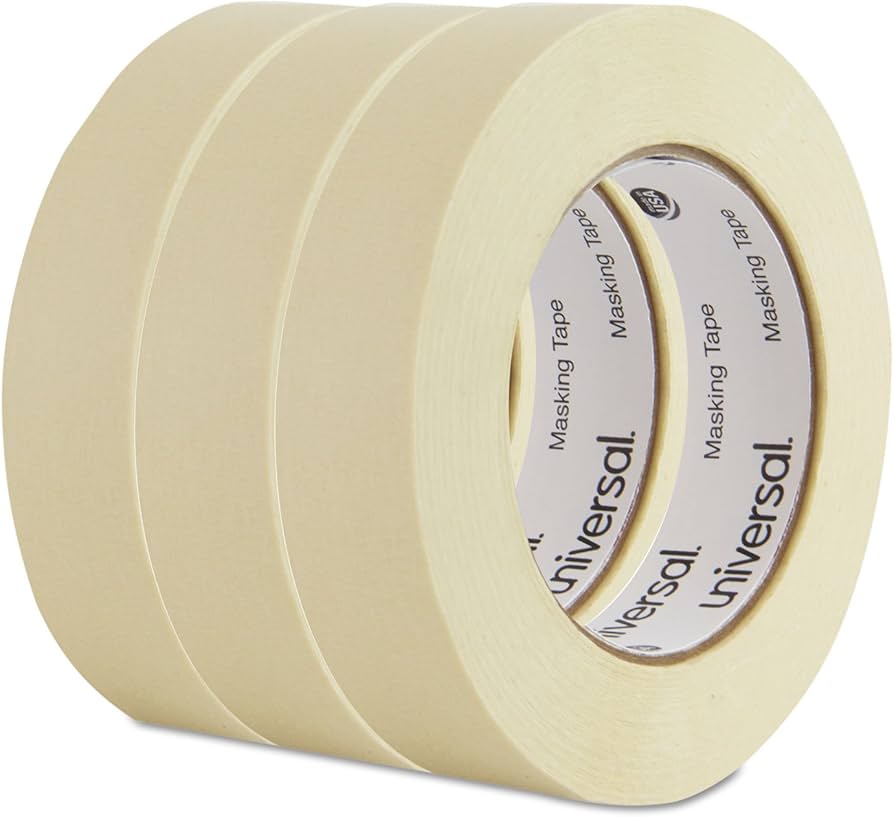
A stock image related to General purpose masking tape.
Comprehensive Cost and Pricing Analysis for General purpose masking tape Sourcing
General-purpose masking tape represents one of the most cost-effective adhesive solutions in the B2B procurement landscape, yet pricing volatility across global markets demands strategic sourcing approaches. For buyers operating across Africa, South America, the Middle East, and Europe, understanding the nuanced cost structure—from raw material fluctuations to logistics premiums—enables more accurate budget forecasting and supplier negotiations.
What Raw Material Factors Drive General-Purpose Masking Tape Costs?
The pricing architecture of general-purpose masking tape fundamentally rests on three components: crepe paper backing saturation levels, adhesive formulations, and release coating quality. Standard beige crepe paper with natural rubber adhesives typically offers the most economical entry point, while synthetic rubber or acrylic variants command 15–25% premiums due to enhanced temperature resistance. Buyers should note that crude oil price fluctuations directly impact synthetic adhesive costs, whereas pulp market volatility affects paper backing expenses. For high-volume applications requiring only short-term adhesion—such as packaging or temporary bundling—opting for natural rubber-based formulations without UV stabilizers can reduce unit costs by up to 30% compared to specialized painter’s grades.
How Do Volume Tiers and Regional Pricing Vary Across Markets?
B2B procurement of general-purpose masking tape typically follows exponential volume discounts, with price breaks occurring at 5,000, 20,000, and 100,000+ roll thresholds. However, regional manufacturing capabilities create significant arbitrage opportunities. Chinese and Southeast Asian suppliers often provide FOB pricing 40–60% lower than European manufacturers for equivalent GSM (grams per square meter) specifications, though Middle Eastern buyers may find competitive landed costs from regional converters in Turkey or Saudi Arabia due to reduced freight expenses. African and South American importers should anticipate additional customs duties ranging from 5–15% on adhesive tape classifications, necessitating total landed cost calculations rather than unit price comparisons alone.
What Hidden Costs Impact Total Cost of Ownership?
Beyond per-roll pricing, B2B buyers must evaluate residue-related productivity costs and storage requirements. Lower-grade general-purpose tapes with aggressive tack levels may save 10–15% upfront but risk surface damage during removal, particularly on painted drywall or delicate substrates common in European renovation markets. Additionally, crepe paper’s hygroscopic nature demands climate-controlled warehousing in humid regions like Southeast Asia or coastal South America; improper storage causing adhesive degradation can result in 8–12% inventory waste. Smart buyers negotiate extended payment terms (60–90 days) with suppliers to offset these carrying costs while requesting sample batches to verify clean-removal claims before committing to container-load quantities.
How Can Buyers Optimize Procurement Strategies Across Diverse Markets?
Strategic sourcing of general-purpose masking tape requires balancing standardization against regional application needs. German automotive suppliers might require ISO-certified temperature resistance specifications that justify higher per-unit costs, whereas Brazilian construction firms prioritizing indoor painting applications can leverage generic grades. Consolidating orders across multiple SKUs (widths ranging from 12mm to 100mm) often unlocks preferential freight rates, while establishing annual volume agreements with secondary manufacturers—rather than premium brands—can yield 20–35% cost reductions without sacrificing performance for general bundling and masking applications.
Alternatives Analysis: Comparing General purpose masking tape With Other Solutions
Selecting the appropriate surface protection solution requires evaluating not just the immediate task, but
Essential Technical Properties and Trade Terminology for General purpose masking tape
General purpose masking tape serves as the industrial workhorse for light-duty bundling, temporary surface protection, and non-critical masking across construction, logistics, and automotive aftermarket sectors. For procurement teams sourcing from international suppliers, precise technical literacy prevents specification mismatches that lead to adhesive failure, surface damage, or production delays.
What Technical Specifications Define High-Quality General Purpose Masking Tape?
Adhesion Strength (Tack) is typically quantified in ounces per inch width, with general purpose grades offering medium-to-high initial tack (20–30 oz/in). This aggressive grab ensures immediate bonding to smooth, non-porous substrates like metal, glass, or plastic, though buyers should note that higher tack increases the risk of residue transfer if applied to delicate painted surfaces for extended periods.
Temperature Resistance specifies the operational threshold before adhesive degradation occurs. Standard general purpose formulations tolerate intermittent exposure up to 60°C–80°C (140°F–176°F). Exceeding this range causes “oozing” (adhesive softening) and backing embrittlement, a critical consideration for buyers in high-ambient-temperature regions or those using tape near industrial heat sources.
Backing Construction and Caliper refer to the saturated crepe paper thickness, typically ranging from 110–150 micrometers. Saturation involves impregnating paper fibers with latex binders to prevent paint bleed-through and moisture penetration while maintaining the hand-tearability essential for on-site efficiency.
Tensile Strength and Elongation indicate mechanical durability. Look for tensile values of 25–40 N/cm and elongation at break of 5–10%, ensuring the tape withstands bundling stress without snapping, yet stretches sufficiently to conform to curved surfaces.
Adhesive Chemistry predominantly features natural rubber-based compounds for cost-efficient high tack, though synthetic rubber (hot-melt) or acrylic variants offer superior aging stability for long-term storage in humid climates.
What Trade Terms Are Essential for International Masking Tape Procurement?
Crepe Saturation describes the degree of latex impregnation in the paper backing. Fully saturated paper prevents “fiber lift” (paper strands separating during removal) and ensures clean demarcation lines during painting applications.
Initial Tack vs. Ultimate Adhesion distinguishes between immediate stickiness upon contact and the bond strength developed after 24 hours. General purpose tapes prioritize high initial tack for quick fixes rather than long-term shear resistance required for structural holding.
Clean Removal (Residue-Free) is the industry standard mandating that tape peel away without adhesive transfer within a specified dwell time, typically 3 days on common substrates. “Gumming” indicates formulation failure unsuitable for finished surfaces.
Service Temperature defines the ambient range where adhesive properties remain stable. Outside this window, buyers risk “flagging” (edge lifting) or “telescoping” (roll distortion during storage).
Unwind Force measures the resistance when pulling tape from the roll. Consistent, moderate unwind prevents “legging” (adhesive strings stretching) and ensures smooth application without “telescoping” during shipping.
Release Coat Efficiency refers to the silicone-based treatment on the backing’s reverse side that prevents the adhesive from sticking to itself. Poor release coating causes “blocking” (layers adhering permanently), rendering the roll unusable in high-humidity storage conditions common in tropical supply chains.
Navigating Market Dynamics and Sourcing Trends in the General purpose masking tape Sector
The general purpose masking tape sector operates at the intersection of high-volume demand and cost-sensitive procurement, particularly across emerging industrial markets in Africa, South America, and the Middle East. As a staple consumable for construction, automotive refinishing, and light industrial bundling, this category requires strategic sourcing approaches that balance affordability with performance reliability. Understanding regional consumption patterns, import tariff structures, and supply chain vulnerabilities is essential for procurement teams managing just-in-time adhesive requirements in diverse climatic conditions.
How Is the General Purpose Masking Tape Market Evolving Across High-Growth Industrial Regions?
The global market for general purpose masking tape is experiencing divergent growth trajectories, with infrastructure development in Sub-Saharan Africa and Gulf Cooperation Council (GCC) nations driving volume demand while European markets prioritize technical specifications. In regions like Nigeria and Saudi Arabia, general purpose variants serve as the primary workhorse solution for construction sites and automotive workshops where cost efficiency outweighs the need for ultra-clean removal characteristics found in specialized painter’s grades. Conversely, German industrial buyers increasingly specify general purpose tapes offering enhanced temperature resistance up to 80°C and specific crepe paper saturation levels for manufacturing maintenance applications.
Supply chain dynamics remain heavily concentrated among Asian manufacturers, creating competitive pricing advantages but introducing logistical complexities for South American and African importers. Procurement teams must account for extended maritime lead times and the hygroscopic nature of crepe paper backings, which risk adhesive degradation and mold issues in high-humidity transit conditions common to equatorial ports. Raw material volatility presents another critical consideration; fluctuations in natural rubber and kraft pulp prices directly impact unit economics, prompting sophisticated buyers to establish quarterly pricing agreements rather than spot-market purchasing.
Product differentiation within the “general purpose” category is also expanding, with multi-color variants gaining traction for inventory coding systems in Brazilian automotive plants and Egyptian manufacturing facilities. Additionally, the distinction between smooth-crease and coarse-crease paper backings is becoming more relevant as buyers recognize that surface conformity requirements vary significantly between European precision engineering markets and Middle Eastern general construction sectors.
What Sustainability and Ethical Sourcing Standards Should B2B Buyers Prioritize in Masking Tape Procurement?
Sustainability in general purpose masking tape procurement extends beyond material composition to encompass manufacturing footprints and end-of-life management, particularly critical when sourcing from high-volume production hubs serving African and Latin American distribution networks. Buyers should verify that crepe paper backings carry Forest Stewardship Council (FSC) or Programme for the Endorsement of Forest Certification (PEFC) chain-of-custody documentation, ensuring sustainable pulp sourcing that complies with European Union Deforestation Regulation (EUDR) requirements and emerging green building standards across the Middle East.
The adhesive layer presents distinct environmental and ethical considerations. Natural rubber formulations offer biodegradability advantages but require scrutiny regarding latex sourcing practices and chemical solvent residues. Synthetic rubber alternatives demand verification of volatile organic compound (VOC) emissions compliance under REACH regulations, Saudi Standards (SASO), and Brazil’s INMETRO certification requirements. Ethical sourcing protocols necessitate comprehensive supplier audits covering labor practices, chemical handling safety, and wastewater management, especially given that general purpose tape’s single-use nature creates significant landfill burdens in markets lacking industrial composting infrastructure.
Forward-thinking procurement strategies now emphasize bulk packaging configurations to reduce plastic core waste and partnerships with manufacturers utilizing water-based adhesive coating technologies rather than solvent-based systems. For European buyers, particularly in Germany, circular economy initiatives are driving interest in tape constructions that facilitate easier separation of paper and adhesive components for specialized recycling streams. Meanwhile, Middle Eastern and African procurement teams are increasingly prioritizing suppliers with ISO 14001 environmental management certifications as prerequisites for tender participation, reflecting a regional shift toward responsible consumption even in cost-sensitive product categories.
Frequently Asked Questions (FAQs) for B2B Buyers of General purpose masking tape
What is the difference between general purpose masking tape and industrial-grade masking tape for commercial applications?
General-purpose masking tape utilizes crepe paper backing with natural or synthetic rubber adhesives, offering moderate tack suitable for short-term applications up to 70–80°C. Industrial-grade variants feature saturated crepe paper or specialized film backings with advanced synthetic adhesives engineered to withstand temperatures exceeding 150°C while maintaining clean removal under extended stress. While general-purpose tape provides cost-effective solutions for indoor painting and light bundling across European construction markets, industrial grades deliver superior tensile strength and chemical resistance required for Saudi Arabian automotive manufacturing and heavy-duty industrial coating processes.
How long can general purpose masking tape remain on surfaces before adhesive residue becomes a concern in professional settings?
Standard general-purpose masking tape maintains clean removal properties for approximately 3 to 7 days on properly prepared surfaces, though this duration shortens significantly under UV exposure or elevated temperatures common in African and Middle Eastern climates. For professional painting contractors in South America and Europe, removal within 24 hours ensures zero adhesive transfer, whereas extended application beyond one week risks residue deposition, particularly on painted drywall and varnished surfaces. B2B buyers should specify removal timeframes in project protocols and consider UV-resistant variants for outdoor applications exceeding 48 hours.
What temperature range can general purpose masking tape withstand during industrial painting and coating applications?
General-purpose masking tape typically withstands ambient temperatures between 70°C and 80°C (158°F–176°F), making it suitable for standard industrial painting applications that do not involve oven baking or high-heat curing processes. This temperature threshold accommodates most ambient spray painting and brush applications in construction and manufacturing environments across Germany and South America. For industrial processes requiring heat resistance above 100°C—such as powder coating or automotive baking prevalent in advanced manufacturing sectors—buyers must specify high-temperature masking tape variants rated for 150°C or higher to prevent adhesive failure.
Is general purpose masking tape suitable for concrete, metal, and masonry surfaces in construction projects?
General-purpose masking tape adheres excellently to smooth, non-porous surfaces including metal, glass, and finished plastics, providing reliable masking for industrial fabrication and automotive refinishing. However, on porous substrates like concrete, masonry, and unfinished drywall common in African infrastructure development, the tape’s rubber-based adhesive may penetrate surface pores, creating bonding inconsistencies and increasing residue risks upon removal. For construction projects involving rough masonry or concrete surfaces, specialized stucco masking tapes with heavier crepe paper and aggressive adhesives provide superior performance compared to general-purpose alternatives.
What surface preparation protocols ensure optimal adhesion of general purpose masking tape in high-humidity environments?
Optimal adhesion in high-humidity environments requires thorough surface cleaning with isopropyl alcohol or degreasing agents to eliminate moisture, oils, and particulate matter that compromise rubber-based adhesive performance. In tropical climates common to South American and Middle Eastern markets, application during cooler morning hours reduces condensation issues, while ensuring substrates reach ambient temperature prevents moisture trapping beneath the tape edge. Procurement teams should verify that suppliers provide moisture-resistant packaging and recommend acclimatization periods of 24 hours before application in regions with humidity levels exceeding 70%.
How should bulk quantities of general purpose masking tape be stored to maintain adhesive integrity during international shipping?
To preserve adhesive integrity during transoceanic shipping to African and South American ports, general-purpose masking tape requires storage in climate-controlled containers maintaining temperatures between 18°C and 24°C with relative humidity around 50%. Exposure to direct sunlight or container heat spikes above 40°C can cause adhesive migration and edge curling, particularly during Middle Eastern summer transits. Buyers should specify vertical pallet storage to prevent core crushing, request moisture-barrier packaging, and verify that inventory rotation protocols ensure usage within the standard 12-month shelf life from manufacture date.
What customization options are available for general purpose masking tape when sourcing for specific industrial color-coding requirements?
B2B procurement teams can specify custom color matching to Pantone standards for facility management identification systems, with standard widths ranging from 12mm for precision electronics masking to 100mm for large-scale construction protection. Custom printing options include company logos, hazard warnings, or measurement markings, while core size variations accommodate manual dispensers versus automated taping machinery common in German and Saudi Arabian manufacturing facilities. Volume commitments typically start at 500–1000 roll minimums for custom color production, with lead times of 4–6 weeks for specialized pigment matching and private labeling.
Which international compliance certifications should B2B buyers verify when importing general purpose masking tape to EU and Middle Eastern markets?
For European Union import compliance, general-purpose masking tape must adhere to REACH regulations regarding chemical substance restrictions and RoHS directives when used in electronics applications, ensuring adhesives contain no restricted heavy metals or hazardous phthalates. Saudi Arabian imports require SASO (Saudi Standards, Metrology and Quality Organization) certification and Saber platform registration, verifying product safety and Arabic labeling standards. Additionally, German industrial buyers often require low-VOC (Volatile Organic Compound) emissions certification per AgBB/DIBt standards, while construction projects across the Middle East may demand flame-retardant ratings per BS EN 13501-1 for interior applications.
Important Disclaimer & Terms of Use
⚠️ Important Disclaimer
The information provided in this guide, including content regarding manufacturers, technical specifications, and market analysis, is for informational and educational purposes only. It does not constitute professional procurement advice, financial advice, or legal advice.
B2B buyers must conduct their own independent and thorough due diligence before making any purchasing decisions. The risk of relying on any information in this guide is borne solely by the reader.
Top 1 General Purpose Masking Tape Manufacturers & Suppliers List
1. Future Market Insights – Masking Tape
Domain: futuremarketinsights.com
Registered: 2012 (14 years)
Introduction: The masking tape market features four main product categories: general purpose masking tape (dominating with 46% market share), high-temperature masking tape, UV-resistant masking tape, and specialty masking tape. General purpose masking tapes are paper-backed, offering balanced adhesive strength, moderate tack, and clean removal properties for standard painting and surface protection tasks. Advan…
Strategic Sourcing Conclusion and Outlook for General purpose masking tape
How Should Procurement Teams Balance Cost and Performance When Sourcing General-Purpose Masking Tape?
General-purpose masking tape remains the workhorse of industrial consumables, offering procurement teams an optimal balance between affordability and functionality for light-duty bundling, temporary surface protection, and labeling. When evaluating suppliers across markets—from Germany’s precision manufacturing hubs to Saudi Arabia’s construction sectors—buyers should prioritize crepe paper saturation levels and rubber-based adhesive formulations that withstand regional temperature fluctuations without leaving residue. While this category delivers significant cost advantages for high-volume usage, sourcing decisions must carefully assess surface compatibility; aggressive tack levels suitable for metal and glass may damage delicate substrates common in automotive refinishing or electronics assembly.
What Supply Chain Considerations Ensure Reliable Masking Tape Procurement Across Diverse Regions?
Strategic sourcing requires vetting manufacturers for consistent three-layer construction quality—specifically release coating uniformity that prevents roll blocking during long-haul shipping to African or South American ports. Given varying climatic conditions, procurement teams should demand technical data sheets verifying temperature resistance up to 80°C and humidity stability, particularly critical for Middle Eastern warehouse storage and tropical applications. Establishing partnerships with suppliers holding multi-regional compliance certifications (REACH for Europe, SASO for Saudi Arabia) mitigates customs delays and ensures adhesive formulations meet evolving chemical safety standards.
How Is the General-Purpose Masking Tape Market Evolving to Meet Future Industrial Demands?
The category is witnessing incremental innovation toward sustainable backings and low-VOC synthetic rubber adhesives, driven by European environmental regulations and Middle Eastern green building initiatives. While general-purpose tape will retain its dominance in cost-sensitive sectors, forward-thinking buyers should monitor developments in recyclable paper substrates and bio-based adhesives that maintain essential clean-removal characteristics. Diversifying supplier portfolios to include manufacturers investing in eco-formulations positions procurement teams advantageously as sustainability mandates tighten across GCC and EU markets.