Introduction: Navigating the Global Market for Industrial carton sealing tape
Sourcing industrial carton sealing tape that maintains adhesive integrity across extreme temperature variations and humidity levels remains a critical procurement challenge for international logistics operators. Whether you’re managing high-volume distribution centers in Germany, agricultural exports from Brazil, or cross-border manufacturing operations throughout the Middle East and Africa, inconsistent tape quality can compromise entire supply chains. Substandard sealing solutions frequently result in damaged inventory, costly customs delays, and significant revenue erosion. This comprehensive resource addresses the specific pain points facing procurement professionals who require reliable, cost-effective sealing solutions for demanding industrial applications.
Why does tape specification consistency matter for global B2B procurement?
Navigating the fragmented landscape of international packaging suppliers requires far more than simple unit price comparisons. Variations in film thickness, adhesive formulations—ranging from solvent-based natural rubber to synthetic acrylics—and tensile strength ratings directly impact performance during ocean freight, long-term warehouse storage, and high-speed automated packaging operations. This guide examines critical technical specifications including mil thickness ratings, adhesion values measured in ounces per inch, and elongation percentages that ultimately determine whether your shipments arrive intact or compromised at their destination.
What procurement strategies reduce risk when sourcing from international suppliers?
Beyond material specifications, successful global purchasing demands rigorous supplier vetting protocols, comprehensive understanding of regional regulatory compliance requirements, and strategic approaches to optimizing logistics costs without sacrificing performance standards. We analyze cost-benefit frameworks for bulk container purchasing, evaluate quality assurance methodologies for overseas manufacturing partners, and provide actionable insights specifically tailored for buyers operating in African, South American, Middle Eastern, and European markets including Germany and Brazil.
By synthesizing technical performance data with strategic procurement intelligence, this guide empowers your team to make informed, confident decisions that protect product integrity, streamline international customs processes, and establish resilient, long-term supply chain partnerships across diverse global markets.
Understanding Industrial carton sealing tape Types and Variations
| Type Name | Key Distinguishing Features | Primary B2B Applications | Brief Pros & Cons for Buyers |
|---|---|---|---|
| PVC (Polyvinyl Chloride) Carton Sealing Tape | Solvent-based natural rubber adhesive; ultra-quiet unwind; 2.0–2.4 mil thickness; printable & heat-shrinkable | Premium packaging, electronics, food & beverage export, retail-ready cartons | Pros: Superior adhesion, professional appearance, noise-free warehouses. Cons: Higher cost per roll, limited availability in some regions. |
| BOPP (Biaxially Oriented Polypropylene) Carton Sealing Tape | Acrylic or hot melt adhesive; high tensile strength (35–45 lbs/in); noisy unwind; cost-effective | High-volume shipping, e-commerce fulfillment, general logistics, automated sealing | Pros: Excellent value, strong mechanical strength, widely available. Cons: Audible unwind noise, potential adhesive failure in extreme cold. |
| Acrylic Adhesive Carton Sealing Tape | Water-based acrylic formulation; UV and oxidation resistant; stable across temperature ranges (-20°C to 60°C) | Long-term storage facilities, outdoor warehousing, temperature-variable supply chains | Pros: Long aging life, clear appearance retention, eco-friendly options. Cons: Slower initial tack, requires pressure for full bond. |
| Hot Melt Rubber Carton Sealing Tape | Synthetic rubber adhesive; aggressive quick-tack properties; high shear resistance | High-speed automated packaging lines, heavy-duty corrugated boxes, export shipping | Pros: Immediate grab strength, performs well on recycled board, efficient for automation. Cons: Poor performance in freezing temperatures, yellowing over time. |
| Tamper-Evident Security Tape | Void message release; permanent adhesive; custom printability; anti-tamper pattern | Pharmaceutical distribution, high-value electronics, confidential document shipping | Pros: Deters theft, provides audit trail, customizable branding. Cons: Higher unit cost, requires specific surface preparation. |
What distinguishes PVC carton sealing tape from standard polypropylene options?
PVC carton sealing tape utilizes unplasticized polyvinyl chloride (UPVC) film combined with solvent-based natural rubber adhesives, delivering exceptional clarity and a noise-free unwind critical for automated facilities. Its 2.2–2.4 mil construction offers superior conformability to corrugated fibers, making it ideal for export markets requiring heat-shrinkable compatibility and premium printability for branding. B2B buyers should verify film thickness consistency and adhesive coat weight, as these directly impact performance in humid climates common in South American and African logistics corridors.
Why should high-volume operations consider BOPP carton sealing tape for cost efficiency?
Biaxially Oriented Polypropylene (BOPP) tape dominates industrial applications due to its high tensile strength and cost-effectiveness, utilizing either acrylic or hot melt adhesives depending on environmental demands. The material’s rigidity prevents stretching during application, ensuring secure seals on heavy corrugated loads typical in German manufacturing exports. However, procurement teams must evaluate the acoustic impact of its noisy unwind in warehouse environments and confirm adhesive compatibility with recycled box content, which varies significantly across Middle Eastern and European supply chains.
When is acrylic adhesive carton sealing tape the optimal choice for long-term storage?
Acrylic adhesive formulations provide superior resistance to UV degradation and oxidation, maintaining seal integrity during extended warehousing periods or outdoor storage in variable climates. Unlike rubber-based alternatives, acrylic tapes perform consistently across temperature fluctuations from freezing to tropical heat, making them essential for inventory management in regions with seasonal extremes. B2B purchasers should prioritize tapes with certified aging tests and verify that the water-based adhesive meets regional environmental compliance standards, particularly for European sustainability mandates.
How does hot melt rubber adhesive enhance high-speed automated sealing operations?
Hot melt rubber adhesives deliver aggressive quick-tack properties and high shear resistance, enabling immediate bond formation on high-speed automated packaging lines without slippage. This technology excels on challenging substrates like recycled corrugated board or dusty surfaces prevalent in mining and agricultural exports from Africa and South America. Buyers must assess temperature resistance specifications carefully, as hot melt formulations can become brittle in freezing conditions during winter transport through Northern Europe or high-altitude regions.
What security benefits does tamper-evident carton sealing tape provide for high-value shipments?
Tamper-evident tapes incorporate specialized void-release adhesives that leave permanent “VOID” messages or patterns upon removal, providing irrefutable evidence of unauthorized access during transit. These solutions support custom printing for brand authentication and chain-of-custody tracking, critical for pharmaceutical and electronics distributors operating in Brazil and the Middle East. Procurement decisions should focus on adhesion permanence to various box coatings and the tape’s resistance to surreptitious resealing techniques using heat or solvents.
Key Industrial Applications of Industrial carton sealing tape
| Industry/Sector | Specific Application of Industrial carton sealing tape | Value/Benefit for the Business | Key Sourcing Considerations for this Application |
|---|---|---|---|
| Agriculture & Commodity Export | Heavy-duty sealing of jute bags and corrugated boxes containing coffee, cocoa, nuts, and grains for ocean freight | Prevents moisture ingress during long-haul shipping; enables custom printing for lot tracking and origin certification; reduces pilferage in port environments | UV-resistant PVC formulations; high-tack solvent rubber adhesive for dusty surfaces; compatibility with manual and semi-automatic dispensers for emerging market facilities |
| Automotive & Heavy Manufacturing | Palletizing engine components, brake parts, and metal fixtures; securing multi-wall cartons for just-in-time (JIT) delivery networks | Withstands significant weight and vibration during transit; clean removal prevents surface damage to painted parts; quiet unwind reduces warehouse noise pollution | 2.4+ mil thickness for heavy loads; heat-shrinkable film compatibility for export bundling; adherence to oily or powder-coated surfaces common in machining environments |
| E-commerce & Third-Party Logistics (3PL) | High-speed case sealing in automated fulfillment lines; branded packaging for unboxing experience; tamper-evident security for high-value goods | Maintains adhesion through varying warehouse climates; custom printing replaces costly printed boxes; immediate visual tamper detection reduces liability in cross-border trade | Hot melt or acrylic adhesives for immediate bond on recycled corrugate; low-noise unwind for automated lines; flexible minimum order quantities for regional custom printing |
| Food & Beverage Processing | Cold storage carton sealing for frozen meat, dairy, and produce; secondary packaging for ambient shelf-stable goods destined for GCC and European markets | Resists condensation and temperature cycling from -20°C to 40°C; FDA-compliant adhesive options for indirect food contact; clear or tan options for clean retail aesthetics | Cold-temperature adhesive formulations; moisture-resistant PVC backing; compliance with EU EC 1935/2004 or FDA 21 CFR 175.105 for international distribution |
| Pharmaceuticals & Healthcare | Tamper-evident sealing of clinical trial kits; secondary packaging for temperature-sensitive biologics; sterilization indicator compatibility | Provides visible proof of tampering for regulatory compliance; maintains sterile barriers; withstands gamma and ethylene oxide sterilization processes | Tamper-evident pattern destruction upon removal; writable matte surfaces for batch coding; compliance with EU GDP and FDA Title 21 CFR Part 11 standards |
How does industrial carton sealing tape secure agricultural exports in tropical climates?
Agricultural exporters across Africa and South America face unique challenges when shipping commodities like coffee, cocoa, and cashews through humid port environments. Industrial-grade PVC carton sealing tape with solvent-based natural rubber adhesive creates a hermetic seal that withstands tropical moisture and salt air during ocean freight. Unlike standard acrylic tapes that fail in high humidity, these formulations maintain tack on dusty agricultural surfaces while offering printable surfaces for origin certification and lot tracking, which is critical for EU and Middle Eastern import compliance and traceability requirements.
What carton sealing specifications are required for heavy automotive parts shipping?
German and Brazilian automotive manufacturers require sealing solutions that accommodate heavy metal components and just-in-time logistics networks. Industrial carton sealing tape for this sector must feature high tensile strength (40+ lbs/in) to secure double-wall and triple-wall corrugated containers without splitting during transit. Solvent-based adhesives perform reliably on surfaces contaminated with machining oils or anti-corrosion coatings, while heat-shrinkable compatibility allows for efficient pallet unitization. The tape’s quiet unwind property is particularly essential for maintaining workplace noise standards in automated European production facilities and assembly plants.
Why do fulfillment centers require specialized sealing tape for high-volume operations?
Middle Eastern and Latin American e-commerce hubs processing thousands of daily shipments need tape that performs consistently across climate-controlled and ambient storage zones. High-speed automated lines demand low-noise unwind properties and consistent roll geometry to prevent jams and downtime. Custom printed industrial tape serves dual functions: securing cartons while replacing expensive pre-printed boxes with branded messaging. For cross-border shipments, tamper-evident formulations provide immediate visual indication of unauthorized access, significantly reducing freight claims and enhancing end-customer trust in international markets.
How can food and beverage exporters ensure cold chain integrity using industrial sealing solutions?
Food and beverage exporters shipping to European and GCC markets must navigate extreme temperature differentials from frozen storage to desert heat. Cold-temperature industrial carton sealing tape utilizes specialized hot melt or synthetic rubber adhesives that remain pliable at -20°C, preventing cartons from popping open during freezer storage and transport. PVC-backed options resist condensation accumulation, while FDA-compliant adhesive systems ensure safety for indirect food contact. Clear formulations maintain package aesthetics for retail-ready secondary packaging, which is essential for premium food exports competing in quality-sensitive markets.
How does tamper-evident carton sealing tape support pharmaceutical distribution compliance?
Pharmaceutical exporters to Germany and the Middle East must comply with stringent EU Good Distribution Practice (GDP) guidelines and FDA regulations requiring visible evidence of tampering. Industrial tamper-evident tape reveals a “VOID” message or checkerboard pattern upon removal, making unauthorized access immediately apparent during customs inspections and hospital receiving. These tapes must accommodate writable surfaces for batch number documentation and withstand gamma sterilization without adhesive degradation, ensuring that clinical trial materials and temperature-sensitive biologics maintain chain-of-custody integrity throughout international transit.
A stock image related to Industrial carton sealing tape.
3 Common User Pain Points for ‘Industrial carton sealing tape’ & Their Solutions
International B2B procurement of industrial carton sealing tape requires navigating diverse climate conditions, automation infrastructure, and load specifications across global supply chains. Buyers from German manufacturing hubs to Brazilian distribution centers face distinct operational challenges that consumer-grade tapes cannot address. Here are three critical scenarios procurement teams encounter and targeted solutions to optimize packaging performance.
Scenario 1: Why Does Carton Sealing Tape Fail in Extreme Temperatures During International Shipping?
The Problem:
B2B buyers managing logistics across climate zones—from the humid ports of West Africa to the cold storage facilities of Northern Europe—frequently encounter adhesive failure when standard tape faces temperature extremes. Hot melt adhesives soften in container interiors exceeding 60°C, causing “flagging” where tape edges lift and expose contents, while freezing conditions render them brittle and prone to cracking. This results in compromised shipments, tampering risks, and inventory losses during multi-modal transit.
The Solution:
Specify acrylic-based carton sealing tape engineered for broad temperature ranges (-20°C to 60°C) rather than standard hot melt formulations. Acrylic adhesives maintain molecular stability across climate fluctuations, ensuring seal integrity from Middle Eastern manufacturing floors through African logistics hubs to European distribution centers. For high-humidity environments common in South American and Southeast Asian ports, select UV-resistant acrylic grades that prevent moisture ingress at the tape-carton interface while resisting oxidation during prolonged container storage.
Scenario 2: Which Carton Sealing Tape Prevents Jams in High-Speed Automated Packaging Lines?
The Problem:
Industrial facilities utilizing automated case sealers—common in German automotive manufacturing and São Paulo consumer goods distribution—experience costly production halts when incompatible tape causes misfeeds, excessive unwind noise, or inconsistent application. Low-grade tapes with thickness variations or poor roll conformity trigger sensor errors and mechanical jams, reducing throughput and increasing maintenance downtime during high-volume operations.
The Solution:
Deploy machine-grade carton sealing tape with consistent 2.0-3.0 mil thickness tolerances and optimized unwind characteristics specifically engineered for automated applicators. PVC-based machine tapes offer superior conformability to corrugated fibers and clean release properties essential for continuous operation at speeds exceeding 30 cartons per minute. Ensure rolls feature precision-wound cores and consistent tensile strength (minimum 35 lbs/in) to prevent stretching or breaking during rapid automated application cycles, while selecting quiet-unwind formulations to reduce operator fatigue in continuous-run environments.
Scenario 3: How Thick Should Industrial Carton Sealing Tape Be for Heavy-Duty Applications?
The Problem:
Buyers shipping dense industrial goods—such as metal components, machinery parts, or agricultural products—weighing 25kg+ frequently encounter “carton blowouts” where insufficient tape thickness leads to bottom seal failure under shear stress. Standard 1.8-2.0 mil tapes lack the structural integrity for heavy palletized loads, resulting in split seals, product damage, and warehouse safety hazards during forklift handling and stacking operations.
The Solution:
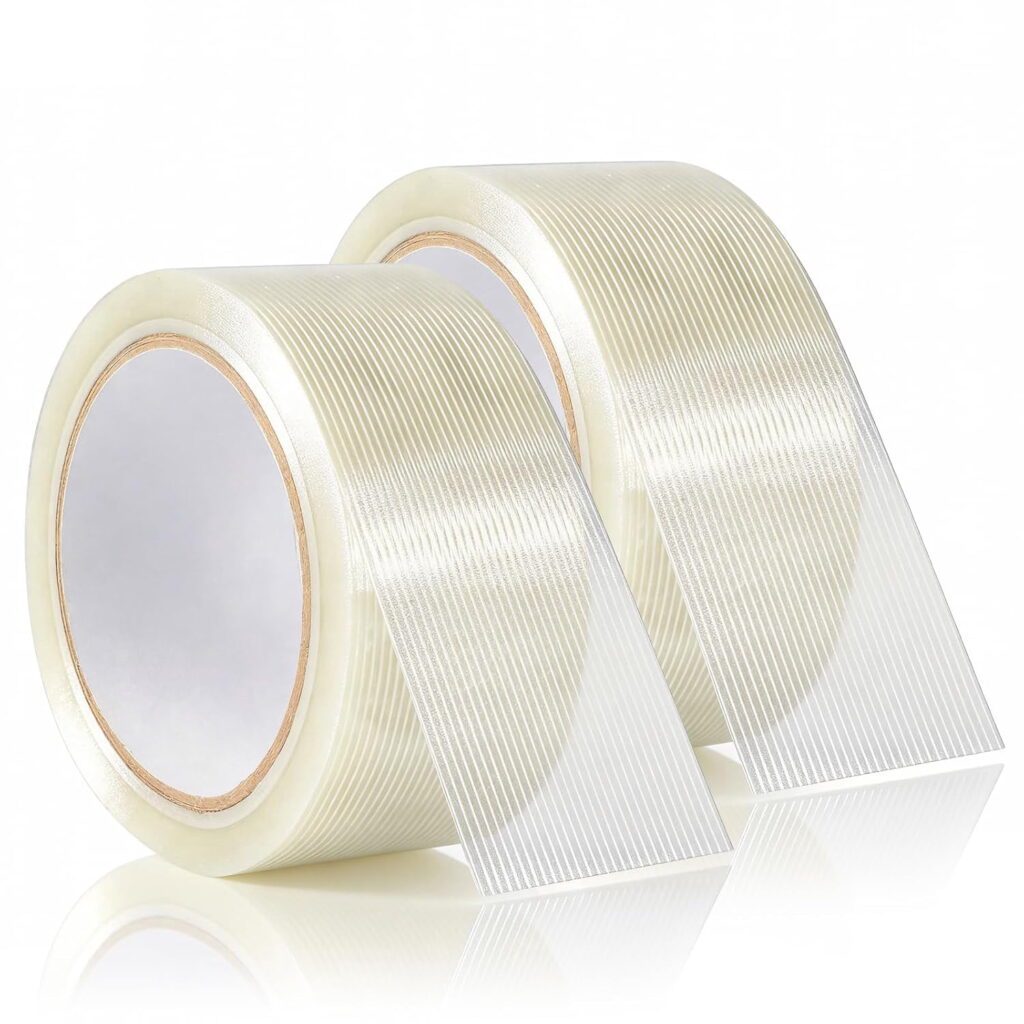
Implement heavy-duty carton sealing tape measuring 2.5-3.5 mil thickness with high tensile strength (40+ lbs/in) and natural rubber solvent-based adhesives for superior shear resistance compared to synthetic alternatives. For loads exceeding 40kg or double-stacked pallet configurations common in mining and oil field logistics, upgrade to 48mm width from standard 45mm, or specify filament-reinforced tape for critical structural support. This specification prevents lateral seal stress while accommodating the weight distribution typical in industrial shipping, ensuring compliance with international shipping standards for heavy freight.
Strategic Material Selection Guide for Industrial carton sealing tape
Selecting the optimal substrate for industrial carton sealing requires balancing mechanical performance, environmental conditions, and total cost of ownership. For procurement teams operating across diverse climates—from the humidity of West Africa to the temperature-controlled logistics hubs of Central Europe—understanding material-specific behaviors ensures specification accuracy and reduces line-down incidents.
What is the most cost-effective material for high-volume automated sealing?
Biaxially Oriented Polypropylene (BOPP) dominates global industrial procurement due to its exceptional tensile strength-to-cost ratio. This thermoplastic polymer withstands the high-speed stress of automated applicators operating at 50+ cartons per minute, resisting elongation under the 40+ lbs/in tensile loads common in palletized freight. BOPP films offer superior UV and aging resistance, making them suitable for extended outdoor storage common in Middle Eastern and South American supply chains. However, the material’s rigidity produces significant noise during unwind—a critical consideration for manual packing stations—and its surface energy challenges high-resolution custom printing compared to vinyl alternatives. BOPP typically utilizes hot-melt synthetic rubber or acrylic adhesives, with the former offering superior immediate tack for recycled corrugated boards prevalent in European circular economy initiatives.
Which substrate delivers quiet application and premium printability?
Polyvinyl Chloride (PVC) and Unplasticized PVC (UPVC) films represent the premium tier for operations requiring acoustic comfort and branding flexibility. As evidenced in industrial-grade specifications, UPVC formulations utilizing solvent-based natural rubber adhesives provide notably quiet unwind properties—essential for retail fulfillment centers and office-adjacent warehouses where noise pollution is regulated. The material’s surface chemistry accepts high-definition flexographic printing, enabling custom branded security sealing. Furthermore, PVC’s heat-shrink compatibility (typically withstands 75% elongation rates) makes it ideal for bundling applications beyond standard carton sealing. The 32-35 micron thickness range common in industrial PVC tapes offers superior conformability to irregular box edges and recycled fiber surfaces, though this performance comes at significantly higher material costs and raises end-of-life disposal considerations in sustainability-focused markets.
How does reinforced kraft paper compare for heavy-duty and sustainable logistics?
Reinforced Kraft Paper tapes address the growing regulatory pressure for plastic reduction in German and Brazilian markets while providing tamper-evident security. Embedded fiberglass or synthetic fiber filaments deliver burst strength exceeding film alternatives, particularly critical for export shipments facing multi-modal handling stresses. Unlike polypropylene, paper substrates maintain adhesive integrity in extreme cold chain environments (-20°C to -40°C) common in pharmaceutical logistics. The material’s inherent rigidity provides immediate visual evidence of tampering—once torn, the tape cannot be resealed without detection. However, paper substrates require moisture-resistant coatings for tropical climates and typically necessitate water-activation or high-pressure application systems, limiting compatibility with standard tape dispensers. While biodegradable, the reinforced variants carry higher unit costs and lack the elasticity required for cartons experiencing significant load shifting during transit.
| Material | Typical Use Case for Industrial carton sealing tape | Key Advantage | Key Disadvantation/Limitation | Relative Cost |
|---|---|---|---|---|
| BOPP (Biaxially Oriented Polypropylene) | High-speed automated lines, general logistics, cost-sensitive bulk operations | Exceptional tensile strength (40+ lbs/in); UV/aging resistance; compatible with high-temperature sealing heads | High noise during unwind; limited conformability on irregular surfaces; challenging for high-quality custom printing | Low |
| PVC/UPVC Film | Premium branding applications, noise-sensitive environments, heat-shrink bundling | Quiet unwind; superior adhesion to recycled corrugated; excellent printability; heat-shrink compatible (75% elongation) | Higher material cost; environmental disposal concerns; potential plasticizer migration in storage | High |
| Reinforced Kraft Paper | Heavy-duty export shipping, cold chain logistics, sustainability-focused supply chains | Biodegradable; tamper-evident tear patterns; maintains adhesion in extreme cold (-40°C); superior burst strength | Moisture sensitivity without coating; requires water activation or high-pressure applicators; limited elasticity | Medium-High |
A stock image related to Industrial carton sealing tape.
In-depth Look: Manufacturing Processes and Quality Assurance for Industrial carton sealing tape
Understanding the manufacturing intricacies behind industrial carton sealing tape empowers procurement teams to evaluate supplier capabilities beyond unit pricing. The production of high-performance sealing solutions involves precise engineering of multilayer structures, where substrate integrity and adhesive formulation directly correlate with supply chain security. For international buyers sourcing from global manufacturing hubs, grasping these technical fundamentals ensures specifications align with regional climate demands and regulatory frameworks.
How Is Industrial Carton Sealing Tape Manufactured from Substrate to Finished Roll?
The manufacturing process begins with extrusion-grade UPVC (Unplasticized Polyvinyl Chloride) film production, typically ranging between 28 to 35 microns in thickness for standard-duty applications. Advanced calendering processes create the backing material with specific tensile properties—quality manufacturers target approximately 42 lbs/inch tensile strength and 75% elongation capacity to withstand distribution stresses without tearing.
The coating phase applies adhesive formulations through precision slot-die or roll-coating systems. For solvent-based natural rubber adhesives—the preferred choice for high-tack industrial applications—manufacturers control coating weights between 20-25 grams per square meter to achieve optimal adhesion rates around 15 oz/inch. The web then passes through controlled drying tunnels where solvent evaporation occurs at monitored temperatures, ensuring complete volatilization while preserving adhesive tack.
Post-coating processes include silicone release treatment on the backing’s reverse side to enable smooth unwind characteristics, followed by slitting operations that convert master rolls into specific widths. Premium manufacturers employ laser-guided slitting to maintain ±0.5mm tolerance standards, critical for automated packaging line compatibility.
What Film Specifications Should Buyers Specify for Different Climate Conditions?
Film substrate selection determines performance longevity across diverse geographical markets. For buyers in humid regions like Brazil or Southeast Asia, specifying UPVC films with enhanced moisture barriers prevents adhesive degradation during storage. Conversely, Middle Eastern and African markets require UV-stabilized backings to resist brittleness under intense solar exposure during outdoor warehousing.
Thickness specifications directly correlate with application requirements. Medium-duty carton sealing typically utilizes 32-micron (2.2 mil) films, while heavy-duty export packaging demands 35-micron (2.4 mil) or greater substrates. Buyers should verify that suppliers provide heat-shrinkable films compatible with automated packaging systems, ensuring the tape conforms to carton edges without lifting during palletizing operations.
Why Does Adhesive Chemistry Vary Between Hot Melt, Acrylic, and Solvent-Based Systems?
Adhesive selection represents the most critical procurement decision affecting seal integrity. Solvent-based natural rubber formulations offer superior initial tack and adhesion to recycled corrugated materials, making them ideal for heavy export shipments to European markets with strict transit security requirements. These systems maintain performance across temperature ranges from -10°C to 60°C, accommodating both German winter storage and Middle Eastern summer logistics.
Hot melt synthetic rubber adhesives provide cost-effective solutions for high-volume, climate-controlled environments, while water-based acrylics serve applications requiring extended shelf stability and UV resistance. B2B buyers should request technical data sheets specifying rolling ball tack, loop tack, and 180-degree peel adhesion metrics to verify compatibility with specific carton board grades and surface treatments.
Which Quality Control Tests Validate Performance for International Shipping?
Reputable manufacturers implement multi-stage quality assurance protocols exceeding basic visual inspections. Tensile testing machines verify that film substrates withstand the specified 42 lbs/inch load without deformation, while elongation tests confirm the 75% stretch capacity prevents seal failure during carton expansion.
Adhesion validation involves standardized peel tests using PSTC-1 or ASTM D3330 methodologies, ensuring consistent 15 oz/inch values across production batches. For automated packaging operations, unwind force testing guarantees “quiet unwind” characteristics—essential for noise-sensitive warehouse environments—while measuring release values between 50-150 grams per inch to prevent machine jamming.
Climate simulation chambers subject sample rolls to accelerated aging protocols, testing performance after 72-hour exposure to 85% humidity and 65°C temperatures. This proves particularly critical for buyers in tropical African and South American markets where containerized shipping creates extreme microclimates.
What Certifications and Compliance Standards Should Global Buyers Demand?
International procurement requires verification of ISO 9001:2015 quality management systems as baseline requirements. European buyers, particularly from Germany, should confirm REACH compliance regarding adhesive chemical substances and RoHS conformity for electronic goods packaging. Brazilian importers need INMETRO certification verification, while Middle Eastern markets increasingly require SASO (Saudi Standards, Metrology and Quality Organization) conformity for industrial adhesives.
Environmental certifications including ISO 14001 and recyclable content declarations address sustainability mandates affecting corporate procurement policies. Buyers should request batch-specific Certificate of Analysis (CoA) documents detailing raw material traceability, coating weights, and test results rather than generic compliance statements.
How Can Buyers Audit Manufacturing Consistency Across International Supply Chains?
Establishing supplier qualification protocols ensures manufacturing consistency matches initial sampling. Request documentation regarding statistical process control (SPC) implementation, where manufacturers monitor coating thickness variations using real-time X-ray fluorescence or beta gauge sensors. Verify that slit roll edge quality inspections occur at 100% frequency using automated vision systems.
For high-volume contracts, consider third-party factory audits focusing on raw material storage conditions—specifically temperature-controlled adhesive warehouses preventing premature curing. Validate that manufacturers conduct incoming inspection on PVC resin batches, testing for plasticizer migration that could compromise tape clarity and adhesion in hot climates.
By scrutinizing these manufacturing and quality assurance parameters, procurement teams mitigate supply chain risks while securing carton sealing solutions capable of withstanding the rigors of international logistics from manufacturing floors in Asia to distribution centers across Africa, Europe, and the Americas.
Practical Sourcing Guide: A Step-by-Step Checklist for ‘Industrial carton sealing tape’
Navigating the procurement of industrial-grade packaging materials requires balancing technical specifications with logistical efficiency. This checklist provides actionable steps for sourcing managers to evaluate carton sealing solutions that withstand diverse climatic conditions—from the humidity of West African ports to the regulatory standards of European distribution centers—while ensuring secure transit across international supply chains.
1. How Do You Define Performance Requirements for Your Specific Climate and Application?
Begin by mapping your operational environment and payload characteristics. For high-humidity regions like Brazil or the Gulf states, prioritize tapes with superior moisture resistance and solvent-based natural rubber adhesives that maintain 15 oz/in adhesion levels despite condensation. Assess your carton weight distribution to determine required tensile strength—typically 42 lbs/in for medium-duty applications—and whether you need heat-shrinkable compatibility for palletized exports.
2. What Material Specifications Ensure Durability in Long-Distance Transit?
Specify unplasticized polyvinyl chloride (UPVC) film thickness based on shipping duration and handling intensity. Standard 32-micron (2.2 mil) films suit standard freight, while 35-micron (2.4 mil) variants provide enhanced puncture resistance for rough handling common in emerging market logistics. Verify the adhesive formulation offers quiet unwind properties to reduce warehouse noise pollution and ensure immediate surface bonding without curing delays.
3. Which Mechanical Properties Indicate Industrial-Grade Quality?
Demand technical datasheets verifying elongation rates of approximately 75% to accommodate carton expansion during stacking, alongside consistent adhesive coating weights. Test samples under your specific temperature ranges—acrylic adhesives may fail in freezing German warehouses, whereas natural rubber maintains flexibility. Evaluate the tape’s backing resistance to UV exposure if outdoor storage occurs during African or Middle Eastern transshipment.
4. Can Customization Enhance Brand Security and Traceability?
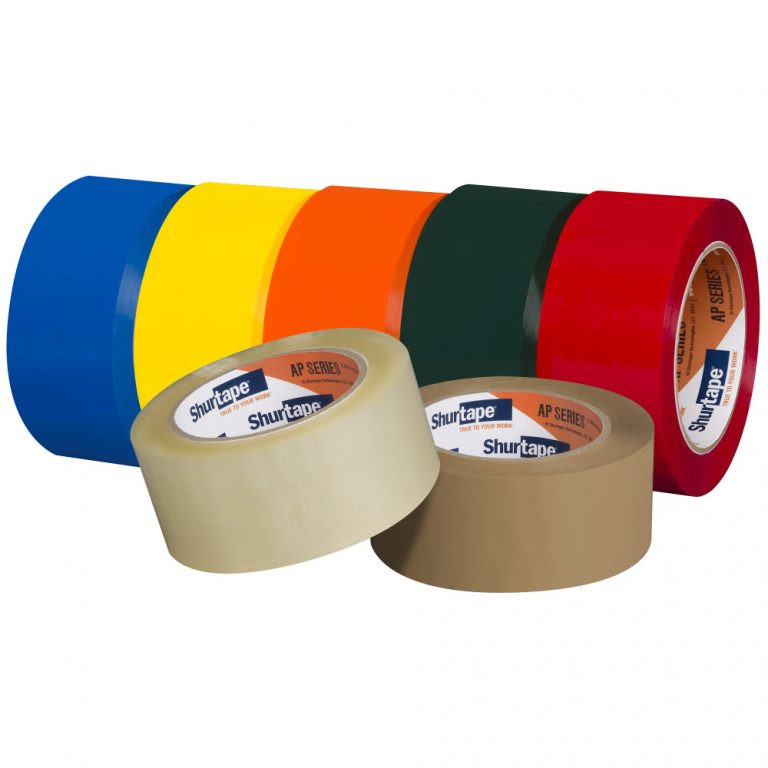
Assess printable surface capabilities for integrating logos, handling instructions, or tamper-evident patterns directly onto the tape substrate. Custom-colored PVC tapes—beyond standard tan and clear—enable immediate shipment identification and reduce pilferage risks in multi-handler supply chains. Confirm that custom printing maintains adhesion integrity and does not compromise the 75% elongation characteristics critical for load stability.
5. What Certifications Validate Supplier Reliability for International Markets?
Verify manufacturers hold ISO 9001 quality management certifications and comply with regional chemical regulations—REACH for European imports or RoHS where applicable. Request batch testing documentation demonstrating consistent adhesion values and tensile strength across production runs. For food-contact applications in Middle Eastern or South American markets, ensure compliance with FDA or EU food safety standards regarding adhesive migration.
6. How Should You Structure Logistics for Cost-Effective Bulk Procurement?
Calculate total landed costs by optimizing container utilization—PVC tapes offer favorable density for sea freight from Asian manufacturing hubs to African or European ports. Negotiate minimum order quantities that align with your inventory turnover while considering shelf-life limitations of natural rubber adhesives. Establish quality control protocols for receiving inspections, testing random samples for the specified 42 lbs/in tensile strength and 15 oz/in adhesion immediately upon arrival.
A stock image related to Industrial carton sealing tape.
Comprehensive Cost and Pricing Analysis for Industrial carton sealing tape Sourcing
Understanding the true cost structure of industrial carton sealing tape requires looking beyond the per-roll price tag. For procurement teams operating across diverse regulatory environments—from Germany’s stringent industrial standards to Brazil’s complex import tariffs—material specifications, volume commitments, and logistics variables collectively determine the total cost of ownership (TCO).
What Factors Drive the Base Pricing of Industrial Carton Sealing Tape?
Material composition serves as the primary cost differentiator. Unplasticized polyvinyl chloride (UPVC) films, commonly ranging from 32 to 35 microns (2.2–2.4 mil), command higher raw material costs than standard BOPP alternatives but offer superior tensile strength (up to 42 lbs/in) and solvent-based natural rubber adhesives with 15 oz/in adhesion ratings. Acrylic adhesives provide a mid-tier option for climate-stable environments, while hot melt formulations offer economy pricing for high-volume, short-term applications. Color customization—beyond standard tan and clear—typically adds 8–15% to base material costs due to pigment processing and smaller production runs.
How Do Micron Specifications Impact Your Cost-Per-Seal Calculations?
Thickness directly correlates with durability and price. A 2.2-mil (32-micron) tape suits medium-duty carton sealing for weights under 25 kg, offering optimal cost efficiency for high-velocity packaging lines. Upgrading to 2.4-mil (35-micron) specifications increases material costs by approximately 12–18% but reduces failure rates in heavy-duty applications exceeding 40 kg. For buyers in Africa and the Middle East, where temperature fluctuations stress adhesive bonds, investing in higher-micron UPVC with enhanced elongation (75%+) prevents costly resealing labor and product damage during transit.
Should You Optimize Procurement Through Case Purchasing or Custom Printing?
Volume purchasing strategies significantly alter unit economics. Standard case quantities (typically 36 rolls) reduce per-roll costs by 20–30% compared to individual roll purchasing, while full pallet commitments can unlock additional 8–12% discounts. However, custom printed tape—featuring company logos or handling instructions—requires setup fees ranging from $150–$400 and minimum order quantities of 50+ cases. For European markets like Germany, where brand presentation and tamper-evidence are regulatory priorities, the incremental cost of custom printing often offsets losses from pilferage or misrouting in complex supply chains.
What Hidden Costs Should International Buyers Anticipate Beyond FOB Pricing?
Logistics variables disproportionately impact landed costs for South American and African importers. Ocean freight for palletized tape adds $0.40–$0.80 per roll depending on port congestion, while import duties on adhesive products range from 5–15% in Mercosur nations to 25% in certain Middle Eastern jurisdictions. Currency hedging becomes critical when sourcing from USD-denominated suppliers, as volatility in the Brazilian Real or South African Rand can erase margin gains within quarterly procurement cycles. Additionally, storage costs for humidity-sensitive natural rubber adhesives require climate-controlled warehousing, adding $0.05–$0.12 per roll monthly in tropical climates.
How Can Procurement Teams Balance Quality Grades with Budget Constraints?
Economy-grade tapes (1.8–2.0 mil) reduce upfront material costs by 25% but increase total operational expenses through higher breakage rates and dispenser jams. Industrial-grade specifications (2.2+ mil) with quiet unwind properties—critical for noise-restricted European facilities—deliver superior long-term value despite 15–20% higher initial investment. Conducting application-specific audits, analyzing seal failure rates, and calculating labor costs per sealed carton enables buyers to identify the precise micron and adhesive combination that minimizes TCO rather than simply minimizing purchase price.
Alternatives Analysis: Comparing Industrial carton sealing tape With Other Solutions
When evaluating packaging workflows for international supply chains, procurement teams often encounter scenarios where traditional pressure-sensitive tape may not represent the optimal solution. Factors such as load weight, customs inspection requirements, sustainability mandates, and automation capabilities can necessitate alternative sealing methodologies. Understanding the comparative advantages of competing technologies ensures capital expenditure aligns with operational realities across diverse regulatory environments, from German industrial standards to Brazilian agricultural export protocols.
| Comparison Aspect | Industrial Carton Sealing Tape (BOPP/PVC) | Water-Activated Reinforced Tape (WAT) | Polypropylene Strapping with Buckles |
|---|---|---|---|
| Security & Tamper Evidence | Provides visible seal; removable without destruction | Bonds molecularly to corrugated fibers; shows immediate evidence of interference | Mechanical lock; requires cutting tools to remove; highly resistant to tampering |
| Cost per Application | $0.02–$0.05 per seal (material only) | $0.08–$0.15 per seal (includes adhesive activation) | $0.12–$0.25 per seal (includes hardware) |
| Implementation Complexity | Minimal; compatible with standard handheld dispensers | Moderate; requires water reservoirs or electric dispensers; training needed for consistent activation | High; necessitates tensioning tools, sealing devices, and skilled labor |
| Throughput Speed | 8–10 boxes per minute (manual application) | 4–6 boxes per minute (manual); 12+ (automated systems) | 2–4 straps per minute (manual); 15+ (automated arch systems) |
| Environmental Profile | Plastic-based; limited recycling streams | Paper-based, biodegradable; recyclable with cardboard | Polypropylene recyclable; metal buckles require separation |
| Ideal Load Weight | Up to 30–40 kg per carton | Up to 50 kg per carton | 50+ kg; palletized loads exceeding 500 kg |
Is Water-Activated Reinforced Tape Better for High-Value Exports?
Water-activated reinforced tape (WAT) utilizes starch-based adhesives that penetrate corrugated board fibers, creating a permanent bond that destroys the box upon removal. This characteristic makes it particularly valuable for B2B shipments to regions with high pilferage risks or for e-commerce operations requiring evidentiary security chains. While initial material costs run higher than standard BOPP tape, the elimination of “tape flagging” and superior performance in temperature fluctuations—common in Middle Eastern and African logistics corridors—often justify the investment. However, facilities must budget for electric dispensers or manual water brushes, and operators require training to achieve consistent adhesive activation without over-saturation that weakens cardboard integrity.
When Should Operations Choose Polypropylene Strapping Over Adhesive Sealing?
Polypropylene strapping serves as the mechanical alternative for industrial carton sealing when contents exceed the shear strength of adhesive bonds or when palletized units require unitization during ocean freight. Common in South American agricultural exports and German heavy machinery shipments, strapping distributes tension across load-bearing points rather than seam lines, preventing box burst during rough handling. The trade-off involves significant capital outlay for tensioners, sealers, and dispenser carts, alongside slower manual application speeds. For operations shipping bulk commodities from Brazilian ports or Nigerian manufacturing hubs, semi-automated strapping systems often integrate with conveyor lines to mitigate labor cost impacts while providing the tensile strength necessary for containerized sea transport.
Essential Technical Properties and Trade Terminology for Industrial carton sealing tape
When sourcing industrial carton sealing tape for international logistics operations, technical specifications determine seal integrity across varying climates and handling conditions. Understanding quantitative metrics and industry-specific terminology enables procurement teams to match tape performance characteristics with specific supply chain requirements, from automated German manufacturing lines to humid Brazilian port facilities.
What Film Thickness Specifications Ensure Load Security?
Film thickness, measured in mils (thousandths of an inch) or microns, directly correlates with puncture resistance and tensile strength. Industrial applications typically require 2.0 to 3.0 mil (50–75 micron) UPVC or BOPP substrates for heavy-duty export shipments, while lighter 1.6 mil grades suffice for domestic distribution. Buyers should verify whether specifications reference the film alone or the total construction including adhesive, as this impacts performance calculations for stacked pallet loads.
How Do Adhesion Metrics Predict Performance in Challenging Environments?
Adhesion strength, quantified in ounces per inch (oz/in) or Newtons per 25mm, measures the force required to remove tape from corrugated fiberboard. Solvent-based natural rubber adhesives typically deliver 15–20 oz/in of immediate tack, essential for dusty recycling plant environments common in Middle Eastern warehousing. Conversely, acrylic formulations offer superior humidity resistance for tropical African or South American climates, though they require longer cure times before handling.
Why Does Tensile Strength Determine Automated Line Compatibility?
Tensile strength, expressed in pounds per inch (lbs/in), indicates resistance to breaking under stress during transit and automated application. Standard industrial grades provide 20–45 lbs/in, while high-performance options exceed 50 lbs/in for heavy machinery exports. Elongation percentages (typically 50–180%) complement this metric by measuring flexibility; higher elongation accommodates box expansion during air freight altitude changes without seal failure.
What Adhesive Chemistry Works Best for High-Speed Case Sealers?
Hot melt rubber adhesives provide immediate bond strength for high-speed automated lines, preventing pop-opens during palletization. Solvent-based natural rubber excels on recycled fiberboard with high dust content, while acrylic adhesives meet EU REACH compliance for European markets requiring low-VOC formulations. Selecting inappropriate chemistry causes jamming in precision machinery or seal failure in extreme temperatures.
What Is “Quiet Unwind” and Why Does It Matter for Warehouse Operations?
“Quiet unwind” describes low-noise tape formulations engineered to reduce acoustic levels during rapid dispensing from hand-held or automated dispensers. This characteristic proves essential for European facilities adhering to strict workplace noise regulations, improving ergonomic conditions during high-volume packing operations while maintaining the same adhesion properties as standard grades.
How Do UPVC and BOPP Substrates Differ in Industrial Applications?
Unplasticized Polyvinyl Chloride (UPVC) films offer superior printability and heat-shrink compatibility for tamper-evident branding, preferred by luxury goods exporters in the Middle East. Biaxially Oriented Polypropylene (BOPP) provides cost-effective clarity and tensile strength for high-volume German e-commerce operations. UPVC tolerates heat-tunnel pallet wrapping without flagging, while BOPP offers better clarity for barcode scanning.
What Distinguishes Machine Grade from Hand Grade Specifications?
Machine grade tapes feature consistent roll diameter, uniform unwind tension, and splice-free lengths optimized for continuous feed into case sealing machinery. Hand grade tapes prioritize easy tearability and ergonomic dispenser compatibility. Specifying machine-grade for manual application causes wrist strain and waste, while hand-grade in automated lines triggers downtime from irregular tension and breakage.
Why Should Buyers Understand “Heat Shrinkable” and “Printable” Designations?
“Heat shrinkable” indicates compatibility with heat-tunnel pallet wrapping systems, ensuring tape conforms to load contours without edge lifting (flagging) during ocean freight. “Printable” specifications confirm the film accepts flexographic inks for branding or handling instructions without adhesive bleed-through, critical for Middle Eastern and European markets requiring custom logo application on export cartons.
Navigating Market Dynamics and Sourcing Trends in the Industrial carton sealing tape Sector
Global supply chains for industrial packaging materials are experiencing unprecedented complexity as regional regulatory frameworks and sustainability mandates reshape procurement strategies. For B2B buyers operating across Africa, South America, the Middle East, and Europe, understanding the nuanced interplay between material specifications, regional compliance requirements, and ethical manufacturing practices has become essential for maintaining competitive operational advantages.
How Is the Global Industrial Carton Sealing Tape Market Evolving in 2024?
The industrial carton sealing tape sector is undergoing rapid transformation as e-commerce logistics and sustainable packaging mandates reshape procurement priorities across international markets. Demand patterns in 2024 reveal distinct regional variations: European buyers, particularly in Germany’s precision manufacturing sector, increasingly require high-specification UPVC films with quiet unwind properties compatible with automated packaging lines, while emerging markets across Africa and South America prioritize cost-efficient medium-duty solutions that maintain adhesion integrity across extreme humidity fluctuations. The market is witnessing a decisive shift toward customizable security solutions, with tamper-evident technologies and custom-printed branding tapes gaining significant traction among exporters seeking to differentiate products while deterring pilferage during multi-modal transit. Supply chain regionalization has intensified as manufacturers establish localized production facilities to circumvent tariff complexities and reduce lead times for bulk orders exceeding container-load quantities.
What Technical Specifications Should B2B Buyers Prioritize When Evaluating Industrial Sealing Solutions?
Material science innovations are redefining performance benchmarks, with unplasticized polyvinyl chloride (UPVC) formulations now preferred over traditional polypropylene for heavy-duty export applications requiring superior tensile strength exceeding 42 lbs/in. Procurement teams must scrutinize adhesive chemistry distinctions—specifically solvent-based natural rubber compounds offering 15 oz/in adhesion ratings versus hot-melt alternatives—to ensure compatibility with destination climate conditions and substrate variability. Thickness specifications ranging from 2.2 mil for standard carton sealing to 2.4 mil for reinforced heavy-duty applications demand precise alignment with operational requirements rather than generic procurement. Buyers should prioritize suppliers offering printable film surfaces and heat-shrinkable compatibility, enabling seamless integration of branding elements and security features without compromising mechanical performance. Additionally, elongation properties of approximately 75% provide critical stress distribution capabilities that prevent seal failure during rough handling in international shipping environments.
Why Does Sustainability and Ethical Sourcing Now Drive Strategic Procurement Decisions?
Environmental compliance has evolved from peripheral concern to central procurement criterion, particularly for buyers serving European markets governed by stringent Extended Producer Responsibility (EPR) frameworks and packaging waste directives. Leading manufacturers are reformulating traditional solvent-based adhesives to minimize volatile organic compound (VOC) emissions while preserving the aggressive tack characteristics necessary for secure carton closure. B2B purchasers must conduct due diligence beyond product specifications to verify ethical labor practices and sustainable raw material sourcing within supplier manufacturing facilities, particularly when procuring from high-volume production regions. The emergence of recyclable PVC alternatives and bio-based adhesive technologies offers viable pathways for companies seeking to achieve carbon reduction targets without sacrificing the 35-micron film integrity required for heavy industrial applications. Procurement teams should establish clear sustainability benchmarks requiring suppliers to disclose complete adhesive composition data and demonstrate compliance with international environmental management standards.
How Can International Buyers Mitigate Risks When Sourcing Across Diverse Regional Markets?
Navigating the complexities of global tape procurement requires sophisticated risk management strategies tailored to specific regional challenges encountered across Africa, the Middle East, South America, and Europe. Currency volatility and fluctuating petrochemical prices necessitate flexible contracting mechanisms, with Brazilian and African buyers particularly benefiting from suppliers offering multi-currency pricing structures and regional warehousing solutions that buffer against exchange rate instability. Quality assurance protocols must account for batch consistency in critical parameters such as film thickness uniformity and adhesion strength, requiring pre-shipment inspection clauses and certificate-of-analysis documentation for every production lot. When sourcing custom-printed or colored variants, buyers should verify that suppliers maintain precise color-matching capabilities and 3D visualization technologies that eliminate costly errors in branding applications. Establishing strategic partnerships with manufacturers capable of providing technical consultation on climate-specific adhesive formulations—such as enhanced moisture resistance for tropical destinations or low-temperature flexibility for European winters—ensures optimal performance while minimizing costly seal failures and inventory waste.
Frequently Asked Questions (FAQs) for B2B Buyers of Industrial carton sealing tape
What is the difference between acrylic and hot melt carton sealing tape for international shipping?
Acrylic adhesive tapes utilize water-based formulations that offer superior longevity and UV resistance, making them ideal for long-term storage and export shipments exposed to varying climates. Hot melt tapes feature synthetic rubber adhesives that provide aggressive initial tack and immediate bond strength, particularly effective on recycled corrugated boards common in sustainable packaging. Solvent-based natural rubber options, such as those found in premium PVC carton sealing tapes, deliver quiet unwind characteristics and excellent adhesion to challenging surfaces while maintaining performance across broader temperature ranges. For buyers in humid regions like West Africa or coastal Brazil, acrylic formulations typically resist moisture degradation better than hot melt alternatives.
How thick should industrial carton sealing tape be for heavy-duty export applications?
Heavy-duty industrial applications typically require tape thicknesses between 2.5 to 3.0 mils (63 to 76 microns), though standard duty cycles may utilize 2.2 mil (32 micron) specifications for cost efficiency on lighter cartons. Industrial-grade tapes should offer minimum 40 lbs/in tensile strength and 70% elongation to withstand stacking pressures during ocean freight and rough handling in intermodal transport. For machinery-applied tape in high-volume German or Brazilian manufacturing facilities, consistent caliper thickness ensures proper dispensing without jamming or flagging. Consider that thicker UPVC films provide better puncture resistance for palletized goods undergoing multiple handling cycles across Middle Eastern or African logistics corridors.
Which carton sealing tape specifications ensure compatibility with automated packaging machines?
Automated packaging lines require tapes with precise unwind characteristics and consistent roll geometry to prevent downtime and misfeeds during high-speed operations. Look for “quiet unwind” formulations, typically associated with solvent-based natural rubber adhesives on UPVC films, which reduce noise pollution in warehouse environments while ensuring smooth dispensing at speeds exceeding 100 cartons per minute. The tape must maintain consistent thickness throughout the roll length—variations exceeding ±5% can trigger optical sensors and halt production lines. For European automation standards, ensure the tape core dimensions match ISO specifications (typically 76mm/3-inch cores) and that the adhesive resists gumming on machine rollers during extended production runs.
What temperature range can industrial carton sealing tape withstand during global transit?
Standard hot melt adhesives perform reliably between -20°C to 60°C, suitable for most ground transportation, but may become brittle in freezing conditions or soften excessively in Middle Eastern summer heat exceeding 50°C. Acrylic formulations extend this range to approximately -30°C to 80°C, maintaining adhesion during trans-European rail transport or exposure to direct sunlight in container yards. Solvent-based natural rubber tapes often provide the broadest thermal stability, handling temperature fluctuations from -30°C to 90°C without adhesive migration or edge lifting. For critical pharmaceutical or food exports requiring cold chain integrity, specify low-temperature acrylic variants tested to -40°C to prevent package failure during refrigerated transit to African or South American markets.
How can custom printed carton sealing tape enhance supply chain security for B2B operations?
Custom printed tape serves dual functions as both a branding tool and tamper-evident security measure, allowing immediate visual identification of compromised shipments during customs inspections or warehouse transfers. Modern digital printing capabilities enable rapid prototyping and short-run customization, reducing lead times for African and South American importers who require localized branding elements or regulatory markings. The print surface must utilize specialized inks compatible with PVC or polypropylene films to prevent smearing during automated application or exposure to tropical moisture. For high-value electronics or pharmaceutical exports to European markets, sequential numbering or QR code integration provides traceability compliance while deterring pilferage in complex multi-modal supply chains.
What storage protocols prevent adhesive degradation in high-humidity climates?
Industrial carton sealing tape requires climate-controlled storage between 15°C and 25°C with relative humidity below 65% to prevent premature aging and adhesive edge lifting, critical considerations for distributors in tropical African or South American regions. Acrylic adhesives demonstrate superior humidity resistance compared to hot melt formulations, which may develop “water whitening” or lose tack when exposed to moisture during monsoon seasons or coastal storage. Store cartons on pallets away from concrete floors that transfer moisture, and rotate inventory using first-in-first-out (FIFO) methods, as even acrylic tapes degrade after 12-18 months in uncontrolled environments. For Middle Eastern buyers, protection against sand and dust infiltration proves equally important, as particulate contamination compromises adhesive contact surfaces and machine performance.
Which compliance certifications should B2B buyers verify for EU and German market entry?
Carton sealing tape destined for German industrial markets must comply with REACH regulations regarding Substances of Very High Concern (SVHC), particularly phthalate-free adhesive formulations that prevent chemical migration. Food contact applications require EU 10/2011 compliance and specific migration testing for heavy metals and primary aromatic amines, essential for agricultural exporters shipping to European supermarkets. RoHS compliance ensures electrical and electronic product packaging meets restricted substance directives, while ISO 9001 certification from manufacturers guarantees consistent batch quality for automated production lines. Brazilian buyers should additionally verify INMETRO compliance for specific industrial applications, while Middle Eastern markets often require SASO or GCC conformity for imported packaging materials.
How can procurement teams optimize costs when sourcing industrial carton sealing tape internationally?
Cost optimization extends beyond unit pricing to include freight efficiency—specifying master carton dimensions that maximize container cube utilization can reduce landed costs by 15-20% for African and South American importers. Evaluate total cost of ownership by considering machine downtime costs; premium tapes with consistent 2.2-2.4 mil thickness may command higher per-roll prices but eliminate production stoppages worth thousands in lost output. For high-volume German or Brazilian operations, negotiate annual blanket orders with quarterly releases to secure volume pricing while maintaining cash flow flexibility. Consider that standard 2.2 mil (32 micron) specifications often provide adequate performance for typical duty cycles, allowing material savings compared to 2.4 mil (35 micron) alternatives without compromising seal integrity on properly sized cartons.
Important Disclaimer & Terms of Use
⚠️ Important Disclaimer
The information provided in this guide, including content regarding manufacturers, technical specifications, and market analysis, is for informational and educational purposes only. It does not constitute professional procurement advice, financial advice, or legal advice.
B2B buyers must conduct their own independent and thorough due diligence before making any purchasing decisions. The risk of relying on any information in this guide is borne solely by the reader.
Strategic Sourcing Conclusion and Outlook for Industrial carton sealing tape
As global supply chains face continued volatility, strategic sourcing of industrial carton sealing tape requires balancing cost efficiency with operational resilience. Buyers across diverse markets must evaluate suppliers not merely on unit pricing, but on technical consistency, customization capabilities, and logistics agility.
How Can B2B Buyers Future-Proof Their Carton Sealing Tape Supply Chain?
Diversifying supplier portfolios across multiple regions mitigates geopolitical risks while ensuring consistent availability of specialized formulations like solvent-based natural rubber adhesives or heat-shrinkable PVC films. Establishing partnerships with manufacturers offering custom printing capabilities further enhances brand security and tamper-evidence in transit.
What Sustainability Specifications Should Drive Future Procurement?
Environmental regulations in Europe and growing eco-consciousness in emerging markets are accelerating demand for recyclable films and low-VOC adhesives. Forward-thinking procurement teams should prioritize suppliers demonstrating compliance with international sustainability standards without compromising the tensile strength and adhesion metrics critical for heavy-duty applications.
How Can Regional Buyers Optimize Cross-Border Logistics?
For markets in Africa, South America, and the Middle East, optimizing shipping volumes through consolidated container programs reduces per-unit costs. Specifying standardized dimensions—such as 2.2–2.4 mil thickness options—ensures compatibility with automated sealing equipment while simplifying inventory management across multinational operations.
By integrating these strategic considerations, international B2B buyers can transform carton sealing tape from a commodity purchase into a competitive advantage, ensuring packaging integrity from production floor to final destination.