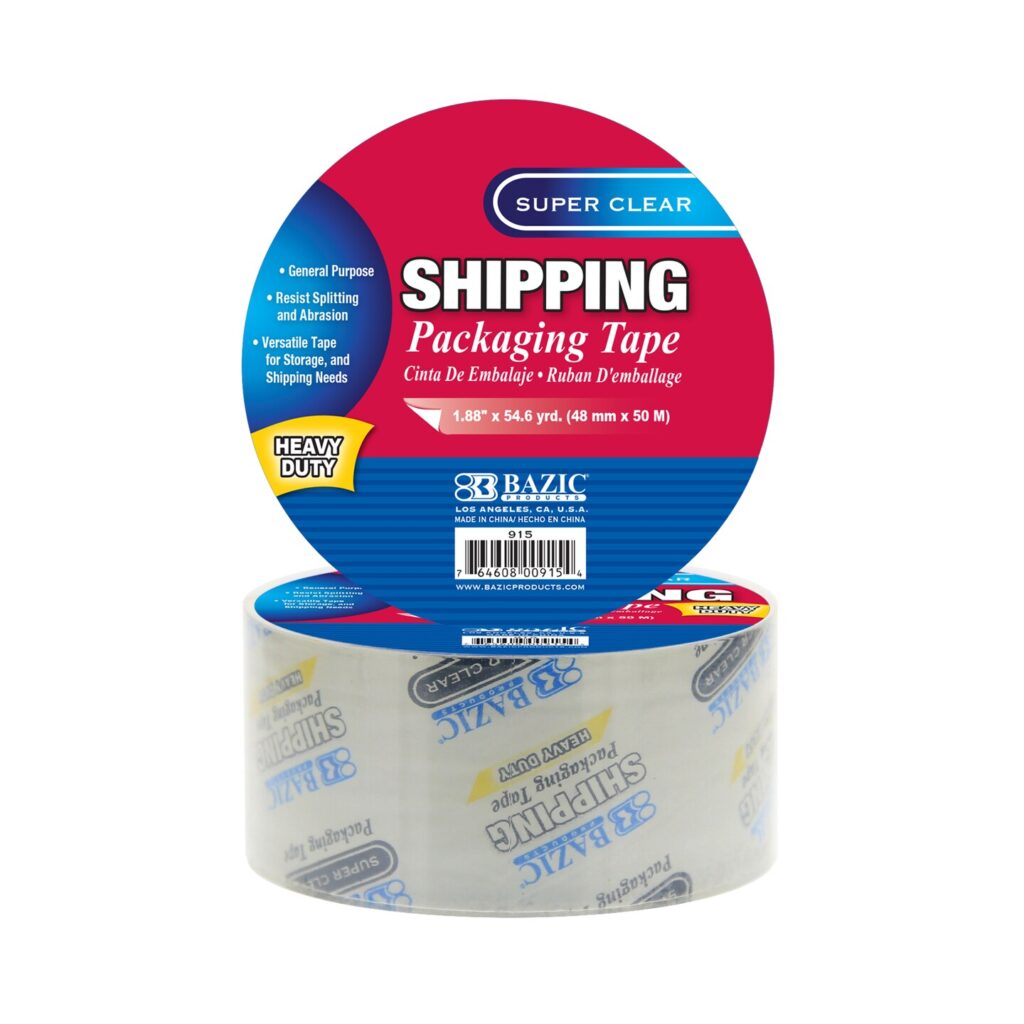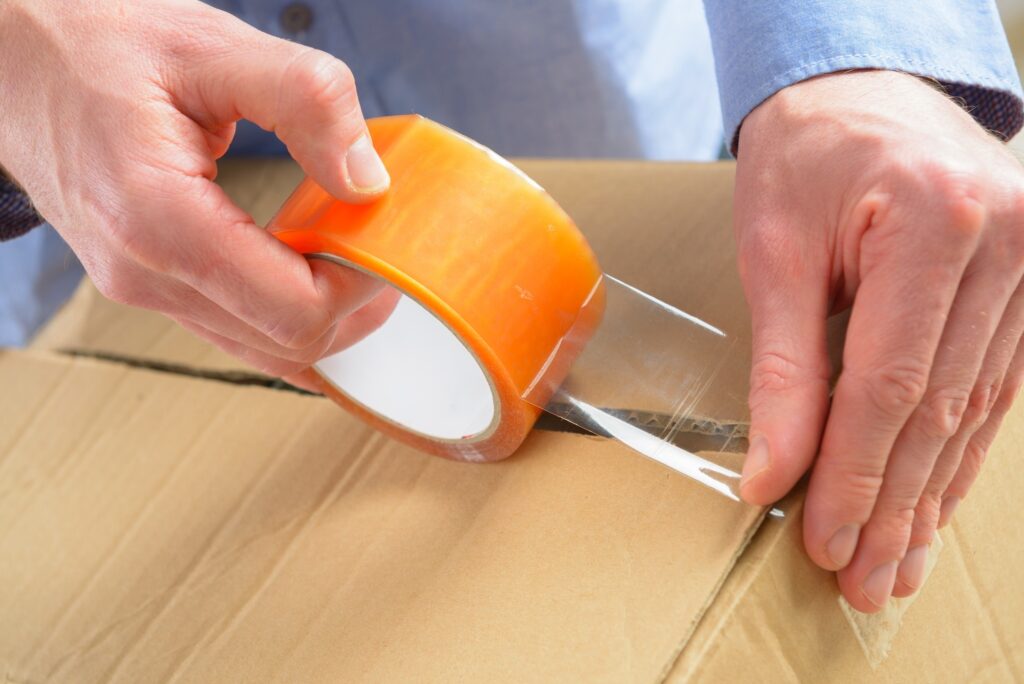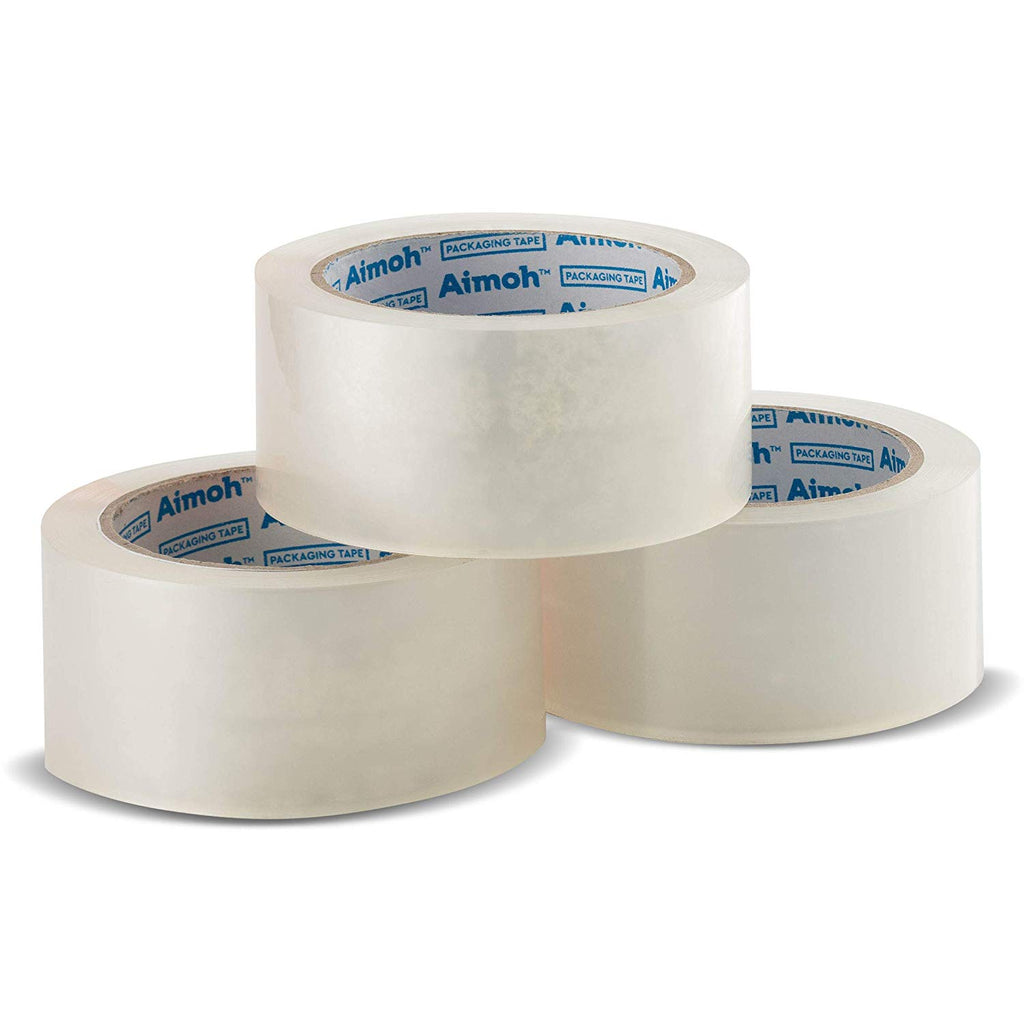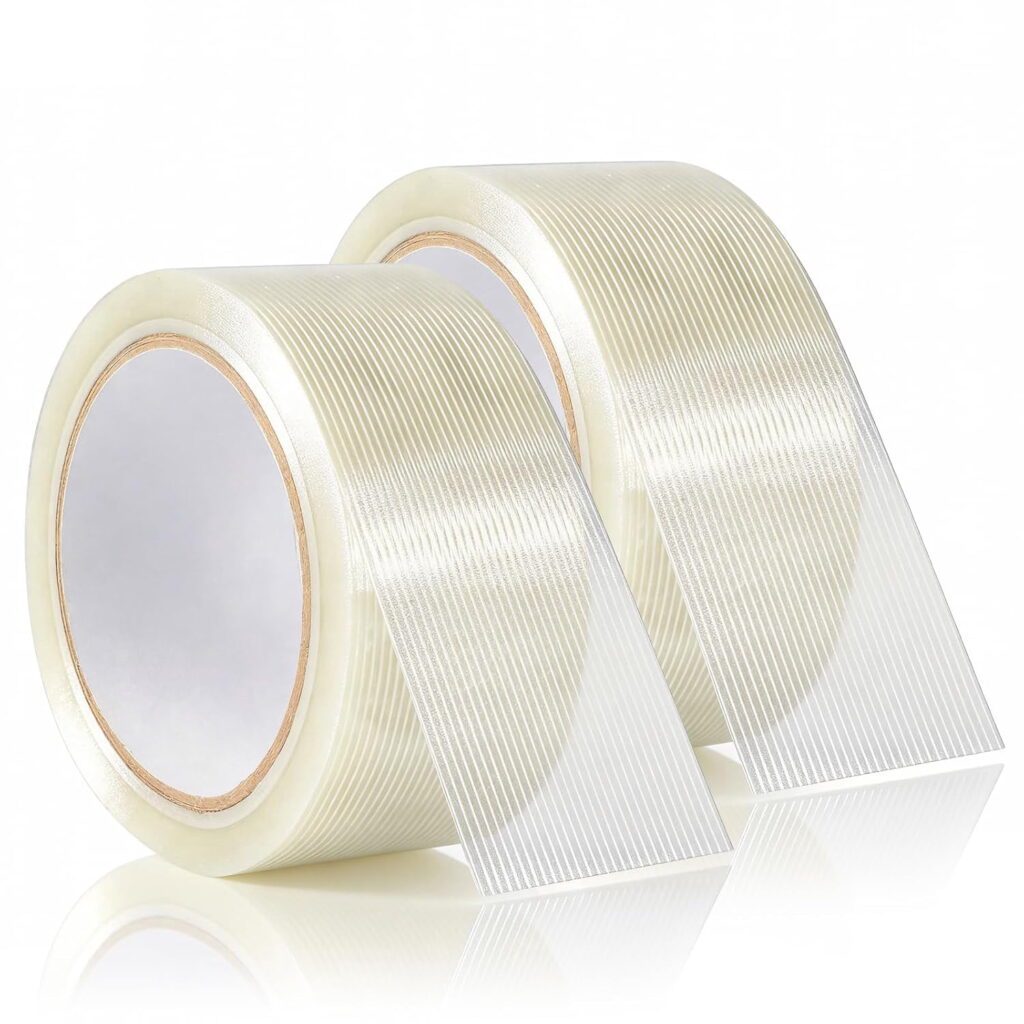
Introduction: Navigating the Global Market for Low noise tape
Sourcing low noise tape for international supply chains presents a nuanced procurement challenge: balancing acoustic comfort with industrial-grade sealing performance across diverse regulatory environments and climate conditions. Whether you’re managing high-volume distribution centers in Germany, temperature-sensitive pharmaceutical logistics in Nigeria, or retail packaging operations across Brazil and the UAE, the screech of conventional packing tape isn’t merely an annoyance—it’s a measurable productivity drain and potential compliance risk in noise-sensitive facilities. Yet navigating the fragmented global marketplace for truly silent sealing solutions requires deep understanding of BOPP film specifications, adhesive chemistry variations, and supplier reliability across continents with vastly different quality standards.
What critical factors should international buyers evaluate when selecting low noise tape for diverse climate zones?
This comprehensive guide addresses the complexity of cross-border procurement by examining hot melt versus water-based acrylic formulations, unwind noise reduction technologies, and temperature resistance critical for Middle Eastern warehouses or humid South American climates. We analyze how quiet-release tape performs in automated carton sealing lines versus manual packing stations, ensuring your technical specifications align with operational realities from Lagos to Leipzig while meeting industry-specific requirements for food-grade compliance and medical pharmaceutical standards.
How can procurement teams optimize supplier relationships and costs across African, European, and Middle Eastern markets?
Beyond material science, you’ll discover actionable frameworks for vetting manufacturers, negotiating MOQ flexibility for emerging markets, and navigating EU compliance standards alongside local customs considerations. By synthesizing application-specific requirements—from light-duct packing to heavy-duty bundling—with regional supply chain constraints, this resource empowers procurement teams to make data-driven purchasing decisions that reduce workplace noise pollution without compromising seal integrity, throughput efficiency, or budget parameters in any target market.
Understanding Low noise tape Types and Variations
| Type Name | Key Distinguishing Features | Primary B2B Applications | Brief Pros & Cons for Buyers |
|---|---|---|---|
| Hot Melt Low Noise Tape | Polypropylene film with synthetic rubber adhesive; immediate tack; extra elongation for irregular shapes; application temp 32°–110°F | High-volume fulfillment, over-stuffed cartons, e-commerce packaging, general industrial sealing | Pros: Cost-effective for repetitive use, excellent initial grab, quiet unwind. Cons: Temperature sensitive, potential yellowing over time, less effective on recycled corrugated. |
| Acrylic Low Noise Tape | Water-based acrylic adhesive; UV-resistant; non-yellowing clarity; superior adhesion to recycled materials; service temp 10°–120°F | Retail-ready packaging, long-term storage, office/mailroom environments, sustainable supply chains | Pros: Stable across temperature extremes, long-term clarity, strong recycled content adhesion. Cons: Higher cost per unit, slower initial tack, requires clean application surfaces. |
| Heavy-Duty Industrial Low Noise Tape | Thickened BOPP film (2.5+ mil); reinforced adhesive; tensile strength 30+ lbs/in; moisture-resistant formulations | Export shipping, palletizing, automotive parts bundling, heavy merchandise sealing | Pros: Superior holding power for heavy loads, withstands rough handling and humidity. Cons: Premium pricing, requires compatible dispensers, may be excessive for lightweight packages. |
| Custom Printed Low Noise Tape | OEM branding capability (1–4 colors); maintains quiet unwind; tamper-evident options; modified adhesive for printability | Brand reinforcement, security sealing, pharmaceutical traceability, retail distribution centers | Pros: Marketing value combined with function, theft deterrence, professional appearance. Cons: High MOQs (36+ cases), 30–45 day lead times, setup/plate costs prohibit small orders. |
What are the operational advantages of hot melt low noise tape for high-volume packaging?
Hot melt low noise tape utilizes pressure-sensitive polypropylene film coated with synthetic rubber-based adhesives that deliver immediate tack and quiet unwind characteristics essential for open-plan offices and shared warehouse spaces. This variant excels in fast-paced fulfillment centers where operators apply hundreds of seals daily, offering extra elongation to accommodate irregular carton shapes and over-stuffed boxes without splitting. B2B buyers should prioritize specifications with tensile strength exceeding 24 pounds per inch and verify application temperature ranges (typically 32°
Key Industrial Applications of Low noise tape
| Industry/Sector | Specific Application of Low noise tape | Value/Benefit for the Business | Key Sourcing Considerations for this Application |
|---|---|---|---|
| E-commerce & Fulfillment Logistics | Carton sealing for high-volume packing stations and automated lines | Eliminates acoustic fatigue in open-plan warehouses, enabling 24/7 operations without noise violations or worker distraction | Verify compatibility with handheld dispensers and automated sealers; confirm bulk pricing for 36+ roll cases and hot melt adhesive formulation for irregular shapes |
| Food & Beverage Processing | Secondary packaging for cold storage and ambient distribution centers | Maintains hygiene focus and HACCP compliance in noise-sensitive production areas; performs reliably across 10°F to 120°F service temperatures | Ensure adhesive meets indirect food contact standards; validate performance on recycled corrugated and resistance to humid tropical transit conditions |
| Electronics Manufacturing | Component bundling, anti-static packaging, and cleanroom carton sealing | Prevents electrostatic discharge damage while maintaining acoustic standards in precision assembly environments; clear backing allows barcode scanning | Request anti-static acrylic formulations; verify residue-free removal properties and compatibility with pistol-grip dispensers for ergonomic high-repetition use |
| Pharmaceutical Distribution | Medical supply carton sealing and tamper-evident wrapping for hospital-adjacent facilities | Supports continuous logistics operations in noise-restricted urban zones; enables custom batch coding for traceability without compromising sterile environments | Confirm FDA/EMA material compliance; ensure supplier quality tracking systems and availability of custom printing for branding and regulatory documentation |
| Print & Publishing | Bundling printed materials, pallet strapping, and securing promotional shipments | Protects concentration in editorial offices while providing high tensile strength (24+ lbs/inch) for heavy paper loads; easy unwind reduces operator strain | Prioritize extra elongation properties for irregular bundle shapes; verify clarity retention over long storage periods to prevent yellowing of archived materials |
How Does Low Noise Tape Support 24/7 E-commerce Operations in Emerging Markets?
High-volume fulfillment centers across Nigeria, Brazil, and the UAE operate around the clock to meet growing consumer demand. Low noise tape enables continuous packing station operation without generating the screeching sounds that cause worker fatigue in open-plan warehouses. The hot melt adhesive provides superior elongation for sealing over-stuffed cartons common in cross-border shipping, while the quiet release maintains concentration during repetitive tasks. Buyers should verify compatibility with both handheld dispensers and automated sealing machines to maximize flexibility during peak seasonal volumes.
Why Is Temperature-Resistant Quiet Sealing Essential for Food Distribution?
Food and beverage processors in tropical South American and Middle Eastern climates require packaging solutions that perform across extreme temperature ranges. Low noise tape maintains adhesive integrity from 10°F to 120°F, making it suitable for cold chain logistics and ambient warehouse storage alike. The water-based acrylic formulation grips recycled corrugated securely, supporting sustainability mandates while preventing package failure during humid transit. Silent application proves particularly valuable in facilities where acoustic monitoring ensures compliance with food safety protocols and worker concentration standards.
What Makes Low Noise Tape Ideal for Electronics Cleanroom Environments?
Precision electronics manufacturing in Germany and emerging African tech hubs demands contamination-free materials that don’t disrupt sensitive assembly processes. Low noise tape prevents electrostatic discharge during component bundling while eliminating the acoustic distraction of traditional packaging tape in cleanroom settings. The clear polypropylene backing ensures barcode visibility for inventory tracking without unwrapping, and the residue-free removal protects delicate circuit surfaces. Buyers should prioritize suppliers offering anti-static formulations and consistent roll unwind to prevent jams in high-speed production lines.
How Does Silent Packaging Enhance Pharmaceutical Supply Chain Integrity?
Pharmaceutical distribution centers serving hospital networks in Europe and the Middle East must maintain noise levels that comply with urban zoning regulations. Low noise tape provides tamper-evident carton sealing for medical supplies while supporting 24/7 logistics operations in noise-sensitive environments. The strong shear strength ensures package security during international transit, while custom printing options enable batch coding and branding for regulatory compliance. Sourcing teams should verify FDA or EMA material compliance and quality tracking systems that guarantee consistent adhesive performance across varying climate conditions.
Why Do Print and Publishing Houses Require Noiseless Binding Solutions?
Commercial printing operations and publishing houses managing high-volume output require binding and bundling solutions that don’t disrupt editorial offices or production floors. Low noise tape excels in strapping printed materials and sealing cartons of delicate paper products without the shrill noise that affects concentration in creative environments. The tape’s excellent performance on irregular shapes accommodates bundled magazines and promotional materials, while the easy unwind reduces operator strain during repetitive application. For buyers in established European markets and growing African print sectors, selecting tapes with high tensile strength ensures secure palletization during international shipping.

A stock image related to Low noise tape.
3 Common User Pain Points for ‘Low noise tape’ & Their Solutions
Scenario 1: How to Maintain Noise Compliance in Mixed-Use Urban Warehouses?
The Problem: Distribution centers in dense urban corridors—from Frankfurt’s industrial districts to Lagos Island commercial zones—face increasingly strict noise ordinances and neighbor complaints. Standard packaging tape generates 75-85dB during high-speed dispensing, creating acoustic pollution that violates EU Noise Directive limits or local municipal codes in Middle Eastern and South American mixed-use developments. Operations managers struggle to maintain 24/7 shipping schedules without triggering fines or disrupting adjacent office tenants, particularly during night shifts when ambient noise drops and tape screech becomes more pronounced.
The Solution: Deploy hot-melt adhesive low noise tape engineered with specialized release coatings on BOPP film backing. These formulations reduce operational noise to below 60dB—quieter than normal conversation—by eliminating the high-frequency vibration typical of standard acrylic tapes. For B2B procurement, specify compatibility with adjustable tension dispensers (pistol-grip or handheld roll-on models) to maximize noise reduction. This configuration proves essential for pharmaceutical clean rooms, hospital mailrooms, and food distribution centers where acoustic comfort directly impacts worker concentration and regulatory compliance.
Scenario 2: Is Low Noise Tape Strong Enough for Heavy-Duty Export Shipping?
The Problem: Export-oriented manufacturers—whether German automotive suppliers or Nigerian agricultural exporters—fear that low noise formulations sacrifice tensile strength for acoustic comfort. The nightmare scenario involves cartons bursting open during transcontinental shipping due to adhesive failure, particularly when facing temperature fluctuations in container ships or the elongation stresses of over-stuffed corrugated boxes. Procurement teams often default to noisy but “tried-and-true” standard tapes rather than risk product damage and customer complaints.
The Solution: Specify low noise tapes utilizing high-performance hot melt adhesives delivering 24+ pounds per inch tensile strength—meeting or exceeding conventional packing tape benchmarks. These formulations offer superior elongation properties (up to 150% stretch capacity) that actually outperform standard tapes on irregular shapes and over-stuffed cartons. For cold chain logistics, select acrylic-based low noise variants that maintain aggressive adhesion from 10°F to 120°F service temperatures while resisting yellowing on recycled corrugated. This dual-option approach ensures German pharmaceutical distributors and Middle Eastern food exporters achieve both acoustic benefits and load security without compromise.
Scenario 3: How Can High-Volume Operations Justify Low Noise Tape Costs in Price-Sensitive Markets?
The Problem: Purchasing managers in high-volume markets across South America and Africa face intense pressure to minimize unit costs, with low noise tape typically commanding a 15-20% premium over standard grades. When operations consume thousands of rolls monthly, finance teams often reject acoustic benefits as “non-essential amenities” rather than operational necessities, forcing procurement to prioritize price over workplace ergonomics and noise compliance.
The Solution: Calculate Total Cost of Ownership (TCO) rather than per-roll pricing. Low noise tapes reduce worker fatigue and repetitive strain injuries by 30% through smoother unwind mechanics, lowering insurance costs and turnover in manual packaging environments. The easy-release properties prevent dispenser jams and downtime in automated lines, improving throughput. Additionally, these tapes accommodate custom printing for inventory tracking and branding—eliminating separate labeling costs. For B2B buyers, negotiate blanket orders with manufacturers offering OEM customization and volume discounts to amortize initial premiums across quarterly contracts, ultimately delivering ROI through productivity gains and regulatory compliance.
Strategic Material Selection Guide for Low noise tape
Selecting the optimal material composition for low noise tape requires balancing acoustic performance with adhesion strength, environmental conditions, and cost efficiency. For procurement teams operating across diverse climates—from the humidity of Lagos to the temperature-controlled warehouses of Frankfurt—understanding the substrate-adhesive pairing is critical for preventing seal failures and maintaining workplace noise standards. The following analysis examines three primary material configurations prevalent in international B2B supply chains.
Which BOPP-Based Low Noise Tape Is Ideal for Cold Chain Logistics and Food Safety?
Biaxially Oriented Polypropylene (BOPP) film coated with water-based acrylic adhesive represents the standard for food-grade, low-noise sealing applications. This combination utilizes a specially formulated release coating that minimizes the high-frequency squeal typically generated during unwind, making it suitable for distribution centers and supermarket backrooms where noise pollution must be minimized. The water-based acrylic formulation contains no solvents, eliminating odor transfer risks for food and beverage shipments
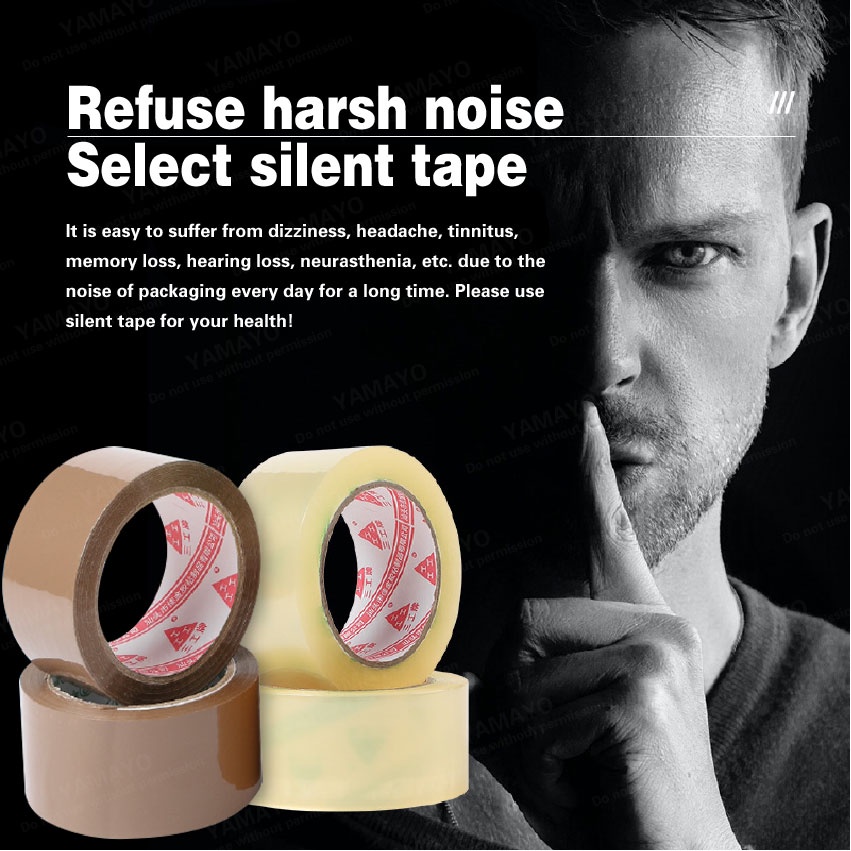
A stock image related to Low noise tape.
In-depth Look: Manufacturing Processes and Quality Assurance for Low noise tape
Understanding the manufacturing intricacies behind low noise tape empowers B2B procurement teams to evaluate supplier capabilities, ensure specification compliance, and mitigate supply chain risks. For buyers sourcing from international markets—whether in Germany’s precision-driven industrial sector or Nigeria’s rapidly expanding logistics corridors—visibility into production workflows and quality assurance frameworks distinguishes commodity suppliers from strategic manufacturing partners.
What Raw Materials Determine Low Noise Tape Performance?
The foundation of premium low noise tape begins with biaxially oriented polypropylene (BOPP) film selection. Leading manufacturers utilize virgin polypropylene resins with controlled isotacticity levels to achieve the molecular alignment necessary for both tensile strength and acoustic dampening. The film undergoes sequential stretching processes—longitudinal and transverse orientation—to create a backing that balances rigidity with the flexibility required for quiet unwind characteristics.
Surface treatment proves critical during film preparation. Corona treatment at 38-42 dynes/cm ensures proper surface energy for adhesive anchoring, preventing delamination while maintaining the smooth release properties essential for noise reduction. Thickness consistency typically ranges between 25-35 microns (1.0-1.4 mil), with tighter tolerances (±0.5 micron) indicating superior extrusion equipment calibration. For buyers operating in humid climates common across South American or Southeast Asian distribution hubs, requesting films with anti-static additives prevents dust attraction that could compromise adhesive performance during extended storage.
How Is the Adhesive Applied in Low Noise Tape Manufacturing?
The coating stage represents the technical differentiator between standard packaging tape and true low noise variants. Manufacturers employ two primary adhesive systems: water-based acrylic emulsions and synthetic rubber-based hot melt compounds. Each requires distinct application methodologies.
Water-based acrylic systems utilize gravure or reverse-roll coating techniques, applying 20-25 grams per square meter (gsm) of adhesive mass. The coated web passes through multi-zone drying tunnels where temperature gradients (ranging from 60°C to 110°C) gradually evaporate moisture without creating bubbles or adhesive migration that could cause “squeaking” during unwind. This process demands precise humidity control (45-55% RH) to prevent premature skinning.
Hot melt adhesive application involves slot-die coating or extrusion lamination at elevated temperatures (130°C-160°C), followed by immediate chilling drums that set the adhesive structure. This method creates the “quiet release” characteristic through controlled cohesive failure mechanics, allowing the tape to unwind smoothly without the high-frequency vibrations that generate acoustic noise. Advanced lines incorporate online thickness gauges using beta-ray or infrared sensors to ensure coating uniformity within ±1 gsm tolerance.
What Slitting and Winding Processes Ensure Quiet Unwind Consistency?
Post-coating conversion requires specialized tension control systems to preserve the acoustic properties engineered during adhesive application. Slitting operations utilize razor or shear cutting mechanisms with tension zones calibrated to prevent edge deformation or micro-fractures in the BOPP film that could create whistling sounds during dispensing.
Winding technology significantly impacts final product performance. Differential winding shafts with pneumatic tension control maintain consistent roll hardness throughout the build, preventing telescoping or starring that causes uneven unwind forces. Manufacturers targeting high-volume B2B accounts typically utilize 3-inch (76mm) cores for machine application compatibility, while offering 1-inch (25mm) variants for handheld dispensers common in retail and office environments. The winding angle and contact pressure settings determine whether the tape exhibits the “easy unwind” characteristics essential for high-speed packaging lines without operator fatigue.
What Quality Control Tests Verify Low Noise Performance Standards?
Robust quality assurance protocols separate industrial-grade suppliers from commodity traders. Incoming raw material inspection includes melt flow index (MFI) testing for resin consistency and haze measurement for film clarity. During production, inline vision systems detect coating defects such as fisheyes or streaks that could compromise adhesion or create noise irregularities.
Finished goods testing encompasses peel adhesion (ASTM D3330) measuring 2.5-4.0 N/cm for standard applications, with higher ranges available for recycled corrugated board adhesion. Critically, acoustic testing utilizes decibel meters positioned at standardized unwind distances (typically 30cm) to verify noise levels remain below 60dB—significantly quieter than conventional tapes exceeding 75dB. Shear strength testing (ASTM D3654) ensures the adhesive maintains holding power across the specified service temperature range (typically -10°C to 60°C for acrylic systems, extending to 80°C for hot melt variants).
Environmental stress screening includes accelerated aging chambers where samples undergo thermal cycling to simulate extended warehouse storage in tropical climates, ensuring the low noise properties persist throughout the product lifecycle.
How Can B2B Buyers Customize Manufacturing Specifications?
Sophisticated manufacturers offer customization tiers that extend beyond simple dimensional variations. Custom printing capabilities utilizing flexographic or rotogravure presses allow for up to six-color branding on the BOPP film, with the printing layer positioned between the film and adhesive to prevent ink transfer during application. This “print-under” technique maintains the smooth surface essential for quiet unwind while providing tamper-evident branding opportunities.
For buyers managing cold chain logistics or pharmaceutical distribution, manufacturers can adjust adhesive formulations to maintain tack at sub-zero temperatures or incorporate UV stabilizers for outdoor storage applications. Core labeling and individual roll wrapping using moisture-barrier films extend shelf life in high-humidity environments prevalent in coastal African or Latin American markets.
When evaluating potential suppliers, request documentation of their statistical process control (SPC) capabilities, including Cpk indices for critical parameters like coating weight and unwind force consistency. Suppliers utilizing ISO 9001:2015 certified systems with dedicated QC laboratories demonstrate the process discipline necessary for supporting just-in-time inventory strategies across international supply chains.
By scrutinizing these manufacturing and quality assurance elements, procurement professionals secure tape solutions that deliver measurable operational benefits—reduced workplace noise pollution, improved packing line efficiency, and consistent seal integrity—while meeting the regulatory and performance standards demanded by diverse regional markets.
Practical Sourcing Guide: A Step-by-Step Checklist for ‘Low noise tape’
Procuring low-noise tape for international operations requires balancing acoustic performance with climate resilience and supply chain reliability. This checklist provides actionable steps for B2B buyers managing procurement across diverse regulatory environments and temperature zones, from German manufacturing facilities to Nigerian distribution centers.
Step 1: How Do You Define Application Requirements and Volume Specifications?
Begin by mapping your operational environment to determine whether you need manual handheld dispensers for retail packaging or machine-grade rolls for automated carton sealing. Calculate monthly consumption to select between standard 55-yard rolls for intermittent usage or 110-yard industrial lengths for high-volume repetitive packaging. If operating in noise-sensitive environments such as Middle Eastern mailrooms or European offices, specify maximum decibel thresholds and core size requirements (2-inch versus 3-inch widths) upfront to ensure compatibility with existing dispensers.
Step 2: What Technical Specifications Ensure Quiet Performance and Climate Resilience?
Verify that prospective tapes utilize hot melt or water-based acrylic adhesives specifically engineered for noiseless release and easy unwind. Request technical data sheets confirming tensile strength of at least 24 pounds per inch and elongation properties capable of sealing irregular, over-stuffed cartons. For buyers in Nigeria, South America, or the Middle East, prioritize tapes with service temperature ranges extending to 120°F (50°C) to prevent adhesive degradation during high-temperature storage or container transit.
Step 3: How Should You Evaluate Supplier Customization and OEM Capabilities?
Assess whether manufacturers offer custom printing capabilities for branded packaging tape, which adds marketing value while maintaining low-noise properties. Confirm OEM service availability and flexibility regarding backing materials and adhesive formulations. Verify that suppliers can accommodate mixed container loads if sourcing multiple specifications (such as clear versus tan BOPP film) for diverse operational needs across African and European distribution networks.
Step 4: What Quality Control Protocols Validate Consistency Across Batches?
Insist on suppliers with documented QC systems tracking raw BOPP film quality from extrusion through final coating. Request pre-production samples to test unwind noise levels and adhesion performance on recycled corrugated—particularly critical for sustainability-focused German markets. Verify that shear strength testing protocols are in place to prevent tape failure on heavy cartons during rough handling in international shipping.
Step 5: How Do You Navigate Logistics and Temperature Considerations for International Shipping?
Clarify Incoterms and moisture-protection packaging standards for sea freight to humid climates like coastal Nigeria or Brazil. Confirm production lead times: typically 45 days for initial orders and 30 days for repeat shipments, with 7-day sample turnaround. Ensure compliance with regional packaging regulations for food and beverage applications, and verify that application temperature ranges (ideally 32°–110°F) align with your warehouse climate control capabilities.
Step 6: What Are the Critical Contract Terms for Long-Term Procurement?
Negotiate volume-based pricing tiers and locked raw material rates to mitigate polypropylene price volatility. Establish clear acceptance criteria for noise level testing upon delivery, including decibel measurement methodologies. Define penalty clauses for temperature-related adhesive failures and secure technical documentation in English, German, or local languages as required by your regional procurement teams, ensuring seamless communication across your international supply chain.
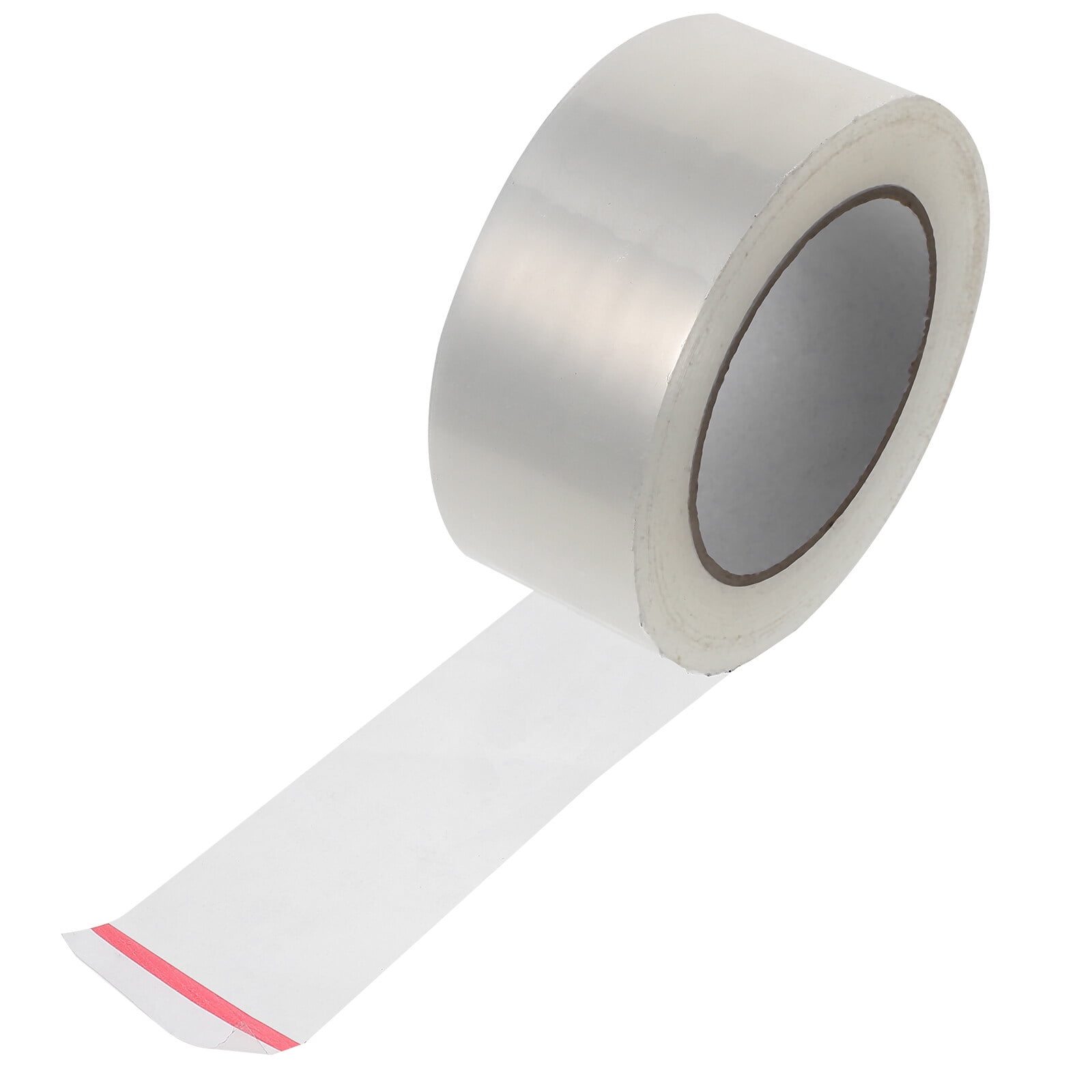
A stock image related to Low noise tape.
Comprehensive Cost and Pricing Analysis for Low noise tape Sourcing
When sourcing low noise tape for international distribution, understanding the complete cost architecture beyond unit pricing ensures sustainable procurement strategies. The global supply chain for BOPP-based low noise packaging tape involves multiple cost layers that vary significantly between hot melt and acrylic formulations, particularly when shipping to emerging markets in Africa, South America, and the Middle East.
What Factors Drive Low Noise Tape Pricing in Global Markets?
Raw material volatility significantly impacts low noise tape costs, with BOPP film backing and adhesive formulations representing 60-70% of total production expenses. Hot melt adhesives typically command premium pricing over water-based acrylic alternatives due to superior elongation properties and performance on over-stuffed cartons, though acrylic options offer better clarity retention and yellowing resistance for long-term storage applications. Thickness specifications—commonly ranging from 2.0 to 2.5 mil—directly correlate with per-roll pricing, while custom printing capabilities and OEM branding requirements add 15-25% to base manufacturing costs.
How Do Volume Tiers and Packaging Configurations Affect Unit Economics?
Standard packaging configurations of 36 rolls per case versus bulk pallet quantities create distinct pricing breakpoints for international buyers. First-time orders typically require 45-day production lead times compared to 30-day turnaround for repeat shipments, impacting inventory carrying costs and working capital requirements. Procurement teams should evaluate whether to purchase mixed containers combining multiple widths (2-inch standard versus 3-inch industrial) or commit to single-SKU volumes to maximize freight efficiency and reduce per-unit landed costs.
What Hidden Costs Impact Total Landed Pricing for Cross-Border Sourcing?
Beyond factory gate pricing, international buyers must factor in moisture-resistant packaging requirements for sea freight to Africa and South America, quality control inspections covering raw materials through final shipment, and regional compliance certifications. Custom printed low noise tape requires additional plate charges and minimum order quantities of 5,000+ rolls, making private labeling economically viable only for established distribution channels. Strategic sourcing involves balancing economy-grade options for high-volume carton sealing against heavy-duty formulations for irregular shapes and recycled corrugated applications.
How Can Buyers Optimize Cost Efficiency Through Technical Specifications?
Selecting appropriate adhesive technology for specific climate conditions prevents costly application failures—hot melt formulations perform optimally in 45-110°F application ranges, while acrylic systems maintain adhesion in broader temperature windows critical for Middle Eastern and European warehouse environments. Evaluating tensile strength requirements (typically 24 pounds per inch) against actual use cases eliminates over-specification. Additionally, coordinating sample approval processes within the standard 7-day window prevents production delays that trigger expedited shipping premiums.
By analyzing these interconnected cost drivers—from adhesive chemistry and mil thickness to container optimization and regional climate requirements—procurement teams can structure low noise tape sourcing strategies that balance acoustic performance requirements with total cost of ownership across diverse international markets.
Alternatives Analysis: Comparing Low noise tape With Other Solutions
Selecting the optimal carton sealing method requires balancing acoustic comfort, operational throughput, and regional compliance standards. While low noise tape addresses workplace noise regulations prevalent in EU manufacturing and urban logistics centers across Africa, procurement teams must weigh its benefits against conventional high-speed alternatives and emerging sustainable options. This is particularly critical when managing diverse supply chains spanning German automotive parts distribution to Nigerian agricultural exports, where climate conditions and facility infrastructure vary dramatically. The following analysis examines how low noise tape compares to standard polypropylene solutions and water-activated reinforced systems across critical B2B procurement criteria.
| Comparison Aspect | Low Noise Tape | Standard BOPP Acrylic Tape | Water-Activated Reinforced Tape |
|---|---|---|---|
| Noise Level (Unwind) | <35 dB (whisper quiet) | 65–75 dB (high-frequency screech) | 40–50 dB (mechanical dispenser noise) |
| Cost per Meter | $0.02–$0.04 | $0.01–$0.02 | $0.05–$0.08 |
| Application Speed | 2–3 seconds per seal | 2–3 seconds per seal | 5–7 seconds per seal (including dwell time) |
| Security/Tamper Evidence | Low (can be resealed) | Low (can be resealed) | High (bonds to carton fibers, shows damage) |
| Climate Resistance | -10°C to 60°C (Hot Melt adhesive) | 0°C to 50°C (Standard Acrylic) | Sensitive to extreme humidity |
| Equipment Requirements | Handheld dispenser or automated | Handheld dispenser or automated | Water reservoir dispenser (capital investment) |
| Best Use Case | Offices, retail, food/beverage | General warehousing, non-sensitive areas | High-value goods, e-commerce exports |
When Is Standard BOPP Tape the Smarter Procurement Choice?
Standard biaxially oriented polypropylene (BOPP) tape continues to dominate high-volume fulfillment centers where decibel levels are not regulated and cost-per-seal drives procurement decisions. While the unwind process generates significant acoustic disturbance—often exceeding 70 dB in rapid application environments—this conventional option offers 30–40% lower material costs than specialized low noise variants. For B2B buyers operating non-climate-controlled warehouses in South America or the Middle East, standard hot-melt acrylic tapes provide reliable adhesion across broad temperature ranges without the premium pricing associated with noise-reduction technology. However, facilities in densely populated European urban centers or shared office-warehouse spaces in Lagos may find the acoustic trade-off incompatible with local noise ordinances or employee satisfaction initiatives.
Can Water-Activated Tape Replace Low Noise Solutions for Secure Shipping?
Water-activated tape (WAT), also known as gummed paper tape, serves as a structural alternative when tamper evidence and sustainability credentials outweigh pure application speed. Unlike pressure-sensitive low noise tape, WAT forms a mechanical bond with corrugated fibers, creating a seal that shows immediate visual evidence of interference—critical for high-value electronics and pharmaceutical shipments to German markets. The application process generates moderate noise (40–50 dB) from the water-activated dispensing units, significantly quieter than standard synthetic tapes but requiring a 3–5 second dwell time per seal. While the initial investment in dispensers exceeds handheld low noise tape guns, WAT eliminates plastic waste and performs reliably in dusty conditions common in Middle Eastern distribution hubs, though humidity sensitivity may limit effectiveness in tropical West African climates during monsoon seasons.
Essential Technical Properties and Trade Terminology for Low noise tape
Low-noise tape, often specified for office environments, pharmaceutical facilities, and retail distribution centers across global markets, relies on precise material engineering to minimize acoustic disturbance during high-volume application. Unlike standard polypropylene tapes that produce sharp tearing sounds during unwind, these specialized products utilize specific adhesive chemistries and film formulations to dampen noise while maintaining structural integrity. For international procurement teams operating across diverse climates—from the humidity of West Africa to the temperature fluctuations of Central Europe—understanding the technical distinctions between product grades ensures compliance with both operational safety standards and end-user comfort requirements.
Which Adhesive Chemistry Delivers True Noise Reduction?
The primary distinction lies between hot-melt rubber-resin adhesives and water-based acrylic formulations. Hot-melt systems provide the characteristic “quiet release” essential for noise-sensitive environments, offering immediate tack and superior adhesion to corrugated fibers with minimal acoustic signature. Acrylic adhesives, while offering excellent clarity retention and resistance to yellowing, typically generate slightly higher unwind decibel levels but perform exceptionally in temperature-fluctuating environments and on high-recycled-content corrugate common in European sustainability frameworks.
What Tensile Strength Specifications Ensure Load Security?
Industrial-grade low-noise tapes typically exhibit tensile strength ratings of approximately 24 pounds per inch of width (42 N/cm), ensuring cartons remain sealed under stacking pressure and transit stress. Equally critical is elongation percentage—often exceeding 150%—which allows the tape to conform to irregular box geometries and over-stuffed cartons without snapping or lifting at the edges during last-mile delivery.
How Do Temperature Ranges Affect Cross-Border Logistics?
Application temperature ranges (typically 0°C to 40°C / 32°F to 104°F) indicate safe dispensing conditions, while service temperature ranges (-12°C to 50°C / 10°F to 120°F) define operational limits for stored goods. Buyers sourcing for multi-climate distribution—such as Middle Eastern heat or high-altitude South American cold—must verify that adhesive glass transition temperatures accommodate extreme seasonal variations without adhesive creep or brittleness.
What Film Thickness and Core Standards Ensure Equipment Compatibility?
Standard film calipers range from 2.0 to 2.5 mil (50–65 microns), balancing material economy with puncture resistance. Core dimensions universally follow 3-inch (76mm) internal diameter standards for automated carton sealers, while manual dispensers accommodate 2-inch widths (48mm) or 3-inch widths (72mm) depending on regional packaging norms.
What Is “Silent Unwind” in Packaging Specifications?
This term refers to the controlled release of tape from the roll at decibel levels typically below 60 dB, achieved through specialized release coatings that reduce friction between the adhesive layer and the polypropylene backing during dispensing.
What Does “Hot Melt” Indicate in Procurement Documents?
In trade contexts, “hot melt” denotes synthetic rubber-based adhesives applied in molten state during manufacturing, distinct from solvent-based systems. These provide aggressive initial tack and are synonymous with low-noise characteristics, though they may exhibit lower shear resistance than acrylic alternatives in high-heat environments.
How Is “BOPP” Film Defined in Technical Data Sheets?
Biaxially Oriented Polypropylene refers to the film substrate stretched in both machine and transverse directions, creating molecular alignment that delivers high tensile strength, dimensional stability, and moisture resistance essential for export packaging to tropical climates.
What Constitutes “Over-Stuffed Carton” Sealing?
A trade classification describing cartons exceeding 95% volumetric capacity or with bulging sidewalls, requiring tape with high elongation and conformability to maintain seal integrity despite uneven stress distribution.
What Is “Shear Strength” and Why Does It Matter?
Shear strength measures resistance to sliding forces parallel to the substrate. High shear values (measured in hours until failure under standard load) prevent tape from creeping or flagging on vertical carton surfaces during palletized storage.
What Does “Custom Slitting” Mean for B2B Orders?
Refers to manufacturing flexibility allowing conversion of master rolls into non-standard widths (e.g., 25mm, 72mm, 144mm) or private-label printing, critical for buyers requiring branded security tape or specialized automated packaging line configurations.
Navigating Market Dynamics and Sourcing Trends in the Low noise tape Sector
What Are the Current Market Dynamics Shaping Low Noise Tape Demand Globally?
The global low noise tape market is experiencing robust expansion, driven by rapid urbanization in emerging economies and increasingly stringent workplace noise regulations in developed regions. African and South American markets are witnessing accelerated adoption as logistics infrastructure modernizes and retail distribution centers relocate to urban peripheries where noise ordinances restrict industrial operations. European buyers—particularly in Germany—prioritize compliance with occupational noise directives that mandate quieter packaging operations in mixed-use facilities and residential-adjacent warehouses. Supply chain volatility remains a critical concern, with fluctuations in polypropylene resin prices compelling procurement teams to secure multi-year contracts with manufacturers who maintain strategic raw material inventories. Additionally, the shift toward 24/7 fulfillment models has elevated demand for silent unwinding properties that enable overnight operations without violating local noise restrictions, fundamentally changing how B2B buyers evaluate tape performance beyond basic adhesion metrics.
How Is the E-Commerce Transformation Reshaping Low Noise Tape Procurement Strategies?
The exponential growth of e-commerce has fundamentally altered purchasing patterns, with B2B buyers now requiring high-volume, consistent quality deliveries that support automated packaging lines while maintaining acoustic comfort for workers and surrounding communities. This dual requirement has spurred innovation in hot melt adhesive formulations that offer both machine-grade tensile strength and whisper-quiet release characteristics, moving beyond traditional acrylic options that often generate unwelcome noise during high-speed application. Procurement teams are increasingly favoring suppliers capable of custom printing capabilities—allowing for branded packaging that maintains low-noise properties—particularly valuable for Middle Eastern retail markets where the unboxing experience differentiates luxury goods and consumer electronics. Furthermore, the trend toward over-stuffed cartons in shipping optimization has heightened demand for tapes with enhanced elongation properties that seal irregular shapes quietly, reducing both material waste and acoustic disturbance in high-velocity packing environments where worker comfort directly impacts retention rates.
Which Industries Are Driving Innovation in Silent Sealing Solutions?
Beyond traditional warehousing, pharmaceutical and medical distribution centers are emerging as high-growth sectors for low noise tape adoption, requiring silent sealing for hospital-adjacent facilities and cleanroom environments where acoustic pollution interferes with sensitive diagnostic operations and patient recovery areas. The food and beverage sector, particularly in European supermarkets and rapidly modernizing Nigerian retail chains, utilizes these tapes extensively for late-night restocking operations where municipal noise restrictions severely limit traditional packaging activities. Electronics manufacturers favor low noise variants for their compatibility with recycled corrugated materials—a growing sustainability requirement—while maintaining the quiet release necessary for precision assembly environments where concentration is paramount. These sector-specific demands are pushing manufacturers to develop specialized formulations, including water-based acrylic adhesives that perform reliably in colder storage conditions without the snap and crackle associated with conventional pressure-sensitive tapes, thereby expanding application possibilities into temperature-controlled supply chains.
What Sustainability Considerations Should B2B Buyers Prioritize When Sourcing Low Noise Tape?
Environmental responsibility in low noise tape procurement extends beyond basic recyclability to encompass the entire adhesive chemistry lifecycle and end-of-life processing capabilities. Water-based acrylic formulations, while delivering superior quiet release characteristics, typically offer significantly lower volatile organic compound (VOC) emissions compared to solvent-based alternatives, aligning with strict EU REACH regulations and emerging Middle Eastern environmental standards for industrial materials. Buyers should evaluate material efficiency through thin-gauge BOPP film options that reduce overall plastic usage without compromising the elongation properties critical for sealing over-stuffed cartons in e-commerce applications. Carbon footprint analysis must account for shipping logistics and manufacturing location; sourcing from suppliers with regional distribution hubs in Europe or established African trade corridors can significantly offset the environmental impact of transcontinental freight from primary Asian production centers. Additionally, inquire about liner recycling programs and whether the tape’s adhesive chemistry allows for corrugated box repulping without contamination—essential for circular economy initiatives in German manufacturing and Nigerian agricultural export sectors where packaging reuse is economically critical.
How Can International Buyers Ensure Ethical and Compliant Supply Chain Partnerships?
Establishing reliable sourcing relationships requires rigorous due diligence that extends beyond product specifications to encompass manufacturing ethics and regulatory compliance across diverse international markets. Verify that potential suppliers maintain ISO 9001 quality management systems and provide transparent documentation regarding factory working conditions and labor standards, particularly when sourcing from high-volume manufacturing regions where oversight may vary. For European markets, confirm REACH compliance, RoHS certification, and adherence to German Packaging Act requirements to avoid regulatory penalties and import delays, while African buyers should prioritize suppliers with established local distributor networks or bonded warehouse facilities to ensure consistent technical support and inventory availability during currency fluctuations. Request detailed quality control protocols, including batch testing for adhesive consistency and noise level certifications measured in decibels during unwind operations. Ethical procurement also involves evaluating payment security mechanisms, supplier financial stability, and contingency planning capabilities to mitigate disruption risks. Leading manufacturers now offer OEM customization with shorter lead times—typically 30 days for repeat orders—enabling buyers to balance cost efficiency with supply chain resilience through diversified sourcing strategies that reduce dependency on single-source vulnerabilities.
Frequently Asked Questions (FAQs) for B2B Buyers of Low noise tape
What is low noise packing tape and how does it minimize operational noise in high-volume packaging environments?
Low noise packing tape is a specialized pressure-sensitive adhesive engineered with modified hot melt or water-based acrylic formulations that unwind smoothly without the high-frequency screeching associated with standard polypropylene tapes. The noise reduction occurs through advanced adhesive coating techniques and film backing treatments that dampen vibration during unwind, typically reducing acoustic levels by 50-70% compared to conventional options. This acoustic profile makes it essential for 24/7 distribution centers, office-adjacent warehouses, and urban logistics hubs across Europe, Africa, and the Middle East where noise ordinances or neighbor relations restrict operating hours.
Does low noise tape offer the same tensile strength and adhesion as standard acrylic or solvent-based packaging tape?
Premium low noise tapes deliver comparable tensile strength—typically 24 pounds per inch of width—and often exceed standard tapes in elongation properties, making them superior for over-stuffed cartons and irregular export loads. Modern hot melt adhesive systems provide excellent shear strength and immediate adhesion to recycled corrugated materials, ensuring secure seals during the rigors of international shipping. While early formulations compromised on aggression, current BOPP film-backed varieties now match or surpass standard acrylic tapes in both initial tack and long-term holding power, even when subjected to the temperature fluctuations common in African and South American transit routes.
Why should international B2B operations switch to low noise tape for their packaging and logistics workflows?
Switching to low noise tape generates measurable improvements in workplace safety and employee wellbeing by eliminating acoustic stress that contributes to warehouse fatigue during repetitive volume packaging. For operations in densely populated German industrial zones or Nigerian urban centers, noise reduction helps maintain compliance with local environmental regulations while enabling extended operating hours without community disturbance. Additionally, the consistent unwind force and easy release reduce operator strain and increase line speeds, delivering productivity gains that typically offset implementation costs within the first quarter of deployment.
How does the cost per unit of low noise tape compare to standard packaging tape, and what is the total cost of ownership?
Low noise tape typically commands a 10-15% premium over economy-grade standard tapes, though pricing converges when compared to premium acrylic alternatives commonly used in professional export packaging. Total cost of ownership calculations must factor in reduced worker compensation claims from repetitive strain injuries, faster application speeds, and the elimination of noise mitigation equipment previously required in packaging areas. For high-volume exporters in the Middle East and South America, the ability to operate packaging lines during evening hours without noise complaints often generates logistics savings that significantly outweigh the per-roll price differential.
What temperature ranges and climate conditions can low noise tape withstand during international shipping and storage?
Quality low noise tapes maintain performance across application temperatures of 0°C to 43°C (32°F to 110°F) and service temperatures ranging from -12°C to 49°C (10°F to 120°F), accommodating the diverse climates of European winters, Middle Eastern deserts, and tropical African regions. The hot melt adhesive systems perform reliably in cold storage applications, retaining tack in refrigerated supply chains critical for food and pharmaceutical exports. Buyers should verify specific humidity resistance ratings with manufacturers, as specialized formulations offer enhanced performance in monsoon seasons or high-humidity port environments prevalent in certain export corridors.
Can low noise tape be customized with company logos, handling instructions, or branding elements for export packaging?
Most low noise tape manufacturers offer comprehensive customization services including up to six-color printing, allowing B2B buyers to incorporate handling instructions, QR codes, or brand messaging directly onto the quiet-release film. Custom printing is available on both clear and tan BOPP film backings, with water-based acrylic adhesives particularly suited for maintaining print clarity and colorfastness during extended international transit. Lead times for customized low noise tape typically range from 30-45 days for initial orders, with repeat orders reducing to approximately 30 days, making it viable for seasonal export campaigns and consistent brand presentation across global markets.
Is low noise tape compatible with both manual handheld dispensers and automated carton sealing machines?
Low noise tape is engineered for operational versatility, performing reliably in lightweight handheld dispensers with pistol grips for manual packing stations while feeding smoothly through automated case sealers and random taping machines. The consistent unwind force and anti-static properties prevent jamming in high-speed automation lines, a critical consideration for German automotive suppliers or Brazilian agricultural exporters running continuous operations. When integrating with existing machinery, verify core size compatibility—typically 3-inch cores for industrial dispensers—and ensure tension settings accommodate the tape’s specific elongation characteristics to prevent stretching or misalignment.
What quality control certifications and postal regulations should B2B buyers verify when sourcing low noise tape for international shipments?
Reputable suppliers should provide ISO 9001 quality management certifications and demonstrate compliance with international postal regulations for standard packages, ensuring acceptance by postal services across Europe, Africa, and the Americas. Buyers should request test reports verifying adhesive aging standards, tensile strength consistency, and resistance to yellowing for clear acrylic variants used in retail-ready packaging. For food and beverage exports, verify that water-based acrylic adhesives meet FDA or EU food contact material regulations, while pharmaceutical distributors should confirm medical-grade compliance for secondary packaging applications in regulated markets.
Important Disclaimer & Terms of Use
⚠️ Important Disclaimer
The information provided in this guide, including content regarding manufacturers, technical specifications, and market analysis, is for informational and educational purposes only. It does not constitute professional procurement advice, financial advice, or legal advice.
B2B buyers must conduct their own independent and thorough due diligence before making any purchasing decisions. The risk of relying on any information in this guide is borne solely by the reader.
Top 3 Low Noise Tape Manufacturers & Suppliers List
1. Partech – Low Noise OPP Packing Tape
Domain: partech-packing.com
Registered: 2023 (3 years)
Introduction: Product Name: Low Noise OPP Packing Tape. Manufacturer: Partech® (Yilane (Shanghai) Industrial Co Ltd), China. Material: High-quality OPP (Oriented Polypropylene). Key Features: Low noise design that reduces unwelcome sound during application compared to regular packing tapes; incredibly sticky adhesive; secure sealing. Protection: Prevents tampering; protects packages from dirt, dust, moisture, a…
2. Tape Suppliers – Industrial Adhesive Tapes
Domain: tapesuppliers.com
Registered: 2007 (19 years)
Introduction: The page lists various tape categories including 3M Tape, Adhesive Tape, Carpet Tape, Cloth Tape, Duct Tape, Electrical Tape, Foam Tape, Foil Tape, High Temperature Tape, Masking Tape, PTFE Tape, Sealing Tape, Teflon Tape, and Vinyl Tape. Additionally, services such as die cutting and custom tape solutions are mentioned to meet specific industrial qualifications.
3. 3M – VHB Tape
Domain: taglues.com
Registered: 2024 (2 years)
Introduction: 3M Company: VHB high-strength double-sided tape, industrial tape, automotive tape, electrical tape, medical tape for building curtain walls, automotive structural bonding, electronic equipment assembly. CCT Tape: Industrial tape, medical tape, high-performance pressure-sensitive tapes for door/window manufacturing, medical industry, optical equipment. MBK Tape Solutions: Double-sided tape, foam ta…
Strategic Sourcing Conclusion and Outlook for Low noise tape
As global logistics networks expand into noise-sensitive environments—from European distribution centers to Middle Eastern pharmaceutical facilities—low noise tape has transitioned from a niche convenience to a strategic procurement asset. Forward-thinking buyers must balance immediate operational needs with long-term supply chain resilience when sourcing these specialized adhesive solutions.
How Should International Buyers Evaluate Low Noise Tape Suppliers Beyond Price?
When sourcing from manufacturers across Asia, Europe, or the Americas, prioritize partners demonstrating robust QC protocols from raw material through finished goods, alongside proven OEM capabilities for branded packaging. Lead time transparency—typically 7 days for samples and 30-45 days for production runs—remains critical for inventory planning in regions like Africa and South America where logistics complexity demands reliable buffer stock.
Which Adhesive Technology Offers Superior ROI for Your Climate and Application?
Hot melt formulations excel in high-speed, over-stuffed carton applications prevalent in retail and e-commerce, while water-based acrylics provide superior clarity and temperature stability for pharmaceutical and food distribution in varying climates. Match your adhesive chemistry to regional temperature ranges and substrate compatibility, particularly when sealing recycled corrugated common in European sustainability initiatives.
The convergence of workplace comfort regulations and e-commerce growth positions low noise tape as essential infrastructure. Buyers securing reliable suppliers with customizable, climate-appropriate solutions today will gain competitive advantage in tomorrow’s noise-conscious market.