Introduction: Navigating the Global Market for Aluminum Duct Tape
When managing large-scale HVAC installations, construction projects, or industrial maintenance across diverse climates—from the humid coastlines of Nigeria to the extreme temperature fluctuations of the Middle East—procurement teams face a critical challenge: sourcing aluminum duct tape for mission-critical sealing applications that withstands thermal stress, moisture intrusion, and regulatory variance without compromising project timelines or budgets. The global marketplace offers myriad options, yet navigating the intersection of quality certifications, adhesive compatibility, and regional supply chain reliability remains a complex undertaking for B2B buyers seeking consistent performance in demanding environments.
Why do international buyers struggle with aluminum tape procurement across emerging markets?
International buyers frequently encounter significant friction when vetting suppliers capable of delivering temperature-resistant, waterproof sealing solutions that comply with varying regional standards. From counterfeit adhesive formulations in unregulated markets to logistical complexities affecting lead times in South America and Africa, the risks extend beyond unit pricing to encompass project integrity and long-term maintenance costs. Understanding the distinction between standard foil tapes and reinforced HVAC-grade alternatives becomes crucial when specifications directly impact energy efficiency and system longevity in extreme operational conditions.
How can procurement teams optimize their aluminum duct tape sourcing strategy?
This comprehensive resource addresses the full procurement lifecycle—from technical specifications and application-specific types (including high-temperature, reinforced, and conductive variants) to rigorous supplier vetting protocols and cost-optimization strategies. Whether you are sourcing for European manufacturing standards, Middle Eastern infrastructure projects, or emerging industrial sectors in Vietnam and Nigeria, this guide provides actionable frameworks for quality verification, compliance navigation, and supply chain resilience. By translating complex material science into practical procurement intelligence, we enable B2B buyers to secure aluminum duct tape solutions that deliver measurable ROI across international construction, automotive, and industrial sectors.
Understanding Aluminum Duct Tape Types and Variations
| 유형 이름 | 주요 차별화 기능 | 주요 B2B 애플리케이션 | 구매자를 위한 간략한 장단점 |
|---|---|---|---|
| Standard Aluminum Foil Tape | Dead-soft aluminum backing (30-50 microns); acrylic or rubber adhesive; temp range -30°C to 150°C; high conformability | HVAC duct sealing, light insulation wrapping, general maintenance, packaging | Pros: Cost-effective for bulk orders, versatile, easy hand-tear application. Cons: Limited mechanical strength, degrades under heavy mechanical stress, shorter lifespan in extreme UV |
| Reinforced Aluminum Tape (Scrim) | Aluminum laminated to fiberglass mesh/scrim; high tensile strength; puncture resistant; dimensional stability | Heavy-duty ductwork, insulation panel joining, industrial pipe wrapping, construction vapor barriers | Pros: Superior tear resistance, maintains structural integrity under thermal expansion, suitable for rough handling. Cons: Reduced flexibility on complex geometries, higher per-meter cost, requires careful application to avoid wrinkles |
| High-Temperature Aluminum Tape | Silicone adhesive backing; withstands 300°C to 600°C+; thermal stability; chemical resistant | Automotive heat shields, aerospace components, industrial furnace sealing, exhaust system repairs | Pros: Extreme heat resistance, excellent aging properties, maintains adhesion during thermal cycling. Cons: Premium pricing, requires meticulous surface preparation, longer cure times before full bond strength |
| Conductive Aluminum Tape | Electrically conductive adhesive or backing; low impedance; EMI/RFI shielding properties | Electronics manufacturing, cable shielding, telecommunications grounding, data center construction | Pros: Provides electromagnetic interference protection, maintains electrical continuity, corrosion resistant. Cons: Specialized application requirements, higher procurement costs, performance sensitive to surface oxidation |
What is Standard Aluminum Foil Tape and When Should You Use It?
This entry-level variant features a dead-soft aluminum foil backing paired with either acrylic or synthetic rubber adhesives, offering operational temperatures up to 150°C. For B2B buyers managing HVAC installations or light industrial insulation across varying climates, this type delivers optimal cost-efficiency for high-volume procurement. When sourcing, prioritize acrylic formulations for humid tropical environments common in Southeast Asia and West Africa, as they resist moisture-induced delamination better than rubber-based alternatives. Ensure your supplier provides consistent roll lengths and thicknesses (typically 30-50 microns) to minimize waste during large-scale duct sealing operations, and verify shelf-life stability under tropical storage conditions exceeding 24 months.
How Does Reinforced Aluminum Tape Differ from Standard Variants?
Engineered with a fiberglass scrim or mesh laminated between aluminum layers, this variation provides exceptional tensile strength and tear resistance essential for heavy-duty construction and industrial maintenance. B2B purchasers should specify this type for insulation panel joining, underground ductwork, or applications requiring mechanical stability under thermal expansion. The reinforcement prevents elongation during application, crucial for maintaining vapor barrier integrity in Middle Eastern and European construction standards. However, verify that the scrim pattern allows sufficient conformability for corrugated duct surfaces, as overly rigid variants may compromise seal quality on irregular substrates. Request samples with easy-release liners to test application efficiency on your specific substrates.
Which High-Temperature Aluminum Tape Works Best for Extreme Industrial Environments?
Utilizing silicone-based pressure-sensitive adhesives capable of withstanding continuous exposure from -30°C to over 600°C, this grade serves critical applications in automotive manufacturing, aerospace maintenance, and industrial furnace sealing. Procurement teams in sectors like oil and gas or heavy machinery should prioritize this variant for exhaust systems and heat shielding components. When evaluating suppliers, confirm adhesive thermal cycling performance—critical for regions with extreme diurnal temperature variations like desert climates in North Africa or the Middle East. Note that silicone adhesives require longer cure times and pristine surface preparation to achieve optimal bond strength compared to standard acrylic options, and verify chemical resistance ratings for industrial solvent exposure.
Why Choose Conductive Aluminum Tape for Electronics and Telecommunications?
Specifically formulated with electrically conductive adhesives or specialized alloys, this type provides essential EMI/RFI shielding for telecommunications infrastructure, electronics manufacturing, and data center construction. As emerging markets in Africa and Southeast Asia expand their digital capabilities, B2B buyers must ensure compliance with international electromagnetic compatibility (EMC) standards. The tape maintains electrical continuity across seams while offering corrosion-resistant protection for sensitive components. Purchasing considerations include verifying surface resistivity specifications and ensuring compatibility with grounding
Key Industrial Applications of Aluminum Duct Tape
| 산업/섹터 | Specific Application of Aluminum Duct Tape | 비즈니스를 위한 가치/혜택 | 이 애플리케이션의 주요 소싱 고려 사항 |
|---|---|---|---|
| HVAC & Climate Control Systems | Sealing ductwork joints, air handler connections, and flexible duct repairs | Prevents up to 30% energy loss from air leakage; maintains system efficiency in extreme heat and humidity common in Middle Eastern and African climates | Specify acrylic adhesive rated for -30°C to 150°C; verify UV-resistant backing for exposed rooftop installations |
| Construction & Building Insulation | Joining insulation panels and sealing vapor barriers in walls, roofs, and facades | Creates airtight building envelopes that reduce thermal bridging; essential for meeting energy codes in rapidly urbanizing markets like Nigeria and Vietnam | Prioritize reinforced fiberglass scrim variants for tear resistance during high-speed installation |
| 자동차 제조 및 수리 | Heat shielding for exhaust components, fuel line protection, and cabin AC duct sealing | Withstands engine bay temperatures exceeding 600°F (315°C); extends component lifespan and ensures passenger comfort in commercial and passenger vehicles | Require high-temperature silicone adhesive; confirm automotive-grade certifications (e.g., ISO/TS 16949 compliance) |
| Cold Chain Logistics & Refrigeration | Sealing refrigeration piping joints and insulating cold storage panel connections | Prevents moisture ingress and condensation-related corrosion; maintains temperature integrity critical for food and pharmaceutical supply chains in humid regions | Select aggressive acrylic adhesives formulated for damp surface bonding; verify waterproof and mold-resistant ratings |
| Electrical Infrastructure & Cable Management | EMI/RFI shielding for data cables, grounding applications, and cable bundle wrapping | Blocks electromagnetic interference in industrial zones; ensures signal integrity and compliance with electrical safety standards in developing manufacturing hubs | Verify UL 510 flame retardant ratings; confirm conductive adhesive options meet local electrical codes |
How Does Aluminum Duct Tape Improve HVAC Efficiency in Extreme Climates?
In regions experiencing intense heat like the Middle East or humid conditions in Nigeria, HVAC systems operate under severe stress. Aluminum duct tape creates airtight seals at ductwork joints and air handler connections, preventing conditioned air leakage that can waste up to 30% of energy output. For international buyers, sourcing tapes with acrylic adhesives rated for -30°C to 150°C ensures performance during seasonal temperature swings, while UV-resistant backings prevent degradation in exposed rooftop installations common in commercial developments across Africa and South America.
What Role Does Aluminum Tape Play in Modern Construction and Insulation?
Rapid urbanization in markets like Vietnam and Nigeria demands building materials that accelerate construction while ensuring energy efficiency. Aluminum duct tape serves as the critical bonding agent for joining insulation panels and sealing vapor barriers in walls and roofing systems. It eliminates thermal bridging at panel joints, maintaining consistent R-values in both tropical humidity and desert heat. Procurement teams should prioritize reinforced fiberglass scrim variants that resist tearing during fast-paced installation schedules typical of large-scale residential and commercial projects in emerging economies.
Why is High-Temperature Aluminum Tape Essential for Automotive Applications?
Automotive manufacturers and repair facilities across South America and Eastern Europe require reliable heat management solutions for engine compartments and exhaust systems. High-temperature aluminum duct tape with silicone adhesives withstands continuous exposure to 600°F (315°C), making it ideal for shielding fuel lines, wiring harnesses, and cabin ventilation ducts. This application prevents component degradation and extends vehicle service life. Buyers should verify automotive-grade certifications and ensure suppliers provide consistent thickness tolerances critical for automated assembly line integration in growing manufacturing hubs.
How Can Aluminum Duct Tape Secure Cold Chain Infrastructure in Developing Markets?
Maintaining temperature integrity in refrigeration systems and cold storage facilities presents unique challenges in regions with inconsistent power grids, such as parts of Africa and Southeast Asia. Aluminum duct tape provides moisture-resistant sealing for refrigeration piping and insulation joints, preventing condensation-related corrosion and mold growth that compromise cold chain reliability. For B2B buyers, selecting tapes with aggressive acrylic adhesives that bond to damp surfaces becomes crucial, as does confirming waterproof ratings that protect against the high humidity prevalent in coastal Nigerian or Vietnamese logistics corridors.
How Does Aluminum Tape Protect Electrical Infrastructure in Industrial Zones?
Industrial expansion across the Middle East and Africa requires robust electromagnetic interference (EMI) shielding for data centers and manufacturing plants. Conductive aluminum duct tape wraps around cable bundles to block RFI signals and provide grounding pathways, ensuring uninterrupted operations in electrically noisy environments. For procurement teams in Europe and emerging markets, verifying UL 510 flame retardant ratings and conductive adhesive compatibility with local electrical codes ensures compliance while protecting critical infrastructure investments from signal degradation and potential fire hazards.
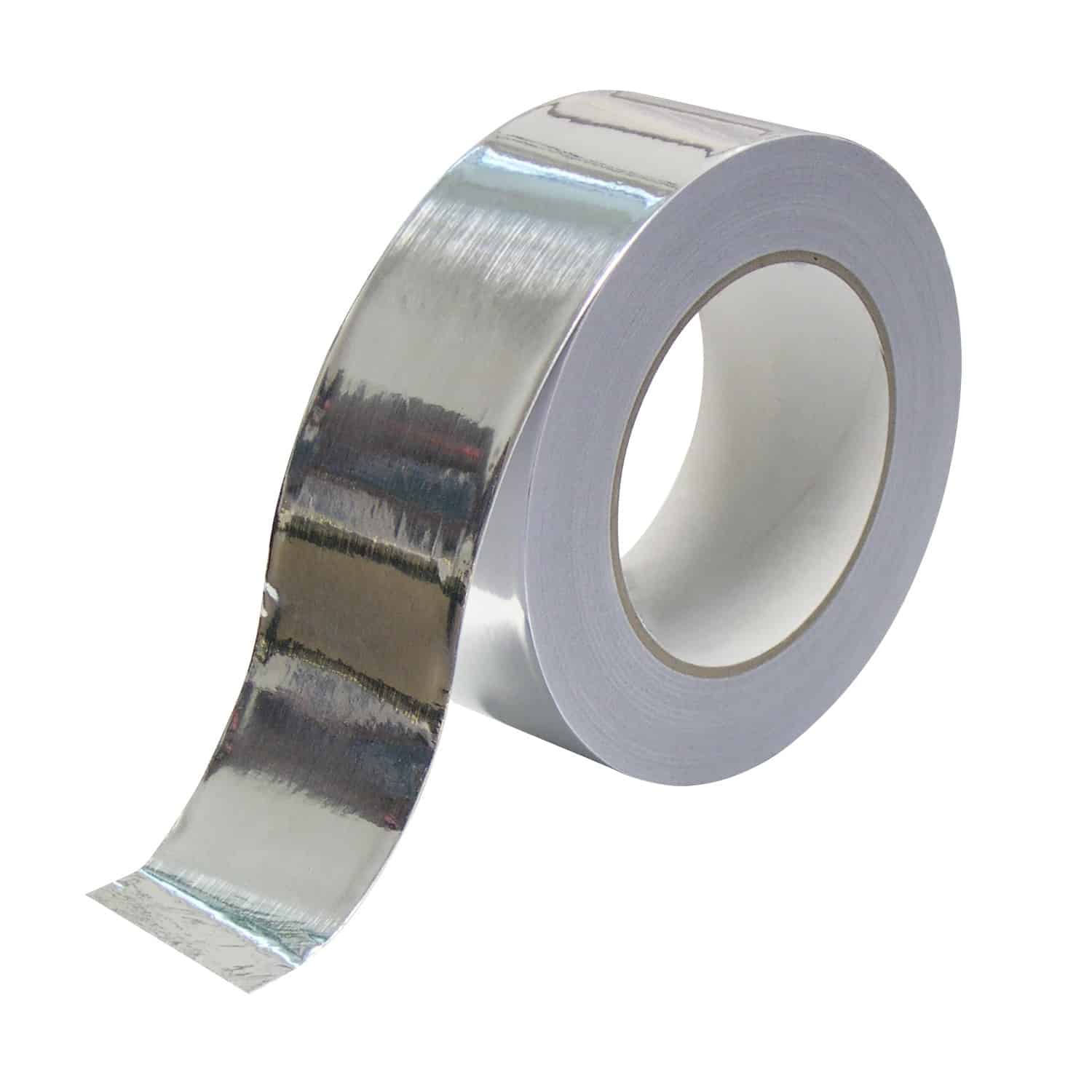
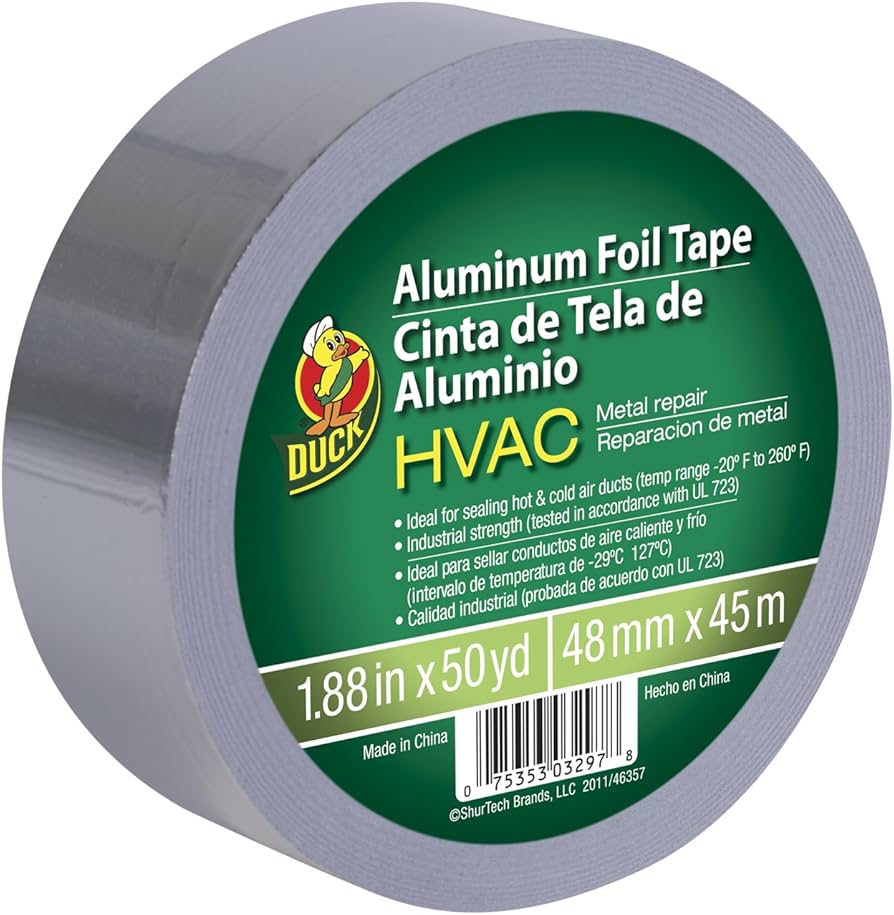
A stock image related to Aluminum Duct Tape.
3 Common User Pain Points for ‘Aluminum Duct Tape’ & Their Solutions
Scenario 1: Why Does My Aluminum Duct Tape Fail UL Certification Requirements for Commercial HVAC Systems?
문제: B2B procurement teams and HVAC contractors frequently encounter costly compliance rejections when aluminum duct tape fails to meet UL 181A-P or UL 181B-FX standards during building inspections. This issue is particularly acute in regulated markets across Europe, the Middle East, and North America, where municipal authorities require documented proof of flame-retardant properties and adhesion strength for rigid and flexible duct sealing. When tapes lack proper UL classification, projects face immediate work stoppages, penalty clauses, and expensive rework to remove and replace non-compliant materials, directly impacting profit margins and client relationships.
솔루션: Specify aluminum foil tapes explicitly manufactured to UL 181A-P standards for rigid fiberglass ductboards and UL 181B-FX for flexible duct systems. Verify that the tape utilizes a flame-retardant acrylic adhesive system rated for commercial HVAC temperature ranges, and request batch-specific UL certification documentation from your supplier before shipment. For international buyers sourcing from global manufacturers, ensure the product bears printed UL marks rather than just marketing claims, and confirm the foil thickness (typically 30-50 microns) meets structural requirements for mechanical sealing without tearing during application.
Scenario 2: How Can I Prevent Aluminum Tape Adhesive Failure in Extreme Temperature Industrial Applications?
문제: Industrial maintenance teams and automotive manufacturers consistently face adhesive degradation when deploying standard aluminum duct tape in high-heat environments exceeding 150°C (302°F). In aerospace, industrial oven maintenance, and engine compartment applications across Africa and the Middle East, acrylic-based tapes soften and delaminate under continuous thermal stress, compromising vapor seals and creating safety hazards. This failure mode is exacerbated by thermal cycling—where equipment heats during operation and cools overnight—causing differential expansion between the aluminum backing and substrate that standard adhesives cannot accommodate.
솔루션: Match the adhesive chemistry precisely to your operational temperature range. For continuous exposure above 150°C or intermittent peaks exceeding 300°C (572°F), specify silicone-based aluminum foil tapes rated for 600°F+ service temperatures. For moderate HVAC applications between -30°C and 150°C, high-tack acrylic adhesives provide optimal bonding. In high-vibration automotive or industrial settings, select fiberglass-reinforced aluminum tapes that provide mechanical stability and tear resistance under thermal expansion stress. Always verify thermal cycling resistance specifications with your supplier, particularly when sourcing for regions with extreme diurnal temperature variations.
Scenario 3: What Causes Poor Adhesion When Applying Aluminum Duct Tape in High-Humidity Environments?
문제: Construction contractors and MEP installers in tropical climates—particularly Southeast Asia, West Africa, and coastal South America—report widespread adhesion failures when sealing insulation panels or refrigeration lines with aluminum duct tape. High ambient humidity, combined with microscopic condensation on metal substrates and airborne industrial dust, prevents proper bonding between the acrylic adhesive and surface. This results in tape lifting at edges, moisture ingress into insulation systems, mold proliferation, and compromised thermal efficiency that violates energy efficiency standards for commercial buildings.
솔루션: Implement rigorous surface preparation protocols before application: clean all substrates with isopropyl alcohol to remove oils, oxidation, and dust, then ensure complete dryness using lint-free cloths. Specify aluminum foil tapes with aggressive high-humidity acrylic adhesives formulated specifically for tropical climates, and apply using a pressure roller to eliminate air bubbles and ensure 50% overlap on insulation joints. Store tape in climate-controlled environments prior to installation to prevent adhesive saturation from ambient moisture. For critical refrigeration and marine applications, select tapes with enhanced moisture vapor transmission resistance (MVTR) ratings and consider reinforced scrim options that maintain mechanical integrity even if initial surface bonding is compromised by condensation.
Strategic Material Selection Guide for Aluminum Duct Tape
Selecting the appropriate material composition for aluminum duct tape represents a critical procurement decision that directly impacts HVAC system longevity, thermal efficiency, and total installation costs. For international buyers operating across diverse climate zones—from the humid monsoon regions of Vietnam to the extreme heat of the Middle East and the industrial corridors of Nigeria—understanding the metallurgical and adhesive distinctions between foil grades ensures specification accuracy. Material selection determines not only immediate sealing performance but
A stock image related to Aluminum Duct Tape.
In-depth Look: Manufacturing Processes and Quality Assurance for Aluminum Duct Tape
Understanding the manufacturing intricacies behind aluminum duct tape empowers procurement teams to assess supplier capabilities beyond marketing claims. For B2B buyers operating in diverse climates—from the humid tropics of Nigeria and Vietnam to the extreme temperature fluctuations of the Middle East—manufacturing consistency directly correlates with field performance and project longevity. The production of industrial-grade aluminum tape involves precision metallurgy, controlled adhesive chemistry, and rigorous validation protocols that separate commodity products from engineered solutions.
How Is Aluminum Foil Backing Prepared for Industrial Tape Production?
The manufacturing process begins with aluminum alloy selection, typically utilizing 1100, 1145, or 1235 series aluminum for standard applications, or 3003/3004 alloys when enhanced tensile strength is required. Reputable manufacturers source cold-rolled foil with thickness tolerances of ±10% (commonly 0.018mm to 0.08mm) to ensure uniform conformability around ductwork irregularities.
Prior to adhesive coating, the foil undergoes surface preparation through corona treatment or chemical etching. This critical step increases surface energy from approximately 30 dynes/cm to over 38 dynes/cm, ensuring mechanical bonding with acrylic or silicone adhesives. For reinforced variants, fiberglass scrim (mesh density of 6×6 or 9×9 threads per inch) is laminated between dual foil layers or embedded via hot-melt calendaring processes. This reinforcement stage determines the tape’s tear resistance—essential for applications involving vibration-prone HVAC systems in industrial African or South American facilities.
What Adhesive Coating Technologies Ensure Climate Resilience?
The adhesive application phase distinguishes commodity tapes from performance-grade solutions. Manufacturers employ either solvent-based coating (for high-tack rubber adhesives) or hot-melt extrusion (for acrylic systems) in climate-controlled cleanrooms maintaining 45-55% relative humidity. Silicone-based adhesives, necessary for continuous exposure exceeding 150°C in Middle Eastern industrial environments, require platinum-catalyzed curing ovens operating at precise temperature gradients to achieve proper cross-linking without brittleness.
Coating weight consistency—measured in grams per square meter (GSM)—directly impacts initial tack and long-term adhesion. Quality manufacturers maintain ±5% variance in adhesive deposition across the web width, preventing “dry edges” that plague inferior products in high-humidity markets like Southeast Asia. The lamination of release liners (siliconized Kraft paper or PET film) follows immediately, with tension controls preventing adhesive strike-through that could compromise unwind characteristics during application.
Which Quality Control Tests Validate Performance for International B2B Procurement?
Comprehensive quality assurance protocols must align with ASTM D3330 (peel adhesion), ASTM D3652 (thickness), and ASTM D3759 (tensile strength) standards. Leading facilities implement statistical process control (SPC) monitoring during production, sampling every 500 meters for:
- Adhesion Integrity: 180-degree peel tests measuring Newtons per 25mm width, with minimum thresholds of 6.0 N/25mm for HVAC applications
- Temperature Cycling: Subjecting samples to -30°C to +120°C cycles (or +600°C for aerospace grades) to validate adhesive stability
- Moisture Vapor Transmission: ASTM E96 testing to ensure <1.0 perm rating for waterproofing applications critical in tropical African climates
- Corrosion Resistance: Salt spray testing (ASTM B117) for 500+ hours to verify aluminum backing integrity in coastal Middle Eastern environments
How Can Buyers Verify Manufacturing Standards During Supplier Auditing?
When evaluating potential suppliers in emerging manufacturing hubs, B2B procurement teams should verify specific production capabilities rather than relying solely on ISO 9001 documentation. Request evidence of in-house metallurgical testing, including X-ray fluorescence (XRF) spectroscopy for alloy verification, as substitution with lower-grade aluminum compromises thermal reflectivity.
Inspect slitting and winding operations for tension consistency—improperly wound rolls exhibit “telescoping” or edge deformation that renders the tape unusable for automated dispensing in large-scale European construction projects. Verify that the facility maintains batch traceability systems linking raw material certificates to finished goods, essential for warranty claims on infrastructure projects in Nigeria or Vietnam.
Demand documentation of adhesive aging studies—reputable manufacturers conduct accelerated aging tests (ASTM D3611) demonstrating 85-90% retention of peel strength after 5-year simulated storage. This data proves critical when supply chain disruptions necessitate inventory holding in non-climate-controlled warehouses.
What Manufacturing Differentiators Impact Long-Term Performance in Harsh Environments?
For buyers sourcing tape for extreme environments, inquire about liner release optimization—silicone-coated release liners should exhibit 50-150g/25mm release force to prevent adhesive contamination while enabling efficient application in field conditions where workers wear protective gloves.
High-performance manufacturing includes edge-sealing treatments for reinforced tapes, preventing fiberglass delamination when exposed to UV radiation in outdoor Middle Eastern installations. Additionally, verify whether the supplier offers custom slitting capabilities—facilities with precision slitting (tolerance ±0.5mm) can provide non-standard widths (e.g., 48mm, 72mm, or 96mm) without minimum order quantity penalties, supporting specialized European HVAC contractors or African infrastructure developers with unique specification requirements.
The distinction between industrial-grade and commodity manufacturing ultimately manifests in coefficient of thermal expansion (CTE) matching—premium producers engineer adhesive systems that expand and contract at rates complementary to aluminum substrates, preventing bond failure during seasonal temperature swings common in South American high-altitude installations.
Practical Sourcing Guide: A Step-by-Step Checklist for ‘Aluminum Duct Tape’
Procuring aluminum duct tape across international markets requires navigating technical specifications, regulatory compliance, and logistical complexities unique to cross-border trade. This practical checklist equips B2B buyers—particularly those operating in diverse climates across Africa, South America, the Middle East, and Europe—with actionable steps to secure high-performance products while mitigating supply chain risks and ensuring regulatory alignment.
-
How Do You Define Technical Specifications for Extreme Climate Conditions?
Begin by mapping tape specifications to your local environmental challenges. For high-humidity regions like Southeast Asia or West Africa, prioritize acrylic adhesive formulations with enhanced moisture resistance over rubber-based alternatives. Specify reinforced fiberglass scrim backing for heavy-duty HVAC applications in industrial zones, while selecting high-temperature silicone adhesive variants (withstanding 300°C+) for Middle Eastern solar installations or automotive applications. Document exact backing thickness requirements (30μm for flexible sealing, 150μm for structural reinforcement) and confirm thermal conductivity ratings match your insulation R-value targets.
-
What Compliance Certifications Are Non-Negotiable for Cross-Border Procurement?
Regulatory mismatches cause costly customs delays. European markets require REACH and RoHS compliance for chemical safety, while Middle Eastern imports often need SASO or GCC conformity marks. For African and South American markets, verify fire resistance ratings (ASTM E84 Class A or EN 13501-1) and electrical conductivity standards if used for EMI shielding. Request material safety data sheets (MSDS) in English, French, or Arabic depending on destination, and confirm aluminum alloy composition (1100-H18 vs 3003-H24) meets local building codes.
-
How Should You Vet Supplier Manufacturing Reliability?
Assess production capacity against your projected volumes, ensuring the manufacturer maintains ISO 9001:2015 quality management systems. Investigate their raw material sourcing stability—primary aluminum suppliers should provide mill test certificates confirming purity levels. For custom requirements (special widths, printed branding, or double-sided variants), verify OEM capabilities and minimum order quantities. Check their experience with your specific region’s voltage standards if the tape interfaces with electrical systems, and request client references from similar climate zones.
-
What Quality Assurance Protocols Prevent Receiving Defective Stock?
Implement pre-shipment inspection criteria tailored to long-distance transport. Require adhesion testing reports showing minimum 20N/25mm peel strength after 72-hour humidity exposure (critical for tropical climates). Verify roll dimensional consistency—core integrity must withstand stacking pressure during container shipping. For conductive tapes, demand EMI shielding effectiveness documentation (>60dB at 1GHz). Specify that manufacturing dates fall within 90 days of shipment to maximize shelf life upon arrival, particularly important for buyers in landlocked regions with extended inland transport.
-
How Do You Optimize Packaging and Logistics for International Transit?
Aluminum tape adhesive degrades when exposed to heat above 40°C during shipping. Specify climate-controlled container sections or reflective pallet wrapping for Middle Eastern and African routes. Ensure packaging includes moisture-barrier bags with desiccants for sea freight humidity protection. Clarify Incoterms (CIF vs FOB) regarding damage liability during transshipment, and confirm wooden pallets meet ISPM-15 phytosanitary standards for European and South American customs. Negotiate shipping schedules avoiding monsoon seasons or extreme winter ports that delay deliveries.
-
What Contract Structures Protect Against Supply Chain Volatility?
Mitigate currency fluctuation risks by fixing aluminum commodity pricing clauses or negotiating quarterly price adjustments based on LME (London Metal Exchange) rates. Structure payment terms using Letters of Credit for initial orders, transitioning to 30-day open account terms after establishing quality trust. Include penalty clauses for specification deviations exceeding ±5% in thickness or adhesion metrics. For critical infrastructure projects, negotiate buffer stock agreements where suppliers maintain 3-month safety inventory at their facility, reducing your warehousing costs while ensuring continuity.
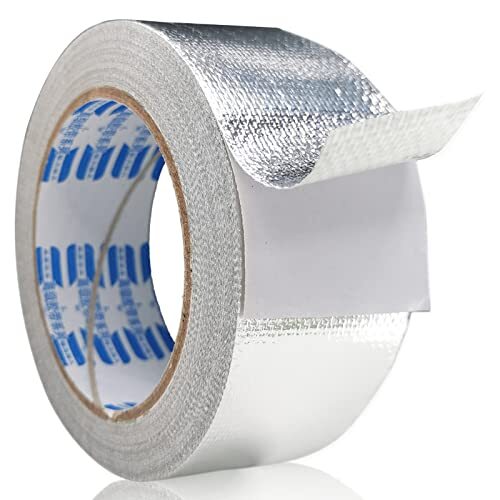
A stock image related to Aluminum Duct Tape.
Comprehensive Cost and Pricing Analysis for Aluminum Duct Tape Sourcing
Strategic sourcing of aluminum duct tape requires understanding cost drivers beyond the per-roll price. For procurement teams operating across diverse climates—from Nigeria’s humid coastal regions to Europe’s industrial corridors—material specifications and supply chain logistics significantly impact total procurement costs.
What Raw Material Specifications Drive Price Variations?
The cost structure begins with aluminum foil thickness, typically measured in microns (30μm to 150μm). Standard HVAC-grade tapes (30-50μm) offer cost efficiency for general sealing, while heavy-duty reinforced variants with fiberglass scrim command 40-60% premiums due to additional manufacturing complexity. Adhesive chemistry represents the second major cost variable: acrylic adhesives suit moderate climates at lower price points, whereas silicone-based formulations necessary for Middle Eastern desert heat or automotive under-hood applications increase material costs by 25-35% but prevent adhesive failure and costly reapplications.
볼륨 계층과 사용자 지정은 단위 경제성에 어떤 영향을 미치나요?
Bulk procurement strategies significantly alter pricing landscapes. Standard 48mm and 72mm widths shipped in 20-foot containers typically achieve optimal price breaks at 5,000+ roll quantities. However, custom slit widths for specialized HVAC contractors or aerospace applications incur setup fees and minimum order quantities (MOQs) of 1,000-2,000 rolls per dimension. Smart buyers consolidate specifications across projects to avoid narrow-width premiums that can inflate per-meter costs by 15-20%.
What Hidden Costs Should Buyers Factor Beyond the Invoice?
International buyers must evaluate landed costs including aluminum volatility surcharges tied to London Metal Exchange (LME) pricing, typically adjusted quarterly. Certification requirements add substantial variance—UL-listed flame-retardant tapes for European construction markets or automotive-grade heat resistance certifications for Middle Eastern projects may increase costs by $0.15-0.30 per linear meter but prevent regulatory delays. Additionally, climate-specific packaging (moisture-barrier wrapping for tropical African storage versus standard cartons) prevents inventory loss from humidity-induced adhesive degradation.
How Can Regional Sourcing Strategies Optimize Budgets?
Manufacturing proximity dramatically affects total expenditure. Chinese and Indian manufacturers offer competitive base pricing for standard grades, but buyers in South America and Africa should calculate freight differentials—Middle Eastern suppliers often provide competitive landed costs for Levant and North African markets due to reduced shipping distances. For Vietnamese and Southeast Asian buyers, regional ASEAN suppliers minimize import duty exposure while ensuring faster turnaround for just-in-time construction schedules.
When Does Premium Pricing Deliver Superior ROI?
Cost-conscious procurement sometimes backfires in extreme environments. In Nigeria’s coastal humidity or South American tropical climates, investing in marine-grade corrosion-resistant adhesives and 80μm+ foil thickness prevents seam failures that generate expensive warranty claims. Conducting total cost of ownership (TCO) analysis—factoring labor costs for reapplication against premium tape pricing—typically reveals that high-specification products deliver 30-40% savings over project lifecycles despite 20% higher upfront investment.
Alternatives Analysis: Comparing Aluminum Duct Tape With Other Solutions
While aluminum duct tape dominates HVAC and insulation markets for its thermal resilience and immediate bonding capabilities, procurement teams frequently evaluate alternatives based on project duration, labor availability, and climatic demands. For B2B buyers operating across diverse regions—from the humid tropics of Vietnam to the arid heat of Nigeria—understanding the total cost of ownership and performance limitations of substitute sealing methods is critical for long-term infrastructure efficiency.
Comparative Performance Analysis: Aluminum Tape vs. Traditional Sealing Methods
| 비교 측면 | Aluminum Foil Duct Tape | Liquid Mastic Sealant | Cloth-Backed Duct Tape |
|---|---|---|---|
| 온도 저항 | -30°C to 150°C+ (up to 600°C with silicone adhesive) | -40°C to 90°C (varies by formulation) | -10°C to 60°C (adhesive degrades at high heat) |
| Moisture/Airtight Integrity | Immediate vapor barrier; waterproof when properly applied | Excellent after curing; requires drying time | Poor; fabric backing absorbs moisture over time |
| 애플리케이션 속도 | Immediate bond; no curing required | Slow; requires brushing/troweling and 24-48hr curing | Immediate bond; fastest application |
| Material Cost (Relative) | 보통($$) | Low ($) | Low ($) |
| 노동 요구 사항 | Low skill; quick deployment | High skill; surface prep critical | Low skill; minimal prep |
| 표면 적응성 | Best on smooth, clean metal surfaces | Excellent for irregular joints, porous materials, gaps | Good conformability on uneven surfaces |
| Service Life in Harsh Climates | 10-20 years (UV/moisture resistant) | 20+ years (permanent rigid seal) | 6 months – 2 years (UV/humidity degradation) |
| 모범 사용 사례 | Permanent HVAC sealing, insulation facing | New construction ductwork, irregular seams | Temporary repairs, emergency bundling |
Is Liquid Mastic Sealant More Cost-Effective for Permanent Industrial Installations?
Liquid mastic sealant creates a rigid, permanent bond that excels in new construction projects across Africa and the Middle East where ductwork joints are irregular or porous. Unlike aluminum tape, which requires smooth surfaces for optimal adhesion, mastic compounds fill gaps and conform to rough metal edges, providing superior airtight integrity once cured. However, the application demands skilled technicians and 24-48 hour curing periods, which can delay project timelines and increase labor costs—a significant consideration for procurement teams in Vietnam or Nigeria managing tight construction schedules. While the material cost per meter is lower than aluminum tape, the total installed cost often exceeds tape solutions when accounting for specialized application labor and curing time delays.
Why Do B2B Buyers Still Consider Cloth-Backed Duct Tape for Temporary Solutions?
Cloth-backed duct tape remains tempting for procurement teams seeking immediate cost savings on short-term projects or emergency repairs in South American and Southeast Asian markets. Its fabric substrate offers superior conformability for wrapping irregular shapes and provides instant adhesion without surface preparation. However, this alternative presents significant risks for permanent infrastructure: the rubber adhesive degrades rapidly under UV exposure common in African climates, while the fabric backing absorbs moisture in humid environments like coastal Vietnam, leading to mold growth and seal failure within months. For B2B buyers, the apparent 40-60% material cost savings often evaporate when factoring in frequent replacement cycles, energy losses from compromised seals, and potential liability for system failures in critical HVAC or refrigeration applications.
How Should Procurement Teams Evaluate Total Cost of Ownership Across Different Climates?
When selecting sealing solutions for international projects, procurement professionals must weigh climate-specific degradation factors against installation economics. In arid Middle Eastern environments with high thermal cycling, aluminum tape’s flexibility prevents cracking better than rigid mastic, while in Nigeria’s humid monsoon regions, mastic’s mold resistance may justify longer installation times. Cloth tape should be reserved strictly for non-critical, temporary applications regardless of region. Ultimately, aluminum duct tape strikes the optimal balance for most B2B HVAC applications, offering immediate deployment, 10-20 year service life, and resistance to both UV and moisture without the curing delays of mastic or the replacement cycles of cloth alternatives.
Essential Technical Properties and Trade Terminology for Aluminum Duct Tape
When procuring aluminum duct tape for international infrastructure projects, understanding precise technical specifications ensures compliance with regional building codes and prevents costly material failures in extreme climates. The following critical properties and industry nomenclature will guide your specification process across HVAC, refrigeration, and industrial sealing applications.
What Foil Thickness Specifications Should B2B Buyers Specify for Heavy-Duty Applications?
Backing thickness, typically measured in microns (μm) or mils, determines mechanical durability and conformability around irregular ductwork geometries. Standard HVAC applications utilize 30–50 micron aluminum foil, while heavy-duty industrial sealing requires 75–100 micron grades to prevent tearing during application. Thicker backings provide superior puncture resistance but reduce flexibility, making them ideal for rigid ductboard seams rather than flexible tubing.
How Does Temperature Resistance Impact Adhesive Selection in Extreme Climates?
Operating temperature range distinguishes commodity tapes from industrial-grade solutions suitable for Middle Eastern or South American environments. Acrylic adhesives perform reliably from -30°C to 120°C, while silicone-based formulations withstand -40°C to 200°C+ without adhesive flow or embrittlement. Always verify both application temperature (during bonding) and continuous service temperature, particularly for exhaust systems or cryogenic refrigeration lines.
Why Does Tensile Strength and Scrim Reinforcement Matter for Duct Integrity?
Tensile strength indicates resistance to stretching under mechanical stress, measured in N/25mm or lbs/inch. Reinforced aluminum tape incorporates fiberglass scrim (mesh) laminated between foil layers, increasing tear resistance by 300–400% compared to dead-soft foil. This specification proves critical for longitudinal duct seams subject to thermal expansion cycles and high-pressure HVAC systems common in commercial African and European construction.
What Moisture Vapor Transmission Rates Indicate True Waterproof Performance?
MVTR (Moisture Vapor Transmission Rate) quantifies water vapor permeability, expressed in g/m²/24hr. Premium aluminum duct tapes achieve <1.0 g/m²/24hr, creating effective vapor barriers in marine and tropical environments. This property, combined with moisture-resistant acrylic adhesives, prevents substrate corrosion and mold proliferation in Nigeria’s humid coastal regions or Southeast Asian refrigeration facilities.
How Do Conductivity Ratings Affect Electrical Shielding Applications?
Surface resistivity and EMI shielding effectiveness (measured in dB attenuation) distinguish electrical-grade tapes from mechanical sealing variants. Conductive acrylic adhesives provide <0.05 ohms/sq surface resistance, essential for grounding and electromagnetic interference shielding in server rooms and aerospace electronics, whereas standard tapes utilize non-conductive adhesives that insulate.
What Is the Difference Between FSK and Plain Aluminum Foil Tape?
FSK (Foil-Scrim-Kraft) represents a composite laminate where aluminum foil bonds to fiberglass scrim and kraft paper backing, creating a rigid insulation facing. Plain aluminum foil tape utilizes dead-soft aluminum without kraft backing, offering superior conformability for irregular surfaces but requiring mechanical support in tension-heavy applications. FSK tapes dominate North American insulation markets, while plain foil prevails in European duct sealing standards.
What Does UL 723 Classification Mean for Fire Safety Compliance?
UL 723 (ASTM E84) testing measures Flame Spread Index and Smoke Developed Index. Class A rated tapes (FSI 0–25, SDI 0–450) satisfy building code requirements for plenum spaces and commercial HVAC systems. Procurement teams in the Middle East and Europe should request test reports verifying compliance with NFPA 90A or EN 1366 standards for air distribution systems.
How Is Cold Weather Adhesion Defined in Technical Data Sheets?
Cold weather adhesion specifies minimum application temperatures—typically +4°C for standard acrylics versus -18°C for cold-weather formulations. This parameter prevents “cold flow” failure where adhesives stiffen and lose tack before bonding to substrates in unheated construction environments or refrigerated facilities, a critical consideration for Russian or high-altitude South American projects.
What Constitutes “Aggressive Permanent Bond” in Adhesive Specifications?
This term describes high initial tack and ultimate adhesion strength measured in oz/in or N/cm. Aggressive permanent bond indicates immediate grab upon contact with minimal pressure, achieving 90%+ bond strength within 24 hours. Contrast this with repositionable variants used for temporary masking during duct assembly, which allow realignment before final curing.
What Is Liner Release Value and Why Does It Impact Installation Efficiency?
Liner release value measures the force required to remove the siliconized paper backing from the adhesive, expressed in g/25mm. Low release values (5–15 g) facilitate rapid application in high-volume Vietnamese or Nigerian manufacturing facilities, while high-release liners (20–50 g) prevent premature unwinding during shipping in hot climates. This specification directly affects labor costs in large-scale duct fabrication operations.
Navigating Market Dynamics and Sourcing Trends in the Aluminum Duct Tape Sector
What Are the Current Market Dynamics Shaping Aluminum Duct Tape Demand?
The global aluminum duct tape market is experiencing robust expansion driven by accelerating infrastructure development across emerging economies. B2B buyers in Nigeria, Vietnam, and the broader Middle East region are witnessing unprecedented demand for high-performance HVAC sealing solutions as commercial construction and industrial manufacturing sectors scale operations. This surge reflects a broader shift toward energy-efficient building standards, where airtight duct sealing using aluminum foil tapes significantly reduces thermal leakage and operational costs. Cold chain logistics expansion across South America and Africa further amplifies demand for moisture-resistant sealing solutions in refrigeration and transportation applications.
Supply chain volatility remains a critical consideration for procurement teams navigating this sector. Fluctuations in global aluminum pricing and adhesive raw material costs necessitate flexible sourcing strategies, particularly for buyers in South America and Africa who face additional logistics complexities and port congestion challenges. Smart procurement officers are increasingly diversifying supplier portfolios across Asian manufacturing hubs and regional distributors to mitigate currency risks and ensure consistent inventory flow for large-scale construction projects. Establishing long-term contracts with price adjustment mechanisms helps stabilize budgets against London Metal Exchange (LME) aluminum price swings that directly impact tape manufacturing costs.
Product innovation is simultaneously reshaping procurement specifications across diverse climate zones. High-temperature variants capable of withstanding 600°F (315°C) are gaining traction in Middle Eastern markets facing extreme thermal conditions, while reinforced fiberglass-mesh tapes dominate African infrastructure projects requiring enhanced tear resistance during monsoon seasons. Buyers must evaluate whether standard HVAC-grade tapes suffice for their applications or if specialized conductive or marine-grade variants justify premium pricing for critical industrial installations. Quality verification becomes paramount in emerging markets where counterfeit products with inferior adhesives penetrate supply chains, risking project failures and safety liabilities.
Regional regulatory divergence also influences sourcing decisions, with European buyers prioritizing REACH compliance while African and South American markets focus on cost-effective durability under harsh environmental conditions. Successful B2B procurement requires understanding these nuanced demand patterns—balancing immediate project budgets against long-term performance metrics and warranty requirements in challenging operational environments.
How Can B2B Buyers Ensure Sustainable and Ethical Sourcing of Aluminum Tape?
Sustainability has transitioned from a peripheral concern to a core procurement criterion, particularly for buyers supplying European markets or multinational corporations with stringent ESG mandates. Aluminum duct tape presents unique environmental advantages due to the infinite recyclability of its metal backing, yet the adhesive layer and manufacturing process require careful supplier vetting. Procurement teams should prioritize manufacturers utilizing solvent-free acrylic adhesives over traditional rubber-based formulations, significantly reducing volatile organic compound (VOC) emissions during production and application. These eco-friendly alternatives maintain superior bonding strength in high-humidity environments common in tropical African and Southeast Asian climates.
Ethical sourcing extends beyond environmental metrics to encompass responsible mining practices and labor standards throughout the aluminum supply chain. B2B buyers must verify that suppliers adhere to conflict-mineral compliance standards and maintain ISO 14001 environmental management certifications. For buyers in Nigeria and other resource-rich regions, partnering with manufacturers who demonstrate transparent bauxite sourcing and fair labor practices protects brand reputation while ensuring supply chain resilience against ethical audits. Third-party verification through initiatives like the Aluminum Stewardship Initiative (ASI) provides additional assurance that production meets international sustainability benchmarks.
Packaging optimization represents an often-overlooked sustainability lever, particularly for international buyers facing lengthy shipping routes from Asian manufacturing centers. Requesting bulk packaging configurations and minimizing plastic liner materials reduces carbon footprints associated with transcontinental logistics and maritime transport. Additionally, procurement specifications should prioritize tapes with recyclable release liners or paper-based backing materials rather than synthetic films, facilitating end-of-life processing at project sites. Some suppliers now offer compressed packaging options that reduce shipping volumes by 40%, directly lowering Scope 3 emissions for environmentally conscious procurement departments.
Circular economy principles are increasingly relevant for large-scale industrial users managing construction waste across multiple jurisdictions. Unlike plastic-based duct tapes, aluminum variants can be recycled alongside scrap metal from demolition sites, provided contamination from adhesives is minimized through proper selection of compatible bonding agents. Forward-thinking procurement officers are negotiating take-back programs with suppliers or establishing site-level recycling protocols to capture this value, transforming waste management from a cost center into a sustainability credential. For buyers pursuing green building certifications such as LEED or BREEAM, specifying recyclable aluminum tapes contributes to material resource credits while demonstrating corporate environmental responsibility to stakeholders.
Frequently Asked Questions (FAQs) for B2B Buyers of Aluminum Duct Tape
1. What are the primary HVAC applications for aluminum duct tape in commercial installations?
Aluminum duct tape creates airtight seals on HVAC ductwork joints, connections, and seams to prevent energy loss through air leakage. It is specifically engineered to bond with sheet metal, fiberglass duct board, and flexible duct liners while maintaining flexibility across temperature extremes. For international construction projects, this tape serves as both a vapor barrier and mechanical seal, ensuring compliance with energy efficiency codes in commercial buildings.
How does aluminum duct tape improve energy efficiency in commercial HVAC systems?
By eliminating air leakage at duct joints and connections, aluminum tape reduces the load on heating and cooling equipment, lowering operational costs by 10-20% in typical commercial installations. The reflective aluminum backing also provides thermal insulation properties that prevent heat gain in cooling ducts and heat loss in heating systems. This dual functionality makes it essential for green building certifications and energy retrofit projects across global markets.
What surfaces can aluminum duct tape adhere to in ductwork applications?
High-quality aluminum duct tape adheres tenaciously to galvanized steel, aluminum, copper, fiberglass insulation facing, and flexible duct liners commonly found in HVAC systems. The acrylic or rubber-based adhesives penetrate surface oxidation layers to create permanent bonds on both smooth and lightly textured metal surfaces. For optimal adhesion in humid climates like West Africa or Southeast Asia, surfaces must be clean, dry, and free from oil contamination before application.
2. What temperature ranges can high-performance aluminum duct tape withstand for industrial use?
Standard aluminum duct tape with acrylic adhesive typically withstands temperatures from -30°C to 150°C, making it suitable for general HVAC applications. For industrial environments involving exhaust systems or high-heat machinery, high-temperature variants utilizing silicone adhesives can endure continuous exposure up to 600°C (1112°F) or higher. When sourcing for regions with extreme ambient temperatures, such as the Middle East or Nigeria, verify the adhesive’s heat deflection properties to prevent softening and bond failure during peak summer months.
What is the maximum temperature resistance for high-temp aluminum duct tape?
Specialized high-temperature aluminum tapes featuring silicone adhesives and fiberglass reinforcement can withstand continuous operating temperatures of 600°C and intermittent exposure up to 800°C. These grades are essential for automotive exhaust wrapping, aerospace applications, and industrial furnace sealing where standard tapes would fail catastrophically. Always request temperature cycling test data from suppliers to ensure the adhesive maintains shear strength after repeated heating and cooling cycles.
How does cold weather affect aluminum duct tape performance?
In sub-zero environments common in European winters or high-altitude installations, rubber-based adhesives maintain flexibility better than acrylic formulations, which can become brittle below -10°C. Cold-weather aluminum tapes contain specialized low-temperature adhesives that bond effectively to surfaces down to -30°C without requiring surface heating. For refrigeration and cryogenic applications, specify aluminum tapes with butyl rubber adhesives that remain pliable at extremely low temperatures while providing vapor-tight seals.
3. How does aluminum duct tape differ from standard cloth duct tape in industrial sealing applications?
Unlike standard cloth duct tape, which uses a polyethylene
중요 고지 사항 및 이용 약관
⚠️ 중요 고지 사항
제조업체, 기술 사양 및 시장 분석에 관한 내용을 포함하여 이 가이드에서 제공하는 정보는 정보 제공 및 교육 목적으로만 사용됩니다. 전문적인 조달 자문, 재무 자문 또는 법률 자문으로 간주되지 않습니다.
B2B 구매자는 독립적이고 철저한 실사를 수행해야 합니다. 구매 결정을 내리기 전에 반드시 확인하시기 바랍니다. 이 가이드의 정보에 의존하는 데 따른 위험은 전적으로 독자가 부담합니다.
Top 4 Aluminum Duct Tape Manufacturers & Suppliers List
1. Caplinq – LINQTAPE CFT & AFT Series
도메인: caplinq.com
Registered: 2006 (20 years)
소개: Caplinq offers LINQTAPE CFT-Series copper tapes and AFT-Series aluminum tapes. Key products include CFT1CA (1 oz copper foil, 1.4mil/35.5µm film, ±2.6mil/66µm total thickness) and AFT2CA (2 mil aluminum foil, 2mil/50.8µm film, ±3.2mil/81.2µm total thickness). Both feature 1.2mil/30.5µm conductive acrylic adhesive, single-sided configuration, peel strength of 9.7 N/25mm (35 oz/in), and 60-80 dB shi…
2. Shurtape – Specialty Tapes
도메인: shurtape.com
등록: 1996년(30년)
소개: Shurtape offers tapes organized by market and type. Key markets include: Building & Construction (Abatement/Containment/Restoration, Electrical, Flashing, HVAC & Insulation, Paint/Stucco Masking), Arts & Entertainment (Gaffer’s, Safety & Marking, Stage Prep), Industrial MRO (Facilities Maintenance, Janitorial, Mounting & Splicing, Steel Pipe Coating), Transportation (Automotive, Marine), Industria…
3. ElectroTape – Foil & HVAC Tapes
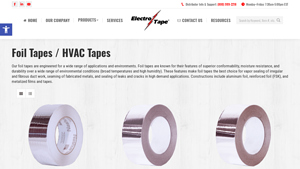
도메인: electrotape.com
등록: 2002년(24년)
소개: Foil Tapes/HVAC Tapes category features aluminum foil, reinforced foil (FSK), and metalized film constructions with superior conformability, moisture resistance, and durability across broad temperatures and high humidity. Applications include vapor sealing of irregular/fibrous ductwork, seaming fabricated metals, and sealing leaks/cracks. Product lineup: (1) 322 Series Utility Grade (2 mil, rubber…
4. Nashua – Foil & Duct Tape
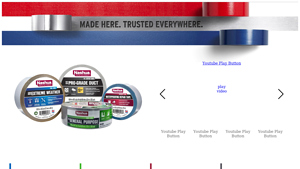
도메인: nashuatape.com
Registered: 2000 (26 years)
소개: Nashua Tape offers four main product lines: Foil Tape (Multi-Purpose HVAC, Extreme Weather HVAC, and Bath Fan Installation for sealing dryer vent connections, patching insulation materials, and sealing HVAC joints); Duct Tape (General Purpose Silver, Extra Wide Silver, Heavy-Duty Silver, and All-Weather HVAC in Black, Silver, and White for demanding applications and general repairs); Specialty Tap…
Strategic Sourcing Conclusion and Outlook for Aluminum Duct Tape
How Should Global Buyers Evaluate Aluminum Tape Suppliers for Long-Term Partnerships?
Procurement teams across Africa, the Middle East, and Southeast Asia should prioritize suppliers with ASTM D-3330 certification and ISO 9001 compliance over unit pricing alone. Given extreme thermal cycling from Lagos to Dubai, verify batch-specific test reports for high-temperature adhesives exceeding 150°C performance thresholds. Establishing dual-source agreements with manufacturers holding redundant production capabilities mitigates shipping disruptions while securing favorable terms for multi-project construction pipelines.
What Market Trends Will Shape Aluminum Duct Tape Procurement Through 2025?
Energy-efficient building mandates across Europe and South America are accelerating demand for reinforced tapes with enhanced vapor barrier properties. Anticipate 15-20% substrate price volatility due to aluminum commodity fluctuations, necessitating quarterly contract reviews rather than annual fixed agreements. Additionally, sustainability requirements are pushing solvent-free adhesive formulations and recyclable liners—factors increasingly critical for public infrastructure tenders and green building certifications.
Why Is Specification Alignment Critical for Cross-Border HVAC and Construction Projects?
Misalignment between regional climate standards and tape specifications remains the primary cause of field failures in international projects. When sourcing for humid Southeast Asian ports or arid North African sites, specify fiberglass-scrim reinforced grades and validate moisture vapor transmission rates below 1.0 perms. Leading buyers now require climate-specific application training and localized technical support, transforming commodity purchasing into strategic partnerships that reduce installation defects by up to 40%.