Introduction: Navigating the Global Market for Acrylic Adhesive Foil Tape
Sourcing acrylic adhesive foil tape for extreme temperature applications presents unique procurement challenges for industrial buyers operating across diverse regulatory landscapes and climate zones. As global infrastructure projects expand from Saudi Arabia to Brazil, procurement teams face the critical task of securing tape solutions that balance immediate adhesion performance with long-term thermal stability, all while navigating fragmented supply chains and varying international quality standards.
Why Is Consistent Quality a Challenge in Global Foil Tape Procurement?
The acrylic adhesive variant offers distinct advantages—bond strength that increases with age alongside clean removability for temporary applications—yet sourcing remains complex. Buyers must evaluate technical specifications ranging from annealed aluminium conformability to total vapour barrier integrity, often across different certification frameworks. Whether addressing the humidity resistance required for South American industrial environments or the flame retardancy standards mandated in Middle Eastern construction codes, inconsistent regional availability and specification ambiguity create significant procurement risk.
How Can International Buyers Optimize Their Sourcing Strategy?
This comprehensive guide transforms these challenges into actionable procurement intelligence. We examine critical tape classifications—including reinforced aluminium, copper shielding, and high-micron HVAC variants—alongside rigorous frameworks for supplier vetting, cost optimization, and logistics management. For procurement teams across Europe, Africa, the Middle East, and South America, this resource provides the technical clarity needed to assess liner quality, adhesive aging properties, and conformability against specific operational demands, ensuring every purchasing decision drives long-term reliability and project success.
Understanding Acrylic Adhesive Foil Tape Types and Variations
| 유형 이름 | 주요 차별화 기능 | 주요 B2B 애플리케이션 | 구매자를 위한 간략한 장단점 |
|---|---|---|---|
| Standard Aluminum Foil Tape (30-50 Micron) | Pure annealed aluminum construction with solvent acrylic adhesive; available in 30μm, 40μm, and 50μm thicknesses; white silicone release liner; water-resistant backing | HVAC duct sealing, thermal insulation systems, moisture barrier installation |
Key Industrial Applications of Acrylic Adhesive Foil Tape
| 산업/섹터 | Specific Application of Acrylic Adhesive Foil Tape | 비즈니스를 위한 가치/혜택 | 이 애플리케이션의 주요 소싱 고려 사항 |
|---|---|---|---|
| HVAC & Climate Control Systems | Sealing ductwork joints, insulating refrigeration lines, and repairing thermal insulation in commercial and industrial buildings | Prevents energy loss through thermal leakage, eliminates condensation-related corrosion, extends HVAC equipment lifespan, and ensures consistent climate control in extreme temperatures | Thermal range compatibility (-30°C to 120°C+), humidity resistance certification, annealed foil backing for irregular surfaces, bulk packaging options for large infrastructure projects |
| Construction & Building Infrastructure | Vapor barrier sealing in roofing membranes, wall assemblies, and waterproofing details for commercial and residential developments | Creates impermeable moisture seals that prevent mold growth, maintains insulation R-values, ensures compliance with international building codes, and reduces long-term maintenance costs | UV stability for outdoor exposure, conformity to uneven substrates (concrete/corrugated metal), annealed foil for hand-tearable application, compatibility with building wrap materials |
| Electrical & Electronics Manufacturing | EMI/RFI shielding for cables, connectors, and electronic enclosures; grounding applications in telecommunications equipment | Prevents signal interference ensuring device reliability, meets electromagnetic compliance regulations (EMC), protects sensitive equipment from external frequencies, enables clean rework without residue | Conductive acrylic adhesive specifications, copper vs aluminum backing selection, shielding effectiveness ratings (dB attenuation), clean peel properties for PCB rework |
| Automotive & Transportation Assembly | Thermal shielding for engine components, wire harness wrapping, and battery compartment sealing in conventional and electric vehicles | Deflects radiant heat from sensitive parts, provides abrasion resistance for wiring, offers lightweight alternative to mechanical fasteners, withstands automotive fluid exposure | High-temperature acrylic formulation (150°C+), chemical resistance to oils/fluids, flame retardant certifications (UL 510), die-cutting compatibility for automated assembly lines |
How Does Acrylic Adhesive Foil Tape Optimize HVAC Systems in Extreme Climates?
For regions experiencing intense heat like the Middle East or humid tropical conditions in Brazil, HVAC efficiency is paramount for operational cost control. Acrylic adhesive foil tape creates airtight seals on ductwork and insulation joints, preventing thermal leakage and condensation buildup that reduces system efficiency. Unlike rubber-based adhesives that degrade in high heat, acrylic formulations bond stronger over time while maintaining flexibility for vibration resistance. Procurement teams should prioritize tapes with fully annealed aluminum backing for superior conformability around irregular duct shapes and verify moisture barrier ratings to prevent galvanic corrosion in coastal or high-humidity environments.
What Role Does Foil Tape Play in Modern Construction Waterproofing?
In rapidly developing markets across Africa and Saudi Arabia, building envelope integrity determines long-term structure durability and energy efficiency. Acrylic adhesive foil tape serves as a critical vapor barrier in roofing membranes and wall assemblies, blocking moisture ingress that leads to mold, insulation degradation, and costly repairs. The tape’s excellent conformability allows seamless application over uneven concrete or corrugated metal substrates common in industrial construction projects. Procurement teams must ensure suppliers provide UV-stable acrylic adhesives that resist degradation under constant sun exposure, particularly for outdoor sealing applications in tropical or desert climates where temperatures fluctuate dramatically.
Why Is EMI Shielding Critical for Electronics Manufacturers?
As electronics manufacturing expands in South America and Eastern Europe, electromagnetic interference protection becomes essential for device reliability. Copper and aluminum foil tapes with conductive acrylic adhesives wrap cables and enclosure seams, creating Faraday cages that prevent signal disruption in telecommunications infrastructure and automotive electronics. This shielding is vital where interference causes critical system failures or data corruption. International buyers should specify shielding effectiveness ratings measured in dB attenuation and confirm the acrylic adhesive maintains conductivity while offering clean removability for rework processes, significantly reducing manufacturing waste and repair costs in high-volume production environments.
How Can Automotive Producers Leverage Foil Tape for Thermal Management?
Brazil’s established automotive sector and emerging electric vehicle manufacturing in the Middle East require lightweight thermal management solutions that withstand harsh operating conditions. Acrylic adhesive foil tape deflects radiant heat from sensitive engine components and protects wire harnesses from abrasion without adding the weight of mechanical fasteners. The acrylic adhesive withstands under-hood temperatures up to 150°C while resisting degradation from engine oils, brake fluids, and hydraulic fluids common in transportation applications. Sourcing considerations should include validation of flame-retardant certifications per UL standards and compatibility with automated application equipment to maintain production line efficiency in high-volume assembly plants.
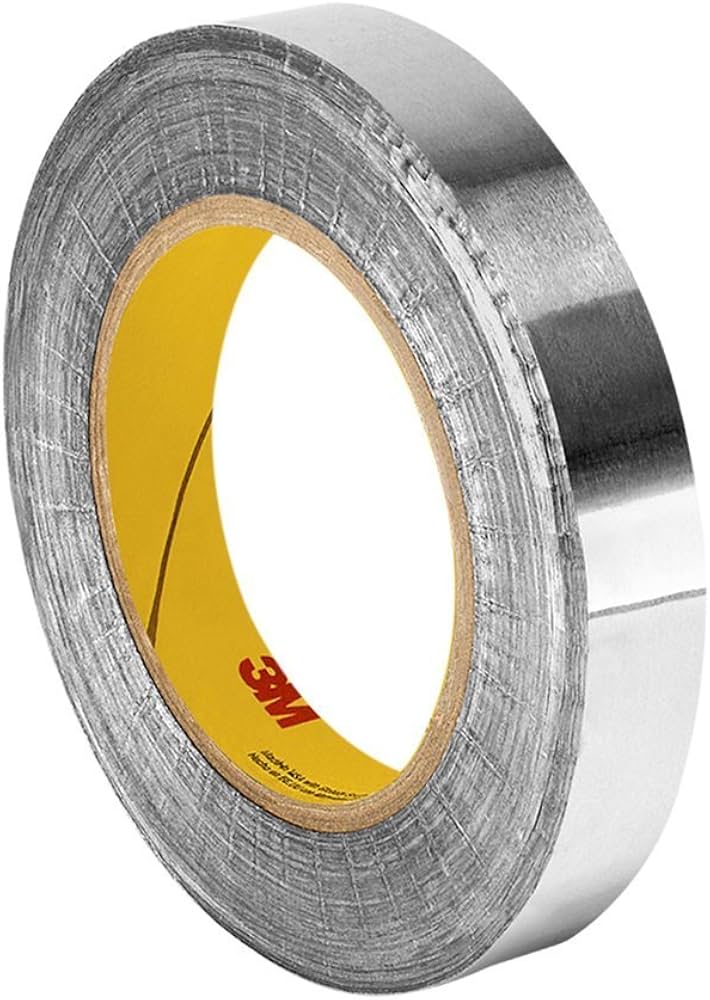
A stock image related to Acrylic Adhesive Foil Tape.
3 Common User Pain Points for ‘Acrylic Adhesive Foil Tape’ & Their Solutions
Scenario 1: Why Does Acrylic Adhesive Foil Tape Fail in High-Temperature Outdoor Applications?
문제:
Procurement teams in Saudi Arabia and Brazil often face tape failure when specifying adhesive foil tape for outdoor HVAC ductwork or pipeline insulation. Many buyers select rubber-based adhesives for their aggressive initial tack, only to discover these formulations soften and lose adhesion when surface temperatures exceed 80°C under intense UV exposure. This results in costly callbacks, compromised thermal insulation, and potential corrosion of underlying substrates when moisture penetrates failed seams during thermal cycling.
솔루션:
Specify high-performance acrylic adhesive foil tape with a temperature resistance range of -30°C to +120°C. Unlike rubber adhesives that degrade under sustained heat, acrylic formulations chemically crosslink over 24–72 hours, creating a permanent bond that strengthens with age. For extreme climates, select 50-micron fully annealed aluminum foil with UV-stable acrylic adhesive. Ensure surfaces are clean, dry, and free from oxidation before application. The tape’s superior conformability maintains contact during thermal expansion cycles common in desert environments, while its clean-removal property allows repositioning during the critical initial installation window.
Scenario 2: How Can You Maintain Vapor Barrier Integrity in High-Humidity Conditions?
문제:
In coastal Brazilian or Gulf-region industrial facilities, maintenance engineers struggle with foil tape edges lifting due to high ambient humidity during installation. When sealing refrigeration lines or chilled water pipes, condensation forms beneath tape edges before the adhesive fully cures, creating channels for moisture ingress. This compromises the total vapor barrier essential for preventing insulation saturation and energy loss, particularly in climates where humidity consistently exceeds 80% and microbial growth beneath failed seals poses additional risks.
솔루션:
Utilize acrylic adhesive foil tapes engineered with moisture-resistant properties and a total vapor barrier rating. The white siliconized release liner allows easy, controlled unwind even in humid conditions without the adhesive sticking to itself or picking up contaminants. Apply tape when substrate temperatures exceed the dew point to prevent condensation underneath. Acrylic adhesive offers unique repositionability within minutes of application, allowing correction of alignment errors before the bond sets permanently. For critical HVAC applications, specify 40-micron or thicker foil to prevent tearing during tension application, ensuring long-term water resistance despite persistent environmental moisture exposure.
Scenario 3: What Causes Poor Conformability on Irregular Surfaces in Dusty Construction Environments?
문제:
Construction contractors across Africa and the Middle East frequently encounter application failures when standard foil tapes cannot conform to irregular ductwork, corrugated surfaces, or textured insulation boards common in fast-track building projects. Rigid foil backings crease rather than curve, creating gaps where air and moisture penetrate the building envelope. Additionally, in dusty construction environments, standard liners become contaminated, causing the adhesive to pick up debris during application and compromising the bond strength essential for long-term performance in challenging field conditions.
솔루션:
Specify fully annealed aluminum foil tapes with excellent conformability characteristics. Annealing softens the metal structure, allowing the tape to bend and shape to irregular profiles without cracking or springing back. Choose tapes with easy-tear properties to eliminate the need for cutting tools on scaffolding. The white siliconized release liner provides clean, controlled unwind even in dusty conditions, preventing adhesive contamination before surface contact. For rough substrates, 30-micron foil offers superior flexibility, while reinforced scrim options provide tear resistance for longitudinal seams. Train installation teams to apply firm pressure immediately after positioning, allowing the acrylic adhesive to flow into surface micro-irregularities for maximum contact and immediate bond establishment.
Strategic Material Selection Guide for Acrylic Adhesive Foil Tape
Selecting the optimal metallic substrate for acrylic adhesive foil tape requires balancing thermal performance, environmental durability, and total cost of ownership across your supply chain. For procurement teams operating in diverse climates—from the humid coastal infrastructure projects of Brazil to the extreme temperature fluctuations of Middle Eastern construction sites—understanding material-specific capabilities ensures specification accuracy and mitigates project risk. The acrylic adhesive system provides consistent aging properties and clean removability, but the foil carrier material ultimately determines mechanical integrity, conductivity, and chemical resistance in field applications.
Which Aluminium Thickness Provides Optimal Versatility for General Industrial Applications?
Standard aluminium foil remains the predominant choice for B2B procurement, typically specified in 30 to 50 micron thicknesses depending on durability requirements. These fully annealed grades deliver exceptional conformability to irregular ductwork and piping surfaces while maintaining a complete moisture and vapor barrier—essential for HVAC installations in Saudi Arabian desert environments and European commercial buildings. The material’s soft temper enables easy hand-tearability without specialized cutting tools, significantly accelerating installation timelines on large-scale construction sites. However, standard aluminium lacks structural reinforcement, making it susceptible to tearing during high-tension applications or when applied over sharp substrate edges, and it provides no electrical conductivity for grounding applications.
When Should Procurement Teams Specify Reinforced Aluminium Foil?
For heavy-duty industrial applications across African mining operations or Brazilian petrochemical infrastructure, reinforced aluminium foil—incorporating fiberglass scrim or cross-woven polyester mesh—provides superior tensile strength and puncture resistance. This hybrid construction prevents tape failure during extreme thermal expansion cycles common in outdoor pipeline insulation and marine vessel construction, where temperature swings exceed 40°C daily. The reinforcement layer maintains dimensional stability under mechanical stress, though it sacrifices some surface conformability compared to pure foil grades. Procurement teams should note that reinforced variants typically command a 20-30% price premium over standard aluminium and may require additional storage considerations to prevent scrim delamination in high-humidity warehouses.
Is Copper Foil Tape Essential for EMI Shielding and Electrical Grounding?
Copper foil substrates serve specialized B2B niches requiring electrical conductivity and electromagnetic interference (EMI) shielding, such as data centers in Europe or telecommunications infrastructure throughout the Middle East. Available in 35 to 50 micron thicknesses, copper offers superior solderability and lower electrical contact resistance compared to aluminium, critical for grounding applications and circuit board manufacturing. The material naturally resists bacterial growth and provides antimicrobial properties valuable in healthcare facility construction. Nevertheless, copper’s significant raw material cost volatility and higher density make it economically prohibitive for large-area vapor barrier applications, while uncoated copper requires protection against oxidation in humid climates like coastal Brazil.
Why Choose Tin-Clad Copper for High-Corrosion Environments?
Tin-clad copper represents a premium hybrid solution combining copper’s electrical properties with enhanced corrosion resistance, particularly relevant for coastal installations in West Africa or Southeast Brazil where salt spray accelerates metal degradation. The tin coating facilitates soldering while preventing galvanic corrosion when contacting aluminium or steel substrates, making it ideal for aerospace applications and precision electronics manufacturing. This material excels in environments requiring both EMI shielding and long-term chemical stability without additional protective coatings. The primary limitation involves procurement cost—tin-clad variants typically exceed pure copper pricing by 15-25%—restricting deployment to critical-path applications where tape failure would result in catastrophic equipment downtime.
| 재료 | Typical Use Case for Acrylic Adhesive Foil Tape | 주요 이점 | 주요 단점/제한 사항 | 상대적 비용 |
|---|---|---|---|---|
| Standard Aluminium Foil (30-50 micron) | HVAC duct sealing, refrigeration insulation, general vapor barriers | Excellent conformability and immediate tack; cost-effective for large surfaces | Limited tensile strength; prone to tearing under mechanical stress | 낮음 |
| Reinforced Aluminium Foil | Heavy-duty construction, marine insulation, mining equipment protection | High puncture resistance; dimensional stability under thermal cycling | Reduced flexibility; heavier weight increases shipping costs | 중간-높음 |
| Copper Foil (35-50 micron) | EMI shielding, electrical grounding, telecommunications infrastructure | Superior electrical conductivity; solderable; antimicrobial properties | High raw material cost; oxidation without protective coating | 높음 |
| Tin-Clad Copper Foil | Coastal electronics, aerospace, corrosive environment shielding | Corrosion resistance; maintains solderability; prevents galvanic reactions | Premium pricing; limited availability in some regions | 매우 높음 |
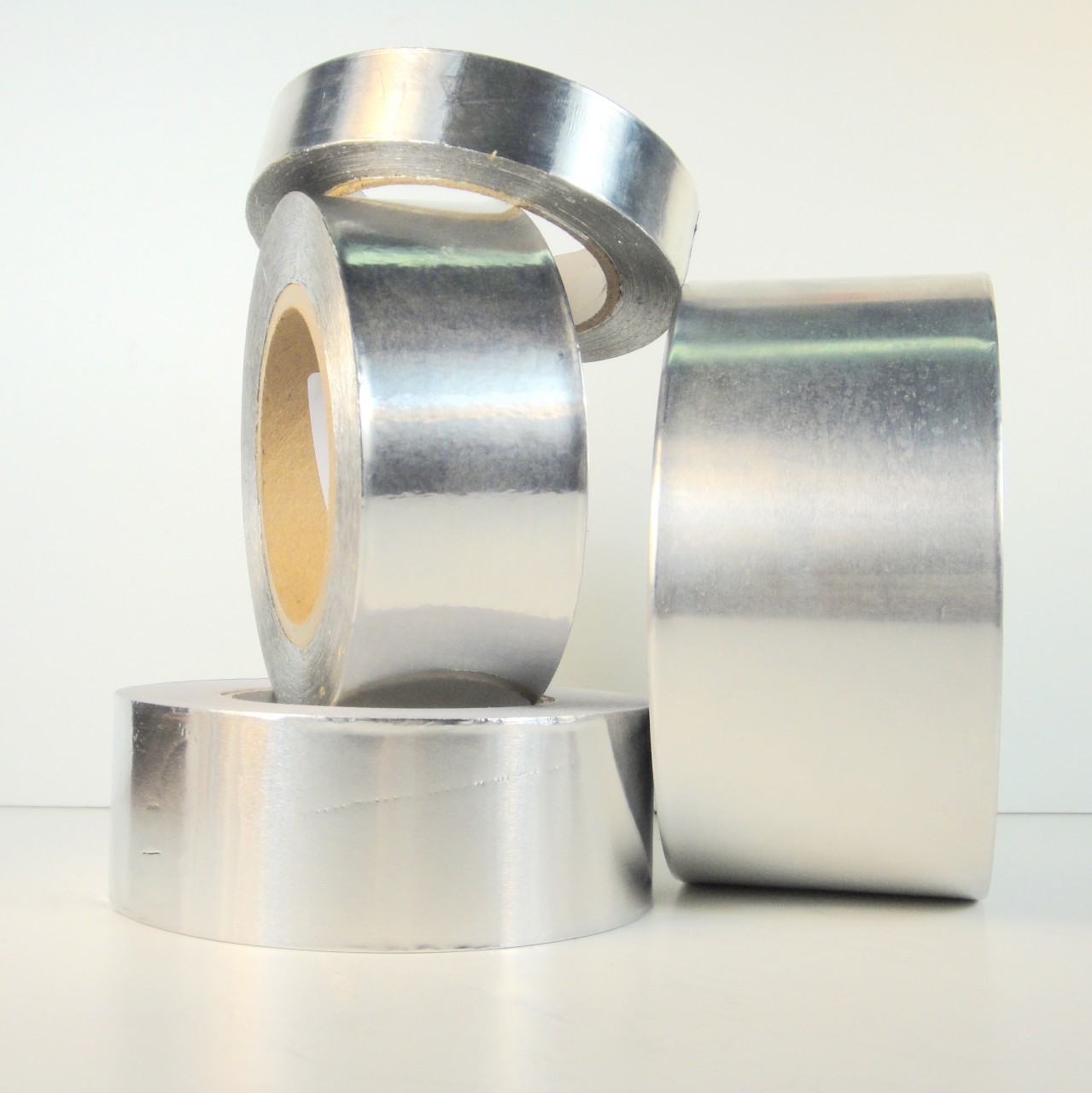
A stock image related to Acrylic Adhesive Foil Tape.
In-depth Look: Manufacturing Processes and Quality Assurance for Acrylic Adhesive Foil Tape
Understanding the manufacturing intricacies behind acrylic adhesive foil tape empowers procurement teams to evaluate supplier capabilities beyond surface-level specifications. For B2B buyers operating in demanding climates—from the humid coastal regions of Brazil to the extreme heat of Saudi Arabian industrial zones—manufacturing quality directly correlates with field performance, application efficiency, and total cost of ownership across international supply chains.
How Is Aluminum Foil Prepared to Ensure Maximum Conformability?
The manufacturing journey begins with critical substrate preparation, where raw aluminum or copper foil undergoes controlled annealing processes. Fully annealed foil, softened through precisely regulated heat treatment, achieves the malleability necessary for complex HVAC ductwork and irregular industrial surfaces without cracking. Manufacturers typically work with gauges ranging from 30 to 50 microns, balancing structural integrity with hand-tearability essential for field applications where cutting tools may be unavailable.
Surface treatment follows annealing, often involving corona discharge or chemical etching to microscopically roughen the metal surface. This preparation creates mechanical bonding sites for the acrylic adhesive layer, ensuring the tape maintains adhesion despite thermal expansion cycles common in Middle Eastern construction and African mining operations. The annealing quality directly impacts whether the tape conforms to corrugated ductwork or rigid pipe insulation without lifting at edges.
What Acrylic Adhesive Formulations Perform Best in Extreme Climates?
The adhesive coating stage determines long-term bonding characteristics that distinguish industrial-grade foil tapes from commodity alternatives. Solvent-based acrylic formulations dominate high-performance applications, offering superior moisture resistance and chemical stability compared to water-based alternatives that may re-emulsify in tropical humidity. During coating, precision slot-die or gravure systems apply adhesive layers at controlled thicknesses—typically 40-60 grams per square meter—to ensure consistent tack without oozing or edge bleeding.
The crosslinking density of acrylic polymers determines whether adhesives become too aggressive in hot climates or lose tack in cooler, high-altitude environments. Premium manufacturers utilize tackifier resins and plasticizers in precise ratios to maintain pressure-sensitive adhesion across operational ranges from -30°C to 120°C. This ensures Brazilian infrastructure projects don’t experience winter adhesion failure while Saudi installations resist adhesive flow during peak summer temperatures. Quality formulations specifically engineer the adhesive to increase bond strength with age while maintaining clean removability during initial positioning.
How Do Manufacturers Ensure Consistent Barrier Properties During Conversion?
Lamination and conversion processes transform coated jumbo rolls into finished products ready for international shipment. A siliconized release liner—typically white paper specified for easy identification—applies to the adhesive side, preventing contamination while enabling smooth unwinding in dusty field conditions common in African and Middle Eastern job sites. Slitting operations require tension-controlled winding systems to prevent telescoping or edge deformation, which could compromise vapor barrier integrity in climate control applications.
Quality checkpoints during conversion include automated vision systems that detect pinholes, adhesive voids, or foil imperfections smaller than 0.5mm that would permit moisture transmission. For buyers sourcing tapes for critical HVAC sealing in humid Brazilian markets or salt-air Middle Eastern coastal projects, these microscopic defects translate to energy inefficiency, corrosion under insulation, and potential system failure. The winding tension must also accommodate the thermal expansion characteristics of acrylic adhesives, which continue curing during storage and shipping.
What Quality Control Tests Validate Performance for Diverse International Markets?
Rigorous quality assurance protocols separate industrial-grade suppliers from commodity converters. Peel adhesion testing—measuring force required to remove tape from stainless steel at 180 degrees—provides baseline tack data, but sophisticated manufacturers supplement this with hot shear testing. This evaluates adhesive cohesion at elevated temperatures, simulating Saudi Arabian rooftop HVAC installations where surface temperatures exceed 80°C and standard adhesives might slip or ooze.
Vapor transmission rate (VTR) testing confirms moisture barrier capabilities essential for tropical construction, while accelerated aging chambers subject samples to UV exposure, humidity cycling, and thermal shock to predict performance over multi-year service life. Conformability testing involves wrapping tape around mandrels of decreasing diameter, ensuring annealed foil maintains adhesion when applied to irregular surfaces without stress cracking. Electrical conductivity testing becomes crucial for EMI shielding variants popular in European telecommunications, while salt spray testing validates corrosion resistance for marine and coastal Middle Eastern applications.
Which Certifications and Documentation Should International Buyers Require?
Compliance documentation provides procurement teams with objective quality benchmarks transcending linguistic barriers. ISO 9001 certification indicates systematic process control, while specific ASTM standards—particularly ASTM D3330 for peel adhesion and ASTM D3652 for thickness measurement—ensure product consistency across batches. For European markets, REACH compliance regarding chemical substances is non-negotiable, while UL 723 listings for flame spread and smoke generation become critical for high-rise construction projects across the Middle East and South America.
Buyers should verify that suppliers maintain batch traceability systems and provide Certificates of Analysis (CoA) documenting batch-specific test results for peel strength, tensile strength, and elongation. These metrics predict whether tape will maintain structural integrity when bridging thermal expansion gaps in metal ductwork or vibration-prone industrial equipment. Manufacturing date coding and recommended storage conditions—typically 20°C with 50% relative humidity—ensure products reach African mining operations or Brazilian shipyards within optimal performance windows, as acrylic adhesives continue subtle curing during transit.
How Does Manufacturing Sophistication Impact Supply Chain Reliability?
Procurement teams should evaluate coating line automation levels during supplier qualification; manual coating operations introduce thickness variations that create weak points in vapor barriers. Climate-controlled curing rooms, rather than ambient drying, prevent humidity fluctuations during manufacturing that permanently affect adhesive crystallization patterns and subsequent bonding behavior in tropical environments. Packaging specifications also reveal manufacturing sophistication: moisture-barrier wrapping and core reinforcement prevent edge lifting during ocean freight to distant markets, preserving the hand-tearability and liner release properties that define application efficiency for international contractors.
Practical Sourcing Guide: A Step-by-Step Checklist for ‘Acrylic Adhesive Foil Tape’
Procuring acrylic adhesive foil tape for industrial applications across diverse climates—from humid Brazilian coastlines to arid Saudi Arabian deserts—requires rigorous technical evaluation beyond price comparison. This checklist equips international procurement teams with actionable steps to navigate specifications, supplier vetting, and cross-border logistics, ensuring bulk orders meet performance standards while minimizing costly procurement errors.
What Technical Specifications Should You Define Before Sourcing?
Map application requirements against material specifications to avoid mismatched inventory. Determine whether standard 30-40 micron aluminum suffices for general HVAC sealing or if reinforced variants are needed for structural applications. Specify acrylic adhesive properties—confirm requirements for aging bond strength versus clean removability for temporary masking. Document liner preferences, noting that white siliconized release liners significantly ease unwinding during high-speed automated application, and verify conformability needs since fully annealed foils adapt better to irregular substrates.
How Do You Verify Climate Compatibility for Extreme Environments?
For operations in tropical South American or Middle Eastern markets, validate vapor barrier integrity and thermal resistance thresholds against local conditions. While acrylic adhesives typically strengthen with age, extreme heat demands verification of proper annealing quality to prevent foil brittleness. Request specific moisture resistance data and UV stability ratings for outdoor construction applications. Ensure adhesion ratings reflect your specific ambient temperature and humidity ranges rather than generic laboratory benchmarks that may not translate to regional realities.
Which Supplier Certifications Matter Most for International Procurement?
Vet manufacturers for ISO 9001 quality management systems and sector-specific certifications relevant to electrical, construction, or HVAC industries. Verify annealing capabilities—suppliers utilizing fully annealed production processes deliver softer, more workable tapes essential for complex installations around ductwork or cable bundles. Assess their experience with international shipping documentation and customs compliance. Request statistical proof of consistent micron thickness tolerances, as variations compromise electromagnetic shielding effectiveness or vapor sealing integrity.
What Packaging Protects Tape Quality During International Transit?
Ocean freight to African or South American ports exposes products to humidity fluctuations and temperature extremes that degrade adhesive properties. Specify moisture-barrier packaging with desiccant controls and climate-controlled container requirements for sensitive acrylic formulations. Confirm shelf-life stability documentation and storage protocols upon arrival—acrylic adhesives require protection from direct sunlight and excessive heat during warehousing. Clarify Incoterms responsibilities regarding temperature-controlled logistics to prevent bond degradation before installation.
How Should You Validate Samples Before Bulk Ordering?
Request production-representative samples from shortlisted suppliers for application-specific testing protocols. Evaluate conformability on your actual substrate materials, testing peel strength immediately and after accelerated aging cycles that simulate regional climate conditions. Verify liner release characteristics match your manual or automated application equipment speeds. For electrical shielding applications, measure continuity and resistance values. Document quantitative performance benchmarks to establish clear acceptance criteria for incoming bulk shipments.
What Documentation Is Required for Cross-Border Compliance?
Finalize procurement by securing Certificates of Analysis (COA) for each production batch, material safety data sheets (MSDS), and origin certificates required by local customs authorities in your destination market. Confirm compliance with regional building codes or electrical standards specific to Saudi Arabia, Brazil, or EU member states. Establish clear rejection protocols for shipments falling outside specified micron tolerances or adhesion parameters. Secure written warranties covering adhesive performance degradation during the stated shelf life under your specific regional climate conditions.
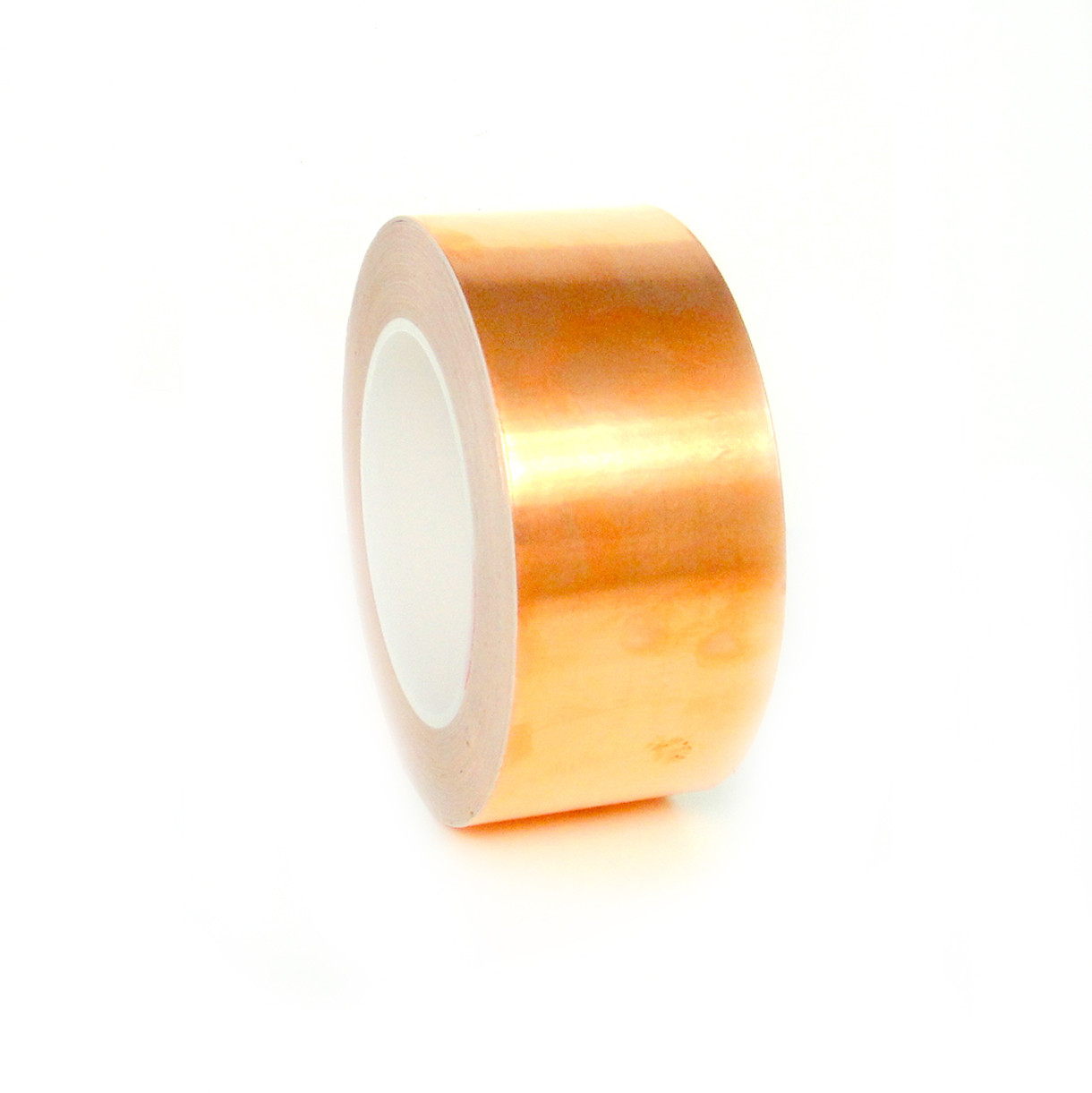
A stock image related to Acrylic Adhesive Foil Tape.
Comprehensive Cost and Pricing Analysis for Acrylic Adhesive Foil Tape Sourcing
Buyers evaluating acrylic adhesive foil tape procurement must look beyond sticker prices to understand how material specifications, regional supply chains, and performance characteristics influence total acquisition costs. The pricing architecture for these specialized bonding solutions reflects a complex interplay between base metal gauges, adhesive formulations, and conversion processes that vary significantly across global markets. Understanding these cost drivers enables procurement teams from Saudi Arabia to Brazil to optimize specifications against actual application requirements rather than over-engineering solutions.
What Raw Material Specifications Drive Acrylic Adhesive Foil Tape Pricing?
The foundational cost determinant lies in foil thickness and metallurgy, with standard aluminum gauges ranging from 30 to 50 microns and premium copper or tin-clad variants commanding significantly higher raw material premiums. Fully annealed soft foil tapes, which provide superior conformability for irregular HVAC ductwork or complex cable shielding applications, typically incur 15-25% higher processing costs compared to harder temper alternatives. Acrylic adhesive formulations further stratify pricing tiers: high-tack, aging-resistant adhesives designed for permanent bonding in extreme temperatures cost more than temporary-hold formulations intended for clean removal within short timeframes.
How Do Volume Tiers and MOQs Impact Unit Costs for Regional Buyers?
International buyers sourcing for projects across Africa, South America, and the Middle East encounter substantial pricing advantages at full container load (FCL) quantities, often achieving 30-40% unit cost reductions compared to less-than-container-load (LCL) shipments. Manufacturers typically establish minimum order quantities (MOQs) starting at 1,000-5,000 square meters for custom slit widths, while regional distributors offer smaller batches at elevated per-meter rates. European buyers benefit from localized converting facilities that reduce freight and duty exposure, whereas Brazilian and Saudi Arabian importers should factor in heavy metal tape shipping weights when calculating landed costs against regional competitors.
Which Value-Added Features Justify Premium Pricing in Harsh Environments?
Reinforced aluminum foil tapes incorporating fiberglass scrim or polyester mesh backing deliver essential tear resistance for outdoor construction and marine applications, justifying 20-35% price premiums over standard dead-soft aluminum. White siliconized release liners, while seemingly minor components, significantly impact labor efficiency during high-speed application processes and indicate quality manufacturing standards worth the additional cost. Specialized variants offering EMI/RFI shielding, flame resistance ratings, or total vapor barrier certification for critical building envelopes command premium positioning but eliminate costly field failures in demanding climates.
How Should Buyers Calculate Total Cost of Ownership Beyond Unit Price?
Acrylic adhesive chemistry creates unique TCO variables, as tapes utilizing aging-hardening adhesives deliver increasing bond strength over time that reduces rework and maintenance frequency in permanent installations. Conversely, applications requiring temporary masking or phase-based construction benefit from clean-peel formulations that eliminate labor-intensive residue removal and surface preparation costs. Procurement teams should model storage stability costs, as properly annealed foil with quality liners maintains shelf integrity longer than economy alternatives that risk adhesive degradation in tropical or high-humidity warehouses common in target regions.
Alternatives Analysis: Comparing Acrylic Adhesive Foil Tape With Other Solutions
When evaluating sealing and bonding specifications for HVAC, construction, or electrical applications across diverse climates—from the humid coastlines of Brazil to the extreme heat of Saudi Arabia—procurement teams must assess whether acrylic adhesive foil tape represents the optimal solution or if alternative technologies better serve specific project constraints. While acrylic formulations offer the distinct advantage of increasing bond strength over time while maintaining clean removability during the initial application window, they compete directly with rubber-based adhesive systems and fundamentally different application methods like liquid sealants. Understanding these comparative performance profiles enables buyers to balance immediate installation requirements, long-term durability expectations, and total cost of ownership within regional supply chain contexts.
Which Sealing Solution Offers Superior Performance for Industrial Applications?
| 비교 측면 | Acrylic Adhesive Foil Tape | Butyl Rubber Adhesive Foil Tape | Liquid Polyurethane Sealants |
|---|---|---|---|
| Initial Tack & Handling | Moderate initial tack; allows repositioning; full bond develops over 24-72 hours | Aggressive immediate tack; permanent placement on contact; minimal repositioning window | No initial tack; requires curing time (24-48 hours); application quality depends on skilled labor |
| 온도 저항 | -40°C to +150°C (standard grades); stable in high UV environments | -30°C to +90°C; softens at high temps; excellent low-temp flexibility | -40°C to +80°C (flexible grades); degrades with prolonged UV exposure without protective topcoat |
| Substrate Conformability | Excellent conformability to irregular surfaces; easy hand-tear | Superior conformability; flows into micro-irregularities; thicker adhesive layer | Excellent for filling gaps and cracks; requires extensive surface preparation |
| Moisture/Vapor Barrier | Immediate vapor barrier; water-resistant acrylic chemistry | Immediate vapor barrier; superior moisture resistance due to rubber density | Creates seamless barrier after curing; risk of pinholes or voids during application |
| 애플리케이션당 비용 | Moderate material cost; low labor cost; minimal waste | Lower material cost; low labor cost; higher waste if repositioning needed | Low material cost for large areas; high labor cost; requires masking and tooling equipment |
| Longevity & Aging | Bond strengthens with age; clean removal possible within short window | Permanent bond; becomes increasingly difficult to remove over time | Permanent flexible bond; may require reapplication after 5-10 years depending on UV exposure |
| 기후 적합성 | Ideal for hot, dry climates (Middle East); UV stable | Preferred for cold, damp climates; performs well in high humidity (Brazil, coastal Africa) | Variable; humidity affects cure time; not ideal for rainy season application |
How Do Butyl-Based Foil Tapes Perform in Extreme Humidity?
Butyl rubber adhesive foil tapes utilize a solvent-free synthetic rubber compound that delivers immediate aggressive tack, making them particularly advantageous for applications requiring instant grab on vertical surfaces or in high-humidity environments like coastal Brazil or tropical African regions. Unlike acrylic adhesives that require a curing period to reach maximum bond strength, butyl formulations create a permanent, watertight seal upon application that effectively blocks moisture vapor transmission through the adhesive layer itself. However, this permanence comes with significant trade-offs: butyl tapes exhibit lower temperature resistance (typically maxing out at 90°C) and can soften or flow in extreme heat, making them less suitable for high-temperature HVAC ductwork or solar applications common in Middle Eastern climates. Procurement teams should specify butyl when immediate waterproofing is critical, substrate irregularities require gap-filling
Essential Technical Properties and Trade Terminology for Acrylic Adhesive Foil Tape
When procuring acrylic adhesive foil tape for HVAC, construction, or electrical applications across diverse climates—from Saudi Arabian deserts to Brazilian highlands—understanding precise technical specifications prevents costly specification mismatches and ensures compliance with international building standards.
What Technical Specifications Determine Acrylic Foil Tape Performance?
Adhesion Build-Up (Acrylic Cure Profile): Unlike rubber-based adhesives that peak immediately, acrylic formulations exhibit a unique viscoelastic cure where tack increases over 24–72 hours post-application. This property ensures the bond strengthens with age, providing superior long-term holding power on aluminum ductwork and thermal insulation boards, while still allowing clean removal if applied temporarily.
Foil Thickness (Micron/Gauge): Standard aluminum carriers range from 30μm (light-duty conformability) to 50μm (heavy-duty puncture resistance). Thicker foils withstand rugged handling on African and South American construction sites, while thinner variants better conform to irregular ductwork geometries common in European HVAC retrofits.
Thermal Resistance Range: Premium acrylic tapes typically withstand -30°C to +120°C, with specialized grades handling extremes. This stability is critical for Middle Eastern outdoor applications where surface temperatures exceed 80°C, and for South American high-altitude installations experiencing severe thermal cycling.
Moisture Vapor Transmission Rate (MVTR): Expressed in grams per square meter per 24 hours, MVTR indicates barrier effectiveness. High-performance acrylic foil tapes achieve near-zero MVTR ratings, creating total vapor seals essential for preventing condensation in humid climates and maintaining energy efficiency in climate-controlled environments.
Tensile Strength and Hand-Tearability: Measured in Newtons per centimeter (N/cm), tensile strength indicates durability under stress, while optimized foil temper enables clean hand-tearing without tools. This combination ensures rapid installation in field conditions where cutting equipment may be unavailable, without compromising structural integrity during application.
Which Trade Terms Are Essential for Global Procurement Decisions?
Annealed Foil: Refers to aluminum that undergoes controlled heat treatment to soften its grain structure. Fully annealed foil offers superior conformability compared to hard-rolled alternatives, preventing stress cracks when wrapping complex pipe geometries or corrugated surfaces common in industrial ventilation systems.
Release Liner: The siliconized paper or poly-coated film backing that prevents roll-to-roll adhesion. “Easy unwind” characteristics depend on controlled release force (measured in centiNewtons per centimeter), ensuring the liner separates cleanly without tearing during high-speed automated application or manual installation in cold weather.
Converting: The post-manufacturing process of slitting master rolls into specific widths or die-cutting custom shapes. Understanding a supplier’s converting capabilities is essential for OEMs requiring non-standard dimensions beyond typical 50mm or 75mm stock rolls, particularly for specialized EMI shielding applications.
EMI/RFI Shielding Effectiveness: Electromagnetic interference shielding measured in decibels (dB) of attenuation. While standard aluminum provides basic protection, copper or tin-clad copper variants (often 35–50μm) offer superior attenuation for electrical applications in data centers and telecommunications infrastructure across European and Middle Eastern markets.
Cold Weather Adhesion: Specifies the minimum application temperature—typically +5°C to +10°C for standard acrylics. For sub-zero climates or refrigerated facility construction in Southern Africa or South America, buyers must request low-temperature acrylic formulations that maintain initial tack below freezing without becoming brittle.
Shear Strength: The tape’s resistance to sliding under constant load, distinct from initial peel adhesion. High shear values (measured in hours or minutes to failure under standard weight) indicate better performance in vertical duct applications and under thermal expansion stress where tape edges might otherwise creep.
Navigating Market Dynamics and Sourcing Trends in the Acrylic Adhesive Foil Tape Sector
The acrylic adhesive foil tape sector is experiencing significant transformation as infrastructure development accelerates across emerging economies and regulatory frameworks evolve globally. For procurement teams operating across diverse climates—from the humid coastal regions of Brazil to the extreme heat of Saudi Arabian construction sites—understanding material specifications, supply chain reliability, and sustainability credentials has become essential for long-term operational efficiency.
How Is the Global Acrylic Adhesive Foil Tape Market Evolving for Regional Buyers?
The market is witnessing robust expansion driven by HVAC system upgrades, renewable energy installations, and EMI shielding requirements in telecommunications infrastructure. In the Middle East and Africa, demand is particularly strong for high-temperature resistant variants that maintain adhesive integrity in ambient conditions exceeding 50°C, while South American markets prioritize moisture barrier solutions for tropical construction environments.
A notable trend is the shift toward fully annealed aluminum foils that offer superior conformability around irregular ductwork and piping systems. Procurement professionals are increasingly specifying exact micron thicknesses—ranging from lightweight 30-micron options for general purpose sealing to heavy-duty 50-micron tapes for industrial shielding applications—rather than accepting generic grades. Additionally, the integration of white siliconized release liners is becoming standard for B2B buyers who require efficient unwind characteristics during high-speed automated application processes.
What Technical Specifications Should B2B Procurement Teams Prioritize?
When evaluating acrylic adhesive formulations, buyers must balance the “aging bond” characteristic—where adhesion strengthens over time—with the need for clean removability during maintenance windows. Premium acrylic systems now offer both properties: permanent bonding for long-term vapor barrier applications while allowing residue-free removal if addressed within initial installation periods.
For regions experiencing thermal cycling, such as European markets or high-altitude South American installations, tapes rated for extreme temperature differentials prevent delamination during seasonal transitions. Reinforced aluminum options featuring scrim or fiberglass backings provide dimensional stability for overhead HVAC applications where tensile strength is critical. Furthermore, copper and tin-clad copper variants are gaining traction in electrical shielding applications across African telecommunications infrastructure projects, offering superior conductivity compared to standard aluminum substrates.
Why Does Sustainability and Ethical Sourcing Matter in Foil Tape Procurement?
Environmental compliance is no longer optional for international contractors serving EU markets or state-owned enterprises in the Middle East with green building mandates. Sustainable procurement now extends beyond the tape itself to encompass the full lifecycle: aluminum and copper foils with high recycled content, acrylic adhesives formulated without harmful solvents or high-VOC compounds, and release liners manufactured using responsibly sourced paper products.
Ethical sourcing considerations include verifying that suppliers maintain consistent annealing processes that minimize material waste while ensuring batch-to-batch uniformity. Buyers should evaluate whether manufacturers utilize energy-efficient production methods and whether packaging materials align with circular economy principles. Additionally, selecting tapes with extended service lifespans—particularly those resistant to UV degradation and oxidation—reduces replacement frequency and associated environmental impact across large-scale infrastructure projects.
How Can Buyers Navigate Supply Chain Complexities Across Emerging Markets?
Successful procurement in Africa, South America, and the Middle East requires strategic inventory management and supplier qualification protocols. Given currency volatility and import tariff variations, establishing relationships with manufacturers offering regional warehousing or bonded storage solutions can stabilize pricing and ensure just-in-time availability for construction schedules.
Quality assurance remains paramount; buyers should demand comprehensive technical data sheets specifying exact adhesive coat weights, foil purity percentages, and liner release values rather than relying on generic product descriptions. For critical applications such as cryogenic insulation or aerospace shielding, requesting batch-specific test certificates ensures compliance with international standards including ASTM or ISO certifications. Finally, evaluating suppliers’ logistical capabilities—including their experience navigating customs regulations specific to Saudi Arabia, Brazil, or South Africa—prevents project delays and ensures consistent material availability across multi-phase developments.
Frequently Asked Questions (FAQs) for B2B Buyers of Acrylic Adhesive Foil Tape
1. How do I select the right acrylic adhesive foil tape specifications for industrial HVAC and construction applications?
Acrylic adhesive foil tape serves critical functions in duct sealing, thermal insulation jacketing, and EMI shielding across HVAC, construction, and electrical sectors. For HVAC systems, specify tapes that create airtight seals on fiberglass and sheet metal ducts while providing a complete vapor barrier to prevent moisture ingress that degrades insulation efficiency. Construction applications require tapes with excellent conformability to seal insulation boards, provide temporary weatherproofing, and protect surfaces during chemical milling processes. Electrical contractors should select copper or aluminum variants specifically designed for cable shielding and grounding where the tape must conform to irregular surfaces while maintaining conductivity.
2. How do I choose between acrylic and rubber adhesive foil tapes for long-term outdoor performance?
Acrylic adhesives offer superior UV resistance and aging characteristics compared to rubber-based alternatives, making them essential for projects requiring 5+ year durability in sunny climates like Saudi Arabia or Brazil. While rubber adhesives provide aggressive initial tack and better low-temperature flexibility, acrylic formulations develop stronger bonds over time and resist plasticizer migration that causes adhesive failure in high-heat environments. Acrylic tapes typically withstand higher temperature ranges up to 120°C (with specialized variants tolerating 150°C) and peel cleanly after short-term application, whereas rubber adhesives may leave residue and harden under UV exposure. For B2B buyers sourcing outdoor HVAC or construction materials, acrylic represents the more cost-effective long-term solution despite marginally higher initial costs.
3. How do I ensure acrylic adhesive foil tape maintains adhesion across extreme temperature
중요 고지 사항 및 이용 약관
⚠️ 중요 고지 사항
제조업체, 기술 사양 및 시장 분석에 관한 내용을 포함하여 이 가이드에서 제공하는 정보는 정보 제공 및 교육 목적으로만 사용됩니다. 전문적인 조달 자문, 재무 자문 또는 법률 자문으로 간주되지 않습니다.
B2B 구매자는 독립적이고 철저한 실사를 수행해야 합니다. 구매 결정을 내리기 전에 반드시 확인하시기 바랍니다. 이 가이드의 정보에 의존하는 데 따른 위험은 전적으로 독자가 부담합니다.
Top 2 Acrylic Adhesive Foil Tape Manufacturers & Suppliers List
1. Tape Suppliers – Aluminum Foil Tape
도메인: tapesuppliers.com
등록: 2007년(19년)
소개: Also known as aluminum tape or aluminum foil tape. Key properties include chemical resistance, light reflectance, weatherability, flame resistance, and moisture resistance. Primary applications include electrical, HVAC, construction, and industries requiring electrical or thermal conductivity. Not evaluated or approved for medical industry applications.
2. Tape Depot – 5 Mil Aluminum Foil Tape
도메인: tapedepot.com
Registered: 2000 (26 years)
소개: This company, Tape Depot – 5 Mil Aluminum Foil Tape, is a notable entity in the market.
Strategic Sourcing Conclusion and Outlook for Acrylic Adhesive Foil Tape
How Can Procurement Teams Future-Proof Supply Chains Against Material Volatility?
Strategic sourcing of acrylic adhesive foil tape requires moving beyond unit-cost analysis toward technical partnership. As acrylic formulations demonstrate unique aging characteristics—strengthening bonds over time while allowing clean removal during initial application windows—buyers must verify full annealing quality and siliconized liner specifications to ensure field performance matches laboratory data. For operations across Saudi Arabia’s extreme heat or Brazil’s humid coastal regions, prioritizing tapes with validated vapor barrier integrity prevents costly downstream failures in critical HVAC and construction applications.
What Technical Partnerships Drive Long-Term Value in Emerging Markets?
The convergence of HVAC, construction, and EMI shielding demands suppliers capable of custom converting and regional compliance navigation. Forward-looking strategies should emphasize manufacturers offering technical consultation alongside inventory flexibility, particularly when sourcing specialized variants like copper or tin-clad shielding tapes. By establishing relationships with converters who understand local regulatory frameworks—from European REACH standards to Middle Eastern construction codes—buyers secure application-specific expertise that mitigates installation risks and extends asset lifecycles across diverse industrial environments.
Why Does Adhesive Chemistry Selection Impact Total Cost of Ownership?
Understanding distinctions between standard and high-performance modified acrylic adhesives enables precise matching to environmental exposure levels. While standard acrylics offer excellent conformability for general sealing, specialized formulations provide enhanced chemical resistance and flame retardancy required for heavy industrial applications in mining or petrochemical sectors prevalent across African and South American markets, ultimately reducing replacement frequency and maintenance costs.