Introduction: Navigating the Global Market for Super clear parcel tape
Sourcing super clear parcel tape for premium packaging visibility presents unique challenges in today’s fragmented global supply chain, where inconsistent film clarity and adhesive performance can compromise brand presentation and logistics efficiency. For procurement teams across Africa, South America, the Middle East, and Europe—including major manufacturing hubs like Germany and Vietnam—navigating material specifications, supplier reliability, and regional compliance standards requires more than standard product catalogs.
What critical quality challenges complicate global procurement of crystal clear packaging tapes?
International buyers frequently encounter material inconsistencies ranging from yellowing polypropylene films to solvent-based acrylic adhesives that fail under extreme humidity or temperature fluctuations common in transit corridors between continents. The distinction between biaxially oriented polypropylene (BOPP) grades, adhesive systems, and mil thicknesses—typically ranging from 2.0 to 3.0 mil—directly impacts whether your packaging maintains pristine transparency for retail presentation or degrades into a cloudy, unprofessional appearance upon arrival. Understanding these technical nuances becomes critical when managing cross-border shipments where packaging integrity affects customs inspections and end-customer satisfaction.
How does this guide optimize your sourcing strategy across diverse markets?
This comprehensive resource examines technical specifications including UV-resistant formulations and fish-eye-free film technologies, while addressing practical procurement concerns such as supplier vetting methodologies, minimum order quantities, and lead time optimization for regions with complex logistics infrastructure. We analyze cost-performance ratios across hot-melt, acrylic, and synthetic adhesive systems, detailing applications from high-volume carton sealing to specialized label protection and document lamination. Additionally, we explore customization options including private labeling and contract converting programs that help regional distributors build competitive market presence.
By synthesizing material science insights with regional market intelligence specific to emerging and established manufacturing economies, this guide equips procurement professionals to secure consistent, high-clarity sealing solutions that align with both operational requirements and brand standards—transforming packaging tape from a commodity purchase into a strategic quality assurance investment.
Understanding Super clear parcel tape Types and Variations
| Type Name | Key Distinguishing Features | Primary B2B Applications | Brief Pros & Cons for Buyers |
|---|---|---|---|
| Solvent Acrylic Super Clear Tape | Non-yellowing, UV-resistant, solvent-based adhesive, no “fish eyes”, high optical clarity | Long-term storage, export packaging to sunny climates, label protection/lamination, archival sealing | Pros: Excellent aging stability, maintains clarity over time, strong solvent-resistant bond. Cons: Higher cost per unit, slower initial tack than hot melt, requires longer cure time for maximum adhesion. |
| Hot Melt Super Clear Tape | Aggressive initial tack, synthetic rubber adhesive, cost-effective, high shear strength, compatible with automation | High-volume carton sealing, e-commerce fulfillment, general logistics, automated packaging lines | Pros: Immediate bond strength, ideal for high-speed dispensers, lower unit cost for bulk purchasing. Cons: Potential for yellowing under prolonged UV exposure, less suitable for long-term outdoor storage or extreme heat. |
| Heavy-Duty Industrial Super Clear Tape | Thicker film (2.6+ mil), high tensile strength (25+ lbs/in), reinforced for puncture resistance | Heavy export cartons, palletized goods, industrial bundling, shipping to regions with rough handling | Pros: Superior puncture resistance, prevents splitting on heavy loads, reliable for rough transit conditions. Cons: Higher material cost, requires robust dispenser mechanisms due to thickness, may be excessive for lightweight packages. |
| Low-Noise/Quiet Unwind Super Clear Tape | Engineered for reduced decibel levels during unwind, easy-start technology, smooth release, minimal waste | Office environments, retail packaging, night-shift operations, noise-sensitive facilities, boutique fulfillment | Pros: Improves workplace ergonomics, reduces operator fatigue, eliminates startup waste, compliant with noise regulations. Cons: Premium pricing over standard grades, adhesive may be slightly less aggressive than industrial hot melt alternatives. |
What Makes Solvent Acrylic Super Clear Tape Ideal for Export and Archival Use?
This variation features biaxially oriented polypropylene (BOPP) film coated with a solvent-based acrylic adhesive system, delivering exceptional optical clarity without “fish eyes” or hazing. Its molecular structure provides superior UV resistance and non-yellowing properties critical for long-term storage. For B2B buyers shipping to high-sunlight regions like the Middle East or Africa, this tape maintains package aesthetics during extended transit. When purchasing, verify ASTM D3654 shear adhesion standards and UV resistance ratings. While the per-roll cost exceeds hot-melt alternatives, the prevention of tape discoloration and adhesive degradation justifies the investment for premium retail exports and archival documentation protection.
When Should B2B Buyers Choose Hot Melt Super Clear Tape for High-Volume Operations?
Hot melt super clear tapes utilize synthetic rubber adhesives that deliver aggressive initial tack and immediate bond strength upon application. This characteristic makes them indispensable for automated carton sealing lines in e-commerce fulfillment centers and third-party logistics (3PL) operations across Germany and Vietnam. The adhesive performs optimally in climate-controlled environments, offering excellent shear resistance for standard weight cartons. B2B procurement teams should evaluate film thickness—typically ranging from 1.8 to 2.0 mil—and ensure compatibility with high-speed dispensers. While cost-effective for bulk purchasing, buyers must store inventory away from direct heat sources to prevent adhesive flow and edge lifting during application.
Why Invest in Heavy-Duty Industrial Super Clear Tape for International Shipping?
Engineered with thicker film gauges (2.6 mil and above) and enhanced tensile strength often exceeding 25 lbs per inch, this industrial-grade variation resists punctures, splitting, and abrasion during rough handling. It is essential for B2B exporters palletizing heavy machinery parts or dense consumer goods destined for markets with challenging logistics infrastructure in South America and Africa. The robust construction prevents “flagging” (tape edges lifting) on overstuffed cartons. Purchasing considerations include verifying dispenser compatibility, as thicker films require stronger cutting mechanisms, and calculating the total cost of ownership against reduced damage claims and customer rejection rates.
How Does Low-Noise Super Clear Tape Enhance Workplace Efficiency in Retail and Office Settings?
This specialized variation incorporates engineered release coatings and optimized film tension to reduce unwinding noise by up to 50% compared to standard grades, while featuring easy-start technology that eliminates waste from searching for tape ends. Ideal for European retail environments with strict noise regulations and night-shift operations requiring acoustic comfort, it reduces operator fatigue during repetitive sealing tasks. B2B buyers should conduct on-site testing with existing hand dispensers, as noise reduction sometimes correlates with slightly lower initial tack. Evaluate the trade-off between workplace ergonomics and adhesion requirements for lightweight to medium cartons.
Key Industrial Applications of Super clear parcel tape
| Industry/Sector | Specific Application of Super clear parcel tape | Value/Benefit for the Business | Key Sourcing Considerations for this Application |
|---|---|---|---|
| E-commerce & Retail Logistics | Carton sealing for customer-facing shipments requiring brand visibility and content verification | Enhances unboxing experience; allows barcode scanning without obstruction; reduces return rates through visible damage assessment | UV-resistant formulations for tropical climates; compatibility with recycled corrugated materials common in emerging markets; consistent caliper for automated sealers |
| Electronics Manufacturing & Export | Protective sealing of anti-static packaging and component boxes for international shipment | Prevents moisture ingress during ocean freight; maintains visibility of serial numbers and RoHS compliance labels; non-yellowing property preserves professional appearance | Low-outgassing adhesive for sensitive components; compliance with international shipping standards (ISTA); static-neutral application surfaces |
| Agricultural Export & Food Processing | Sealing of corrugated boxes for fresh produce and premium food items in cold chain logistics | Enables visual quality inspection without breaking seals; withstands high-humidity refrigerated environments; extends shelf-life visibility for retailers | FDA/EU food contact compliance; resistance to condensation and temperature cycling; strong adhesion to wax-coated corrugated materials |
| Pharmaceutical & Healthcare Distribution | Tamper-evident sealing of medical supply cartons and temperature-sensitive drug shipments | Protects thermal-printed batch codes and expiration dates from moisture; ensures sterile barrier integrity; supports EU FMD and local track-and-trace regulations | Medical-grade adhesive certifications; compatibility with gamma or ethylene oxide sterilization; aggressive tack in climate-controlled storage environments |
How does super clear parcel tape enhance e-commerce packaging integrity and customer experience?
In rapidly growing digital commerce markets across Nigeria, Brazil, and Southeast Asia, super clear parcel tape serves as both a functional seal and a marketing asset. The tape’s optical clarity allows branded packaging designs and product visibility to remain unobstructed during last-mile delivery, critical for premium unboxing experiences that drive repeat purchases. Its solvent-based acrylic adhesive provides reliable sealing across varying humidity levels common in tropical logistics corridors, while UV resistance prevents yellowing during extended transit times or warehouse storage. Buyers should prioritize tapes with consistent caliper thickness to ensure automated carton sealing machines operate without jamming in high-volume distribution centers, reducing downtime during peak seasonal demand.
What are the critical applications of super clear tape in electronics manufacturing and export logistics?
For manufacturing hubs in Vietnam, Germany, and Mexico, super clear tape addresses the dual challenge of protection and traceability in high-value electronics supply chains. The tape creates effective moisture barriers around anti-static packaging without obscuring serial numbers, IMEI codes, or RoHS compliance labels required for international customs clearance. Non-yellowing properties ensure that documentation remains legible throughout months-long ocean freight to Middle Eastern or European markets. Procurement teams must verify low-outgassing specifications to prevent adhesive residue from affecting sensitive semiconductor components during storage in climate-controlled facilities, while ensuring compatibility with automated application systems.
Why is super clear parcel tape essential for agricultural export packaging in tropical climates?
Exporters of fresh produce from Kenya, Colombia, and Vietnam utilize super clear tape to maintain cold chain integrity while enabling rapid visual quality inspections. The tape’s resistance to condensation and temperature cycling prevents carton seal failure during refrigerated transport to European and Middle Eastern markets. Its transparency allows customs officials and receivers to verify contents without breaking seals, reducing inspection delays at congested ports. Sourcing considerations include FDA and EU food contact compliance, particularly for adhesives that may encounter moisture or oils from packaged goods, alongside strong adhesion to wax-coated corrugated materials prevalent in agricultural packaging for humidity resistance.
How does super clear tape support compliance and safety in pharmaceutical distribution?
In regulated healthcare markets across Germany, the UAE, and South Africa, super clear tape functions as a critical component of tamper-evident packaging systems for temperature-sensitive medications. The tape protects thermal-printed batch codes and expiration dates from moisture and abrasion during multi-modal transport, ensuring compliance with EU FMD and local serialization regulations. Its clarity supports immediate visual inspection of sterile barrier integrity without compromising package seals. Buyers must prioritize medical-grade certifications and compatibility with gamma or ethylene oxide sterilization processes, while ensuring the adhesive system maintains aggressive tack in climate-controlled storage environments typical of pharmaceutical supply chains.
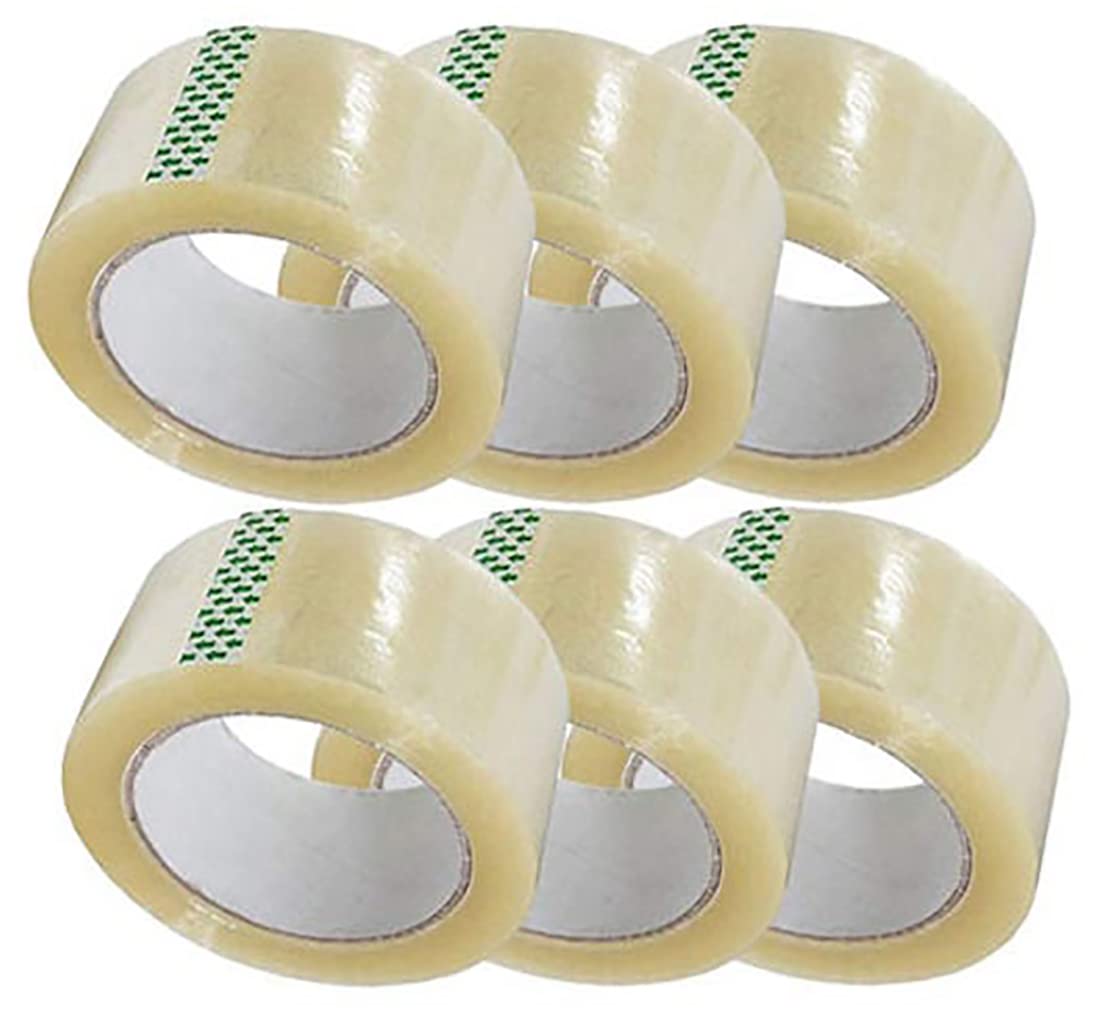
A stock image related to Super clear parcel tape.
3 Common User Pain Points for ‘Super clear parcel tape’ & Their Solutions
Scenario 1: Why Does Standard Clear Tape Turn Yellow in Tropical Climates and How Can Super Clear Alternatives Help?
The Problem: For businesses operating distribution centers in Africa, the Middle East, and South America, standard clear parcel tape frequently degrades within weeks of application when exposed to intense UV radiation and extreme temperature fluctuations. This yellowing not only creates an unprofessional appearance for retail-ready shipments but also indicates underlying adhesive breakdown that compromises seal integrity. When exporting premium consumer goods or electronics, discolored tape signals poor quality control to end customers and can result in rejected shipments by quality-conscious retailers in European markets. Additionally, brittle tape residue becomes difficult to remove, complicating returns processing and recycling protocols.
The Solution: Specify biaxially oriented polypropylene (BOPP) super clear tapes featuring advanced solvent-based acrylic adhesive systems explicitly engineered as non-yellowing and UV-resistant. These specialized formulations maintain optical clarity and tack strength even after prolonged exposure to tropical sunlight or desert storage conditions. Request technical data sheets verifying UV stability ratings exceeding 500 hours of accelerated aging tests, and prioritize tapes marketed with “no fish eyes” specifications to ensure seamless transparency for barcode scanning and label protection. Establish partnerships with suppliers who understand regional climate challenges and can provide climate-specific certifications, ensuring your packaging maintains premium aesthetics and functional integrity across diverse geographical transit routes.
Scenario 2: Does Super Clear Parcel Tape Work with High-Speed Automated Packaging Dispensers?
The Problem: Manufacturing exporters in industrial hubs like Germany and Vietnam increasingly depend on high-speed automated carton sealing systems to maintain competitive throughput rates. However, B2B buyers frequently encounter costly production bottlenecks when generic clear tapes exhibit inconsistent unwind tension, causing “shrieking” noises, static buildup, or frequent breaks that trigger emergency stops. Poor-quality films may also generate adhesive transfer onto machine rollers, requiring labor-intensive cleaning cycles and reducing operational efficiency. These interruptions become particularly expensive during peak export seasons when delayed shipments can result in contractual penalties or lost international contracts.
The Solution: Source super clear parcel tapes specifically converted for automated packaging lines, featuring precision-wound rolls with uniform thickness (typically 2.0–2.6 mil) and optimized release coatings that ensure smooth, quiet unwinding at high speeds. Verify compatibility by conducting line trials with sample rolls before committing to bulk volumes, paying particular attention to core dimensional stability (standard 3-inch cores) and roll hardness specifications. Prioritize suppliers offering custom machine lengths up to 1,000 meters to minimize changeover frequency, and confirm they maintain ISO 9001 quality standards for consistent roll-to-roll performance. This proactive specification prevents downtime while maintaining the aesthetic clarity required for retail-facing exports.
Scenario 3: How Much Weight Can Super Clear Parcel Tape Hold for Heavy-Duty International Shipping?
The Problem: Export-oriented businesses shipping dense manufactured goods, agricultural commodities, or automotive parts from South America and Asia frequently experience seal failures when relying on standard clear tapes for heavy cartons. During international transit, packages endure significant stack pressure in containerized shipping, temperature swings between humid ports and dry inland destinations, and rough handling by automated sorting equipment. Standard adhesives may creep or lose tack under sustained shear forces, resulting in cartons opening during transit, inventory contamination, or damage claims that complicate insurance settlements and damage buyer relationships in European and Middle Eastern markets.
The Solution: Specify super clear parcel tapes with enhanced tensile strength ratings of 25 lbs. per inch or higher, utilizing hot-melt synthetic rubber or advanced solvent acrylic adhesives formulated specifically for heavy-duty applications. For cartons exceeding 30kg or double-walled construction, ensure tape compliance with ASTM D5486 or TAPPI T-831 testing standards for fiberboard adhesion. Conduct substrate-specific adhesion testing using your actual corrugated materials, accounting for recycled content variations that affect bonding. Negotiate with suppliers who offer graduated strength options and low minimum order quantities for custom widths, allowing you to match tape specifications precisely to weight tiers—using heavier grades for dense exports while optimizing costs for lighter shipments—without compromising the optical clarity required for professional presentation.
Strategic Material Selection Guide for Super clear parcel tape
Selecting the optimal substrate material for super clear parcel tape requires balancing optical clarity, adhesive chemistry, and environmental resilience. For procurement teams operating across diverse climates—from the humid logistics corridors of Southeast Asia to the UV-intensive supply chains of the Middle East and Africa—understanding material distinctions directly impacts brand presentation, seal integrity, and total cost of ownership. The following analysis examines four distinct material configurations prevalent in international B2B markets.
What Differentiates Premium BOPP Film from Standard Polypropylene Options?
Biaxially oriented polypropylene (BOPP) film serves as the predominant substrate for super clear applications when paired with solvent-based acrylic adhesives. This combination delivers exceptional optical clarity without “fish eyes” or yellowing, maintaining package aesthetics critical for retail display in European and Middle Eastern markets. The biaxial orientation process enhances tensile strength up to 25 lbs per inch while preserving the transparency required for barcode scanning and content visibility. For German manufacturers and Vietnamese exporters, this material offers reliable performance in ambient storage conditions. However, BOPP’s performance degrades in extreme cold chain logistics below -10°C, where film brittleness may compromise seal integrity during winter transport across continental Europe or high-altitude African regions.
When Should UPVC Film Replace Polypropylene for Critical Clarity Applications?
Unplasticized polyvinyl chloride (UPVC) film offers superior conformability compared to rigid BOPP substrates, making it ideal for flexible packaging applications such as produce bag sealing and printer’s rolls prevalent in South American agricultural exports. UPVC maintains clarity under high-humidity conditions common in tropical African climates, resisting the fogging that can obscure shipping labels during monsoon seasons. The material’s softer hand allows it to conform to irregular surfaces where rigid tapes fail. However, UPVC requires specialized dispensing equipment to prevent stretching, and its chlorine content raises sustainability concerns for German and EU buyers adhering to strict packaging regulations and circular economy directives.
How Does Hot-Melt Adhesive Impact Material Selection for Cost-Sensitive Markets?
While adhesive chemistry represents a subsystem rather than the film itself, hot-melt synthetic rubber adhesives combined with standard BOPP carriers create a distinct economic tier for super clear applications. These systems provide aggressive initial tack and cost efficiency suited for high-volume Vietnamese manufacturing facilities and African distribution centers managing rapid inventory turnover. The synthetic rubber formulation bonds aggressively to recycled corrugated materials common in emerging markets. However, these systems oxidize rapidly under UV exposure, causing yellowing within three to six months that defeats the purpose of clear tape—unacceptable for inventory with extended shelf visibility requirements in Middle Eastern retail environments.
Is Cellulose Acetate the Sustainable Alternative for Eco-Conscious Procurement?
Cellulose acetate film addresses growing sustainability mandates in European markets, offering biodegradable properties and exceptional clarity for archival, document protection, and premium retail applications. Unlike petroleum-based alternatives, this plant-derived material decomposes naturally in industrial composting facilities, appealing to German corporate sustainability targets. The film provides excellent aging stability for library and museum applications. However, it commands premium pricing 40-60% above standard BOPP and lacks the tensile strength required for heavy-duty carton sealing in industrial South American logistics. Its hygroscopic nature also limits effectiveness in humid Southeast Asian shipping environments where moisture absorption causes dimensional instability.
| Material | Typical Use Case for Super clear parcel tape | Key Advantage | Key Disadvantage/Limitation | Relative Cost |
|---|---|---|---|---|
| BOPP with Solvent-Based Acrylic | Premium retail packaging, label protection, export cartons requiring long-term clarity | Non-yellowing, UV resistant, high tensile strength | Brittle in extreme cold (-10°C and below) | Medium-High |
| BOPP with Hot-Melt Synthetic Adhesive | High-volume industrial sealing, temporary warehousing, cost-sensitive logistics | Aggressive initial tack, economical for bulk procurement | Prone to oxidation/yellowing, limited UV stability | Low |
A stock image related to Super clear parcel tape.
In-depth Look: Manufacturing Processes and Quality Assurance for Super clear parcel tape
Achieving optical-grade transparency in parcel tape requires precision manufacturing that balances molecular engineering with contamination-free processing. For procurement teams operating across diverse climatic zones—from humid Southeast Asian ports to arid Middle Eastern distribution centers—understanding these technical specifications ensures consistent adhesive performance and prevents costly packaging failures during international transit.
What Raw Material Specifications Ensure Optical Grade Clarity?
The foundation of super clear parcel tape begins with premium-grade biaxially oriented polypropylene (BOPP) film engineered specifically for low haze and high gloss properties. Unlike standard packaging films that utilize calcium carbonate fillers for cost reduction, optical-grade BOPP employs pure isotactic polypropylene resins with minimal additives to maintain light transmission rates exceeding 90%. The adhesive layer typically utilizes solvent-based acrylic formulations rather than hot-melt alternatives, as solvent acrylics provide superior clarity, UV resistance, and non-yellowing characteristics critical for retail presentation and long-term storage applications. Manufacturers also incorporate specific UV stabilizers and antioxidant packages during the compounding phase to prevent photodegradation during extended exposure to sunlight in outdoor storage conditions common in African and South American supply chains.
How Does Biaxial Orientation Technology Enhance Film Performance?
The transformation from polypropylene pellets to super clear film occurs through a sophisticated biaxial orientation process that simultaneously stretches the material in both machine and transverse directions. This sequential or simultaneous stretching aligns polymer chains into a crystalline structure that increases tensile strength to approximately 25 lbs per inch while maintaining the 2.6 mil thickness standard preferred for heavy-duty carton sealing. Precise temperature control during the annealing phase eliminates internal stresses that could cause subsequent shrinkage or curling, ensuring the tape remains dimensionally stable when applied to cardboard surfaces in varying humidity levels. Advanced extrusion lines utilize automated thickness gauging systems with laser-based feedback loops to maintain tolerances within ±0.1 mil, preventing weak points that could compromise seal integrity during rough handling in international logistics.
Which Adhesive Coating Processes Prevent Optical Defects?
Application of the solvent-based acrylic adhesive requires cleanroom-grade environments to eliminate “fish eyes”—microscopic contamination spots that create visible imperfections in the finished tape. Manufacturers employ gravure or Meyer rod coating techniques that deposit adhesive layers with precision within 0.05 mil tolerance, followed by multi-stage drying ovens that gradually evaporate solvents without trapping bubbles or creating orange-peel surface textures. Static elimination systems operate throughout the coating line to prevent dust attraction during the critical lamination phase when the silicone release liner meets the adhesive surface. For B2B buyers requiring custom specifications, contract converting facilities utilize razor-slitting or shear-slitting technologies that maintain edge cleanliness without generating micro-frays that could trigger adhesive ooze during high-speed automated application.
What Quality Control Protocols Verify Performance Consistency?
Comprehensive quality assurance for super clear parcel tape extends beyond visual inspection to include quantitative testing aligned with international standards such as ASTM D3330 for peel adhesion and ASTM D3759 for tensile strength. Production batches undergo accelerated aging tests in environmental chambers simulating six months of UV exposure and 85% relative humidity to verify non-yellowing claims and adhesive stability. Roll-to-roll consistency checks measure unwind noise levels, ensuring quiet application suitable for office environments and automated packaging lines where acoustic sensors detect tape breaks. Each master roll receives digital tracking for lot traceability, enabling rapid identification of raw material sources should performance variations occur during extreme climate exposure in tropical storage facilities.
How Are Dimensional Tolerances Optimized for Automated Systems?
Precision slitting operations convert master rolls into finished widths ranging from narrow label-protection strips to wide machine-grade rolls, maintaining width tolerances of ±0.5mm to prevent jamming in high-speed case sealers. Core manufacturing utilizes high-density cardboard or plastic with strict run-out tolerances to ensure smooth rotation at speeds exceeding 1,000 inches per minute in automated dispensing equipment. For international B2B procurement, manufacturers often produce tape with specific core diameters (76mm vs. 152mm) and length configurations optimized for regional packaging machinery standards prevalent in European versus Southeast Asian manufacturing sectors.
What Environmental Controls Protect Tape Integrity During Production?
Manufacturing facilities maintain positive-pressure cleanrooms with HEPA filtration and temperature control between 20-24°C to prevent condensation that could cloud the film surface during the coating process. Humidity control systems maintain 45-55% relative humidity during adhesive curing, ensuring optimal cross-linking of acrylic polymers without moisture interference that could compromise initial tack properties. These controlled conditions prove particularly critical when producing for buyers in high-humidity climates, as improperly cured adhesives may develop haze or reduced adhesion when exposed to monsoon-season shipping conditions or warehouse storage in coastal regions.
Understanding these manufacturing variables enables procurement professionals to evaluate supplier capabilities beyond unit pricing, ensuring selected partners can deliver consistent optical clarity and mechanical performance across global supply chain complexities.
Practical Sourcing Guide: A Step-by-Step Checklist for ‘Super clear parcel tape’
Procuring super clear parcel tape for international B2B operations requires balancing optical performance with supply chain resilience. This checklist guides procurement teams through critical technical specifications, supplier capabilities, and risk mitigation strategies essential for managing cross-border logistics across diverse climates and regulatory environments.
1. How Do You Define Optical Clarity Standards for Your Specific Application?
Specify non-yellowing biaxially oriented polypropylene (BOPP) film with solvent-based acrylic adhesives to ensure UV resistance and eliminate “fish eyes” that compromise barcode scanning accuracy. For retail visibility or document lamination, demand crystal-clear transparency rather than standard clear grades. Verify that optical clarity specifications align with your region’s sunlight exposure—critical for Middle Eastern and African markets where UV degradation accelerates rapidly during outdoor storage or transit.
2. Which Adhesive System Matches Your Climate and Substrate Requirements?
Select solvent-based acrylic for long-term aging resistance and temperature stability across varying climates, from humid South American ports to European cold-chain logistics. Hot-melt adhesives offer aggressive initial tack for high-speed automated lines but may soften in extreme heat. Request technical data sheets showing shear strength and temperature ranges relevant to your specific shipping routes, warehouse environments, and corrugated substrate types common in your target markets.
3. What Thickness and Tensile Strength Do Your Shipments Require?
Standard 2.6-mil thickness suits general carton sealing and label protection, while heavy-duty applications require 3.0+ mil with tensile strength exceeding 25 lbs per inch for rough handling during international freight. Calculate your packaging line speed—thinner tapes suit manual application, whereas automated systems need specific unwind characteristics to prevent stretching and breakage. Match specifications precisely to your product weight distribution and handling intensity across distribution networks.
4. How Can You Optimize Inventory with Custom Converting and Flexible MOQs?
Leverage suppliers offering custom width conversions and private labeling to reduce material waste and build brand presence in local markets like Germany or Vietnam. Evaluate “pay as you pull” inventory programs that free up working capital—essential for emerging market operations. Confirm lead times: standard sizes typically ship within 2-3 days, while custom orders require 3-5 days with low minimum order quantities that accommodate fluctuating demand without overstocking.
5. What Quality Certifications and Defect Protections Should You Verify?
Insist on 100% satisfaction guarantees covering material defects and workmanship, backed by ISO-certified manufacturing processes and batch consistency protocols. Request pre-shipment samples to test adhesion on your specific corrugated substrates and verify absence of adhesive transfer, yellowing, or clarity degradation over time. For pharmaceutical, electronics, or food-adjacent logistics, confirm compliance with relevant regional safety standards and migration testing requirements.
6. How Do You Evaluate Supplier Reliability for International Market Penetration?
Assess shipping options including same-day and just-in-time (JIT) capabilities to mitigate port congestion risks in Vietnam or customs delays in Brazil and South Africa. Verify the supplier’s experience with international documentation, Incoterms knowledge, and regional distribution networks spanning Europe, Africa, and the Middle East. Establish clear communication protocols and defect resolution procedures across time zones, ensuring replacement stock reaches your facility without disrupting production schedules or seasonal demand peaks.
A stock image related to Super clear parcel tape.
Comprehensive Cost and Pricing Analysis for Super clear parcel tape Sourcing
When evaluating super clear parcel tape procurement across diverse international markets—from Germany’s precision-driven manufacturing sector to Vietnam’s rapidly expanding logistics hubs—buyers must look beyond nominal unit costs to understand the complete cost architecture. Material science variations, conversion complexity, and regional supply chain infrastructures create significant price differentials that impact landed costs and operational efficiency.
What material specifications drive bulk pricing tiers for crystal clear tape?
The cost structure begins with film thickness and adhesive chemistry. Standard 2.0 mil biaxially oriented polypropylene (BOPP) tapes suit light-duty sealing, while industrial-grade 2.6 mil or 3.0 mil variants with solvent-based acrylic adhesives command 20-30% premiums due to superior tensile strength and UV resistance. “Super clear” or “crystal clear” grades requiring specialized non-yellowing additives and defect-free coating (eliminating “fish eyes”) typically cost 15-25% more than standard clear tapes. Hot-melt adhesive systems offer lower upfront material costs but may incur higher application expenses in high-temperature climates prevalent in Middle Eastern and African markets, whereas acrylic formulations provide long-term stability despite higher initial outlays.
How do customization and volume commitments impact per-roll economics?
Minimum order quantities (MOQs) create distinct pricing tiers. Standard stock sizes—typically 48mm or 72mm widths on 3-inch cores—ship within 2-3 days at baseline commodity pricing. Custom converted sizes, including narrow-width machine rolls or extended-length industrial spools, require specialized slitting equipment and extend lead times to 3-5 days, adding conversion surcharges. However, volume commitments above container-load quantities often absorb these customization costs. Private labeling and contract converting services, essential for distributors and retail chains building brand recognition, introduce modest per-unit premiums (typically $0.02-$0.05 per roll) but eliminate separate packaging and relabeling expenses downstream.
What logistics and regulatory factors affect total landed costs for international procurement?
Geographic sourcing strategies significantly impact final costs. For buyers in South America and Africa, consolidated sea freight from Asian manufacturing hubs offers substantial savings over air freight, though extended transit times require inventory carrying cost calculations. European buyers, particularly in Germany, face stringent REACH compliance requirements regarding adhesive chemical compositions, potentially adding certification and testing costs. Currency volatility between USD, EUR, and emerging market currencies necessitates hedging strategies or multi-currency pricing agreements. Additionally, “Pay as you Pull” inventory programs—where buyers maintain consignment stock and pay upon withdrawal—improve cash flow management for distributors managing tight working capital across volatile markets.
How can procurement teams optimize total cost of ownership beyond unit pricing?
Evaluating tape purely on per-meter pricing risks hidden operational expenses. Consider application efficiency: tapes featuring “Sure-Start” technology or low-noise unwind properties reduce labor time and warehouse noise pollution, justifying modest premiums. Assess defect rates—super clear tapes with inconsistent clarity or adhesive gaps create waste in automated packaging lines. Finally, evaluate supplier flexibility regarding payment terms, JIT delivery capabilities, and technical support for dispenser compatibility. The optimal procurement strategy balances immediate material costs against durability requirements, customs clearance efficiency, and supply chain resilience.
Alternatives Analysis: Comparing Super clear parcel tape With Other Solutions
While super clear parcel tape offers unmatched optical clarity for premium presentation, procurement teams often evaluate alternatives that prioritize different operational outcomes—whether driven by budget constraints, security requirements, or sustainability mandates. Understanding how standard polypropylene solutions, water-activated systems, and premium PVC films compare allows buyers to align packaging specifications with actual logistical needs rather than defaulting to optical transparency. Each alternative presents distinct trade-offs in material science, application methodology, and total cost of ownership that directly impact supply chain efficiency across diverse climates and regulatory environments.
| Comparison Aspect | Super Clear Parcel Tape (BOPP) | Standard OPP Tape (Brown/Milky Clear) | Water-Activated Kraft Tape (WAT) | PVC Packaging Tape |
|---|---|---|---|---|
| Visual Clarity & Aesthetics | Exceptional; near-invisible, UV-resistant, no fish eyes | Poor to moderate; brown obscures branding, standard clear has haze | Low; opaque paper, customizable with pre-printing | High; crystal clear with superior gloss |
| Adhesive Chemistry | Solvent acrylic (non-yellowing) | Hot-melt or water-based acrylic | Starch-based gummed adhesive | Natural rubber or solvent acrylic |
| Tamper Evidence | Moderate; can be slit and resealed | Low; easy to remove undetected | High; bonds to box fibers, irreversible damage if cut | Moderate; better conformability shows tampering |
| Cost per Meter | $$ (Premium grade) | $ (Economy grade) | $$ (Mid-range) | $$$ (Specialty grade) |
| Application Speed | High; immediate tack, no curing | High; immediate tack | Moderate; requires moistening and brief curing | High; immediate high-tack grab |
| Noise Level | Standard crinkle | Standard | Quiet application | Very low (quiet unwind) |
| Temperature Resistance | -20°C to 60°C | -10°C to 50°C | Variable (sensitive to humidity) | -40°C to 80°C |
| Environmental Profile | Polypropylene; recyclable with board | Polypropylene; plastic-based | Paper-based; biodegradable, plastic-free | PVC; chlorine content, limited recycling |
| Best Use Case | Retail display, label protection, barcode scanning | Bulk shipping, warehousing, non-retail logistics | High-value goods, heavy-duty export, eco-brands | Cold storage, noise-sensitive environments, textured surfaces |
How Does Standard OPP Tape Compare to Super Clear Options for Cost-Conscious Operations?
This is the workhorse alternative for operations where packaging visibility is secondary to cost containment. Available in brown, tan, or lower-grade clear formulations, standard oriented polypropylene tape utilizes hot-melt adhesives that provide adequate seal strength for general logistics. While it lacks the “invisible” aesthetic that allows barcode scanning through the tape or showcases branded box interiors, it performs adequately in shear strength for standard warehouse environments. For B2B buyers managing high-volume shipments through non-retail channels—particularly in emerging markets across Africa and South America where freight costs dominate budget
Essential Technical Properties and Trade Terminology for Super clear parcel tape
When procuring super clear parcel tape for international logistics or retail presentation, understanding the technical specifications and industry nomenclature ensures you specify the correct product for your climate and application. Unlike standard opaque carton sealing tape, super clear variants rely on precise film orientation and adhesive chemistry to maintain optical transparency while providing structural integrity across diverse shipping environments.
What Are the Critical Technical Specifications for Super Clear Parcel Tape?
Biaxially Oriented Polypropylene (BOPP) Film Substrate
The foundation of high-clarity tape is biaxially oriented polypropylene film, manufactured by stretching polypropylene in both machine and transverse directions. This molecular alignment creates a thin, strong substrate (typically 20-30 microns) with low haze values (<5%) and high gloss surfaces essential for see-through packaging applications. BOPP films provide excellent moisture barriers and dimensional stability, preventing warping during temperature fluctuations common in transit between European and African markets.
Solvent-Based Acrylic Adhesive Systems
For true optical clarity and long-term aging resistance, solvent-based acrylic adhesives outperform hot-melt alternatives in super clear applications. These adhesives cure through solvent evaporation, creating a non-yellowing bond that maintains transparency in UV-exposed environments and extreme temperature fluctuations. B2B buyers should specify solvent acrylic for shipments requiring 6+ months of shelf appeal or outdoor storage in Middle Eastern and South American climates.
Caliper (Thickness) Specifications
Industry caliper is measured in mils (thousandths of an inch), with super clear tapes ranging from 1.6 mil for light-duty lamination to 3.0 mil for heavy-duty carton sealing. Thicker calipers (2.6+ mil) provide enhanced tensile strength (typically 25+ lbs/inch) necessary for automated packaging lines and heavy export cartons. However, precise caliper consistency is critical; variations exceeding ±0.1 mil can cause tracking issues on high-speed case sealers used in German manufacturing facilities.
Optical Clarity Metrics and UV Resistance
Professional-grade super clear tape exhibits haze levels below 3% and gloss readings above 90 GU (Gloss Units) at 60°, ensuring barcode readability and label protection. UV-resistant formulations incorporate stabilizers that prevent adhesive degradation and film yellowing during prolonged sun exposure. These properties are essential for maintaining brand presentation standards when products traverse multiple climate zones from Vietnam to Europe.
What Industry Terminology Should B2B Buyers Understand When Sourcing Super Clear Tape?
What Are “Fish Eyes” and How Do They Affect Tape Quality?
Fish eyes are microscopic gel particles or unmelted resin inclusions visible as optical distortions in the film surface. Premium super clear tapes guarantee “fish eye-free” specifications to ensure uninterrupted barcode scanning and professional aesthetic presentation. These defects are particularly problematic for automated optical scanning systems used in modern logistics hubs across Africa and South America.
Understanding “Quiet Unwind” Technology
Quiet unwind refers to low-noise adhesive release properties during application, achieved through specialized release coatings on the film backing. This technology reduces operational noise below 65 decibels, improving workplace safety standards in high-volume European warehouses. B2B buyers should verify unwind decibel ratings when specifying tape for facilities with strict noise pollution regulations.
Machine Grade vs. Hand Grade Roll Configurations
Machine grade rolls feature 3-inch (76mm) cores and extended lengths (1000+ meters) designed for automated case sealers, while hand grade utilizes 1.5-inch or 2-inch cores for manual dispensers. Core size incompatibility causes equipment jams and downtime in automated lines. When sourcing for mixed operations, specify core dimensions clearly to avoid supply chain interruptions.
Hot Melt vs. Acrylic Adhesive Distinctions
Hot melt adhesives provide aggressive initial tack and high shear strength for immediate box closure, but typically yellow within months and lack UV stability. Acrylic adhesives—particularly solvent-based variants—offer superior clarity, broader temperature resistance (-10°C to 60°C), and aging stability required for international B2B shipments. Understanding this distinction prevents costly returns when tape aesthetics are paramount.
What Does “Non-Yellowing” Guarantee Mean for Long-Term Storage?
Non-yellowing guarantees specify that the tape will maintain optical transparency for defined periods (typically 6-12 months) without adhesive oxidation or film discoloration. This certification is crucial for inventory management in regions with high UV index or humidity, ensuring packaging maintains pristine appearance from Vietnamese production facilities to European retail shelves.
Navigating Market Dynamics and Sourcing Trends in the Super clear parcel tape Sector
The global super clear parcel tape sector is experiencing significant transformation as B2B buyers across emerging and established markets prioritize both aesthetic performance and supply chain resilience. Characterized by biaxially oriented polypropylene (BOPP) films with advanced solvent-based acrylic adhesives, this specialized packaging segment serves industries ranging from high-end retail to archival documentation. For procurement teams operating across Africa, South America, the Middle East, and European hubs like Germany, understanding evolving market dynamics—from raw material volatility to regional quality standards—is essential for optimizing inventory costs while maintaining packaging integrity.
What Are the Current Market Dynamics Driving Super Clear Parcel Tape Demand Globally?
The surge in e-commerce fulfillment and retail-ready packaging has elevated super clear parcel tape from a commodity item to a strategic branding tool. Unlike conventional opaque sealing solutions, super clear variants utilizing non-yellowing, UV-resistant solvent acrylic adhesives offer optical clarity that preserves product visibility and label legibility—critical factors for premium consumer goods sectors.
Regional demand patterns reveal distinct procurement priorities. European markets, particularly Germany, increasingly specify high-performance tapes with consistent thickness specifications and advanced adhesive systems that withstand temperature fluctuations during transit. Meanwhile, rapidly expanding logistics sectors across Vietnam, Nigeria, and Brazil prioritize suppliers offering flexible minimum order quantities (MOQs) and rapid customization capabilities, including private labeling and narrow-width converting for specialized applications.
Supply chain resilience has emerged as a dominant theme, with buyers seeking manufacturers capable of 2-3 day turnaround on stock items and 3-5 day lead times for custom dimensions. This agility proves particularly vital for import-dependent regions facing currency volatility and shipping cost fluctuations. Additionally, the market is witnessing a shift toward multi-functional tapes that serve dual purposes—simultaneously providing carton sealing and lamination protection for shipping documentation and barcodes.
How Can B2B Buyers Ensure Sustainable and Ethical Sourcing of Super Clear Packaging Tapes?
Sustainability imperatives are reshaping sourcing criteria, with European regulations and corporate ESG mandates driving demand for environmentally responsible adhesive solutions. Forward-thinking suppliers now offer super clear tapes manufactured using thinner gauge BOPP films that maintain high tensile strength while reducing plastic consumption by up to 20%. These material innovations align with circular economy principles, as mono-material polypropylene constructions facilitate easier recycling compared to multi-layer alternatives.
Ethical sourcing extends beyond material composition to manufacturing transparency. B2B buyers should verify suppliers’ adherence to responsible solvent management practices, as solvent-based acrylic systems—while offering superior clarity and adhesion—require stringent environmental controls during production. Leading manufacturers now provide documentation regarding VOC (volatile organic compound) emissions and closed-loop manufacturing processes.
For procurement teams in Africa and South America, where import logistics create extended supply chains, partnering with converters offering “pay as you pull” inventory programs can significantly reduce waste and free up working capital. Additionally, ethical sourcing frameworks should encompass labor standards and facility audits, particularly when sourcing from regions with varying regulatory environments. Selecting suppliers with established sustainability certifications and regional distribution hubs minimizes carbon footprints associated with long-haul shipping while ensuring consistent quality standards across diverse climatic conditions—from humid Southeast Asian ports to arid Middle Eastern logistics centers.
Frequently Asked Questions (FAQs) for B2B Buyers of Super clear parcel tape
1. What is the difference between super clear parcel tape and standard clear BOPP tape for export packaging?
Super clear parcel tape utilizes advanced biaxially oriented polypropylene (BOPP) film combined with solvent-based acrylic adhesive, eliminating the “fish eyes” and hazy appearance common in standard clear tapes. While standard clear tape may yellow under UV exposure or temperature fluctuations during international transit, super clear variants maintain optical clarity and non-yellowing properties essential for retail-ready presentation. This superior transparency ensures barcode scanability and brand visibility remain uncompromised throughout the supply chain, particularly critical for cross-border shipments to discerning European and Middle Eastern markets.
2. How much weight can super clear parcel tape hold for heavy-duty industrial shipping applications?
Heavy-duty super clear tapes, typically manufactured at 2.6 mil thickness or greater, offer tensile strengths exceeding 25 pounds per inch, sufficient for sealing cartons weighing up to 50-60 pounds with a single strip application. For African and South American export markets where rough handling is common, utilizing multiple strips in an “H-pattern” or “cross-pattern” seal can secure loads exceeding 100 pounds without package failure. Always verify the specific mil rating and adhesive shear strength with your supplier, as solvent acrylic formulations generally outperform hot-melt alternatives for heavy loads in extreme temperature variations.
3. Is super clear parcel tape compatible with high-speed automated packaging dispensers and case sealers?
Yes, premium super clear tapes are engineered specifically for automated packaging lines, available in machine-length rolls up to 1,000 meters or custom widths to fit major dispenser brands. The solvent acrylic adhesive provides consistent unwind characteristics and quiet release properties essential for high-speed operations in German and Vietnamese manufacturing facilities, reducing downtime caused by tape breakage or flagging. When sourcing for automation, specify low-noise unwind requirements and exact core dimensions (typically 3-inch) to ensure seamless integration with your existing case sealing equipment.
4. Where can international businesses source super clear parcel tape in bulk with customized specifications?
B2B buyers should partner with manufacturers offering contract converting services and private label programs to access bulk quantities with custom slit widths, lengths, and core sizes tailored to specific packaging lines. Look for suppliers providing “Pay as you Pull” inventory programs and Just-In-Time (JIT) shipping options, which free up cash flow for African and South American distributors managing fluctuating demand cycles. Established suppliers typically ship stock sizes within 2-3 days and custom configurations within 3-5 days, with low minimum order quantities (MOQs) that accommodate the procurement realities of emerging market enterprises.
5. How do I prevent tape degradation and yellowing during high-temperature shipping through tropical climates?
Select super clear tapes featuring UV-resistant solvent acrylic adhesive systems rather than hot-melt formulations, as acrylic maintains adhesive integrity and optical clarity when exposed to temperatures exceeding 50°C (122°F) common in Middle Eastern and Southeast Asian logistics corridors. The biaxially oriented polypropylene film in premium super clear tapes resists thermal oxidation and UV degradation that causes standard tapes to yellow and become brittle. For extended outdoor storage or container shipping through tropical zones, verify that your supplier provides UV-stabilized films with non-yellowing guarantees covering the full duration of international transit.
6. Which adhesive system performs best for super clear tape in high-humidity versus arid climate conditions?
Solvent acrylic adhesive systems excel in high-humidity environments characteristic of Vietnamese monsoon seasons or African coastal regions, maintaining tack and shear strength even when exposed to moisture condensation during container shipping. Conversely, hot-melt adhesives may offer aggressive initial tack suitable for arid Middle Eastern climates but can soften excessively in high heat. For businesses operating across diverse climate zones, acrylic-based super clear tape provides the most consistent performance profile, adhering reliably to recycled corrugated materials that may have variable surface moisture content.
7. What inventory management strategies reduce lead times for high-volume super clear tape consumption?
Implement vendor-managed inventory (VMI) programs or “Pay as you Pull” agreements that allow you to draw from consigned stock while paying only for consumed quantities, eliminating cash flow constraints for growing B2B operations. Consolidate SKU complexity by selecting suppliers offering custom width slitting services, enabling you to order exact specifications rather than managing multiple standard sizes. For European and German manufacturers requiring precise logistics coordination, prioritize suppliers with same-day or 2-day shipping capabilities on standard sizes, ensuring production lines remain operational without maintaining excessive safety stock of packaging materials.
8. What certifications and compliance standards should B2B buyers verify when sourcing super clear tape for international export?
Ensure suppliers provide REACH compliance documentation for European Union markets, particularly Germany, confirming the absence of restricted substances in adhesive formulations. For Middle Eastern and African exports, verify ISO 9001 quality management certifications and specific country import requirements regarding packaging material composition. Vietnamese and South American buyers should request RoHS compliance certificates and food-contact safety approvals if tapes will be used in secondary packaging for consumable goods, ensuring seamless customs clearance and adherence to local environmental regulations.
Important Disclaimer & Terms of Use
⚠️ Important Disclaimer
The information provided in this guide, including content regarding manufacturers, technical specifications, and market analysis, is for informational and educational purposes only. It does not constitute professional procurement advice, financial advice, or legal advice.
B2B buyers must conduct their own independent and thorough due diligence before making any purchasing decisions. The risk of relying on any information in this guide is borne solely by the reader.
Top 3 Super Clear Parcel Tape Manufacturers & Suppliers List
1. Elite Tape – Super Clear Carton Sealing Tape
Domain: elitetape.com
Registered: 2014 (12 years)
Introduction: Elite Super Clear Carton Sealing Tape (#226ESC): 2.6 mil thick biaxially oriented polypropylene clear film with solvent-based acrylic adhesive system. Features non-yellowing, UV resistant properties with no fish eyes. Applications include carton sealing, label protection, lamination, bookbinding, document protection, retail packaging, and arts & crafts. Available in stock sizes and custom converte…
2. Fisher Scientific – Packing Tapes
Domain: fishersci.com
Registered: 1995 (31 years)
Introduction: Category: Transparent and Packing Tapes. Products include: 3M Scotch Box Sealing Tape 371 (Premium, Hot-melt/Synthetic adhesive, for carton/box sealing); Staples Advantage Scotch Sure-Start Shipping Packing Tape (1.88″W x 22.2 yds, Clear, 6 rolls, Hot-melt adhesive, 25 lbs/in tensile strength, 2.6 mil, quiet unwind, refillable dispensers); Grainger Heavy Duty Packaging Tape (Clear, PK6); MSC 3M Fi…
3. Uline – Tape
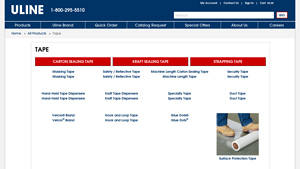
Domain: uline.com
Registered: 1995 (31 years)
Introduction: Uline Tape category page featuring over 20 subcategories including Carton Sealing Tape, Kraft Sealing Tape, Strapping Tape, Masking Tape, Safety/Reflective Tape, Machine Length Carton Sealing Tape, Security Tape, Duct Tape, Double-Sided Tape, Gaffer’s Tape, Anti-Slip Tape, High Temperature Tape, Electrical Tape, Crystal Clear Tape, Thread Sealing Tape, Barricade Tape, Surface Protection Tape, Adhe…
Strategic Sourcing Conclusion and Outlook for Super clear parcel tape
How Can Buyers Balance Cost and Performance When Sourcing Super Clear Parcel Tape?
Strategic procurement requires evaluating material specifications against total cost of ownership rather than unit price alone. Solvent-based acrylic adhesive systems deliver superior UV resistance and non-yellowing properties essential for archival storage and premium retail display, while hot-melt alternatives offer cost-efficient solutions for high-volume logistics operations. Buyers should prioritize biaxially oriented polypropylene (BOPP) films with guaranteed clarity specifications to ensure barcode readability and aesthetic consistency across diverse climate conditions, from humid South American ports to arid Middle Eastern distribution centers.
What Supply Chain Strategies Ensure Consistent Availability Across Global Markets?
Reliable sourcing hinges on partnering with converters offering flexible minimum order quantities and accelerated lead times of 2–3 days for standard stock. Inventory management programs that enable “pay as you pull” arrangements free up critical working capital while ensuring just-in-time delivery to emerging African and Southeast Asian markets. Additionally, private label and contract converting capabilities allow distributors to build brand equity without manufacturing overhead, particularly valuable for European buyers navigating strict packaging compliance and traceability requirements.
Which Material Innovations Will Shape the Future of Transparent Packaging Solutions?
The outlook indicates growing demand for automation-compatible formulations featuring low-noise unwind characteristics suitable for high-speed carton sealing operations. As sustainability mandates tighten across Germany and Vietnam, expect accelerated adoption of recyclable mono-material BOPP constructions and reduced-thickness, high-tensile formulations that maintain 25+ lbs per inch strength while minimizing material consumption and carbon footprint across international supply chains.